31 Kitchen Cleaning Hacks That Save Time Every Day

My kitchen used to look tired by six in the evening, even on days when I had cleaned it in the morning. I would wipe the sink in the morning. Then dishes piled up again by tea time.
I felt like I was always behind. The kitchen never stayed clean for long.
Then I changed how I clean. I started doing small jobs fast, one at a time.
Now my kitchen feels calm most days. It is not perfect, but it is clean enough to cook in.
The tricks in this post are all quick. Most take two or three minutes.
You only need plain soap, water, baking soda, white vinegar, lemon, and salt. You likely have them at home already.
All 31 ideas are in this one post for you. Nothing is held back and nothing is split into parts. You can read them all here today.
1. Sink Shine in Two Minutes
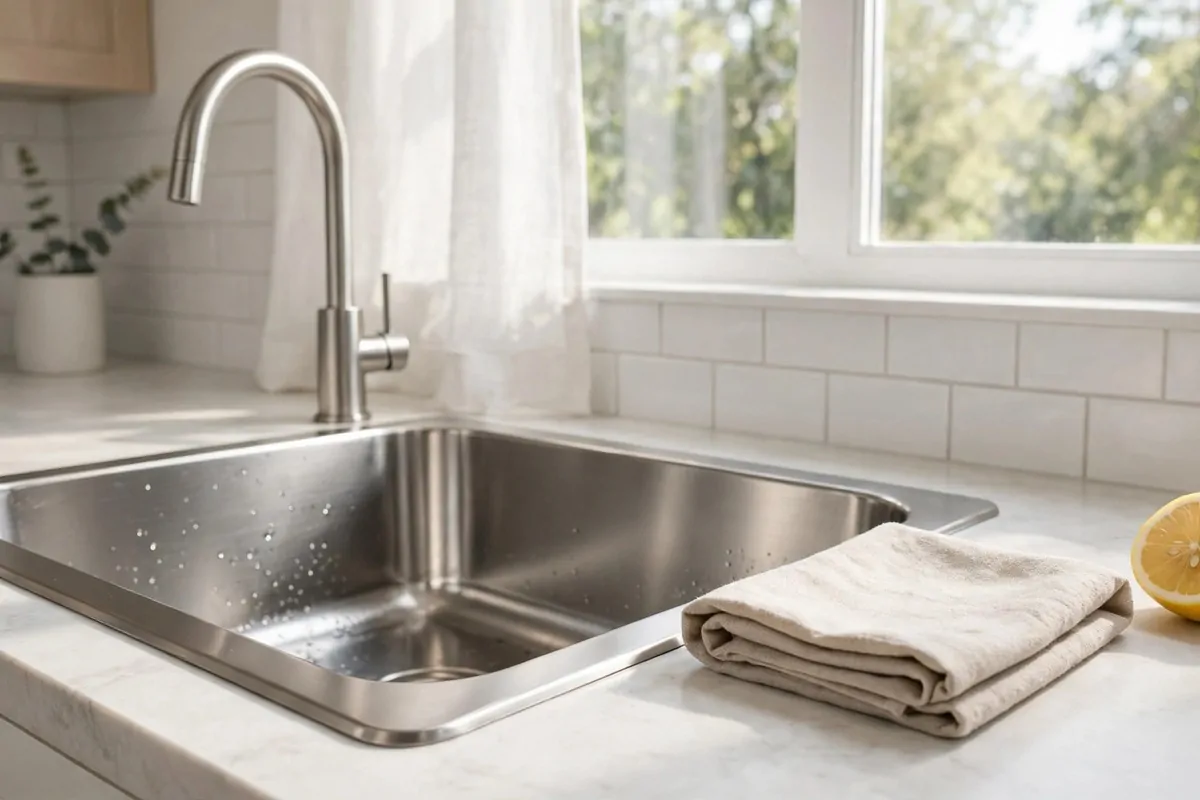
I start with the sink most nights. It is the first thing I see in the morning.
I rinse out food bits first. Then I add a drop of plain soap to a soft cloth.
A soft cloth often cost $3 to $7 to start.
I wipe the whole sink with the cloth. I go around the rim and the taps too.
For dull spots I rub half a lemon over the steel. It lifts marks fast and smells fresh.
I rinse the sink with warm water. Then I dry it with a clean dry cloth.
A dry sink looks bright in the morning. It also stops water spots from forming.
I do this after the last wash up. It takes me about two minutes.
Try it tonight after dinner. You will notice the change when you walk in tomorrow.
2. Stove Top Wipe While It Is Still Warm
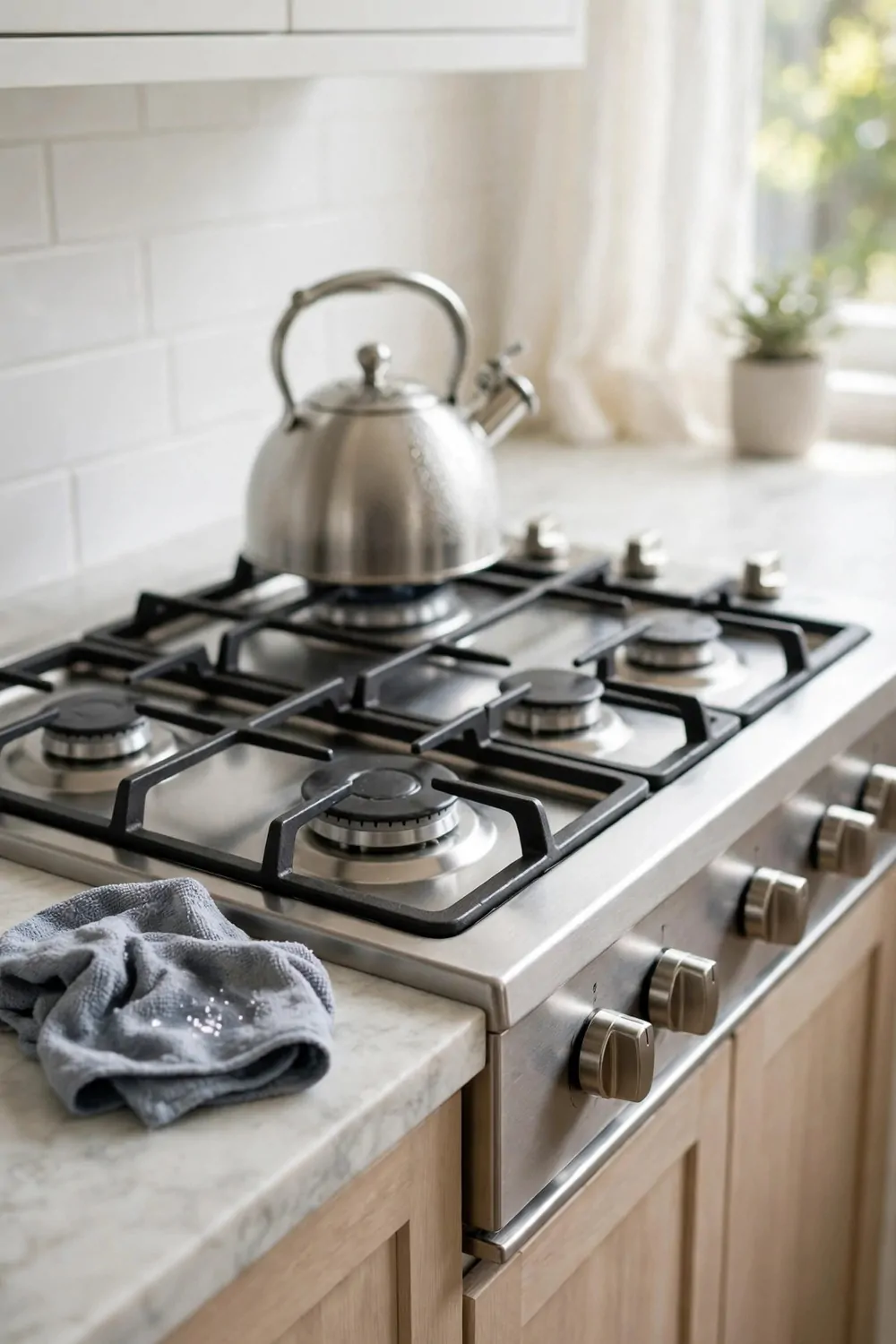
I wipe my stove top while it is still a bit warm. Cold grease is much harder to shift.
I wait till I can touch it safe. Never wipe a very hot stove top.
I use a damp cloth with a drop of plain soap. I wipe in small circles.
Stuck food softens fast in the warmth. I lift it with the cloth, not a sharp tool.
A damp cloth often cost $3 to $6 to start.
I rinse the cloth and wipe again. I want no soap left on the top.
Then I dry it with a clean towel. A dry top stays clean longer.
I do the knobs too if they feel sticky. A quick wipe stops them from getting sticky again.
This small wipe saves a big scrub later. Your stove will look fresh in the morning.
3. Oven Door Glass Clear With Baking Soda Paste
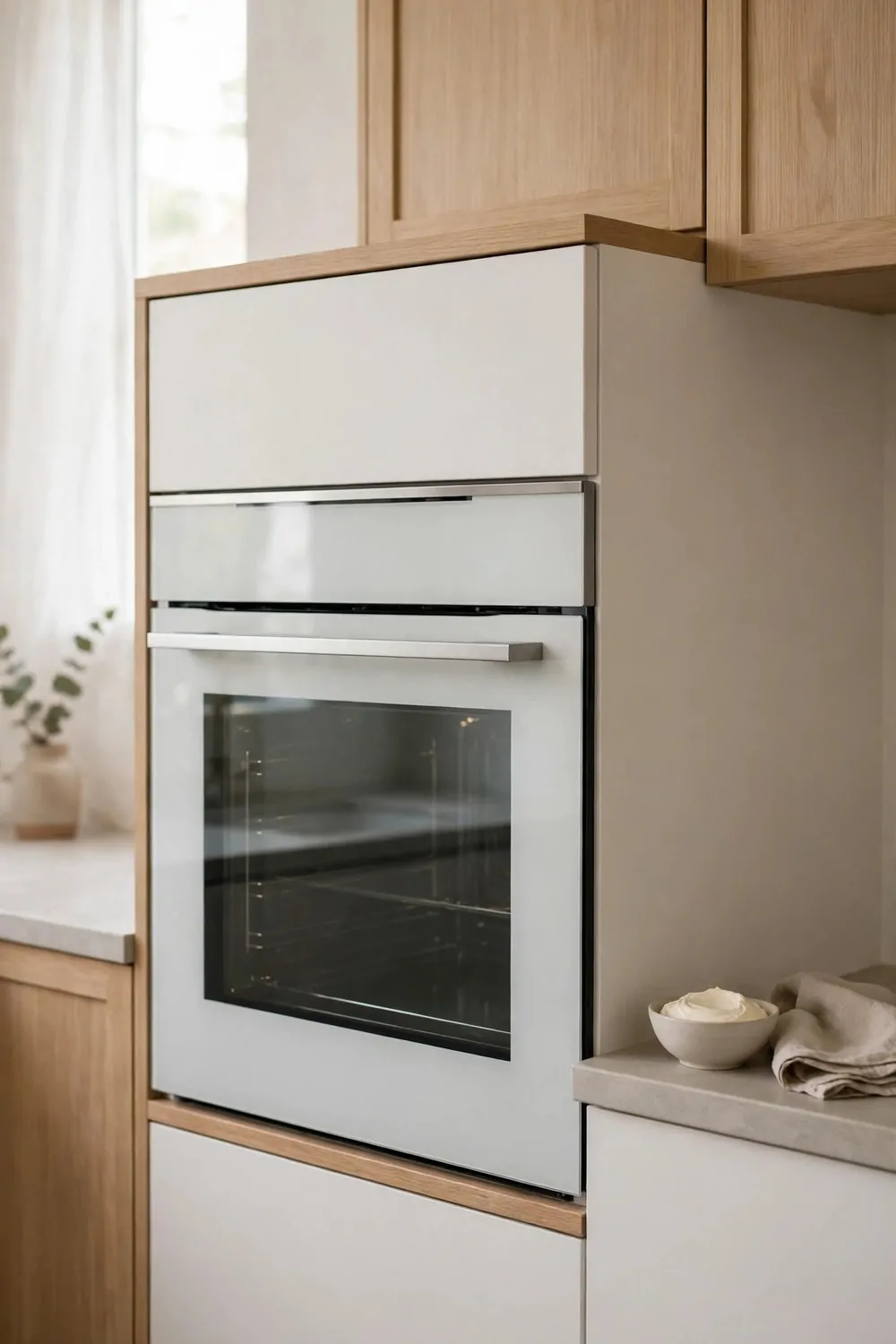
My oven door glass used to look cloudy. I could not see my food bake inside.
A box of baking soda often cost $2 to $5 to start.
I mix baking soda with a little water. I stir it till it looks like thick paste.
I spread the paste on the glass with a soft cloth. I leave it for ten minutes.
Then I wipe it off with a damp cloth. I rinse the cloth a few times as I go.
The brown marks lift off with the paste. I do not need to scrub hard.
I dry the glass with a clean towel. Now I can see right through it.
I do this once a week. It keeps the door clear and bright.
Try it on a cool oven only. Never put paste on a hot door.
4. Fridge Shelf Wipe One Shelf a Day
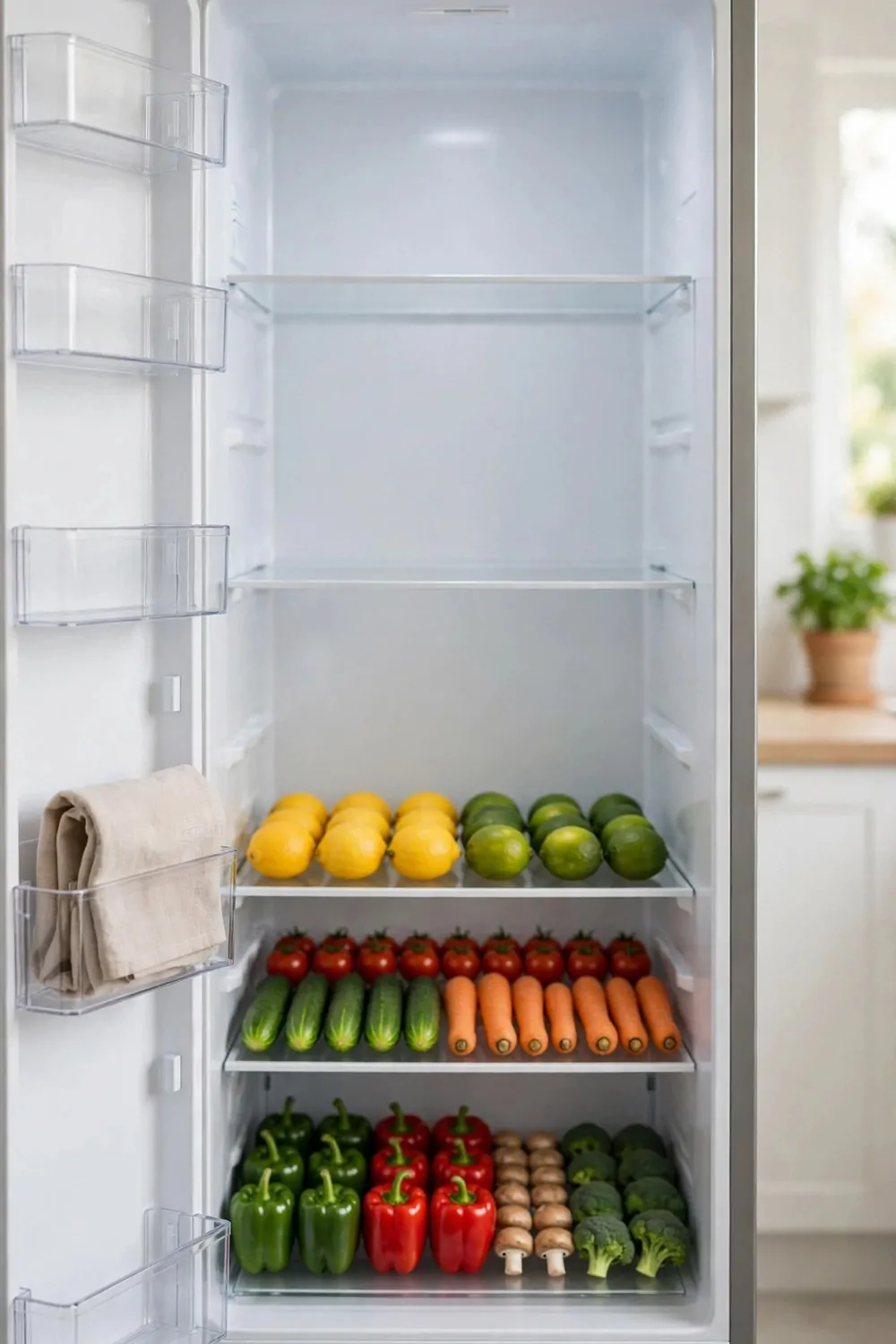
I used to clean my whole fridge at once. It took ages and I hated it.
Now I wipe one shelf a day. It feels easy and it stays fresh.
I take food off one shelf only. I put it on the worktop for a minute.
I wipe the shelf with warm soapy water. I get the front edge too.
If a jar leaked I wipe the sticky spot first. Warm water lifts it fast.
I dry the shelf with a clean cloth. Then I put the food back neat.
A clean cloth often cost $3 to $7 to start.
I check dates as I put things back. Old sauce jars go out that day.
One shelf a day means no big job. Your fridge stays fresh all week.
5. Microwave Steam Clean With a Lemon Bowl
My microwave gets splashes fast. Soup and sauce leave spots on the walls.
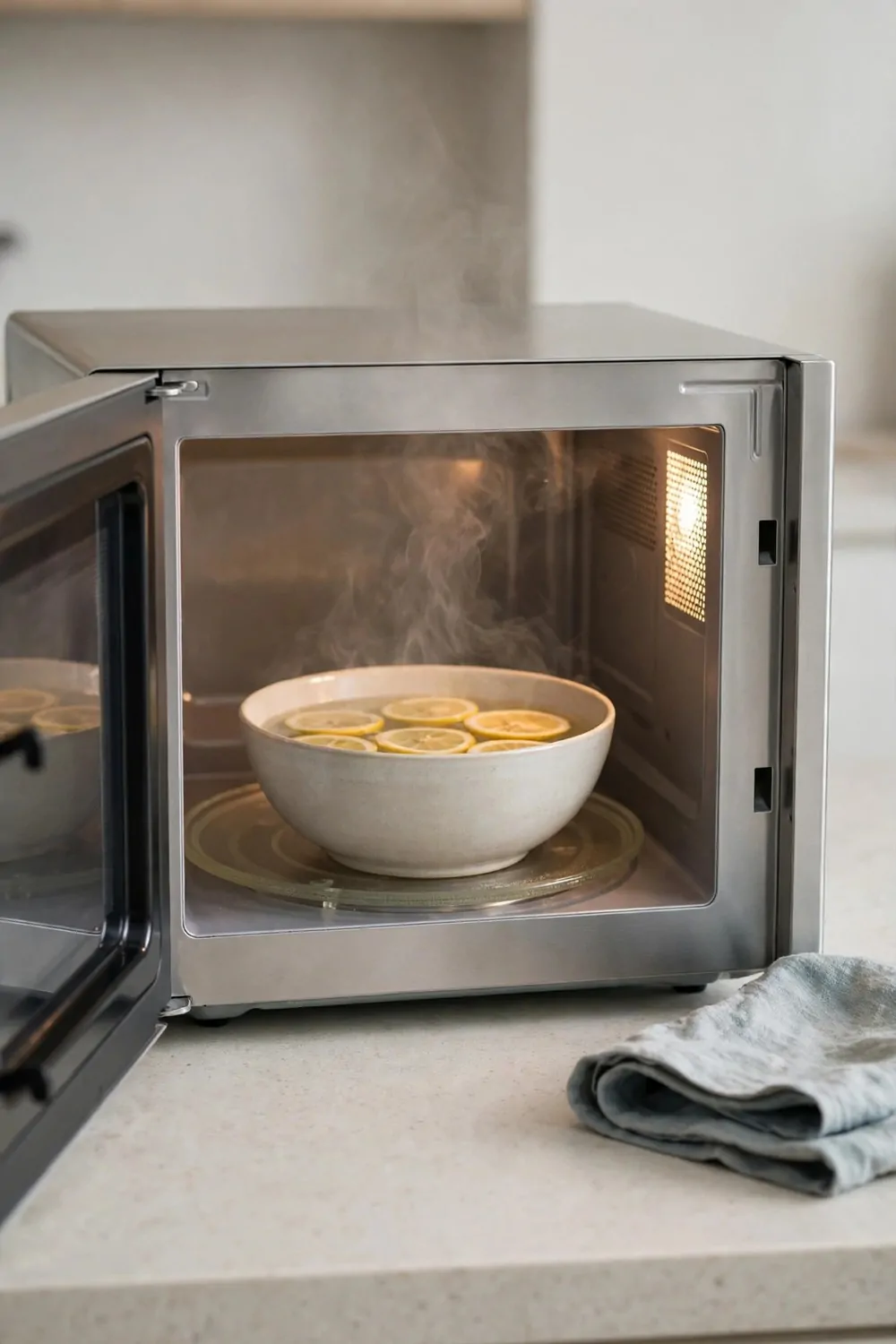
I fill a bowl with water and lemon slices. I put it in the microwave.
I heat it for three minutes. The steam fills the inside and loosens the mess.
A lemon often cost $1 to $3 to start.
I wait a minute before I open the door. The steam is hot so I am careful.
Then I wipe the inside with a cloth. The soft spots come off with one wipe.
I wipe the door and the floor of the microwave too. I dry it with a clean towel.
The lemon leaves a fresh smell. No harsh smell stays in the air.
I do this twice a week. It keeps the microwave clean with no scrub.
6. Kettle Descale With White Vinegar
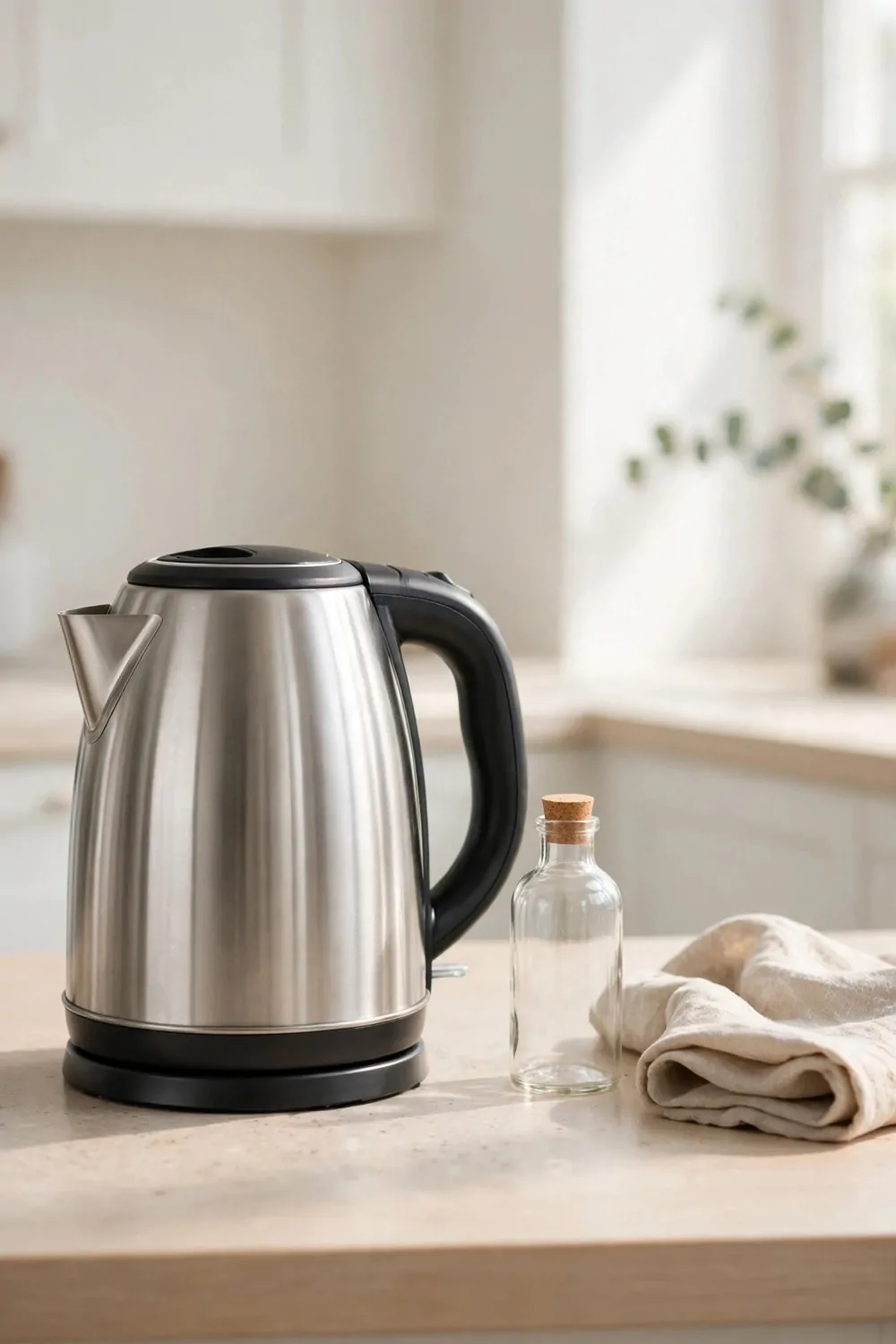
My kettle had white marks inside. The water took longer to boil.
I pour in white vinegar and water, half and half. I fill it to the middle mark.
I boil the mix once. Then I leave it to sit for twenty minutes.
The white marks start to lift on their own. I do not need to scrub inside.
I pour the mix out and rinse well. I rinse three times with clean water.
A bottle of white vinegar often cost $2 to $4 to start.
Then I boil fresh water once and pour it out. This clears any vinegar taste.
I wipe the outside of the kettle too. It looks new again.
I do this once a month. Your kettle will boil fast and clean.
7. Tap Shine With a Lemon Half
My taps had dull water marks. They never looked clean even after a wipe.
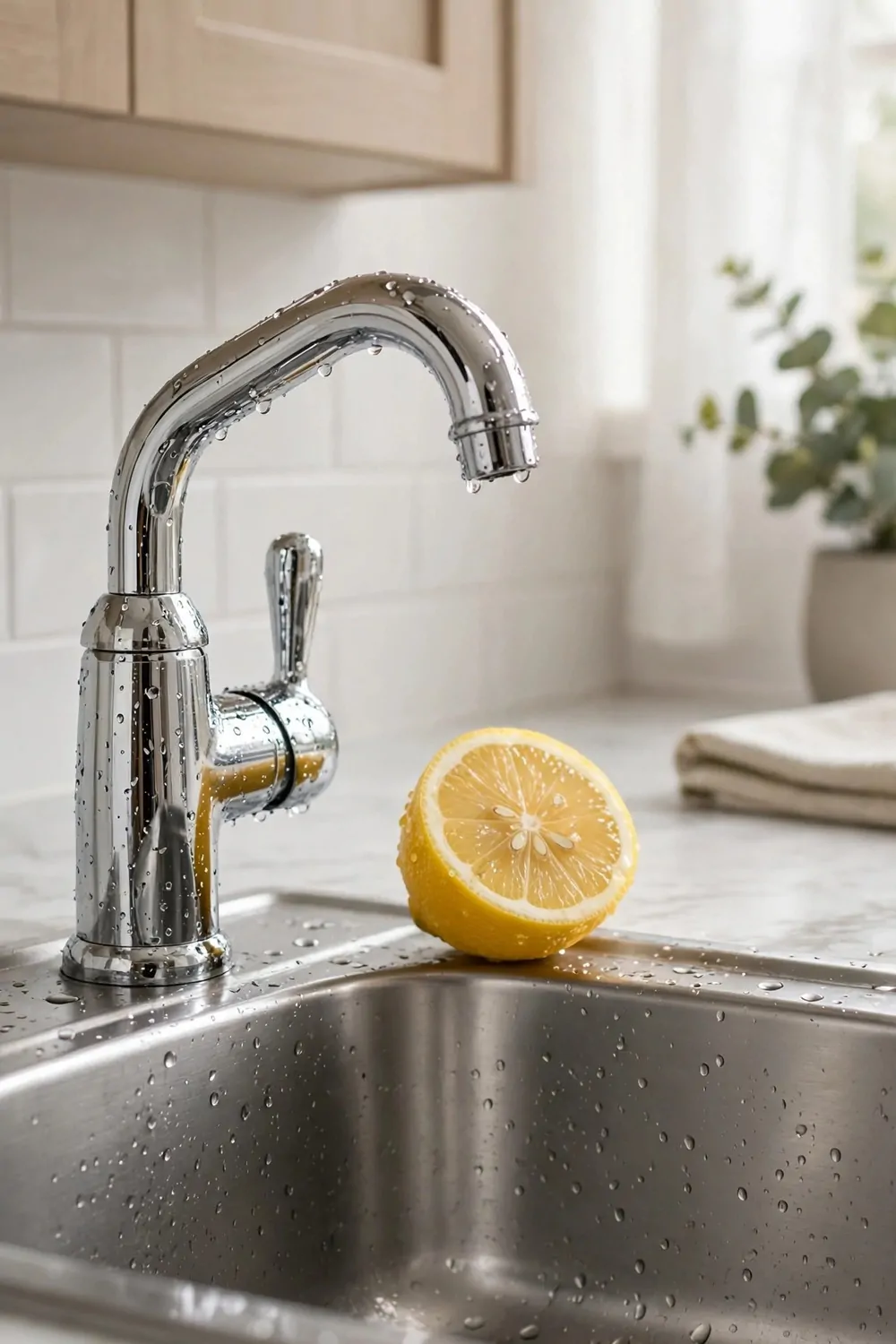
I cut a lemon in half. I rub the cut side over the tap.
The lemon juice lifts the marks fast. I rub the spout and the base too.
I leave the juice on for two minutes. It works while I wipe the sink.
Then I rinse with warm water. I dry the tap with a soft cloth.
The steel looks bright again. It shines when the light hits it.
I do this after I wash dishes. It adds less than a minute to the job.
A lemon often cost $1 to $2 to start.
Try it on your kitchen tap tonight. You will see the shine right away.
8. Chopping Board Refresh With Lemon and Salt
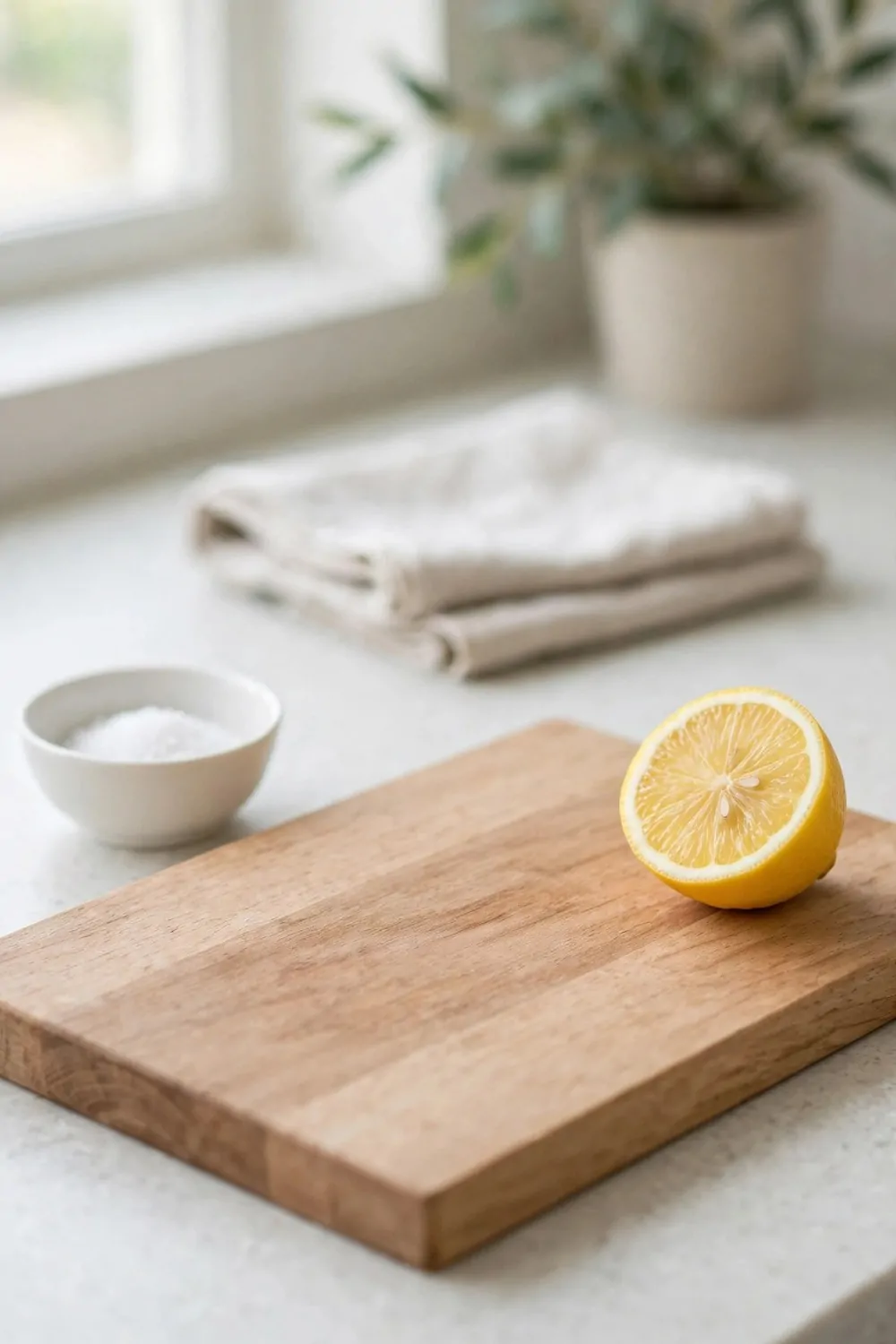
My wood board smelled of onion and garlic. Soap alone did not clear it.
I sprinkle salt over the board. I use plain table salt from the cupboard.
Then I rub half a lemon over the salt. I press down and go in circles.
The salt scrubs the top soft. The lemon freshens the smell.
I leave it for five minutes. Then I rinse with warm water.
I wash it with plain soap after that. I rinse it well.
I dry the board standing up. Air helps it dry fully.
I do this once a week. It keeps the board fresh and clean.
A box of table salt often cost $1 to $3 to start.
9. Bin Freshen With Baking Soda
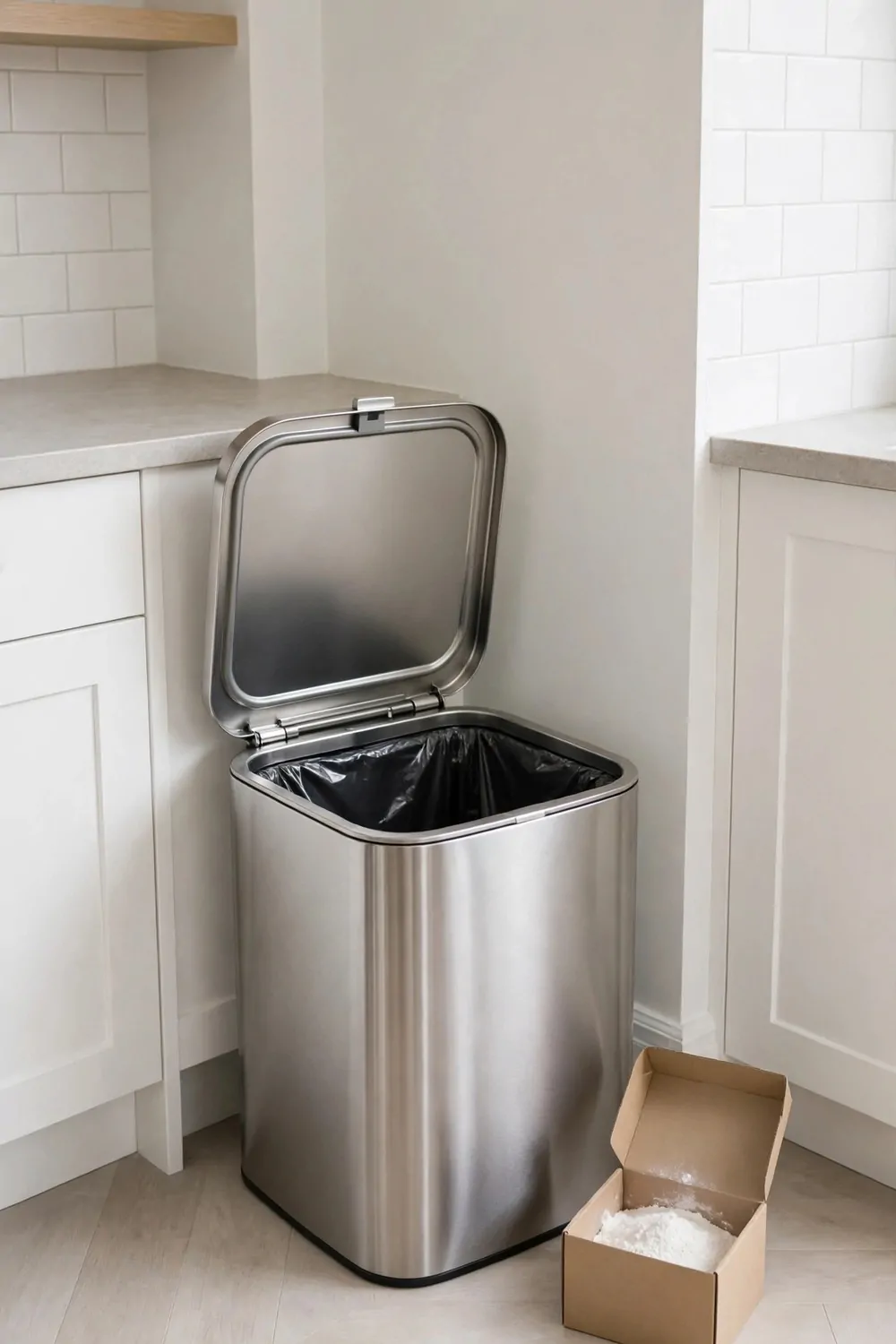
My kitchen bin smelled bad by midweek. Even with a fresh bag it smelled.
A box of baking soda often cost $2 to $5 to start.
I sprinkle baking soda in the bottom of the bin. I use two big spoonfuls.
The powder soaks up smells through the day. It sits under the bag and works quiet.
I wipe the bin lid with soapy water too. Sticky bits live on the lid.
I dry the bin before I put a new bag in. A dry bin smells less.
I add fresh baking soda each time I change the bag. It takes ten seconds.
Now my bin smells plain and clean. I notice it when I open the lid.
Try this on your next bag change. It is the easiest fresh trick I know.
10. Dishwasher Door and Seal Wipe
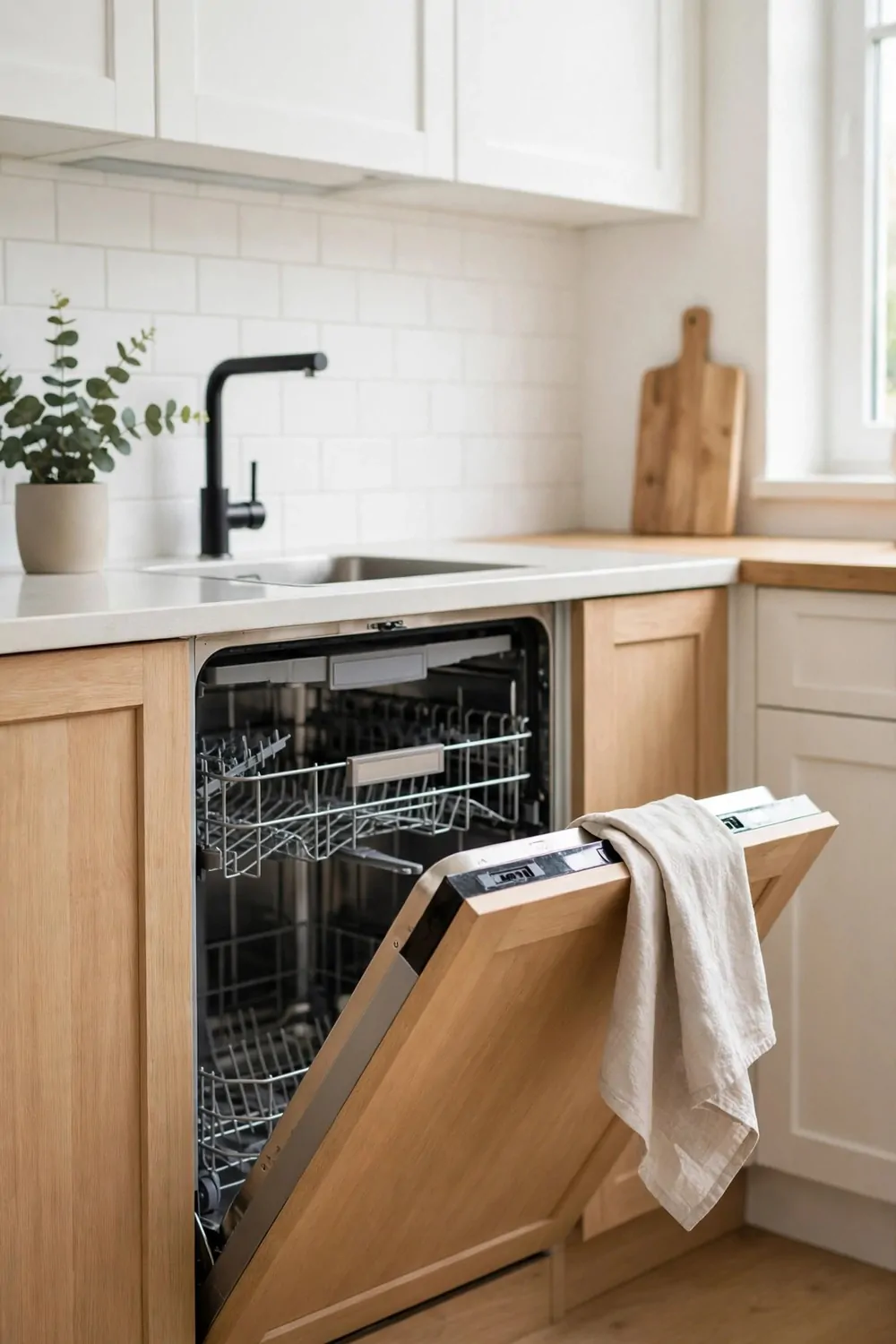
My dishwasher door had grey marks round the edge. The seal felt sticky too.
I wipe the door front with warm soapy water. I use a soft cloth so I do not scratch it.
Then I open the door and wipe the seal. I lift the fold and wipe inside it.
A soft cloth often cost $3 to $6 to start.
Food bits hide in that fold. Warm water lifts them out easy.
I dry the seal with a clean towel. A dry seal stays fresh longer.
I wipe the buttons and handle too. They get sticky from hands.
I do this once a week. It takes three minutes at most.
Your dishwasher will look clean outside and in. It is a small job that leaves the whole dishwasher looking fresh.
| Idea | Typical Cost |
|---|---|
| Sink Shine in Two Minutes | $3 to $7 |
| Stove Top Wipe While It Is Still Warm | $3 to $6 |
| Oven Door Glass Clear With Baking Soda Paste | $2 to $5 |
| Fridge Shelf Wipe One Shelf a Day | $3 to $7 |
| Microwave Steam Clean With a Lemon Bowl | $1 to $3 |
| Kettle Descale With White Vinegar | $2 to $4 |
| Tap Shine With a Lemon Half | $1 to $2 |
| Chopping Board Refresh With Lemon and Salt | $1 to $3 |
| Bin Freshen With Baking Soda | $2 to $5 |
| Dishwasher Door and Seal Wipe | $3 to $6 |
11. Worktop Wipe in One Pass
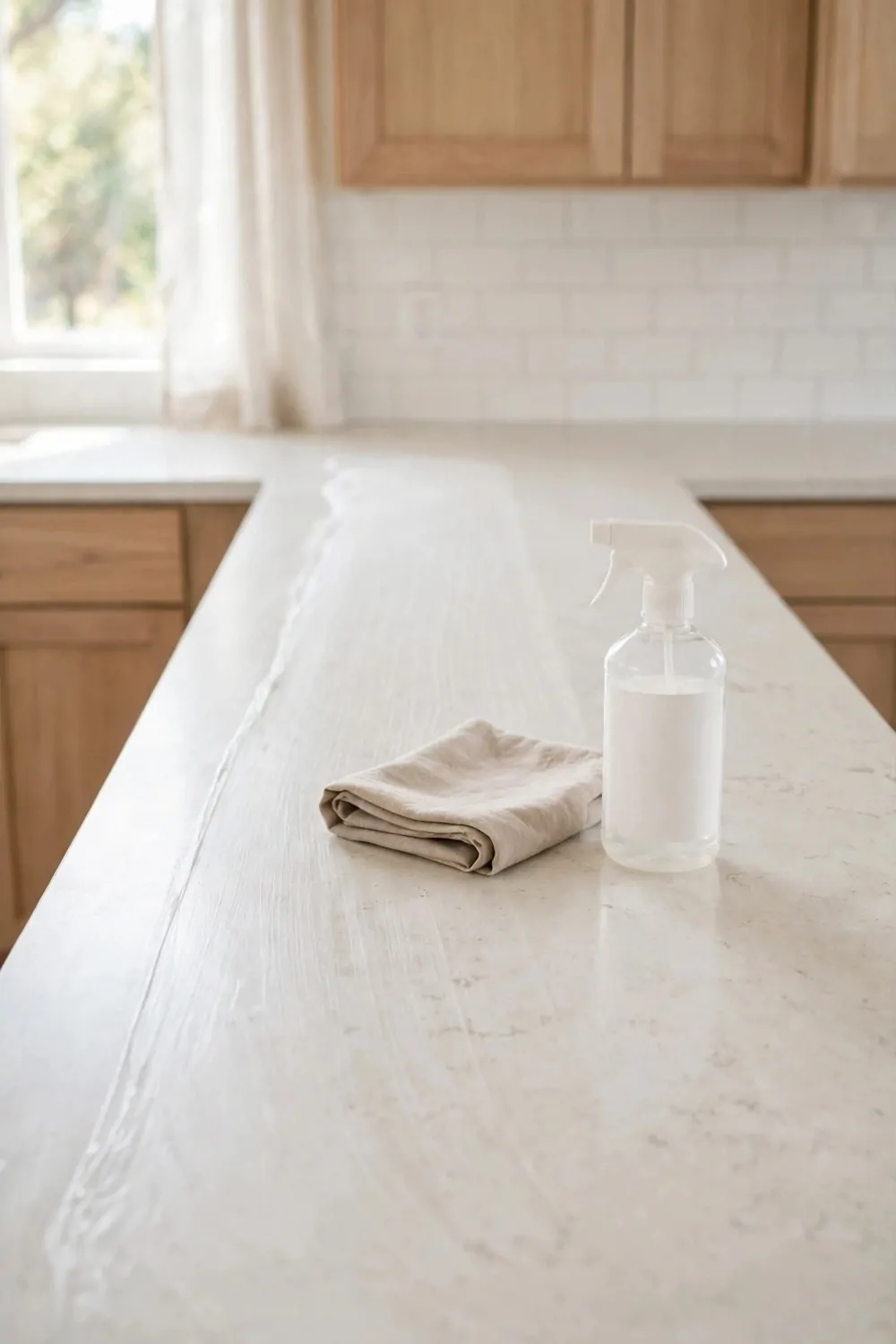
I used to wipe my worktop in bits. I missed spots and crumbs stayed behind.
Now I clear the whole top first. I move jars and boards to one side.
I wipe from the back to the front in one pass. I go left to right in rows.
I fill a spray bottle with warm soapy water. I spray the top and wipe with a cloth.
I rinse the cloth and wipe once more. This takes the soap off the top.
A spray bottle often cost $2 to $5 to start.
Then I dry the top with a clean towel. A dry top is ready for cooking.
I do this after every meal. One pass keeps it clean all day.
Try the back to front pass tonight. You will miss fewer spots.
12. Grease Spots on the Wall Behind the Stove
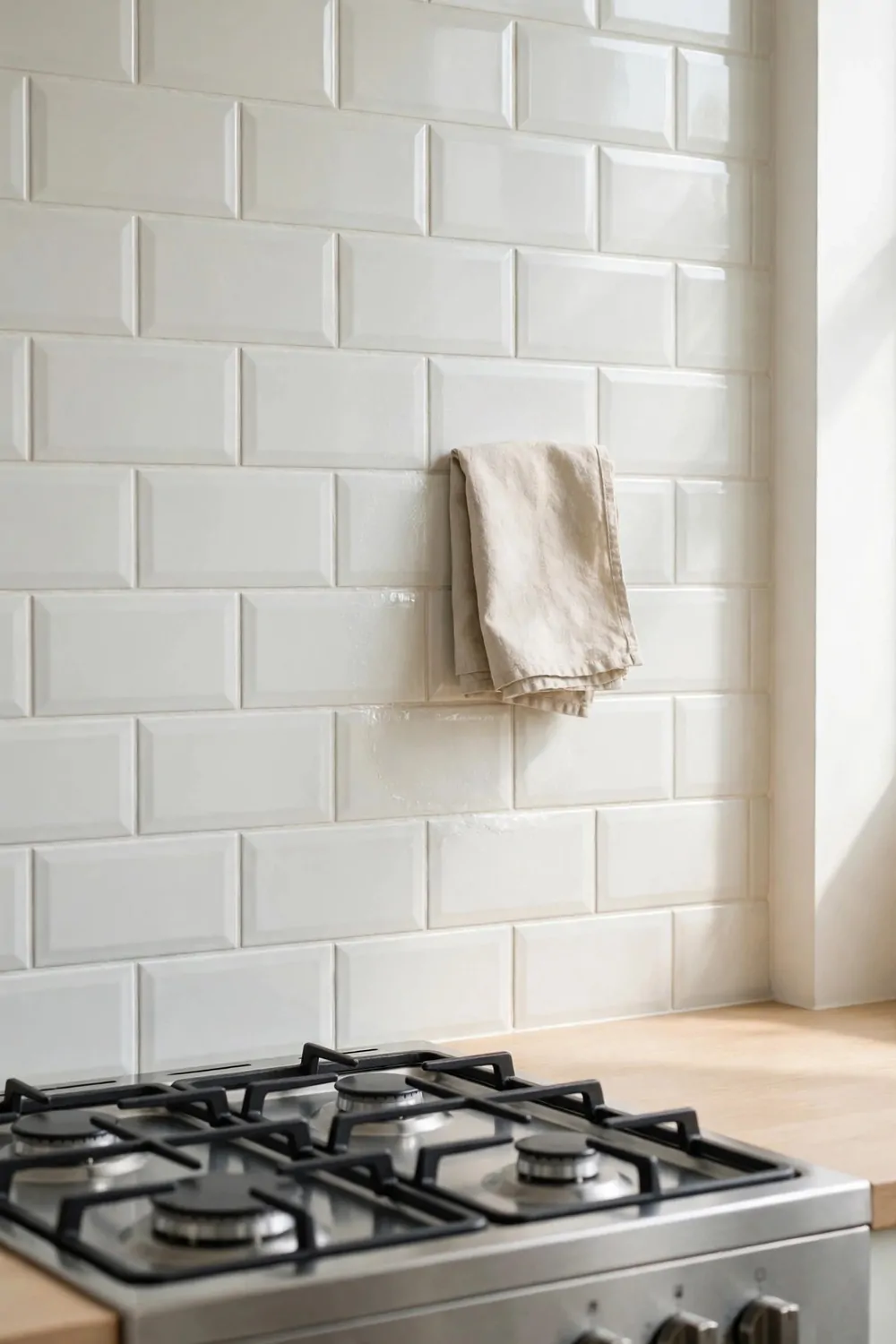
The wall behind my stove had grease spots. They built up from frying and steam.
I mix warm water with a drop of plain soap. I dip a cloth in it and wring it out.
A soft cloth often cost $3 to $7 to start.
I wipe the spots soft and slow. I do not scrub hard on the paint.
For tough spots I add baking soda paste on the cloth. I rub the spot in small circles.
I rinse the cloth and wipe again. The soap and paste come off the wall.
I dry the wall with a clean towel. It looks fresh and bright again.
I wipe this wall twice a week. It stops grease from building up.
Do it while the stove is cool. Never wipe a hot wall near the burners.
13. Spice Jar Tops Wipe
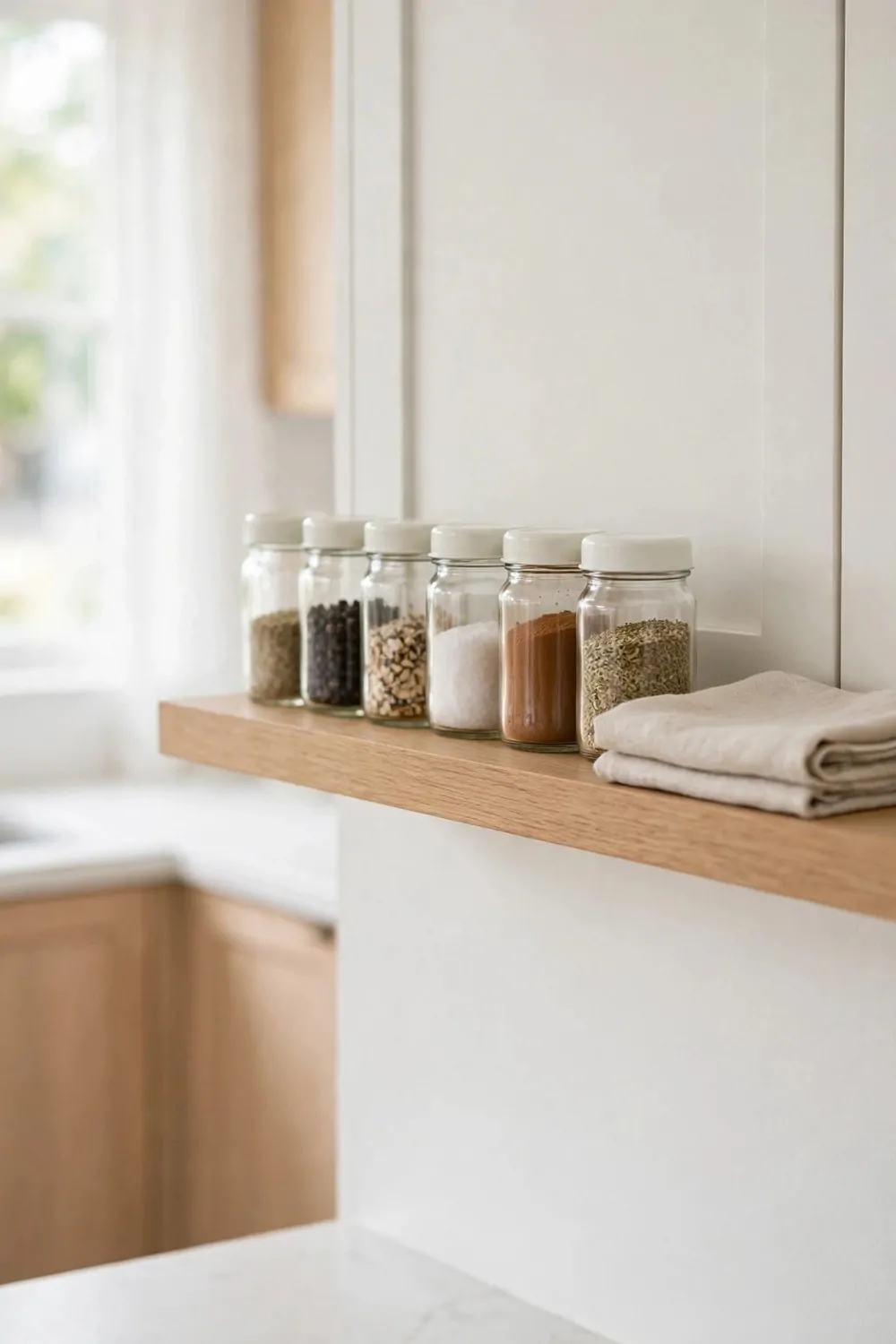
My spice jars had dusty tops. The lids felt sticky from cooking steam.
I take the jars off the shelf one row at a time. I put them on a clean towel.
I wipe each lid with a damp cloth. I wipe the jar sides too.
If a lid is sticky I add a drop of plain soap. Warm water lifts the stick fast.
A damp cloth often cost $3 to $6 to start.
I dry each jar before it goes back. Wet jars slip on the shelf.
I check the labels as I wipe. Faded labels get a fresh note on top.
I do one row each week. All the jars get clean over the month.
Clean jars make cooking easy. You can find what you need in seconds.
14. Bread Bin Wipe Out
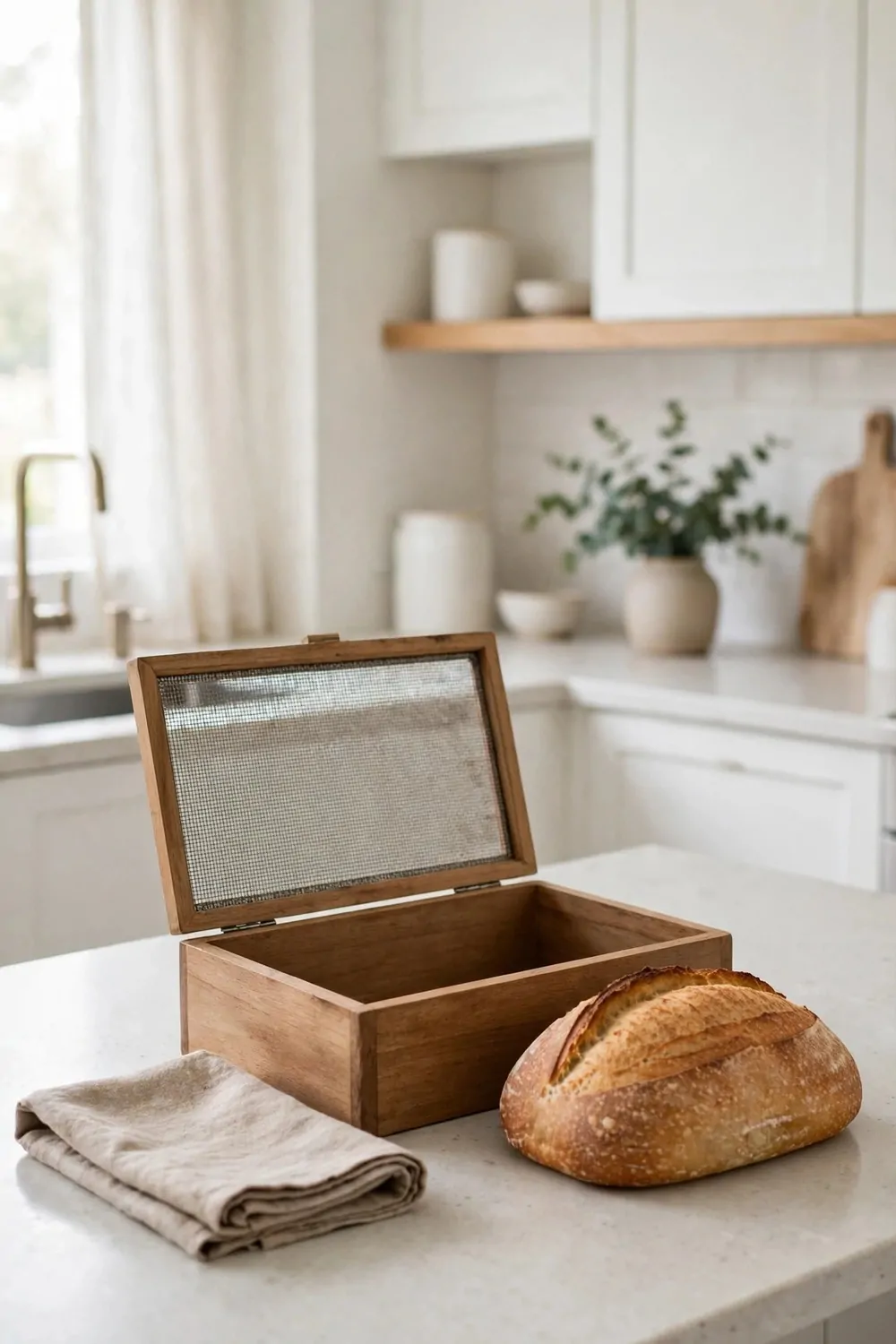
My bread bin had crumbs in the corners. Old crumbs made it smell stale.
I take the bread out first. I shake the crumbs into a rubbish bag.
I wipe the inside with warm soapy water. I get the corners and the lid.
I rinse the cloth and wipe again. I want no soap left inside.
I dry it well with a clean towel. A dry bin keeps bread fresh longer.
I leave the lid open for ten minutes. Air helps it dry fully.
A clean towel often cost $4 to $8 to start.
Then I put the bread back neat. The bin smells plain and clean.
I wipe it out once a week. Fresh bread starts with a clean bin.
15. Toaster Crumb Tray Empty
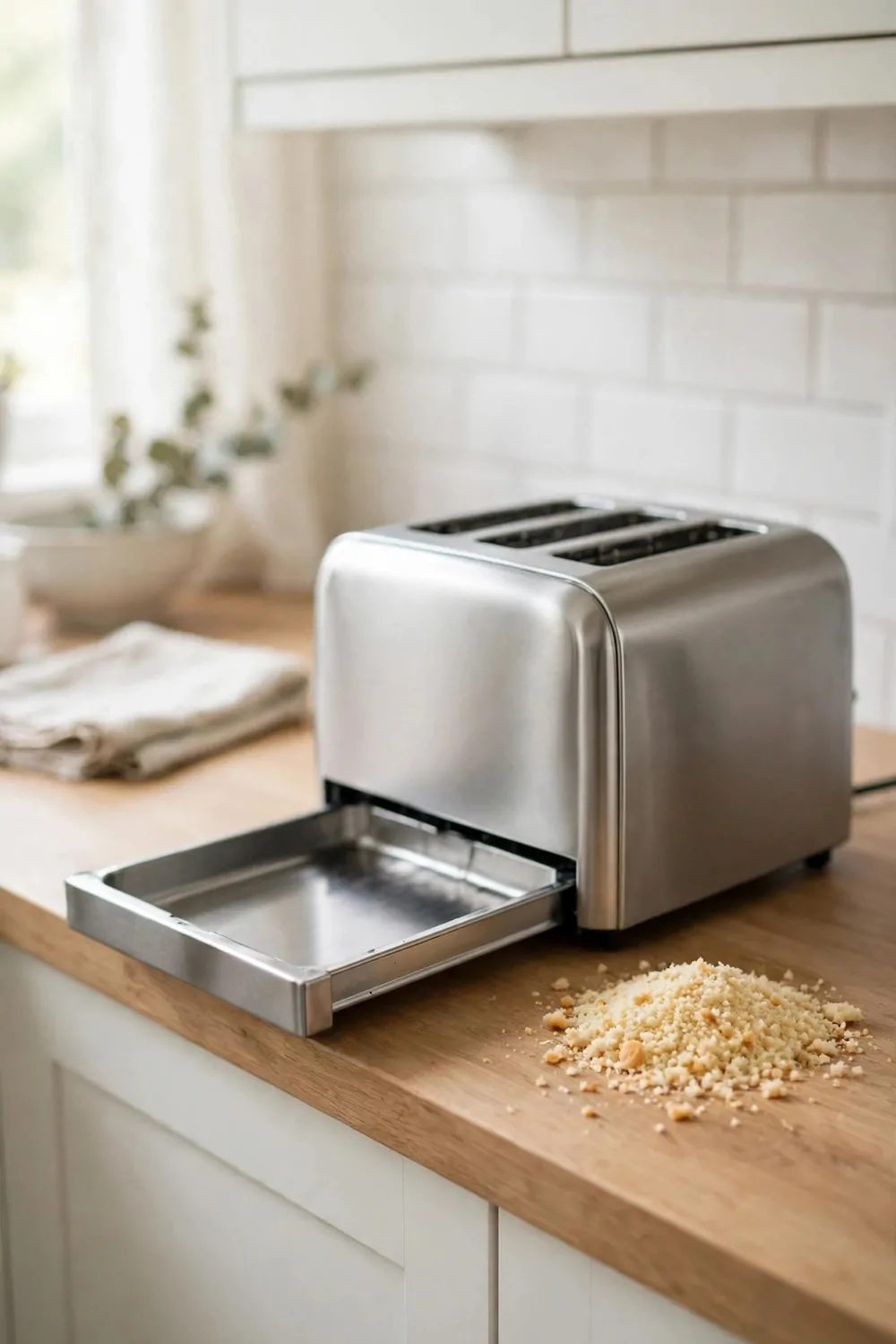
My toaster had crumbs stuck inside. It smelled burnt when I used it.
I pull out the crumb tray at the bottom. I do this over the sink.
I tap the tray soft to drop the crumbs out. I wipe it with a dry cloth.
If crumbs stick I wash the tray with soapy water. I dry it fully before it goes back.
I wipe the outside of the toaster too. Crumbs sit on the top as well.
I shake the toaster soft over the sink once. More crumbs fall out that way.
I put the tray back in place. It should slide in smooth.
A dry cloth often cost $3 to $6 to start.
I empty the tray once a week. Your toast will smell fresh, not burnt.
16. Kettle and Toaster Bases Wipe
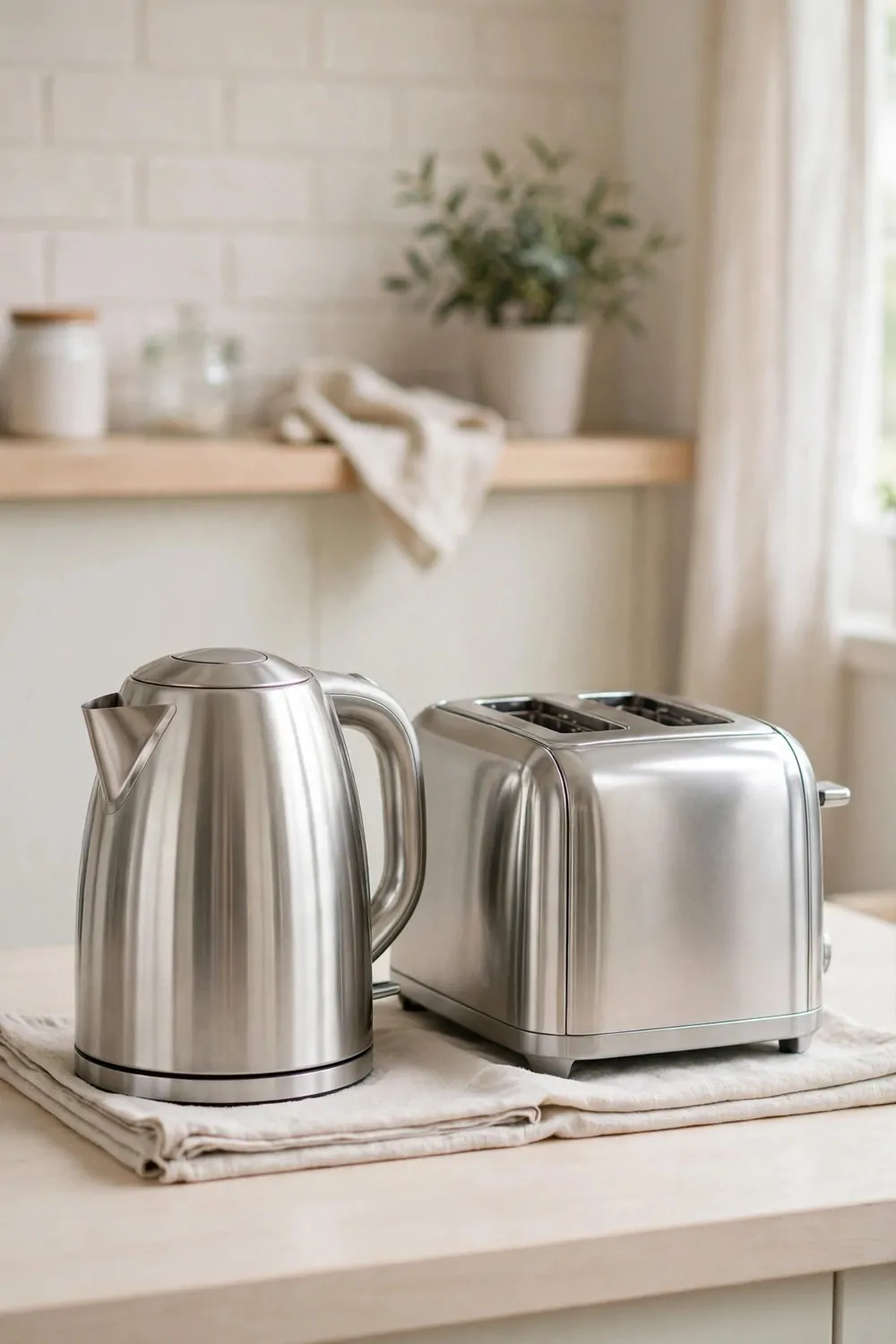
The bases of my kettle and toaster got dusty. They sat on the worktop and picked up grease.
I unplug both before I wipe them. I never wipe them while they are plugged in.
I wipe the bases with a damp cloth and plain soap. I wipe the sides too.
A damp cloth often cost $3 to $5 to start.
I wipe round the cord area with care. I keep the cloth away from the plug.
I dry both with a clean towel. A dry base looks neat on the worktop.
I wipe under them too. Crumbs hide under the kettle and the toaster.
I do this once a week. It keeps the corner of the worktop clean.
Try it this weekend. Clean bases make the whole corner look fresh.
17. Fridge Door Handles and Seals
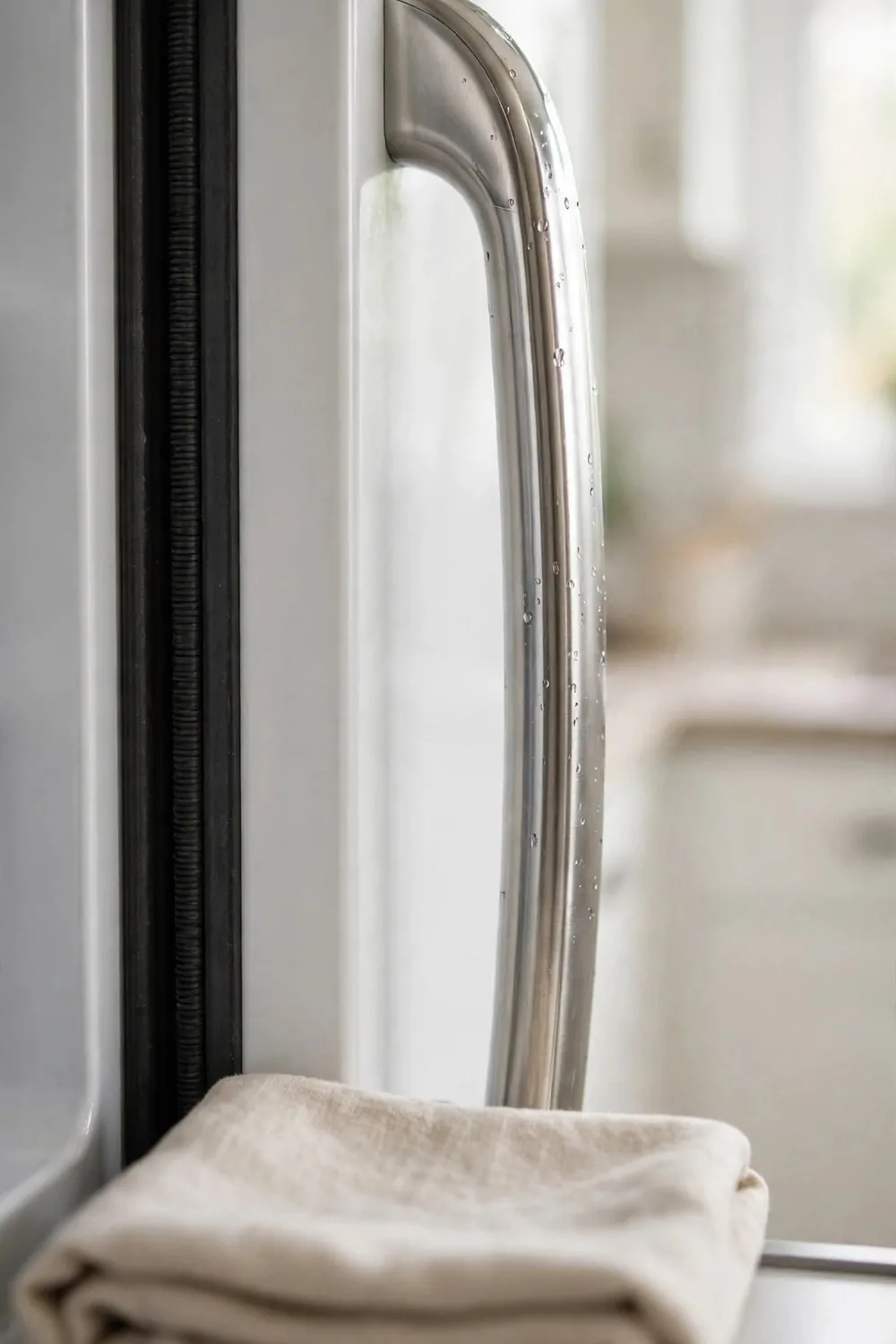
I wipe my fridge handles first thing in the morning.
A pack of microfibre cloths often cost $4 to $8 to start. I keep one cloth just for the fridge.
I wet the cloth with warm water and a drop of plain soap. I wring it out till it feels damp, not wet. I flip the cloth to a clean side for the next wipe.
I wipe the top handle, then the bottom handle. I go slow round the curved ends where dirt hides.
I lift the rubber seal round the door with my finger.
Crumbs and old milk drops often sit in those folds. I wipe them out and the seal smells fresh again.
I dry the handles with a clean dry cloth. A dry handle stays clean for longer and feels nice to touch. I check the seal edge once more before I finish.
I check the seal for torn spots while I wipe. A good seal keeps the cold air in and the food fresh.
I do this quick job twice a week.
18. Cutlery Drawer Wipe and Sort
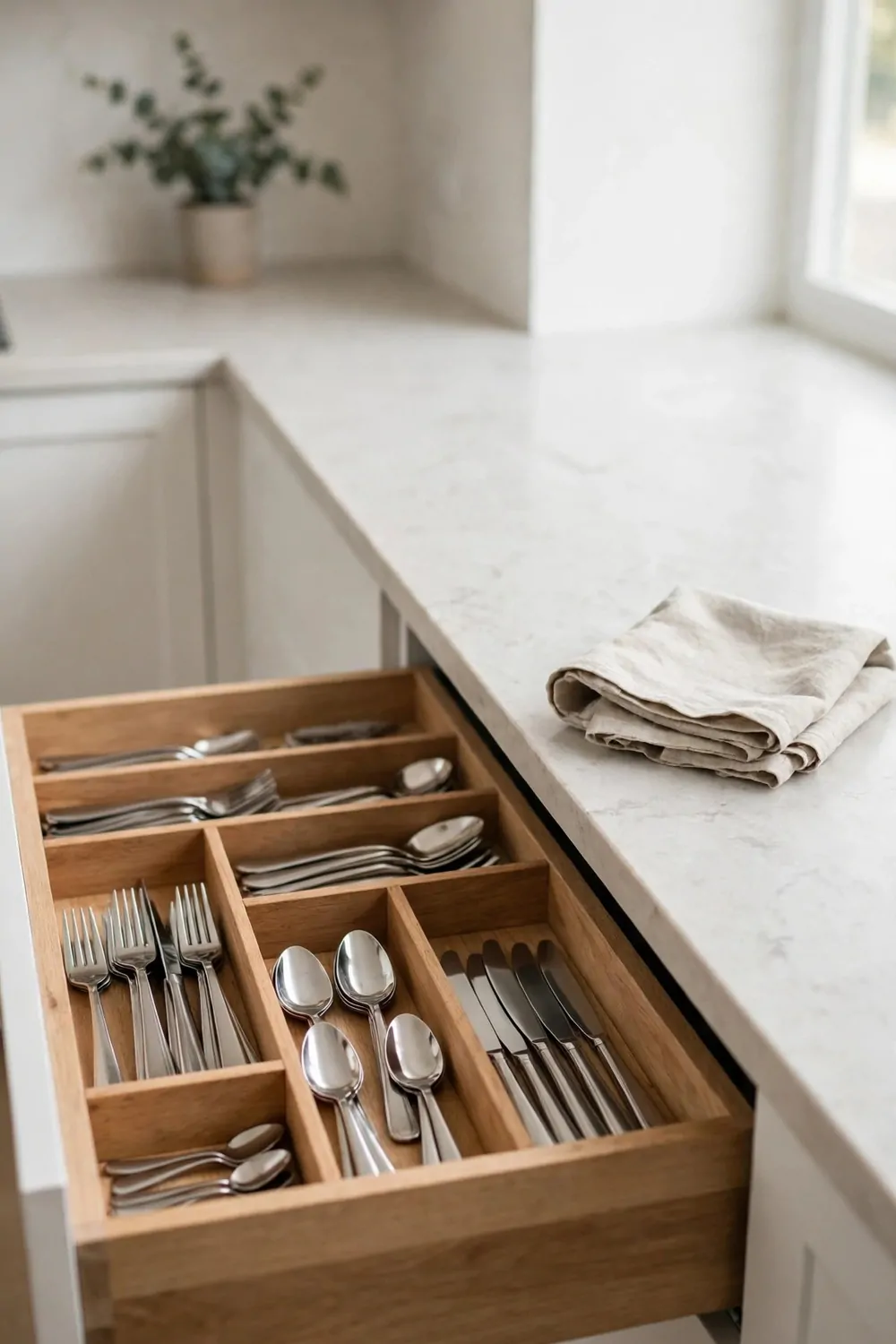
I pull my cutlery drawer right out when I have a spare minute.
I tip the forks and spoons into a clean bowl. I shake the tray over the bin to drop the loose bits.
I wipe the drawer base with a damp cloth and plain soap. I get into the corners with the tip of the cloth. I wipe the small tray slots where crumbs sit.
I dry the base well before I put the tray back. A dry drawer stops the tray from sliding about.
A cutlery tray often cost $5 to $9 to start.
I sort the forks in one box and the spoons in the next. I put the small teaspoons at the front where I can reach them.
I check for a bent fork or a dull knife as I sort. I put the bent ones in a small pile to fix later. I put the sharp knives at the back, out of easy reach.
I wipe each handle quick as I put it back. Clean handles make the whole drawer feel fresh.
I slide the drawer shut and smile at the neat rows.
19. Pot Lids Rack Wipe
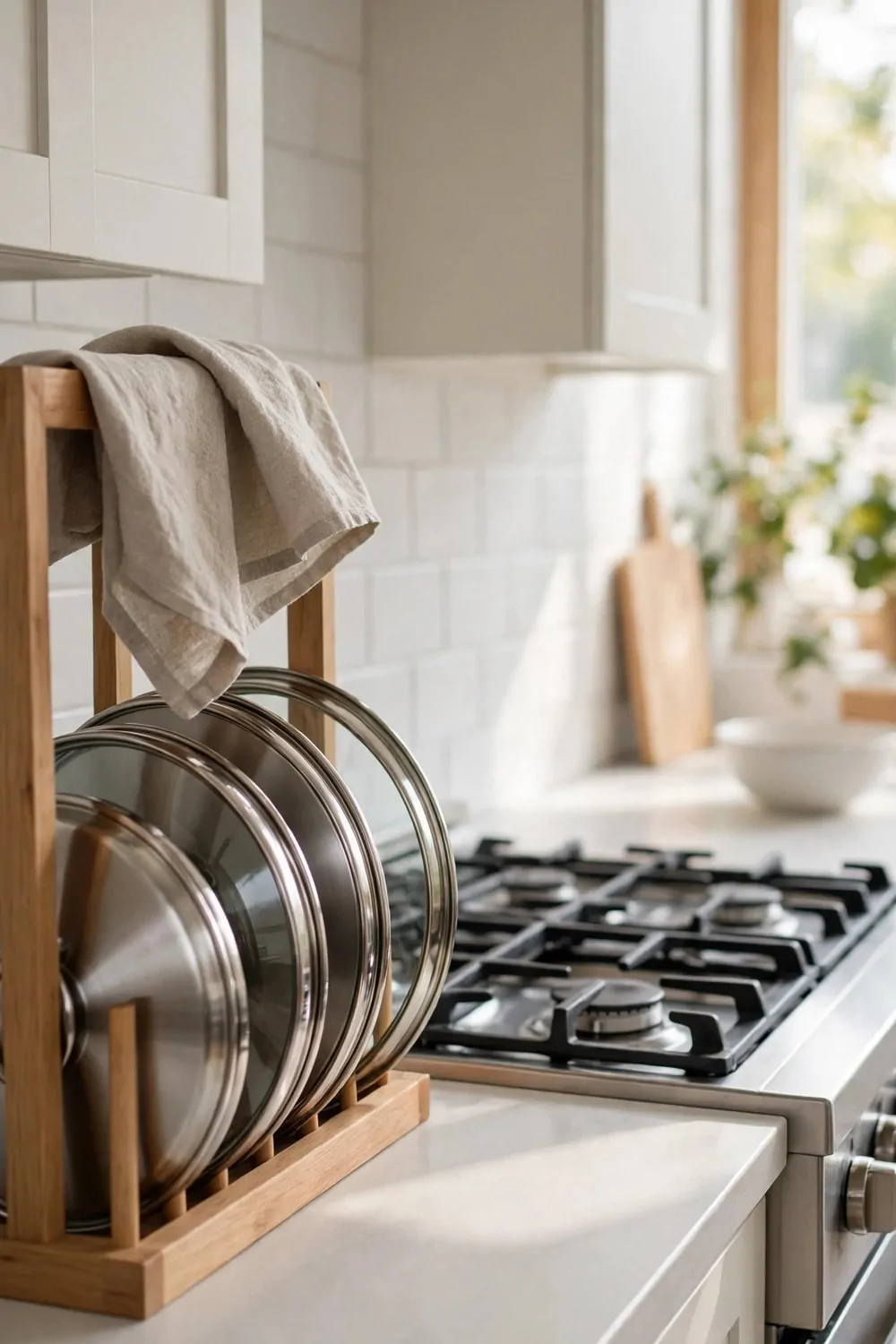
My pot lids live on a small rack by the cooker.
I lift each lid off the rack one by one. I wipe the rack bars with a damp cloth and plain soap.
A pot lid rack often cost $8 to $14 to start. I like a rack that holds the lids upright and apart. I wipe the lid rims too, as steam leaves marks there.
I wash each lid in warm soapy water in the sink. I dry them well so no water drops sit on the glass.
I wipe round the knobs on top of each lid.
I put the big lids at the back of the rack. I put the small lids at the front for quick grabs.
I check the rack feet for crumbs and dust. I wipe the shelf under the rack too, as it gets splashed a lot. I wipe the shelf edge while the lids are off.
I leave a small gap between each lid. Air can move round them and they dry fast.
This job takes five minutes on a quiet afternoon.
20. Sink Drain Fresh With Baking Soda
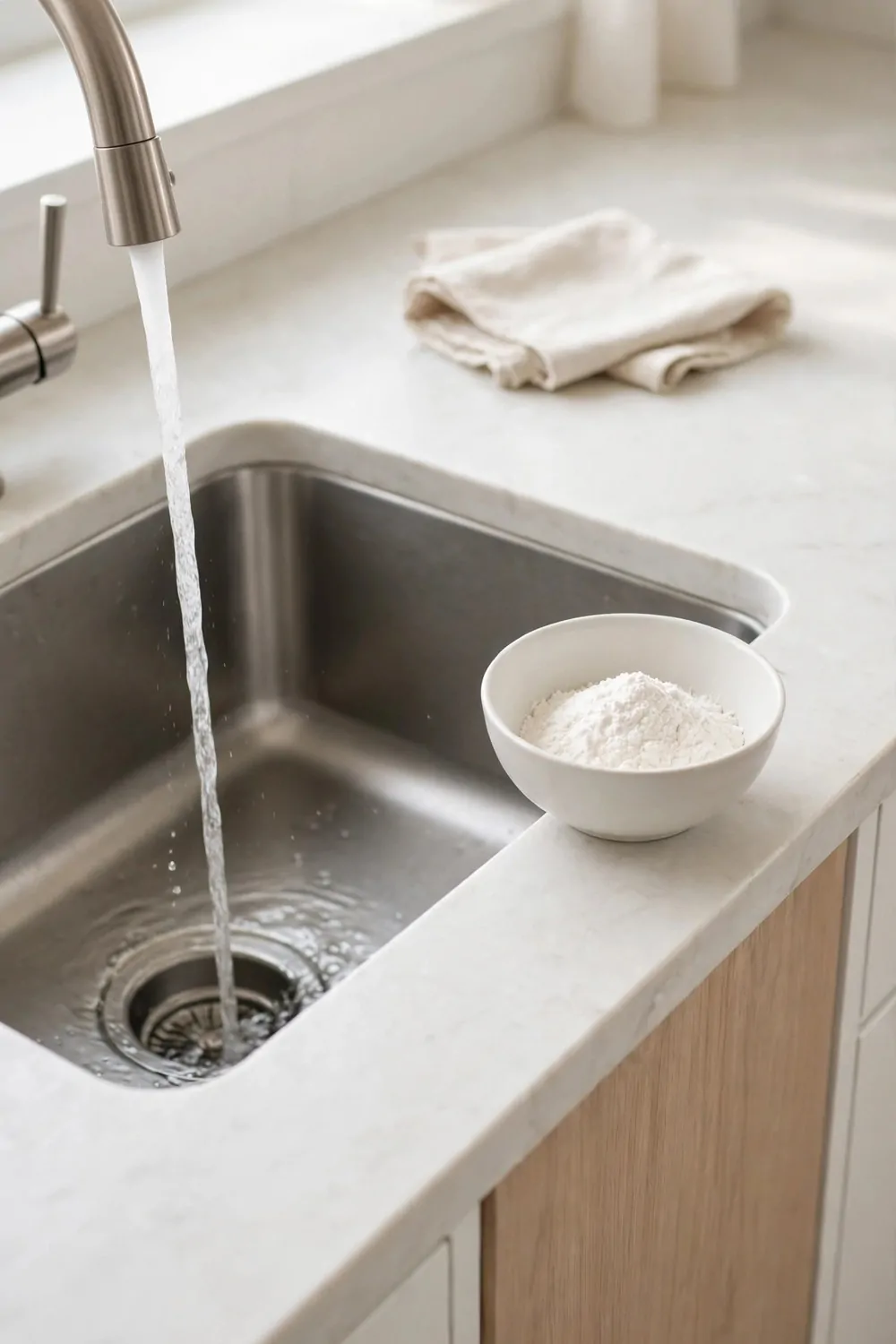
My sink drain can smell stale by the end of the week.
I scoop out any food bits from the plug hole first. I rinse the sink with warm water to clear the top.
I pour half a cup of baking soda down the drain. I let it sit for a few minutes to soak up the smell. I spread it flat with the back of a spoon.
I pour a cup of white vinegar after the baking soda. It fizzes up and lifts the grime from the pipe.
I wait ten minutes while the fizz does its work.
I flush the drain with hot water from the tap. The water runs clear and the smell lifts away.
A box of baking soda often cost $2 to $4 to start. I keep a box under the sink just for this job. I write baking soda on my shop list when the box runs low.
I wipe round the plug hole with a cloth after the flush. I dry the steel edge so no dull marks stay.
I do this drain fresh once a week.
| Idea | Typical Cost |
|---|---|
| Worktop Wipe in One Pass | $2 to $5 |
| Grease Spots on the Wall Behind the Stove | $3 to $7 |
| Spice Jar Tops Wipe | $3 to $6 |
| Bread Bin Wipe Out | $4 to $8 |
| Toaster Crumb Tray Empty | $3 to $6 |
| Kettle and Toaster Bases Wipe | $3 to $5 |
| Fridge Door Handles and Seals | $4 to $8 |
| Cutlery Drawer Wipe and Sort | $5 to $9 |
| Pot Lids Rack Wipe | $8 to $14 |
| Sink Drain Fresh With Baking Soda | $2 to $4 |
21. Tea and Coffee Stains Out of Mugs
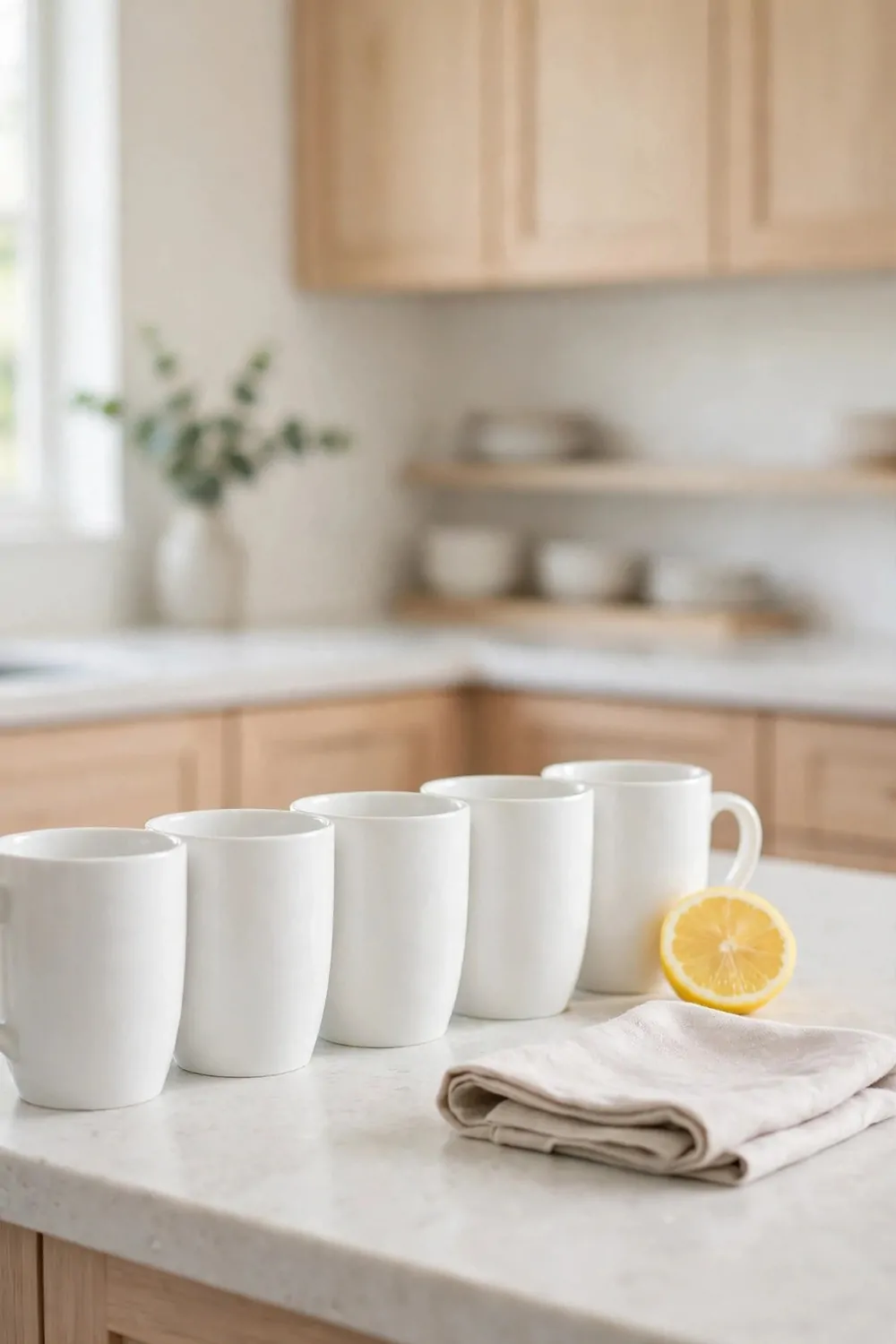
My mugs get brown rings inside from tea and coffee.
I fill the stained mug with warm water. I add a spoon of baking soda and stir it round.
I leave the mug to soak for ten minutes. The baking soda loosens the brown marks from the sides. I swirl the mix round the sides of the mug.
A bag of lemons often cost $3 to $5 to start. I cut one lemon in half and rub the cut side round the ring.
The lemon juice lifts the last brown marks away.
I dry the mug with a clean tea towel. I hold it up to the light to check the ring is gone.
I stack the clean mugs with the handles all one way. They look neat and I can grab one fast. I check the base of the mug for brown marks too.
I soak one mug while I make my next drink. It saves time and stops the stains from building up.
Fresh mugs make my morning drink taste better.
22. Wooden Spoons Soak and Dry
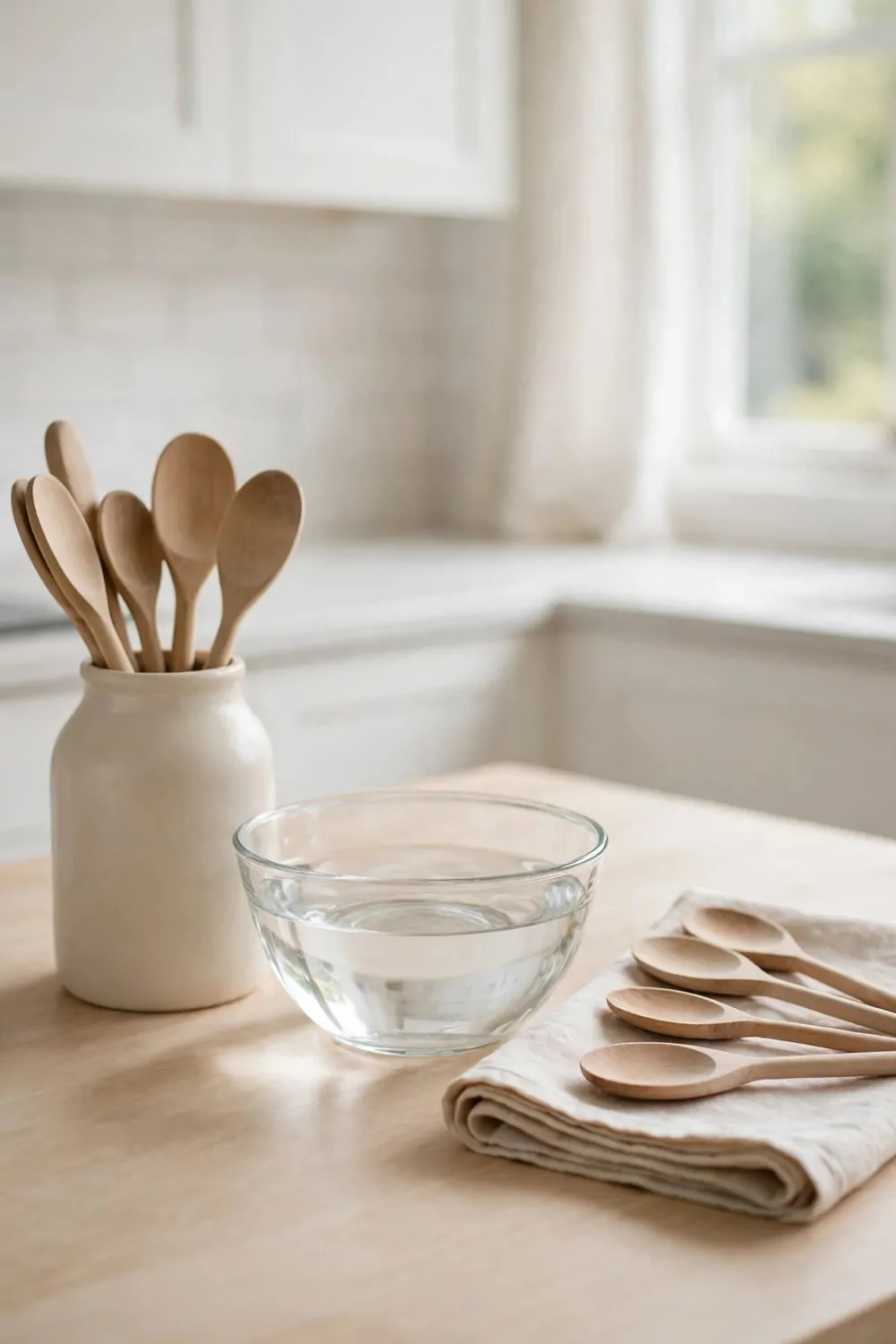
My wooden spoons pick up stains and smells from stews.
I fill a jug with warm water and plain soap. I stand the spoons in the jug with the handles up.
I let them soak for fifteen minutes. The warm water loosens food stuck in the wood grain. I move the spoons about so all sides get wet.
I scrub each spoon with a soft brush. I work from the handle down to the round bowl end.
I rinse each spoon under warm running water.
I rub half a lemon over any dark stains on the spoon. The lemon freshens the wood and lifts the marks.
I lay the spoons flat on a dry tea towel. I let them air dry fully before I put them away. I turn them over once so both sides dry even.
A set of wooden spoons often cost $6 to $10 to start. I keep three good ones and let the worn ones go.
Dry spoons last for years in my kitchen drawer.
23. Glass Jars Wash and Dry
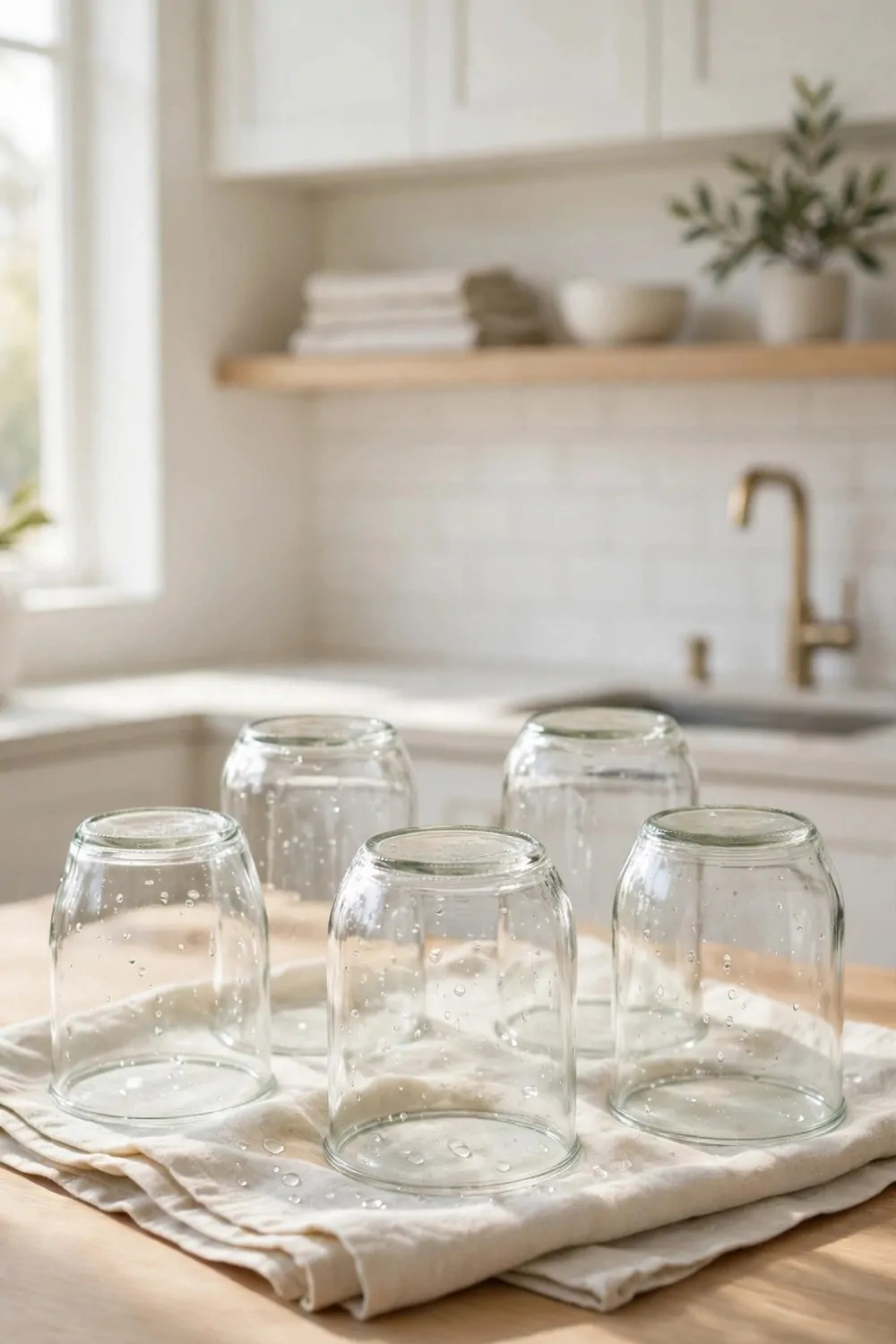
I save glass jars for rice, pasta and sugar.
I take the lids off and wash them apart from the jars. Lids hold smells and need their own scrub.
I fill each jar with warm soapy water. I shake it gently to wash the inside walls. I hold the jar firm while I shake it.
I scrub the neck of the jar with a small brush. Food dust often sits in that narrow rim.
I rinse each jar twice under warm water.
I turn the jars upside down on a tea towel. I let the water drip out for a few minutes.
A bottle brush often cost $3 to $6 to start. It reaches right to the base of tall jars. It fits in the neck and scrubs the base well.
I dry the lids well and check the rubber rings. A dry lid seals tight and keeps food fresh.
I fill the clean jars and line them on the shelf.
24. Cooker Hood Filter Wipe
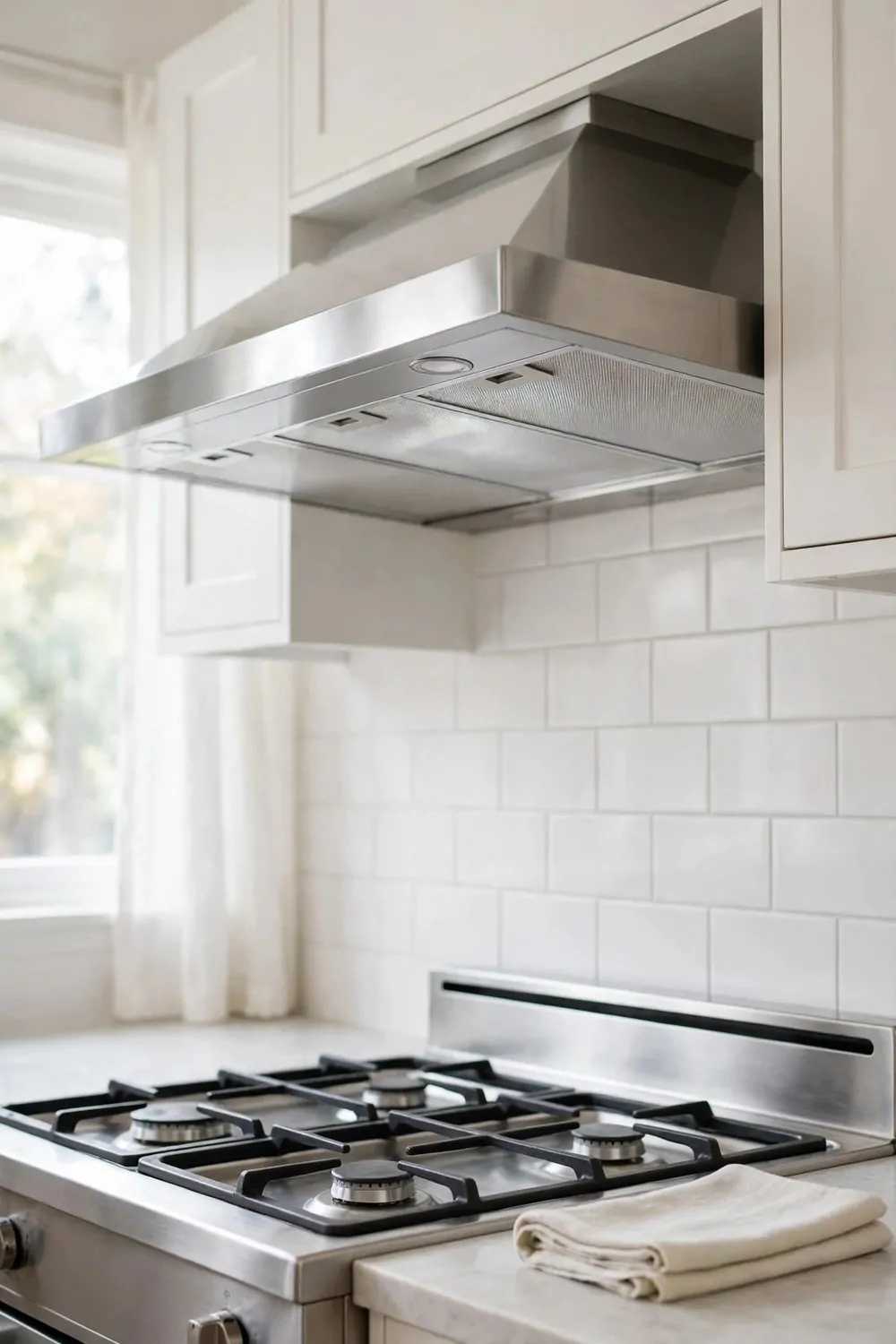
My cooker hood filter traps grease from every fry up.
I slide the filter out from under the hood. I hold it over the sink so loose bits fall in, not on the floor.
I soak it in the sink with hot water and plain soap. I let it sit for ten minutes to soften the grease. I press the mesh down flat in the water.
I scrub the mesh gently with a soft brush. I work in small circles till the mesh looks clear again.
I rinse it well under warm running water.
I dry it with a clean cloth, then let it air dry flat. A dry filter slides back in with no fuss.
I wipe the hood edge while the filter dries. Grease splashes sit on that edge after big cooks. I wipe the light cover too, as grease sits on it.
I slide the filter back and click it in place. It sits flat and the hood hums soft and clean.
A spray bottle often cost $2 to $5 to start.
25. Kitchen Tiles Splashback Wipe
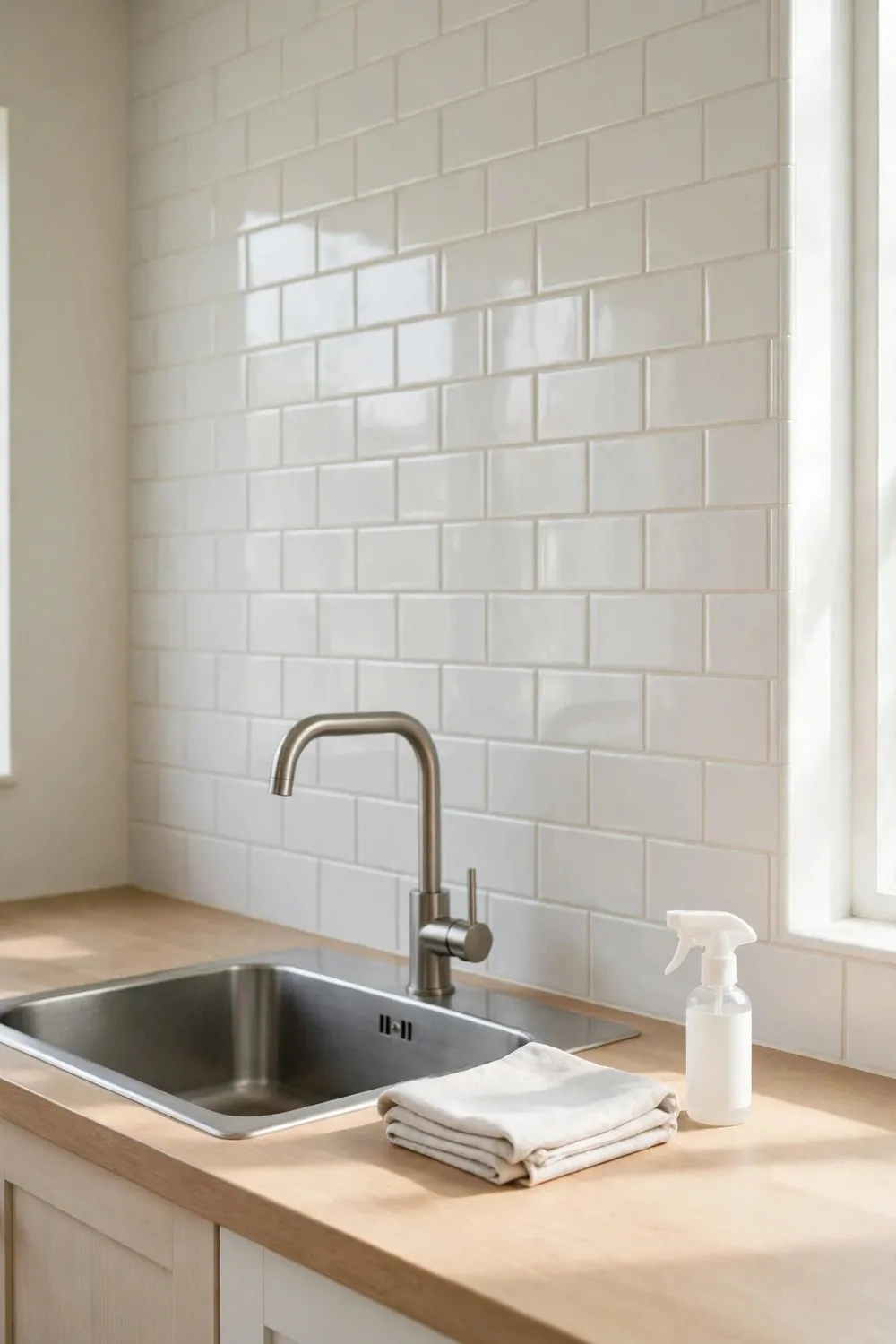
My tiles behind the cooker pick up oil spots every day.
A pack of tile cloths often cost $4 to $7 to start. I keep one cloth in a tub by the sink for tiles.
I wet the cloth with warm water and plain soap. I wring it out and wipe from the top row down. I start at the top so drips fall on tiles I still need to wipe.
I work in small parts, one tile at a time. I wipe the grout lines too, as they hold grease.
I rinse the cloth often in clean warm water.
I dry the tiles with a second clean cloth. Dry tiles shine and show no water marks.
I check for a splash I missed near the hob. I give that spot one more firm wipe. I give the grout one more pass with the cloth tip.
I wipe the tile edge where it meets the worktop. Crumbs sit in that thin line all day.
I do the splashback after big cooks and once a week.
26. Floor Corners and Skirting Sweep
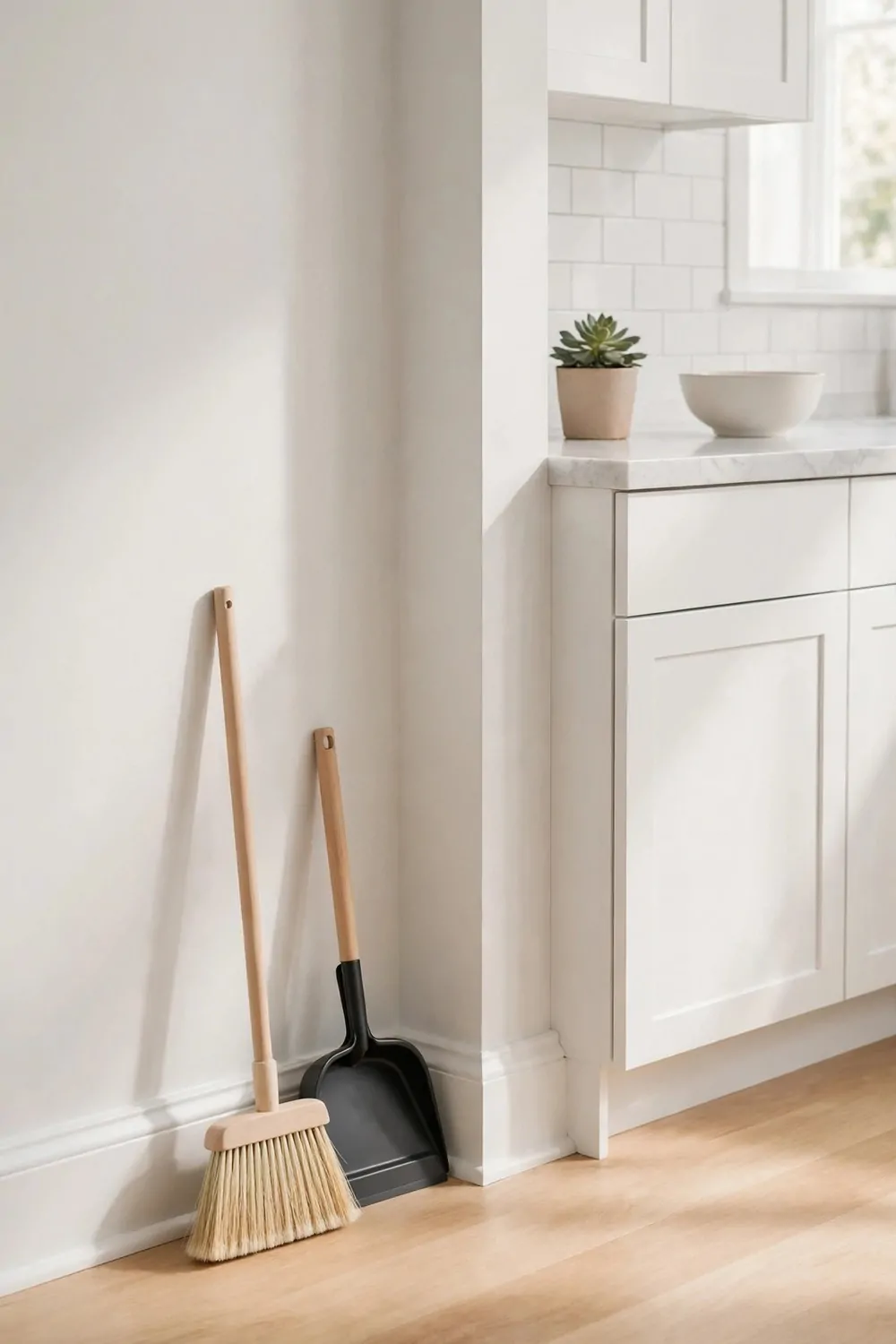
Dust and crumbs gather in my kitchen floor corners.
I move the small bin and the stool away from the wall. I can see the corners clear once the floor is free.
I sweep each corner with short strokes toward me. I pull the dust out into the middle of the floor. I sweep the line where the floor meets the wall.
A small broom often cost $6 to $11 to start. A narrow head fits right into tight corners.
I wipe the skirting board with a damp cloth.
I pick up the dust pile with a dustpan. I tip it straight into the bin and wash my hands.
I mop the corners last with a damp mop head. A quick mop lifts the fine dust the broom missed. I wring the mop head well so the corners do not stay wet.
I let the floor dry before I move things back. Wet feet on a damp floor leave marks fast.
I sweep the corners twice a week.
27. Cloth and Sponge Rinse and Dry
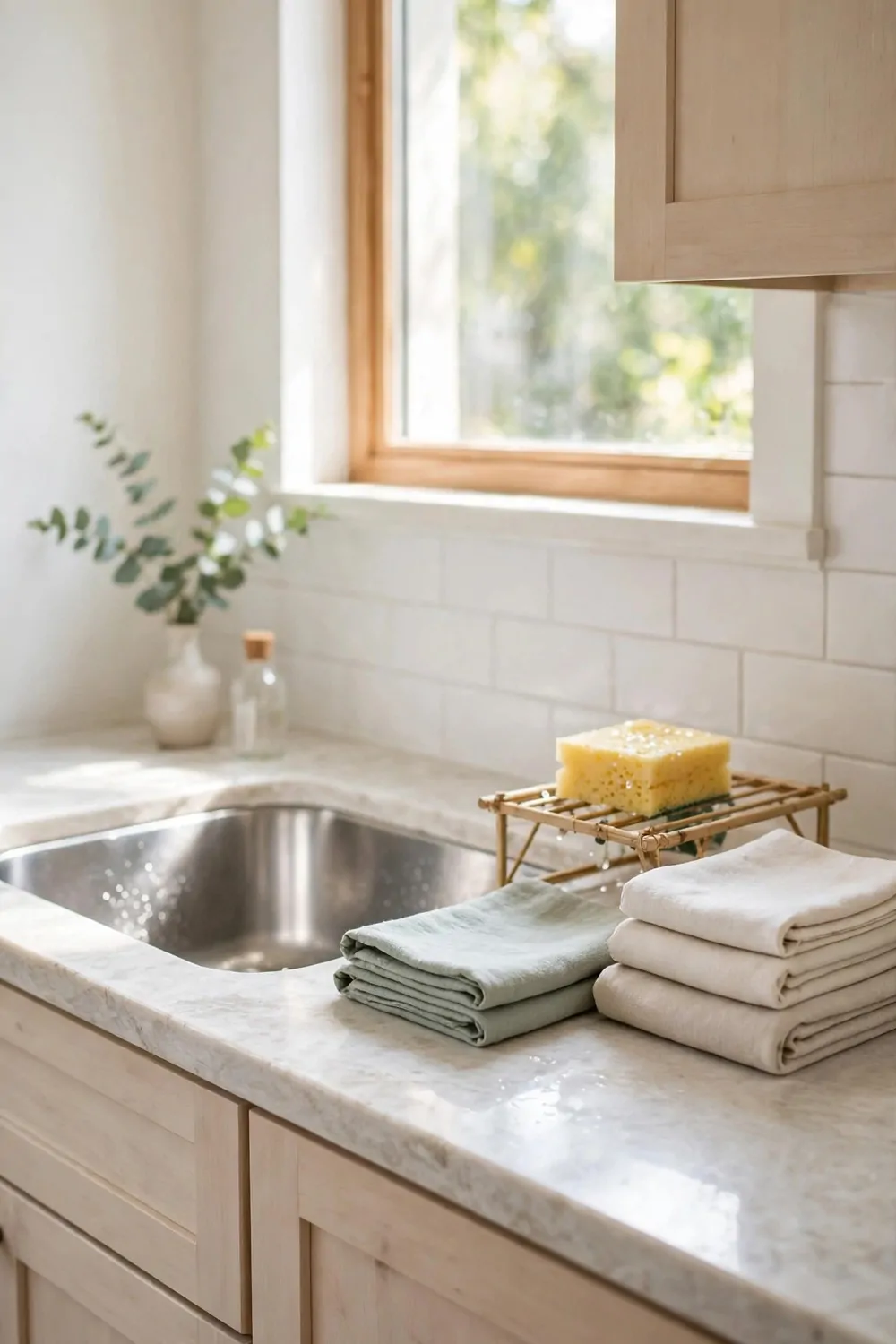
My cloths and sponges work hard every day.
I rinse each cloth under hot running water. I squeeze it out till the water runs clear.
I wash the sponges with plain soap and warm water. I press them flat to push the dirty water out. I turn each sponge over and wash the other side.
I lay the cloths flat on the draining board. I leave space between them so air can reach each one.
I hang the sponges on the side of the sink.
A pack of sponges often cost $3 to $6 to start. I keep a fresh pack in the cupboard for swaps.
I swap a worn sponge for a new one each week. A fresh sponge cleans fast and holds less grime. I rinse the new sponge once before its first use.
I wash the cloths in a hot wash once a week. Clean cloths make every other job easier.
I never put a damp cloth back in a closed drawer.
28. Apron Hooks and Tea Towels Swap
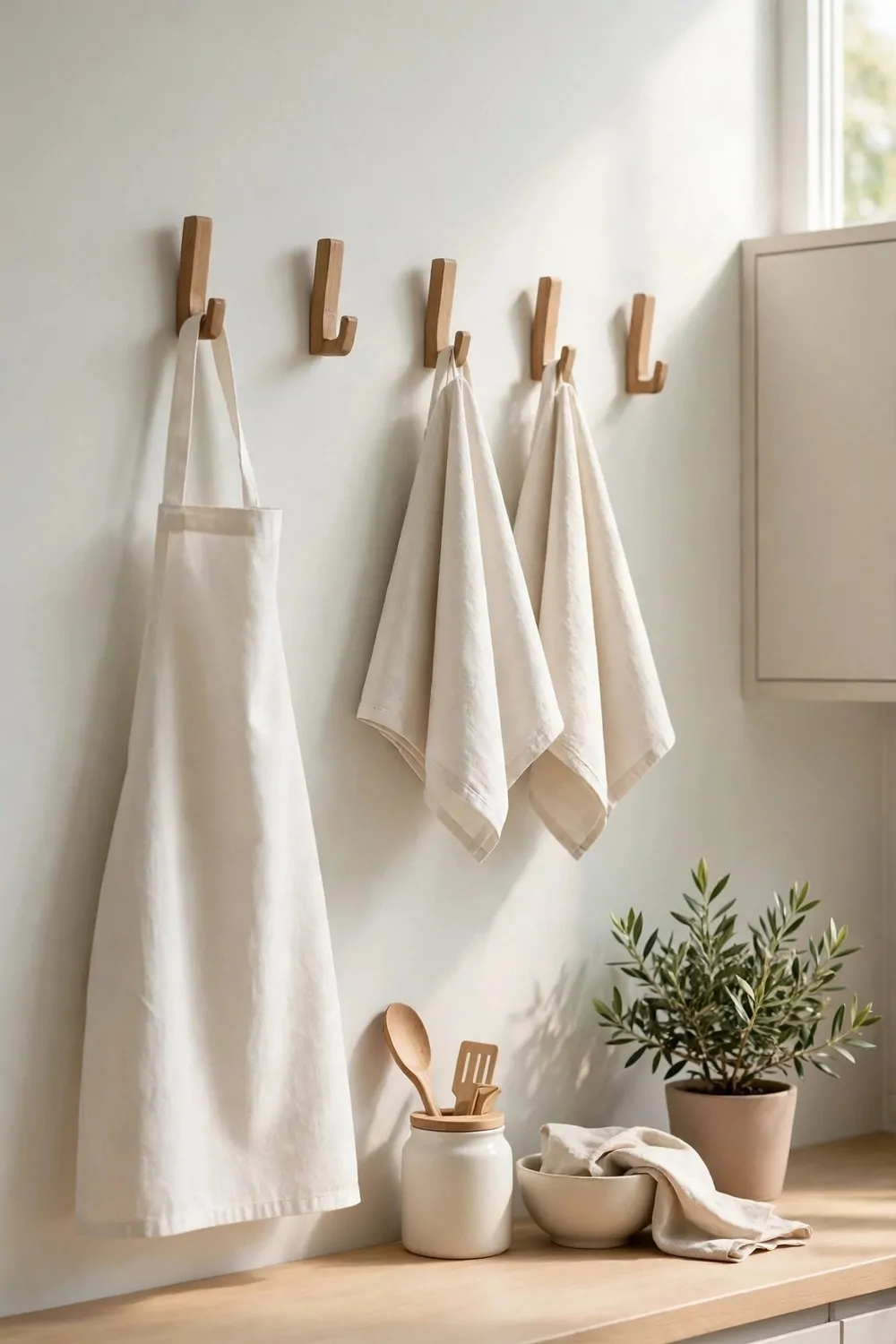
My aprons hang on hooks by the back door.
I take each apron off its hook and shake it out. I check the pockets for crumbs and loose bits.
A pack of tea towels often cost $5 to $9 to start. I keep a stack of clean ones in a drawer by the sink. I fold each towel in half before I stack it.
I wipe each hook with a damp cloth. Sticky fingers leave marks on the hooks too.
I swap the damp tea towel for a fresh dry one.
I fold the clean aprons and hang them back neat. I put the one I use most at the front.
I pop the used towels in the wash pile. I do not leave damp towels on a hook all week. I smooth the apron fronts flat on the hooks.
I dry the hooks well after the wipe. Dry hooks keep the apron straps fresh and clean.
This swap takes two minutes on a Sunday night.
29. Recycling Corner Tidy
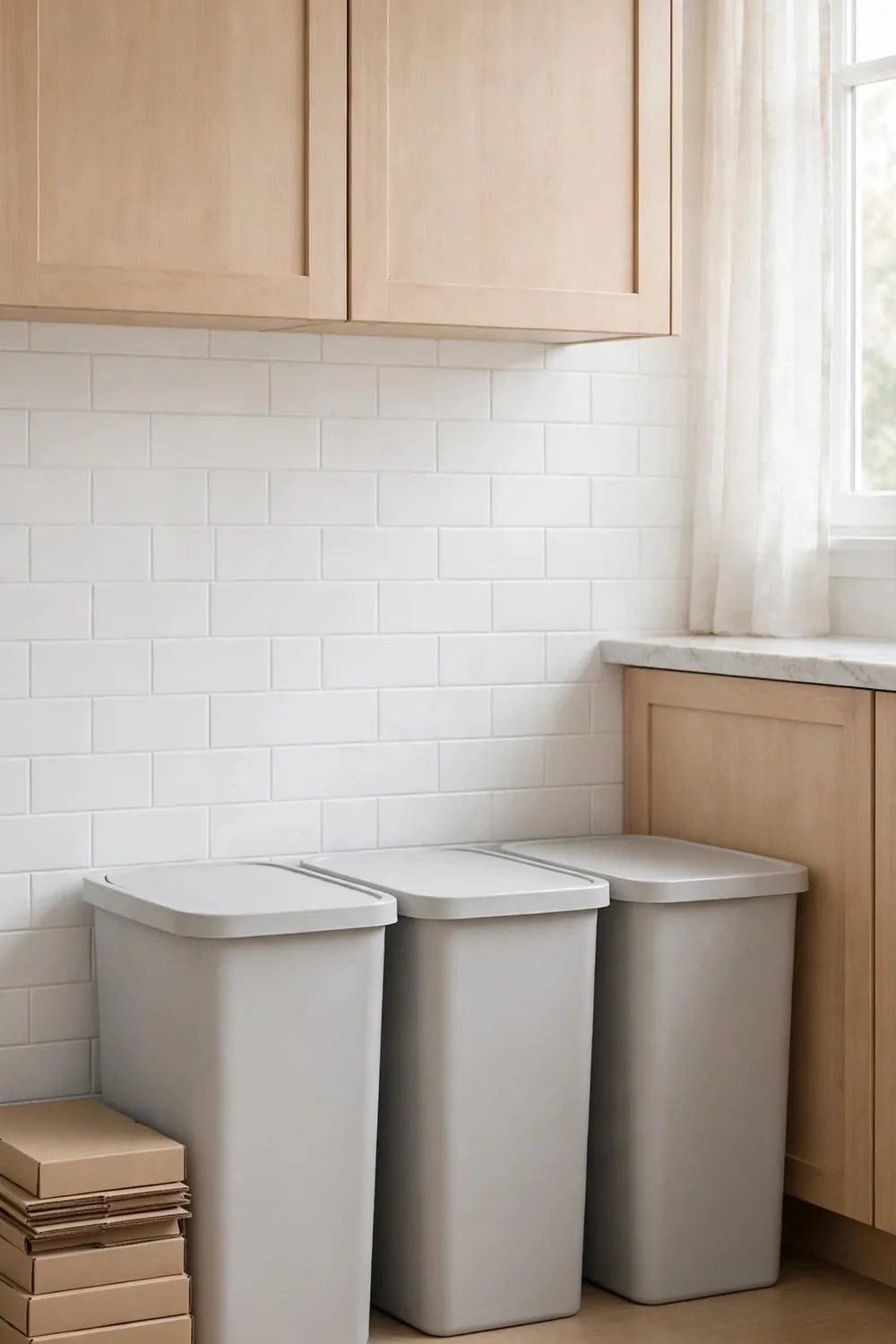
My recycling corner can turn into a messy pile fast.
I pull each box out and flatten it down. Flat boxes take up half the space of full ones.
I rinse each jar and bottle quick under the tap. Clean jars do not smell and do not draw flies. I shake each bottle once to get the last drops out.
I sort paper in one pile and glass in the next. I keep tins in their own small box.
A small recycling bin often cost $7 to $12 to start.
I wipe the floor under the bins with a damp cloth. Drips and crumbs hide under the bins all week.
I tie up the full bags and set them by the door. I take them out the same day so the corner stays clear. I sweep the small bits of paper off the floor.
I put fresh bags in each bin before I finish. An empty bin is ready for the next day of cooking.
I tidy this corner every two days.
30. Under Sink Cupboard Sort
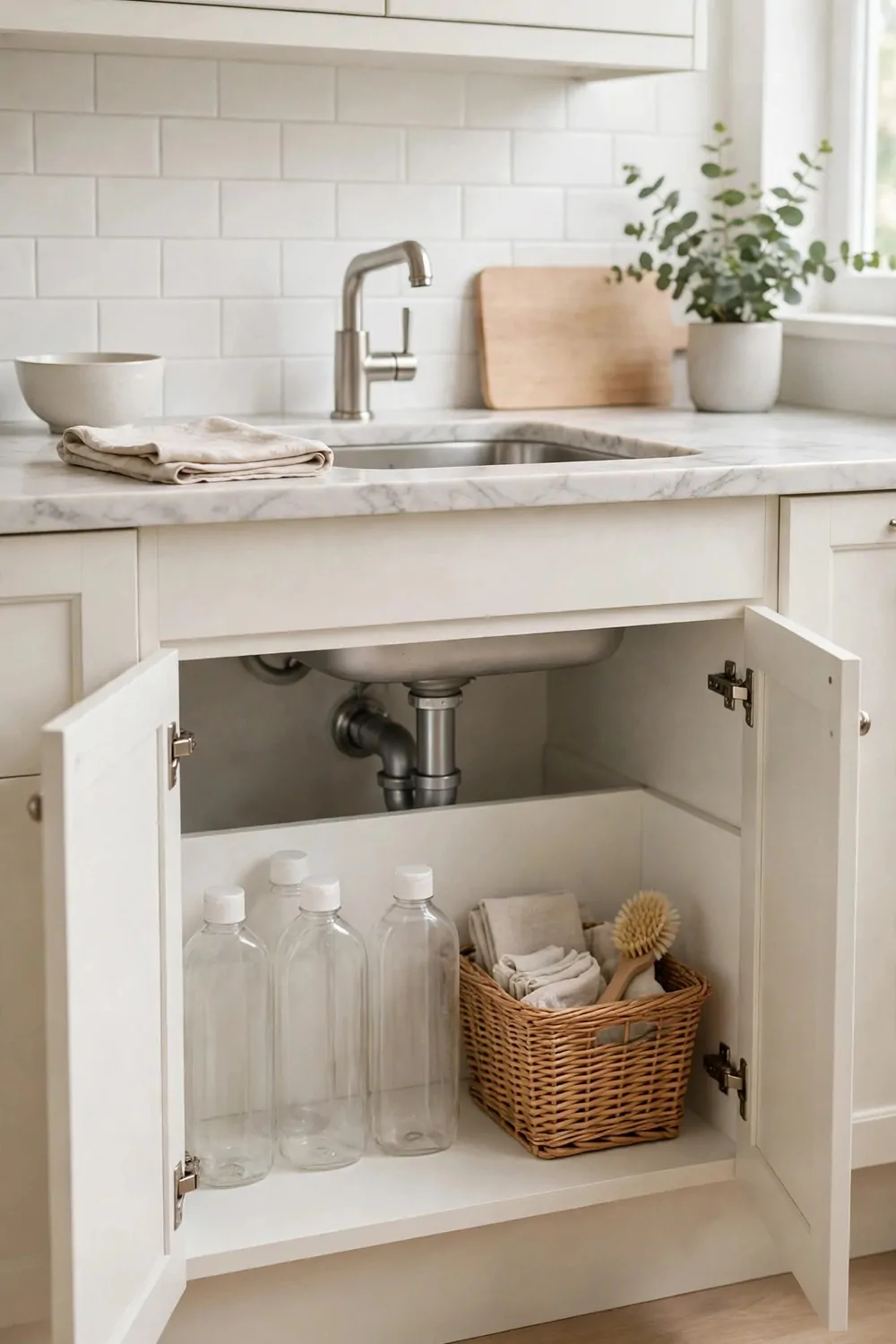
The cupboard under my sink holds sprays, cloths and bags.
I pull everything out onto the kitchen floor. I can see what I have and what I do not need.
I wipe the cupboard base with a damp cloth. I dry it well so no damp stays under the pipes. I wipe round the pipe base where dust sits.
I toss out empty bottles and torn cloths. I keep only the things I use each week.
I group the cloths in one pile and the sprays in the next.
I place the things I grab most at the front. The spare stock sits at the back in neat rows.
A set of small baskets often cost $6 to $10 to start. I use one basket for cloths and one for sprays. I keep the cloth basket on the left and the spray basket on the right.
I check the pipes for drips while the cupboard is bare. A small drip found early saves a big mess.
I slide the baskets back in and shut the door.
31. Plan Your Week of Kitchen Cleans
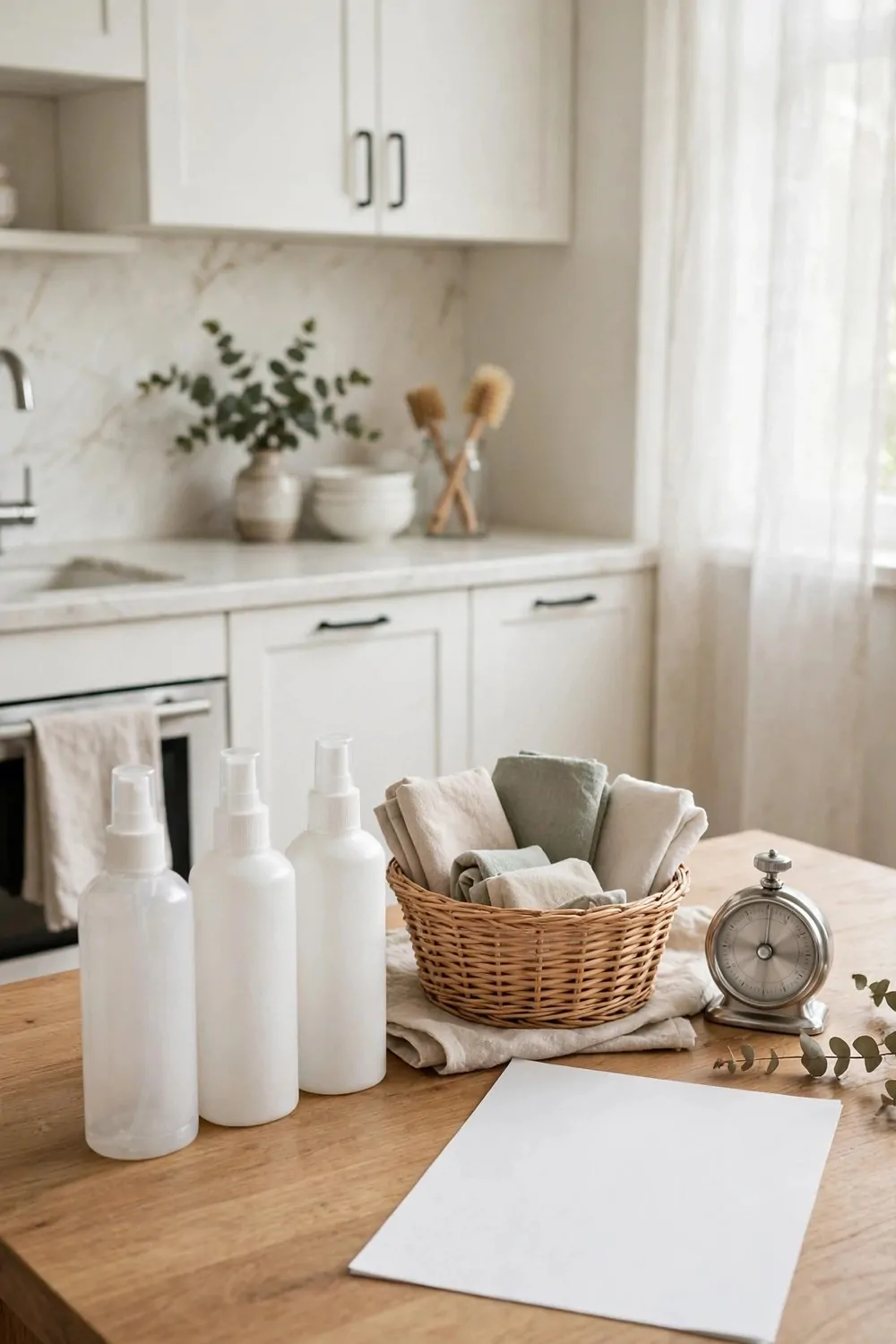
I sit down on Sunday night with a pen and a small notepad. I write a short list of one quick clean for each day of the week.
A small timer $3 to $6 for keeping every kitchen clean inside ten minutes.
Cloths and spray bottles $5 to $9 for quick wipes all over the kitchen.
Baking soda and white vinegar $4 to $7 for sinks, bins and sticky spots.
Lemons and salt $2 to $4 for boards, taps and mugs.
A scrub brush $4 to $8 for stuck-on food on pots and pans.
A small bucket $6 to $10 for floors and big wipe downs.
Total $24 to $44 for the basic kit for a week of kitchen cleans.
I keep the whole kit in one basket by the kitchen door. I tick off each clean on my list when it is done, and the week feels light and easy.
| Area | Main change | Typical Cost |
|---|---|---|
| A small timer | For keeping every kitchen clean inside ten minutes | $3 to $6 |
| Cloths and spray bottles | For quick wipes all over the kitchen | $5 to $9 |
| Baking soda and white vinegar | For sinks, bins and sticky spots | $4 to $7 |
| Lemons and salt | For boards, taps and mugs | $2 to $4 |
| A scrub brush | For stuck-on food on pots and pans | $4 to $8 |
| A small bucket | For floors and big wipe downs | $6 to $10 |
| Total | Basic kit for a week of kitchen cleans | $24 to $44 |
Keep Reading
If you liked these ideas, you will love these posts too.
- 29 Cleaning Hacks That Make Your Home Look New
- 24 Grow Your Own Food Ideas for Small Yards
- 36 Edible Landscaping Ideas That Look Beautiful and Feed You
- 23 Salad Garden Ideas for Fresh Greens Every Day
- 30 Pollinator Garden Ideas That Bring Bees and Butterflies
- 27 Compost Garden Ideas That Turn Scraps Into Soil
Start with the sink tonight and see how fast your kitchen feels fresh again.