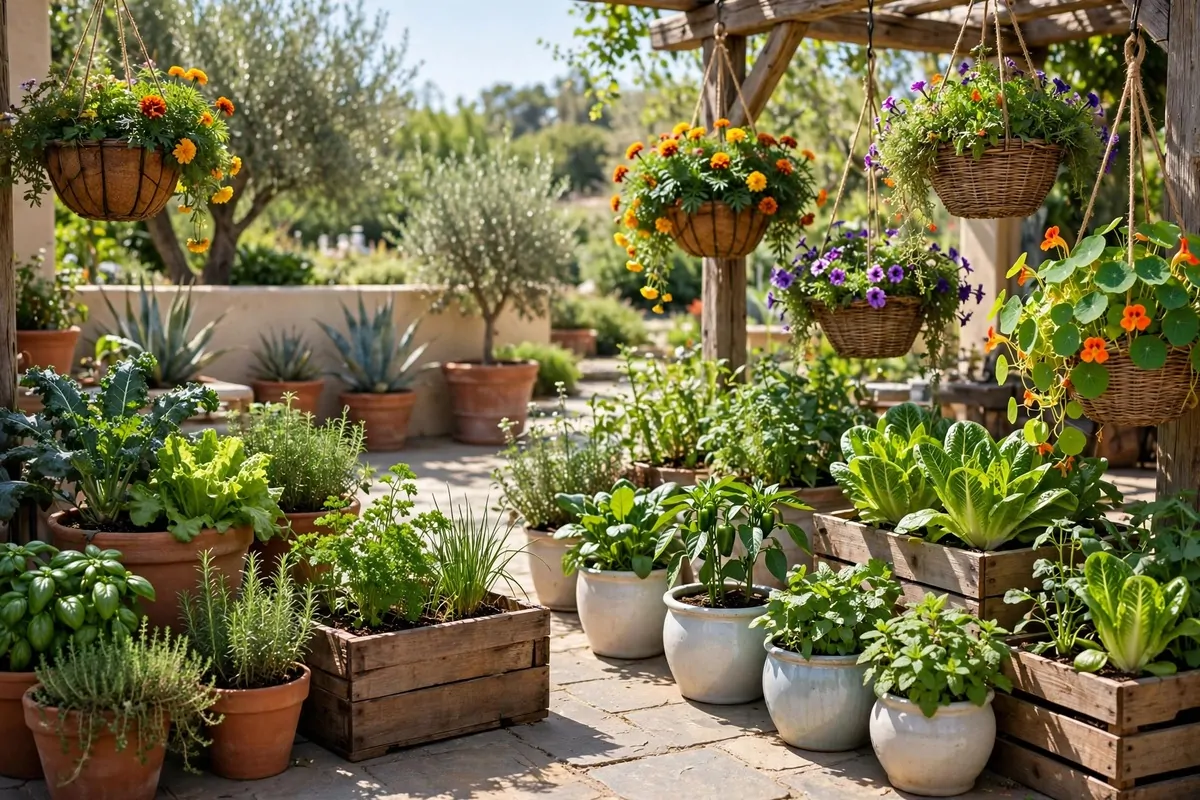
30 Pollinator Garden Ideas That Bring Bees and Butterflies

The first summer our garden had almost no bees, the beans barely set, and I did not know why until I spent one whole morning watching a single flower.
That morning changed how I see my garden. I saw one bee work the same flower for a long time, and then a small white butterfly came by too.
I learned that bees and butterflies need food, water, and safe spots to rest. Our garden had flowers, but not the right mix for them.
So I started to plant with them in mind. I picked flowers that bloom at different times and left a few wild corners alone.
The change was slow at first. Then more bees came, and more butterflies too, and my beans and tomatoes did much better.
You do not need a big garden for this. A few pots on a sunny step can help, and a small patch of lawn can help too.
In this one post you will find all 30 ideas together, with no part split and nothing held back for later. You can start with one idea today and add more when you have time.
1. Plant Lavender for Bees
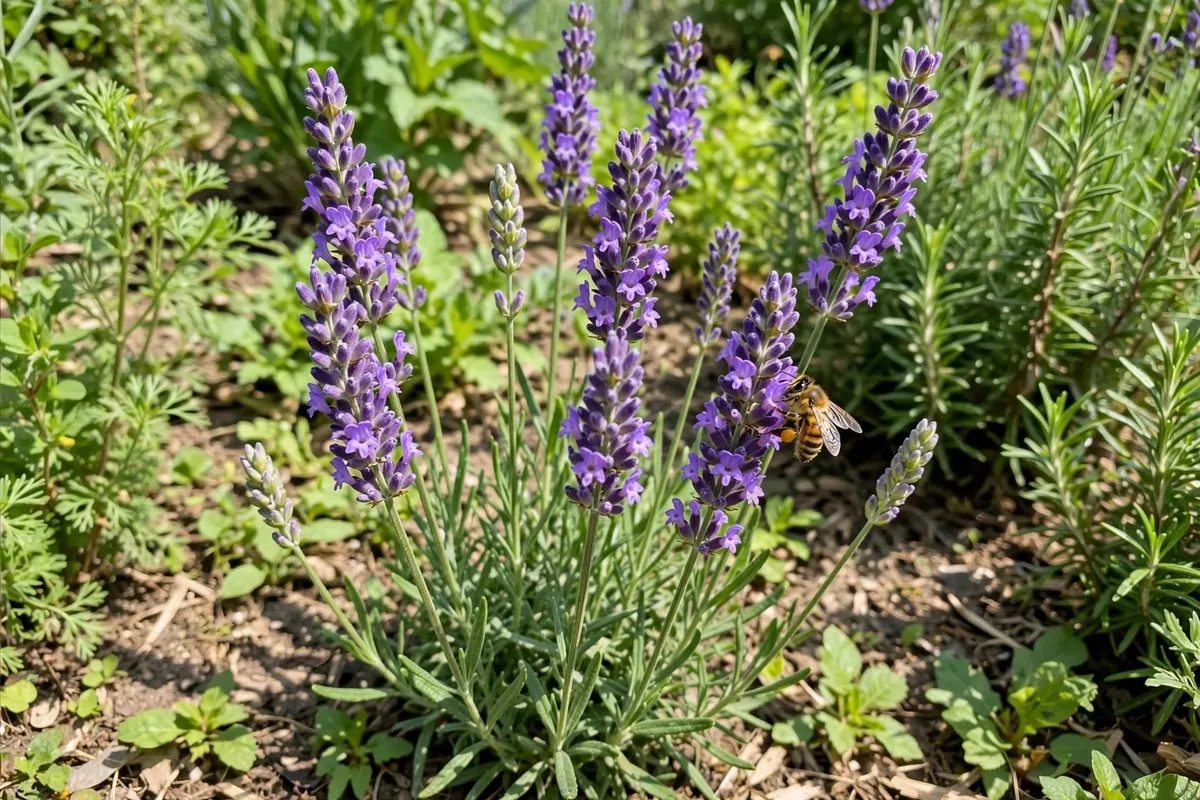
I planted lavender along the sunny edge of my garden, and the bees found it within a day. The purple spikes look soft, but they are full of tiny flowers that bees love.
Lavender likes full sun and dry soil.
I water it only when the soil feels dry on top. I do not feed it much, and it still grows well. A sunny spot near a path works best, so you can see the bees at work.
The scent is calm and sweet in the warm air. You can smell it from a few steps away on a still day.
A lavender plant usually costs $8 to $15 for a small pot and soil.
I trim it lightly after it blooms to keep it neat.
Bees visit the spikes from morning until late afternoon. You will often see two or three bees on one plant at the same time.
If you have a pot, try one plant first. Put it where it gets sun for most of the day. Water it well at the start, then let it settle in.
Lavender is a simple first step for a bee garden.
2. Grow Sunflowers for Butterflies
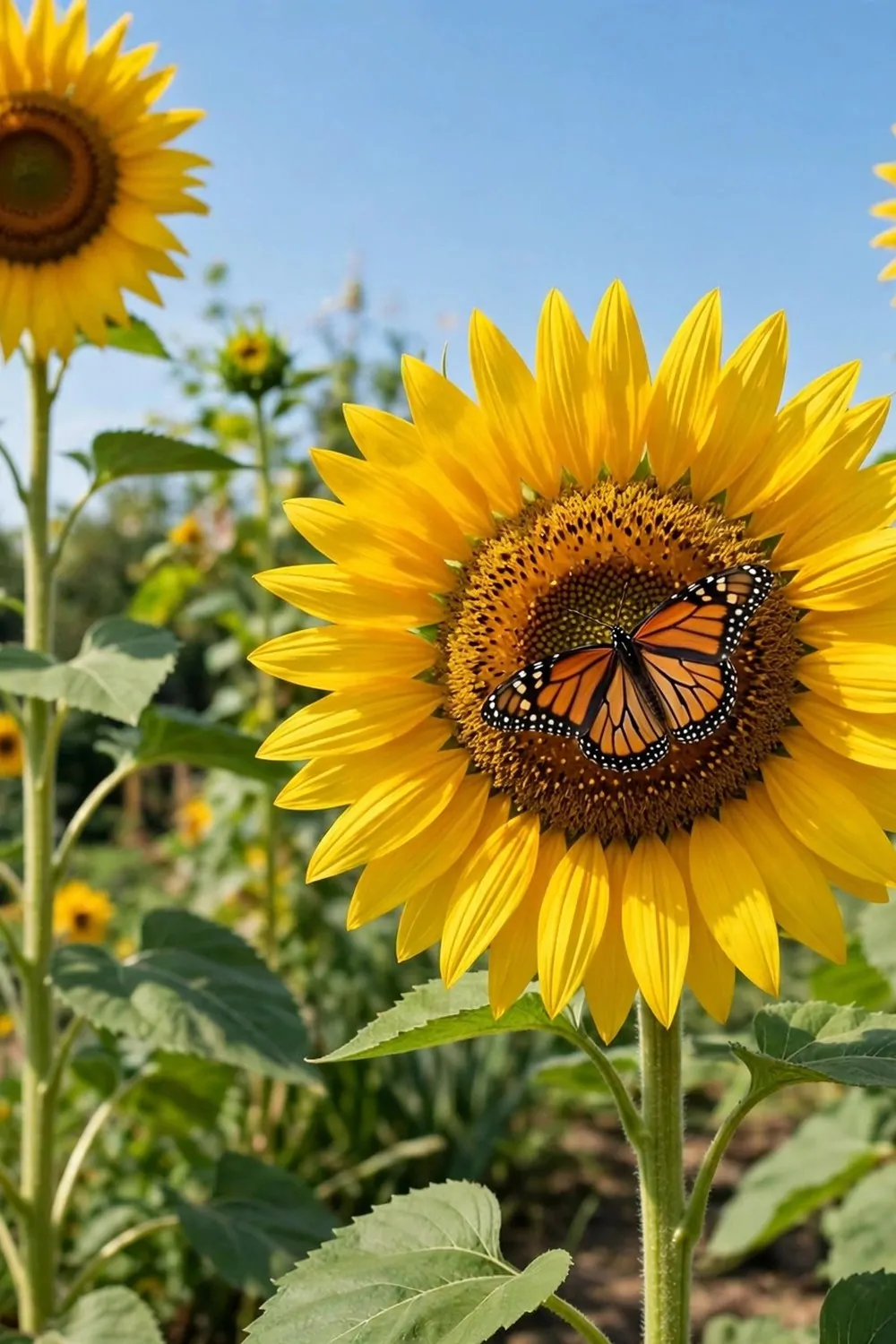
Sunflowers are tall and bright, and butterflies love to rest on their big flat heads. I plant a few each spring along the fence.
They grow fast when they get full sun.
I push the seeds into warm soil and water them well. The stems shoot up in a few weeks. Soon the heads turn to face the sun each morning.
Butterflies land on the wide heads to warm up and rest. They stay for a while, with their wings open in the sun.
A packet of sunflower seeds usually costs $3 to $7 for a small bag and a little soil.
I give each plant space so it can grow tall and strong.
Bees visit the centre of the flower for pollen too. You will see bees and butterflies on the same plant on a warm day.
If wind is strong where you live, plant them near a fence or a wall. Tie tall stems loosely to a stick for support. Water at the base, not on the leaves.
One row of sunflowers can make a whole corner feel alive.
3. Add a Wildflower Patch
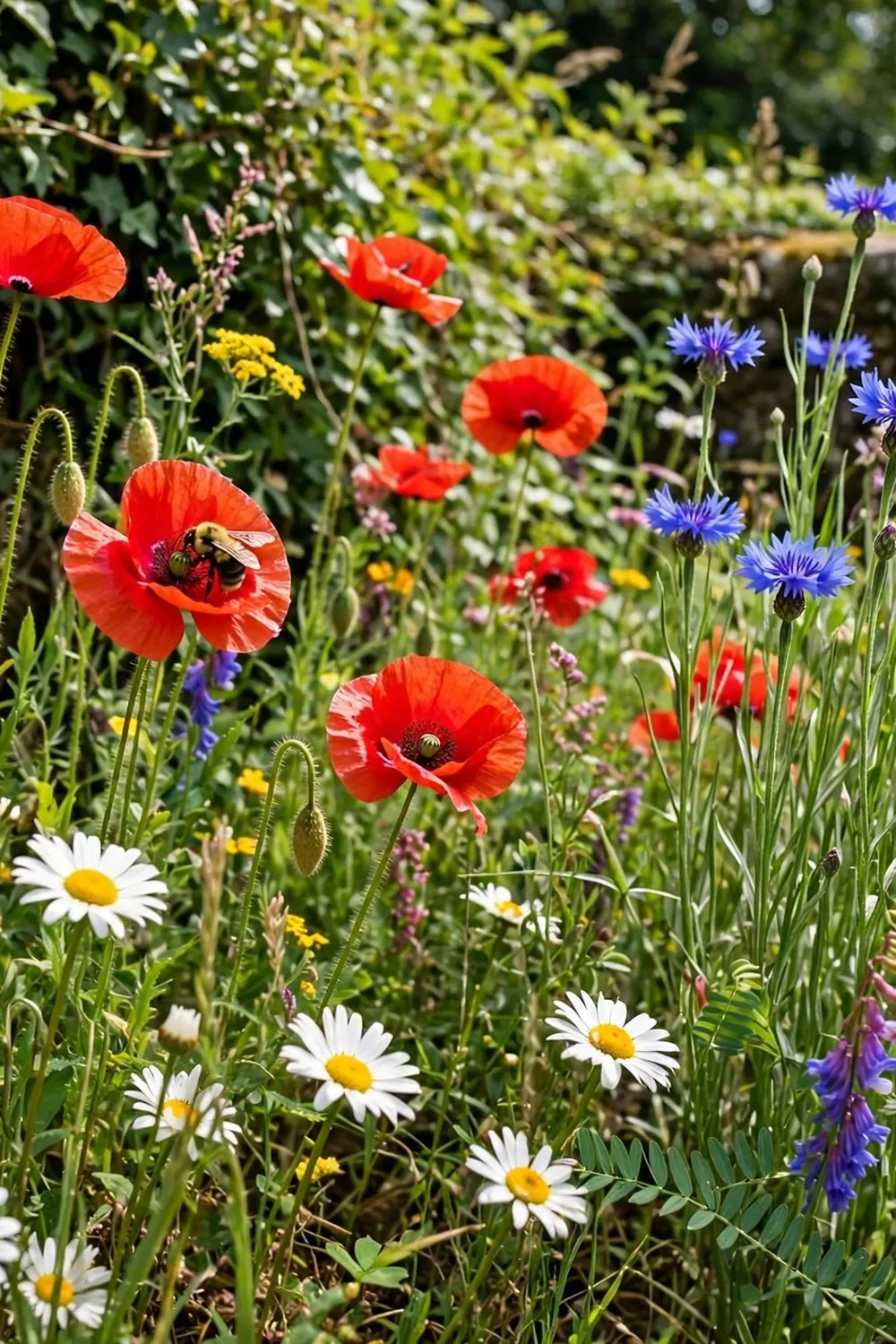
A wild corner is one of the easiest ways to help bees and butterflies. I left a small patch at the back of my garden and sowed mixed seeds there.
The mix gives flowers at different times through the warm months.
I raked the soil lightly first. Then I scattered the seeds and pressed them down with my feet. A light watering helped them start.
Soon small green shoots came up all over the patch. Some grew tall, and some stayed low, and the bees liked them all.
A bag of wildflower seed mix usually costs $6 to $12 for a small patch and a little soil.
I do not mow this patch until the flowers have set seed.
Butterflies drift over the patch on warm afternoons. They stop at one flower, then move to the next, slow and easy.
You can make your patch as small as a few steps wide. Pick a sunny spot and keep it free of tall weeds at first. Let the flowers grow tall and a bit messy.
A wild patch needs little care once it starts.
4. Plant Milkweed for Monarchs
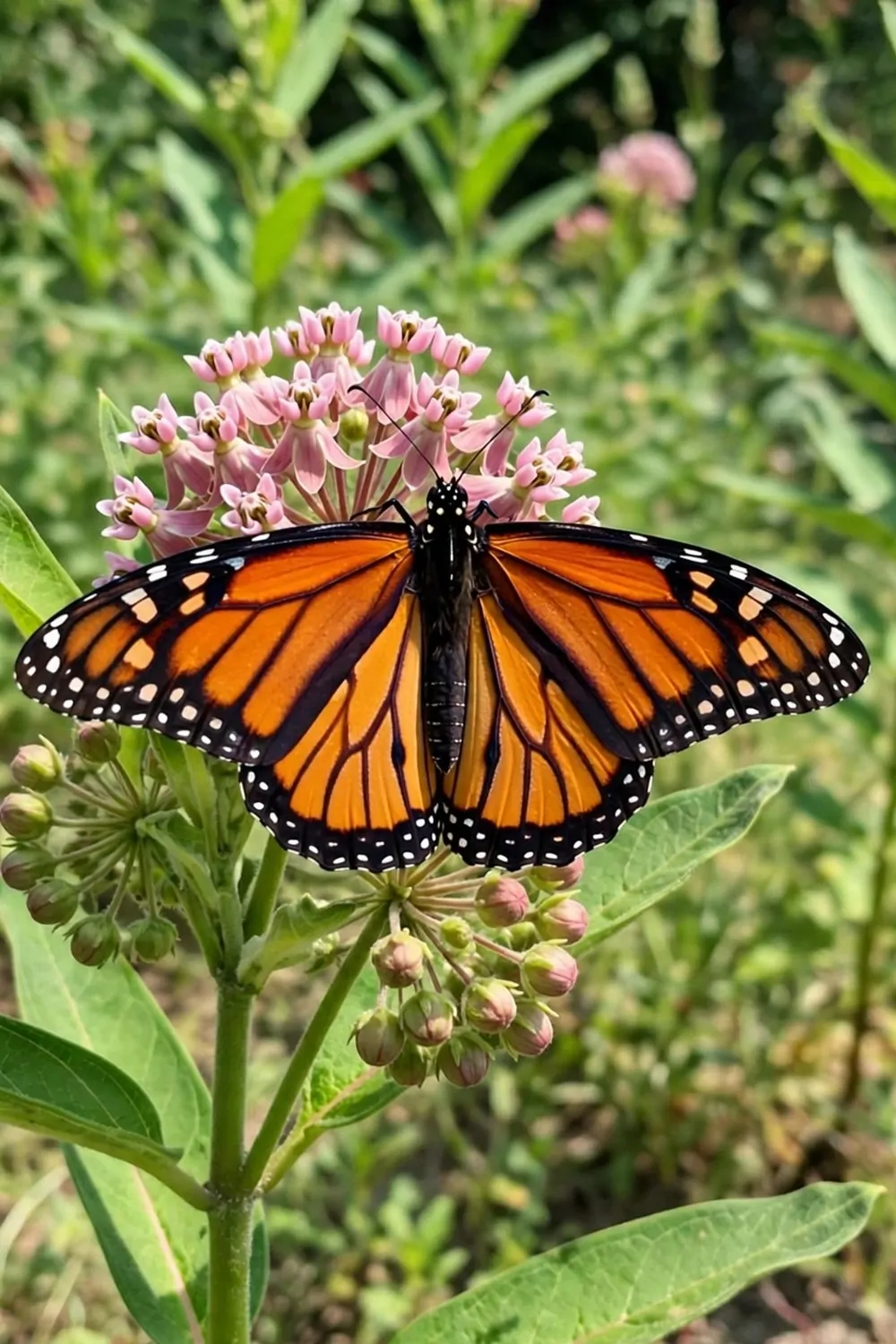
Milkweed is the food plant for monarch caterpillars, so it matters a lot for monarch butterflies. I planted a few clumps in a sunny spot, and the monarchs came to lay eggs.
The leaves feed the young caterpillars as they grow.
Look for small round eggs under the leaves in summer. The tiny caterpillars eat the leaves and grow fast. Soon they form a green case and rest before they change.
Adult monarchs sip nectar from the pink flower clusters too. They are orange and black, and easy to spot from far away.
A milkweed plant usually costs $7 to $14 for a small pot and soil.
I leave the plants alone and let the caterpillars eat what they need.
Milkweed likes sun and soil that drains well. It comes back each year in many gardens, so you plant it once and watch it return.
Do not pick the leaves or move the caterpillars. They know what to do on their own. Just give them a quiet spot and clean water nearby.
Milkweed is a kind gift to monarchs.
5. Grow Zinnias for Summer Colour
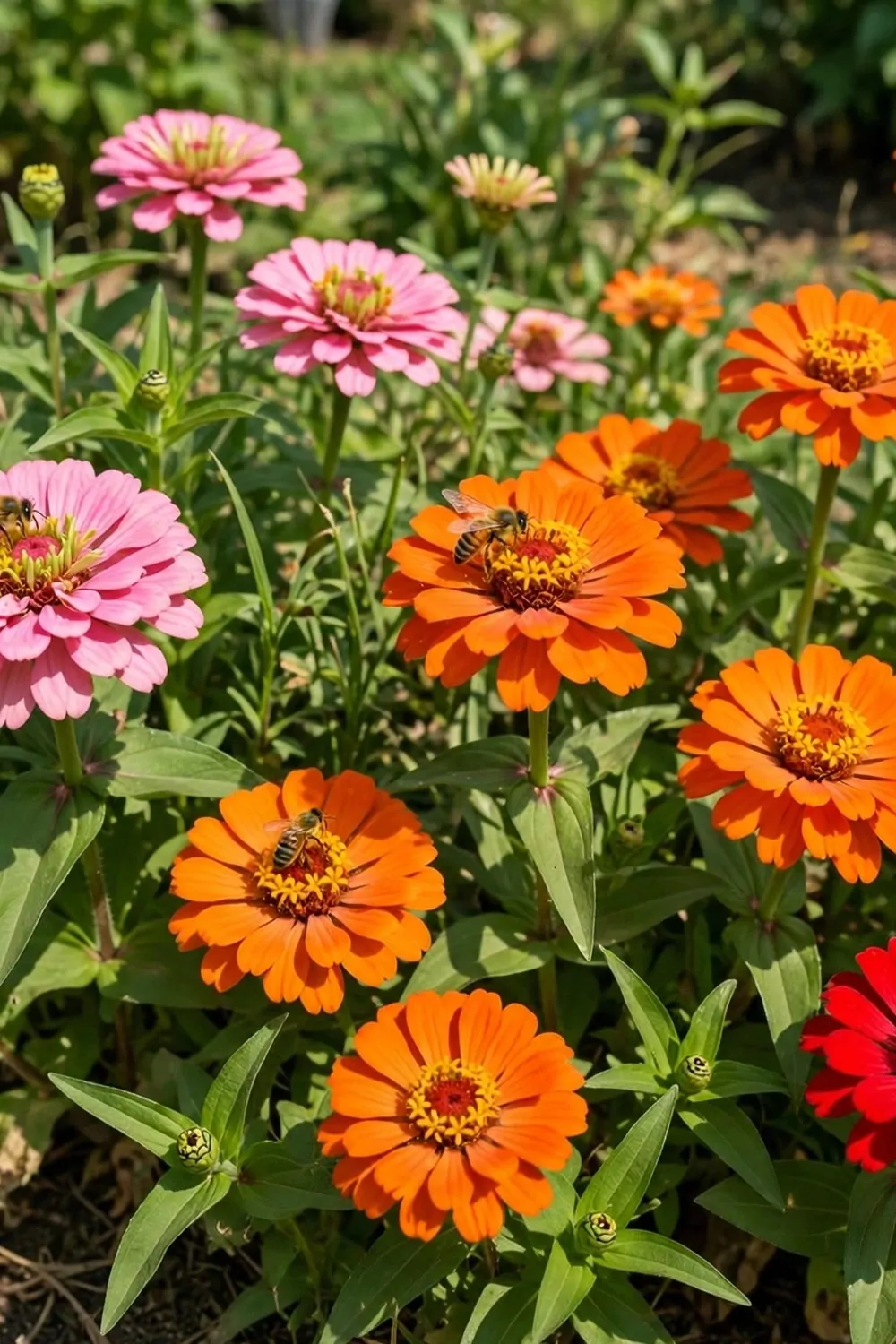
Zinnias bloom all summer, and they are easy to grow from seed. I sow them after the last cold nights, and they flower for months.
Bees and butterflies both visit zinnias every day.
The flowers come in bright red, pink, and orange. I plant them in rows so the colours mix together. They look cheerful from the kitchen window.
Pick a sunny spot with soil that drains well. Water at the base in the morning, and the plants stay happy.
A packet of zinnia seeds usually costs $4 to $9 for a small bag and a little soil.
I cut a few stems for a jar on the table.
Cutting the flowers helps more buds open. The plants keep blooming until the cool days come. You will see new flowers each week.
Zinnias are good for a first garden. Sow them straight where you want them to grow. Keep the soil damp until the seeds sprout.
They give colour and food for pollinators all summer long.
6. Add a Bee Water Station
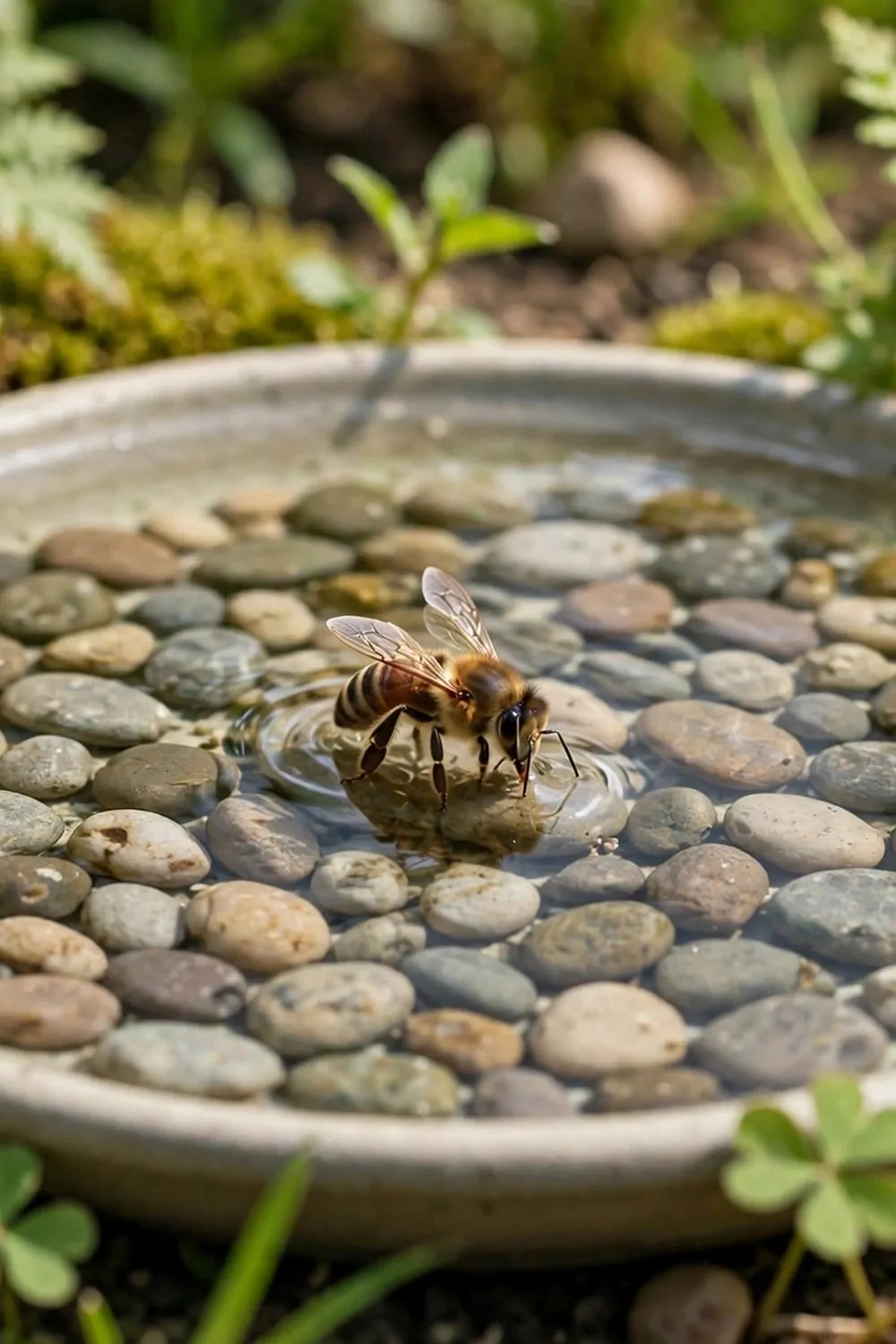
Bees need water too, and a shallow dish works well. I set a wide dish in a sunny spot near my flowers.
I add clean pebbles so the bees have safe places to land.
The water should be shallow, just enough to cover the bottom of the pebbles. Bees stand on the stones and sip. They do not like deep water where they can fall in.
I change the water every day or two to keep it fresh. In hot weather I check it in the morning and again in the afternoon.
A shallow dish with pebbles usually costs $5 to $11 for the set.
Put the dish where you can see it from the house.
You will soon see bees land, drink, and fly off again. Butterflies may stop by too on a warm day. It is a small thing that helps a lot.
Keep the station near flowers but not right under a feeder. A flat stone or a low table works well. Plain water is all you need, nothing else added.
Fresh water keeps bees coming back to your garden.
7. Plant Herbs That Bees Love
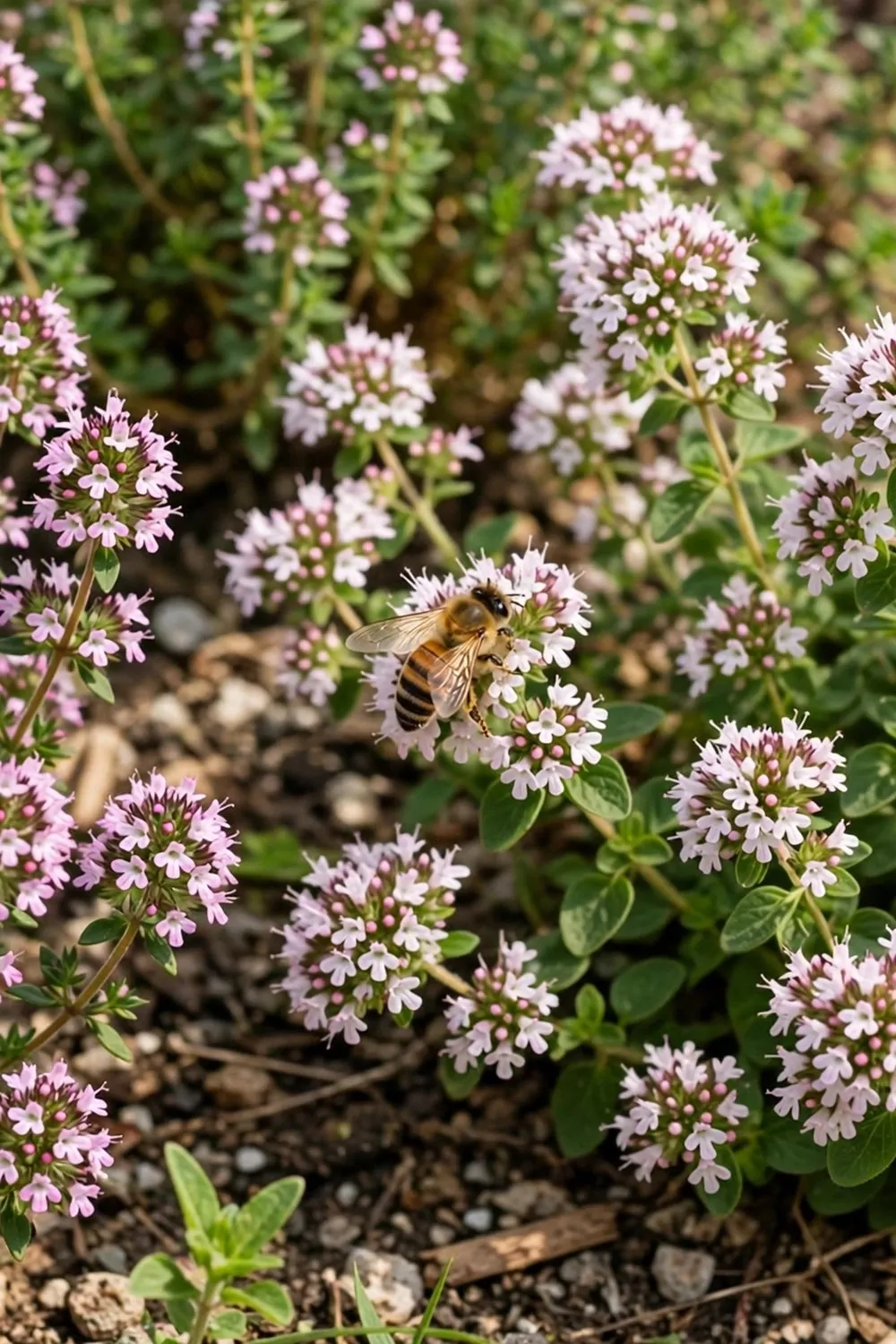
Herbs are useful in the kitchen, and bees love their flowers too. I let my thyme, oregano, and mint flower in summer.
The tiny flowers are full of nectar for bees.
Thyme makes a low mat of small pink flowers. Oregano grows tall with soft pale pink heads. Mint sends up spikes that bees crowd around.
I plant mint in a pot so it does not spread too far. Thyme and oregano grow well in sunny beds or pots by the door.
A small herb plant usually costs $4 to $10 for a pot and soil.
Let a few plants flower instead of picking them all.
Bees visit herb flowers from morning until evening. You can still pick leaves for cooking from other stems. The plant gives you both food and flowers.
Herbs like sun and soil that drains well. Water them when the top soil feels dry. A sunny step or a bright sill works for pots.
Herb flowers are a simple win for bees and for you.
8. Build a Simple Bee Hotel
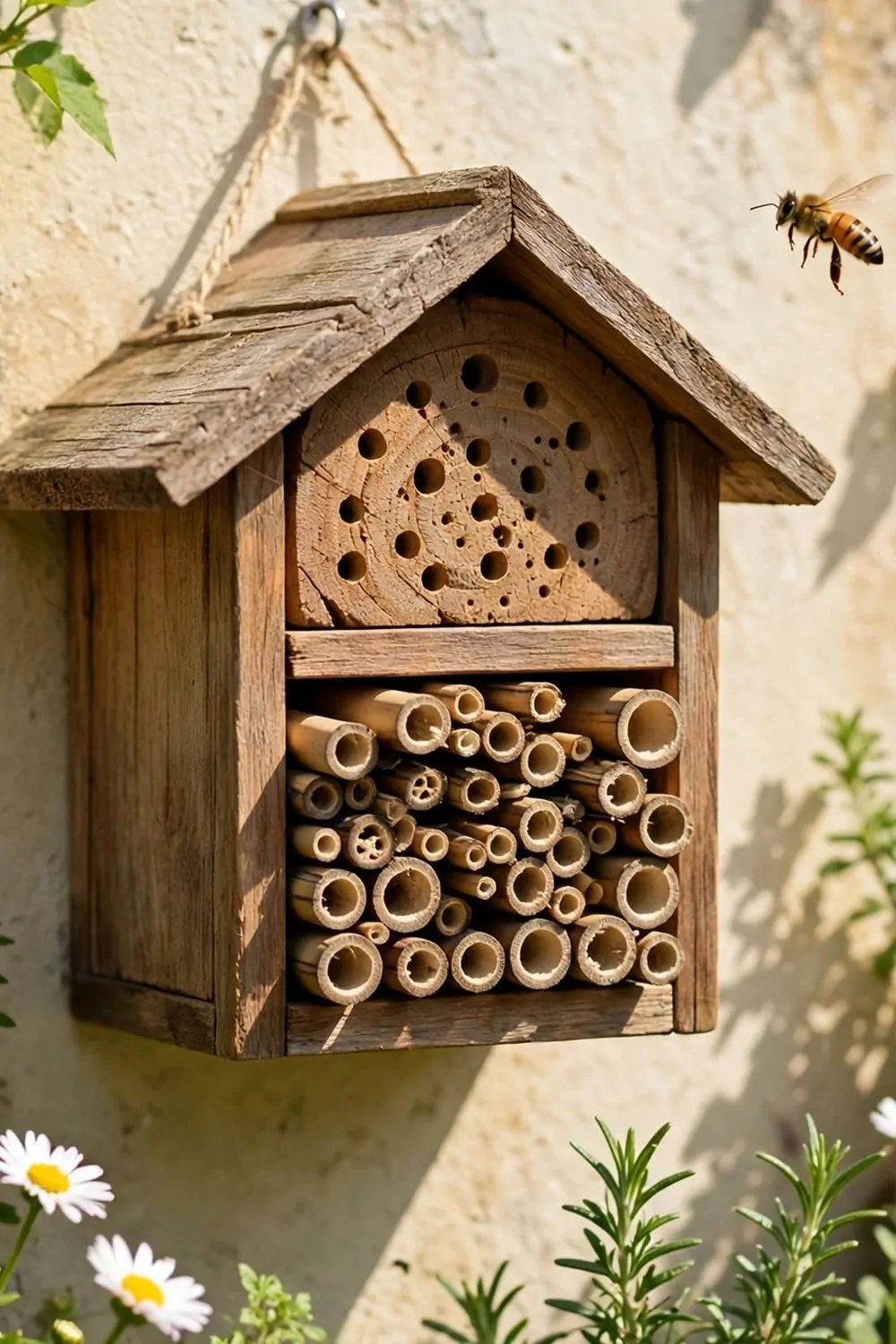
A bee hotel gives gentle solitary bees a safe place to rest and lay eggs. I hung a small wooden box on a sunny wall, and bees moved in within weeks.
It is made from hollow stems packed in a simple wooden frame.
I used dry bamboo stems and cut them to the same length. I packed them tight so they do not move. The front faces the sun, and the back stays dry.
Hang the hotel where it gets morning sun and stays dry in rain. A spot under a small roof edge works well. Keep it still, so the bees feel safe.
A small wooden bee hotel usually costs $12 to $22 for the frame and stems.
I check it now and then, but I do not move it.
You may see bees come and go with tiny bits of leaf or mud. Each tube holds one nest, and the bees seal it when it is full. It is fun to watch from a short distance.
Use plain wood with no paint or scent inside. Cut stems clean so bees do not hurt their wings. Hang it at eye height, firm and steady.
A small hotel can bring many quiet bees to your garden.
9. Grow Cosmos for Butterflies
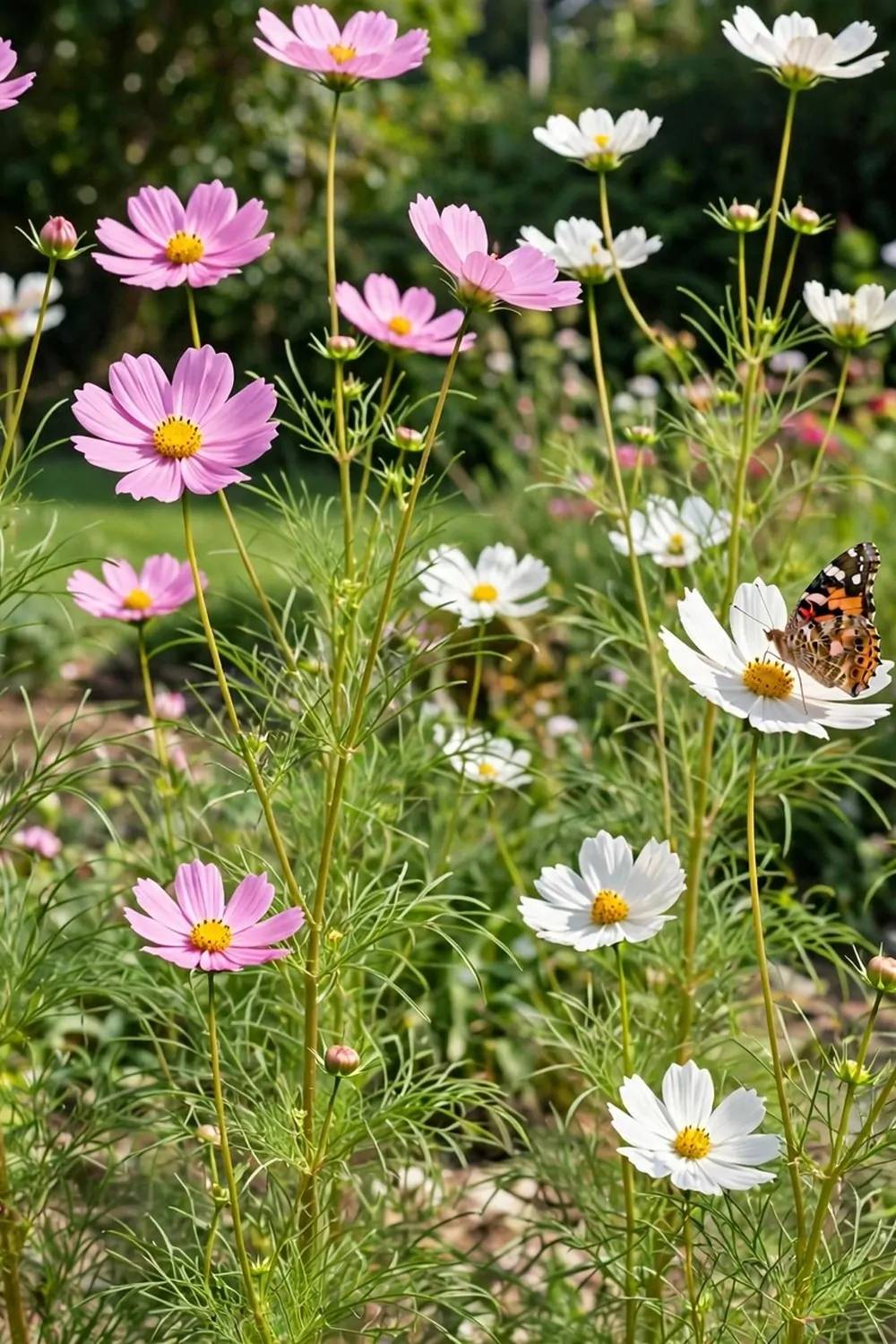
Cosmos are tall and airy, with soft petals that butterflies love. I plant them along the back of my flower beds.
They sway in a light breeze, and butterflies land on them with ease.
Cosmos bloom from early summer until the cool days come. The flowers are pink and white. Bees visit them too, all through the day.
They like sun and soil that is not too rich. Too much feed makes leaves, not flowers, so I keep it simple.
A packet of cosmos seeds usually costs $3 to $8 for a small bag and a little soil.
I sow them straight in the ground after the cold nights pass.
The plants grow tall, so give them space at the back. They look lovely behind shorter flowers. Butterflies drift from one tall stem to the next.
Water them when the soil feels dry on top. Pick off spent flowers to keep new buds coming. A light stake helps tall plants in wind.
Cosmos bring a soft, wild feel to a sunny garden.
10. Plant Native Flowers
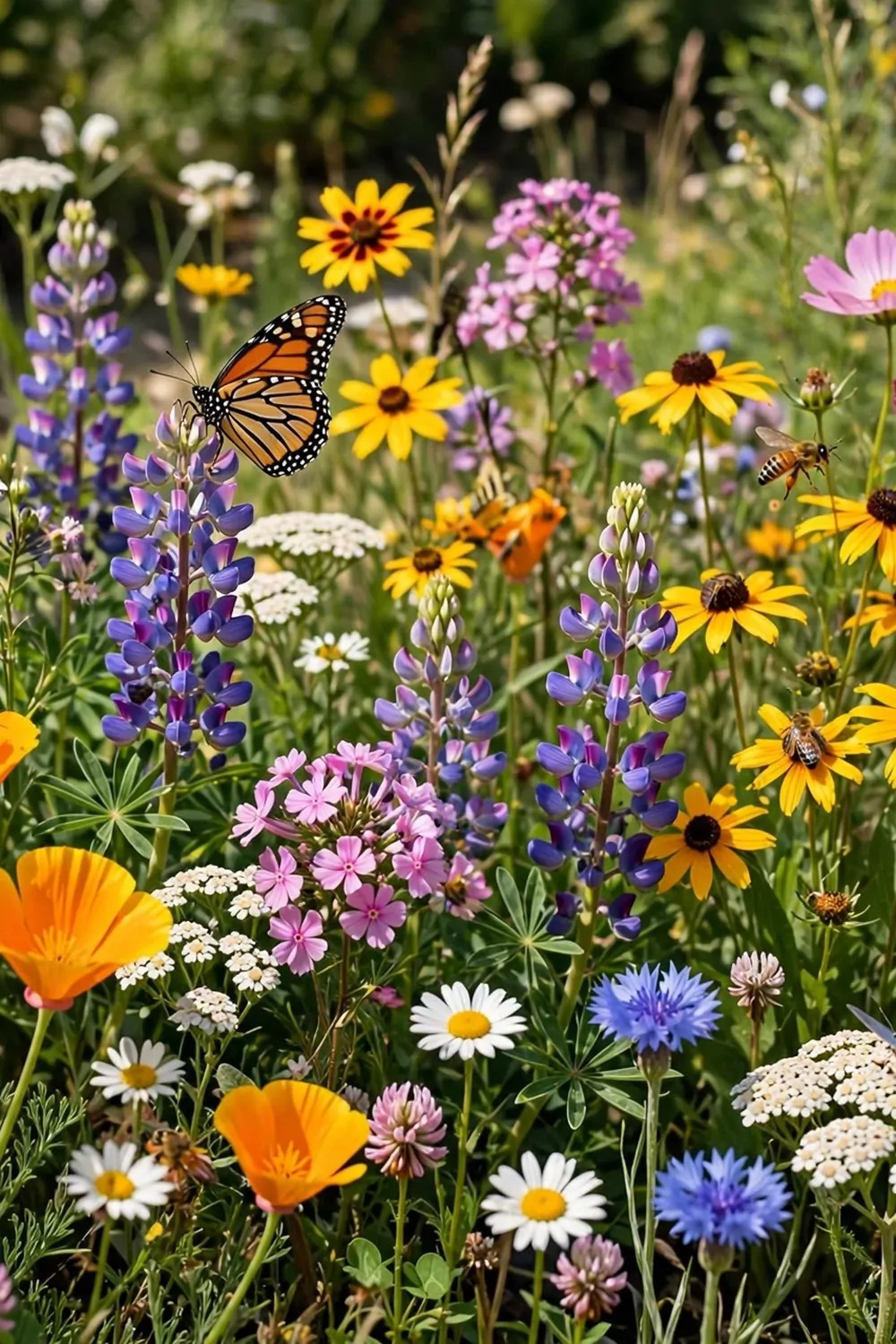
Local native flowers suit local bees best, because they grew up together. I asked at a nearby nursery which flowers grow wild near us.
Native plants need less water and less care once they settle in.
They bloom at the right time for local bees. The bees know the flowers and find them fast. Butterflies know them too, and visit often.
I started with three kinds that suit my soil and sun. One blooms in spring, one in summer, and one in late summer.
A native flower plant usually costs $6 to $13 for a small pot and soil.
I let them spread a little where they are happy.
Native flowers also feed other small insects that bees and birds rely on. Your garden becomes a small web of life. It feels more alive with each year.
Pick plants that suit your sun and soil, not just their colour. A nursery near you can help you pick well. Plant them in groups so bees can find them fast.
Native flowers are the easiest way to help local bees.
| Idea | Typical Cost |
|---|---|
| Lavender | $8 to $15 |
| Sunflowers | $3 to $7 |
| Wildflower patch | $6 to $12 |
| Milkweed | $7 to $14 |
| Zinnias | $4 to $9 |
| Water station | $5 to $11 |
| Herbs | $4 to $10 |
| Bee hotel | $12 to $22 |
| Cosmos | $3 to $8 |
| Native flowers | $6 to $13 |
11. Add a Butterfly Puddling Spot
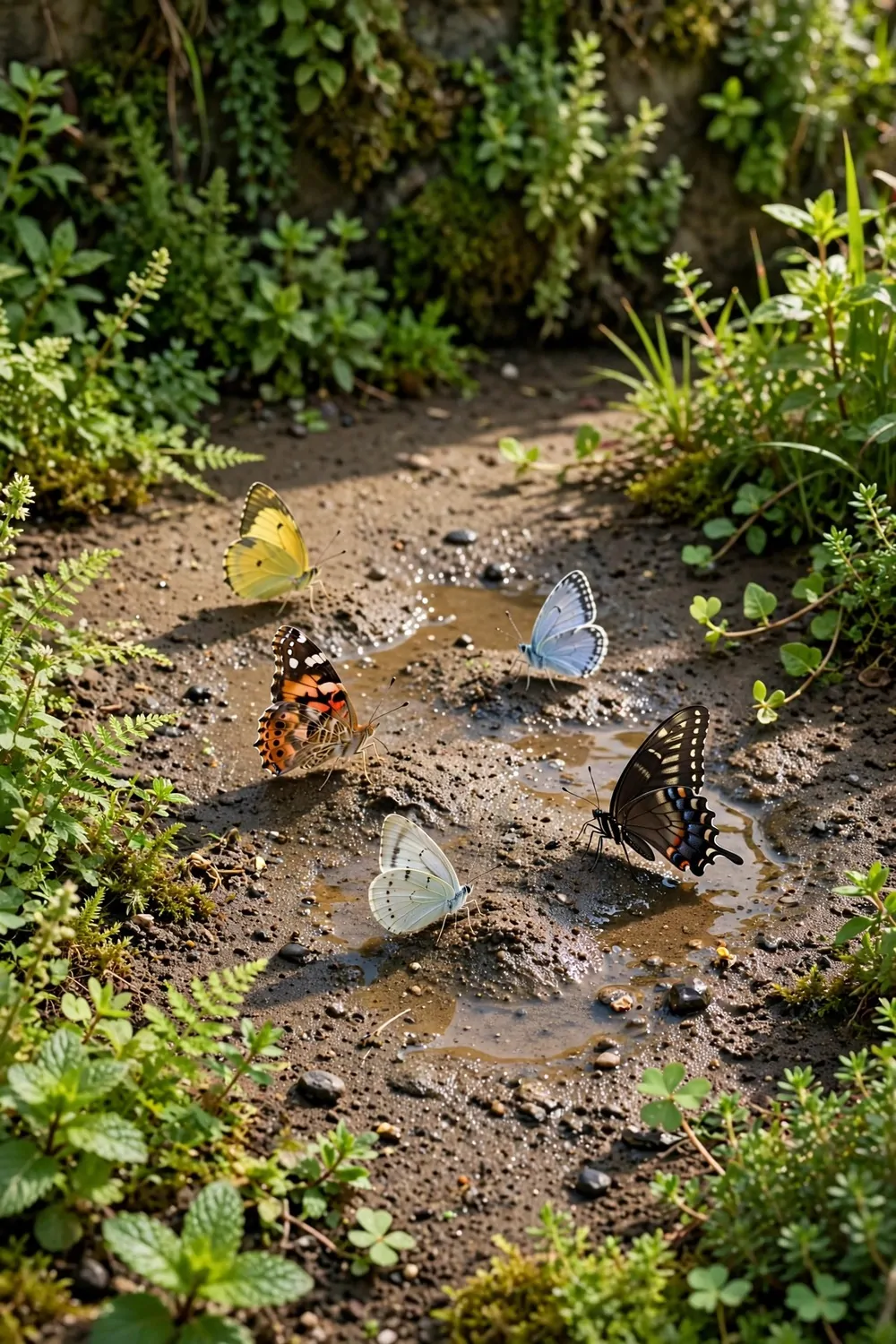
Butterflies sip minerals from damp sand, and a puddling spot gives them a safe place to do it. I made a small patch of damp sand near my flowers.
It is just a shallow tray or a flat patch of sand kept damp.
I made a wide, shallow patch of clean sand. I added plain water until the sand felt damp but not flooded. A few small stones give butterflies a place to stand.
Put the spot in a sunny place where butterflies already fly. Near flowers works best, so they find it fast. Keep it away from busy paths.
A shallow tray of clean sand usually costs $5 to $12 for the set.
I wet the sand in the morning on hot days.
You may see a few butterflies gather at once, with wings open in the sun. They sit still for a while, then fly off to the flowers. It is a quiet joy to watch.
Use plain water and plain sand, nothing else added. Keep the sand damp, not dry and not deep in water. Move the tray if butterflies do not find it in a week.
A damp sandy spot is a small gift for butterflies.
12. Grow Coneflowers for Bees
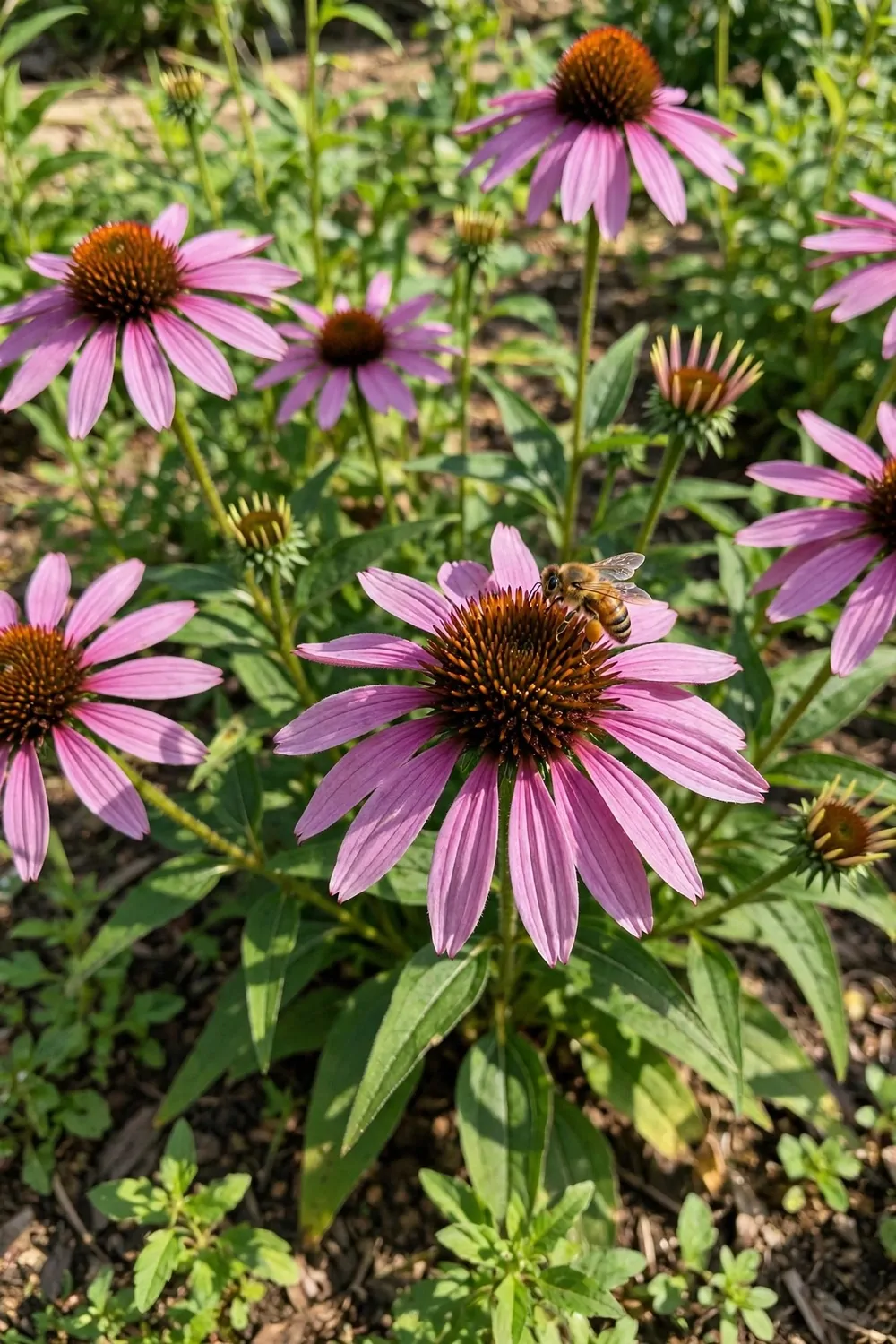
Coneflowers have purple petals around a raised brown centre, and bees visit them all day. I planted a row in the sunniest bed.
They bloom for a long time in summer.
Bees land on the centre and walk around it to gather pollen. Butterflies stop by too, and rest with wings open. The flowers stand tall and do not flop over.
Coneflowers like sun and soil that drains well. They come back each year, so you plant them once and enjoy them again.
A coneflower plant usually costs $7 to $15 for a small pot and soil.
I leave some seed heads standing into the cool months.
Birds eat the seeds later in the year, which is a nice bonus. The plants need little care once they settle. Water them well at the start, then less often.
Plant them in groups of three or five for a full look. Space them so air can move between the stems. A sunny bed near a path lets you watch the bees up close.
Coneflowers are tough, bright, and loved by bees.
13. Plant a Clover Lawn Patch
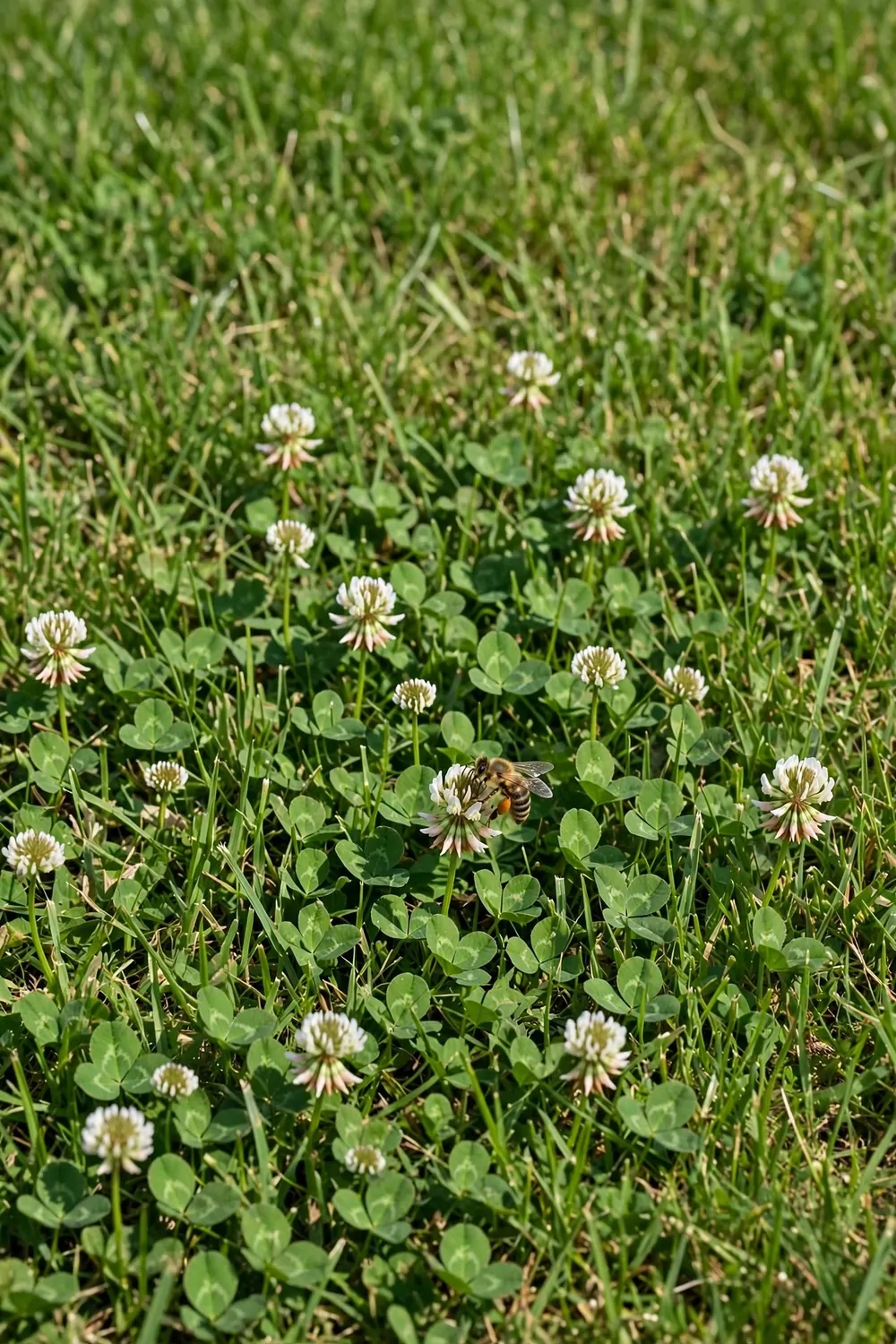
Clover in the lawn gives bees white flowers to visit, and it stays green with little care. I let a patch of clover grow in one corner of my lawn.
The small white flowers open in warm weather.
Bees visit them from morning until evening. The patch looks soft and green, even in dry spells. I mow less often, so the flowers have time to open.
Clover feeds the soil too, so the grass near it grows well. It spreads slowly and fills bare spots on its own. You do not need to fuss over it.
A bag of white clover seed usually costs $5 to $10 for a small patch and a little soil.
I sow the seed in spring, when the soil feels warm.
Rake the bare spots lightly first, then scatter the seed. Water it well until the tiny plants sprout. Soon the patch turns thick and green.
Mow high and less often, so flowers can open between cuts. A patch near the edge of the lawn works well. Kids can still play on it, and bees can still visit the flowers.
A clover patch is an easy way to feed bees from your lawn.
14. Add Flowering Shrubs for Bees
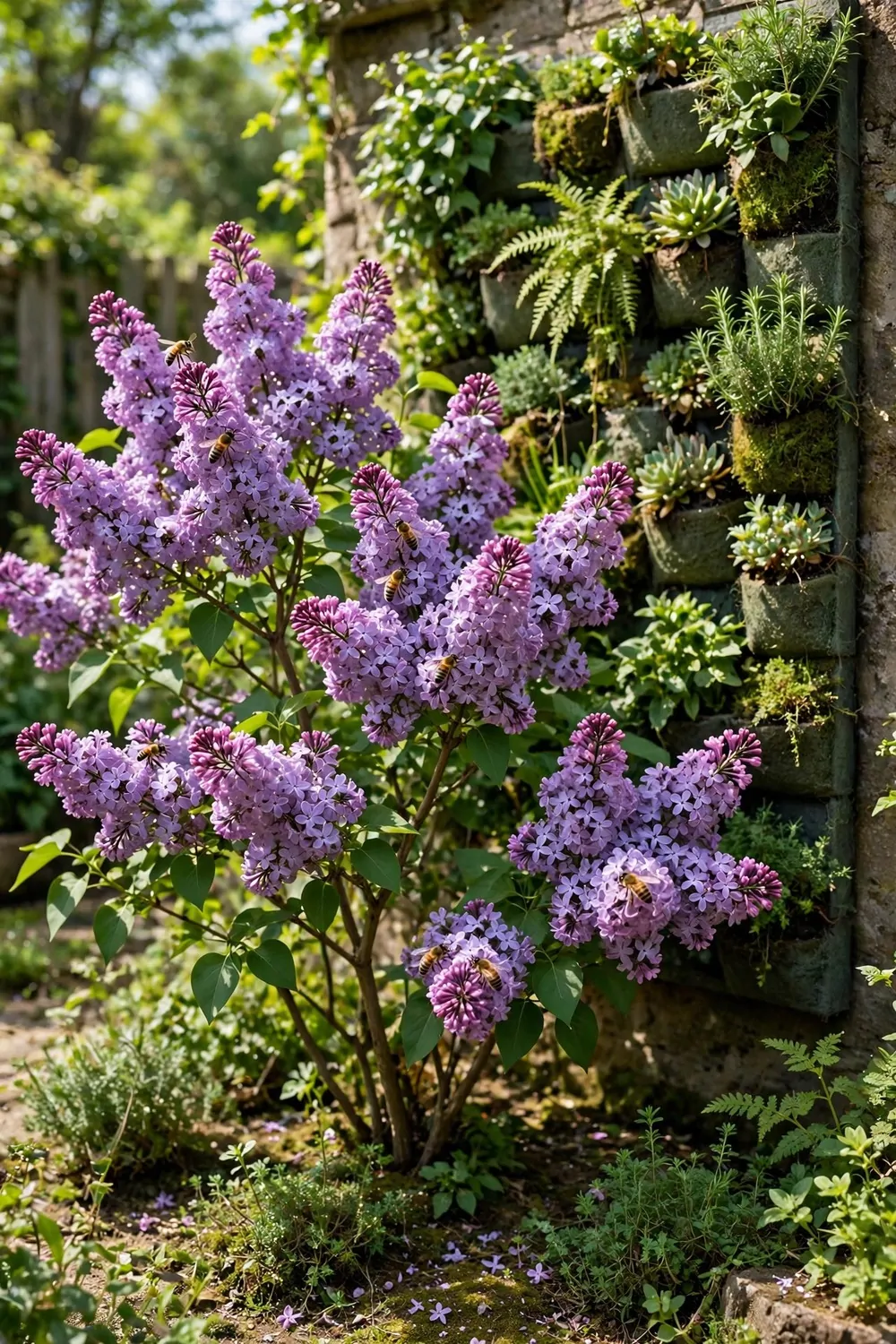
Flowering shrubs give bees early food, when few flowers are open. I planted a lilac near the fence, and bees crowd its blooms in spring.
Lilac and weigela both make lots of flowers on one bush.
The blooms open in clusters, so bees can visit many flowers at once. The scent drifts across the garden on warm days. Butterflies stop by too, once the days warm up.
Shrubs need sun and space to grow wide. Give them room, and they will fill it with flowers each year. Prune lightly after they bloom, not before.
A small flowering shrub usually costs $15 to $28 for a pot and soil.
I water new shrubs well in their first warm season.
Once they settle, they need little care. They come back bigger each year, with more flowers for bees. A shrub can feed bees for many years.
Pick a shrub that suits your space and sun. A small garden does well with one compact shrub. Plant it where you can see the blooms from a window.
One shrub can feed many bees in spring.
15. Grow Marigolds for Pollinators
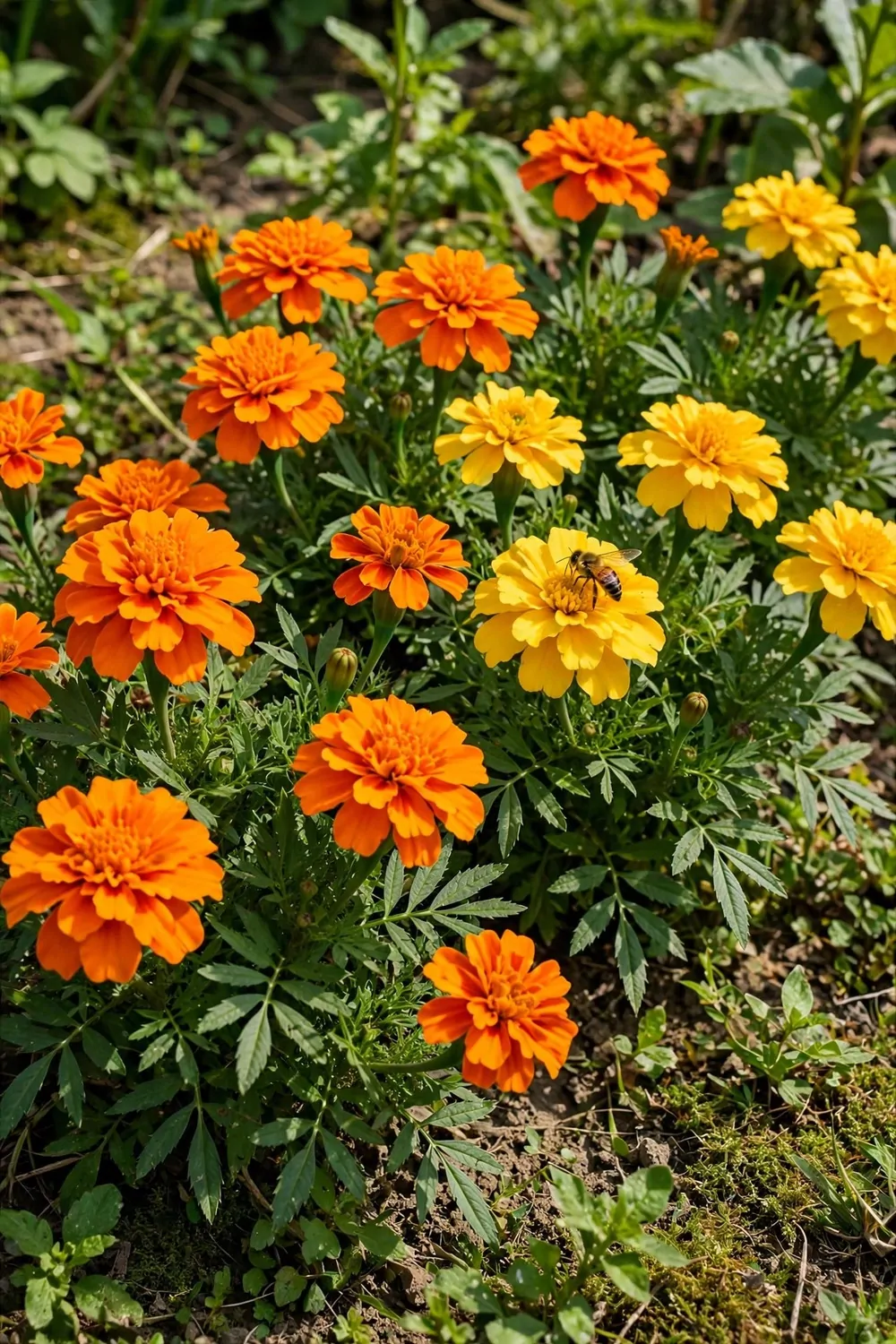
Marigolds are bright and easy, and bees visit them through the warm months. I plant them along the edges of my beds each year.
Their orange and yellow flowers glow in the sun.
Bees land on the open flowers to gather pollen. Butterflies stop by too, drawn by the bright colour. The plants bloom for months with little fuss.
Marigolds like sun and soil that drains well. They grow fast from seed or from small plants. I water them at the base in the morning.
A packet of marigold seeds usually costs $4 to $8 for a small bag and a little soil.
I pinch off spent blooms to keep new flowers coming.
The plants stay neat and bushy if you pick off old blooms often. They suit pots, beds, and sunny steps. You can plant them with tomatoes and other veg too.
Sow seeds after the cold nights pass, or buy small plants to start faster. Space them a hand width apart. Keep the soil damp until they sprout.
Marigolds are a bright, simple friend for bees and butterflies.
16. Plant Bee Balm for Bees
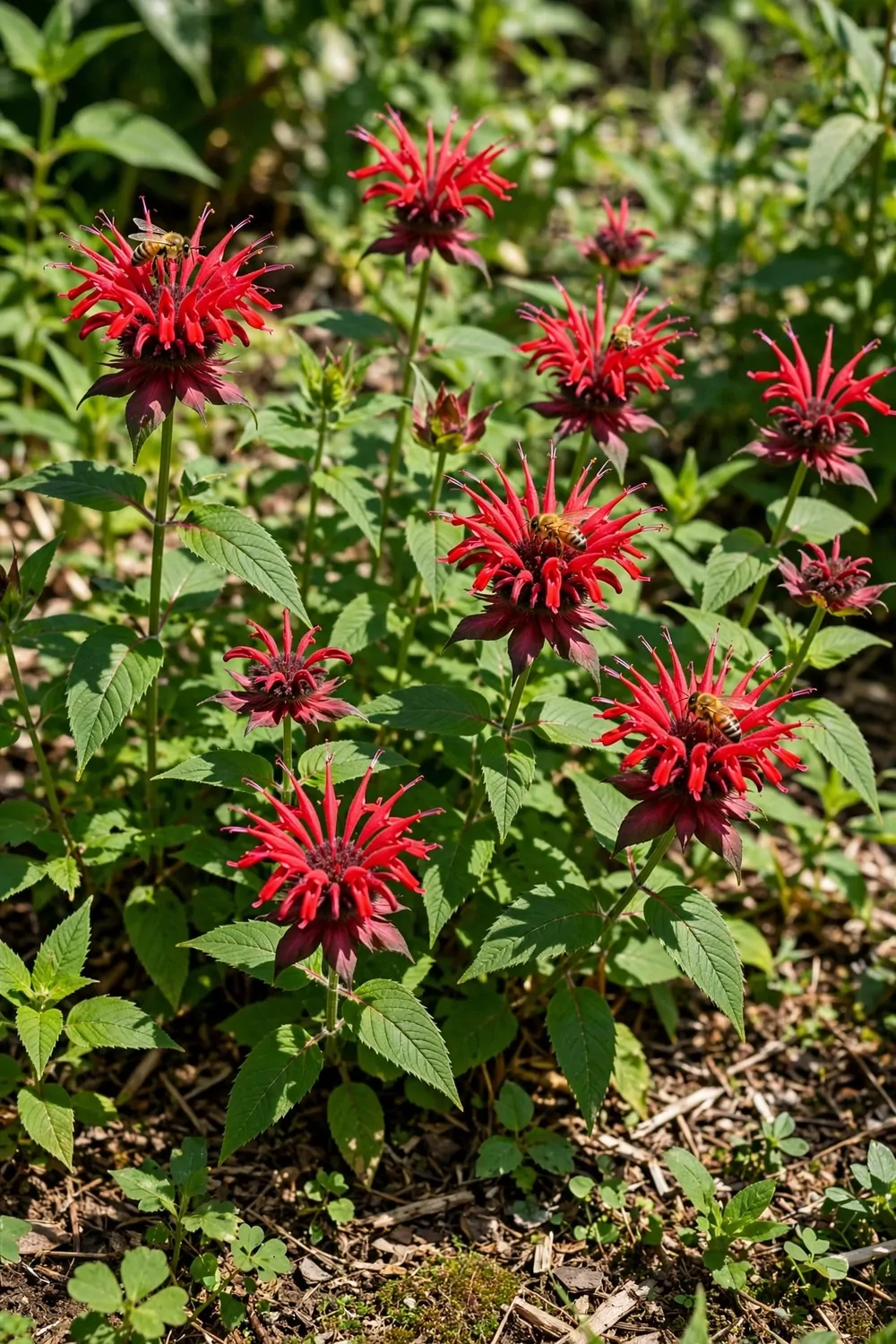
I planted bee balm by my back door last spring.
The red flowers opened first and the pink ones came next. Bees found them in one day and they came back each morning.
You can smell the soft leaves when you brush past them.
It grows tall and full by summer. It fills a dull corner fast. It asks for very little from you.
Give it sun and a bit of room to spread. It likes a spot where air can move round it.
A small pot of bee balm usually costs $7 to $13 at a garden shop.
Water it when the top of the soil feels dry to the touch. I water mine in the early morning so the leaves dry by noon.
Cut the spent flowers off and new ones will come.
I sit near it with my tea in the morning. I watch the bees work from flower to flower. It makes the whole yard feel alive.
17. Add a Sunny Rock Spot for Butterflies
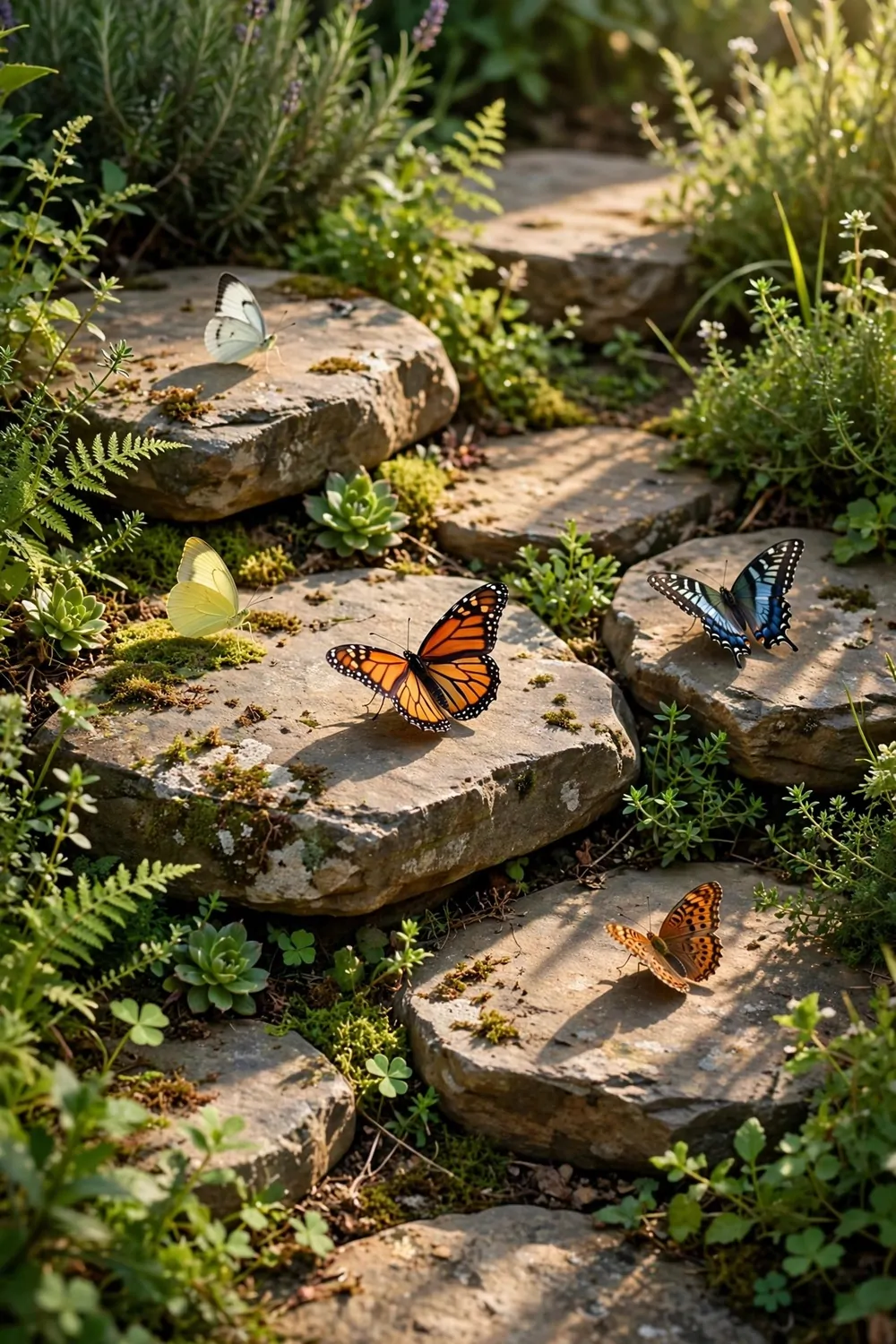
Butterflies love a warm flat rock in the sun.
I set a few flat rocks near my flower bed last year. They sit in full sun for most of the day.
In the morning the butterflies land there and open their wings wide.
The rock warms them up after a cool night. It helps them fly and feed. It gives them a safe place to rest.
Pick rocks that are wide and flat on top. Rough edges are fine as long as the top stays level.
A bag of flat garden rocks usually costs $8 to $14 at a garden shop.
Put the rocks close to your flowers but not in the shade. The butterflies can warm up and then hop straight to a bloom.
I like to check the spot after lunch. I often see two or three butterflies there at once. It feels like a tiny sun deck just for them.
Keep the rocks clear of leaves so the sun can reach them.
18. Grow Borage for Bees
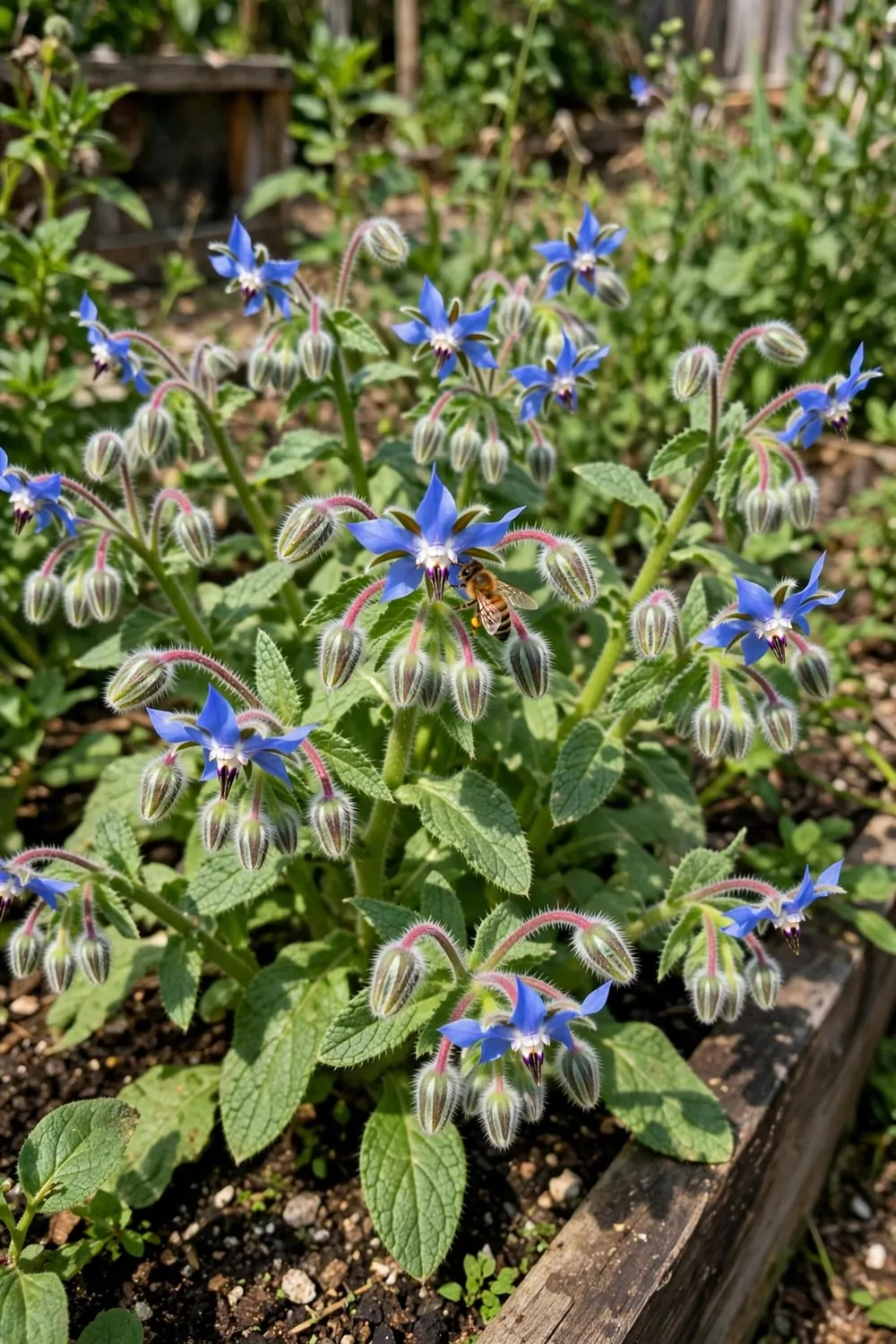
Borage is one of the kindest plants for bees.
Its blue star flowers open all summer long. Bees visit them from morning till late in the day.
I sowed a few seeds in a sunny patch and they grew fast.
The leaves feel a bit rough to touch. The stems grow tall and a bit wild. I let them lean where they want.
It drops its own seeds when the season ends. New plants pop up next spring without any help from you.
A packet of borage seeds usually costs $5 to $9 at a garden shop.
Give it sun and plain soil that drains well. It does not need rich food to grow strong.
Water it when the soil feels dry and it will keep going.
I love the soft blue colour next to my yellow flowers. It makes the bed look fresh and bright. The bees seem to love that mix too.
19. Plant Asters for Late Season
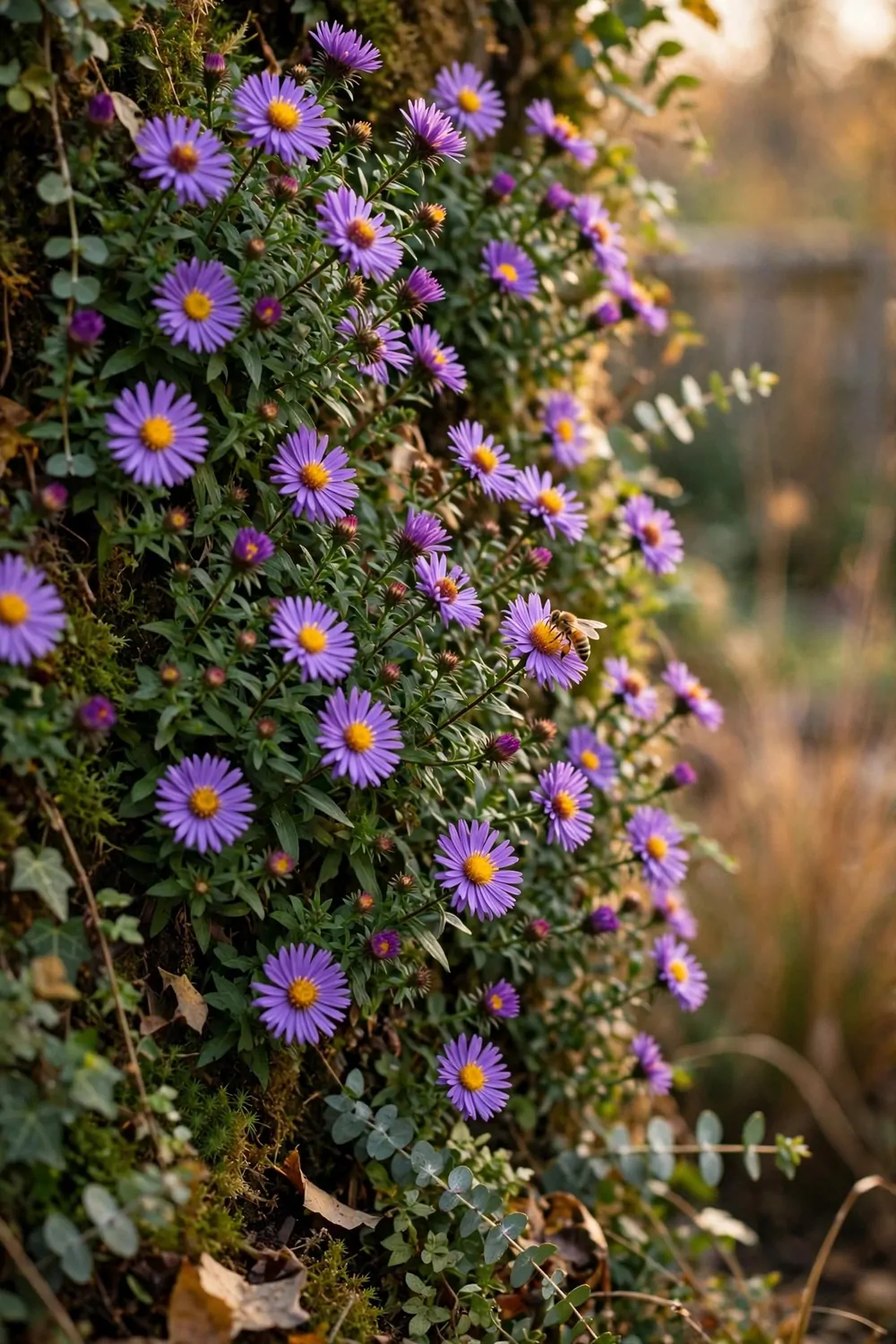
Asters save the garden when most flowers fade.
They bloom late in the year when little else is left. Bees and butterflies still need food then and asters give it to them.
I planted a row of purple asters along my fence.
They grew into full bushy clumps by autumn. The flowers opened in soft purple. My yard looked alive again when other beds looked tired.
Give them sun and soil that drains well. They do not like wet feet for long.
A small pot of asters usually costs $6 to $11 at a garden shop.
Cut the stems back a little in early summer. That helps them grow bushy and bloom with more flowers.
Water them when dry spells last more than a few days.
I love to see bees on asters in the late light. It feels good to know they still have food. It makes autumn feel less like an ending.
20. Grow Phlox for Butterflies
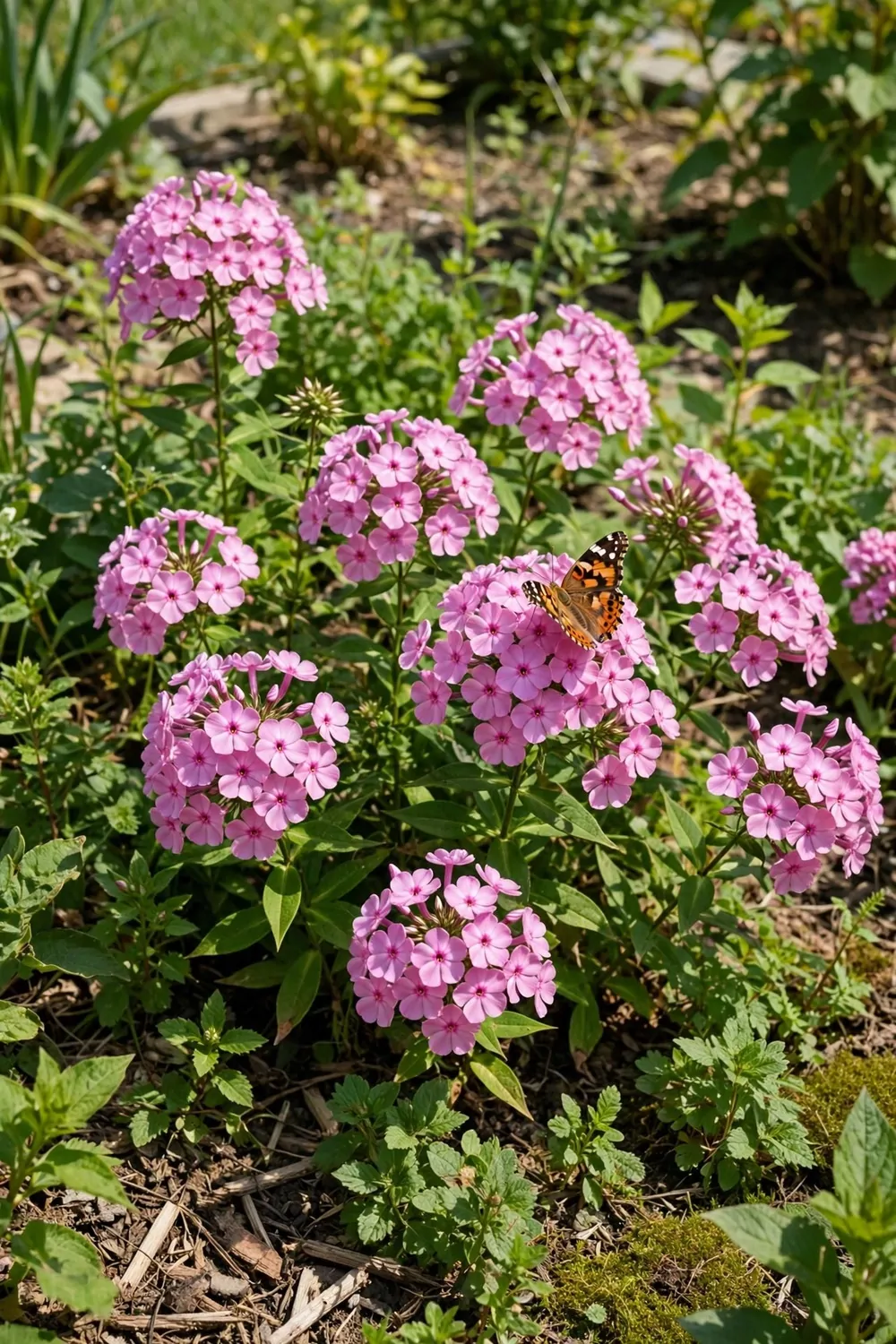
Phlox fills the air with a sweet scent in summer.
Butterflies follow that scent across the yard. They land soft on the flat flower heads and stay a while.
I planted pink phlox near my path so I could smell it as I pass.
The tall stems hold big clusters of flowers. They come in pink. They look lovely next to green leaves.
Give phlox sun and soil that holds a bit of damp. It likes a spot with good air round it.
A small pot of phlox usually costs $7 to $12 at a garden shop.
Water it at the base when the soil feels dry. Try to keep the leaves dry when you water.
Cut off the spent flower heads and more will open.
I sit on my step in the evening and watch the butterflies drift in. They move slow from bloom to bloom. It is a calm and happy sight.
| Idea | Typical Cost |
|---|---|
| Puddling spot | $5 to $12 |
| Coneflowers | $7 to $15 |
| Clover patch | $5 to $10 |
| Flowering shrubs | $15 to $28 |
| Marigolds | $4 to $8 |
| Bee balm | $7 to $13 |
| Rock spot | $8 to $14 |
| Borage | $5 to $9 |
| Asters | $6 to $11 |
| Phlox | $7 to $12 |
21. Grow Veronica for Bees
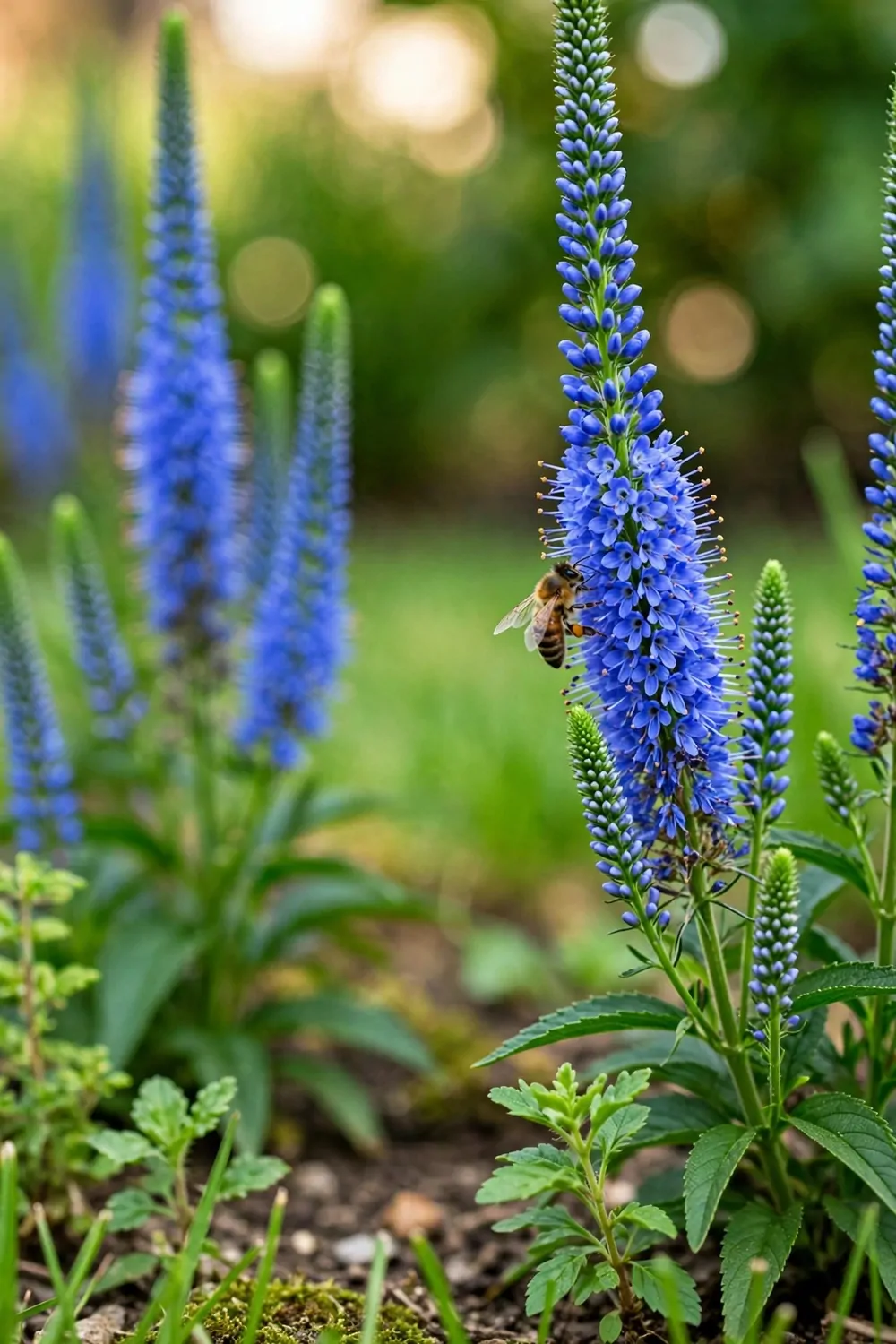
Veronica grows tall blue spikes that bees adore.
The spikes open from the bottom up over many weeks. Bees work their way up each spike a little at a time.
I planted a row of veronica at the front of my bed.
The blue colour stands out against the green leaves. It looks neat and tidy even when it rains. It blooms for a long time without fuss.
Give it sun and soil that drains well. It likes a spot where water does not sit.
A small pot of veronica usually costs $8 to $13 at a garden shop.
Cut the spent spikes off when they fade. New side shoots often grow and bloom again.
Water it when the top soil feels dry to touch.
I love how the bees line up along one spike. They move slow and steady in the sun. It is one of my favourite sights in summer.
22. Add Blooming Vines on a Trellis
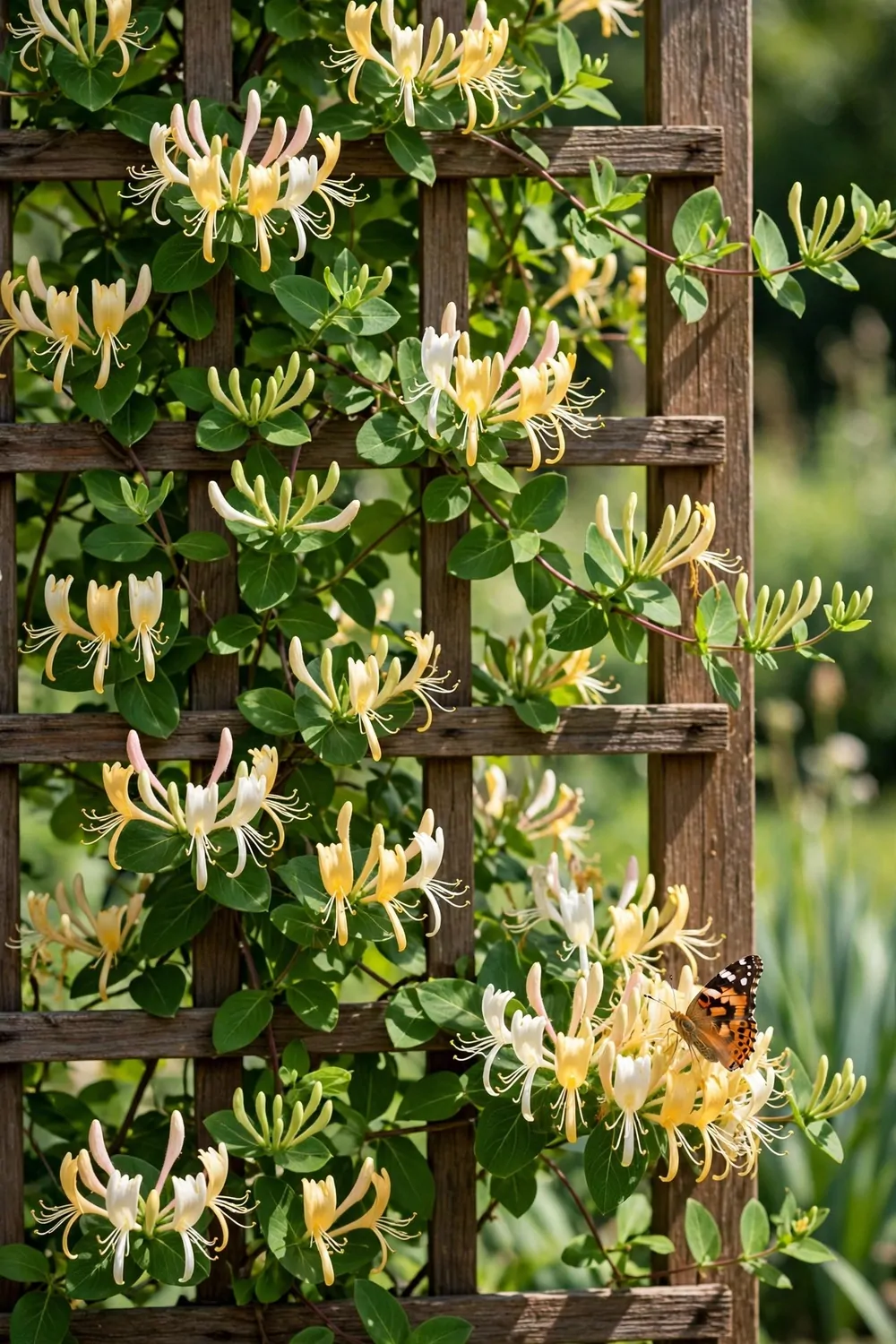
A trellis with vines turns a plain wall into a living one.
I fixed a wooden trellis to my fence last spring. Honeysuckle and clematis now climb up it side by side.
The honeysuckle flowers smell sweet in the evening air.
Clematis opens big soft blooms in pink and purple. The two vines weave round each other. Together they make the fence look full and bright.
Give the trellis a sunny spot with room for roots. Tie new stems in soft as they grow so they do not snap.
A small vine plant usually costs $9 to $15 at a garden shop.
Water the base when the soil feels dry. A layer of mulch round the roots helps hold the damp in.
Trim the vines back a little when they grow too wild.
I love to see bees and butterflies visit the high blooms. They can feed up high where the sun is warm. It makes the whole corner feel like a garden room.
23. Grow Yarrow for Bees
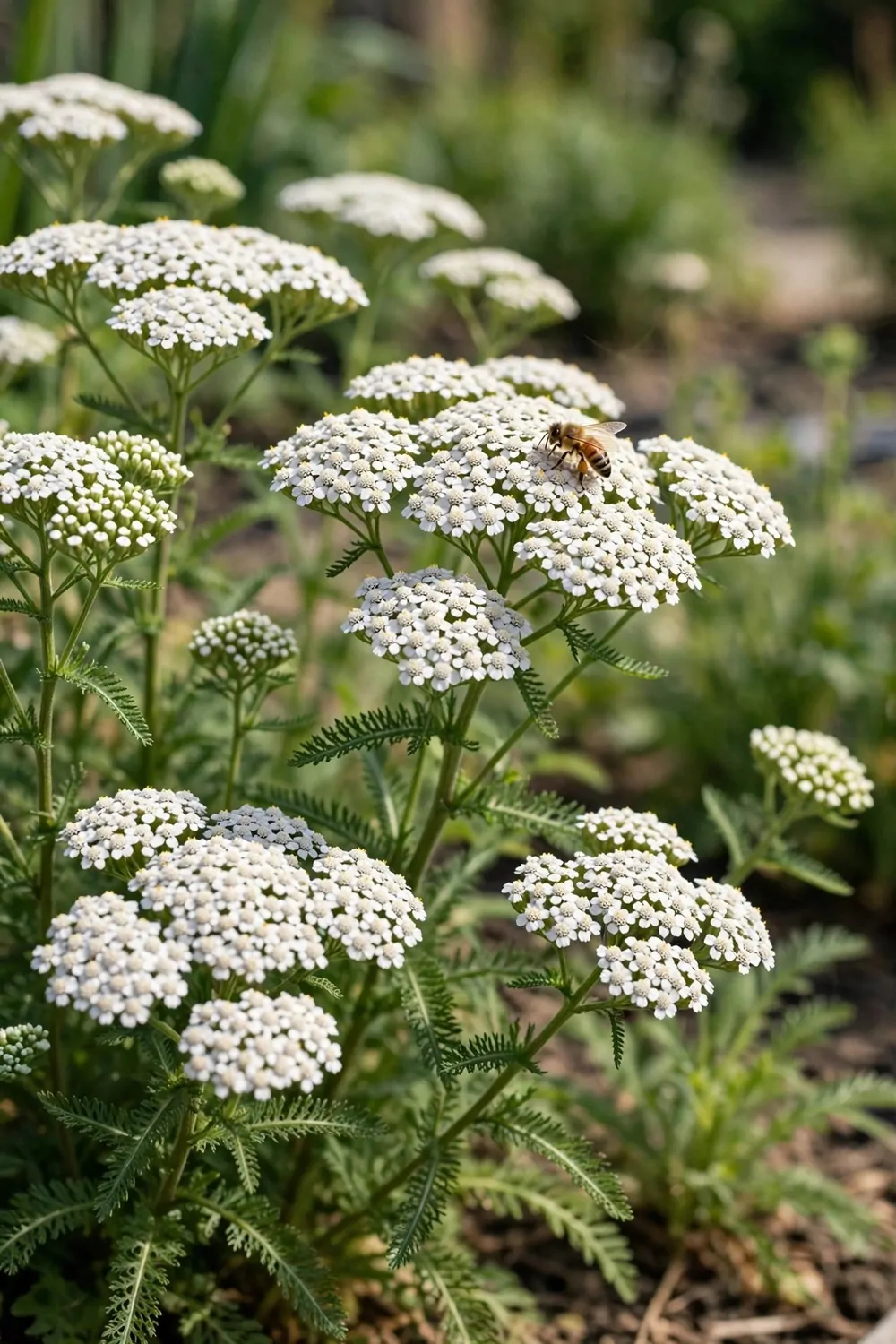
Yarrow is tough and easy and bees love it.
Its flat flower heads sit on tall straight stems. They come in white and they last for weeks.
I planted yarrow in a dry sunny spot where little else grew.
It settled in fast and spread a little each year. It does not mind poor soil or a hot day. It keeps blooming when other plants droop.
Give it full sun and soil that drains well. It hates wet feet more than it hates dry days.
A small pot of yarrow usually costs $6 to $10 at a garden shop.
Cut the flower heads off when they fade. New flowers often grow from the side shoots.
Water it only when the soil feels dry for a few days.
I like the flat heads because bees can land easy on them. They walk round and round each tiny bloom. It is a small and busy sight I never tire of.
24. Add a Window Box of Pollinator Flowers
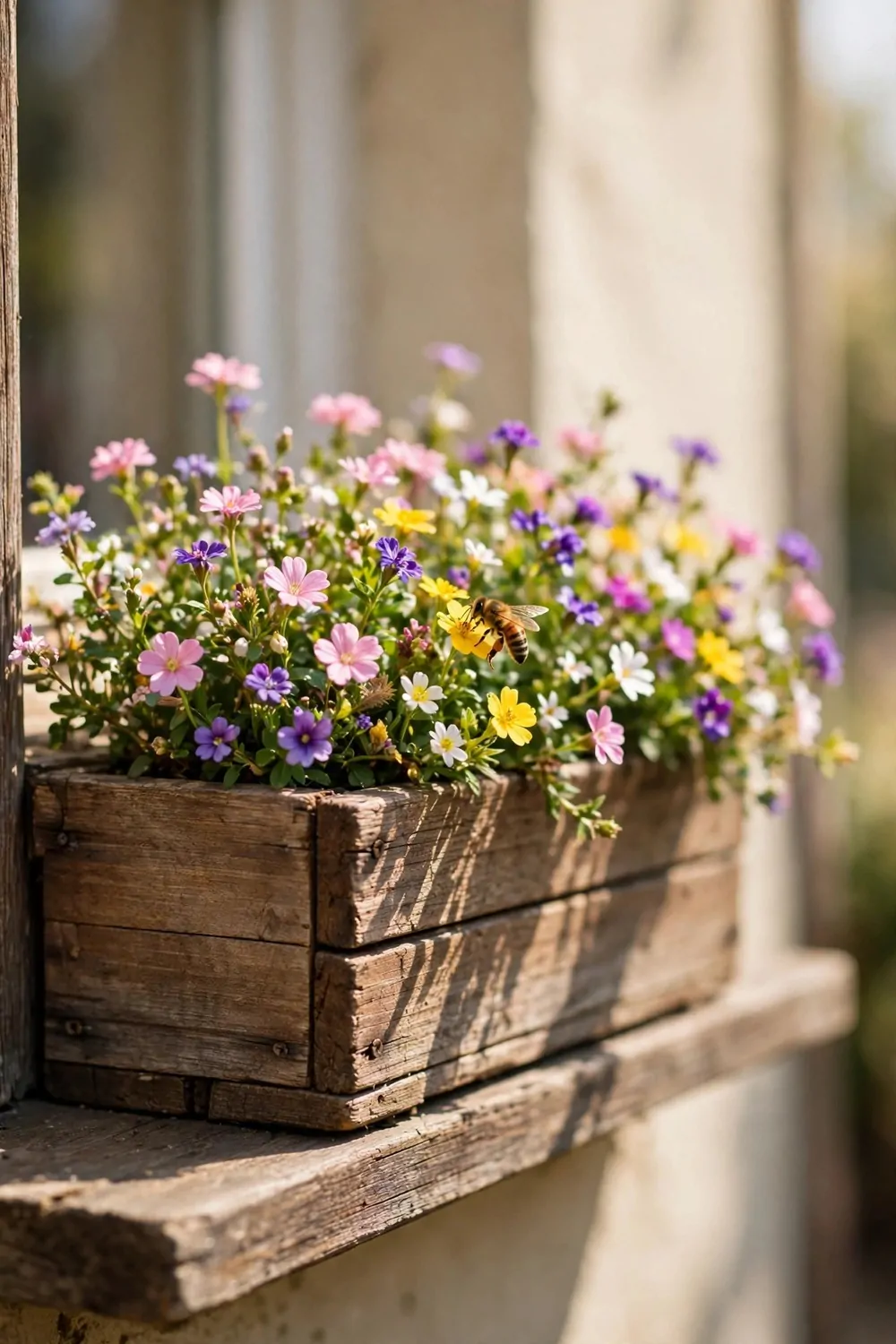
A window box brings bees and butterflies right to your window.
I filled a long box with small flowers last spring. It sits on my sunny kitchen window and I see it every day.
You can grow a lot in a small box if you pick small plants.
I chose low flowers in pink, white and purple. They spill a little over the edge. They look soft and bright from inside and out.
Pick a box with holes in the base so water can drain. Fill it with light potting soil and press the plants in firm.
A small window box usually costs $11 to $18 at a garden shop.
Water the box when the top soil feels dry. Boxes dry out fast in sun so check them often in summer.
Pinch off spent blooms and the plants will keep flowering.
I love to watch a bee visit my window box while I wash up. It feels like the garden came to me. It makes a small space feel full of life.
25. Grow Black-Eyed Susans for Bees
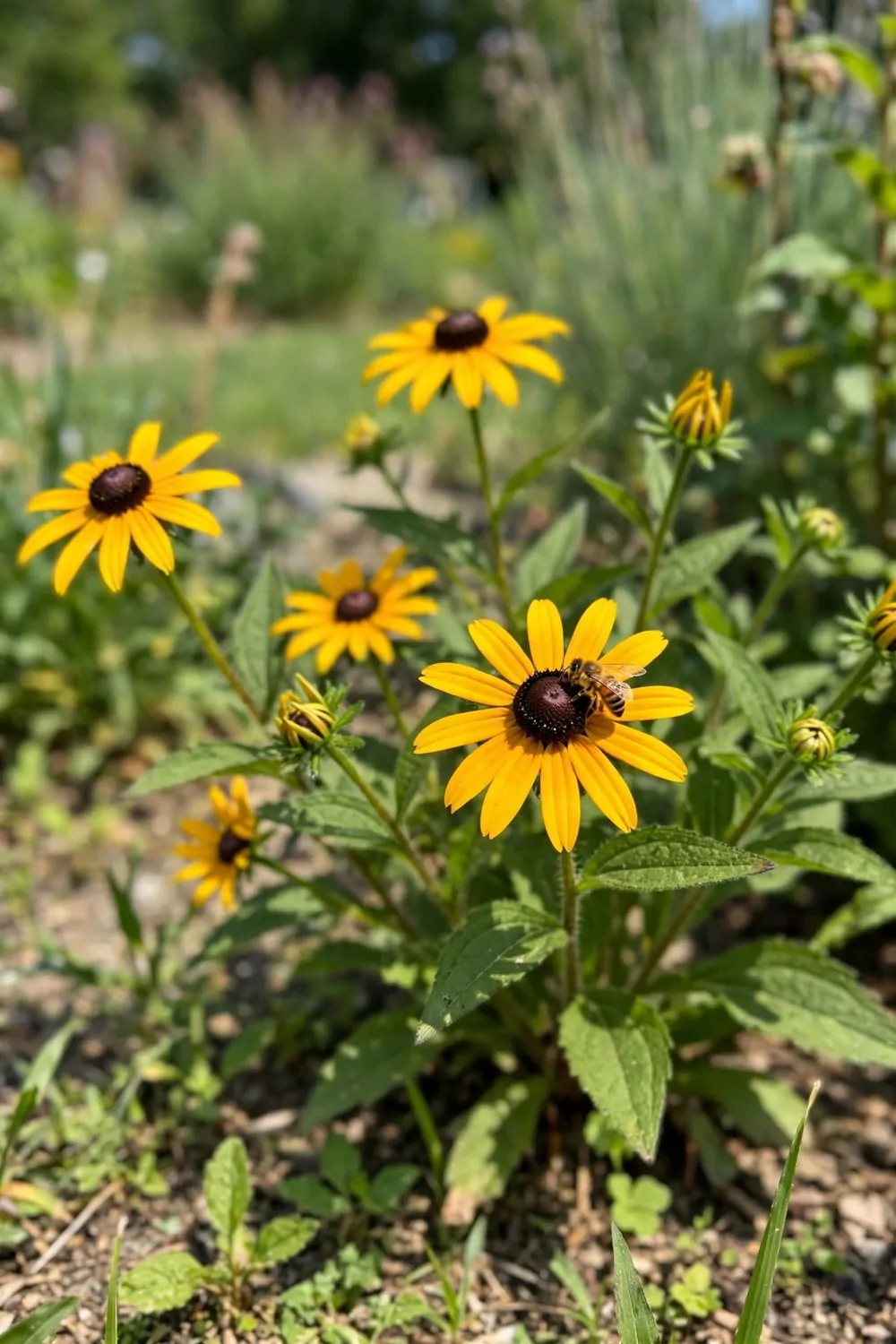
Black-eyed susans light up a summer bed like sunshine.
Their yellow blooms ring a dark brown centre. Bees visit them all summer long from the first bloom to the last.
I planted a clump of them near my front path.
They grew tall and full in one season. They need very little care once they settle in. They come back year after year with more stems.
Give them sun and soil that drains well. They cope with a dry spell better than many flowers.
A packet of black-eyed susan seeds usually costs $5 to $10 at a garden shop.
Water them when the soil feels dry at the top. Deadhead the spent flowers to keep new ones coming.
Leave a few seed heads late in the season and they will drop seed for next year.
I love the bright yellow next to my purple flowers. It makes the whole bed glow in the sun. The bees seem to agree with me.
26. Plant Sedum for Late Bees
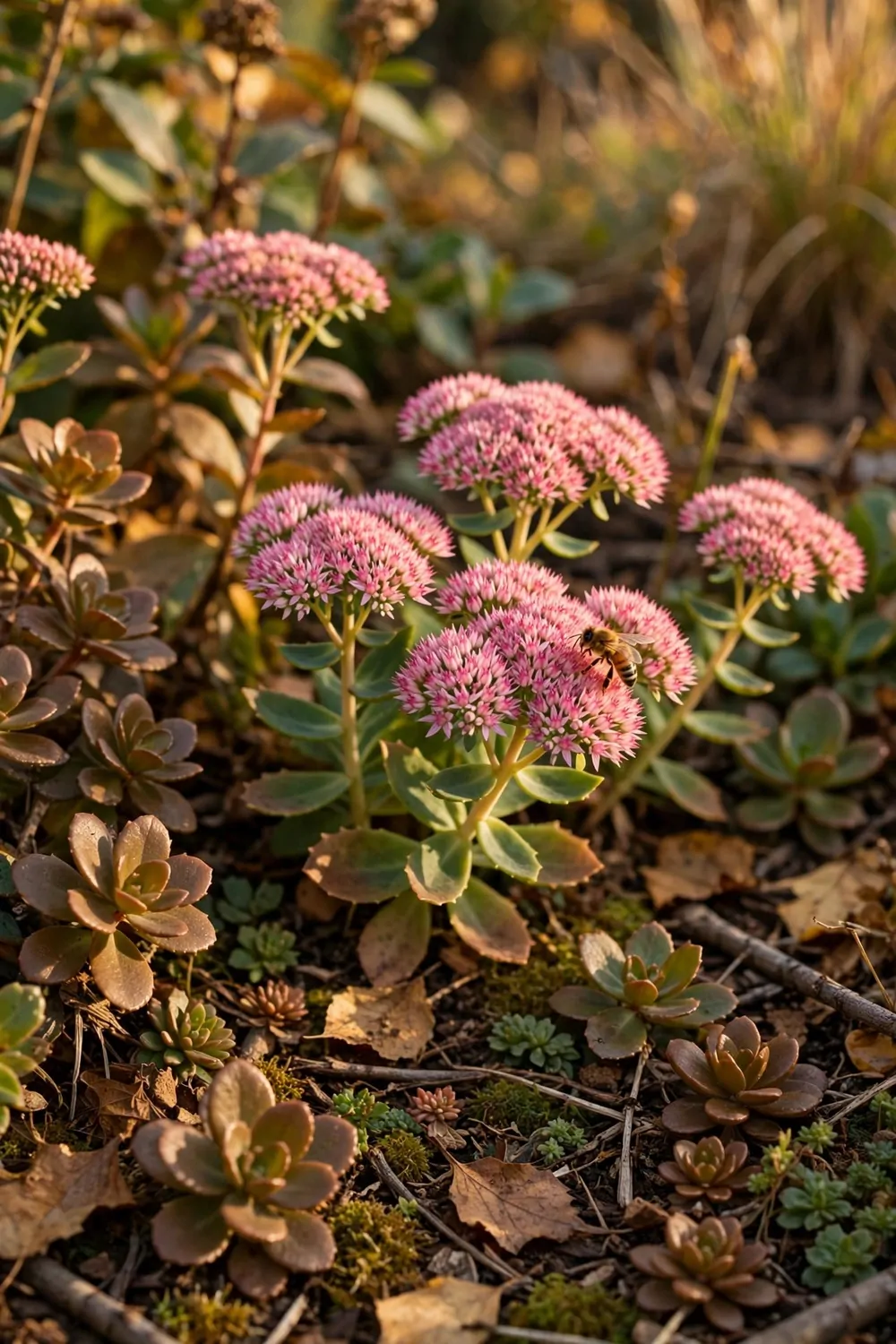
Sedum blooms late when bees need food most.
Its flat pink flower heads open in late summer and last into autumn. Bees crowd them on warm autumn days.
I planted sedum along the edge of my sunny bed.
The thick fleshy leaves store water for dry days. The plants stay low and neat all year. They need almost no care from you.
Give sedum sun and soil that drains fast. It does not like wet soil round its roots.
A small pot of sedum usually costs $7 to $12 at a garden shop.
Water it only when the soil feels very dry. Too much water will make the stems soft and weak.
Leave the seed heads standing through the cold months.
I love to see bees on sedum in the low autumn sun. It feels like a last feast before the cold. It makes me glad I planted it.
27. Add a Log Pile for Wild Bees
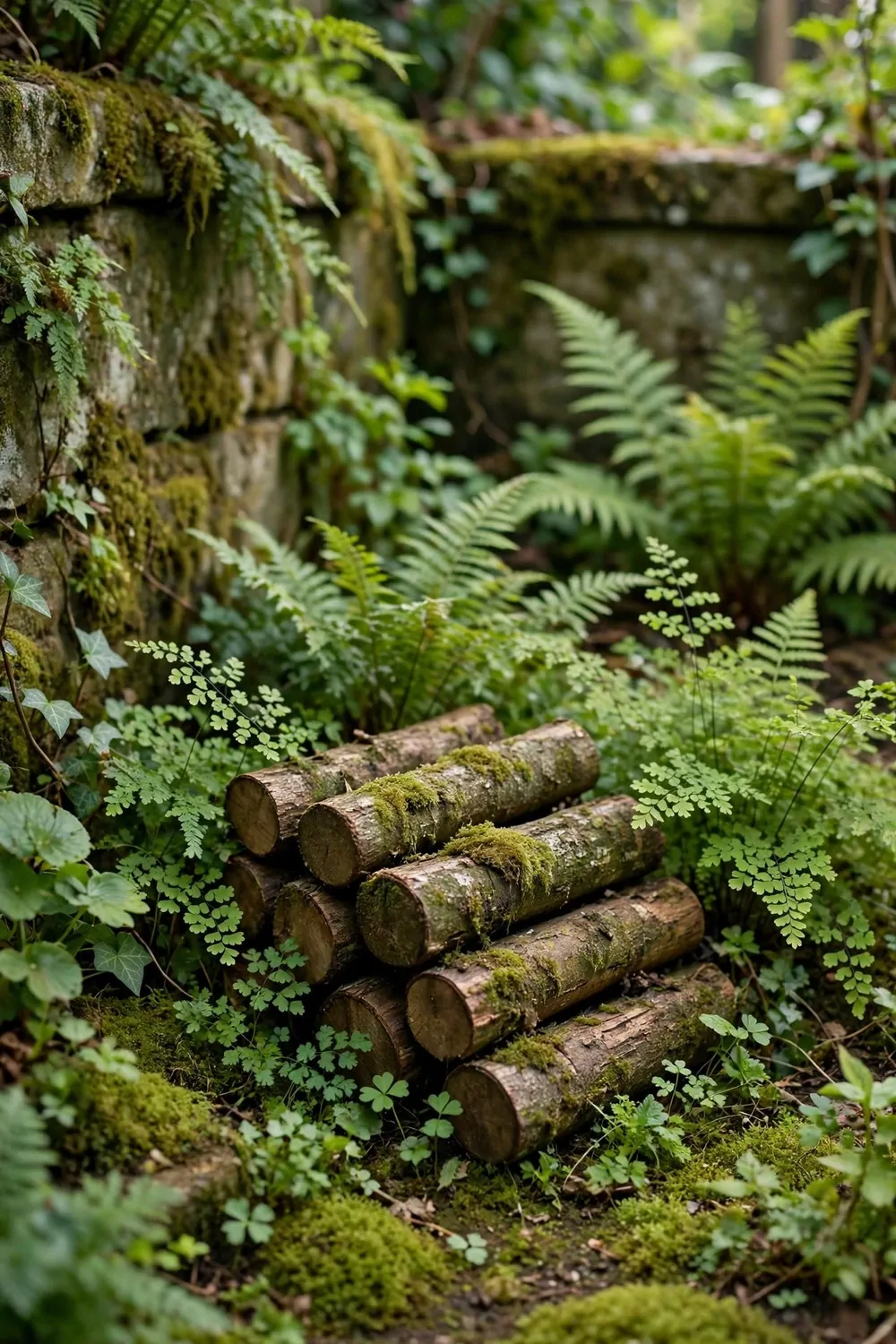
A small log pile gives wild bees a quiet place to nest.
I stacked a few old logs in a shady corner last year. I left small gaps between them and tucked dry leaves in the gaps.
Wild bees need a safe dry place away from busy paths.
The logs rot slow and make soft wood for nesting. The pile also gives shelter on wet days. It stays cool in summer and dry in rain.
Pick a quiet corner where you do not walk much. Stack the logs loose so air can move through them.
A small stack of logs usually costs $10 to $16 if you buy them ready cut.
Leave the pile alone once it is built. Do not move it or tidy it too much.
Add a few new logs each year as the old ones rot down.
I check my log pile from a distance in spring. I sometimes see a small bee slip into a hole. It feels good to give them a home of their own.
28. Grow Sweet Alyssum as Ground Cover
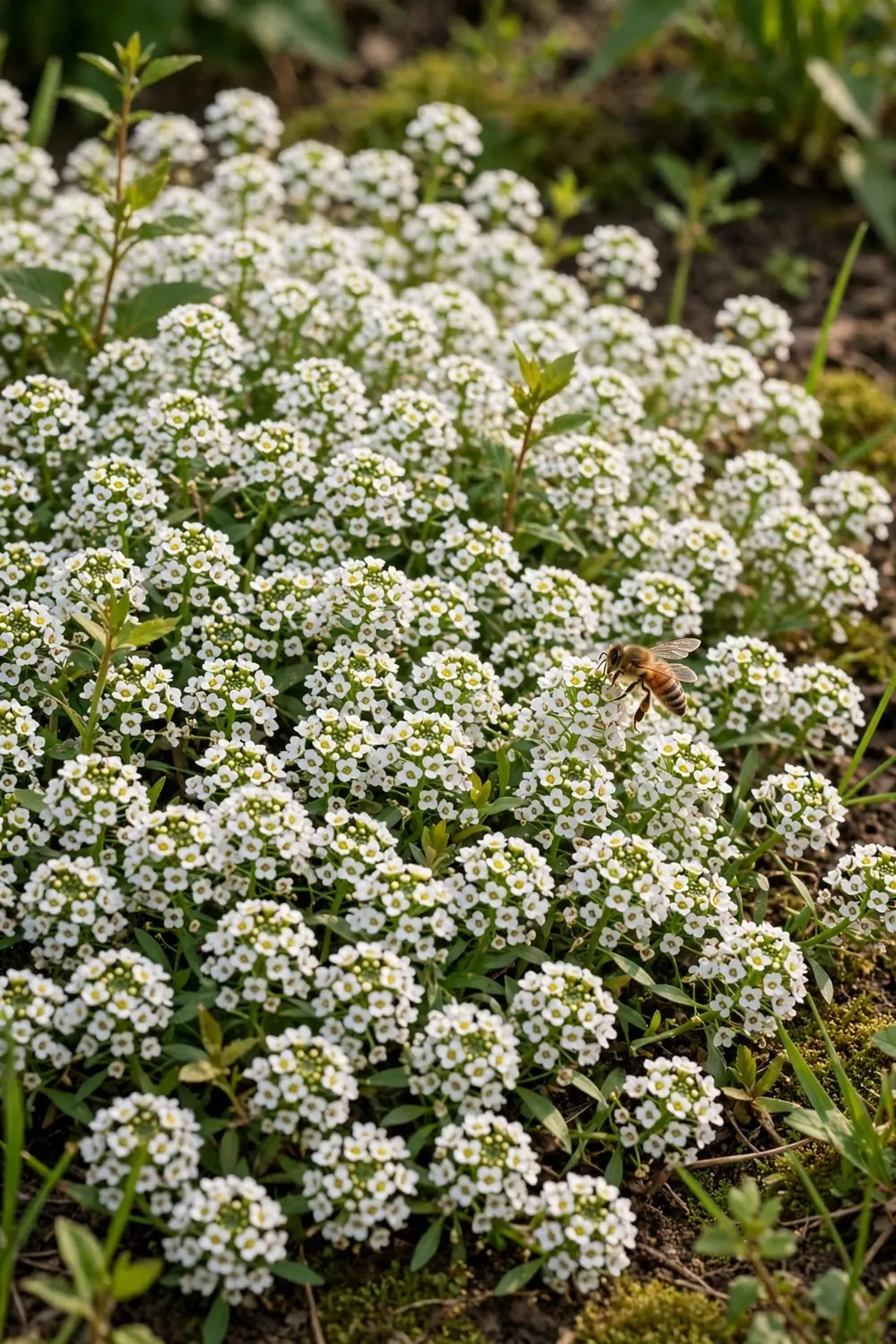
Sweet alyssum makes a low white carpet under taller flowers.
Its tiny white flowers open in big soft clouds. Bees visit them all day long in warm weather.
I sowed alyssum along the front edge of my beds.
It grew low and wide in a few weeks. It filled the bare soil and stopped weeds from taking hold. It smells sweet when you kneel close to it.
Give it sun and soil that drains well. It likes a spot where it can spread without being stepped on.
A packet of sweet alyssum seeds usually costs $4 to $8 at a garden shop.
Water it when the top soil feels dry. Trim it back a little when it grows too leggy.
It will drop seed and come back next year on its own.
I love the soft white edge it gives my beds. It makes tall flowers look even taller. The bees love to skim low over it in the sun.
29. Plant a Butterfly Bush
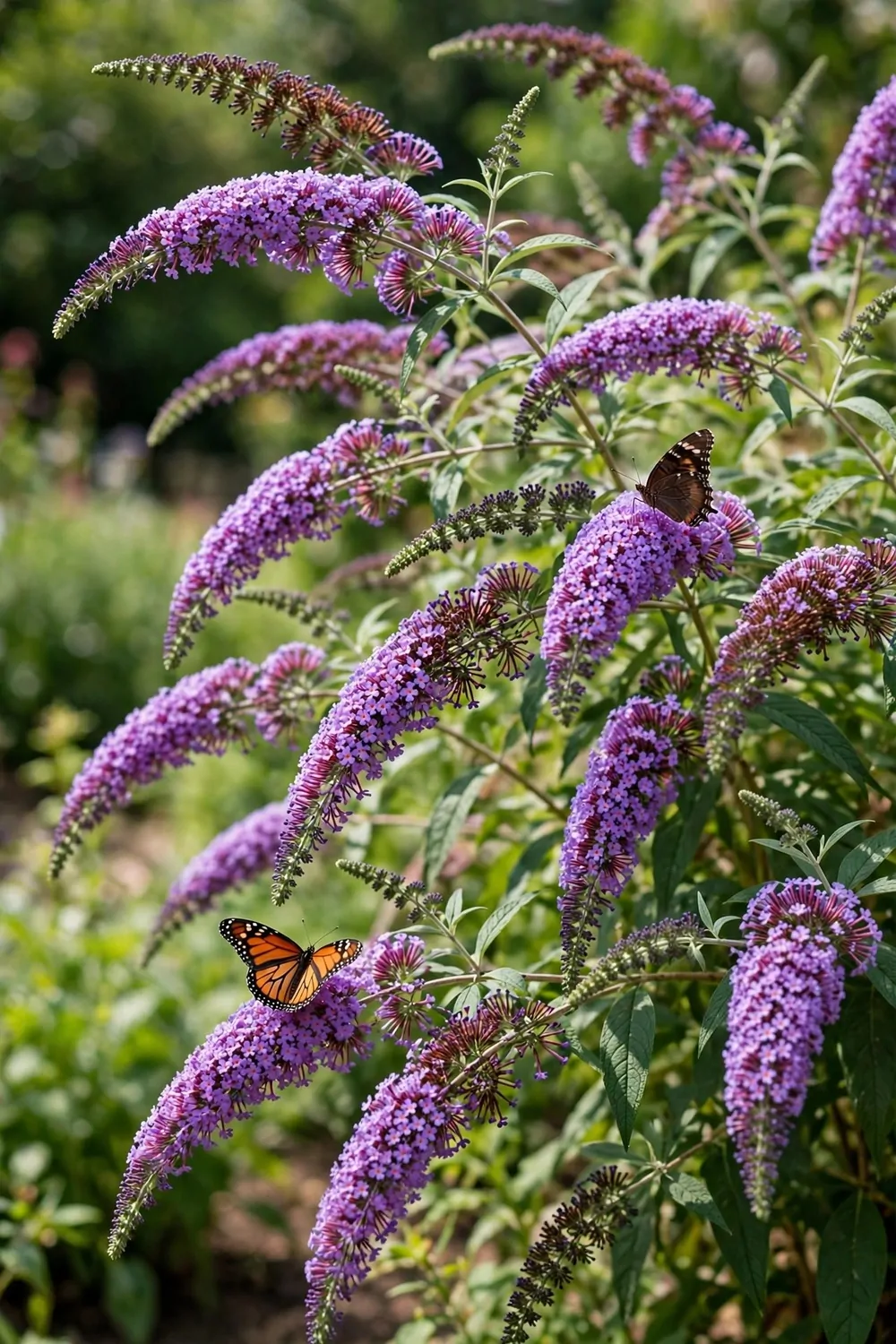
A butterfly bush is a magnet for butterflies in summer.
Its tall sprays of purple flowers open for weeks. Butterflies crowd them on warm sunny days.
I planted mine at the back of my bed where it had room to grow.
It grew tall and wide in one season. The flower sprays nod soft in the breeze. It makes the whole yard feel full of wings.
Give it sun and soil that drains well. It likes a warm spot out of strong wind.
A small butterfly bush usually costs $12 to $19 at a garden shop.
Cut it back hard in early spring. That keeps it bushy and full of new flower sprays.
Water it when the soil feels dry in its first year.
I stand by it in the late afternoon and count the butterflies. Some days I see five or six at once. It is the best show in my garden.
30. Plan Your Pollinator Garden for All Year
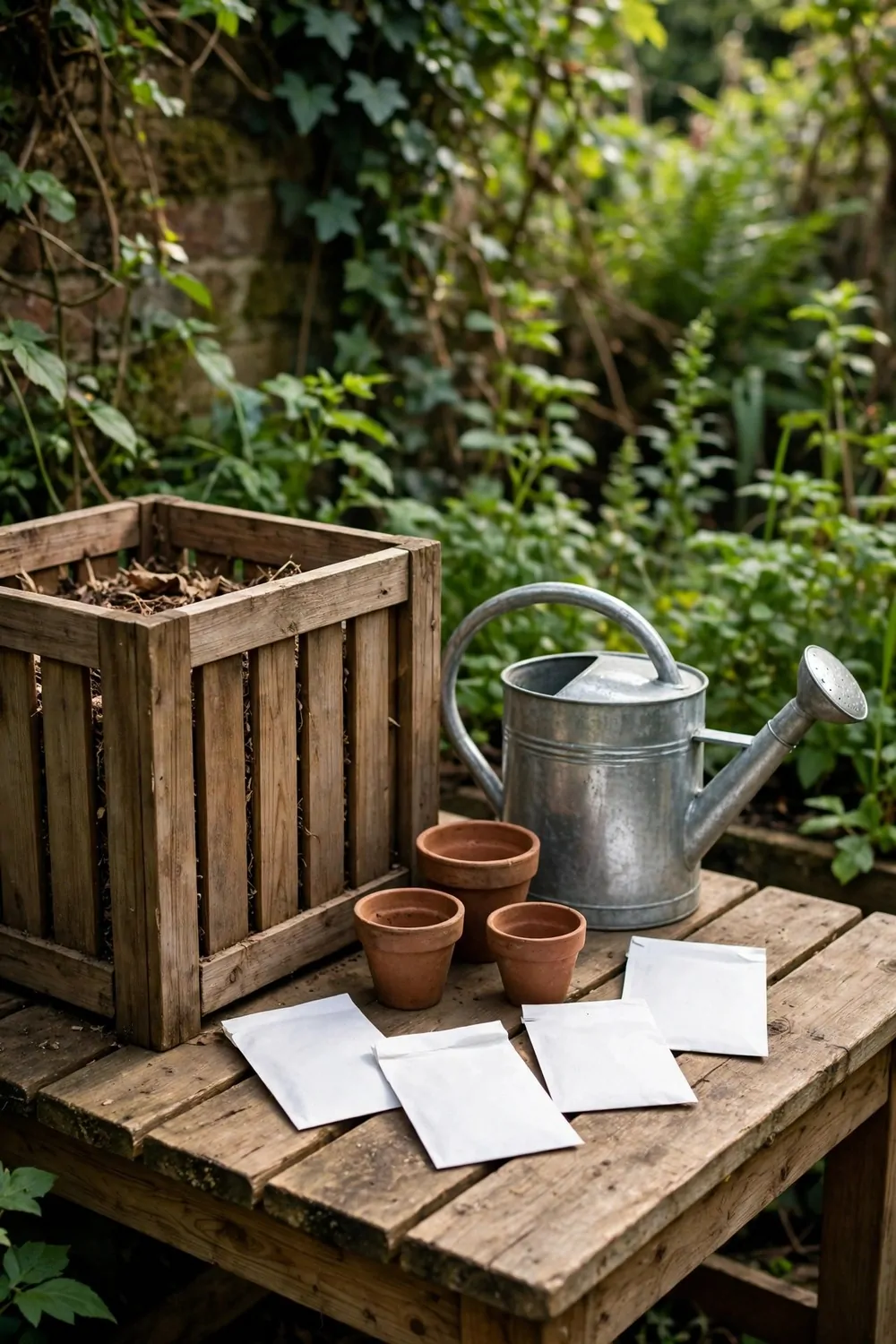
Start in spring with fresh seeds and small plants. Put bee balm and borage in sunny beds first. Leave space for late flowers like asters and sedum so the year stays full.
Wildflower seed mix $9 to $16 for a year of colour.
Compost bags $12 to $20 to feed your beds through the seasons.
In summer water slow in the morning and pick off spent blooms. Keep your rock spot clear and your window box damp so bees and butterflies keep coming.
Small pots $10 to $18 for fresh plants through the year.
Watering can $11 to $19 for gentle, even watering.
In autumn leave seed heads and your log pile alone for wild bees. Tidy only what is broken and let the rest rest through the cold months.
Bee hotel $14 to $26 for a ready-made home for wild bees.
Total $56 to $99 for the basic kit for a year of pollinator gardening.
| Area | Main change | Typical Cost |
|---|---|---|
| Wildflower seed mix | For a year of colour | $9 to $16 |
| Compost bags | To feed your beds through the seasons | $12 to $20 |
| Small pots | For fresh plants through the year | $10 to $18 |
| Watering can | For gentle, even watering | $11 to $19 |
| Bee hotel | For a ready-made home for wild bees | $14 to $26 |
| Total | Basic kit for a year of pollinator gardening | $56 to $99 |
Keep Reading
If you liked these ideas, you will love these posts too.
- 27 Compost Garden Ideas That Turn Scraps Into Soil
- 21 Window Herb Garden Ideas for Sunny Kitchens
- 34 Small Space Vegetable Garden Ideas That Grow a Lot
- 25 No Dig Garden Ideas That Save Your Back
- 29 Kitchen Herb Garden Ideas for Fresh Flavor All Year
- 22 Vertical Garden Ideas That Grow Up Not Out
Plant one flower for the bees this week and watch your garden come alive.