23 Salad Garden Ideas for Fresh Greens Every Day

The salad bags I bought from the shop always went soft in my fridge before I could finish them.
I would open a bag on Monday and it looked fresh and green. By Wednesday the leaves were wet and sad and I threw half of it away.
That waste made me cross. I was paying good money for greens I did not eat. So I tried growing a few leaves of my own in a small patch near the back door.
The first leaf I picked felt so fresh in my hand. I washed it, tore it into a bowl, and ate it the same minute.
That one small bite changed how I think about salad.
Now I pick a few leaves each day for lunch. I do not need a big garden or fancy tools. A sunny spot, some soil, and a little water do most of the work.
This post has all 23 salad garden ideas in one place for you. You will find the full set here, so you can pick what fits your space and start today.
1. Grow Loose-Leaf Lettuce in a Sunny Bed
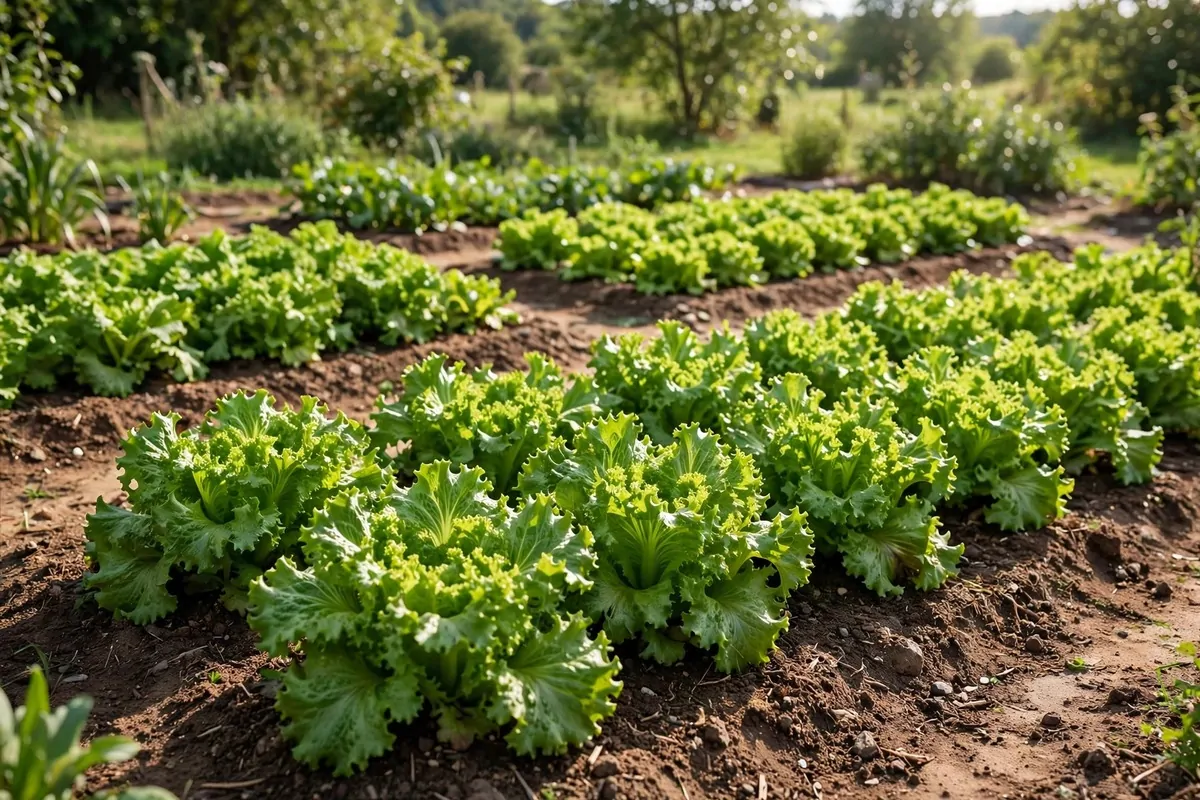
Loose-leaf lettuce was the first green I grew, and it still feels like magic to me.
You pick the outer leaves and the plant keeps growing more. That means one small bed can feed your lunch bowl for weeks.
I sow the tiny seeds in a shallow row and cover them with a thin layer of soil. I water them with a gentle sprinkle so the seeds stay put. In a few days, small green shoots push up through the soil.
Give this lettuce a spot that gets sun for most of the day.
I check the soil with my finger each morning. If the top feels dry, I give it a drink of plain water.
You can pick leaves when they are about the size of your hand. Take a few from each plant, not all from one. The plant will make new leaves in the centre, and you can pick again in a few days.
A packet of lettuce seeds and a small bag of soil often costs $3 to $7 at a garden shop. That small spend can give you fresh leaves for many meals.
If the sun gets very hot, I give the bed a little shade in the afternoon.
Wash the leaves in cool water and pat them dry. Then tear them into your bowl and add your favourite toppings.
2. Plant Butterhead Lettuce for Soft Leaves
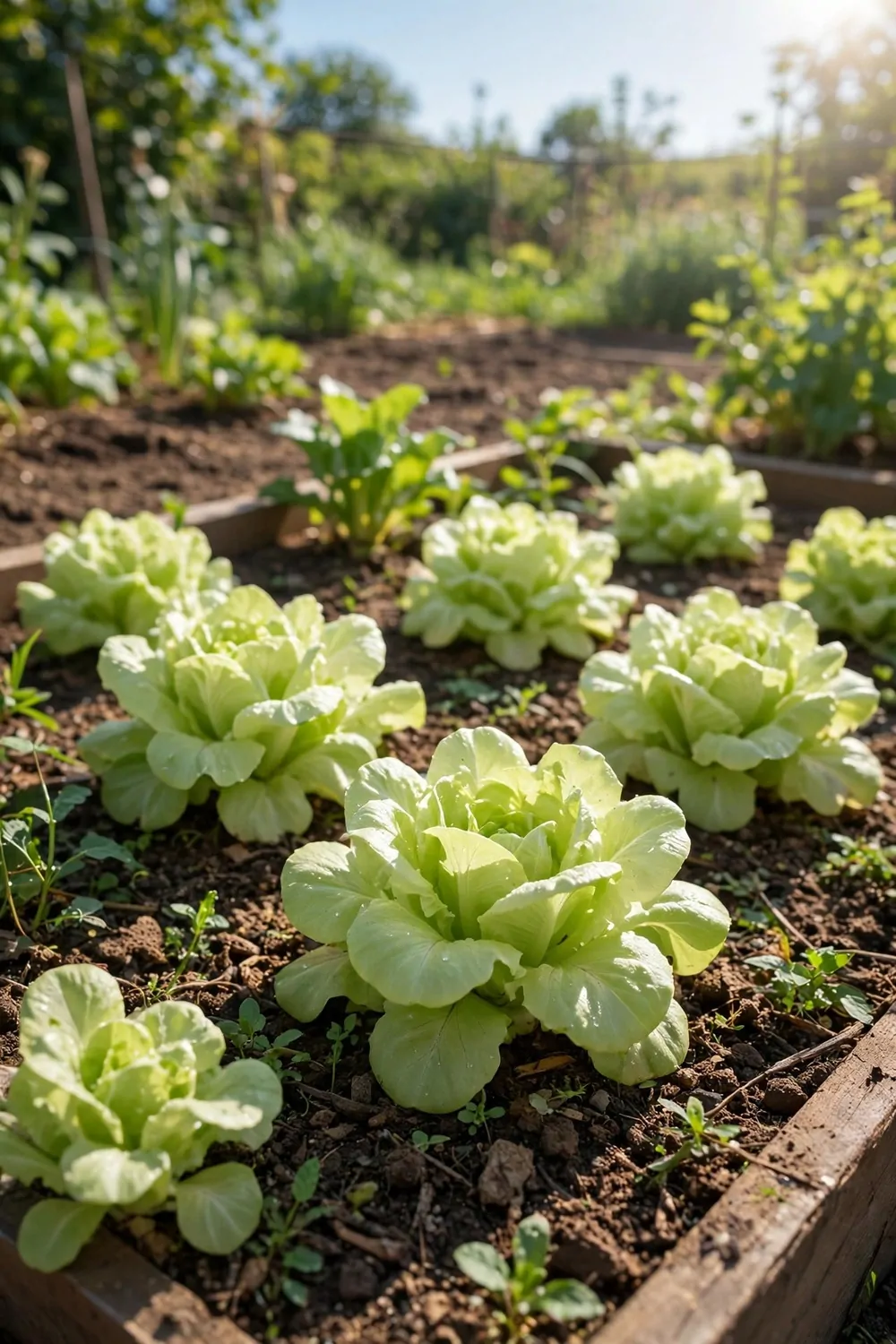
Butterhead lettuce makes soft leaves that feel like silk in your hand. I love how gentle they taste in a simple bowl.
I plant these seeds a little further apart so each head has room to grow round and full.
The soil should stay soft and damp, but not wet like mud. I press the seeds just under the top of the soil. Then I water with a light spray and wait for the first green tips.
This lettuce likes sun in the morning and a bit of shade later in the day. That soft light keeps the leaves tender and sweet.
I pick the whole head when it feels firm but still soft on top.
Cut it low near the soil with a clean knife. Rinse it well, and the leaves will open up like a small flower.
One seed packet plus a scoop of compost for the bed often runs $4 to $8 in total. You can grow many soft heads from that one packet.
If slugs find your bed, pick them off by hand in the evening. I check under the leaves and move them away from the plants. Plain water and clean soil help the plants stay strong.
Try these soft leaves with cucumber slices and a squeeze of lemon for a light lunch.
3. Grow Romaine for Crunchy Salads
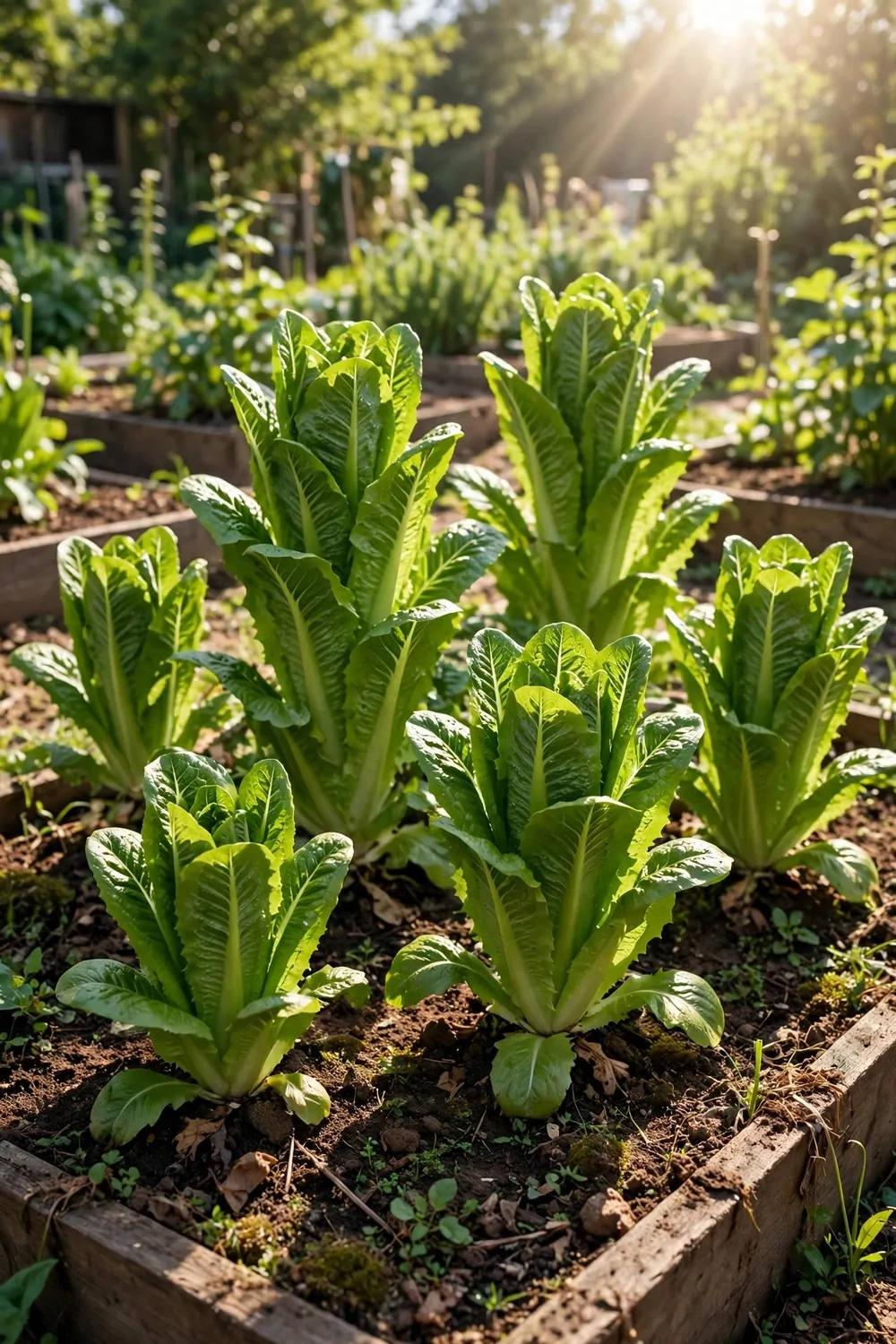
Romaine gives my salad a strong crunch that I miss when it is gone.
I sow the seeds in a row and thin the small plants as they grow. The ones I pull out are small, but I still wash and eat them. The plants left behind get tall and sturdy.
Romaine likes a sunny bed with soil that holds a little water. I water at the base in the morning so the leaves stay dry.
Give each plant space to stand tall and form a long head.
The outer leaves turn a deeper green as they grow. The inner leaves stay pale and crisp, and they taste the sweetest.
I pick romaine when the head feels tall and firm in my hand. I cut it at the base and rinse each leaf under cool water. Then I chop it into wide strips for my bowl.
Seeds and a small bag of soil for a romaine row often cost $3 to $6 together. That is a small price for weeks of crunchy leaves.
If the days turn very hot, I water a little more in the morning. Shade cloth over the bed can help, but plain shade from a tall plant works too.
Chop romaine fresh just before you eat it, so it stays crisp.
4. Plant Baby Spinach in a Shady Corner
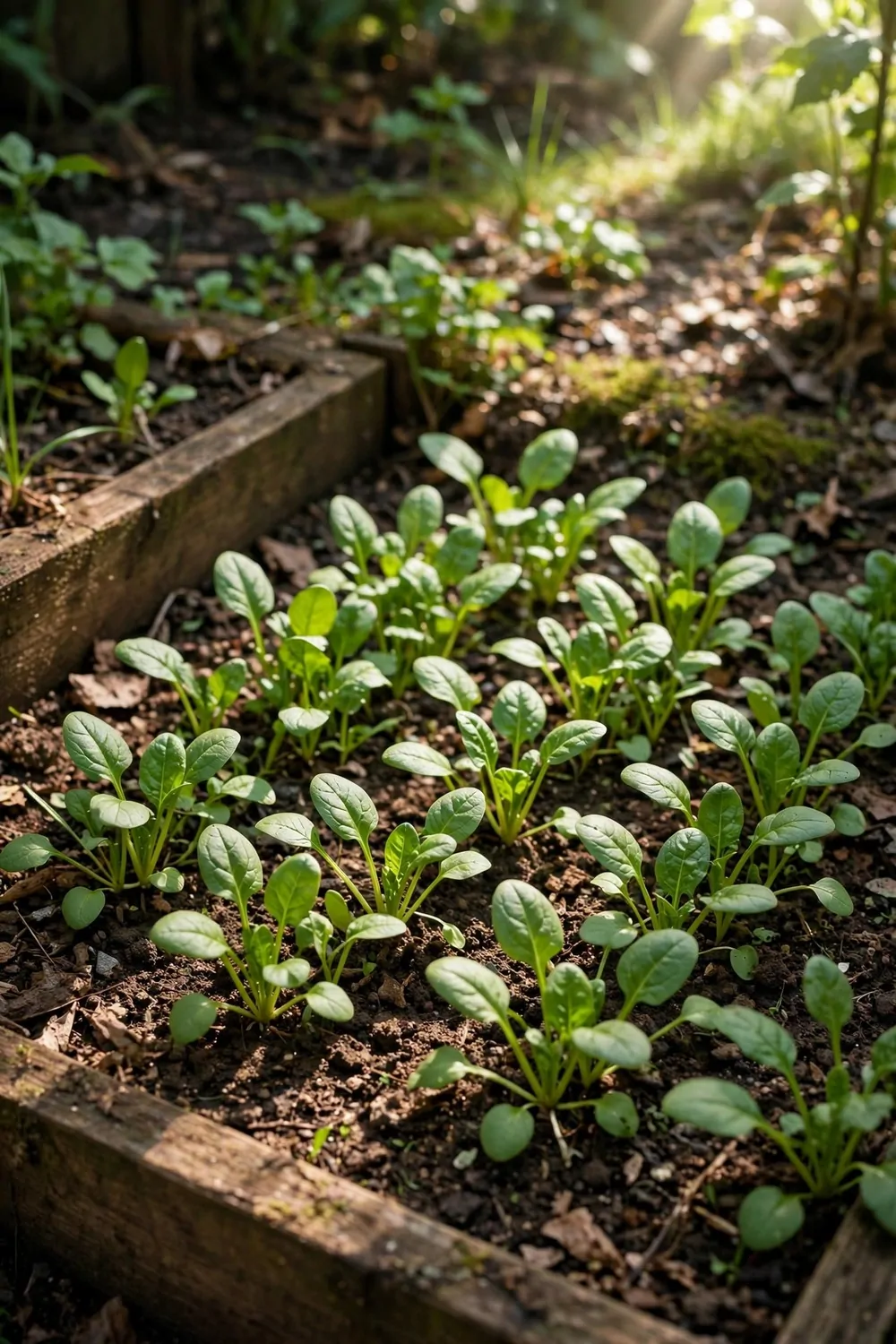
Baby spinach grows well in a shady corner where other greens get too hot. I love its small soft leaves for a quick lunch.
I scatter the seeds in a wide patch and cover them with a thin dusting of soil.
Keep the soil damp for the first week so the seeds can wake up. I water with a fine spray in the early morning. Tiny round leaves soon show up in a neat green carpet.
Spinach does not like strong afternoon sun. A spot near a fence or under a tall plant suits it well.
Pick the leaves when they are small and tender, about two fingers wide.
Take a few leaves from many plants, not all from one plant. The plants keep making new leaves from the centre.
A packet of spinach seeds and a little soil for the patch often costs $2 to $5. One packet gives you many small pickings.
Wash the leaves twice in cool water to lift off any soil. I lift them out with my hands and let them drain in a bowl. Then I toss them with tomato and cucumber for a fresh plate.
Sow a new small patch every two weeks, so you always have young leaves ready.
5. Grow Arugula for a Peppery Bite
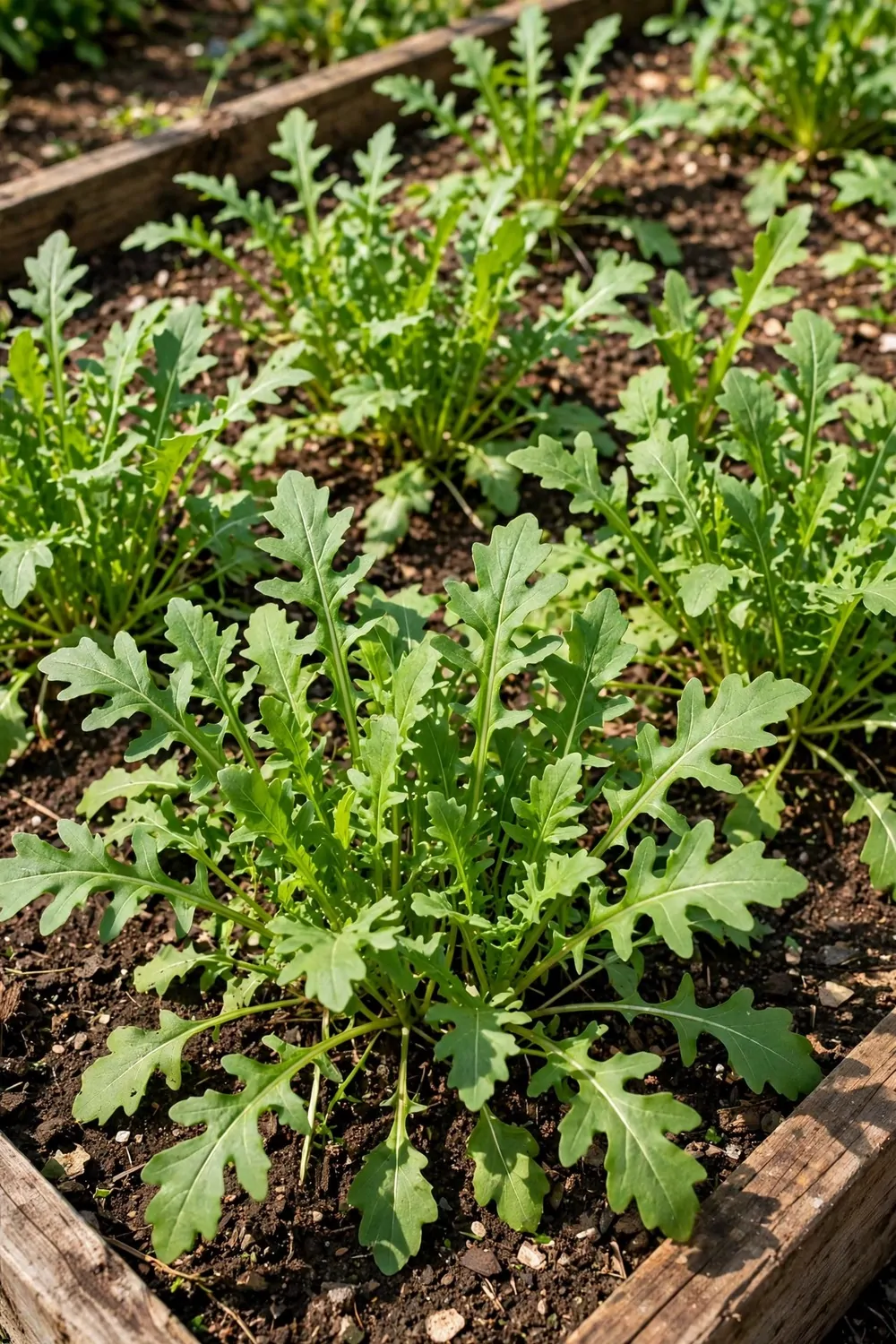
Arugula adds a warm peppery bite that wakes up a plain green bowl.
I grow it in a short row near my kitchen door. That way I can snip a few leaves while I cook.
The seeds are small and dark, and they sprout fast in warm soil. I press them into the top of the soil and water them gently. In less than a week, small jagged leaves push through.
Arugula likes sun, but it grows fine with a little shade too.
Pick the leaves young for a mild taste. Older leaves get stronger, so I use fewer of them in a bowl.
I snip leaves with clean scissors in the morning. I wash them in cool water and shake them dry. Then I mix them with soft lettuce so the peppery taste stays light.
Arugula seeds and a scoop of soil for a short row often cost $2 to $6. That little spend gives you a fast crop to pick again and again.
If the plants start to flower, I snip the tops off. That keeps the leaves coming for a longer time.
Try arugula with cherry tomatoes and a drizzle of olive oil for a bright lunch.
6. Plant Mesclun Mix for a Cut-and-Come-Again Bed
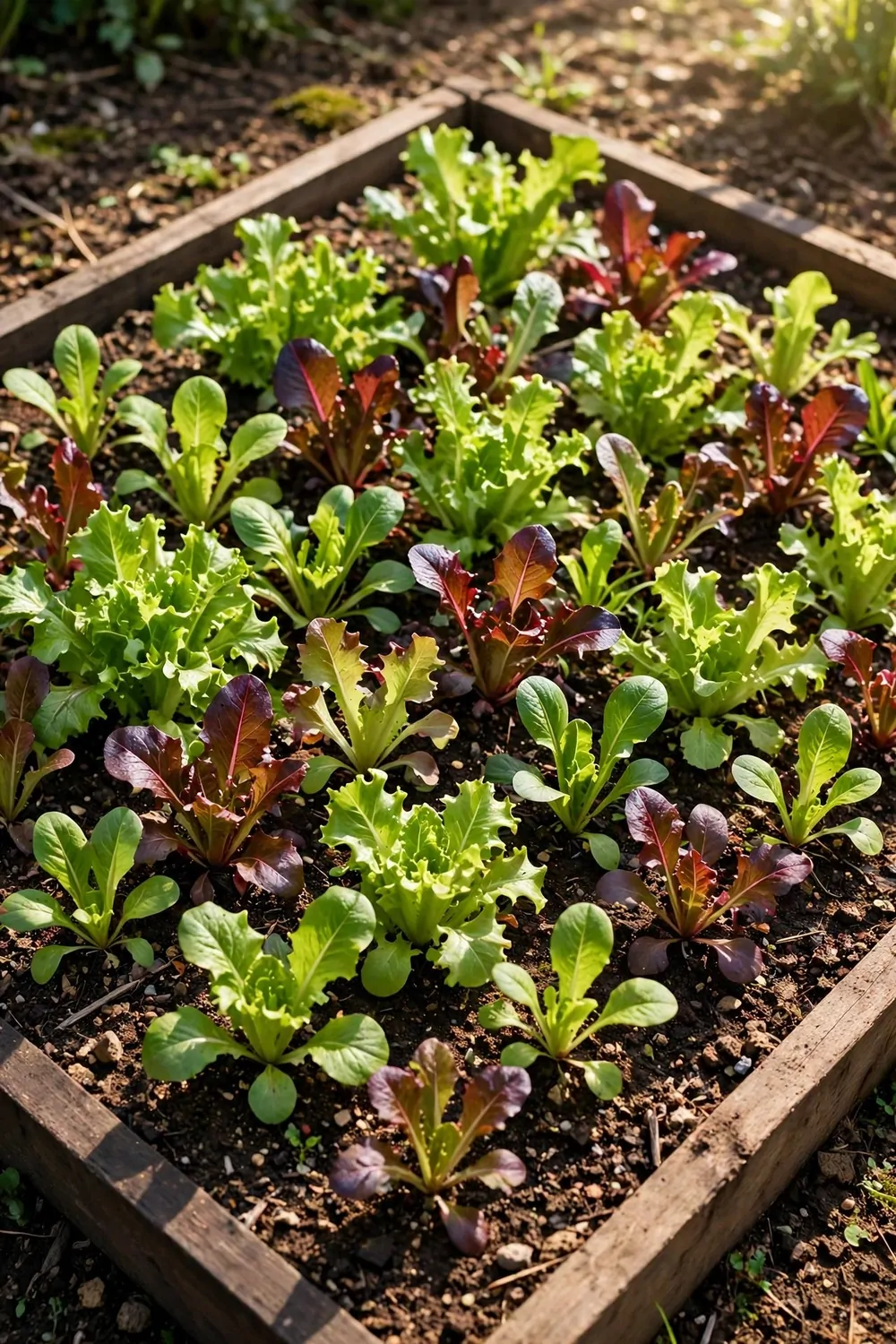
Mesclun mix is a blend of many small salad leaves in one packet. I love it because every pick gives me a different mix of colours and tastes.
I sow it thick in a wide bed and water it well on the first day.
The mix often has lettuce, spinach, and other mild greens in it. They sprout at slightly different times, which is fun to watch. Soon the bed looks like a soft green rug.
Cut the leaves with scissors when they reach your palm size. Leave about two fingers of stem above the soil so they can grow back.
That cut-and-come-again trick means one bed gives you three or four pickings.
I water the bed after each cut so the plants can heal and grow. I pick in the cool morning when the leaves are crisp. By the next week, new leaves are ready to cut again.
One packet of mesclun mix with soil for a small bed often costs $4 to $9. You get many bowls of mixed greens from that one bed.
Keep the bed free of weeds by pulling them out by hand. Clean soil and plain water keep the young leaves healthy.
Mix your cut leaves with cucumber and radish for a bowl full of crunch and colour.
7. Grow Kale for Tender Young Leaves
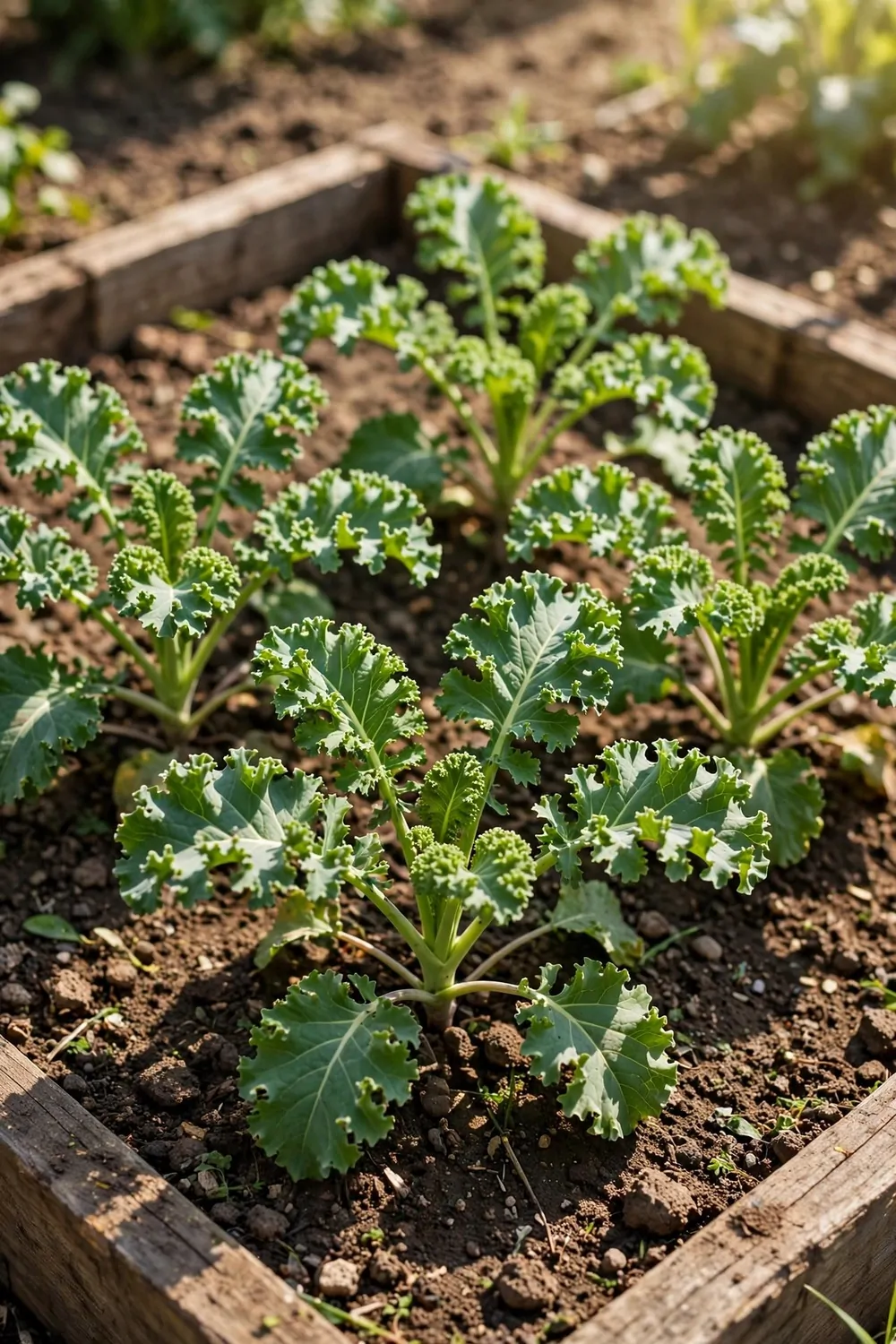
Kale sounds tough, but its young leaves are soft and mild in a salad.
I grow kale for baby leaves, not big tough ones. I sow the seeds in a row and pick the leaves while they are still small. That way they stay tender and easy to chew.
Kale likes sun and soil that drains well after rain. I water at the base so the leaves stay clean and dry.
Give each plant room to spread its wide leaves.
Pick the outer young leaves first and let the centre keep growing. A gentle pull near the stem is all it takes.
I wash kale leaves in cool water and pat them dry with a cloth. Then I tear them into small pieces with my hands. A little olive oil rubbed on the leaves makes them softer.
Kale seeds and soil for a short row often cost $3 to $8. One row gives you young leaves to pick for many weeks.
If you see small green caterpillars, pick them off by hand. I check the back of the leaves in the morning and move them away.
Mix young kale with soft lettuce and tomato for a bowl that feels fresh and filling.
8. Plant Swiss Chard for Colourful Stems
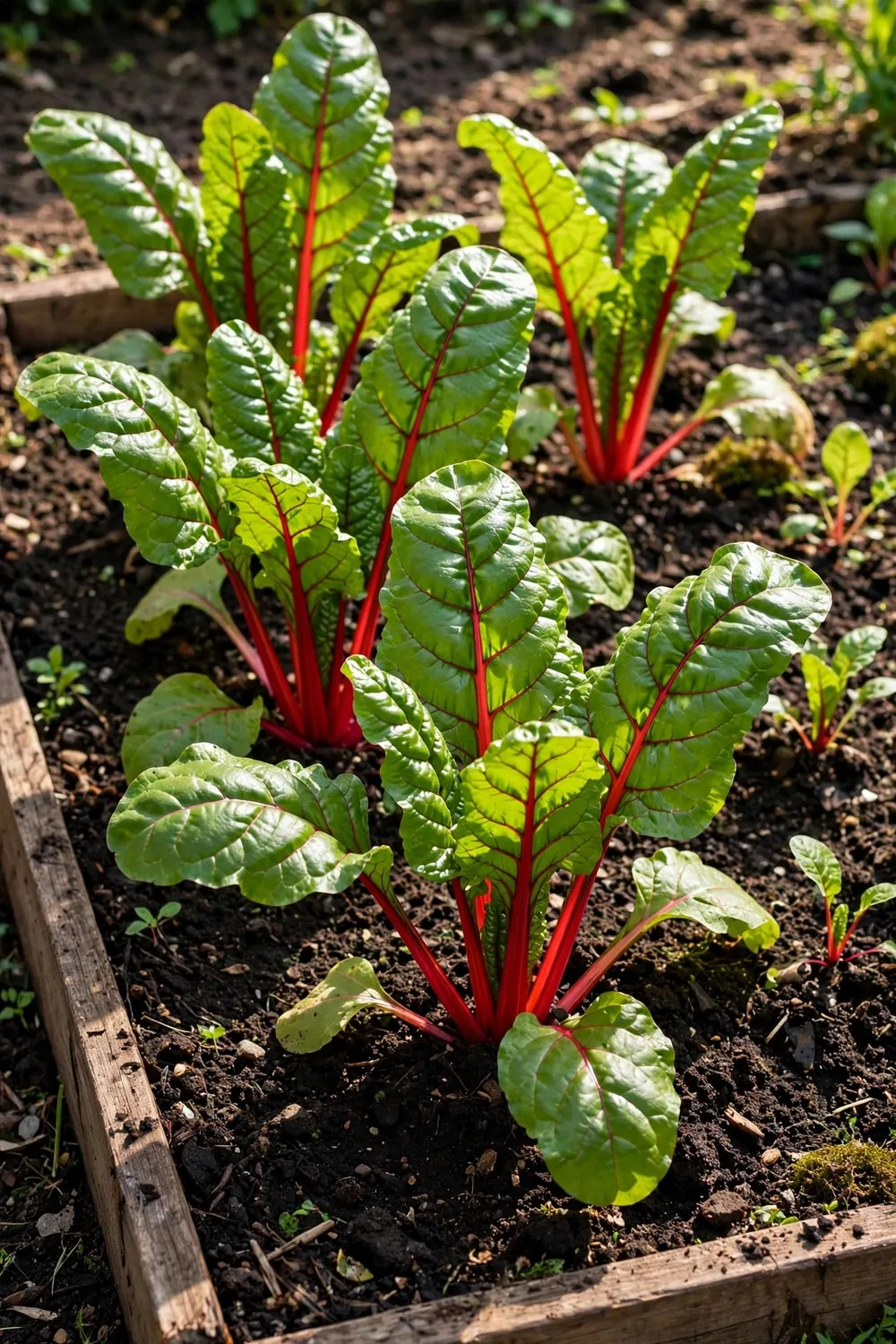
Swiss chard brings bright red stems to my garden bed. The leaves are mild, and the stems add a lovely crunch.
I sow the seeds in a sunny row and thin them as they grow tall.
The seeds look like small brown beads, and they sprout in about a week. I keep the soil damp until the first leaves show. Then I water less often, but I water deeply at the base.
Chard grows tall and strong through warm days. It also keeps going when other greens slow down in cool weather.
Pick the outer leaves first, and cut the stem low with a clean knife.
I wash the leaves and stems in cool water. I chop the stems into small pieces and tear the leaves into strips. Both parts go into my salad bowl, and they look so bright together.
A packet of chard seeds and soil for the row often costs $5 to $9. Those plants can keep giving you leaves for a long season.
Chard leaves taste best when they are young and soft. Older leaves still work, but I chop them finer.
Try chard stems with lemon and olive oil for a bright pop of colour in your bowl.
| Idea | Typical Cost |
|---|---|
| Loose-leaf lettuce | $3 to $7 |
| Butterhead lettuce | $4 to $8 |
| Romaine | $3 to $6 |
| Baby spinach | $2 to $5 |
| Arugula | $2 to $6 |
| Mesclun mix | $4 to $9 |
| Kale | $3 to $8 |
| Swiss chard | $5 to $9 |
9. Grow Spring Onions for a Mild Kick
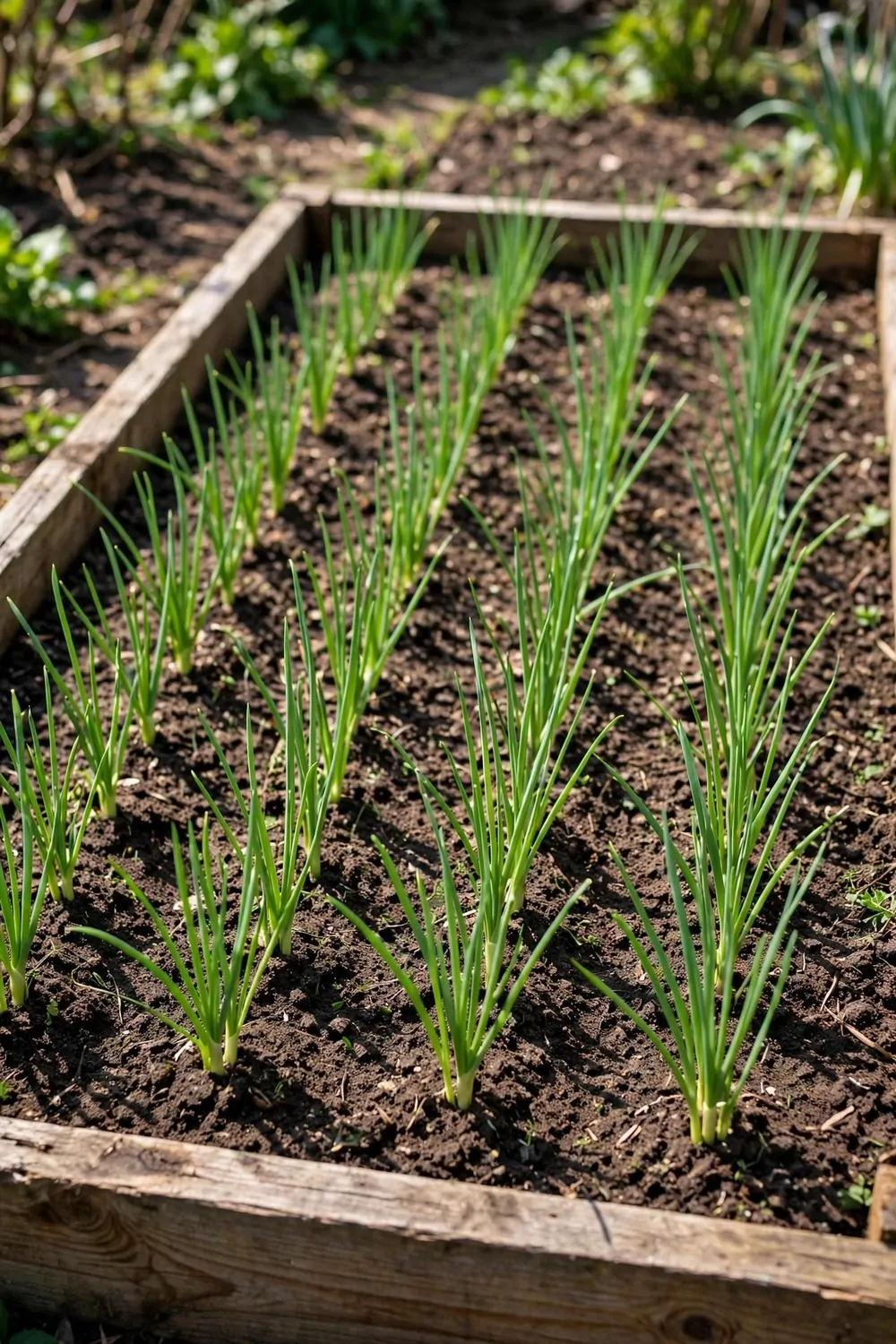
Spring onions give my salad a mild kick without a strong bite.
I plant them in a narrow row along the edge of my salad bed. Their thin green tops stand up like little flags.
I sow the seeds close together in shallow soil. I water them gently so the tiny seeds do not wash away. Small green shoots rise in neat lines after a week or so.
Spring onions like sun and soil that stays lightly damp.
Pull them when the white base is as thick as your little finger. Loosen the soil with a fork first, so the onion comes out clean.
I wash the whole onion in cool water and trim the roots. Then I slice the white part and some green tops into thin rings. A small handful is enough for one big bowl.
Spring onion seeds and a little soil for the edge row often cost $2 to $4. One packet plants a long row of mild onions.
You can also plant the white ends from shop-bought spring onions in soil. They will grow new green tops in a few days.
Add spring onion rings to lettuce and tomato for a fresh lift.
10. Plant Radishes for Quick Crunch
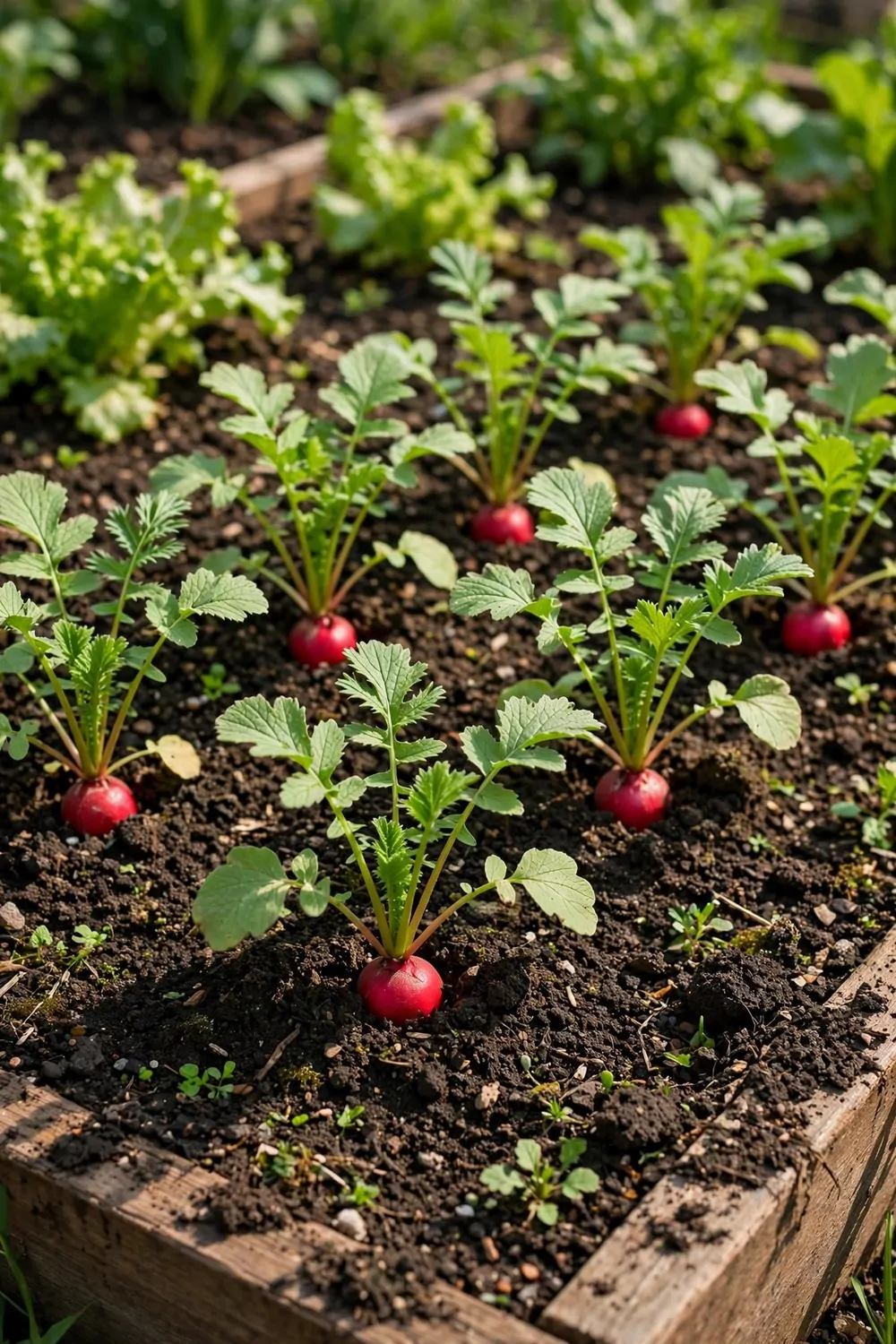
Radishes are the fastest crop in my salad garden. I sow them on Monday and I am picking them before the month ends.
I plant the seeds in a short row and keep the soil soft and loose.
The seeds sprout in just a few days, with round leaves on top. I thin the seedlings so each root has room to swell. Then I water lightly each day so the roots stay crisp.
Radishes like sun and soil that is not packed hard. Loose soil helps the round roots grow smooth and round.
Pull a radish when you see its red top peeking out of the soil.
I wash it well in cool water and trim the leaves and root tail. Then I slice it thin for my salad bowl. The crunch is bright and fresh, and the taste is mild when the root is young.
A packet of radish seeds and soil for a short row often costs $3 to $5. That small packet gives you many quick rounds of crisp roots.
Sow a new row every couple of weeks for a steady supply. That way you never run out of fresh crunch.
Try thin radish slices with cucumber and soft lettuce for a cool, crisp bowl.
11. Grow Cherry Tomatoes for Sweet Bites
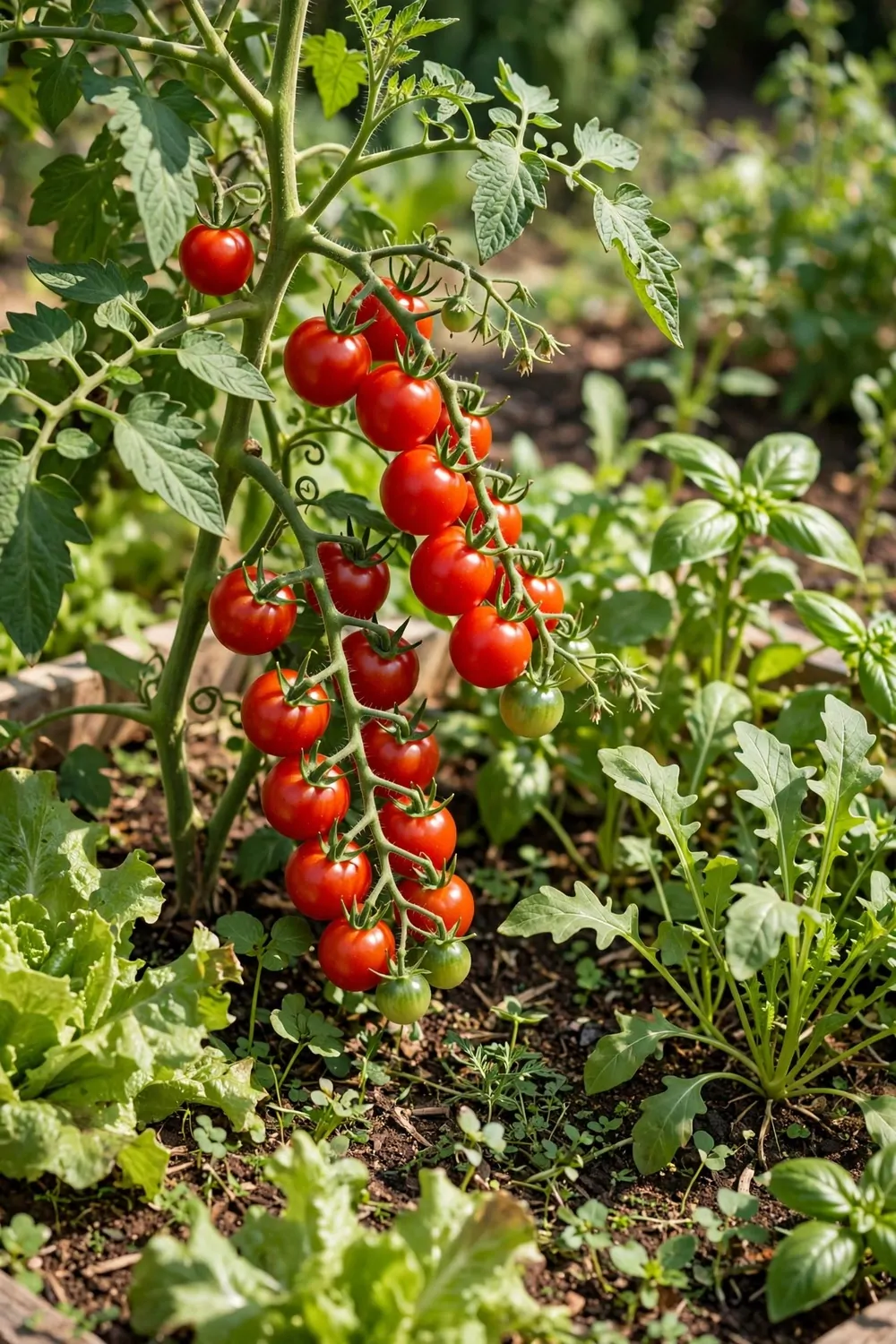
Cherry tomatoes are my sweet treat straight from the plant.
I start them in a small pot near a sunny window. When the plants are as tall as my hand, I move them into a sunny bed or a big pot. I give each plant a tall stick to lean on as it grows.
Tomatoes do best in sun and warm soil. I water at the base in the morning, and I try to keep the leaves dry.
Pinch off the small side shoots so the plant puts its strength into fruit.
The first green fruits turn red as they ripen. I pick them when they are fully red and soft to a gentle touch.
I wash the tomatoes and cut them in half for my salad bowl. Their juice mixes with the greens and makes a light dressing on its own. A handful of warm tomatoes can lift a plain bowl.
A small tomato plant and a bag of soil for the pot often costs $5 to $10. One plant can give you bowls of sweet fruit through the warm months.
If the plant gets very tall, tie it loosely to its stick with soft string. That keeps the fruit off the soil and easy to pick.
Eat cherry tomatoes the same day you pick them, when they taste their sweetest.
12. Plant Cucumbers for Cool Slices
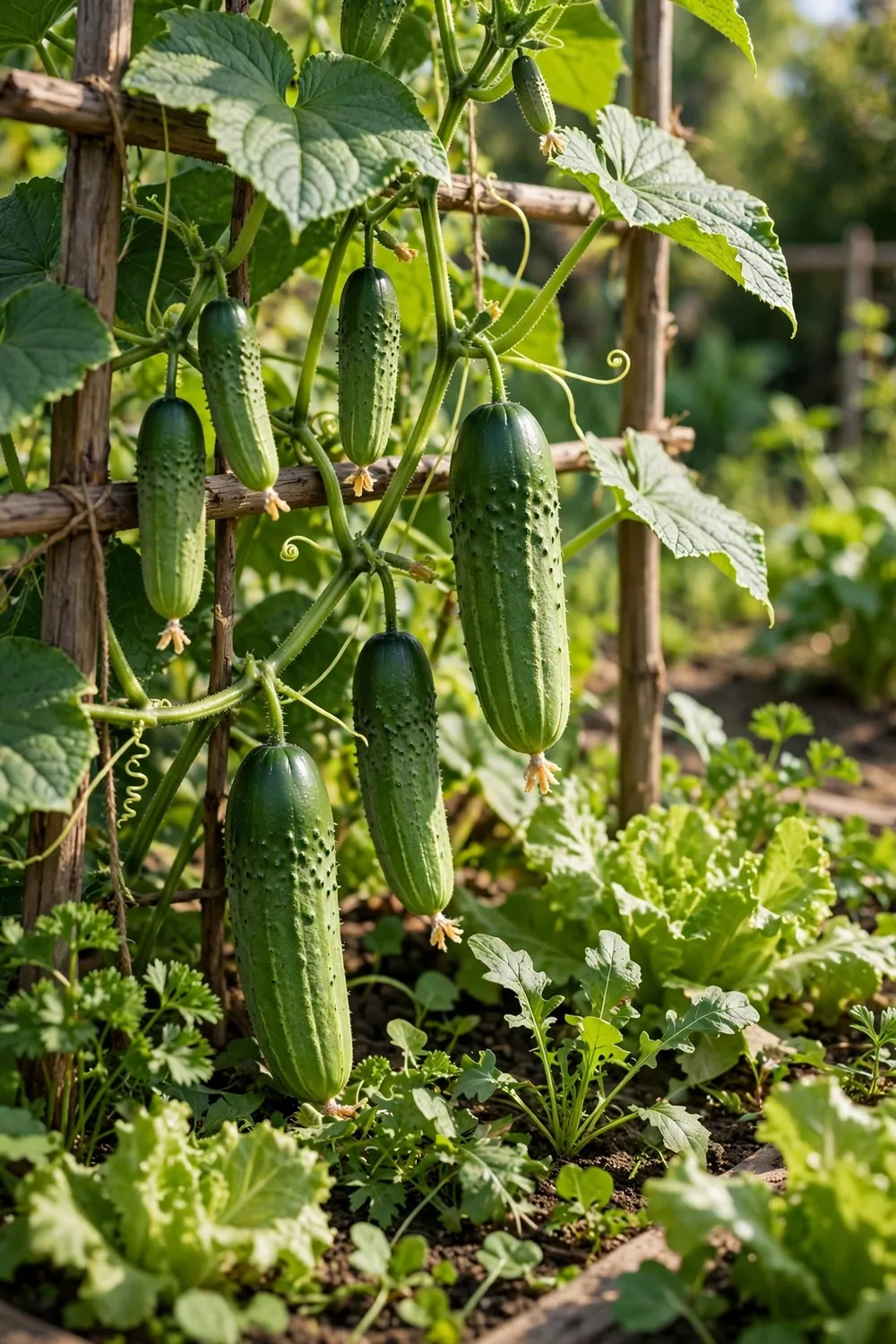
Cucumbers give my salad cool, crisp slices on hot days. I love the fresh crunch they add to soft leaves.
I sow the seeds in a sunny mound of soft soil and water them well.
The plants grow big leaves and long vines that spread fast. I give them a small trellis or a fence to climb, so the fruit hangs clean. Climbing also saves space in my small bed.
Cucumbers need lots of water in warm weather. I water at the base in the morning and again on very hot days.
Pick the fruit when it is long, firm, and a deep green colour.
I wash the cucumber and slice it thin with a clean knife. The slices stay crisp for hours in a cool bowl. I add them last, so they sit on top of the leaves.
Cucumber seeds and soil for a small mound often cost $4 to $10. A few plants can give you many cool cucumbers through the warm season.
If the vines spread too far, guide them gently back onto the trellis. I check the plants each morning and tuck new shoots into place.
Try cucumber slices with soft lettuce and spring onion for a cool lunch bowl.
13. Grow Fresh Basil for Salads
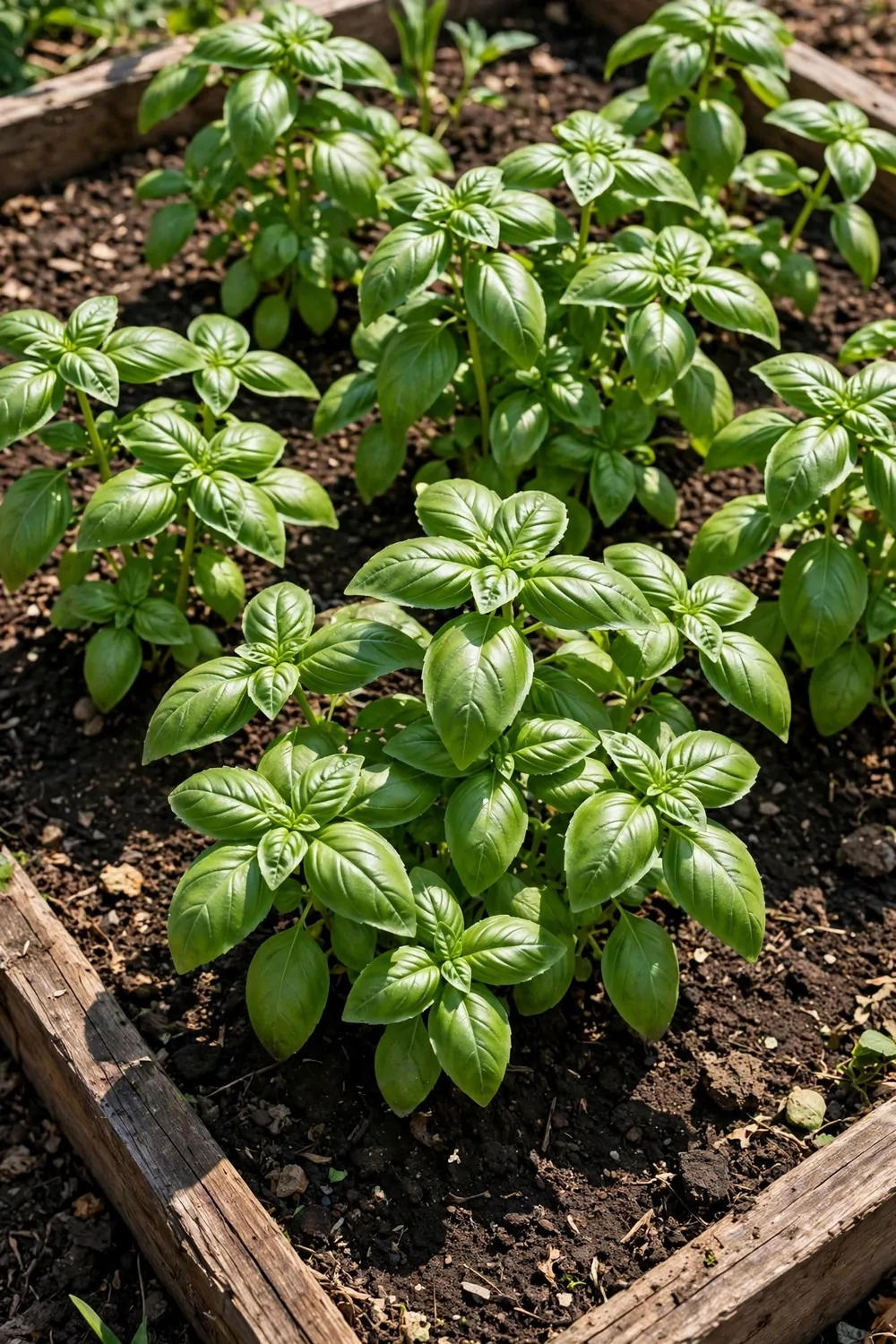
I grow basil right by my back door so I can snip it while I make lunch.
It loves sun and warm soil. I wait till the cold nights are gone before I plant it outside.
A small pot on a sunny step works well too.
I pinch the top leaves often. This makes the plant grow bushy and full. More leaves mean more salads for you.
Water it at the base in the morning. Wet leaves in the evening can turn spotty.
Pick leaves little and often through the warm months.
I tear the leaves by hand into my salad bowl. They taste soft and sweet with tomato and cucumber.
A packet of seeds or a small plant costs $4 to $9 to start. That is a small price for fresh leaves all summer long. One plant can fill many bowls.
Start with one plant and see how much you use.
14. Plant Flat-Leaf Parsley for Fresh Flavour
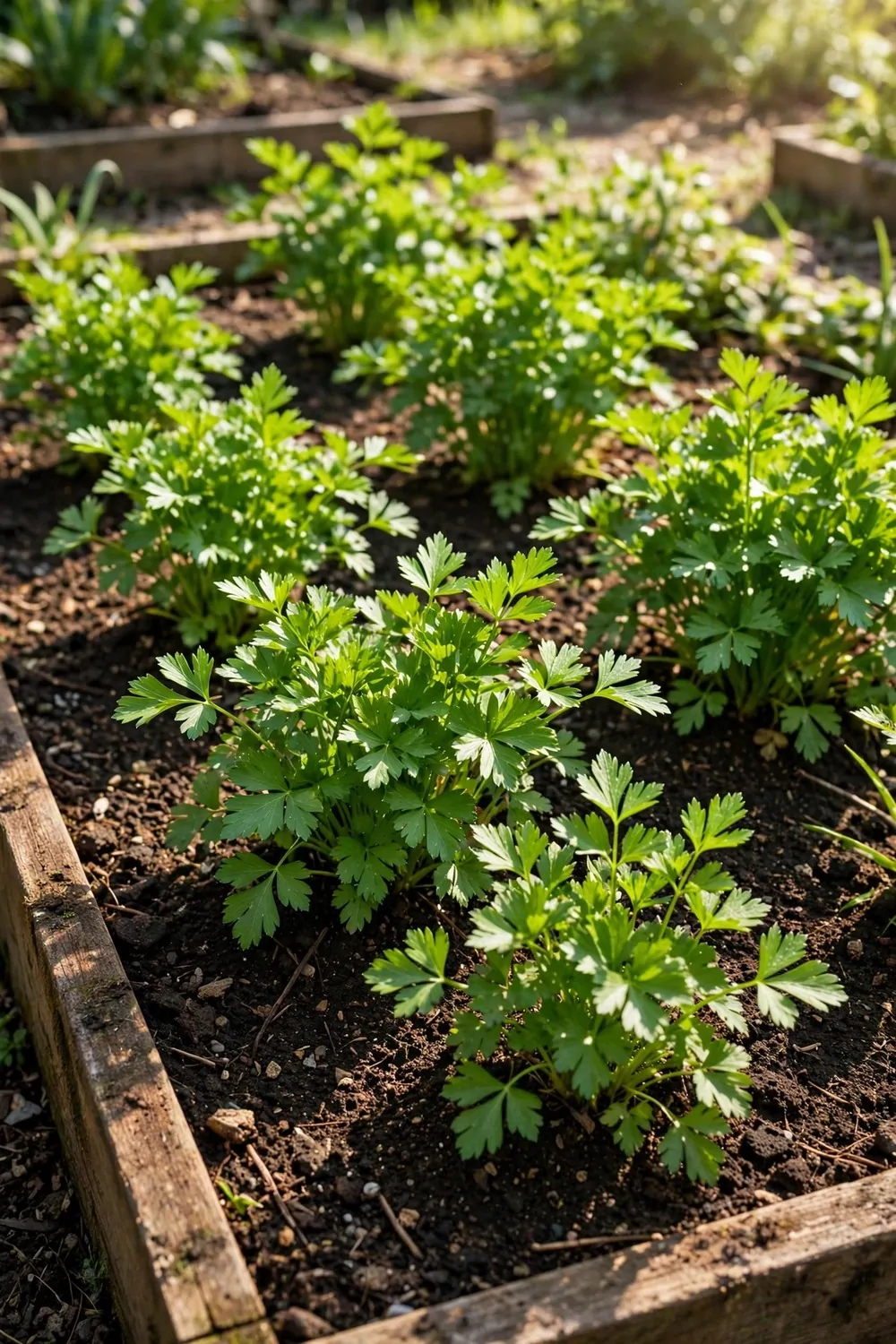
Flat-leaf parsley is my quiet hero in the salad bowl. It adds fresh flavour without shouting.
I sow it in a row along the edge of my bed.
It is slow to sprout, so be patient. Keep the soil damp while you wait. The first tiny leaves are worth the wait.
It likes sun but copes with a bit of shade too.
I snip the outer stems first. New growth keeps coming from the centre.
Chop it fine and toss it through your greens. It lifts a plain lettuce salad. You will use it more than you think.
It keeps going for months if you pick it often.
Seeds or a small plant run $3 to $8 for the season. That small spend gives you armfuls of fresh leaves.
Plant a second row a few weeks later for a steady supply.
15. Grow Mint for Cool Drinks and Salads
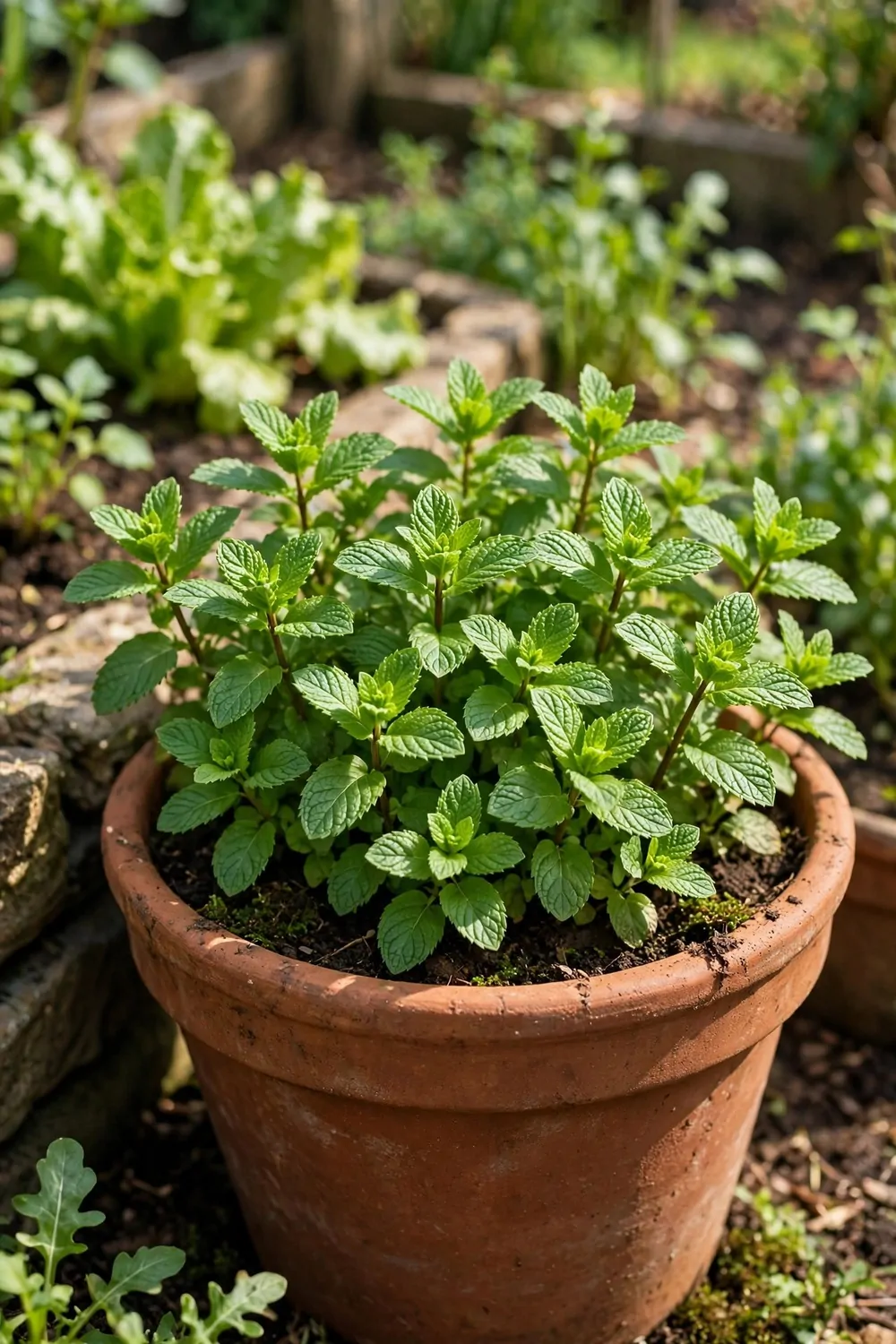
Mint is the easiest herb I grow for cool drinks and salads.
It spreads fast, so I always grow it in a pot. That keeps it from taking over the whole bed.
Give it sun and plenty of water. It sulks in dry soil. A big pot by the tap is ideal.
I snip sprigs in the morning when the leaves smell strongest.
Tear a few leaves into a salad with cucumber and lemon. The cool taste wakes the whole bowl up.
It also makes a lovely cool drink with cold water and ice.
Pick it often to keep it tidy. Long stems flop and look messy. A quick trim keeps new leaves coming.
A pot and a small plant together cost $6 to $12. That one pot can last you the whole warm season.
Keep the pot near the kitchen so you reach for it daily.
16. Plant Coriander for a Bright Taste
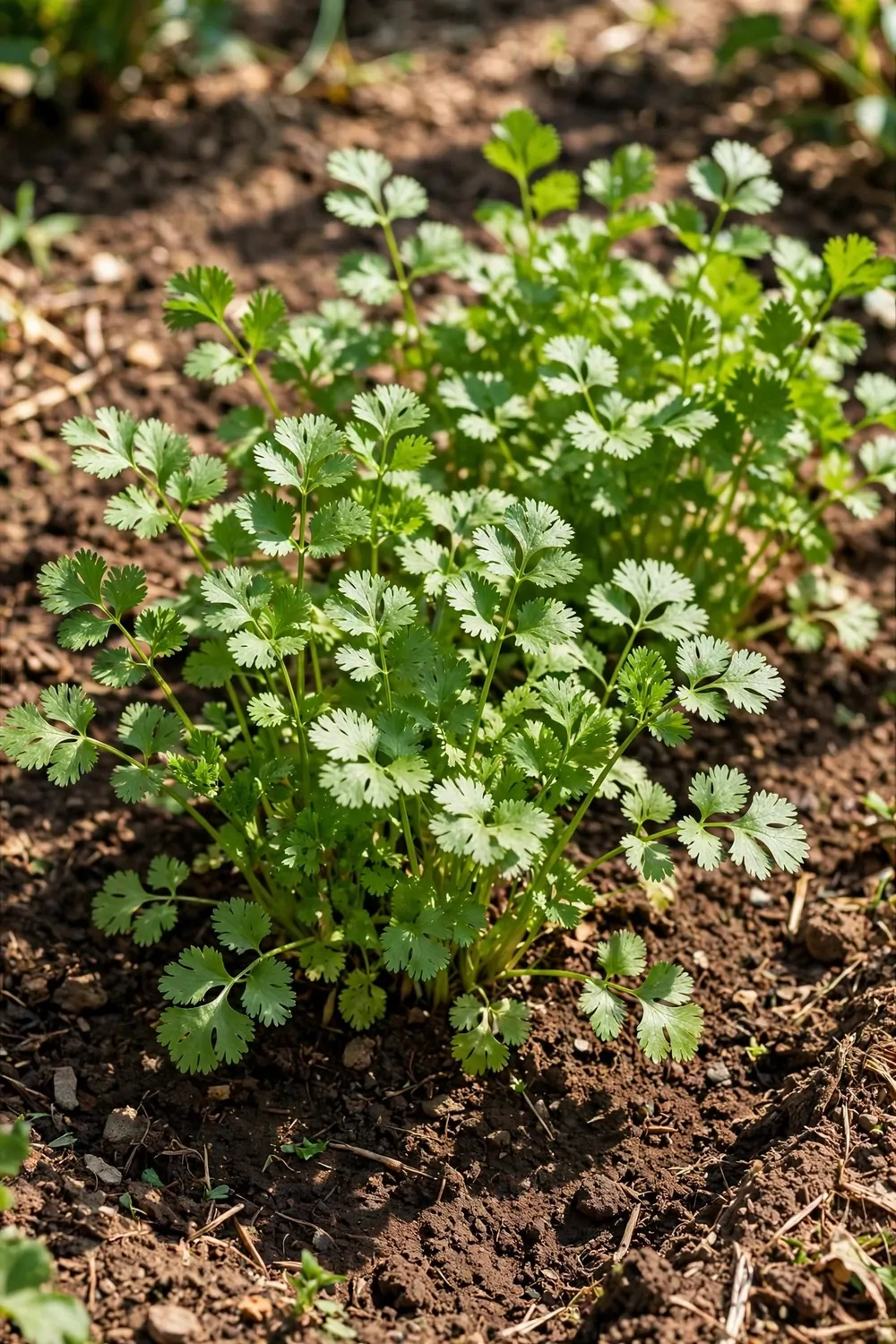
Coriander gives salads a bright, fresh taste. I sow a little row every few weeks.
It grows fast in cool weather and slows down in strong heat.
Sow seeds where they will grow. It does not like being moved. Thin the seedlings so each plant has room.
Water it well on hot days.
I pick the leaves when they are young and soft. Older leaves can taste strong.
Chop it into a salad with lime and tomato. It suits beans and rice bowls too. A small handful is enough.
If it runs to seed, let a few plants finish and save the seeds.
A seed packet and a bag of compost cost $5 to $10. You can sow row after row from that one packet.
Keep sowing little and often for fresh leaves all season.
| Idea | Typical Cost |
|---|---|
| Spring onions | $2 to $4 |
| Radishes | $3 to $5 |
| Cherry tomatoes | $5 to $10 |
| Cucumbers | $4 to $10 |
| Basil | $4 to $9 |
| Flat-leaf parsley | $3 to $8 |
| Mint | $6 to $12 |
| Coriander | $5 to $10 |
17. Grow Microgreens on a Sunny Sill
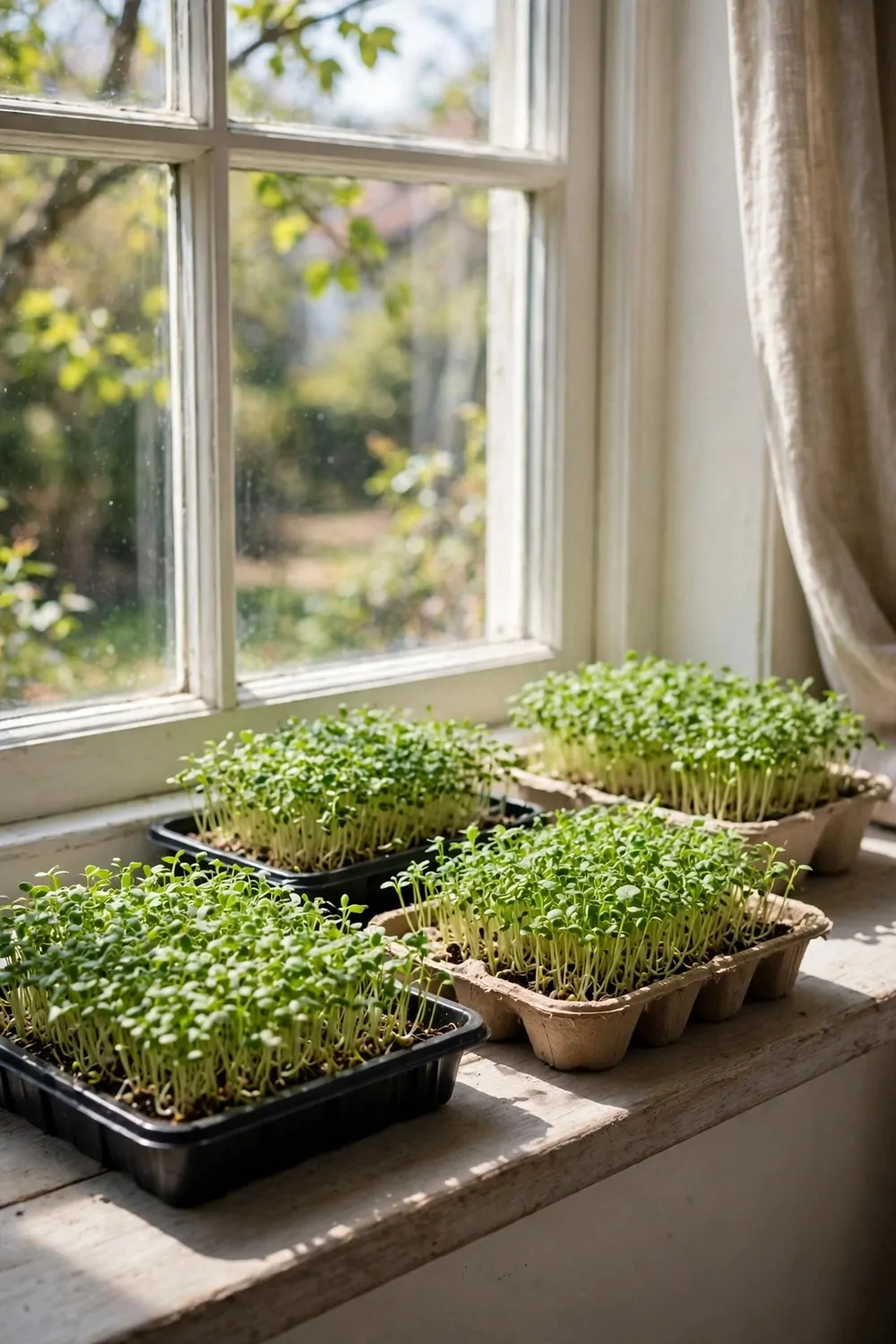
Microgreens grow on a sunny windowsill indoors, right in my kitchen.
I sow them thick in a shallow tray. They sprout in just a few days.
Use a tray with holes in the bottom. Sit it on a plate to hold the water. Bright light keeps the stems short and strong.
Keep the soil damp but never soggy.
Snip them with scissors when they are a few fingers tall. They are tender and full of fresh flavour.
I sprinkle them over salads and sandwiches. They add colour and crunch. A small tray goes a long way.
Sow a new tray every week for a steady supply.
Trays, seeds and soil for a tray cost $7 to $13. That tray gives you fresh greens in about ten days.
Start with radish or pea shoots if you are new to it.
18. Plant a Salad Bowl Garden in One Pot
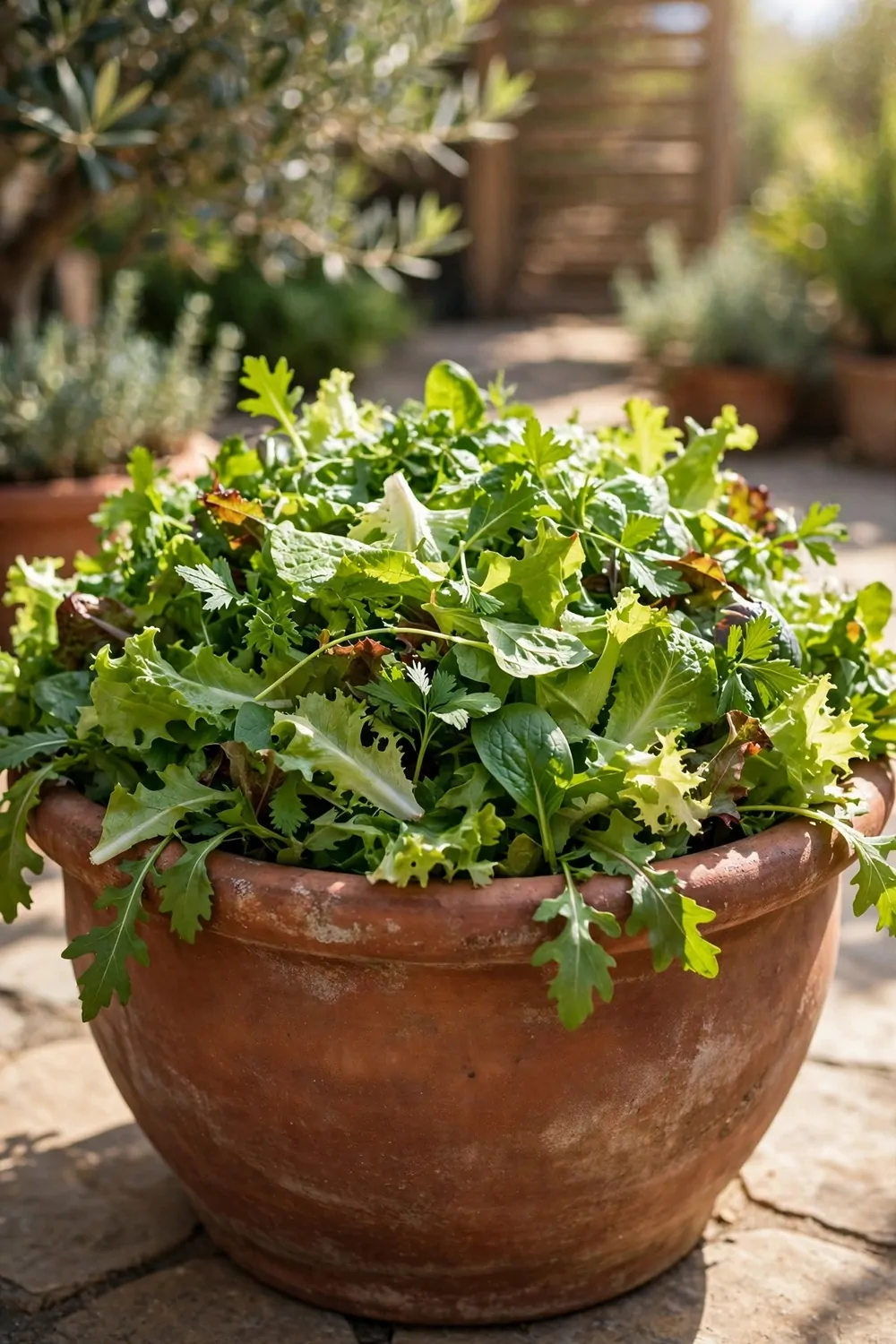
One big pot can grow a whole salad bowl. I plant lettuce, rocket and chives together in mine.
Pick a pot at least as wide as a dinner plate.
Fill it with good compost. Leave a small gap at the top for watering. Press the soil down gently with your hands.
Plant tall leaves in the middle and low leaves near the edge.
Water it every day in warm weather. Pots dry out much faster than beds.
Snip the outer leaves first. The centre keeps growing. You can pick from the same pot for weeks.
A pot by the door means you never forget to water it.
A large pot, compost and seedlings cost $14 to $24. That one pot can feed your salads for a whole season.
Try a mix of red and green leaves for a pretty bowl.
19. Grow Salad Greens in a Window Box
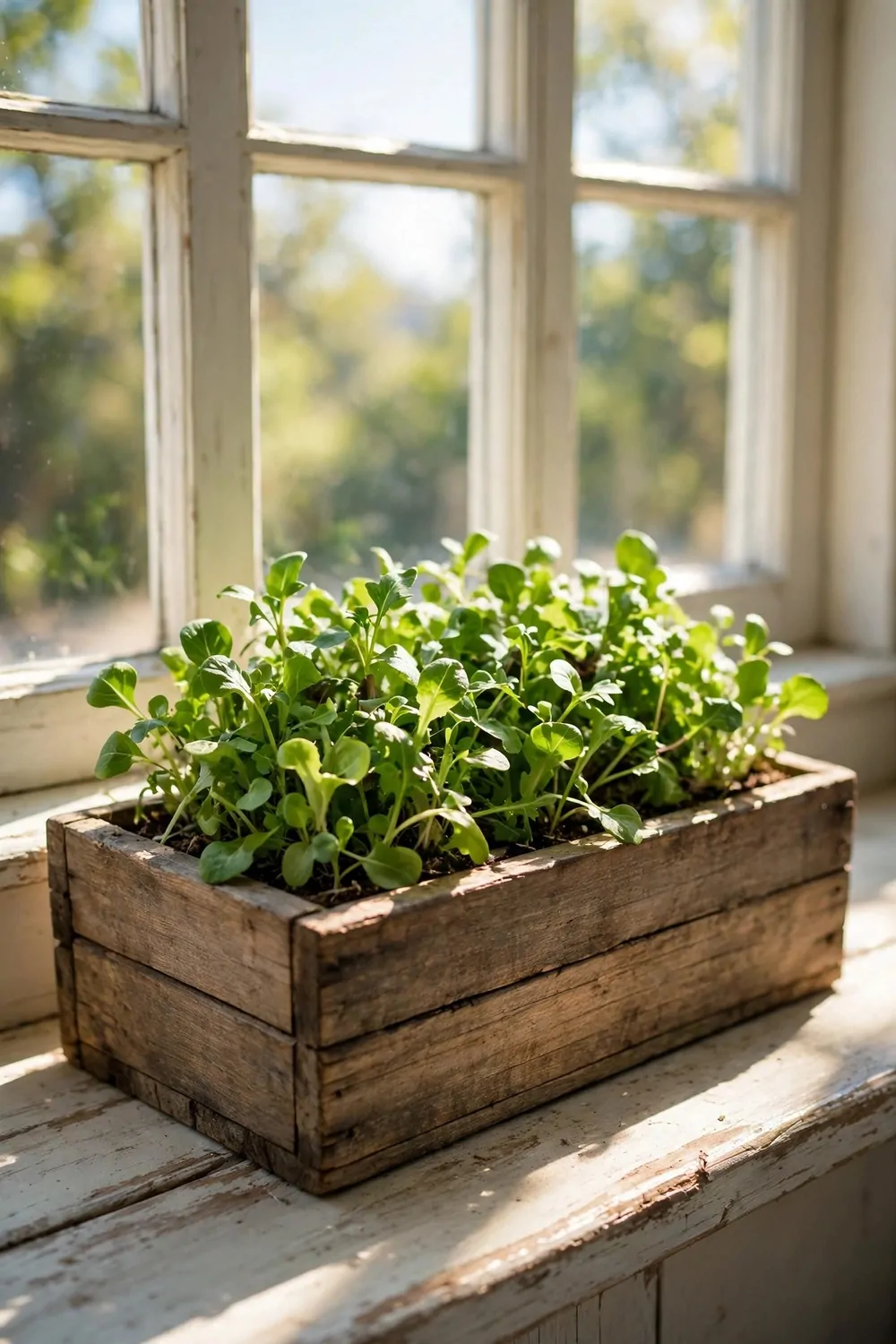
My window box sits on a sunny kitchen window, where I can see it while I cook.
It holds lettuce, spinach and chives in one neat row. I reach out and snip leaves while dinner is on the stove.
Use a box with holes in the bottom. Line it with a little gravel first. Then fill it with fresh compost.
Water it in the morning before the sun gets strong.
Pick the outer leaves and let the centres grow on. A small box can give you salads for weeks.
Keep the soil damp on hot days. Boxes dry fast in sun and wind. A quick check each morning is enough.
Herbs like chives do well at the ends of the box.
A window box, compost and young plants cost $12 to $22. That is good value for salads right at your window.
Start small and add more boxes if you love it.
20. Grow Salad Greens in a Raised Bed
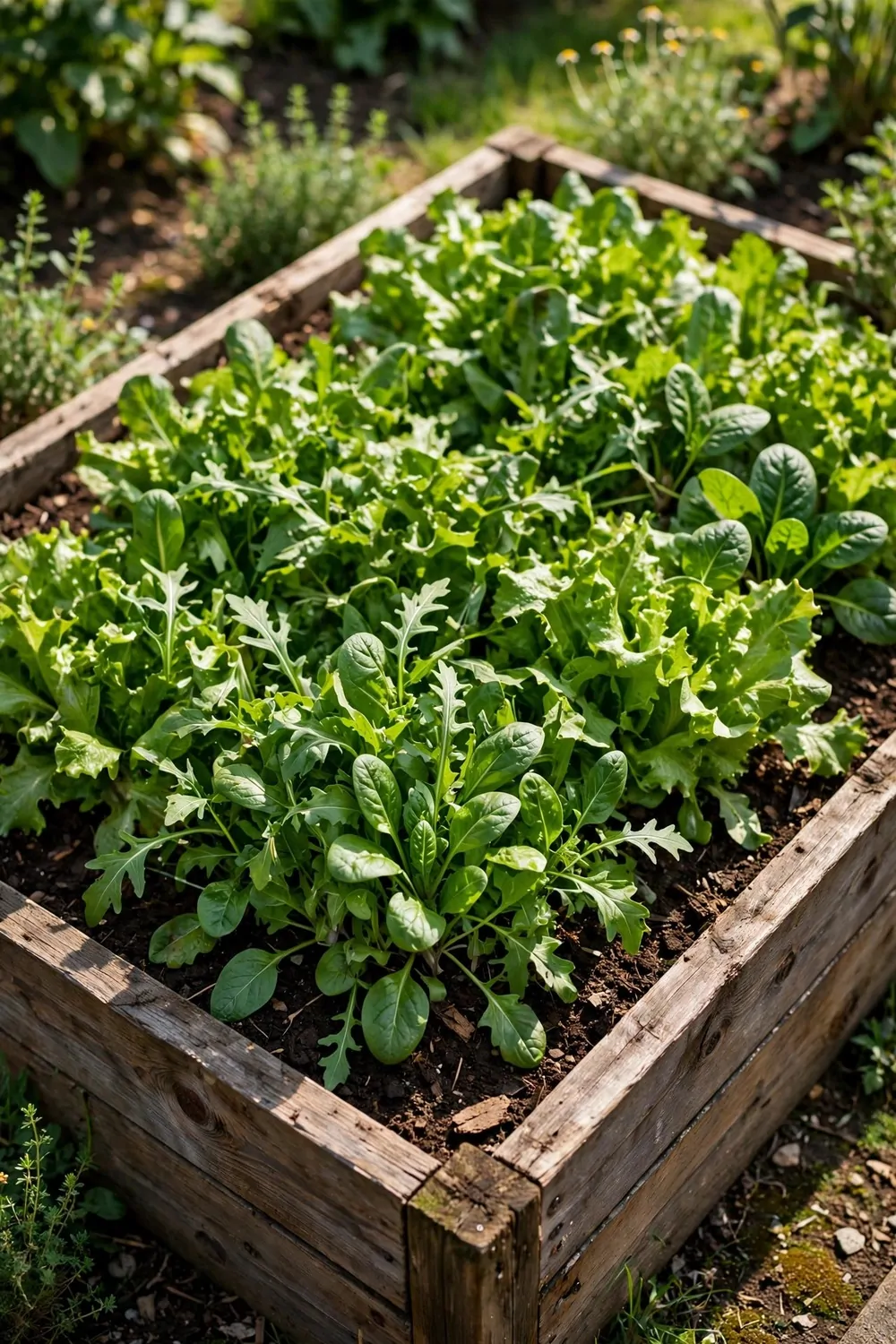
A raised bed makes salad growing easy on my back. I can reach every leaf without bending low.
Fill it with rich compost and loose soil.
Plant rows of lettuce, spinach and spring onions. Leave space between rows for air. Crowded plants grow weak and pale.
Water the bed deeply in the morning.
I pick leaves little and often. The plants keep making new ones for weeks.
Cover the soil with straw or leaves to hold dampness in. It keeps weeds down too. Your plants will thank you for it.
A bed near the kitchen gets picked the most.
Timber, soil and seeds for a small bed cost $35 to $60. That bed can serve you for many seasons.
Start with one bed and see how much you grow.
21. Grow Lettuce in Shade in Hot Months
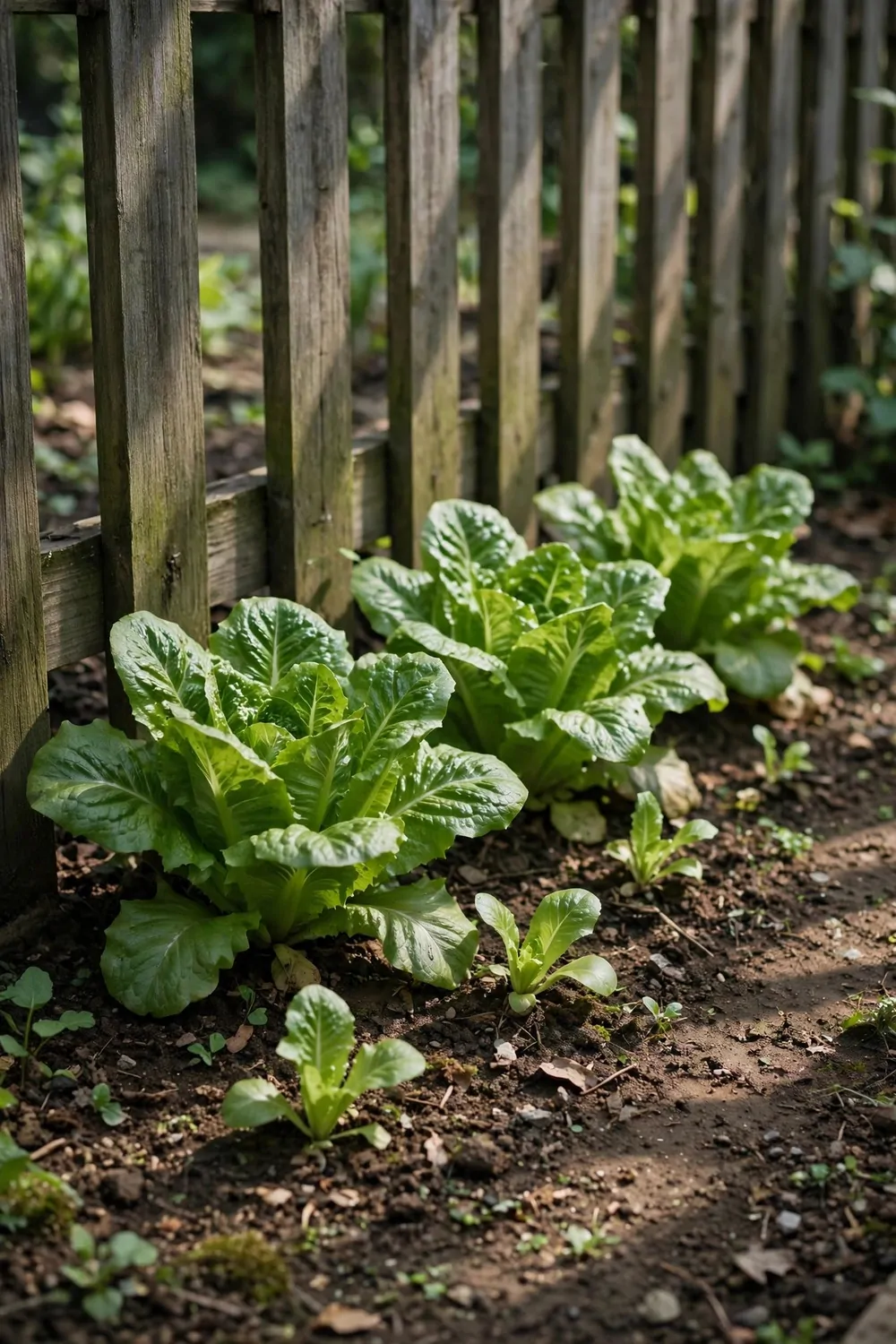
Lettuce bolts fast when the summer sun is strong.
I move it into shade for the hot months. A spot that gets morning sun and afternoon shade works best.
You can use a tall plant or a light cloth for shade. Even a garden chair can shade a small row. Keep it simple.
Water the soil well so the roots stay cool.
Pick leaves early in the day when they are crisp. Wilted leaves perk up in cold water.
Sow heat-tough types like romaine and butterhead. They hold up better in warm weather. Loose-leaf types work well too.
Mulch round the plants to keep the soil cool.
Seeds, mulch and a shade cloth cost $8 to $16. That small kit keeps your lettuce sweet through the heat.
Sow a fresh row every two weeks for tender leaves.
22. Plant Edible Flowers for Colour
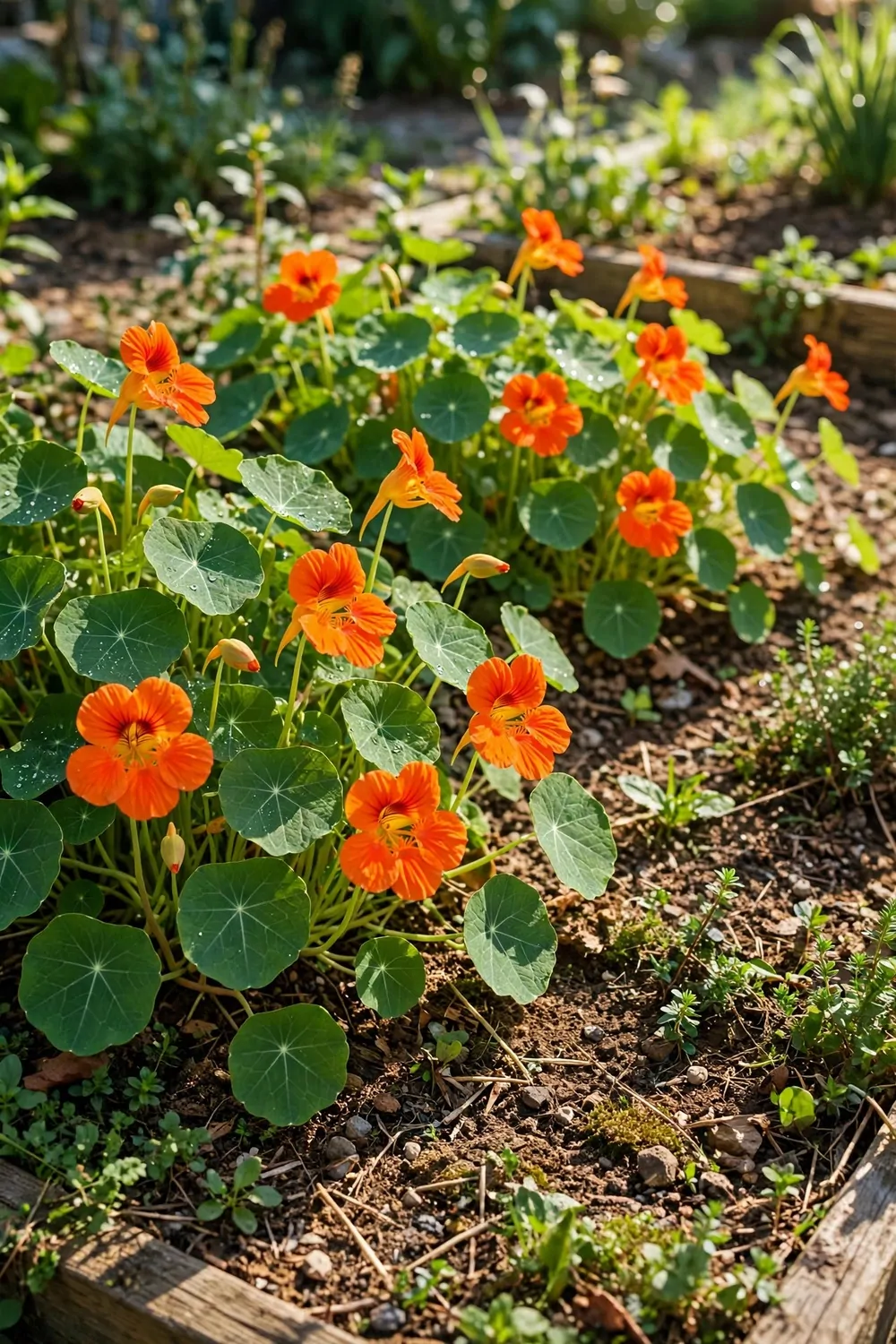
A few edible flowers make a salad look bright and pretty. I only grow kinds I know are safe to eat.
Nasturtium flowers and leaves add a gentle peppery bite.
Viola flowers are soft and sweet on a green salad. Calendula flowers add a warm golden colour. Both are easy to grow from seed.
Pick flowers in the morning when they are fresh.
Rinse them gently in cold water. Shake off the drops before you toss them in.
Use just a few at first. A small handful is enough. Too many can take over the taste.
Grow them in a sunny spot near your salad leaves.
Seeds for nasturtiums, violas and calendula cost $5 to $11. Those packets give you colour for months.
Always check the name before you eat any flower.
23. Plan Your Salad Garden for All Year
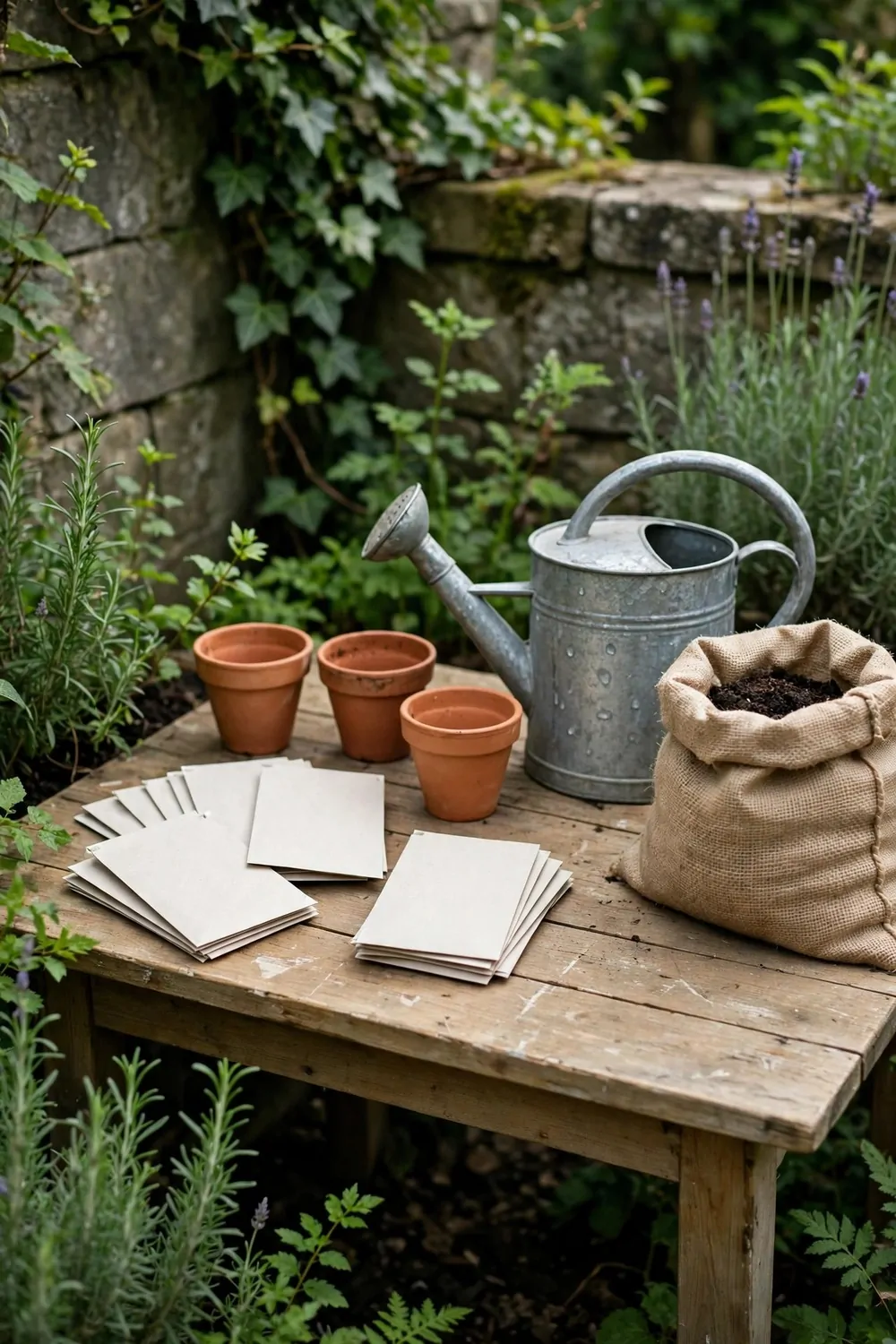
In spring, sow your first rows of lettuce, spinach and peas. The cool soil helps them sprout fast.
Seed packets $6 to $12 for a year of fresh greens.
Compost bags $10 to $18 to feed your beds through the seasons.
In summer, water in the morning and pick leaves before the heat builds. Start a new small row every couple of weeks. Shade your lettuce when the sun is fierce.
Small pots $8 to $15 for fresh plants through the year.
Watering can $10 to $18 for soft watering that soaks in slowly.
In autumn, sow hardy greens like spinach and kale. They keep growing as the days turn cool.
Raised bed kit $45 to $80 for a sturdy bed that lasts for years.
Total $79 to $143 for the basic kit for a year of salad gardening.
| Area | Main change | Typical Cost |
|---|---|---|
| Seed packets | For a year of fresh greens | $6 to $12 |
| Compost bags | To feed your beds through the seasons | $10 to $18 |
| Small pots | For fresh plants through the year | $8 to $15 |
| Watering can | For soft watering that soaks in slowly | $10 to $18 |
| Raised bed kit | For a sturdy bed that lasts for years | $45 to $80 |
| Total | Basic kit for a year of salad gardening | $79 to $143 |
Keep Reading
If you liked these ideas, you will love these posts too.
- 30 Pollinator Garden Ideas That Bring Bees and Butterflies
- 27 Compost Garden Ideas That Turn Scraps Into Soil
- 21 Window Herb Garden Ideas for Sunny Kitchens
- 34 Small Space Vegetable Garden Ideas That Grow a Lot
- 25 No Dig Garden Ideas That Save Your Back
- 29 Kitchen Herb Garden Ideas for Fresh Flavor All Year
Pick one idea from this list and plant it this week. Your next salad could come straight from your own garden.