36 Edible Landscaping Ideas That Look Beautiful and Feed You

I stood at my front window one morning and watched a neighbour slow down to look at my garden. She smiled at the green leaves and the bright red berries, and I knew she had no idea she was looking at our dinner too.
My yard used to be plain grass and a few bushes that did nothing for us. It looked neat, but it gave us nothing back.
Then I started to swap one plain plant for one plant we could eat. A berry bush here, a herb border there, and the whole place slowly changed.
Now the garden feeds us in small ways all through the year. We pick a handful of fruit for breakfast, snip herbs for lunch, and still have a yard that looks lovely from the street.
You do not need a big farm or a lot of skill to do this. You just need a sunny spot, a pot or a patch of soil, and a plant that likes to grow where you live.
In this post I share the ideas that worked best in my own yard. I kept the steps simple, the plants easy to find, and the care light enough for a busy week.
All 36 ideas are in this one post, no part split, nothing held back for later. You can read them all here and pick the ones that fit your yard best.
1. Plant a Blueberry Hedge
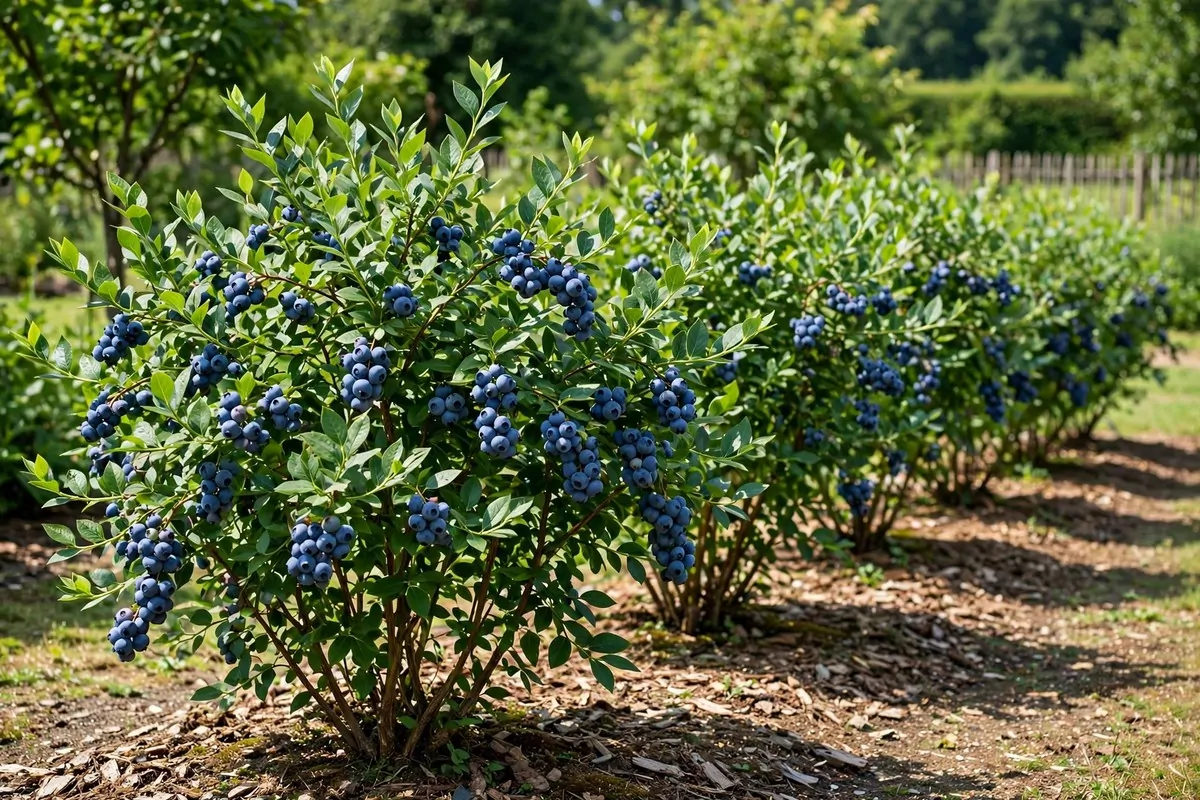
A blueberry hedge gives you fruit and a pretty border in one plant. The leaves turn soft shades through the year, and the berries hang like small blue beads in summer.
I planted mine along the edge of the lawn where the sun hits most of the day. They like sun and soil that drains well, so I mixed in a little compost before I put them in.
Space the plants about a metre apart so they have room to fill out. They will grow into a low hedge in a few years if you let them.
Water them well in the first year while the roots settle in. After that, a deep drink once a week in dry spells is often enough.
Pick the berries when they are fully blue and come off with a soft tug. I pick a small bowl at a time and eat most of them before I reach the kitchen.
You can freeze the extra berries in a flat tray for smoothies and baking. They keep their flavour well and save you a trip to the shop.
A small blueberry plant in a pot often sells for $12 to $25 at a garden centre and a bag of compost adds a few dollars more.
Prune out the old thin stems in late winter to keep the bush open. New stems will grow and carry more fruit the next year.
A blueberry hedge is a simple way to start edible landscaping. It looks tidy, it feeds you, and it asks for very little once it is settled.
2. Grow Strawberries as Ground Cover
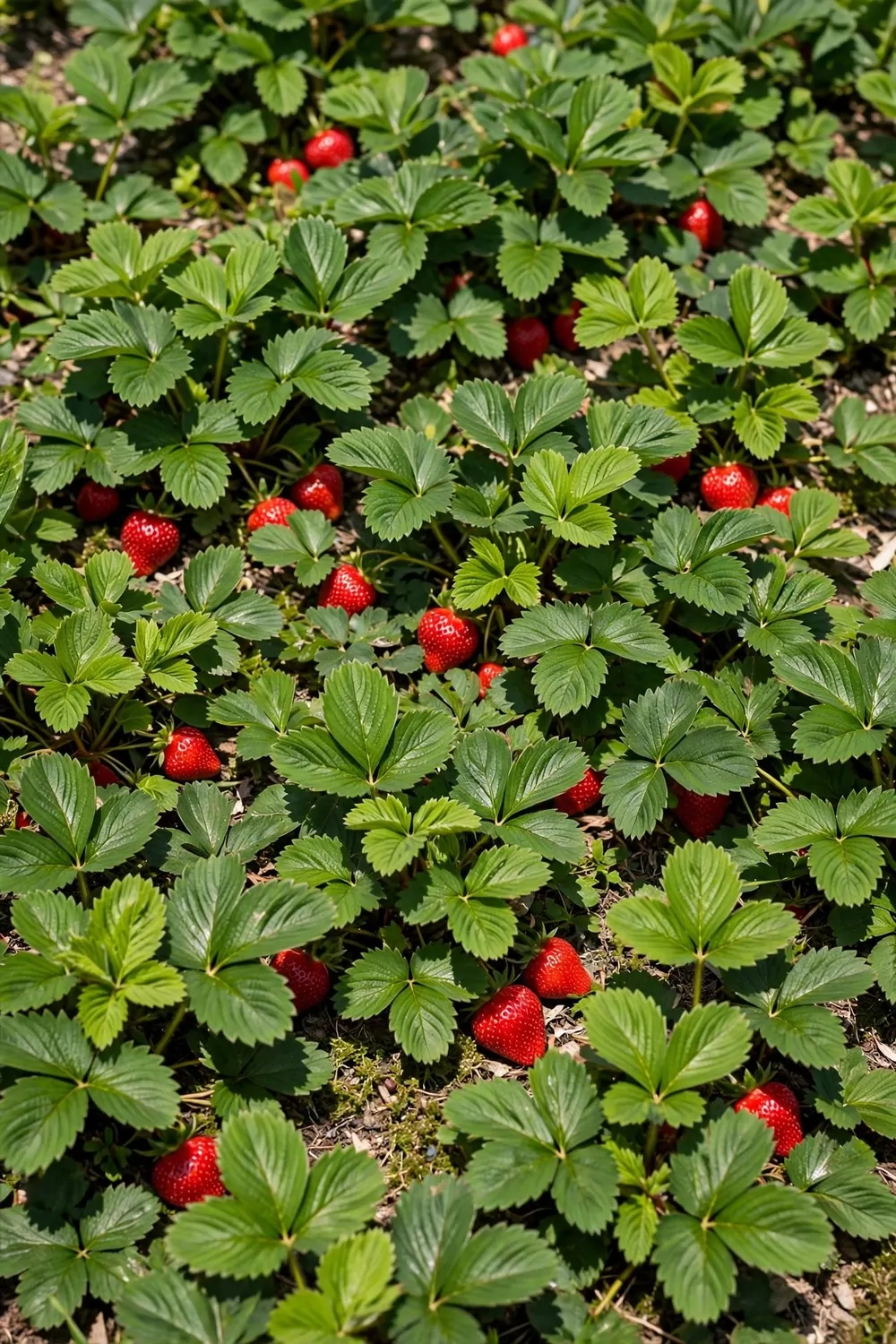
Strawberries make a sweet ground cover that fills bare soil fast. Their green leaves spread low, and the red fruit hides under them in late spring.
I tucked mine along the edge of a flower bed where they get morning sun. They spread by runners, so a few plants soon cover a wide patch.
Keep the soil soft and free of weeds while the plants settle in. A layer of straw under the leaves keeps the fruit clean and dry.
Water at the base in the morning so the leaves dry by night. Wet leaves can lead to soft spots on the fruit.
Pick the berries when they are red all the way through. A ripe strawberry smells sweet and comes off the stem with ease.
Let the runners root where you want new plants, and snip off the rest. That keeps the patch full but not too crowded.
You can often buy a pack of six small strawberry plants for $10 to $18 plus a small bale of straw for mulch.
In cold months the leaves may rest, but the roots stay alive below the soil. New leaves will push up again when the warm days return.
This is one of the easiest ways to turn empty soil into food. Kids love to hunt for the red berries, and the bed looks full and green all season.
3. Train Raspberries Along a Fence
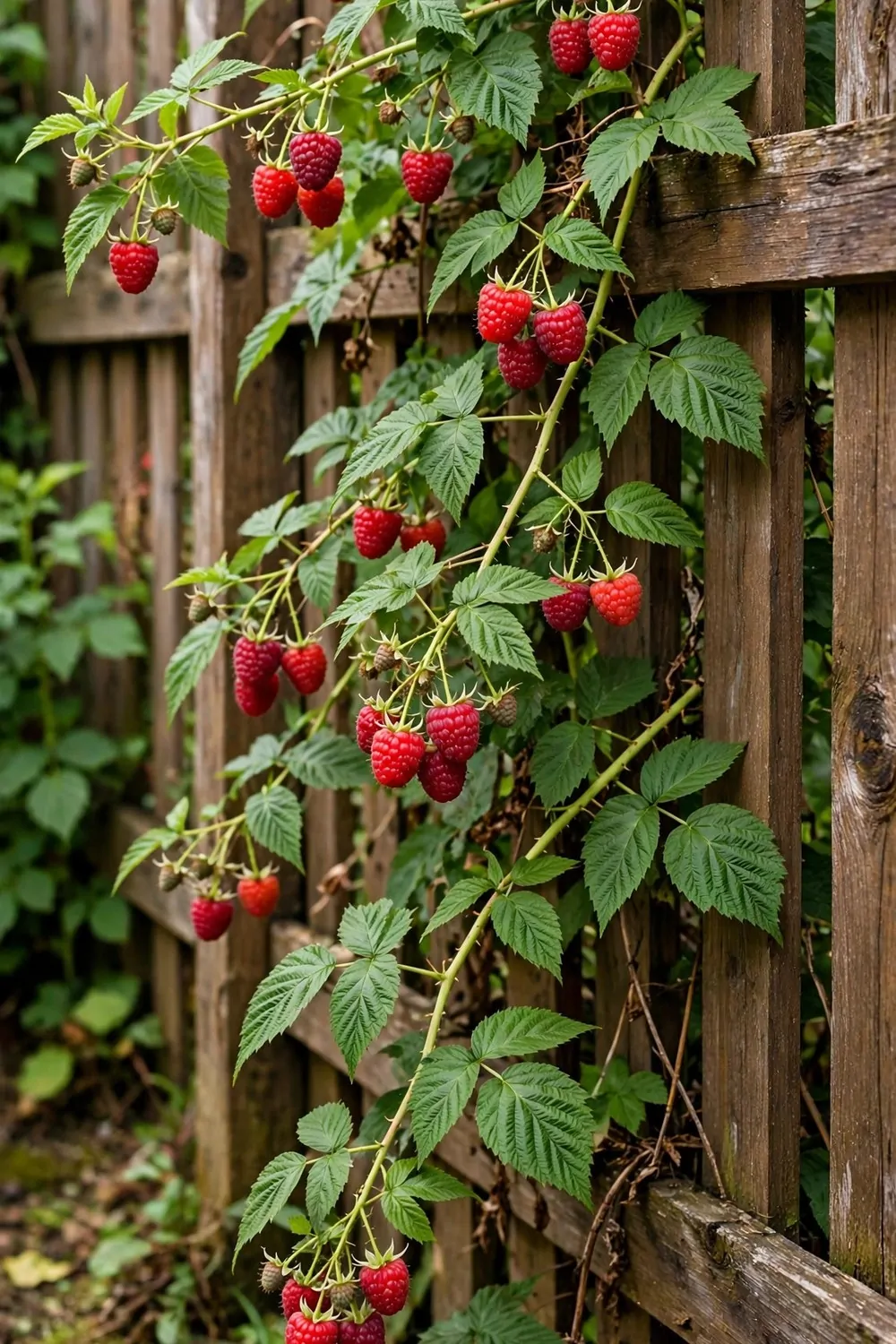
Raspberries love a fence because the canes have something to lean on. The red fruit hangs in small clusters that are easy to spot and pick.
I planted mine in a narrow strip along the back fence where the sun shines for most of the day. I tied the tall canes loosely to wires so they stay upright.
Give each plant room to breathe, and keep grass away from the base. A thick layer of mulch helps the soil hold water in hot weeks.
Water deeply once or twice a week while the fruit is forming. The berries swell fast when the roots stay damp.
Pick raspberries when they slip off the stem with a light touch. Eat them the same day, as they are soft and do not store for long.
After fruiting, cut out the old canes that have already borne fruit. The new green canes will take their place and fruit next time.
A bundle of three bare-root raspberry canes plus wire and ties can come to $15 to $30 for a short fence run.
Watch for birds in the weeks when the fruit turns red. A light net over the canes keeps most of the crop for your own table.
A raspberry fence turns a plain boundary into a fruit wall. It looks green and full, and it gives you bowls of fruit with very little fuss.
4. Add a Dwarf Apple Tree
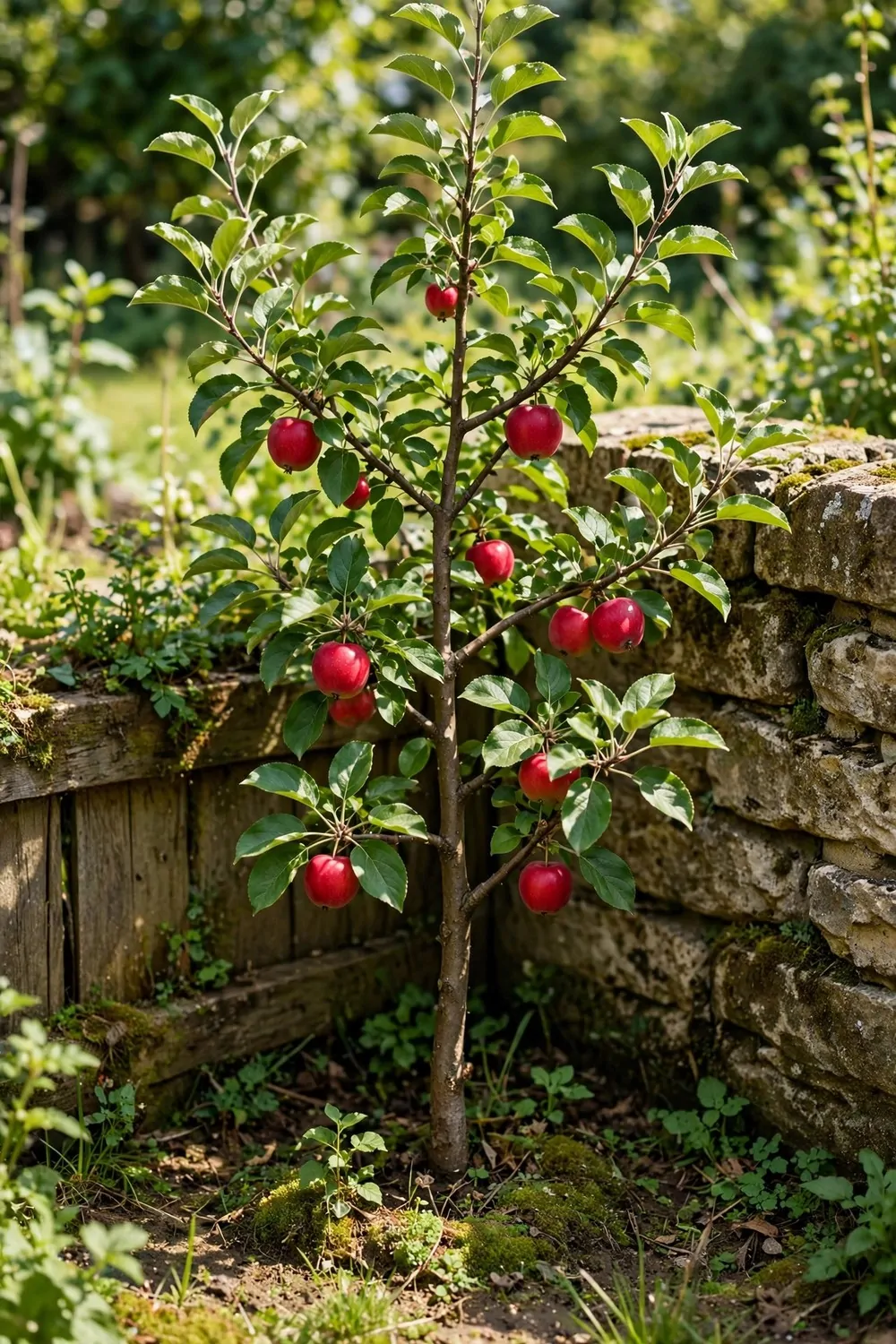
A dwarf apple tree fits in a small yard and still gives you real fruit. Its spring flowers look lovely, and the apples turn red or green as they ripen.
I planted mine in the sunniest corner of the lawn, away from strong wind. A dwarf tree stays short, so you can pick most of the fruit without a tall ladder.
Dig a wide hole and loosen the soil around it before you plant. Water well after planting so the roots settle into place.
Thin the young fruit in early summer if one branch holds too many apples. Fewer apples on a branch grow bigger and taste sweeter.
Pick an apple when it lifts off with a gentle twist and the seeds inside look brown. Taste one first, as some types ripen early and some late.
Store the best apples in a cool dark place in a single layer. Eat the bruised ones first, and use them in cooking the same week.
A young dwarf apple tree in a pot will often set you back $25 to $45 and a sturdy stake costs a little extra.
Prune in winter to keep the shape open and the centre full of light. Remove crossed branches and any shoots that grow straight up.
One small apple tree can feed a family for weeks in autumn. It gives shade, flowers, and fruit, all from one neat little tree.
5. Grow a Kitchen Herb Border
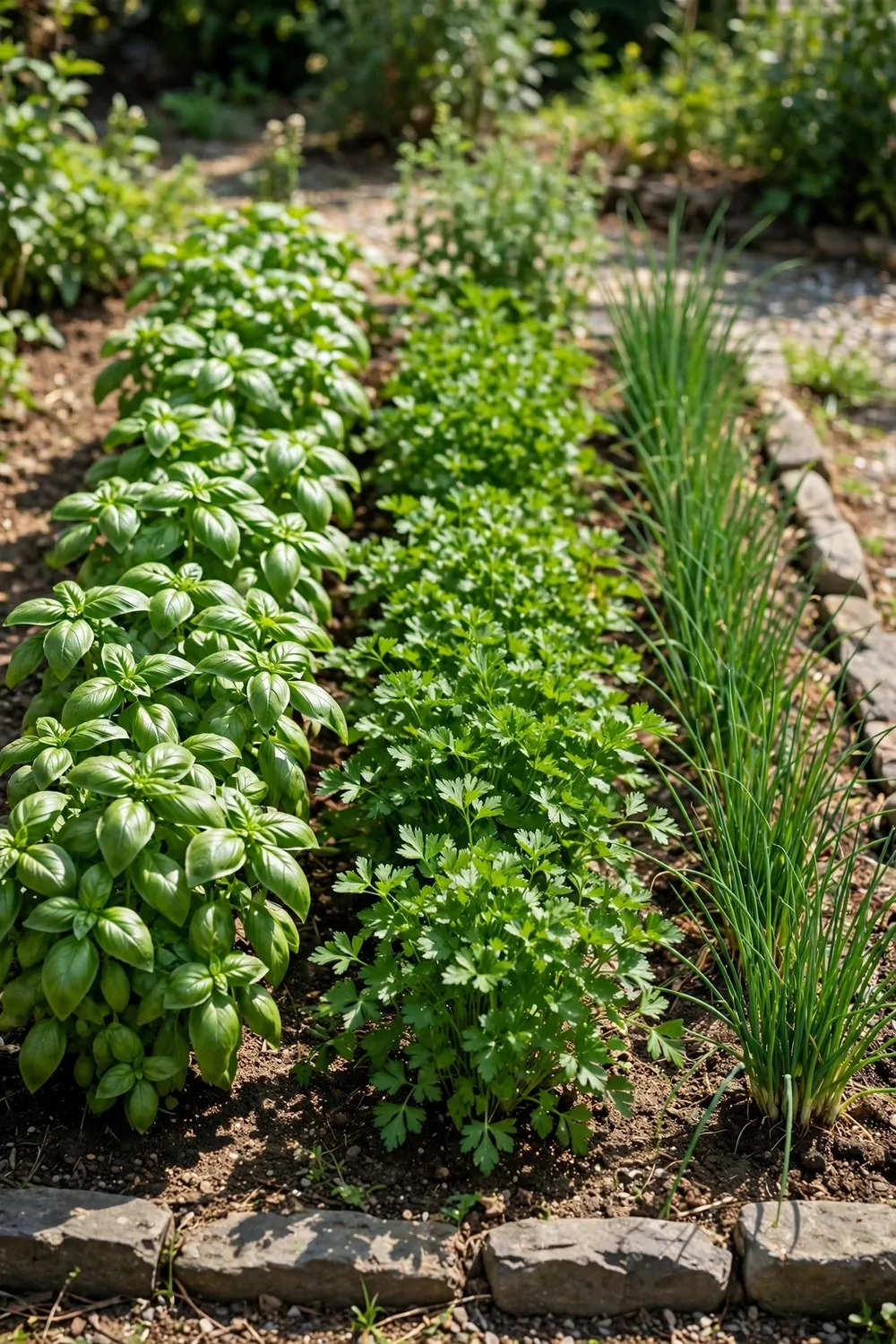
A herb border by the kitchen door saves you trips to the shop. You step out, snip what you need, and step back in with fresh flavour in your hand.
I planted basil, parsley, mint, and thyme in a row along the path. Each one likes sun and soil that drains, so I raised the bed a little with extra soil.
Keep mint in its own pot sunk into the bed, as it spreads fast. The other herbs stay in their own spots and do not crowd each other.
Water herbs in the morning and let the soil dry a little between drinks. Most herbs taste stronger when they are not kept too wet.
Pinch the tips back often and the plants stay thick and full. A plant that is picked often grows more leaves, not fewer.
Dry the extra leaves on a tray in a warm room for a few days. Store them in a jar and use them through the cold months.
Four small herb plants and a bag of soil for the border can add up to $14 to $28 in total.
In winter, move tender herbs into pots near a bright window. They will keep growing slowly and give you fresh leaves all year.
A herb border is small, cheap, and useful every single day. It makes the path smell fresh, and it makes simple meals taste much better.
6. Plant a Fig Tree in a Sunny Corner
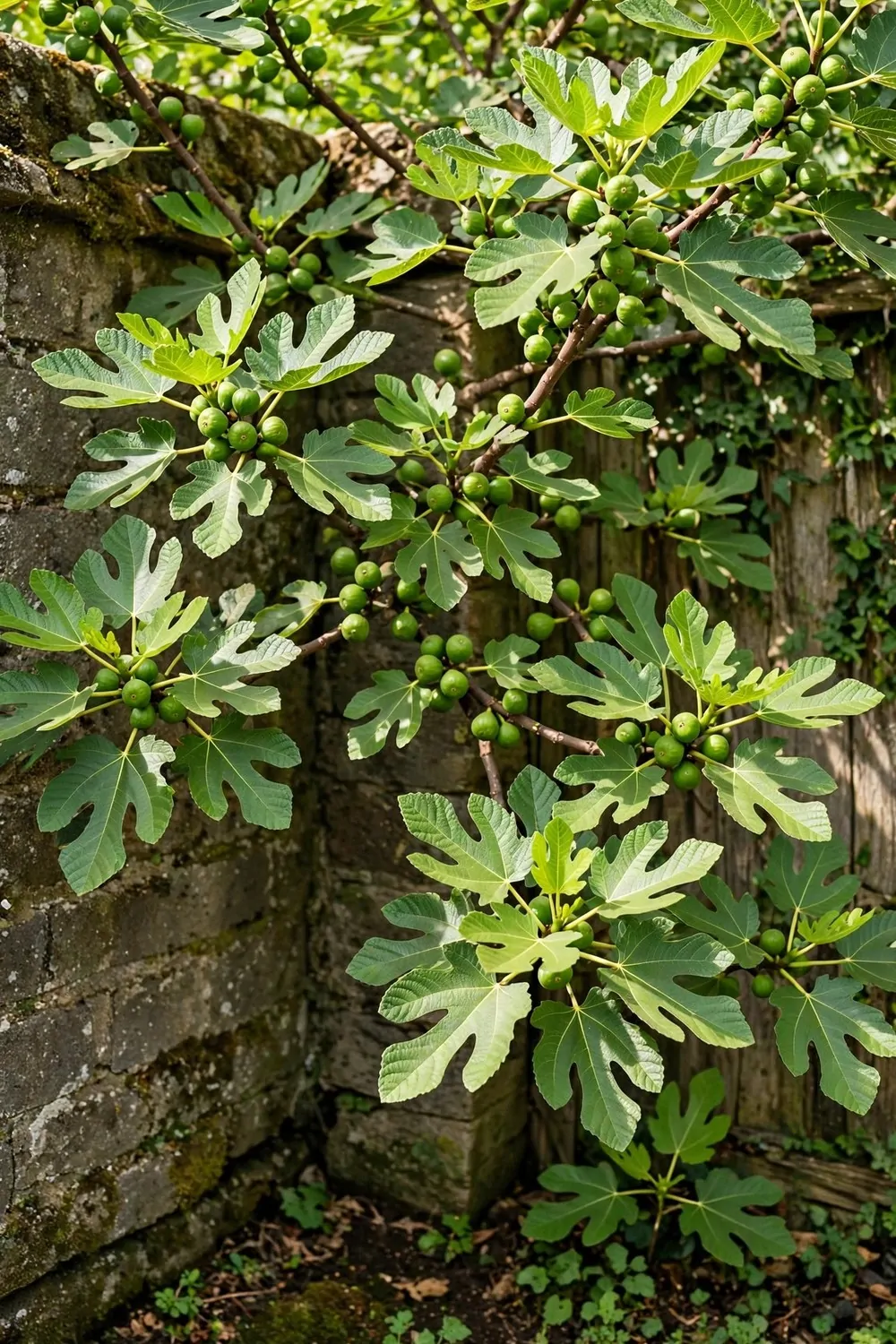
A fig tree loves a warm sunny corner and rewards you with sweet fruit. Its big green leaves give the corner a soft tropical look, even in a small yard.
I planted mine against a south wall where the sun warms the bricks all day. The wall holds heat into the evening and helps the fruit ripen.
Figs like soil that drains well, so I did not plant in a low wet spot. A raised bed or a mound of soil works well if your ground holds water.
Water young trees often in the first summer, then less as they grow strong. An older fig can cope with a dry spell better than a young one.
Pick figs when they feel soft and droop a little on the stem. A ripe fig may split slightly at the base, and that is a good sign it is ready.
Eat fresh figs the same day you pick them, as they do not keep long. You can also dry them in the sun on a rack for later snacks.
A young fig tree in a pot often costs $20 to $40 and a bag of grit for drainage is only a few dollars more.
Prune in late winter to keep the tree open and at a height you can reach. Remove dead wood and any branches that cross over each other.
A fig tree turns a hot bare corner into a shady fruit spot. It needs little care, and the fruit tastes far better than any shop fig I have tried.
7. Grow Tomatoes in a Flower Bed
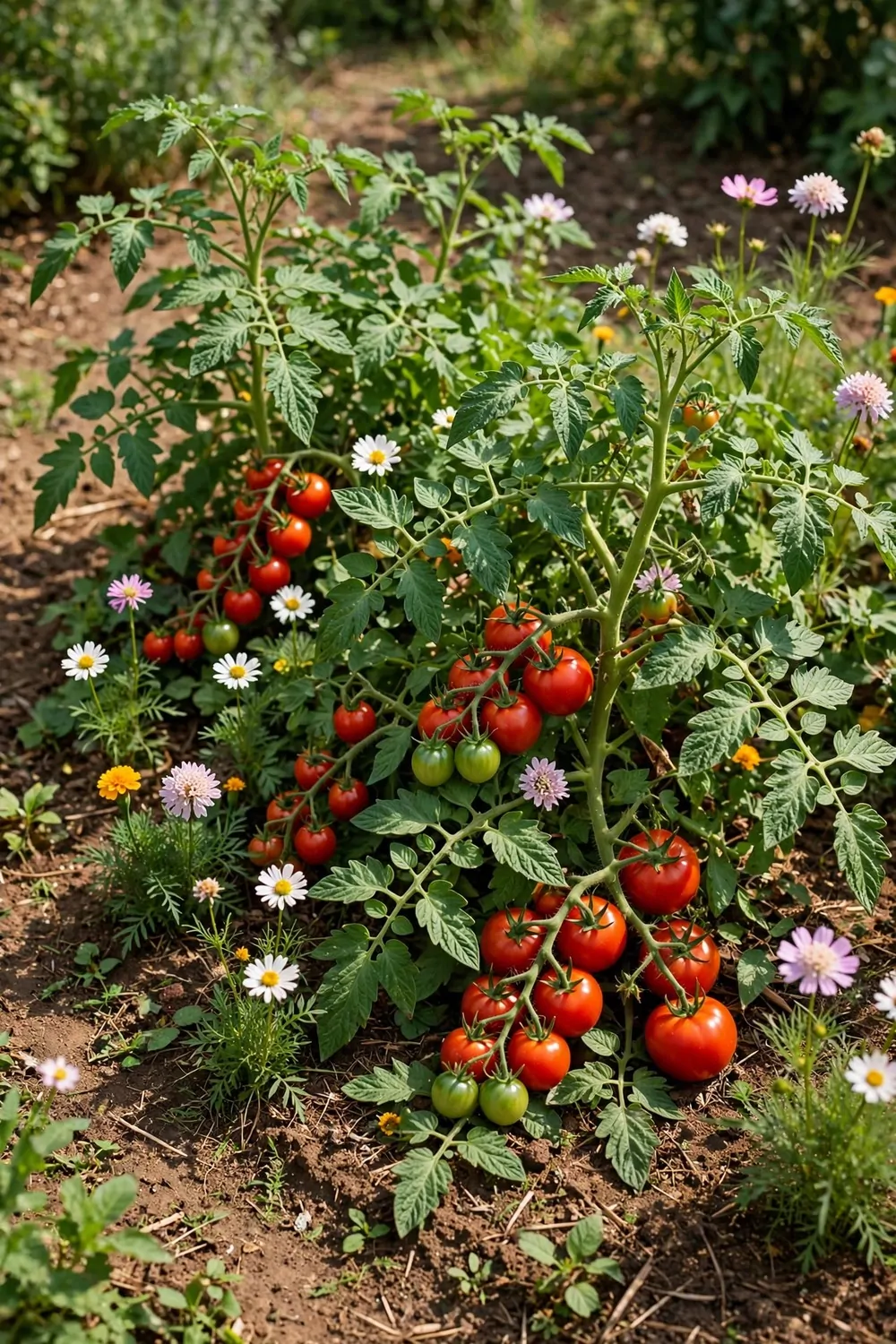
Tomatoes fit right into a flower bed and look at home there. Their green leaves fill gaps, and the red fruit adds bright spots through summer.
I planted mine at the back of the bed where they get full sun. Tall types need a stake or a cage, so I put the supports in on planting day.
Give each plant space for air to move around the leaves. Crowded plants stay damp, and damp leaves can turn yellow and weak.
Water at the base in the morning and keep the leaves dry if you can. A steady drink helps the fruit grow smooth and full, without splits.
Pick tomatoes when they are red all over and feel slightly soft. Let them ripen on the plant for the best taste, not on the kitchen bench.
Use the first ripe ones in salads and simple sauces the same day. The extra fruit can be cooked down and frozen in small tubs for winter meals.
Three tomato plants with stakes and twine for tying them up will often total $12 to $22 for the bed.
Pinch off small side shoots to keep the plant tidy and open. The plant then puts its strength into fruit, not into extra leaves.
Tomatoes in a flower bed prove food can be pretty too. The bed looks lush and full, and you get fresh fruit steps from your door.
8. Add Edible Flowers to Your Borders
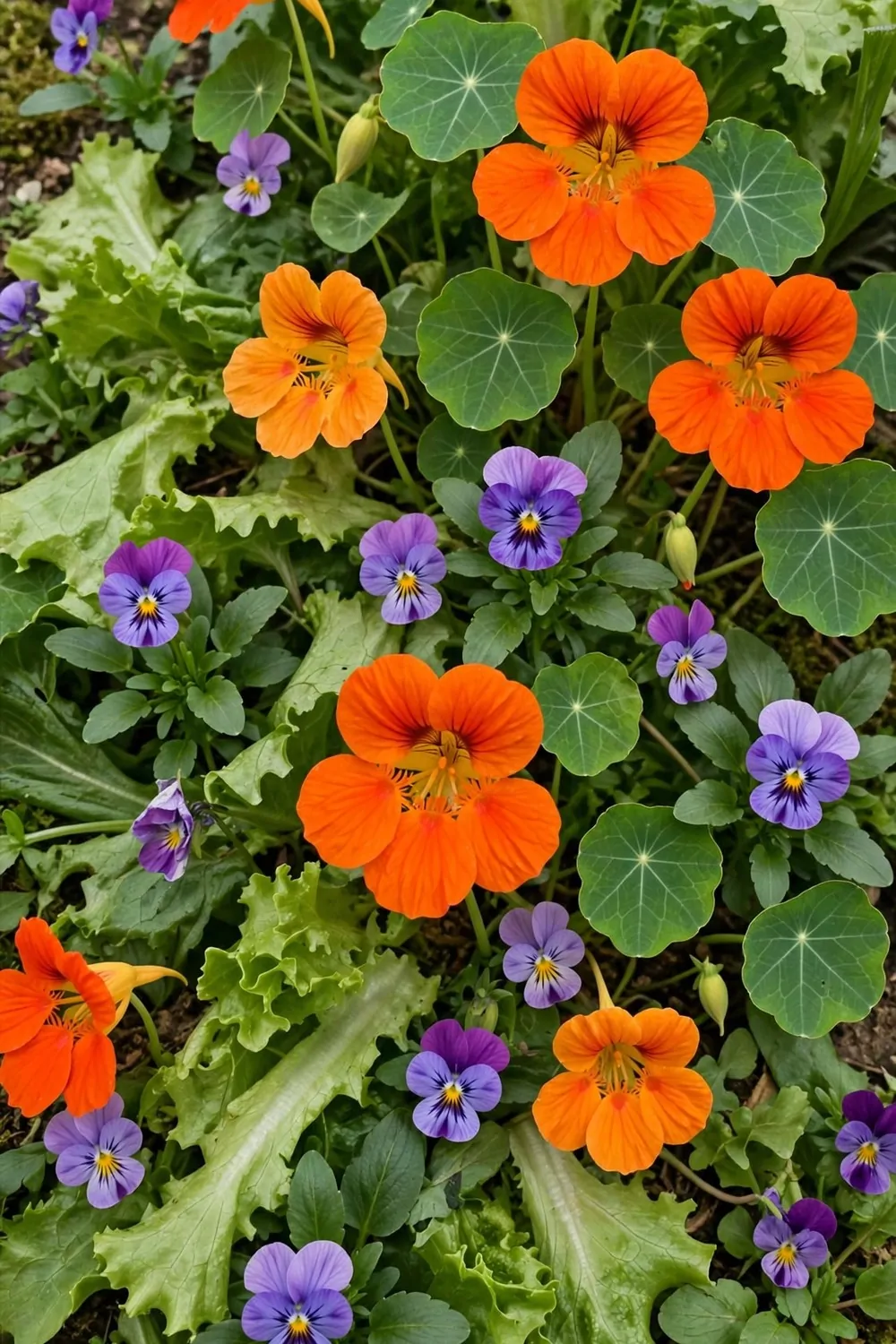
Edible flowers add colour to a border and flavour to a plate. Nasturtiums, violas, and calendula are three easy ones to start with in a sunny bed.
I sowed mine along the front edge where they are easy to see and pick. They grow fast from seed, and they fill gaps between taller plants.
Keep the soil damp until the seeds sprout, then water only when the top feels dry. Too much water makes soft leaves and fewer flowers.
Pick flowers in the morning when they are fresh and fully open. Rinse them gently in plain water and let them dry on a clean cloth.
Use the blooms to brighten salads, rice, and simple desserts. A few bright blooms can make a plain plate look like a treat.
Leave a few blooms to set seed once the season ends. You can save the seeds in a paper bag and sow them again next year.
Three packets of edible flower seed and a small bag of compost can come to $9 to $16 for a full border edge.
Do not use any sprays on flowers you plan to eat. Hand picking and plain water are the only care these plants need to stay clean.
Edible flowers make a border work twice as hard. They feed bees, brighten the yard, and give your meals a fresh pretty touch.
9. Plant a Lemon Tree in a Pot
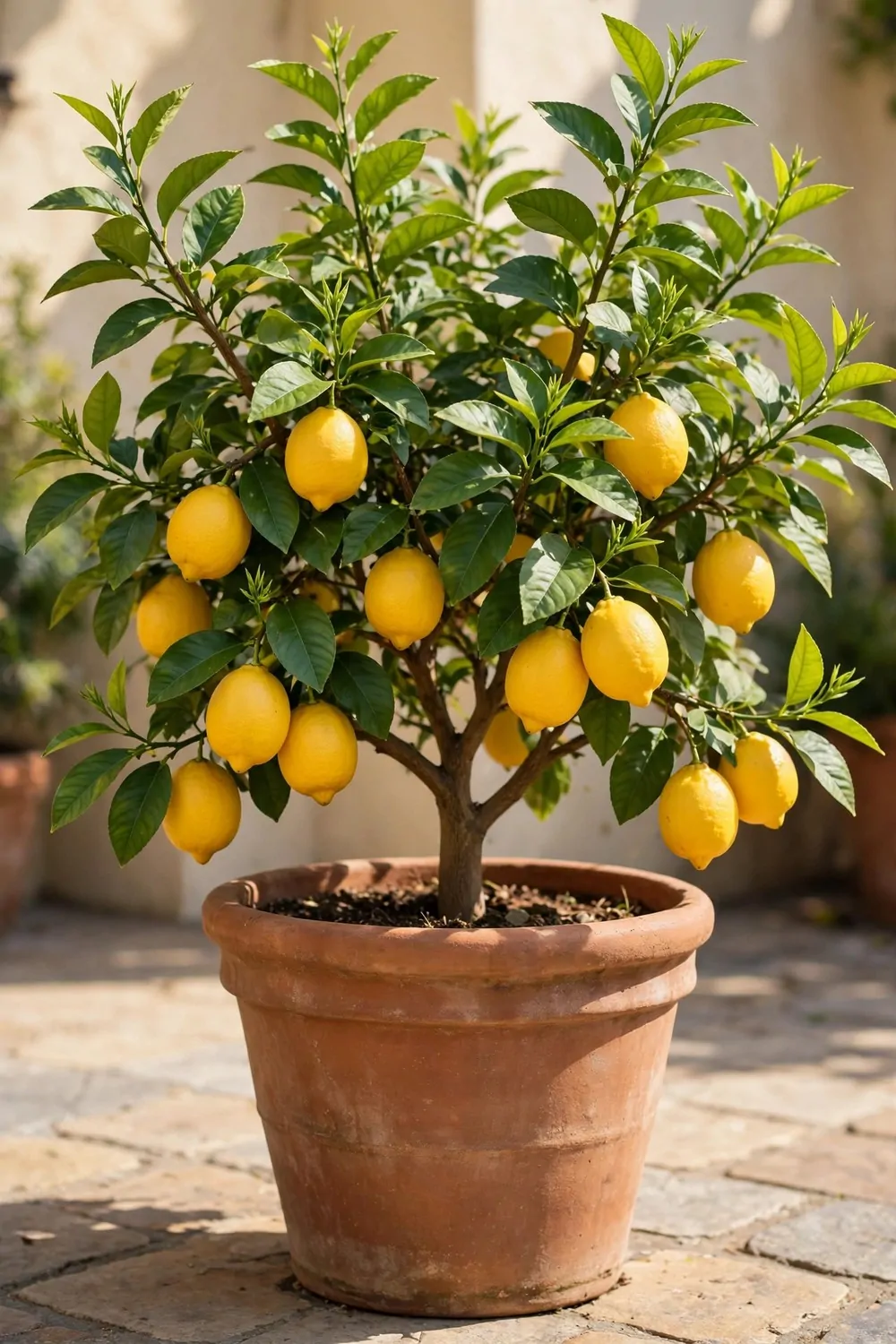
A lemon tree in a pot brings fresh fruit right to your doorstep. Its glossy green leaves look smart all year, and the yellow lemons glow against them.
I keep mine in a large pot by the back door where it gets full sun. A pot lets me move it to a sheltered spot when cold nights come.
Use a pot with holes at the base so extra water can drain away. Lemons hate wet feet, and a free-draining mix keeps the roots happy.
Water when the top of the soil feels dry, and feed with a light citrus feed in spring. A steady routine keeps the leaves green and the fruit coming.
Pick lemons when they turn fully yellow and feel heavy in your hand. A heavy lemon holds more juice than a light one of the same size.
Use fresh lemons in drinks, dressings, and simple cooking all week. The zest adds flavour too, so wash the skin well before you grate it.
A small potted lemon tree and a large pot with soil will often cost $30 to $55 together.
Prune lightly after fruiting to keep the shape neat and open. Remove any dead twigs and any shoots that grow from below the graft.
A potted lemon tree is a small orchard in one pot. It looks lovely by the door, smells fresh in flower, and gives you fruit for months.
10. Grow Climbing Beans on a Trellis
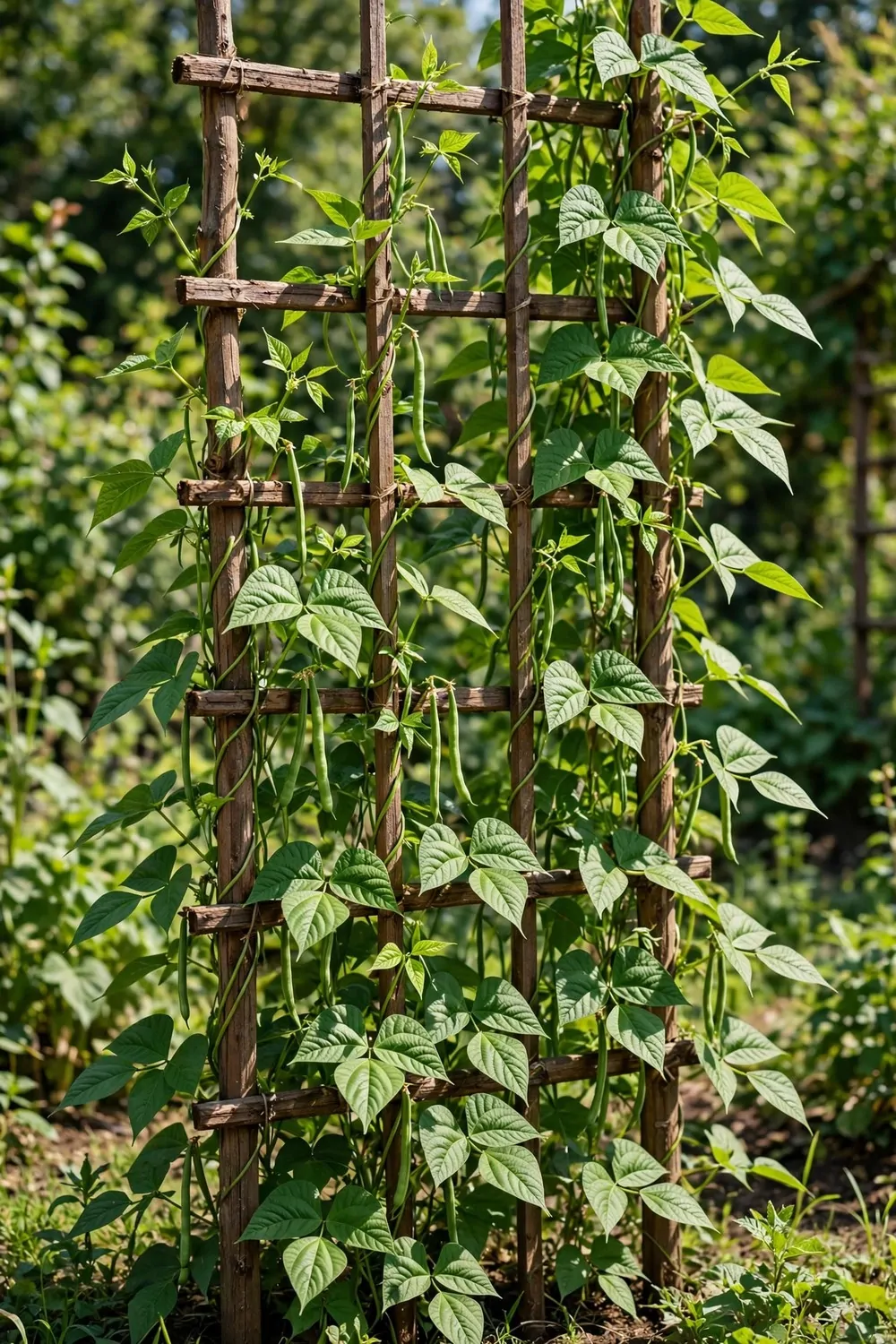
Climbing beans turn a plain trellis into a green wall of food. Their leaves fill the frame fast, and the long pods hang down where you can see them.
I sowed mine at the base of a trellis in full sun after the last cold nights. Beans like warm soil, so I waited until the ground felt warm to my hand.
Give each seed space and push it a finger deep into soft soil. Water gently after sowing and keep the soil damp until the shoots appear.
Guide the young stems onto the trellis strings as they grow. They will twine on their own once they find the support.
Pick the pods while they are young and tender, before the seeds swell inside. Picking often makes the plant grow more pods.
Eat fresh beans the same day, or steam them lightly for dinner. The extra pods can be blanched and frozen in small bags for later.
A packet of bean seed with a simple trellis and twine can add up to $18 to $32 for a first setup.
At the end of the season, pull up the old vines and add them to the compost heap. The roots leave the soil richer for the next crop.
A bean trellis gives you food, shade, and privacy in one frame. It is one of the fastest ways to make a bare fence look alive and useful.
11. Add a Grape Vine on a Pergola
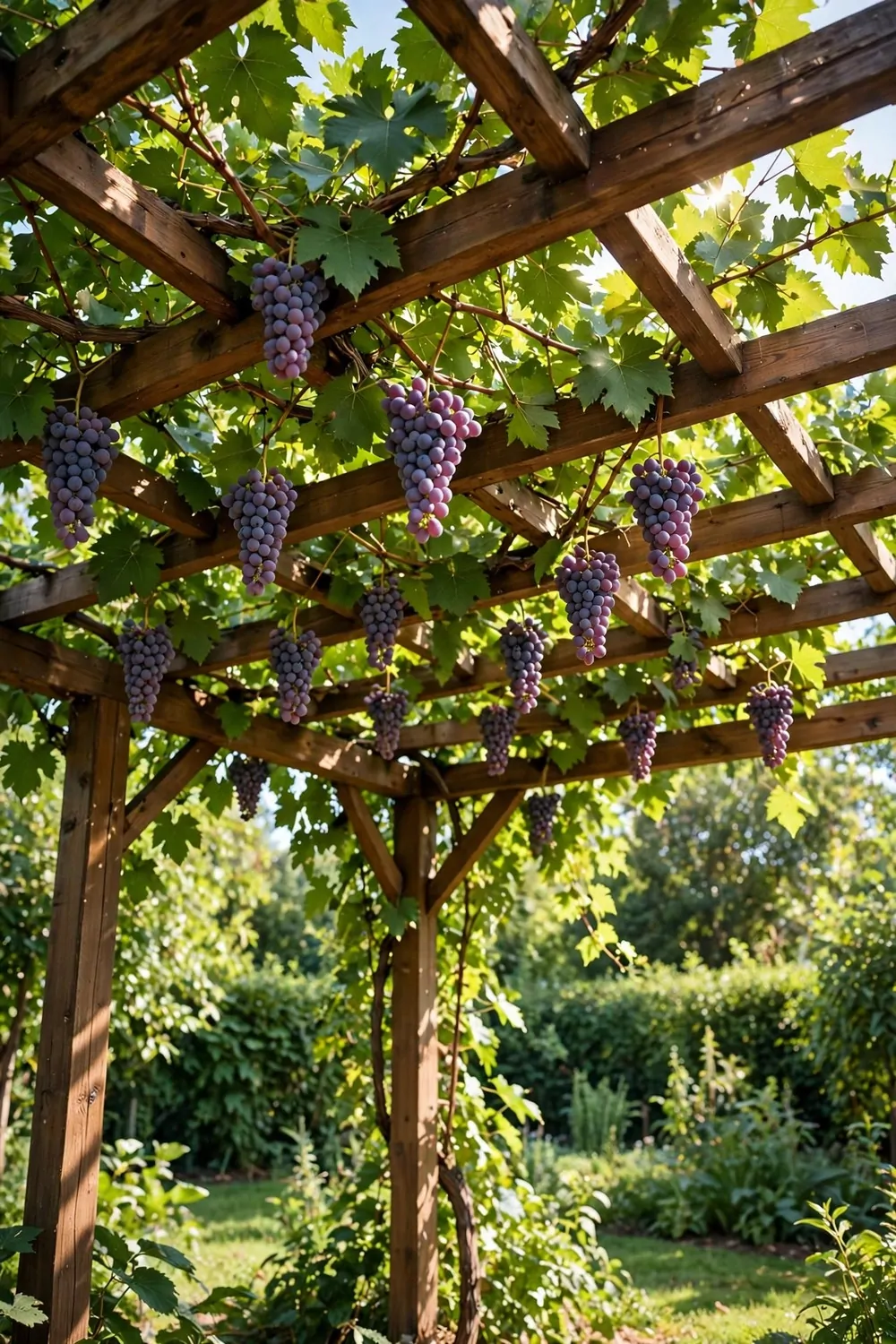
A grape vine on a pergola gives you shade in summer and fruit in autumn. The broad green leaves make a cool roof, and the fruit hangs in bunches below.
I planted mine at the base of a pergola post in full sun. I tied the main stem to the post and let side shoots spread along the top beams.
Grapes like soil that drains well and a spot with good air flow. I kept grass away from the base and mulched with straw to hold water in the soil.
Water young vines well in the first year while the roots grow deep. Older vines need less water and cope well with a dry spell.
Pick a bunch when the fruit tastes sweet and the skin feels soft. Taste a few from different parts of the bunch, as they do not all ripen at once.
Eat fresh grapes straight from the vine, or chill them for a cool snack. The extra fruit can be juiced or dried in the sun for later.
A young grape vine with wire and ties for a pergola will often run to $22 to $38 for the first year.
Prune in winter while the vine is bare and you can see its shape. Keep a few strong stems and cut back the thin side shoots.
A grape pergola turns an outdoor seat into a fruit room. It looks lush, it cools the space below, and it feeds you from above.
12. Plant Chives as Edging
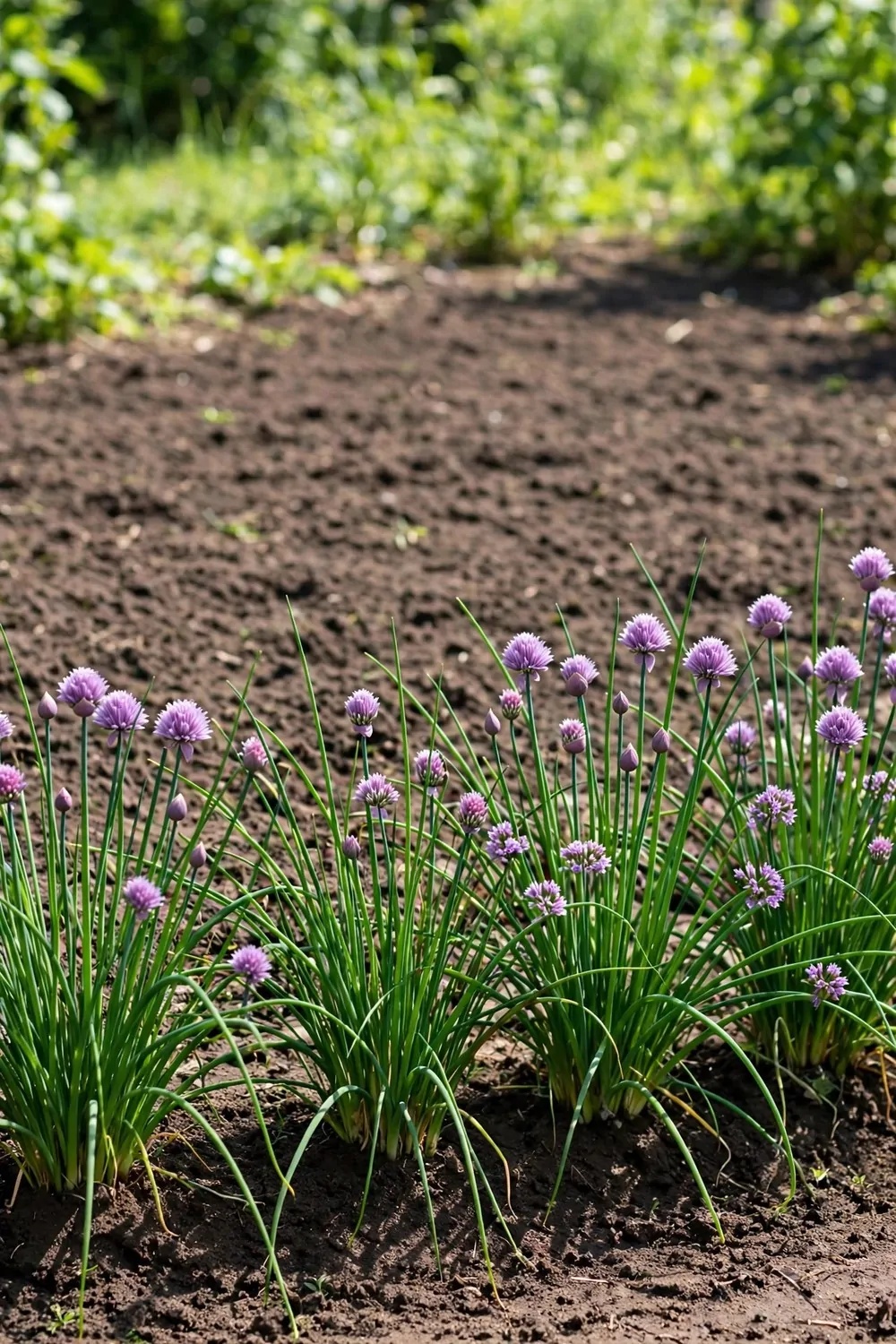
Chives make a neat green edge that you can snip and eat. Their thin leaves form a soft border, and the purple flowers look lovely in late spring.
I planted mine along the path edge where I walk past every day. A snip here and there keeps the edge tidy and gives me fresh leaves for cooking.
Chives like sun and soil that drains, but they cope with a little shade too. They grow in a clump that gets wider each year.
Water them in dry spells and keep weeds away from the base. A small clump needs very little care once it is settled in.
Snip the leaves with scissors, leaving a few centimetres above the soil. New leaves will grow back fast, often within a week or two.
Use fresh chives on eggs, potatoes, and simple soups. The flowers can be pulled apart and sprinkled over salads for a mild onion taste.
A small pot of chives or a packet of seed for a path edge will often cost $6 to $12 in total.
In autumn, let the leaves die back and clear away the old stems. The roots rest through winter and push up fresh green shoots in spring.
Chives are the easiest edible edge I know. They look tidy, they taste fresh, and they come back year after year with almost no work.
| Idea | Typical Cost |
|---|---|
| Blueberry hedge | $12 to $25 |
| Strawberries | $10 to $18 |
| Raspberries | $15 to $30 |
| Dwarf apple tree | $25 to $45 |
| Kitchen herb border | $14 to $28 |
| Fig tree | $20 to $40 |
| Tomatoes | $12 to $22 |
| Edible flowers | $9 to $16 |
| Lemon tree | $30 to $55 |
| Climbing beans | $18 to $32 |
| Grape vine | $22 to $38 |
| Chives | $6 to $12 |
13. Grow a Bay Tree in a Pot
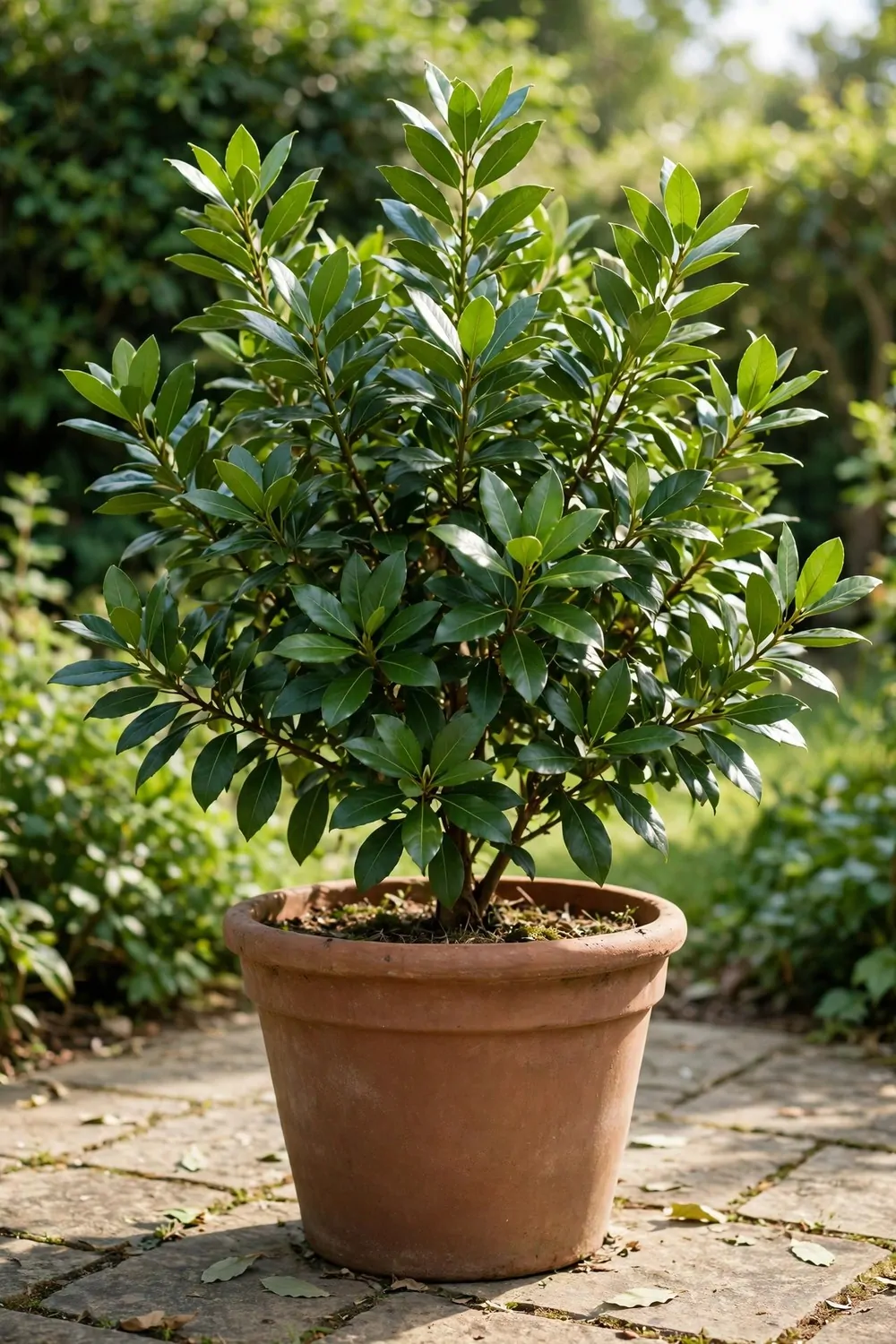
A bay tree in a pot gives you fresh leaves for cooking all year. Its dark green leaves look neat and tidy, and the tree stays small in a pot.
I keep mine in a large pot near the kitchen door in full sun. A pot keeps the roots in check and lets me move it if the spot gets too hot.
Use a free-draining soil mix and a pot with holes at the base. Bay hates wet roots, so let the top of the soil dry between drinks.
Water in dry spells and feed lightly in spring with a general plant feed. A little care keeps the leaves glossy and full of scent.
Pick a few leaves at a time from the lower branches. Let the leaves dry for a week, as dried bay tastes stronger than fresh bay in slow cooking.
Use one dried leaf in soups, rice, and stews, and take it out before you serve. One leaf is often enough for a whole pot.
A small bay tree in a pot with soil will often set you back $18 to $30 from a garden centre.
Trim lightly in spring to keep the shape round and full. A bay tree can be kept as a neat ball or a small cone with simple snips.
A potted bay tree is a quiet kitchen helper. It looks smart by the door, it needs little water, and it flavours meals for years.
14. Add Blackberries Along a Wall
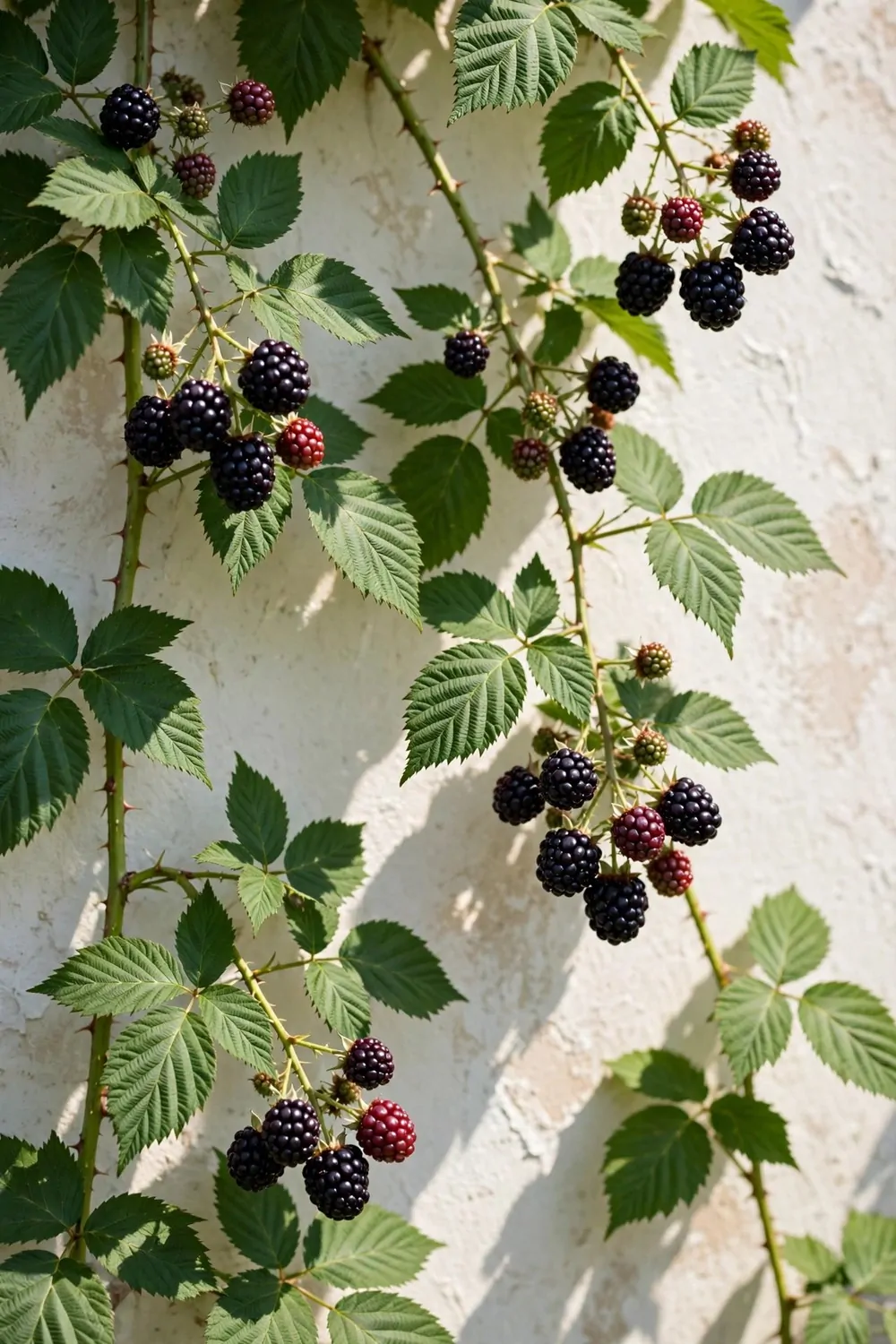
Blackberries along a wall turn a bare surface into a fruit hedge. The green canes grow tall, and the dark berries ripen in clusters through late summer.
I planted mine in a sunny strip at the base of a garden wall. I fixed wires to the wall and tied the canes to them as they grew.
Give each plant room to spread, as blackberries grow fast and wide. Keep the base clear of weeds so the young canes get light and air.
Water well while the fruit is forming, as dry roots give small berries. A thick mulch helps the soil stay damp in hot weeks.
Pick berries when they are fully dark and come off with a soft pull. Taste one first, as a berry that looks dark can still be sharp.
Eat fresh blackberries the same day, or freeze them in a single layer on a tray. Frozen berries work well in cooking and baking all winter.
Two blackberry plants with wire and wall fixings can come to $20 to $35 for a short wall run.
Wear gloves when you tie in the canes, as most types have thorns. Cut out the old fruiting canes after picking and tie in the new green ones.
A blackberry wall is a strong and generous plant. It covers a plain wall, it feeds you for weeks, and it asks for little once it is trained.
15. Plant a Plum Tree for Shade and Fruit
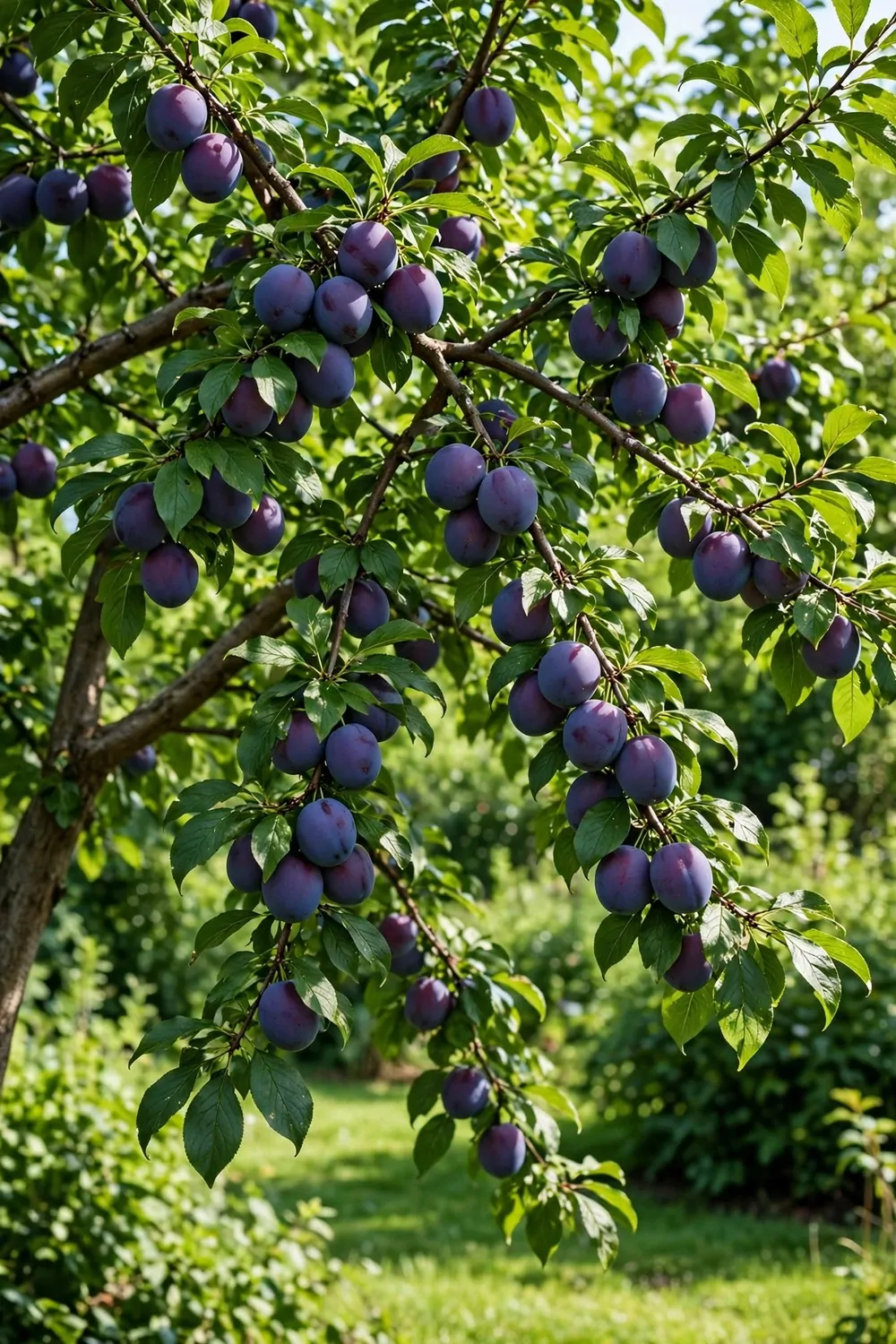
A plum tree gives you cool shade in summer and sweet fruit in autumn. Its broad leaves make a soft canopy, and the fruit hangs in small round clusters.
I planted mine in a sunny spot where we sit in the afternoon. The shade falls just where we need it, and the fruit drops within easy reach.
Dig a wide hole and mix compost into the soil before you plant. Water well after planting and keep the base mulched in the first year.
Thin the young fruit if one branch holds a heavy load. Fewer plums on a branch grow larger and are less likely to snap the branch.
Pick plums when they feel slightly soft and taste sweet. A plum that is still hard will need a few more days on the tree.
Eat the ripe ones fresh, and cook the extra fruit into jam or a simple crumble. Plums freeze well too, once the stones are taken out.
A young plum tree and a stake to hold it straight will often cost $28 to $48 together at a garden centre.
Prune in spring after the cold has passed to keep the shape open. Remove crossed branches and any shoots that grow low on the trunk.
One plum tree can shade a whole seating spot and feed a family. It is a slow gift that gets better each year as the tree grows.
16. Grow Peppers in Pots by the Door
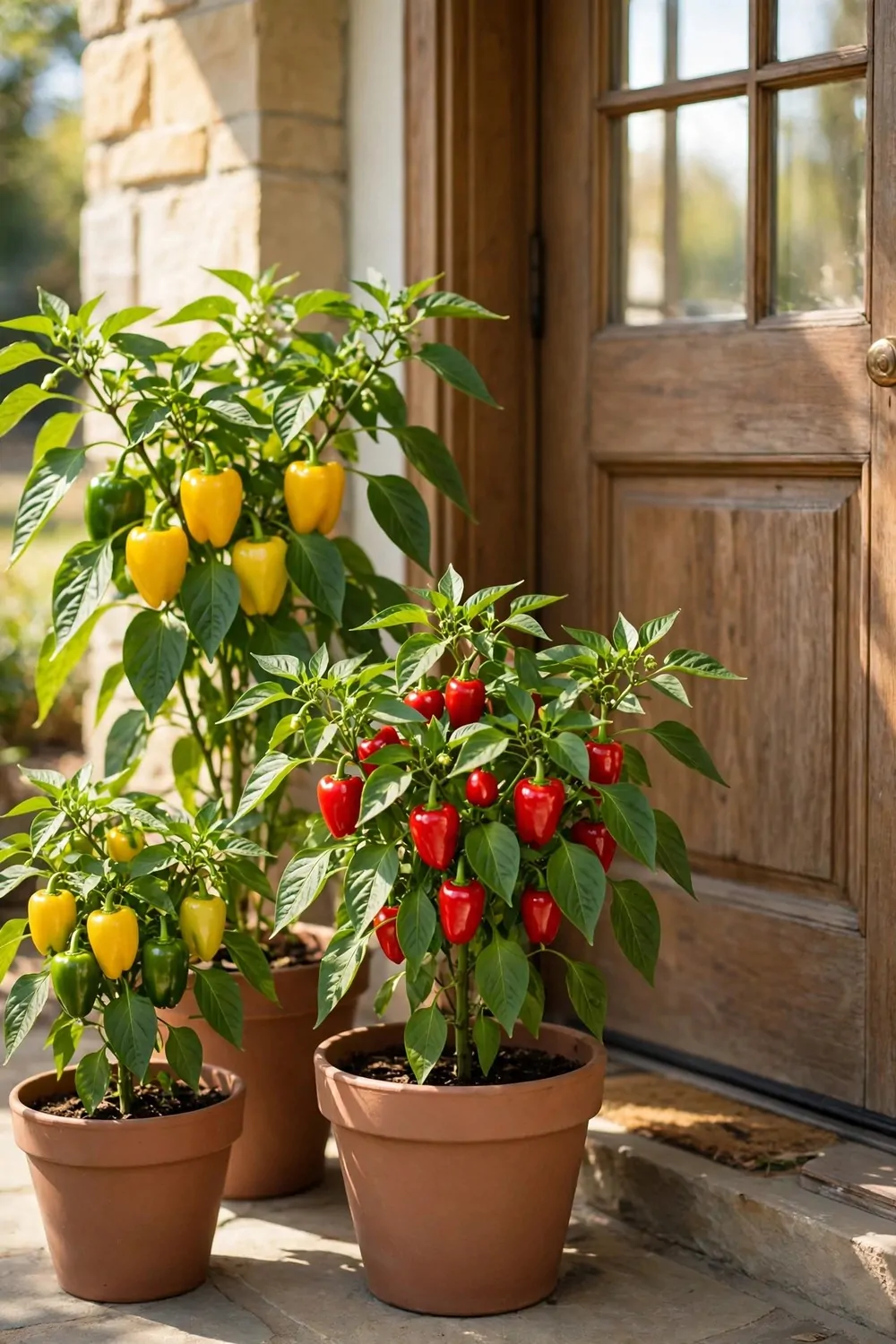
Peppers in pots by the door give you colour and crunch all summer. Their green leaves look fresh, and the fruit ripens in the sun right where you walk past.
I keep mine in large pots on the sunny side of the doorstep. Pots warm up fast in spring, and peppers love that warm start.
Use a rich soil mix and a pot with holes at the base for drainage. Peppers hate wet feet, so let the top of the soil dry a little between drinks.
Water in the morning and feed lightly once the first flowers appear. A steady routine keeps the plants strong and the fruit coming.
Pick peppers when they feel firm and the skin looks glossy. You can pick them green, or leave them longer for a sweeter taste.
Use fresh peppers in salads, stir fries, and simple snacks. Chop the extra ones and freeze them in small bags for winter cooking.
Three pepper plants with pots and soil for the doorstep can add up to $16 to $26 in total.
Stake tall plants so the stems do not snap under the weight of fruit. A short cane and a soft tie are often all you need.
Peppers by the door are a bright and useful welcome. They look cheerful in pots, and they give you fresh food steps from the kitchen.
17. Add a Rosemary Hedge
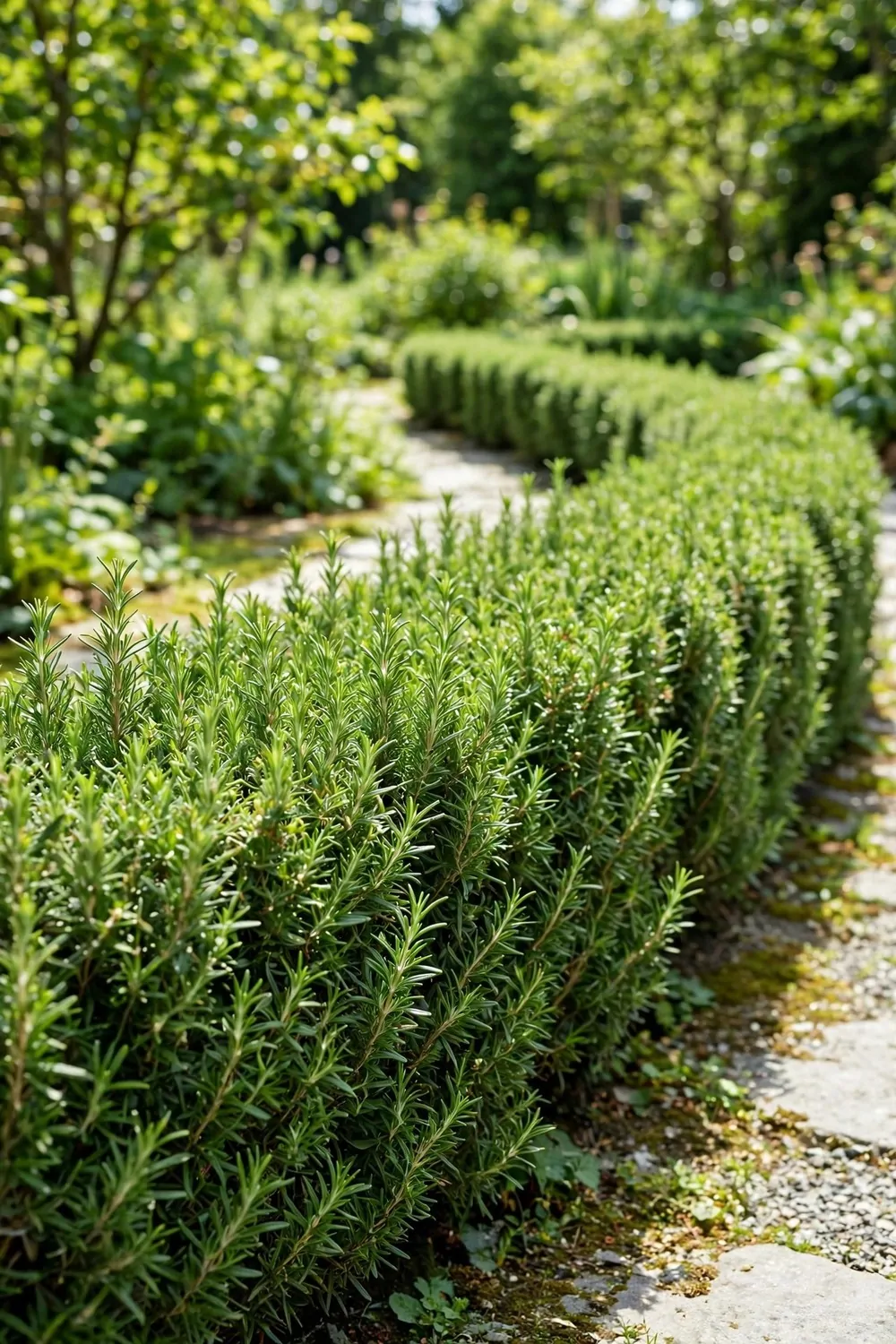
A rosemary hedge gives you scent, green leaves, and cooking flavour in one plant. It forms a low neat hedge that looks good all year round.
I planted mine along a sunny path where the soil drains well. Rosemary hates wet feet, so I raised the bed slightly with extra soil and grit.
Space the plants close enough to join into a hedge, but leave room for air. They will fill the gaps in a year or two if the sun is strong.
Water young plants in dry spells, then water less as they grow strong. An older rosemary hedge copes well with heat and dry soil.
Snip sprigs often to keep the hedge tidy and full. A plant that is snipped often grows bushy, not thin and woody.
Use fresh rosemary on roast vegetables, bread, and simple potato dishes. Dry the extra sprigs on a tray and store them in a jar for winter.
Five small rosemary plants for a short hedge will often cost $15 to $25 in total.
Trim lightly after flowering to keep the shape neat. Do not cut deep into old wood, as rosemary is slow to regrow from bare stems.
A rosemary hedge is tough, pretty, and useful every week. It smells fresh when you brush past it, and it flavours meals all year.
18. Plant Currants in a Shady Corner
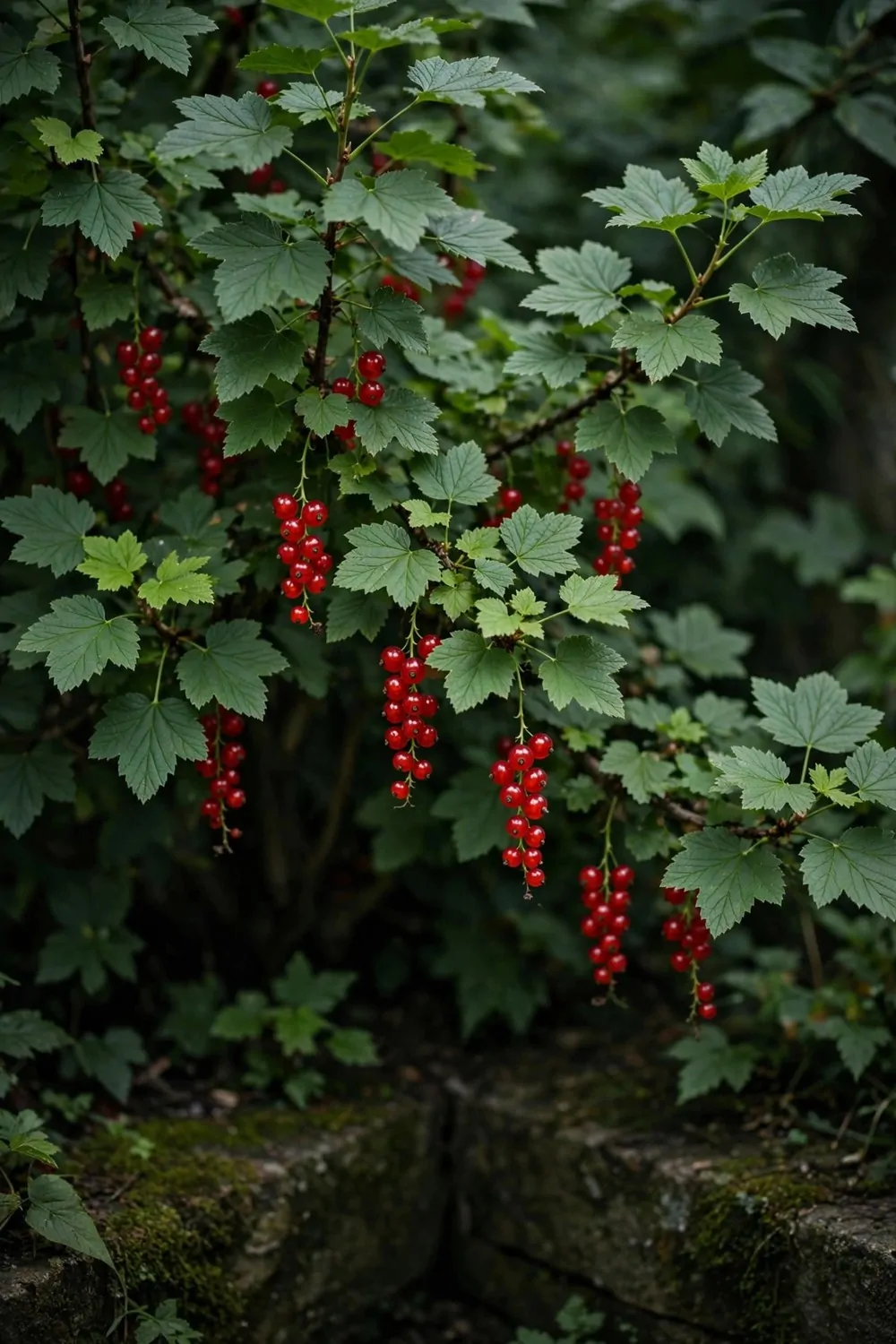
Currants are one of the few fruit bushes that cope well in shade. Their green leaves fill a dark corner, and the small berries hang in neat strings.
I planted mine in a cool shady corner where little else would grow. The soil stays damp there, which suits currants well.
Dig in compost before planting and keep the base mulched. A cool damp root run helps the bush fruit well, even with little direct sun.
Water in dry spells, as even a shady spot can dry out in summer. A deep drink once a week is often enough for a settled bush.
Pick the berries when they taste sweet and come off in a full string. Hold the string gently and strip the berries into a bowl with your fingers.
Eat fresh currants with yoghurt or in simple desserts. The extra fruit freezes well and makes a bright sauce for winter puddings.
A young currant bush and a bag of compost for the corner can come to $11 to $20 in total.
Prune in winter to keep the centre open and remove old wood. New stems will grow from the base and carry fruit in the next year or two.
Currants turn a dull shady corner into a fruit spot. They ask for little light, they look fresh and green, and they feed you in summer.
19. Grow Squash Under Your Shrubs
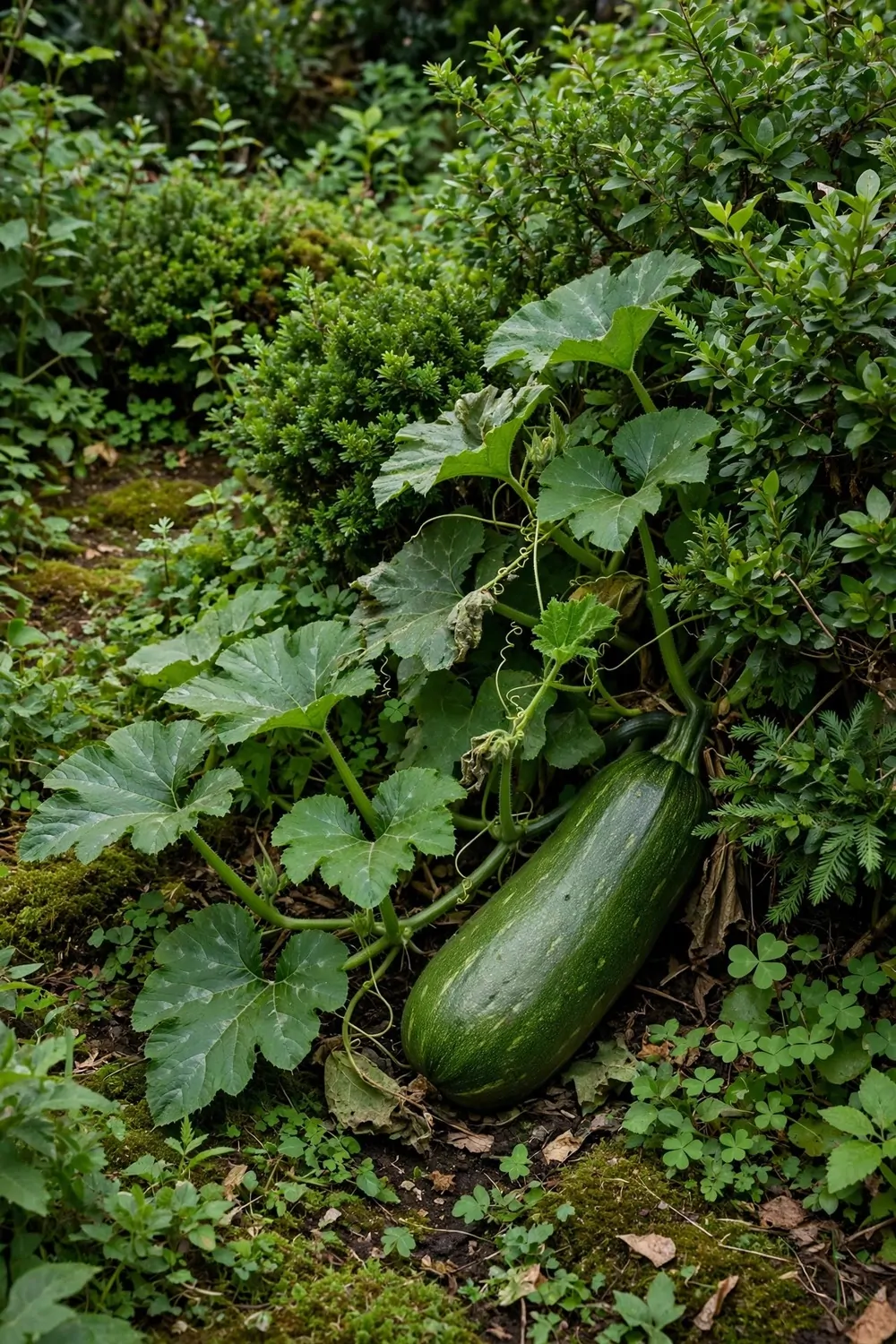
I tuck squash plants under my big shrubs each spring.
The wide leaves spread out and fill the bare soil below. They keep the ground cool and they shade out weeds for me.
I give each plant lots of room to run.
I water low at the roots in the morning and keep the leaves dry. A deep drink once or twice a week works well in my yard.
A packet of squash seed plus a bag of compost often runs about $8 to $15 for one bed.
I pick the fruit when the skin feels firm and the stem looks dry.
Small squash are best for a first try because they need less space. You can train the vines along the edge of the bed if they start to wander. I check them every few days in summer.
I save a few seeds from my best fruit for next year.
Try one plant under a shrub this year and see how much food it gives you.
20. Add a Pear Tree to the Lawn
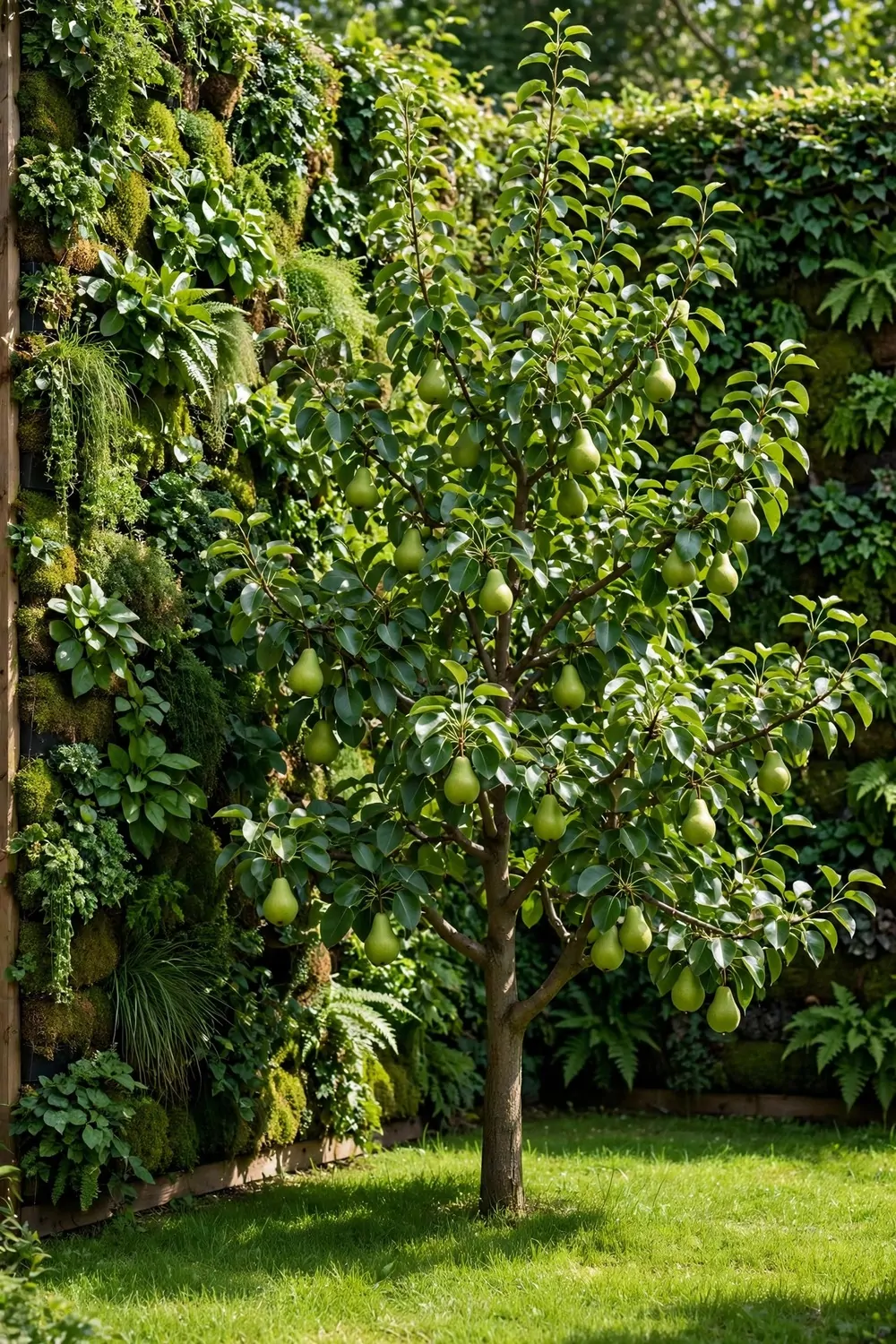
A pear tree makes my lawn feel like a real garden.
I picked a sunny spot with room for the branches to spread. The tree gives me shade in summer and green pears in late summer.
I dig a wide hole and mix in compost before I plant.
I water the young tree well for its first two years. A slow soak once a week helps the roots grow deep.
You can often bring home a young pear tree for around $30 to $60 from a local nursery.
I prune a little each winter to keep the shape open.
Pears taste best when you pick them a touch firm and let them soften on the counter. I check mine every few days once they start to change. My kids love to help me pick them.
A pear tree can feed your family for many years with very little work.
Plant one pear tree this spring and enjoy the shade while you wait for fruit.
21. Plant Mint in a Pot by the Path
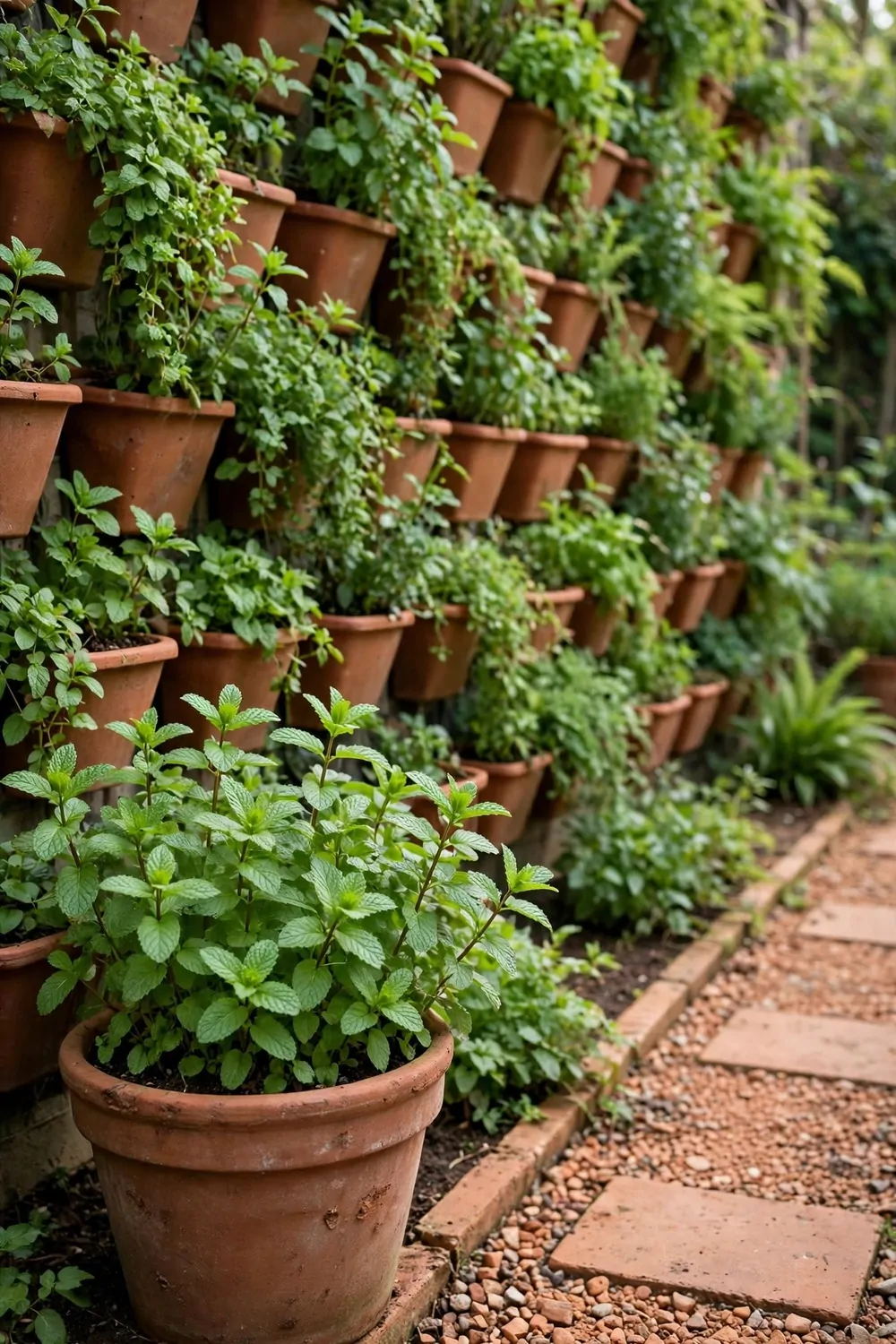
Mint grows fast and it can take over a bed if you let it.
I keep mine in a pot by the path so it stays where I want it. The leaves smell fresh when you brush past them on a warm day.
I use a wide pot with holes in the base for drainage.
I water it often in hot weather because pots dry out fast. A drink each morning keeps the leaves soft and full.
A small mint plant in a simple pot usually costs about $6 to $12 to start.
I snip a few stems for tea and for salads.
Pinch the tops often and the plant will grow bushy instead of tall. You get more leaves that way and the plant stays neat by the path. I do this once a week in summer.
In cold months I move the pot near the house wall for shelter.
Try mint in a pot this week and you will have fresh leaves all season.
22. Grow Kale as a Pretty Border
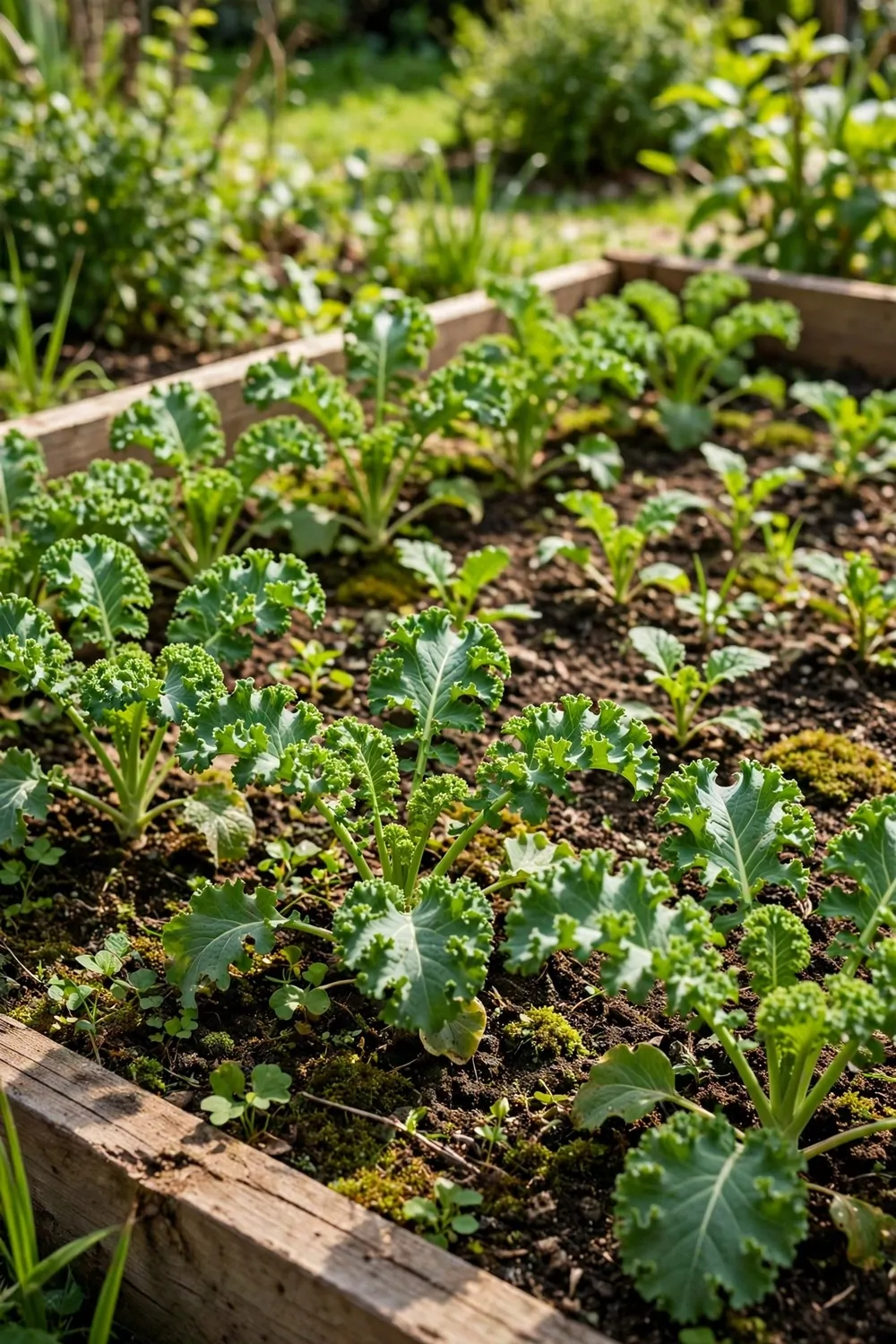
Kale makes a lovely border and you can eat it too.
I plant a row along the front of my beds. The frilly leaves look neat and they fill gaps fast.
I sow seed in spring or I buy small plants to get going faster.
I water at the base and I add compost around the stems. The plants grow strong when the soil stays moist but not soggy.
A tray of young kale plants plus compost often comes to $10 to $18 for a long border.
I pick the outer leaves first and let the centre keep growing.
Kale likes cool weather and it often keeps going into autumn. You can pick a few leaves at a time for soups and salads. I grow a fresh row every few weeks in spring.
If the leaves look dusty I rinse them well before I cook them.
Add kale to your border and your garden will look good and feed you too.
23. Add a Cherry Tree for Spring Colour
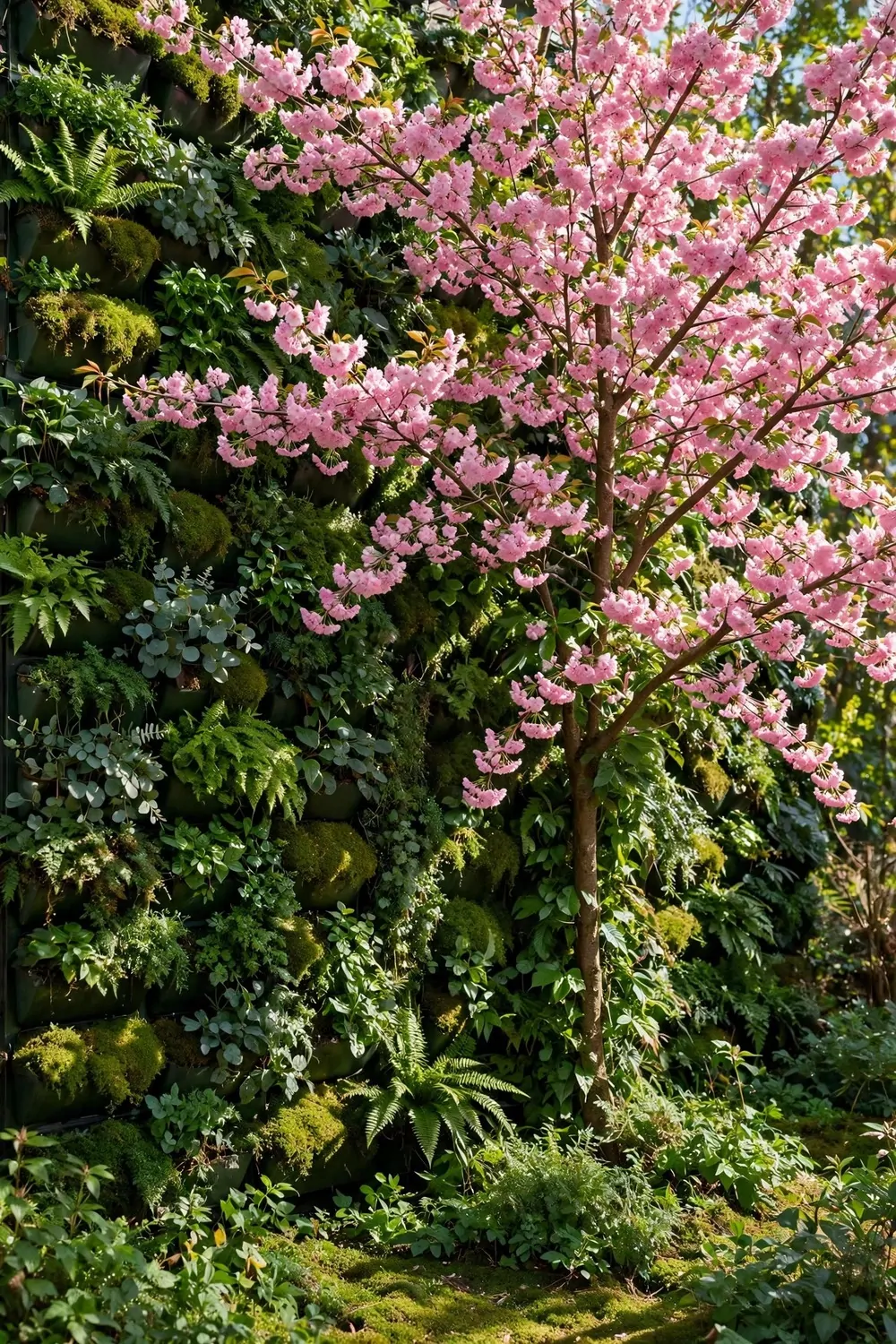
A cherry tree is my favorite sign of spring.
The pink blossom covers the branches before the leaves come out. It makes the whole yard feel bright and fresh.
I picked a sunny spot where the tree has room to grow tall.
I water the young tree well in its first year. A deep soak once a week helps it settle in.
A young cherry tree often sells for $35 to $65 at a garden center.
I cover the branches with light netting when the fruit starts to ripen.
Cherries are best picked when they feel plump and taste sweet. You can eat them straight from the tree or add them to salads and desserts. I pick a small bowl each morning in season.
I prune after fruiting to keep the tree open and airy.
Plant a cherry tree now and you will have blossom in spring and fruit in summer.
24. Plant Garlic in the Flower Beds
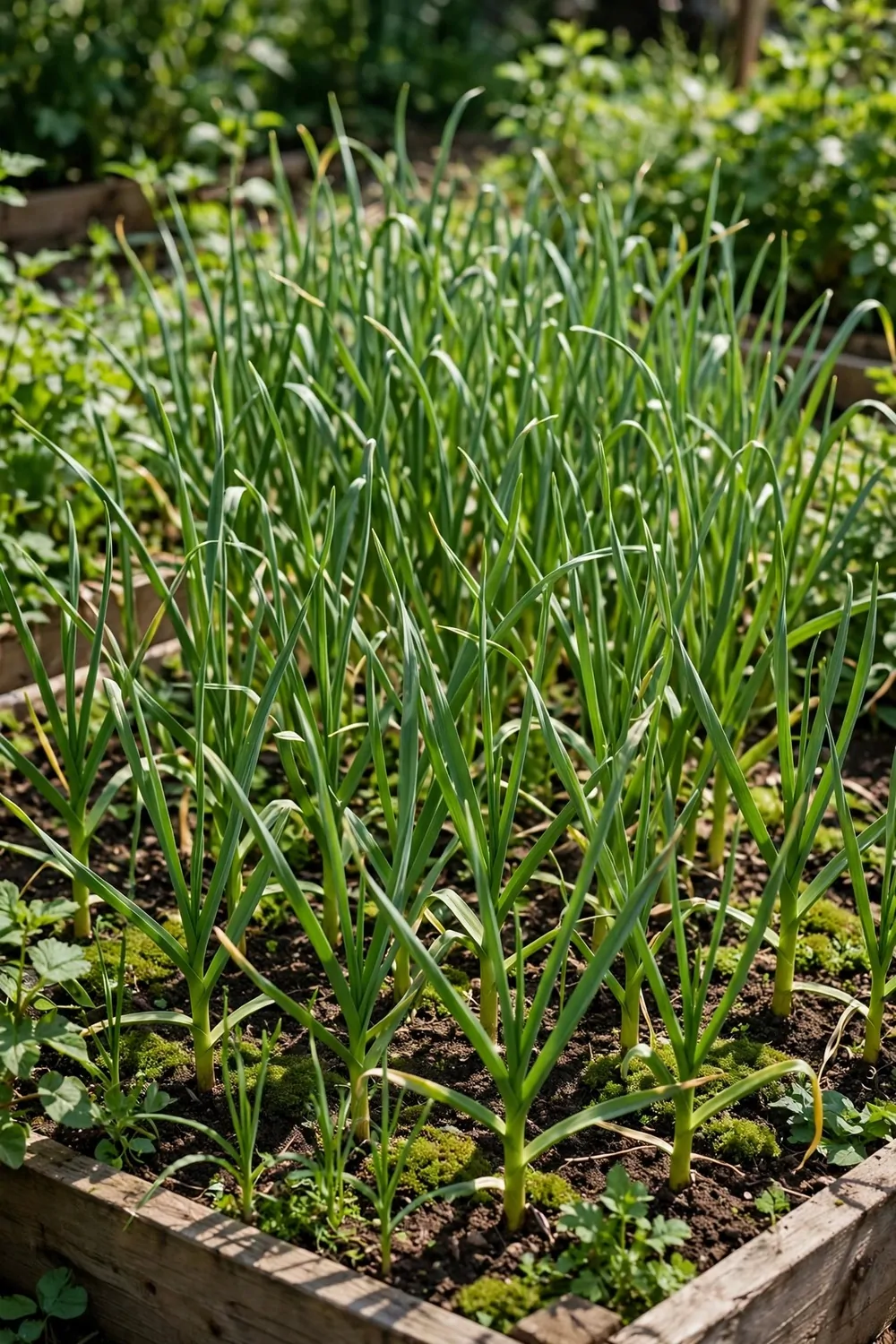
Garlic fits in my flower beds and it asks for very little.
I push single cloves into the soil in autumn. Each clove grows into a full bulb by early summer.
I space them a hand width apart so the bulbs have room to swell.
I water them in dry spells and I pull weeds by hand. The tall green shoots look neat between my edible flowers.
A few bulbs of seed garlic for planting often cost $5 to $10 for a small bed.
I stop watering when the leaves start to turn yellow and flop over.
I lift the bulbs on a dry day and let them dry in the shade. You can braid the stems and hang them in a cool dry place. They keep for months if you store them well.
Save your biggest bulbs to plant again next autumn.
Try garlic in your beds this autumn and you will love the easy harvest.
| Idea | Typical Cost |
|---|---|
| Bay tree | $18 to $30 |
| Blackberries | $20 to $35 |
| Plum tree | $28 to $48 |
| Peppers | $16 to $26 |
| Rosemary hedge | $15 to $25 |
| Currants | $11 to $20 |
| Squash | $8 to $15 |
| Pear tree | $30 to $60 |
| Mint | $6 to $12 |
| Kale | $10 to $18 |
| Cherry tree | $35 to $65 |
| Garlic | $5 to $10 |
25. Grow Cucumbers on an Arch
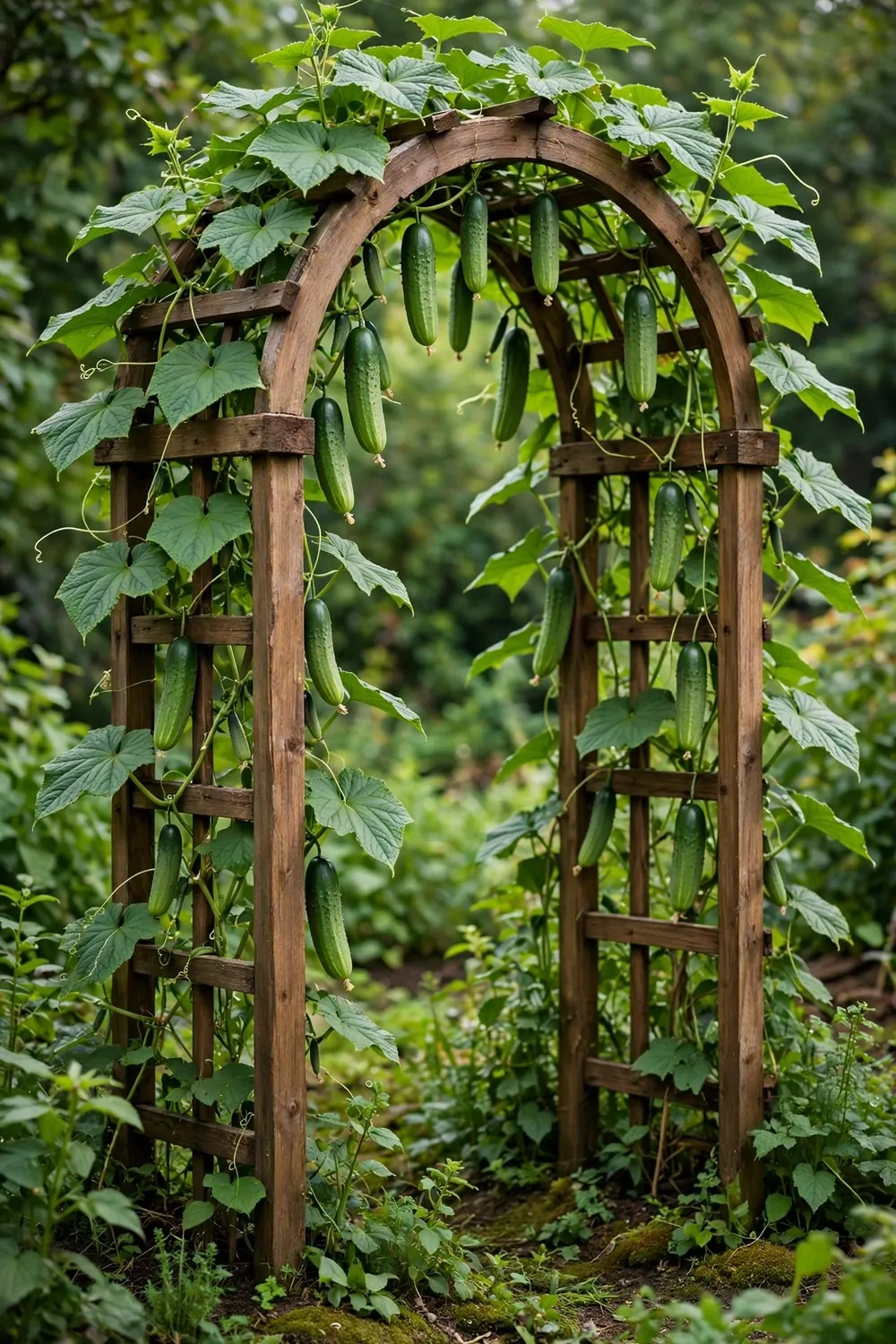
Cucumbers on an arch turn a plain path into a green tunnel.
I set the arch over my path in spring. The vines climb up and the fruit hangs down where I can see it.
I plant two vines at the base of each side.
I water at the roots every day in hot weather. A good soak in the morning keeps the vines happy and the fruit crisp.
A simple metal arch and two young cucumber plants often total $20 to $35 for the season.
I tie loose stems to the arch with soft string as they grow.
Pick cucumbers young and often so the plant keeps making more. You can slice them for salads or add them to cold drinks. I check under the leaves every morning in summer.
If a fruit touches the soil I lift it onto straw to keep it clean.
Grow cucumbers on an arch and picking time will feel like a treat.
26. Add an Olive Tree in a Pot
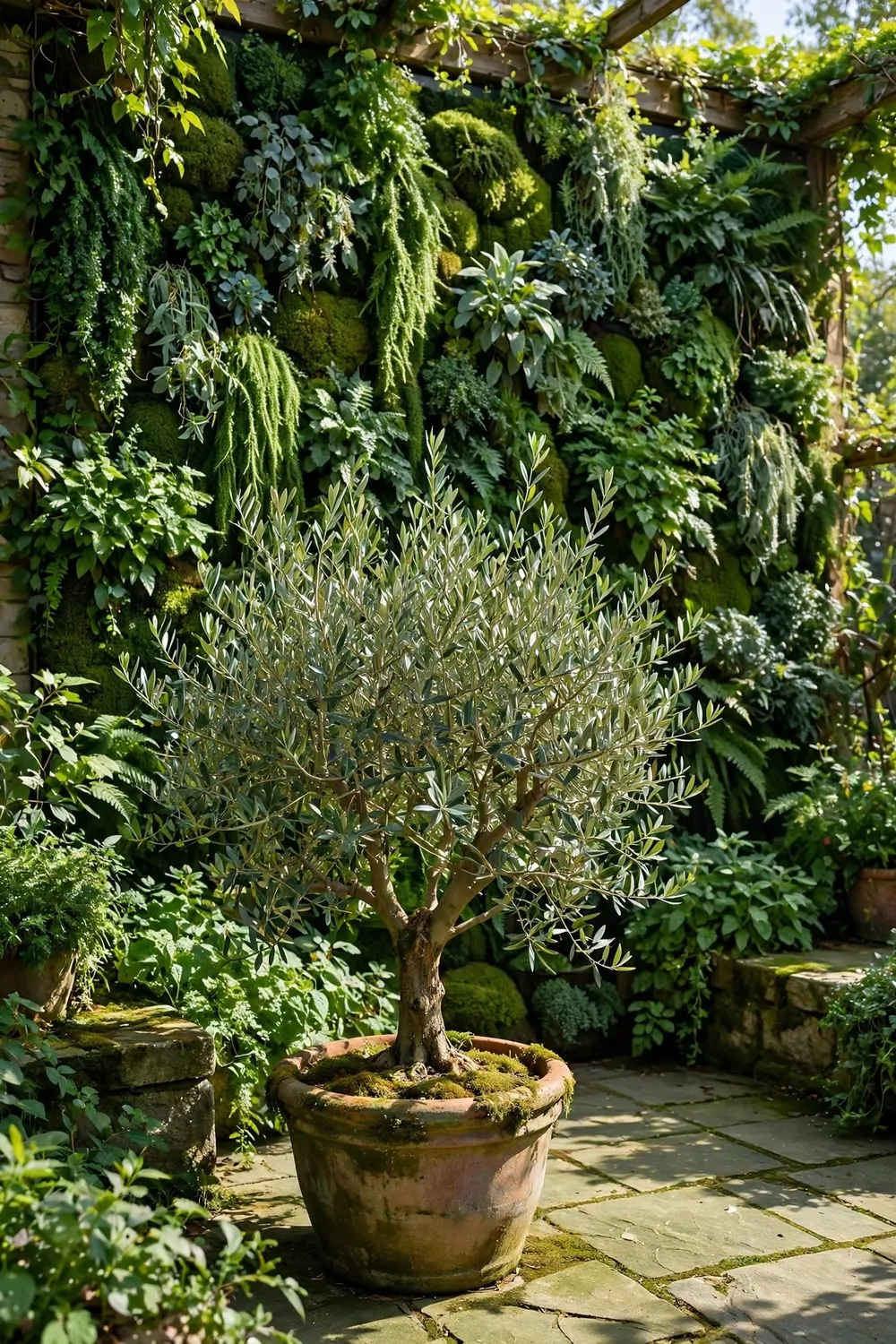
An olive tree in a pot brings a calm feel to my patio.
I use a big pot with good drainage. The small leaves stay on all year and the tree looks neat in every season.
I place it in the sunniest spot I have.
I water it when the top soil feels dry. A light drink is enough because olives like soil that is not too wet.
You can pick up a young potted olive tree for $25 to $50 at a nursery.
I feed it with compost in spring to help new growth.
Olives need warm sun and time to fruit. You may wait a few years for a first small crop. I enjoy the tree for its shape while I wait.
I move the pot near a wall in cold snaps for a bit of shelter.
Try an olive tree in a pot and enjoy its quiet shape all year.
27. Plant a Peach Tree Against a Wall
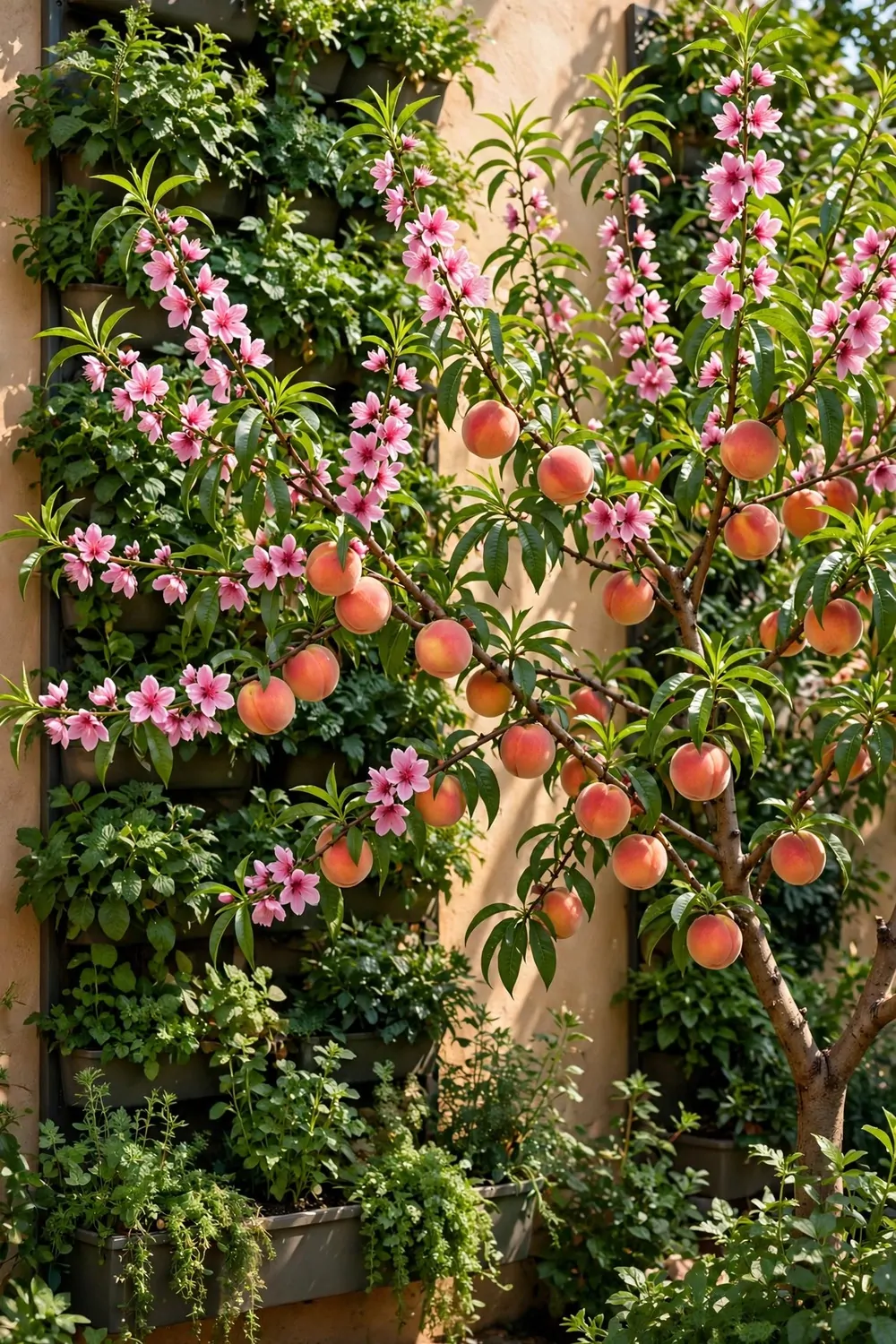
A peach tree against a warm wall grows well in my yard.
The wall holds heat from the sun and shelters the tree from wind. The pink blossom in spring looks lovely against the wall.
I let the branches spread wide so the tree fills the sunny spot by the wall.
I water the young tree well in dry weeks. A deep soak helps the roots reach down into the soil.
A young peach tree plus wire and ties often comes to $30 to $55 to set up.
I thin the small fruit in early summer so the rest grow big.
Peaches taste best when they feel soft and smell sweet. You can eat them fresh or slice them into salads and desserts. I pick them gently so I do not bruise the skin.
I prune in late winter to keep the shape open and airy.
Plant a peach tree by a wall and you will love the fruit and the blossom.
28. Grow Lettuce Between Your Flowers
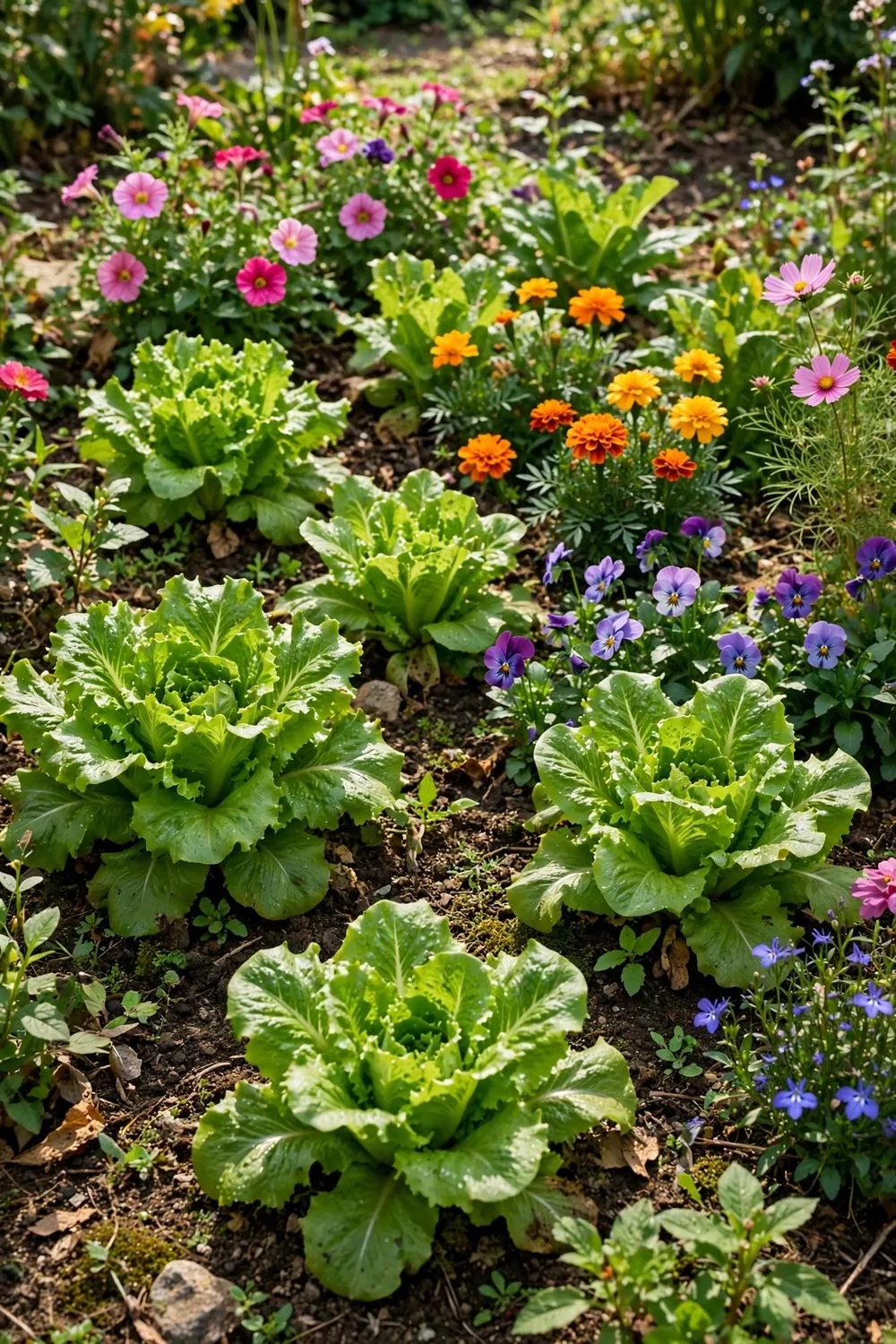
Lettuce fits in small gaps between my flowers.
I sow a short row where the soil is bare. The soft leaves fill the space fast and they look fresh next to blooms.
I sow a little seed every two weeks for a steady supply.
I water gently in the morning and I keep the soil moist. Lettuce likes cool soil and a bit of shade in hot afternoons.
A packet of lettuce seed and a bag of compost often runs $7 to $12 for a whole season.
I pick outer leaves first so the plant keeps growing.
Lettuce grows fast and you can pick it in just a few weeks. You can mix leaves for salads or add them to sandwiches. I grow three kinds so my salads look and taste different.
If slugs visit I pick them off by hand in the evening.
Tuck lettuce between your flowers and you will always have salad leaves close by.
29. Add a Gooseberry Bush
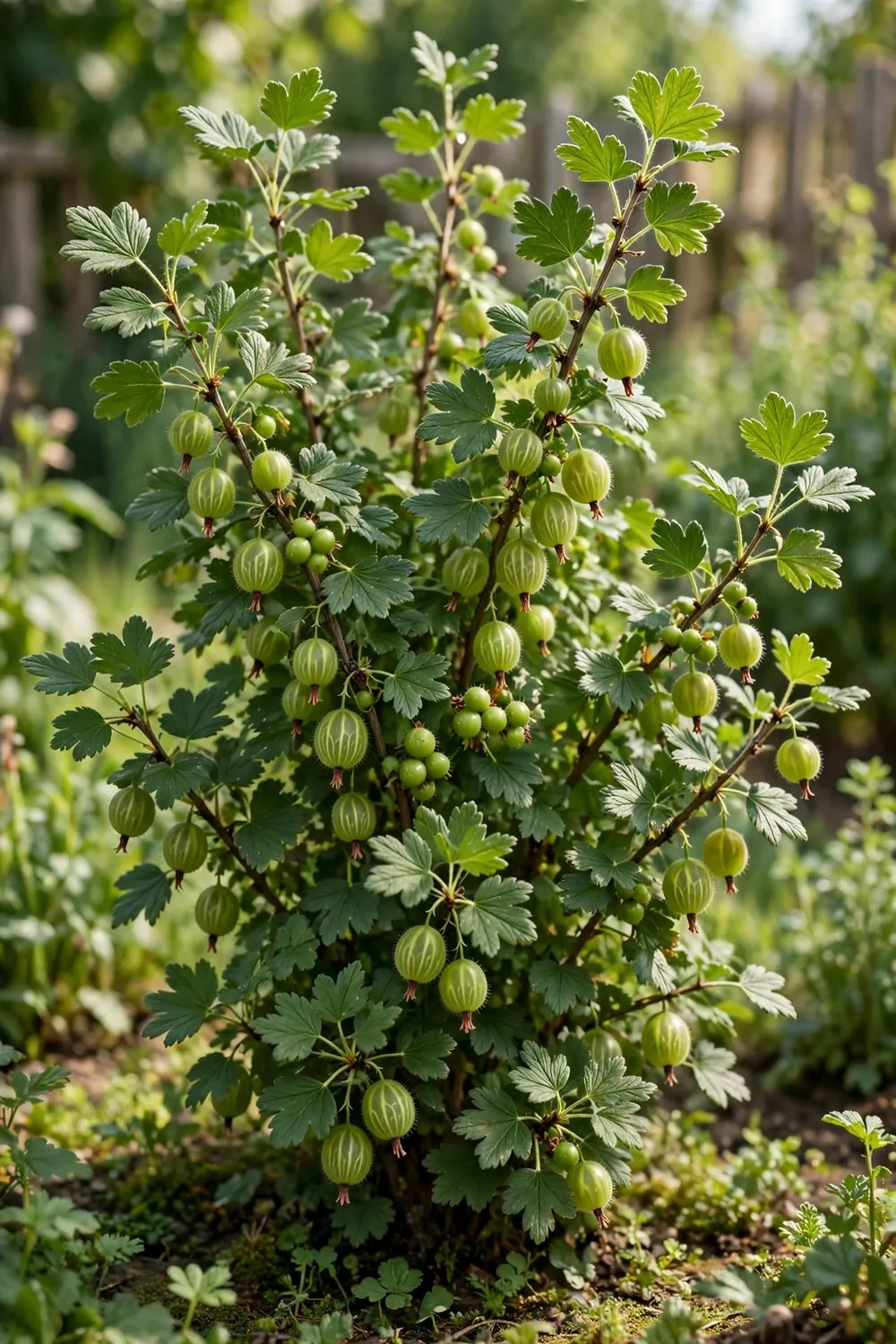
A gooseberry bush is a tough plant that gives lots of fruit.
I plant mine along the fence where it gets sun for most of the day. The thorny stems keep it safe and the fruit hangs in small bunches.
I add compost to the hole before I plant the bush.
I water it well in its first year and in dry summers. A mulch of compost around the base helps the soil stay moist.
You can pick up a young gooseberry bush for $12 to $22 at a garden center.
I prune out old stems in winter to let light into the center.
Gooseberries taste sharp when green and sweet when ripe. You can cook them into pies or add them to desserts. I pick them with gloves because the stems are prickly.
One bush can give you fruit for many years with little care.
Add a gooseberry bush to your fence and enjoy the harvest each summer.
30. Plant a Pomegranate Tree in a Warm Spot
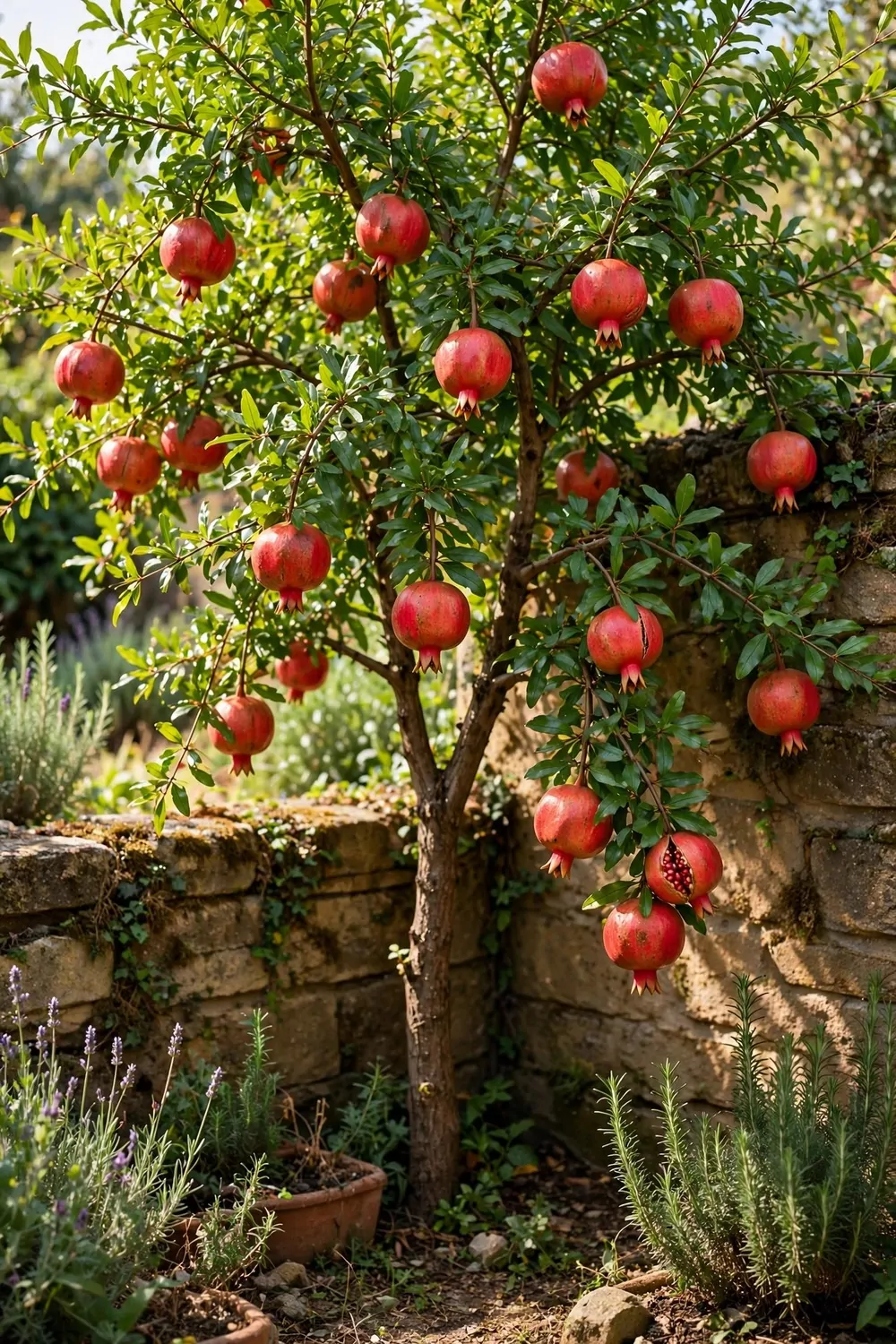
A pomegranate tree loves a warm sunny corner in my yard.
I picked the hottest spot near a south wall. The red fruit looks bright against the leaves in late summer.
I dig a wide hole and mix compost into the soil.
I water the young tree often in its first summer. A deep soak once a week helps it grow strong roots.
A young pomegranate tree often sells for $30 to $55 at a nursery.
I prune lightly in winter to keep an open shape.
Pomegranates are ready when the skin feels firm and the fruit feels heavy. You can open one and sprinkle the seeds over salads and rice. I wait till they feel full before I pick them.
In cold areas I grow mine in a big pot so I can move it for shelter.
Plant a pomegranate in a warm spot and enjoy its bright fruit each year.
31. Grow Zucchini in a Big Pot
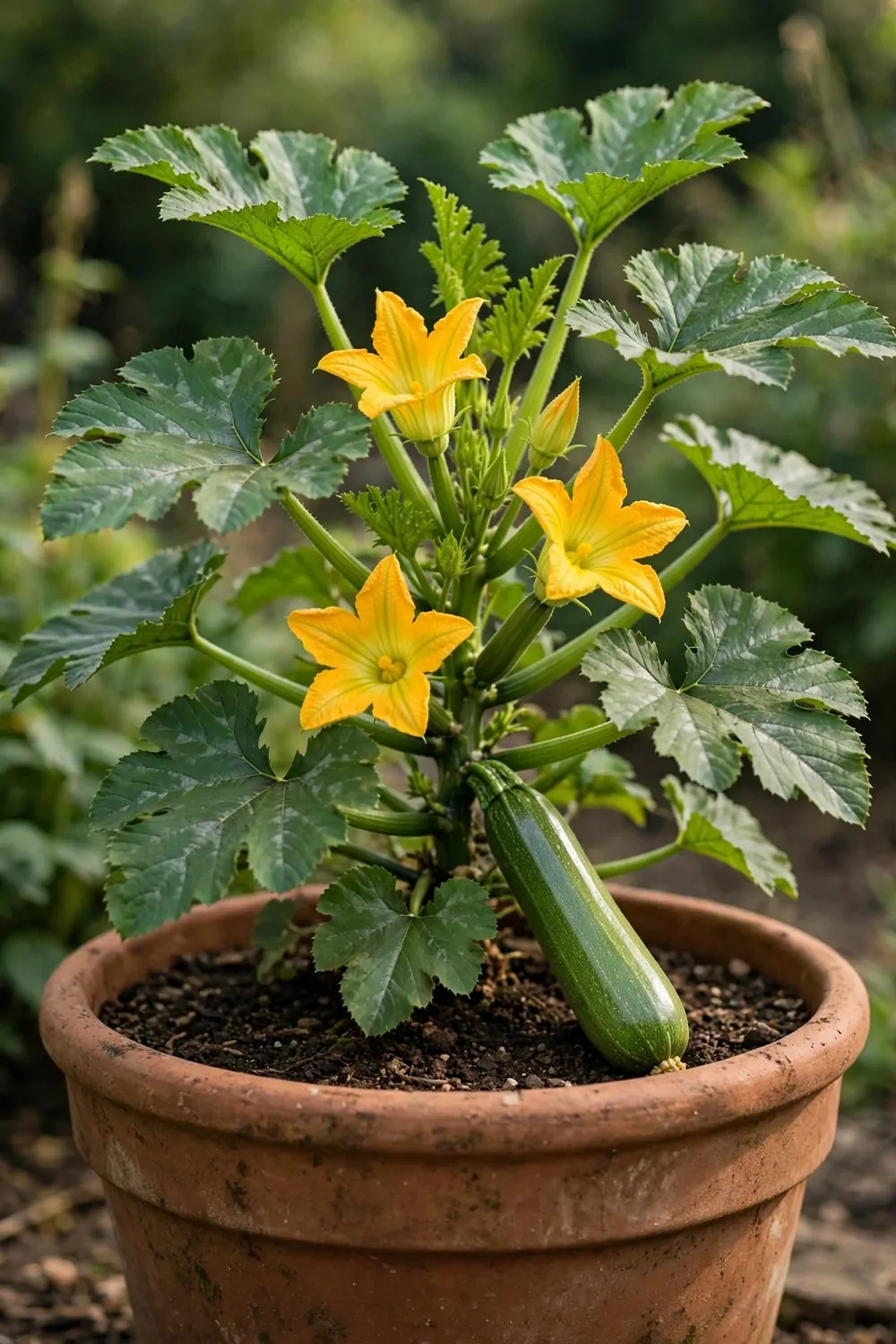
Zucchini grows well in a big pot on my patio.
I use the largest pot I have with holes in the base. The big leaves shade the soil and keep it moist.
I fill the pot with rich compost and garden soil.
I water every day in hot weather because pots dry fast. A deep drink in the morning keeps the plant growing strong.
A large pot plus soil and one young zucchini plant often totals $18 to $30 to start.
I pick the fruit young when it is still small and tender.
Zucchini grows fast and one plant can give you lots of fruit. You can slice it for salads or cook it into simple meals. I check my plant each morning so I do not miss a big one.
If the pot feels light I know it needs water right away.
Try one zucchini in a big pot and you will have plenty to share.
32. Add a Thyme Path Between Stones
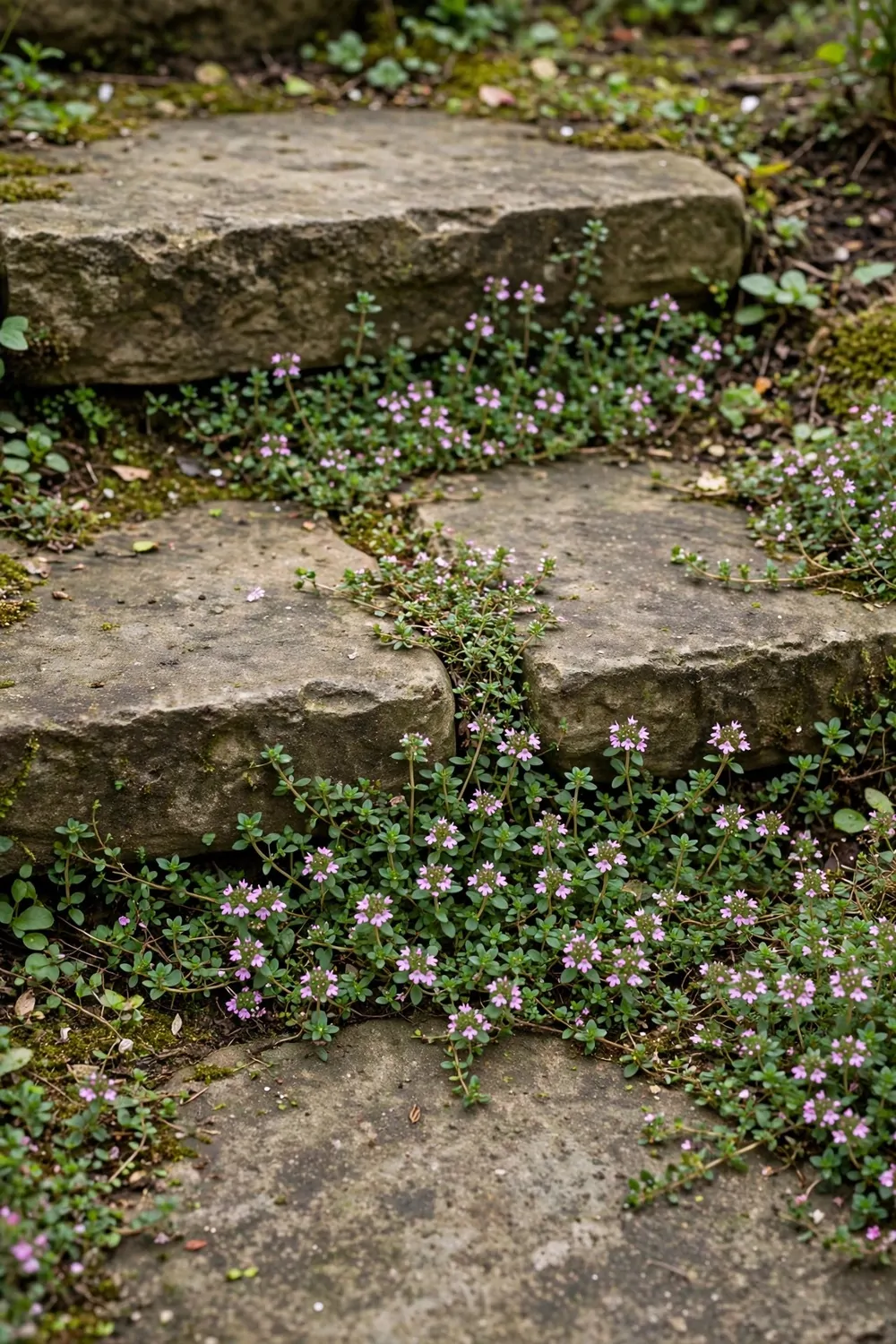
Thyme between stones makes my path smell lovely when I walk on it.
I tuck small plants into the gaps between flat stones. The low leaves spread out and soften the hard edges.
I use sandy soil in the gaps so water drains well.
I water new plants till they settle in. After that they need very little water and they like sun.
A few small thyme plants for a short path often cost $9 to $16 in total.
I snip leaves for cooking all through the season.
Thyme stays low and it comes back each year. You can use it in soups and roast vegetables. I trim it back in spring to keep it neat.
I step on the stones and not on the plants when I walk the path.
Plant thyme between your stones and your path will smell fresh all summer.
33. Plant a Mulberry Tree
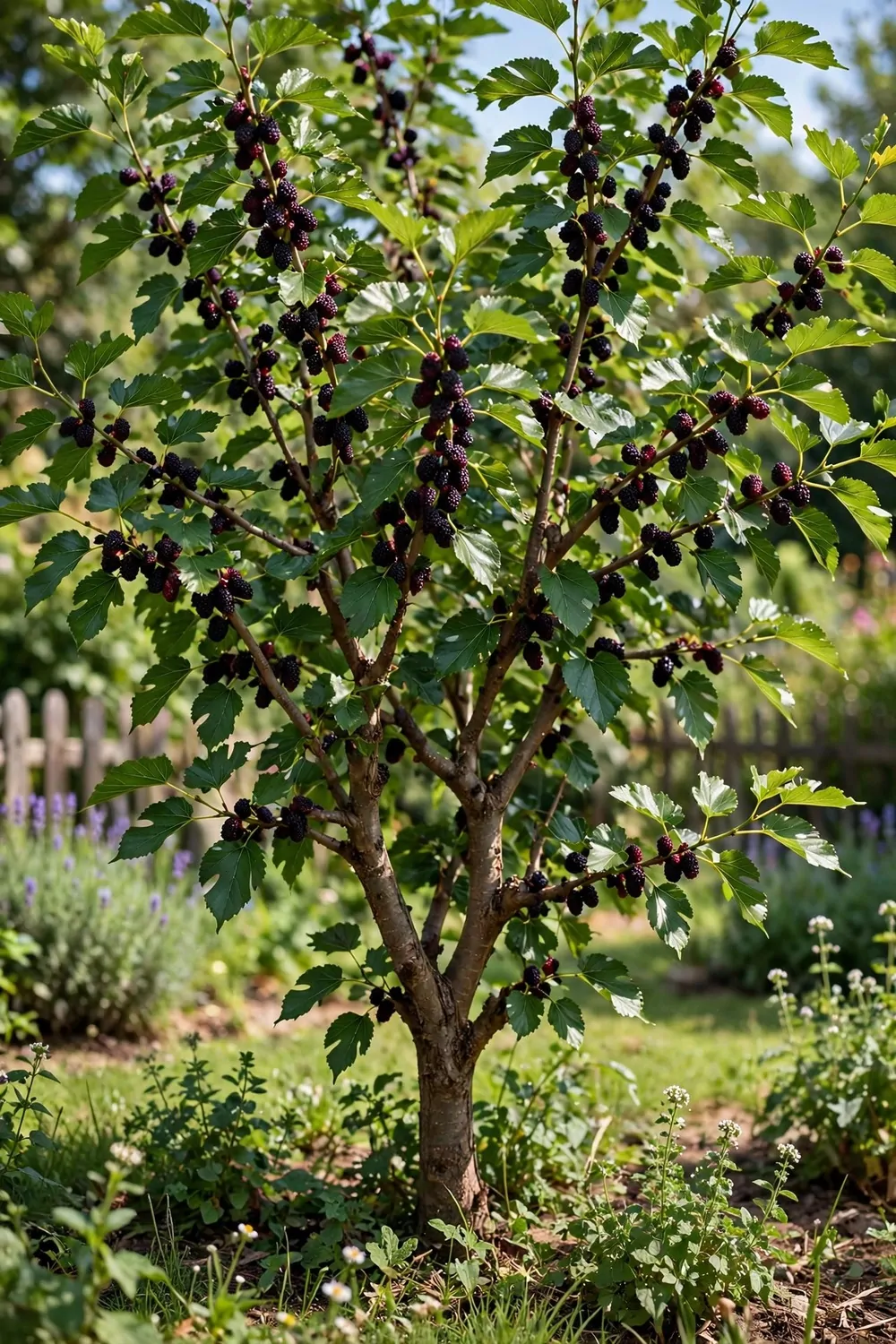
A mulberry tree gives shade and sweet fruit in summer.
I plant mine where it has lots of room to spread. The dark purple berries hang in bunches when they ripen.
I dig a wide hole and add compost to the soil.
I water the young tree well for its first two summers. A slow soak once a week helps the roots grow deep.
You can pick up a young mulberry tree for $25 to $45 at a local nursery.
I lay a sheet under the tree when the berries start to fall.
Mulberries taste best when they are soft and fully ripe. You can eat them fresh or add them to desserts and salads. I pick a bowl each day in season and share the rest.
The fruit can stain hands and clothes so I wear old gloves to pick.
Plant a mulberry tree and you will have shade and fruit for years.
34. Grow Peas on a Pretty Fence
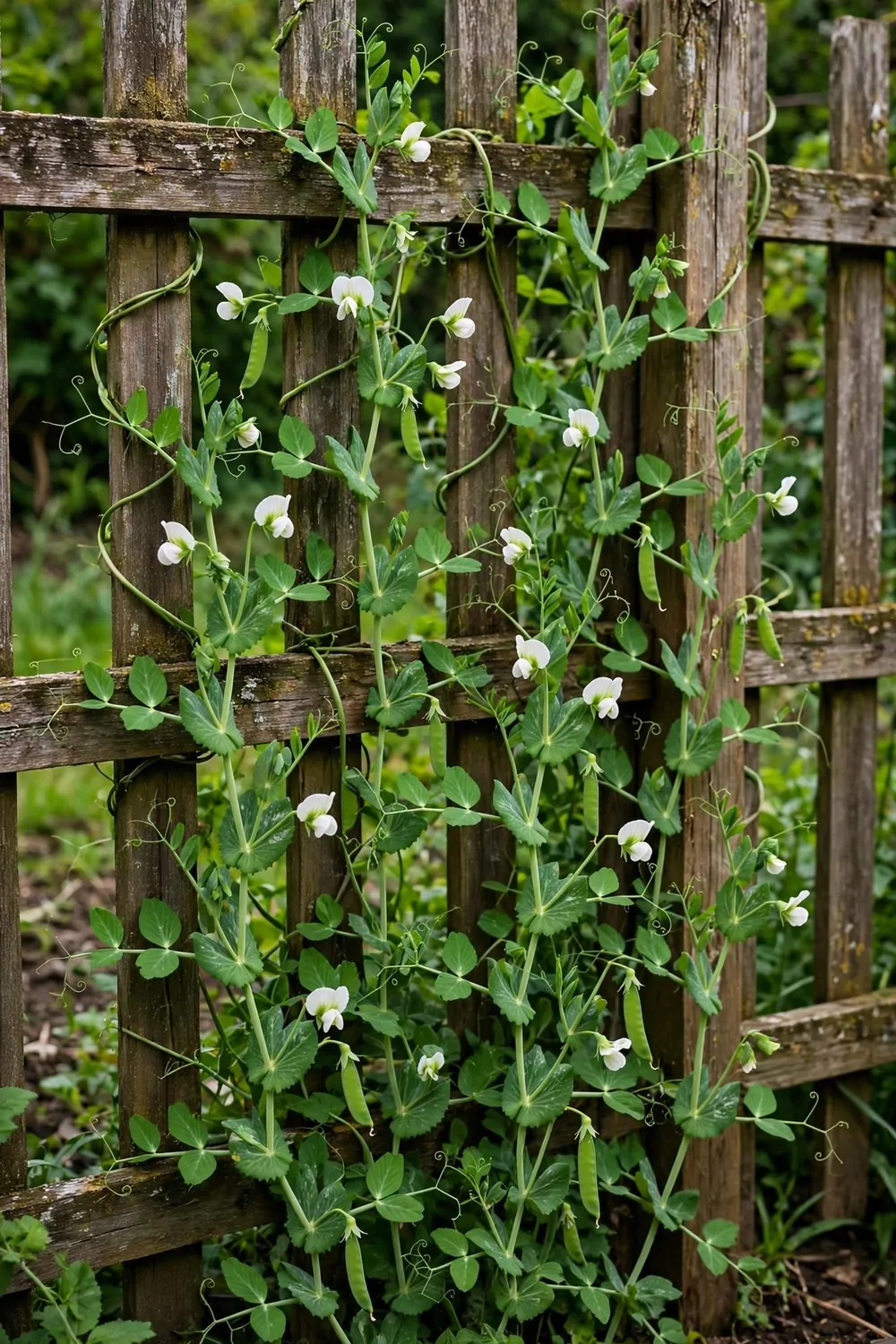
Peas on a fence turn a plain fence into a green wall of food.
I sow peas along the base in early spring. The tendrils grip the fence and climb up on their own.
I add string or netting to help the young vines climb.
I water at the base when the soil feels dry. A gentle soak in the morning keeps the vines fresh.
A packet of pea seed plus string and netting often runs $8 to $14 for one fence row.
I pick pods when they feel plump and the peas inside feel round.
Peas taste sweetest when you pick them young and eat them soon after. You can add them to salads or cook them into simple meals. I pick a handful each day once they start.
I sow a second row a few weeks later for a longer harvest.
Grow peas on your fence and picking them will be the best part of your day.
35. Add a Rhubarb Patch
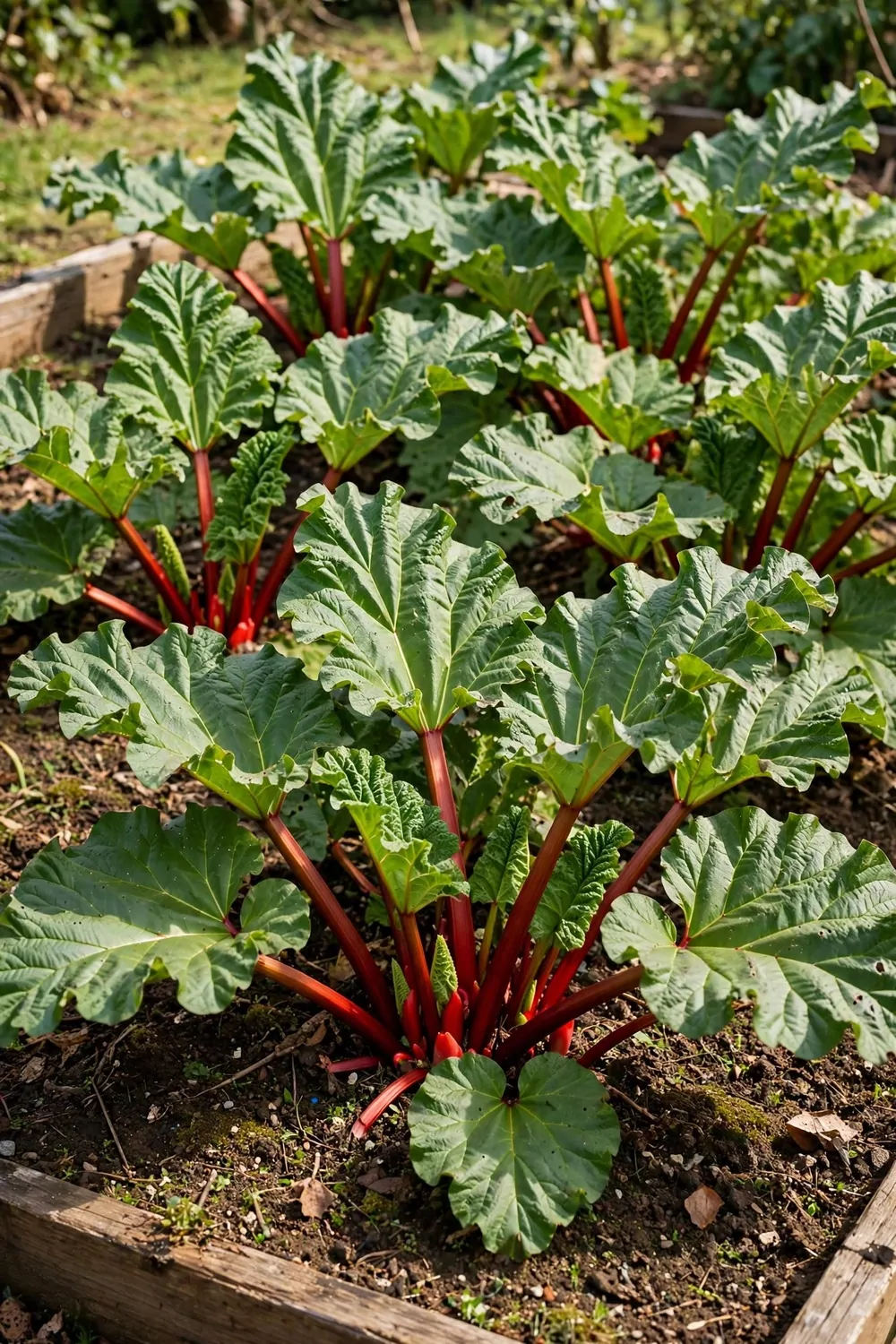
Rhubarb is a strong plant that comes back every year.
I plant mine in a sunny corner with rich soil. The big leaves shade the ground and the thick stalks grow tall in spring.
I add lots of compost to the bed before I plant.
I water new plants well till they settle in. A deep soak in dry weeks helps the roots grow strong.
You can start a rhubarb patch for $10 to $18 with one young plant and some compost.
I only pick the stalks and I leave the leaves on the compost heap.
Rhubarb stalks taste tart and they cook well with sweet fruit. You can stew them for desserts or add them to pies. I pick a few stalks at a time and leave the rest to grow.
I let the plant rest in its first year so it grows strong.
Add a rhubarb patch to your yard and you will have stalks to cook each spring.
36. Plan Your Edible Yard for All Year
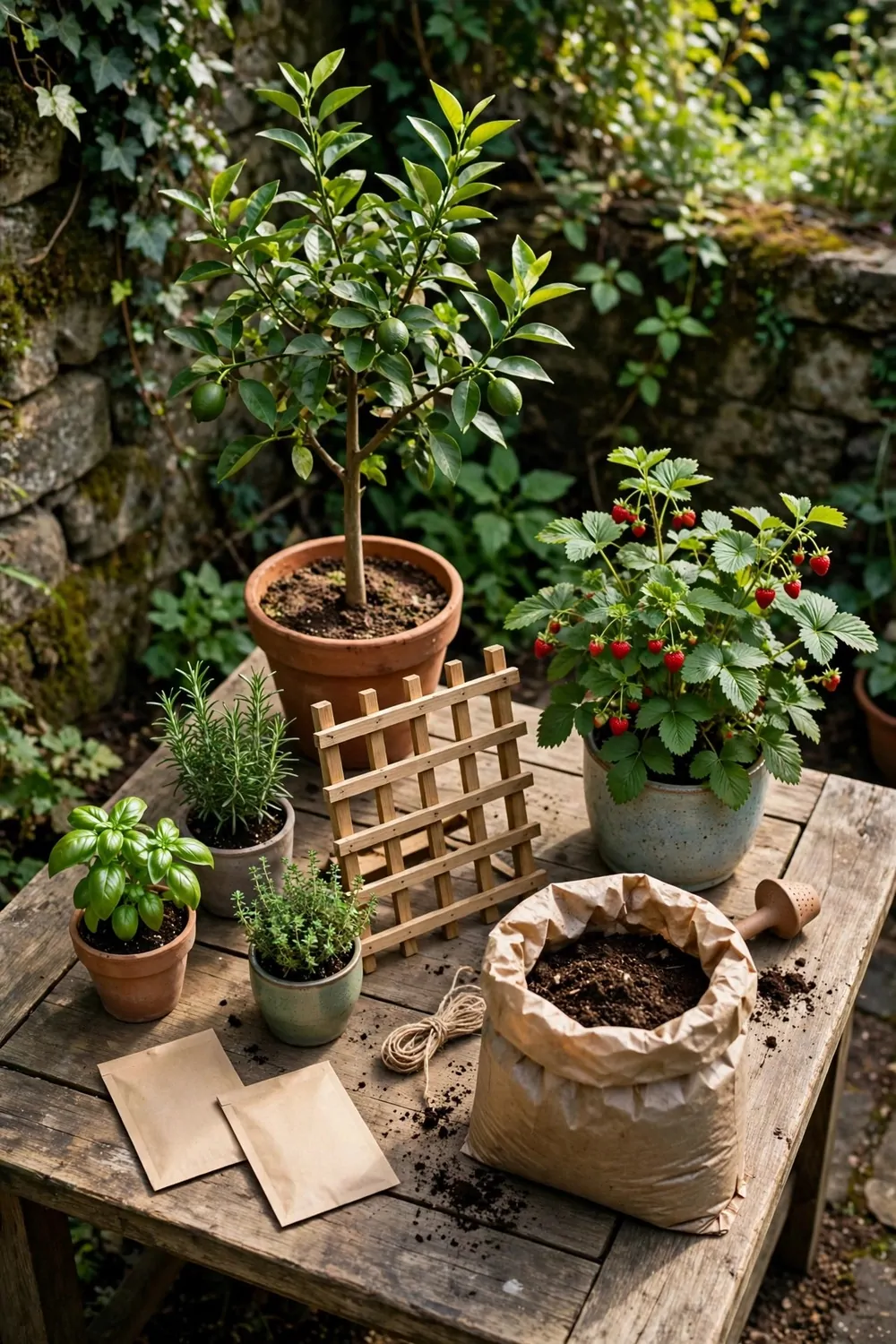
I plan my yard in seasons so something is always ready to pick. In spring I sow lettuce and peas and I plant herbs near the path.
Fruit tree $35 to $75 for shade and fruit for years.
Berry bushes $18 to $32 for fruit along the fence.
In summer I pick cucumbers and zucchini and I water my trees in the morning. I also plant a second row of lettuce for fresh salads.
Herb plants $12 to $20 for fresh leaves all season.
Trellis kit $25 to $45 for vines that climb and fruit.
In autumn I plant garlic and I add compost to every bed. I also save seeds from my best plants for next spring.
Compost bags $10 to $18 for rich soil in every bed.
Total $100 to $190 for the basic kit for a year of edible gardening.
| Area | Main change | Typical Cost |
|---|---|---|
| Fruit tree | Shade and fruit for years | $35 to $75 |
| Berry bushes | Fruit along the fence | $18 to $32 |
| Herb plants | Fresh leaves all season | $12 to $20 |
| Trellis kit | Vines that climb and fruit | $25 to $45 |
| Compost bags | Rich soil in every bed | $10 to $18 |
| Total | Basic kit for a year of edible gardening | $100 to $190 |
Keep Reading
If you liked these ideas, you will love these posts too.
- 23 Salad Garden Ideas for Fresh Greens Every Day
- 30 Pollinator Garden Ideas That Bring Bees and Butterflies
- 27 Compost Garden Ideas That Turn Scraps Into Soil
- 21 Window Herb Garden Ideas for Sunny Kitchens
- 34 Small Space Vegetable Garden Ideas That Grow a Lot
- 25 No Dig Garden Ideas That Save Your Back
Pick one tasty plant for your yard this week and let your garden feed you all year.