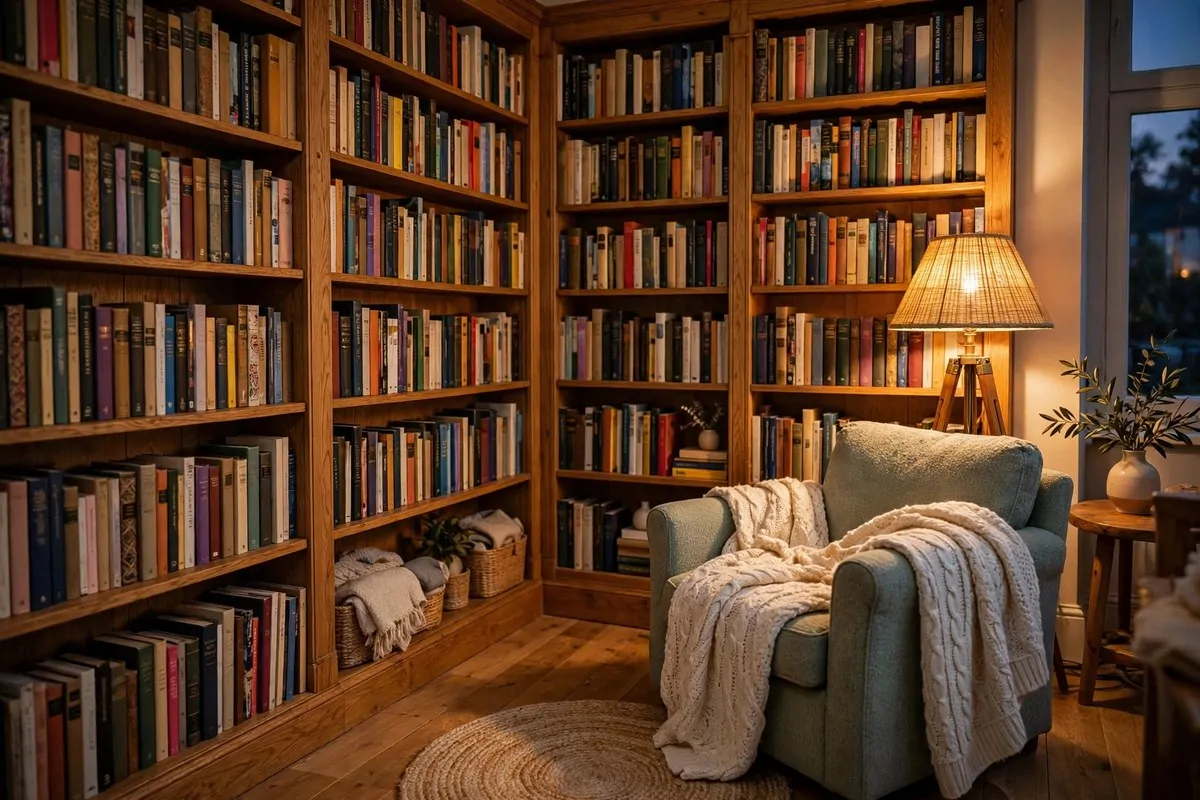
26 Custom Home Library Designs With Floor-to-Ceiling Shelving

I counted my books last spring and I stopped at two hundred and forty one. They were in piles on the floor and in boxes and on the kitchen counter. I had no good place for them and it showed.
The smell of old paper always makes me smile. It smells like quiet afternoons and rainy days and stories that wait for you. I wanted a room in my home that smelled like that all the time.
So I started to look at tall shelves that go right up to the ceiling. They use the wall you already have. They turn a plain room into a place you want to sit and read in.
Here are 26 custom home library designs with floor to ceiling shelving that you can shape to your own home. Some are big and bold. Some are small and soft. Pick the one that fits your books and your life.
A Full Wall of Shelves Behind the Sofa
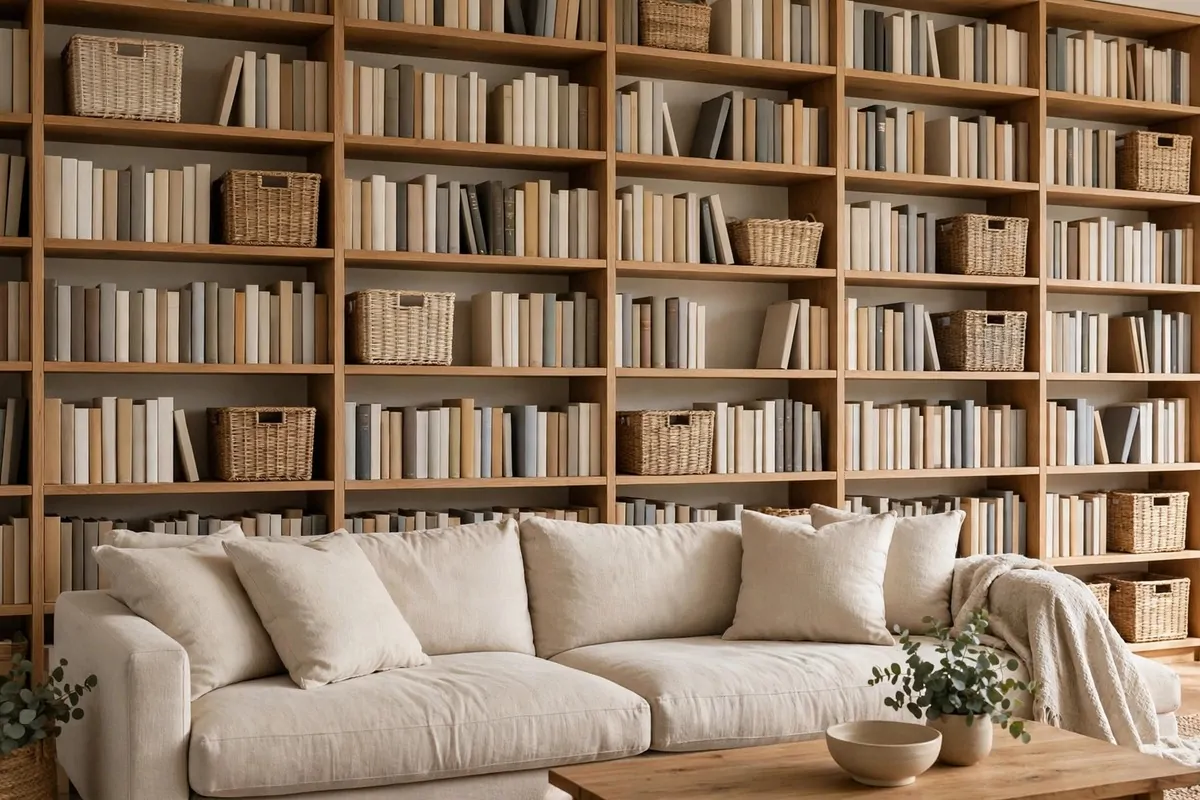
I love how a full wall of shelves feels behind a sofa. It makes the whole room feel warm and full of life. You sit down and your books are right there with you.
Start with shelves that go from the floor to the ceiling. Measure the wall first so you do not leave a strange gap at the top. A snug fit looks made for your home.
Put your most loved books at eye level. You will see them every day and they will make you smile. The ones you read less can go up high or down low.
Leave a little space between some of the books. A small vase or a framed photo can sit in that gap. It breaks up the rows and keeps the wall from looking too stiff.
Use the same wood tone for all the shelves if you can. It ties the wall together. Painted white shelves also work well in a bright room.
Your sofa should sit a few inches away from the shelves. That way you can reach a book without standing up and twisting around. It also keeps the cushions from rubbing the wood.
Add a soft lamp on a side table near the sofa. Warm light on the book spines looks so cozy at night. You will want to stay up a little later just to read one more page.
Mix in a few books laid flat in small stacks. It changes the look and gives you a spot for a tiny plant. I like to put my current read on top of a stack so I never lose it.
Dust the top shelves once a month if you can reach them with a long duster. Books get dusty fast and clean shelves look so much better. Your library will stay pretty for years.
Shelves That Frame the Fireplace in the Library
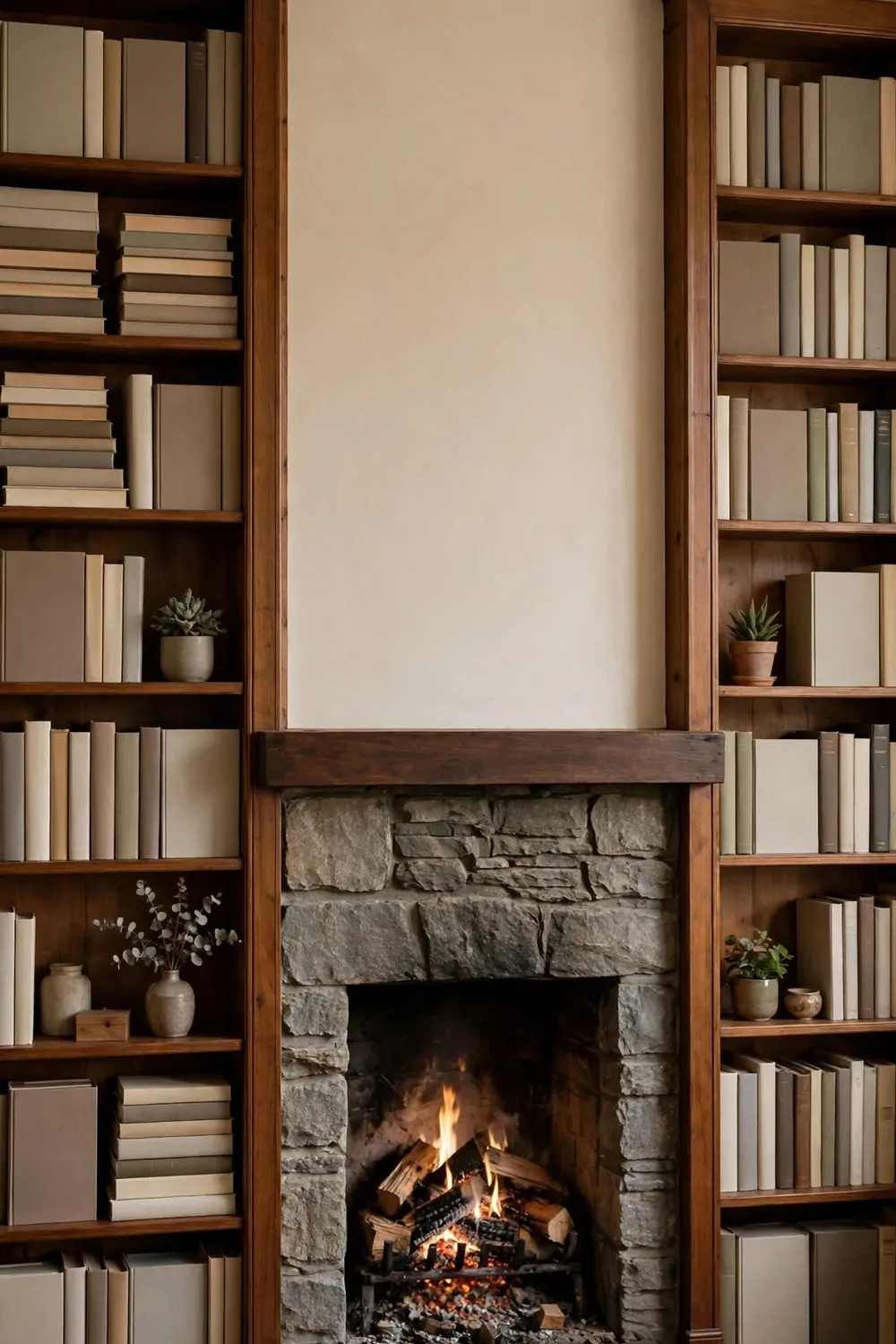
A fireplace with shelves on both sides feels like a real library to me. The fire glows in the middle and the books stand guard around it. It is the kind of room you dream about.
Build the shelves the same height as the fireplace wall. If they stop short it can look unfinished. Full height makes the whole wall feel planned and grand.
Keep the shelves near the fire clear of loose paper and dry leaves. Safety comes first in a room like this. Use closed boxes on the lowest shelves if you have small kids.
Put your thickest books on the lower shelves. They are heavy and they look strong down low. Lighter books and small items can live up higher where they are easy to see.
A pair of matching lamps on the mantel can tie the two sides together. I like warm bulbs that make the room glow gold. It feels like a hug when you walk in.
Leave the middle shelf on each side open for a few special things. A clock or a small bowl or a photo of your family fits there. These little things make the shelves feel like yours.
If your fireplace is dark brick, try light wood shelves. The contrast looks fresh and bright. If your fireplace is white, warm wood adds a soft touch.
Sit in a chair that faces the fire and the shelves at the same time. You can watch the flames and then grab a book without getting up. That is my idea of a perfect evening.
Clean the soot from the mantel often so it does not drift onto your books. A quick wipe once a week is enough. Your books will stay clean and your room will smell like wood smoke and paper.
A Window Seat With Shelves on Both Sides
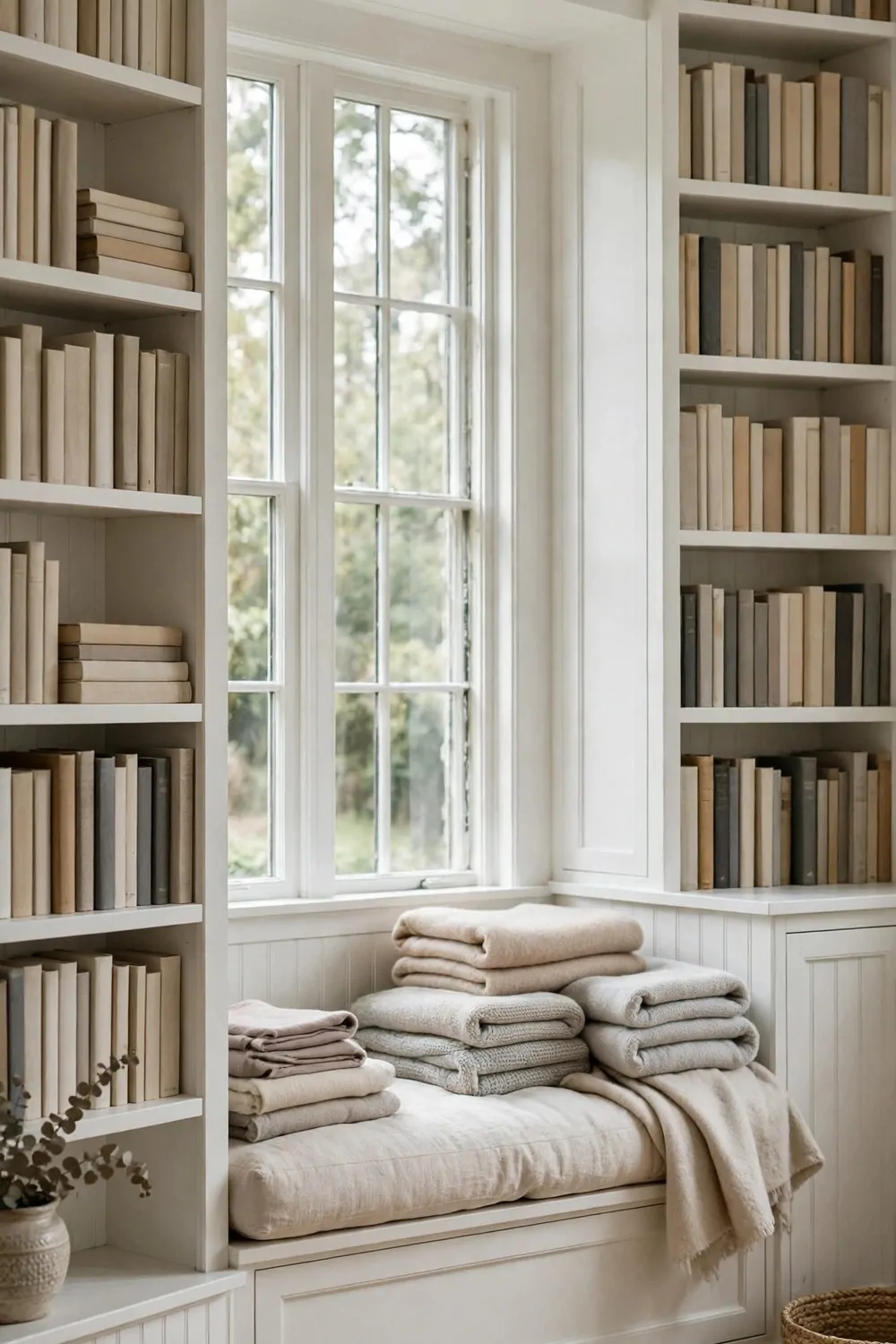
A window seat with shelves on both sides is my favorite quiet spot in any home. You curl up with a cushion and the sun warms your back. Your books wait right beside you.
Make the seat deep enough to sit cross legged. About eighteen inches is good for most people. Add a thick cushion so it feels like a soft bed for reading.
The shelves on each side should match in height and width. That balance makes the window look like the star of the wall. I like shelves that reach the ceiling on both sides.
Keep a small basket under the seat for blankets. You will want one on cold mornings. A soft throw makes the seat feel like a nest.
Put kids books on the lower shelves if little ones use the seat too. They can grab their own stories and put them back. It teaches them to love books early.
Add a small reading light on one side of the window. A clip light works well and does not take much space. You can read after dark without turning on the big lights.
Use the window light to show off a few pretty book covers. Face one or two books out so you see the art. It adds color and makes the shelves feel alive.
Keep the seat clear of clutter most of the time. A tidy seat invites you to sit down. If it gets piled with stuff you will stop using it.
I keep a notebook on my window seat for thoughts I have while I read. You might like that too. It turns a simple seat into your own little thinking place.
A Reading Nook Under the Stairs With Tall Shelves
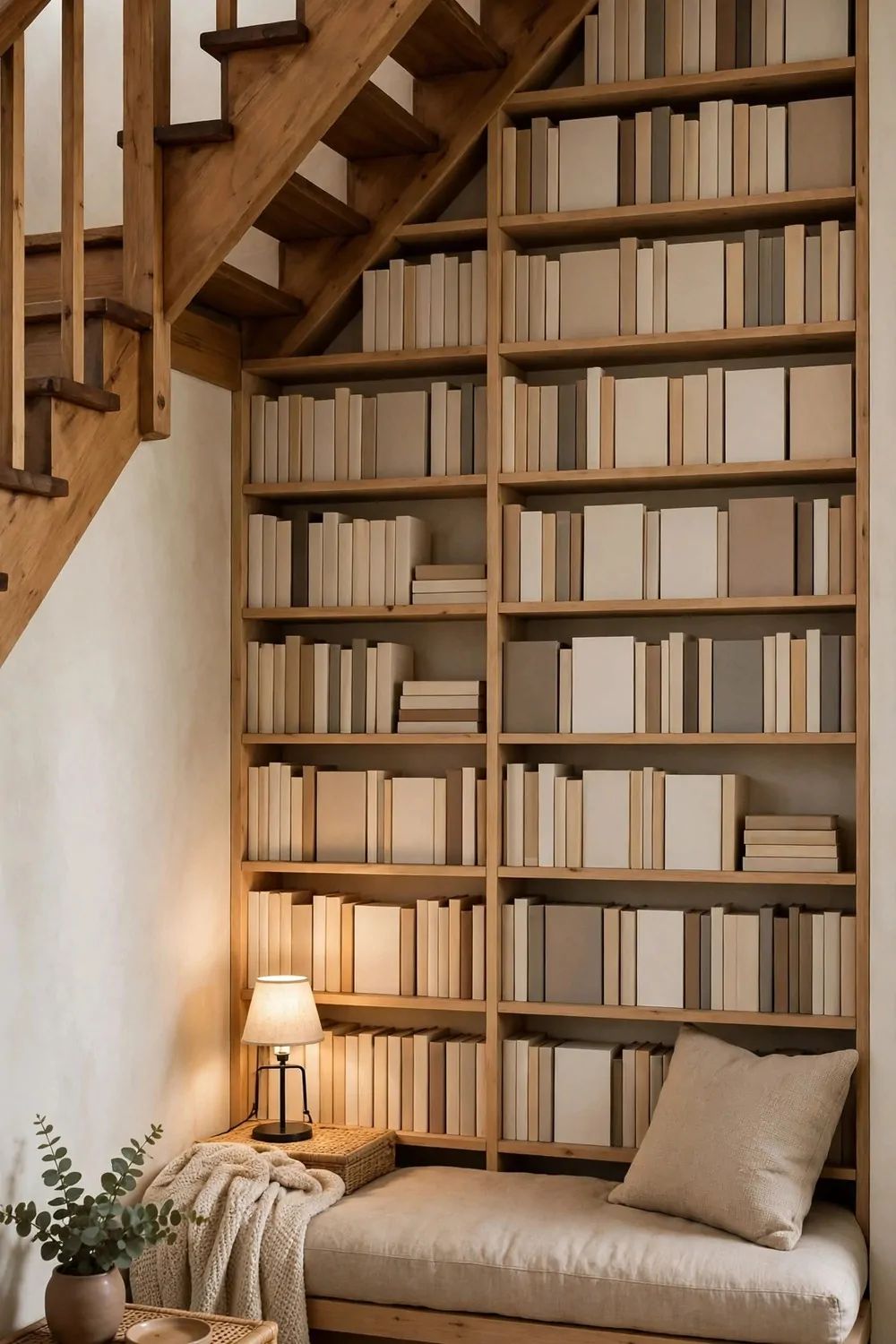
The space under the stairs is often wasted and that makes me sad. It is the perfect size for a small reading nook. Tall shelves can turn it into a secret library.
Measure the slope of the stairs before you build anything. The shelves need to fit under the angle without big gaps. A good carpenter can shape them to follow the slope.
Put a soft chair or a pile of big cushions in the nook. You do not need much room to feel cozy. A small rug under your feet adds warmth.
Add a light inside the nook so it does not feel dark. A small wall light or a string of soft bulbs works well. You want to see your book pages clearly.
Use the tallest part of the slope for your biggest books. The shorter part near the bottom step can hold small books or baskets. Every inch can be used.
Keep a little shelf at arm height for your tea or water. You will reach for it without thinking. A tiny ledge is all you need.
Paint the inside of the nook a soft warm color. White can feel cold in a small dark space. A warm cream or pale green feels calm and bright.
Kids love a nook under the stairs. It feels like a hideout just for them. Fill the low shelves with picture books and soft toys.
Check the nook for dust and cobwebs often since it is tucked away. A quick clean keeps it fresh. Your secret library will stay inviting all year.
A Ladder That Slides Along Tall Shelves
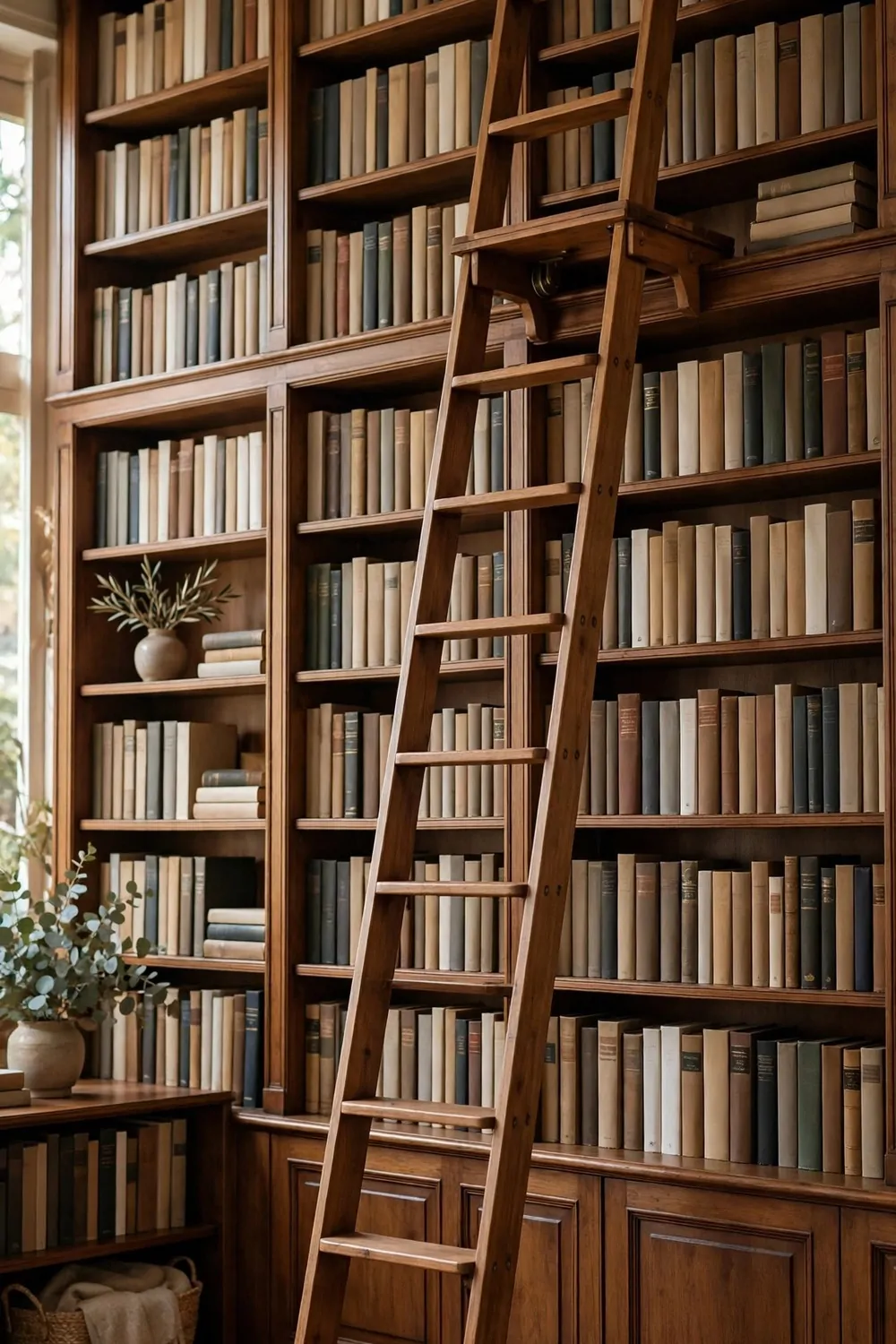
A sliding ladder makes tall shelves feel like a real old library. You glide along the wall and reach books way up high. It is fun and useful at the same time.
The ladder needs a strong rail fixed to the shelves. Do not skip this part. A wobbly rail is not safe and it will scare you off using the ladder.
Pick a ladder that matches your shelf wood. If your shelves are dark, a dark ladder looks best. Light wood shelves look great with a light ladder.
Teach kids to use the ladder only with a grown up nearby. It is not a toy even though it looks like one. Set a simple rule and stick to it.
Keep the floor in front of the shelves clear. You need space to slide the ladder and step off safely. A rug can slip so use a flat mat or bare floor there.
Store the books you use most on the middle shelves. Save the top shelves for books you read once in a while. That way you climb less often.
Oil the rail once in a while so the ladder slides smooth. A squeaky rail is annoying and it can stick. A little care keeps it gliding like new.
A ladder also makes a great spot to hang a small wreath or a ribbon in winter. Keep it simple and light. You do not want anything to catch on the rail.
I smile every time I see a ladder in a home library. It tells guests you really love your books. It turns a wall of shelves into a story.
Shelves Around the TV Wall in a Reading Room
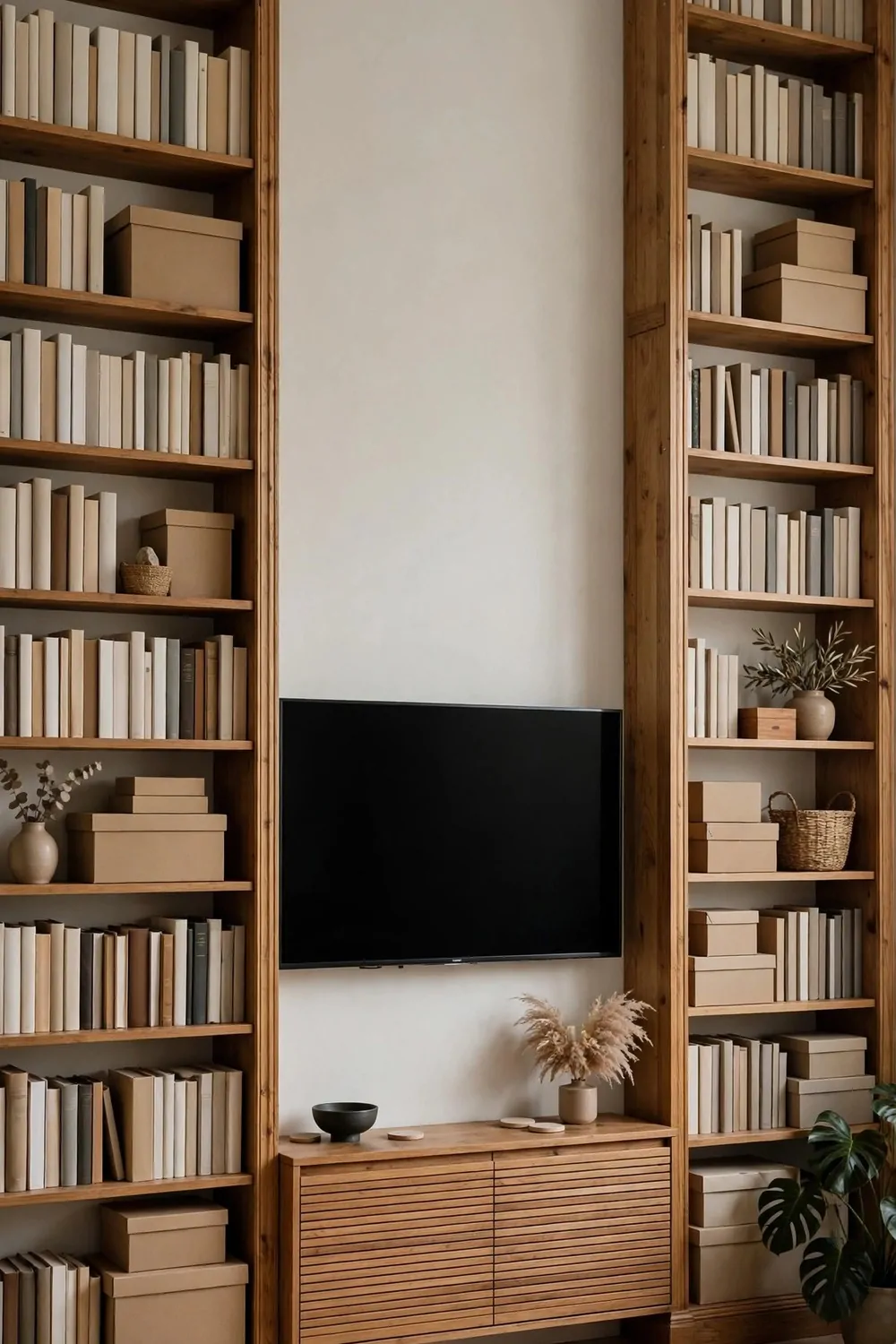
You can have a TV and a library in the same room. Shelves around the TV make the screen feel like part of the wall. It looks much better than a bare black box.
Build the shelves so the TV sits in the center with books on all sides. Leave a little space around the TV for air flow. Hot air needs room to escape.
Use the shelves below the TV for games and remotes and chargers. Closed baskets hide the mess well. The room stays tidy even when you use it every day.
Put your favorite books at eye level beside the TV. When the TV is off, the books become the focus. The wall looks warm and lived in.
Add doors on a few shelf sections if you want to hide clutter. Glass doors keep dust out and let you see the books. Solid doors give a cleaner look.
Keep the top shelves for books you do not grab often. Use a small step stool to reach them safely. Do not climb on the furniture to get a book.
A soft light above the TV can reduce glare and make reading easier. I like a warm glow that does not shine in your eyes. It makes movie nights feel cozy too.
Mix books with a few plants on the shelves around the TV. Green leaves soften all the straight lines. Just make sure the pots do not leak onto your books.
Dust the TV and the shelves together once a week. Screens attract dust fast. A clean wall makes both reading and watching more fun.
| What goes on it | Shelf depth | Best room |
|---|---|---|
| Paperbacks and small novels | 8 to 10 inches | Living room, bedroom |
| Big art and cookbooks | 12 to 14 inches | Library, dining room |
| Baskets and board games | 14 to 16 inches | Kids room, living room |
| Plants in pots | 8 to 12 inches | Any sunny wall |
A Corner Library With Shelves on Two Walls
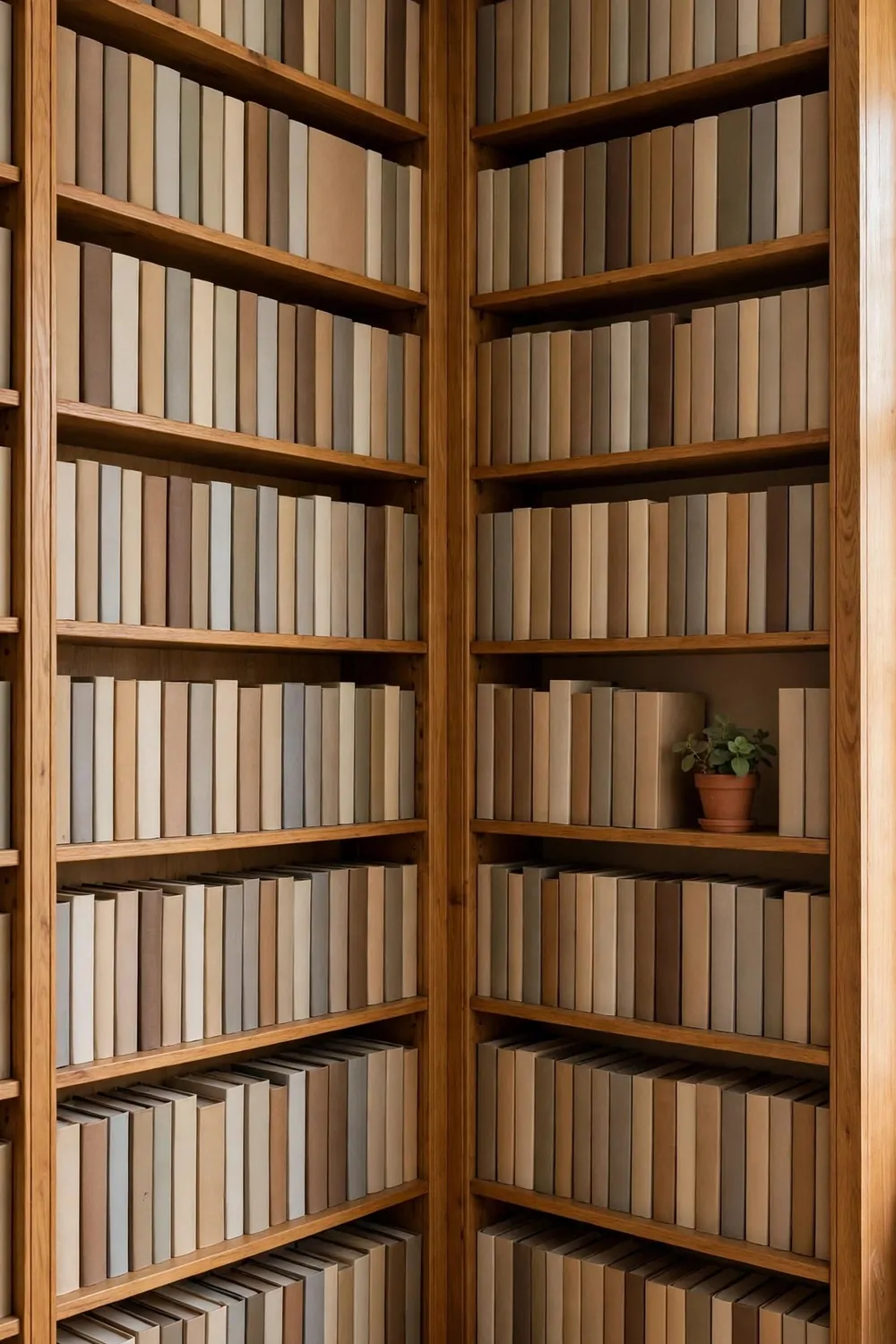
A corner can hold more books than you think. Shelves on two walls meet in the middle and use space that often sits empty. It turns a plain corner into a library.
Start with shelves that are the same depth on both walls. If one side sticks out more it looks off. Even depth makes the corner feel neat and planned.
The corner itself is a tricky spot to reach. Use it for books you do not grab every day. Or put a small plant there to fill the gap with green.
Add a chair that faces into the corner. You sit with books on both sides of you. It feels like the books are giving you a hug.
A floor lamp in the corner lights both walls at once. Pick a lamp with a warm bulb. It makes the corner glow in the evening.
Use the lower shelves for heavy books and baskets. The corner floor can hold a basket of blankets too. Everything you need for reading stays close.
If the corner is near a window, let the daylight do the work. Natural light makes book covers look bright. You will read more in a sunny corner.
Keep the shelves tidy with a quick straighten once a week. Books lean and slide in corners. A few bookends will hold them upright.
I like to put my current read on the shelf closest to my chair. It is easy to find when I sit down. Your corner library becomes your own small world.
Shelves Above the Desk in a Home Office Library
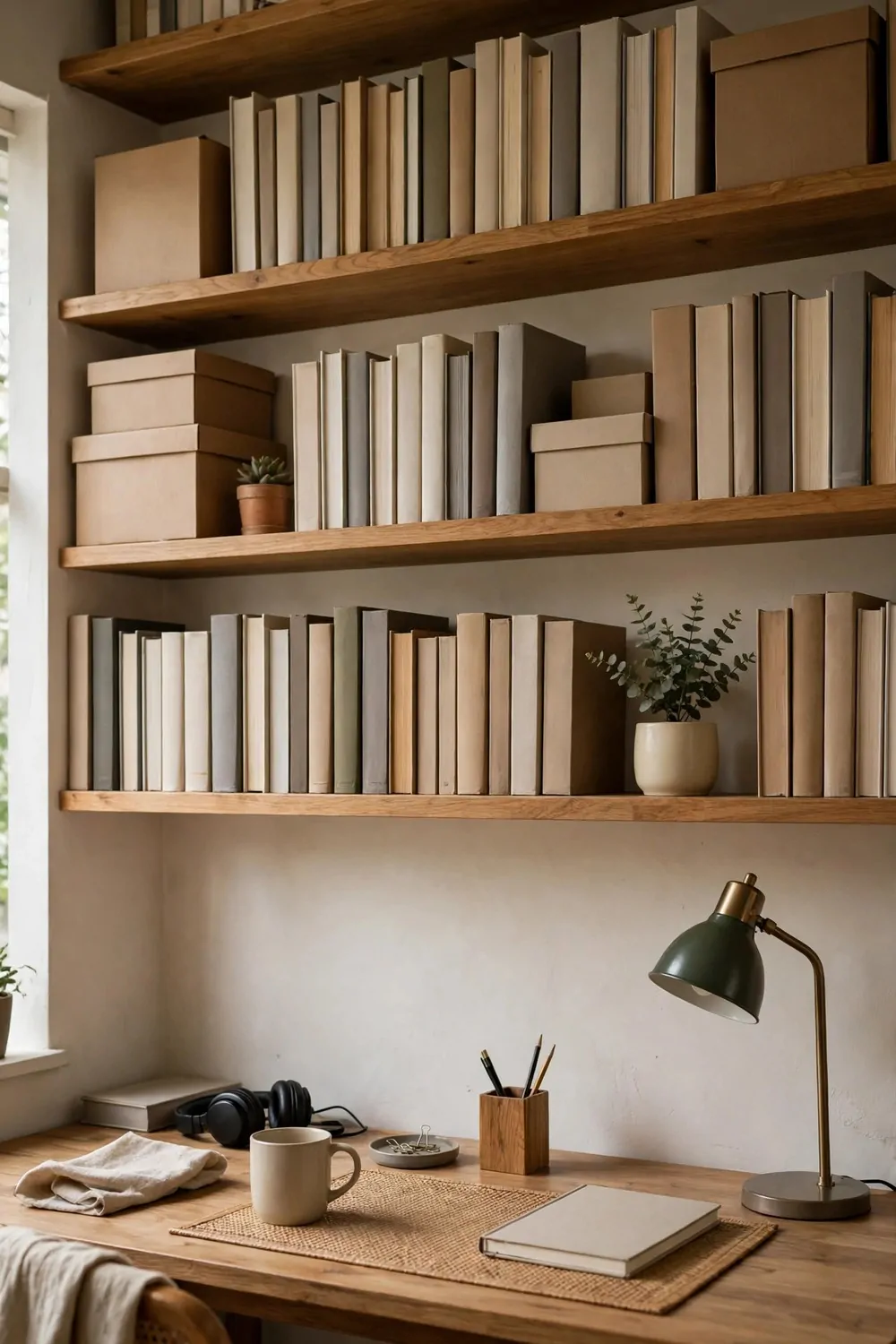
Shelves above your desk put your books right where you work. You reach up and grab what you need without leaving your chair. It makes work feel calmer.
Keep the lowest shelf high enough that you do not bump your head. About eighteen inches above the desk is a good start. You need room to sit and think.
Put work books and notebooks on the shelves closest to you. Fun books can go higher up. That way work stays easy to reach and play stays out of the way.
Use small boxes on the shelves for pens and cords and little bits. Labeled boxes save you time. You will not dig through piles to find a charger.
Add a desk lamp that lights both your desk and the shelves. Warm light helps your eyes at night. It also makes the books look pretty while you work.
Keep one shelf just for books you are reading right now. It stops them from piling on your desk. A clear desk helps you think better.
If your office is small, use light colored shelves. They make the wall feel less heavy. Dark shelves can make a tiny room feel closed in.
A plant on the top shelf adds life to your work wall. Pick one that does not need much care. You have enough to do without a fussy plant.
Wipe the shelves when you clean your desk each week. Dust builds up fast above a desk. Clean shelves help you focus and feel proud of your space.
A Hallway Library Wall
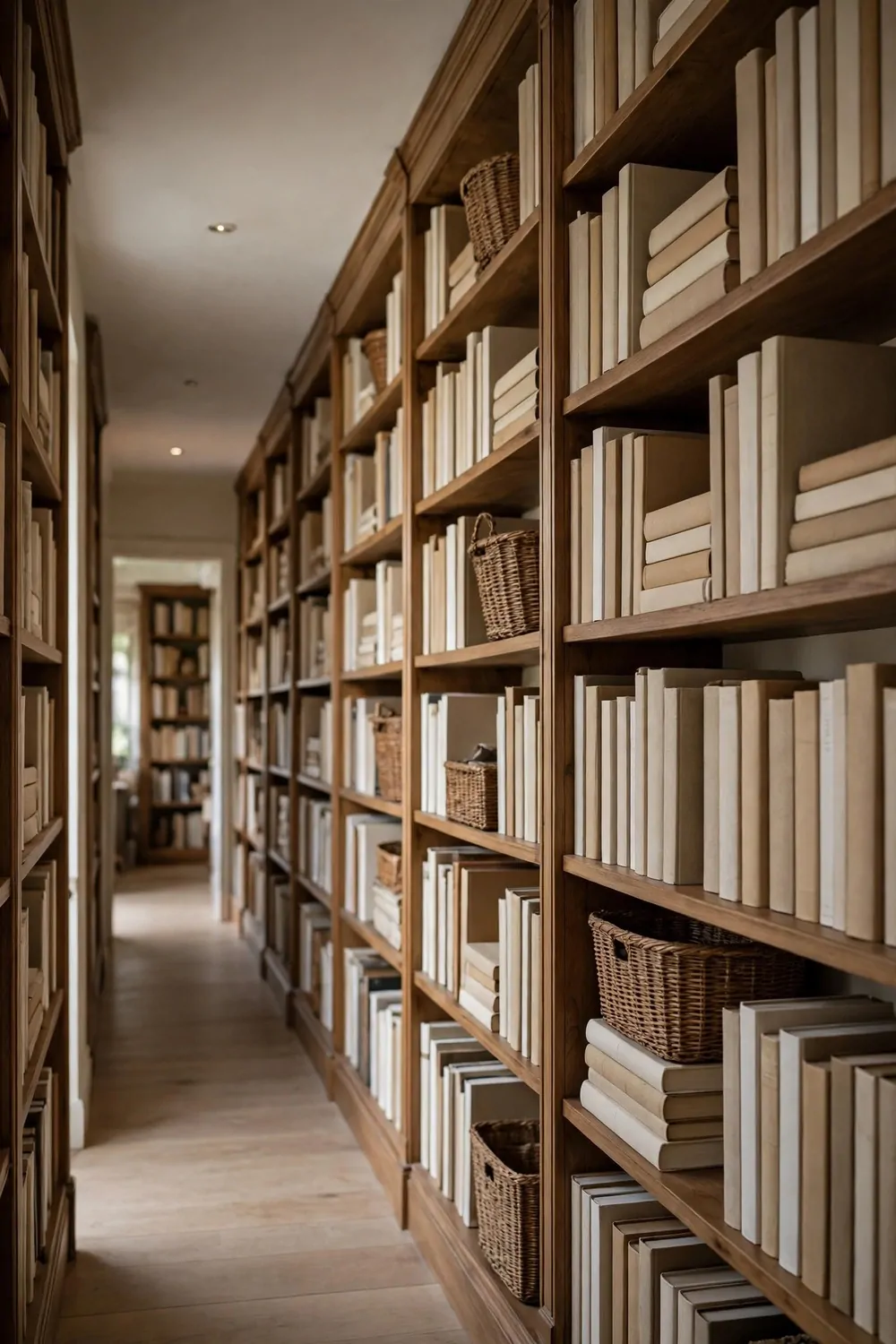
A hallway is often just a path from one room to another. A wall of shelves turns it into a library you walk through every day. It makes the hallway feel useful.
Use shallow shelves in a hallway so people can still walk past. Eight inches is deep enough for most books. You do not want to bump your shoulder on a shelf.
Put the books you love most where you pass them daily. You will see a favorite spine and smile. It makes a plain hallway feel like home.
Add small lights under a few shelves. Hallways can be dark and books need light to shine. Soft lights make the wall look like a gallery.
Keep the floor clear so the hallway stays safe to walk through. No baskets sticking out and no piles on the floor. A clear path matters most here.
Use the hallway shelves for books the whole family shares. Cookbooks and travel guides and fun stories fit well. Everyone can grab one on the way past.
Label a shelf or two if you have lots of books. Simple labels help kids find their own books. It also helps you put books back in the right spot.
Hang a small mirror at the end of the hallway if you can. It bounces light back down the hall. The shelves will look brighter and the hall will feel wider.
I love walking past a hallway full of books. It reminds me that stories are part of daily life. Your hallway can do that too.
A Kids Reading Corner With Low Shelves
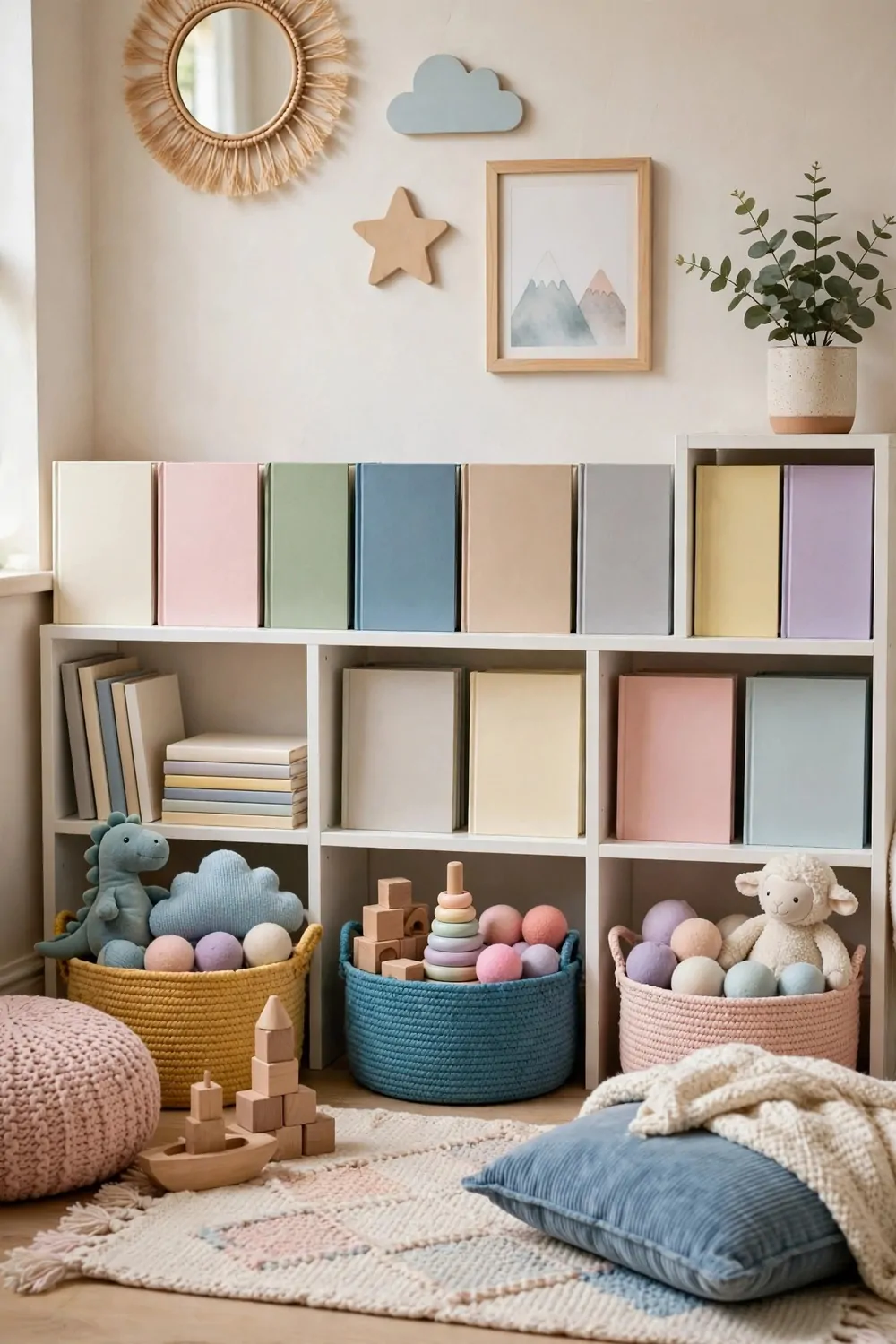
Kids need shelves they can reach on their own. Low shelves let them pick a book without asking for help. That small freedom makes them love reading more.
Keep the shelves at kid height, no higher than their shoulders. They should see the book covers easily. Face a few books out so the covers catch their eye.
Use sturdy shelves that can handle a little climbing and pulling. Kids are not gentle with furniture. Strong wood and fixed brackets keep the shelves safe.
Add a soft rug and a few big cushions on the floor. Kids will sprawl out to read. A cozy floor makes the corner feel like a nest.
Put picture books and short stories on the lowest shelves. Heavier books can go on the shelf above. Rotate the books every few weeks to keep it fresh.
A small basket holds toys that go with the books. A stuffed animal or a puppet makes story time more fun. Keep the basket light so kids can move it.
Let kids help arrange their own shelves. They will pick their favorites and show them off. It gives them pride in their little library.
Add a night light if the corner is used before bed. Soft light helps kids wind down. A bedtime story in their own corner feels extra special.
Clean the low shelves often since little hands touch everything. A quick wipe keeps them tidy. Your kids will keep coming back to their reading corner.
A Dining Room Wall of Cookbooks
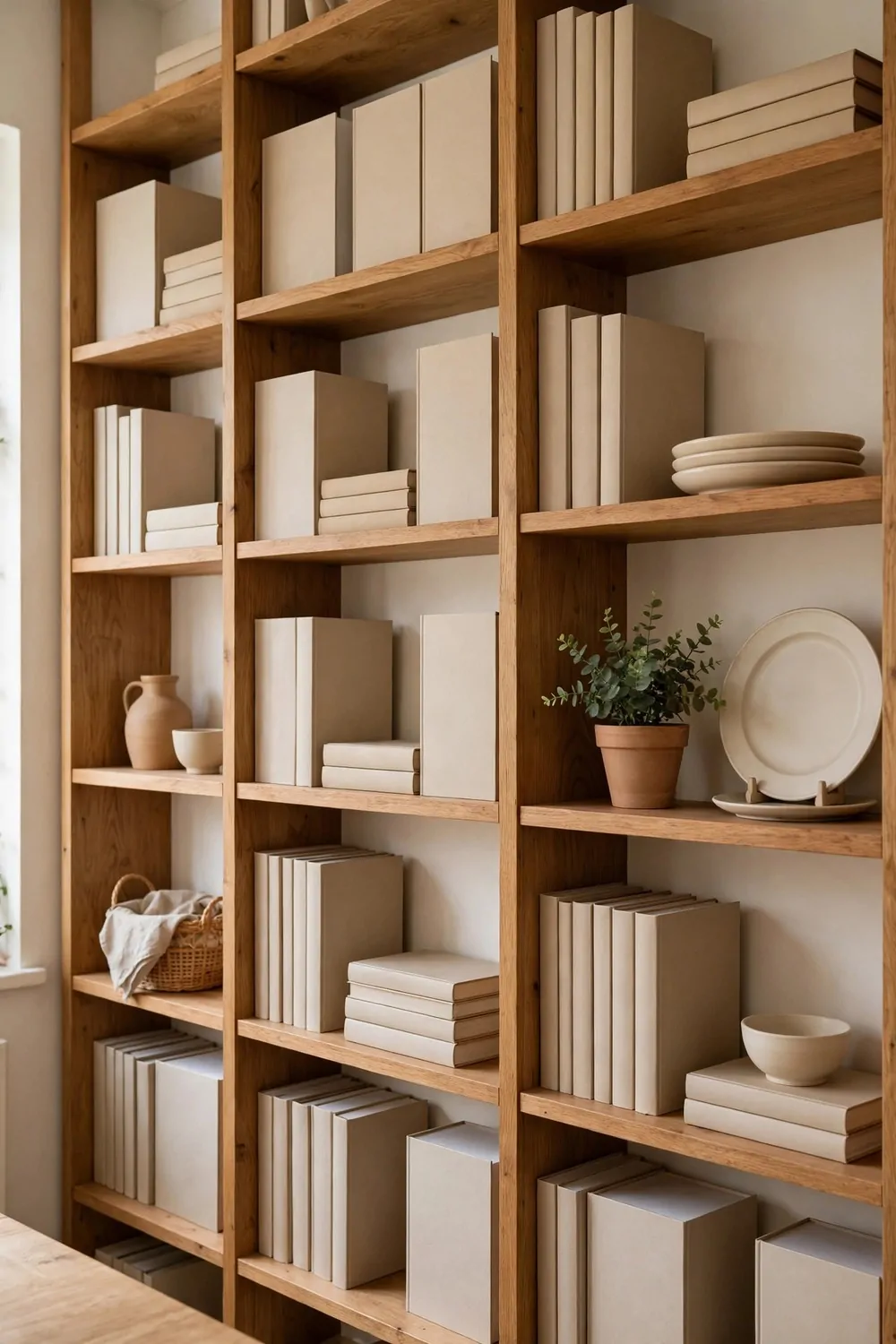
A dining room wall of cookbooks puts your recipes where you eat. You can flip through a book while you wait for dinner. It makes meals feel more fun.
Use deep shelves for big cookbooks. They are heavy and wide and need strong support. Twelve inches is a good depth for most of them.
Sort the cookbooks by type if you can. Baking books together, quick meals together, and holiday food together. You will find what you need fast.
Keep a few cookbooks open on a stand during cooking. It saves your place and keeps pages clean. A stand is a small thing that helps a lot.
Add a few jars and small plants between the cookbooks. They add color and make the wall feel like a kitchen. Just keep them away from steamy pots.
Use the top shelves for cookbooks you use once in a while. Keep your daily favorites at arm height. You will cook more when your best books are easy to grab.
Wipe the shelves often since kitchen grease travels. A damp cloth once a week keeps them clean. Your books will last longer and look better.
A small chalkboard or note pad on the wall helps you jot down ideas. You see a recipe and you want to try it next week. Write it down before you forget.
I love a dining room that smells like food and old paper. It feels like home in the best way. Your cookbook wall can give you that feeling every day.
Shelves in the Bedroom Around the Bed
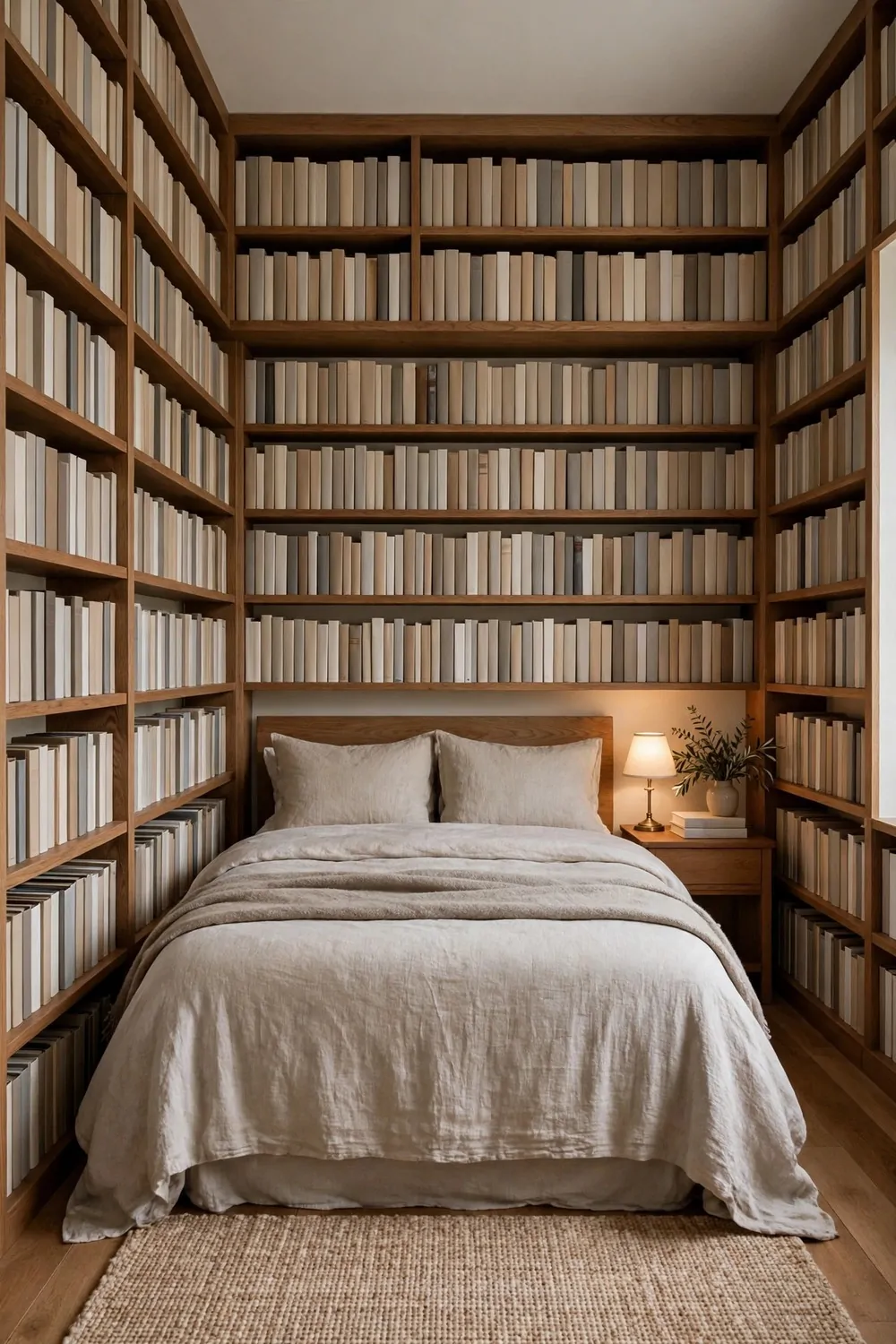
Shelves around the bed turn your bedroom into a quiet library. You wake up and your books are right there. It is the best way to start and end the day.
Build shelves on both sides of the bed first. They act like big bedside tables. You can keep your current book and a glass of water close by.
Add a shelf above the headboard if your ceiling is high enough. It holds books you do not need every night. Keep it light so nothing feels heavy over your head.
Use soft colors for bedroom shelves. White or pale wood feels calm at night. Bright colors can make it hard to wind down.
Keep a small lamp on each side of the bed. Reading in bed needs good light. Warm bulbs help you feel sleepy when it is time to rest.
Put your most calming books near the bed. Gentle stories and poetry fit well here. Save the big exciting books for the living room.
Leave space on the shelves for a phone charger and a small clock. You need those things at night too. A tidy shelf keeps them from getting lost.
Dust bedroom shelves often since you breathe that air all night. Clean books mean clean air. It is a small job that makes a big difference.
I keep a notebook by my bed for dreams and ideas. You might like one too. Your bedroom library becomes a place for rest and quiet thoughts.
A Basement Library With Warm Light
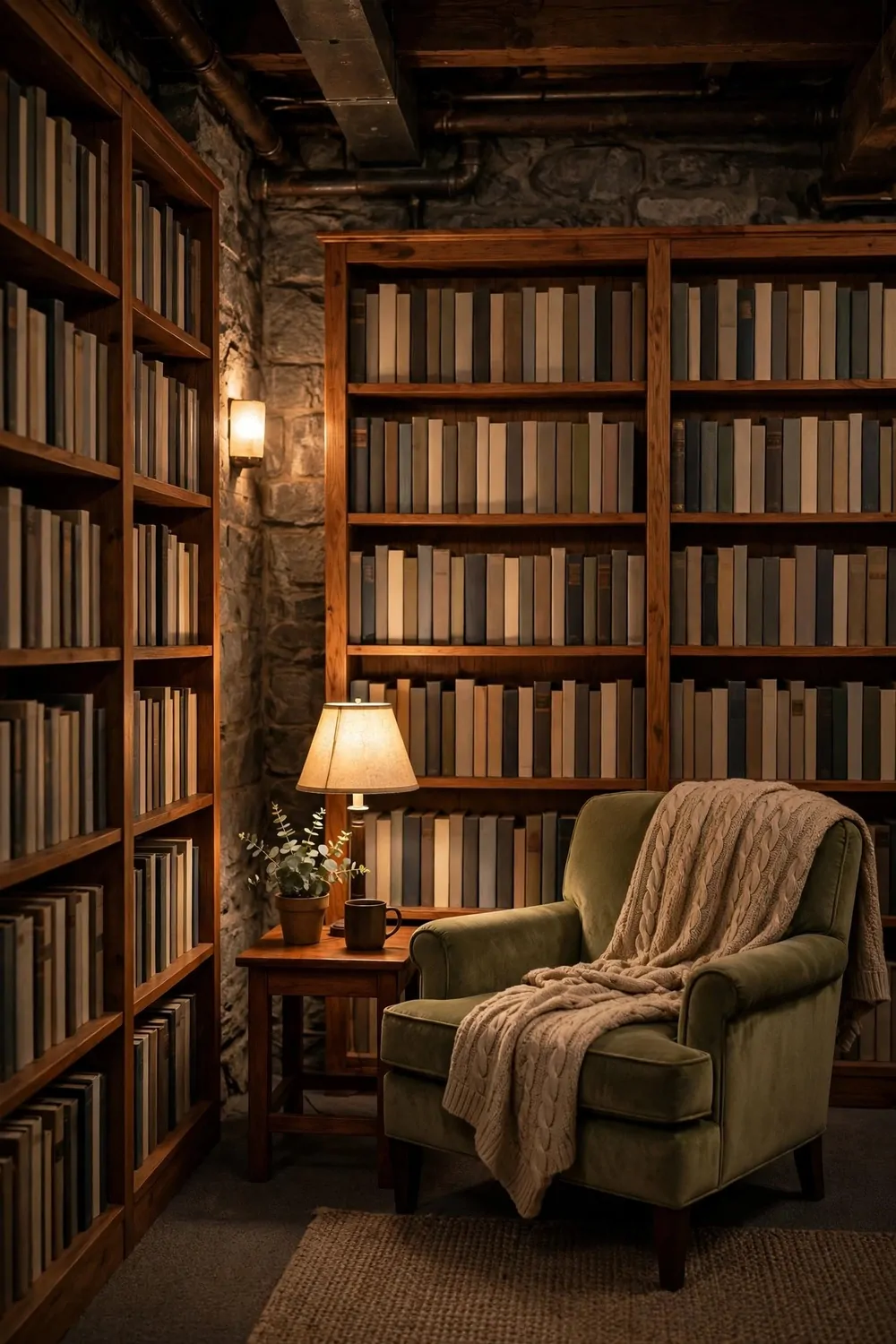
A basement can feel dark and cold, but warm light changes everything. Tall shelves and soft lamps turn it into a cozy library. It becomes the best room in the house.
Use warm bulbs in every light down there. Cool white light feels harsh in a basement. Warm light feels like sunshine even without windows.
Pick shelves that can handle a little damp air. Sealed wood or painted shelves hold up better. Check for damp spots before you build anything.
Add a thick rug to warm up the cold floor. Your feet will thank you. A rug also makes the room quieter when you walk.
Keep a dehumidifier in the room if your basement feels wet. Dry air protects your books from mold. It is worth the small cost to keep your library safe.
Put your sturdiest books on the lowest shelves. If a little water ever gets in, the top books stay safe. It is a smart way to plan a basement room.
Add a comfy chair and a soft blanket to the corner. You will want to stay down there for hours. A basement library should feel like a retreat.
Use battery candles or soft string lights for extra glow. They add charm without much cost. Just keep real flames away from paper and wood.
I love how quiet a basement library feels. No street noise and no fuss. It is just you and your books and warm light.
A Landing Library at the Top of the Stairs
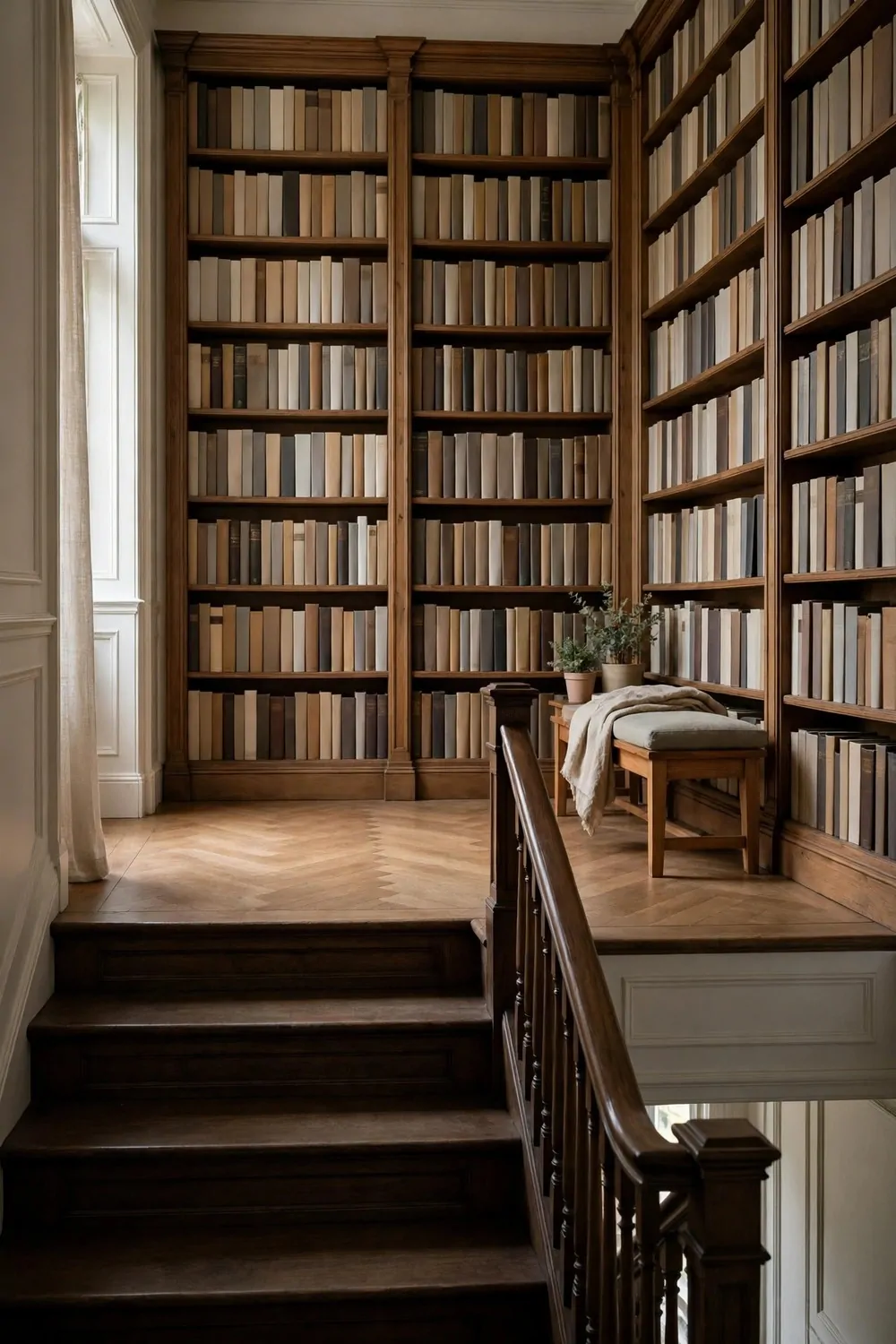
I love a landing that does more than just pass you to the next room.
The top of the stairs is often dead space. You walk through it and never look at it twice. A wall of shelves there changes that in one day. You climb the last step and books greet you.
Put the shelves on the wall opposite the rail. That way you see them the moment you come up. You can stop and browse without blocking anyone.
Keep the tall rows at the far end and the short rows near the stairs. It keeps the walkway open and the wall feels safe. I would not stack heavy boxes right at the edge.
Add a small chair if the landing is wide enough. Even a little stool works. You sit, you pick a book, and you forget you were only passing through.
A soft light up high makes the landing feel warm at night. I use a small wall light with a warm bulb. It is not bright, but it is enough to read a few pages.
Sort the books by mood here, not by size. Put the funny ones at eye level. Put the calm ones low, where you reach for them before bed.
Leave one shelf open for books you are reading right now. It becomes your little stop on the way to the bedroom. I keep three books there and swap them out when I finish one.
Dust this spot once a week, because stairs stir up dust. A quick wipe keeps the spines bright. Your landing will feel like a tiny library every single day.
Shelves With Closed Cabinets Below for Board Games
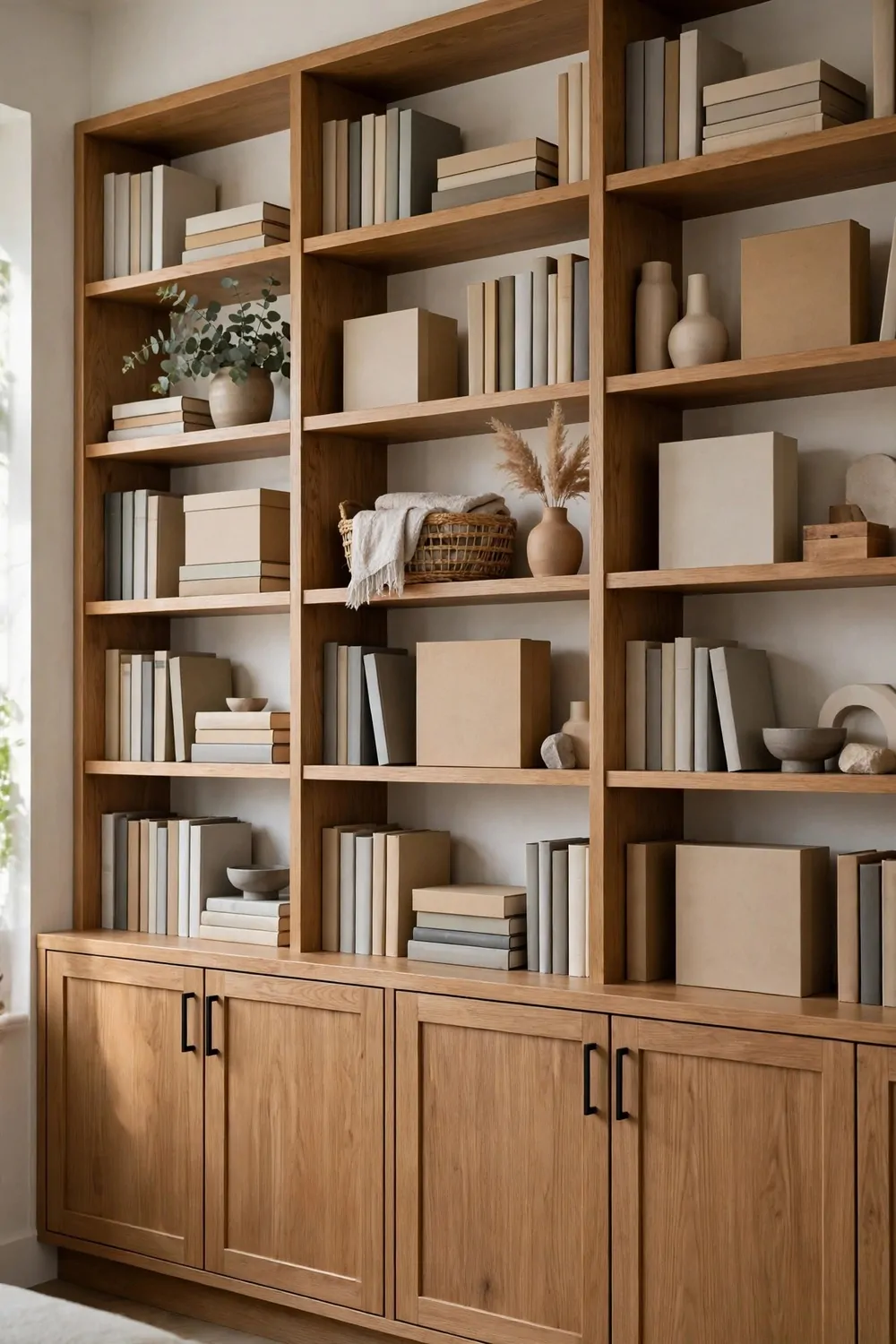
Books on top and games below is the smartest combo I know.
The shelves hold your books where you can see them. The closed cabinets below hide the game boxes, the cards, and the dice. Nobody sees the mess, but you know it is all there.
Pick cabinets with doors that close flat and tight. I like doors with no handles, so the whole wall looks smooth. You push to open, and it clicks shut.
Sort your games by how often you play them. The ones you grab every week go in the middle cabinet. The big party games go low, where the heavy boxes are easy to lift.
Keep a little basket on the shelf above the games for small pieces. Loose cards and tiny tokens get lost so fast. A basket keeps them in one place and looks tidy too.
Label the inside of each cabinet door if your family mixes things up. A small sticky note works fine. It takes two minutes and saves you from digging through every door.
Put your most loved books on the shelf right above the games. That way the fun stuff sits together. When friends come over, they see books and games in one glance.
Add a soft light strip under the bottom shelf. It makes the cabinet doors glow a little at night. It also helps you find the right game without turning on the big light.
Wipe the cabinet fronts with a damp cloth once a week. Fingerprints show up fast on smooth doors. Clean doors make the whole library wall look new.
A Library Wall in the Entryway
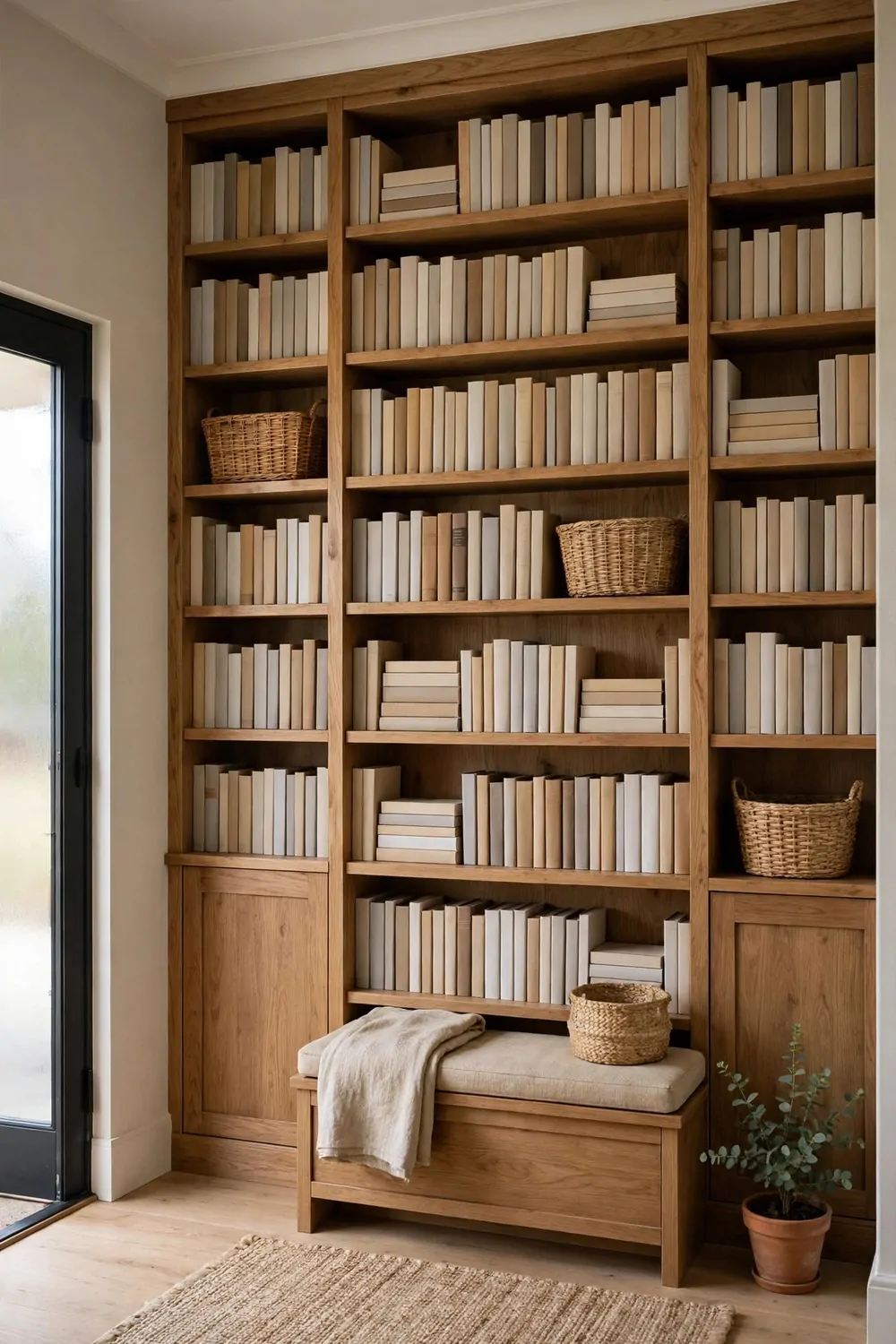
An entryway library makes your whole home feel smarter the second you walk in.
Most entryways are just a door and a rug. A shelf wall turns that first step into a warm hello. You come home and your books are right there waiting.
Use the wall beside the door, not the wall behind it. The door swings and needs room. A side wall keeps the path clear and the shelves safe from bumps.
Keep the bottom shelf above shoe level. Shoes splash dirt and rain. I like the lowest shelf to start a little higher, so nothing gets muddy.
Put your daily books at hand height. A book you read on the train or in the car belongs here. You grab it on the way out and drop it back when you come home.
Add a small hook rail on the side of the shelves. Coats and keys live there. It is a tiny touch, but it makes the entryway feel like it was planned.
Leave one shelf for a bowl or a tray. Keys, mail, and sunglasses land there. When everything has a spot, the entryway stays calm even on busy mornings.
A mirror on the wall across from the shelves bounces light around. It makes a small entry feel bigger. It also helps you check your look before you leave.
Keep the top shelves for books you love but do not grab daily. Tall rows look grand from the door. They give the entryway a real library feel without taking up floor space.
Shelves Painted the Same Colour as the Wall
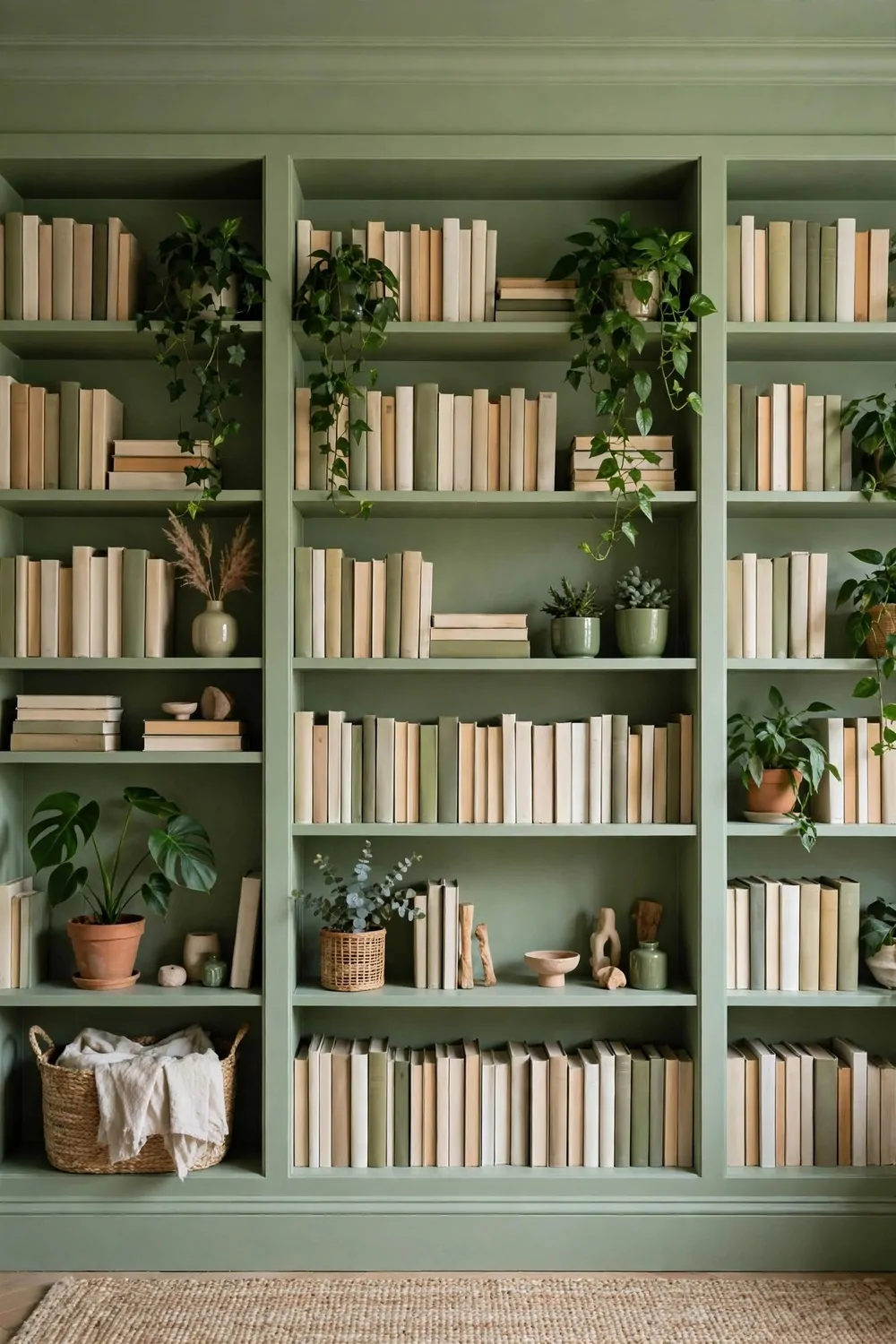
When the shelves match the wall, the whole room looks calm and pulled together.
I painted my shelves the exact same colour as the wall behind them. The books popped out, but the wood melted away. It felt like the books were floating.
Pick a colour you already love in the room. A soft cream, a warm grey, or a deep green all work well. The trick is to match it exactly, not close enough.
Take a small piece of the wall paint to the shop if you can. They can match it for you. A tiny difference shows up more than you think once the shelves are up.
Use the same paint finish on the shelves as on the wall. If the wall is matte, keep the shelves matte. A shiny shelf on a matte wall sticks out in the wrong way.
Put the books in with their spines facing out, and the colour trick still works. The shelves disappear, the books shine, and the room feels bigger. It is such a simple idea.
Add a few plants or small bowls in the same colour family. A white vase on a white shelf looks soft. A green plant next to a green shelf looks like it grew there.
This trick works best in small rooms. The shelves do not cut the wall into pieces. Your eye moves across the room without stopping, so the space feels open.
Clean the shelves with a damp cloth, and touch up chips right away. A chip in matching paint shows fast. Keep a little jar of the paint for quick fixes.
A Small Library in a Bay Window
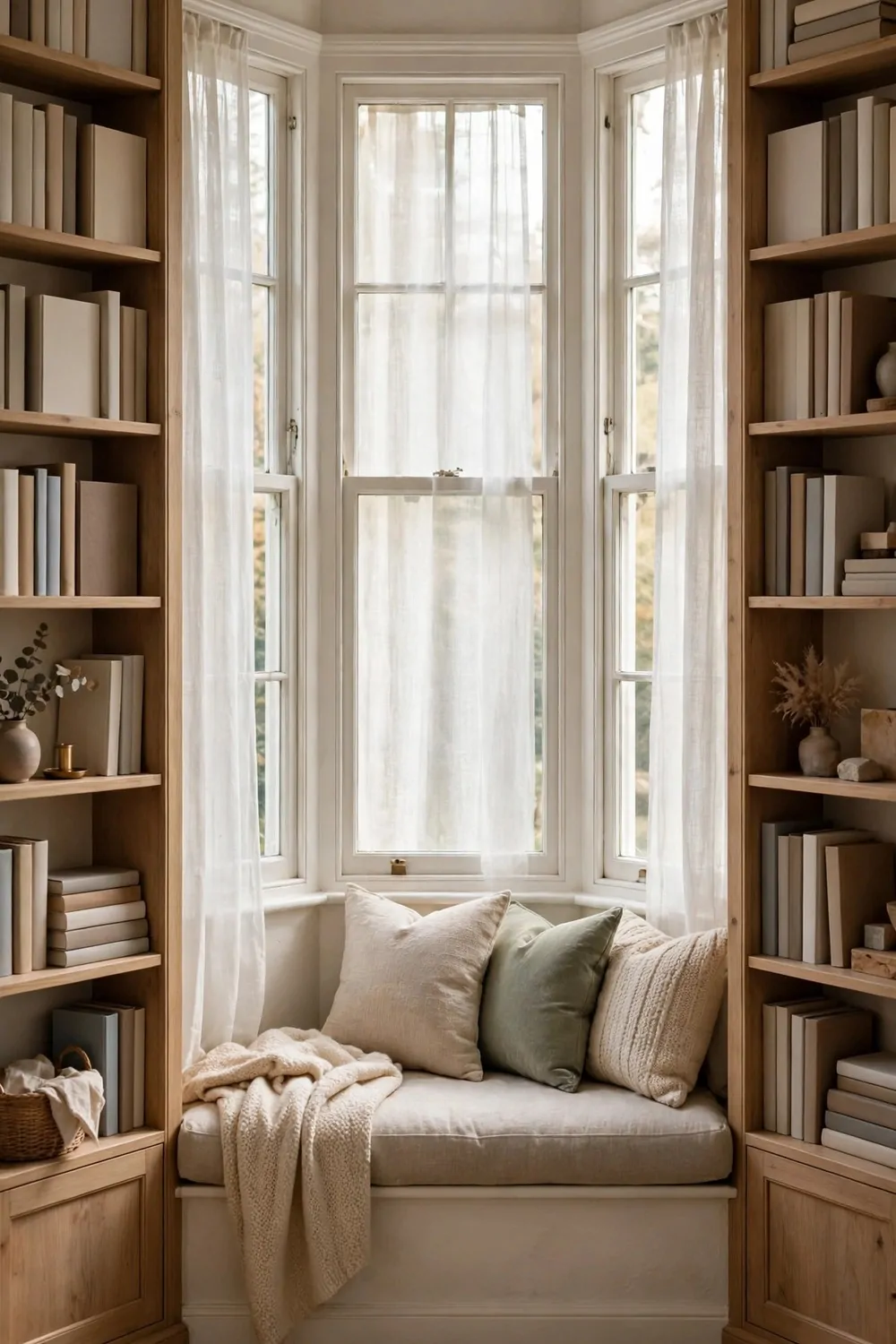
A bay window is the prettiest spot in the house to read, so why not put the books right there.
The window curves out and makes a little nook. Shelves along the sides of that curve use space that is normally wasted. The books sit close to the light, and you sit close to the books.
Build low shelves under the window first. They fit under the sill and hold the books you reach for most. The seat on top becomes your reading spot in one move.
Put tall narrow shelves on each side of the bay. They frame the window like a picture. You get a lot of storage without blocking any light.
Add a cushion on the window seat. A thick one makes the nook comfy for a long read. I like a cushion in a soft colour that matches the room.
Keep a small basket on the seat for your current book and a blanket. When you sit down, everything is right there. No getting up to fetch things.
Sort the books here by feeling, not by size. Put the light, happy reads near the seat. Put the heavier reads a little higher, where you reach for them on purpose.
Watch out for sun on your books. Strong light can fade covers over time. A thin curtain or a sheer blind keeps the light soft and your books safe.
Wipe the shelves often, since windows bring in dust. A quick wipe once a week is enough. Your bay window library will stay bright and inviting all year.
| Material | Look | Best for | Care |
|---|---|---|---|
| Painted wood | Clean and smooth | Living room, bedroom | Wipe with a damp cloth |
| Natural oak | Warm and rich | Library, office | Oil once a year |
| Painted plywood | Plain and strong | Basement, kids room | Wipe and touch up paint |
| White laminate | Fresh and simple | Hallway, entryway | Wipe with a damp cloth |
Shelves With a Cosy Armchair and a Lamp
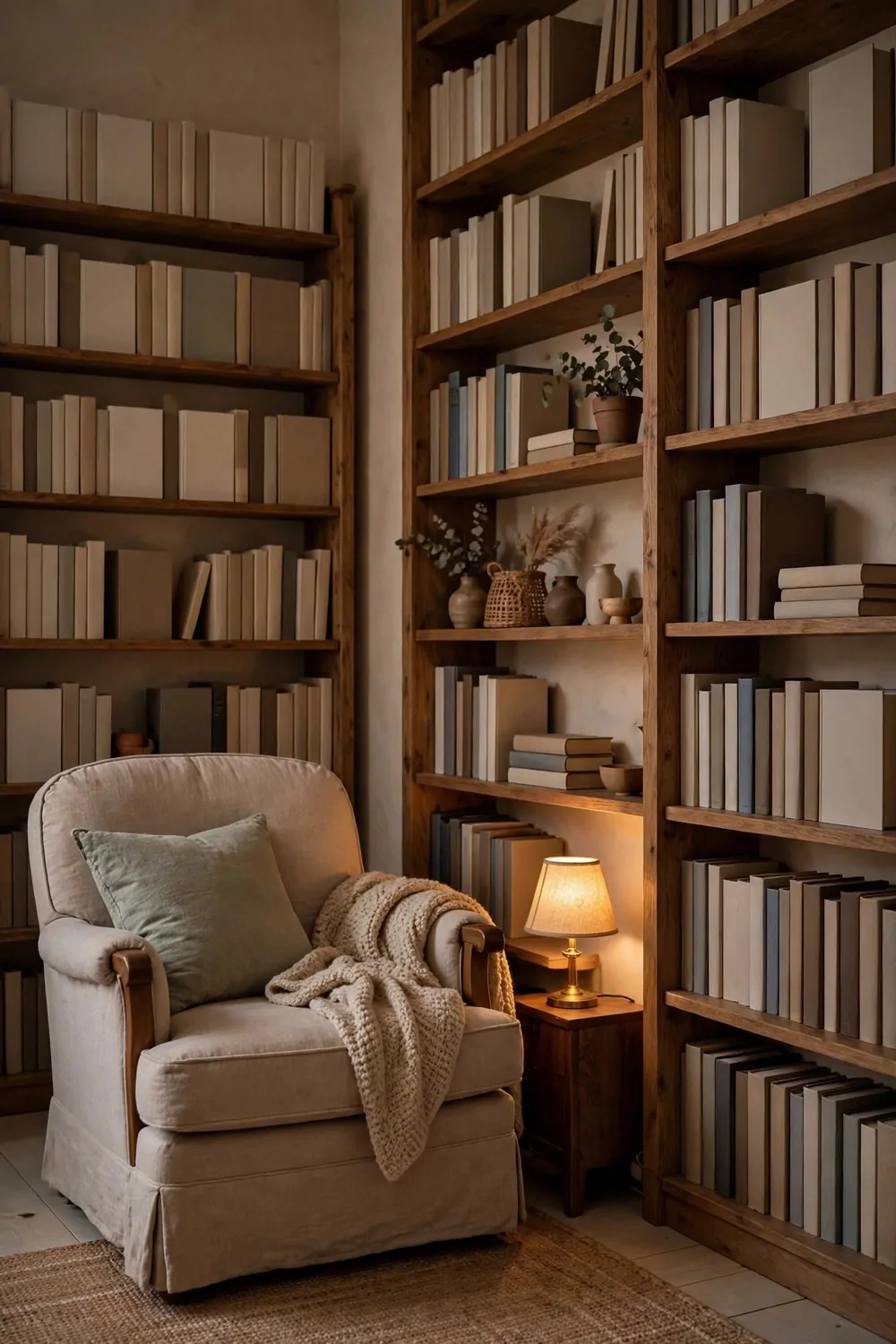
A good chair and a warm lamp turn shelves into a place you actually use.
I set my favourite armchair right in front of the shelves. It faces the books, so I can look at them and pick one without standing up. It feels like my own little reading corner.
Pick a chair you can sit in for an hour without fidgeting. A soft seat and a low back work best for me. If the chair is too stiff, you will never sit there.
Put the lamp on the side where your reading hand rests. If you read with your right hand, the lamp goes on the right. The light falls on the pages, not on your eyes.
Choose a warm bulb, not a cold white one. Warm light makes the pages easy on your eyes at night. It also makes the whole corner feel soft and calm.
Keep a small table next to the chair for tea and your book. A tiny round table is enough. You do not need a big one, just a spot to set things down.
Put the books you love most on the shelves behind the chair. They are your backdrop. When you sit down, you feel surrounded by stories you already know.
Add a soft throw over the chair arm. It is there for cold evenings. I keep a light one in summer and a thick one when the nights get chilly.
Dust the chair and the shelves together once a week. A clean corner invites you back. Mine is the spot I go to every night before bed.
A Library Wall With a Fold-Down Desk
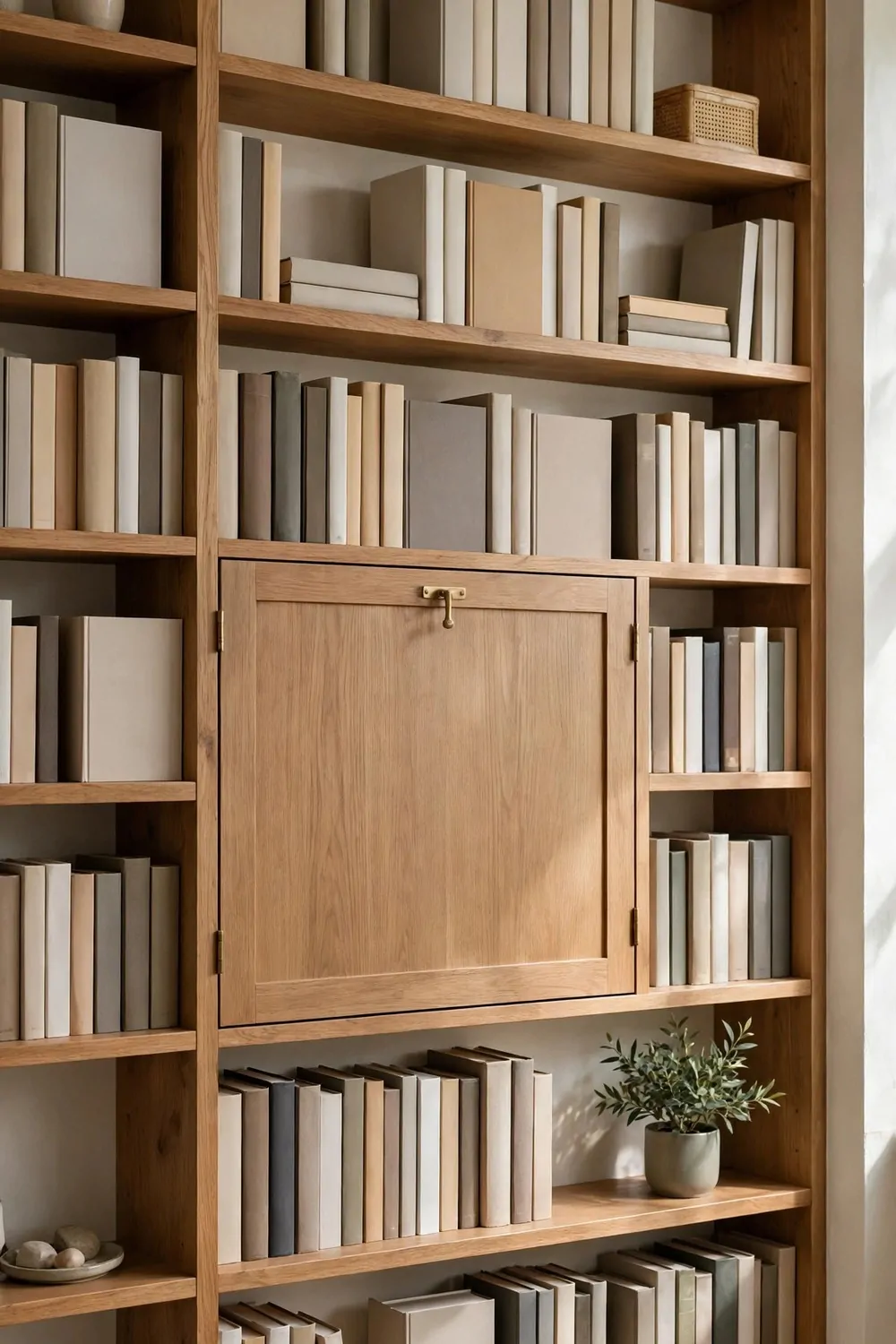
A fold-down desk gives you a workspace that disappears when you are done.
The desk folds up flat against the shelves when you close it. The wall looks like a normal library again. Nobody would guess there is a desk hiding there.
Mount the desk at elbow height when you sit. Too high and your shoulders ache. Too low and your knees bump it. Sit in your chair and check the height before you fix it.
Keep the desk small, just wide enough for a laptop and a notebook. A big desk makes the shelves look cramped. Small and neat is the whole point here.
Store your pens and papers on the shelf right above the desk. When you fold the desk down, your tools are right above your hands. You start work in seconds.
Add a small light under the shelf above the desk. It lights the work surface without lighting the whole room. I use a thin strip light, and it works great.
Put your work books on the shelf next to the desk, not mixed with your fun reads. Work books on one side, fun books on the other. It keeps your mind clear when you sit down to work.
Fold the desk up when the day is done. The room feels bigger again. I love that one move, and the whole wall goes back to being a library.
Wipe the desk top each night before you fold it up. Crumbs and dust get trapped behind it otherwise. A quick wipe keeps it clean and ready for tomorrow.
Shelves That Hold Plants and Books Together
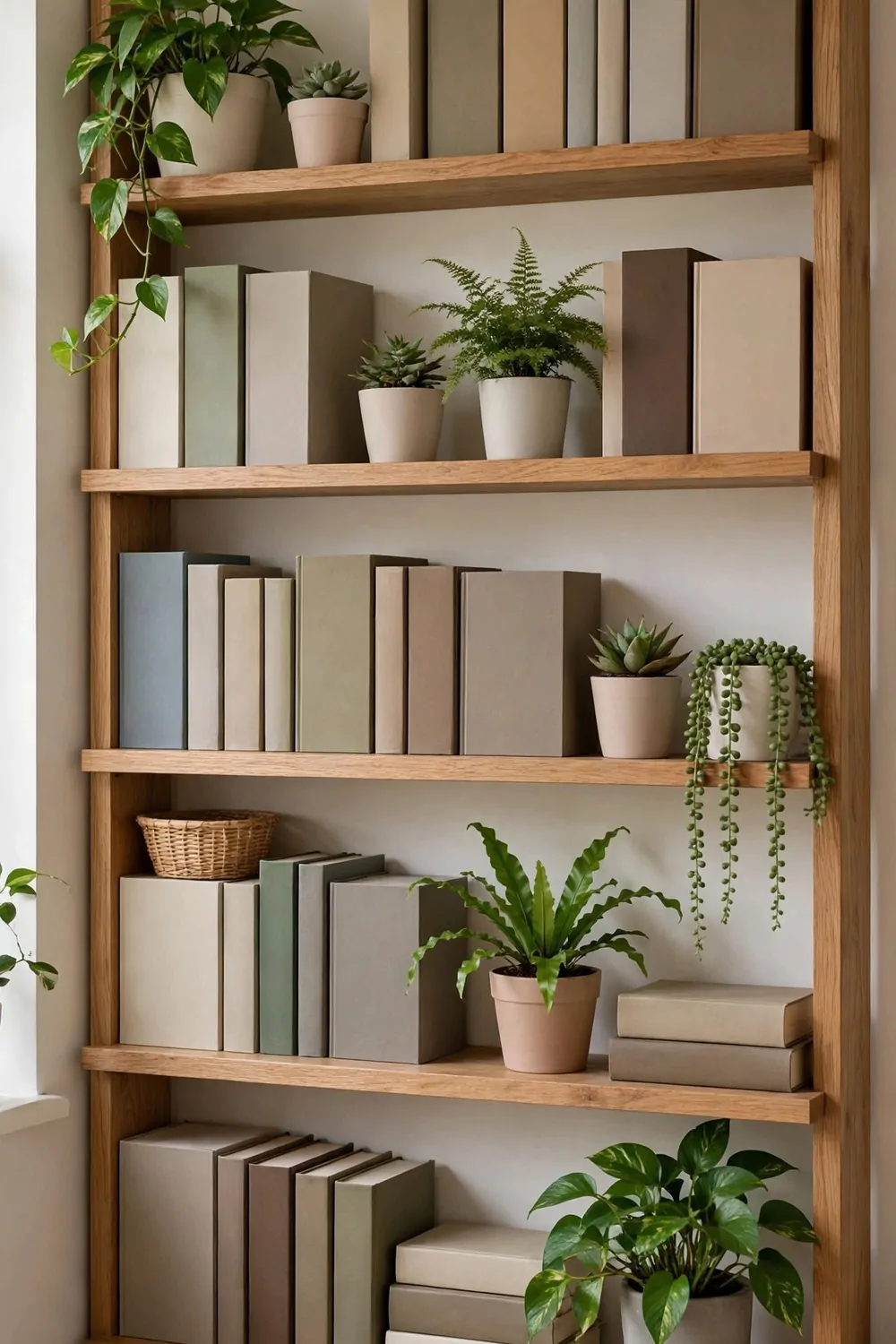
Books and plants are best friends on a shelf, and they make each other look better.
A green plant next to a row of books softens the straight lines. The leaves spill over the shelf edge and the books stand tall behind them. It looks alive.
Pick plants that like the same light your shelves get. If the wall is near a window, choose plants that love sun. If it is a dark corner, pick plants that do fine in shade.
Use small pots so the plants do not crowd the books out. A tiny pot on the end of a shelf is enough. The plant adds colour without taking book space.
Water your plants over the sink, not on the shelf. Spills ruin book covers fast. I carry the pot to the sink, water it, let it drain, and put it back.
Put trailing plants on the top shelf so they can hang down. They make the wall look tall and full. Just keep the leaves away from the books below.
Mix in a few empty spots between books for small plants. A gap here and there stops the shelves from looking stuffed. The plant fills the gap in a pretty way.
Choose pots in colours that match your room. Plain white or soft clay pots work with almost anything. Loud pots can fight with the book spines, so I keep mine simple.
Check the soil once a week with your finger. If it feels dry, water it. If it feels damp, wait. Healthy plants make the whole library wall feel fresh.
A Library in the Attic With Sloped Shelves
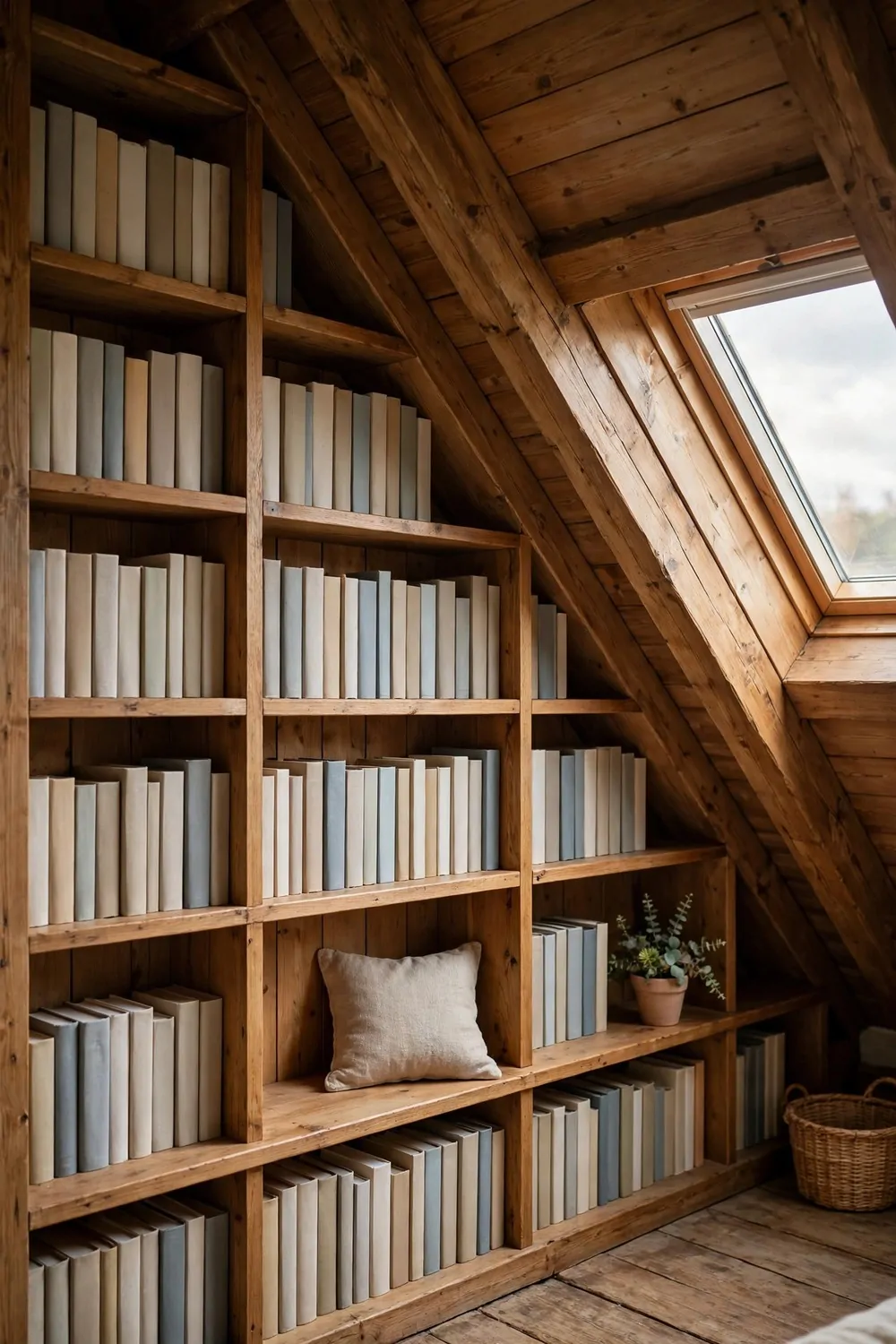
An attic with sloped walls is tricky, but it makes the cosiest library of all.
The roof slopes down on both sides, so normal tall shelves do not fit. Short shelves along the low walls use that awkward space perfectly. The books sit where the wall is too low for standing.
Build the shelves to follow the slope. Start tall in the middle and step down toward the edges. It looks like the shelves grew out of the roof shape.
Put the books you read most in the middle, where the ceiling is highest. You can stand there and browse. The low edges hold books you grab while sitting.
Add a low bench or a few floor cushions under the slope. You sit there to read, and the sloped ceiling feels like a tent around you. It is my favourite kind of cosy.
Use a soft rug on the attic floor. Wood floors in attics can be cold and creaky. A thick rug makes the space warm and quiet under your feet.
Put a small light on each low shelf. Attics can be dark, even in the day. Little lights along the shelves make the books easy to see and the room feel warm.
Keep the attic dry before you move books up there. Check for leaks after rain. Books and damp air do not mix, and a wet attic can ruin them fast.
Sort the books by size on the sloped shelves. Short books fit the low edges. Tall books go in the middle. It looks neat, and nothing gets squeezed or bent.
Shelves Around a Doorway
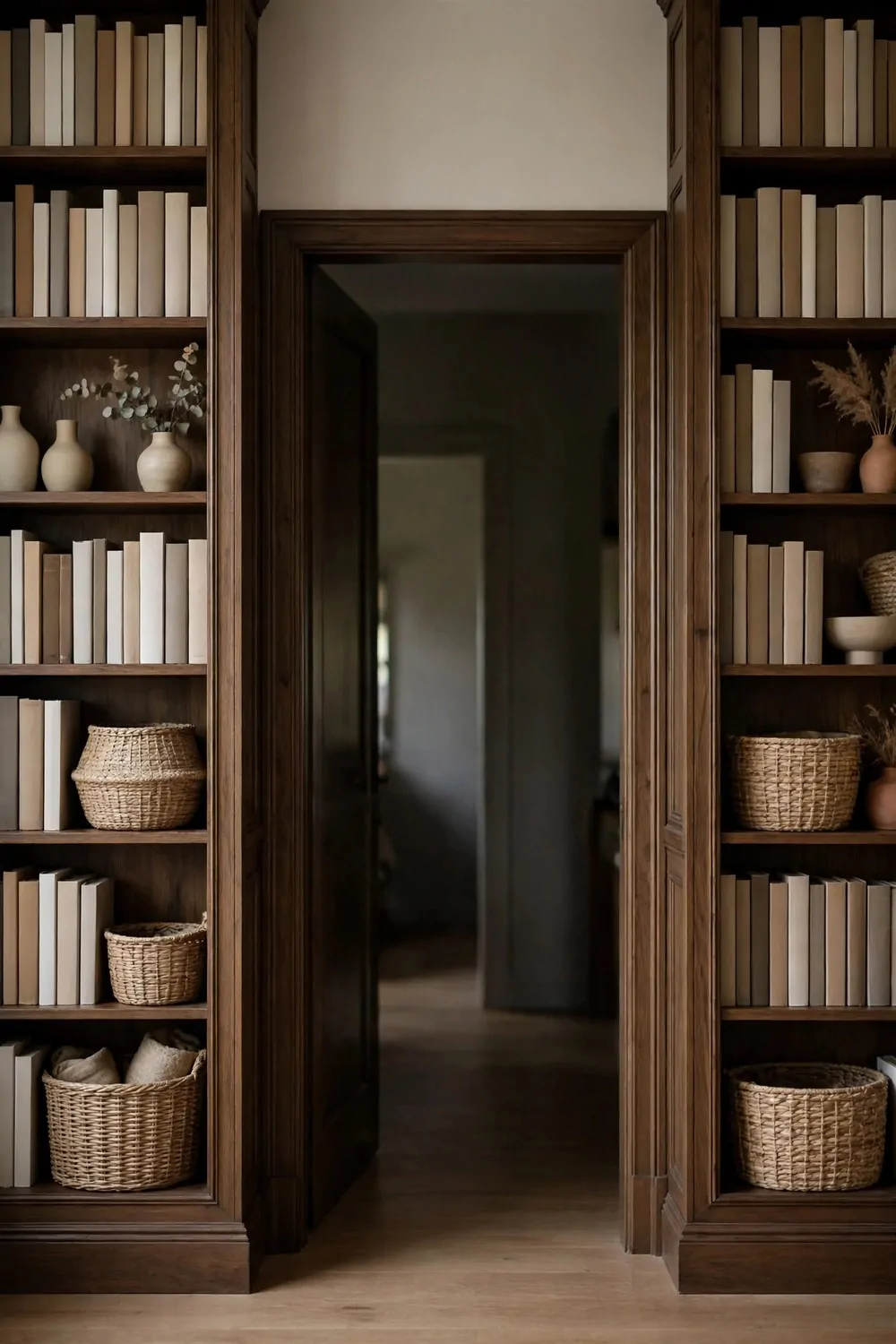
Framing a doorway with shelves turns a plain door into something special.
The shelves run up both sides of the door and across the top. You walk through a frame of books every time you enter the room. It feels grand, even in a small house.
Measure the door swing before you build anything. The door needs to open all the way without hitting a shelf. I leave a few inches of space on the hinge side, just to be safe.
Put your tallest books on the shelf above the door. Nobody reaches up there every day, so it is a good spot for books you love but do not grab often. They look lovely up high.
Keep the side shelves at arm height for daily reads. You pass the door a hundred times a day. A book at hand height gets picked up more than one tucked away.
Use a step stool for the top shelf, and keep it nearby. A small folding stool tucked beside the shelves is handy. Never climb on a chair to reach books, it is not safe.
Add a light above the doorway to wash the top shelf. It makes the whole frame glow at night. The doorway becomes the prettiest part of the room.
Leave a little gap between the shelf edge and the door frame. Wood moves a little with the seasons. A tiny gap stops the shelves from pressing on the frame.
Dust the top shelf once a week, because doorways stir up dust. A long duster reaches it fine. Clean shelves around a door make the whole entrance feel cared for.
A Library Wall With a Hidden Door
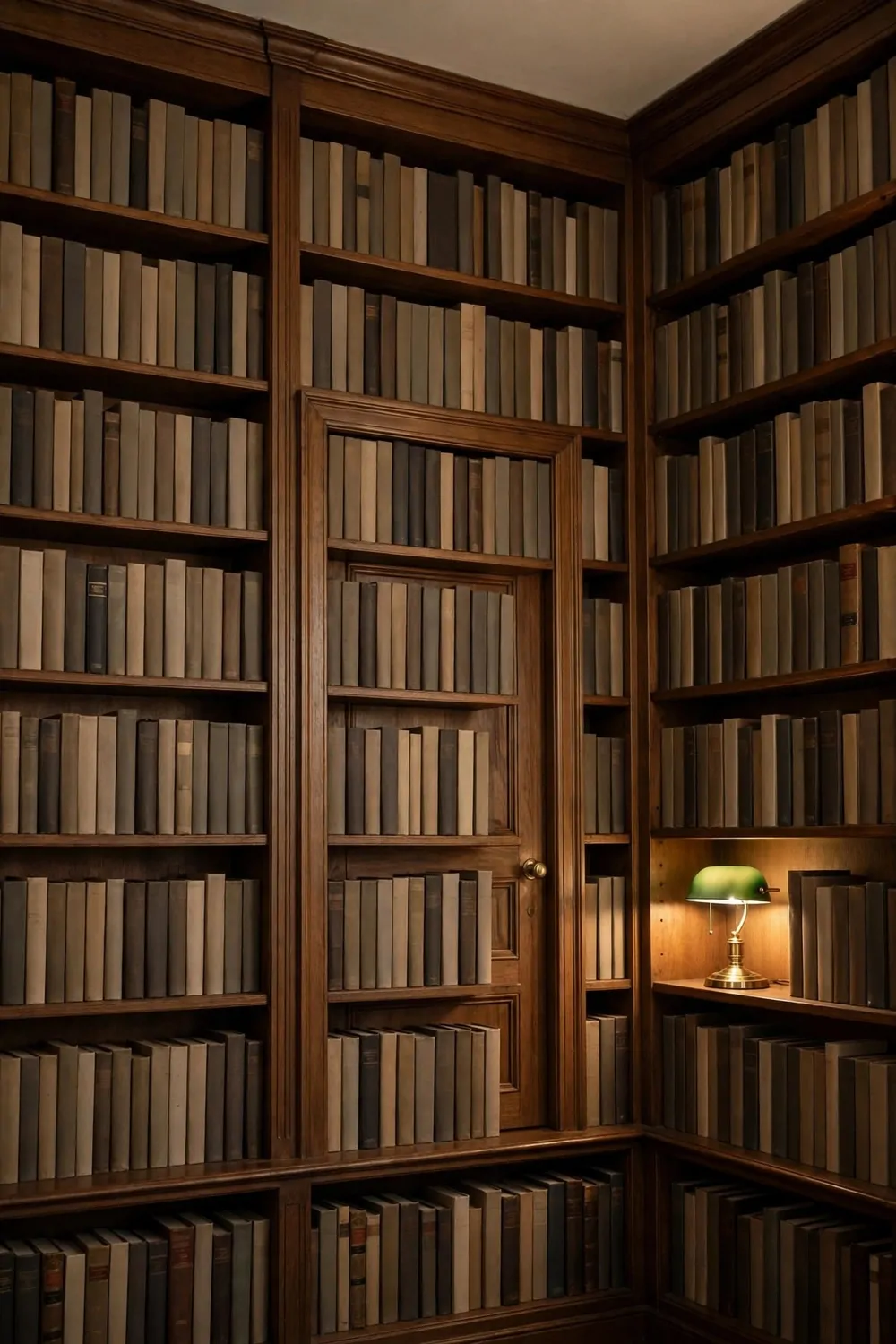
A hidden door in a bookshelf wall feels like a secret from a storybook.
The door looks like part of the shelves. The books sit on it, and it swings open when you push the right spot. Guests never guess there is a room behind it.
Build the door on strong hinges that can hold the weight of books. A normal door hinge will sag under that weight. Heavy hinges keep the door straight and easy to open.
Use light books on the door shelves, not the heavy ones. Heavy books make the door hard to swing. Paperbacks and thin reads are perfect for a hidden door.
Add a small handle or a push spot that only you know about. A tiny knob hidden behind a book works well. It keeps the secret, but you can still open it fast.
Keep the shelves around the door the same depth as the door shelves. If the door sticks out, people will spot it. When everything lines up flat, the door vanishes.
Put a soft light in the room behind the door. When you open it, the light spills out and the secret feels magical. It is a small touch that makes a big difference.
Check the door swing once a month. Books shift, and hinges loosen over time. Tighten a screw when you notice a wobble, before the door starts to stick.
Tell only the people you trust about the hidden door. It is fun to share the secret with family. But part of the joy is watching a guest walk past it without a clue.
A Small Library for a Rented Home
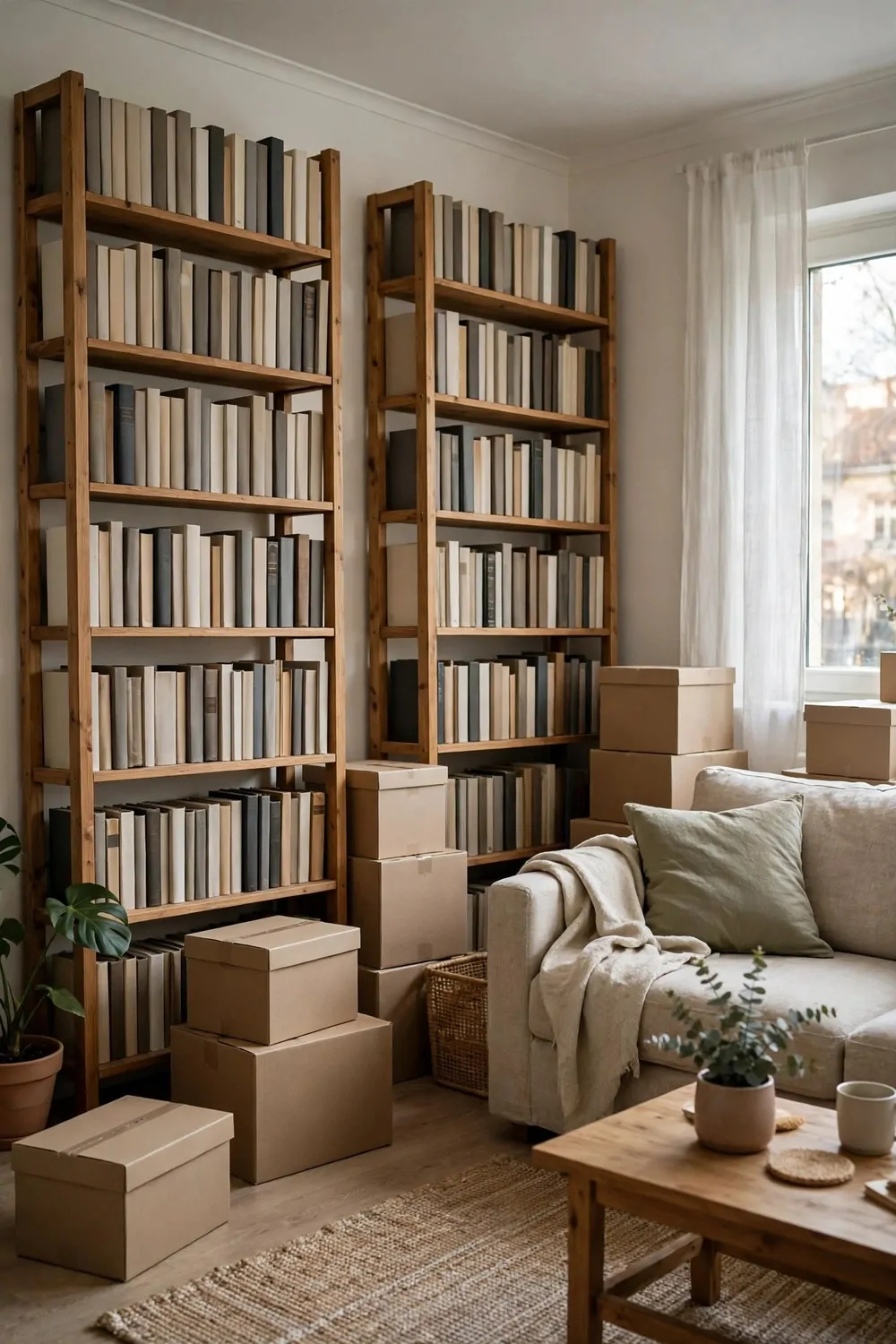
You do not need to own your home to have a beautiful library wall.
Renting means you cannot drill big holes or build shelves into the wall. But freestanding shelves give you the same look, and you can take them with you when you move.
Pick tall, narrow bookcases that stand on their own. Two or three side by side look like one big wall. They hold a lot of books without touching the wall at all.
Use removable hooks and strips for lights and small decor. They stick on and peel off without damage. Your landlord stays happy, and your shelves still look finished.
Sort your books by colour here if you like a tidy look. Rented rooms are often plain, and a colour-sorted shelf adds life fast. It costs nothing and looks great.
Keep the heavy books on the bottom shelves. Freestanding shelves can tip if the top is too heavy. Low and heavy keeps the whole unit steady and safe.
Add a small rug and a floor cushion in front of the shelves. It turns a plain corner into a reading spot. You do not need a big chair to feel at home.
Take a photo of the wall before you move in, and again when you move out. It shows the room was fine when you left. A little record keeps things simple with your landlord.
When you move, pack the books in small boxes, not big ones. Books are heavy, and small boxes are easy to carry. Your next home gets its library wall on day one.
| Project | Size | Typical cost | Time |
|---|---|---|---|
| One small shelf wall | 4 feet wide | 150 to 300 dollars a foot | One weekend |
| One full wall of shelves | 8 to 10 feet wide | 150 to 300 dollars a foot | A few weekends |
| A whole room, floor to ceiling | Whole room | 400 dollars a foot and up for premium work | A few weeks |
A Whole-Home Book Plan That Ties the Shelves Together
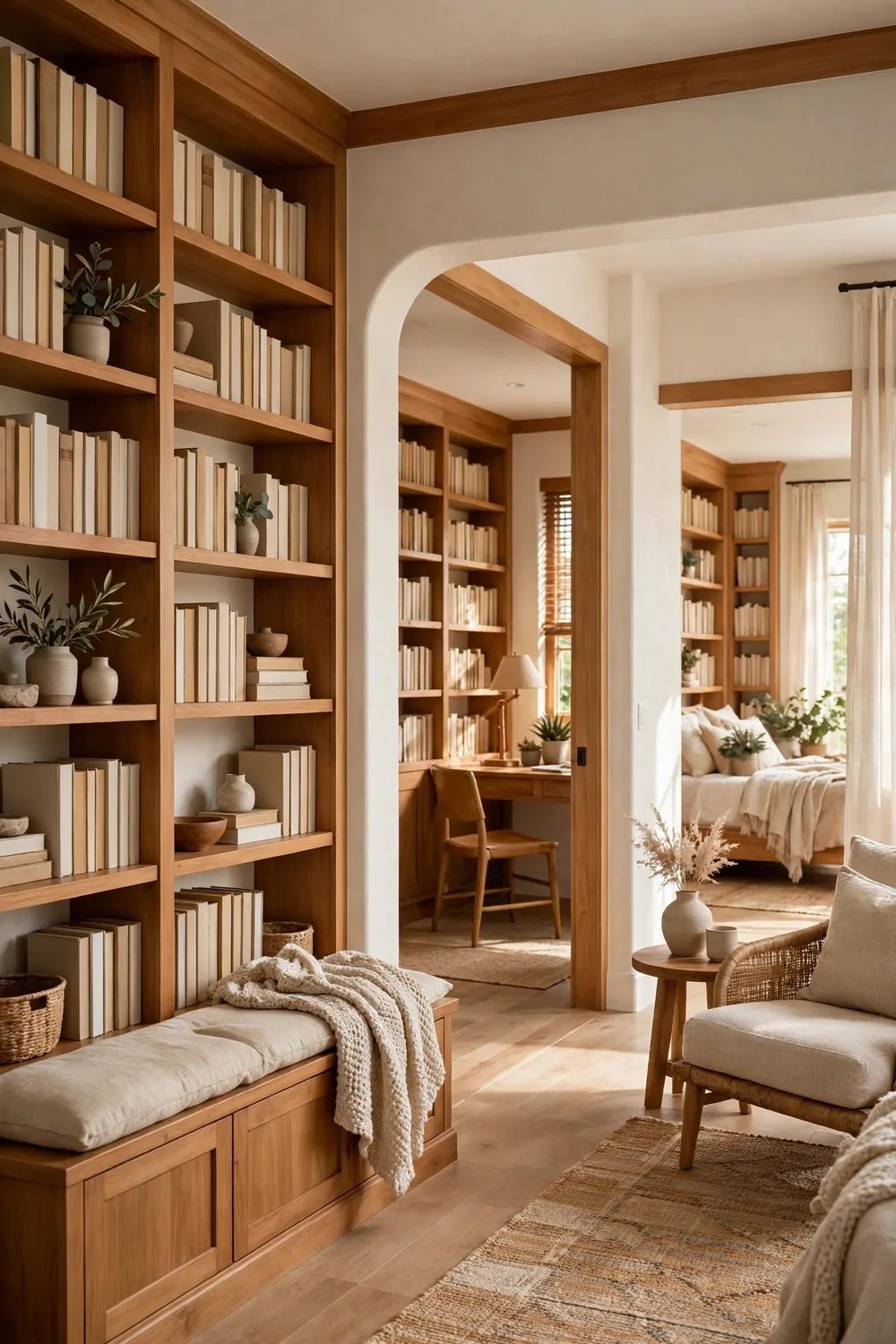
One shelf is nice, but a plan for the whole home makes every room feel connected.
I started by walking through my house with a notebook. I wrote down where I read in each room. The living room, the bedroom, the kitchen, they all had their own reading moments.
Give each room a small job in your book plan. The living room holds the books you share. The bedroom holds the calm reads for night. The kitchen holds the cookbooks and the quick reads.
Use the same shelf style in every room, even if the size changes. Same wood, same colour, same simple look. Your eye picks up the pattern, and the whole home feels like one library.
Keep a few books in every room, not all of them in one place. A small stack on the bedside table, a few on the kitchen shelf, a row in the hallway. Books everywhere means you always have one near.
Move books between rooms when your mood changes. A book you finished in the living room can move to the bedroom shelf. The plan is not fixed, it grows with you.
Add one shelf to a room you forgot about, like the bathroom or the laundry room. A tiny shelf with two or three light reads makes a dull chore feel better. I did this and I love it.
Write your plan on a simple list and stick it inside a cupboard door. It reminds you which room holds what. When you buy a new book, you know right where it goes.
Check your plan once a season and tidy the shelves. Books drift, piles grow, and rooms change. A quick seasonal tidy keeps the whole-home library feeling fresh and loved.
Keep Reading
If you liked these library ideas, you will love the other rooms we have shared on this site. Each one has the same simple style, with shelves that fit real homes and real budgets.
Take your time and look through them one by one. You might find a small idea that fits your home perfectly, or a big idea you want to save for later. Either way, there is something here for every kind of reader.
- 41 Custom Closet Lighting Ideas That Transform Your Wardrobe
- 30 Hidden Kitchen Storage Ideas That Make Small Spaces Look Expensive
- 41 Custom Kitchen Cabinet Organization Ideas Worth Stealing
- 35 Hidden Closet Storage Ideas That Maximize Every Inch
Start with one shelf, one wall, or one small corner, and let your library grow from there. Your home will feel warmer with every book you add.