24 Meal Planning Ideas That Save Time Every Week

Sunday night used to find me staring into the fridge, hungry and out of ideas, until I learned that ten minutes with a pen could save me five rushed evenings.
I used to shop with no plan at all. I would buy bits I liked and still have no dinner by six.
A small plan changed all that for me. Now I know what to cook before the week even starts.
You do not need a fancy system to do this. A pen and a plain page are all you need to start.
This week I will show you my best tricks. They are plain, quick, and easy to keep up.
Here are 24 meal planning ideas that save time every week, and each one takes only a few minutes to set up.
Pick one idea and try it this week. You will feel the calm by Wednesday, I promise you that.
1. Plan the Whole Week in Ten Minutes
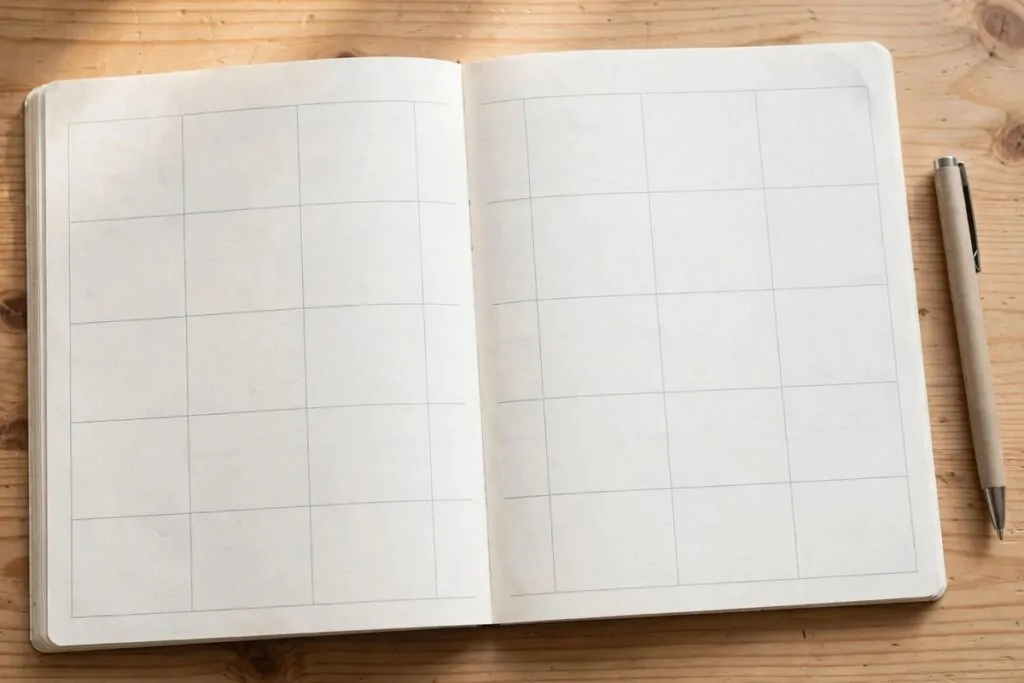
I sit down on Sunday with my planner and a plain pen. Ten quiet minutes is all I need to plan the week.
I start with the days I know will be busy.
I pick quick dinners for those nights first. Slow dinners go on the days with more time. Then I fill the rest with easy wins.
I write one dinner for each day of the week. That small list makes the whole week feel calm.
I keep the plan short so I can keep it up.
If a day changes, I just swap two dinners around. The plan bends, and that is why it works.
I look at what I already have at home first. That saves me from buying food I do not need. It also keeps my shop quick and cheap.
Those ten minutes save me stress all week long.
A plain pen cost $3 to $5. It is the only tool my whole week plan needs.
2. Keep One Page for Seven Dinners
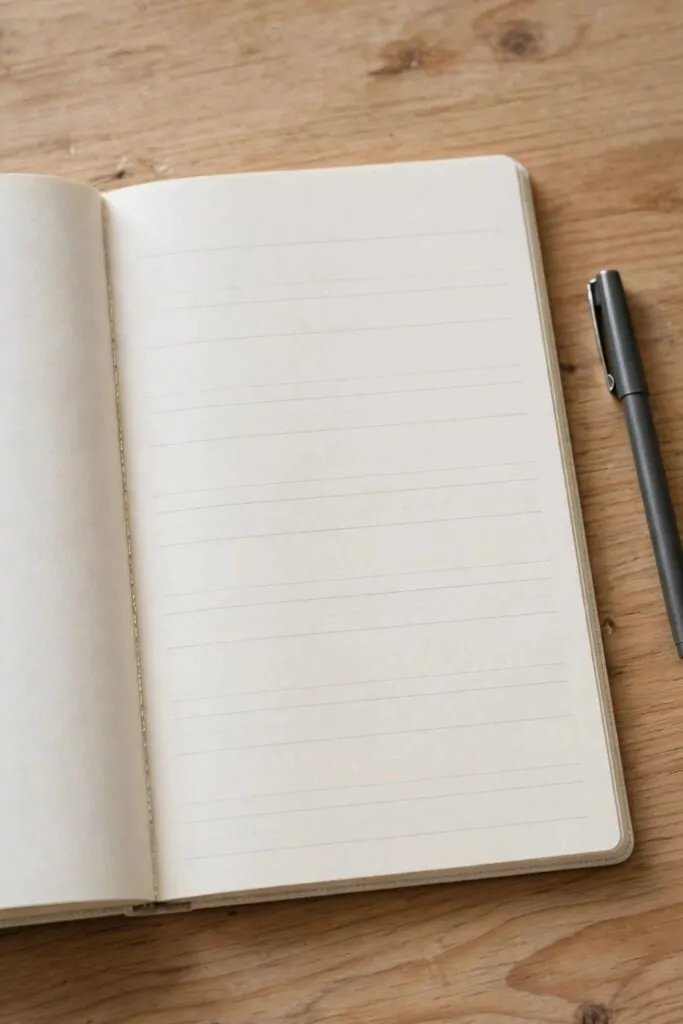
I write all seven dinners on one page.
I start with Monday and work down to Sunday. I pick one main dish for each night. I keep each pick short and plain.
I use the same page all week long. I check it each day before I start to cook.
That one page ends the nightly what-to-cook worry.
I keep my dinners plain and quick. Rice, beans, pasta, eggs, and veg soup cover most nights.
If I get bored, I swap in a new dish next week. The page stays the same, but the food changes. That keeps dinner fresh without extra work.
One page, seven dinners, no stress at night.
I write the page on Sunday, and it guides me all week. By Friday I am glad I did it.
A plain pen cost $2 to $4. It writes my whole week of dinners.
3. Write the Shopping List First, Not Last
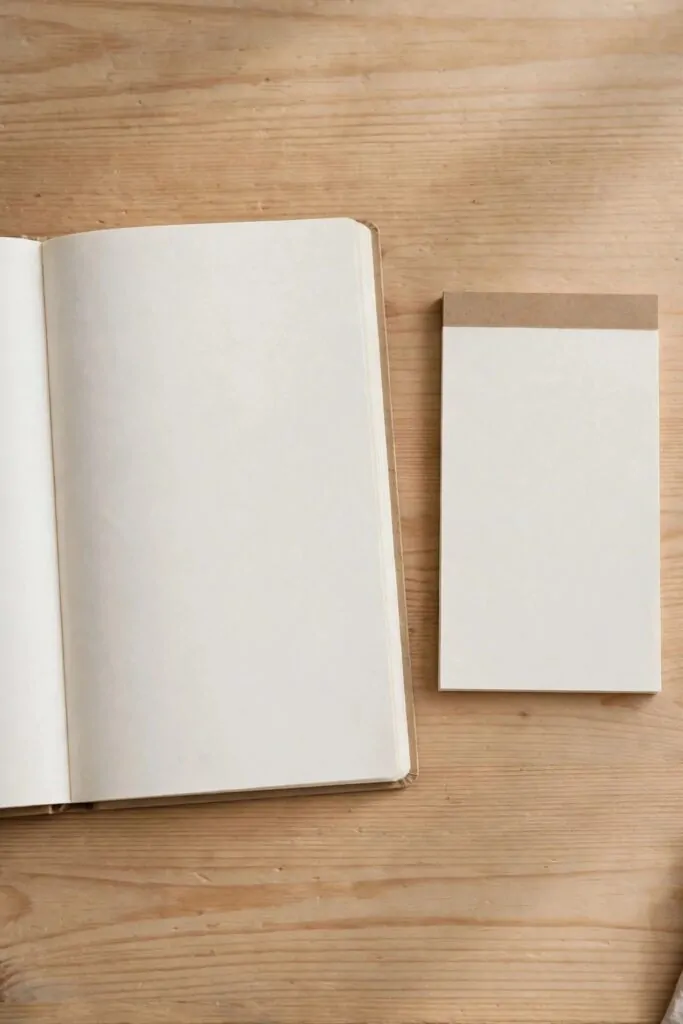
I write my shopping list before I go near the shop. I read my week plan first and note what each dinner needs. Then I add the plain bits like rice, oil, and eggs.
A list made first keeps my shop short and calm.
I take my small plain shopping list pad with me to the shop. I tick off each bit as I put it in the basket.
I group the list by shop aisle in my head. Fruit and veg first, then rice and pasta, then dairy last.
I never shop hungry now, and the list helps me stick to it.
If I forget the list, I buy too much and still miss one key bit. That used to happen to me every week. Now the list goes in my pocket before my keys do.
I keep the pad by my planner all week. When I run low on something, I add it to the list at once.
A good list means no second trip to the shop.
A small plain shopping list pad cost $4 to $6. It pays for itself in one saved trip.
4. Cook Once and Eat Twice
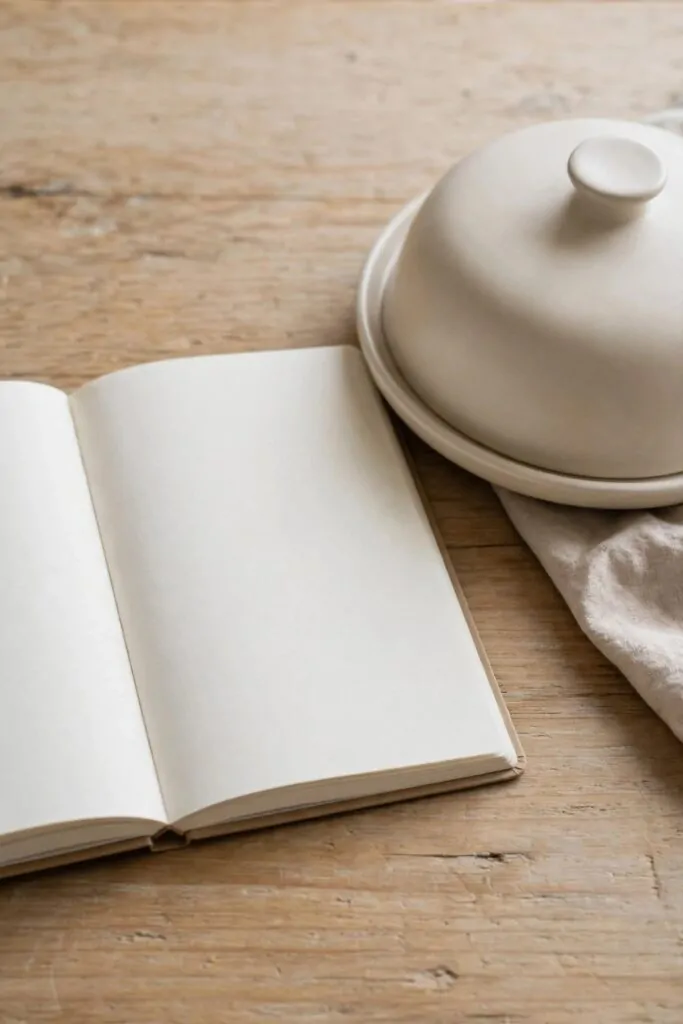
I cook a big pot of food on Monday night. Half serves that night, and half waits in a plain covered dish.
On Tuesday I just warm up the same dish. Dinner is on the table in ten minutes.
One cook, two dinners, half the work.
Rice, lentil soup, and pasta sauce all work well for this. I make a big batch and save the rest for the next day. The taste is just as good the second time.
I plan these double dinners on my busiest days. The planner tells me which nights need the easy win.
Leftovers are not a chore when you plan them in.
I let the dish cool a bit before I put the lid on. Then I put it in the fridge for the next day. A quick warm-up is all it needs.
The second night tastes just as good as the first. A quick warm-up brings it right back to life.
A plain covered dish cost $12 to $18. It keeps my second dinner fresh and ready.
5. Keep a List of Ten Fast Dinners
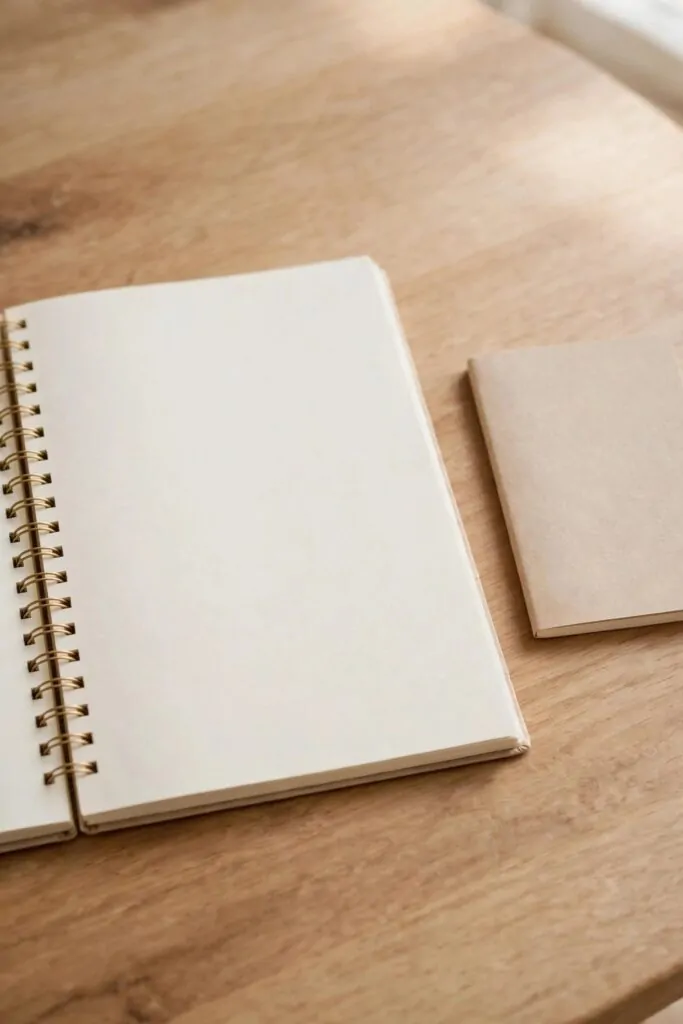
I keep a list of ten fast dinners in a small plain notebook.
These are the meals I can make in twenty minutes or less. When I am tired, I pick one and start cooking.
My list has pasta with veg, bean wraps, egg fried rice, lentil soup, and fish with rice. Each one needs only a few plain bits from the cupboard. I add a new fast dinner when I find one I like.
Ten picks is enough to cover two busy weeks.
I look at the list before I plan the week. I spread the fast dinners over the hard days. That way no night feels too much.
I write the list once and keep it for months. I cross out a dish only when I get bored of it.
A short list beats a long search every time.
New cooks can start with just five fast dinners. Add one more each week until you reach ten. Soon you will have a list you trust.
A small plain notebook cost $4 to $7. It is the best few dollars I spend on dinner.
6. Plan a Slow Cooker Day That Cooks Itself
I pick one day each week for my small plain slow cooker. I plan it on my busiest day so dinner takes care of itself. All I do in the morning is put the food in the pot.
Beans, lentils, and beef stew all work well in the pot. I add rice or bread at night and dinner is done.
One slow day a week saves me a whole evening.
I plan the slow day on Sunday with the rest of the week. That way I know which morning needs the early prep.
I chop the veg the night before when I have time. In the morning I add all the bits to the pot. Then I get on with my day while dinner takes care of itself.
By night, dinner is ready and waiting.
I write the slow day in my planner each week. It is the night I look forward to most.
Start with one slow day a week and see how it feels. Try beans first, as they are cheap and hard to get wrong. Soon you will want two slow days, not one.
A small plain slow cooker cost $28 to $42. It turns a busy day into an easy dinner night.
7. Make Friday the Easy Night
Friday is my easy night, and I plan it that way on purpose. After a long week, I want rest, not a big cook.
I pick a meal I can serve in ten minutes. Pasta, eggs, or a quick bean wrap all work well. I serve it on a plain plate and dinner is done.
An easy Friday keeps the whole week kind.
I write Friday first when I plan the week.
That one easy night gives me something to look forward to. It also gives me time to rest before the weekend.
If Friday feels hard, I swap in an even quicker meal. The plan bends so the night stays easy.
I keep Friday meals to five bits or less. Fewer bits means less shop, less prep, and less wash-up. A calm Friday night is worth more than a fancy one.
End the week easy, and start the next one fresh.
A plain plate cost $5 to $8. It serves my easy Friday dinner without any fuss.
8. Plan Breakfast the Night Before
I plan breakfast the night before, and mornings run so much smoother.
Five minutes at night saves a rushed morning.
I set out a small plain bowl and a plain spoon before bed. In the morning I just add oats and fruit and eat.
Oats, eggs, bread, and fruit cover most mornings for me. I pick one the night before so there is no choice to make at dawn. A set plan means a calm start to the day.
I note the next morning in my planner each night. One short note is all it takes to fix breakfast.
If I skip the night plan, my morning feels rushed and messy. I stand in front of the cupboard with no idea what to make. That one small plan stops all of that.
A planned breakfast is a gift to your morning self.
Try it tonight with just oats and fruit. You will love how calm the morning feels.
A small plain bowl cost $4 to $6. It is the first thing I reach for each morning.
9. Pack Lunches While Dinner Cooks
Dinner time already has me in the kitchen, so I use those same minutes to get tomorrow ready. I set the lunchbox on the counter and fill it while the food cooks.
This small habit saves me a rushed morning.
I start with the main part of the lunch, then I add a fruit and a small snack. I keep the lunchbox open so I can see what still needs to go in. When the food is cool, I close the lid and put it in the fridge.
I write the lunch plan in my planner while I wait for the pot. Some nights I pack two lunches at once. The second one is for the next day, and it stays cold in the fridge until we need it.
Leftovers make this job easy.
I save a little rice or pasta from dinner and put it straight into the lunchbox. I add a few slices of cucumber or carrot on the side. A small piece of cheese goes in too, and then the box is done.
I ask my kids what they want in the box the night before. Their answers help me pack fast and waste less food.
By the time dinner is on the table, tomorrow feels sorted.
A small plain lunchbox cost $3 to $5. It holds up for many weeks.
10. Keep a Pantry Shelf That Never Runs Out
I keep one shelf just for the foods we use every week.
Rice, lentils, pasta, and oats sit there in plain jars. I can see at a glance what we have and what we need.
When a jar gets low, I add it to my shopping list that same day. I do not wait until it is empty. That way I never run out in the middle of a meal.
I write the shelf list in my planner once a week. The list is short, and it stays the same most weeks.
I check the shelf before I plan the meals for the week. If we have plenty of lentils, I plan a lentil meal. If the rice is low, I plan around pasta instead.
This shelf saves me extra trips to the shop.
I buy the same few foods in bigger packs when they are on offer. I store the extra packs behind the jars I use each day. When a jar is empty, I fill it from the pack behind it.
A full shelf makes the whole week feel calm.
A small plain jar cost $2 to $4. It keeps food fresh for weeks.
| Idea | Main change | Typical cost |
|---|---|---|
| Plan the Whole Week in Ten Minutes | plan the whole week in ten minutes | $3 to $5 |
| Keep One Page for Seven Dinners | keep one page for seven dinners | $2 to $4 |
| Write the Shopping List First, Not Last | write the shopping list first, not last | $4 to $6 |
| Cook Once and Eat Twice | cook once and eat twice | $12 to $18 |
| Keep a List of Ten Fast Dinners | keep a list of ten fast dinners | $4 to $7 |
| Plan a Slow Cooker Day That Cooks Itself | plan a slow cooker day that cooks itself | $28 to $42 |
| Make Friday the Easy Night | make friday the easy night | $5 to $8 |
| Plan Breakfast the Night Before | plan breakfast the night before | $4 to $6 |
| Pack Lunches While Dinner Cooks | pack lunches while dinner cooks | $3 to $5 |
| Keep a Pantry Shelf That Never Runs Out | keep a pantry shelf that never runs out | $2 to $4 |
| Total | $67 to $105 |
11. Try One New Recipe Each Month
One new recipe a month is enough to keep our meals fresh without adding stress. I pick something simple, with foods we already like. I read the recipe twice before I start cooking.
I write the new recipe on a plain blank recipe card.
I keep the card beside my planner so I can find it on cooking day. I note the cooking time at the top. I also note which foods I need to buy for it.
Some months the new recipe is a soup. Other months it is a new way to cook lentils or vegetables.
I cook it on a quiet evening when I have time to go slow.
If we love the new dish, it joins our list of meals everyone likes. If we do not love it, I still learn something from trying it. I write a short note on the card about what to change next time.
My kids like to help pick the new recipe. They flip through my cards and point to one they want to try. Their pick often turns out to be a new favourite for the whole family.
One new dish a month adds up to twelve new meals a year.
A plain blank recipe card cost $1 to $3. It holds one recipe for years.
12. Keep a List of Meals Everyone Likes
I keep a list of the meals my family always enjoys.
The list lives on plain blank cards beside my planner, and I read it when I plan the week. I add a meal to the list only after we have tried it twice. I take a meal off the list if no one asks for it for a long time.
This list takes the hard thinking out of meal planning. I pick four meals from the list each week.
Then I add one easy meal and two meals that use what is already in the fridge. That mix keeps the week simple and full of foods we like.
I ask each person in the house to name one favourite meal for the list. My kids pick pasta with vegetables and lentil soup. I pick rice with beans and a soft vegetable stew.
The list grows slowly, and that is fine.
A short list is easy to use, and a long list can feel hard to choose from. I keep the list to the meals we truly enjoy.
When I feel stuck, I just open the list and pick.
A small stack of plain blank cards cost $2 to $4. It holds the whole meal list.
13. Plan Around What Is Already in the Fridge
I open the fridge before I plan any meal. I look at the vegetables, the eggs, and the leftovers first.
Planning starts with what we already have, not with a new shopping list. I write those foods in my planner. Then I build meals around them.
Half a bag of carrots can turn into a soup. A few eggs can turn into a quick lunch.
Leftover rice can turn into a warm dinner with vegetables and beans. I add a little spice and it tastes fresh again.
This habit cuts waste in a big way. I throw away far less food now. I also spend less money at the shop each week.
I keep a small plain basket beside my planner for the foods I need to use first.
When I shop, I put the new food behind the old food in the fridge. That way the older food gets used first.
The fridge stays tidy, and nothing hides at the back.
A small plain basket cost $4 to $7. It lasts for a long time.
14. Keep a Snack Box Ready for Busy Days

Busy days are easier when snacks are ready to grab. I fill a snack box at the start of the week. I put in fruit, crackers, and small pieces of cheese.
I keep the snack box beside my planner so I remember to fill it. I check it each morning before we leave the house.
I write the snack plan in my planner on Sunday night.
The plan is simple, and it takes only a few minutes to fill the box. I wash the fruit and cut it into small pieces. I pack the dry snacks in a small bag inside the box.
My kids know where the box lives. They can take a snack when they feel hungry. I do not have to stop what I am doing to find food for them.
I refill the box every evening after dinner. I add fresh fruit and take out anything we did not eat.
A ready snack box means fewer rushed trips to the shop. It also means we eat more of the food we already have at home.
On the busiest days, this little box saves the whole afternoon.
A small plain snack box cost $3 to $6. It lasts for many months.
15. Plan a Simple Beans and Rice Night
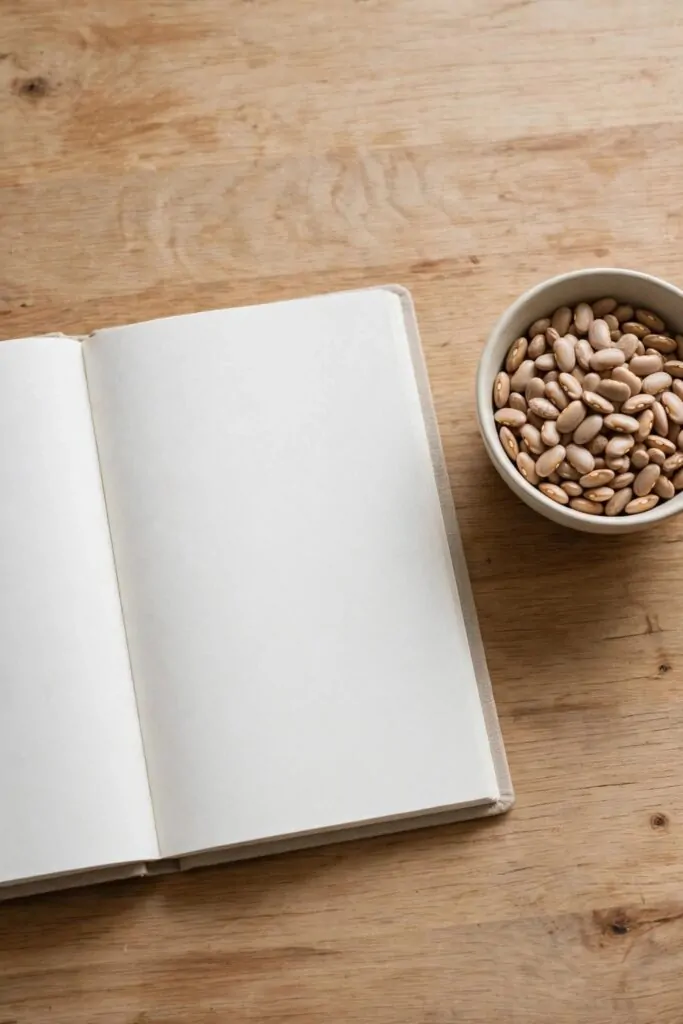
Beans and rice night is the easiest meal in my week. I soak the beans in the morning.
By dinner time they are soft and ready to cook. I boil the rice in a second pot. I add a little salt and a spoon of oil to the rice.
I write the plan in my planner so I do not forget to soak the beans. A bowl of dried beans sits beside my planner as a reminder.
While the food cooks, I set the table.
I put out plates, cups, and spoons for everyone. The meal is ready in one pot and one pan.
Beans and rice fill us up and cost very little. I serve them with a simple salad of tomato and cucumber.
My family likes this meal, so it stays on the plan every week. Some weeks I add lentils to the pot. Other weeks I add soft cooked vegetables.
One simple night makes the rest of the week feel lighter.
A small plain bowl cost $2 to $4. It holds the beans with ease.
16. Plan a Small Weekend Baking Hour
One hour on the weekend is enough for a small batch of baking. I pick one simple recipe and gather the flour, eggs, and butter first.
I write the baking plan in my planner on Friday night.
I keep the baking tray beside my planner so the plan stays in sight. I read the recipe once more before I start.
Plain muffins are our usual pick. They are quick to mix and quick to bake. My kids stir the batter while I measure the flour.
We bake just enough for two days, and no more. The muffins go into a plain box once they are cool.
Warm muffins with a cup of tea make the weekend feel slow and kind. I like that the house smells of fresh baking for a while.
This hour is not about a big feast. It is about one small treat made together.
Next weekend we pick a new simple recipe to try.
A small plain baking tray cost $5 to $8. It lasts for many weekends.
17. Mark the Busy Days on Your Plan
Some weeks feel hard because two busy days land back to back. I look at my week first and I mark the days when time feels short.
A plain pen and a small plain marker sit beside my open planner page while I work through the week.
I start with work days that run late. Then I add school runs and late meetings. Those days get the simplest meals I know.
A busy day does not need a new recipe. It needs a meal I can make with my eyes half closed.
I keep the plan for those days to one pot, one tray, or one bowl.
I write the busy days first, before I plan the calm days. That way the hard days never steal time from the easy ones.
If a day has a late finish, I plan leftovers for it. If a day has guests, I keep the food plain and quick. If a day feels full, I let the plan stay short.
I check the week once more before I put the pen down. Then the plan is ready for Monday.
A plain pen cost $3 to $5. I use the same pen for many weeks.
18. Put the Week on One Card by the Cooker
I keep one small plain card beside my open planner page while I plan the week.
I write each day in short words. I keep the meals plain and quick to make. I leave space at the end for notes and swaps.
A card works well because I can see all seven days in one look. I do not need to flip pages while I cook.
I read the card each morning before I start the day.
If a meal needs food from the shop, I add it to my list at once. If a meal feels too long, I swap it for a shorter one. If a day changes, I change the card to match.
The card stays short and plain. Long plans are hard to follow on a busy night.
I keep the words short so the card stays easy to read.
On Sunday I sit down with the card and the week ahead. I think about late days and free days. I pick meals that fit each day, not meals that fight it.
A small plain card cost $2 to $4. I use one card for each week.
19. Make a Big Pot of Soup on Sunday
Sunday gives me time to cook once and eat well for days. A big pot of soup helps the whole week feel calm. I make it while the house feels slow and quiet.
A plain soup pot with a lid sits beside my open planner page while I plan the soup days.
I pick lentils, beans, or plain vegetables for the pot. Those foods keep well and taste good the next day.
I cook the soup in the morning, when I have time to stir and taste. I let it cool before I pack it away. I put one part in the fridge for the next two days.
I keep the rest in boxes for later in the week.
A pot of soup saves time on busy nights. I warm a bowl, add bread, and the meal feels done.
I add a new flavour each week so the soup never feels dull.
If the week has late days, I plan soup for those nights first. Soup waits well and needs little work at meal time.
A plain soup pot cost $18 to $26. It serves my family for many weeks.
20. Count the Food Money Once a Week
I count the food money once a week, on the same day each week. That small habit keeps the food shop from growing too big.
A small plain lidded tin sits beside my open planner page while I count. I keep the tin closed while I work. I write the week total in my planner when I finish.
I start with the money I plan to spend on food for the week.
I split that sum into meals, snacks, and a small extra sum for surprises. Each part gets a plain limit I can hold.
I check last week first, before I set this week. If last week ran high, I plan plainer meals this week. If last week ran low, I keep the same plain meals and save the rest.
I shop with a short list and I stick to it.
A short list stops extra food from coming home with me. It also stops food from going stale in the fridge.
I count again at the end of the week and I note what changed.
A small plain lidded tin cost $4 to $6. It lasts for many weeks of counts.
| Idea | Main change | Typical cost |
|---|---|---|
| Try One New Recipe Each Month | try one new recipe each month | $1 to $3 |
| Keep a List of Meals Everyone Likes | keep a list of meals everyone likes | $2 to $4 |
| Plan Around What Is Already in the Fridge | plan around what is already in the fridge | $4 to $7 |
| Keep a Snack Box Ready for Busy Days | keep a snack box ready for busy days | $3 to $6 |
| Plan a Simple Beans and Rice Night | plan a simple beans and rice night | $2 to $4 |
| Plan a Small Weekend Baking Hour | plan a small weekend baking hour | $5 to $8 |
| Mark the Busy Days on Your Plan | mark the busy days on your plan | $3 to $5 |
| Put the Week on One Card by the Cooker | put the week on one card by the cooker | $2 to $4 |
| Make a Big Pot of Soup on Sunday | make a big pot of soup on sunday | $18 to $26 |
| Count the Food Money Once a Week | count the food money once a week | $4 to $6 |
| Total | $44 to $73 |
21. Plan a No-Cook Night Each Week
One night each week, I plan no cooking at all.
I set a plain empty plate beside my open planner page while I plan that night. The plate waits for food I have already made.
I pick leftovers, bread, cheese, and fresh fruit for that night. I set the food out in bowls on the table. Each person takes what they like and the meal feels easy.
A no-cook night gives the cook a rest. It also gives the week a soft pause in the middle.
I plan it for the busiest night of the week.
If the week has a late meeting, that night gets the no-cook plan. If the week has guests, I keep the food simple and ready. If the week feels long, I let the night stay free of pots and pans.
I still write the night in my planner. That way no one asks what is for dinner at the last minute.
I keep the food plain, fresh, and ready to serve.
A plain plate cost $3 to $5. It serves many no-cook nights.
22. Plan One Meal from the Market Each Week
The market gives me fresh food and new meal ideas each week. I walk past the stalls and I look at what looks fresh that day. One meal from the market keeps the week from feeling flat.
I keep a small plain market bag beside my open planner page while I plan that meal. I take the bag with me when I go to the market.
I pick one meal that fits the fresh food I find there.
If tomatoes look good, I plan a tomato and rice meal. If greens look fresh, I plan a green soup with bread.
I let the market lead the meal, not the other way round.
I buy just what I need for that one meal. I add it to my list before I leave home. I check the price before I pay so the meal stays in my food sum.
A market meal tastes fresh and feels special. It also helps me learn new foods through the year.
I write the market meal in my planner on the day I plan to cook it. I keep the steps short and plain. I cook it the same day so the food stays fresh.
A small plain market bag cost $4 to $7. It carries my market food home each week.
23. Keep a Spare-Meals List for Tired Days
Tired days still need food, so I keep a spare-meals list close by. The list holds meals I can make when my time and strength feel low.
A small plain folder sits beside my open planner page while I make the list.
I keep the folder for spare meals only. I add a new meal to it each time I find one that feels easy.
A good spare meal needs few steps and few pots. It needs food I often have at home. It needs to be ready in less than half an hour.
Rice and beans make a good spare meal. So do eggs, bread, and a plain salad.
I pick three spare meals and I keep them on the list.
If I feel tired, I pick the first meal on the list. I do not search for a new recipe that night. I cook the spare meal and I rest after.
I check the list once a month and I swap out meals we no longer like. I add meals that worked well on tired days. I keep the list short so it stays easy to read.
A small plain folder cost $3 to $5. It keeps my spare-meals list in one place.
24. Build Your First Meal Planning Kit in One Evening
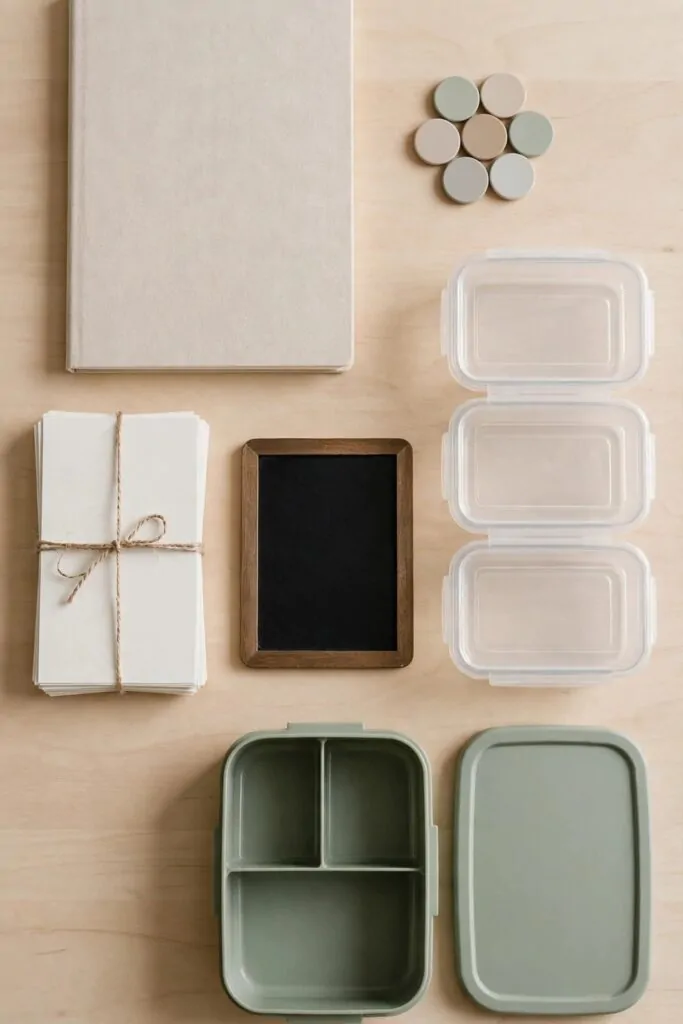
A first week of meal planning feels big, so start with a small kit.
A plain weekly meal planner notebook for writing each week in one strong book cost $5 to $7. I write the week in it each Sunday night.
A set of plain meal planning magnets for holding the week where you see it cost $3 to $4.
A pack of plain recipe cards for keeping your best meals on cards cost $2 to $3. I keep the cards near my planner so I can find them fast.
A small plain chalkboard for the kitchen for writing the week where all can see it cost $4 to $6.
A set of plain food storage boxes for keeping leftovers fresh and safe cost $4 to $6. I put leftovers in them after dinner. They keep food fresh for the next day.
A plain lunchbox set for packing lunches in one neat set cost $3 to $5. I pack lunches the night before so mornings feel calm.
All six items together come for a total of $21 to $31.
Start with one small list tonight, and let next week feel calm before it even begins.
| Idea | Main change | Typical cost |
|---|---|---|
| Plan a No-Cook Night Each Week | plan a no-cook night each week | $3 to $5 |
| Plan One Meal from the Market Each Week | plan one meal from the market each week | $4 to $7 |
| Keep a Spare-Meals List for Tired Days | keep a spare-meals list for tired days | $3 to $5 |
| Build Your First Meal Planning Kit in One Evening | build your first meal planning kit in one evening | $21 to $31 |
| Total | $31 to $48 |
| Idea | Main change | Typical cost |
|---|---|---|
| a plain weekly meal planner notebook | Write each week in one strong book | $5 to $7 |
| a set of plain meal planning magnets | Hold the week where you see it | $3 to $4 |
| a pack of plain recipe cards | Keep your best meals on cards | $2 to $3 |
| a small plain chalkboard for the kitchen | Write the week where all can see it | $4 to $6 |
| a set of plain food storage boxes | Keep leftovers fresh and safe | $4 to $6 |
| a plain lunchbox set | Pack lunches in one neat set | $3 to $5 |
| Total | $21 to $31 |
Keep Reading
If you liked these ideas, you will love these posts too
Each post has more simple ideas you can try at home this weekend.