28 Budget Planner Ideas That Make Money Simple

Money used to slip through my hands each month, and I never knew where it went until I gave it a plain page and a pen.
I keep my plan simple now. A plain page and a pen are all I need to see my money in one place.
Here are 28 budget planner ideas that make money simple, and each one fits on one plain page.
You do not need a fancy plan to start. You need a clear page, a pen, and a few quiet minutes.
I write my money plan down before the month starts. Then I can see what stays and what goes.
A plain page helps me slow down and think. I make one small choice at a time and I feel calm about money.
Pick one idea from this list and try it this week. A small plain step can change how your month feels.
1. Write Down Every Dollar You Plan to Spend
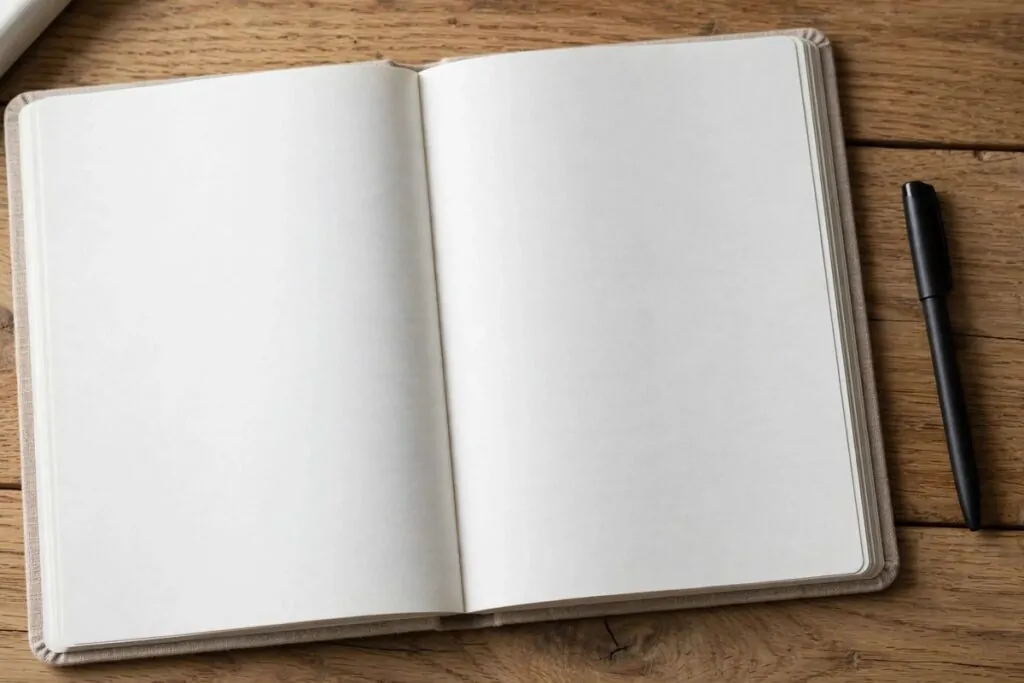
I sit down with my plain pen beside my open planner page. I write down each dollar I plan to spend. I do it before the month starts.
A clear list stops small leaks in my money plan.
I start with rent and food and light. Then I add bus fare and soap and other small needs, and I leave a line for fun so my plan feels kind.
When I write each dollar down, I feel calm. I know what I can spend and what I must keep.
My plain pen for the month plan cost $2 to $4.
It writes my whole month plan. I keep it beside my planner so I can reach it fast.
I check my list each night for one minute. I cross out what I paid and I add what I forgot. My plan stays true when I look at it each day.
You can start with just a few lines.
Write it down tonight and sleep well. Your money will feel plain and clear in the morning.
2. Give Each Dollar a Job Before the Month Starts
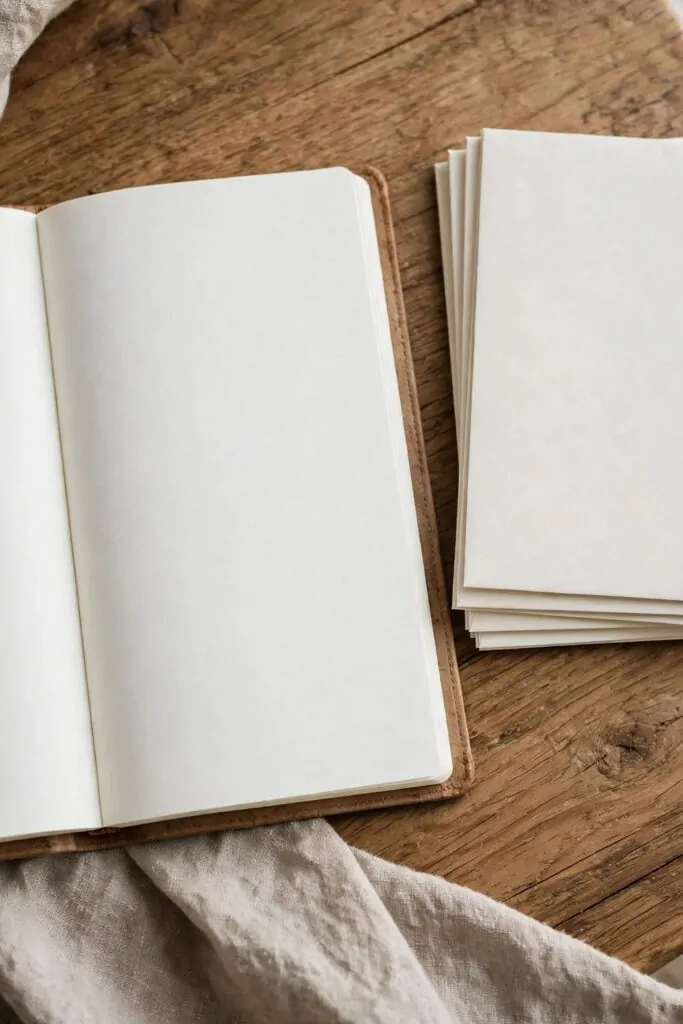
Before the month starts, I give each dollar a job. Each dollar knows where it must go.
I use one envelope for my food money, one more for bus money, and one more for soap money.
I write a job word on each envelope. I put the right cash in each one at the start of the month.
When cash runs low in one envelope, I see it at once. I do not take cash from food to pay for fun. I wait and I plan the next week with care.
A small stack of plain blank envelopes cost $3 to $5.
The stack stays beside my planner on my desk. I can see each job in one glance. My month feels calm when each dollar knows its place.
You can try this with a few jobs first. Food and bus and soap make a good start.
Give each dollar a job and your month gets easy.
Start tonight before the new month comes. Your money will have a clear path to follow.
3. Track Every Dollar for One Whole Week
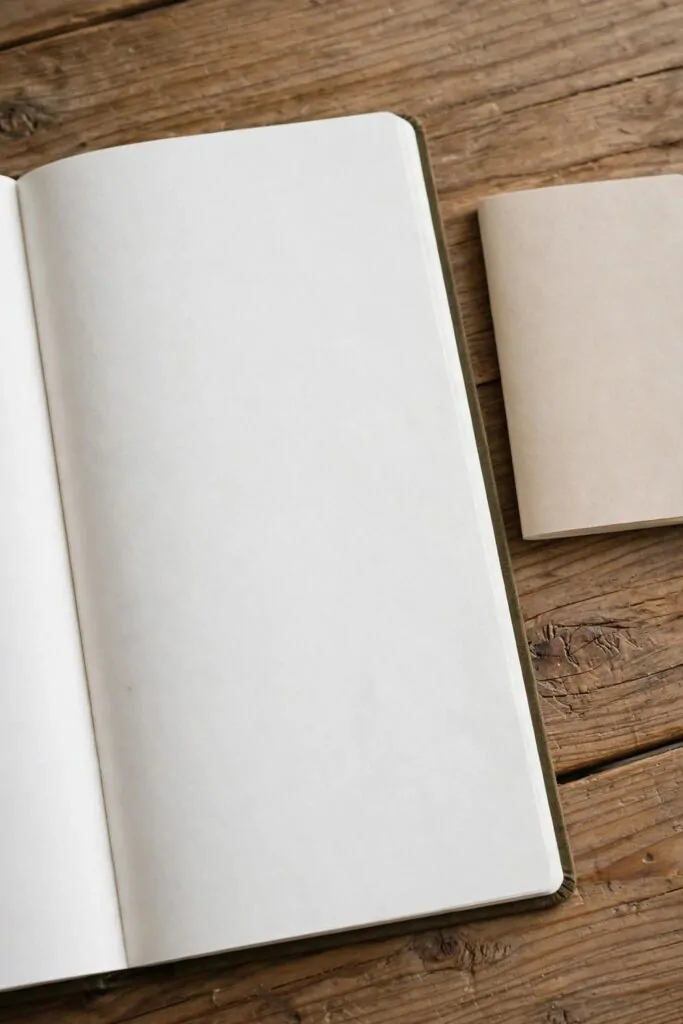
One week can teach you a lot about your money. I carry my small plain notebook beside my planner. I write down each dollar I spend as soon as I spend it.
Small spends hide in plain sight until you write them down.
I note my morning tea and my lunch and my bus fare. At night I add the small bits I forgot in the day.
A small plain notebook cost $4 to $6.
It stays beside my planner so I never lose it. I flip it open and write fast before I forget.
After seven days, I look back at my notes. I see where my money went most. I pick one small leak to fix next week.
You do not need neat handwriting, just true numbers.
Write each spend down the same day. Your week will tell you a true tale about your money.
Try it for one week and see what changes.
4. Keep One Page for the Whole Month
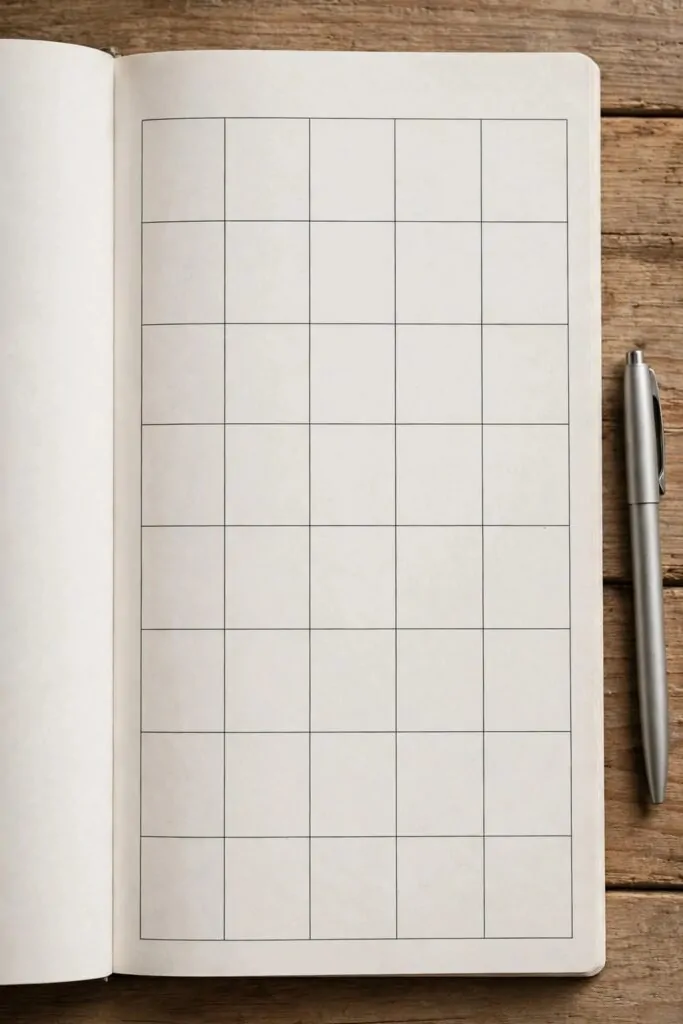
My whole month fits on one plain page. I keep the blank month grid open beside my plain pen.
I mark each bill day with a plain dot. I mark each pay day with a plain mark in the corner of its box. I leave the rest of the grid blank till the days come.
One page keeps my month in one place.
I look at the grid each morning for a short time. I know what is due and what can wait.
A plain pen cost $2 to $5.
It marks my month grid with clear lines.
When a bill moves, I cross it out and write the new day. I do not need a new page for one small change. My month stays plain and true on one page.
You can start with this month only. One page is all you need to see it all.
Keep it open on your desk through the month. A short look each day keeps you ahead of each bill.
5. Split Your Money Into Plain Paper Envelopes
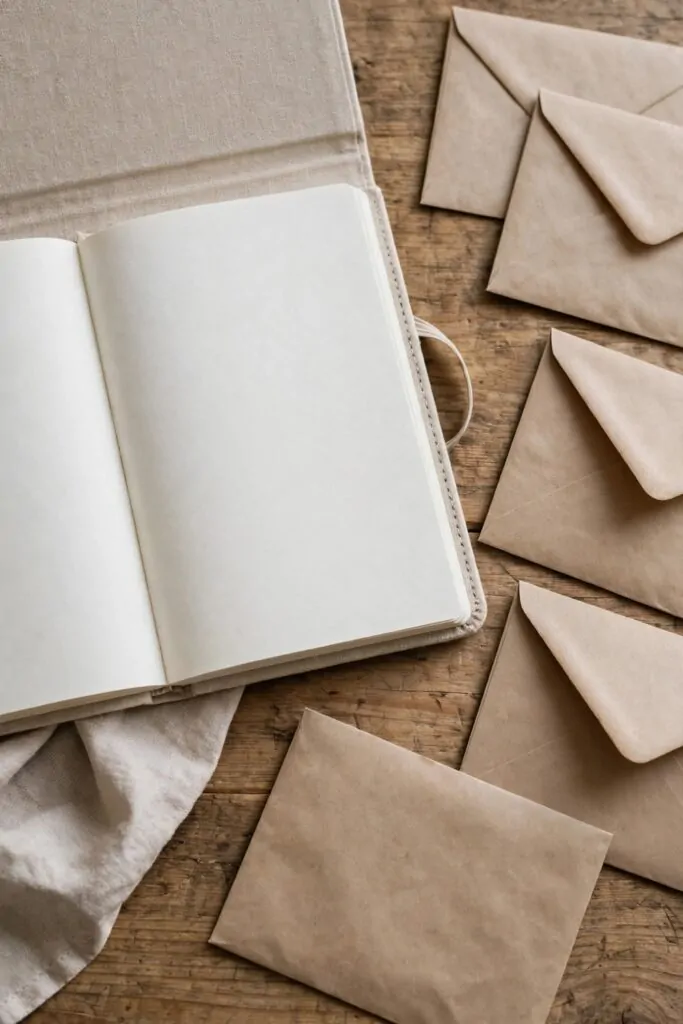
Plain paper envelopes help me split my money with care.
I label one for food and one for bus fare. I label one more for soap and one more for small needs. Each envelope gets only the cash for its own job.
When an envelope feels light, I know to slow down. I keep each job apart and I wait for the next week.
I keep the envelopes beside my planner. I can pick the right one in a quick glance.
Several plain paper envelopes cost $3 to $6.
They last the whole month with ease. I write the job word in plain letters on each one.
You can split your money tonight in ten minutes.
Start with food and bus and soap. Add one more envelope when you feel sure. Your money will sit in neat piles, each with its own job.
Split it plain and simple. Your month will feel light and free.
6. Plan Your Food Money First Each Week
Food money comes first each week in my house. I plan it before I plan fun or bus fare.
A small plain shopping list pad for my food plan cost $2 to $3.
It stays beside my planner through the week.
I write down rice and lentils and bread for the week. I add milk and eggs and fresh greens for each day. I check my food cash first and I keep the list short.
When I shop with a list, I buy less extra stuff. I come home with what I need and I feel calm.
I plan three plain meals a day from my list. I cook at home more and I waste less food. My food money lasts till the week ends.
Plan food first and the rest feels easy.
You can write your list on Sunday night.
Try it for one week and watch your food cash last. A short list can save a lot of worry.
7. Save a Little Money Before You Spend Any
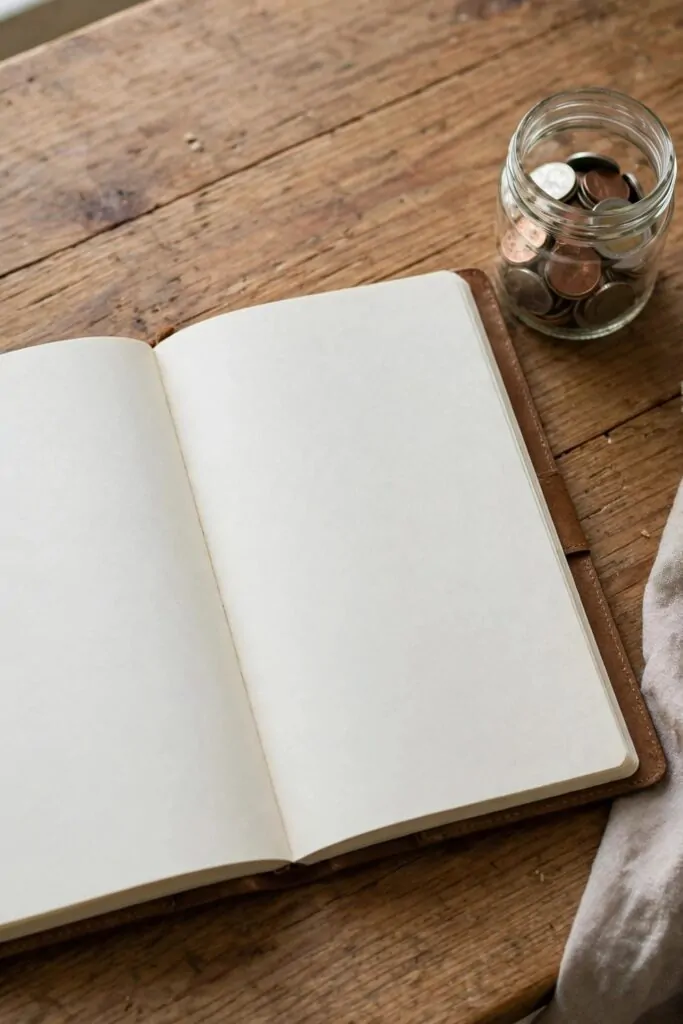
I pay myself first each time money comes in. I drop a few coins in my small plain coin jar. I do it before I spend on food or bus fare.
The jar stays beside my planner on my desk. I see it each day and I feel proud of each coin.
A small plain coin jar cost $3 to $4.
It keeps my spare coins safe in one place.
I save a little each week, never a lot at once. Small drops soon make a good pile for a hard day.
You can start with one coin a day.
When the jar feels heavy, I count it with care. I move the coins to a safe tin for keeps. I start fresh with an empty jar and a plain plan.
Saving first makes the rest of the month calm. I spend what is left with a clear mind.
Save a little first and watch it grow.
8. Keep a List of Bills and Their Dates
Bills feel less scary when I see their dates in one place.
I keep a small plain blank wall calendar beside my planner. I write each bill name and its due day in plain words.
I mark rent at the start of the month. I mark light and water in the middle of the month. I mark bus pass near the end so I never miss it.
Each morning I glance at the calendar for a short time. I know what is due this week and what can wait. I set cash aside for each bill before its day comes.
A small plain blank wall calendar cost $4 to $5. I look at it each morning before I plan my day.
No bill can sneak up on me now.
You can list your bills in five minutes tonight. Write each one with its due day and rest easy.
A plain list keeps late fees far from your door.
Keep the list close and pay each bill on time.
9. Round Up Your Spending to the Next Dollar
Small coins add up fast when you keep them. I round up each spend to the next whole dollar.
I pay for tea and the change goes in my pile. I pay for bus fare and the spare coins join the same pile.
A small pile of plain coins can start with $1 to $2.
I keep the pile beside my planner in a plain spot. I add to it each night before I sleep. I never take coins back out for small wants.
Rounding up feels easy and painless.
At the end of the week I count my pile with care. I put the coins aside for a hard day.
You can round up one spend a day to start.
Try it with your morning tea first. Round the price up and keep the rest. Your pile will grow a little each day.
Small rounds make a big change by month end.
10. Plan One No-Spend Day Each Week
One day each week, I plan to spend no money at all.
A plain closed wallet cost $4 to $7.
I keep my wallet closed beside my planner all day. I do not open it for tea or snacks or small wants.
I cook from what I have at home that day. I drink water and I read and I rest at home.
My no-spend day gives my money a rest. It shows me I need less than I think. I feel light and proud when the day ends.
You can pick Sunday or any quiet day.
Tell your house what day you pick. A clear plan makes the day easy for all.
I mark the day with a plain dot on my week plan. I look forward to it as a calm break. My money stays safe and my mind stays clear.
Try one no-spend day this week. You will save a little and feel strong.
| Idea | Main change | Typical cost |
|---|---|---|
| Write Down Every Dollar You Plan to Spend | write down every dollar you plan to spend | $2 to $4 |
| Give Each Dollar a Job Before the Month Starts | give each dollar a job before the month starts | $3 to $5 |
| Track Every Dollar for One Whole Week | track every dollar for one whole week | $4 to $6 |
| Keep One Page for the Whole Month | keep one page for the whole month | $2 to $5 |
| Split Your Money Into Plain Paper Envelopes | split your money into plain paper envelopes | $3 to $6 |
| Plan Your Food Money First Each Week | plan your food money first each week | $2 to $3 |
| Save a Little Money Before You Spend Any | save a little money before you spend any | $3 to $4 |
| Keep a List of Bills and Their Dates | keep a list of bills and their dates | $4 to $5 |
| Round Up Your Spending to the Next Dollar | round up your spending to the next dollar | $1 to $2 |
| Plan One No-Spend Day Each Week | plan one no-spend day each week | $4 to $7 |
| Total | $28 to $47 |
11. Write a Simple List Before Every Shop
I write my list before I leave home. It keeps my shop trips short and calm.
A list stops me from buying things I do not need.
I look in my cupboards first and I note what is low. Then I add only those things to my list. My list stays short and I feel clear about it.
I keep my pencil beside my planner on my desk. I pick it up when I sit down to plan.
A plain pencil cost $2 to $4.
I cross each thing off as I buy it. That small mark feels good and keeps me on track.
If I think of one more thing, I add it to the list before I go. I do not trust my head to hold it all. My list holds it for me till I get back.
You can try this too with a short list first.
A short list saves time at the shop. It also saves money week after week.
12. Keep a Jar for Spare Coins and Notes
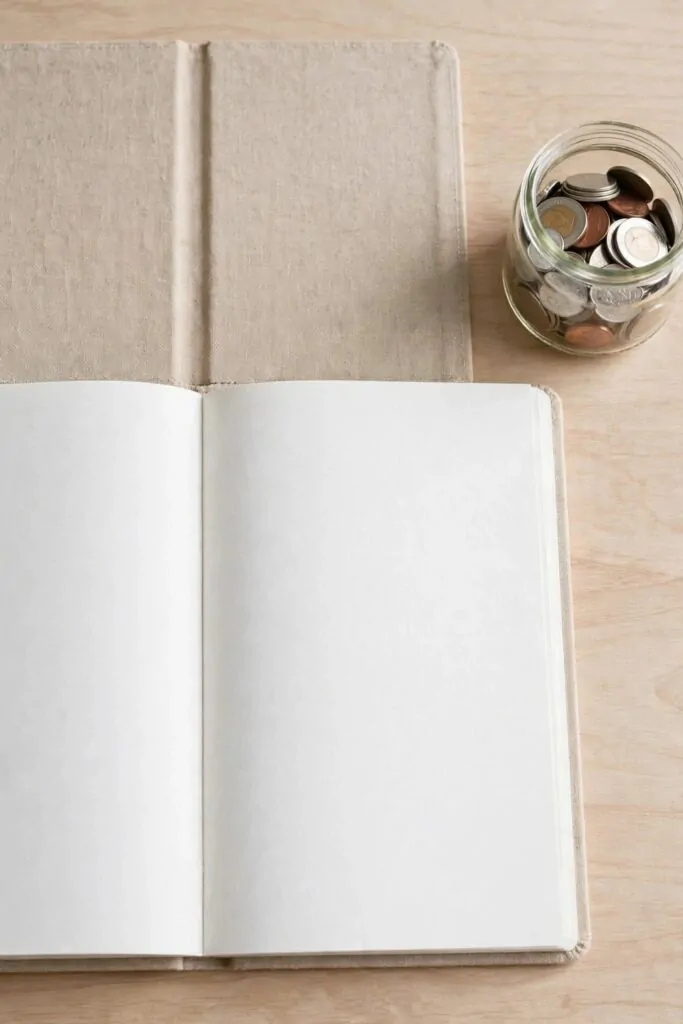
I keep a clear glass jar on my desk for spare coins.
After a shop trip I drop my small change into it. The jar fills up bit by bit.
I add notes too when I have a spare one. I fold each note flat and slip it in.
The jar sits beside my planner where I can see it. I like to watch the coins grow over the weeks. It makes saving feel real to me.
A plain glass jar cost $3 to $5.
Once a month I tip the jar out and count what is there. I write the total in my planner with care. Then I put the money back into the jar for my next goal.
My kids like to add their spare coins too. It turns saving into a small family habit.
A full jar can pay for a small treat or a plan.
You do not need a big jar to start. A small jar works just as well for spare change. Start with the coins in your pocket today.
13. Check Your Plan Every Sunday Night
Sunday night is my quiet time to look at my plan. I sit at my desk with my planner open beside me. I take a slow look at the week ahead.
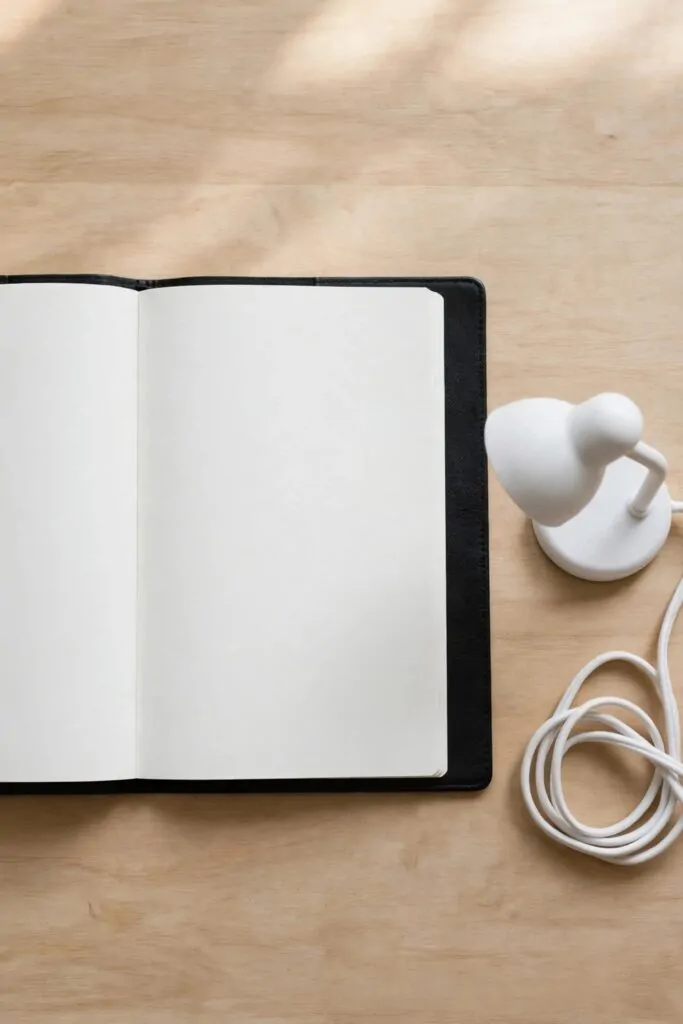
My small lamp sits beside my planner on the desk.
I look at what I spent last week first. Then I look at what I still need to pay for.
That quick look keeps me from bad shocks later.
I move money in my head from one plan to the next when I must. I keep the moves small and plain. I write the new plan down before I forget it.
A small plain lamp cost $4 to $6. It stays on my desk all week long.
Ten short minutes is all this check needs.
You can pick your own night if Sunday does not suit you. The key is to keep the same night each week.
I sleep better when my plan is clear. Monday feels calm when I know where my money goes.
14. Plan for Fun Money So You Do Not Feel Stuck
I set a small bit of money aside for fun each week. It stops my plan from feeling too tight.
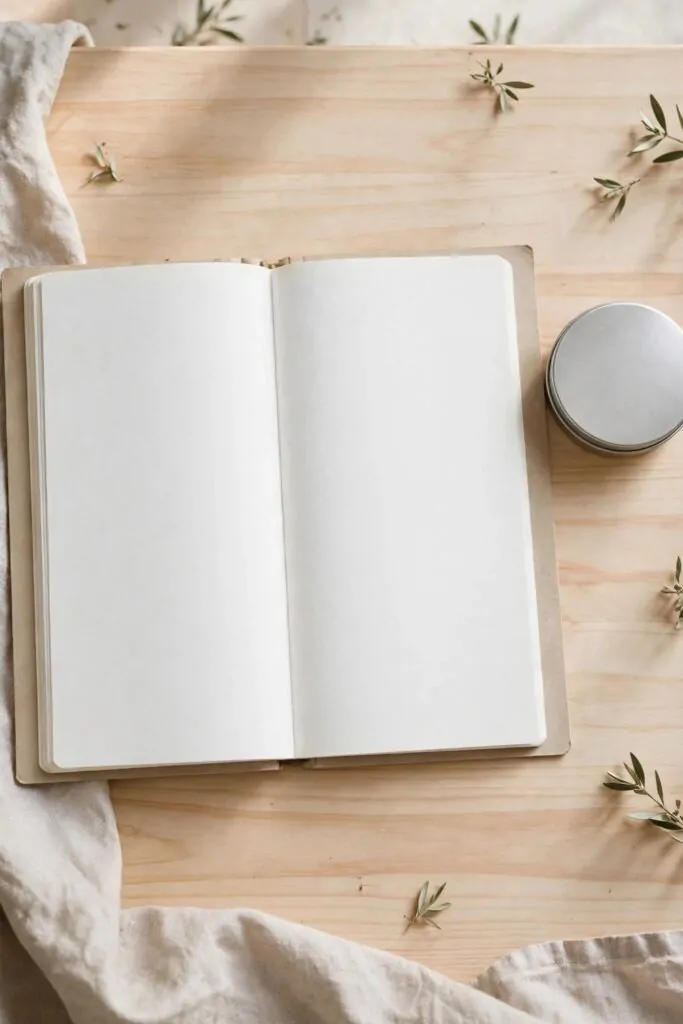
My small round tin sits beside my planner and keeps that fun money safe. I put coins in it when I can. The tin stays closed till I need it for a treat.
A small plain tin cost $2 to $4.
Fun money can pay for a walk snack or a small game. I pick one small treat and enjoy it.
When the tin is empty I do not feel sad about it. I know more fun money will come next week. My plan still works because I planned for fun first.
You can start with a very small bit each week.
I write my fun money in my planner each Sunday. That way I never spend it by mistake.
A plan with no fun in it is hard to keep. I tried a tight plan once and I gave up fast. A little fun keeps me going month after month.
Give yourself a little fun and your plan will last.
15. Save for One Big Thing a Little at a Time
I pick one big thing I want and save for it bit by bit.
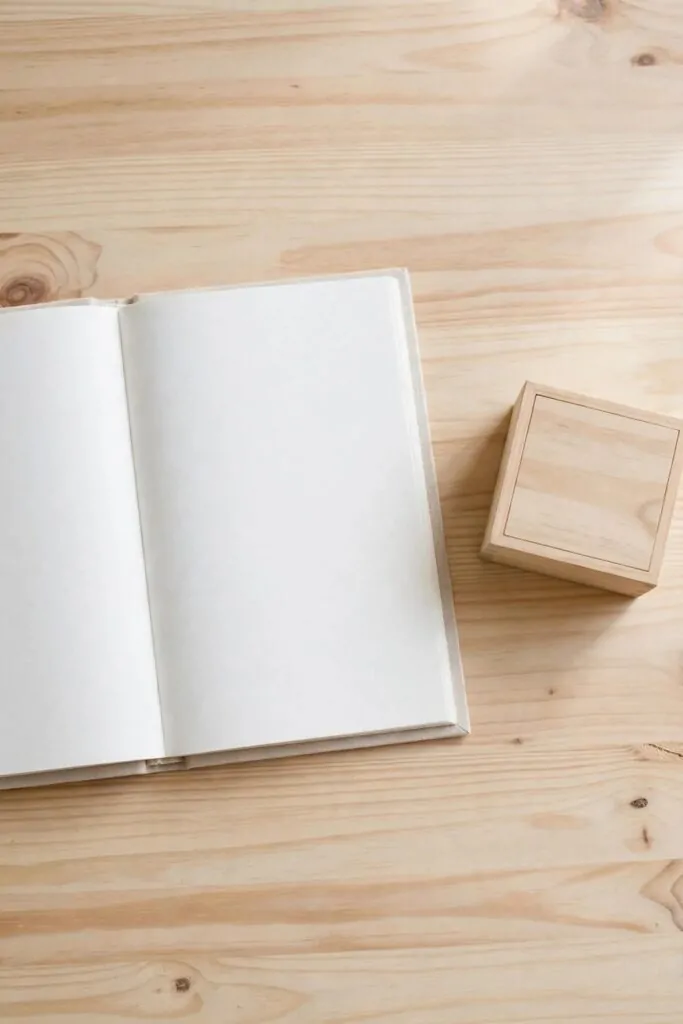
My small wooden box sits beside my planner on my desk. I drop spare coins into it when I can. The box stays closed and keeps my savings safe.
I write the name of my big thing in my planner. That name keeps me going when I want to spend.
A small plain wooden box cost $3 to $6.
I do not need to save a lot each week. A little bit each week still adds up fast.
Some weeks I save more and some weeks I save less. Both kinds of weeks are fine with me. What counts is that I keep adding a little.
I count what I saved each month and feel proud.
You can pick a big thing too, like a new chair or a trip. Start with the coins you have today.
Big things feel far away at the start. A little saving each week brings them close. One day you will have all you need for it.
16. Keep a Page for Shared Money With Family
My family shares some money for food and home things. I keep one page in my planner just for that shared money. It helps us all see what we spent.
I write each shared cost down as soon as I can. My family can look at the page too when they need to.
A plain folder cost $2 to $4.
My small plain folder sits beside my planner on my desk. I keep our shared money notes in it. It keeps our papers neat in one place.
Each week we sit and look at the shared page together. We talk about what we need next.
No one feels left out when the plan is clear.
If one of us pays for a shared thing, we write it down. That way no one pays twice by mistake. Our money stays fair for all of us.
You can try this with your family too. One page and one folder is all you need to start.
Shared money feels light when we plan it as a team.
17. Plan Your Meals to Fit Your Food Money
I plan my meals before the week starts. It helps my food money last till Sunday.
A plain recipe card cost $1 to $3.
My small blank card sits beside my planner on my desk. I write my meal ideas on it when I plan.
I pick meals that use what I have at home first. Then I add only the missing foods to my shop list. That way I buy less and waste less too.
I keep my meals simple with rice, bread and veg. Simple meals still fill us up and taste good.
My family likes to help pick meals for the week.
On busy days I plan a quick meal that takes little time. I cook it fast and we eat together at the table. A quick meal still counts as a good meal.
You can plan just three meals first if a full week feels too much.
A meal plan takes the worry out of food money. It leaves more money for other plans too.
18. Cut One Small Cost Each Month
I pick one small cost to cut each month.
I look at my plan and find a cost I can live without. Then I cut it for one month and see how I feel.
My plain scissors sit beside my planner on my desk. I use them to cut out old lists I no longer need. A clean planner helps me think clear.
Plain scissors cost $3 to $5. They cut paper neat and fast.
One small cut can save a good bit over a year.
I do not cut things my family needs. I cut only the extra bits we can skip.
You can start with the smallest cost on your list.
After a month I look at what I saved. If the cut felt easy, I keep it for one more month. If it felt hard, I pick a new small cost instead.
Small cuts add up without much pain. My money plan gets a little lighter each month.
19. Keep a List of Free Things to Do
I keep a list of free things to do near my home. A walk in the park is on my list. So is a quiet read in the garden.
Free fun still fills my day with joy.
My small plain cards sit beside my planner on my desk. I write one free idea on each card when I think of it. I keep the cards beside my planner where I can see them.
A small stack of plain blank cards for my free-time list cost $2 to $4.
When I feel bored I pick one card and do what it says. It turns a dull day into a bright one.
My family adds their own free ideas to the cards too. Our list grows each week with new fun.
You can make your own list with cards you have at home.
Free days help my money plan a lot. I spend less on fun when free fun is close by. My savings grow while I still enjoy my week.
A free day can still be a full day.
20. Count Your Cash at the End of Each Week
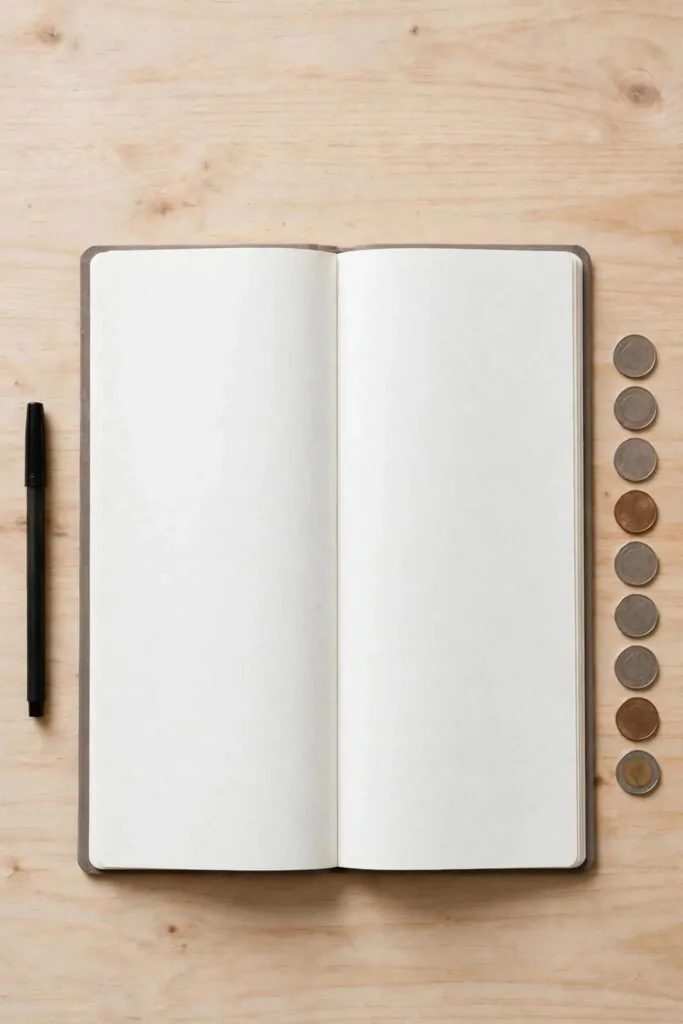
Each week I sit down and count my cash. It takes only a few minutes and keeps me calm.
I lay my coins in a neat row beside my planner. I count them one by one with care. Then I write the total down in my planner.
My plain pen sits beside my planner for this count. I use it to write the total in neat numbers.
One plain pen for my weekly cash count cost $2 to $4.
If my cash is less than my plan said, I look at why. I find the extra spend and I note it down. Next week I plan a little better for it.
If my cash is more than I thought, I feel glad. I put the extra bit into my savings jar.
I do this count on the same night each week. The same night makes it a habit I keep. My money never hides from me for long.
You can count your cash too, even if it is a small bit.
A weekly count keeps my plan true. It helps me start each new week with a clear head.
| Idea | Main change | Typical cost |
|---|---|---|
| Write a Simple List Before Every Shop | write a simple list before every shop | $2 to $4 |
| Keep a Jar for Spare Coins and Notes | keep a jar for spare coins and notes | $3 to $5 |
| Check Your Plan Every Sunday Night | check your plan every sunday night | $4 to $6 |
| Plan for Fun Money So You Do Not Feel Stuck | plan for fun money so you do not feel stuck | $2 to $4 |
| Save for One Big Thing a Little at a Time | save for one big thing a little at a time | $3 to $6 |
| Keep a Page for Shared Money With Family | keep a page for shared money with family | $2 to $4 |
| Plan Your Meals to Fit Your Food Money | plan your meals to fit your food money | $1 to $3 |
| Cut One Small Cost Each Month | cut one small cost each month | $3 to $5 |
| Keep a List of Free Things to Do | keep a list of free things to do | $2 to $4 |
| Count Your Cash at the End of Each Week | count your cash at the end of each week | $2 to $4 |
| Total | $24 to $45 |
21. Make a Simple Chart for Your Savings Goal
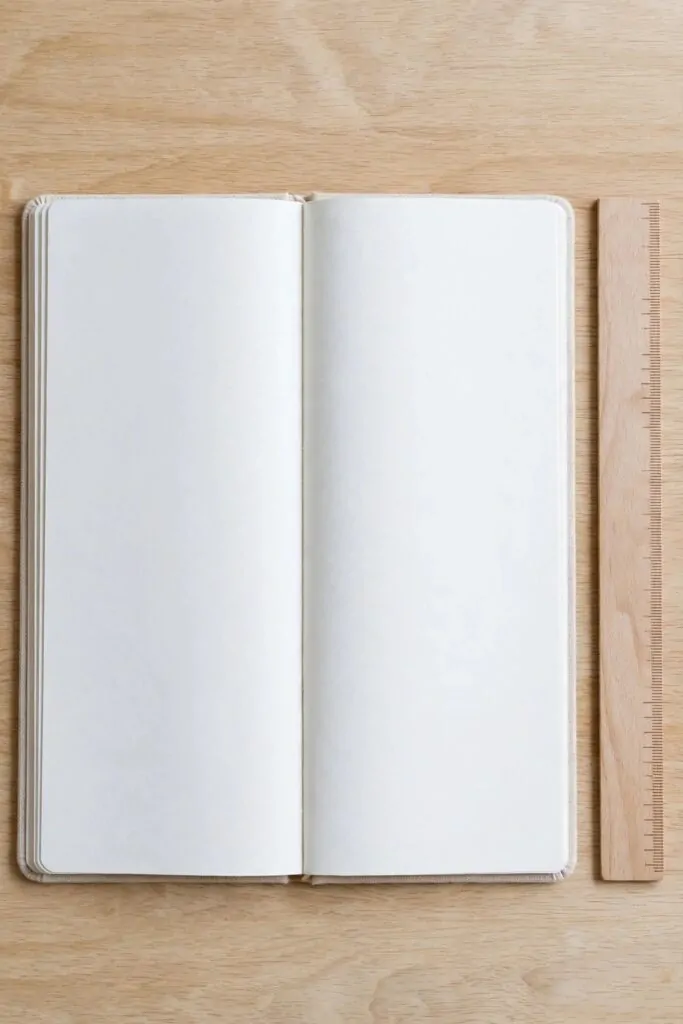
A savings goal feels far away when it stays in my head, but I like to see it grow a little at a time.
I lay a plain ruler beside my planner page before I start. It helps me draw one straight line.
I draw one straight line with the ruler to mark the start. Then I add small marks along the line for each week. Each mark gives my goal a clear next step.
I write the goal amount at the top of the line in plain words. Short words help me read the line fast.
A plain ruler for my savings chart cost $3 to $5.
I keep the ruler beside my planner so I can find it fast. It lives on my desk where I plan each week.
Some weeks I move only one mark ahead. That still counts as progress to me. I smile when I see the line fill up.
You can start with one small goal and one plain line.
I check my chart on the same day each week. A quick look keeps my plan fresh in my mind.
22. Plan a Low-Cost Week Once a Month
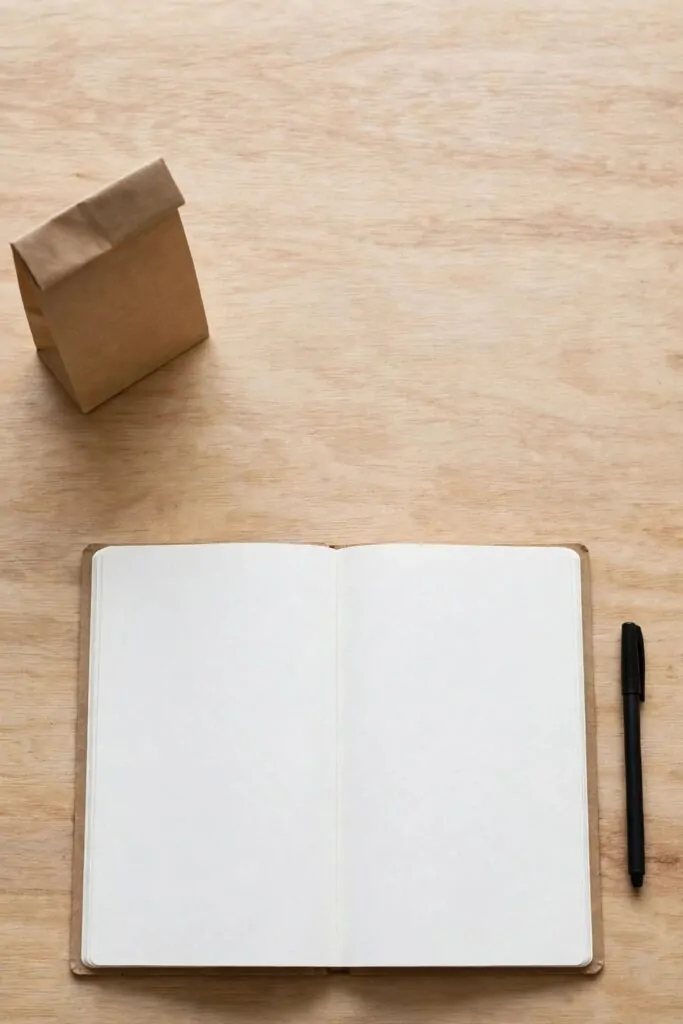
Once a month I pick one week to spend less and plan more.
I lay a plain pen beside my planner page and think about the week ahead. A small plain paper bag sits beside the page too.
I write three cheap meals I can make at home. I write one free walk I can take with my family.
I keep my low-cost week plan short so I can follow it. A short plan feels kind, not hard. I cross off each day as it passes.
A plain pen for my low-cost week cost $2 to $4.
My bag holds the small bits I need for the week. I check it before I leave the house. Nothing fancy goes in it, just the plain bits I planned for.
You can try this for one week and see how it feels. A calm week can teach you a lot about your money.
I end the week with a quick note about what worked best.
Next month I use the same simple shape for my plan. I change only the meals and the walk.
23. Keep Your Receipts in One Small Box
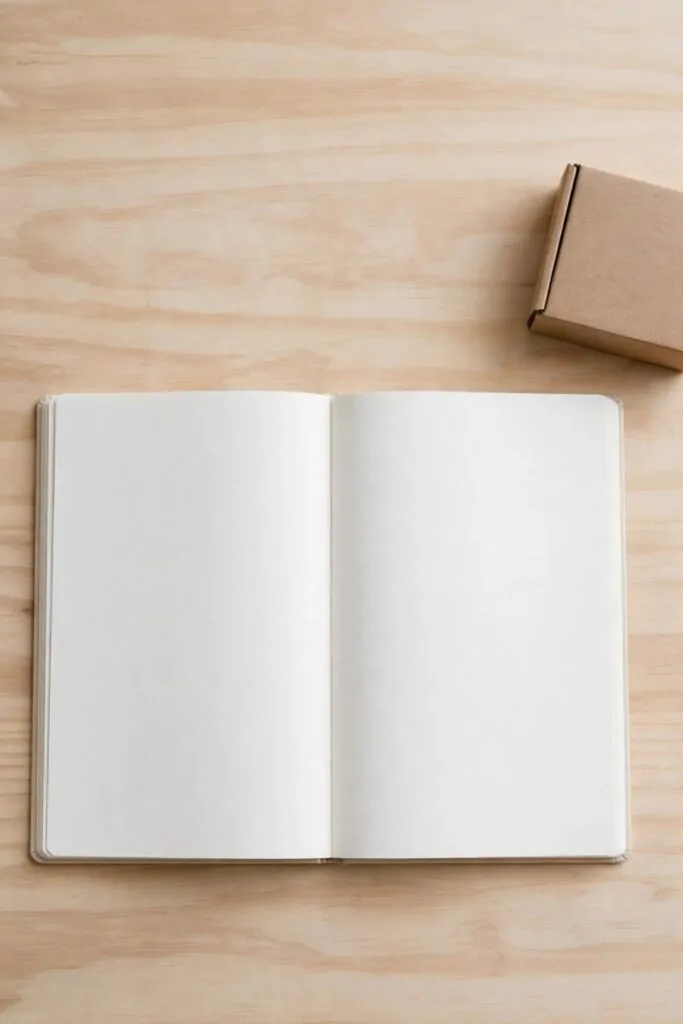
Receipts slip away fast in my house. They hide in coat pockets and under books. One small box fixed that mess for me.
I keep a small plain cardboard box beside my planner page.
Each time I come home I drop my receipt in the box. I close the lid when I am done.
At the end of the week I sort the receipts by shop. I toss the old ones I no longer need.
A small plain cardboard box for my receipts cost $3 to $5.
My box stays in one spot on my desk. I always know where to look for it. That one habit saves me a lot of hunting around.
You can start with the receipts from this week only.
I write the shop name on each receipt in plain words. Short notes help me read them later.
Some weeks the box fills up fast. That tells me I spent a lot that week. A full box is a clear sign to slow down a bit.
24. Write Down Three Things You Did Not Buy
Some days I walk past three things I almost buy.
I stop and ask if I truly need each one. Most days the answer is no. I feel calm when I walk away with my money still safe.
I keep a small plain black marker beside my planner page.
Each night I write down the three things I did not buy. I use my marker for the list so the words stay clear.
The list shows me how much I saved by waiting. I read it when I want to buy fast. It helps me pause and think first.
A small plain black marker for my not-bought list cost $2 to $4.
You can try this list for one week and see the change.
My list lives beside my planner where I can see it. I add to it each night before bed. Three short lines are all I need.
At the end of the month I count my lists with pride. Waiting first has made my money last longer.
25. Plan Your Gifts Early in the Year
Gifts feel hard when they come up all at once. I plan mine early so the year feels calm.
I keep a small plain gift box with its lid beside my planner page. The lid stays closed until I need the box. I like how neat it looks on my desk.
I write one gift idea for each person I love.
A small plain gift box for early gift plans cost $3 to $5.
I add a small note to each gift idea as I think of it. The note keeps the plan clear in my mind.
I spread the gifts over the months so no month feels heavy. One gift at a time is easy to plan. I save a little for each one as the year moves on.
You can start with birthdays that come first in the year. A short list now saves a rush later.
When a gift is ready I place it in the box with care. I close the lid and set the box back beside my planner. It stays safe there until the day comes.
Early plans make gift days feel light and glad.
26. Keep a Page for Surprise Costs
Surprise costs show up when I least expect them. A flat tire or a torn shoe can change my week. I keep a page ready so I do not feel lost.
I keep a small plain envelope next to my planner page. The envelope holds my notes about surprise costs.
I write each surprise cost down as soon as it comes.
I add a small plan beside each cost. I ask what I can set aside next week. A tiny step still moves me ahead.
A small plain envelope for surprise costs cost $2 to $4.
You can start this page with just one surprise cost.
My page grows slowly over the year. Each line teaches me what to expect. I feel more ready each time a surprise comes.
I check my envelope page at the start of each month. A quick look helps me plan the weeks ahead.
A ready page turns a shock into a small task.
27. Teach Your Kids One Money Habit a Week
Kids learn money habits best in small steps.
I keep a sheet of plain round stickers beside my planner page.
Each week I pick one small habit for my kids to try. We talk about it in plain words first. Then we watch how the week goes.
One week we save spare coins at home. The next week we wait a day before we buy a treat.
I point to a sticker on the sheet beside the page when my kids try the habit. The sheet stays beside the page all week. My kids smile when they see their sticker waiting there.
A sheet of plain round stickers for money habits cost $3 to $5.
You can start with one habit and one week only. A small win builds trust fast.
I praise the try, not just the result. A kind word keeps my kids keen to try again.
Some weeks the habit feels hard at first. We keep going with small steps each day. By the end of the week the new habit feels like ours.
28. Build Your First Budget Planner Kit in One Evening
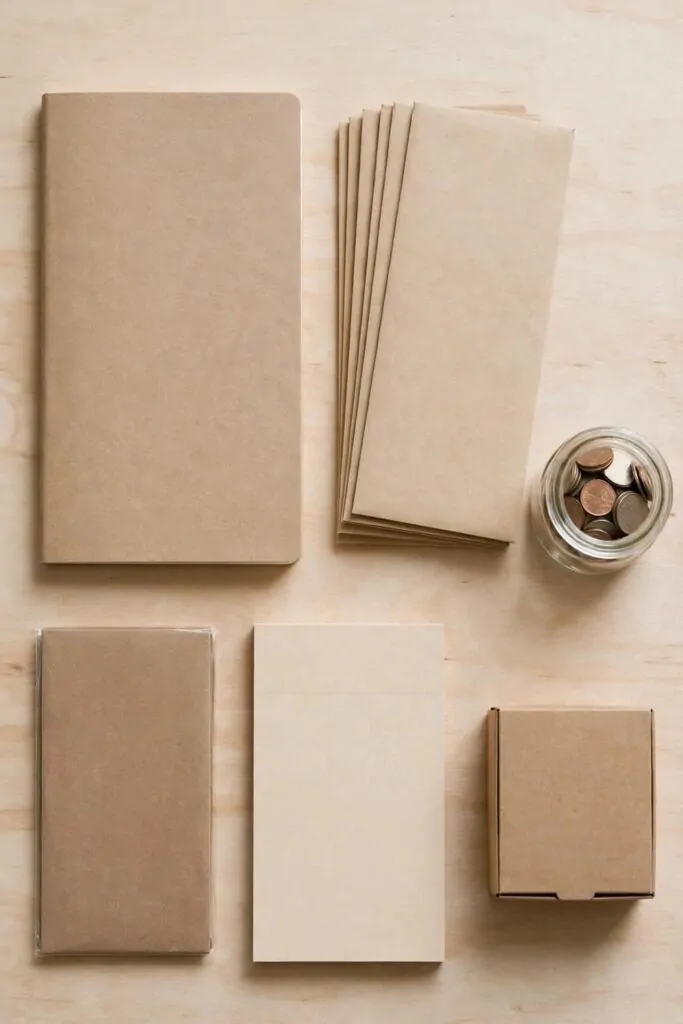
A first month of budget planning can feel big, so start with a small kit. Six simple things are all you need for one calm evening of planning.
A plain budget planner notebook for writing each month in one sturdy book cost $5 to $7. I write the month in it on the first evening.
A set of plain cash envelopes to hold each part of your money apart cost $2 to $4. I label each one in plain words.
A small plain coin jar to keep spare coins where you can see them cost $3 to $5. I drop my spare coins in it each night.
A pack of plain budget stickers to mark the days you stay on plan cost $2 to $3. I add one sticker on a good day.
A plain savings tracker pad to watch your savings grow on paper cost $3 to $5. I fill in one line each week.
A small plain receipt box to keep every receipt in one place cost $3 to $4. I drop each receipt in the box when I come home.
All six items together come for a total of $18 to $28.
Try one idea this week, and watch your money start to make sense.
| Idea | Main change | Typical cost |
|---|---|---|
| Make a Simple Chart for Your Savings Goal | make a simple chart for your savings goal | $3 to $5 |
| Plan a Low-Cost Week Once a Month | plan a low-cost week once a month | $2 to $4 |
| Keep Your Receipts in One Small Box | keep your receipts in one small box | $3 to $5 |
| Write Down Three Things You Did Not Buy | write down three things you did not buy | $2 to $4 |
| Plan Your Gifts Early in the Year | plan your gifts early in the year | $3 to $5 |
| Keep a Page for Surprise Costs | keep a page for surprise costs | $2 to $4 |
| Teach Your Kids One Money Habit a Week | teach your kids one money habit a week | $3 to $5 |
| Build Your First Budget Planner Kit in One Evening | build your first budget planner kit in one evening | $18 to $28 |
| Total | $36 to $60 |
| Idea | Main change | Typical cost |
|---|---|---|
| a plain budget planner notebook | Write each month in one sturdy book | $5 to $7 |
| a set of plain cash envelopes | Hold each part of your money apart | $2 to $4 |
| a small plain coin jar | Keep spare coins where you can see them | $3 to $5 |
| a pack of plain budget stickers | Mark the days you stay on plan | $2 to $3 |
| a plain savings tracker pad | Watch your savings grow on paper | $3 to $5 |
| a small plain receipt box | Keep every receipt in one place | $3 to $4 |
| Total | $18 to $28 |
Keep Reading
If you liked these ideas, you will love these posts too
Each post has more simple ideas you can try at home this weekend.