30 Daily Planner Ideas for a Calmer Day

My mornings used to feel like a rush I never won. I ran from one small job to the next and still felt behind by lunch.
Here are 30 daily planner ideas for a calmer day that turn one plain notebook and a pen into slow, easy mornings.
I am not a neat person by nature. My kitchen table still gets messy by noon. But one page each day keeps my head quiet, and that is enough for me.
You do not need a fancy book or a perfect hand.
A cheap notebook works fine, and so does a plain pen you already own. What matters is that you write things down before the day starts.
Some of these ideas take one minute. Some take five. Pick the ones that fit your life and skip the rest without any guilt.
I tried them all over many slow weeks, and the ones below are the ones I still use. Start with the first one tomorrow morning and see how your day feels.
1. Start Each Day with One Top Task
I pick one job before I do anything else. That one job is the thing I most want done by bedtime.
Everything else on my list can wait its turn.
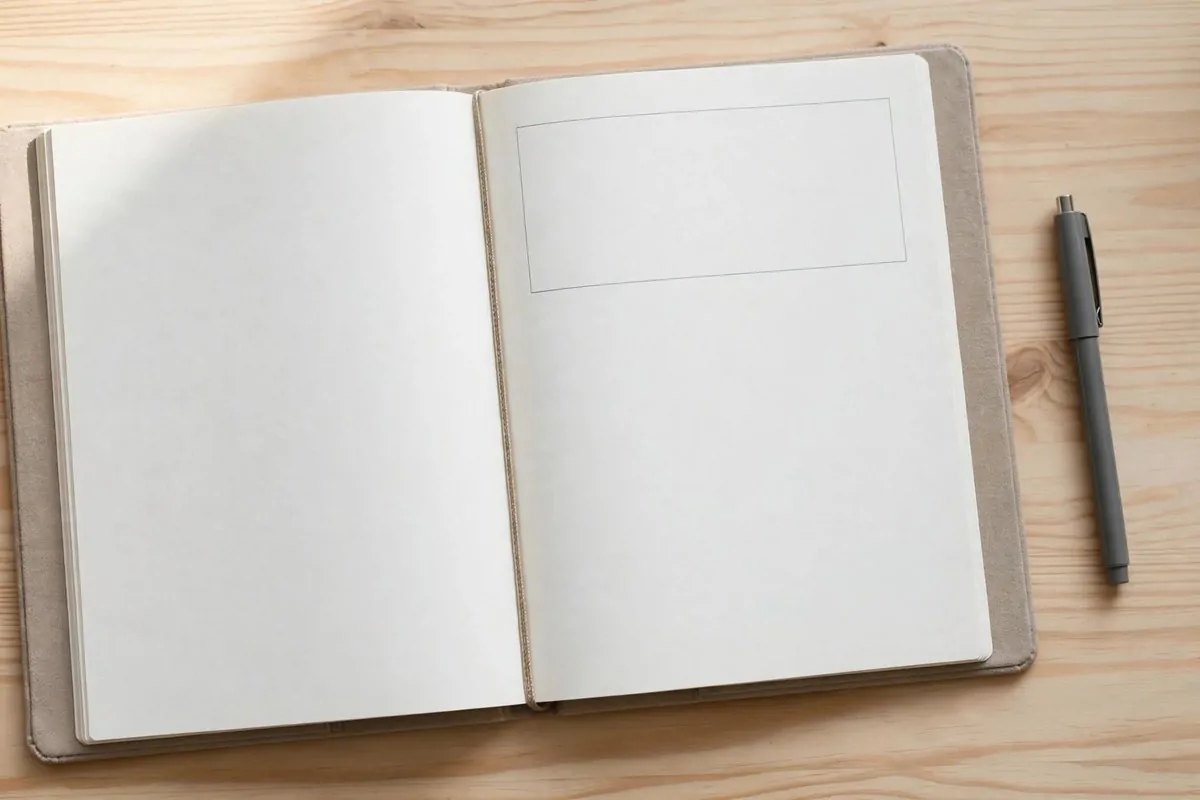
I write the job at the top of my page in big letters. Then I draw a box to tick off later. When the job is done, I mark the box with a tick.
Some days the job is a chore I keep putting off. Other days it is a kind act for someone I love.
One job feels light, and light jobs get done.
I used to write ten jobs and finish two. Now I write one job first and often finish five.
If the job feels too big, I cut it in half. I write only the first half on my page. The rest can wait for tomorrow, and that is fine.
My evenings feel calmer when that one job is done.
A plain pen and a small pad for my top task cost $3 to $5. I keep the pad by my bed so I see it first thing.
2. Write Three Must-Dos Before Breakfast
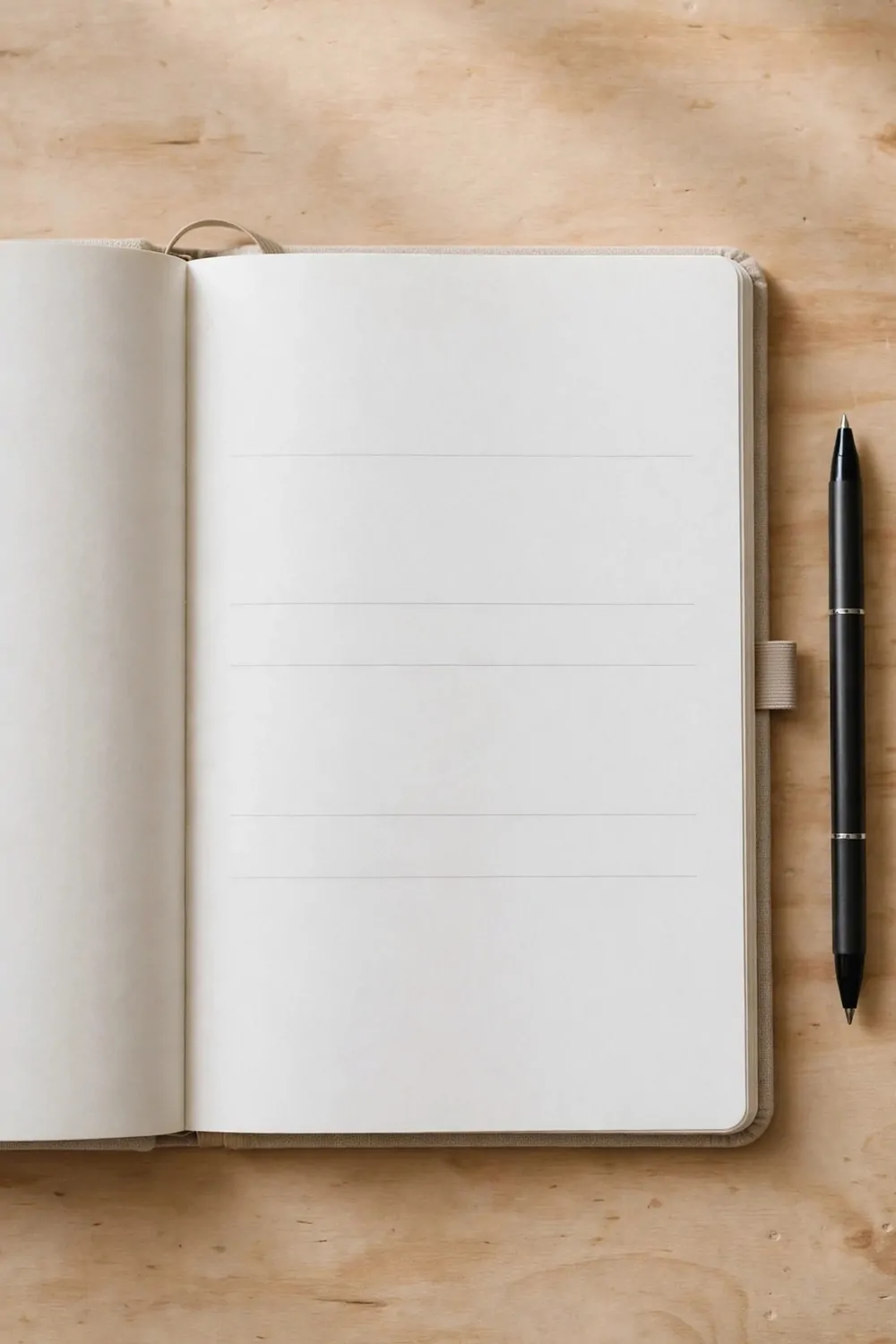
I write three must-dos while my tea cools.
Three is small enough to hold in my head. Ten was too many, and I gave up by noon.
I pick jobs that truly matter today, not jobs that can wait a week. I write each one on its own line. Then I read them back and nod at myself.
Breakfast tastes better when the list is already done.
If I finish all three early, I add one more. If I finish only two, I do not scold myself.
Two done is still a good day.
Some days one must-do is rest, and that counts. Rest is a real job when your body is tired. I write it down just like the others and I tick it off with pride.
My page stays short, and my mind stays clear.
A plain notebook for my three must-dos cost $2 to $4. I keep it on the kitchen table where I eat each morning.
3. Keep a Morning Page for Your Thoughts

I keep one page just for my thoughts each morning. I write whatever sits in my head, good or bad. Nobody reads it but me, so I write it plain.
Some mornings I write two lines. Other mornings I fill the whole page.
The page does not judge me.
I write my worries down and they feel smaller. I write my hopes down and they feel closer.
I do not fix my spelling on this page. I do not cross out a messy line. The page is mine, and messy is allowed here.
Five quiet minutes is all it takes.
After I write, I close the book and start my day. The thoughts stay on the page instead of spinning in my head.
That small habit changed my mornings more than any other.
A plain journal for my morning page cost $2 to $3. I keep it in my bedside drawer with my pen.
4. Plan Your Day the Night Before
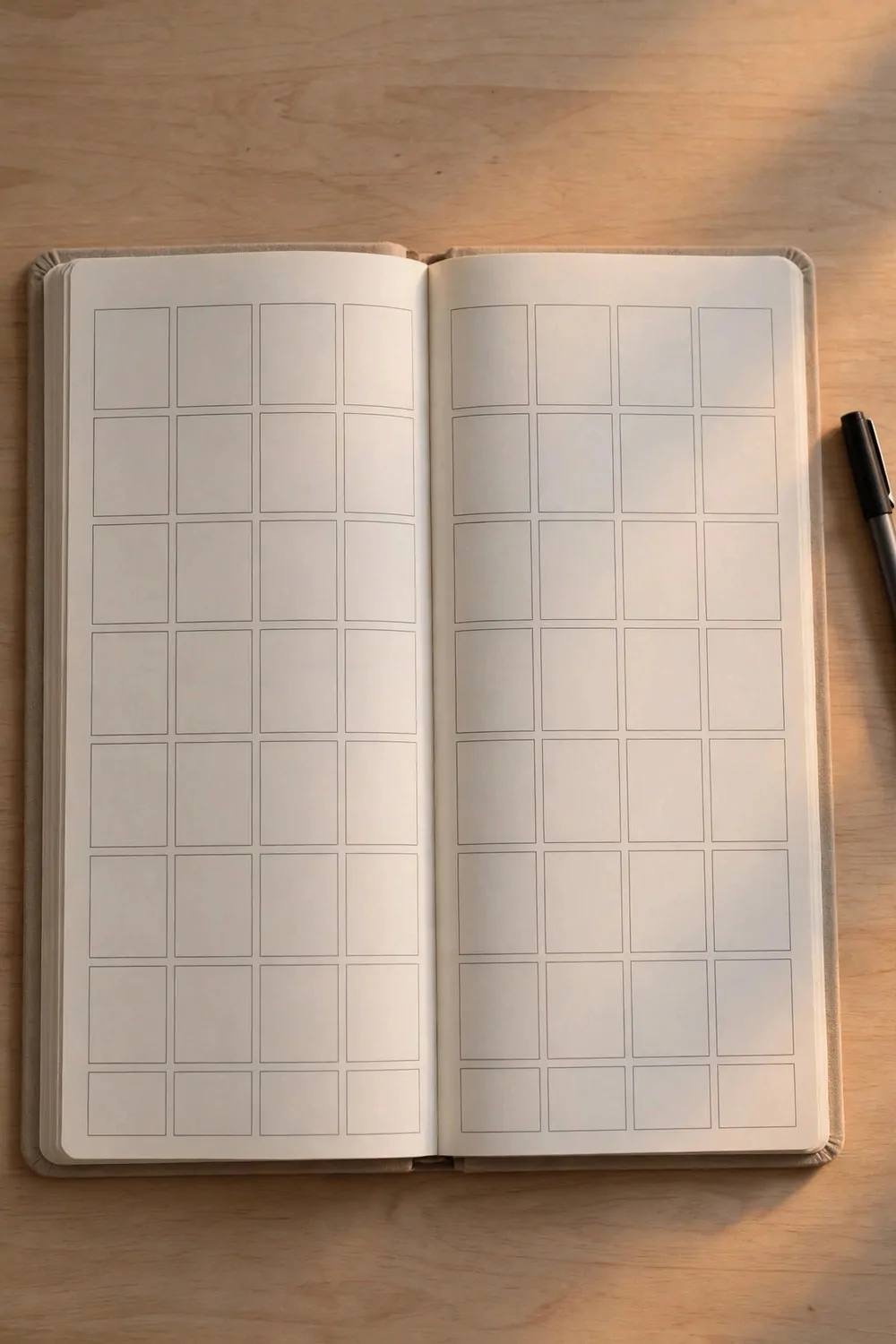
I plan tomorrow tonight, while the house is quiet.
I look at my page and ask what tomorrow truly needs. I put the big jobs on the page first, then add the small ones below them. Then I close the book and sleep without worry.
Mornings feel soft when the plan is already made. I wake up and I just follow the page.
No more guessing at seven in the morning.
I keep the night plan short, only six lines or so. A long plan at night only steals my sleep.
If a job moves to another day, I draw a small arrow and move it. No crossing out in anger, no mess on the page. Moving a job is normal, and my page allows it.
My kids watch me do this and now they plan their own days. That small sight makes me smile every night.
Ten minutes at night saves an hour in the morning.
A plain planner for my night plan cost $3 to $4. I keep it on my nightstand where I can reach it.
5. Use Time Blocks for Your Busy Hours
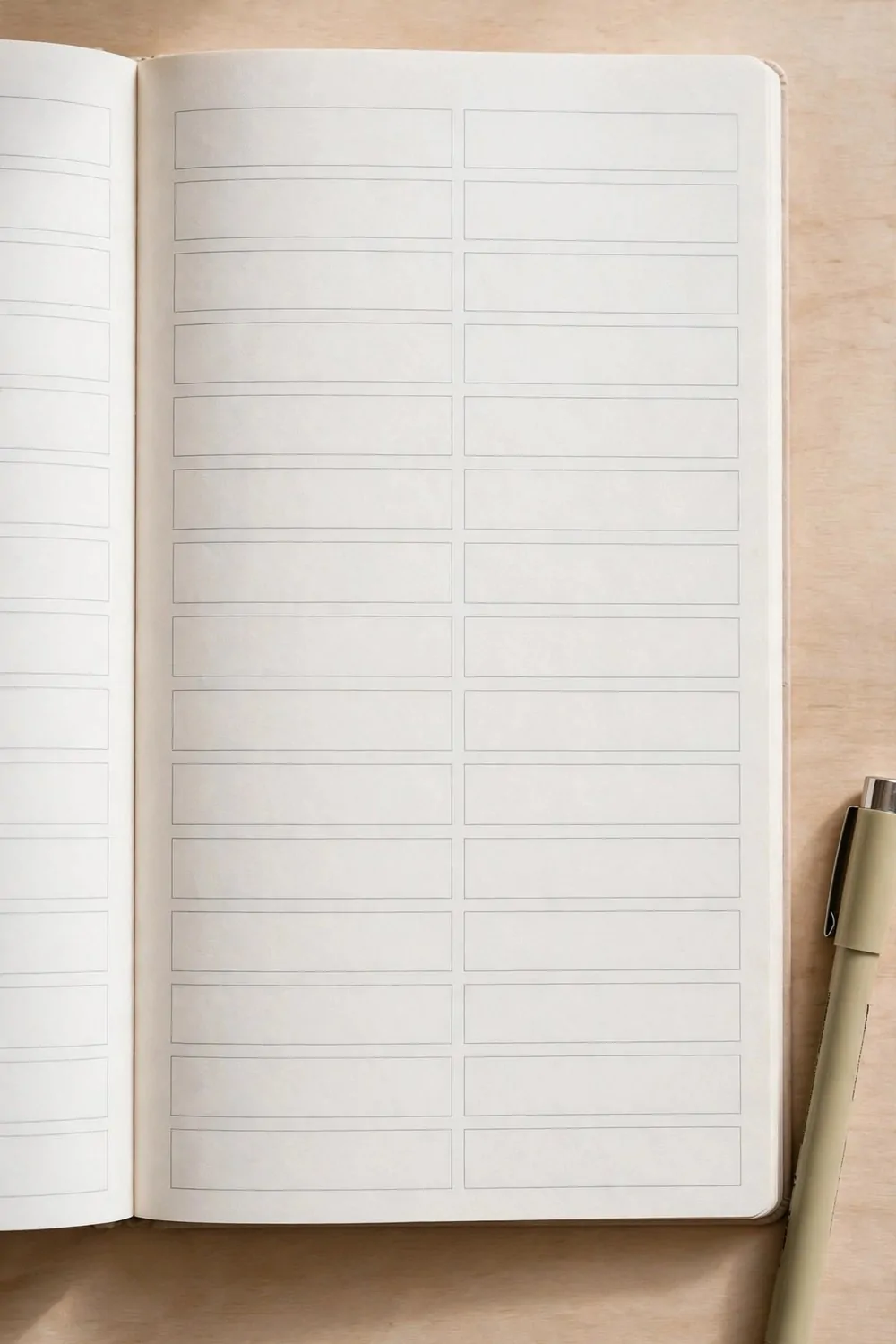
I split my busy hours into blocks of time. Each block holds one kind of work and nothing else.
Mornings are for house jobs, so I block two hours for them. Afternoons are for errands and quiet work. Evenings are free, and I guard them like gold.
One block, one job, no jumping around.
I draw a line for each block and write the job inside it. When the block ends, I stop, even if the job is not perfect. Stopping on time keeps the next block safe.
Some blocks are short, only half an hour. Short blocks suit small jobs like tidying one shelf.
My day feels roomy now, even on busy days.
If a block runs long, I steal time from a free block. I never steal from my rest block, and that rule keeps me kind to myself.
Time blocks turned my rush into a rhythm.
A plain notebook and a ruler for my time blocks cost $4 to $6. I keep them in my desk drawer with my pens.
6. Keep a To-Do List That Fits One Page
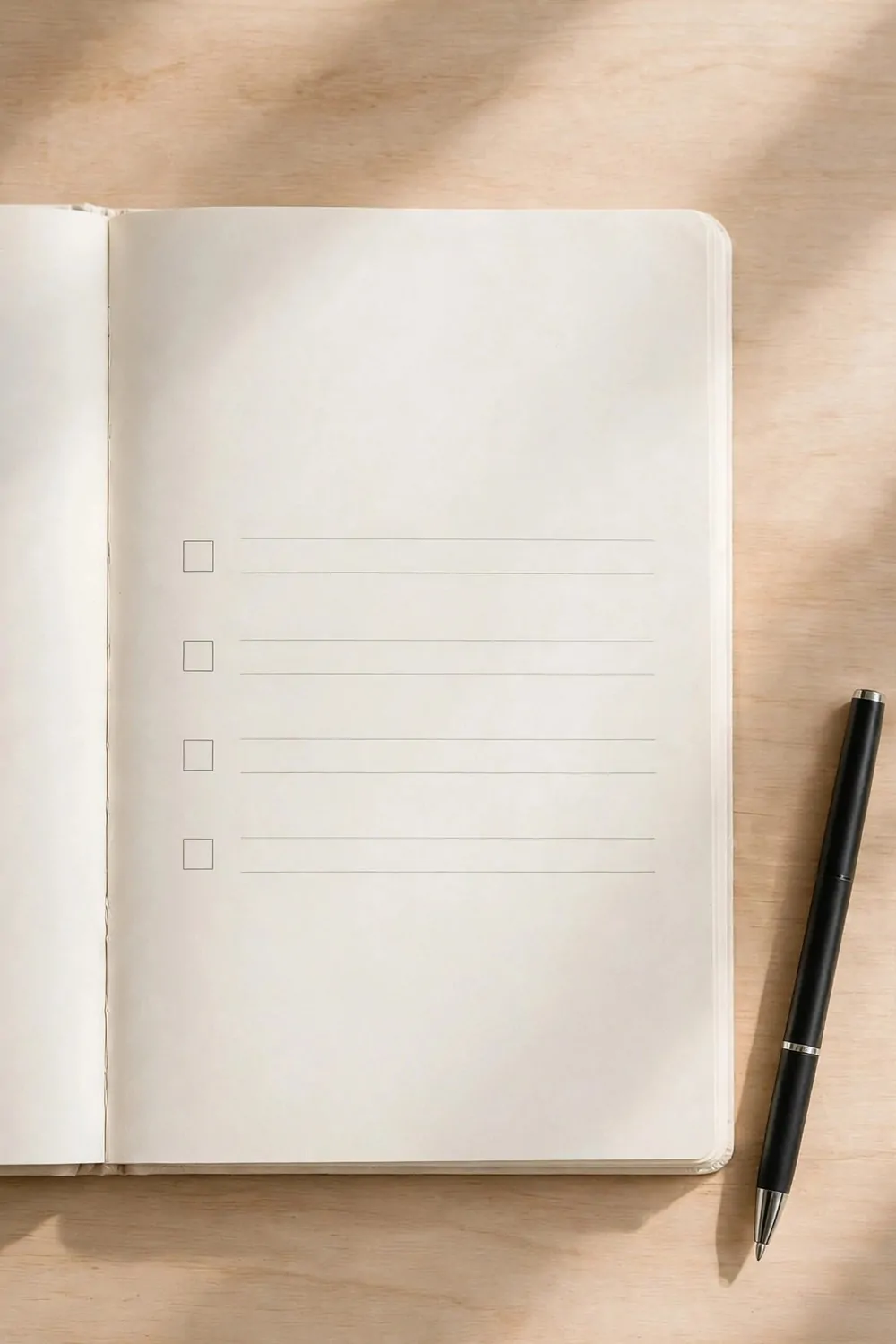
My whole day must fit on one page. If it does not fit, the list is too long. I cut jobs until the page holds them all.
One page means I can see my whole day at once.
I write jobs in short words, three or four at most. Long lines waste space and waste my eyes.
I leave a gap after each job for a tick. I tick jobs off as I finish them. That little tick is my favourite part of the day.
A short list is a kind list.
At night I look at what is left. I move it to tomorrow without a second thought.
Some days only half the list gets done, and that is fine. The page never shouts at me. It just waits for tomorrow, patient and plain.
One page keeps my day honest and small.
A plain pad for my one-page list cost $2 to $3. I keep it by the kettle so I see it each morning.
7. Add One Small Win to Every Day

I add one small win to every day.
A win can be tiny, like watering one plant. Tiny wins still count, and they add up fast.
I write my win at the bottom of my page.
Some days my win is a clean sink before bed. Other days it is a kind word to a neighbour. Both wins make my chest feel warm, and both go on the page.
I look back at my wins at the end of the week. Seven small wins look like a lot when they sit together.
Small wins keep me going on hard days.
If the day goes wrong, I still find one win. Even a short walk counts, and even a tidy drawer counts.
My win does not need to impress anyone. It only needs to be mine. I write it down and I smile, because I did one good thing today.
A plain notebook for my daily win cost $5 to $8. I keep it on my desk where I end each day.
8. Fit Your Meals into Your Daily Plan
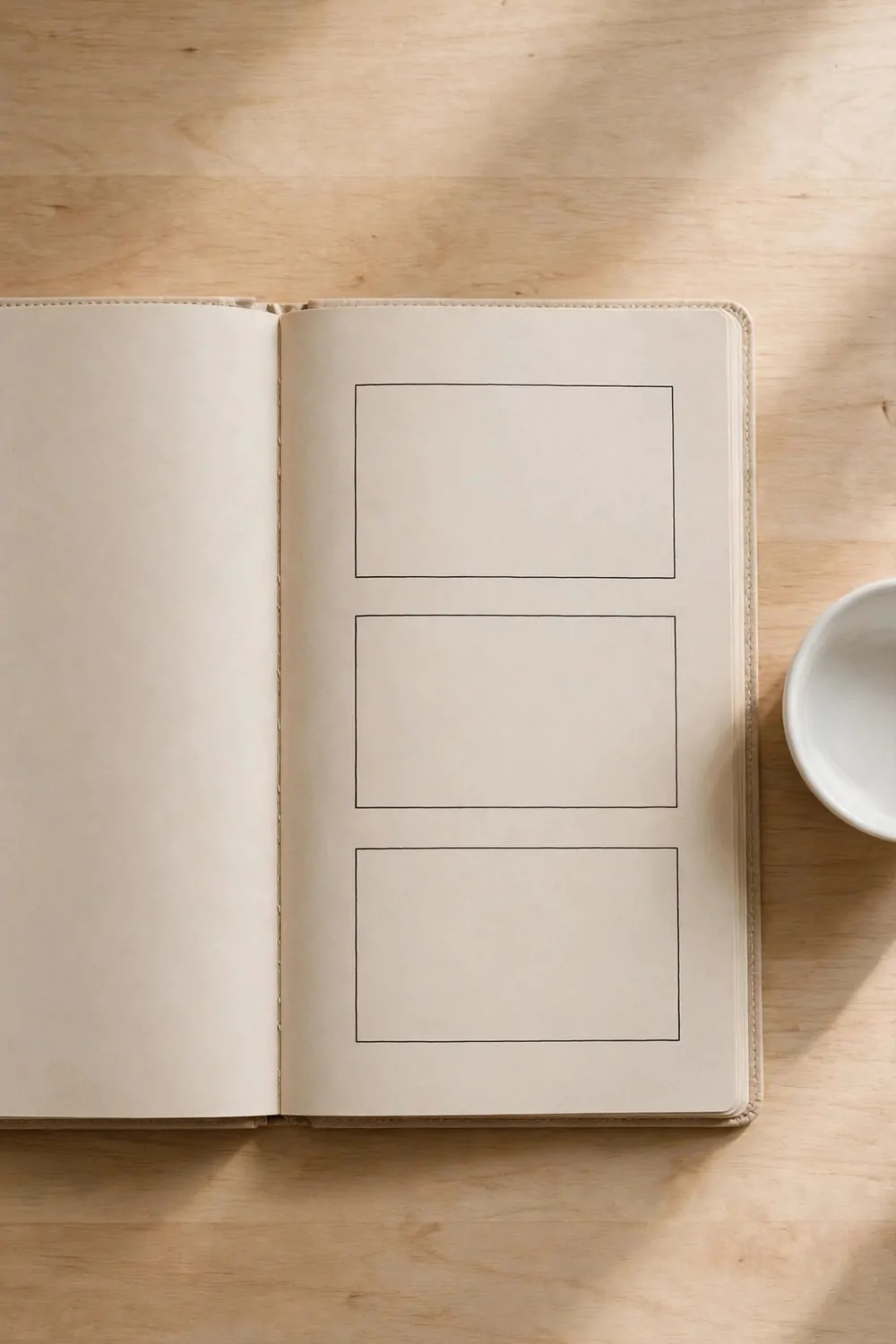
I write my meals on my daily page too. Breakfast, lunch, and dinner each get one short line.
No more standing lost in front of the fridge.
I plan meals the same way I plan jobs.
In the morning I pick dinner first, then work back. If dinner needs the oven, I start it early.
I write snacks down as well, so I do not forget them. A fruit bowl at three keeps me from hunting for sweets. My kids like it when snack time sits on the page too.
Some days dinner is just soup and bread. Simple meals are still meals, and they still go on the page.
My page feeds my family as well as my day.
On busy days I cook one pot and call it done. One pot means one wash up, and that saves my evening. I write the pot on my page and I smile at how easy it was.
A plain planner for my meal plan cost $3 to $5. I keep it in the kitchen near my spice jars.
9. Leave White Space Between Jobs

I leave white space between jobs on my page. The gaps look empty, but they are not wasted. They are breathing room, and my day needs them.
I used to pack my page edge to edge. By noon I felt tired just looking at it.
Now I leave a gap after each big job. The gap is my rest, my tea, or my quiet sit-down.
White space is a plan too.
If a job runs long, it eats the gap, not the next job. That keeps my whole day safe. One late job no longer ruins the rest of my page.
My page looks calm now, and so do I.
I draw a small star in each gap when I rest there. The stars remind me that rest is part of the plan.
A page with air in it is a page I love to use.
A plain notebook for my spaced-out day cost $2 to $4. It stays on my desk where I sit each morning.
10. Track Your Water on Your Daily Page
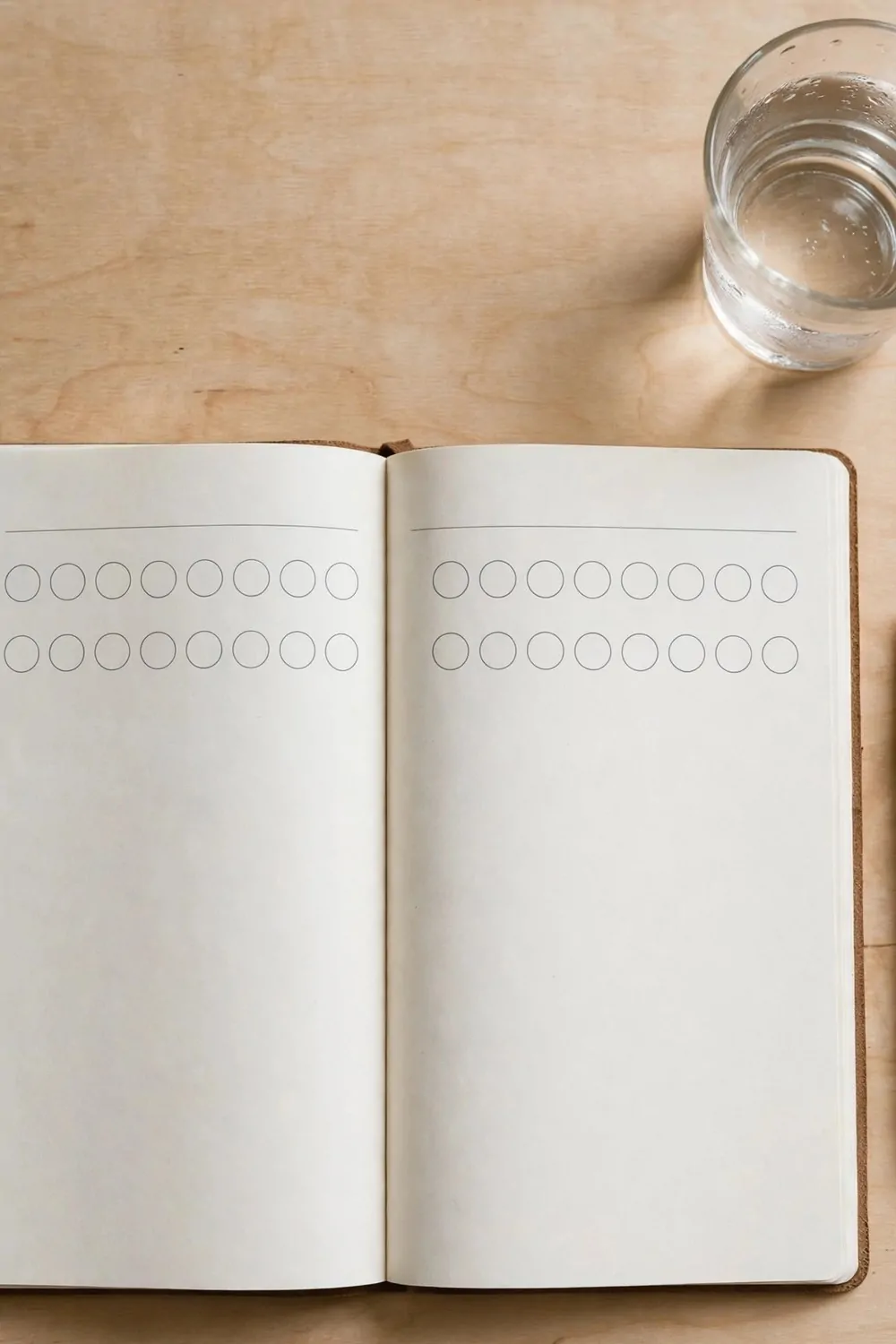
I track my water right on my daily page.
I draw small marks for each cup I drink.
I draw one mark after each cup, morning to night. By lunch I can see how I am doing. If the marks are few, I pour another cup before I forget.
Water keeps my head clear and my mood soft. I feel the difference on days I drink enough.
My page reminds me better than my memory does.
I keep a jug on the table so the water is near. Each time I pass it, I pour a cup. By evening the jug is low and my marks are many.
Some days I add a slice of lemon to my cup. It makes the water taste fresh and I drink more without thinking.
Small marks, big change, one cup at a time.
A plain bottle and a notebook for my water track cost $3 to $4. I keep the bottle on my desk all day.
| Idea | Main change | Typical cost |
|---|---|---|
| Start Each Day with One Top Task | start each day with one top task | $3 to $5 |
| Write Three Must-Dos Before Breakfast | write three must-dos before breakfast | $2 to $4 |
| Keep a Morning Page for Your Thoughts | keep a morning page for your thoughts | $2 to $3 |
| Plan Your Day the Night Before | plan your day the night before | $3 to $4 |
| Use Time Blocks for Your Busy Hours | use time blocks for your busy hours | $4 to $6 |
| Keep a To-Do List That Fits One Page | keep a to-do list that fits one page | $2 to $3 |
| Add One Small Win to Every Day | add one small win to every day | $5 to $8 |
| Fit Your Meals into Your Daily Plan | fit your meals into your daily plan | $3 to $5 |
| Leave White Space Between Jobs | leave white space between jobs | $2 to $4 |
| Track Your Water on Your Daily Page | track your water on your daily page | $3 to $4 |
| Total | $29 to $46 |
11. Write One Grateful Line Each Morning

I write one grateful line before my day starts.
I pick one small good thing from yesterday. I write it in plain words on my page.
A warm cup of tea can be my line for the day. A kind word from a friend can be one too. A quiet morning can be one as well.
I keep the line short so I never skip it.
I read my line again when the day feels hard. It helps me slow down and breathe.
Some mornings I write about my home. Some mornings I write about my family. Some mornings I write about a small win.
One line is enough to start the day well.
I write the line at the same time each morning. It takes me less than a minute.
A plain gratitude notebook for my grateful line each morning cost $2 to $3. It stays on my bedside table all year.
12. Plan a Short Walk into Your Afternoon
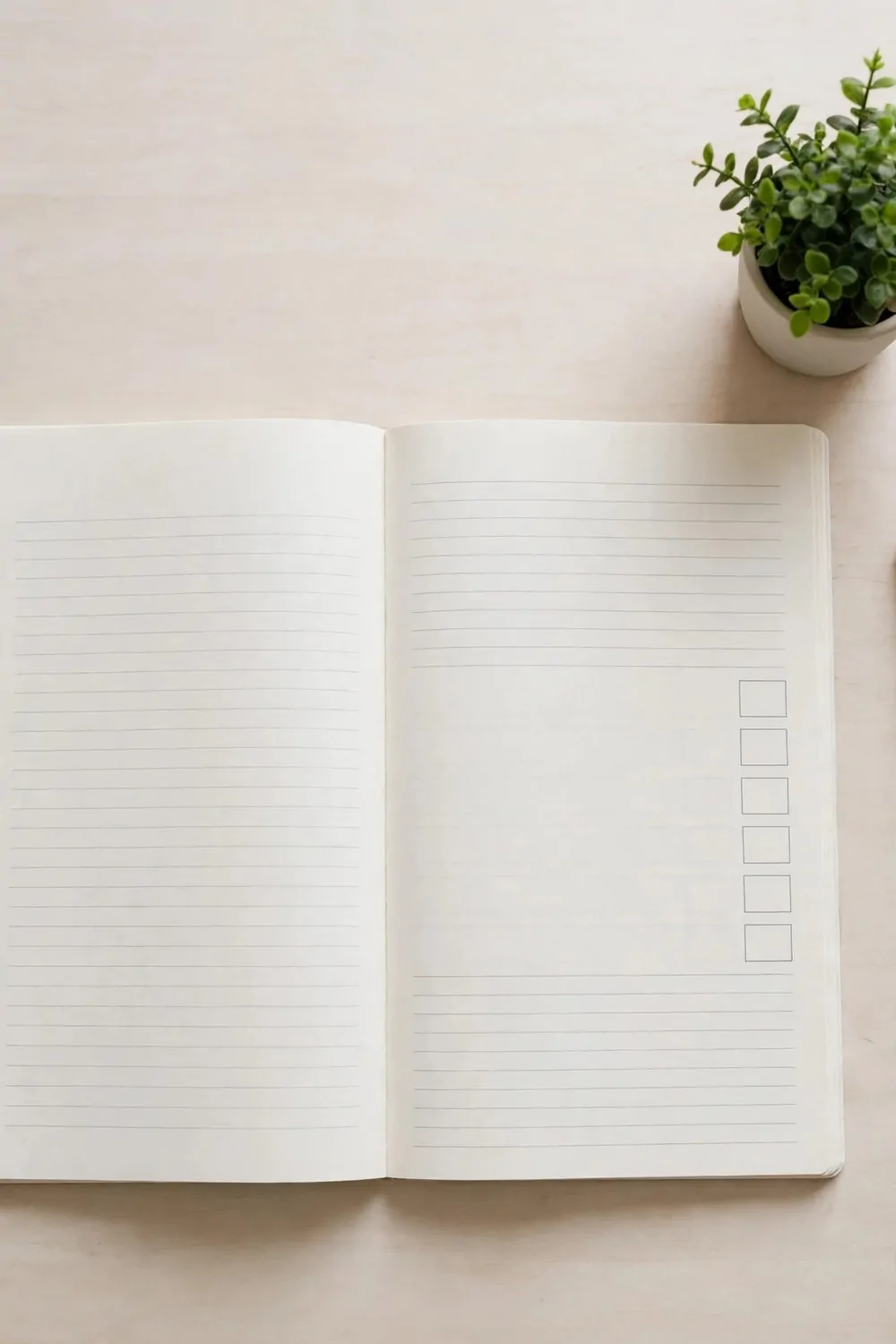
I plan a short walk after lunch each day. I mark it on my planner before the morning ends.
A walk clears my head and wakes me up.
I walk down my street and back again. I take slow steps and look at the trees. I let my mind rest while I walk.
I wear soft shoes and a light shawl. I take a small bottle of water with me.
Ten minutes is enough for a fresh start.
Some days I walk with my sister. Some days I walk on my own. Some days I walk after my house work is done.
I write the walk time on my planner in the morning. I tick it off when I come back home.
My afternoon feels calmer after a short walk.
A plain water bottle for my short walk into my afternoon cost $3 to $5. I keep it by the door all year.
13. Keep a Daily Spending Note
I write down what I spend each day. I use a small notebook and a pen. I write each amount right after I pay for it.
A short note keeps my money clear in my head.
I write bread and milk on the note in the morning. I add bus fare and fruit later in the day.
I look at the note each night before I sleep.
Some days I spend very little. Some days I spend a bit more. I write it all down just the same.
I add up the amounts once a week. I see where my money goes.
The note helps me plan the next day with care.
I keep the notebook in my bag. I take it out at the shop. I write the amount before I walk home.
A plain spending notebook for my daily spending note cost $2 to $4. I keep it in my bag all year.
14. Keep One Quiet Hour Each Day
I keep one quiet hour for myself each day.
I sit in my favourite chair with a book. I read a few pages in peace. I let the house stay calm around me.
I pick the same hour each day. I write it on my planner in the morning.
Some days I rest my eyes and breathe slow. Some days I write in my notebook. Some days I just sit and watch the rain.
A quiet hour gives my mind time to rest.
I tell my family that this hour is mine. They know not to call me for small jobs then.
I make a warm drink before my hour starts. I bring my book and my notebook. I settle in and enjoy the calm.
I feel fresh again when the hour ends.
A plain soft cushion for my quiet hour each day cost $3 to $4. I keep it on my chair all year.
15. Plan a Calm Evening Wind-Down
I plan a calm end to my day each evening. I write the steps on my planner after dinner.
I wash my face and change into soft clothes. I make a warm cup of milk. I sit down with my notebook for a few minutes.
A slow evening helps me sleep well.
I lay out my clothes for the next morning. I put my bag by the door so the morning feels easy.
Some nights I read a few pages of a book. Some nights I write three lines about my day. Some nights I sit in peace and breathe slow.
I keep the evening free of rush and noise.
I write my wind-down steps in the same order each night. It takes me about twenty minutes.
I turn down the lights in my room. I open the window for fresh air. I rest my head on my pillow with a calm mind.
A plain bedtime notebook for my calm evening wind-down cost $4 to $6. It lives on my bedside table through the year.
16. Keep a Daily Habit Row
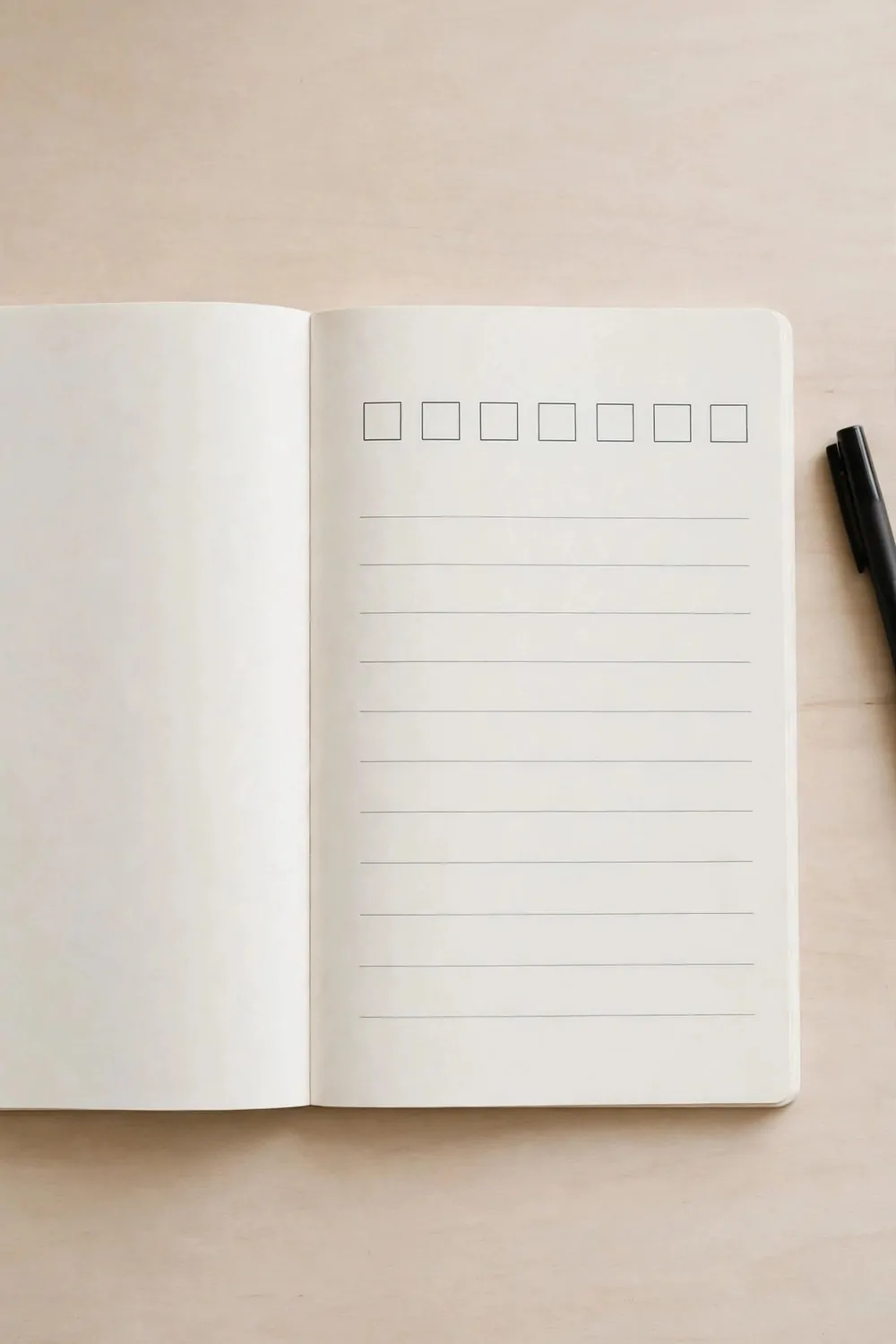
I draw a row of small boxes on my planner page. I give each box one habit to track. I mark each box when I do the habit.
I track drinking water and reading each day. I add a short walk and an early bedtime too.
A row of marks shows me how well I did.
I drink six glasses of water through the day. I read for ten minutes after lunch. I go to bed at the same time each night.
I mark each box with a tick when the habit is done. I leave it blank when I miss a day.
A blank box does not mean I failed.
I look at my row on Sunday night. I see which habits went well. I pick one habit to work on next week.
I keep the row simple with a few habits only. Too many habits make the page feel hard to follow.
A plain habit notebook for my daily habit row cost $2 to $3. I keep it on my desk all year.
17. Write Tomorrow’s First Step Tonight
I write tomorrow’s first step before I sleep.
I pick the one job that matters most. I write it at the top of tomorrow’s page.
A clear first step makes the morning easy.
I lay out what I need for that job. I put my notebook and pen where I can see them. I go to bed knowing just what to do first.
Some nights the first step is a small job. Some nights it is a big job I have put off.
One step is all I plan the night before. The rest can wait until morning.
I read my note when I wake up. I start the job before I do anything else.
I tick the step off when it is done. I feel light and glad after that. I plan the rest of my day with a clear head.
A plain night notebook for my tomorrow’s first step tonight cost $3 to $5. I keep it by my bed all year.
18. Use Colour Dots to Mark Your Moods
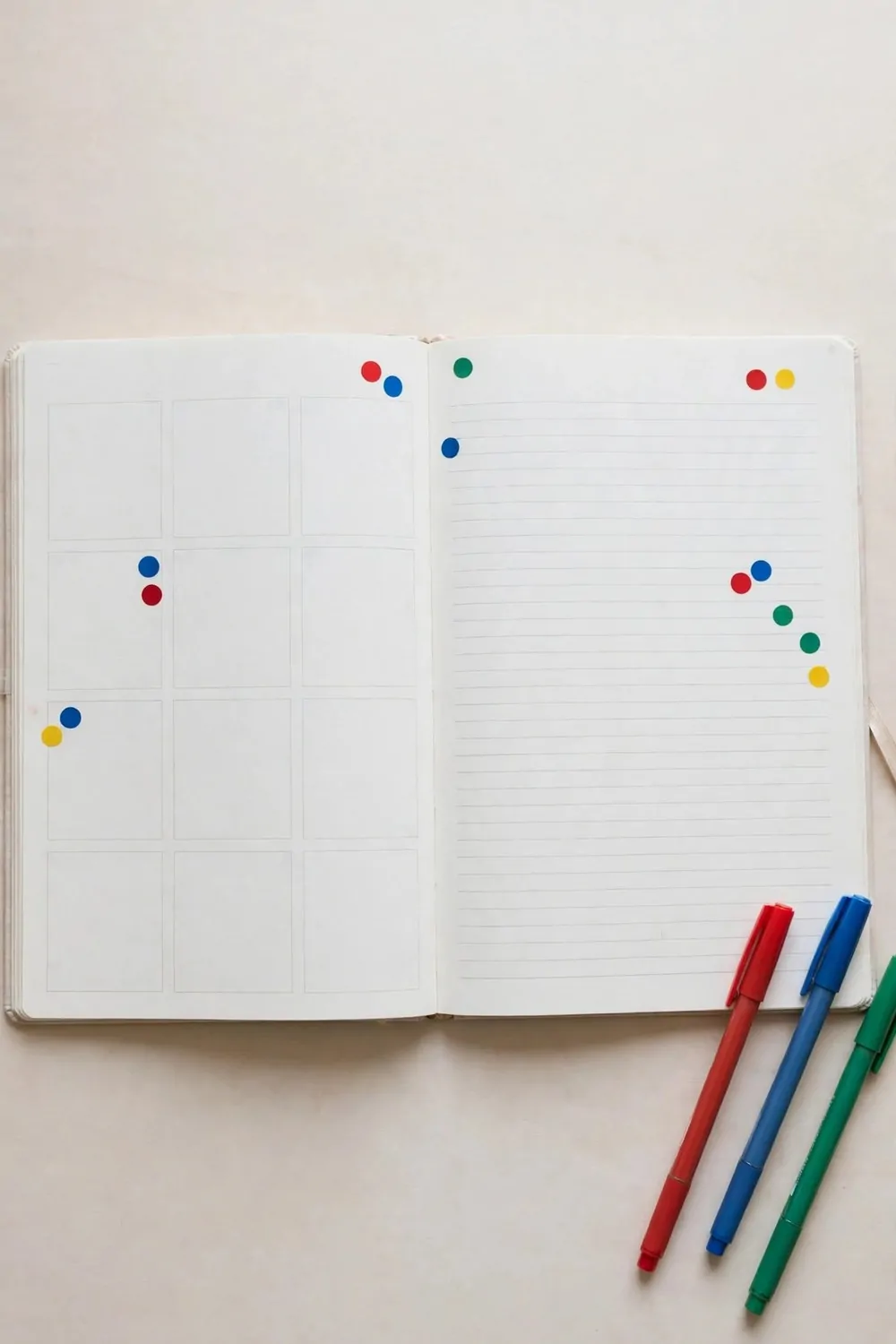
I mark my mood on my planner each day. I use a small colour dot for how I feel.
A dot takes me only a few seconds to draw.
I give each mood its own colour. I use the same colour for the same mood each time.
I draw the dot at the end of the day. I think back on how the day felt. I pick the colour that fits my mood best.
My dots show me how my week felt.
Some weeks have many bright days. Some weeks have a few low days. I look at the dots and plan a kinder week.
I never judge a low day from one dot.
I keep my dots on the page where I can see them. I can see the whole week at one look.
A plain pack of dot stickers for my colour dots to mark your moods cost $5 to $8. I keep it in my planner pocket all year.
19. Plan Around Your Energy, Not the Clock

I plan hard jobs for when I feel fresh. I save easy jobs for when I feel tired. I let my energy lead the day, not the clock.
My best hours are in the morning.
I write my hard jobs in the morning hours.
I rest in the afternoon when my energy dips. I do light jobs like tidying and folding then.
Some days I feel fresh after lunch. Some days I feel slow all day. I change my plan to fit how I feel.
I mark my fresh hours on my planner each week. I keep my hard jobs inside those hours.
A plan that fits my energy feels kind.
I take a short break when I feel tired. I drink water and sit for a few minutes. I start again when I feel a bit fresh.
A plain energy notebook for my energy, not the clock cost $2 to $4. I keep it on my desk all year.
20. Keep a Notes Box for Quick Ideas

I keep a notes box for quick ideas on my planner page.
I write down ideas the moment they come to me. I use short words so I do not forget them. I go back to the box at the end of the day.
Some ideas are for meals. Some ideas are for gifts. Some ideas are for small jobs around the house.
I write the idea and the date next to it. I tick it off when I use it.
A quick note saves a good idea from being lost.
I read my notes box each Sunday. I move the best ideas to my plan for the week.
I add a new idea to the box most days.
I keep a pen with my planner for fast notes. I write the idea before it slips away. I smile when an old idea turns into a plan.
A plain notes notebook for my notes box for quick ideas cost $3 to $4. I keep it on my desk all year.
| Idea | Main change | Typical cost |
|---|---|---|
| Write One Grateful Line Each Morning | write one grateful line each morning | $2 to $3 |
| Plan a Short Walk into Your Afternoon | plan a short walk into your afternoon | $3 to $5 |
| Keep a Daily Spending Note | keep a daily spending note | $2 to $4 |
| Keep One Quiet Hour Each Day | keep one quiet hour each day | $3 to $4 |
| Plan a Calm Evening Wind-Down | plan a calm evening wind-down | $4 to $6 |
| Keep a Daily Habit Row | keep a daily habit row | $2 to $3 |
| Write Tomorrow’s First Step Tonight | write tomorrow’s first step tonight | $3 to $5 |
| Use Colour Dots to Mark Your Moods | use colour dots to mark your moods | $5 to $8 |
| Plan Around Your Energy, Not the Clock | plan around your energy, not the clock | $2 to $4 |
| Keep a Notes Box for Quick Ideas | keep a notes box for quick ideas | $3 to $4 |
| Total | $29 to $46 |
21. Review Your Day in Five Minutes
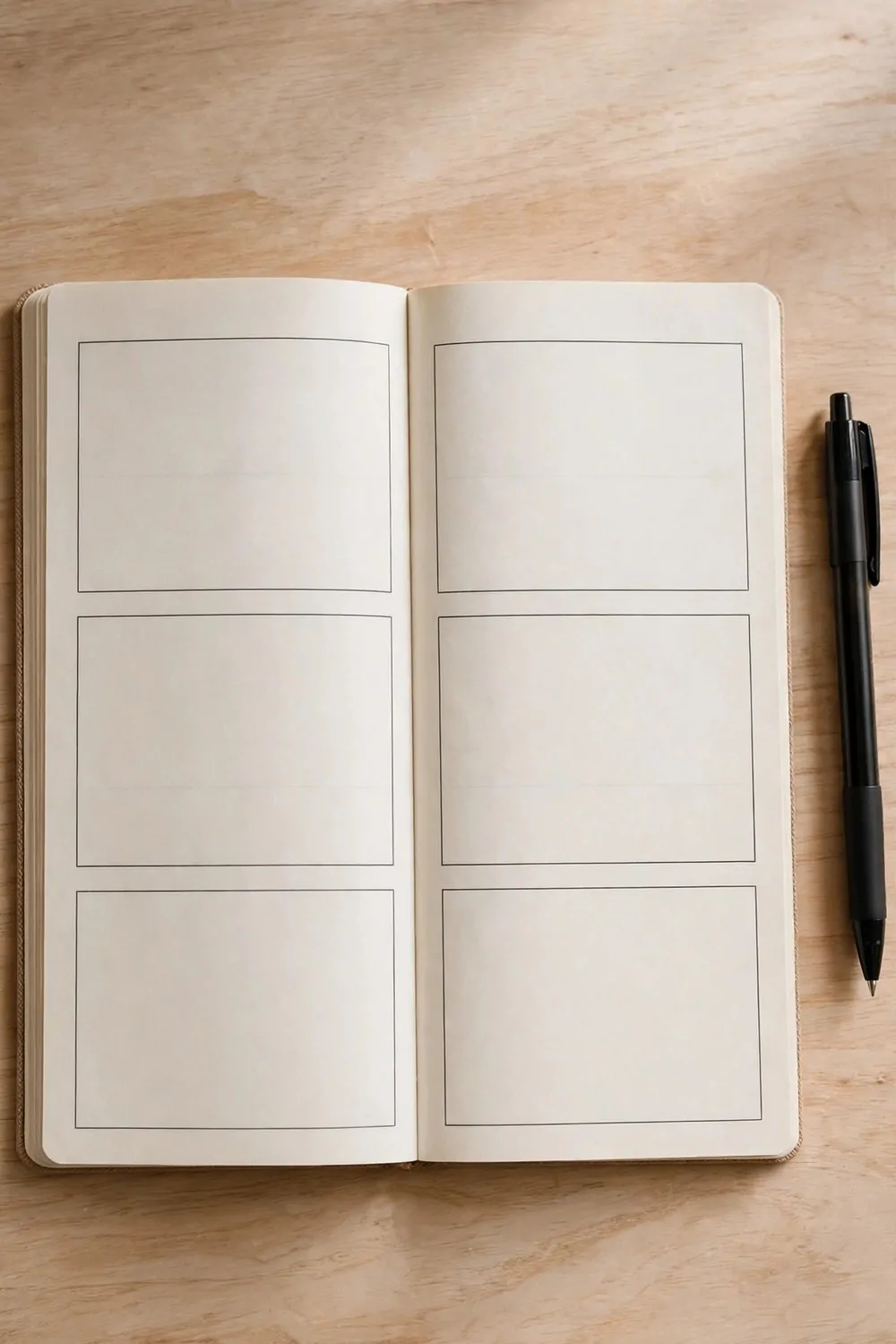
I sit down for five minutes before bed and I look back at my day. I ask myself what went well and what felt hard.
I write a few short lines in my planner and then I close it for the night.
I start with the best part of my day so I end the day with a glad thought. Then I write one thing I want to do better tomorrow. I keep each line short so the review stays quick and easy.
I do not write a long story, I just note the small moments that mattered most.
Some nights I feel tired and I write less, and that is still enough. A short review still helps me sleep with a clear head.
I look at my morning plan too and I tick the jobs I finished. If a job is still open, I move it to tomorrow without a fuss. I do not scold myself for the jobs I missed, I just make a fresh plan.
I finish by writing one kind word to myself for the next day.
My review takes five minutes, and it makes my mornings feel calmer. I wake up and I already know what matters most today.
A plain small notebook for my five minute day review cost $2 to $3. It sits on my bedside table each night.
22. Plan a Small Treat for the End of the Day
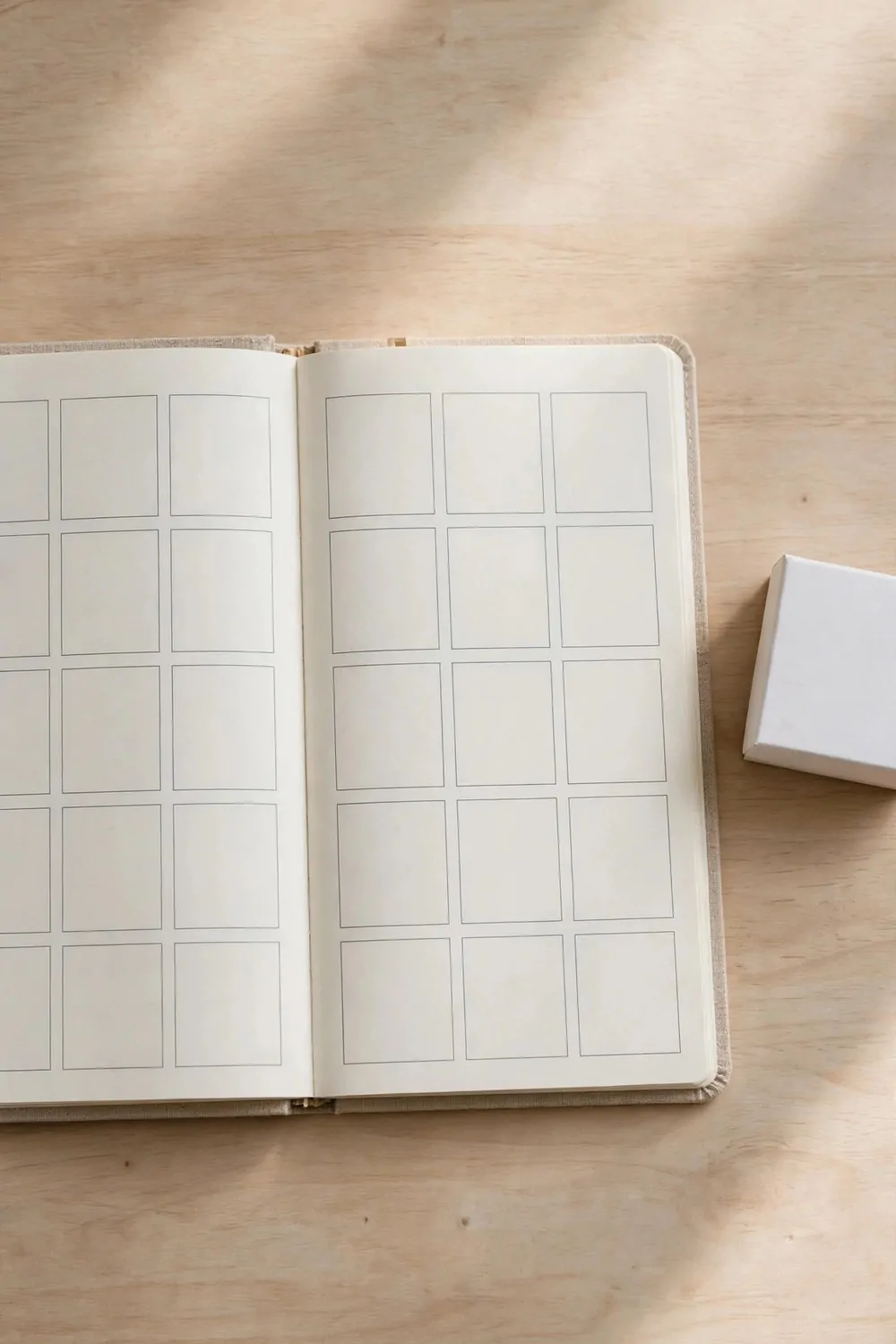
I pick one small treat for the end of my day and I write it in my planner each morning.
A treat gives me a glad thing to look forward to when the day feels long. I keep it small so it stays easy to enjoy.
Some days my treat is a warm drink in my favourite mug. Other days I plan a short walk around my street after dinner.
I write the treat at the bottom of my daily page. I draw a small box for it so I can mark it when the day is done. When I see the box, I smile and I keep going through my jobs.
I do not plan a big treat, just a small joy that fits my day.
If my day turns busy, I still keep my treat in the plan. I move my jobs around so the treat stays in place. A small joy at the end of the day helps me rest well at night.
You can pick your own treat too, and you can change it each day. What matters is that it feels like a gift from you to you.
I end most days with my treat, and it makes the whole day feel kinder.
A plain small notebook for my end of day treat plan cost $3 to $4. I keep it on my kitchen shelf where I see it each morning.
23. Keep Your Daily Page Beside Your Bed
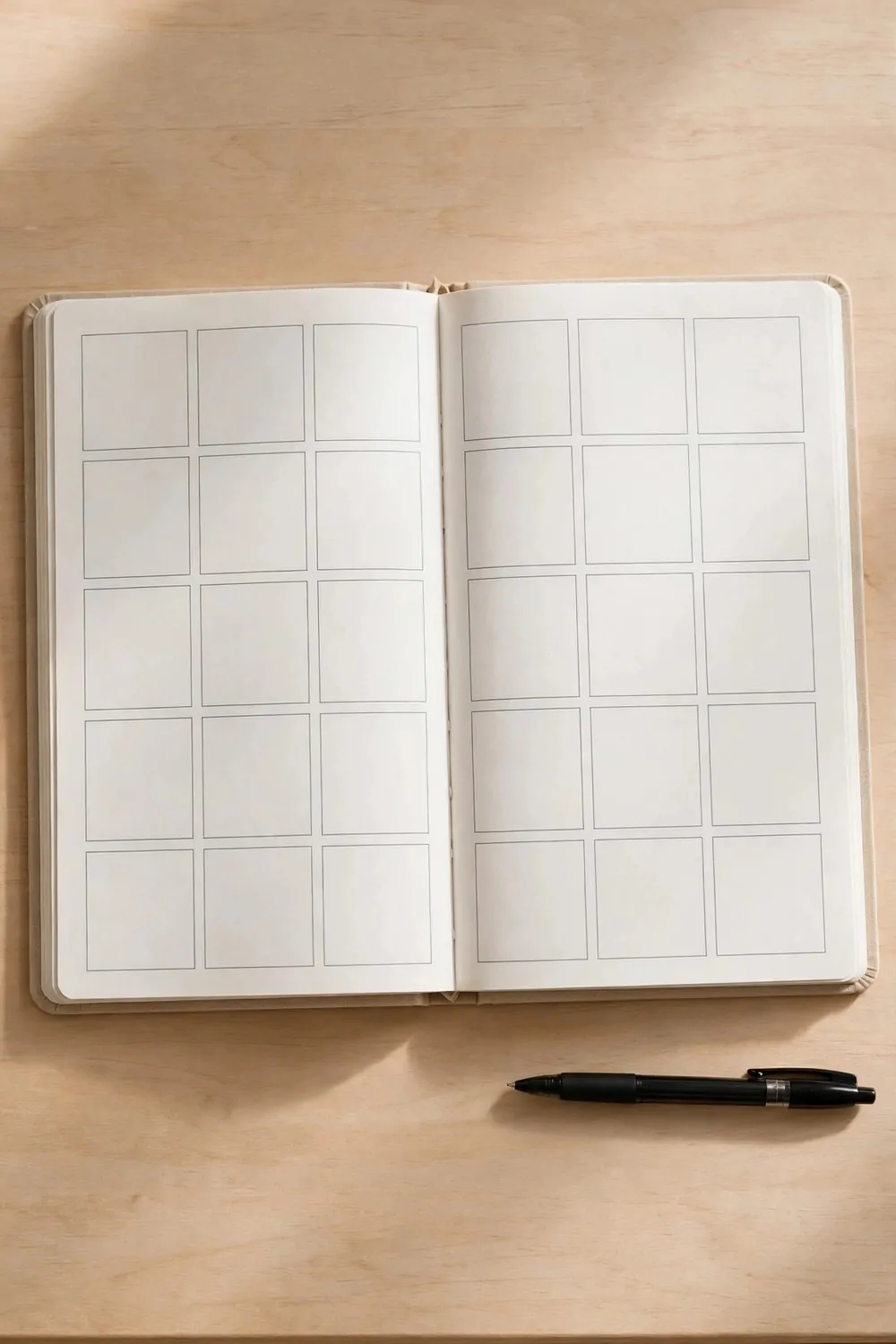
I keep my daily page beside my bed so I see it first in the morning. I write my plan there at night before I sleep. When I wake up, my day is already waiting for me in plain words.
I write my top three jobs first in big plain letters.
I add the time for each job so I know when to start. I leave blank space after each job for notes and ticks.
At night I look at the page once more and I mark what I did. I feel glad when I see the marks grow through the week.
A page beside my bed keeps my plan close and my mind calm.
If I wake up in the night with a thought, I write it down at once. I do not let the thought spin in my head till morning.
I keep a pen with the page so I never hunt for one in the dark. I use the same pen each day so my page looks neat and plain. In the morning I pick up the page and I carry it to the kitchen with me.
You can try this too, and you may find your mornings feel much softer.
A plain small notebook for my bedside daily page cost $2 to $4. It waits on my bedside table where I can reach it at night.
24. Write One Line About Your Day Each Night
Each night I write one line about my day in my planner. One line is enough to keep the whole day in my mind.
I write about the best moment first, even if the day was hard. Then I add one small thing I learned from the day. I keep the line short so I never skip it when I feel tired.
Some nights my line is just a few plain words, and that is fine.
I read my old lines on quiet days, and they remind me how far I have come.
I write my line right after I brush my teeth so it becomes a habit. I do not wait for the perfect words, I just write what is true. A plain true line beats a long fancy one every time.
If I miss a night, I write a bit more the next night and I move on. I do not let one missed night break the whole habit.
You can start tonight with one line about today, and you will see how easy it feels.
My lines help me see my days as a story that grows bit by bit. I spot the good days and the hard days when I read back through the week. Over time the lines show me what makes my days feel calm and glad.
A plain small notebook for my one line a night habit cost $3 to $5. I keep it in my bedside drawer and I open it each night.
25. Split Chores into Small Daily Bits
I split my chores into small daily bits so no day feels too full.
I write one chore for each day of the week in my planner. Monday gets the floors, Tuesday gets the dusting, and the rest of the week shares the small jobs. Each bit takes only a few minutes, and that keeps my home tidy without a big rush.
I mark each chore when I finish it, and I feel glad to see the marks add up. A tidy home grows from small daily bits, not from one long hard day.
I keep the hard chores short, and I pair each one with an easy job.
If a chore takes more than ten minutes, I split it into two days. I write the first half on one day and the rest on the next day.
You can split your chores this way too, and your week will feel much lighter.
I plan my chore bits in the morning while I drink my tea. I look at the day, I pick the bit that fits my time, and I write it down at once. When the bit is done, I mark it and I move on with my day.
Small bits mean I never face a huge pile of work at the weekend. My planner keeps the bits in order so I do not have to keep them in my head.
A plain small notebook for my daily chore bits cost $2 to $3. I keep it on my kitchen shelf and I look at it each morning.
26. Keep a Daily Page for Appointments and Dates
I keep a daily page for my appointments and dates so I never miss one. I write each date in big plain words as soon as I learn it. When the day comes, I open the page and I see what is due.
I write the time and the place for each date so I can plan my trip. I also write one line about what I need to take with me.
I check my page each morning, and I check it once more before I go out.
If a date moves, I cross it out and I write the new date in clear words. I do not rub it out, I just make the change plain to see. A clear change stops me from going to the wrong place on the wrong day.
I keep birthdays on the same page too, with a small mark to remind me. I write a gift idea with each birthday when one comes to mind.
My page keeps my days in order, and it keeps my mind free from worry.
You can keep your dates this way too, and you will miss far fewer of them. All it takes is one page and a few minutes each morning.
At the end of each week I look ahead to the next week and I copy the dates over. I check each date twice so no time or place is wrong. Then I start the new week with a calm mind and a clear page.
A plain small notebook for my appointments and dates page cost $4 to $6. I keep it in my bag so it goes where I go.
27. Plan Ten Minutes of Reading Each Day
I plan ten minutes of reading each day in my planner. Ten minutes is short, but it still fills my mind with new thoughts.
I write the name of my book on my daily page.
I read after lunch when the house is quiet, and I mark the page when I stop.
Some days I read more than ten minutes because the story pulls me in. Other days ten minutes is all I can give, and that is still a win. I never scold myself for a short read, I just keep the habit alive.
I write one line about what I read so I can recall it later. A short note helps me keep the best ideas in mind.
I keep my book where I can see it, so I reach for it without thinking. I read in my chair by the window in the soft light of the day. When my ten minutes are done, I close the book and I mark my planner.
You can pick any book you like, and ten minutes a day will soon add up.
My reading habit grows bit by bit, and my planner shows me the days I kept it. I feel proud when I see a full week of small marks in a row.
A plain small notebook for my ten minutes of reading plan cost $3 to $4. I keep it on my reading chair where I see it each day.
28. Keep a Family Day Page on the Fridge
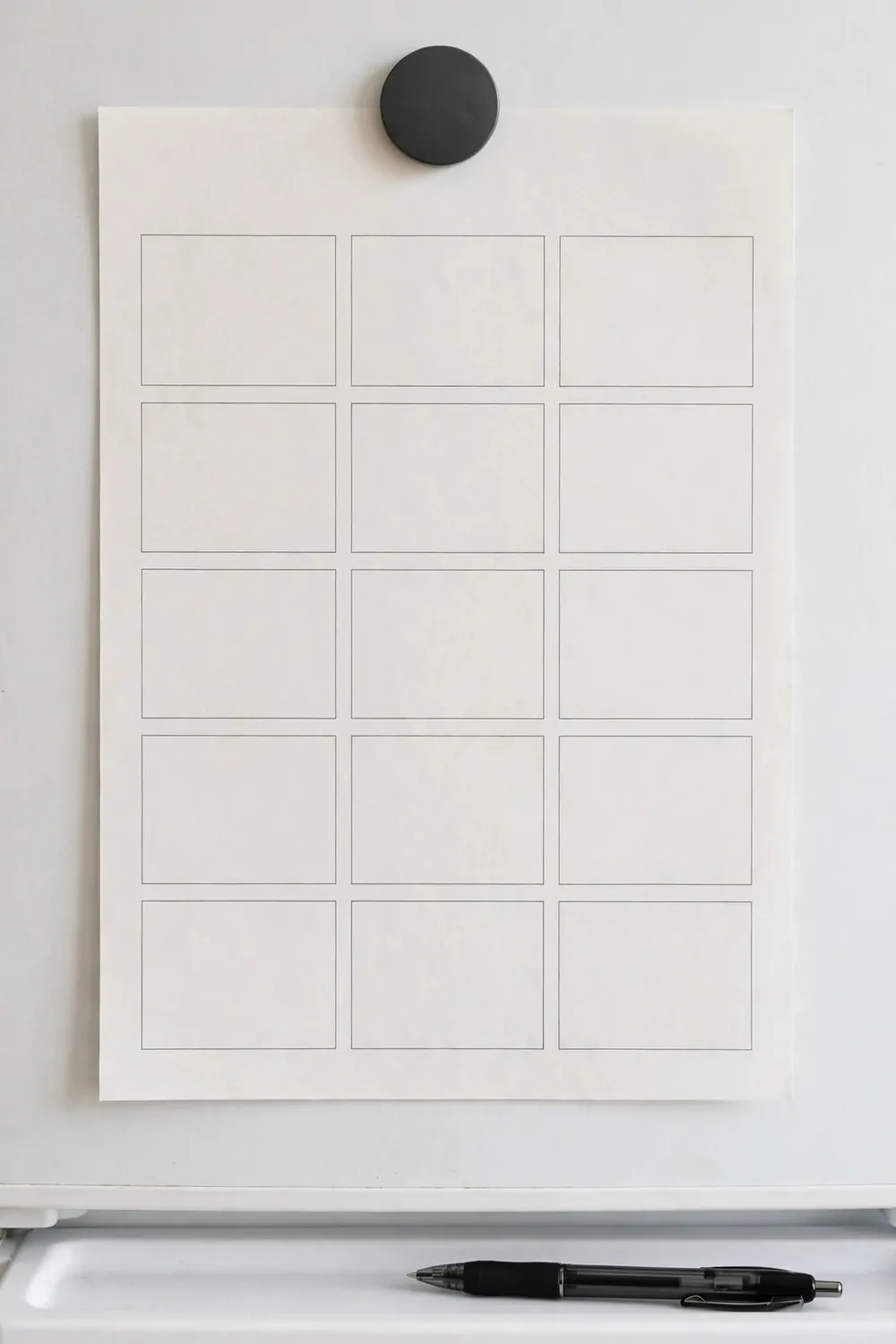
I keep a family day page on the fridge so we all see the same plan.
Each morning I write the day plan in big plain words for the whole family. My kids check it before school, and my husband checks it before work.
I write meals, jobs, and outings on the page so no one has to ask twice. I add the time for each thing so the day runs smooth and calm. When plans change, I cross out the old line and I write the new one at once.
I use a plain pen and plain words so the page is easy for all of us to read. I keep the words short so even a quick look tells the whole story.
Our fridge page stops the morning rush, and it stops the same questions again and again.
At night I take the page down and I file it in my planner for the week.
I start the next page the night before so the morning starts calm. I list the big jobs at the top, and the small ones sit below them. I leave a small space at the end for notes from the family.
You can try a fridge page too, and your family will soon look for it each day. One shared page can make a whole house feel more calm.
A plain small notebook for my family day page cost $5 to $8. I keep it in my kitchen drawer with my pens and paper.
29. Build Your Week from Your Daily Pages
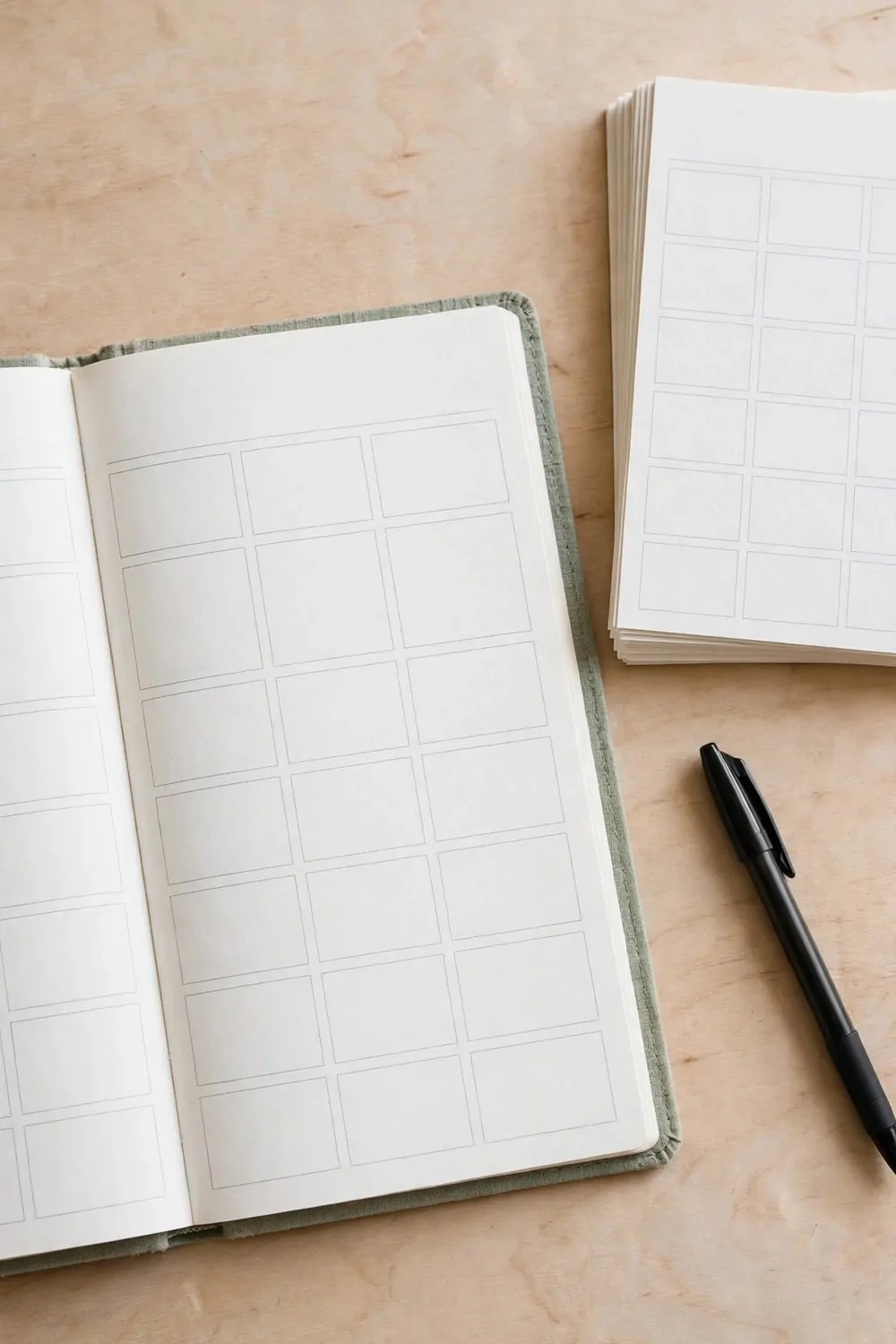
I build my week from my daily pages, one page at a time. On Sunday night I spread my seven daily pages out and I look at them all together. I can see the full week in front of me, and I can spot the busy days at once.
I move the heavy jobs to the light days so no day feels too full.
I write the week plan on one fresh page, and I keep it where I can see it all week.
Each morning I check the week page first, then I open my daily page. The two pages work as a team, and my days run much smoother.
If a job slips, I move it to the next free day without a fuss. I do not let one slip break the whole week, I just shift the plan a bit. A calm week bends a bit, it does not break.
You can build your week this way too, and you will feel the calm in your days.
I end each week by looking back at my daily pages and my week page. I note what worked well so I can do more of it next week.
My daily pages feed my week plan, and my week plan keeps my days in order.
A plain small notebook for my week from daily pages plan cost $2 to $4. I leave it on my desk for my Sunday night plan.
30. Put Together a Daily Planner Starter Kit
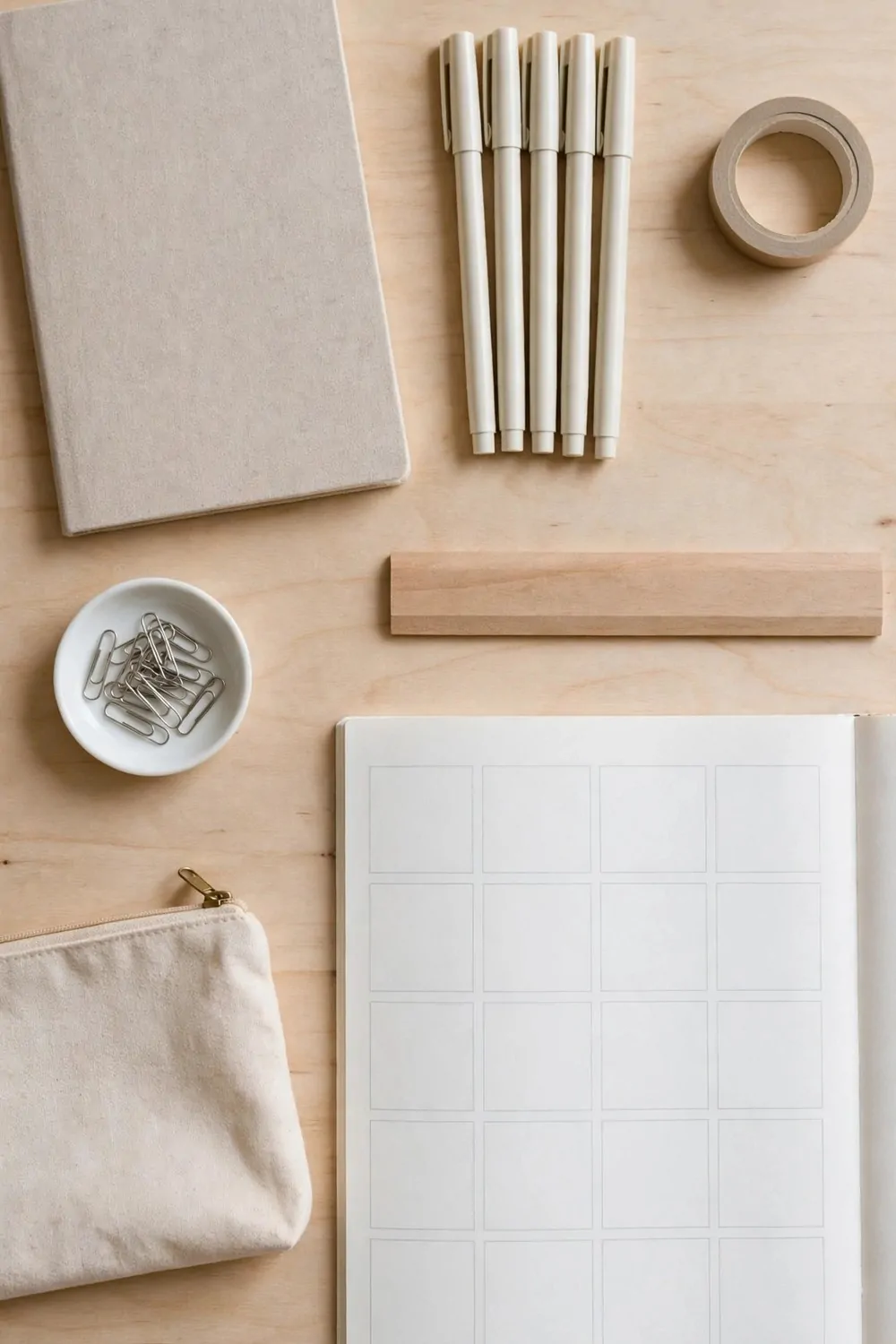
You do not need much to start a daily planner of your own. A plain notebook and a small set of bits will get you going today.
I picked a plain notebook with blank pages that feel smooth to write on. I added a set of plain ballpoint pens in my bag for daily use. I keep the whole set in one place so I can grab it when I plan.
A washi tape roll marks my week in a soft way, and a paperclip set keeps my loose pages safe.
I use my ruler to draw straight lines for my day plan. I keep my pencil pouch shut so my pens stay neat and ready.
A plain daily planner notebook costs $4 to $6, a set of plain ballpoint pens costs $3 to $4, a plain washi tape roll costs $2 to $3, a plain paperclip set costs $2 to $3, a plain ruler costs $2 to $3, and a plain pencil pouch costs $3 to $5. For a total of $16 to $24, you can put this whole daily planner kit together.
I set my kit on my desk each night so my morning starts with a clear plan.
I open the notebook first and I write the date on the page. Then I pick a pen and I write my three main jobs for the day. I mark each job when it is done, and I feel glad to see the day take shape.
You can build your own kit this week with the same six bits. Start small, keep it plain, and let the habit grow day by day.
Pick one idea from this list tonight and write your first line in the morning. A calm day starts with one small plan, and your planner is ready to help you make it.
| Idea | Main change | Typical cost |
|---|---|---|
| Review Your Day in Five Minutes | review your day in five minutes | $2 to $3 |
| Plan a Small Treat for the End of the Day | plan a small treat for the end of the day | $3 to $4 |
| Keep Your Daily Page Beside Your Bed | keep your daily page beside your bed | $2 to $4 |
| Write One Line About Your Day Each Night | write one line about your day each night | $3 to $5 |
| Split Chores into Small Daily Bits | split chores into small daily bits | $2 to $3 |
| Keep a Daily Page for Appointments and Dates | keep a daily page for appointments and dates | $4 to $6 |
| Plan Ten Minutes of Reading Each Day | plan ten minutes of reading each day | $3 to $4 |
| Keep a Family Day Page on the Fridge | keep a family day page on the fridge | $5 to $8 |
| Build Your Week from Your Daily Pages | build your week from your daily pages | $2 to $4 |
| Put Together a Daily Planner Starter Kit | put six plain kit bits in one place | $16 to $24 |
| Total | $42 to $65 |
| Idea | Main change | Typical cost |
|---|---|---|
| a plain daily planner notebook | Keep each day on one page | $4 to $6 |
| a set of plain ballpoint pens | Write each plan in plain ink | $3 to $4 |
| a plain washi tape roll | Mark the best days with colour | $2 to $3 |
| a plain paperclip set | Hold loose pages together | $2 to $3 |
| a plain ruler | Draw straight lines for each day | $2 to $3 |
| a plain pencil pouch | Keep your pens in one place | $3 to $5 |
| Total | $16 to $24 |
Keep Reading
If you liked these ideas, you will love these posts too
Each post has more simple ideas you can try at home this weekend.