28 Weekly Planner Ideas That Keep Life Organized

My week used to run away from me, and by Friday I could not tell what I had done with my days. I wrote jobs on loose bits of paper, and most of them went missing by Wednesday. A plain weekly grid changed that for me.
Here are 28 weekly planner ideas that keep life organized with one plain notebook and a pen.
I plan my week on paper now, and I do it in short lines I can read fast. You do not need a fancy book or a lot of time.
Each idea in this list takes a few minutes to set up. You can try one this week and add more next week.
I keep my planner on the kitchen table where I can see it each morning. A quick look tells me what the day holds, and I start without a rush.
Some weeks go to plan, and some weeks change by Tuesday. My planner still helps, because I can move a job and keep going.
Try these ideas one by one, and keep the ones that fit your home. A calm week starts with a plain page and a pen.
1. Draw a Simple Grid for Your Week
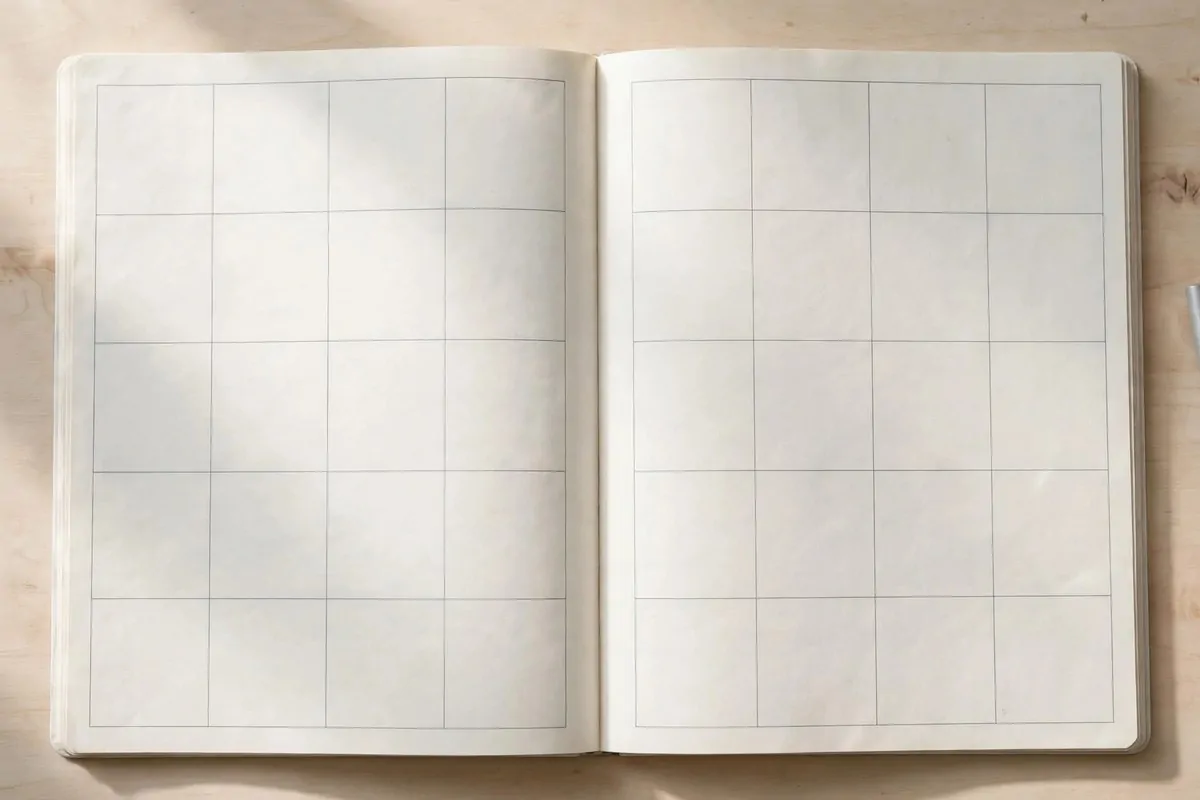
I draw a neat grid of boxes across one page for my week. I write my jobs in the boxes in plain print.
The grid takes me about five minutes to draw.
I keep the boxes wide enough for three short jobs each day. I leave a small space at the bottom of each box for notes. A ruler helps me keep the lines straight, but a free hand line works too.
I draw this grid on Sunday night when the house is quiet.
You can start with a small grid and make it bigger later. A plain notebook page holds one week very well.
I use a pen that does not smudge when I close the book.
My grid sits open on the kitchen table all week.
If a job moves to another day, I cross it out and write it in the new box. The old mark stays there, and that is fine.
A plain notebook and a pen for one weekly grid cost $3 to $5. I bought mine at a small shop near my home. The same notebook lasts me for many weeks.
2. Write Your Top Three Jobs for the Week

I pick just three big jobs for the whole week.
Three jobs feel doable, and ten jobs feel too much. I write my three jobs at the top of the page in big letters.
One job might be a deep clean of the bathroom. Another job might be a visit to the market for winter clothes.
I put a small box next to each job so I can tick it off.
You can pick jobs that matter most to your home and your family. I ask my family what needs doing first. Then I choose the three jobs that help us most.
I do one job early in the week if I can. That way the rest of the week feels light.
A finished job gets a big tick, and I like seeing that mark.
If a job does not get done, I move it to next week without a fuss. I write it down again in the new top three list. No job is lost, and no week feels like a fail.
A thick pen for my top three jobs list cost $2 to $4.
3. Plan Your Dinners for the Week Ahead

I write seven dinners on one page, one for each night. I ask my family what they would like to eat. Then I pick meals I know how to cook well.
A short dinner list saves me from a daily rush at tea time.
I keep the meals simple, like rice and beans or soup and bread. Simple meals mean less stress and less waste.
I write the shopping bits I need next to each meal. That way one market trip covers the whole week.
I leave Friday open for leftovers or a quick easy meal.
You can swap two nights if plans change during the week. I cross out the old meal and write the new one in its place. The list still works, and dinner still gets cooked.
My dinner list sticks to the fridge door with a small magnet.
I check the cupboard first before I write the list. What we already have stays off the shopping list.
A small pad and a pen for one weekly dinner plan cost $4 to $6. I keep the pad in a kitchen drawer so I can find it fast.
4. Plan One Outing Each Week

I plan one outing each week, and I write it in my planner on Monday. One outing gives us something to look forward to.
Our outing might be a walk in the park or a visit to the library. Sometimes we visit family for tea and a chat. I write the day and the time next to the plan.
A planned outing feels special, and a last minute rush feels tiring.
I pack a small bag the night before if we need one. Water, snacks, and a spare jumper go in the bag.
You can pick a free outing close to home if money is tight.
I write the outing in big letters so no one forgets it.
If rain comes, I move the outing to a dry day that week. I cross out the old day and write the new one. The plan stays, and we still go out.
I keep a short list of outing ideas at the back of my planner. When Monday comes, I pick one from the list.
A small notebook for my weekly outing plans cost $2 to $5.
5. Set a Weekly Money Limit

I set one money limit for the whole week.
The limit covers food, travel, and small bits for the home.
I write the limit at the top of my money page. I check what is left each night before bed.
You can start with a small limit and learn as you go. I write every spend in my planner, even a small one. At the end of the week I can see where the money went.
If I stay inside the limit, I put the spare coins in a jar. That jar pays for a treat at the end of the month.
I keep the money page simple, with one line for each day. I write the date, what I bought, and the price in plain words. No fancy maths, just short lines I can read fast.
A weekly limit helps me say no to things we do not need.
My family knows the limit, and we plan together.
A plain money book and a pen for my weekly limit cost $3 to $6. I keep it next to my planner on the shelf.
6. Plan a Weekly Deep Clean for One Room
I pick one room each week for a deep clean. I write the room name in my planner on Monday. The rest of the rooms get a quick tidy only.
One room a week means the whole home gets a deep clean over time. I do not try to clean every room in one day.
This week it might be the kitchen, and next week it might be the bathroom.
I write four small jobs for the room, like shelves, floor, windows, and bins.
I do one small job each day, so the room is done by Friday. Small steps feel easy, and the room still ends up clean.
You can ask your family to help with one job each.
I keep my cleaning bits in one box for the room I clean. I take the box to the room and put it back when I finish. A tidy box saves time, and I never hunt for a cloth.
A clean room at the end of the week feels like a fresh start.
A box of cloths and a plain spray for one weekly deep clean cost $4 to $7. I buy the small size, and it lasts me a few weeks.
7. Plan Your Work Hours for the Week

I write my work hours for the week in my planner on Sunday. I mark the start time and the end time for each day.
Clear hours help me rest when work is done.
I leave gaps for lunch and a short walk.
You can colour the work blocks with a light pen if you like. I use one colour for work and one colour for home jobs. The page is easy to read at a glance.
I write my hardest task first in the morning when I feel fresh.
If work runs long one day, I write it down and rest more the next day. My planner helps me see the balance.
I keep one evening free each week with no work at all. That evening is for rest and family time.
I check my hours on Friday and count the days I kept to the plan. If I missed a block, I note why in one short line. Next week I plan a bit better, and I do not worry about the miss.
A pack of plain pens for my weekly work hours plan cost $2 to $3.
8. Keep a Weekly Family Notes Page

I keep one page each week for family notes.
Everyone in my home can add a note to the page. My kids write what they need for school, and my husband writes what he needs for work. I read the page each morning and add the jobs to my week.
A note might ask for a lift, a form, or a small repair. I tick each note when it is done.
The notes page stops small jobs from being forgotten.
I keep the page near the front of my planner.
You can use one colour for each person if you like. That way you can see at a glance who asked for what.
I clear the page on Sunday and start a fresh one for the new week. Old notes that are done get crossed out first. New notes go on the fresh page, and the week starts clean.
A family notes page helps us talk less and plan more. We all know what the week holds.
A ruled notebook for my weekly family notes page cost $3 to $4.
9. Plan One Quiet Evening Each Week
I plan one quiet evening each week, and I write it in my planner in pen. No big jobs, no rush, and no extra plans. Just one calm evening at home.
I pick the evening that feels least busy.
Wednesday works best for us most weeks.
I make a warm drink and read a book on the sofa. My family reads or draws beside me.
You can use the evening for a bath, a puzzle, or a long rest. I keep the lights low and the room warm. The quiet helps me feel ready for the rest of the week.
I write the quiet evening in my planner so I do not fill it by mistake.
If a guest calls that night, I say we are resting. A planned rest is still a plan.
One quiet evening each week keeps my mind calm.
A plain notebook and a soft blanket for my quiet evening plan cost $5 to $8. I wrap up in the blanket after dinner, and the evening feels slow and soft.
10. Write a Weekly Shopping List

I write one shopping list each week, and I keep it in my planner. I add to it all week as things run out.
I check the fridge and the cupboards before I shop. What we have stays off the list.
I sort the list by shop rows, like fruit, bread, and cleaning bits. A sorted list means I walk the shop once. I miss less, and I spend less time looking round.
You can write the list in pencil so you can rub out a line.
I take the list with me and tick each thing as I buy it.
If I forget the list at home, I write a short one on a scrap of paper. I copy the main bits from memory. The shop trip still works, and I buy what we need most.
I keep old lists at the back of my planner for a while. They help me see what we buy most weeks.
A good list stops me from buying the same thing twice.
A small list pad and a pencil for my weekly shopping list cost $2 to $6.
| Idea | Main change | Typical cost |
|---|---|---|
| Draw a Simple Grid for Your Week | draw a simple grid for your week | $3 to $5 |
| Write Your Top Three Jobs for the Week | write your top three jobs for the week | $2 to $4 |
| Plan Your Dinners for the Week Ahead | plan your dinners for the week ahead | $4 to $6 |
| Plan One Outing Each Week | plan one outing each week | $2 to $5 |
| Set a Weekly Money Limit | set a weekly money limit | $3 to $6 |
| Plan a Weekly Deep Clean for One Room | plan a weekly deep clean for one room | $4 to $7 |
| Plan Your Work Hours for the Week | plan your work hours for the week | $2 to $3 |
| Keep a Weekly Family Notes Page | keep a weekly family notes page | $3 to $4 |
| Plan One Quiet Evening Each Week | plan one quiet evening each week | $5 to $8 |
| Write a Weekly Shopping List | write a weekly shopping list | $2 to $6 |
| Total | $30 to $54 |
11. Keep a Weekly Exercise Plan
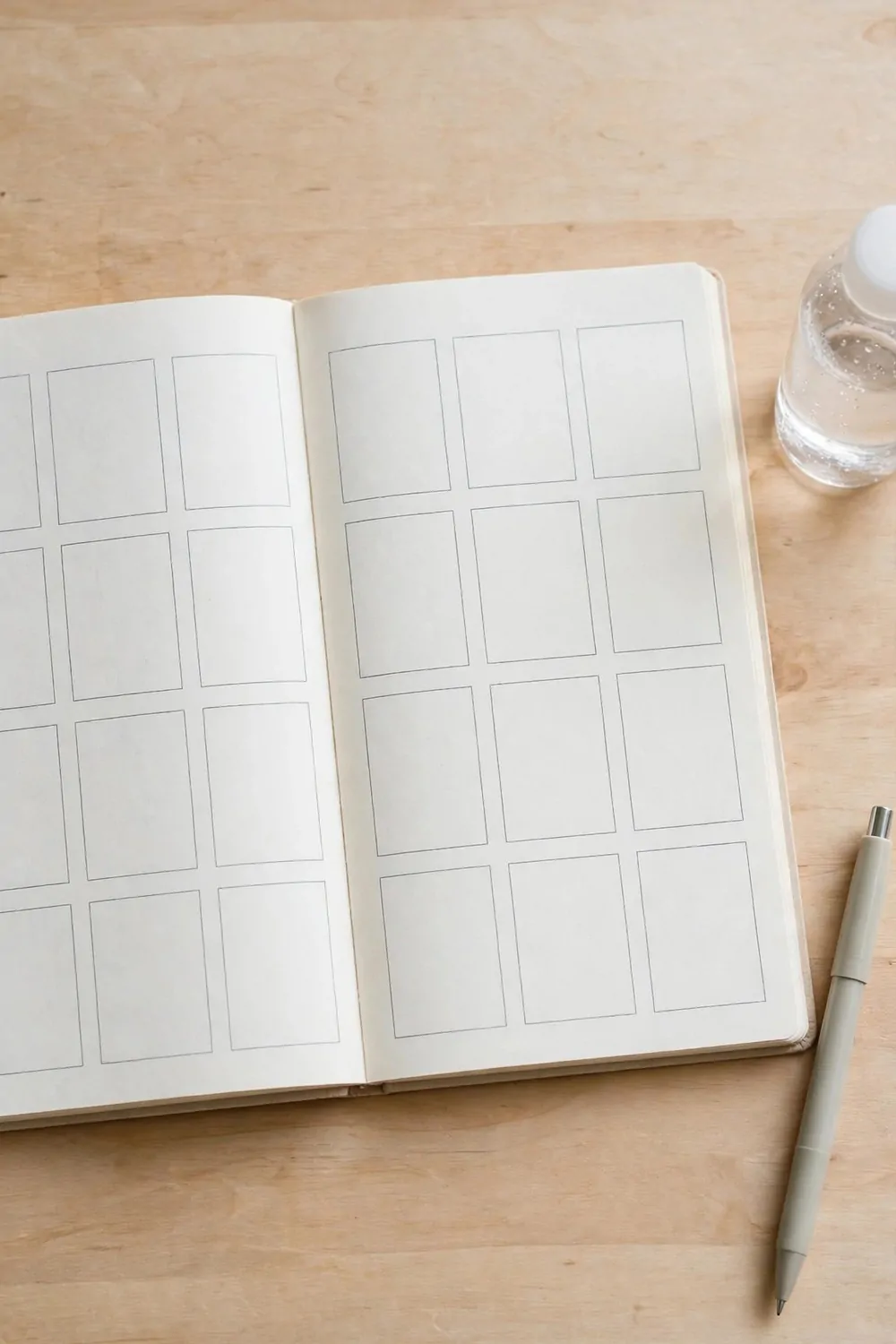
I write my exercise plan on Sunday night. It takes me five minutes and it keeps my week clear.
I pick three days for a walk and two days for a stretch at home.
I write the time next to each day so I know when to start. I keep the plan short so I can follow it. I cross off each day when I finish.
I put my walking shoes by the door on walk days. It saves me time in the morning.
I rest on two days and I write rest on those lines so I do not feel bad.
I note how I feel after each walk in one short line. I write tired or fresh or stiff. It helps me pick a better time next week.
I move a missed walk to another day instead of skipping the whole week.
I keep the plan on one page so I can see it all at once. I stick it on the fridge with a plain magnet.
A plain notebook and a pen for one exercise plan cost $3 to $5. I use the same notebook all month. I start a fresh page each Sunday.
12. Plan Your Laundry Days
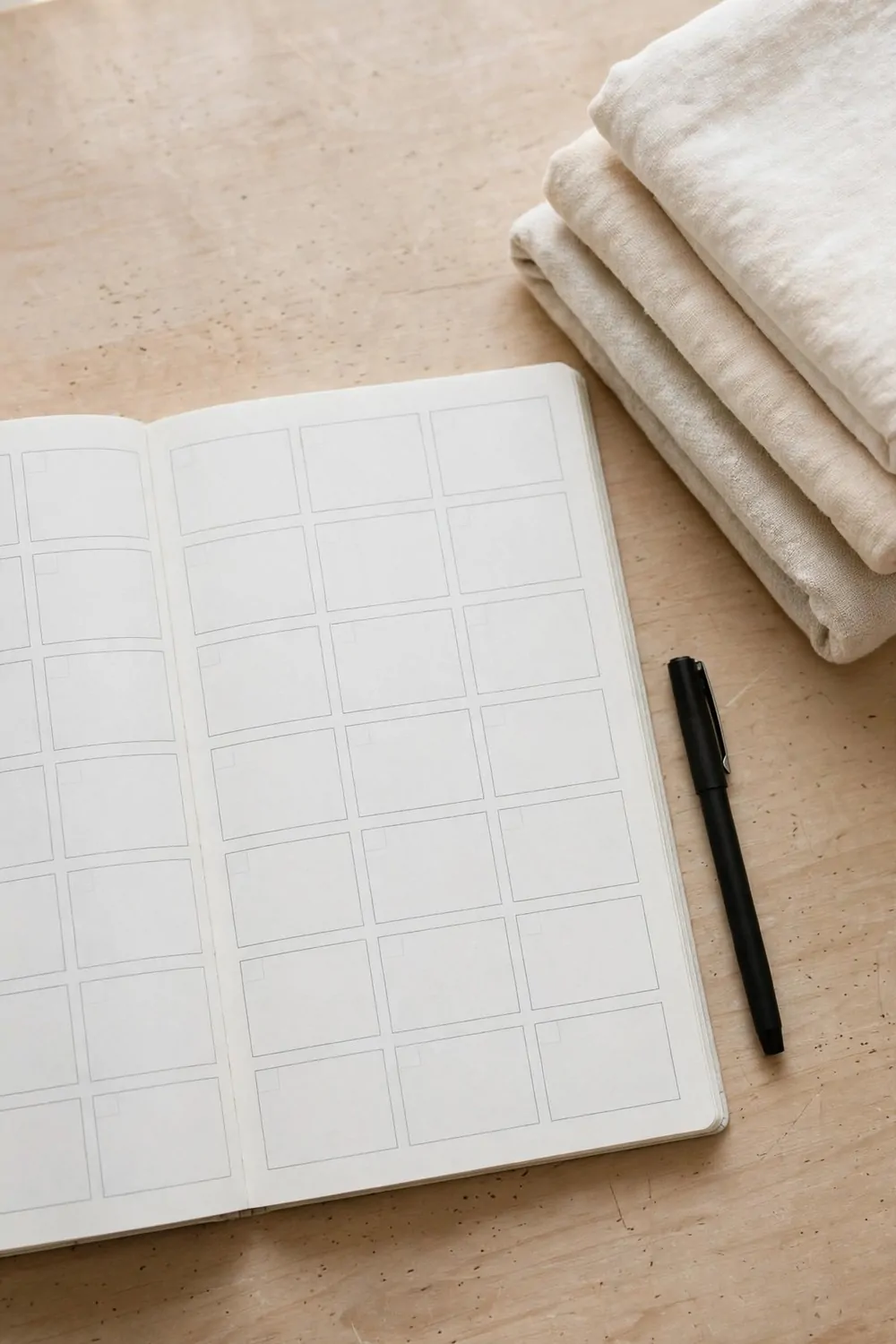
I pick two laundry days each week and I write them in my planner.
I wash dark clothes on Tuesday and light clothes on Friday. It keeps the piles small and easy to handle.
I sort the clothes the night before so the morning is calm. I put the soap and the pegs in one basket. I check the weather line in my planner before I hang clothes out.
I fold the dry clothes the same day so they do not pile up on a chair.
I write bedding on the last Friday of the month. I change the sheets and the pillow covers that day.
I keep a small note of what I washed so I do not wash the same load twice.
I ask my family to put dirty clothes in the basket by the door. I write their names next to their own loads. It makes the job fair and fast.
I hang the clothes out early so they dry by lunch. I bring them in before the dust settles in the evening.
A small pack of pegs and a plain laundry basket for one week cost $2 to $4.
13. Keep a Weekly Reading List
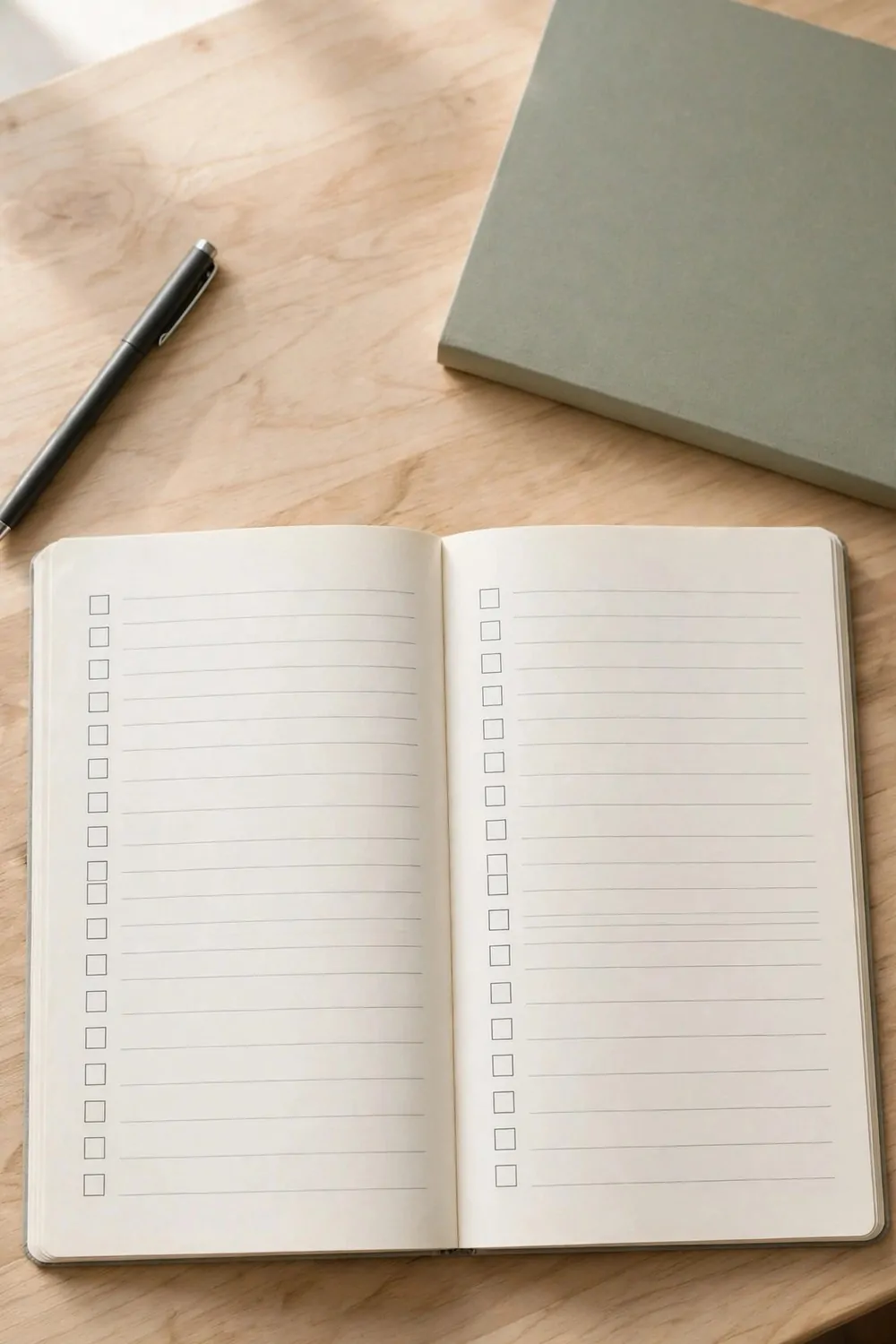
I write three books on my reading list each week. I pick one easy book and two books I want to learn from. I keep the list on one page in my planner.
I read for twenty minutes after lunch each day.
I mark the page number where I stop each day. It helps me start again without a hunt.
I keep a pen beside the book so I can mark a line I like.
I write one line about each book when I finish it. I note what I liked and what was hard. I pick the next book from my own notes.
I borrow books from the library on Monday. I return the old ones on the same trip.
I share one book with a friend and we talk about it on Friday.
I put the reading list where I sit in the evening. I see it each time I pass the chair. I read a few pages even on busy days.
A plain reading log book and a pen for one week cost $4 to $6. I use the same log all year and I add a fresh page each week.
14. Plan a Weekly Call to Family

I write one call in my planner each week so I do not forget it.
I pick Sunday evening for my call home. I write the time next to the day. I keep that hour free for family.
I note three things I want to ask about before I call. It makes the talk warm and easy.
I ask about health first and then about the week. I listen more than I talk. I write down any date they give me.
I mark the call done with a small tick in my planner.
I plan a second call if a birthday is near. I write the gift idea next to the date.
I keep a list of family birthdays at the back of my planner. I check it every Sunday. I never miss a birthday now.
I call my sister on Wednesday when my week feels long.
A plain planner page and a pen for one weekly call plan cost $2 to $5. I use the same planner all year for my calls.
15. Write Your Weekly Goals in One Line Each

I write five goals on Monday morning. Each goal fits on one line.
I use short clear words for each goal. I write what I will do and when I will do it. I read the list each night before bed.
I tick each goal when I finish it.
I move an unfinished goal to next week. I do not cross it out in anger.
I write one goal for my home and one for my health. I write one goal for my money and one for my learning. I keep the fifth goal for something fun.
I look at last week’s goals before I write new ones.
I ask myself what went well last week. I keep what worked and I drop what did not.
I share my goals with my sister so she can cheer me on.
A plain notebook and a coloured pen for one goals page cost $3 to $6. I use the same notebook for the whole month. I start a fresh page each Monday.
16. Keep a Weekly Prayer and Quiet Time Plan

I write my quiet time in my planner each week. I pick the same time each day so it becomes a habit. I keep that time free from other plans.
I sit in one calm corner of my home. I keep my prayer beads and my book there.
I read a short passage each morning before the house wakes up.
I write one line about what I read each day. I keep the words simple and true. I look back at my lines on Friday.
I plan extra quiet time on Friday after lunch. I use that time to think and to rest.
I mark each quiet day with a small star in my planner.
I keep my prayer mat clean and folded in its place. I lay it out before the time comes.
I write the names of people I want to pray for in my planner. I add one name each week. I cross off a name when their need is met.
A plain notebook and a pen for one prayer plan cost $4 to $7.
17. Plan One New Recipe Each Week

I pick one new recipe each week and I write it in my planner.
I look for a recipe with few steps and plain items. I copy the steps onto one page.
I write the shopping list for the recipe on the same page.
I buy the items on Saturday morning. I cook the new dish on Sunday lunch.
I read the steps twice before I start. I put all the items on the counter first. I cook slowly so I do not miss a step.
I write a note about how the dish turned out. I mark it good or plain or too salty. I keep the good ones in a list at the back.
I ask my family what they liked best about the dish.
I try a soup one week and a rice dish the next week. I keep the tastes mixed so no one gets bored.
A plain recipe notebook and a pen for one recipe plan cost $5 to $8.
18. Keep a Weekly Garden Jobs List

I write my garden jobs on Monday morning. I pick three small jobs for the week.
I water the plants early in the morning before the sun gets hot.
I pull weeds on Tuesday and I put them in a bucket.
I check the pots for dry soil each day. I water only the pots that feel dry. I write the dry pots on my list.
I trim the long stems on Thursday with plain shears. I put the cut bits in the compost heap.
I plant new seeds on Friday in one small bed. I press the seeds in gently. I water the bed and I mark the date in my planner.
I sweep the path on Saturday. I stack the pots neatly by the wall.
I rest on Sunday and I just look at the garden.
A small pack of seeds and a plain trowel for one week cost $3 to $7. I keep the trowel in a dry box by the door.
19. Plan Your Kids’ School Week

I write the school week on Sunday night. I list each day from Monday to Friday. I keep the plan on the fridge where we all can see it.
I pack the school bags the night before. I check the books and the lunch boxes. I put the shoes by the door.
I write test dates in red so they stand out.
I plan homework time for one hour after lunch. I sit near my kids while they work.
I write the lunch menu for the week on one page.
I wash the school clothes on Wednesday. I iron the uniforms on Thursday night.
I sign any school notes on Sunday so Monday is calm.
I ask my kids what they need for the week. I write their answers next to each day. I buy the small items on Saturday.
A plain weekly planner and a red pen for one school week cost $4 to $8. I use the same planner for the whole school term.
20. Keep a Weekly Savings Note

I write my savings note every Friday after lunch.
I count the coins in my jar and I write the total in my planner.
I set one small savings goal for the week. I write the amount on one line. I tick the line when I reach it.
I put spare coins in the jar each night. I keep the jar on a high shelf.
I write what I saved money on this week. I skip one small treat and I save that amount.
I keep the savings note on one page so I can see the month grow.
I look at last month’s notes before I set a new goal. I pick a goal I can reach. I feel glad when the total grows.
I plan one big save for the end of the month. I write the date next to the amount.
A plain savings jar and a small notebook for one week cost $2 to $6. I use the same jar all year. I start a fresh page each Friday.
| Idea | Main change | Typical cost |
|---|---|---|
| Keep a Weekly Exercise Plan | keep a weekly exercise plan | $3 to $5 |
| Plan Your Laundry Days | plan two laundry days each week | $2 to $4 |
| Keep a Weekly Reading List | keep a weekly reading list | $4 to $6 |
| Plan a Weekly Call to Family | plan a weekly call to family | $2 to $5 |
| Write Your Weekly Goals in One Line Each | write weekly goals in one line each | $3 to $6 |
| Keep a Weekly Prayer and Quiet Time Plan | keep a weekly prayer and quiet time plan | $4 to $7 |
| Plan One New Recipe Each Week | plan one new recipe each week | $5 to $8 |
| Keep a Weekly Garden Jobs List | keep a weekly garden jobs list | $3 to $7 |
| Plan Your Kids’ School Week | plan your kids’ school week | $4 to $8 |
| Keep a Weekly Savings Note | keep a weekly savings note | $2 to $6 |
| Total | $32 to $62 |
21. Check Your Week on Sunday Night

Sunday night is my quiet time to look at the week ahead. I sit at the table with my planner and a pen.
I read each day one by one and mark what is already set.
I write the big jobs first so they do not get lost. Then I put the small jobs below them in short lines. I keep one blank line after each day for notes that come later.
I look at my list of meals and pick simple ones for busy days. I write the meal next to the day so I do not have to think twice.
I cross out any job that can wait till next week.
A plain weekly planner pad will cost $3 to $5, and it lasts for many weeks. I keep mine by my bed so I see it first thing in the morning.
I check what I need to buy and write a short list on the side. I put the list in my bag so I take it with me. I tick each thing off as I buy it.
I end the night with a clear head and a clear page.
You can try this on Sunday night too. Ten calm minutes now can save you a rush all week.
22. Plan One Baking Day Each Week

I pick one day each week just for baking.
I write it in my planner in big letters so I do not forget it. I pick a day when I have a free hour at home.
I write down one simple bake for that day.
I keep the list short so the day stays fun and calm. A plain set of baking notes and a small recipe card box will cost $4 to $6 in total. I write the bake name, the time, and what I need to buy.
I check my cupboard the night before and write what is missing. I add those things to my shopping list in the planner.
I set the tray and bowls out the night before too.
On baking day I follow my short plan step by step. I write a tick next to each step as I finish it. I write a small note if I want to change the bake next time.
I share what I bake with my family at tea time. I write who liked it best in the margin of the page.
One baking day a week makes the whole week feel warm.
23. Plan Your Week Around the Weather

I look at the week of weather before I plan my jobs. I write a small sun or rain mark next to each day. I keep the marks plain so I can read them fast.
I move the outside jobs to the dry days first.
I put the inside jobs on the wet days so nothing is wasted. I write the inside jobs in a neat list under each wet day.
I plan my wash days for the dry days too.
I write the wash and the dry plan on one line each day. A plain weather notes page and a pack of plain sticky notes will cost $2 to $4 in total. I tick the wash off when the clothes are dry and folded.
I plan walks and garden jobs for the bright days. I write them early in the day so they get done first.
I keep a spare indoor job for a day that turns wet.
I check the plan each morning and move one job if I need to. I do not rub things out, I just draw a small arrow to the new day.
You can plan your week this way too. It takes five minutes and it stops a wet day from spoiling your plans. Your planner will help you pick the right job for the right day.
24. Keep a Dates Page for the Week Ahead

I keep one dates page at the front of my planner.
I write each date in a neat line down the page. I add the day name next to it in small letters. I leave space after each line for a short note.
I write birthdays and school dates on this page first. I mark them with a star so they stand out.
I check the dates page every Sunday night before I plan. I move any date for the next week into my daily plan. I tick the date off on the dates page when it is done.
I write new dates on the page as soon as I hear them.
I keep the page plain so I can read it in one look. I use short words and I do not crowd the lines.
A plain dates notebook will cost $3 to $4.
I write the time next to a date if it has one. I write where I need to go in a few plain words. I write what to take with me on the line below.
You can keep a dates page like this too. It stops a big date from slipping past you in a busy week.
25. Plan One Craft Hour Each Week
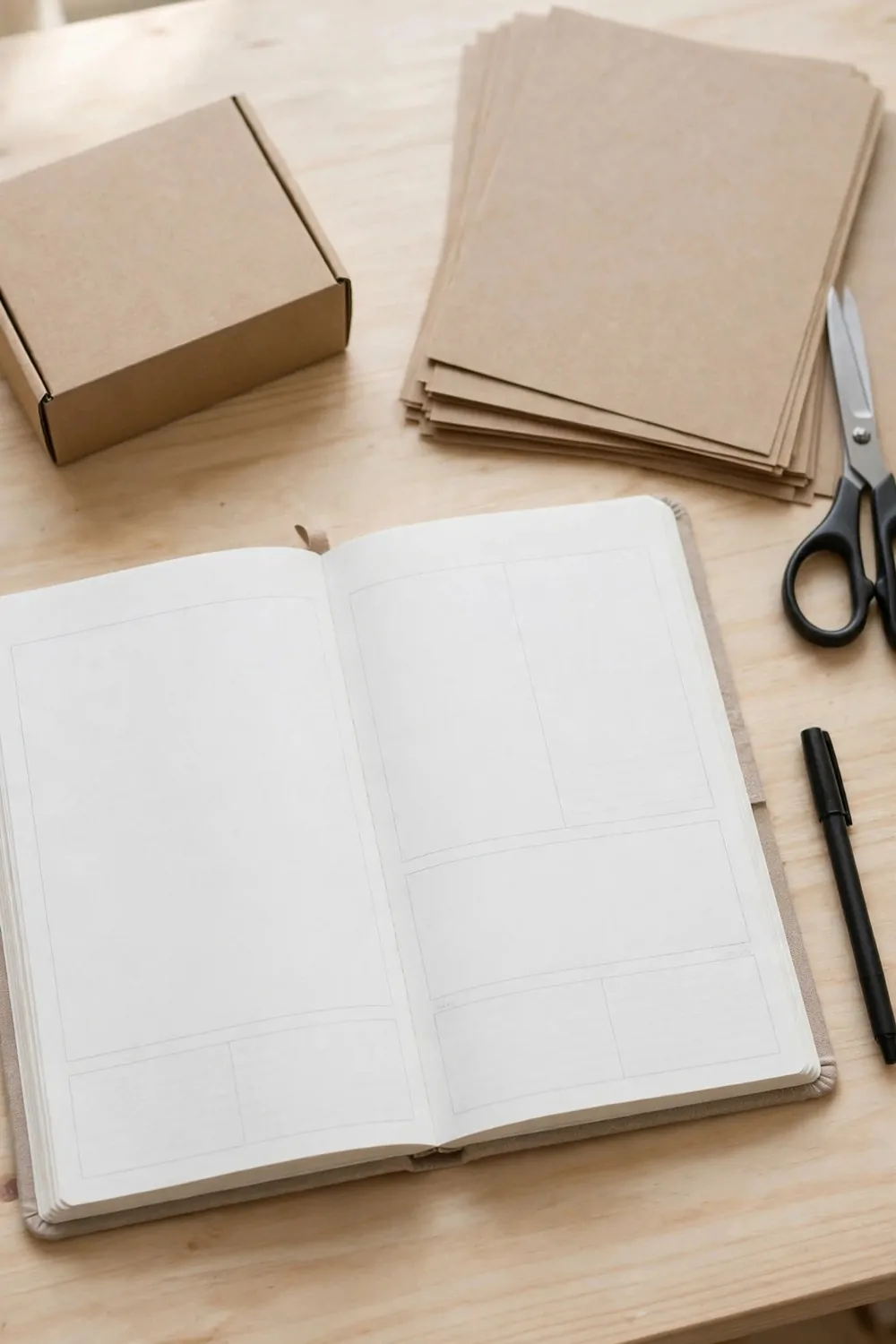
I keep one hour each week just for a craft. I write it in my planner like any other job.
I pick a simple craft that I can finish in that hour and write what I will make at the top of the page. I list the things I need in short lines below it.
I set the craft things out the night before. I lay the paper and the tools in a neat row so the hour starts fast.
I sit at a clear table and work through my short list. I tick each step off as I finish it.
I keep my craft notes in one place so I can find them fast. A plain craft notes pad and a small pack of plain coloured pencils will cost $2 to $3 in total. I write a small note if I want to try the craft again next week.
I put the finished craft in a safe place when I am done.
I write how long the craft took in the margin. I write if I need more of one thing for next time.
One calm hour a week is enough to make something nice.
You can plan a craft hour in your week too. Pick a day, pick a simple craft, and write it down. Your planner will hold the plan till you are ready to start.
26. Keep a Weekly Health Notes Page

I keep one health notes page in my planner each week. I write the day at the top of each short line. I keep the notes plain and short so I can read them fast.
I write how much water I drink each day. I write how long I sleep each night too.
A plain health notes pad will cost $4 to $5.
I write my walks on the page with the time I took. I write how I feel after the walk in a few words. I tick the day off when I have had my walk.
I write my meals in short lines under each day. I keep the words simple, like rice, bread, and fruit.
I write a note if I feel tired or full of life. I look back at the page on Sunday and see the whole week. I pick one small change to try in the next week.
I do not write long notes, just a line or two each day.
You can keep a page like this in your planner too. It helps you see what helps you feel well.
A small page each week can make a big change over time.
27. Plan Your Week with Colour Blocks
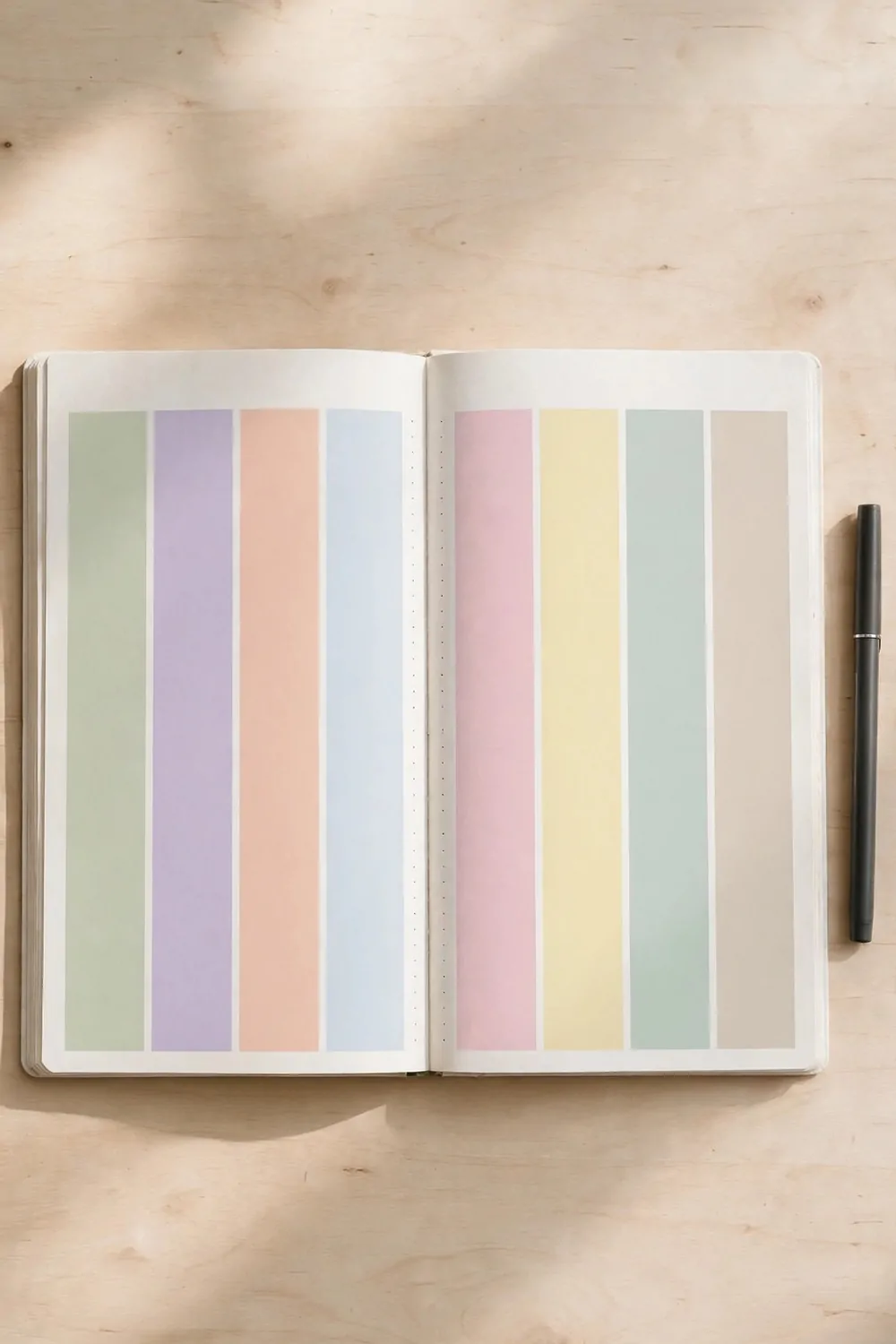
I plan my week with plain colour blocks in my planner.
I give each kind of job its own colour. I use blue for work, green for home, and yellow for rest.
I draw a colour block next to each job in its colour. I keep the blocks the same size so the page looks neat. I write the job name inside the block in short words.
I can see my whole week in colour at one look.
I do not use too many colours, just three or four. I keep a small key at the top of the page so I know what each colour means.
I colour the block when I start the job. I add a tick when the job is done. I leave the block blank if the job moves to another day.
I plan my rest blocks first so they do not get lost. I write rest in yellow and I keep those blocks safe.
A set of plain fine-tip colour pens will cost $3 to $6.
You can try colour blocks in your planner too. They make a busy week look calm and clear.
28. Put Together a Weekly Planner Starter Kit

Six plain bits can make a fine start for a weekly planner. I put them in one box so I can find them in one place. I take the box out each Sunday and put it back when I am done.
I keep the box on my desk where I can reach it.
I pick a plain notebook first, as it holds all my week plans. I write the week dates on the first page in neat lines.
I add sticky notes for jobs that may move to another day. I stick them on the page and move them if the plan changes. I write short words on each note so I can read it fast.
A plain weekly planner notebook costs $4 to $6, a set of plain coloured sticky notes costs $2 to $3, a plain weekly wall calendar costs $3 to $5, a set of plain fine-tip pens costs $3 to $4, a small plain weekly planner pad costs $2 to $3, and a plain magnetic weekly planner board costs $3 to $5. For a total of $17 to $26, you can put this whole weekly planner kit together.
I hang the wall calendar where I can see it each morning.
I use the fine-tip pens to write in neat lines. I keep the planner pad by my bed for quick notes at night. I stick the magnetic board on the fridge for the jobs we all share.
I check the box each week and add more notes when I need them.
Your planner will wait on the desk, all set for the week ahead. Pick one idea tonight, write your first line tomorrow, and let a calm week follow.
| Idea | Main change | Typical cost |
|---|---|---|
| Check Your Week on Sunday Night | check your week on Sunday night | $3 to $5 |
| Plan One Baking Day Each Week | plan one baking day each week | $4 to $6 |
| Plan Your Week Around the Weather | plan your week around the weather | $2 to $4 |
| Keep a Dates Page for the Week Ahead | keep a dates page for the week ahead | $3 to $4 |
| Plan One Craft Hour Each Week | plan one craft hour each week | $2 to $3 |
| Keep a Weekly Health Notes Page | keep a weekly health notes page | $4 to $5 |
| Plan Your Week with Colour Blocks | plan your week with colour blocks | $3 to $6 |
| Put Together a Weekly Planner Starter Kit | put six plain kit bits in one box | $17 to $26 |
| Total | $38 to $59 |
| Idea | Main change | Typical cost |
|---|---|---|
| a plain weekly planner notebook | Keep one week on each page | $4 to $6 |
| a set of plain coloured sticky notes | Mark the big jobs with a note | $2 to $3 |
| a plain weekly wall calendar | Hang it where you see it each morning | $3 to $5 |
| a set of plain fine-tip pens | Keep them beside the planner | $3 to $4 |
| a small plain weekly planner pad | Keep your notes in one place | $2 to $3 |
| a plain magnetic weekly planner board | Stick it on the fridge for daily notes | $3 to $5 |
| Total | $17 to $26 |
Keep Reading
If you liked these ideas, you will love these posts too
Each post has more simple ideas you can try at home this weekend.