30 Home Inspiration Ideas for Every Room in the House

Come walk through my home with me, room by room. I will point out the little things that make each space feel just right.
We start at the front door, where a mirror and a small table greet us. Then we move into the living room, the kitchen, the bedrooms, and every small corner in between. Each idea is small on its own, but together they change the whole feel of a house.
You do not need a big budget or a full remodel to love your home more. Most of these ideas take an afternoon or less, and many cost very little. Ready to walk with me?
1. Give Your Entryway a Console and a Mirror
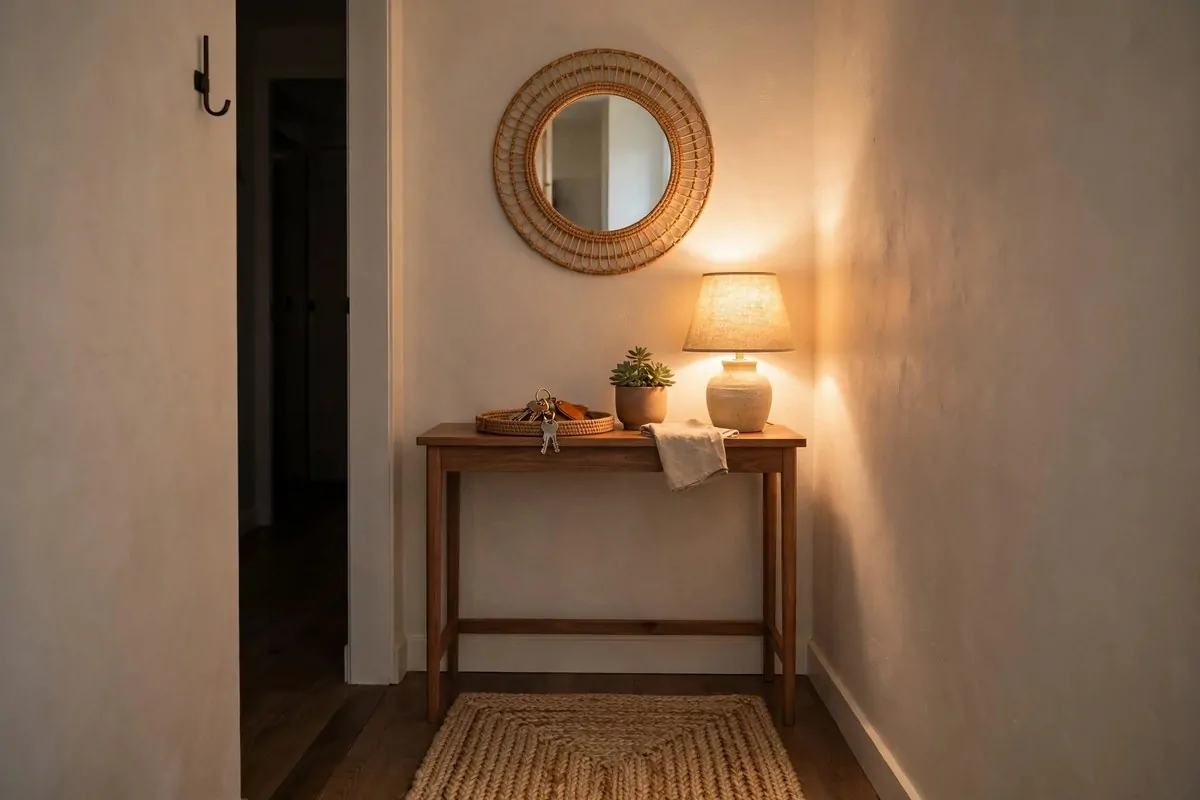
The entryway is the first thing you see when you come home. It sets the mood for everything else.
A slim console table fits even in a tiny hallway. Look for one about 30 cm deep. It holds your keys, your bag, and the mail without eating up the walkway.
Hang a round mirror above the table. It bounces light around and makes the space feel twice as big. A last look at your face before you head out is a nice bonus too.
Put a small tray on the table for keys and sunglasses. This one habit saves so much morning stress. You will never hunt for your keys again.
A little rug under the console warms up the space. It also catches dust from shoes. Shake it out once a week and it stays fresh.
Add something personal on top of the table. A small plant, a framed photo, or a candle works. It tells guests this is a lived-in home, not a showroom.
Keep the console clear of clutter. One tray, one decor item, and room for your bag. If papers start piling up, move them to a basket under the table.
Lighting matters here too. If you can, add a small lamp or a wall light near the mirror. Warm light in the entryway feels like a hug when you walk in at night.
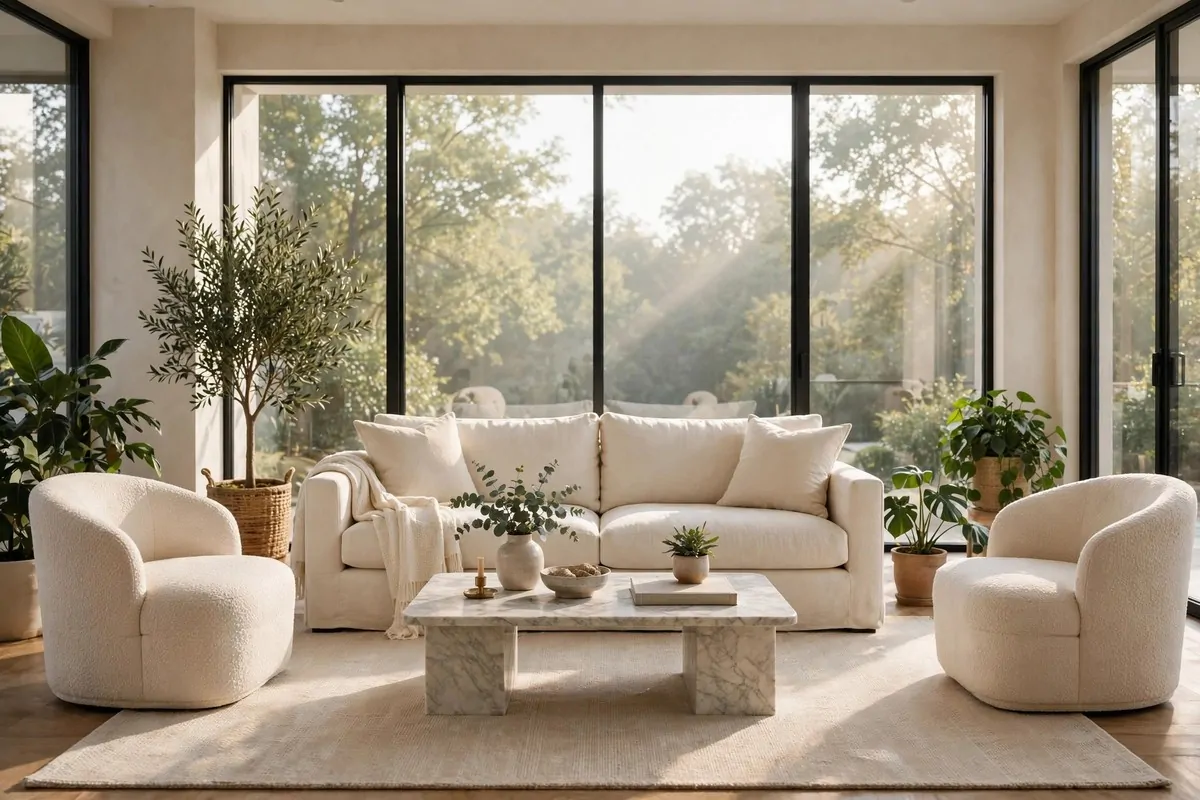
2. Layer a Big Rug Under the Living Room Seating
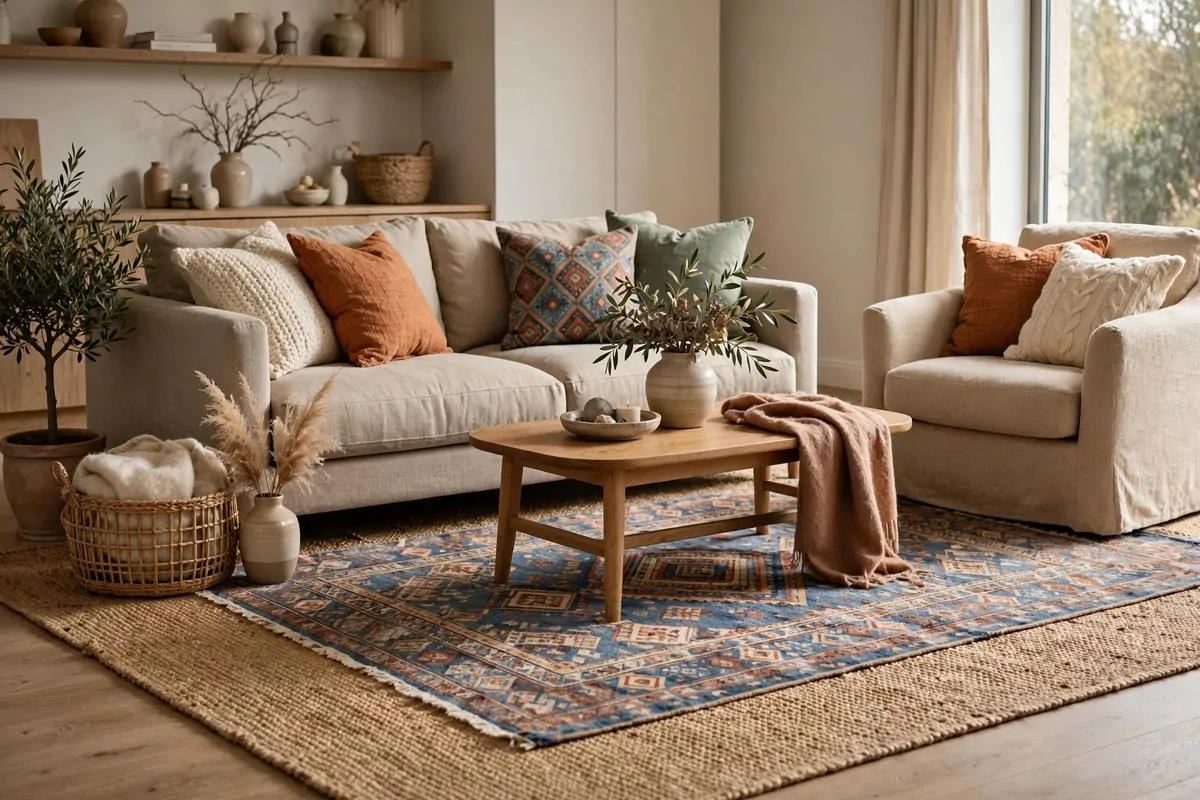
A big rug is the fastest way to make a living room feel finished. It pulls all the furniture together like a hug.
Choose a rug big enough that the front legs of the sofa and chairs sit on it. Small floating rugs make a room look choppy. One big rug makes it look calm.
Layer a smaller rug over a big flat one for extra texture. I love a soft patterned rug over a simple jute base. It looks styled but still relaxed.
Pattern hides real life. With kids or pets, a busy pattern forgives crumbs and paw prints. Plain light rugs show everything, and they stress me out.
Wool rugs cost more but last for years. Synthetic ones are easier to clean and kinder to the wallet. Pick what fits your life, not what looks best in a photo.
Place the rug before you arrange the furniture. Sit on the floor for a minute and look around. You will feel right away if the layout works.
Vacuum the rug weekly so it stays fluffy. Rotate it every few months to even out wear. Sunshine fades one side faster than the other, so rotation helps.
Put a rug pad underneath. It stops the rug from sliding and adds softness underfoot. Your rug will last longer too, so the pad pays for itself.
3. Hang One Bold Piece of Art
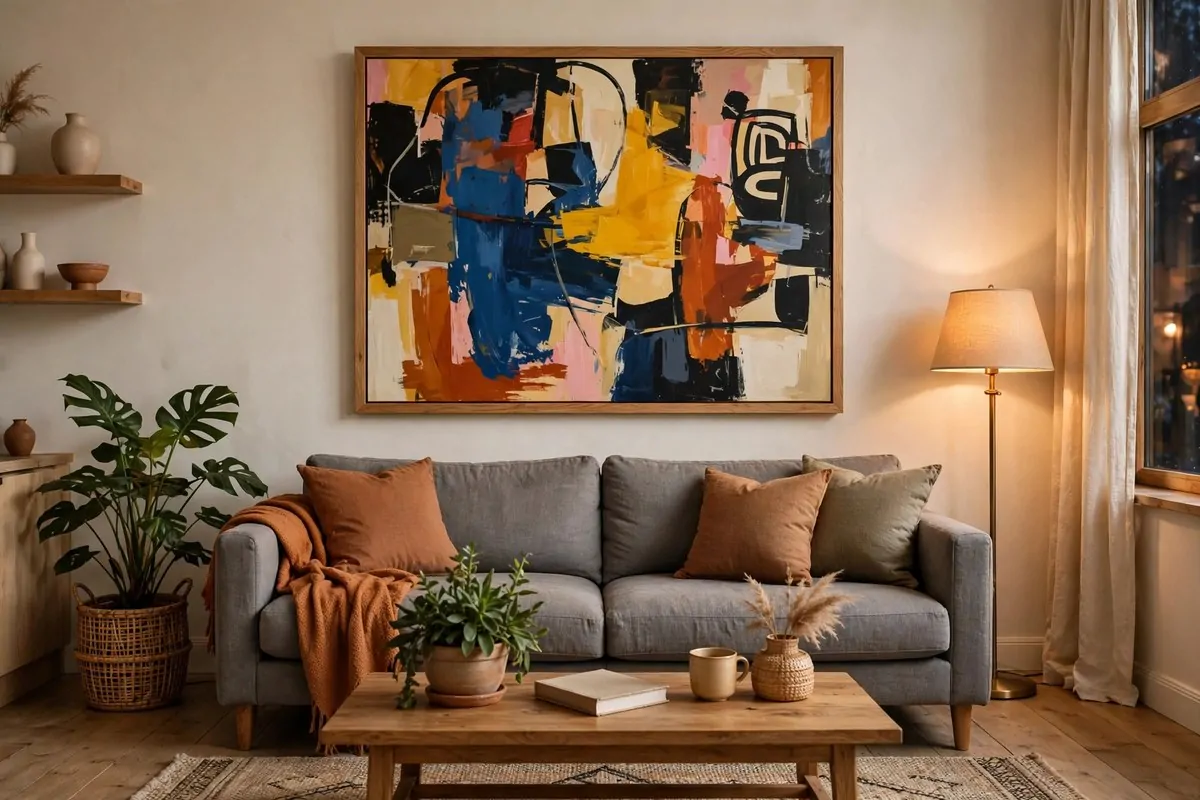
One big piece of art changes a whole room. It gives the eye somewhere to rest and starts conversations.
Hang it over the sofa or above the fireplace mantel. These are the natural focal points of a living room. Art there feels intentional, not random.
The center of the art should sit at eye level, about 145 cm from the floor. Too high is the most common mistake I see. Lower feels cozier and more natural.
Big art does not have to cost a fortune. Large prints from local artists or even your own photos can look amazing. A simple frame makes anything look more expensive.
Match one color in the art to something in the room. A cushion, a throw, or a plant pot works. This tiny echo makes the whole room feel designed.
Do not hang small art alone on a big wall. It gets lost and looks lonely. Group small pieces together, or save the big wall for one bold statement.
Lighting helps art shine. A small picture light or a lamp aimed at it makes the colors pop at night. You spent money on it, so let it be seen.
Lean a second smaller frame against the wall below the big piece. This layered look feels relaxed and gallery-like. You can swap the small piece whenever you want a change.
4. Turn a Corner Into a Plant Spot
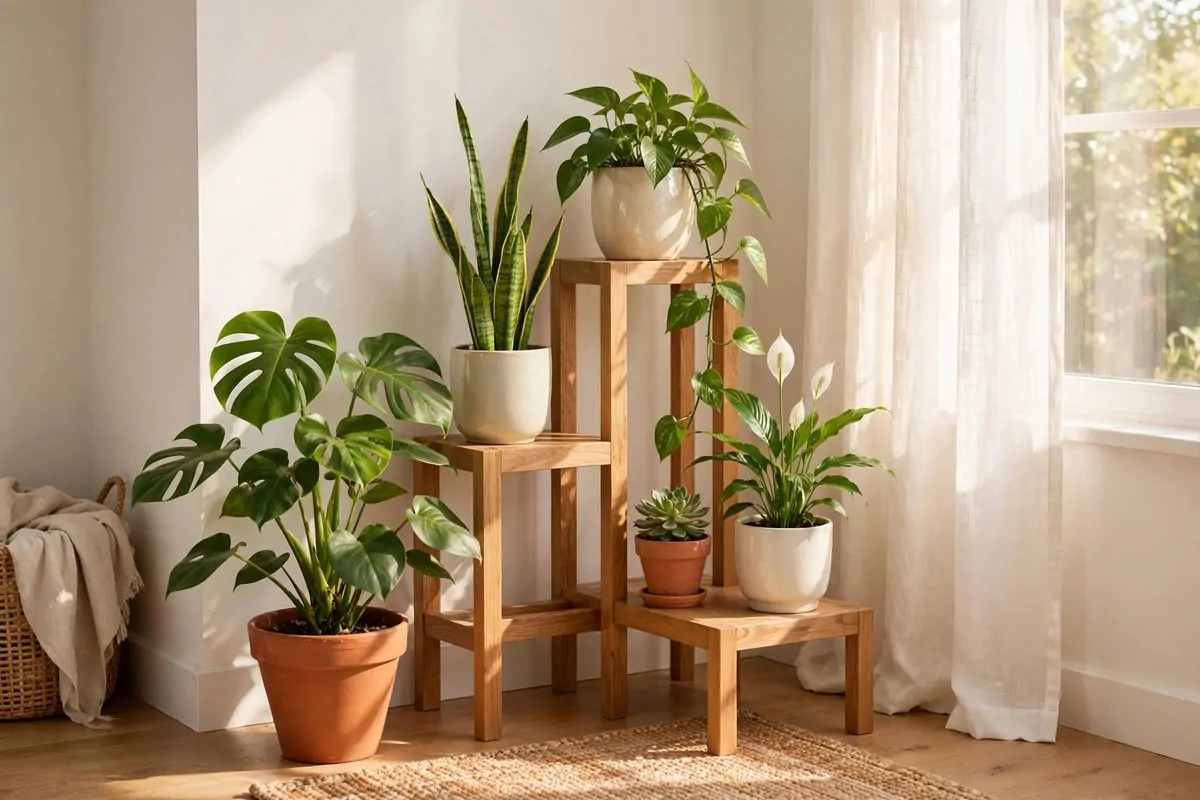
Every home has one sad empty corner. Plants turn it into the happiest spot in the room.
Group three to five plants at different heights. Use a tall plant, a medium one, and a small trailing one. The mix looks natural, like a little indoor garden.
Pick plants that match your light. Snake plants and pothos survive almost anything. Fiddle leaf figs want bright light and a bit of fuss. Be honest about what you can handle.
Pots matter as much as plants. Mix terracotta, ceramic, and woven baskets for texture. Keep the colors in one family so the group feels calm.
A plant stand lifts smaller plants up to window height. It also keeps them safe from pets and little hands. Wooden stands look warm and cost very little.
Water less than you think. Most houseplants die from too much love, not too little. Stick your finger in the soil, and water only when the top feels dry.
Name your plants if you like. I know it sounds silly, but it makes me remember to water them. My monstera is called Mo, and he is thriving.
Dust the leaves once a month. A damp cloth keeps them shiny and helps them breathe. Dusty leaves cannot soak up light properly, so this little chore really matters.
5. Switch to Warm, Layered Lighting
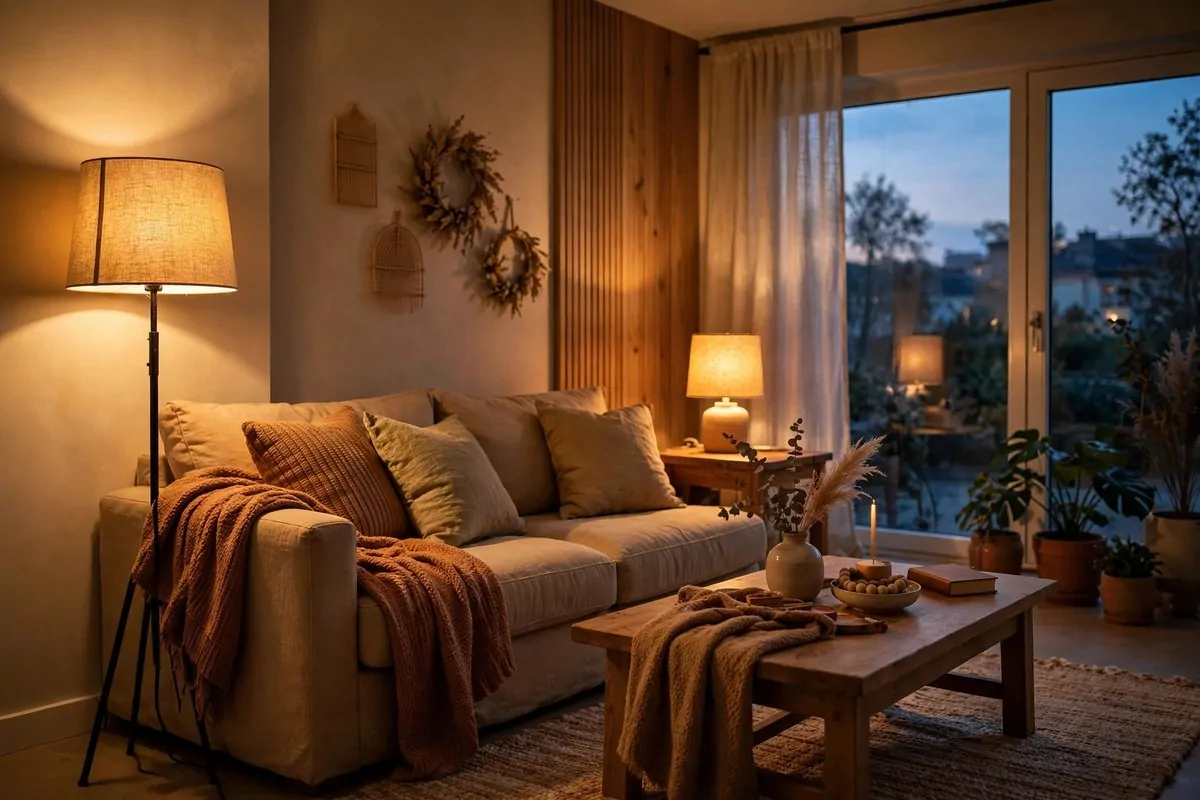
Harsh white ceiling light makes every room feel like an office. Warm layered light makes it feel like home.
Aim for three light sources per room. A ceiling light, a floor lamp, and a table lamp is a good mix. Turn them all on in the evening and feel the difference.
Use warm bulbs, around 2700K. They give that golden glow you see in cozy photos. Cool white bulbs make skin look tired and walls look gray.
Lampshades soften the light. Linen and paper shades spread a gentle glow. Dark metal shades focus the light down like a spotlight, which is great for reading.
Put your lamps on timers or smart plugs. Coming home to a lit room instead of a dark one is pure joy. It costs almost nothing and feels luxurious.
Here is a quick guide to bulb warmth:
| Bulb label | Color temperature | Best for |
|---|---|---|
| Warm white | 2700K | Living room, bedroom |
| Soft white | 3000K | Hallway, dining |
| Cool white | 4000K | Kitchen, bathroom |
| Daylight | 5000K+ | Work desk, laundry |
Dimmer switches are worth every penny. Full brightness for cleaning, low glow for movie night. One switch gives you two rooms for the price of one.
Fairy lights are not just for kids. A string along a bookshelf or inside a glass jar adds magic. They cost almost nothing and make evenings feel special.
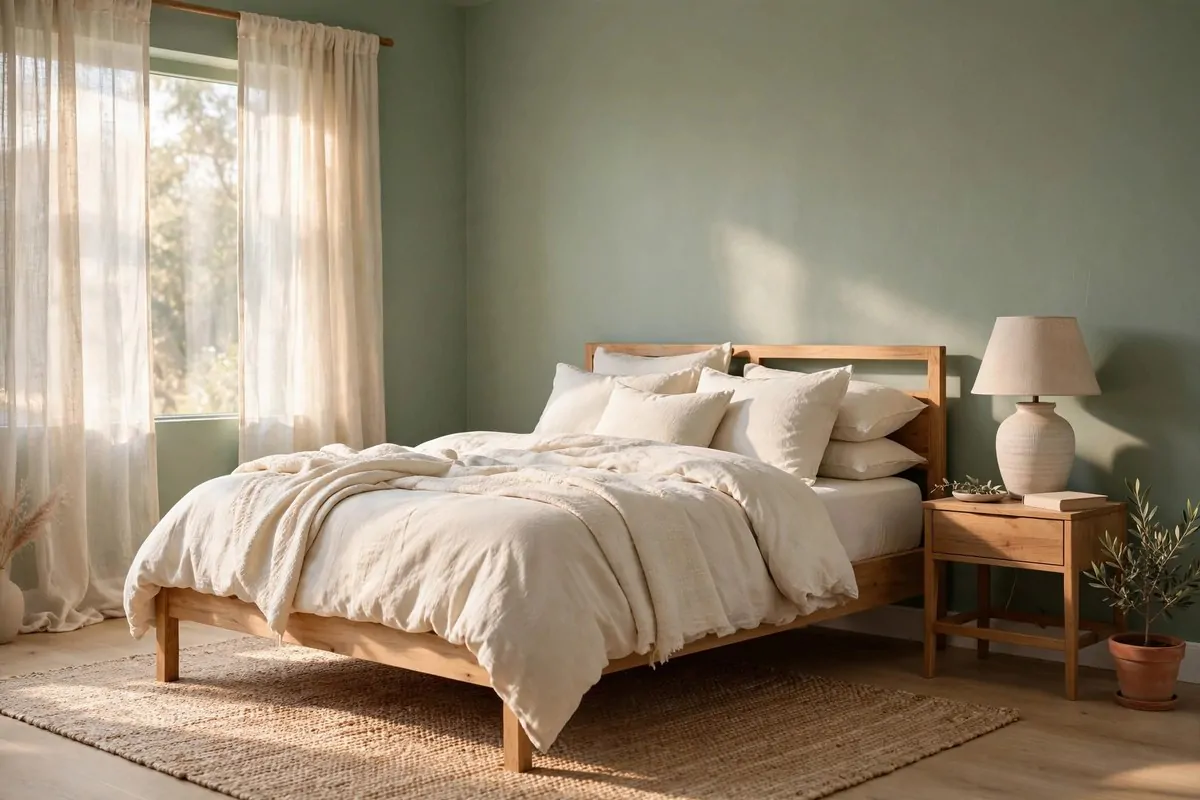
6. Paint an Accent Wall Behind the Bed
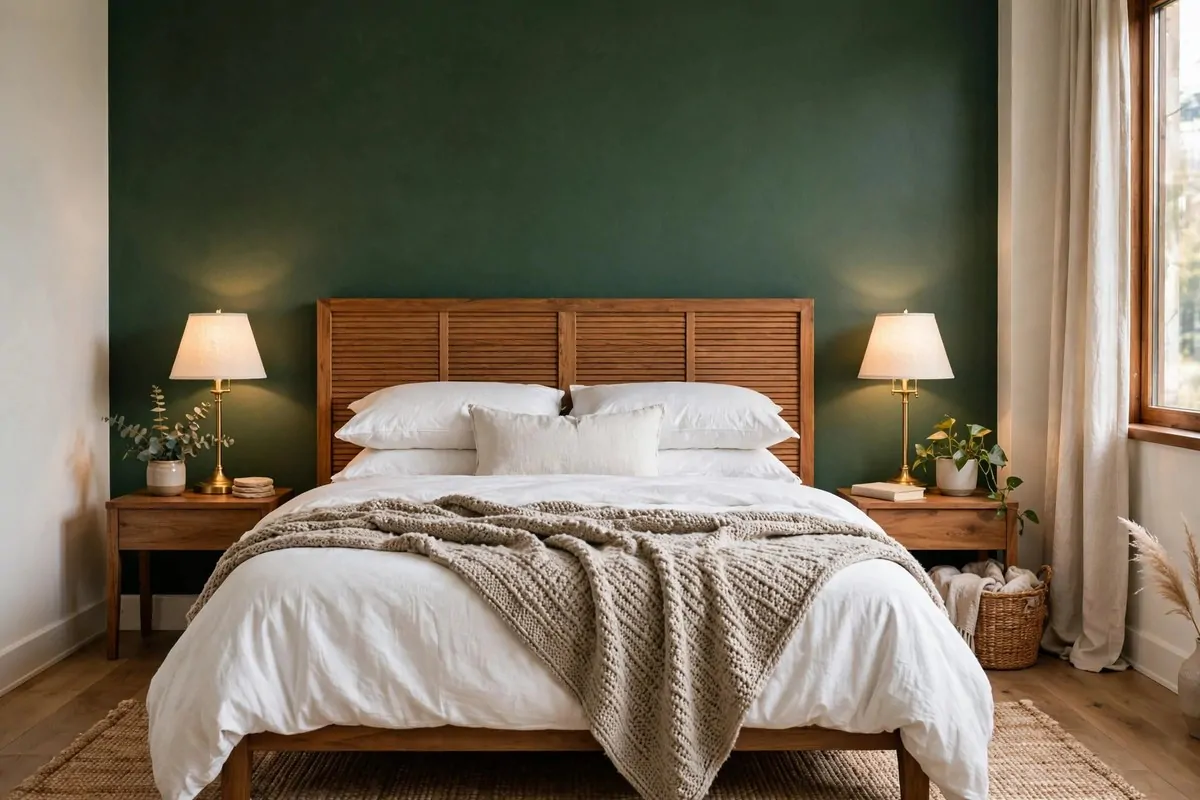
One painted wall behind the bed makes the bedroom feel designed in a single afternoon. It is the biggest impact for the least money.
Pick the wall your headboard sits against. Your eyes land there first, so the color works hardest. The other walls stay calm and neutral.
Deep green, warm terracotta, and dusty blue all look amazing behind a bed. These colors feel cozy, not loud. They make the bed look like the star of the room.
Test the color on a big piece of cardboard first. Hold it up in morning light and evening light. Paint looks very different at night, so check both.
One liter of paint usually covers an accent wall. It costs less than a nice dinner out. This is truly the cheapest makeover there is.
If you rent, try peel-and-stick wallpaper instead. It comes off clean when you move. I have used it twice, and my landlord never knew.
Keep bedding simple when the wall is bold. White or cream sheets let the wall do the talking. Busy bedding plus a bold wall fights too much.
Paint the wall, then step back and enjoy. Sometimes I just sit on the bed and stare at mine. It still makes me smile two years later.
7. Layer Your Bedding Like a Pro
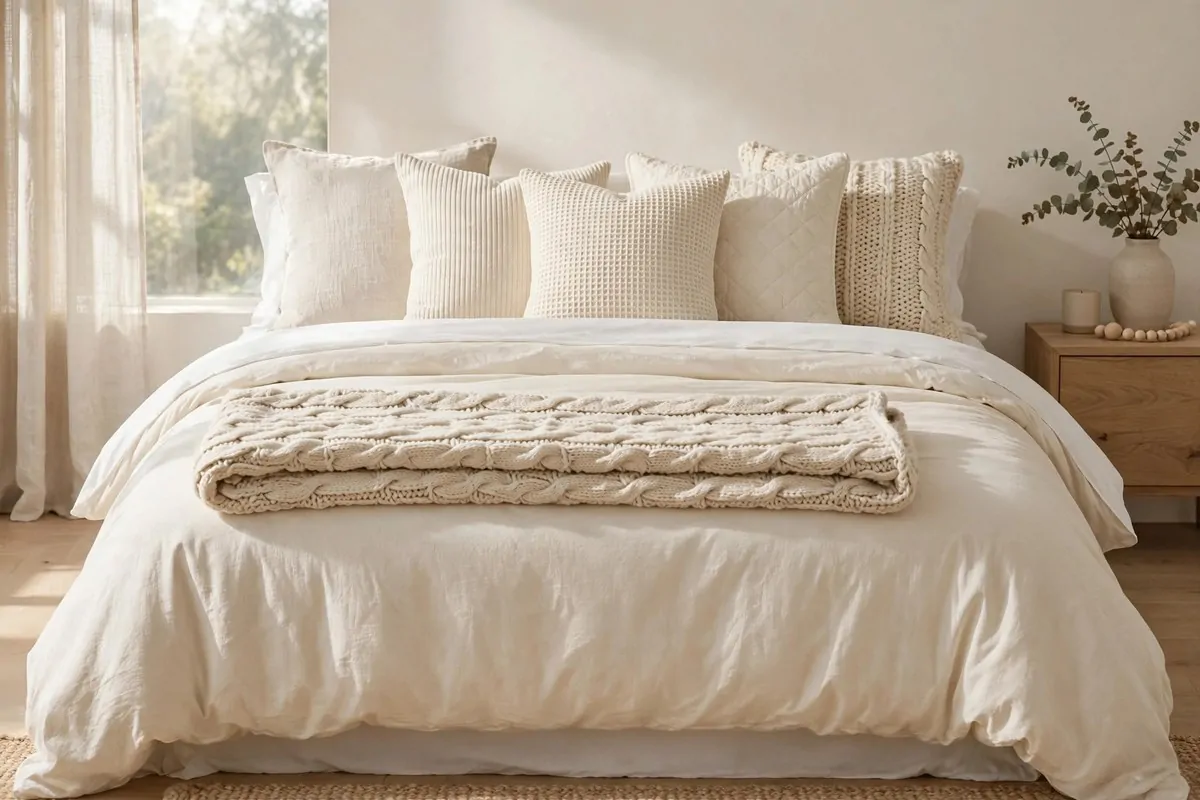
Layered bedding looks inviting and feels like a hotel. You do not need expensive sheets to get the look.
Start with fitted and flat sheets in a solid color. White always looks fresh. Then add a duvet or quilt in a soft tone.
Fold a throw blanket across the foot of the bed. It adds color and texture. On cold nights you will reach for it, so keep it handy.
Use three to five pillows, not ten. Two sleeping pillows, two euro pillows, and one small accent pillow is plenty. More than that is just work every morning.
Mix textures, not just colors. Linen, cotton, and a chunky knit throw feel rich together. Your hands notice the mix even when your eyes do not.
Wash bedding weekly for that crisp feeling. Nothing beats clean sheets. It is a small chore with a big reward.
Flip or rotate your duvet with the seasons. Heavy duvet in winter, light quilt in summer. Your sleep gets better, and the bed always looks right.
Tuck the flat sheet hospital-style at the foot for a crisp finish. It takes ten extra seconds and looks like a hotel did it. Small details make the biggest difference.
8. Hide Storage Under the Bed
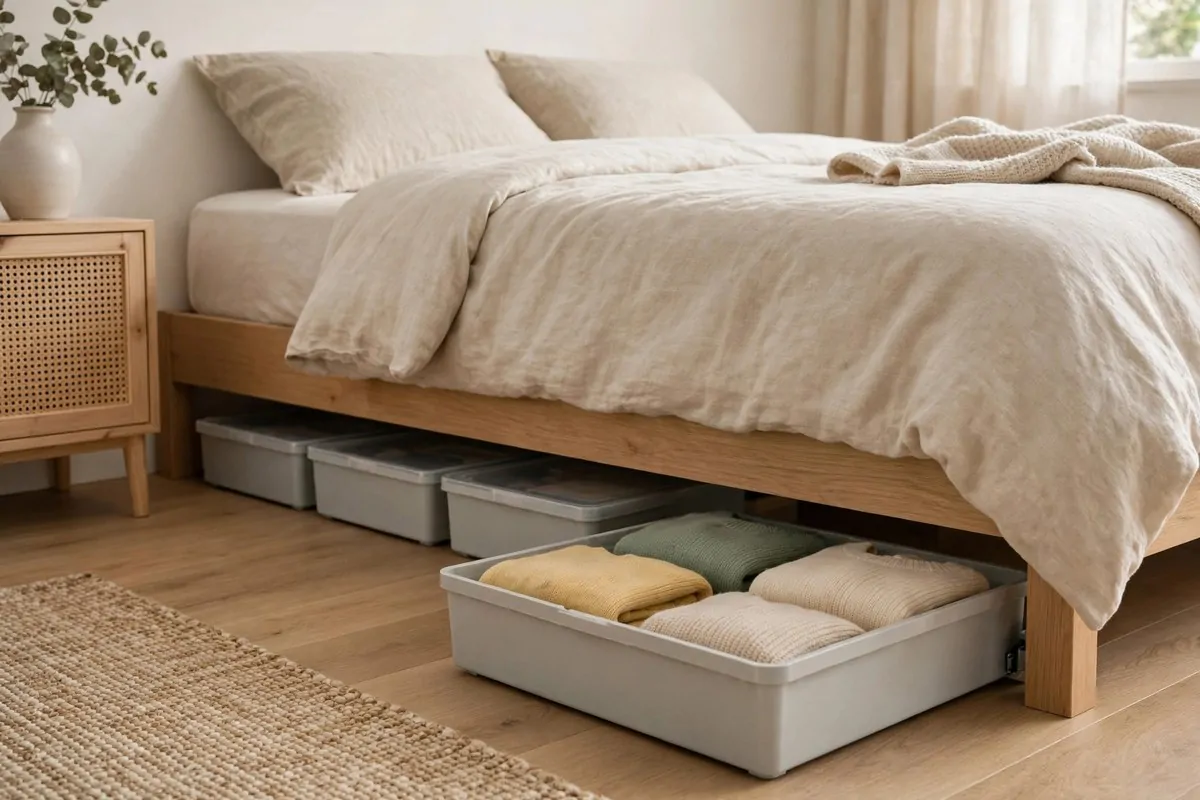
The space under your bed is free storage you already own. Use it and watch your room get calmer.
Flat storage boxes with lids slide right under most beds. Clear ones let you see what is inside. Label each box so you do not forget.
Store off-season clothes there. Winter sweaters in summer, summer dresses in winter. Your closet instantly feels twice as big.
Spare sheets and duvet covers fit perfectly under the bed. Keep one full set there as backup. You will thank yourself on laundry day.
If the bed is too low, risers lift it a few centimeters. They cost very little and create a lot of space. Make sure they are stable before you sleep on them.
Dust under the bed every month or two. Storage boxes make this easy, since you can slide them out. Dust bunnies love dark corners.
Keep daily items out of there. Under-bed storage works best for things you need a few times a year. Daily shoes belong by the door, not under the mattress. This keeps the bedroom calmer and the shoes easier to grab.
Vacuum-seal bulky items like winter coats before storing them. They shrink to half the size. You will fit twice as much under the bed this way.
9. Hang Blackout Curtains for Better Sleep
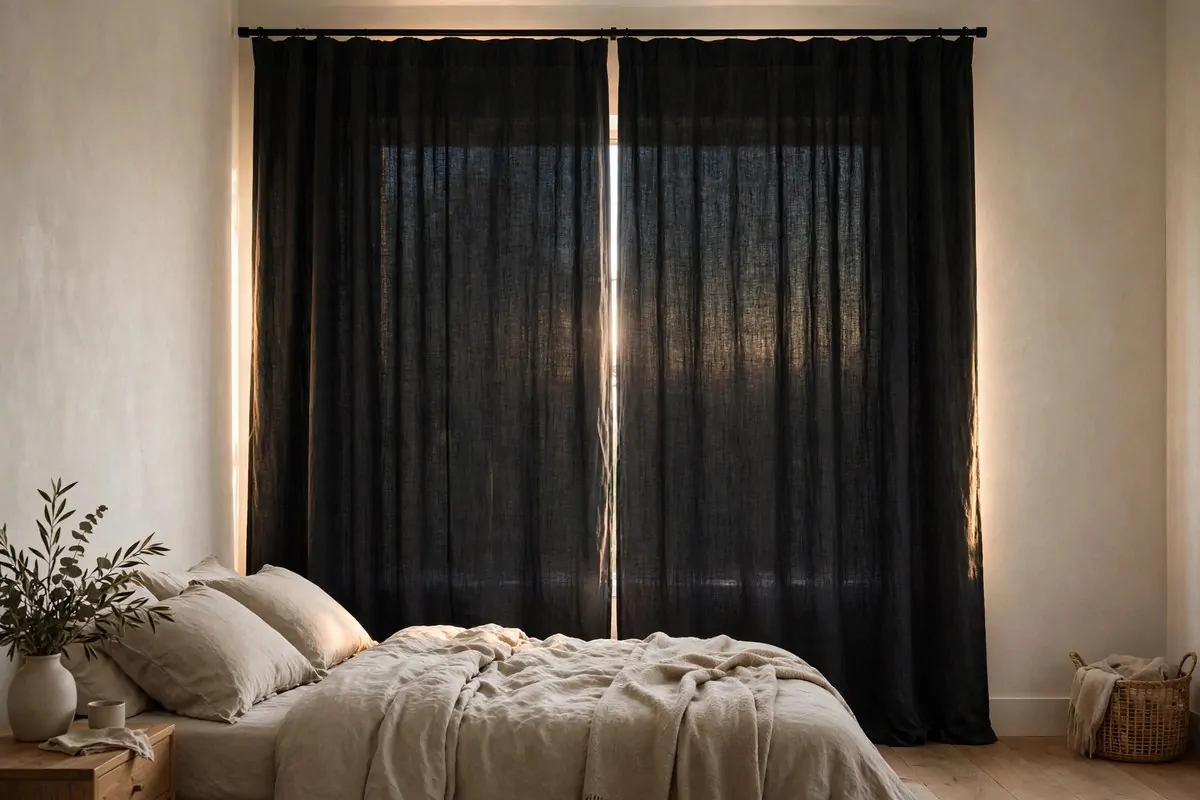
Street lights and early sun ruin sleep for so many people. Blackout curtains fix it in one evening.
Hang the rod wide and high. Extend it 15 cm past each side of the window. Hang it close to the ceiling. This makes the window look bigger and blocks side light.
Choose curtains labeled true blackout, not just room darkening. The difference is real. True blackout blocks almost all light, and your brain will notice.
Linen-look blackout curtains exist now. You do not have to live with shiny hotel-style fabric. They look soft from inside and block light like pros.
Close them an hour before bed. It signals your brain that night is coming. This tiny ritual helps you fall asleep faster.
Blackout curtains also cut noise a little. They will not silence a busy street, but they take the edge off. Every bit helps on light-sleep nights.
They save energy too. In summer they keep heat out, and in winter they keep warmth in. Your energy bill might drop a little, which is a nice bonus.
Wash them twice a year to keep them blocking light well. Dust builds up in the fabric over time. Clean curtains work better and look fresher.
10. Swap Upper Cabinets for Open Shelving
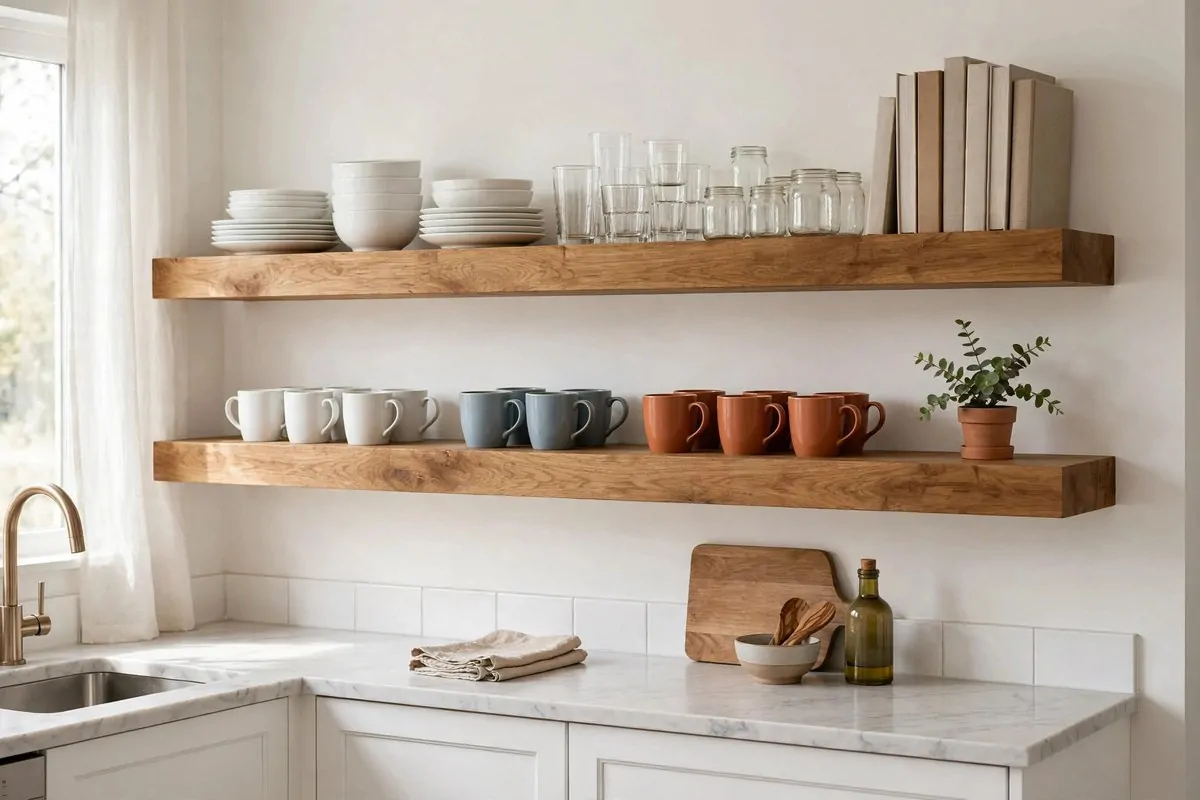
Open shelves make a kitchen feel airy and personal. Your favorite dishes become the decoration.
Remove one or two upper cabinets and replace them with thick wood shelves. Two shelves are usually enough. Three can look crowded and hard to reach.
Display what you use every day. Plates, bowls, glasses, and mugs look natural on open shelves. Things you use stay dust-free because they move constantly.
Group items by color for a calm look. All white dishes, or all earthy tones. Mixed colors can look busy, so keep it simple at first.
Put cookbooks on the end of the shelf. They add height and personality. A small plant on the top shelf softens the whole kitchen.
Wipe shelves weekly. Open shelves collect a thin layer of kitchen grease over time. A quick wipe keeps them fresh and your dishes clean.
Keep heavy items low. Plates and big bowls belong on the lowest shelf. Lighter glasses go higher. This is safer and easier on your arms.
Not sure about full commitment? Try removing just the cabinet doors first. Open cabinets give you the look without the carpentry. If you love it, take the plunge later.
11. Upgrade the Kitchen Backsplash
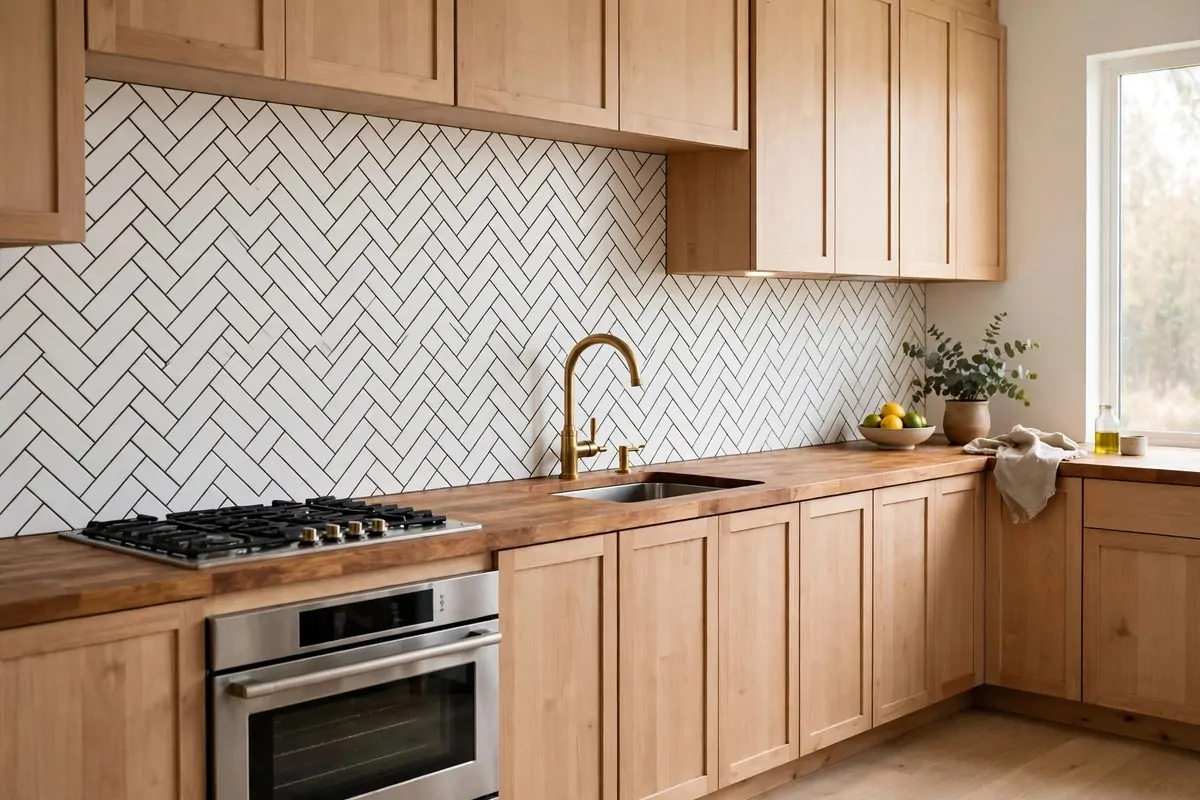
A new backsplash changes the whole kitchen without touching the cabinets. It is the jewelry of the kitchen.
White subway tiles are the classic choice. They look good with almost any cabinet color. They also make small kitchens feel bigger and brighter.
Lay the tiles in a herringbone or vertical pattern for a modern twist. The same tile looks totally different in a new pattern. It is a cheap way to look custom.
Peel-and-stick tiles are a renter-friendly option. They look surprisingly real from a few steps away. I used them in my old flat, and guests always asked who tiled my kitchen.
Pick a grout color with care. Dark grout with white tiles looks bold and hides stains. Light grout looks seamless but shows dirt faster.
Seal the grout after installation. This one step keeps it clean for years. Unsealed grout soaks up cooking splashes and turns gray.
Clean splashes the same day when you can. A quick wipe beats a deep scrub later. Your backsplash will look new much longer.
Grout pens refresh tired grout lines in minutes. They come in many shades and cost very little. It is like a mini facelift for an old backsplash.
12. Organize Kitchen Drawers With Trays and Dividers
Messy drawers slow down every meal you cook. Dividers turn chaos into calm in about twenty minutes.
Measure your drawers before you buy anything. Write down the length, width, and depth. Wrong sizes are the number one reason drawer projects fail.
Bamboo trays look warm and last for years. Plastic ones are cheaper and easier to wash. Either one beats a jumbled drawer full of mystery tools.
Give every tool a home. Spatulas with spatulas, knives in a block, spoons together. When everything has a spot, tidying takes seconds.
Here is a simple layout that works in most kitchens:
| Drawer zone | What goes there |
|---|---|
| Front left | Everyday spoons and forks |
| Front right | Cooking spatulas and tongs |
| Back section | Rarely used gadgets |
| Side slot | Sharp knives in a guard |
Declutter as you organize. If you own three vegetable peelers, keep one. Broken or melted tools go straight in the bin. Be a little ruthless here.
Line drawers with non-slip liner. It keeps trays from sliding when you yank the drawer open. It also muffles the clatter, which is oddly satisfying.
Label nothing in the kitchen. Unlike the pantry, kitchen drawers work better with muscle memory. You will learn the new spots in about a week.
13. Add a Chalkboard Wall or a Vintage Sign
Kitchens need a little fun. A chalkboard wall brings personality that cabinets never will.
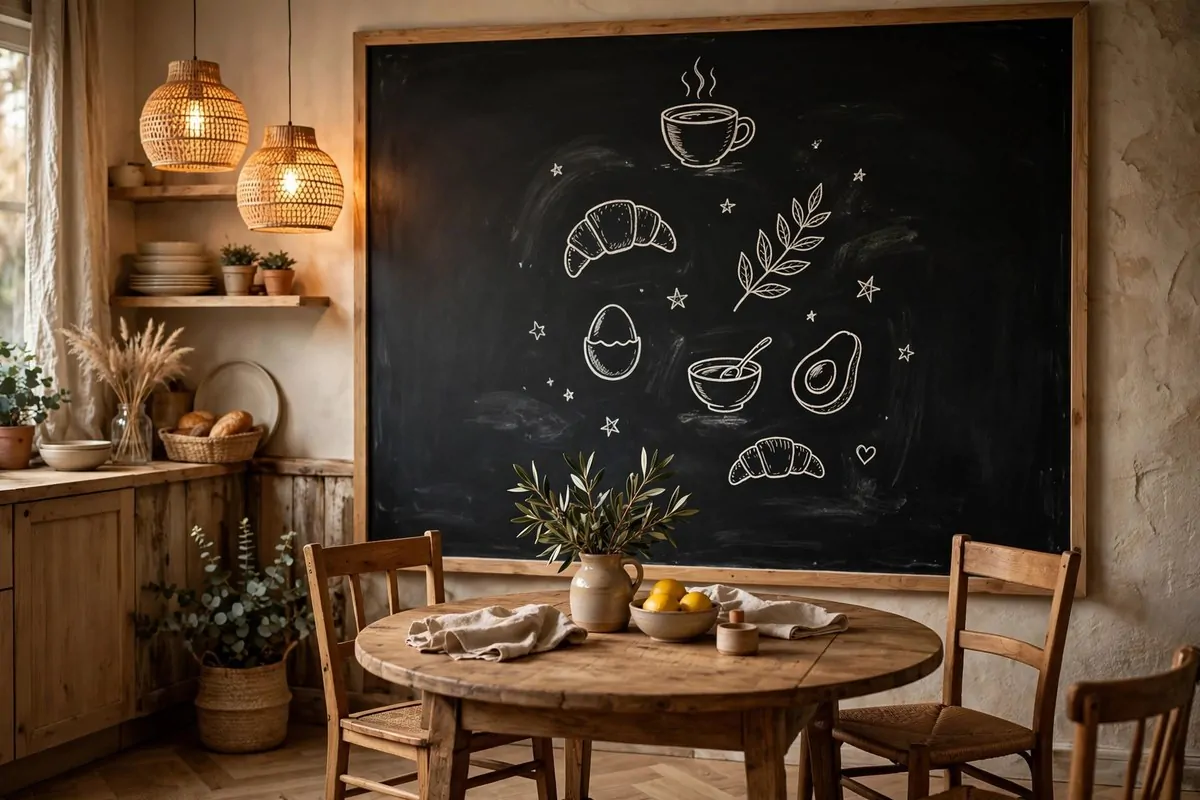
Paint one small section of wall with chalkboard paint. Near the dining table is perfect. It becomes the menu board, the shopping list, and the kids' art space.
Write the week's meals on it every Sunday. It ends the nightly what-should-we-eat debate. Your future self will thank your Sunday self.
Use chalk markers for neat writing. Regular chalk looks charming but smudges fast. Markers stay put until you wipe them off with a damp cloth.
A vintage-style metal sign works if paint feels like too much. Coffee, bakery, or farmers market signs all suit kitchens. Pick one that makes you smile.
Change the message with the seasons. A holiday greeting in December, a fresh quote in spring. It keeps the kitchen feeling alive and current.
Let kids draw on the lower part. Give them their own chalk box. It keeps little hands busy while you cook, and their art is the best decoration anyway.
Frame the chalkboard with a simple wood border. It looks finished instead of random. A thin frame turns a painted square into a real feature.
14. Upgrade to a Rain Showerhead
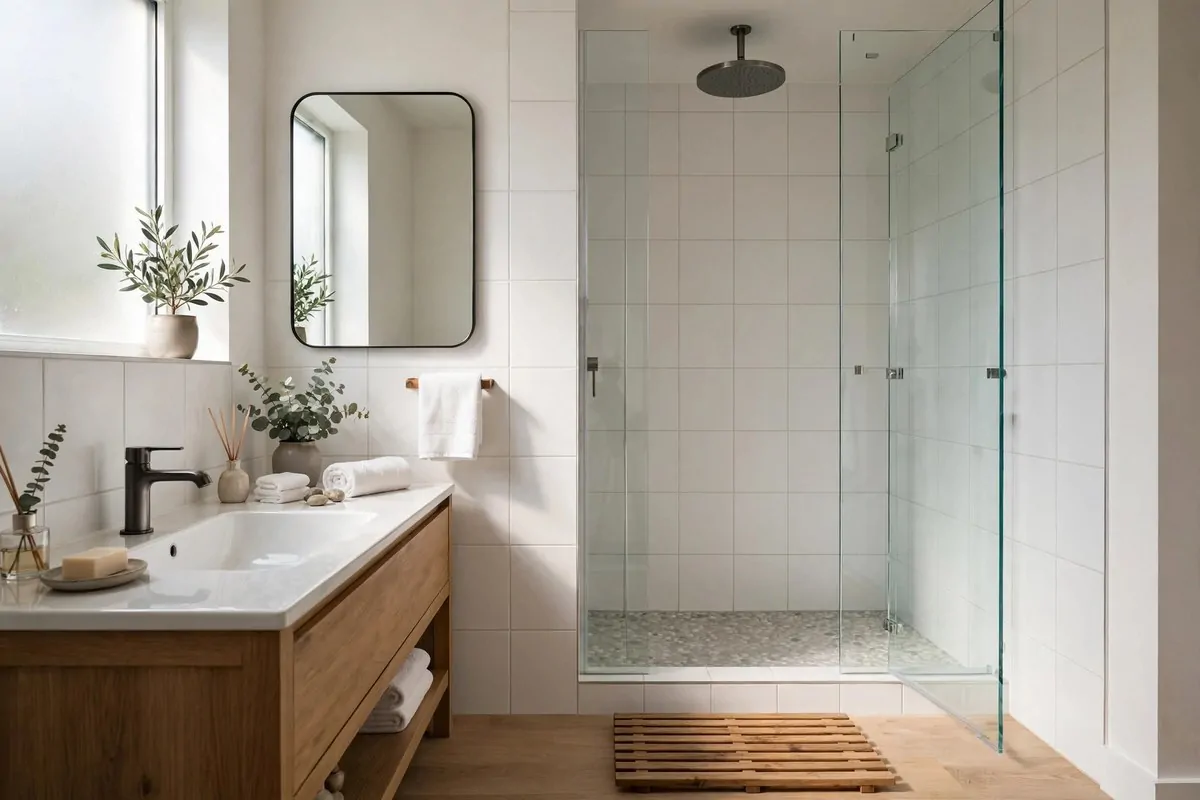
A rain showerhead turns a normal shower into a spa moment. It is the upgrade guests always comment on.
Installation takes about fifteen minutes. Unscrew the old head, wrap the threads with plumber's tape, and screw on the new one. No plumber needed.
Pick a head at least 20 cm wide for the real rain feeling. Smaller heads feel like normal showers. The wide ones feel like standing under warm summer rain.
Look for adjustable spray settings. Sometimes you want a gentle rain, sometimes a strong rinse. A good head gives you both with one twist.
Clean the nozzles every few months. Soak the head in vinegar overnight to dissolve mineral buildup. It keeps the water pressure strong.
Pair it with a glass shower door or a simple white curtain. Both let light in and make the bathroom feel bigger. Heavy patterned curtains shrink the space visually.
Add a wooden bath mat outside the shower. It feels warm under your feet and looks spa-like. Bamboo mats dry fast and resist mold. They feel warm and natural under bare feet.
Add a small waterproof speaker for music or podcasts. Long relaxing showers get even better with your favorite songs. Just keep it away from direct spray.
15. Bring in Stone and Marble Touches
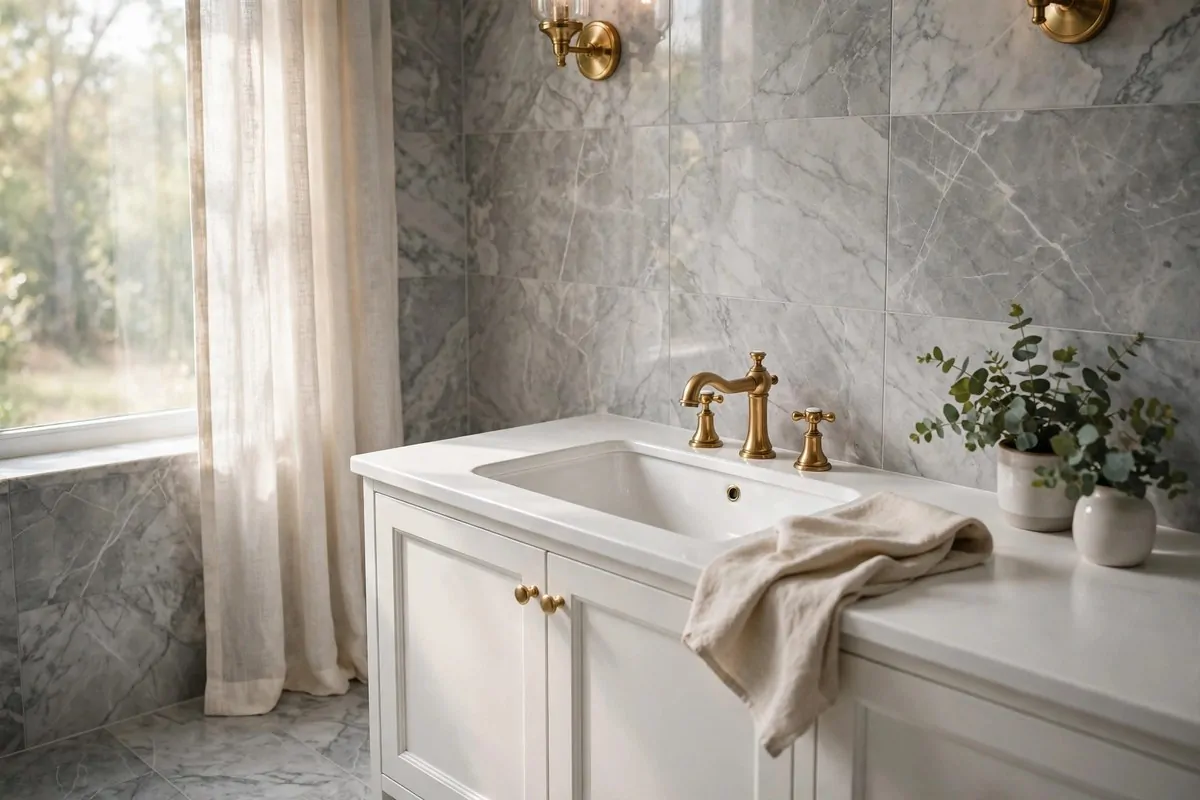
Stone and marble make any bathroom feel expensive. You do not need a full renovation to get the look.
Marble tiles on one wall create a stunning focal point. Behind the sink or inside the shower niche works best. One wall costs far less than a full re-tile.
Marble-look porcelain tiles are a smart alternative. They look almost identical but cost less and need less care. Real marble stains more easily, so be honest about your habits.
Small stone touches go a long way. A marble soap dish, a stone tray for bottles, or a pebble bath mat. These details whisper luxury.
Pair marble with warm metals like brass or brushed gold. The warm metal softens the cool stone. Chrome works too, but brass feels richer.
Keep the rest of the bathroom simple. White walls and plain towels let the stone shine. Too many patterns fight with the natural veins.
Seal real stone once a year. It takes twenty minutes and protects against water spots. Skip this step and the stone will dull faster than you expect.
A little plant in a stone pot ties it together. The green against the gray marble looks fresh. Eucalyptus in a jar is my favorite bathroom plant because it smells amazing.
16. Add Candles and a Diffuser for Spa Vibes
Smell changes how a room feels more than almost anything else. The bathroom deserves to smell amazing.
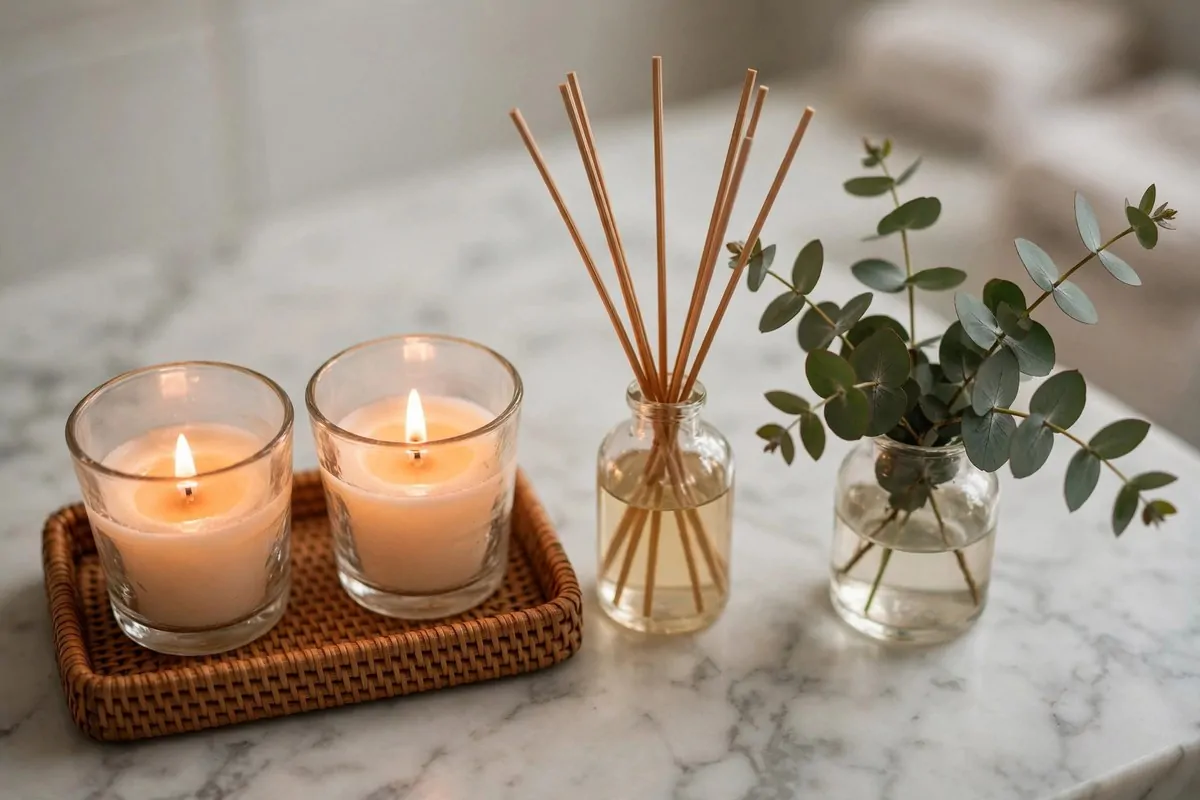
Group two or three candles on a small tray by the sink. Different heights look best. Light them during evening showers and the whole bathroom turns into a retreat.
Use a reed diffuser for constant scent without a flame. It works all day with zero effort. Flip the reeds once a week to refresh the smell.
Eucalyptus, lavender, and citrus are the classic spa scents. Eucalyptus feels clean and fresh. Lavender calms you down. Citrus wakes you up in the morning.
Keep candles away from towels and curtains. Safety first, always. Never leave a lit candle when you leave the room.
Match the candle holders to your bathroom style. Glass looks modern, ceramic looks cozy. A matching set on a tray looks far more expensive than it is.
Eucalyptus branches in a vase last for weeks. They smell wonderful in steamy air. Hang a bunch from the showerhead for the full spa effect.
Store cotton pads and swabs in small glass jars on the tray. It looks tidy and you can see when you run low. Pretty storage beats plastic packaging every time.
17. Put Up Floating Shelves in the Bathroom
Bathrooms are small, so storage has to go up. Floating shelves add space without crowding the floor.
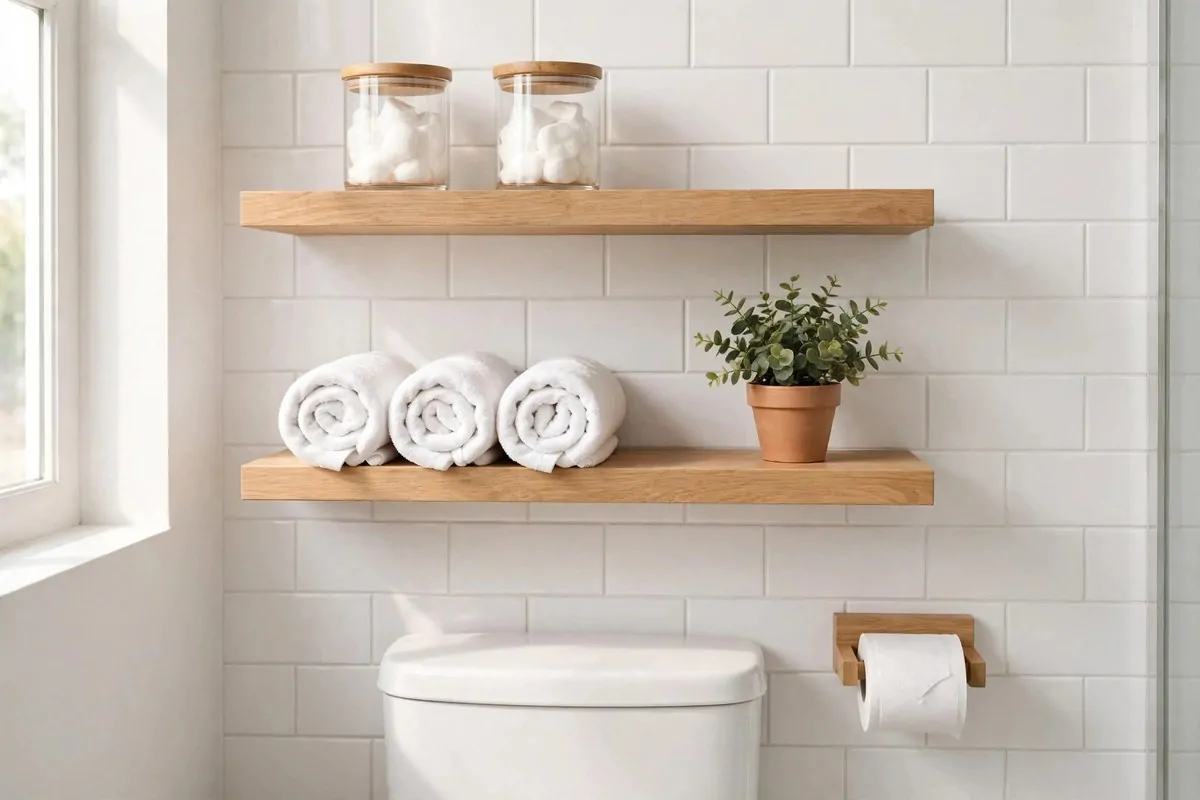
Two shelves above the toilet use dead space perfectly. Roll towels on one shelf and stack baskets on the other. It looks tidy and hotel-like.
Choose shelves that handle humidity. Sealed wood or metal work best. Raw untreated wood can warp in steamy bathrooms, so check the finish.
Style the shelves with a mix of useful and pretty. Folded towels, a small plant, and your prettiest bottles. Hide the ugly stuff in baskets.
Use matching containers for a calm look. Same-color jars or baskets make random products look intentional. Decant shampoo into matching bottles if you want the full spa look.
Anchor shelves properly into wall studs. Bathroom shelves hold heavy bottles and wet towels. A shelf that falls is no joke, so do this step right.
Keep the bottom shelf within easy reach. Daily items go low, backup supplies go high. You should not need a stool for your toothpaste.
Wipe shelves monthly. Bathroom dust is sneakier than it looks. A damp cloth takes thirty seconds and keeps everything fresh.
18. Build a Tiny Mudroom in the Hallway
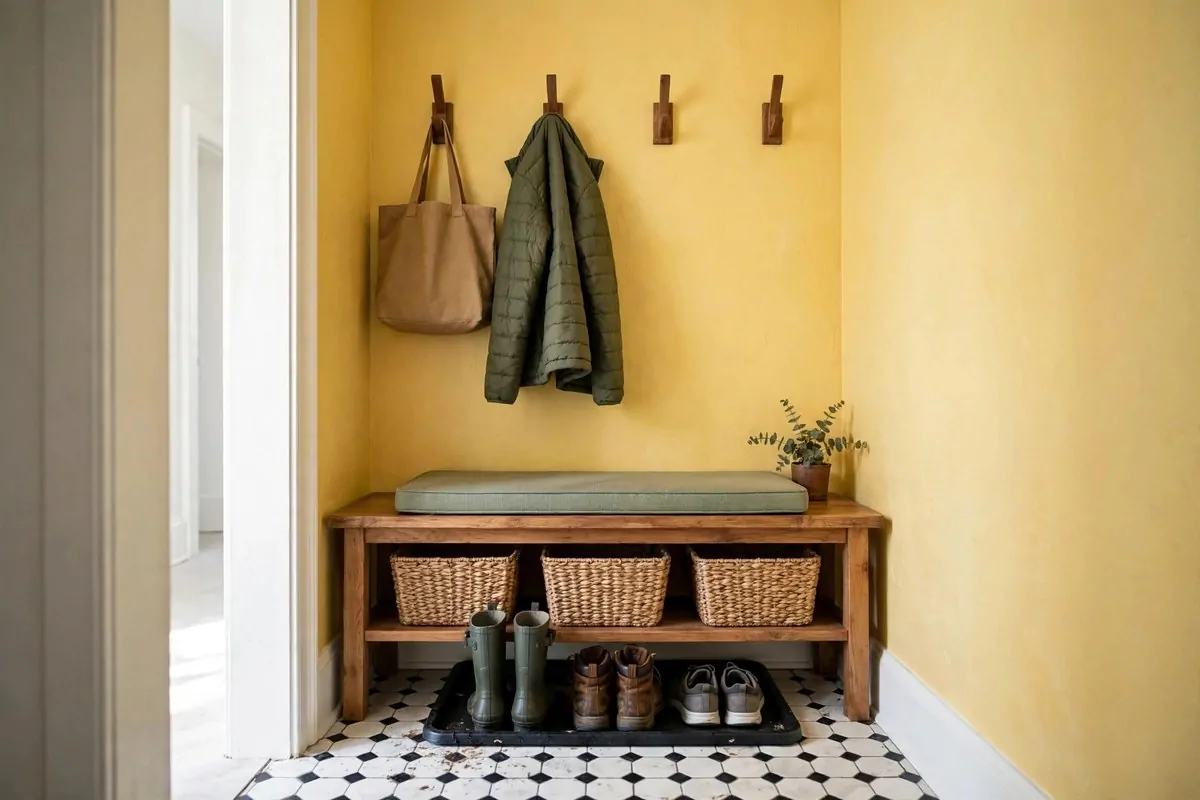
You do not need a big house to have a mudroom. A small section of hallway works just fine.
Start with a sturdy bench. It gives you a place to sit while putting on shoes. Underneath, baskets hold scarves, hats, and bags.
Mount four to six hooks on the wall above the bench. One hook per family member, plus one for guests. Coats, bags, and dog leashes all find a home.
Add a boot tray under the bench for wet shoes. It catches mud and water before they reach your floors. Empty it after rainy days so it does not get smelly.
Label each hook or basket. Kids are much better at hanging things up when they know which spot is theirs. A little tag or painted initial does the trick.
Paint this nook a fun color. It can be bolder than the rest of the hallway. A cheerful wall makes coming home feel like an event.
Keep a small basket for outgoing items. Library books, returns, things to donate. Grab the basket on your way out and errands get easier.
A mirror on the side wall helps here too. One last check before you leave. It also bounces light into what is often a dark corner.
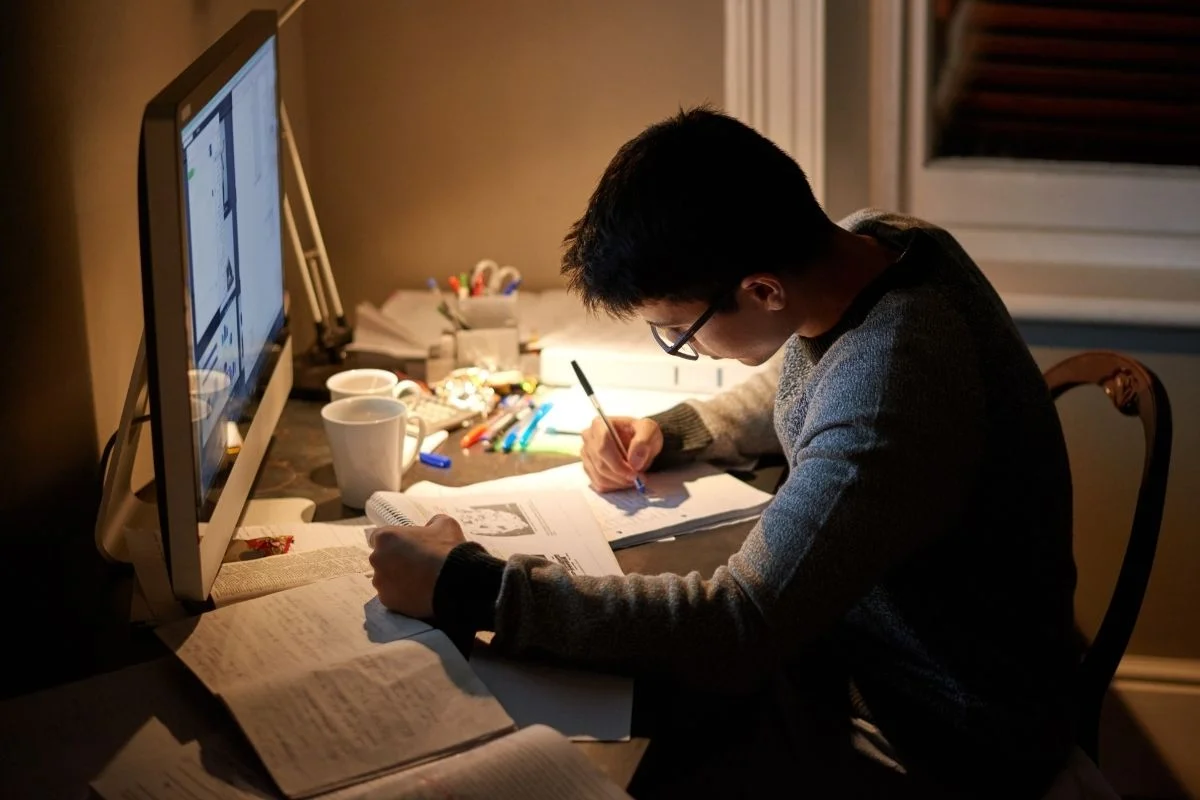
19. Build a Small Ergonomic Work Corner
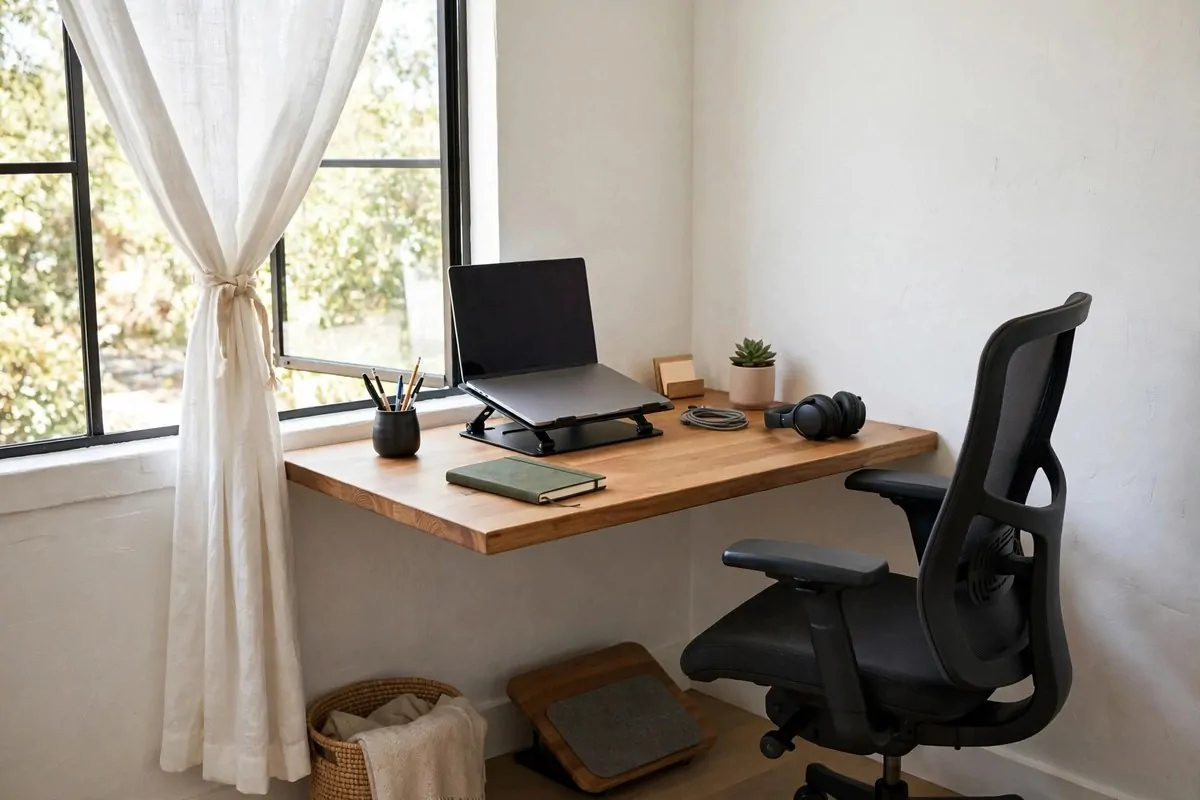
Working from the sofa hurts after a while. A small ergonomic corner saves your back and your focus.
You need less space than you think. A desk 100 cm wide fits in most bedrooms or living room corners. Measure your spot before you shop.
Your screen top should sit at eye level. Stack books under a laptop if you do not have a stand yet. Looking down all day strains your neck badly.
Get a chair that supports your lower back. It does not have to be expensive. A simple chair with good lumbar support beats a fancy one that looks nice but hurts.
Keep the desk clear of everything except what you use daily. A clear desk calms a busy brain. Papers go in a tray, pens in a cup, and the rest goes away.
Face the desk toward a window if you can. Natural light lifts your mood and helps your eyes. If the window is behind your screen, close the blinds to avoid glare.
Add a footrest if your feet do not reach the floor. A small box works fine. Dangling feet cut off circulation and make your legs ache.
Stand up and stretch every hour. Set a timer if you forget. The best ergonomic setup in the world cannot fix sitting still all day.
20. Keep One Plant on Your Desk
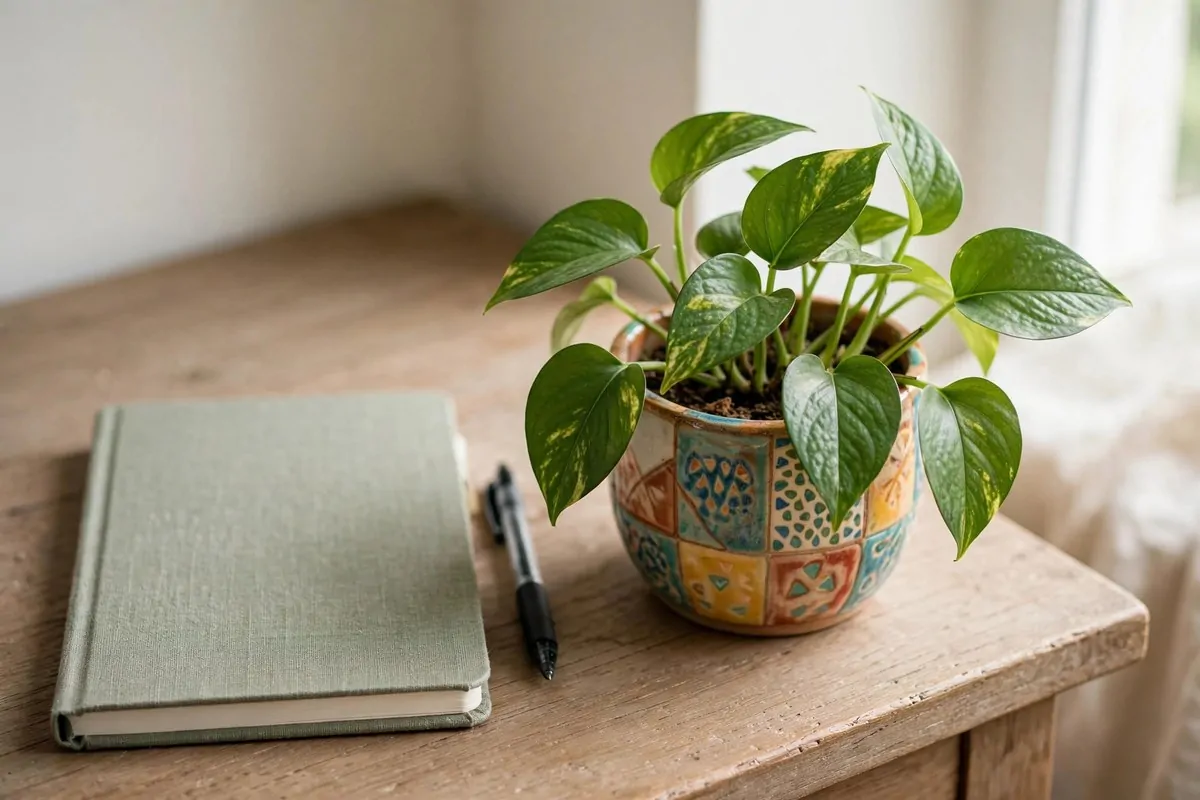
One small plant makes a desk feel alive. It is the cheapest office upgrade there is.
Pick something low maintenance. A pothos, a small succulent, or a ZZ plant all survive busy weeks. They forgive you when you forget to water them.
Put it where you see it but cannot knock it over. The back corner of the desk is perfect. Near a window is even better.
A pretty pot matters. Ceramic in a color you love turns a plant into decor. Match it to your desk accessories for a pulled-together look.
Plants give your eyes a break from the screen. Glance at the green leaves for twenty seconds when your eyes feel tired. It really helps.
Water on a schedule. Every Monday morning, for example. A tiny routine keeps the plant alive and gives your week a gentle start.
If your desk has no light, try a small grow light. They clip onto the desk and look sleek. Your plant will think it lives by a sunny window.
Talk to it while you work if you want. I will not judge. A happy plant and a focused mind make a good team.
21. Hang Pendant Lights Over the Dining Table
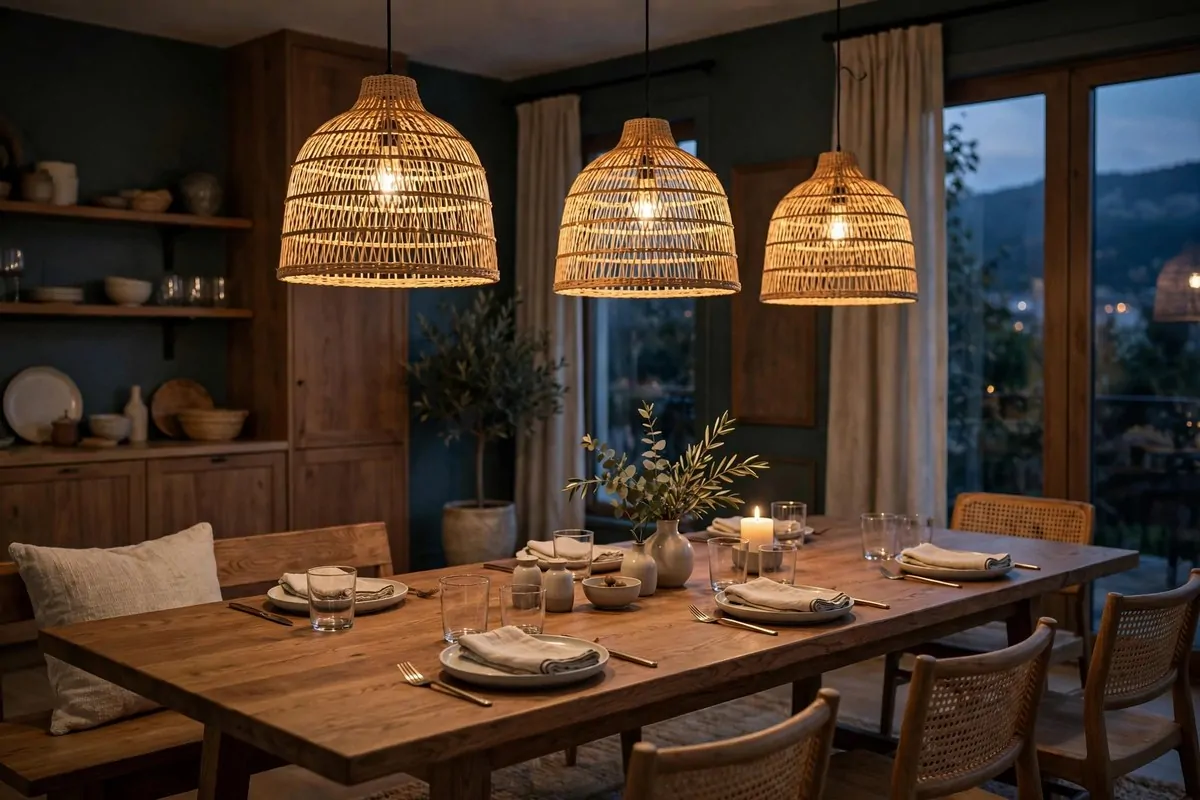
Pendant lights turn a plain dining table into a destination. Meals feel more special under a warm pool of light.
Hang them 75 to 90 cm above the table surface. Too high and the light spreads everywhere. Too low and tall guests will bump their heads.
Odd numbers look best. One big pendant over a small round table, or three small ones over a long table. Symmetry matters less than balance.
Choose warm bulbs inside the pendants. Bright white light over dinner feels like a cafeteria. Warm light makes food look better and faces look kinder.
A dimmer on the dining pendants is a game changer. Full light for homework, low glow for dinner parties. One switch, two moods.
Match the pendant style to your home. Rattan shades suit casual homes, glass suits modern ones. Black metal works almost anywhere.
Clean the shades every few months. Kitchens send grease into the air, and it settles on lights. A quick wipe keeps them bright.
Center the lights over the table, not the room. If the table sits off-center, the pendants should follow the table. This detail makes the layout feel right.
22. Use a Round Mirror to Double the Light
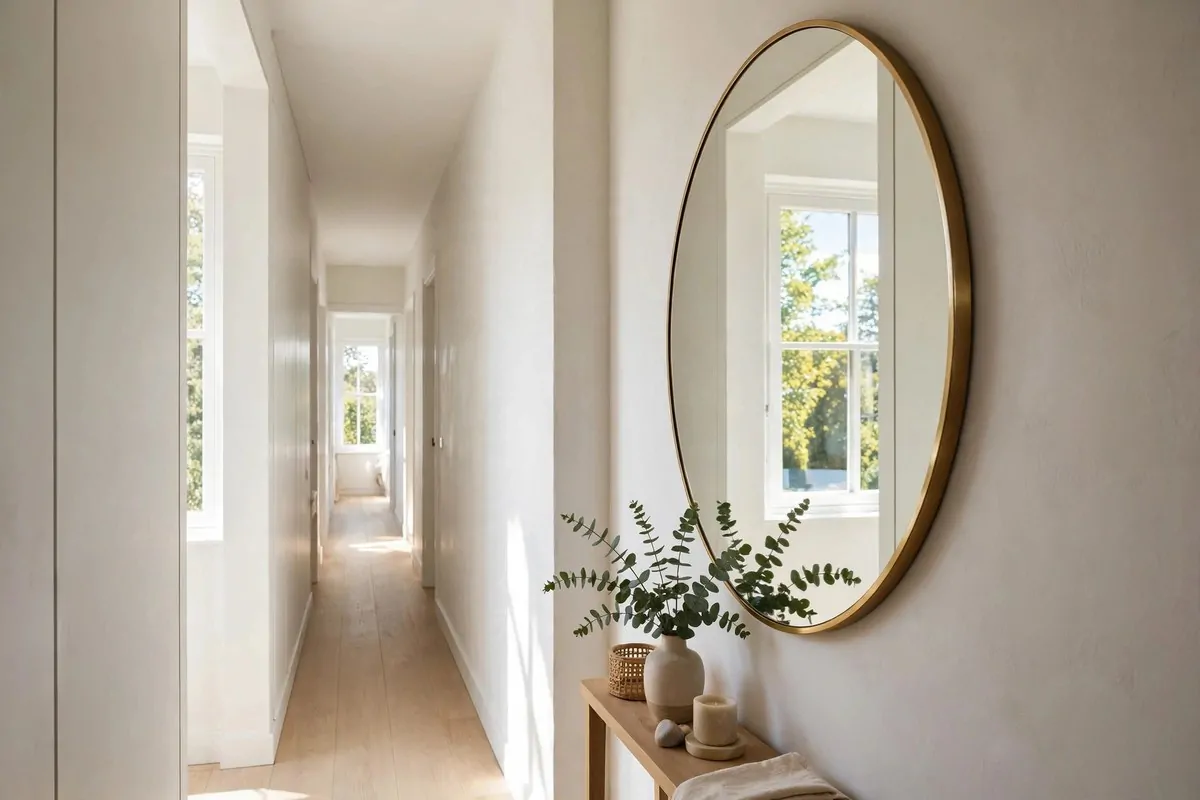
Mirrors are the cheapest way to add light to a dark hallway. A round mirror feels soft and friendly.
Hang it opposite a window or a lamp. The mirror catches the light and throws it deeper into the space. Dark corners disappear like magic.
Round mirrors suit narrow hallways best. Sharp corners in tight spaces feel harsh. The soft circle balances long straight walls.
Go bigger than you think. A small mirror looks lost on a big wall. A generous round mirror becomes a real feature.
Use a mirror with a thin frame or no frame at all. Heavy frames make hallways feel crowded. Simple edges keep the look light and airy.
Check what the mirror reflects before you hang it. You want it to catch something pretty, like art or a window. Reflecting a blank wall wastes the trick.
Secure it well, since hallway mirrors get bumped. Use proper wall anchors, not just a nail. A falling mirror is dangerous and heartbreaking.
Wipe it with glass cleaner monthly. Fingerprints show up fast at hand height. A clean mirror doubles the light, a dusty one just doubles the dust.
23. Make a Cozy Reading Nook
Every home needs one corner made for doing nothing. A reading nook is pure comfort.
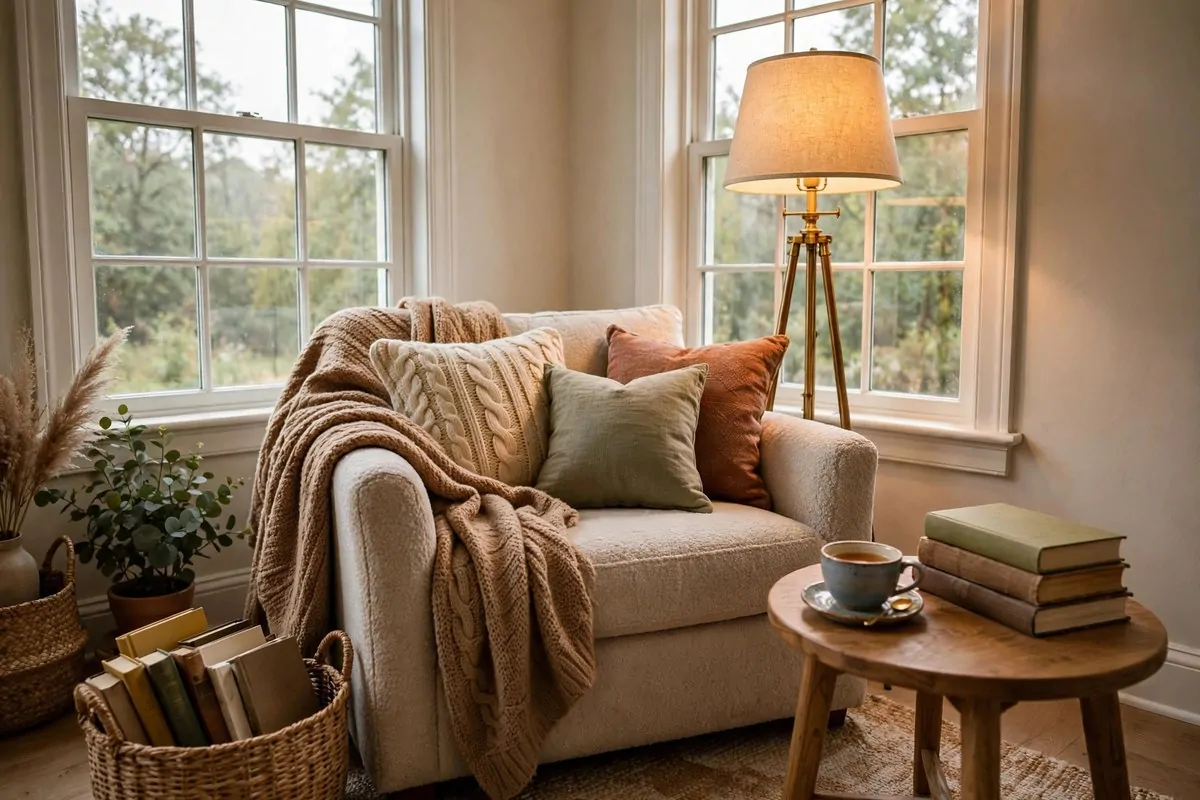
All you need is a comfortable chair, good light, and something to rest a drink on. An unused corner by a window is perfect. You do not need a whole room.
Pick a chair you can curl up in. An armchair with soft cushions beats a stiff dining chair every time. Test it by sitting for ten minutes, not ten seconds.
A floor lamp with warm light sits right behind the chair. Overhead light is too harsh for reading. The lamp should shine over your shoulder onto the page.
Add a small side table for tea and books. A stack of books on the floor works too. Keep your current read within arm's reach so you actually use the nook.
Drape a soft throw over the chair arm. Reading nooks should feel like nests. The throw invites you to stay a little longer.
Keep a small basket for books nearby. It holds your current reads and your next ones. A tidy nook gets used more than a messy one.
Make it a phone-free zone. Leave the phone in another room when you sit down. Twenty quiet pages beat twenty distracted scrolls every time.
24. Give the Kids a Play Corner With Baskets
Kids do not need a whole playroom. A well-set corner works just as well and stays tidier.
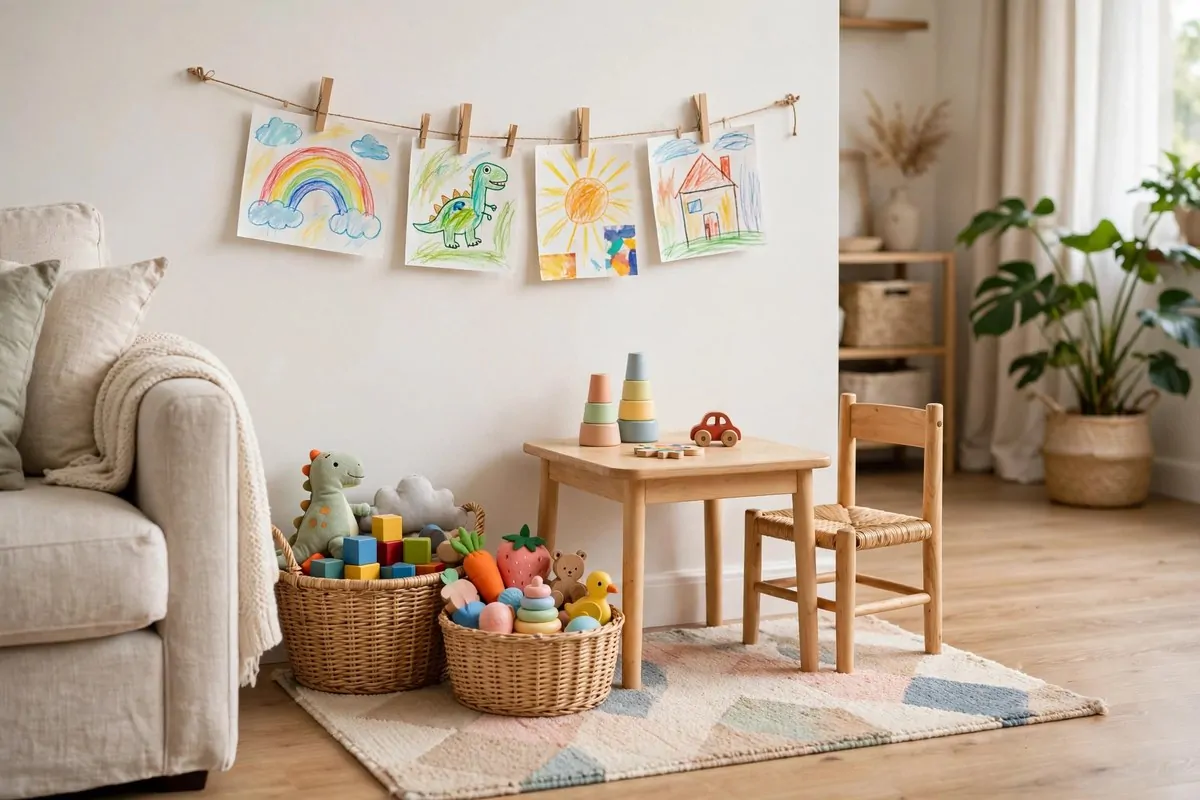
Pick a corner of the living room or their bedroom. Lay down a soft washable rug to mark the zone. The rug tells everyone that this spot belongs to play.
Use open baskets instead of toy boxes with lids. Kids actually put toys back in open baskets. Lids slow them down, and toys end up on the floor instead.
Sort toys into a few big groups. Blocks in one basket, cars in another, art supplies in a third. Too many tiny categories confuse little kids.
Keep some toys in rotation. Store half in a closet and swap every month. Old toys feel new again, and the corner never gets overwhelming.
Add a small table and chairs for drawing. Folding ones work fine and tuck away fast. Art time happens more when the setup is ready.
Hang their artwork on the wall with clips or a wire. It makes them proud and decorates the corner for free. Swap the art when new masterpieces arrive.
Clean up together every evening. Make it a five-minute game with music. Kids who help tidy keep the corner nicer, and you keep your sanity.
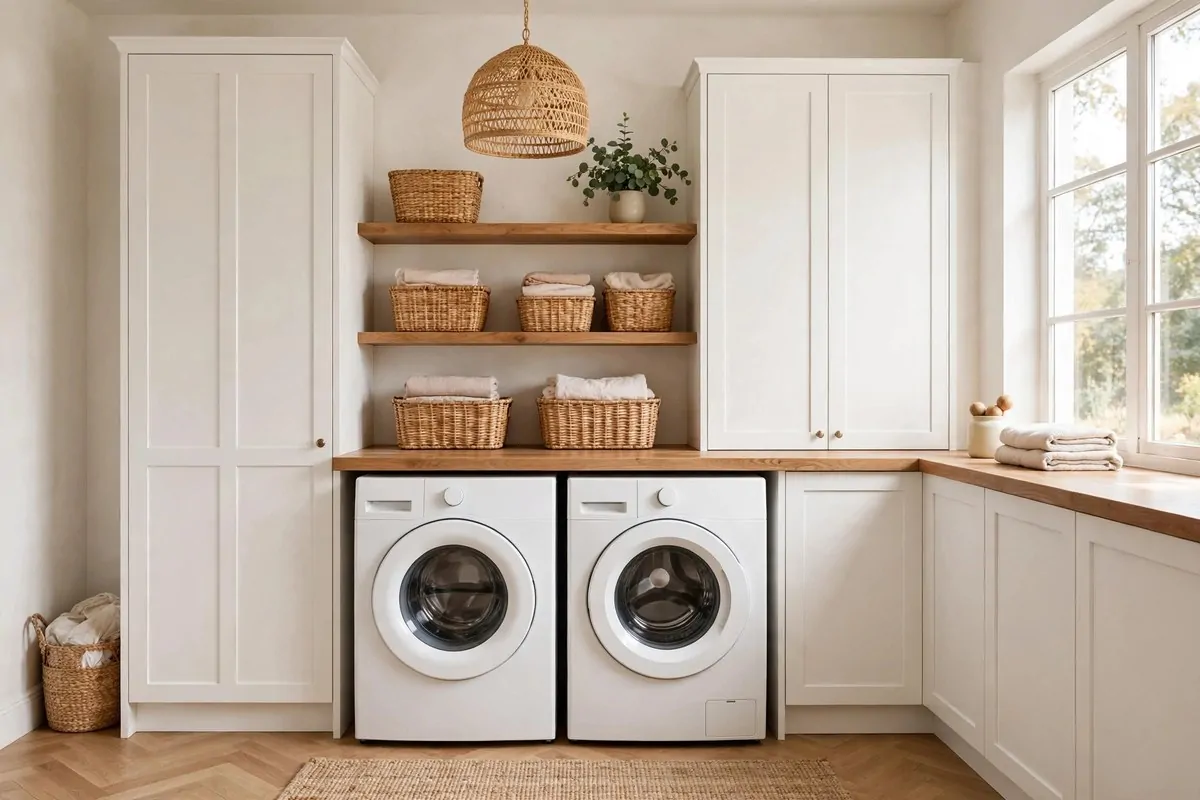
25. Set Up a Folding Station in the Laundry Room
Folding laundry on the bed means clean clothes sit there for days. A folding station fixes the pile problem.
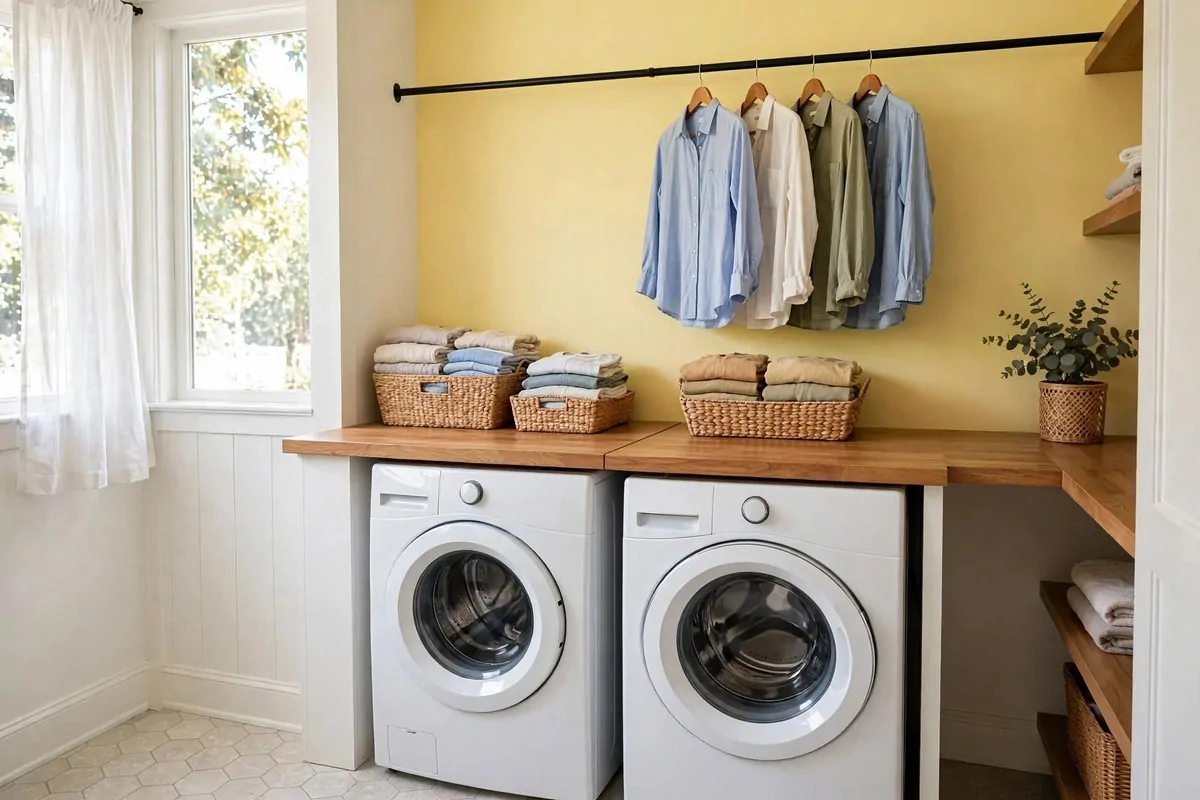
Place a countertop over front-loading machines. It creates a wide flat surface at perfect height. Plywood or a simple shelf board works great.
Fold clothes straight out of the dryer. Warm clothes fold easier and wrinkle less. Ten minutes of folding beats an hour of ironing later.
Sort into baskets as you fold. One basket per family member keeps things moving. Kids can carry their own basket to their room.
Add a hanging rod above the counter. Shirts go straight from dryer to hanger. It cuts folding time in half for button-downs and dresses.
Keep a small trash bin for lint and dryer sheets. Empty pockets go in a little dish on the counter. These tiny systems keep the room tidy.
Paint the laundry room a cheerful color. You spend more time there than you think. A bright wall makes the chore feel lighter.
Put a speaker in the room for music or podcasts. Folding flies by with something to listen to. Laundry day stops feeling like a punishment.
26. Grow a Little Herb Garden on the Balcony
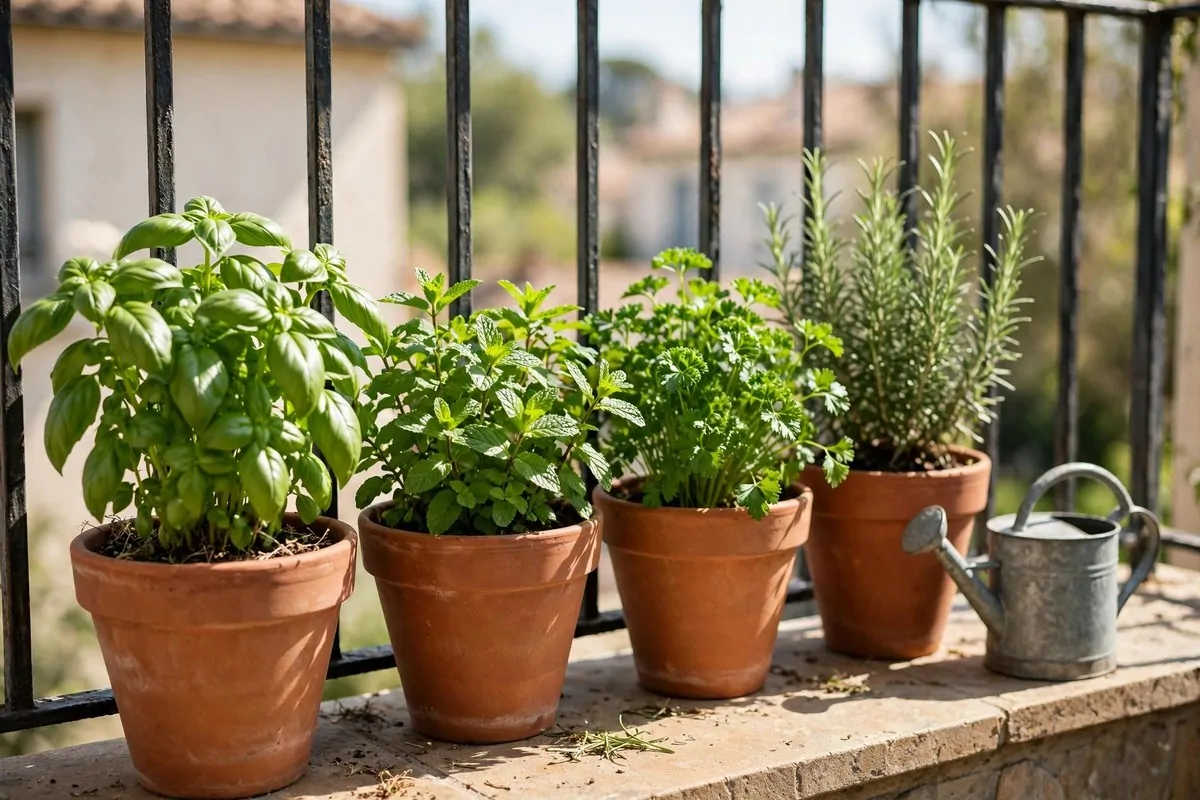
Fresh herbs change how your cooking tastes. A balcony garden puts them steps from your kitchen.
Start with basil, mint, parsley, and rosemary. These four are easy and useful in tons of dishes. They forgive beginner mistakes.
Use pots at least 20 cm deep with drainage holes. Herbs hate wet feet. A saucer under each pot protects the balcony floor.
Mint needs its own pot. It spreads fast and bullies other plants. Give it space and it will reward you with endless leaves.
Water in the morning so leaves dry by night. Wet leaves overnight invite mold. A small watering can by the door reminds you to do it.
Harvest often to keep plants bushy. Pinch basil from the top and it grows two new stems. The more you pick, the more you get.
Bring tender herbs inside before the first frost. Basil dies in the cold, but rosemary can survive mild winters. A sunny windowsill works as a winter home.
Label each pot with a little stick. Seedlings all look the same at first. Labels save you from guessing which green leaves are which.
27. String Lights on the Patio

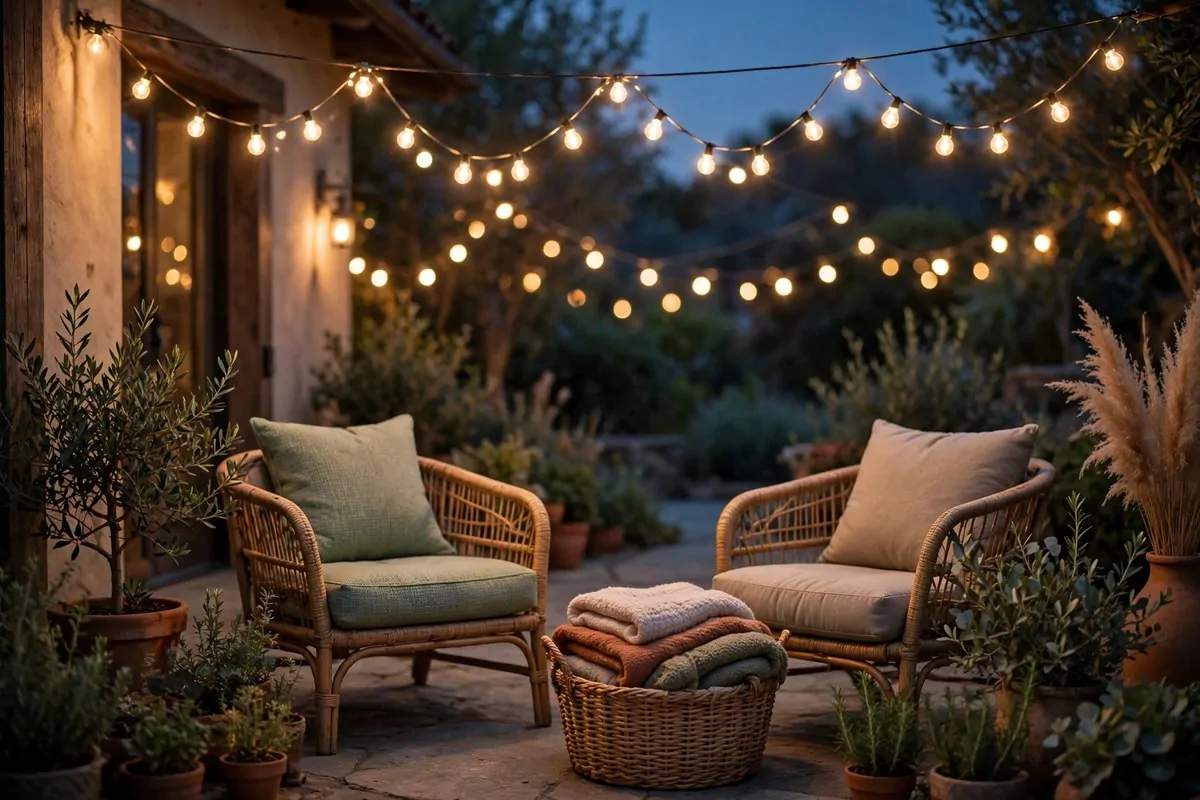
String lights turn an ordinary patio into an evening retreat. They cost little and deliver a lot of magic.
Hang them in a zigzag or a gentle drape between two points. Both patterns look great. Keep the lines slightly loose so they sway softly in the breeze.
Use outdoor-rated lights only. Indoor lights are not safe outside, and they will not survive the first rain. Check the box for an outdoor rating before you buy.
Warm white bulbs look best outside. Cool white feels harsh against the night sky. Warm light makes the patio glow like a cozy cafe.
Connect them to a timer or a smart plug. Lights that turn on at dusk feel magical. You never have to remember, and you never waste power.
Add comfortable seating under the lights. Even simple chairs with cushions work. People gather where it is warm and bright.
Keep a basket of light blankets nearby. Cool evenings get cozier with a throw. Guests will stay longer when they are comfortable.
Take them down or cover them in harsh winter weather. Ice and strong wind shorten their life. Store them dry and they will last for years.
28. Swap Textiles With the Seasons
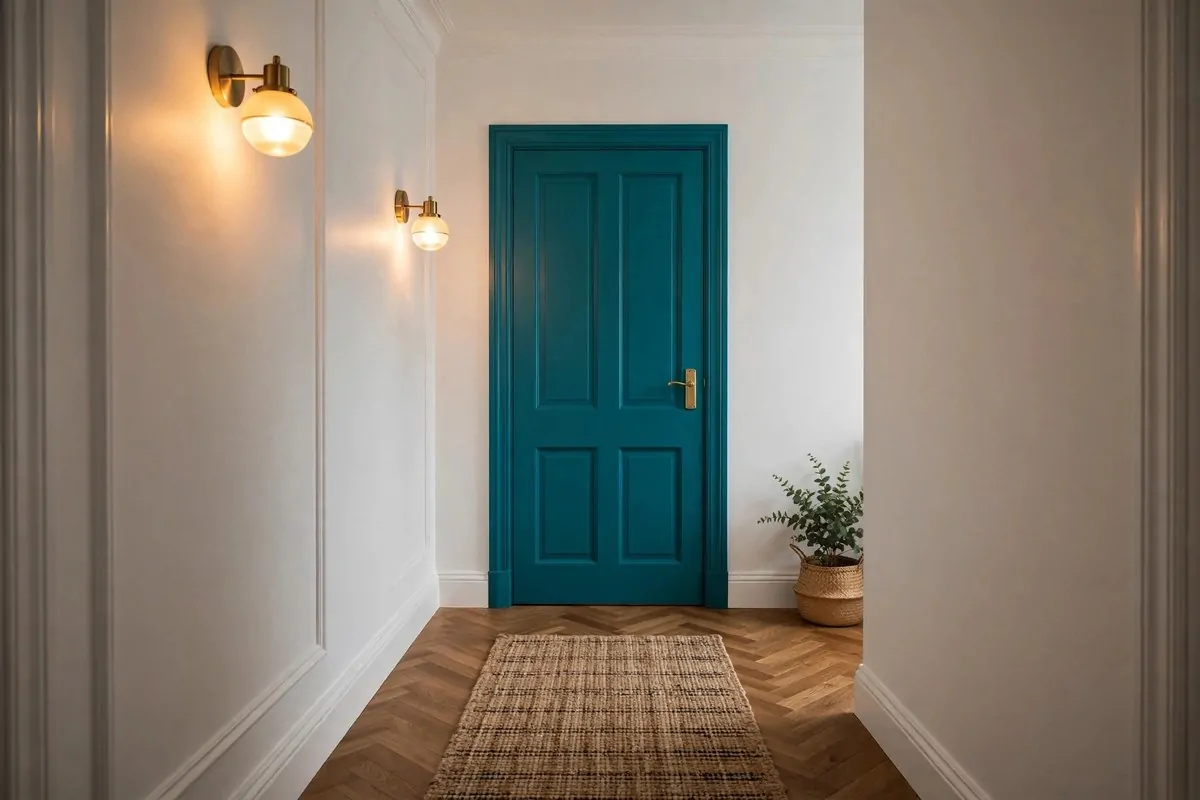
Swapping textiles is the easiest seasonal refresh. The furniture stays, but the whole room changes mood.
Keep two sets of cushion covers and throws. Warm heavy fabrics for winter, light airy ones for summer. Store the off-season set in vacuum bags.
Here is a simple seasonal guide:
| Season | Colors | Fabrics |
|---|---|---|
| Spring | Soft green, cream, blush | Cotton, linen |
| Summer | White, sky blue, sand | Light linen, gauze |
| Autumn | Rust, mustard, brown | Velvet, chunky knit |
| Winter | Deep red, forest, navy | Wool, faux fur |
Change the swap in one afternoon. Do all the rooms at once while you are in the mood. It feels like redecorating without spending much.
Wash the stored set before packing it away. Clean fabric stores better and smells fresh next season. Add a lavender sachet to keep it sweet.
Curtains can swap too. Heavy curtains in winter keep warmth in. Sheer curtains in summer let the breeze through. It changes the light completely.
Bedding follows the same rule. Flannel sheets in winter, crisp cotton in summer. Your sleep improves when the bedding matches the weather.
Let kids pick one seasonal item for their room. A new cushion cover or a fun throw. They will love the change and feel part of the home.
29. Paint an Interior Door a Fun Color
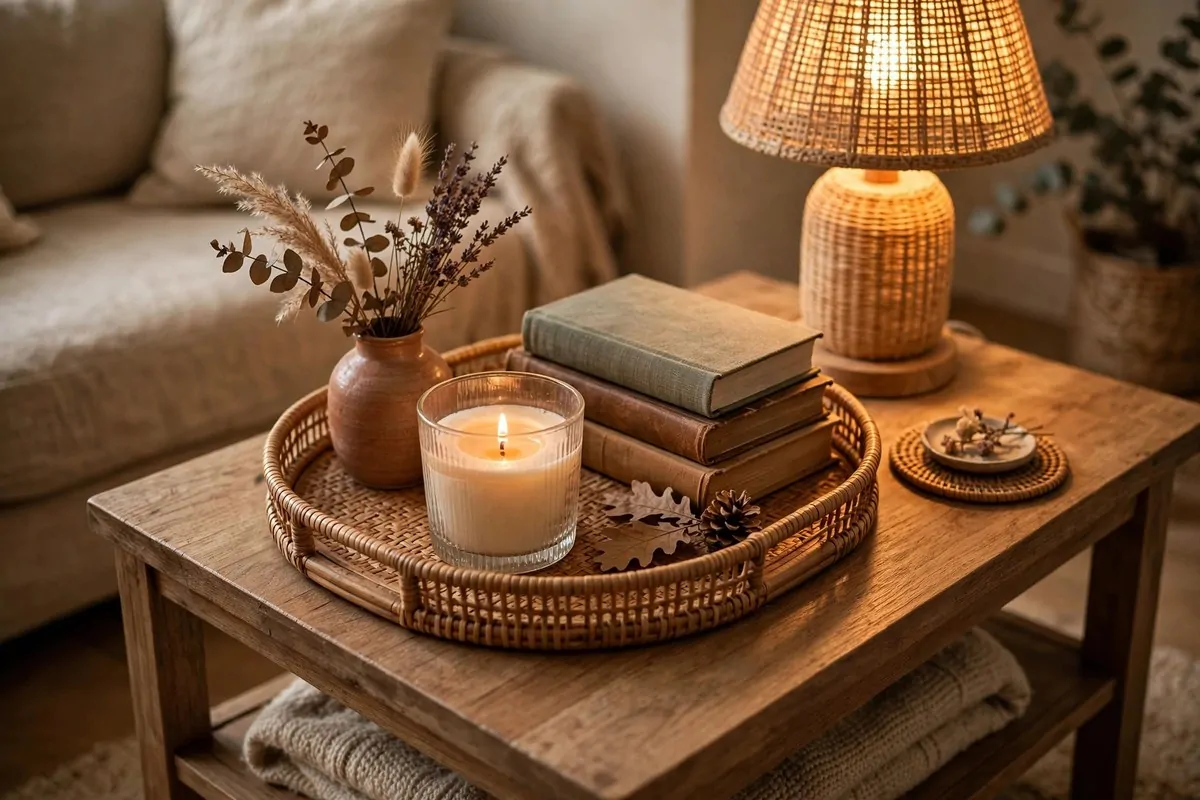
Painted doors are a small risk with a big payoff. One colorful door makes the whole hallway interesting.
Pick a door people see often. The bedroom door, the bathroom door, or the front of a closet. Hidden doors waste the effect.
Deep teal, mustard yellow, and classic black all work beautifully. Black doors look surprisingly elegant in white hallways. Teal adds fun without being loud.
Remove the hardware before you paint. Handles and hinges come off with a screwdriver in minutes. Painter's tape protects the frame edges.
Use two thin coats instead of one thick coat. Thin coats dry smooth and even. Thick coats drip and look bumpy.
Sand lightly between coats with fine sandpaper. It takes five minutes and makes the finish silky. Wipe the dust off with a damp cloth before the second coat.
Paint both sides for a finished look. The inside of the door shows when it is open. One-sided paint looks unfinished in an open doorway.
Step back and admire your work. A painted door photographs beautifully too. It might become your favorite spot in the house.
30. Give Every Room a Signature Smell
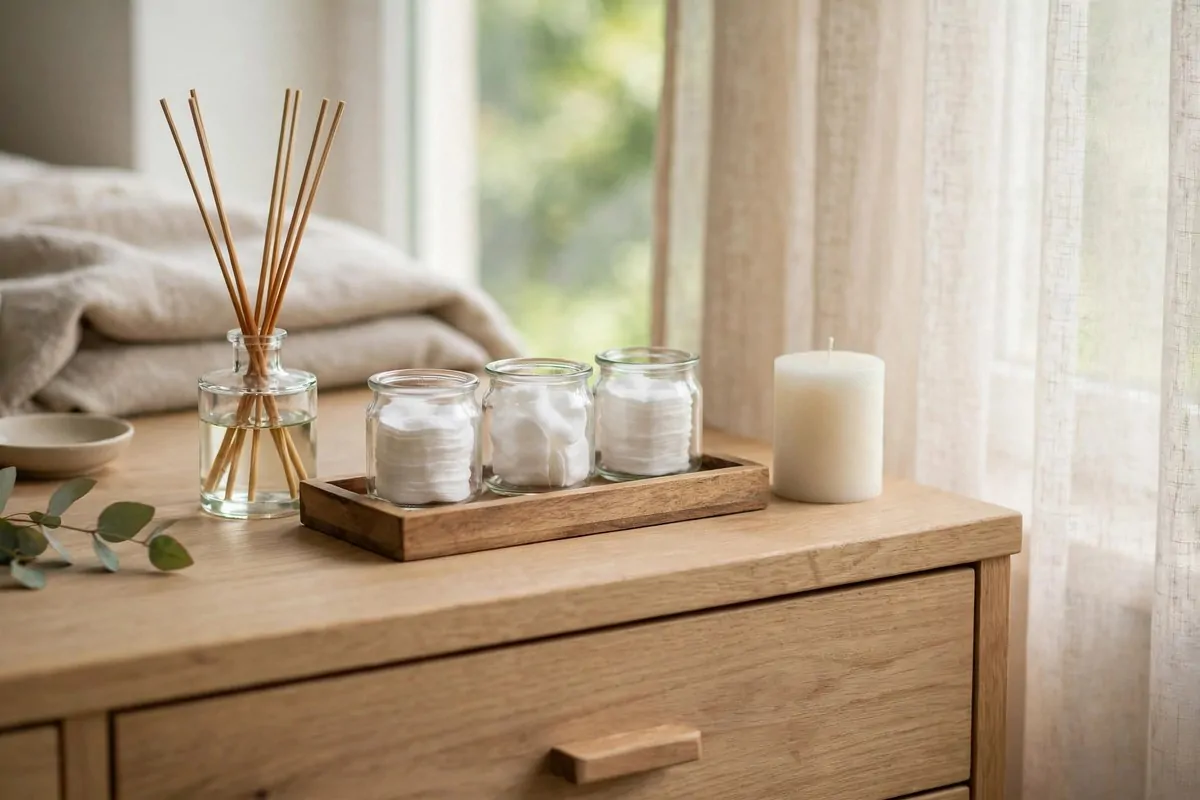
Every memorable home has a smell. Yours can too, and it is easier than you think.
Pick one signature scent for the whole house. Vanilla, fresh linen, or light citrus all feel welcoming. One scent everywhere feels calm and put-together.
Use different formats in different rooms. A candle in the living room, a diffuser in the hallway, a sachet in the closet. Same family of scent, different delivery.
Change it lightly with the seasons. Warm cinnamon in winter, fresh citrus in summer. The shift marks time passing in the loveliest way.
Simmer pots work wonders for parties. Orange slices, cinnamon sticks, and cloves in simmering water smell incredible. Guests will ask what that amazing smell is.
Keep scent subtle, not strong. You should notice it when you walk in, then forget it. Overpowering scents give headaches and drive people away.
Ventilate daily even with nice scents. Open windows for ten minutes each morning. Fresh air plus your signature scent is the perfect combo.
Write down your scent recipe. When the candle burns out, you will want the same one again. A note on your phone saves future guessing.
That is our whole walk, from the front door to the very last corner. Thirty ideas, and not one of them needs a contractor or a big loan.
Pick the one that made you smile the most and try it this weekend. Your home is already yours. These little touches just help it show.