28 Reading Practice Ideas for Kids Who Struggle to Read

My son read the same short line five times, and each time it sounded a little bit braver than the last. I sat beside him and smiled, because I could hear his brave grow a little more each time.
Here are 28 reading practice ideas for kids that make hard words feel friendly and reading feel like play.
Some kids find reading hard, and that is fine. It does not mean they are slow. It just means they need a bit more time and a bit more love.
I learned that short fun times work best. Ten calm minutes beat one long hard hour. When we stop before tears start, my boy wants to try again the next day.
There is no rush here. We go at his pace, and we cheer for each tiny win. A hard word read right is a big deal in our house.
You do not need fancy tools for this. You need a book, a kind voice, and a warm lap. That is more than enough.
So pick one idea from this list and try it tonight. Keep it light, keep it fun, and let your child feel proud of every step.
1. Read the Same Short Book Three Days in a Row

We pick one short book and read it on Monday, then again on Tuesday, then again on Wednesday. The same words meet my boy again and again, and each time they feel a little more like old friends.
On day one he sounds slow, and that is fine.
By day two he knows some of the words before he even sees them. He starts to smile at the parts he knows. He points at a word and says it fast, like he owns it now.
Day three is my favourite day.
He reads it almost on his own, and his voice sounds sure. I clap for him, and he grins from ear to ear.
You can let your child hold the book and turn the pages at their own speed.
We read it once, then we talk about the best part. My boy loves to tell me which page made him laugh.
Then we put the book back on the shelf, and he picks it up again the next day like an old friend. If a word still trips him up, we just say it together and move on. No fuss, no frown, just a soft voice and a fresh try.
Typical cost $0 to $0.
2. Point at Each Word as You Read It

I put my finger under the first word and move it slow as I read.
My boy watches my finger, and his eyes follow each word in turn. It helps him see where one word ends and the next one starts.
He points too.
Soon his own finger is under the words, and he moves it as he reads. Sometimes he goes too fast, and we laugh and start the line again. Sometimes he goes too slow, and that is fine as well.
His eyes stay on the page, and his mind stays with the story. The finger is like a small guide that walks him along the line.
You can do this with any book, and it works the same kind way each time.
It is a small trick, but it helps a lot.
Try it tonight and watch how your child stays with the words. You will see their eyes move with care, and you will hear their voice grow a bit steadier with each line.
Typical cost $0 to $0.
3. Read Out Loud Together, One Line Each
I read one line out loud, then my boy reads the next line, and we take turns all the way down the page. It feels like a game, and it keeps us both close to the story. He likes it when it is his turn, and he sits up a bit taller.
I read my line slow and clear.
Then he reads his line, and I listen with a soft smile. If a word is hard, I say it with him, and we keep going.
His turn comes again soon.
We take turns like this through the whole page.
My boy starts to wait for his turn with a happy look. I can see he wants to do his best.
One line each keeps the work small and fair. He never has to read a whole page on his own, and I never have to sit far away. We share the reading, and we share the fun, and the hard words feel less scary when we face them side by side.
He reads his line, and I cheer in a quiet voice.
Typical cost $0 to $0.
4. Pick Books with Big Pictures and Few Words

Big pictures help a lot.
My boy looks at the picture first, and it tells him what the page is about. Then the few words on the page feel less scary, and he tries them with a brave heart. He points at things in the picture and tells me what he sees.
A page with few words gives him room to breathe, and he does not feel lost in a sea of letters. He reads one short line, then looks at the picture again, and the story makes sense to him.
You can find books like this at the library or a small shop. Ask the librarian for books with big pictures and short lines.
Your child will reach for them again and again, because they feel like fun and not like hard work.
A book that feels kind is a book a child will love. It is a joy to watch him pick a book he likes. He holds it close and turns the pages with care.
The pictures give him clues, and the clues help him read the words.
Soon he is telling me the story in his own words. I can see how proud he feels.
Typical cost $2 to $4.
5. Let Your Child Pick the Book Every Time
I let my boy pick the book, even if he picks the same one again. His choice matters more than my plan, and when he picks it, he wants to read it.
He walks to the shelf and looks at the covers with care. He takes his time, and I wait with a smile.
A book he picks feels like his own.
He holds it close, and he turns the pages with care.
You can still guide him a little. You can put some kind books where he can see them, and let him pick one of those. He still feels free, and you still feel calm.
Let him pick again tomorrow. When he hands me his pick, I know we will have a good read together.
A child who picks his own book will come back to it with a glad heart.
He will ask for one more page, and then one more, and soon reading feels like his own fun time, not a chore.
Typical cost $2 to $5.
6. Read a Recipe and Cook It Together
We pick a simple pancake recipe and read it together first.
I read one step, and my boy reads the next one.
We take our time, and we read each word with care. An adult helps with the stove, and my boy helps with the safe parts.
Reading a recipe feels real to him. The words tell us what to do, and then we do it, and then we eat what we made. He sees that reading helps us make something good, and that makes him want to read more.
We read the list of things we need.
Then we read each step in turn. My boy points at the words as we go, and I help him with the hard ones.
We laugh when the first pancake comes out a bit wonky, and we try again. Cooking together makes reading feel warm and fun.
Try fruit salad if you like, and read that recipe the same way.
Typical cost $3 to $5.
7. Make a Word Wall with Sticky Notes
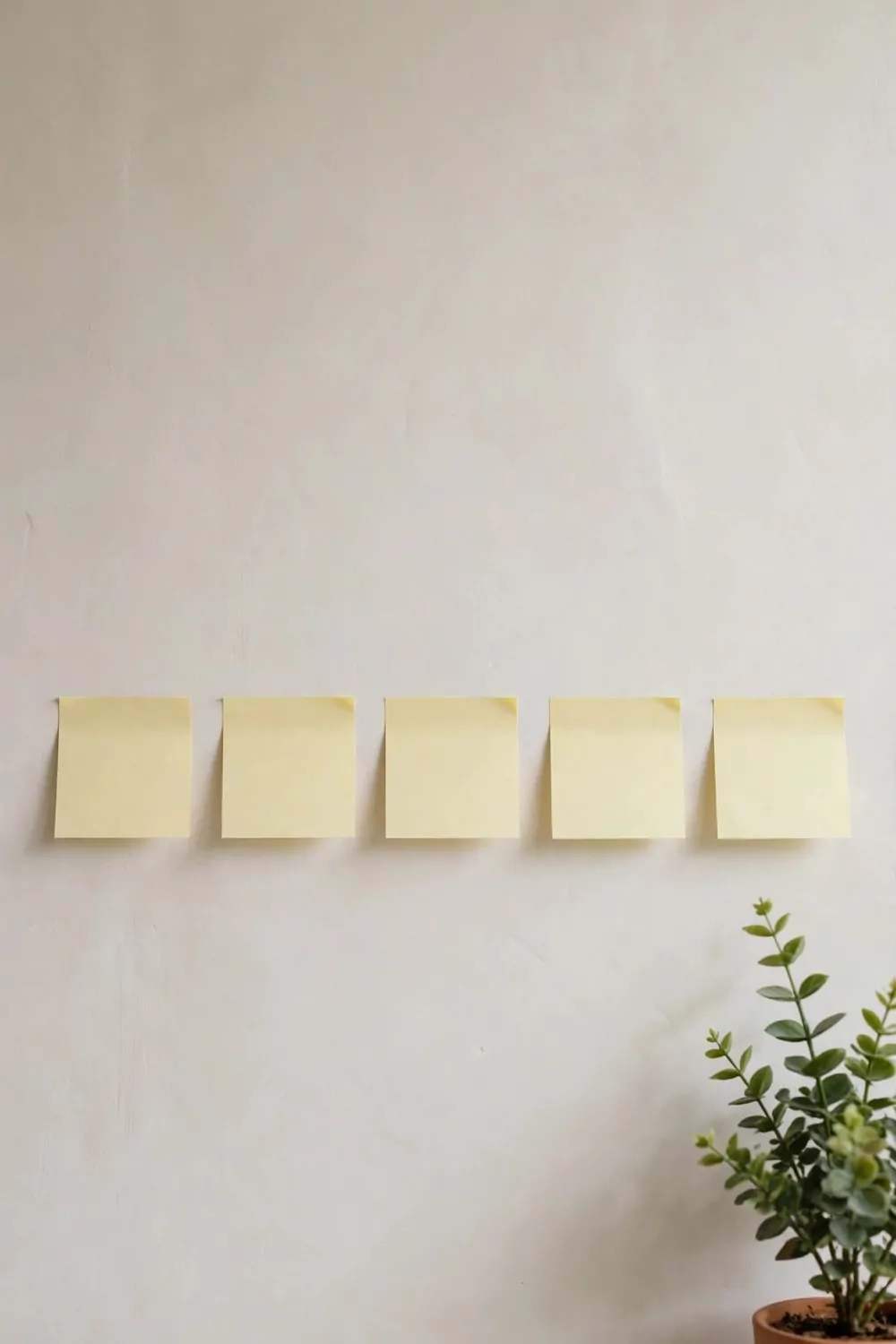
We put sticky notes on the wall with words my boy is learning. Each note holds one word, and we read them together each day.
He picks the words himself, and he writes them with care. Some are names of things he loves, and some are words from his books. He sticks them on the wall at his own height, and he reads them when he walks past.
A word on the wall feels friendly.
We read the wall each morning, and we add a new note when he learns a new word. His wall grows a little each week, and he loves to show it to guests.
You can use any plain wall space.
Put the notes where your child can reach them.
We cheer when a new word goes up. He reads it out loud, and I say it back with a smile. Then we put it on the wall, and he steps back to look at it with pride.
The wall is theirs, and the words on it are words they know. A word wall turns hard words into friends he sees each day.
Typical cost $1 to $3.
8. Read the Same Page in a Funny Voice
Pick a page your child already likes a lot. Read it first in your normal voice so the words feel safe. Then read it again in a soft squeaky voice and watch what happens.
My child giggles every time I try a deep slow voice. That giggle makes the hard words feel much smaller.
You can try a tiny whisper voice for the quiet parts.
Let your child pick the voice for the next page.
The funny voice takes the worry out of the page. Your child starts to look forward to the next line instead of fearing it.
Keep the game short so the fun stays fresh. Stop while you are both still smiling and warm. Come back to the same page tomorrow and try a brand new voice.
Praise the try, not just the right words.
A page read with joy is a page your child will want again.
Typical cost $0 to $0.
9. Keep a Reading Log with Stars
A small log turns each bit of reading into a win you can see.
Draw a plain line for each day your child reads a little. Add a star beside the line when the reading is done.
I keep our log on the table where we both see it each morning. My child likes to point at the stars and count the good days with me. That simple sight helps us keep going when a day feels hard.
You do not need a fancy chart to start this.
Use a plain notebook and a pencil you already have at home. A star can be a quick mark, and it still feels special.
Let your child draw the star in their own way. The wobbly mark is part of the joy for them.
Celebrate a full week with a big hug and kind words.
Some weeks will have more stars than other weeks, and that is fine. A quiet week still counts when your child tried their best. Keep the log kind, and let it show effort more than speed.
Typical cost $1 to $2.
10. Read Signs and Labels on a Walk
A short walk can turn into a gentle reading game. Point at a sign and read the words out loud together.
Start with short words your child can spot fast.
Street signs and shop signs are all around you on a walk.
Read the name on a shop front and talk about what it means. Your child feels proud when a word they know pops up in real life.
I let my child lead the way on our street and pick the next sign to read. We pause, we look, and we say the word slowly together. Then we keep walking with a smile and look for the next one.
Praise each try, even when a word comes out a little wobbly.
Keep the walk short and calm so the fun lasts. A tired child learns less, so we stop while the mood is still bright.
Reading outside shows your child that words live everywhere.
Typical cost $0 to $0.
| Idea | Main change | Typical cost |
|---|---|---|
| Read the Same Short Book Three Days in a Row | read the same short book three days in a row | $0 to $0 |
| Point at Each Word as You Read It | point at each word as you read it | $0 to $0 |
| Read Out Loud Together, One Line Each | read out loud together, one line each | $0 to $0 |
| Pick Books with Big Pictures and Few Words | pick books with big pictures and few words | $2 to $4 |
| Let Your Child Pick the Book Every Time | let your child pick the book every time | $2 to $5 |
| Read a Recipe and Cook It Together | read a recipe and cook it together | $3 to $5 |
| Make a Word Wall with Sticky Notes | make a word wall with sticky notes | $1 to $3 |
| Read the Same Page in a Funny Voice | read the same page in a funny voice | $0 to $0 |
| Keep a Reading Log with Stars | keep a reading log with stars | $1 to $2 |
| Read Signs and Labels on a Walk | read signs and labels on a walk | $0 to $0 |
| Total | $9 to $19 |
11. Read a Comic Book with Speech Bubbles
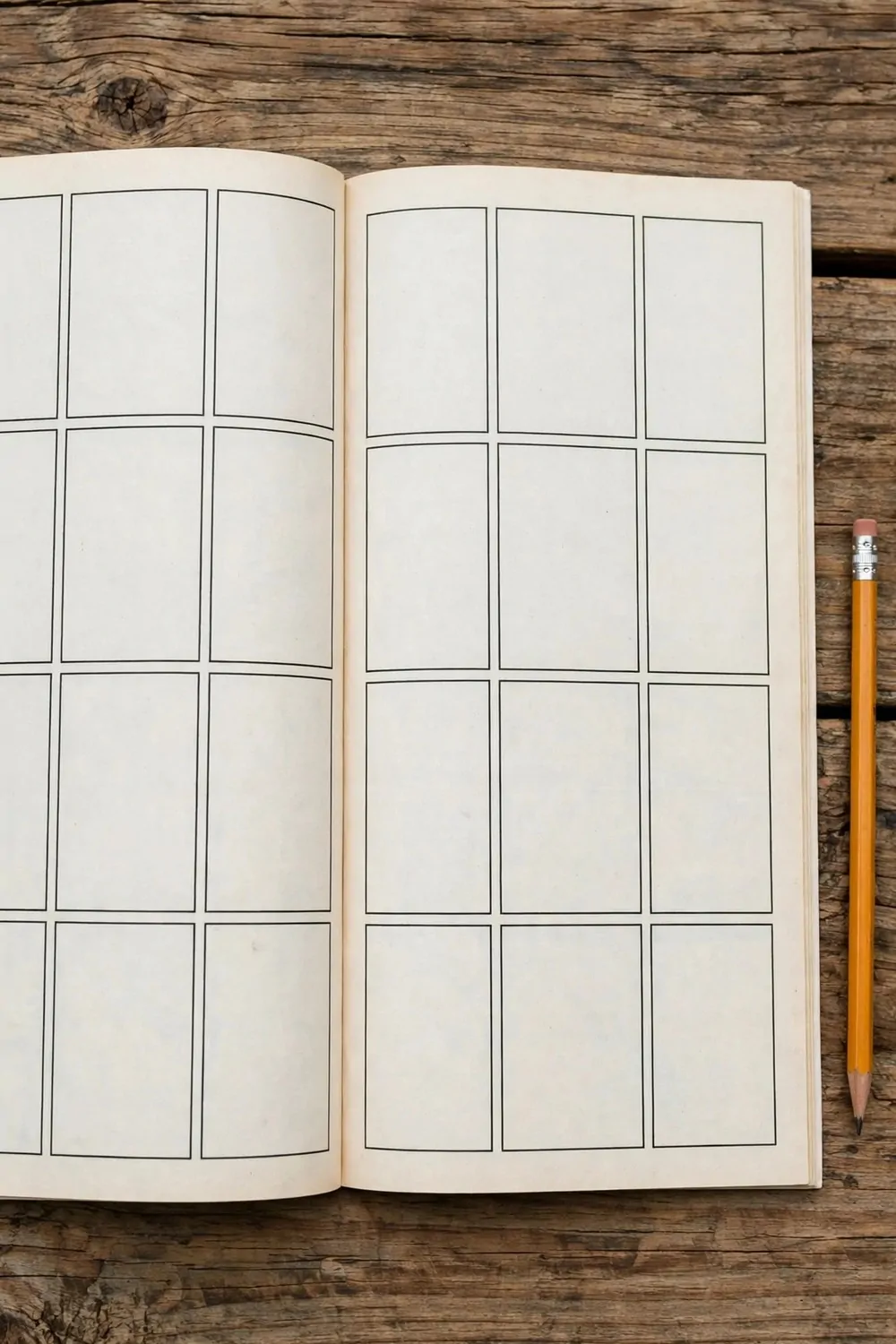
A comic book makes reading feel like play.
The speech bubbles show who is talking, and that helps a lot. Your child can follow the talk from one bubble to the next with ease. The pictures give clues when a word feels new or tricky.
Pick a plain comic with clear words and kind tales.
Read one bubble at a time and pause for the picture. Let your child guess what happens next before you turn the page.
I use a soft voice for one person and a warm voice for the other. My child laughs and then wants to read the next bubble too.
Keep the time short so the joy stays fresh.
Some bubbles are short, and some are a little longer, and both are fine. Your child can point at a word they know and say it with pride. That small win builds trust for the next page.
A comic read together is a happy step on the reading path.
Typical cost $2 to $4.
12. Read One Page Before Bed Every Night
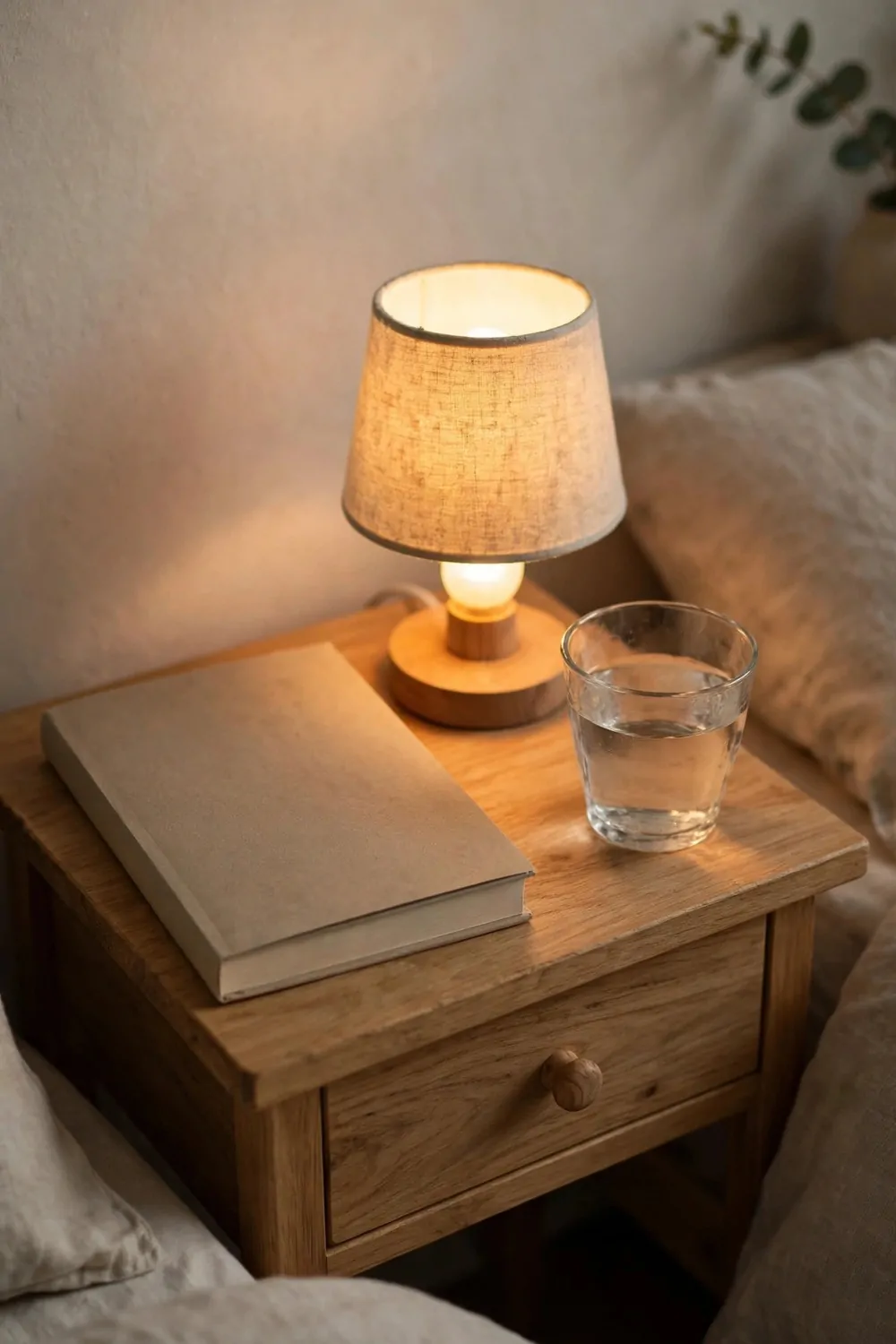
One page before bed is a soft way to end the day. Your child knows the task is small, so the worry stays low.
Pick a calm book and sit close together in a warm spot. Read the page slowly and let the day settle down.
I keep the same plain book by the bed so we know where it lives. My child picks the page, and I help with any hard word in a kind way. Then we close the book with a smile and feel proud of the small win.
Keep the routine the same each night.
A steady habit helps your child feel safe with words.
Some nights the page feels easy, and some nights it feels slow. Both nights still count when your child tried with a glad heart.
End with a hug and a kind word about the try.
Do not add more pages when the night goes well. A short win tonight makes tomorrow feel bright and kind. Your child will ask for the page again when the habit feels good.
Typical cost $0 to $0.
13. Match Word Cards to Pictures
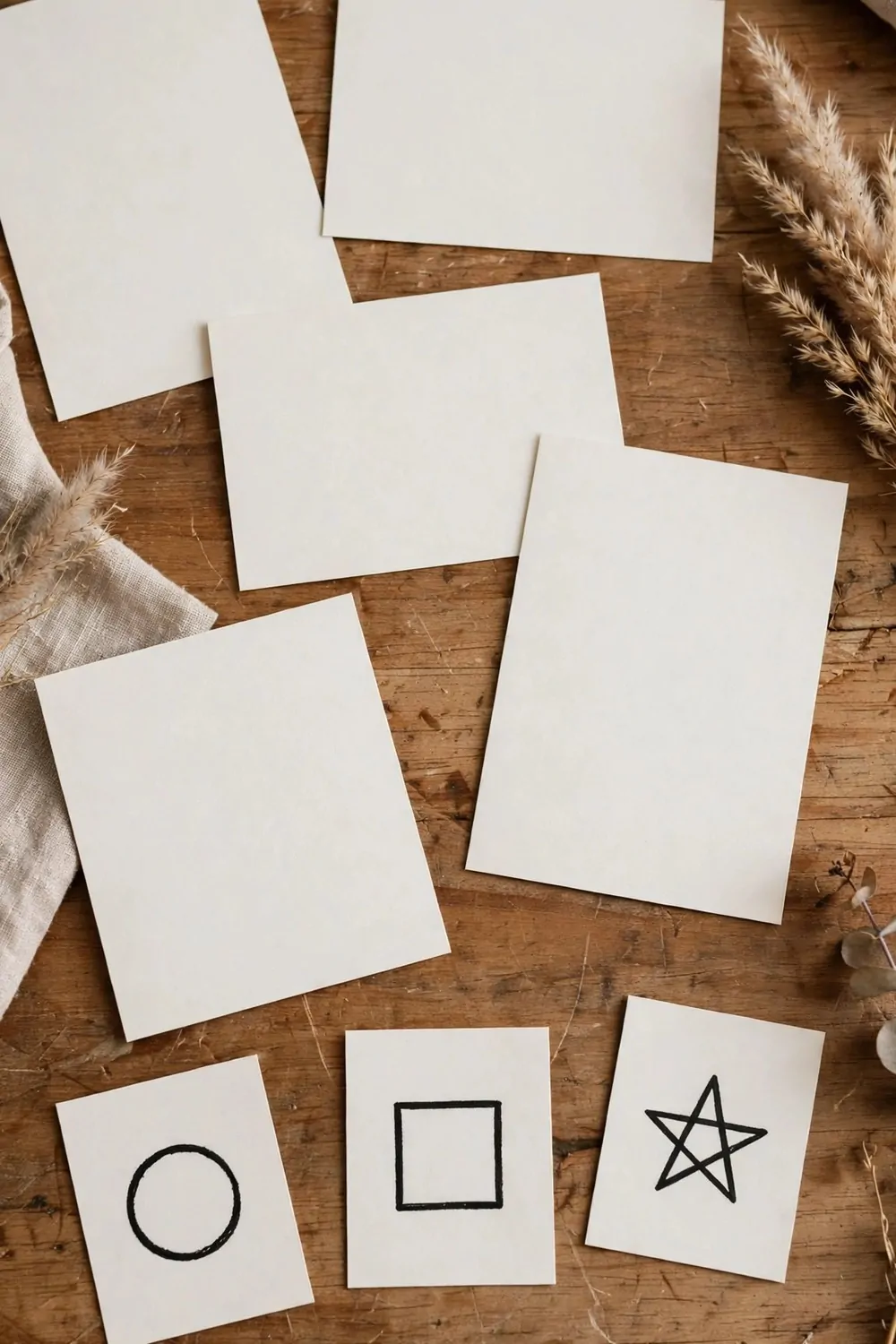
Make some plain word cards and some plain picture cards to match. Put the cards face up on a table where your child can see them all. Let your child pick a word card and look for its picture with care.
Start with words your child already knows well.
Keep the set small so the game feels calm and fun.
Read the word out loud together before you look for the match. Praise the try when the picture is found, even when it takes time.
My child loves the moment when a word and a picture fit.
I use plain paper and a pen for our cards at home. We draw simple pictures that we both can spot with ease. The game works well because the words feel real and close to home.
Mix the cards up each time you play the game. A fresh mix keeps your child looking and thinking in a glad way.
Keep the game short and end while the smile is still there. Your child will ask to play again when the fun stays fresh.
Typical cost $1 to $3.
14. Read a Rhyme and Clap the Beat
A short rhyme with a clap makes words feel light and fun.
Read one line out loud and clap softly on the beat with your hands. Your child can copy the clap and join in when they feel ready.
Pick a rhyme with plain words your child can hold in mind. Repeat it a little each day so the words feel safe and known.
I clap slow at first so my child can follow the beat with ease. Then we clap a bit faster when the words feel warm and sure. We laugh a lot, and the hard words start to feel small.
Let your child lead the pace when they want to try.
Praise each try with warm words and a big smile.
Keep the rhyme short so the fun stays fresh for both of you. Stop while the joy is still bright, and come back to it tomorrow.
A rhyme read with claps helps your child hear the parts of words. That gentle beat makes new words less scary and more fun. Your child will ask for the rhyme again when it feels like play.
Typical cost $0 to $0.
15. Make a Cosy Reading Nook with a Lamp
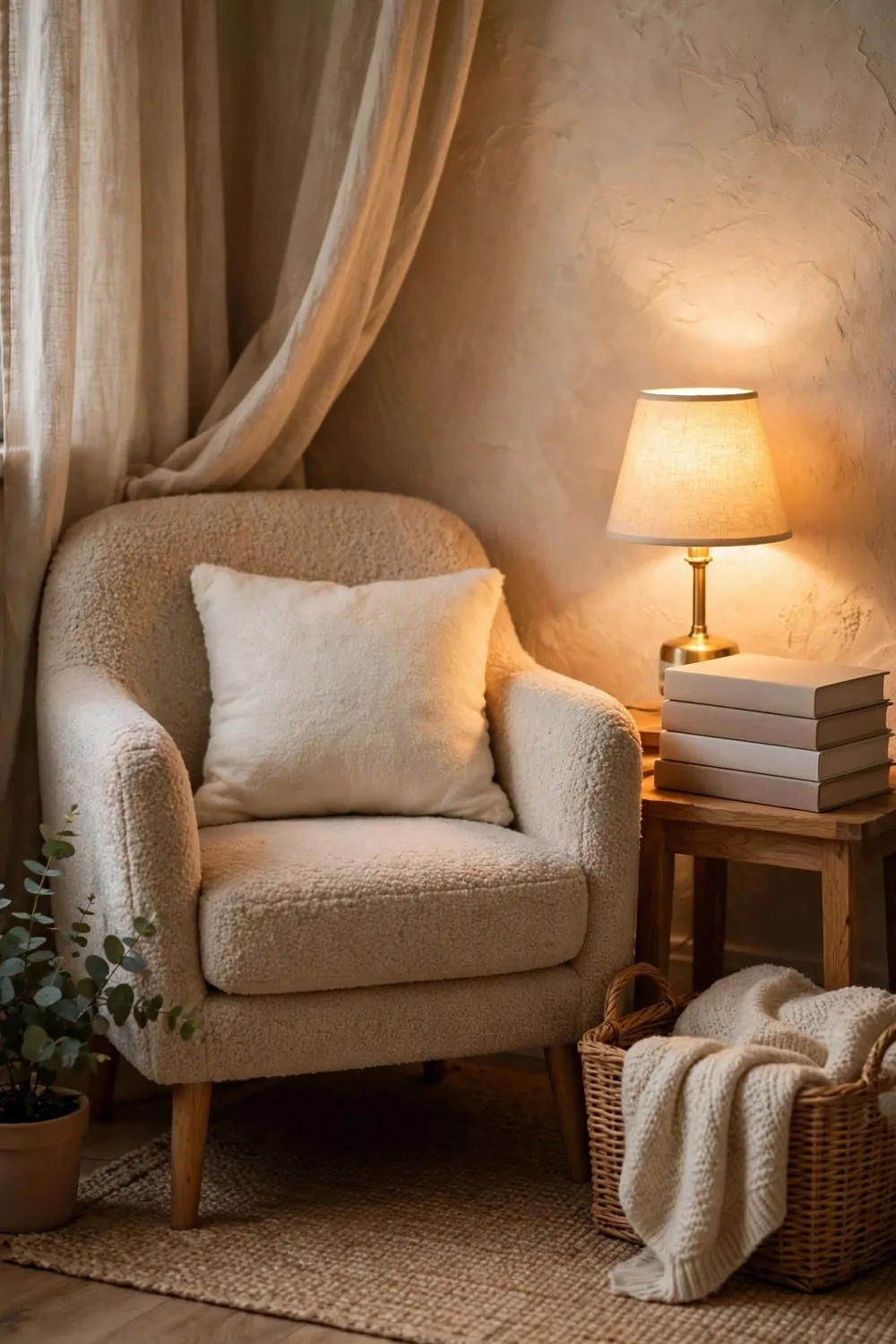
I made a small corner for my child to read in. I put a soft cushion there and a small lamp beside it.
My child picks a book and sits in that corner each day. The glow from the lamp makes the spot feel calm and safe. I sit close by for a bit and then let my child read alone.
We keep a soft blanket in a small basket near the cushion. My child can reach it without asking me for help.
I keep the corner tidy so it always feels inviting.
Some days my child reads for a short time and that is fine. Other days my child stays longer because the spot feels cosy. I praise the effort and never rush the page.
I change the books often so there is always something fresh to try.
My child now asks to sit in the nook after lunch.
If your child feels shy about reading, a quiet corner can help a lot. It gives reading a happy place in your home.
Typical cost $4 to $7.
16. Read a Letter from a Friend or Grandparent
A letter from someone who loves your child can make reading feel warm and real.
I asked my mum to write a short note to my child.
My child held the paper with both hands and read it slowly. Some words were hard, so we worked through them together. My child smiled at the end because the words were just for them.
You can ask a grandparent or a close friend to write a note too. Keep it short and full of kind words.
My child read the same letter more than once that week. Each time, the reading felt a bit easier.
I keep the letter in a plain envelope so my child can find it again.
Your child will love knowing the words came from someone they know.
If the letter is long, read the first part together and save the rest for tomorrow. Small steps build a strong reader.
Typical cost $0 to $1.
17. Play a Word Hunt in a Book

I pick a simple word and ask my child to find it in a book. My child scans the page with a finger and looks with care. When the word is found, we both cheer in a quiet way.
We start with short words that my child already knows. That early win gives my child hope for the next hunt.
I write the word on a plain card so my child can hold it close. My child then looks for that same word on the page.
I never rush the hunt because looking takes time.
My child now spots words on signs and labels too.
Some days we hunt for a word that starts with a letter we are learning. Other days we hunt for a word my child likes. I keep the game short so it stays fun.
I praise my child for looking with care, not just for finding the word.
You can play this game with any plain book at home. It turns reading into a gentle search your child can enjoy.
Typical cost $0 to $0.
18. Read the Captions on a Family Photo
I wrote a short caption under a family photo in our album. My child read it out loud and smiled at the memory.
A caption is short, so it feels easy to try.
I keep the words simple and true to what we did that day. My child points at the photo and reads the words one by one. We talk about the day after the reading is done.
You can write captions for trips, meals and quiet days at home. Your child will want to read them because they are about your family.
I let my child help me write a new caption when we add a photo.
My child reads the old captions again and again with joy. Each reading builds trust in the words on the page.
If a word feels hard, I read it first and my child repeats it after me. We do not stop for long on one hard word. I move on and let my child feel the win of finishing the line.
This small habit turns old photos into reading practice.
Typical cost $0 to $0.
19. Read a Short Poem and Learn It by Heart

A short poem can be a kind friend for a child who finds reading hard.
I pick a poem with plain words and a gentle flow. My child reads it with me, line by line. We read it again the next day, and the words start to feel known.
I do not ask my child to learn it all at once. We learn a bit each day and celebrate each new line.
My child loves saying the poem from memory at bedtime.
I keep the poem on a plain card near the bed. My child can look at it whenever the words feel far away.
I praise my child for trying, even when a line is missed.
You can pick a poem about the rain, the garden or a kind friend. Your child will pick a favourite line and say it with pride.
A poem learned by heart gives your child words to carry all day.
Typical cost $0 to $0.
20. Take Turns Reading a Story to a Toy
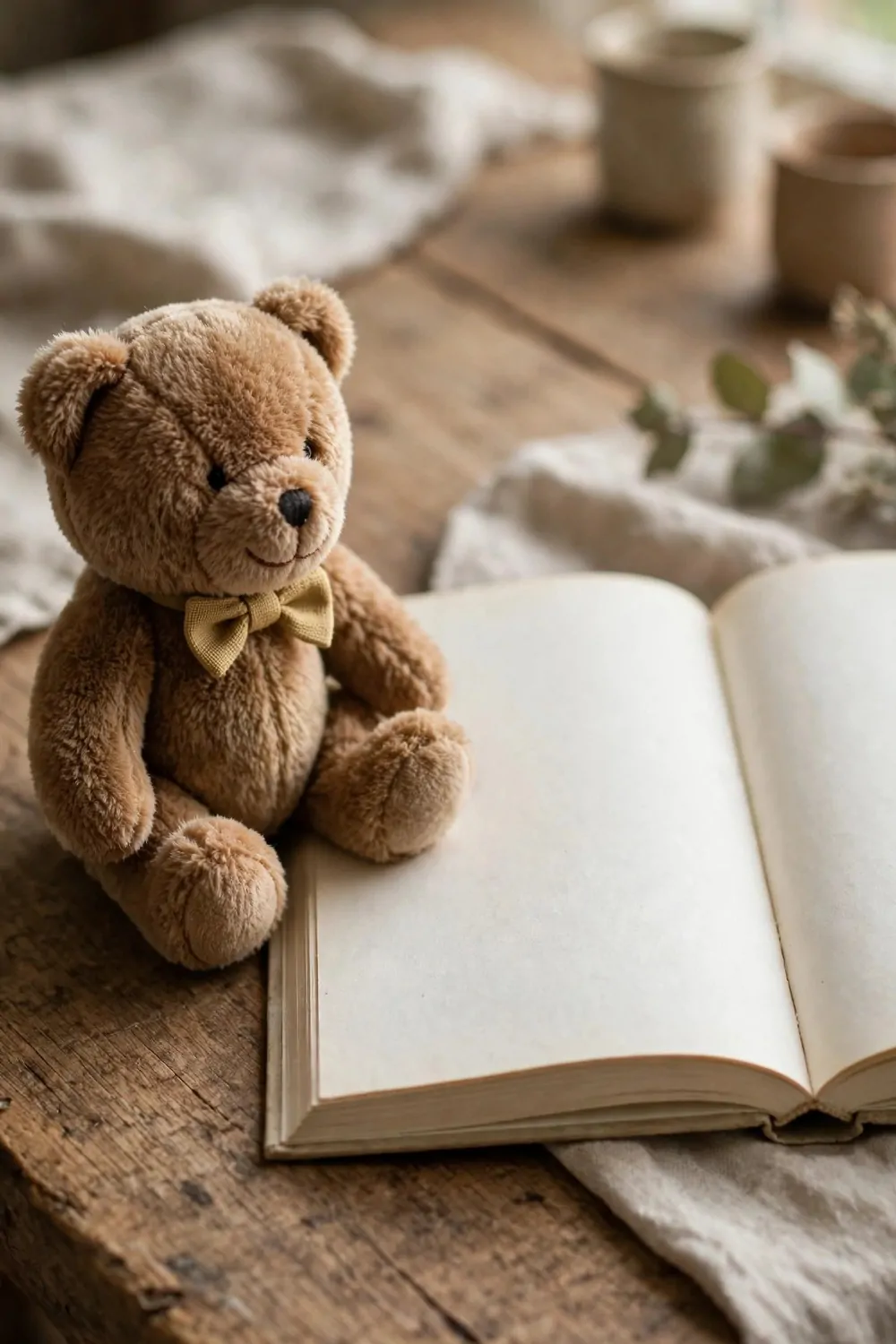
My child reads a story to a plush teddy bear each evening. The bear sits and listens while my child turns the pages.
I take a turn too, and my child takes the next turn. We pass the book back and forth with a smile.
My child feels brave because the bear never judges a slow word.
If my child stops at a hard word, I read it softly and we move on. My child then reads the next line on their own. I praise the try and keep the mood calm and warm.
My child now picks the story and sets the bear in place.
You can use any toy your child already loves. The toy just needs to be a kind listener.
I sit nearby and help only when my child asks me to.
This gentle game makes reading feel safe and fun.
Typical cost $0 to $0.
| Idea | Main change | Typical cost |
|---|---|---|
| Read a Comic Book with Speech Bubbles | read a comic book with speech bubbles | $2 to $4 |
| Read One Page Before Bed Every Night | read one page before bed every night | $0 to $0 |
| Match Word Cards to Pictures | match word cards to pictures | $1 to $3 |
| Read a Rhyme and Clap the Beat | read a rhyme and clap the beat | $0 to $0 |
| Make a Cosy Reading Nook with a Lamp | make a cosy reading nook with a lamp | $4 to $7 |
| Read a Letter from a Friend or Grandparent | read a letter from a friend or grandparent | $0 to $1 |
| Play a Word Hunt in a Book | play a word hunt in a book | $0 to $0 |
| Read the Captions on a Family Photo | read the captions on a family photo | $0 to $0 |
| Read a Short Poem and Learn It by Heart | read a short poem and learn it by heart | $0 to $0 |
| Take Turns Reading a Story to a Toy | take turns reading a story to a toy | $0 to $0 |
| Total | $7 to $15 |
21. Read a Menu and Pick Dinner Together
I write a small menu for dinner on a plain sheet of paper. My child reads the food names with me, one by one. We talk about each dish and what it might taste like.
My child loves picking dinner because the choice feels real.
I keep the menu short with plain words my child can read. My child points at the dish they want and reads its name out loud.
Some nights we pick rice with lentils and soft bread. Other nights we pick a warm soup with bread on the side. My child reads the menu again while I cook, just for fun.
I praise my child for reading the whole menu without giving up.
My child now helps me write the menu for the next day.
You can add a simple drink like water or milk to the menu too. Your child can read that line and pick it with pride.
Reading a menu turns dinner into a happy reading time.
Typical cost $0 to $0.
22. Make Bookmarks with Your Child’s Name
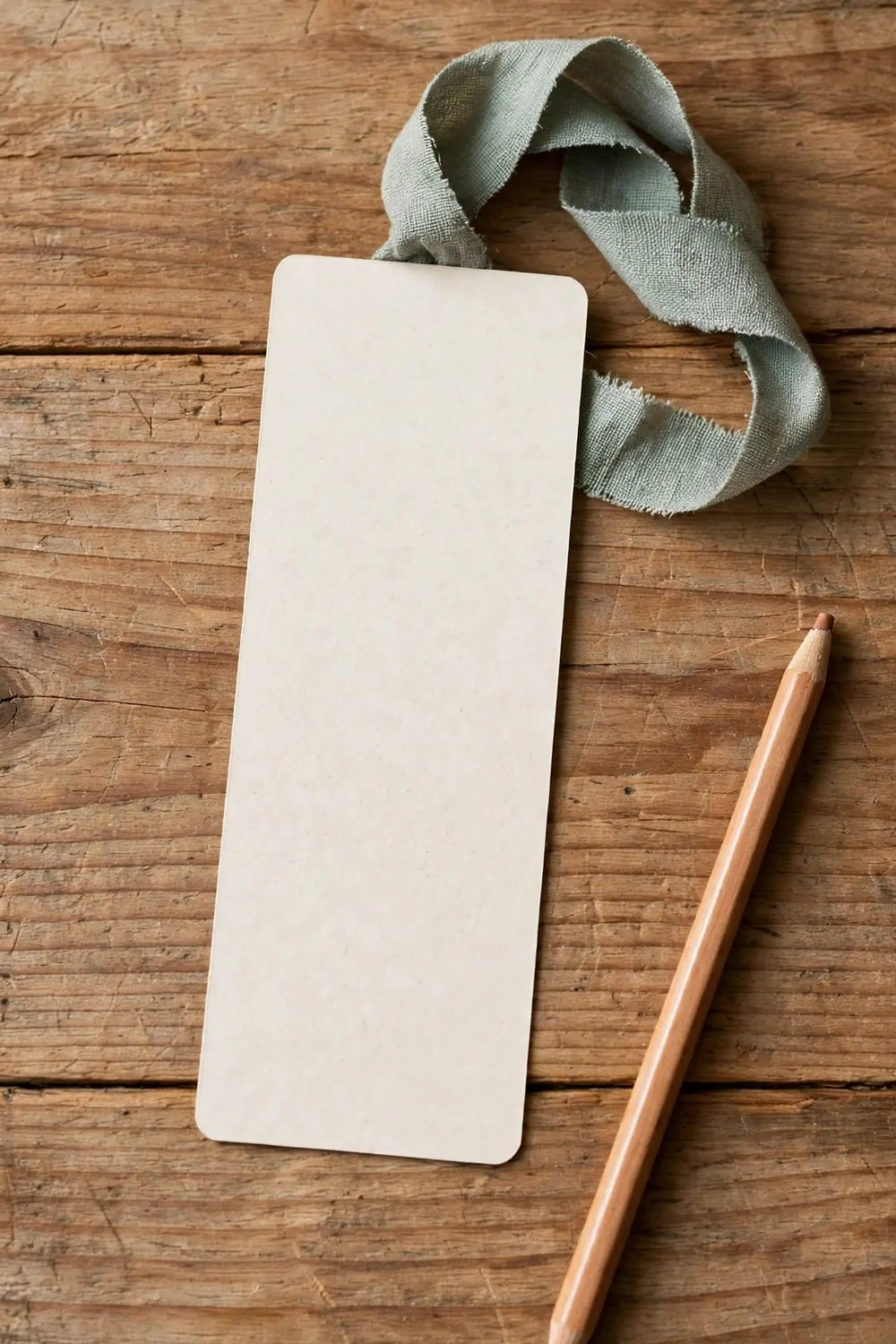
I cut a strip of thick paper for my child and hand it over with a pencil.
My child writes their name on the strip in big clear letters. I smile because it feels like the bookmark is theirs alone.
We add a small hole at the top and thread a bit of ribbon through it.
My child picks where the bookmark will live when we are not reading.
I help my child sound out the letters of their name as they write it again on the back. We say each letter out loud and I point to it as we go. It feels like a tiny bit of reading practice tucked inside a fun job.
The next morning my child finds the bookmark in their book and grins. I ask them to read their name back to me and they do it straight away.
I keep a spare strip in the kitchen drawer for friends who visit. Each child can make their own bookmark and take it home with them.
A strip of paper and a bit of ribbon costs $1 to $2 in all. I buy the paper in a small pack so we always have some ready. My child likes to make a fresh one each time we start a new book.
A bookmark with your own name on it makes a book feel like it belongs to you.
23. Read a Joke Book and Laugh Together

I pick a joke book with short lines and big print for our reading time. My child reads the first line and I wait for the punch line with a smile.
We take turns reading the lines out loud and we laugh at the silly bits together.
I help my child with a hard word and then we read the joke again from the start. The second time feels easier and my child reads it with more pace.
My child loves to tell the joke again to dad at dinner.
I keep the joke book by the sofa so we can grab it in a spare minute.
A joke book costs $2 to $4 at a book sale or a small shop. I pick one with short jokes so my child does not get lost in long lines. We read a few jokes a day and that is plenty for us.
My child picks a favourite joke and practises it till they can tell it without a peek.
I ask my child to read the joke to grandma on our next visit. My child stands tall and reads it slowly and clearly.
A good laugh makes reading feel light and fun again.
24. Read the Same Story in a Different Room
I take the same story book into the garden and sit down with my child in a new spot.
My child reads the first page and looks up with a smile. The words feel fresh in a new place even though we have read them before. I point to a line and my child reads it again with more ease.
We move to the kitchen table next and read the next page there. My child likes the change and keeps going without a fuss. I praise each line my child reads well and we carry on together.
I ask my child which room feels best for reading today. My child picks the cosy corner by the window and we settle in there.
A change of room costs nothing and it still makes reading feel new.
I let my child pick the next spot and we take the book with us. My child reads a page on the step and then a page on the rug.
My child starts to look forward to where we will read next.
I keep the book in one spot so we can find it fast each time. The same story feels new again when the room around you changes.
Typical cost $0 to $0.
25. Read a List and Tick Off Each Line
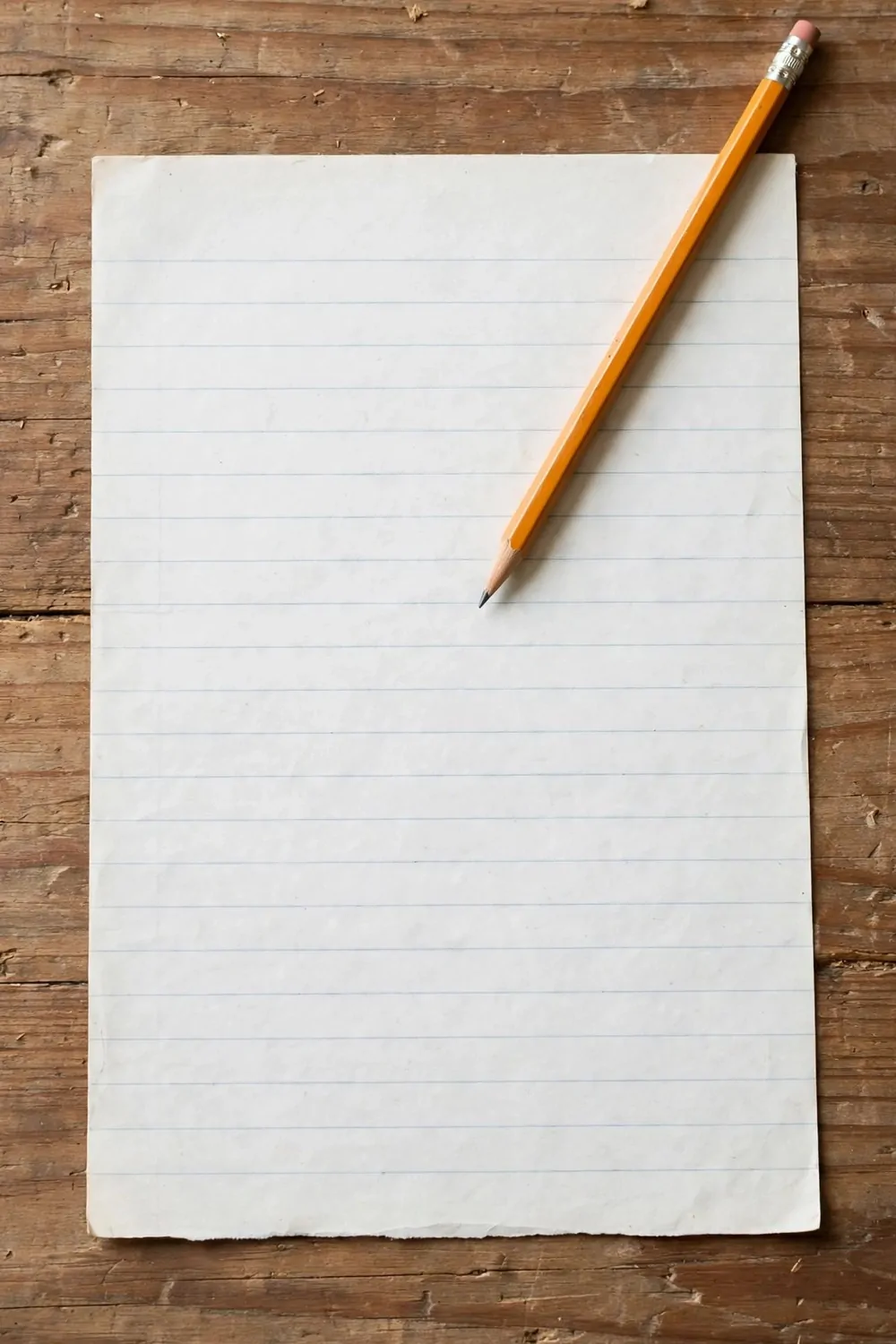
I write a short list of words on a plain sheet of paper for my child. My child reads each word out loud and ticks it off with a pencil.
I start with easy words my child knows well so the first ticks come fast. My child smiles at each tick and wants to keep going to the next line. I add one new word at the end so there is always a small stretch.
My child reads the list again the next day and ticks each line off even faster.
I let my child write the list sometimes so they feel in charge of it.
We use the list for jobs around the house too, like packing a bag or getting ready for school. My child reads each line and ticks it off as we go.
A sheet of paper and a pencil costs $0 to $1 and we reuse the same sheet for a few days.
I keep the list short so my child can finish it and feel proud. A long list feels heavy and my child loses heart half way through. Short and sweet works best for us every time.
My child asks for a new list each morning now and I write one out at breakfast. We tick it off together before we start our book.
A tick at the end of each line shows my child how far they have come.
26. Read a Book About Something Your Child Loves
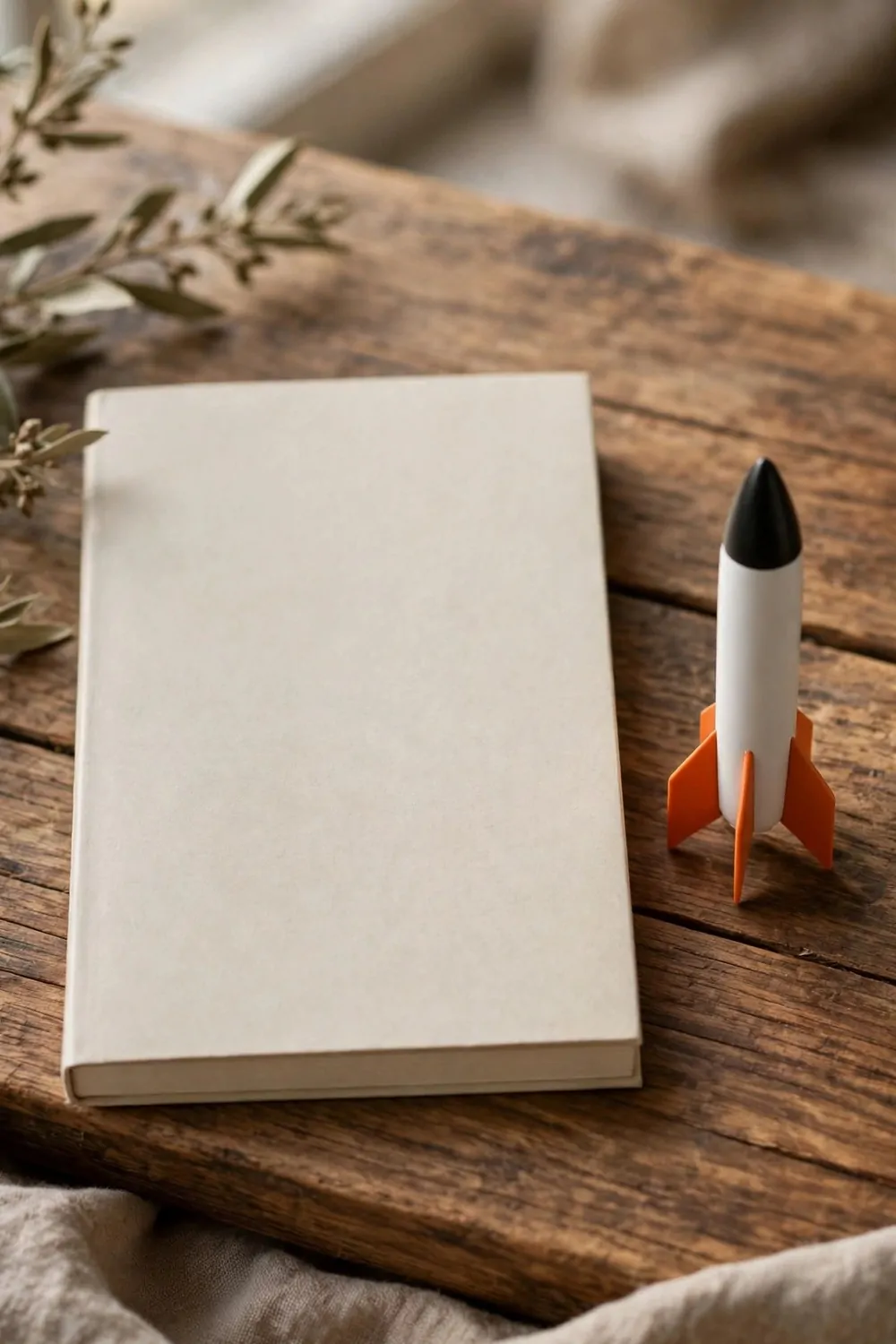
My child loves rockets and talks about them all day long. I find a book about rockets with big pictures and short lines of print. My child opens it straight away and wants to read the first page with me.
I help my child sound out the rocket words and we talk about what each one means. My child reads a line and then tells me what it says in their own words.
A book about a love costs $2 to $5 and it is worth every bit for us.
I ask my child to pick the next rocket fact to read out loud. My child points to a page and reads it slowly and with care. I praise the hard words my child works through and we keep going together.
My child asks lots of questions about rockets and I help them find the answers in the book. We read the same page again the next day and it feels easier the second time.
I keep the rocket book on the low shelf so my child can reach it on their own.
My child reads a short bit to a friend and beams with pride.
A book about a real love turns reading into a treat, not a chore.
I look for more rocket books each time we visit the library.
27. Read Slowly and Ask What Happens Next

I read a page slowly with my child and then I stop and wait.
I ask my child what they think happens next in the story.
My child thinks for a bit and then tells me their guess in their own words. I smile and say that is a good guess and we read on to find out.
I point to a hard word and help my child sound it out before we carry on. My child reads the next line and I praise the effort, not just the right answer.
A slow read costs nothing and it gives my child time to think. I do not rush my child when a word feels hard to say. We take a breath, look at the first letter, and try the word again together.
My child starts to guess what happens next without me asking first.
I let my child turn the page when they are ready and we read the next bit together. My child loves to find out if their guess was right.
I keep our reading time short and calm so my child stays keen. A slow read and a good guess make a story feel like ours.
Typical cost $0 to $0.
28. Lay Out Your Reading Kit the Night Before
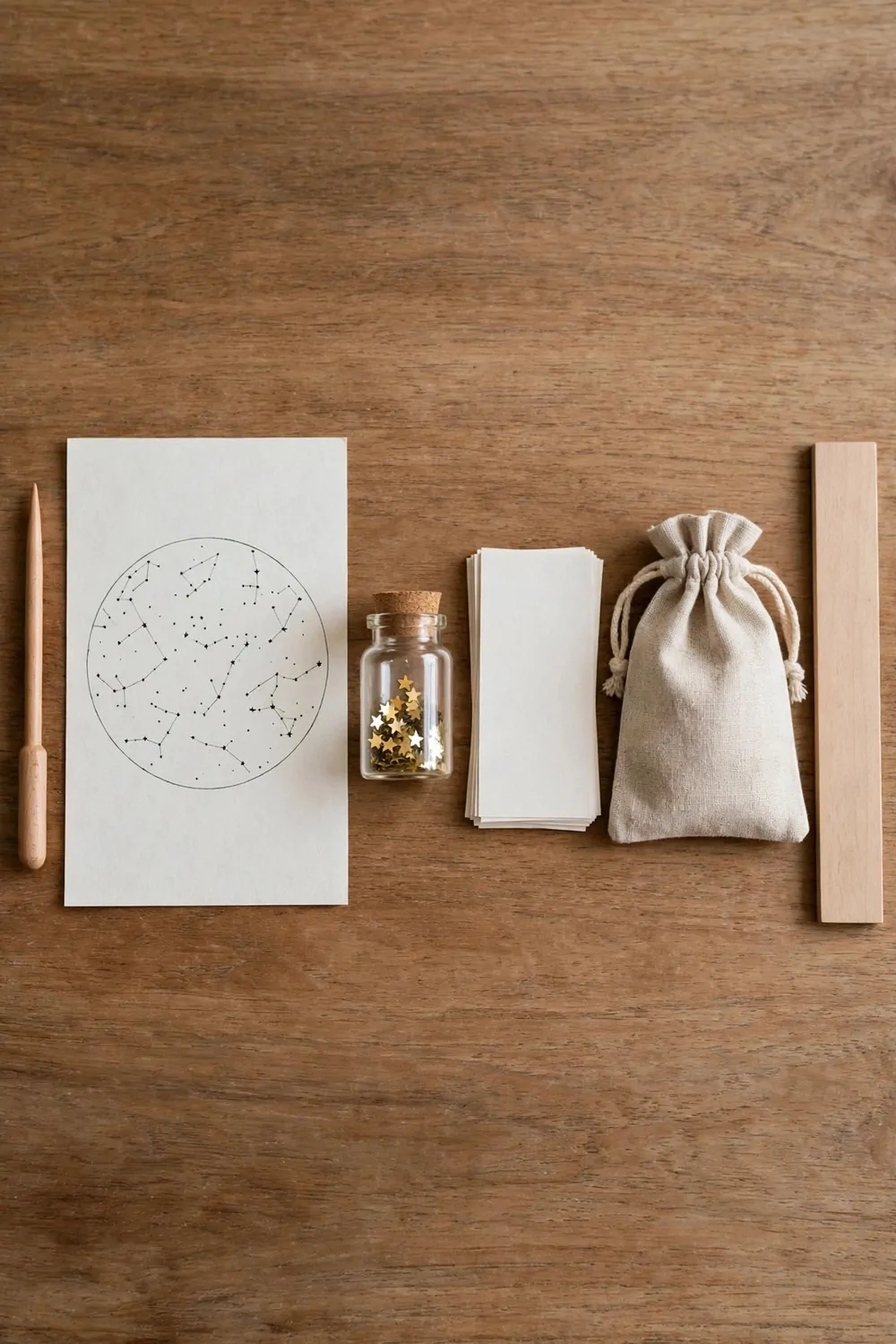
After dinner I wipe the table clean and set out our reading kit in a neat row. The cards, the jar and the star chart sit ready for the morning.
The small wooden reading pointer sits at the start of the row, ready for the morning.
The plain paper reading star chart sits next in the row, ready for the morning.
The small glass star jar sits third in the row, ready for the morning. I set it down with care so it stays safe through the night. My child likes to see it waiting there when they wake up.
The set of plain paper word cards sits fourth in the row, ready for the morning. I stack the cards in a neat pile so my child can pick them up with ease.
The small fabric reading pouch sits fifth in the row, ready for the morning. I tuck the spare cards inside it so nothing gets lost overnight.
The plain wooden reading ruler sits last in the row, ready for the morning. I lay it flat at the end so it does not roll off the table. My child knows just where to find it when we start to read.
A small wooden reading pointer costs $2 to $4, a plain paper reading star chart costs $2 to $3, a small glass star jar costs $2 to $4, a set of plain paper word cards costs $3 to $5, a small fabric reading pouch costs $3 to $5, and a plain wooden reading ruler costs $1 to $2, for a total of $13 to $23.
I put the book back on the shelf and my child adds one more star to the chart. Reading feels a little bit easier than it did this morning.
| Idea | Main change | Typical cost |
|---|---|---|
| Read a Menu and Pick Dinner Together | read a menu and pick dinner together | $0 to $0 |
| Make Bookmarks with Your Child’s Name | make bookmarks with your child’s name | $1 to $2 |
| Read a Joke Book and Laugh Together | read a joke book and laugh together | $2 to $4 |
| Read the Same Story in a Different Room | read the same story in a different room | $0 to $0 |
| Read a List and Tick Off Each Line | read a list and tick off each line | $0 to $1 |
| Read a Book About Something Your Child Loves | read a book about something your child loves | $2 to $5 |
| Read Slowly and Ask What Happens Next | read slowly and ask what happens next | $0 to $0 |
| Lay Out Your Reading Kit the Night Before | lay out a reading kit the night before | $13 to $23 |
| Total | $18 to $35 |
| Idea | Main change | Typical cost |
|---|---|---|
| small wooden reading pointer | point at words with a small wooden reading pointer | $2 to $4 |
| plain paper reading star chart | mark each win on a plain paper reading star chart | $2 to $3 |
| small glass star jar | collect stars in a small glass star jar | $2 to $4 |
| set of plain paper word cards | practise words with a set of plain paper word cards | $3 to $5 |
| small fabric reading pouch | keep cards in a small fabric reading pouch | $3 to $5 |
| plain wooden reading ruler | follow each line with a plain wooden reading ruler | $1 to $2 |
| Total | $13 to $23 |
Keep Reading
If you liked these ideas, you will love these posts too
Each post has more simple ideas you can try at home this weekend.