24 Homework Routine Ideas That End the Struggle

The school bag lands by the door, the shoes come off, and homework starts to feel like a big grey cloud over the whole evening.
I put together 24 homework routine ideas that make after-school work calmer, shorter, and much easier to start.
Homework after school used to end in tears at our house more times than I want to admit. The bag stayed shut, the books stayed inside, and the evening slipped away while we argued about starting.
What changed things for us was not a new desk or a strict rule. It was a small set of habits that made homework feel normal, like brushing teeth or laying out clothes for the next day.
A routine takes the daily fight out of homework. Your child knows what comes next, and you stop being the person who has to push every single page.
You do not need to try all of these ideas at once. Pick one that fits your home, try it for a week, and then add another one when the first feels easy.
Start with the idea that made you nod first. Small steps work best, and a calm evening is closer than you think.
1. Set the Same Homework Time Every Day
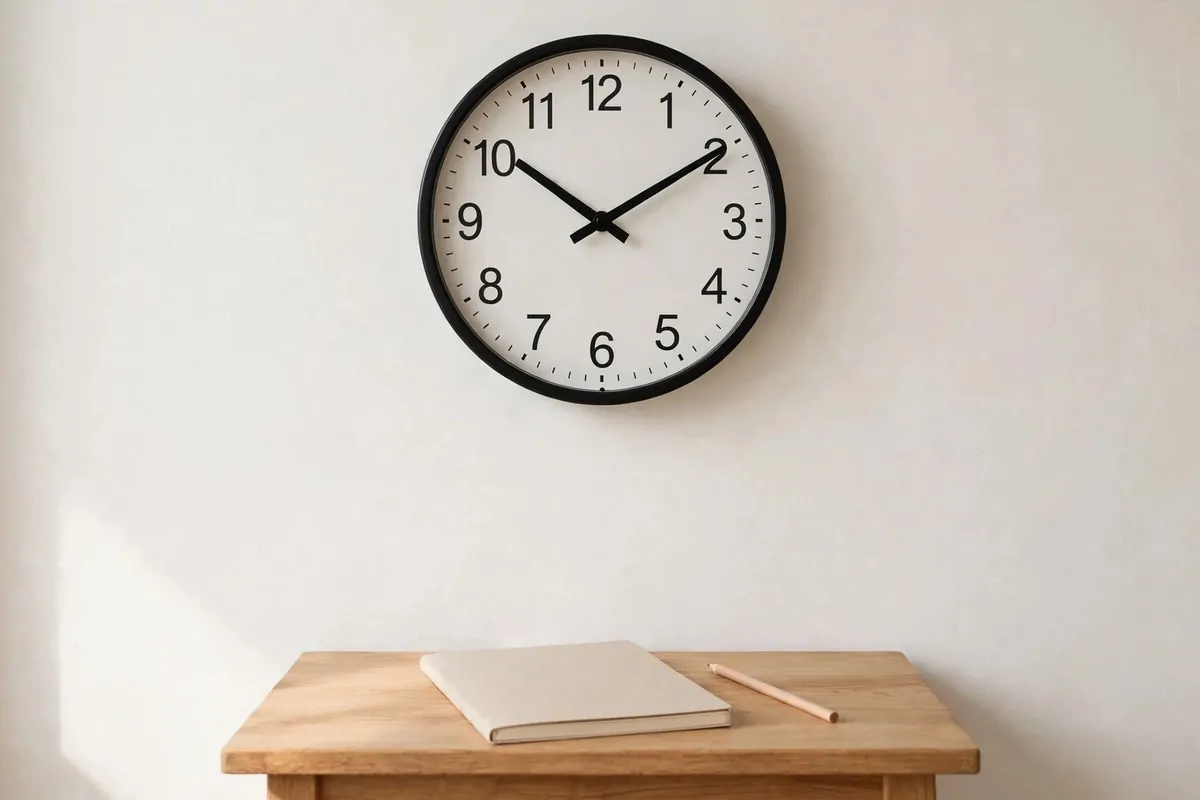
Pick one time for homework and keep it the same every school day. When the time never moves, your child stops asking when homework starts.
A plain wall clock helps more than a long talk about time.
Hang the clock where your child can see it from the table. Point to the hands together on the first day and agree on the start time. After a few days the clock does the reminding for you.
Start the homework time right after a short break and a small snack. A tired child who just walked in the door will fight every page.
Keep the same time even on busy days when you can.
If the time slips one day, do not make a big fuss about it. Just go back to the same time the next day and carry on.
Tell your child the plan in the morning so there are no shocks later. Say the time out loud and let them repeat it back to you. A plan they helped pick feels fair to them.
A fixed time turns homework from a daily fight into a plain habit.
Typical cost $0 to $0.
2. Make a Calm Homework Corner
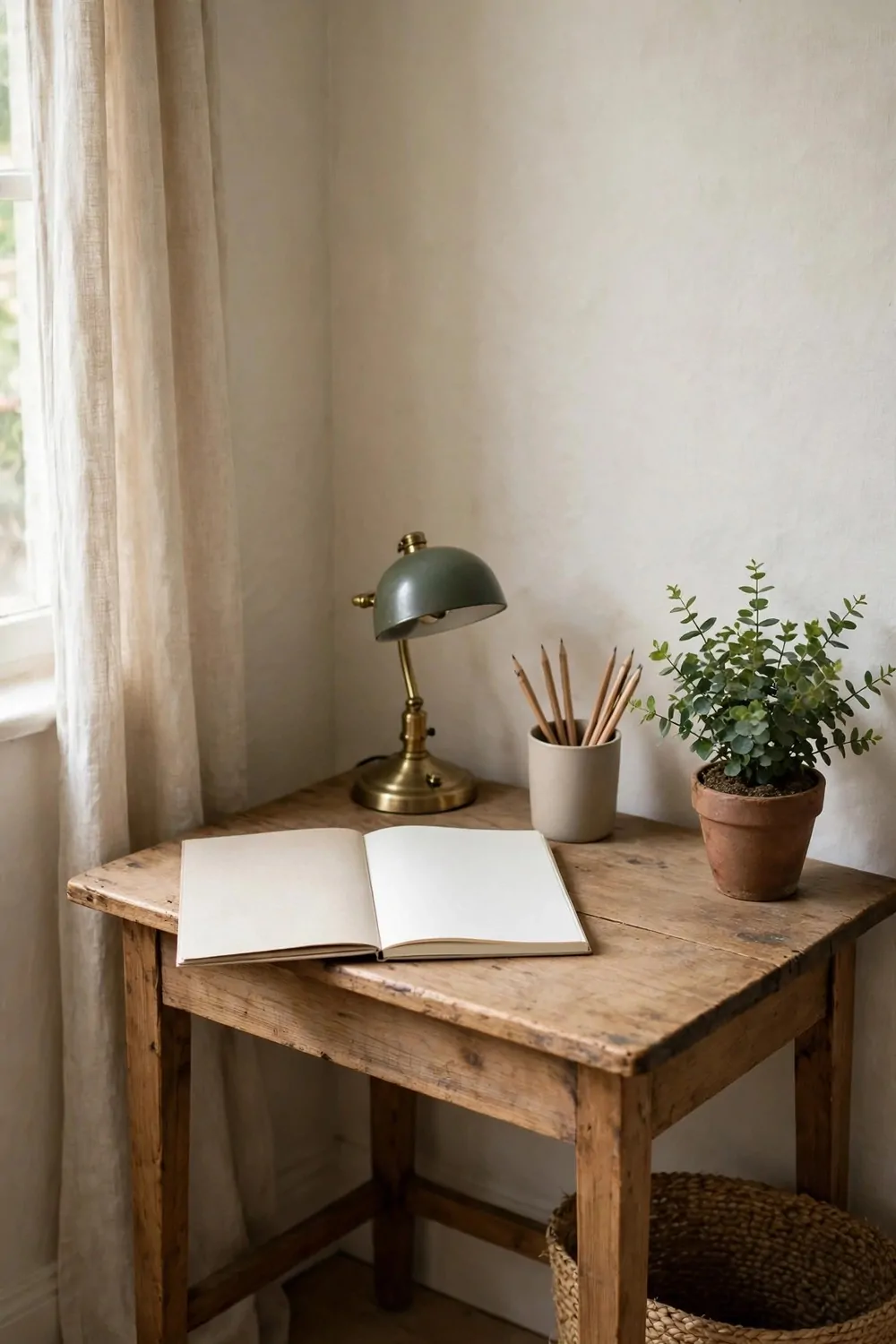
Pick one quiet corner and call it the homework corner.
A small desk or a clear end of the table works well. Keep the spot the same so your child knows where to sit.
Clear the top before homework starts each day. A clean top helps a busy mind settle down.
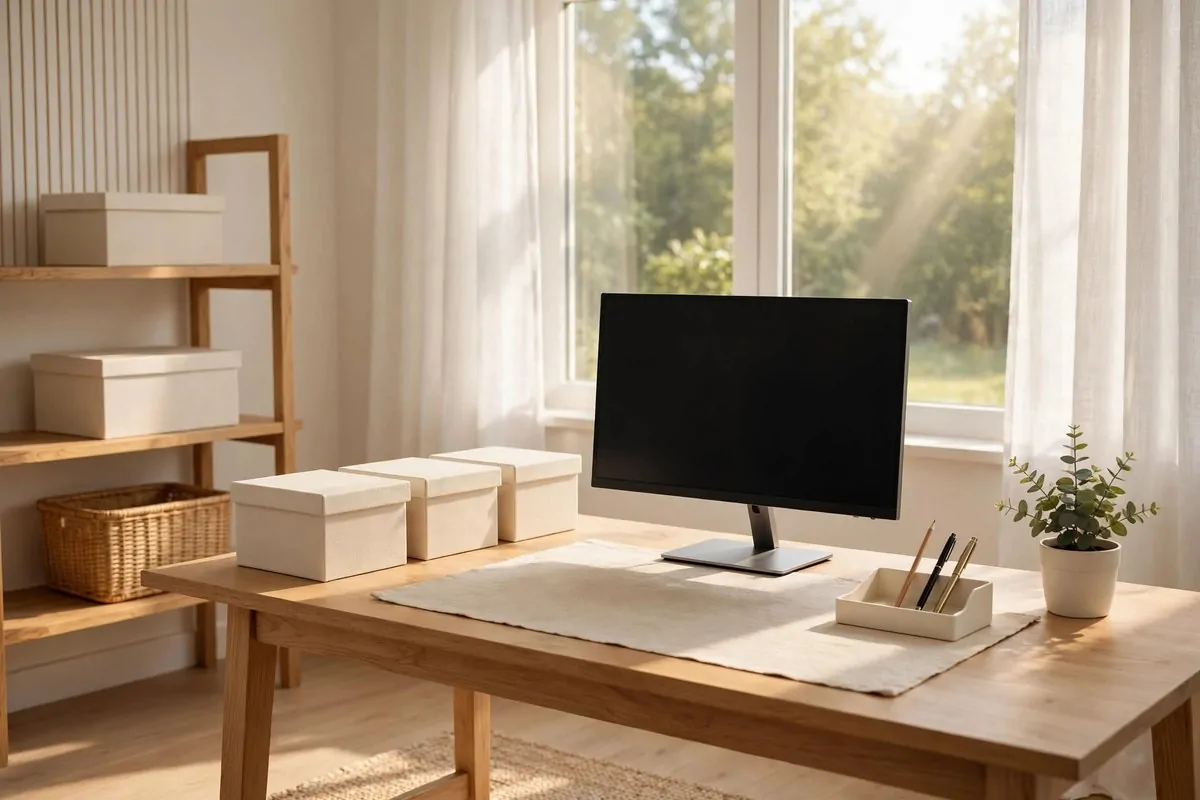
Put a small lamp on the desk so the pages are easy to read. Keep a cup of pens and pencils close by. A small plant on the side makes the corner feel calm and friendly.
Keep toys and bags out of the corner while homework is going on.
Ask your child to help tidy the corner each evening. Let them pick where the pens go and where the books stack up. A corner they helped set up feels like their own place.
If the house is loud, close the door of the room for a short while. Quiet helps homework go much faster.
One calm corner beats a big room full of clutter.
Typical cost $0 to $5.
3. Lay Out Books and Pens Before You Start
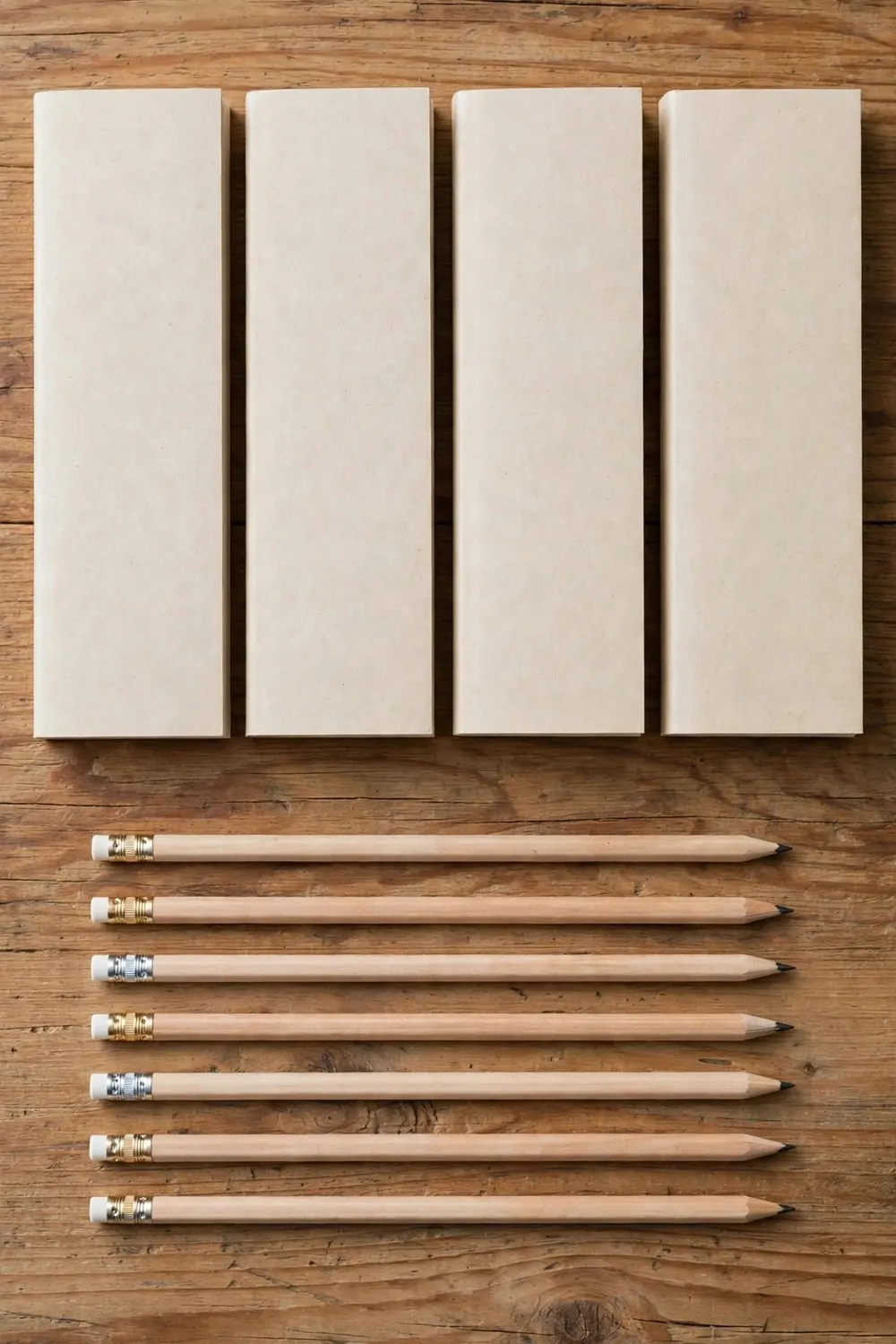
Lay out everything your child needs before the first page opens. Books, pens, pencils, and a rubber go in one neat row on the desk. A ruler and a plain notebook can sit beside them.
Hunting for a lost pen in the middle of homework wastes good energy.
Check the school bag together the night before if you can. Pull out the books for tomorrow and stack them by the desk.
A pencil case keeps small things from rolling away.
Keep spare pens in a cup on the desk so a dry pen never stops the work. Your child can grab a fresh one and keep going.
Lay the books out in the order your child will use them.
Ask your child to lay out their own things as they get older. It takes one minute and it teaches them to plan ahead. You can check the pile once and then step back.
A ready desk means homework starts in seconds, not after ten minutes of hunting. That calm start sets the mood for the whole session.
Typical cost $1 to $3.
4. Start with the Easiest Page
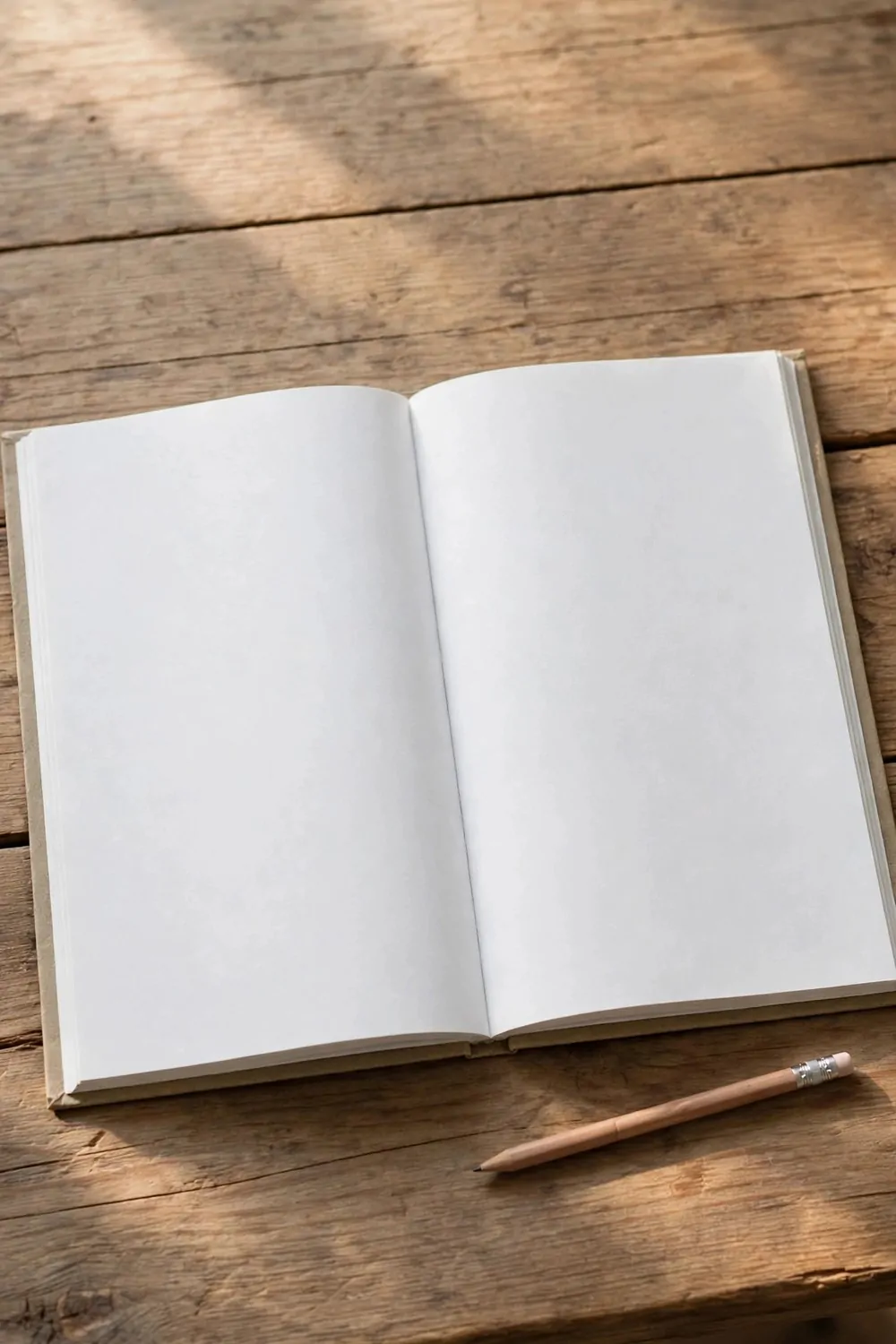
Let your child start with the easiest page first.
An easy page gives a quick win and builds up their nerve. They finish it fast and feel proud of the neat ticks on the page. That good feeling carries them into the harder work.
A hard page first can make the whole evening feel heavy.
Look through the homework together and pick the easy page first. Let your child point to the page they feel sure about.
Praise the quick win before you move on to the next page. A short word of praise goes a long way on a tired evening. Your child learns that starting is the hardest part, not finishing.
If every page looks hard, break the first page into tiny steps. Do the first line together and then let them try the next line alone.
Small wins early make the rest of the homework feel doable.
End the easy page with a short pause and a deep breath. Then open the next page with fresh eyes.
Typical cost $0 to $0.
5. Work in Short Bursts with a Timer
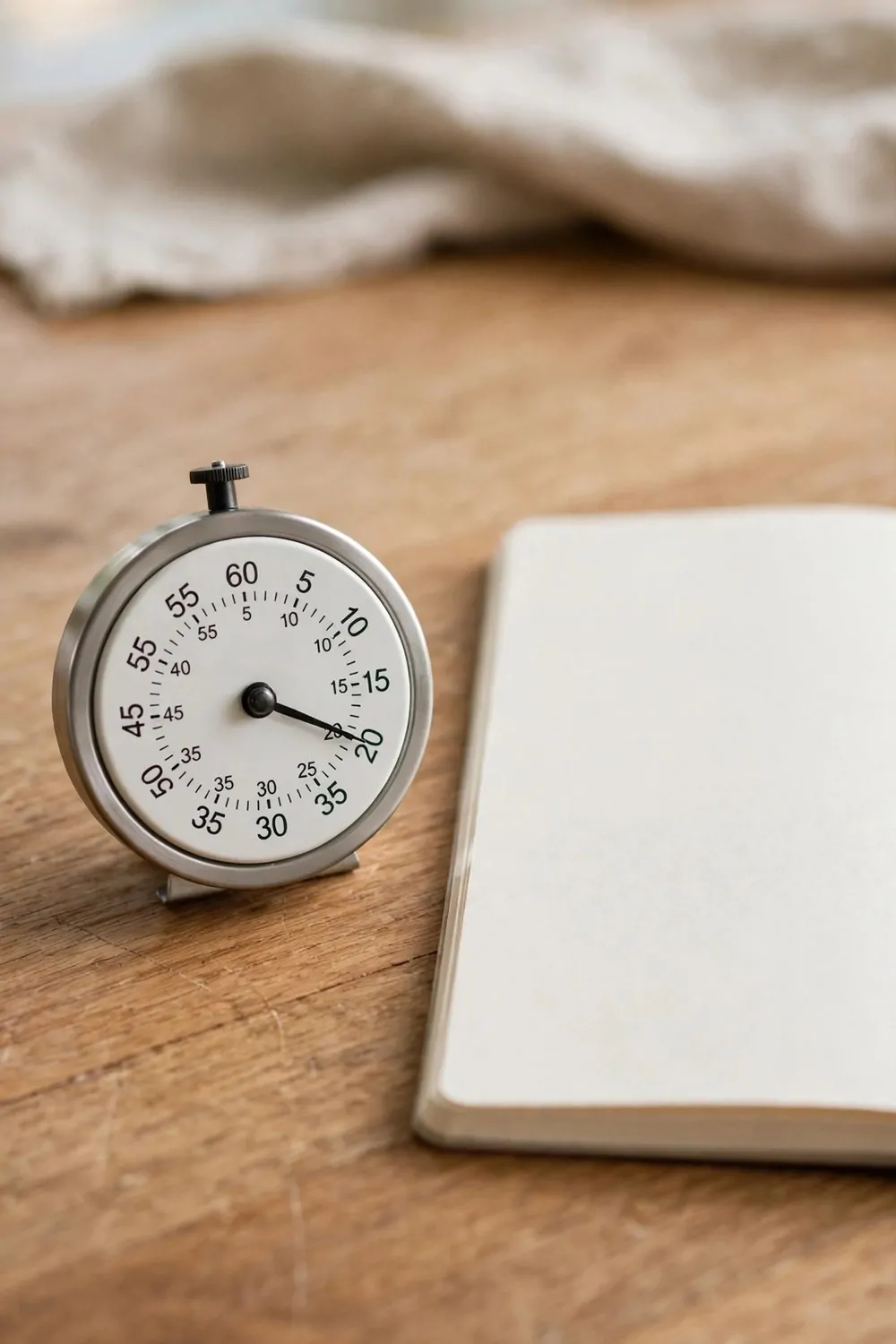
Set a small kitchen timer for a short burst of work. Ten or fifteen minutes is plenty for one burst.
Tell your child the plan before the timer starts. Work until the bell rings, then take a short break. A clear end point makes it easier to begin.
Short bursts feel much kinder than one long stretch.
Let your child watch the timer so they can see the time pass.
Take a short break when the bell rings and stretch or sip some water. Then set the timer again for the next burst.
Three short bursts often finish more work than one long slog. Breaks keep the brain fresh and the mood light. Your child will moan less when the next burst starts.
Keep the bursts short on hard days and a touch longer on easy days.
Put the timer where your child can see it but not fiddle with it. The bell is the boss, not mum or dad.
Typical cost $2 to $4.
6. Keep a Homework List on the Fridge
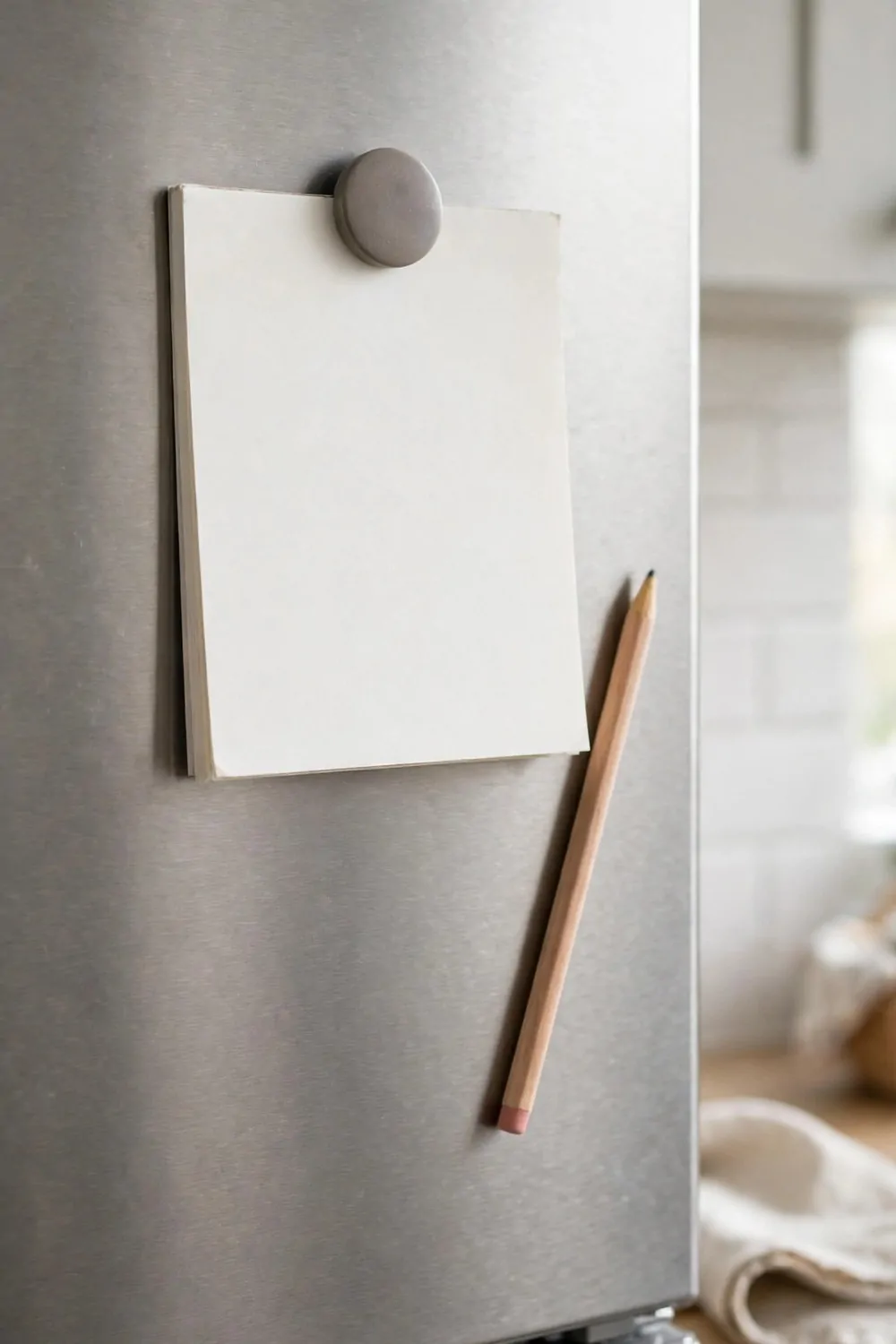
Stick a homework list on the fridge where the whole family can see it. Write each subject on its own line in big plain letters. Your child can tick off each line as they finish it.
A list on the fridge turns homework into a job with a clear end. Your child can see how much is left at a glance.
Use a plain pad of paper and a thick pen for the list.
Write the list together after school each day. Let your child read each line out loud before they start. Tick the line off together when the work is done.
A finished list on the fridge feels like a small win for the whole family.
Keep a pen on a string by the fridge so the list is always ready.
If a line is missed one day, just move it to the next day’s list. No fuss and no lectures help more than a fresh start.
Change the list each day so it always matches the real homework. Old lists can go in the bin once the week is done. A fresh list each day keeps the fridge tidy and the plan clear.
Typical cost $1 to $2.
7. Read Each Question Out Loud
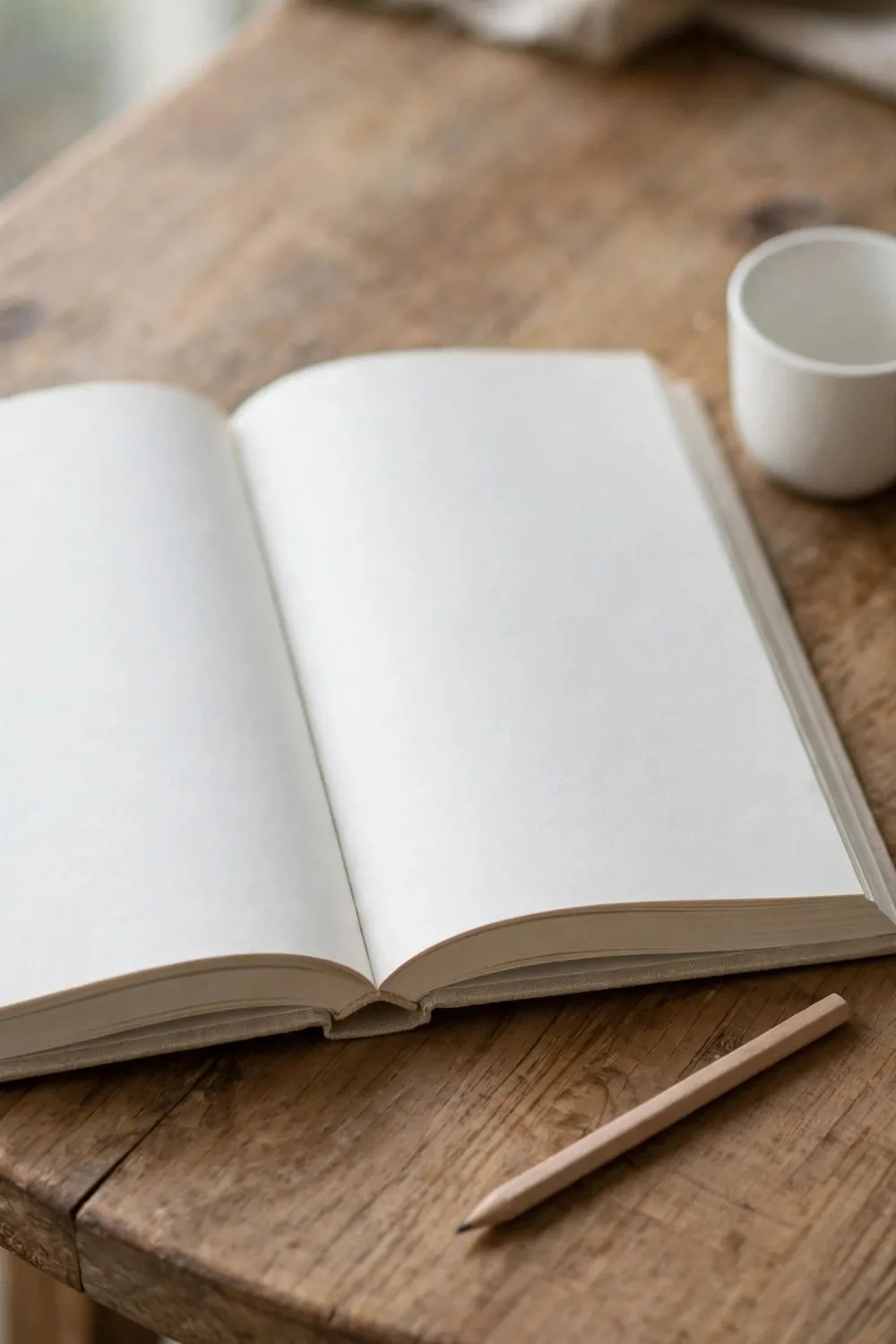
I read each question out loud before I start to write. It helps me hear what the question asks for.
My mum sits near me and listens while I read.
I read slow and I stop at each full stop. Then I read the question again from the start. If a word feels hard, I say it again till it feels easy.
Reading out loud stops me from rushing past the key part. I spot the bit I missed the first time round.
I keep my book open while I read.
Some nights I read the question to my mum first. She nods when I get it right. Then I pick up my pen and start my answer.
I try to use a calm voice and take my time. It makes the hard questions feel much less scary.
We do this for every question in my book.
Typical cost $0 to $0.
8. Sound Out Spelling Words Slowly
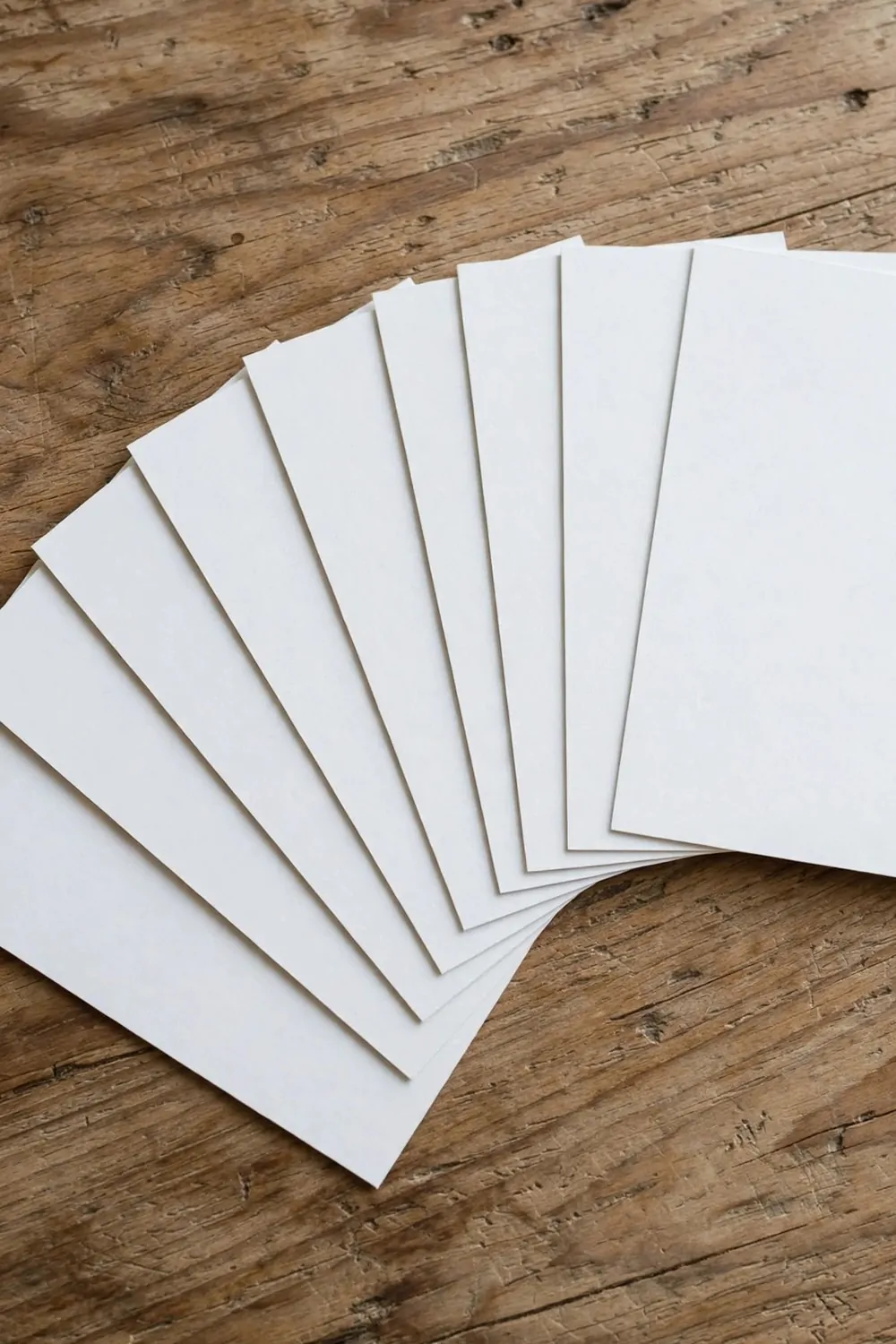
I lay my letter cards out and take one word at a time.
I look at the first letter and say its sound out loud. Then I move to the next letter and do the same again.
I go slow so the sounds join up in my head.
If I rush, the sounds blur and I lose my place. So I stop and start the word again from the start. My mum waits and lets me try it my own way.
I point at each card as I say its sound. That keeps my eyes on the right place while I work.
I say the whole word out loud once the sounds join up.
Then I write the word down in my book with my pen. I check each letter as I write it.
Some words take me three tries and that is fine. I keep the cards near me till I feel sure. Then I put them back in a pile for next time.
Typical cost $2 to $6.
9. Take a Stretch Break After Ten Minutes
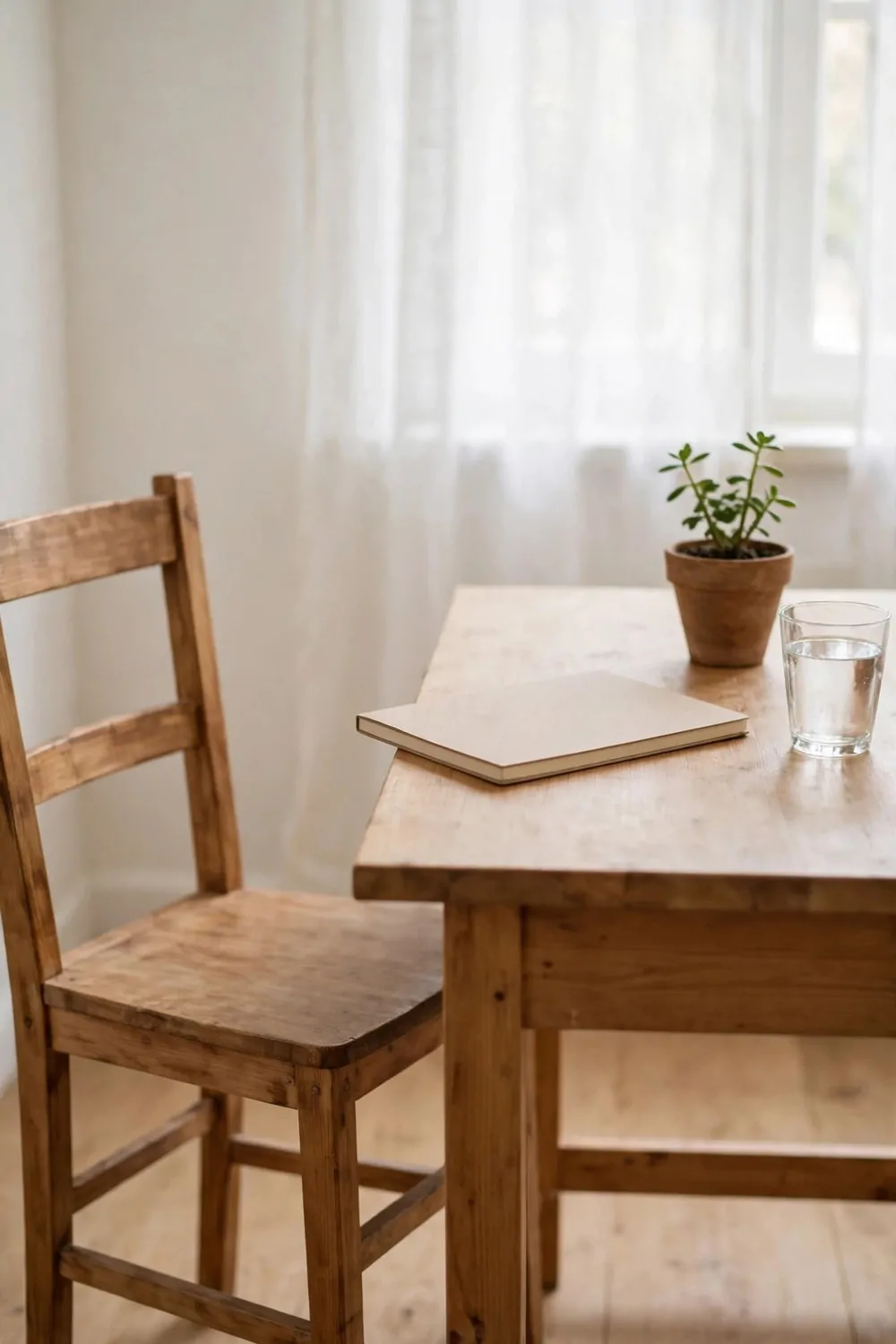
I work for ten minutes and then I stop for a break. I stand up from my chair and move about for a bit. Then I sit back down and feel fresh for the next bit of work.
A short break stops my head from feeling tired.
I use my break to rest my eyes and clear my head. Then I start the next bit of work with a fresh mind.
Ten minutes feels just right for my age.
If I work too long with no break, my work gets messy. My hand gets tired and my letters go all over the place. A break in the middle keeps my work neat.
I like knowing a break is coming soon.
I stop work when my break starts. I start again when I sit back at my desk.
My teacher says short breaks help us learn. I can feel it work each night I try it.
Typical cost $0 to $0.
10. Count Sums on Your Fingers
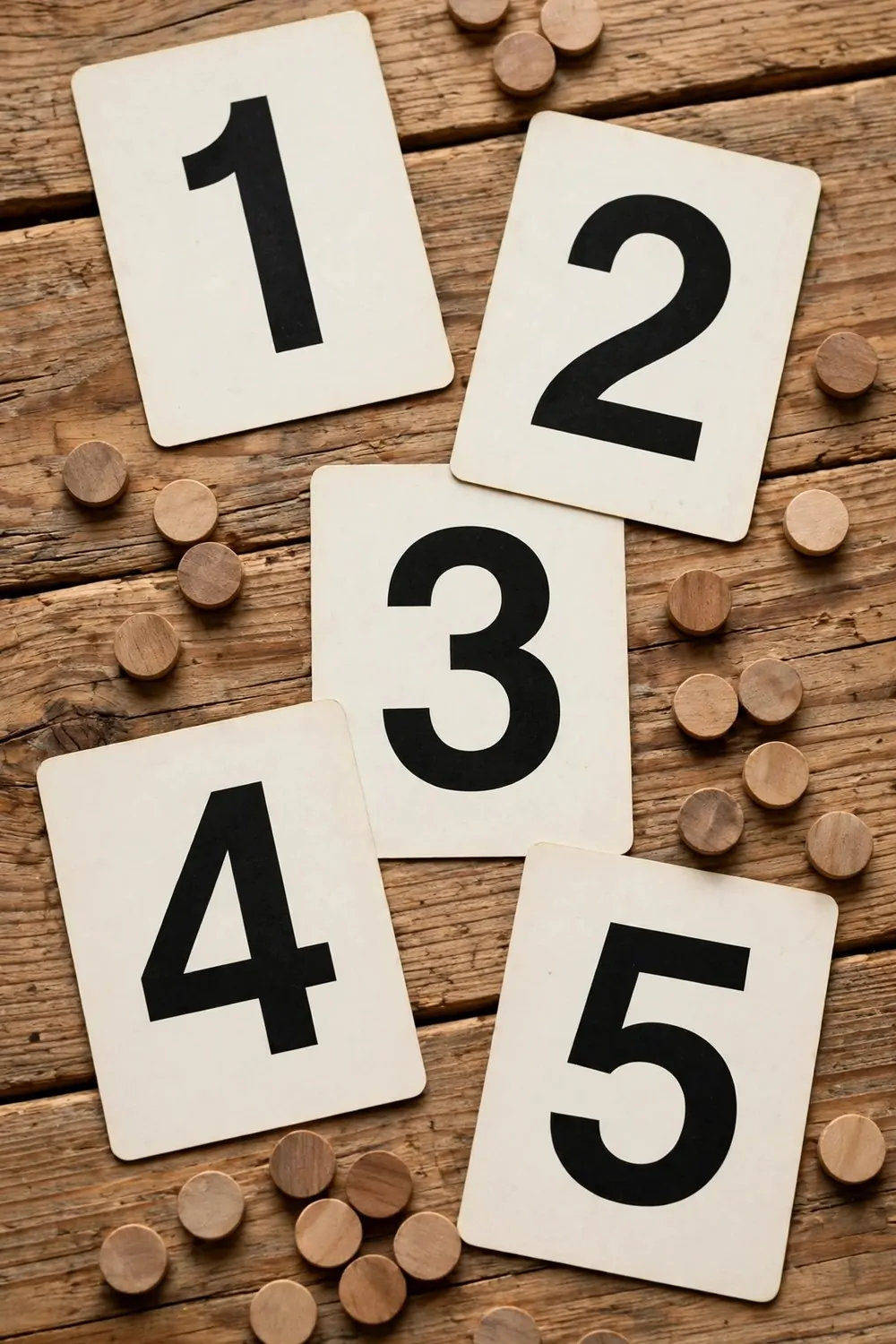
I count sums on my fingers when the numbers feel big. It gives me a way to see each step as I go.
I start with the first number in my head. Then I count up on my fingers for the next bit. I say each count out loud as I go.
My number cards help me check my answer at the end.
I use my counters too when I want to check my work. I count them one by one till I reach my answer.
Some sums take me a while and that is fine. I go back to the start and count again slow. My mum waits and lets me work it out my own way.
I keep my cards in a bag near my work. I pull them out when a sum feels hard.
Counting this way makes hard sums feel easy.
I try a sum on my own first each time. Then I check it with my cards if I feel unsure.
Typical cost $1 to $5.
| Idea | Main change | Typical cost |
|---|---|---|
| Set the Same Homework Time Every Day | set the same homework time every day | $0 to $0 |
| Make a Calm Homework Corner | make a calm homework corner | $0 to $5 |
| Lay Out Books and Pens Before You Start | lay out books and pens before you start | $1 to $3 |
| Start with the Easiest Page | start with the easiest page | $0 to $0 |
| Work in Short Bursts with a Timer | work in short bursts with a timer | $2 to $4 |
| Keep a Homework List on the Fridge | keep a homework list on the fridge | $1 to $2 |
| Read Each Question Out Loud | read each question out loud | $0 to $0 |
| Sound Out Spelling Words Slowly | sound out spelling words slowly | $2 to $6 |
| Take a Stretch Break After Ten Minutes | take a stretch break after ten minutes | $0 to $0 |
| Count Sums on Your Fingers | count sums on your fingers | $1 to $5 |
| Total | $7 to $25 |
11. Write Neat Numbers in a Row
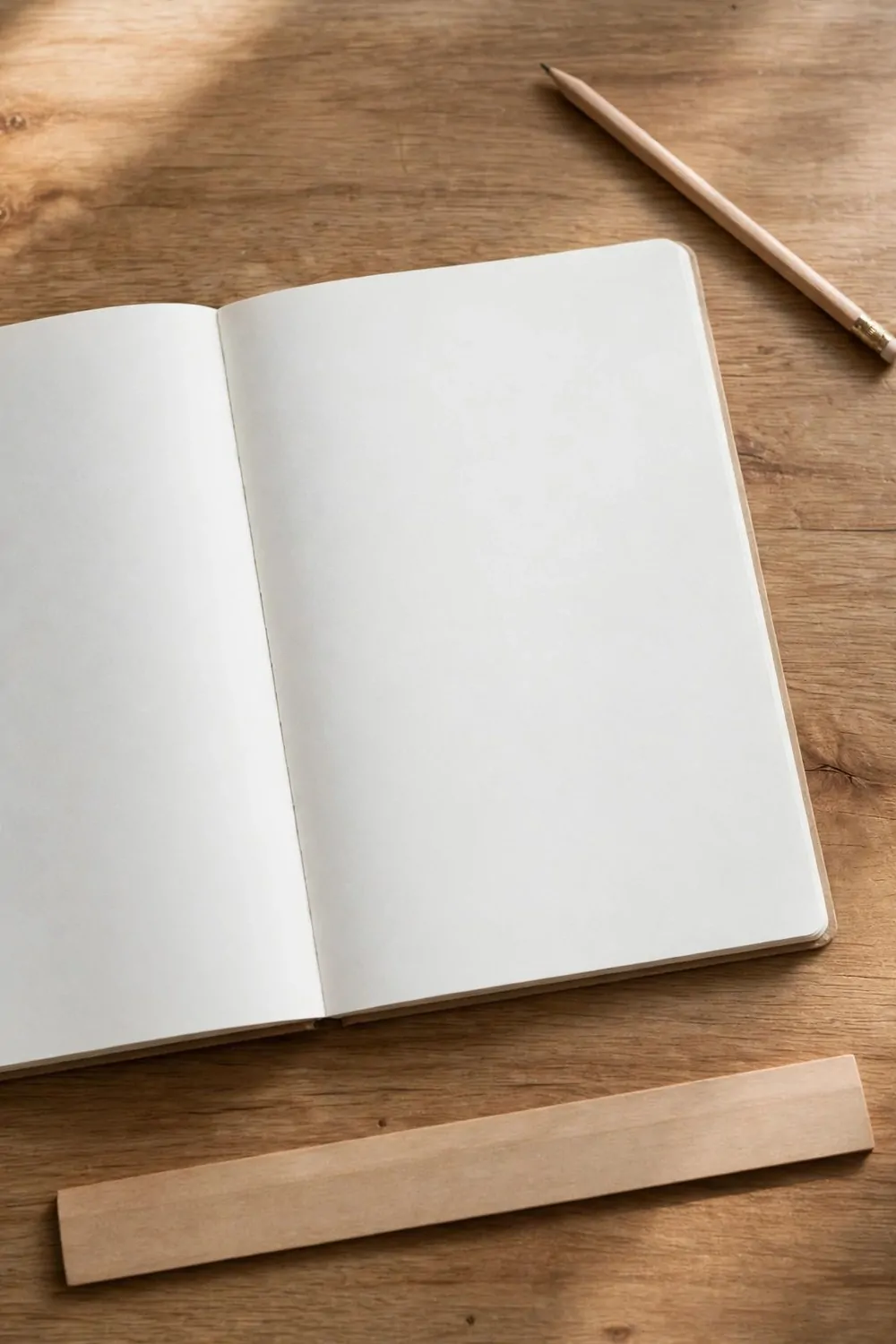
I write my numbers neat in a row so I can read them back.
I sit up at my desk and hold my pencil light. I take my time with each number I write. If a number looks messy, I rub it out and try it again.
I use my ruler to keep my rows straight. It helps me leave a gap I can see.
My mum says neat work is much easier to mark. She can read each number with no guess work. That makes me proud of my page.
I check my row from the start when I finish it.
I keep my notebook open while I work. I turn to a fresh page when the last one fills up.
Neat numbers save me time when I check my sums.
Some nights my numbers still wobble a bit. I do not mind, as I get a bit better each week. I keep going till the row looks neat to me.
Typical cost $1 to $4.
12. Keep a Spare Pencil in the Drawer
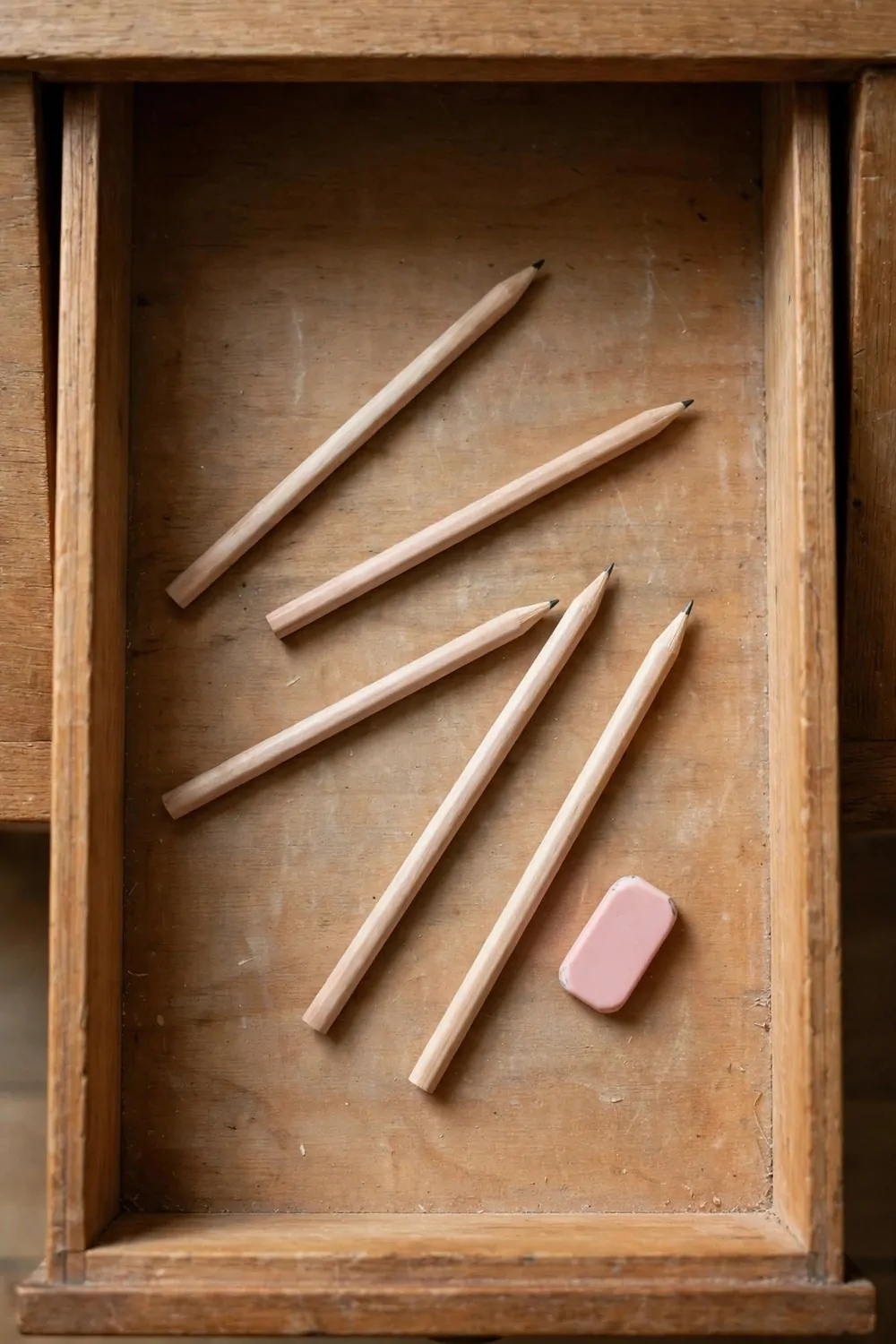
I keep a spare pencil in my drawer for homework time. If my first pencil snaps, I just open the drawer and take the spare. Then I carry on with my work with no fuss.
I check my spare each week to make sure it is there. I put a new one in when I need to.
My drawer holds my pencils and my eraser, and that is all I need.
My mum helped me pick a spot for the spare. Now I always know just where it sits.
A spare pencil saves the whole night when one breaks.
I do not lend my spare to my friends at school. It stays in my drawer for homework time.
Before I start my work, I open the drawer and look inside. I see my spare pencil there and I feel calm. Then I close the drawer and pick up my book.
I sharpen my pencils at the start of the week. That way I never sit down to a pencil that will not write.
Typical cost $1 to $3.
13. Ask One Question at a Time
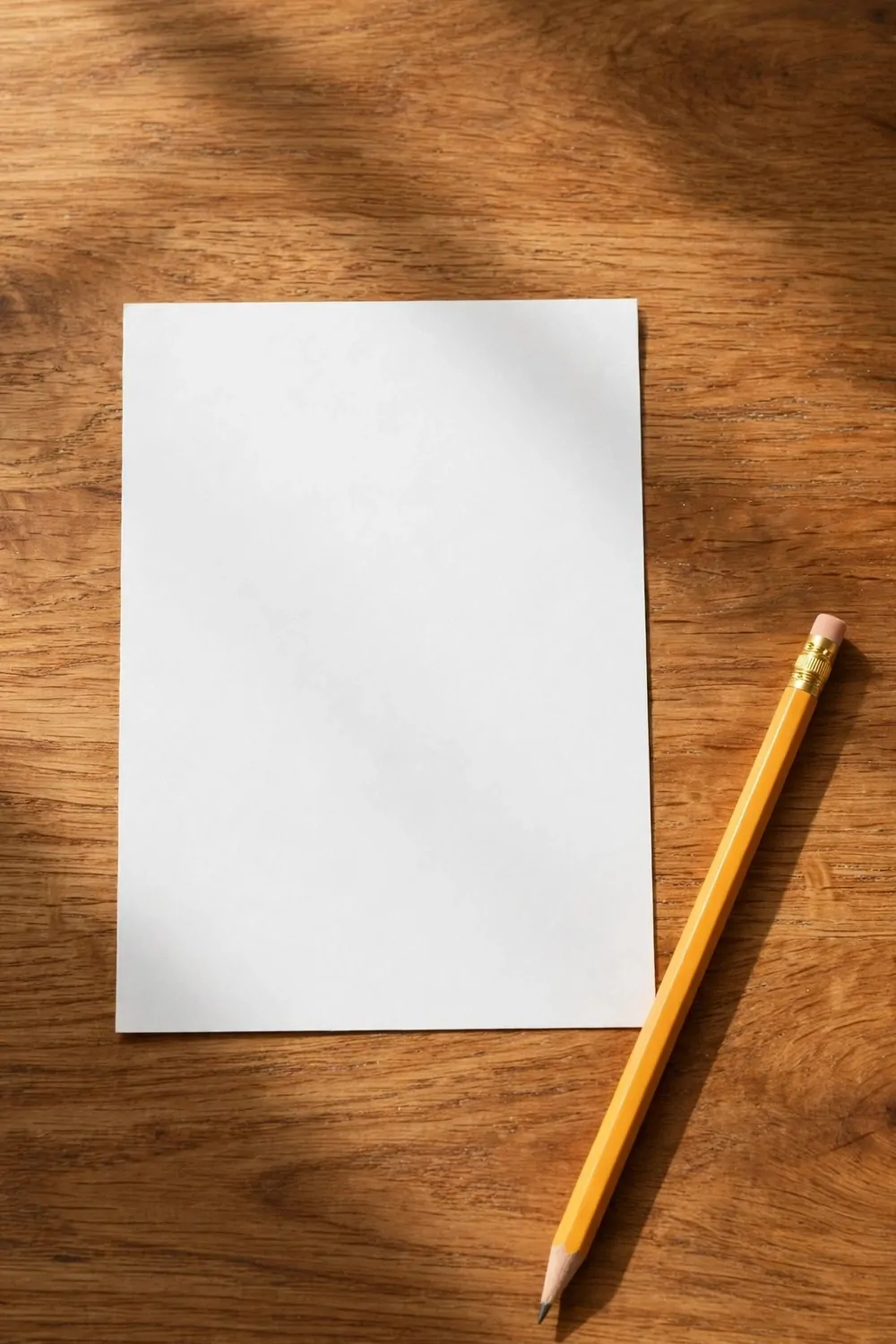
I ask my child one question and then I stop and wait. I do not rush to the next one while the first one is still in the air.
One small question feels light and easy to hold in your head.
I keep a blank card on the table for the question we are on. I point to it when my child starts to drift, and it brings us back to the same small job.
You can try this with any page of work. You read the first question out loud and you let your child answer it in full.
A short pause after the answer helps more than a fast new question.
I used to read three questions at once and my child would freeze. Now I slow down and the work moves much better.
If the question feels big, I split it into two tiny parts. I ask the first part and I wait for a calm answer. Then I ask the second part in the same soft way.
One question at a time keeps the whole evening calm.
Typical cost $0 to $0.
14. Draw a Quick Picture for Hard Words
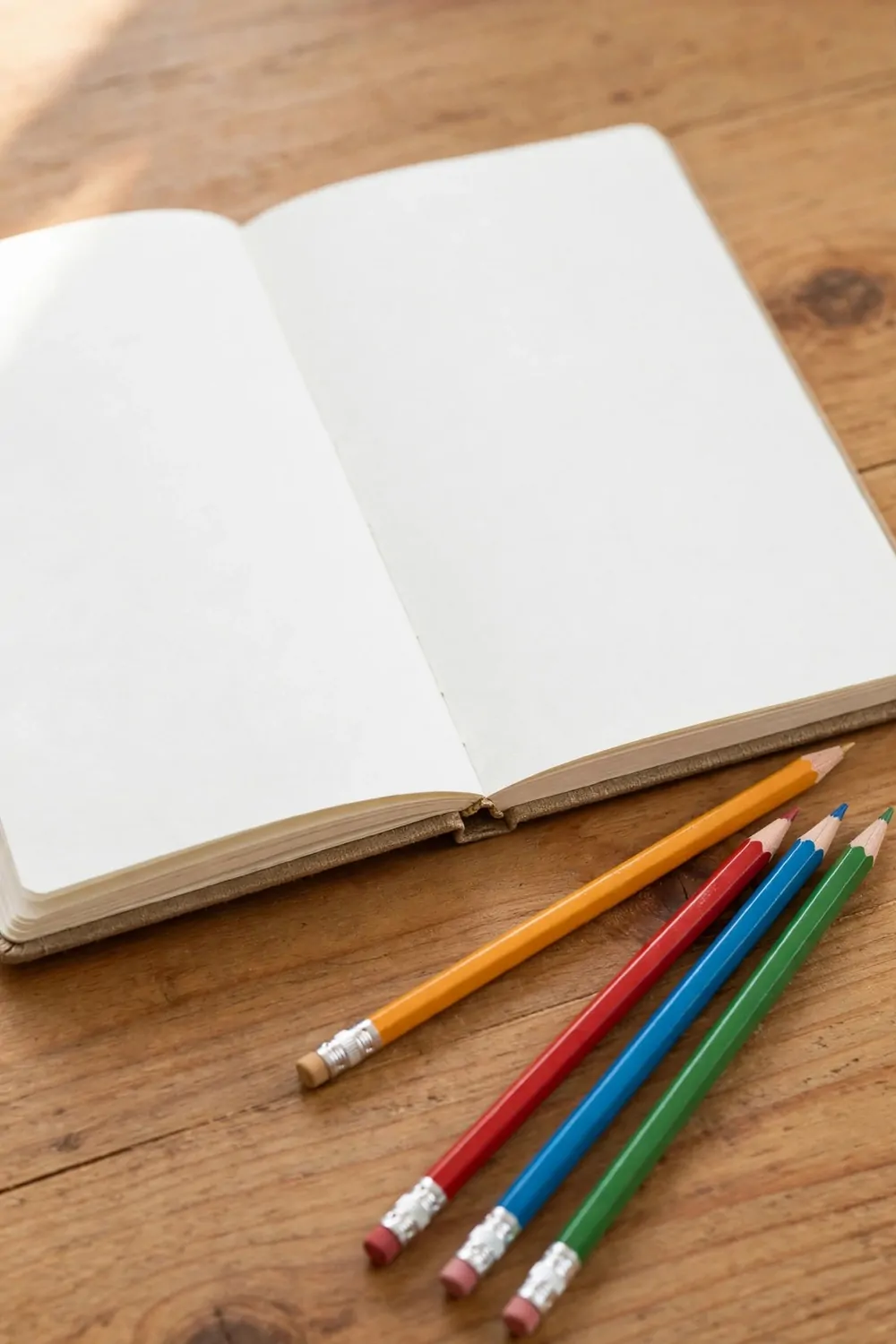
A hard word feels much smaller when you draw it.
I open a blank sketchbook and I hand my child a pencil. We draw what the word means in a plain and simple way.
You do not need a neat picture for this to work.
I let my child draw first and I do not fix the lines. A wobbly sketch still helps the word stay in the mind, and we laugh a little and then we move on.
You can draw a quick shape for a new word in any lesson. The picture gives your child a hook to hold on to.
I keep the sketchbook near the homework spot all week.
When the same word comes back, I turn to the old drawing. My child looks at it and the meaning comes back fast.
I do not name the word on the page in a fancy way. I just let the drawing do the talking for us. It makes hard words feel friendly and light.
Typical cost $0 to $3.
15. Tick Off Each Finished Page
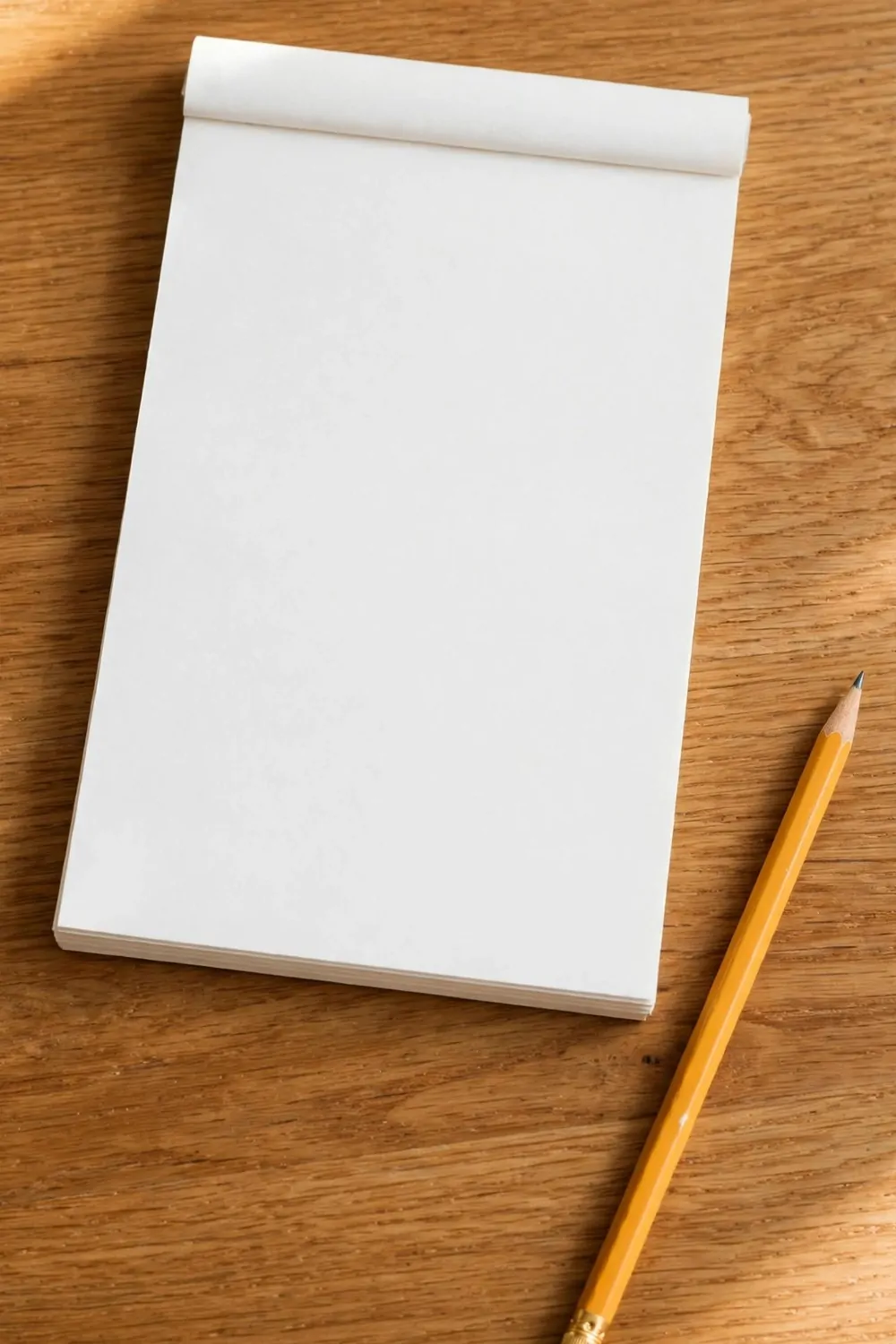
I put a blank checklist pad beside the homework books. My child ticks a line each time a page is done. The small tick feels like a win.
You can see the work shrink as the ticks grow.
I do not tick the boxes for my child. I let my child hold the pen and mark each finished page.
A finished page deserves a clear tick and a short pause.
We start with the easy page so the first tick comes fast. That early win gives my child the push to keep going.
I keep the pad in the same place every day. My child knows where to find it and what to do with it. The same small habit makes each evening feel steady.
One tick at a time is all it takes to finish the pile.
If a page feels hard, I let my child skip it for a bit and tick an easy one first. We come back to the hard page with a fresh mind.
Typical cost $0 to $2.
16. Put Finished Work in a Plain Folder
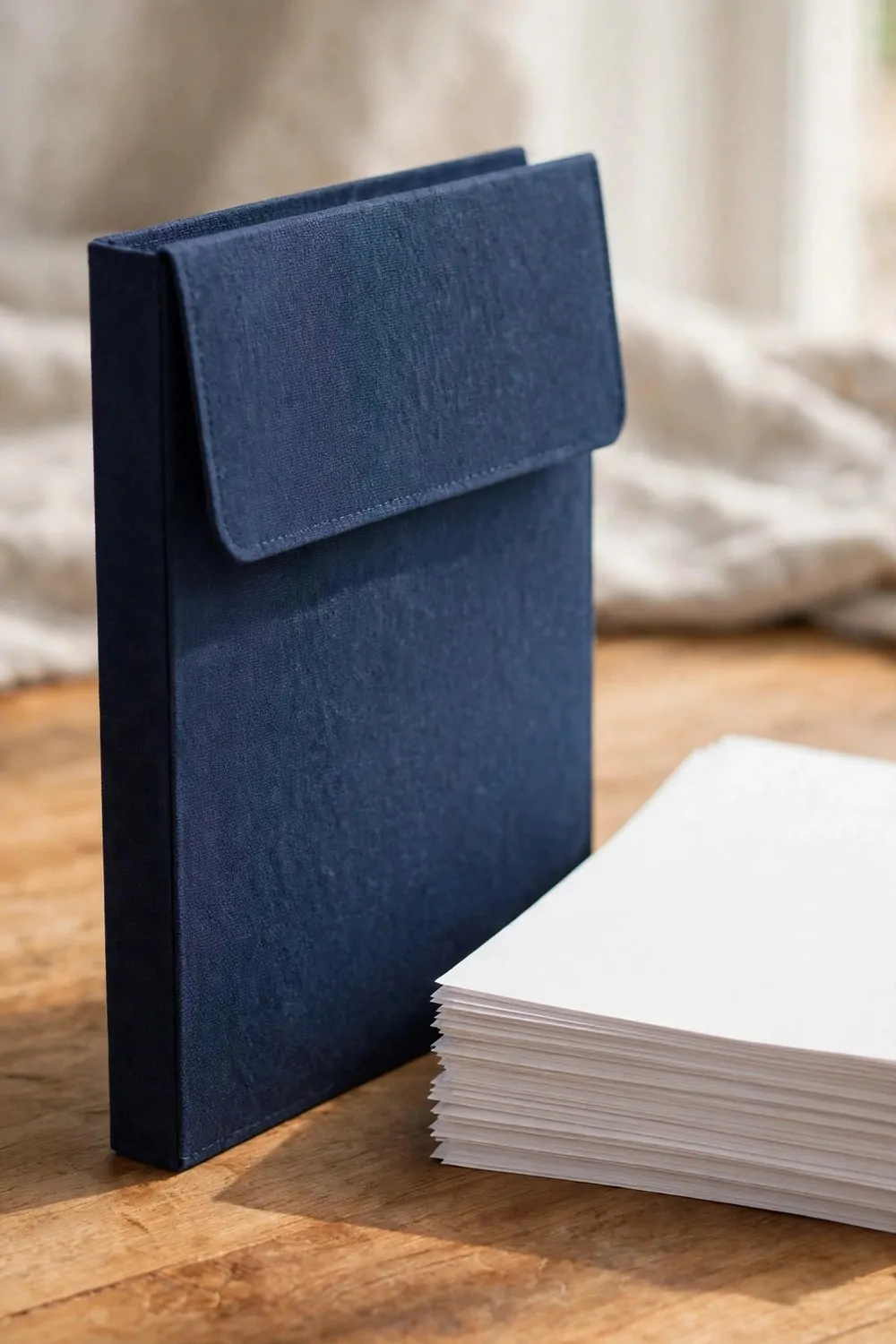
I keep a plain folder on the desk for finished work. My child slips each done page inside it right away.
Loose pages used to pile up all over the table. Now every finished sheet has one safe home. I do not have to hunt for missing work in the morning.
A plain folder keeps the bag neat and the work safe.
You can pick any plain folder you already have at home. It does not need extra pockets or bright flaps to do the job.
I show my child how to slide the page in flat. I press the folder shut with one hand. Then I put it back in the same spot on the desk.
Finished work stays flat and clean inside the folder.
In the morning I open the folder and I check the pages are all there. My child feels proud to hand in neat work to the teacher.
One folder is all it takes to end the lost page hunt.
Typical cost $1 to $3.
17. Practise Times Tables with Cards
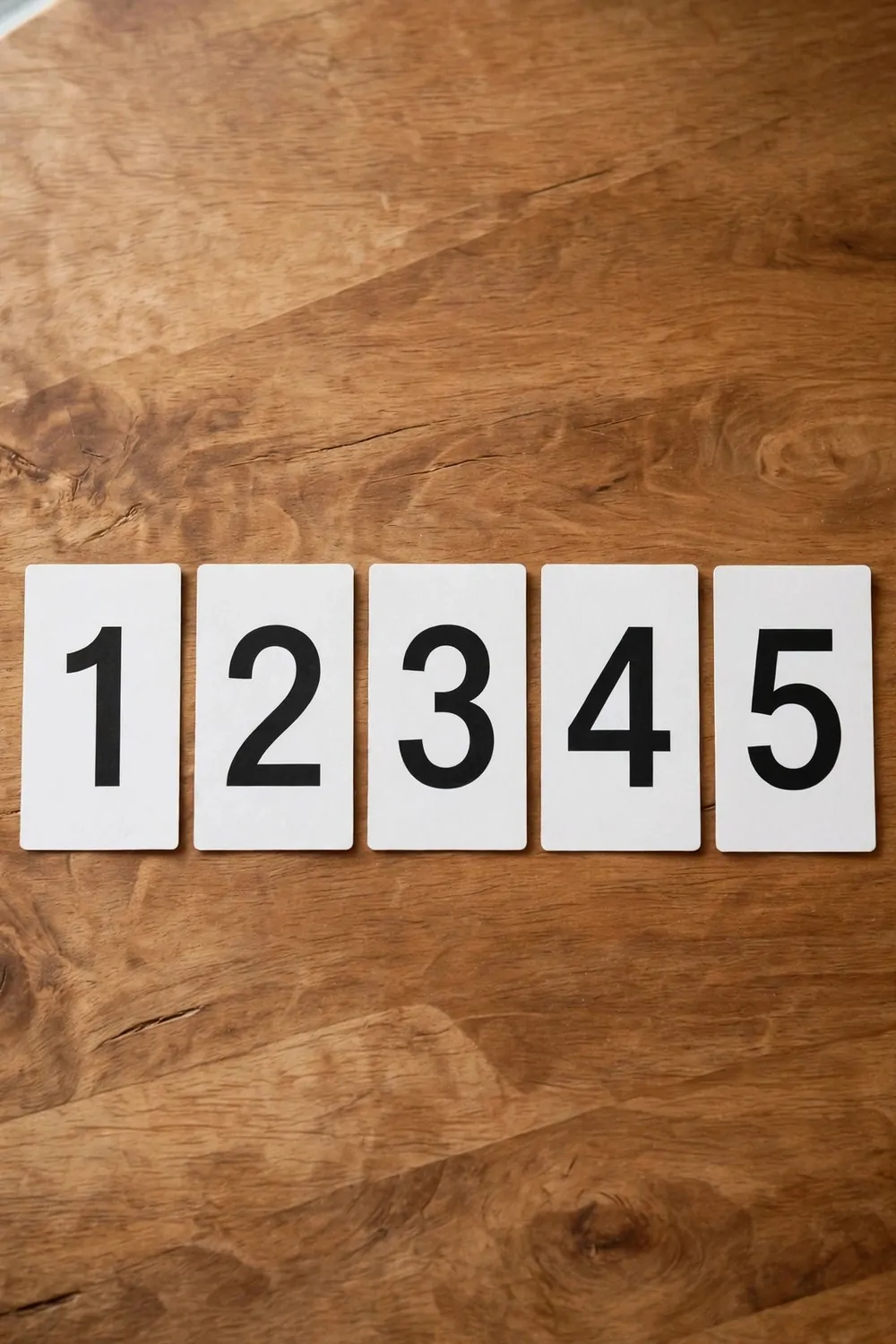
I make small number cards for times tables and we play with them after tea.
I write one digit on each card with a dark pen. I shuffle the cards and I lay them face up on the table. My child picks a card and says the times table line out loud.
You can start with the easy tables and add more cards later. A short game each day builds the facts bit by bit.
Ten minutes of card play beats a long dull drill.
I keep the cards in a small bag by the books. My child can pull them out and play without any fuss. I join in for a few rounds and then I let my child play alone.
If my child gets one wrong, I do not make a big fuss. I show the card again and we try it once more together.
A few right answers in a row builds real trust in the numbers.
We end the game while it still feels fun. My child asks for the cards again the next day without a grumble.
Typical cost $0 to $4.
18. Read the Whole Page Before You Write
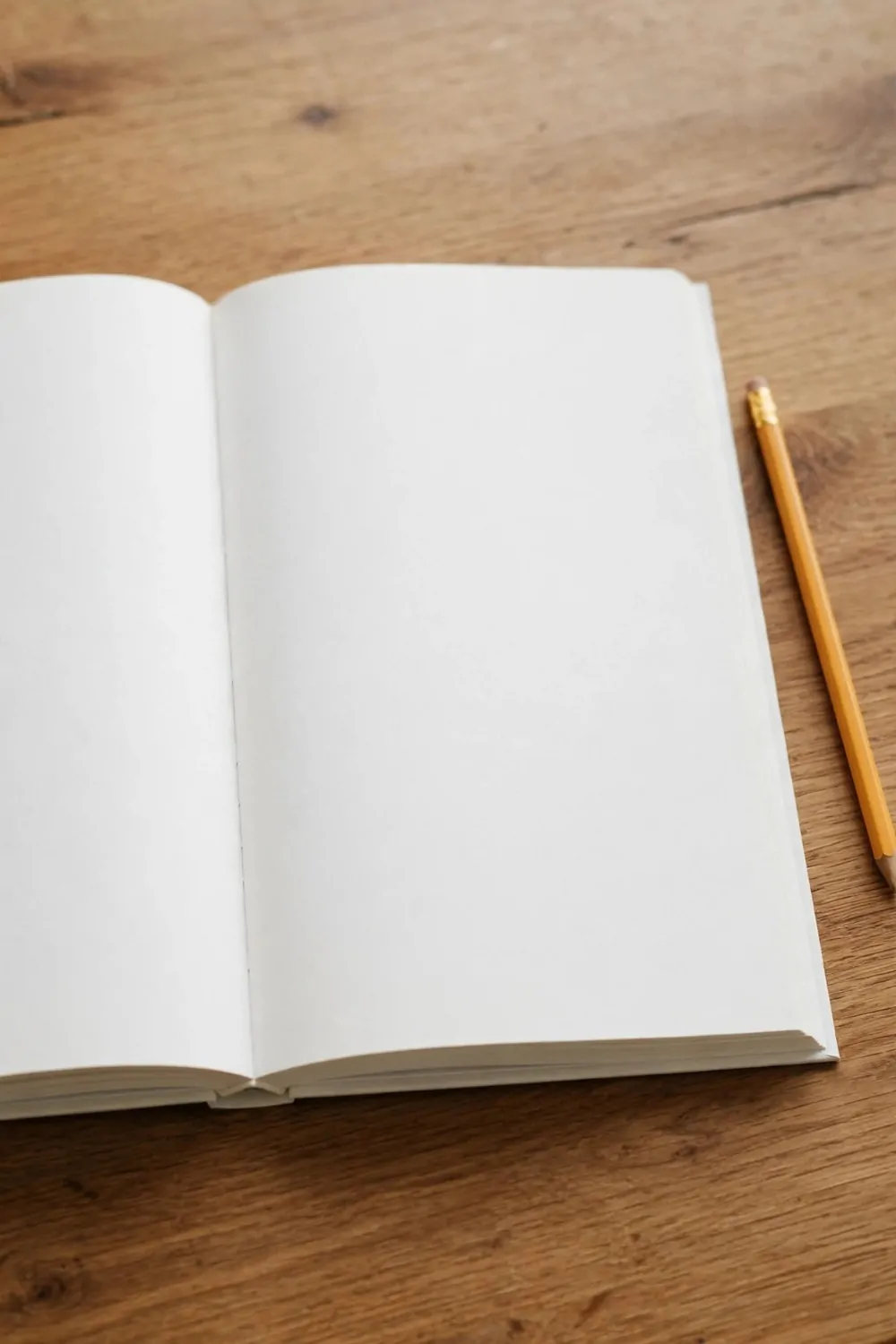
I ask my child to read the whole page first before a pen touches the paper. The full page shows what the work is really about. It stops my child from guessing at the first line.
You can sit beside your child and read the page together. A slow first read makes the writing much easier.
Reading first turns a muddle into a clear plan.
I open a blank book and I point to the top of the page. My child reads down to the end in a calm voice. Then I ask what the page wants us to do.
One full read saves a lot of crossed out lines later.
If a line feels hard, I read it again in a soft voice. My child nods when the meaning clicks into place.
A quiet first read is the best start to any writing job.
I do not let my child rush to write the first answer. I wait for the whole page to sink in first. Then the pen moves with much more ease.
Typical cost $0 to $0.
19. Keep Water and a Snack Close By

I set a glass of water on the desk before my kids sit down to work. A plain apple sits next to the glass, ready for a short break.
My kids take a sip when their mind feels tired.
A small drink helps them sit still for a bit longer. The apple gives them a quick bite when hunger starts to creep in. They go back to the page with fresh eyes after the break.
I keep the glass on the far side of the desk.
The snack stays on a small plate so crumbs do not land on the books. My kids know the plate is theirs to reach for.
A short pause with water beats a long pause with a grumble.
Some days my daughter asks for the apple first. Some days my son drinks the water and leaves the apple for later. Either way, the desk stays calm and the work gets done.
I refill the glass when it runs low. A full glass means no trips to the kitchen in the middle of a sum.
Typical cost $2 to $4.
20. Check Your Work with Fresh Eyes
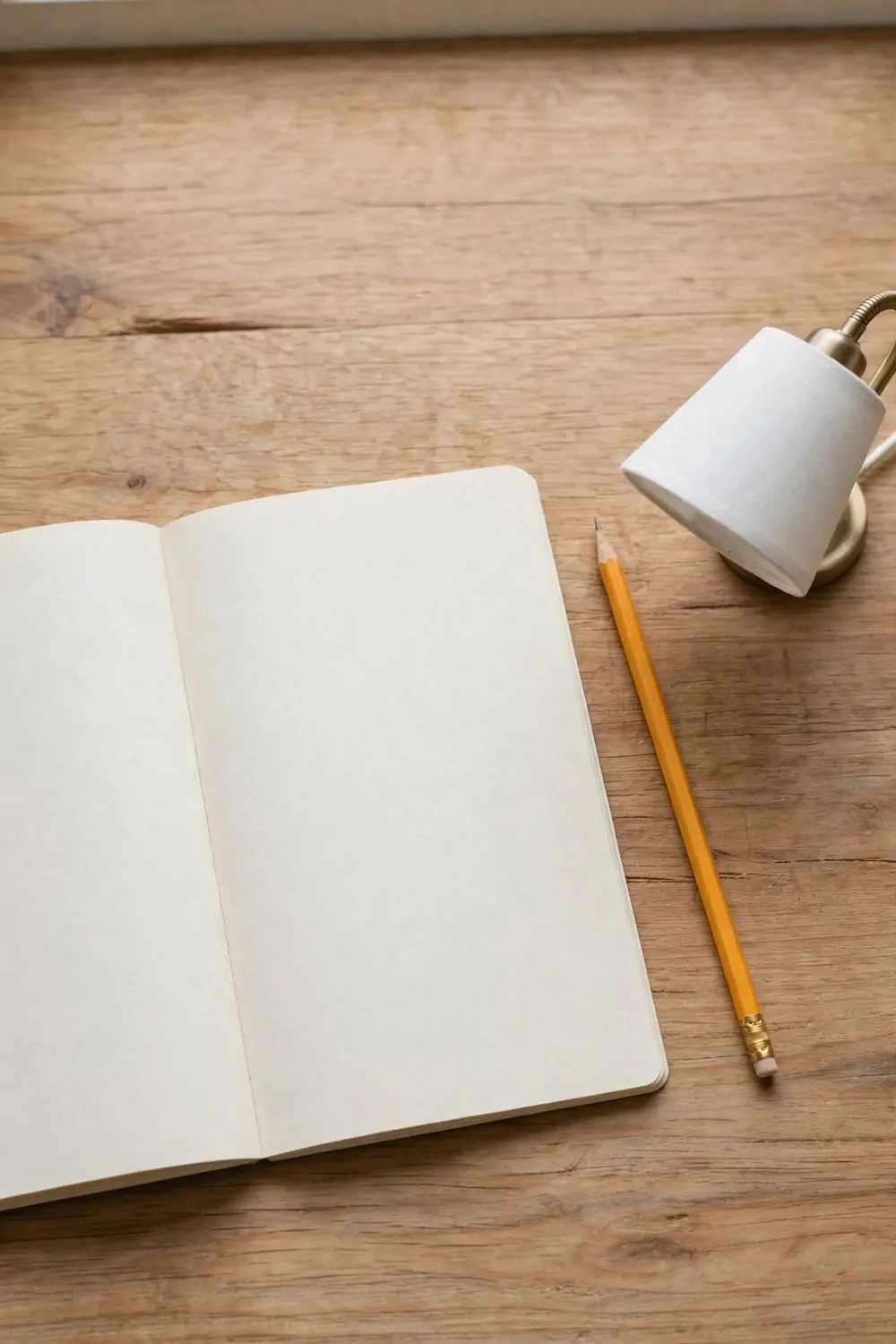
I ask my kids to shut the notebook and walk away for a few minutes.
A short break lets the mind rest. When they come back, the page looks new again. Small slips jump out that were easy to miss before.
My son reads his work out loud in a soft voice. He hears the odd line that does not sound right.
My daughter checks her sums one line at a time.
She puts a small tick next to each line she has checked. A tick means the line is done and she can move on. The ticks make the page feel neat and finished.
I sit close by while they check, but I do not point at the slips. Finding a slip on your own feels much better.
Fresh eyes find what tired eyes miss.
We check the work once, then we put the pen down. A second check comes after dinner if we have time. Most days one careful check is enough.
Typical cost $0 to $0.
| Idea | Main change | Typical cost |
|---|---|---|
| Write Neat Numbers in a Row | write neat numbers in a row | $1 to $4 |
| Keep a Spare Pencil in the Drawer | keep a spare pencil in the drawer | $1 to $3 |
| Ask One Question at a Time | ask one question at a time | $0 to $0 |
| Draw a Quick Picture for Hard Words | draw a quick picture for hard words | $0 to $3 |
| Tick Off Each Finished Page | tick off each finished page | $0 to $2 |
| Put Finished Work in a Plain Folder | put finished work in a plain folder | $1 to $3 |
| Practise Times Tables with Cards | practise times tables with cards | $0 to $4 |
| Read the Whole Page Before You Write | read the whole page before you write | $0 to $0 |
| Keep Water and a Snack Close By | keep water and a snack close by | $2 to $4 |
| Check Your Work with Fresh Eyes | check your work with fresh eyes | $0 to $0 |
| Total | $5 to $23 |
21. Make a Weekly Homework Chart
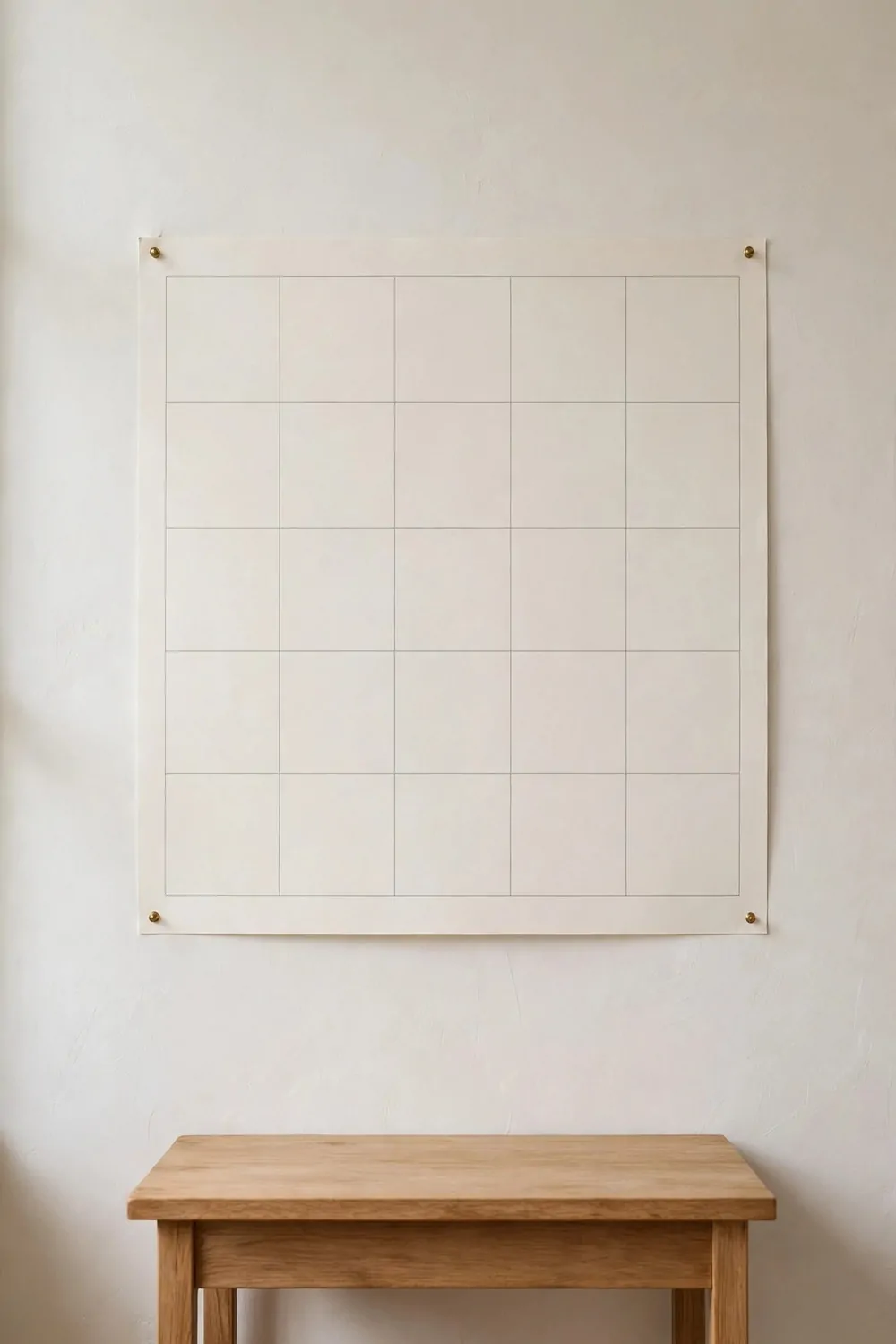
I draw a big grid on a plain sheet of paper. The grid has a row for each school day of the week. Each row has a small box for the work of that day.
My kids help me rule the lines straight.
We stick the chart on the wall next to the desk. The chart stays where we can all see it.
Each night we write the next day’s work in the right row. A small tick marks the work that is done. The ticks grow across the week like a little trail.
My son loves to fill in his own row.
My daughter picks the box for her reading time. She draws a small star next to it when the book is done.
The chart shows us the busy days before they arrive. We move a light job to a free day when the week looks full. A calm week starts with a clear chart.
A blank grid costs very little to make.
Typical cost $1 to $3.
22. Pack Tomorrow’s Books Tonight
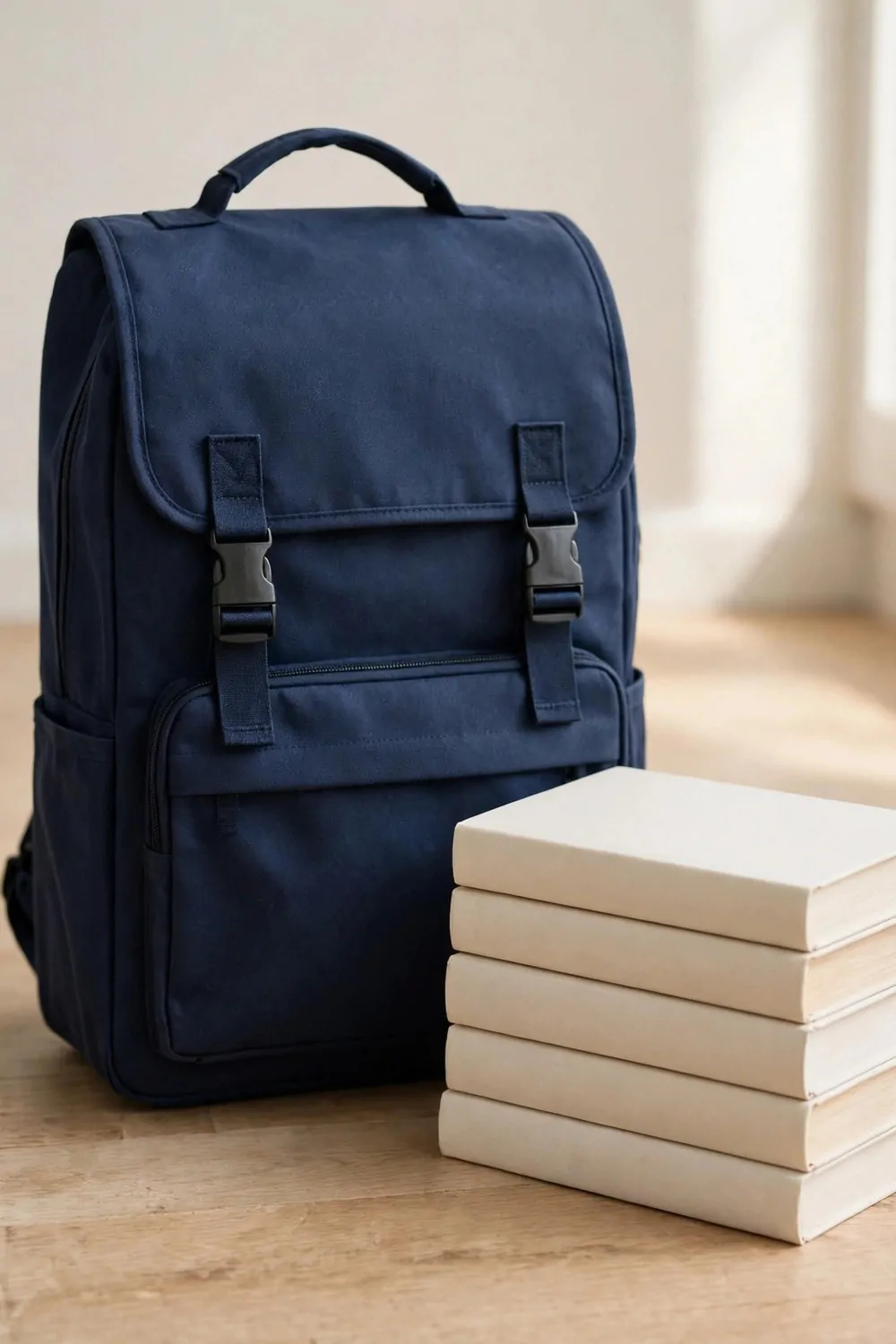
I ask my kids to pack the school bag before bed. The bag sits by the door, ready for the morning.
We open each book and check the pages for the next day. Finished work goes into the folder. The pencil case goes in last, zipped shut.
A packed bag means a calm morning.
My daughter lays her books in a neat pile first. Then she slides the pile into the bag one book at a time.
My son checks his bag twice before he zips it. He likes to know that nothing is left on the desk. A quick look saves a rush in the morning.
We hang the bag on its hook by the door.
The shoes go next to the bag. Everything waits in one spot till the morning.
Some nights we forget a book and find it in the morning. We add it to the bag and laugh about it. The next night we check the desk once more.
Typical cost $0 to $0.
23. Say Each New Word Three Times
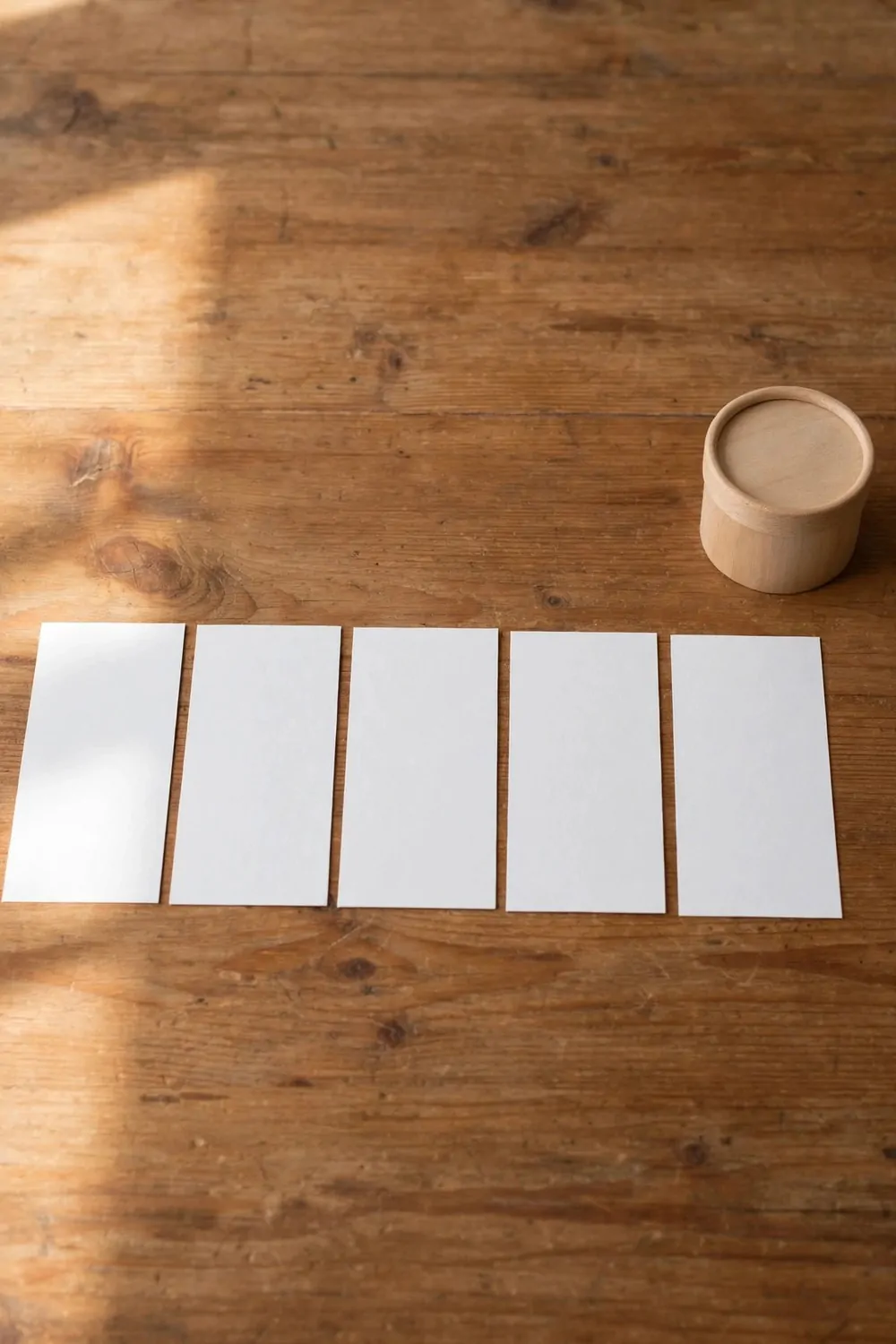
I write each new word on a plain card.
My kids hold the card and read the word out loud. Then they read it again, nice and slow.
The third time, they read it fast and clear. Three reads help the word stick in the mind. A word that sticks is a word they can use.
We keep the cards in a small pile on the desk. Each night we add the new words from the day.
My daughter likes to shuffle the pile and pick a card.
She reads the word three times and puts the card down. If the word feels hard, she reads it three more times. The extra reads make the hard words feel easy.
My son tests me with the cards too. I read each word three times, just like he does.
A small pile of cards costs very little to make.
Typical cost $1 to $2.
24. Lay Out Your Homework Kit the Night Before
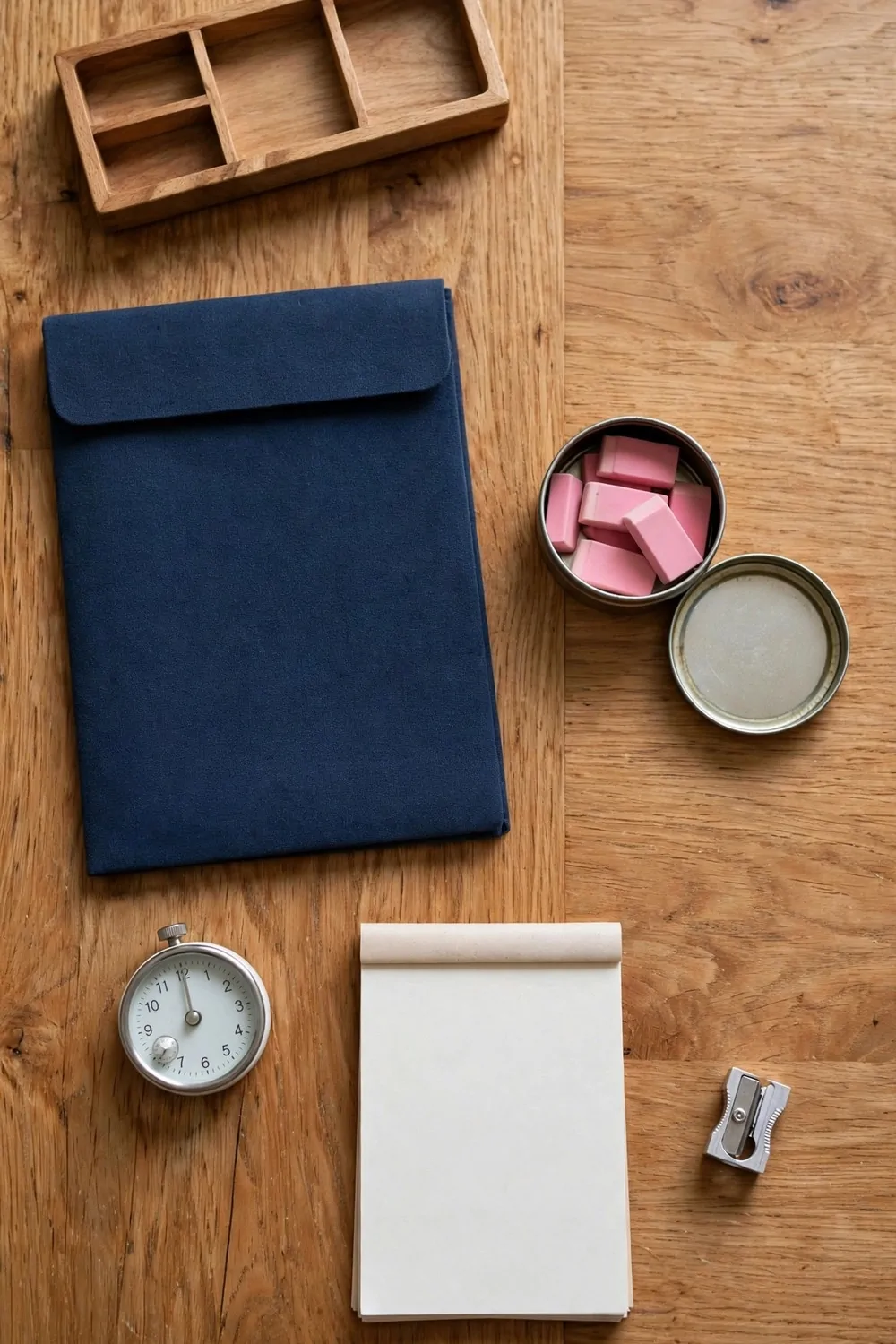
I clear the table the night before and lay the homework kit out on the table. In the morning my kids find everything close at hand.
First on the left, I set down the small wooden homework tray, ready for the books and pens for the morning.
Next to the tray, I place the plain fabric homework folder. The folder holds the finished work, safe and flat.
Third in the row goes the small tin of plain erasers. The tin sits open till we need it. A quick rub takes a slip away and the page stays neat.
Fourth, I set down the small desk timer, ready for short work bursts.
Fifth comes the plain paper spelling list pad. The pad stays blank till my kids write the new words on it.
Last at the right end, I place the small metal pencil sharpener. It sits small and neat at the end of the row. A sharp pencil makes the first line of the morning easy to write.
A small wooden homework tray costs $4 to $6, a plain fabric homework folder costs $3 to $5, a small tin of plain erasers costs $2 to $3, a small desk timer costs $4 to $7, a plain paper spelling list pad costs $2 to $3, and a small metal pencil sharpener costs $1 to $2, for a total of $16 to $26.
We lay the kit out together, and the morning starts soft and slow because all we need is right there. My kids sit down with a smile, and our homework time feels calm and easy.
| Idea | Main change | Typical cost |
|---|---|---|
| Make a Weekly Homework Chart | make a weekly homework chart | $1 to $3 |
| Pack Tomorrow’s Books Tonight | pack tomorrow’s books tonight | $0 to $0 |
| Say Each New Word Three Times | say each new word three times | $1 to $2 |
| Lay Out Your Homework Kit the Night Before | lay out a homework kit the night before | $16 to $26 |
| Total | $18 to $31 |
| Idea | Main change | Typical cost |
|---|---|---|
| a small wooden homework tray | keep books and pens in a small wooden homework tray | $4 to $6 |
| a plain fabric homework folder | file finished work in a plain fabric homework folder | $3 to $5 |
| a small tin of plain erasers | rub out slips with a small tin of plain erasers | $2 to $3 |
| a small desk timer | time short work bursts with a small desk timer | $4 to $7 |
| a plain paper spelling list pad | practise new words on a plain paper spelling list pad | $2 to $3 |
| a small metal pencil sharpener | sharpen pencils with a small metal pencil sharpener | $1 to $2 |
| Total | $16 to $26 |
Keep Reading
If you liked these ideas, you will love these posts too
Each post has more simple ideas you can try at home this weekend.