28 Exam Study Ideas That Help You Remember More

My exam notes used to look like a pile of loose papers, and nothing would stay in my head. I would read the same page three times and still forget it by the next morning.
I put together 28 exam study ideas that help you remember more, and you can pick the ones that fit your exam.
Then I changed one small thing at a time. I set a short time for each bit of work. My desk felt less messy and my head felt less full.
You do not need a big plan or a lot of new things to start.
A plain pen, a blank notebook, and a quiet desk can do a lot. I keep my water cup close and my bag out of the way.
Some ideas here take five minutes. Some take a full week of small steps. All of them are easy to try with what you already have at home.
Start with just one idea today. If it helps, keep it and add one more tomorrow.
1. Study in Short Bursts of Twenty Minutes
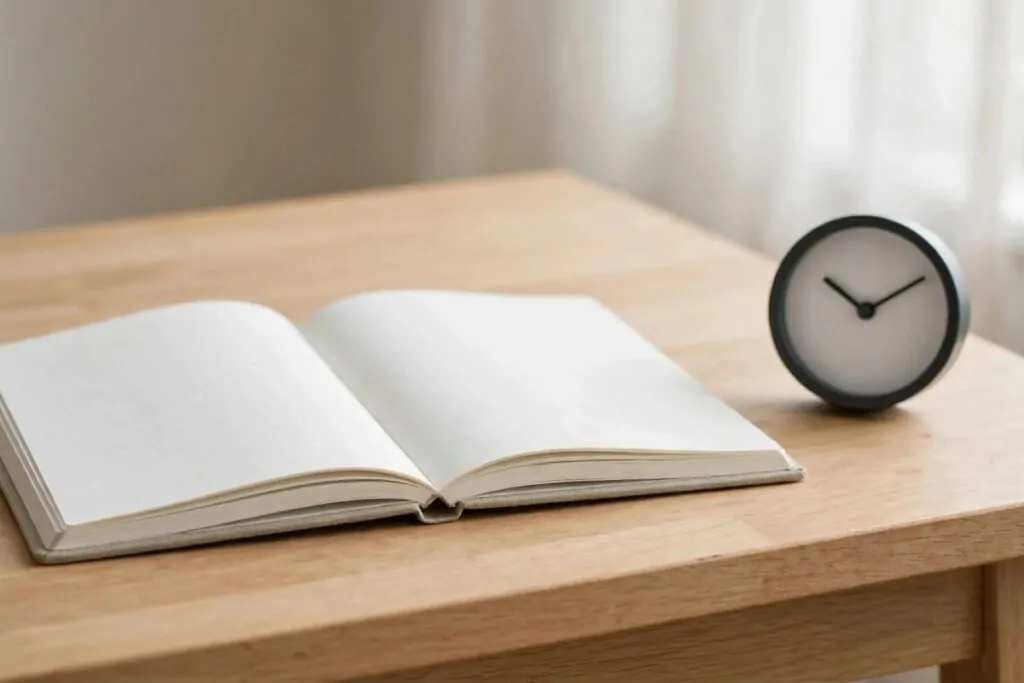
I set my small clock for twenty minutes and I work on one bit only. When the clock rings, I stop and I stretch my arms.
I take a short break with a drink of water before I start again.
Short bits help me more than one long sit at my desk. My head stays fresh for the next bit. I can do three or four short bits in one evening and still feel good.
I keep my pen and my blank notebook open on the desk while I work.
If my mind starts to wander, I look back at my blank page and I write one line about what I just read. That one line pulls me back to the work.
I pick one small bit and I stay with it till the clock rings.
At the end of the day I look at my blank pages and I see how much I filled in myself. That small pile of filled pages makes me want to do one more burst tomorrow.
Twenty minutes feels short, and that short time helps me start without fear.
Typical cost $0 to $0.
2. Start with the Hardest Topic First
I open my blank notebook to the hardest topic first, while my head is fresh.
The hard bit takes more time, so I give it my best hour of the day. Easy bits can wait till later, when I am a bit tired.
When the hard bit is done, the rest of the day feels light.
I write the hard topic at the top of a blank page in big plain letters. Then I break it into three small bits I can finish one by one.
I ask myself what part of it scares me most. I start with that one small part. Once it is done, the next part feels much smaller.
I keep a cup of water near my desk for the hard work.
If I leave the hard topic for last, I rush it and I forget it fast. Starting with it gives me a calm start to the day.
Try it tomorrow and see how light the rest of your study feels.
Typical cost $0 to $0.
3. Make a Simple Study Timetable
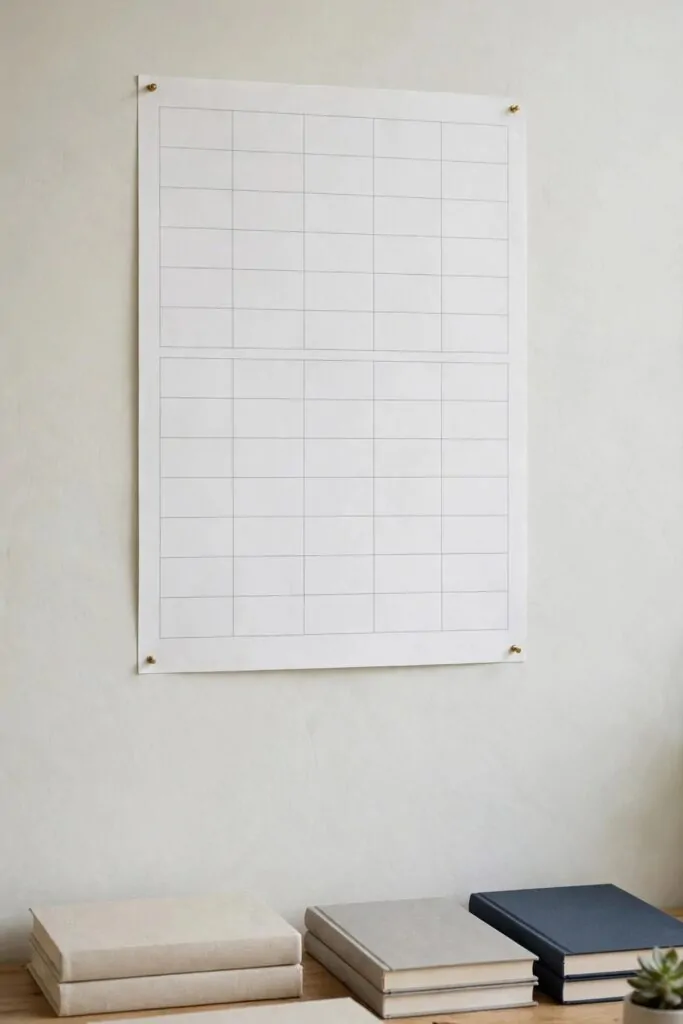
I take a blank grid page and I pin it on the wall above my desk. Each box stands for one small job. I write one small job in each box with my pen.
My timetable stays on the wall where I can see it while I work.
I keep the jobs short so I can finish each one. A finished box makes me smile and I tick it off with my pen.
I leave one box blank each week for rest and for bits I missed.
I make my timetable on a Sunday night with a cup of tea by my side.
If a day goes wrong, I move that job to the next blank box. I do not throw the whole page away and start over.
A plain paper timetable costs me almost nothing to make. I use one sheet of paper and a pen I already have. The small cost is for a new pen when my old one runs dry.
Keep your timetable simple and your days will feel easy to follow.
Typical cost $1 to $3.
4. Keep One Notebook for Each Subject
I keep one plain notebook for each subject, so my notes never mix.
My maths notebook holds only maths work. My other notebook holds only my language work. When I open one, I know just what is inside.
I write the subject name on the front cover with my pen.
A fresh notebook costs a little, but it saves me a lot of lost time. I do not hunt through mixed pages to find one bit of work.
I keep the notebooks in a neat stack on my desk.
Each night I put the next day’s notebook on top of the pile. In the morning I open it and I start at once. I do not waste time picking which book to use.
My bag holds only the notebook I need for that day.
If a notebook gets full, I start a new one for the same subject. I keep the old one safe on my shelf for a quick look back.
Typical cost $2 to $4.
5. Read the Question Twice Before You Answer
I read the question once to know what it asks. Then I read it again, slow and calm, before I pick up my pencil.
Many marks are lost when I rush and miss one small word. A second read helps me see the word I missed the first time.
I underline the main word in the question with my pencil.
If the question asks for two bits, I write the number two in the margin. Then I answer the first bit. Then I answer the second bit, so nothing is left out.
My teacher told me to slow down, and this small habit helps me most.
I keep my blank answer page neat, with one answer under the next.
When I feel rushed, I put my pencil down and I take one slow breath. Then I read the question one more time.
This habit costs nothing and it takes only a few seconds. It saves me from rushed answers. It helps me give the answer the question really asks for.
Typical cost $0 to $0.
6. Say the Answer Out Loud to Yourself
I close my blank notebook and I try to say the answer out loud.
If I can say it in my own words, I know I have got it.
If I get stuck, I open my notebook and I look at my own notes. Then I close it and I try again.
I walk to the window and I say the answer to the quiet room. My own voice helps me hear where I stop. Then I go back to my desk and I fix that weak bit.
I do this for each hard fact, one at a time. Short tries work better than one long try.
I keep a cup of tea on my desk while I talk.
Talking out loud shows me what I know and what I still need to learn. I write the weak bits on a blank card with my pen. I say those cards again the next day.
You can try this in your own room with no one else near. It costs nothing and it makes your study feel strong.
Typical cost $0 to $0.
7. Use Plain Flashcards for Key Facts
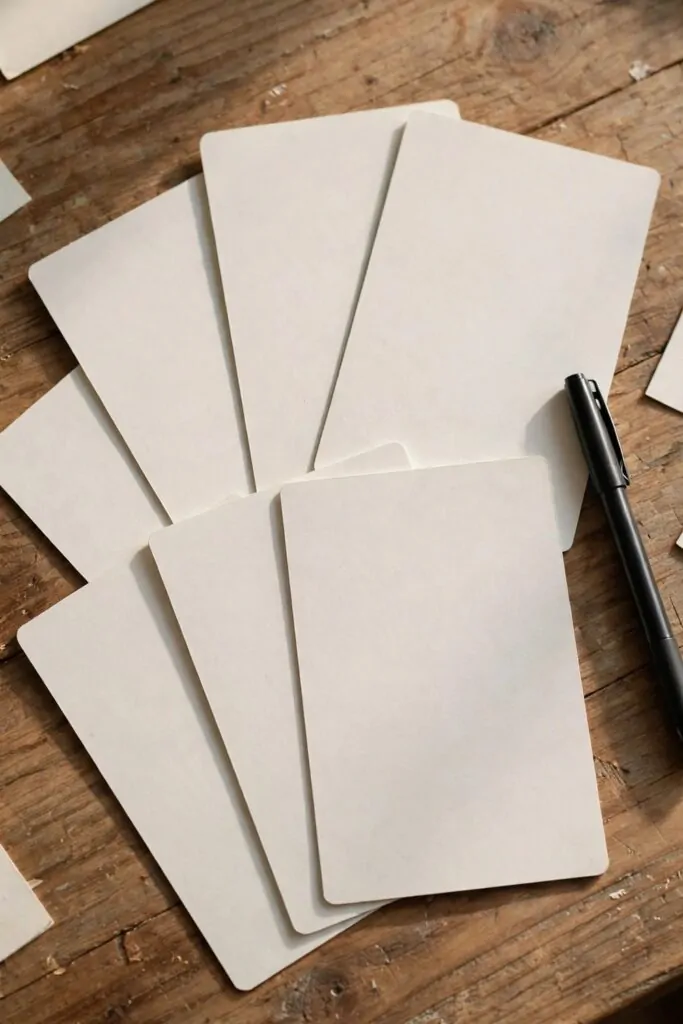
I take a pack of blank cards and I write one short fact on each card with my pen. I write the prompt on one side and the answer on the back. Each card holds only one fact, so my head stays clear.
I shuffle the cards in my hands and I pick one from the top. I try to say the answer before I turn the card over.
The cards I get wrong go in a small pile on the left of my desk.
I go through that small pile again till I get them right.
A pack of blank cards costs a little, but I use the same pack for many days. I keep them in a small bag when I am done. My bag sits by my desk, ready for the next round.
I make only ten cards at a time, so the pile never feels too big. Ten small cards are easy to carry and easy to finish.
I write in big plain letters with my pen.
At the end of the week I mix all the cards and I test myself once more. The cards I know well go back in the bag for next time.
Typical cost $2 to $4.
8. Draw a Simple Mind Map for Each Topic
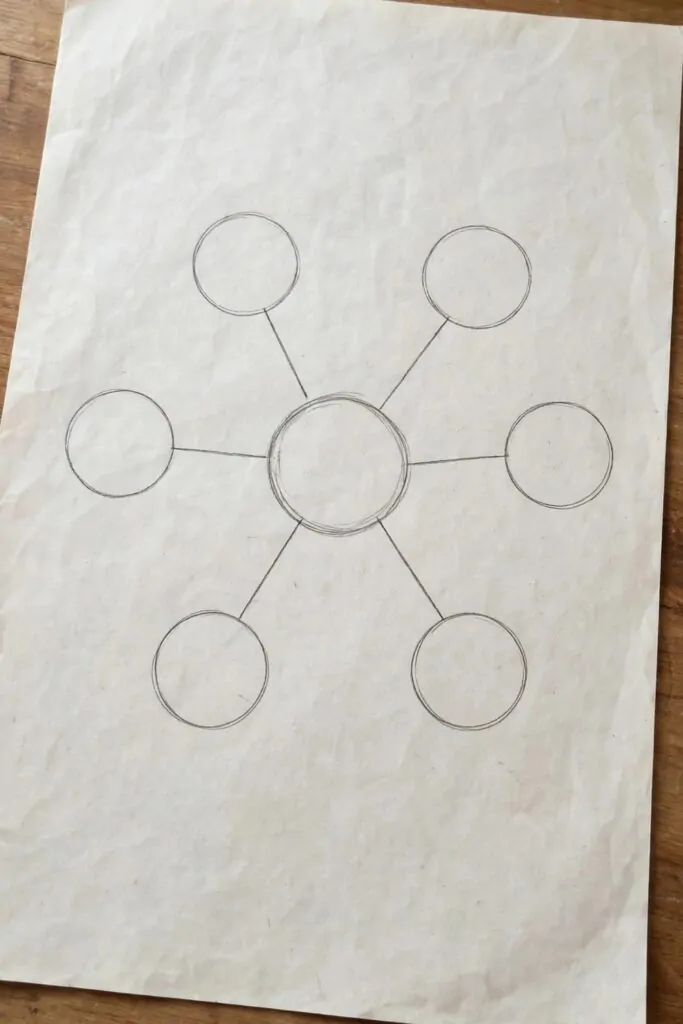
I start with one blank page and a few pens. I put my topic in the middle in a big circle.
Then I draw short lines out from that circle like branches on a tree.
Each branch holds one small part of the topic. I keep each branch short so my eyes can follow it with ease. When a branch gets too full, I start a new one beside it.
I keep the branches plain so I can spot each one fast later.
A mind map helps me see how the parts link to each other. I can see the whole topic on one page, and that feels calm.
I do not try to fit my whole book on one page.
I keep my map simple and I leave white space around it. That space helps me add a new branch when I learn more.
I look at my map the next day before I start to read again. It reminds me what I already know, and it shows me what still feels weak. Then I add a small branch for that weak part and move on.
Typical cost $2 to $4.
9. Teach a Friend What You Just Learned
I learn a topic much better when I try to tell it to a friend.
I sit with my friend at my desk and I talk through what I just read. If I can say it in plain words, I know I really got it.
If I get stuck, I go back to my book and read that part again.
My friend can ask me a small question when my words get muddled. That question shows me the gap in my head. Then I fill that gap and try to tell it again in a fresh way.
I like to teach with my notes open beside me at first. After a while I close my notes and try to tell it all from my head.
That little test shows me what stayed in my head and what slipped away.
You do not need a big group for this trick. One friend is enough, and you can take turns with each other. You teach one topic, then your friend teaches the next one back to you.
I feel more sure of myself after I teach a topic out loud. It turns quiet reading into real knowing, and that stays with me on exam day.
Typical cost $0 to $0.
10. Take a Ten Minute Break After Each Hour
I set my clock for one hour and I read with full focus. When the hour ends, I stop and I step away from my desk. A short break helps my head feel fresh again.
I take ten minutes and I do something light and easy.
I stretch my arms, I walk to the window, and I drink a glass of water. That small pause wakes up my eyes and my legs.
I do not rush back to my book in two minutes. Ten full minutes gives my brain time to rest and sort what I just read.
Then I sit down again with a clear head and a fresh page.
I keep my breaks short on purpose. A long break can pull me away from my work for the whole day. Ten minutes is just right, and it keeps my day on track.
I put a small tick on my list each time I finish one hour of work.
By the end of the day I can see how many hours I really worked. That simple count makes me feel proud, and it keeps me going the next day.
Typical cost $0 to $0.
| Idea | Main change | Typical cost |
|---|---|---|
| Study in Short Bursts of Twenty Minutes | study in short bursts of twenty minutes | $0 to $0 |
| Start with the Hardest Topic First | start with the hardest topic first | $0 to $0 |
| Make a Simple Study Timetable | make a simple study timetable | $1 to $3 |
| Keep One Notebook for Each Subject | keep one notebook for each subject | $2 to $4 |
| Read the Question Twice Before You Answer | read the question twice before you answer | $0 to $0 |
| Say the Answer Out Loud to Yourself | say the answer out loud to yourself | $0 to $0 |
| Use Plain Flashcards for Key Facts | use plain flashcards for key facts | $2 to $4 |
| Draw a Simple Mind Map for Each Topic | draw one map per topic | $2 to $4 |
| Teach a Friend What You Just Learned | teach one topic to a friend | $0 to $0 |
| Take a Ten Minute Break After Each Hour | rest ten minutes each hour | $0 to $0 |
| Total | $7 to $15 |
11. Keep Your Desk Tidy Before You Start
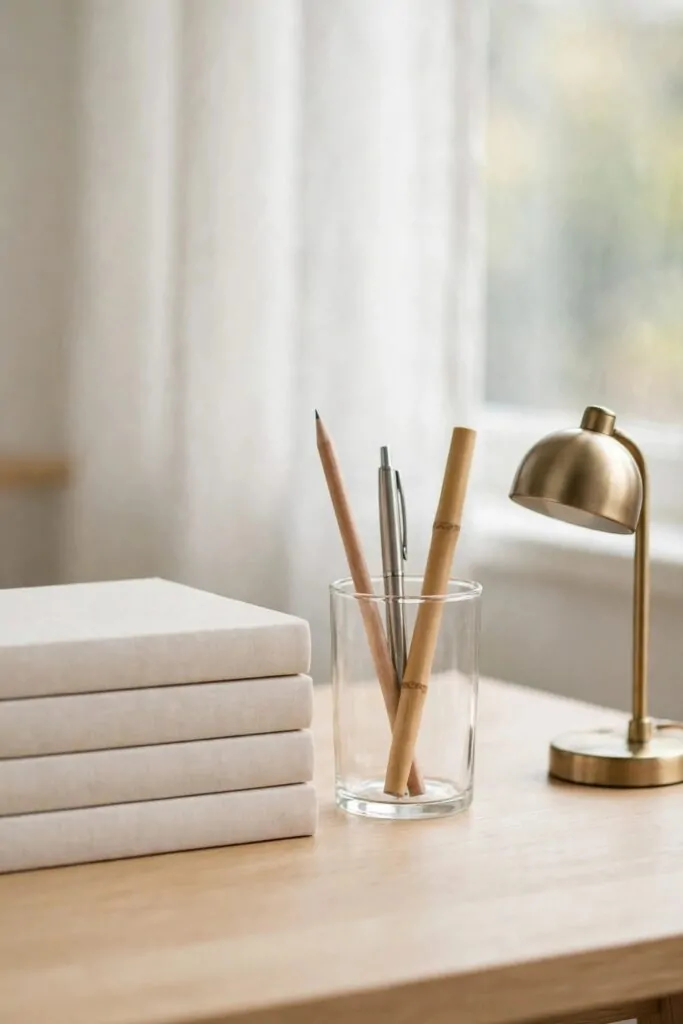
I clear my desk before I open my book.
I put my pens in a glass and I stack my books in one neat pile. I move my bag off my chair and I push my glass to one side. A clear desk helps my head feel clear too.
I keep only what I need for this one topic in front of me. The rest goes in a drawer until I need it later.
A tidy desk stops me from hunting for a lost pen in the middle of my work.
I wipe the top of my desk with a dry cloth when dust builds up. I like how the clean wood looks under my lamp. It makes my small study corner feel like a good place to sit and work.
I put my notes in one pile and my blank pages in another pile. That way I never mix up what I wrote with what I still need to fill in.
I do this quick tidy up each night so my morning starts smooth.
A neat desk takes two minutes, and it saves me much more time the next day.
Typical cost $0 to $2.
12. Write Short Notes in Your Own Words
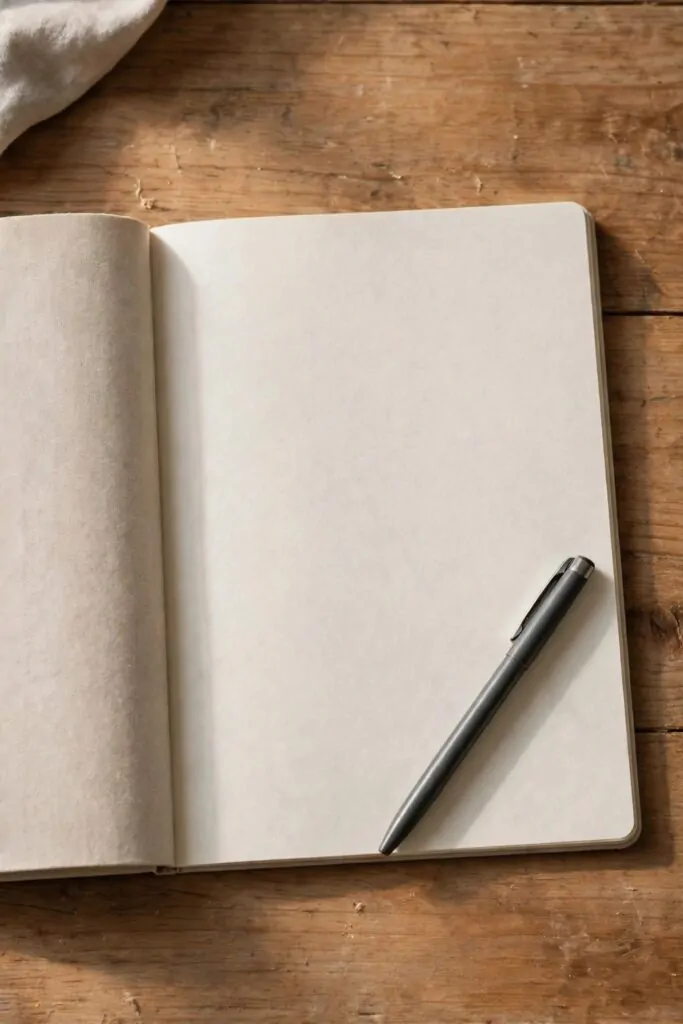
I read a page, then I close my book and write what I recall. My own words show me what I really took in.
I keep each note short, just one or two lines for each point. Long notes feel like copying, and copying does not help me learn. Short notes force me to pick the main point and leave the rest out.
I write in plain words, the way I would tell it to a friend.
I keep a small notebook just for these short notes. It stays beside my book, and I reach for it after each page I read.
At the end of the day I read my own notes back and they feel easy to follow.
If a note feels hard to read, I write it again in a fresh way. That second try often makes the point much clearer in my head. I do not worry if my first try looks rough, because the second try is the one that sticks.
I leave a blank line between my notes so I can add more later. That space keeps my notebook neat, and it lets me grow each note as I learn more.
My own words are the ones I recall best on exam day.
Typical cost $1 to $3.
13. Test Yourself with Past Papers
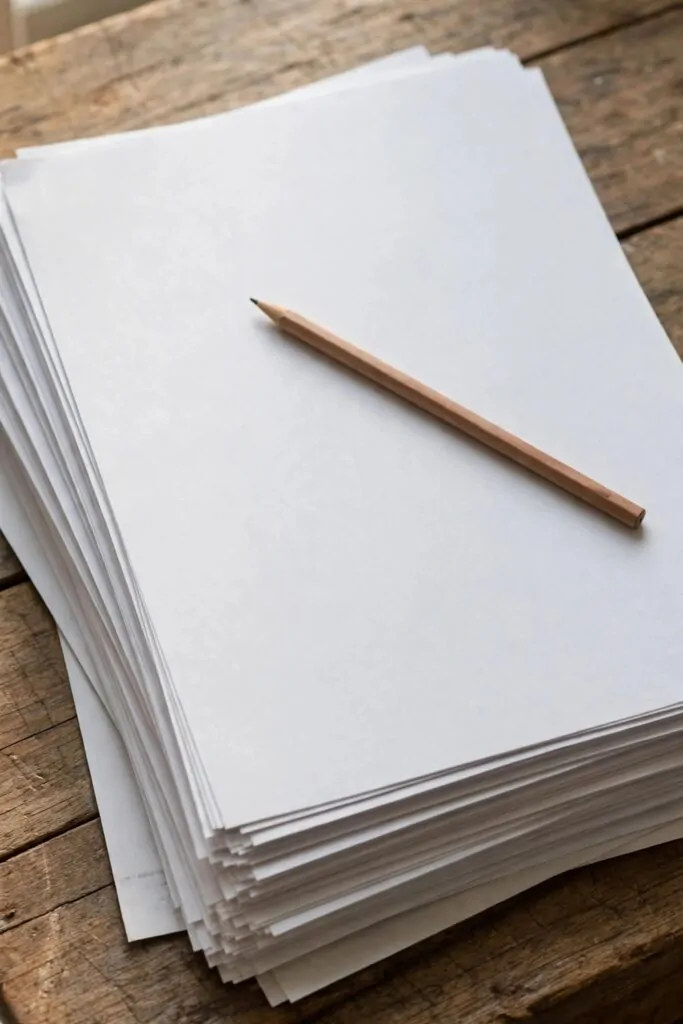
I take an old past paper and I sit down like it is a real exam. I set my clock and I work through it with no peeking at my book. That quiet test shows me what I know and what I still need to learn.
I mark my own work with a pencil when I finish. I look at each wrong answer and I ask myself where I went wrong.
Those wrong answers are the best guide for what to study next.
I keep my past papers in a folder so I can try them again later.
I try the same paper again after a few days. The second try is often much better, and it shows me how far I have come.
I do not rush through a past paper just to finish it. I take my time and I treat each question with care. Slow work now makes fast work easy on exam day.
A past paper also teaches me how long each part takes.
I feel less nervous on exam day because I have sat through the same kind of test before. That calm feeling helps me think clear and write well.
Typical cost $0 to $0.
14. Mark the Tricky Parts with a Colour
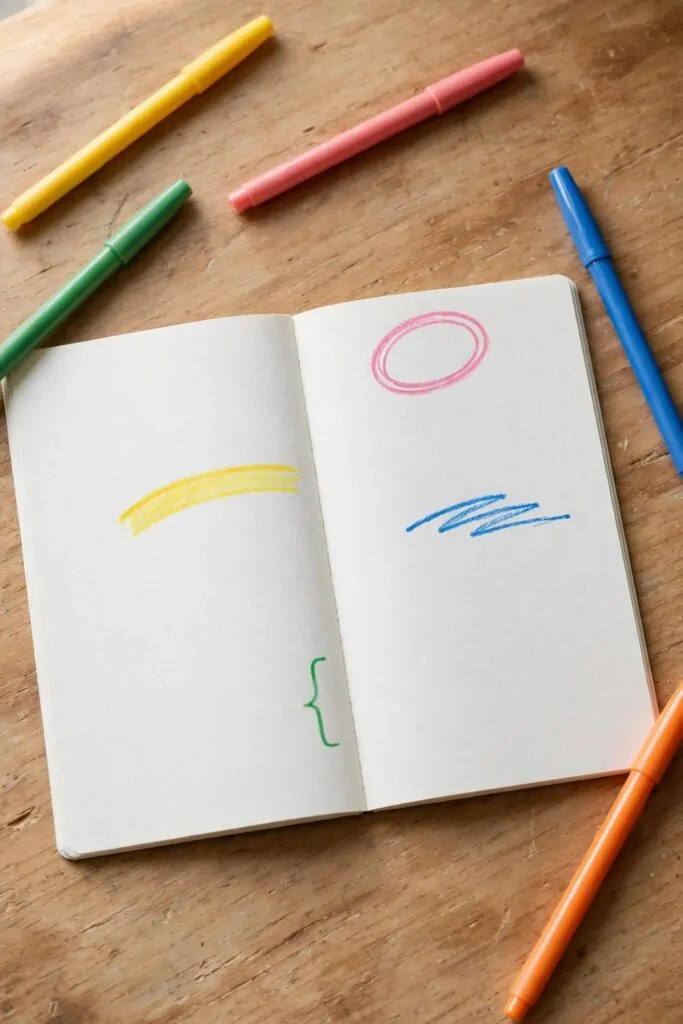
I keep a few coloured pens beside my book for the hard parts.
When a part feels tricky, I mark it with a bright colour. That mark tells me to come back to it later with fresh eyes.
I pick one colour for hard facts and one more colour for parts I keep mixing up. I do not mark half the page, because then nothing stands out. A few clear marks are much more help than a page full of colour.
I go back to my marks the next day and I test myself on them first. If I get one right, I cross the mark out with my pen.
The marks that stay are the ones I still need to work on.
My coloured marks turn a long book into a short list of what still needs work.
I keep my colours simple so my eyes do not get tired. Two or three colours are enough for the whole book. More than that just makes a mess, and a mess does not help me learn.
On the last day before my exam, I read only my marked parts. That short review feels calm, and it helps me walk in with a clear head.
Typical cost $2 to $4.
15. Study at the Same Time Each Day
I sit down to study at the same time each day. My mind gets ready before I even open my book.
It feels like a small habit my day can lean on.
I pick a time that fits my day and I keep it. I put my books on the desk before that time comes. Then I sit down and start with one small page.
Some days I feel tired when the time comes. I still sit down for a short while and do a little bit.
A short start is better than no start at all.
I keep my pen and my blank notes near my chair. That way I do not waste my study time looking for things.
My family knows this is my study time now. They give me space while I work. I thank them with a smile when I finish.
Try one fixed time for a week and see how it feels.
Typical cost $0 to $0.
16. Keep a Small Reward for Finishing
I keep a small treat ready for when I finish my study.
It does not need to be big or fancy. A few dates or a small piece of bread can feel like a win.
I put the treat in a small bowl on my desk. I can see it while I work, and it keeps me going.
I tell myself I will enjoy it after one page. Then I work through that page with care. When I finish, I take a slow break and enjoy my treat.
A small reward makes hard work feel kind.
I change my treat each day so it stays fun. One day I pick fruit from the kitchen. The next day I pick a few nuts in a small bowl.
I do not take the treat before I finish. That rule helps me stay honest with myself.
You can try this with a treat you like too.
Typical cost $1 to $3.
17. Review Yesterday’s Notes Each Morning
Each morning I open my blank notes from yesterday. I read them slow and calm. I try to say each point back in my own words.
It takes only a few minutes, and it helps a lot.
I read the parts I forgot one more time.
My morning review feels like a warm up for my brain.
I keep my notes in one neat pile on my desk. That way I can find yesterday’s page fast.
Some mornings I feel sleepy and slow. I still read one page before breakfast. That one page often wakes my mind up.
A little review each morning beats a big rush later.
You can start with just five minutes tomorrow. See if your notes feel fresher in your mind.
Typical cost $0 to $0.
18. Group Similar Topics Together
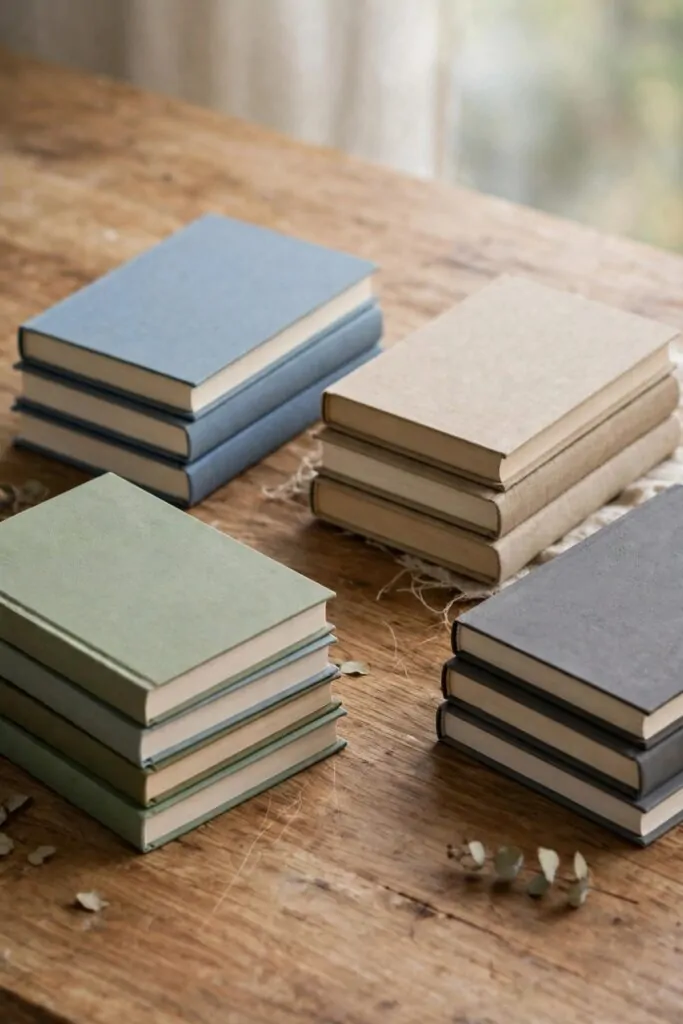
I put topics that feel alike in one small group.
I take my blank books and sort them on my desk. One pile holds numbers work. One pile holds words work, and one pile holds the rest.
Each pile feels smaller and less scary than one big pile.
I study one pile at a time and finish it first. Then I move to the next pile with a fresh mind.
Grouping helps me see what links the topics. I spot the same kind of steps in one pile. I spot the same kind of ideas in the next pile.
I keep each pile neat and straight. My desk stays tidy, and my mind stays tidy too.
Try two small piles first and grow from there.
If a topic does not fit in any pile, I give it its own small pile. I study it on its own for a short time. Then I put it back with the group that feels closest.
Typical cost $0 to $0.
19. Use a Quiet Corner for Hard Topics
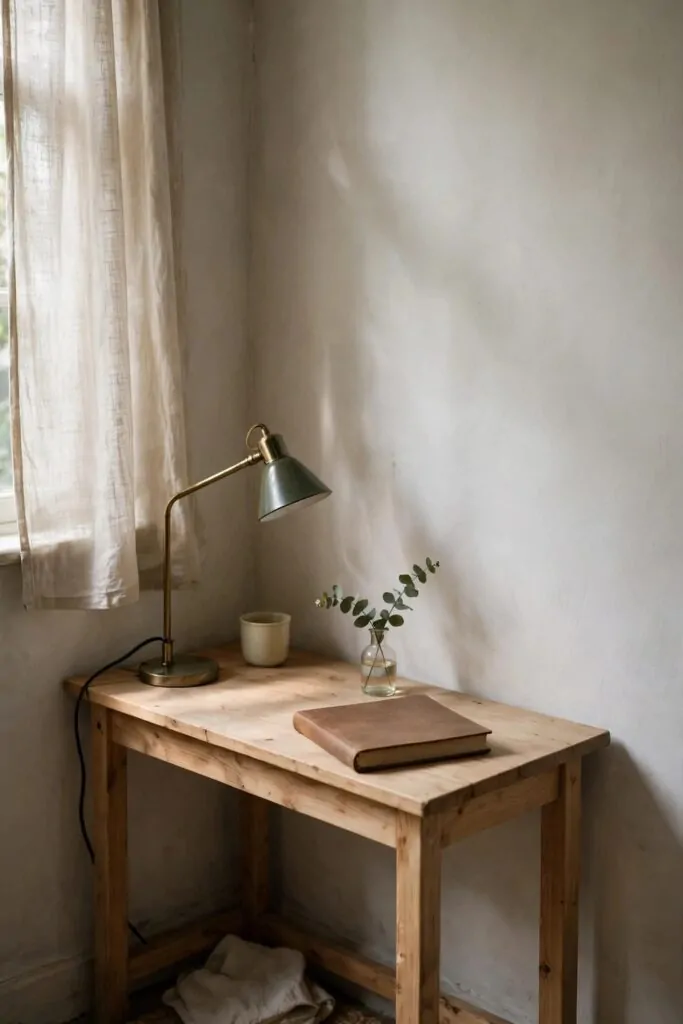
Hard topics need a calm spot. I pick one quiet corner of my room for them.
I put a small lamp in that corner. I keep one book there. Nothing else crowds that little space.
That corner tells my mind it is time to focus.
I leave my bag by the door so the corner stays clear.
I sit there only when I study hard topics. I read one page at a time. I take a slow breath when my mind feels stuck.
A plant sits near the corner and makes it feel soft. I like how calm that small green plant looks.
I do not study easy topics in that corner. I save it for the hard ones, so it keeps its special feel.
Pick your own quiet corner and try it tonight.
Typical cost $0 to $0.
20. Drink Water and Eat a Small Snack
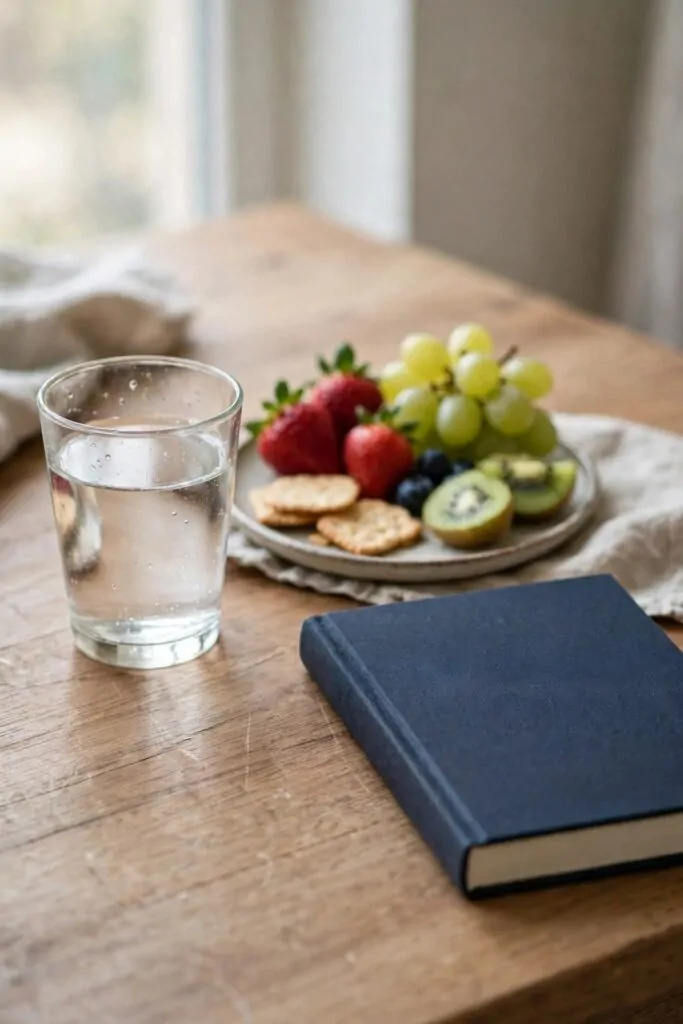
I keep a glass of plain water on my desk. I take small sips while I read. My mouth stays fresh, and my mind stays awake.
A small snack helps too when my stomach feels empty. I pick fruit or a few dates or some nuts.
I never eat a big meal right before I study.
I put my snack on a small plate before I start. That way I do not walk to the kitchen again and again. I can stay at my desk and keep my focus.
Bread with a little fruit makes a light snack. It fills me up without making me feel sleepy.
Water and a small snack are my simple study pair.
Try it at your next study time.
Fill your cup before you open your book. Then you can sip and read without a break.
Typical cost $2 to $5.
| Idea | Main change | Typical cost |
|---|---|---|
| Keep Your Desk Tidy Before You Start | tidy the desk each night | $0 to $2 |
| Write Short Notes in Your Own Words | write short notes after each page | $1 to $3 |
| Test Yourself with Past Papers | try one past paper each week | $0 to $0 |
| Mark the Tricky Parts with a Colour | mark hard parts with colour | $2 to $4 |
| Study at the Same Time Each Day | pick one fixed study time each day | $0 to $0 |
| Keep a Small Reward for Finishing | keep a small treat for after study | $1 to $3 |
| Review Yesterday’s Notes Each Morning | read yesterday’s notes each morning | $0 to $0 |
| Group Similar Topics Together | sort similar topics into small piles | $0 to $0 |
| Use a Quiet Corner for Hard Topics | save one quiet corner for hard topics | $0 to $0 |
| Drink Water and Eat a Small Snack | keep water and a small snack at your desk | $2 to $5 |
| Total | $6 to $17 |
21. Sleep Early the Night Before the Exam
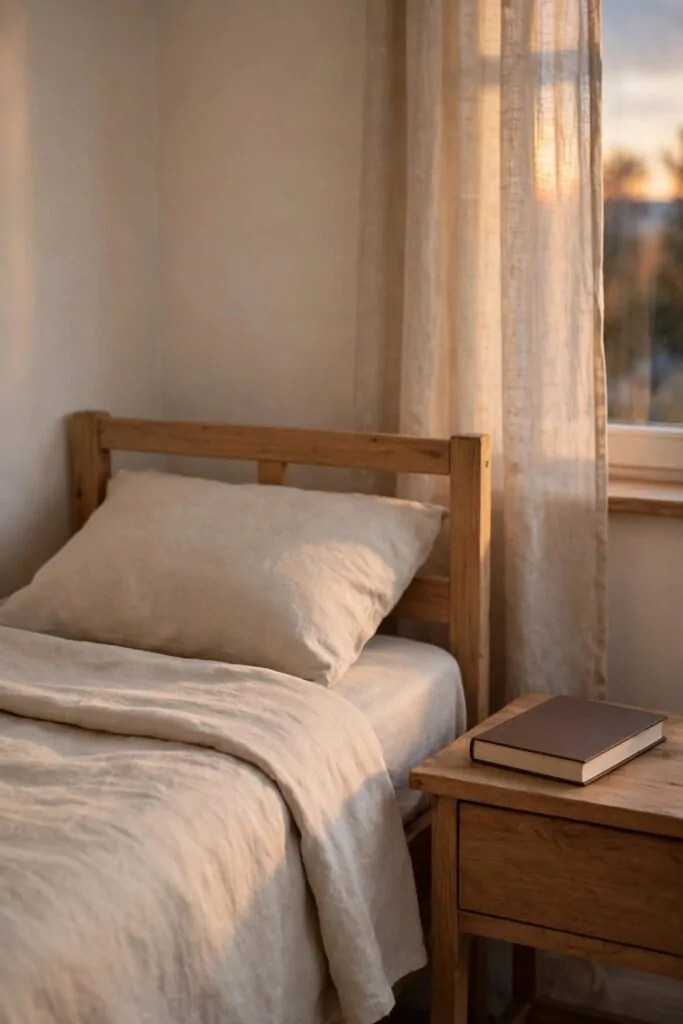
The night before my exam, I go to bed early.
A rested mind recalls more than a tired one.
I pack my bag before bed so the morning feels calm. My pens, my blank notes and my water cup all sit ready by the door.
I read my blank cards once, slow and easy. Then I close my book and put it away. I let my mind rest after that last short look.
I keep my room cool and the light soft. That soft light helps me feel sleepy in a good way.
Sleep is part of my study plan. It is not a break from it.
I wake up with a clear head and a calm heart. I eat a light breakfast and drink some water. Then I walk to my exam with my bag ready.
You deserve a good night of sleep before your big day. Go to bed early and trust the work you did.
Typical cost $0 to $0.
22. Pack Your Exam Bag the Night Before
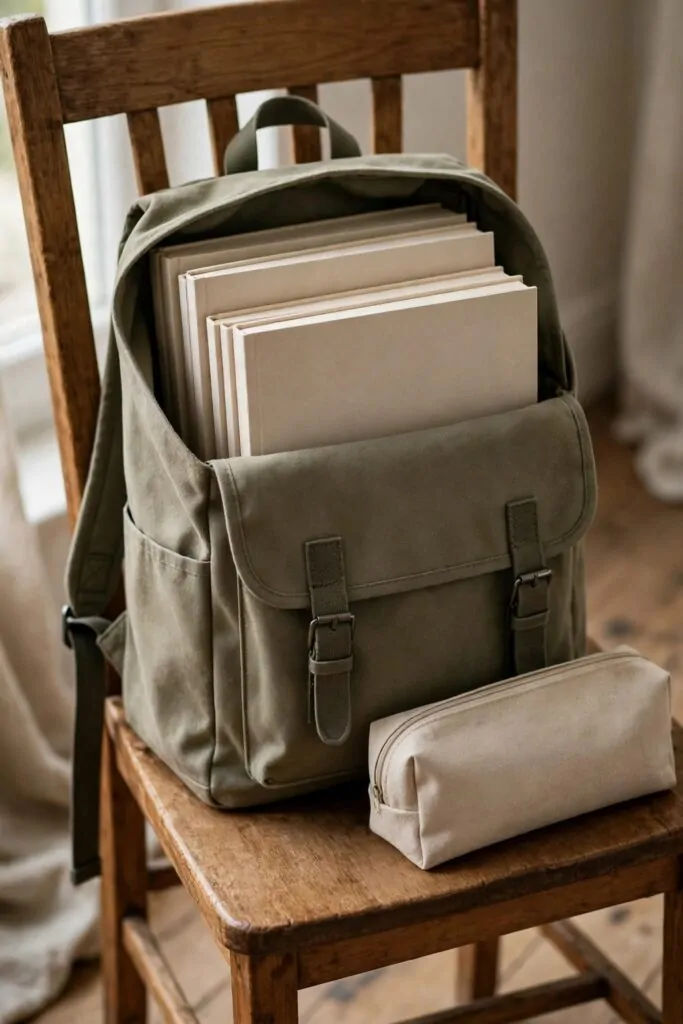
I pack my exam bag the night before my test. It saves me a rush in the morning and I feel calm when I wake up.
I put my pens in the front pocket first.
I add my blank notebook and my plain revision cards next. I check that my pencil case is shut tight. I put a small bottle of water in the side pocket too.
I lay my bag on the chair so I can grab it fast. You can do the same and you will not forget a thing.
I check my bag one more time before I sleep. I look in each pocket to be sure.
A packed bag means I do not hunt for pens at dawn. I walk out with a clear head and a steady pace.
I keep a spare pen in the bag just in case. I add a small snack in a plain paper bag. I zip the bag up and I leave it ready on the chair.
A calm morning starts with a bag that is ready the night before.
Typical cost $2 to $4.
23. Walk and Revise with a Friend
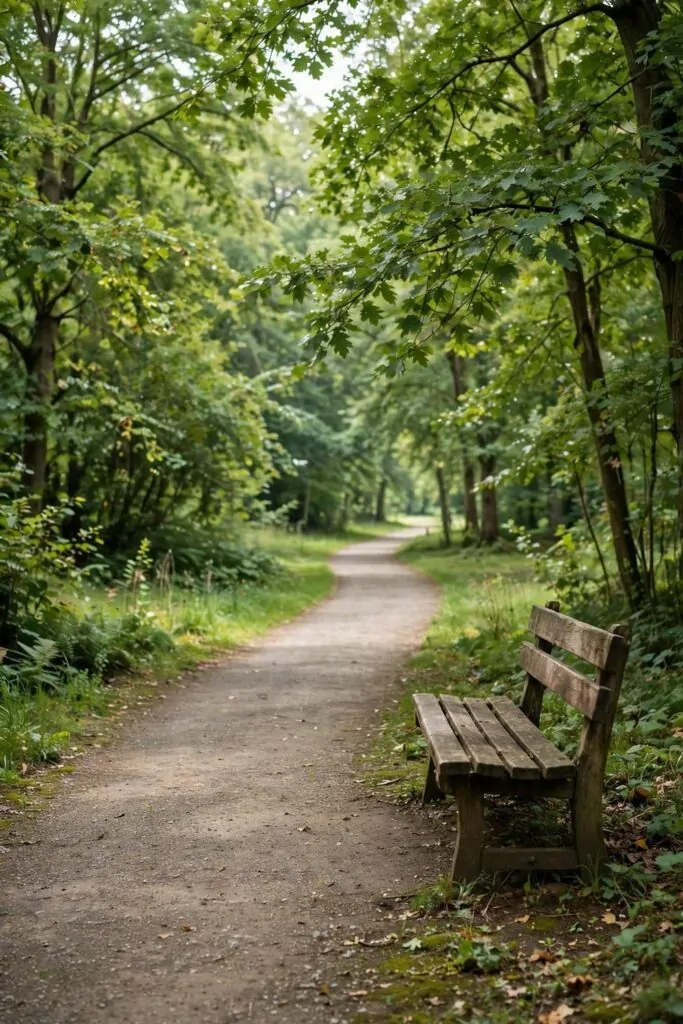
I like to walk and revise with a friend before an exam.
We take turns to ask each other short questions. I try to answer in my own words first.
My friend helps me when I get stuck on a hard point. I help her back when she forgets a step.
We walk slow round the park path. We talk about one topic at a time. We stop and rest on a bench when we feel tired.
I remember more when I say it out loud.
We carry our blank notebooks in our hands. We look at a blank page when we need a hint. We close the book and try again from memory.
You can pick a friend who likes to study with you. A short walk each day works better than one long walk.
I feel less nervous after a walk with a friend. I go home with a clear head and a bit more hope.
Typical cost $0 to $0.
24. Make a One Page Cheat Sheet to Study From
I take one blank page and I make it my cheat sheet. I fill it in myself with the points I find hard. I keep it short so my eyes can find things fast.
I leave big gaps between each point.
I use short lines and plain boxes on the page. I draw a small star next to the point I forget most.
I read the page once in the morning and once at night.
I make a new blank page for each big topic. I do not cram the whole book on one page. I pick only the points I need to see again.
You can fold the page and keep it in your bag. It is easy to pull out and look at for five minutes.
I test myself by covering the page with my hand.
A short page helps me more than a thick pile of notes. I feel calm when the main points fit on one page.
Typical cost $1 to $3.
25. Ask Your Teacher About What You Miss
I ask my teacher when I miss a point in class. It is better to ask than to stay lost and quiet.
I write my question on a blank page first. I keep it short and clear. I raise my hand after the lesson and I ask it plain.
My teacher likes a short and honest question.
I listen well and I note the answer in my own words. I thank my teacher and I walk back to my seat.
I ask about one point at a time. I do not ask five things at once. I go back the next day if I still feel unsure.
A small question can clear a big doubt.
You can ask after class if you feel shy in front of others. Your teacher will help you in a quiet minute.
I feel brave each time I ask and learn.
Typical cost $0 to $0.
26. Keep a Small Clock on Your Desk
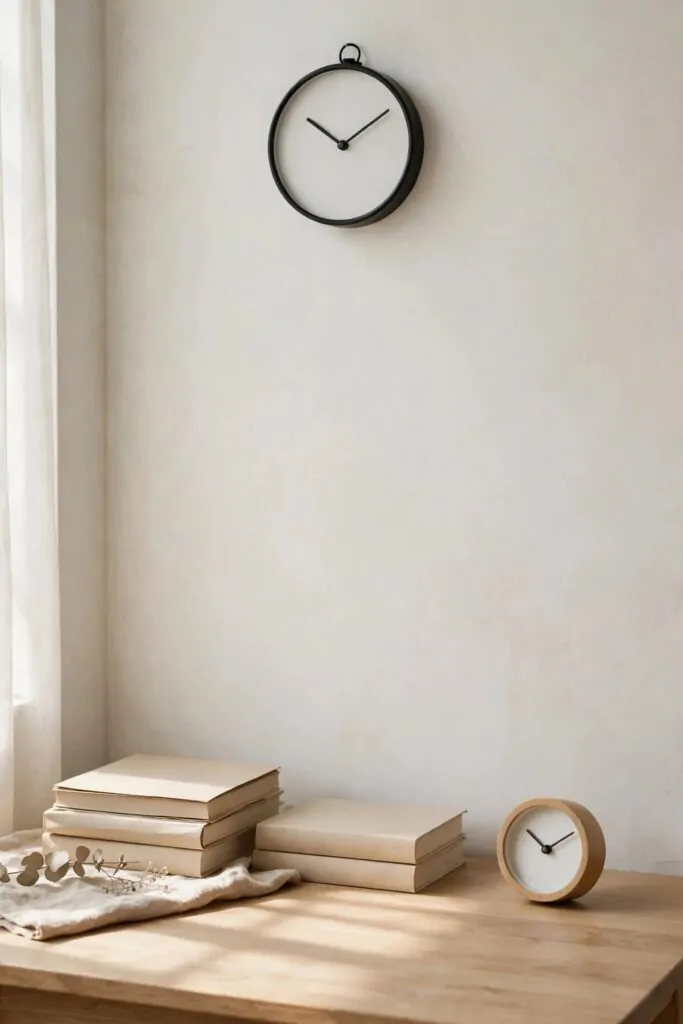
I keep a small clock on my desk when I study.
I look at it when I start a task. I give myself a short time for each page. I move on when the time is up.
The clock helps me not to sit too long on one point. I feel in charge of my time and my work.
I put the clock where I can see it from my chair. I do not hide it behind my books.
A small clock keeps my study day in shape.
You can pick a plain clock with a clear face. It is easy to read and it makes no fuss.
I use the clock for short breaks too. I rest for a few minutes and then I start again. I finish more work when I work in short bursts.
I wind the clock each night if it needs it. I set it straight on my desk each morning. I like how a plain clock keeps me steady and calm.
Typical cost $3 to $6.
27. Practise Writing Fast and Neat
I practise writing fast and neat before my exam. I take a blank page and a plain pencil. I write for ten minutes and I try to keep my lines tidy.
I do not rush so much that my words turn into a mess. I keep my hand loose and my grip soft.
Slow and steady writing wins in the exam hall.
I write a short answer from memory each day. I time myself with the small clock on my desk. I check my page and I fix the lines that look untidy.
You can practise with a friend and compare your pages. A neat page is easy for your teacher to read.
I feel proud when my page looks clean and clear.
I rest my hand for a minute when it feels tired. I shake it out and I start again. I keep my letters the same size all down the page.
Fast and neat writing comes with small daily practice. I trust my hand more each time I try.
Typical cost $1 to $3.
28. Lay Out Your Exam Study Kit on the Table First
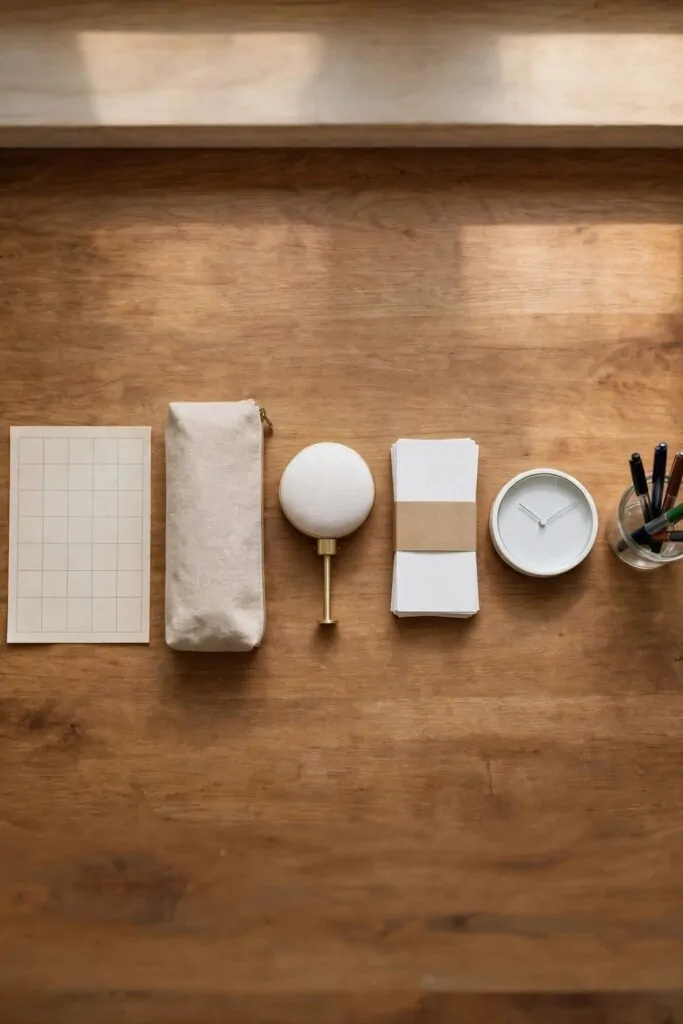
I lay the paper revision timetable on the table first and I set the rest of the kit down beside it. It sits at the left end of the row and it shows me what to study first.
A plain fabric pencil case sits next to it in second place.
A small desk lamp stands third in the row. It lights the table in a soft glow. I put it just past the pencil case so my page stays bright.
A small pack of plain index cards sits fourth in the row. I keep the blank cards neat in a pile for quick tests.
A small plain wall clock stands fifth in the row where I can see it.
A small glass pen pot sits last at the right end of the row. I keep my pens upright in it so I can grab one fast.
The whole kit looks neat in a row on the table.
A small paper revision timetable costs $2 to $4, a plain fabric pencil case costs $3 to $5, a small desk lamp costs $5 to $9, a small pack of plain index cards costs $2 to $4, a small plain wall clock costs $4 to $7, and a small glass pen pot costs $3 to $5, for a total of $19 to $34.
I close the notebook, I put my pen down, and I feel ready for the exam.
| Idea | Main change | Typical cost |
|---|---|---|
| Sleep Early the Night Before the Exam | go to bed early the night before | $0 to $0 |
| Pack Your Exam Bag the Night Before | pack your exam bag the night before | $2 to $4 |
| Walk and Revise with a Friend | walk and revise with a friend | $0 to $0 |
| Make a One Page Cheat Sheet to Study From | make a one page cheat sheet to study from | $1 to $3 |
| Ask Your Teacher About What You Miss | ask your teacher about what you miss | $0 to $0 |
| Keep a Small Clock on Your Desk | keep a small clock on your desk | $3 to $6 |
| Practise Writing Fast and Neat | practise writing fast and neat | $1 to $3 |
| Lay Out Your Exam Study Kit on the Table First | lay out your exam study kit on the table first | $19 to $34 |
| Total | $26 to $50 |
| Idea | Main change | Typical cost |
|---|---|---|
| a small paper revision timetable | follow the plan on a small paper revision timetable | $2 to $4 |
| a plain fabric pencil case | keep your pens in a plain fabric pencil case | $3 to $5 |
| a small desk lamp | light your desk with a small desk lamp | $5 to $9 |
| a small pack of plain index cards | test yourself with a small pack of plain index cards | $2 to $4 |
| a small plain wall clock | watch the time on a small plain wall clock | $4 to $7 |
| a small glass pen pot | keep your pens neat in a small glass pen pot | $3 to $5 |
| Total | $19 to $34 |
Keep Reading
If you liked these ideas, you will love these posts too
Each post has more simple ideas you can try at home this weekend.