23 Free Printable Meal Planner Ideas for Busy Families

By six o’clock most evenings I had no idea what to cook, and the fridge gave me no help at all. I just stood there and felt stuck.
Here are 23 free printable meal planner ideas for busy families that turn one plain sheet and a pen into calm weeks of meals.
Meal planning saves me time in the week. It also takes away a lot of stress.
I do not need a fancy book or a big system. One plain sheet and a pen are enough for me.
You can start with just one idea from this list. Try it for a week and see how it feels.
When one idea works, keep it in your week. When it does not work, try the next one.
Small steps make the whole week feel calm. I hope these ideas help your meals feel easy too.
1. Plan Your Meals on Sunday Night
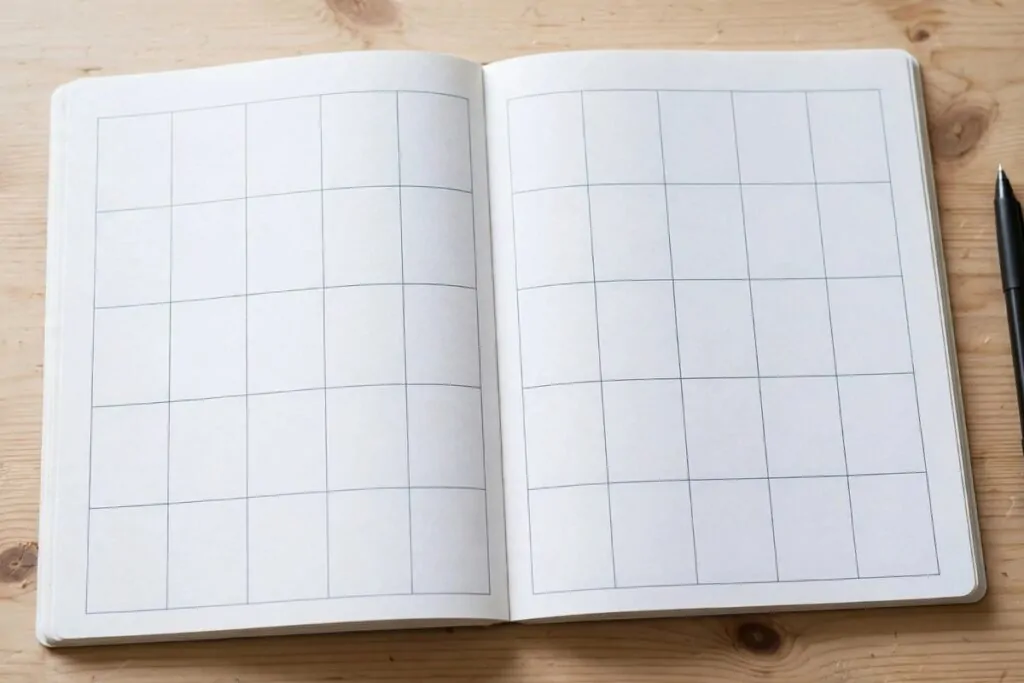
Sunday night is my quiet time to plan the week. I sit at the table with my notebook and a pen.
I write down one dinner for each night.
I start with the nights I know will be busy. I pick rice and beans for one night. I pick soup and bread for another night.
I keep the plan short and simple.
I look in the fridge before I write anything. I use what I already have first.
A clear plan stops the evening rush.
I stick the page on the fridge when I finish. I can see the whole week at a glance.
Sunday planning makes Monday feel easy.
A plain notebook and a pen for my weekly meal grid cost $3 to $5. I keep the notebook in a drawer by the table.
2. Keep a One-Page Meal Grid for the Week
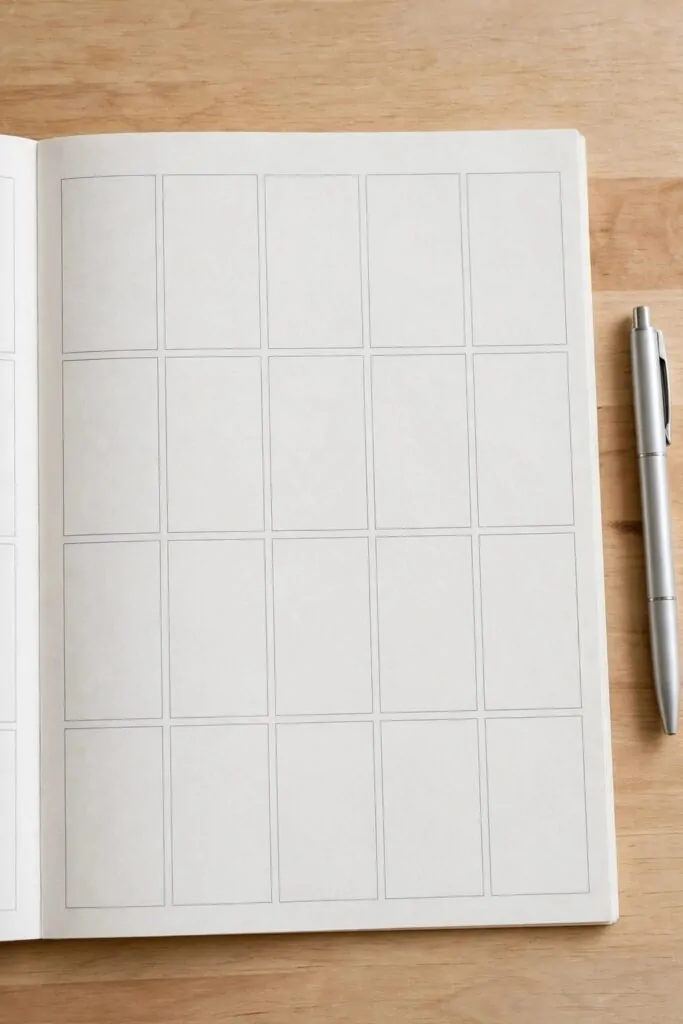
One page holds my whole week of meals.
I draw small boxes on a plain sheet. I write one meal in each box.
The grid fits on the fridge door.
I use short words in each box. I write rice on Monday. I write pasta on Tuesday.
I leave one box blank for a free night. That blank box gives me room to change my mind.
I check the grid each morning.
It takes only a short time to fill it in.
I move a meal to another day when I need to. I just cross out the old word and write the new one.
A pack of plain sticky notes for my one-page meal grid cost $2 to $4.
3. Write Your Shopping List from the Plan
I write my shopping list straight from my meal plan. I look at each dinner on the grid. I write down only what each meal needs.
This stops me from buying extra food.
I group the list by food type. I put vegetables together and dry food together.
I check the cupboard before I add anything.
I cross off what I already have at home.
I take the list with me to the shop. I follow it from top to bottom.
I keep the list short and clear. I use big plain letters. I can read it fast while I walk round the shop.
A good list saves me time and money.
A small list pad and a pencil for my shopping list cost $2 to $3. I keep the pad on a hook by the door.
4. Plan Five Quick Weeknight Dinners
Five quick dinners cover my busy weeknights.
I pick meals that cook fast. I use eggs and bread on one night. I use pasta and vegetables on another night.
I keep the same five meals for a few weeks. I change one meal when I feel bored with it.
Quick does not mean plain and dull.
I chop the vegetables in the morning when I have time. I cook them fast in the evening.
I write the five meals on a small card.
I stick the card inside a cupboard door.
I pick one new quick meal each month. I try it on a calm night first. I add it to the five if I like it.
A plain recipe book for my quick weeknight dinners cost $4 to $6.
5. Keep a Freezer Meals List on the Fridge
My freezer list lives on the fridge door. I can see it every time I open the fridge.
I write down each meal I put in the freezer. I add the date next to the meal name.
The list stops food from sitting there too long.
I freeze soup in plain boxes. I freeze rice in flat bags. I freeze beans in small tubs.
I cross off a meal when I take it out.
I use the oldest meal first. I move it to the fridge the night before.
A full freezer means a calm week.
I check the list on Sunday night.
A set of plain freezer bags for my freezer meals list cost $3 to $5. I keep the bags in a box at the back of the freezer.
6. Plan One Slow Cooker Day Each Week
One slow cooker day makes my week feel light.
I pick the same day each week for it.
I put chicken and vegetables in the pot in the morning. I let it cook slow while I do other jobs.
I add rice near the end of the day. I set the table while it finishes. I serve it hot with bread.
I make a big pot so I have food left over. I save the extra for lunch the next day.
Slow food tastes warm and rich.
I wash the pot straight after dinner. I put it back on its shelf clean and dry.
One slow day gives me a rest.
A plain slow cooker for my slow cooker day cost $5 to $8.
7. Save Friday Night with a Leftover Plan
Friday night is my leftover night. I look at what is left in the fridge. I plan one meal from those bits.
I warm up rice and add fresh vegetables. I heat soup and serve it with bread.
Nothing good goes to waste.
I write Friday on the plan as leftover night.
I put leftovers in a plain box with a lid. I write the day on the lid with a pen.
I heat only what I need for dinner. I keep the rest for lunch. I throw out anything that smells off.
Friday feels easy and calm.
I save time because the food is already cooked. I save washing up too.
A plain food box for my Friday leftovers cost $2 to $4.
8. Plan Breakfasts for Busy School Mornings
School mornings move fast in my house. I plan breakfasts the night before.
I write three quick breakfasts for the week.
I keep the list on the fridge.
I pick eggs and bread for one morning. I pick plain bread and jam for another morning.
I set out bowls and cups the night before. I put the bread on the table. I fill a jug with water.
A ready table saves a lot of rush.
I cook eggs while the bread toasts. I serve breakfast hot and fast.
Calm mornings start with a simple plan.
A small plain notebook for my breakfast plan cost $3 to $5.
9. Pack School Lunches the Night Before
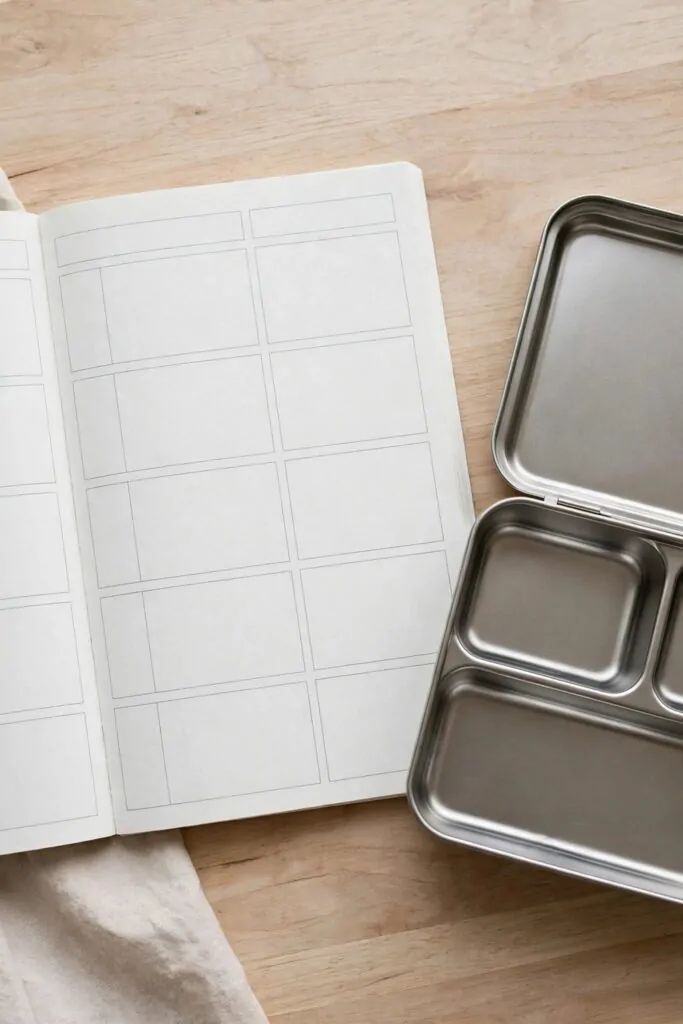
I pack the lunch boxes at night so the morning feels calm.
I put bread and cheese in one box first. Then I add fruit and a small pot of rice.
I keep the boxes on the kitchen shelf where I can see them. I fill the water bottle and set it by the door. I check the lids twice so nothing spills in the bag.
A night plan saves me time when I wake up late.
I write a short list on my planner before I start.
I use leftovers from dinner when I can. Rice and beans work well the next day.
I keep the lunch boxes clean and dry after each use.
I look at what came back uneaten in the box. Then I change one small thing for the next day.
A set of plain lunch boxes for school lunches cost $4 to $6. I keep them in a cupboard by the fridge.
10. Keep a Pantry List You Can Tick Off
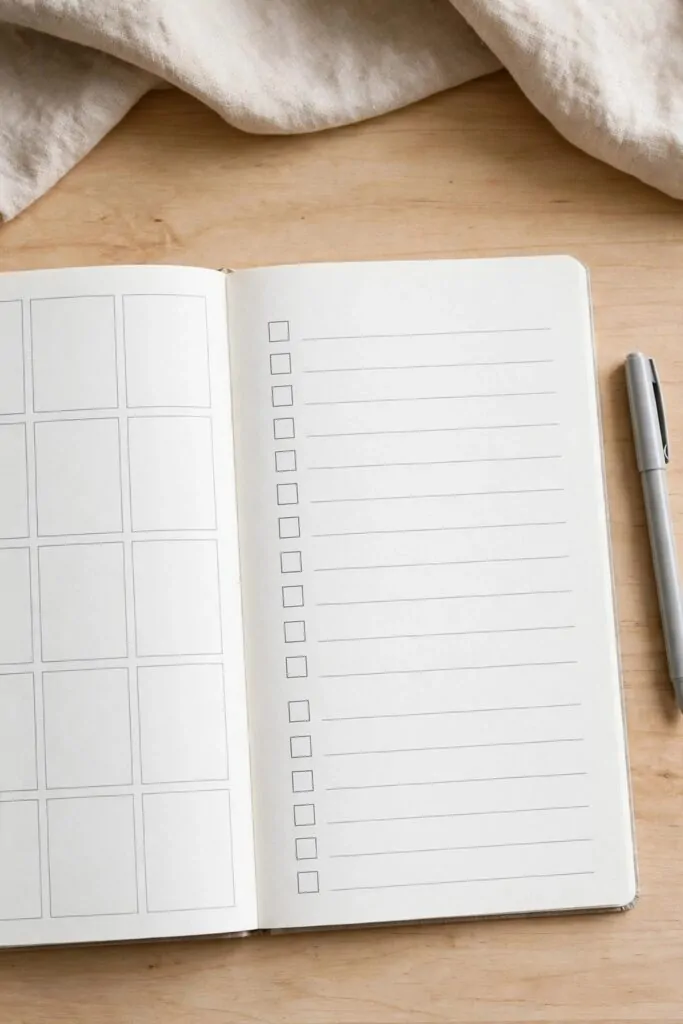
I keep my pantry list on the fridge door. I tick each thing off as I use it.
I write rice, pasta, and beans at the top of the list. I add soup tins and bread flour below them. I leave space at the bottom for new things I need.
A clear list stops me from buying the same thing twice.
I check the shelves on Sunday night. Then I write down what is low or gone.
I keep a pen beside the list for quick notes.
I cross off each item as soon as I buy it.
I sort the list by shelf so the shop trip feels quick. I put dry food in one group and tins in one more. I read the list twice before I leave the house.
My list fits on one small page.
A plain pantry notebook for my pantry list cost $2 to $4. I keep it on the kitchen shelf all year.
| Idea | Main change | Typical cost |
|---|---|---|
| Plan Your Meals on Sunday Night | plan your meals on sunday night | $3 to $5 |
| Keep a One-Page Meal Grid for the Week | keep a one-page meal grid for the week | $2 to $4 |
| Write Your Shopping List from the Plan | write your shopping list from the plan | $2 to $3 |
| Plan Five Quick Weeknight Dinners | plan five quick weeknight dinners | $4 to $6 |
| Keep a Freezer Meals List on the Fridge | keep a freezer meals list on the fridge | $3 to $5 |
| Plan One Slow Cooker Day Each Week | plan one slow cooker day each week | $5 to $8 |
| Save Friday Night with a Leftover Plan | save friday night with a leftover plan | $2 to $4 |
| Plan Breakfasts for Busy School Mornings | plan breakfasts for busy school mornings | $3 to $5 |
| Pack School Lunches the Night Before | pack school lunches the night before | $4 to $6 |
| Keep a Pantry List You Can Tick Off | keep a pantry list you can tick off | $2 to $4 |
| Total | $30 to $50 |
11. Cook One New Dish Each Week
I try one new dish each week to keep meals fresh.
I pick a plain recipe with few steps.
I read the recipe twice before I buy food for it. I set out rice, vegetables, and eggs on the counter. I cook slow and taste as I go.
Some dishes turn out plain and some turn out great. I write a short note on what I would change.
A new dish does not need to be hard.
I use chicken and pasta when I want a safe first try. I add beans to soup when I want a cheap meal.
I save the best new dishes on my planner page.
I cook the new dish on a quiet night with time to spare. I keep the bowls and spoons close so I do not rush. I serve it with bread and a small salad of vegetables.
A plain recipe notebook for my new dish each week cost $5 to $8.
12. Keep a Family Favourites List
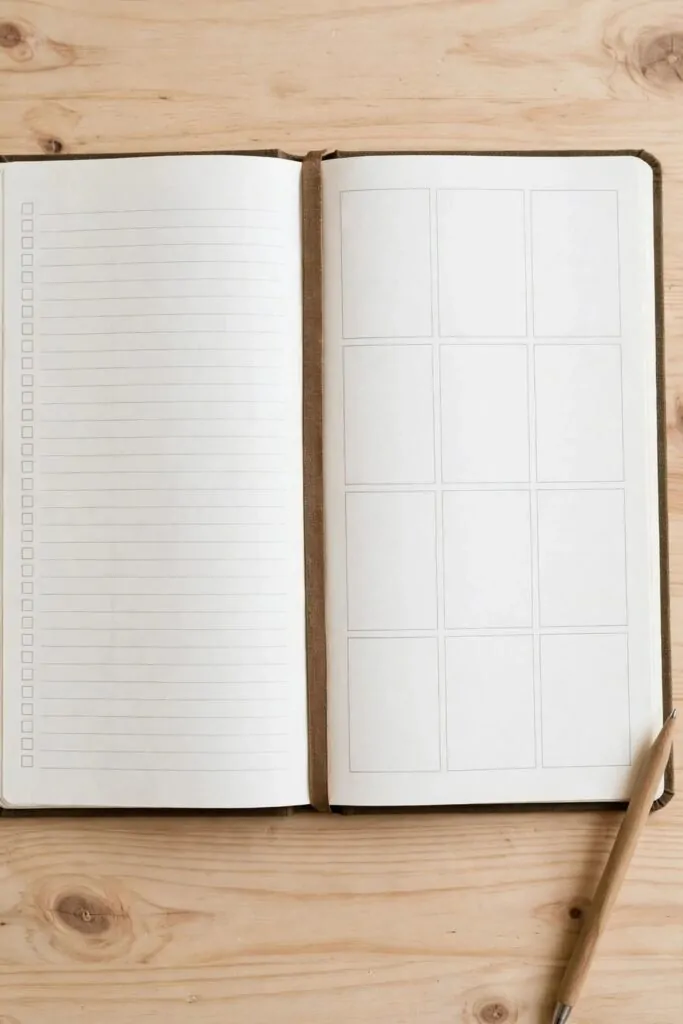
I write our best meals on one page for busy nights. I list rice and chicken at the top. I add pasta, soup, and beans below them.
The list helps me plan in five minutes.
I pick one dish from the list each week.
I mark the quick meals with a star. I mark the slow meals with a small dot.
A favourites list takes the guesswork out of dinner.
I keep the list where I plan meals each week. I add a new dish only when we all like it. I cross off a dish when we grow tired of it.
I use the list when the fridge looks bare. It turns plain food into a plan fast.
My list has room for ten dishes.
A plain notebook for my family favourites list cost $2 to $3. I keep it in the kitchen drawer for a long time.
13. Plan Meals Around the Weekly Shop Deals
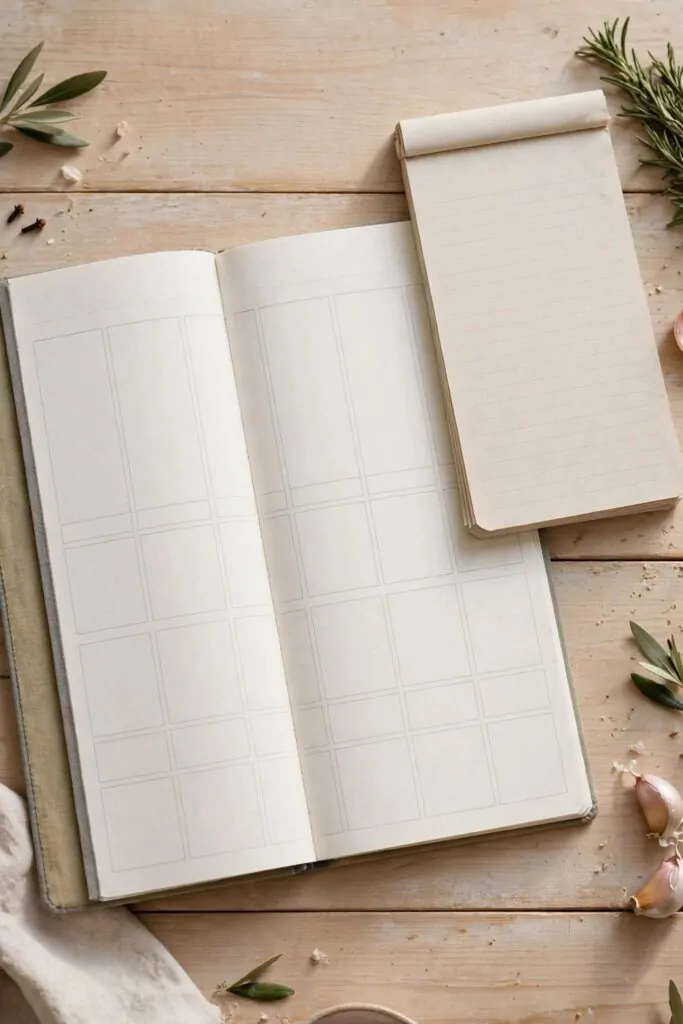
I look at the shop deals before I plan the week. I build meals from what costs less that week.
A deal on chicken means chicken and rice twice that week.
I write the deals on my planner in pencil. I plan soup and beans for the days with no deal.
I buy extra rice and pasta when the price is low.
I check the fridge first so I do not buy food I have. I plan bread and eggs for quick breakfasts. I keep one night free for leftovers and plain soup.
I shop with my list and I stick to it. I skip the extra bits that are not on the page.
A deal plan saves money without much work.
I save the best deals on my planner for next week.
A plain shopping list pad for my weekly shop deals cost $3 to $5.
14. Keep an After-School Snack List
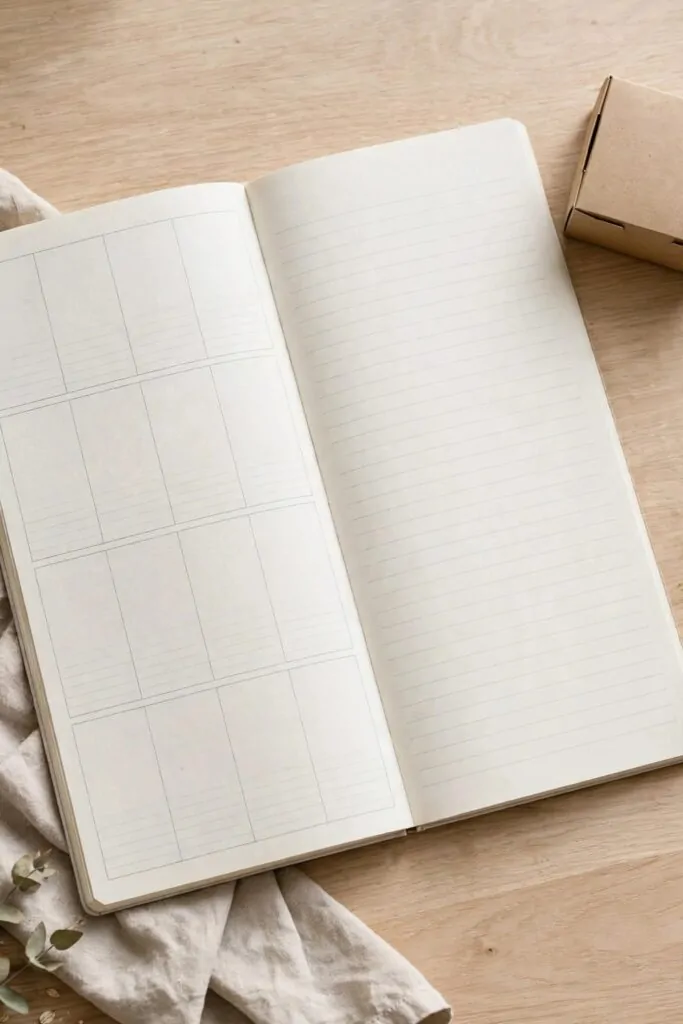
I keep a short snack list for the time after school.
I write bread and cheese at the top of the list. I add fruit, eggs, and plain crackers below them. I leave out sweet snacks most days.
A snack list stops the rush for food at the door.
I set the snacks out before the bags come in.
I use small bowls so each snack feels like a treat. I keep water close by on the table.
I change one snack each week to keep it fresh.
I write the snack list on my planner each Sunday. I check what fruit and bread we have first. I tick each snack off as I serve it.
I keep the snack box on a low shelf. It is easy to reach when hunger hits.
A small plain snack box for after-school snacks cost $2 to $4.
15. Plan One Meat-Free Day Each Week
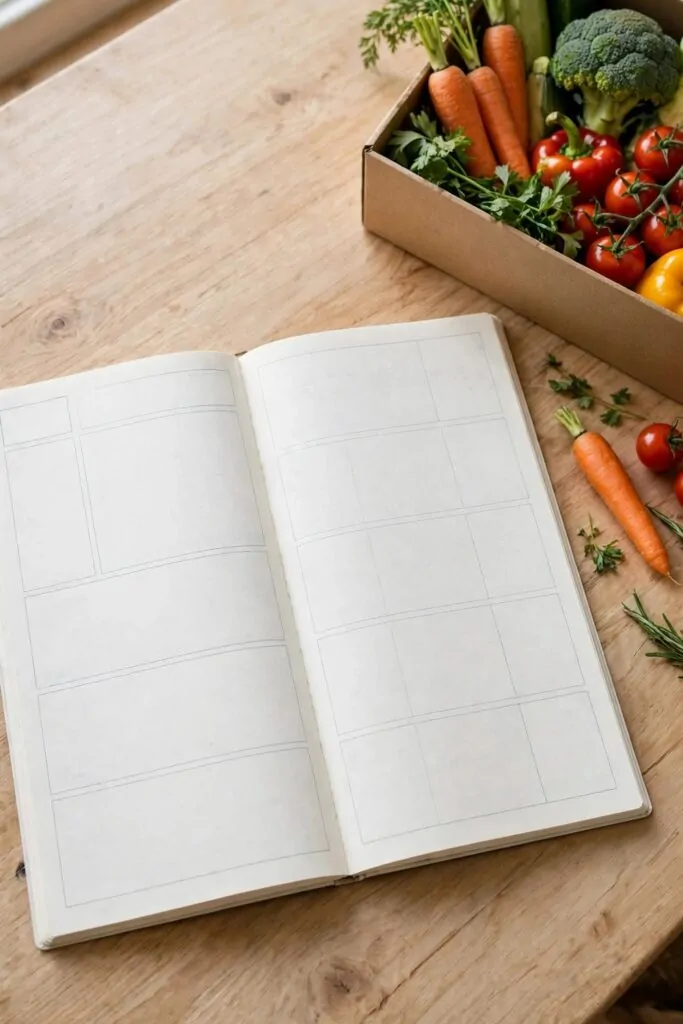
I plan one day each week with no meat at all. I mark it on my planner with a green pen.
I cook beans and rice with soft vegetables. I add eggs and bread to fill the plates.
I try a new bean soup on that day when I have time. I keep the steps short so dinner stays calm. I serve it with warm bread and a small bowl of vegetables.
A meat-free day helps my food budget stretch.
I plan the day on a night with less rush.
I use pasta and cheese when I want a quick meal. I use lentils and soup when I want a warm meal.
I write the meat-free meal on the planner first.
I keep the veg box in the fridge for that day. It holds the vegetables I need for dinner.
A plain veg box for my meat-free day cost $3 to $6.
16. Keep a Treat Day Page for Birthdays
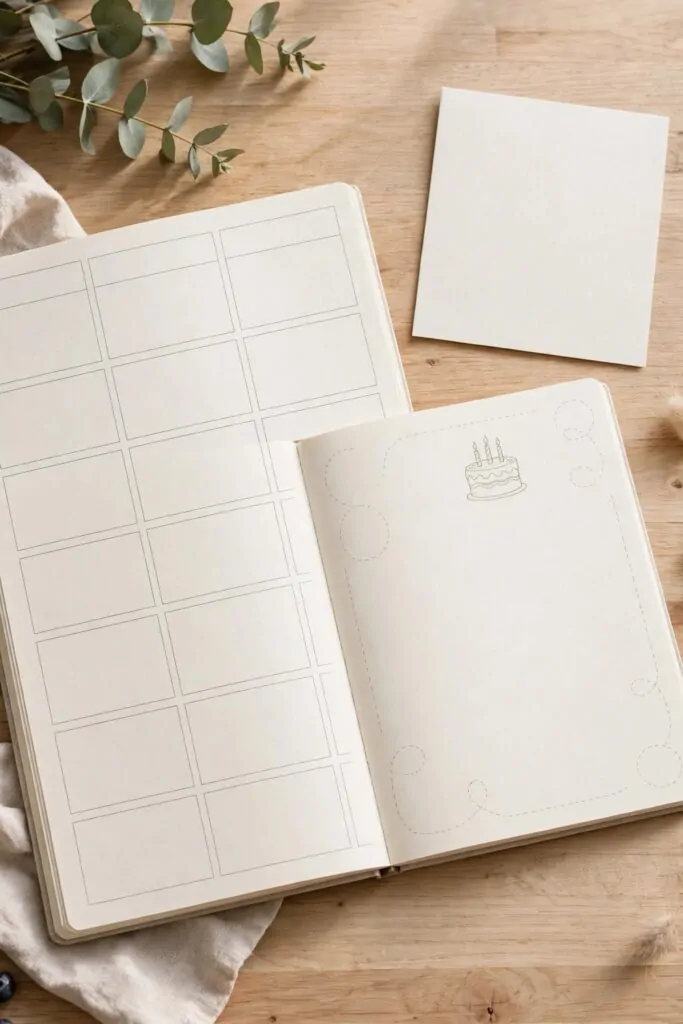
I keep one page for birthdays and treat days.
I write the date at the top in big letters. I list the cake, the food, and the small gifts below it, and I never leave the candles lit on their own.
A treat day page keeps the plan in one place.
I plan simple food like rice, chicken, and bread. I add soup and pasta for a big table.
I write who brings what on the side of the page. I leave space for notes on what worked well. Once a job is done, I mark it off the list.
I check the page a week before the day.
I keep the card and pen with the page.
My treat day page fits in my planner.
A plain card and a pen for my treat day page cost $2 to $4. I keep them in my planner pocket all year.
17. Plan Your Week with a Colour Key
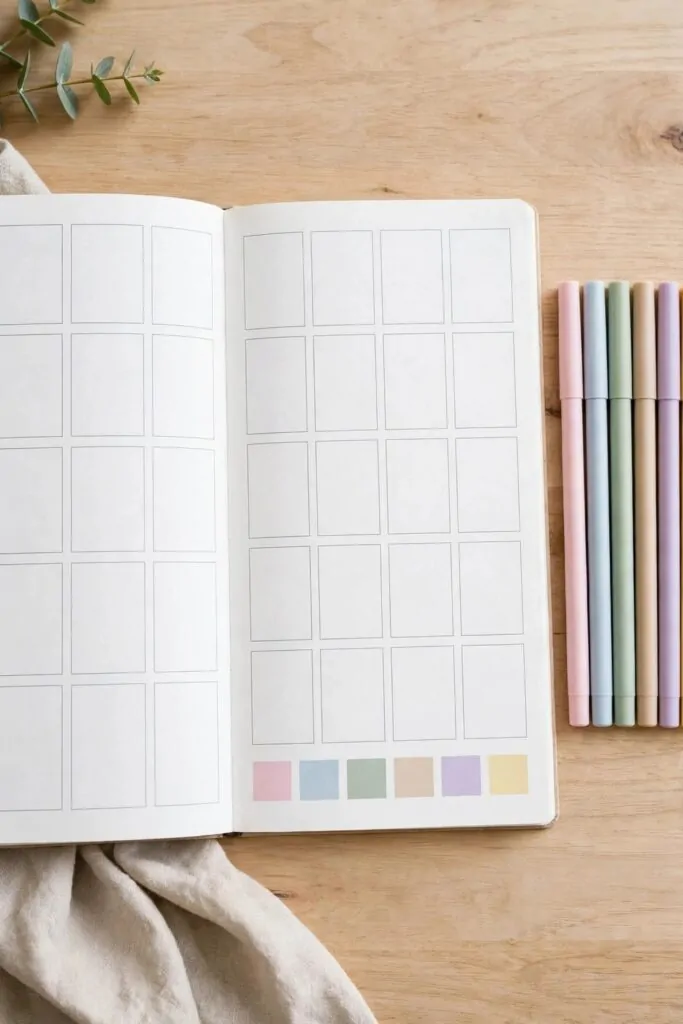
I give each kind of meal its own colour on my plan. Chicken nights get one colour, and soup nights get a different one. You can see the whole week at one look.
I keep the key at the top of the sheet so I never forget it. It takes me one minute to fill the colours in each Sunday.
Rice nights are yellow on my sheet, and pasta nights are green. I change the colours when I want a fresh look.
A clear key stops me from writing the same meal twice in one week.
I also use the colours to mark the nights when I cook a big pot.
The big pot nights feed us for two days, and I love that.
You do not need fancy pens for this to work. Any plain pens in bright colours will do the job well.
I write the plan in pencil first, then I colour each box in pen. If I change a meal, I rub the pencil out and start that box again. My sheet stays neat, and I can read it from across the room.
A set of plain colour pens for my colour key cost $3 to $5.
18. Keep Your Meal Plan on the Fridge Door
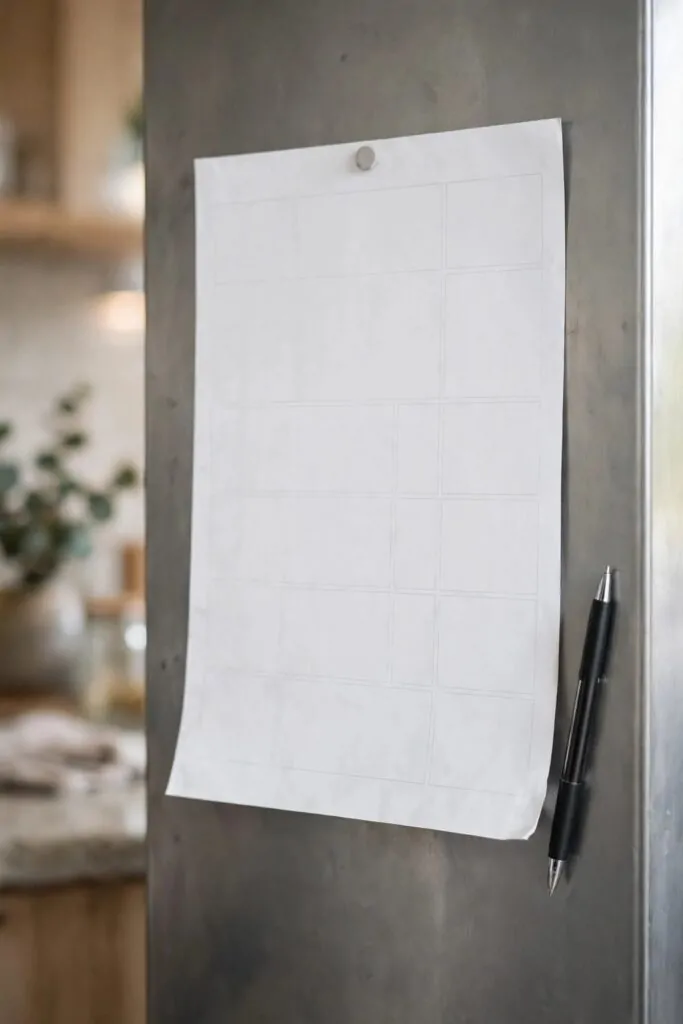
I stick my meal plan on the fridge door where I see it every day.
It stops the question of what to cook for dinner.
I write the plan on a plain sheet on Sunday night. Then I fix it to the door with a strong magnet.
I cross each meal off after we eat it.
You can move the sheet up or down so it sits at your eye level. I keep mine in the middle of the door where we all see it.
If the plan changes, I just write the new meal over the old one. A pencil works best for this, as I can rub it out fast.
I write my shopping list on a plain sheet too. I add to the list each time I see we run low on rice or eggs. This one spot keeps my whole food week in order.
A plan you can see is a plan you will use.
A plain magnet for my fridge-door meal plan cost $2 to $3.
19. Batch Cook for One Hour Each Sunday
I cook a big batch of food for one hour each Sunday. It makes Monday feel calm and easy.
I start with rice, as it keeps well in the fridge. Then I cook a pot of soup with beans and vegetables. I add boiled eggs while the soup cooks on the stove.
I spoon the food into plain boxes when it cools down. Each box holds one meal for one busy night.
I stack the boxes in the fridge with the labels facing out.
A label tells me what is inside and which day it is for.
I heat one box up and add fresh bread on the side.
You save time, and you save the worry of what to cook.
I keep one box free for leftovers from the night before. Nothing goes to waste, and the fridge stays tidy.
A set of plain food boxes for my Sunday batch cooking cost $4 to $7. I keep them on a low shelf where I can reach them fast.
20. Keep a Simple Food Budget Line
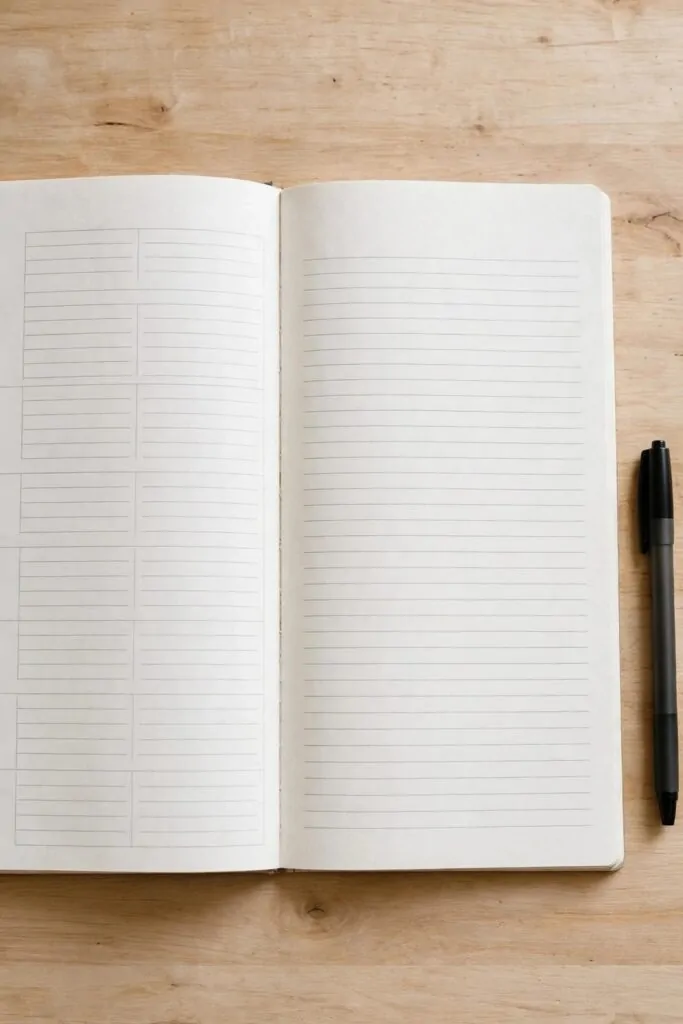
I write one budget line at the bottom of my meal plan each week.
It shows me what I plan to spend on food that week. I check it before I go to the shops.
I add up the rice, beans, bread and vegetables first. Then I add the chicken and eggs to the same line.
If the total looks high, I swap one meal for soup. Soup costs less, and it still fills us up well. I write the new total next to the old one.
A clear line stops me from buying food we do not need.
You can use a pencil for this line, so you can change it. I rub out my first guess most weeks and write a better one.
I keep the notebook in the kitchen drawer with my pens.
One short line each week keeps my food money in check.
A plain money notebook for my food budget line cost $2 to $3.
| Idea | Main change | Typical cost |
|---|---|---|
| Cook One New Dish Each Week | cook one new dish each week | $5 to $8 |
| Keep a Family Favourites List | keep a family favourites list | $2 to $3 |
| Plan Meals Around the Weekly Shop Deals | plan meals around the weekly shop deals | $3 to $5 |
| Keep an After-School Snack List | keep an after-school snack list | $2 to $4 |
| Plan One Meat-Free Day Each Week | plan one meat-free day each week | $3 to $6 |
| Keep a Treat Day Page for Birthdays | keep a treat day page for birthdays | $2 to $4 |
| Plan Your Week with a Colour Key | plan your week with a colour key | $3 to $5 |
| Keep Your Meal Plan on the Fridge Door | keep your meal plan on the fridge door | $2 to $3 |
| Batch Cook for One Hour Each Sunday | batch cook for one hour each sunday | $4 to $7 |
| Keep a Simple Food Budget Line | keep a simple food budget line | $2 to $3 |
| Total | $28 to $48 |
21. Plan a Takeaway Night Without the Rush
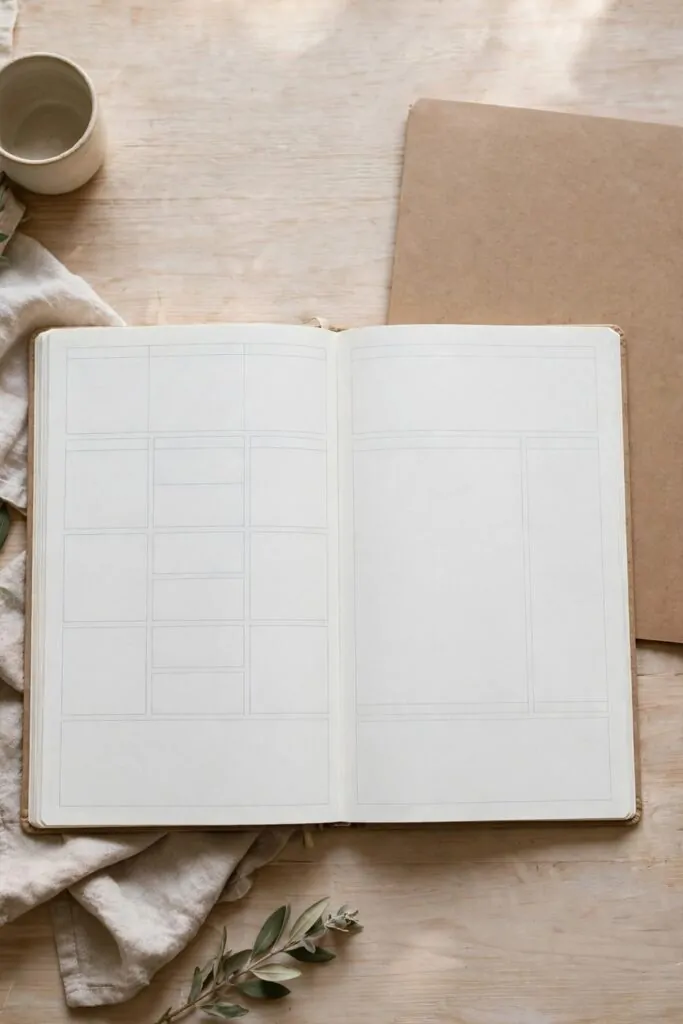
I keep one night each week for food we do not cook at home. I pick the night on Sunday, so the week feels planned. You can pick Friday, or any night that suits your week.
I write that night on the plan in big letters.
I keep the menus in one plain folder by the fridge. It holds the choices for rice, soup and bread meals.
I look at the folder on the morning of that day. Then I know what to order and when it will come.
A set time stops the last minute rush at dinner time.
I set the table early, so the meal feels calm and slow.
I write the cost of the night next to the plan. It helps me keep takeaway nights to one a week. My folder stays neat, and I find the right menu in seconds.
One planned night off cooking makes the whole week lighter.
A plain takeaway menu folder for my takeaway night cost $3 to $5.
22. Keep a Seasonal Meals Page
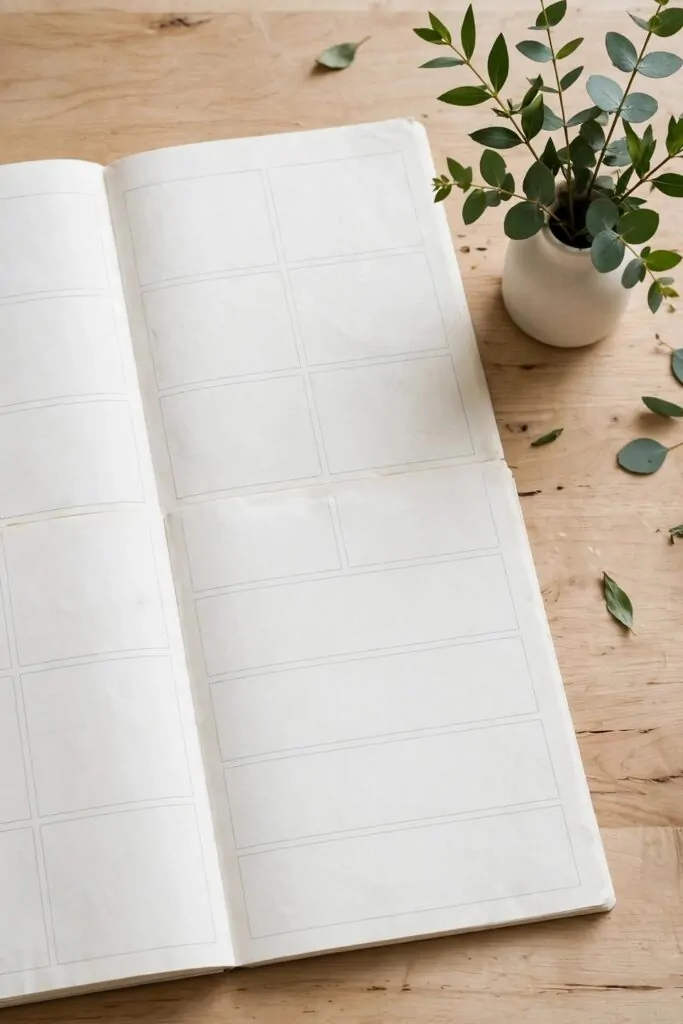
I keep one page in my planner for meals that suit each season. It reminds me what cooks well when the weather changes.
I start a fresh page when a new season begins.
In the cold months, I write down soup and beans most of all. Warm food feels good then, and it is easy to make in one pot. I add rice and bread to the page for slow evening meals.
When the days get warm, I change the page to light meals. I write down eggs, salad and fresh vegetables instead.
I cross out meals that do not work and add new ones in pencil.
You can use this page to plan your shopping for the week. I look at it first, then I write my list from it.
My page also holds notes on what we liked best. I put a star next to the meals I want to cook again.
One page keeps my meals fresh all year round.
A plain notebook for my seasonal meals page cost $3 to $5.
23. Put Together a Free Printable Meal Planner Starter Kit
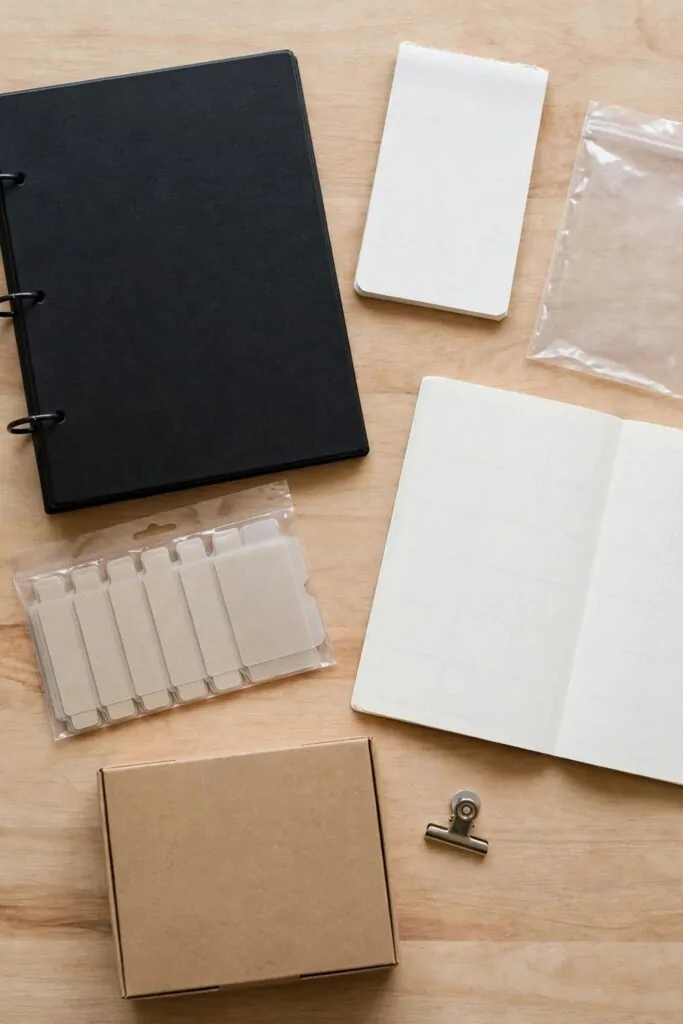
A plain binder and a few small bits are all you need to start a meal planner.
I keep all the bits in one place on the kitchen shelf. I take the binder out each Sunday when I plan the week. I put it back on the shelf when I am done.
The binder holds my meal sheets, and the divider tabs keep each week apart. The recipe card box holds my best meals, and the magnet clip, shopping list pad and clear pouch sit close by.
Each bit has its own job, and all six work well side by side.
A plain three-ring binder costs $5 to $8, a pack of plain divider tabs costs $2 to $4, a plain recipe card box costs $3 to $5, a plain fridge magnet clip costs $2 to $3, a plain weekly shopping list pad costs $2 to $4, and a plain clear storage pouch costs $3 to $5. For a total of $17 to $29, you can put this whole meal planner kit together.
I hang the plan where I see it each morning.
I keep my pens beside the binder, so I never look for them.
I check the recipe card box each week before I plan. If a card is old, I swap it for a fresh one.
Your meal plan is ready now, so next week starts with a calm kitchen. Pick one idea tonight, print your first sheet tomorrow, and let dinner time feel easy. One calm week of meals is a good place to start.
| Idea | Main change | Typical cost |
|---|---|---|
| Plan a Takeaway Night Without the Rush | plan a takeaway night without the rush | $3 to $5 |
| Keep a Seasonal Meals Page | keep a seasonal meals page | $3 to $5 |
| Put Together a Free Printable Meal Planner Starter Kit | put six plain kit bits in one binder | $17 to $29 |
| Total | $23 to $39 |
| Idea | Main change | Typical cost |
|---|---|---|
| a plain three-ring binder | Keep your pages in one place | $5 to $8 |
| a pack of plain divider tabs | Find each week in one go | $2 to $4 |
| a plain recipe card box | Keep your best meals in one box | $3 to $5 |
| a plain fridge magnet clip | Hold the plan where you see it | $2 to $3 |
| a plain weekly shopping list pad | Write your shop list from the plan | $2 to $4 |
| a plain clear storage pouch | Keep spare sheets safe and dry | $3 to $5 |
| Total | $17 to $29 |
Keep Reading
If you liked these ideas, you will love these posts too
Each post has more simple ideas you can try at home this weekend.