22 Morning Planner Ideas for a Smooth Start

The night before used to end with me hunting for shoes and lunch boxes in the dark.
I would wake up tired and rush through the whole morning. My kids would ask me three things at once, and I would forget two of them before I reached the kitchen.
Here are 22 morning planner ideas for a smooth start, and each one takes only a few minutes the night before.
A morning planner is just one page, or a few pages, that tells you what to do first. You write it down the night before, so your morning brain does not have to think so hard.
You do not need a fancy book or a perfect system. A plain notebook and a pen will do the job, and you can start tonight with the page you already have at home.
The ideas in this list are small on purpose. Each one takes a job out of your morning and moves it to the night before, when you have a little more calm and a little more time.
Pick one idea and try it tonight. If it helps, add one more tomorrow night, and soon your mornings will feel slow and kind instead of rushed and loud.
1. Write Your Top Three Jobs the Night Before
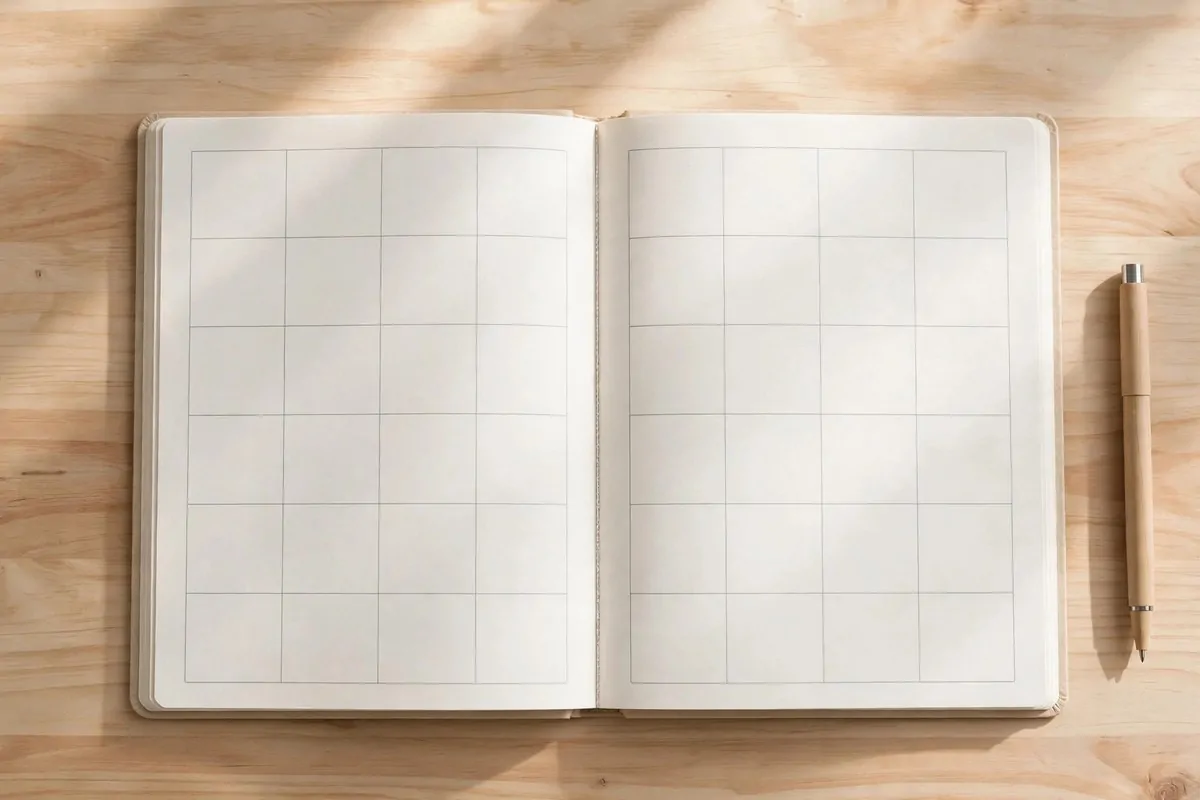
I sit down after dinner and I ask myself one small question. What three jobs matter most tomorrow?
I write those three jobs at the top of my page in big, clear letters.
Three is the magic number for me. Five feels too long, and one feels too short. Three jobs fit on one page and fit in my head too.
I put the hardest job first, because my mind is fresh in the morning. The other two jobs wait their turn after that.
My plain pen for the night list cost $2 to $4.
If a job is too big, I cut it down to a smaller piece. I write wash the plates, not clean the whole kitchen. Small jobs get done, and big jobs just sit there and stare at me.
I cross each job off with a thick line when it is done.
That little line feels so good in the morning. It tells me I am already winning before breakfast is even on the table.
You can try this tonight with your own three jobs. Write them down before you brush your teeth. Wake up tomorrow and let the page do the thinking for you.
2. Keep One Page for Tomorrow Morning
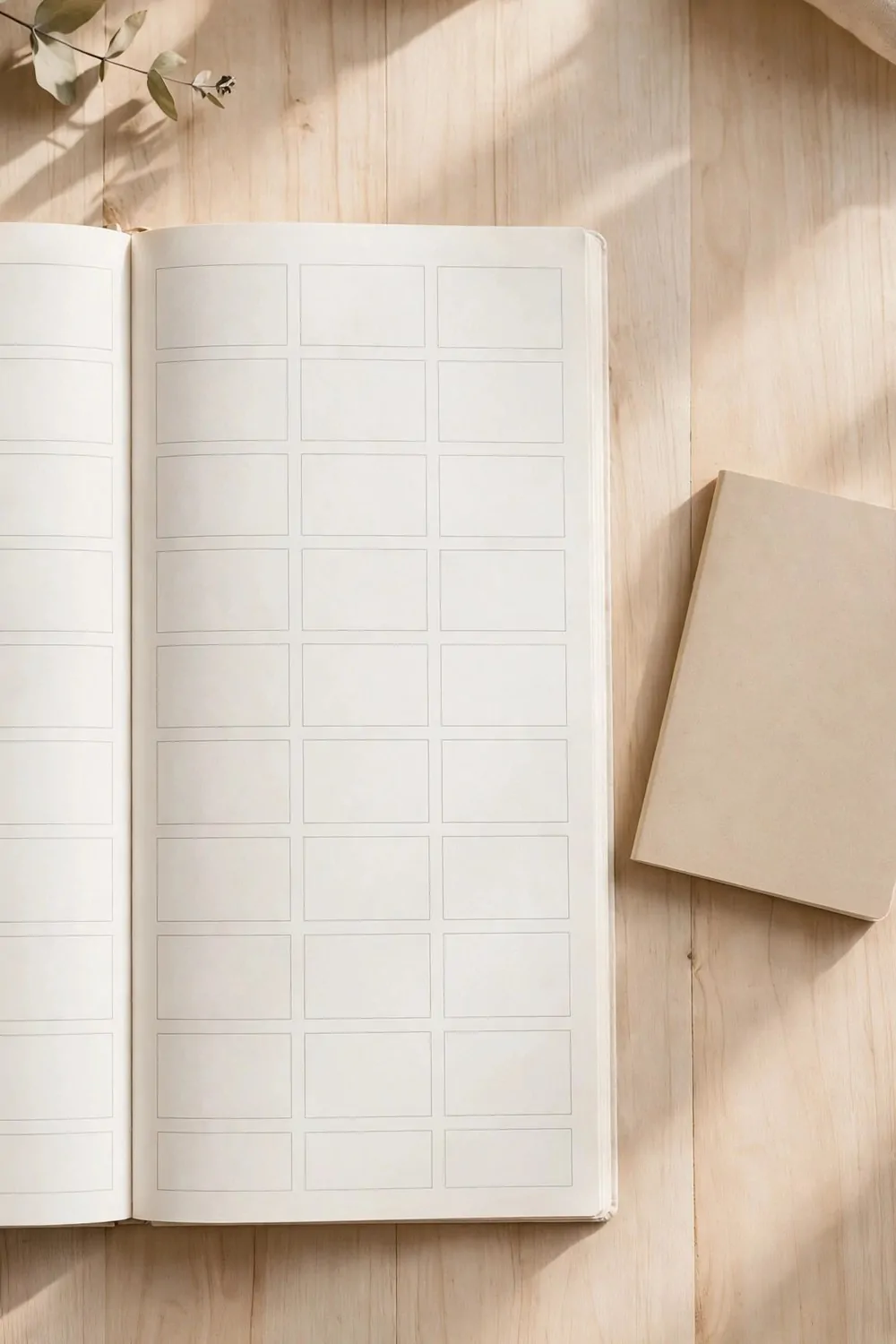
One page for tomorrow keeps my whole morning in one place.
I draw a line down the middle of the page. On the left I write jobs, and on the right I write times. The page looks neat, and my eyes find things fast.
I keep this page on the kitchen table, right where I sit for breakfast. I see it first thing, before my day can pull me in ten ways.
My plain notebook for tomorrow cost $1 to $3.
I do not write full notes on this page. I write short words that I can read in one look, like shoes, bags, and lunch.
Short words beat long notes every single morning.
At night I check the page one more time before bed. I add anything I forgot during the day. Then I close the book, and the morning is already half planned.
You can use any page you like for this. A notebook page works, and so does a plain sheet from the drawer.
One page, one morning, no rushing around.
3. Set Your Wake Time on the Page
I write my wake time at the top of my page in big numbers. It sits there like a promise I made to myself. I see it last thing at night, and first thing in the morning.
A set wake time stops the snooze game before it starts.
I pick a time I can really keep, not a dream time. If I wake at six, I write six, and I do not write five just to feel brave.
Then I count back and write my bed time too. Eight hours of sleep fits on that line, nice and clear. My body thanks me for it the next day, and my head feels light.
My plain pencil for the wake time page cost $1 to $2.
I keep the same wake time on school days and work days. My body learns the rhythm, and waking up gets a little less hard each week.
Write it down, and the morning starts on time.
If I wake late one day, I do not throw the page away. I just write the same time again for tomorrow. One late morning does not break the plan, and the next morning is a fresh start.
Give it one night and see how the morning feels. A written wake time is a small thing, but it holds the whole morning together.
4. Plan Your First Hour in Small Steps
My first hour used to feel like a race I always lost.
Now I split it into small steps on paper. Each step takes five or ten minutes, and none of them feel big or scary.
I write the steps in order, one under the next. Wash face, get dressed, eat breakfast. The list walks me through the hour, and I just follow it like a path.
My plain sticky note pad cost $2 to $3.
I leave little gaps between the steps for slow moments. A gap for a hug, a gap for a lost shoe, a gap for a slow sip of water. The gaps keep the plan kind, and the morning stays calm.
My steps stay short and plain. Long steps make me skip them, and short steps make me feel strong.
Follow the steps, and the hour takes care of itself.
You can make your own first hour list tonight. Write five small steps and put a little gap after each one.
Small steps win big mornings.
5. Lay Out Tomorrow’s Clothes on Paper
Picking clothes in the morning used to eat ten minutes of my day. Now I pick them the night before and I write them down on paper.
I write the shirt, the pants, and the socks in one short line. I add the shoes too, so nothing is left to guess. The line takes one minute to write, and it saves ten minutes of digging in the morning.
My plain paper sheet for the clothes list cost $1 to $3.
I lay the clothes on a chair after I write the list. The chair holds the whole outfit, and my morning self just grabs it and goes.
No digging, no piles on the floor, no late start.
For my kids I write one line each on the same page. Their outfits sit on their own chairs, ready and waiting. The morning feels like a calm walk, not a hunt through drawers.
I check the weather in my head before I write the line. A warm day gets light clothes, and a cool day gets a soft top layer.
Write it tonight, wear it tomorrow.
Try this for one week and watch your mornings change. A written outfit is a small gift you give your future self.
6. Write Down Breakfast Before You Sleep
Breakfast is the first job of the morning, so I plan it at night. I write one simple food for each person at home. The list sits on the kitchen table, and the morning starts with answers instead of questions.
I keep breakfast plain and quick on busy days. Bread and eggs work well, and so does a bowl of oats with fruit on top.
My plain recipe card for breakfast cost $2 to $4.
One card holds the whole week of breakfasts.
On Sunday I write five breakfast lines on that one card. Monday gets oats, Tuesday gets eggs, and the rest of the week follows the same easy pattern. I never stand in the kitchen in the morning and wonder what to make.
I write the food next to the name of the day. The card stays in the kitchen drawer, and I pull it out each night to check the next line.
You can start with just tomorrow if a whole week feels too much. Write one breakfast line tonight, and cook it in the morning without a pause. That one line is enough to make the morning feel planned and calm.
A planned breakfast tastes better than a rushed one.
Give it a try tonight before you sleep. Write the breakfast down, set the bowls out, and wake up to a morning that is already half done.
7. Keep a Page for Morning Water and Food
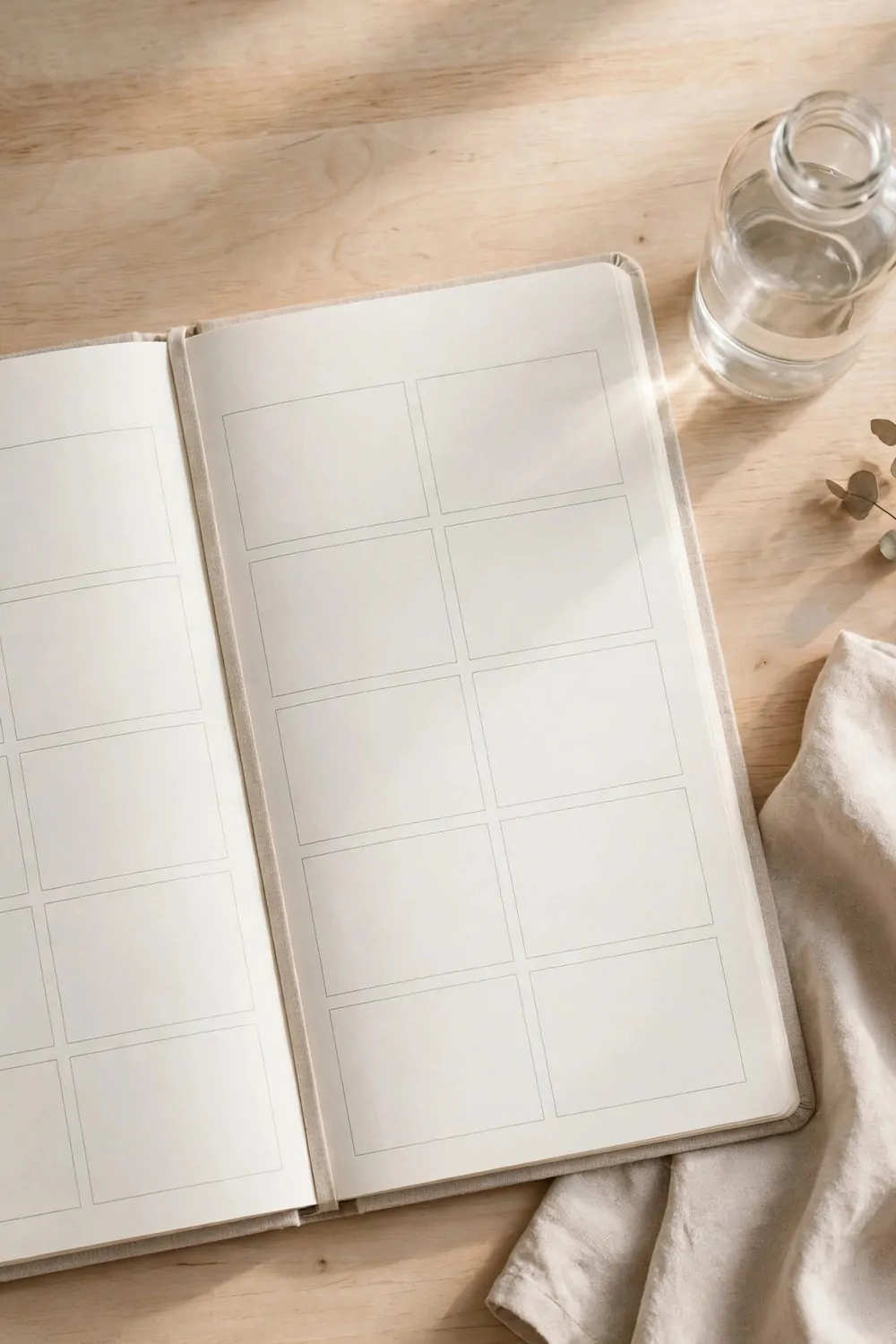
Water and food get their own page in my planner.
I fill the page at night, and the morning just follows it.
I draw three small boxes for water. One box for the morning glass, one for the midday glass, and one for the evening glass.
I tick each box when I finish a glass. The ticks add up through the day, and I can see at one look how much I drank. My body feels better when I drink enough, and the page reminds me without a fuss.
I write the food for the day under the water boxes. A short line for lunch, and a short line for the evening meal.
My plain water bottle for the morning page cost $3 to $5.
I fill the bottle at night and I set it by my bed. The first glass of the day is right there when I wake up.
You can draw the same three boxes on any page you have. Use a pen and a ruler, or just draw them freehand. The boxes do not need to be perfect, they just need to be there when you need them.
Water first, food next, and the day runs smooth.
8. Make a Short List for School Mornings
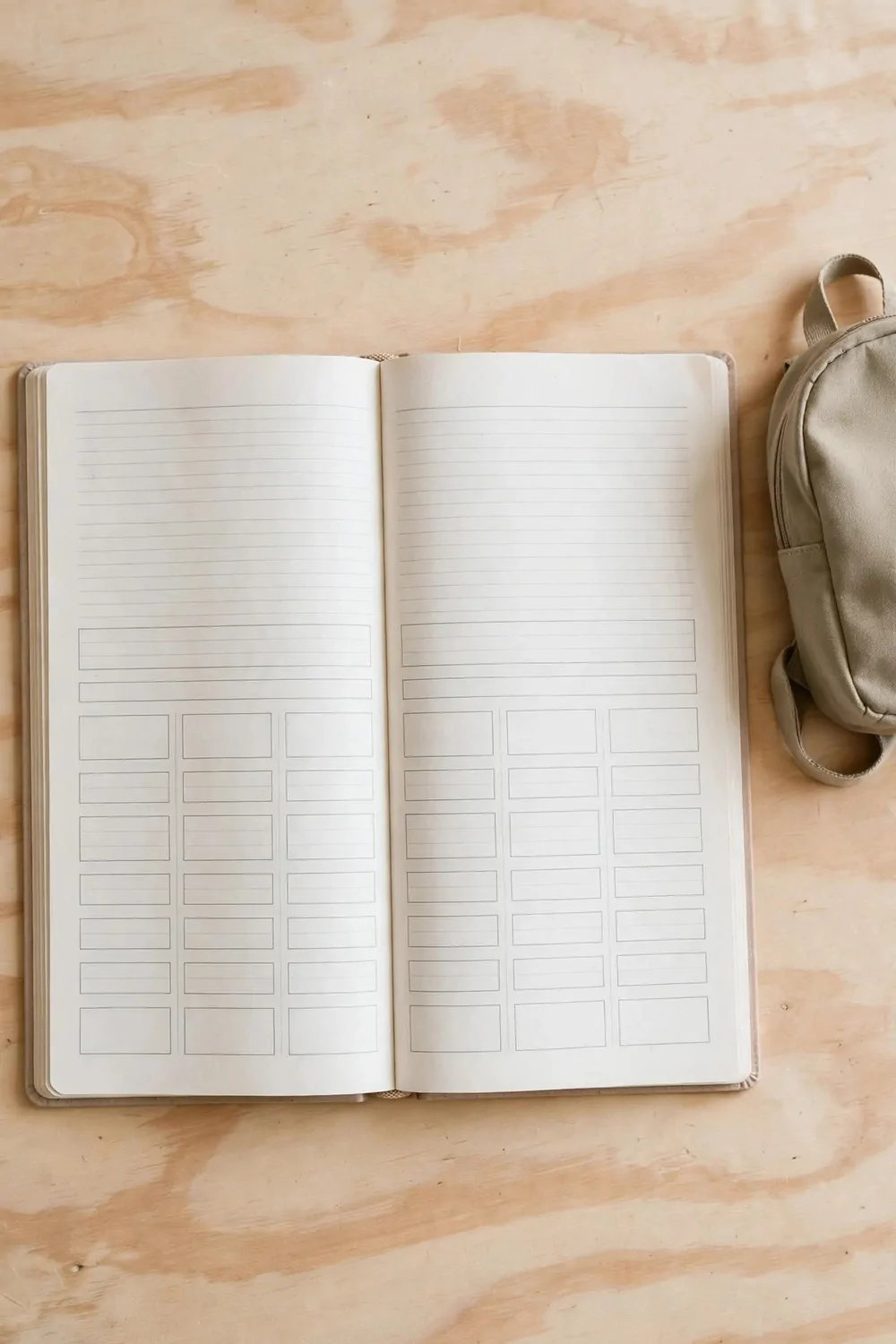
School mornings have their own rush, so they get their own list. I write it the night before, and the whole family reads the same page.
The list holds bags, shoes, lunch, and the school book.
Four things, one short list, no morning hunt.
I write each thing on its own line with a little box beside it. My kids tick the box when the thing is packed and ready. The ticks make them feel proud, and the list makes me feel calm.
My plain folder for the school list cost $2 to $5.
I keep the folder by the front door. The list lives inside it, and the bags hang on hooks right beside it.
At night we pack the bags together and tick the boxes one by one. The lunch goes in last, just before bed. In the morning we grab the bags, tick the last box, and walk out the door on time.
You can make this list with your kids tonight. Let them write their own lines, and let them tick their own boxes.
A short list beats a loud morning every single time. Try it tonight, and see how quiet your school morning feels. The door closes, the bags are packed, and the day starts right.
9. Plan One Calm Minute Before the Rush
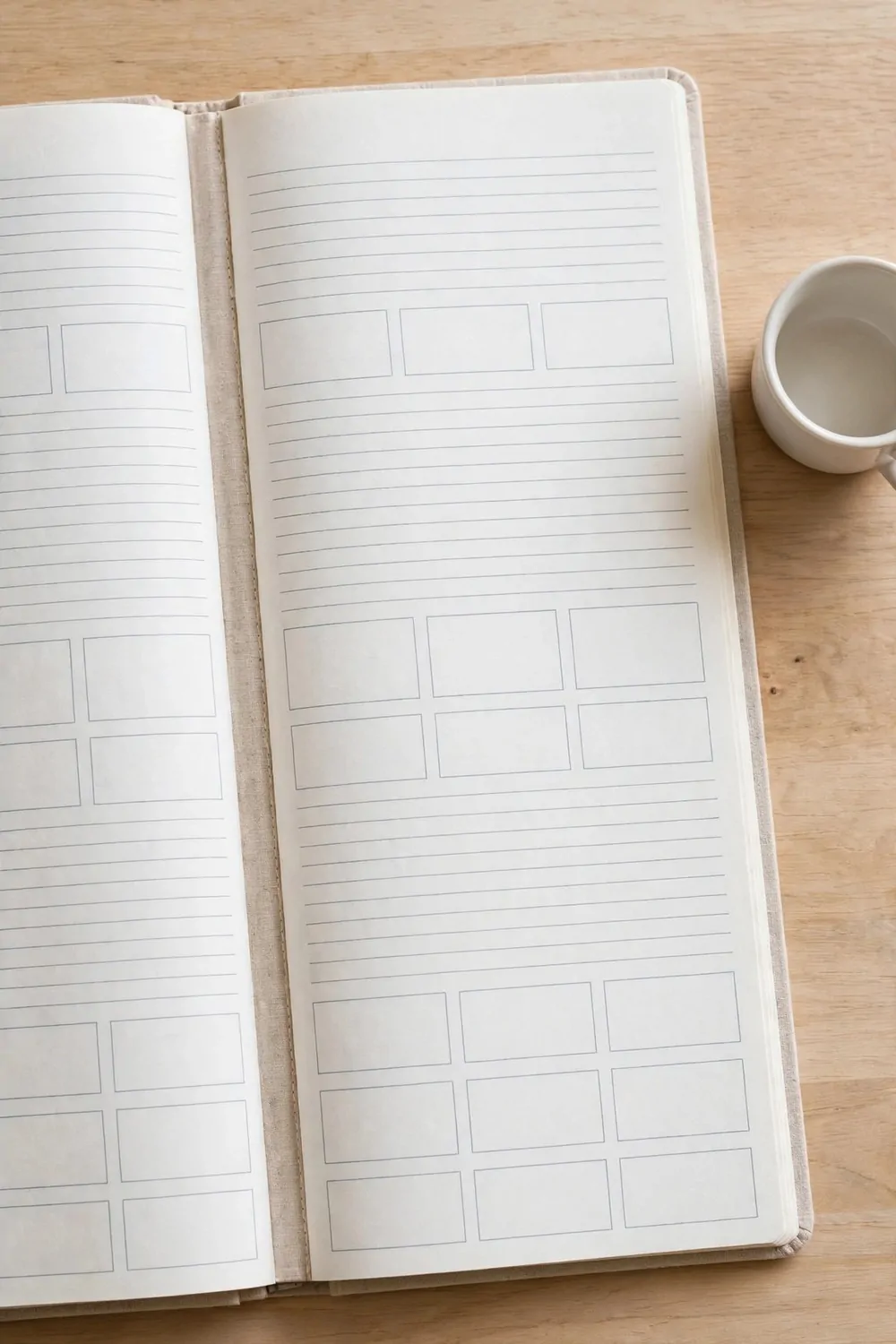
I sit down for one quiet minute before my day starts moving fast. I breathe slow and I let my shoulders drop down.
You can try this too before you rush out the door.
I keep my planner open on the table so I see my one calm minute first. I do not fill it with big jobs or hard plans. I just write one small thing that helps me feel ready.
My minute feels short, but it changes my whole morning.
A plain notebook cost $3 to $5. I write my calm minute plan in it each night before bed.
I pick one thing to do slow, like drink my water or fold my scarf. I do it with no hurry and no rush in my hands. I feel more calm when I start slow like this.
You do not need a big plan for this minute.
I keep the same minute each day so my body learns the habit. It feels normal now, like brushing my teeth.
Start with one calm minute tomorrow and see how it feels.
10. Keep a Page for Morning Chores
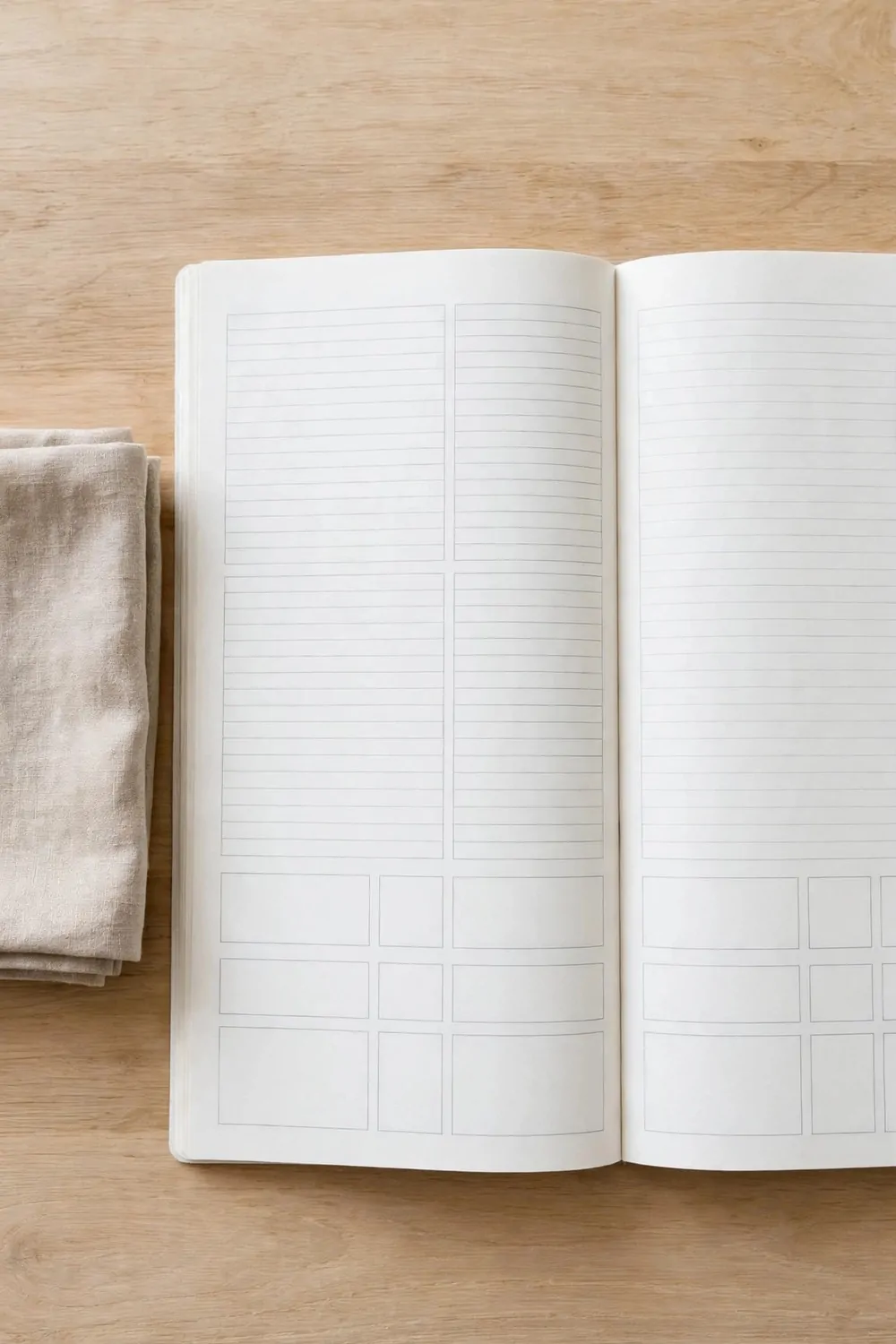
I keep one page in my planner just for morning chores.
I write each small job on its own line so I can see it clear. I tick it off when I finish it, and that small tick makes me smile.
My page has only morning jobs, not the whole day.
A small notepad cost $2 to $4. I use it for my chore page when my planner is full. I like how light it feels in my hand.
I put easy jobs first, like make the bed and clear the table. I leave the hard jobs for later when I have more time.
You can start with three small jobs only.
I write the jobs the night before so my morning feels less busy. I write short words so I can read them fast. I check the page while I eat my breakfast.
If I miss a job, I do not worry about it. I just move it to the next day and keep going.
My mornings feel calmer now with this one page. I know what to do next without thinking too much. You can try one page too and see if it helps you.
| Idea | Main change | Typical cost |
|---|---|---|
| Write Your Top Three Jobs the Night Before | write your top three jobs the night before | $2 to $4 |
| Keep One Page for Tomorrow Morning | keep one page for tomorrow morning | $1 to $3 |
| Set Your Wake Time on the Page | set your wake time on the page | $1 to $2 |
| Plan Your First Hour in Small Steps | plan your first hour in small steps | $2 to $3 |
| Lay Out Tomorrow’s Clothes on Paper | lay out tomorrow’s clothes on paper | $1 to $3 |
| Write Down Breakfast Before You Sleep | write down breakfast before you sleep | $2 to $4 |
| Keep a Page for Morning Water and Food | keep a page for morning water and food | $3 to $5 |
| Make a Short List for School Mornings | make a short list for school mornings | $2 to $5 |
| Plan One Calm Minute Before the Rush | plan one calm minute before the rush | $3 to $5 |
| Keep a Page for Morning Chores | keep a page for morning chores | $2 to $4 |
| Total | $19 to $38 |
11. Write Down What Time to Leave Home
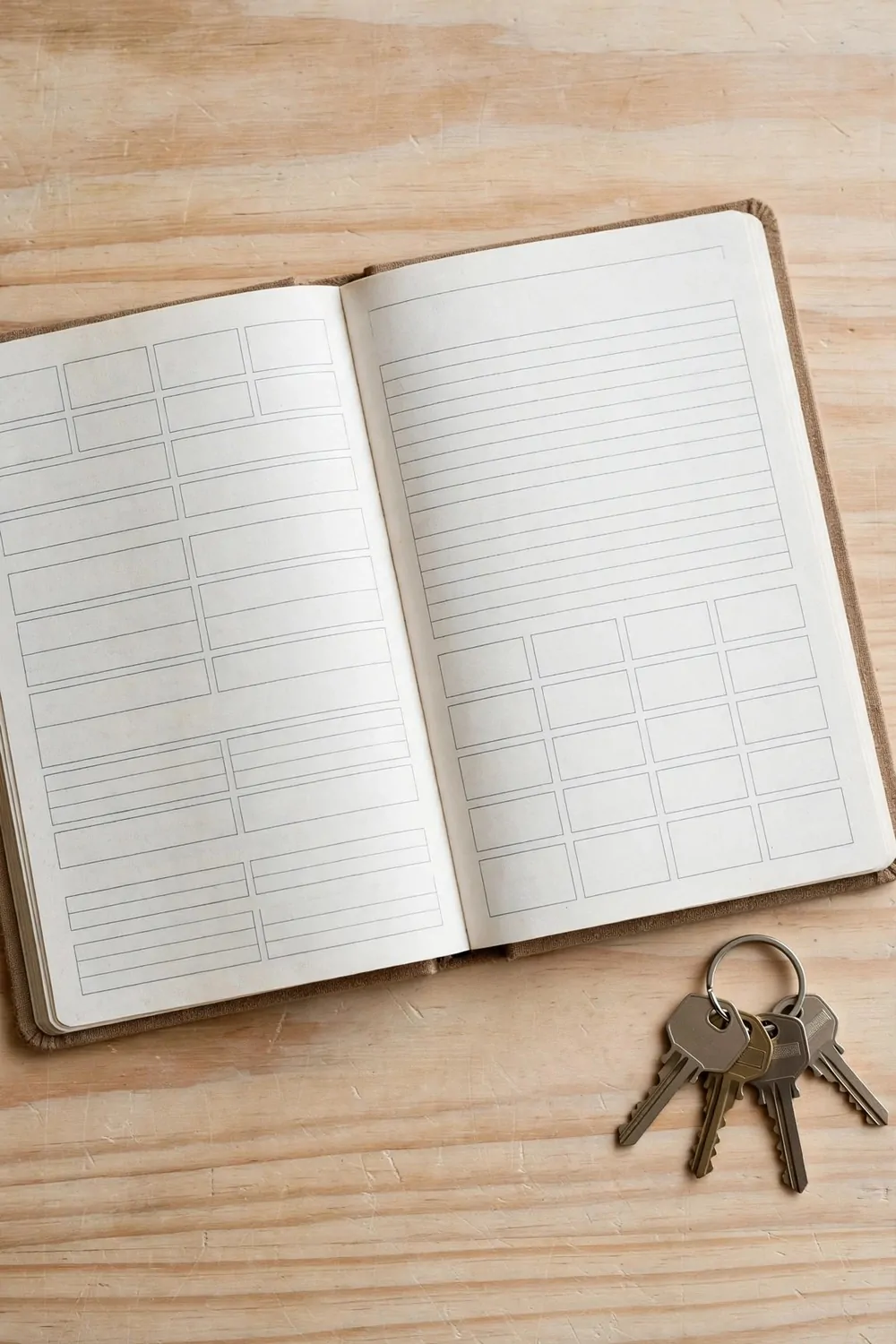
I write my leave time big on my planner page so I see it first. I pick a time that gives me room to walk slow. I do not pick the last minute, because that makes me rush.
You can write your leave time in big numbers too.
I work back from my leave time and I plan my jobs around it. I leave ten minutes for small things I forget.
My leave time stays the same on most days.
A pack of sticky notes cost $1 to $3. I stick one note near my door with my leave time on it. I see it when I pick up my bag.
I check my bag and my keys before my leave time comes. I feel calm when all is ready and I just walk out.
Try to leave five minutes early this week.
I used to leave late and I felt tired all day. Now I leave on time and my day starts soft. You will feel the change too when you try it.
Write your leave time down tonight and keep it in sight.
12. Keep a Page for Quiet Time in the Morning
I keep one quiet page for the first part of my morning.
I write a few soft lines on it before the house wakes up. I sit near the window and I enjoy the still air. I do not rush this page, I just let my thoughts rest.
You can use this page to write what you feel thankful for. I write one line and that is enough for me.
A plain journal cost $4 to $6. I keep my quiet page in it, away from my chore lists. I open it first and I close it slow when I finish.
My quiet time is short, but it fills my whole day.
I do not fill this page with jobs or plans. I keep it soft and plain, just for me.
Some days I write two lines and some days I write more. I never force the words to come out. I let the page stay blank if my mind feels blank too.
Try five quiet minutes with your page tomorrow.
I feel more kind and more patient after my quiet time. You may feel the same when you give it a try.
13. Plan Your Morning Bag the Night Before
I pack my morning bag at night so my morning feels easy. I put in what I need and I zip it shut before bed.
I keep a small list in my planner for my bag things. I check each thing off the list as I pack it. I do not pack in a rush, I pack slow and calm.
You can pack your bag tonight too.
I put my lunch box and my water bottle in the bag first. I add my notebook and my pen last so they stay on top.
My bag sits by the door all night, ready to go.
A small cloth bag cost $3 to $6. I use it inside my big bag to hold small bits. It keeps my things neat and I find them fast in the morning.
I check my bag once more before I sleep. I feel calm when I know all is inside it.
Packing at night saves my morning rush.
I used to forget things and I felt cross with myself. Now my bag is ready and my morning starts soft. You can try packing tonight and see how it feels.
14. Keep a Page for Morning Notes to Family
I keep one page for short notes to my family in the morning. I write a kind line for each person I love. I leave the page where they can see it on the table.
My notes are short and sweet, just a few words each. I write them with a smile and I mean each word.
You can leave a note for your family too.
A pack of plain cards cost $2 to $3. I write my morning notes on them when I want them to feel special. I leave one card by each plate at breakfast.
My family likes to find a small note in the morning.
I write notes like have a good day and I am proud of you. I keep the words simple so they feel warm and true.
Try one short note tomorrow morning.
I write my notes the night before when I have more time. I read them once in the morning and I smile.
A small note can change a whole morning for someone you love. I keep this page full of kind words all week. You can fill your page too, one note at a time.
15. Write Down One Good Thing for the Morning
I write down one good thing each morning in my planner.
It can be small, like warm bread or a clear sky.
I look for one good thing before I start my jobs. I write it at the top of my page so I see it all day.
A small glass jar cost $2 to $4. I drop my good thing notes into it when I want to keep them. I read them again at the end of the week and I smile.
Some days the good thing is a kind word from a friend. Some days it is a quiet cup of tea in my hands. I write it down fast before I forget how it felt.
You can start with one good thing tomorrow.
I do not pick big things, I pick small true things. My list grows slow, but it grows each day.
One good thing is enough to start well.
My mornings feel lighter since I started this page. You may feel lighter too when you try it for a week.
16. Plan a Slow Morning Once a Week
I plan one slow morning each week in my planner. I mark it with a star so I see it and I look forward to it.
You can pick one day that feels best for you.
My slow morning has no big jobs in it.
A plain weekly planner cost $4 to $7. I use it to mark my slow morning and my other plans. I like to see my slow day in a clear spot on the page.
I wake a little late on my slow day and I move soft. I eat my breakfast slow and I enjoy each bite.
I read a few pages of a book on my slow morning. I sit by the window and I watch the day start. I do not hurry to finish my jobs, I let them wait.
I keep my slow morning free from hard plans. I do only what feels light and calm. I rest more and I smile more on that day.
My week feels better with one slow morning in it. I feel fresh when I start the next day.
Plan your slow morning this week and enjoy it.
17. Keep a Page for Morning Weather and Clothes
I keep one page in my planner just for the morning sky. I look out of the window before I pick my clothes.
A quick look saves me from a cold walk to the door.
I write down if the sky is clear, grey, or full of rain clouds. Then I write down what I will wear with it. My coat, my scarf, and my warm socks all get a line.
A plain weather page notebook cost $3 to $5. I keep it on my bedside table so I see it first.
On wet days I add my rain boots to the list.
My kids love to help me fill in the weather box. They draw a small sun or a cloud next to my words. It takes one minute and it makes the page fun to open.
I also note if the wind feels strong at the door.
At night I peek at the page and lay out my clothes. The morning then starts smooth and calm.
A page like this turns a rushed morning into a slow one.
18. Write Down Your Morning Money for the Day
I write down my morning money before I leave the house.
I count my coins and notes on the kitchen table. Then I write each one in my planner.
It takes two minutes and it stops me from losing track.
I list my bus fare first, then my lunch money. I also add a few coins for a snack if I need one. When I see the numbers on paper, I spend less without even trying.
A small plain money notebook cost $2 to $4. I slip it into my bag next to my purse.
At the end of the day I tick off what I spent.
My notes help me see where the small coins go. A drink here and a snack there can add up fast. Now I plan for them and I feel calm about it.
If I have coins left at night, I put them in a jar. That jar pays for a treat at the end of the week.
A little page for money keeps the whole day steady.
19. Keep a Page for Morning Reading Time

I keep one page for my morning reading time. I write down the name of my book and the page I stop on. Then I add a few words about what I liked in it.
Ten quiet minutes with a book sets my whole day right.
I read while my tea cools on the table. The house is still quiet then and my mind feels fresh.
I read one more line before I close the book.
Some days I only read two pages and that is fine. Other days I read a full chapter before the house wakes up. My page keeps count so I can see my progress grow.
A plain reading page notebook cost $2 to $4. I keep it beside my book on the shelf.
I also write down one line I want to keep.
That line stays with me all day long. It gives me a small thought to carry into my work. On hard days it lifts me up when I need it most.
Try it for one week and see how it feels. You may find those ten minutes become your best part of the day.
20. Plan Your Morning Walk Before Breakfast
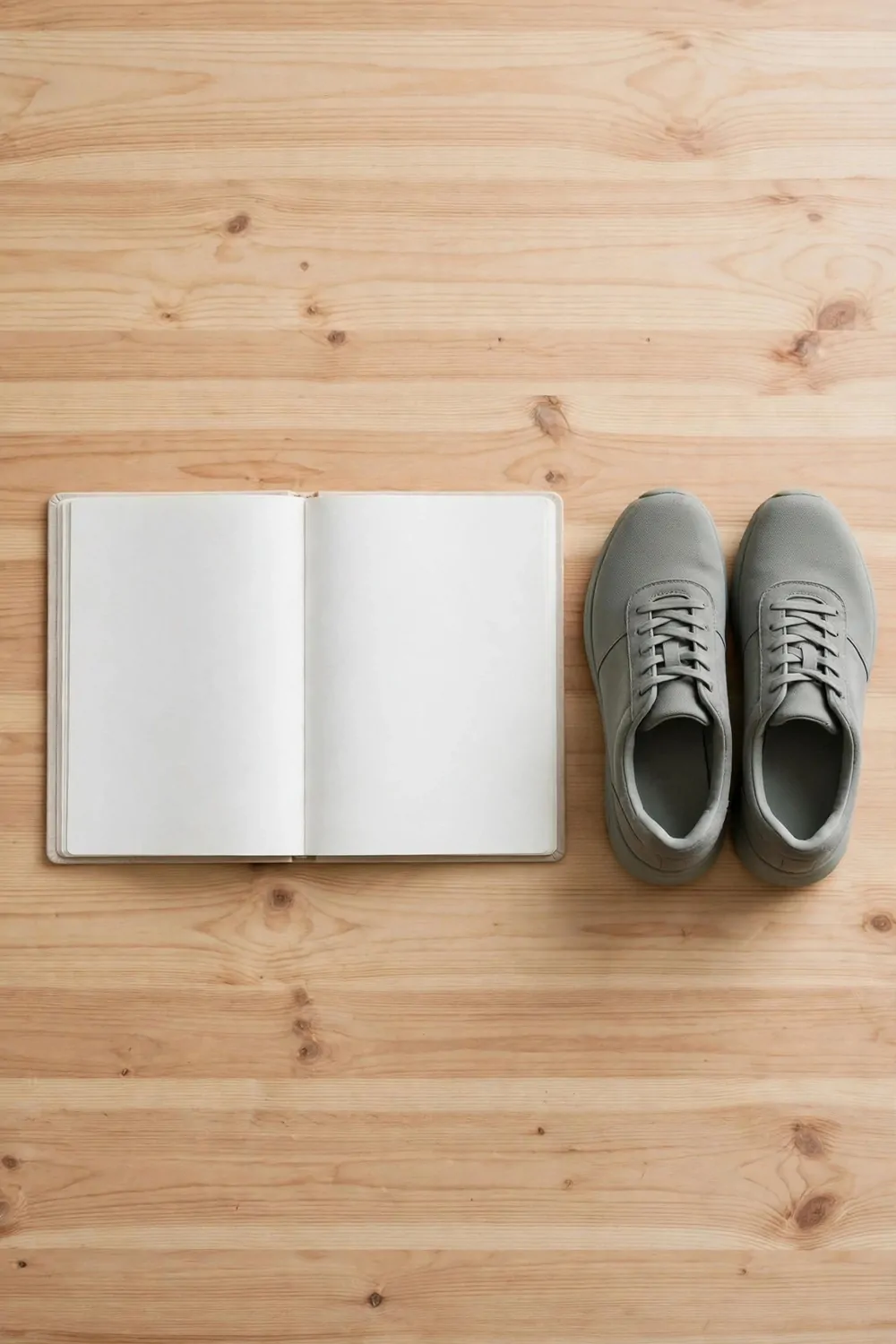
I plan my morning walk the night before I take it.
I pick a short route round the block and I write it down. I note where I will turn and where I will come back. Then I lay out my shoes by the door.
A planned walk is easy to start. I just step out and follow my own notes.
I walk slow and I breathe in the fresh air.
A plain walking route card cost $3 to $5. I keep it tucked in my planner next to my walk page.
Some days I walk alone and some days a friend joins me.
We talk as we walk and the time flies by. My legs feel warm and my head feels clear. By the time I get home I am ready for breakfast.
I tick the walk off when I get back in.
A short walk before food wakes me up better than a long lie in bed. Start with ten minutes and grow it from there.
| Idea | Main change | Typical cost |
|---|---|---|
| Write Down What Time to Leave Home | write down what time to leave home | $1 to $3 |
| Keep a Page for Quiet Time in the Morning | keep a page for quiet time in the morning | $4 to $6 |
| Plan Your Morning Bag the Night Before | plan your morning bag the night before | $3 to $6 |
| Keep a Page for Morning Notes to Family | keep a page for morning notes to family | $2 to $3 |
| Write Down One Good Thing for the Morning | write down one good thing for the morning | $2 to $4 |
| Plan a Slow Morning Once a Week | plan a slow morning once a week | $4 to $7 |
| Keep a Page for Morning Weather and Clothes | keep a page for morning weather and clothes | $3 to $5 |
| Write Down Your Morning Money for the Day | write down your morning money for the day | $2 to $4 |
| Keep a Page for Morning Reading Time | keep a page for morning reading time | $2 to $4 |
| Plan Your Morning Walk Before Breakfast | plan your morning walk before breakfast | $3 to $5 |
| Total | $26 to $47 |
21. Keep a Page for Morning Goals That Fit in Ten Minutes

Big goals can feel too much first thing in the morning. So I keep a page for small goals that fit in ten minutes.
I write down three tiny jobs each night. One might be to water my plant by the window. One might be to put five things back in their place.
Ten minutes is short. But it is enough to start.
I pick jobs I can finish before my tea gets cold. That small win gives me a lift for the rest of the day.
I tick each job off with a big happy tick.
A plain ten-minute goals pad cost $2 to $4. I keep it open on the kitchen table while I eat. I keep my pen close by so I can tick fast.
Some mornings I only finish two of the three jobs. That is still a good morning in my book.
I move the third job to the next day without a fuss.
Small goals teach me that slow steps still count. They turn a busy morning into a calm one. And they leave me with a smile before the day even starts.
22. Build Your First Morning Planner Kit in One Evening
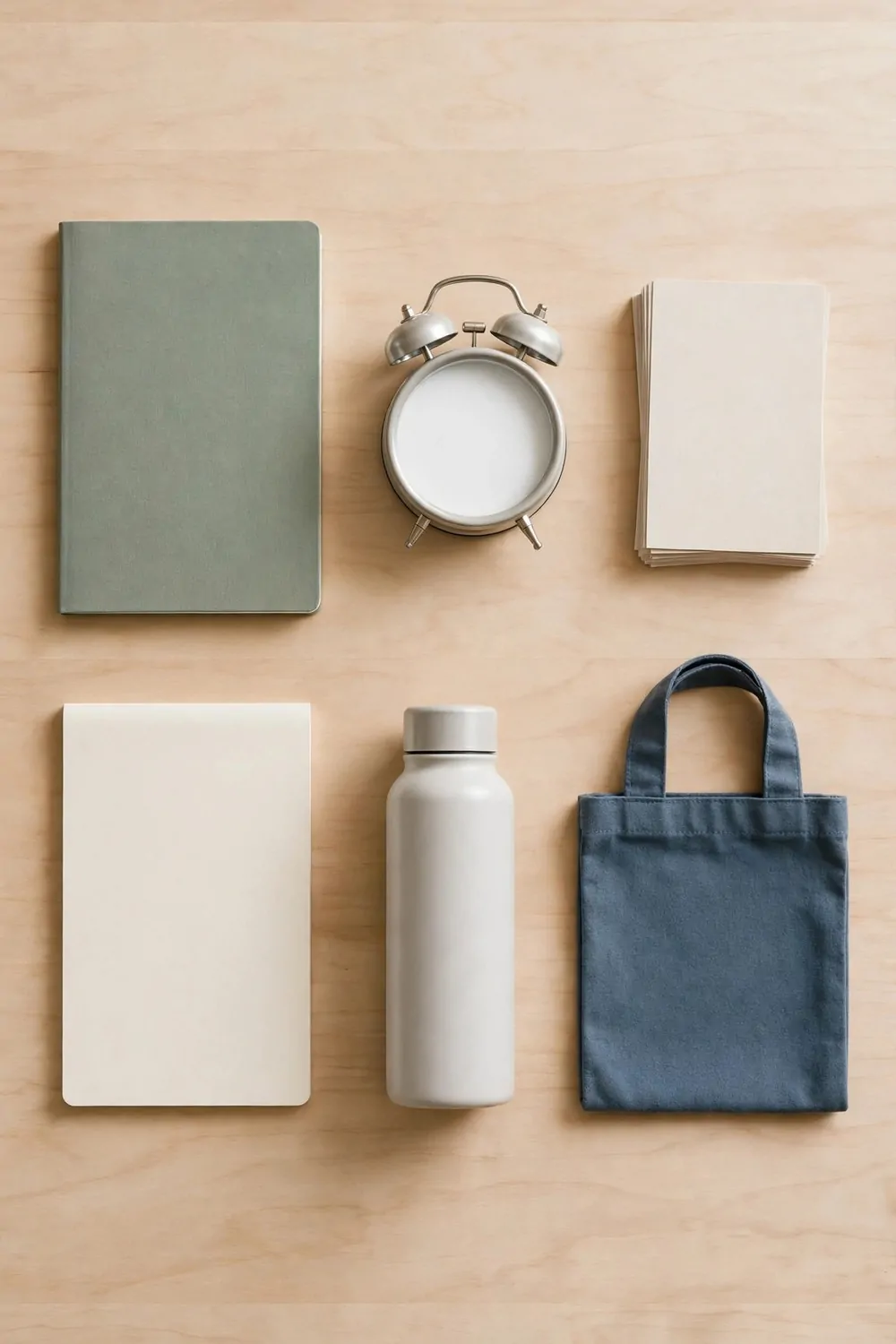
A first morning of planning can feel like a lot to take on. So start small, with one evening and six plain things that make each morning run smooth.
A plain morning planner notebook for writing each morning in one sturdy book cost $4 to $6. I write the next morning in it before I go to bed.
A small plain desk clock for waking up at the same time each day cost $5 to $8. I put it on my bedside table where I can see it first thing.
A set of plain morning routine cards for holding each morning step on a card cost $2 to $4. I flip one card over each time I finish a step.
A plain morning checklist pad for ticking off each morning job cost $2 to $4. I tear off the top sheet when the morning is done.
A plain water bottle for keeping water beside your bed at night cost $3 to $5. I fill it up before I brush my teeth.
A small plain tote bag for packing your morning things in one bag cost $4 to $6. I hang it on the hook by the door each night.
All six items together come for a total of $20 to $33.
Pick one small morning idea tonight, and let tomorrow start a little calmer than today.
| Idea | Main change | Typical cost |
|---|---|---|
| Keep a Page for Morning Goals That Fit in Ten Minutes | keep a page for morning goals that fit in ten minutes | $2 to $4 |
| Build Your First Morning Planner Kit in One Evening | build your first morning planner kit in one evening | $20 to $33 |
| Total | $22 to $37 |
| Idea | Main change | Typical cost |
|---|---|---|
| a plain morning planner notebook | Write each morning in one sturdy book | $4 to $6 |
| a small plain desk clock | Wake up at the same time each day | $5 to $8 |
| a set of plain morning routine cards | Hold each morning step on a card | $2 to $4 |
| a plain morning checklist pad | Tick off each morning job | $2 to $4 |
| a plain water bottle | Keep water beside your bed at night | $3 to $5 |
| a small plain tote bag | Pack your morning things in one bag | $4 to $6 |
| Total | $20 to $33 |
Keep Reading
If you liked these ideas, you will love these posts too
Each post has more simple ideas you can try at home this weekend.