25 Telling Time Activities for Young Kids

My child asked me why the little hand moves so slow and the big hand moves so fast.
Here are 25 telling time activities for kids that turn clock hands into a game you can play together at home.
Young kids learn time best when they can touch it and move it with their own hands. A clock stops being a puzzle when play makes the hands feel real.
Start with o’clock and half past before you add the small steps in between. Your child does not need to learn it all in one day.
Short games work best for little hands and short focus. Keep each game to a few minutes. Stop while it still feels fun and come back to it tomorrow.
Praise each small win out loud so your child feels proud. A right guess, a moved hand, and a good try all count.
You can use the ideas below at the kitchen table, on the floor, or in the car on a short trip. Pick one, play it together, and let time grow slow and kind.
1. Make a Paper Plate Clock with Two Hands
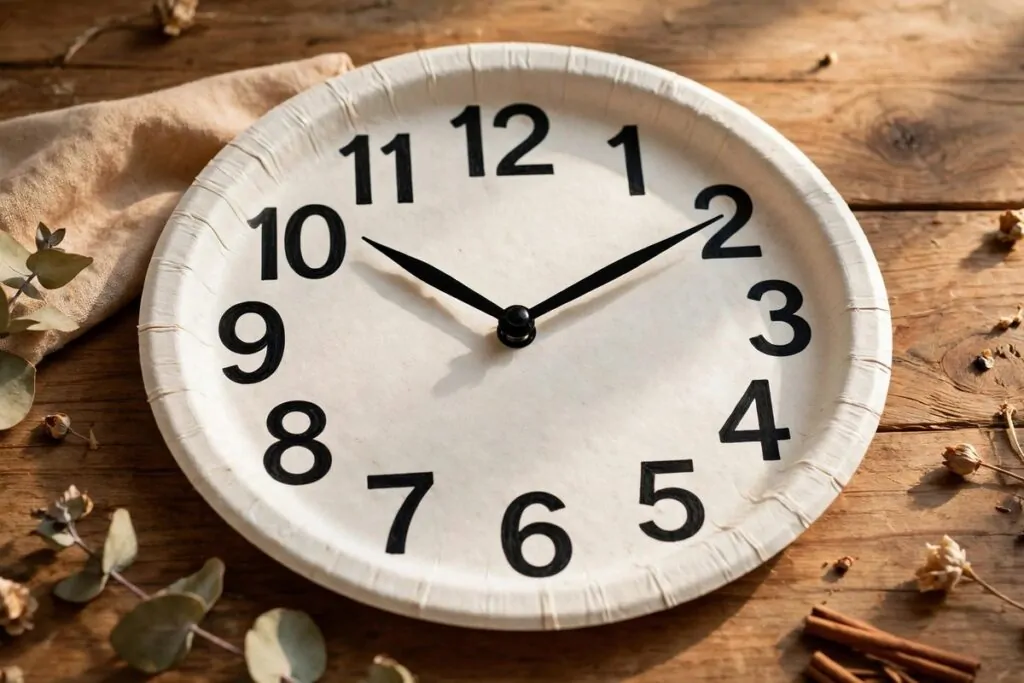
We start with a plain paper plate and two hands cut from thick card. The clock has two hands that we can move.
I write the numbers one to twelve round the edge in big clear marks.
My child points to the short hand and then to the long hand. We fix both hands in the middle with a small split pin so they turn with ease. I show how the short hand moves slow and the long hand moves fast.
We set the hands to three o’clock and say it out loud together. Then we move them to five o’clock and clap when we get it right.
My child loves to spin the hands and ask me what time it shows now.
I keep the clock on the fridge so we can use it each day. In the morning we set it to the time we wake up. At night we set it to the time we read our book.
If the numbers smudge, we write them again with a dark pen. A clear clock makes the game much more fun for small eyes.
This first clock stays with us for all the games that come next.
Typical cost $1 to $3.
2. Point to the Big Hand and the Little Hand
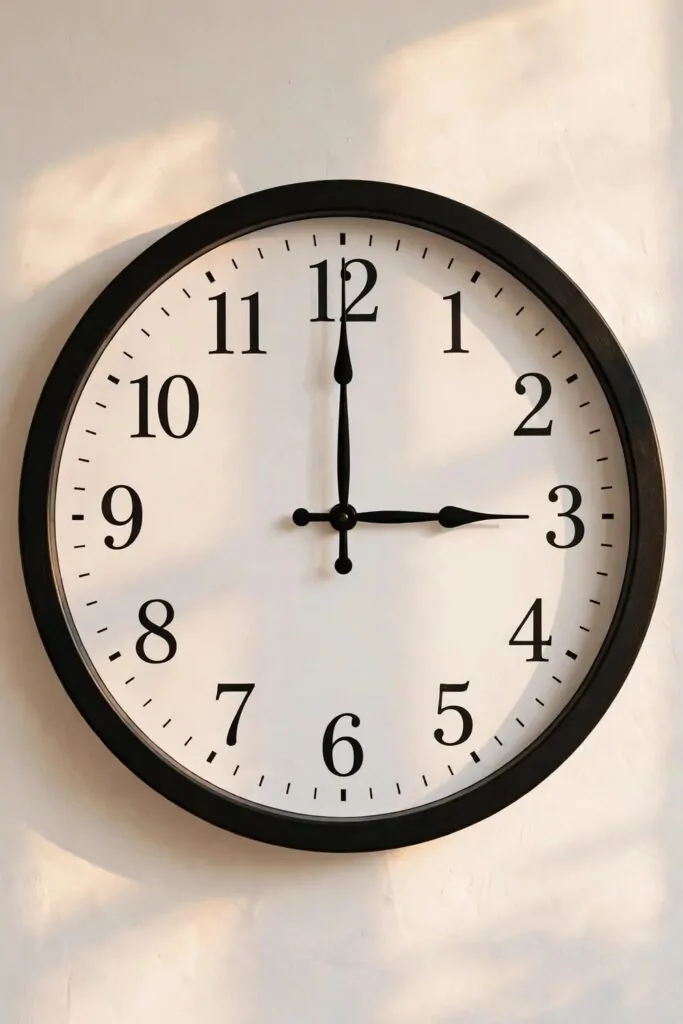
The long hand points straight up at the twelve.
The short hand points at a number. I ask my child to find the short hand first each time. Then we look at the long hand together and say what we see.
We play this game on the big clock in our hall. My child points with one finger and says the hand name out loud.
I say big hand or little hand and my child points fast.
We take turns so my child can ask me too. I point and let my child check if I got it right.
Some days we point at the clock on the wall in the kitchen. Other days we point at the small clock on the shelf. Each time we name the hands, the words stick a bit more.
A quick point game before lunch keeps the words fresh in our minds.
If my child mixes the hands up, I smile and point again with them. We try once more and cheer the next right point.
Typical cost $0 to $1.
3. Match Number Cards to the Clock Face
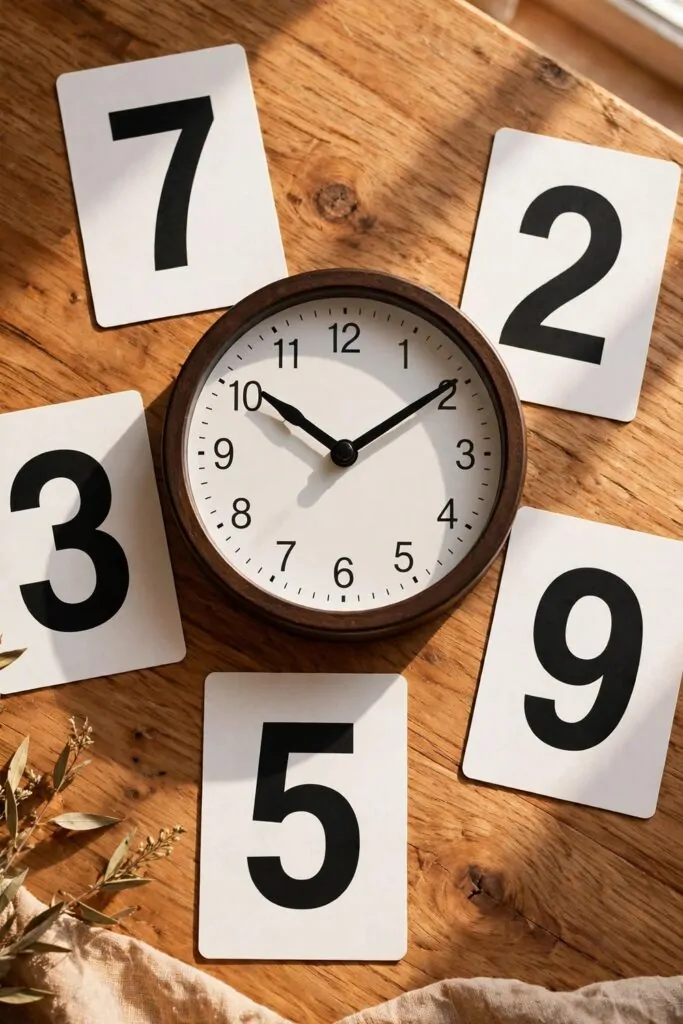
I cut twelve small cards and write one number on each card. The number cards lie beside the clock face. My child picks up one card at a time and finds its place.
We start with one, two, and three so the game feels easy at first.
Then we add the rest of the cards one by one. My child puts each card next to the same number on the clock.
I mix the cards up and spread them face up on the table. My child looks at the clock and finds where each card goes. We say the number out loud each time we place a card down.
A right match gets a big smile and a high five from me.
If a card lands in the wrong spot, we move it together with no rush. I point to the right number and my child tries again.
We play this game on the floor where there is lots of room to spread out. My child likes to line the cards up in a row before we start. Then we race to match them all before our snack is ready.
This game helps my child know the numbers round the clock by heart.
Typical cost $2 to $4.
4. Learn O’Clock on a Big Wall Clock
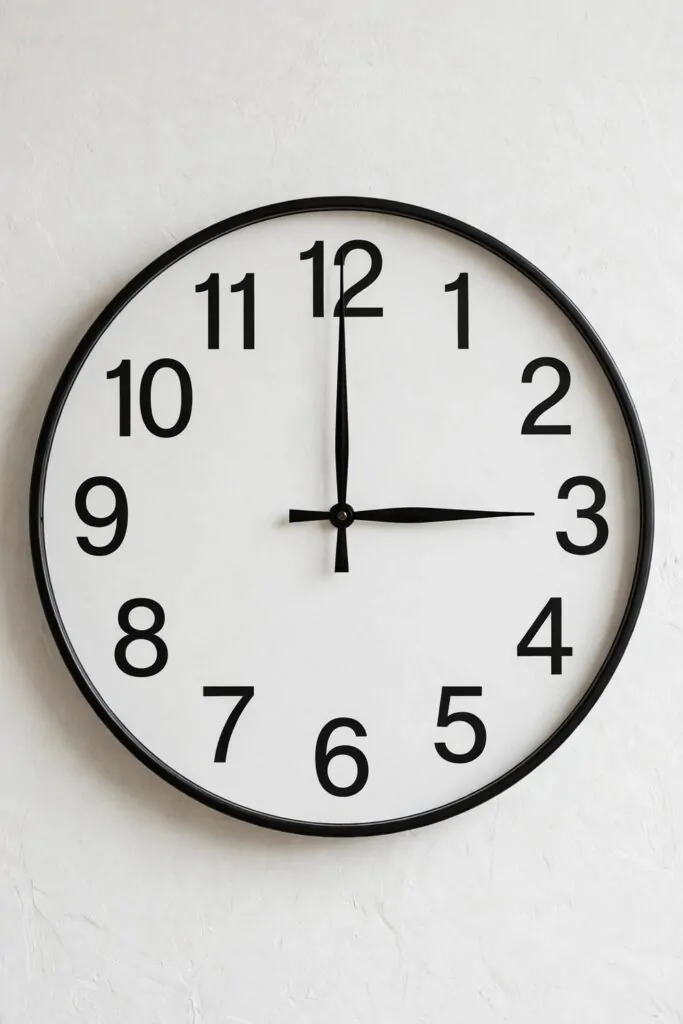
The long hand points up at the twelve when it is o’clock. The short hand tells us which hour it is.
We stand in front of our big wall clock and look up together. My child calls out the hour when the long hand sits at the top.
I move the hands on our paper clock to match the wall clock.
At one o’clock we eat lunch and at three o’clock we play outside. My child loves to link each hour to a part of our day. We make a small list of what we do at each hour.
We check the wall clock before we leave the house. My child tells me the hour and I nod when it is right.
A big clock with clear numbers makes this game much easier for young eyes.
I ask what time lunch starts and my child runs to check. Then we come back and say it out loud together.
Some days we draw the clock face on paper and mark the hour we wake up. We add a small sun next to the morning hour. At night we add a small moon next to the bedtime hour.
Typical cost $1 to $2.
5. Count by Fives Around the Clock
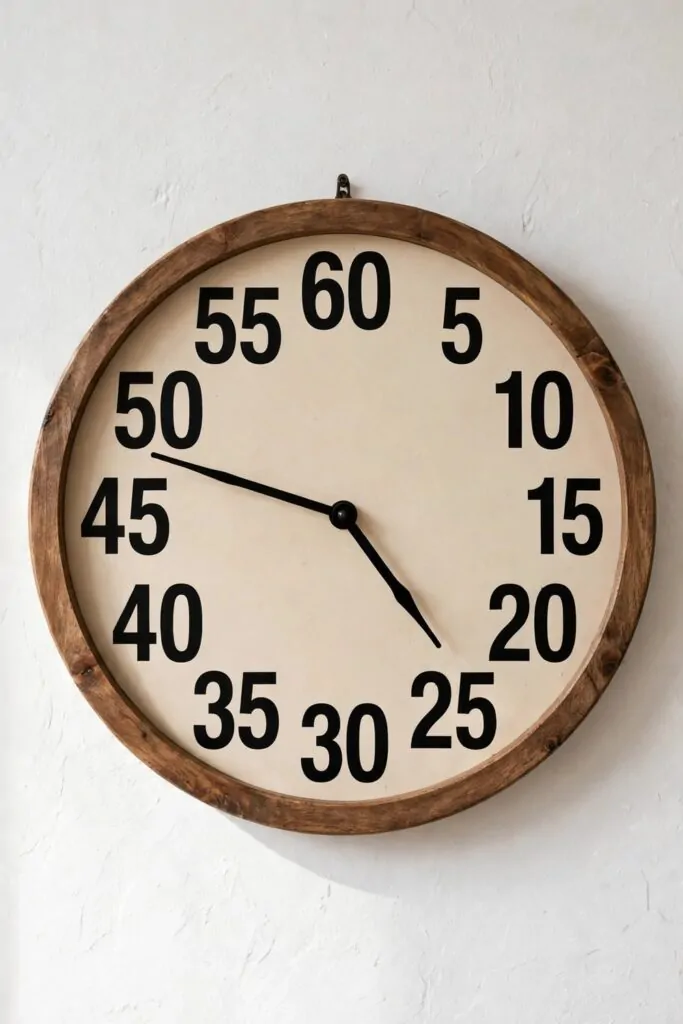
Each number round the clock means five more minutes.
We start at the top and count five, ten, fifteen as we go round. My child taps each number and says the count out loud.
I hold up five fingers so my child can see what five looks like. Then we add five more fingers for the next number. Soon my child can count round the whole clock with no help from me.
We clap once for each five as we move round the clock face.
My child likes to jump for each five we count. We jump five times and then stop to rest a bit.
I write the fives in small marks under each number on our paper clock.
At first we count slow and I say the numbers with my child. Then my child tries the count alone while I listen. When we reach the top again, we cheer because we made it all the way round.
We use this count when we wait for food to cook. My child counts by fives while I stir the pot.
Typical cost $0 to $1.
6. Move the Hands to Half Past
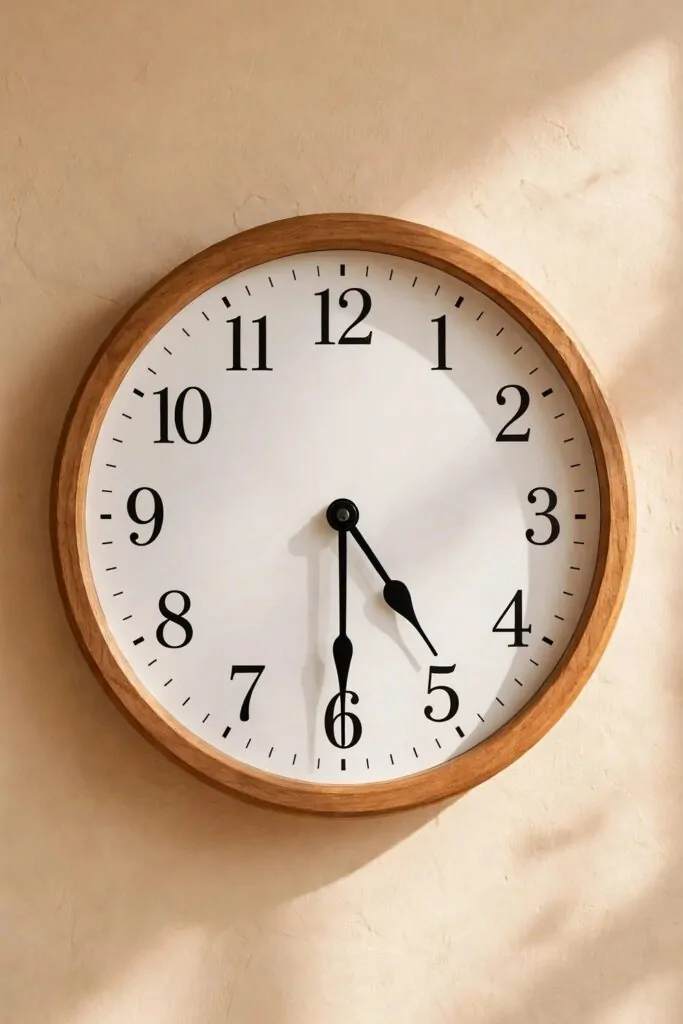
The long hand points down at the six. The short hand sits near the five now. We say half past and then name the hour that just went by.
I set our paper clock to half past three so my child can see it clear. My child moves the long hand down and says half past three out loud.
We link half past to our day with snack time and story time.
At half past seven we brush teeth and get ready for bed. My child checks the clock and tells me when it is half past.
I ask my child to make half past five on the paper clock. My child moves the long hand down and the short hand halfway along. We check it together and smile when the hands sit right.
A paper clock makes half past easy to try again and again.
We play a quick game where I call a half past time and my child makes it. Then we swap roles so my child can call the time for me.
Each right try builds my child’s trust in reading the clock.
Typical cost $1 to $2.
7. Set the Clock to Quarter Past
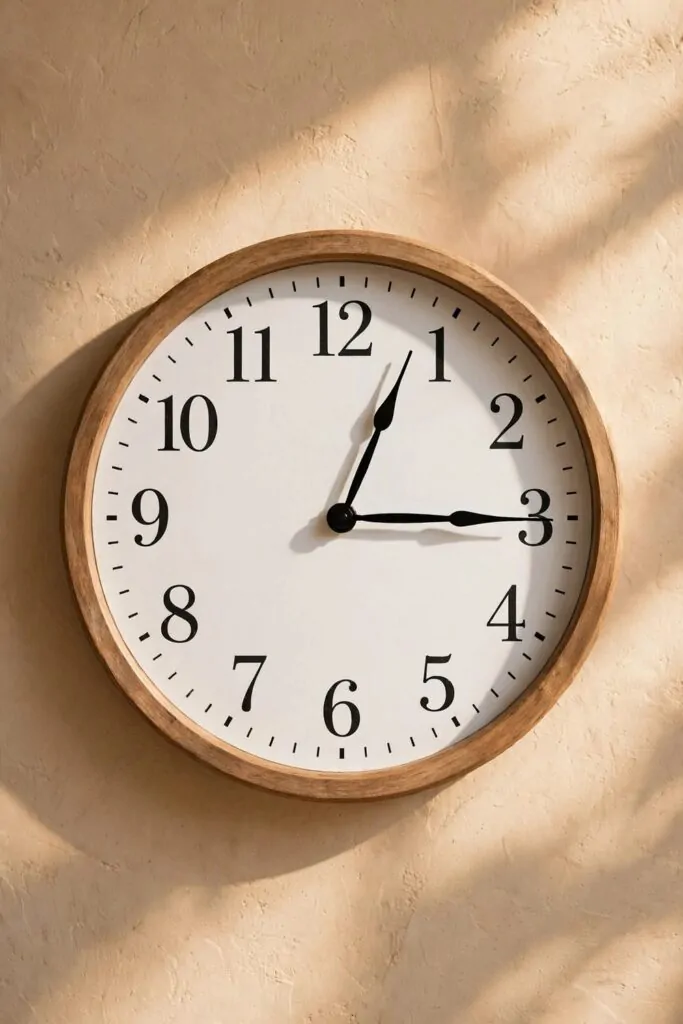
I set my small clock to quarter past one today. The long hand points at the three.
You can try it with your own clock at home. Move the long hand round till it stops on the three. Then look at the short hand and see where it sits.
Quarter past means fifteen minutes have gone by.
I point at the three and say the time out loud. My little one repeats it back to me with a big smile.
We do it again at quarter past four.
First I set the hands on my clock. Next I ask what time it shows. Then we clap when we get it right.
You can set the clock to quarter past five next. It feels good when the hands land just right.
Keep going and the clock will soon feel like a friend.
Typical cost $1 to $2.
8. Set the Clock to Quarter To
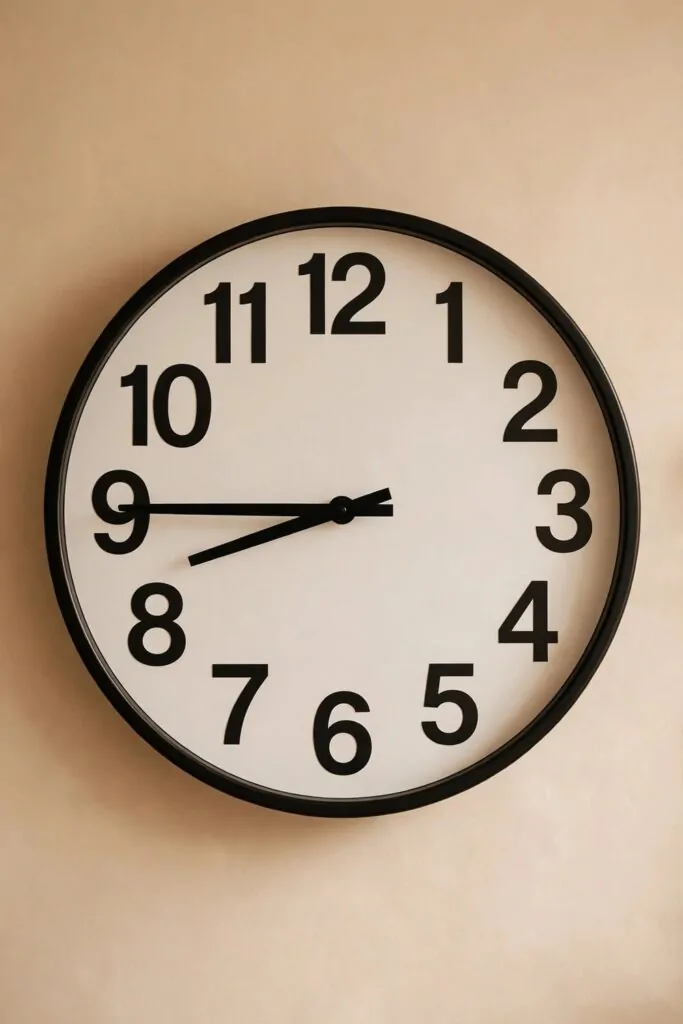
Quarter to is a fun time to learn next.
The long hand points at the nine.
That means the hour is almost done. We count the minutes left on the clock face. Then we say the next hour out loud.
I set my clock to quarter to nine. The short hand sits close to the nine now.
You can try quarter to six next. Move the long hand round to the nine. Look at the short hand and guess the hour.
It takes a few tries and that is fine.
We play it at tea time each day. My little one loves to spin the hands round.
Say the time in a clear voice. Then set the clock to quarter to seven.
Typical cost $1 to $2.
9. Build a Clock from a Cardboard Box
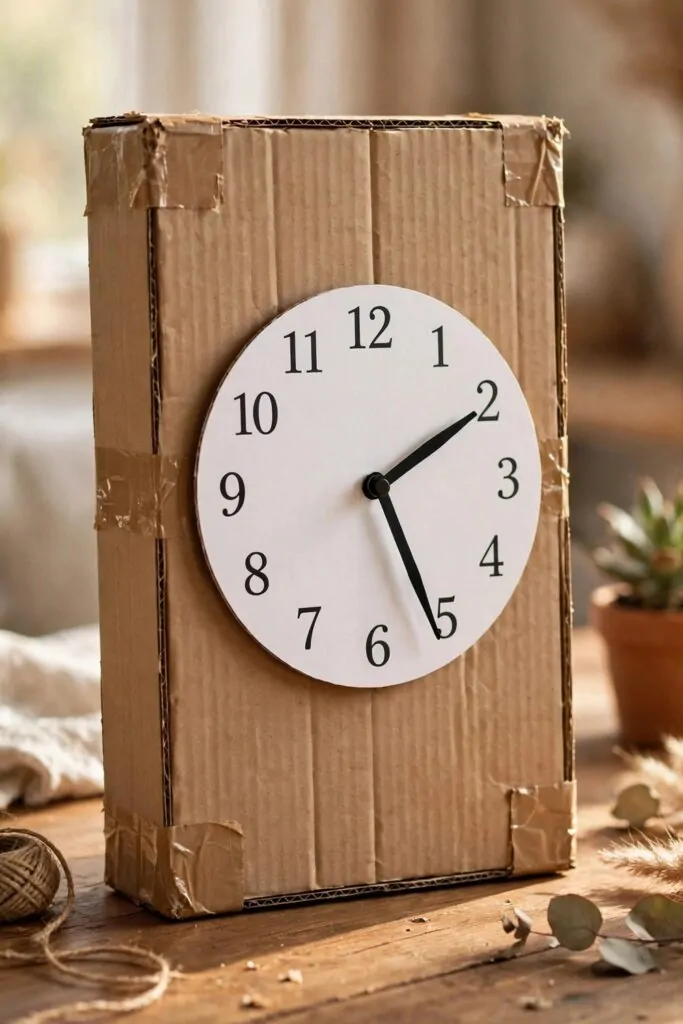
We made a big clock from a cardboard box. The round face sits on the front of the box. It looks so bright on our shelf.
First we cut a round shape from plain card. Then we drew the numbers round the edge. We stuck the round face on the front with tape.
Two hands from card move round the face.
My little one picks the hands for our box clock. We use two black hands that stand out well on the white face.
The box clock sits in our play corner now.
We set the time each morning before we play. Then we move the hands to match our day.
It is a fun clock to touch and turn.
You can make one with a box from home. Ask a grown up to help with the cutting. Then draw the numbers and play with the hands.
Typical cost $2 to $4.
10. Play Time Bingo with Number Cards
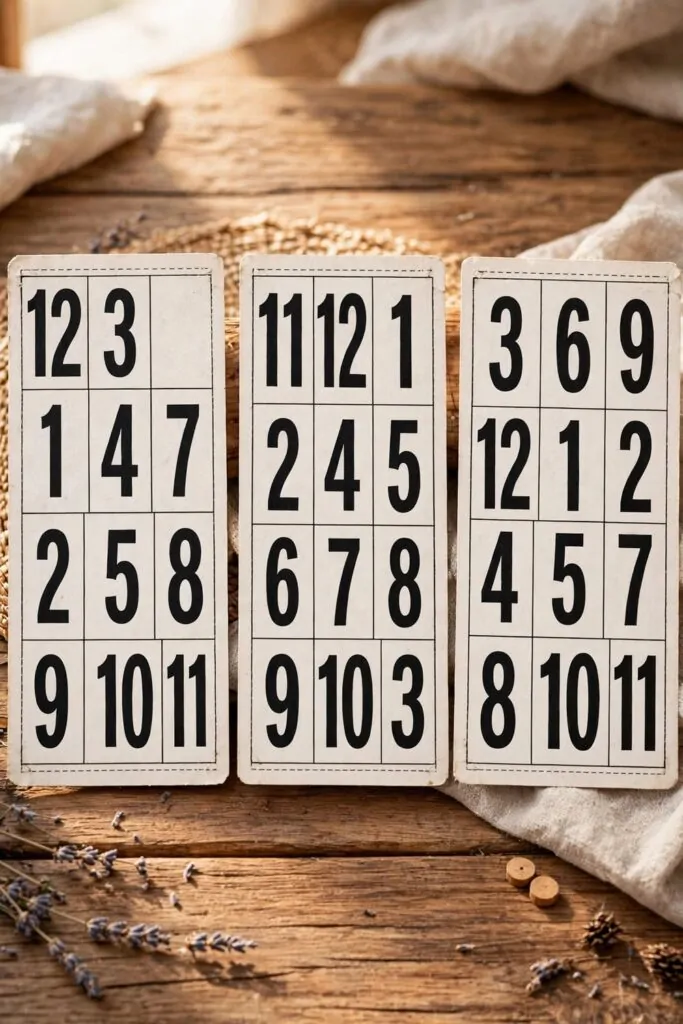
We play time bingo with number cards at our table. The bingo cards sit in a neat row on the table.
Each card has rows of big numbers on it.
I call out a time in a clear voice. You search your card for that number.
If you find it, you put a small counter on it. We keep going till one card is full. Then we shout bingo and clap our hands.
You can make the cards from plain paper at home. Draw four rows of numbers on each card. Write a new number in each box.
My little one loves to be the caller too.
We play three rounds and then we swap cards. Each round feels new and fun.
Try it with a friend and take turns to call.
Typical cost $2 to $3.
| Idea | Main change | Typical cost |
|---|---|---|
| Make a Paper Plate Clock with Two Hands | make a paper plate clock with two hands | $1 to $3 |
| Point to the Big Hand and the Little Hand | point to the big hand and the little hand | $0 to $1 |
| Match Number Cards to the Clock Face | match number cards to the clock face | $2 to $4 |
| Learn O’Clock on a Big Wall Clock | learn o’clock on a big wall clock | $1 to $2 |
| Count by Fives Around the Clock | count by fives around the clock | $0 to $1 |
| Move the Hands to Half Past | move the hands to half past | $1 to $2 |
| Set the Clock to Quarter Past | set the clock to quarter past | $1 to $2 |
| Set the Clock to Quarter To | set the clock to quarter to | $1 to $2 |
| Build a Clock from a Cardboard Box | build a clock from a cardboard box | $2 to $4 |
| Play Time Bingo with Number Cards | play time bingo with number cards | $2 to $3 |
| Total | $11 to $24 |
11. Draw a Clock Face with Chalk
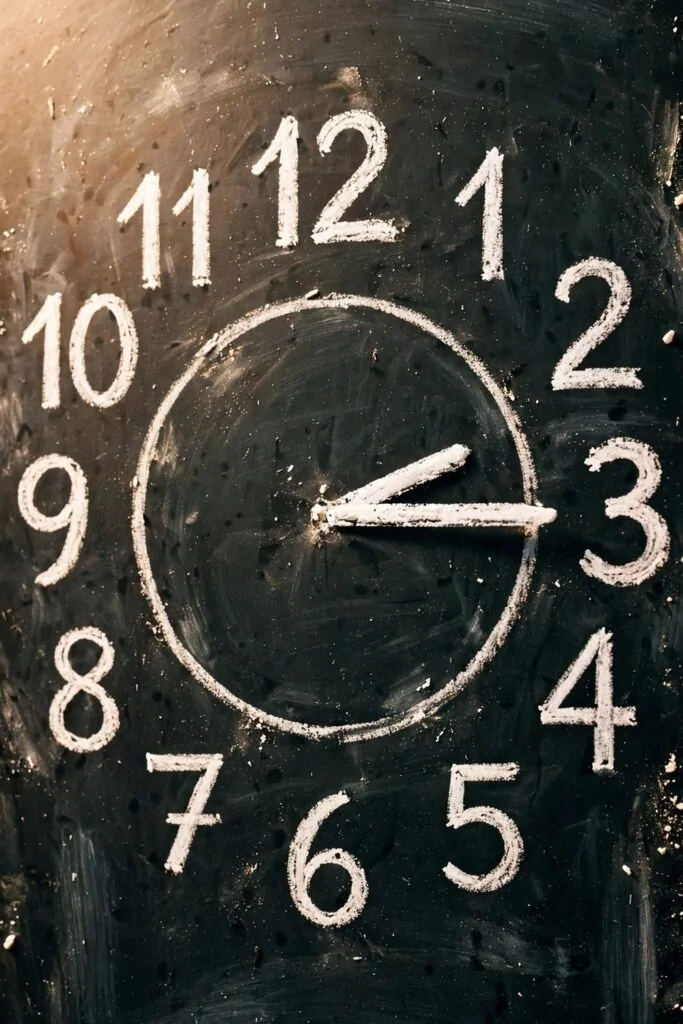
Chalk clocks are fun to draw outside.
We drew a big clock on the ground with chalk. The numbers go round the face in a big circle. It was so big we could stand in the middle.
First we drew the round face. Then we added the numbers one by one. We used white chalk for the hands.
You can be the hands and move round the clock.
I call out a time and you move to the right spot. Then we swap and I move round the clock.
We drew new clocks each day that week. Each one got a bit neater than the last.
It is a lovely way to learn outside.
Try it on a dry day with a friend. Draw the numbers big so you can see them well.
Typical cost $1 to $3.
12. Build a Clock Tower from Wooden Blocks
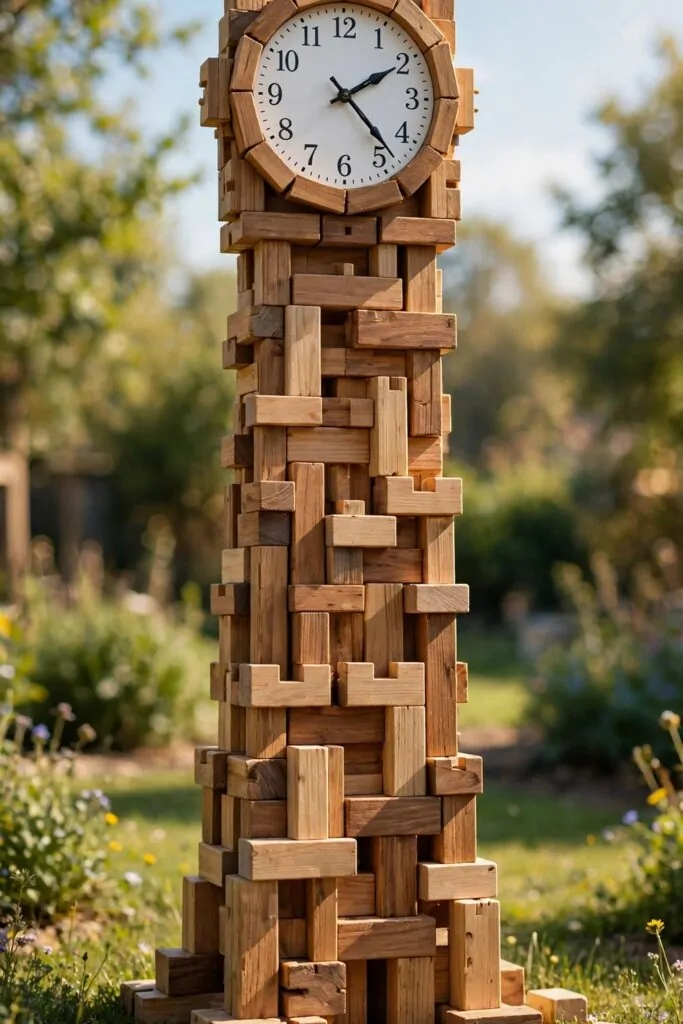
We built a clock tower from wooden blocks. The blocks stack up tall into a tower. It stands tall on the grass where we can see it well.
We put a round clock face on the top block.
First we stacked the blocks one by one. Then we drew numbers on a round piece of card. We stuck the face on the front of the tower.
I set the hands to the time we start to play. You can set the hands to a new time next.
My little one loves to knock it down and build it again. We count the blocks as we stack them up.
It is a fun tower to build and rebuild.
Try it with your blocks at home.
Use blocks of the same size for a tall tower. Then add the clock face and play with the time.
Typical cost $3 to $5.
13. Tell the Time at Breakfast, Lunch and Tea
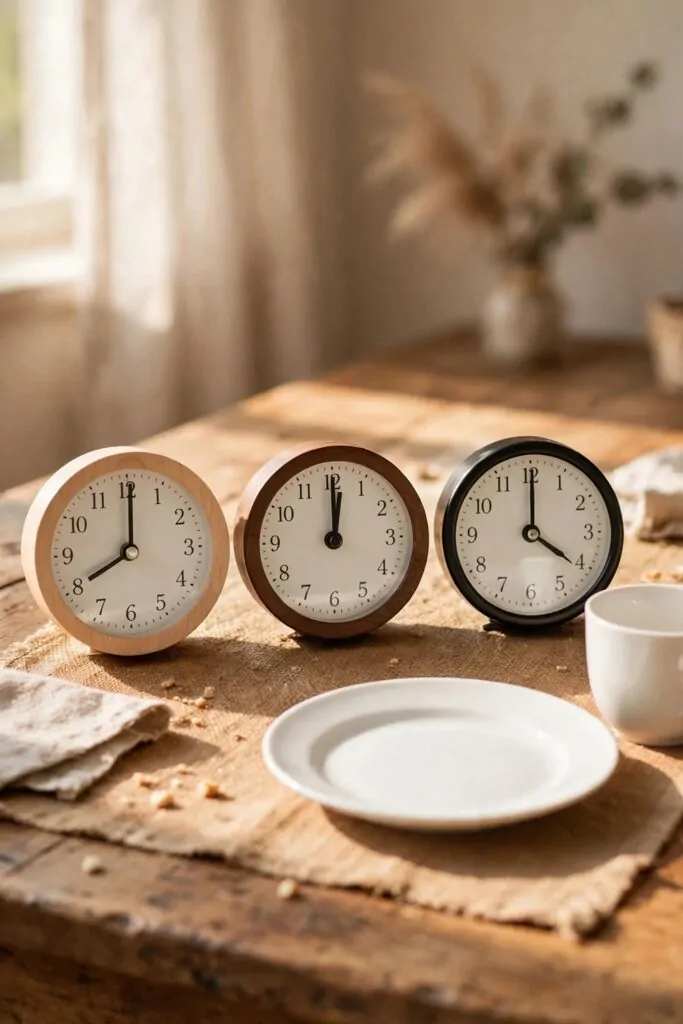
We tell the time at breakfast, lunch and tea. Three small clocks sit in a row on the table.
At breakfast we set the first clock to eight. At lunch we set the next clock to twelve.
At tea we set the last clock to four. We look at each clock and say the time. Then we talk about what we do at each time.
It helps us see how the day moves on.
My little one now knows when tea time comes.
You can use small clocks from a toy set. Or you can draw three clocks on paper. Put them in a row and set a new time each day.
We set the clocks each morning before we eat. It takes just a minute and it feels fun.
Try it at your table and see how the day flows.
Typical cost $2 to $4.
14. Make a Sun Clock in the Garden
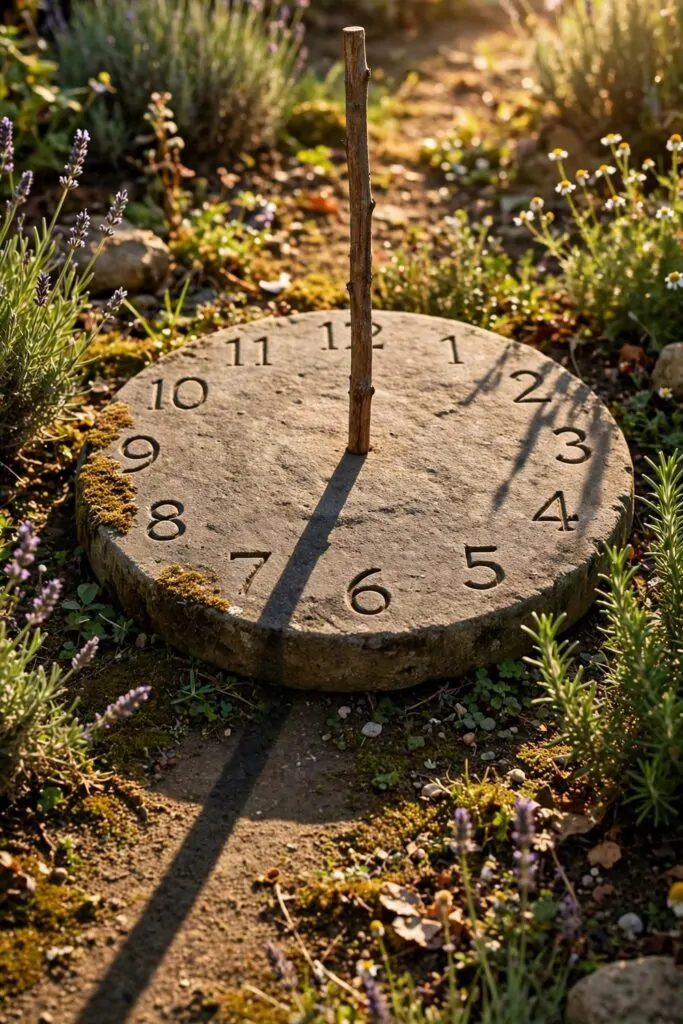
I love to make a sun clock with you in the garden on a bright day.
We need a stick and a flat stone and a clear spot in the sun. You push the stick into the soft ground and we watch what the sun does next.
The sun does the work for us and we just watch and learn.
We mark the stone where the shadow falls in the morning. We come back after lunch and mark the stone again in a new spot. You can see how the shadow moves as the day goes on.
The stick makes a long shadow on the stone. We draw a small line at the end of the shadow so we can find it again.
You can point to the line and tell me if it is morning or noon. I cheer when you get it right and we try again after a short rest. A sun clock helps you feel how time moves through the day.
We use chalk to mark the stone so the lines wash off in the rain.
You did a great job and I am so proud of how you watched the sun.
Typical cost $0 to $1.
15. Sort Morning, Noon and Night Cards
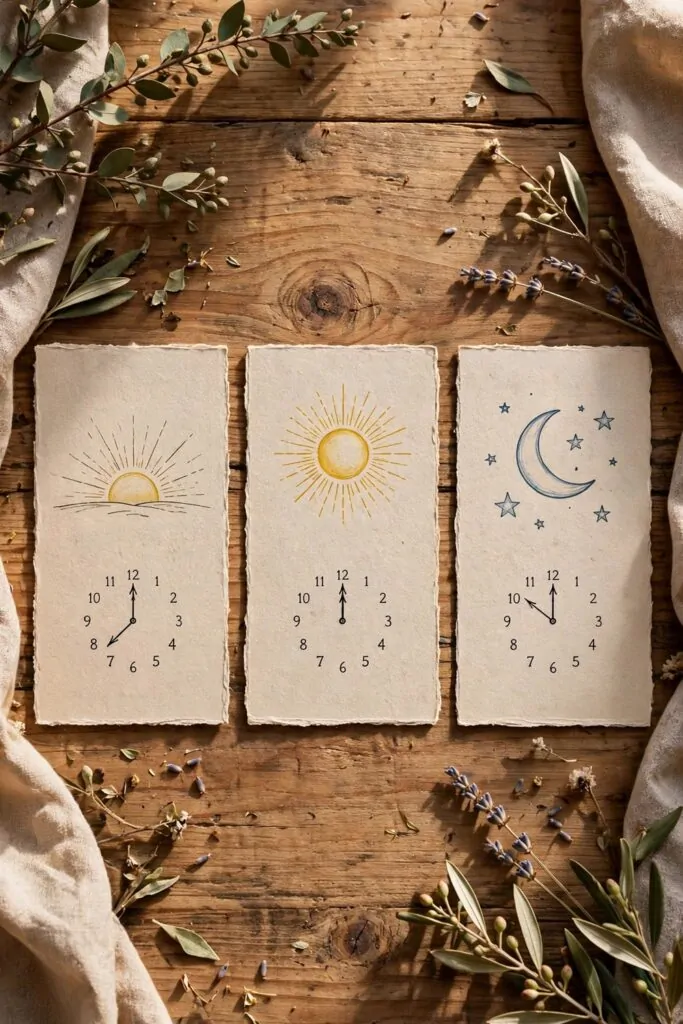
I made three sets of cards for you and each card shows a part of the day. One card shows the sun coming up and one card shows lunch time in the sun. One card shows the moon and stars at night and you can sort them all by yourself.
We spread the cards out on the table and you look at each picture with care. You pick up one card and ask yourself if it shows morning or noon or night.
The cards lie in a long row on the table. You move each card to the right spot in the row and I watch you think it through.
Morning cards go at the start of the row and night cards go at the end.
You can tell me why you put a card in its spot and I love to hear your ideas. A card with breakfast goes with the morning cards and a card with a bath goes with the night cards. We talk about what you do at noon and you smile when you find the right spot.
I cheer for every small win and you grow more sure with each card you place.
We play again the next day and you sort the cards faster than before. You can make your own cards too with a crayon and a plain sheet of paper.
Your mum can join in and ask you which card comes first in the day. Your teacher can use the same game at school and the whole class can play along.
Typical cost $1 to $3.
16. Race the Kitchen Timer to Tidy Up
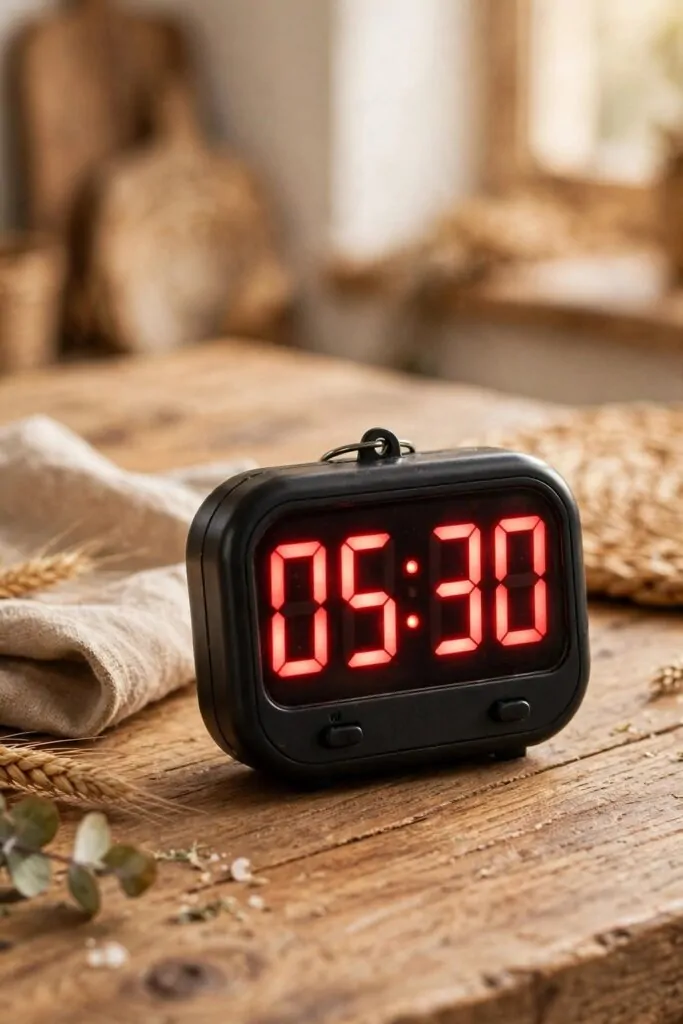
I set the kitchen timer and we race to tidy up the room together. You pick up the toys and I pick up the books and we both move fast.
The timer counts down while we tidy.
You can hear it tick and that sound helps you keep going.
We start with the floor and put each toy back in its own box. You find a sock under the chair and I find a block under the table.
I tell you that you are doing so well and you grin and keep going. We work as a team and the room starts to look neat and calm. You put the last book on the shelf just as the timer rings.
We did it and the room looks so much better than it did before. You can jump up and down and tell me how proud you feel.
We play this game on other days too and you get faster each time. You learn that a short race can make a dull job feel fun. I love how you help and I always thank you for your hard work.
You did a great job today and I am so proud of you.
Typical cost $3 to $6.
17. Make a Paper Watch for Your Wrist
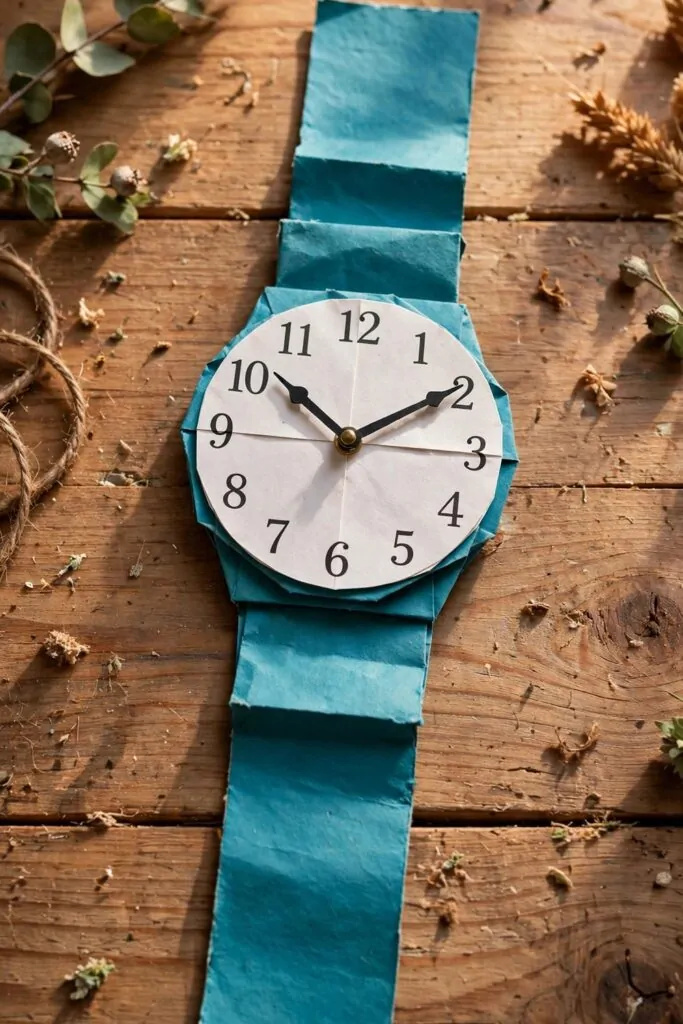
I love to make a paper watch with you on a quiet afternoon.
We cut a long strip of paper and a round face for the front. You draw the numbers on the face with a crayon and I help you space them out. We add two short lines in the middle so you can read the time.
The paper watch lies flat on the table. You can point to each number and tell me what it means.
We use tape to join the ends and make a soft band for play. You pick your best colour for the band and I help you stick it down.
You can draw a small star on the face to make it your own.
I love how proud you look when you show me your work.
We keep the paper watch on the table so you can look at it when you play. You can move the short lines and ask me what time they show. I answer with a smile and we try a new time together.
Your mum can ask you to read the time on your paper watch. You can tell her the hour and feel so proud of what you know.
Typical cost $1 to $2.
18. Read a Digital Clock with Big Digits
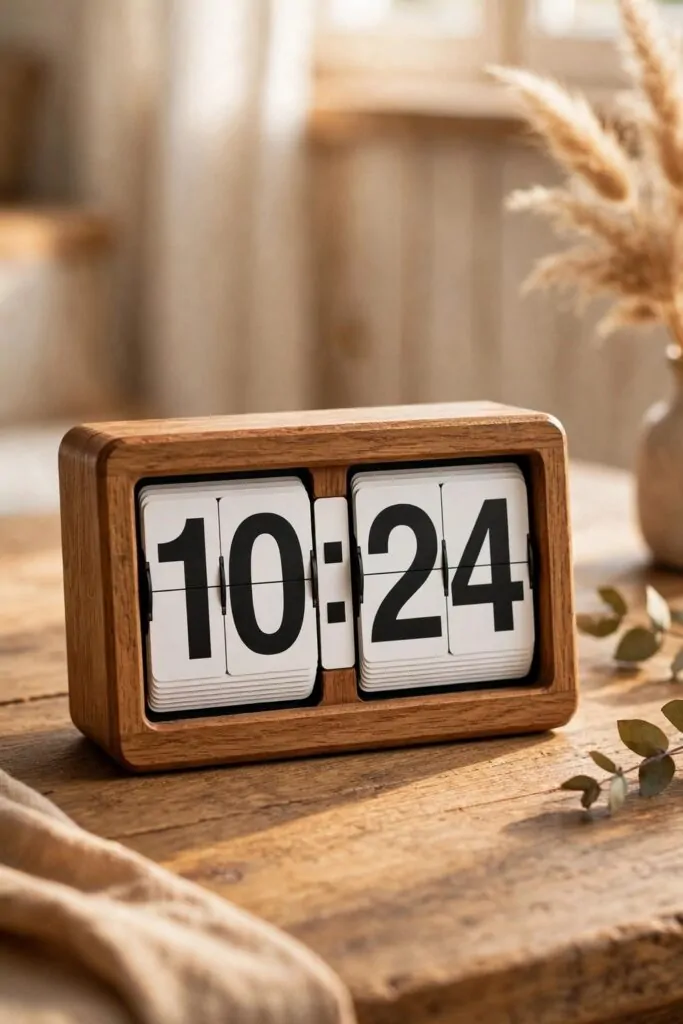
I put a big digital clock on the table so you can see it with ease. The digits are big and clear and you can read them from across the room. You point to the clock and tell me that you are ready to learn.
The hour comes first and the minutes come next. I say the hour out loud and you say the minutes out loud after me. We read the clock together and you smile when you get it right.
You can look at the clock in the morning and tell me it is time to wake up. You can look at the clock at lunch and tell me it is time to eat.
I cheer when you read the time all by yourself.
We play a game where I ask you the time and you read the clock to find out. You get faster each time we play and I am so proud of you.
A big clock helps you feel sure and calm about the day.
You did a great job and I love how hard you tried.
Your teacher can point to the big clock at school and ask you to read it. You can read it out loud and your friends can listen and learn too.
Typical cost $4 to $7.
19. Match the Wall Clock and the Digital Clock
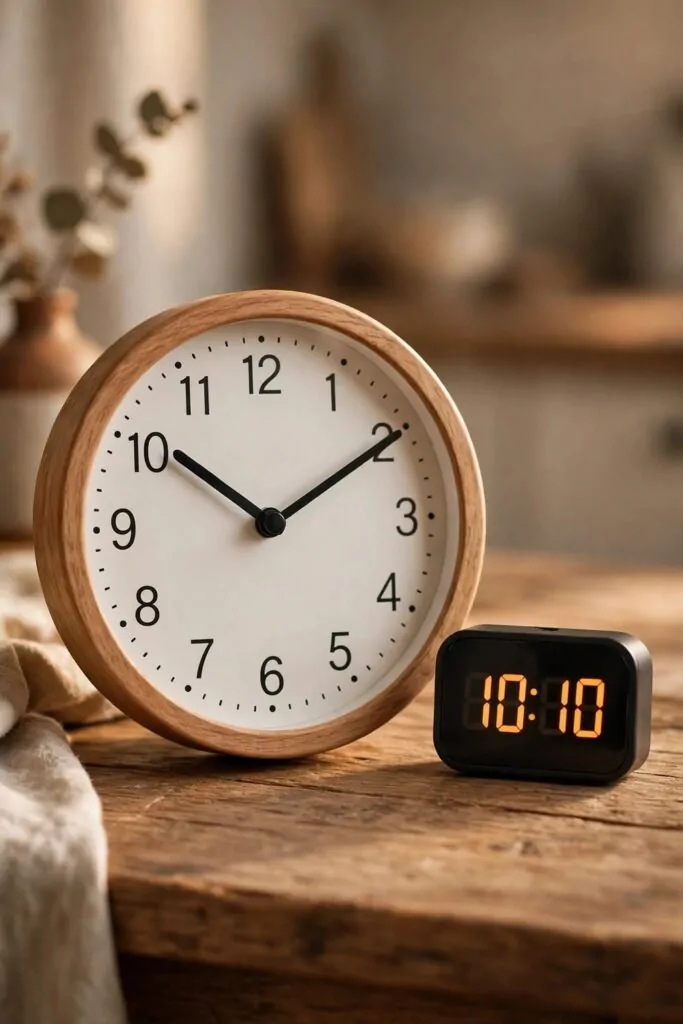
I put a round wall clock and a small digital clock on the table for you. You can look at each one and tell me what you see.
Look at the hands first, then look at the digits. The wall clock has hands that point to the numbers on its face. The digital clock has digits that you read from left to right.
You read the wall clock first and tell me the hour in a clear voice. Then you read the digital clock and tell me what you see there.
I love how you take your time and look with care.
We take turns and I read one clock while you read the other one. You point to the hands and I point to the digits and we talk about both. You feel proud when you can read each clock all by yourself.
Your mum can ask you to read the wall clock at home. Your teacher can ask you to read the digital clock at school.
You did a great job and I am so proud of how you tried.
We play again tomorrow and you will feel even more sure.
Typical cost $4 to $7.
20. Make a Clock Puzzle from Card Pieces
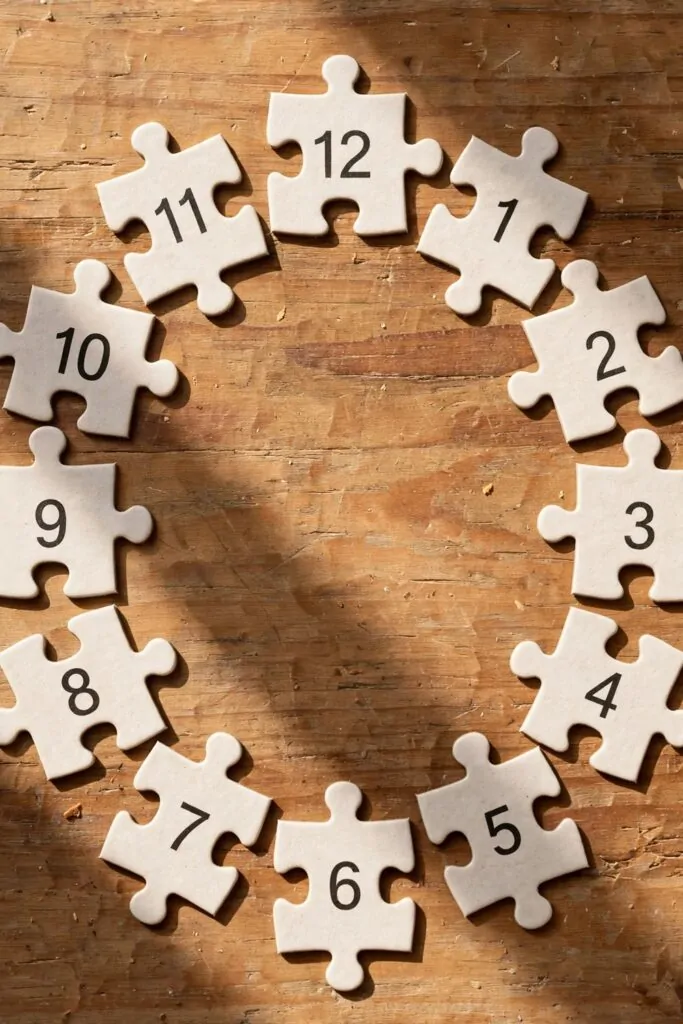
I cut a big clock face into soft card pieces with my child one quiet morning.
Each piece holds one part of the clock face, so the game feels calm and clear.
The card pieces lay in a big ring to make a round clock face. My child turns each piece round till the numbers sit in their right spots.
We start with the top piece first, because the twelve sits at the top. Then we add the bottom piece, because the six sits at the bottom. The side pieces go in last, and my child smiles when the ring looks round and full.
I keep the pieces in a small tray on our table. My child can pull the tray out and start the puzzle alone.
We point to each number as we put it back in place.
Some days we mix the pieces up and start fresh. Some days we race to see how fast the clock comes back together.
The puzzle helps my child learn where each number lives on a clock. It also helps small hands grow strong and sure. I love how a plain card game can teach so much in one short play time.
Typical cost $2 to $4.
| Idea | Main change | Typical cost |
|---|---|---|
| Draw a Clock Face with Chalk | draw a clock face with chalk | $1 to $3 |
| Build a Clock Tower from Wooden Blocks | build a clock tower from wooden blocks | $3 to $5 |
| Tell the Time at Breakfast, Lunch and Tea | tell the time at breakfast, lunch and tea | $2 to $4 |
| Make a Sun Clock in the Garden | make a sun clock in the garden | $0 to $1 |
| Sort Morning, Noon and Night Cards | sort morning, noon and night cards | $1 to $3 |
| Race the Kitchen Timer to Tidy Up | race the kitchen timer to tidy up | $3 to $6 |
| Make a Paper Watch for Your Wrist | make a paper watch for your wrist | $1 to $2 |
| Read a Digital Clock with Big Digits | read a digital clock with big digits | $4 to $7 |
| Match the Wall Clock and the Digital Clock | match the wall clock and the digital clock | $4 to $7 |
| Make a Clock Puzzle from Card Pieces | make a clock puzzle from card pieces | $2 to $4 |
| Total | $21 to $42 |
21. Make a Day Chart with Little Clock Faces
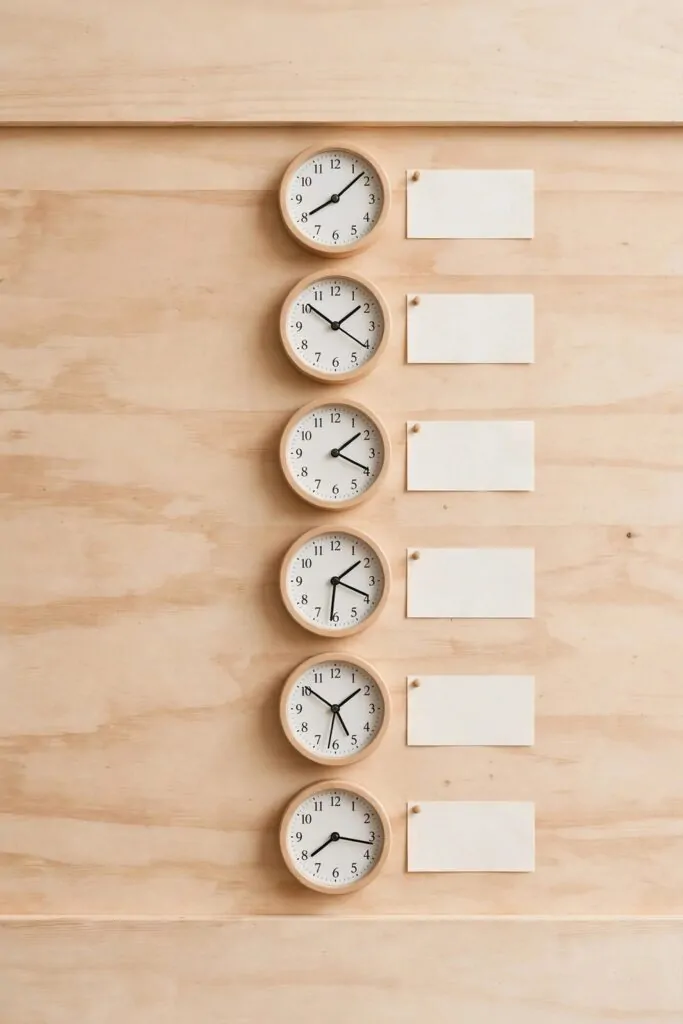
I make a long day chart on the wall with my child. We put the little clock faces in a tall row down the wall. My child picks a small clock face for each part of the day.
Each little clock face sits next to a plain paper strip.
We write one short word on each strip, like wake, lunch, or rest. My child draws a tiny sun or a tiny star beside the words.
The chart hangs low on the wall where my child can reach it. Each morning we point to the clock that shows our next step.
My child turns the hands on the little clock faces to match our real day. It feels like a small game, and it helps time feel real. I love to see the proud look when the hands point to the right place.
We keep the pens and clock faces in one small box. My child knows just where to find them each day.
A plain chart can make a busy day feel calm and easy.
We add one new clock face each week when my child feels ready.
Typical cost $2 to $4.
22. Play Hide and Seek with Small Clocks
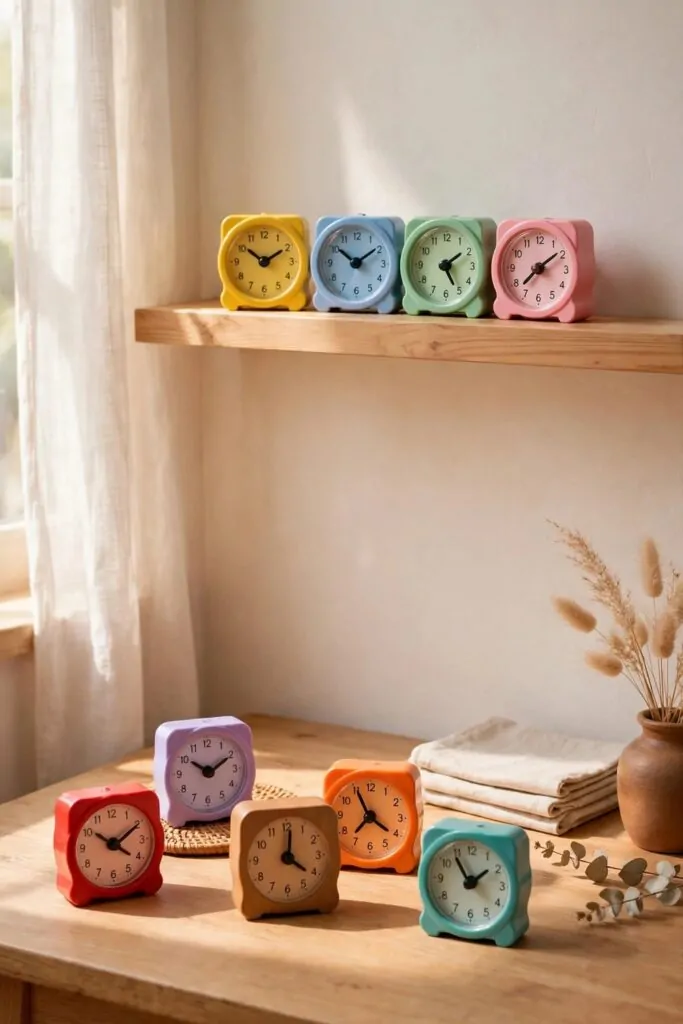
I tuck small clocks round our living room while my child waits with eyes shut tight. Then my child starts to look with a big smile.
We hide the clocks in small spots round the room, on a shelf, under a cushion, or behind a plant pot. My child peeks in each spot and cheers when a clock turns up.
We set the hands on the clocks before we hide them, so my child can read the time when they are found.
My child holds up the clock and tells me the time in a clear voice.
We play this game after lunch when the house feels calm. It turns a plain afternoon into a small time hunt. My child learns to spot numbers and hands without even trying.
I keep the clocks in a soft bag when the game ends. My child helps me put them back in the bag. The bag stays on a low shelf, ready for the next game.
Some days we hide the clocks in the garden, on a dry day. My child runs from spot to spot with joy.
This game makes telling time feel like play, not work.
Typical cost $2 to $4.
23. Make a Bedtime Clock with a Sleepy Moon
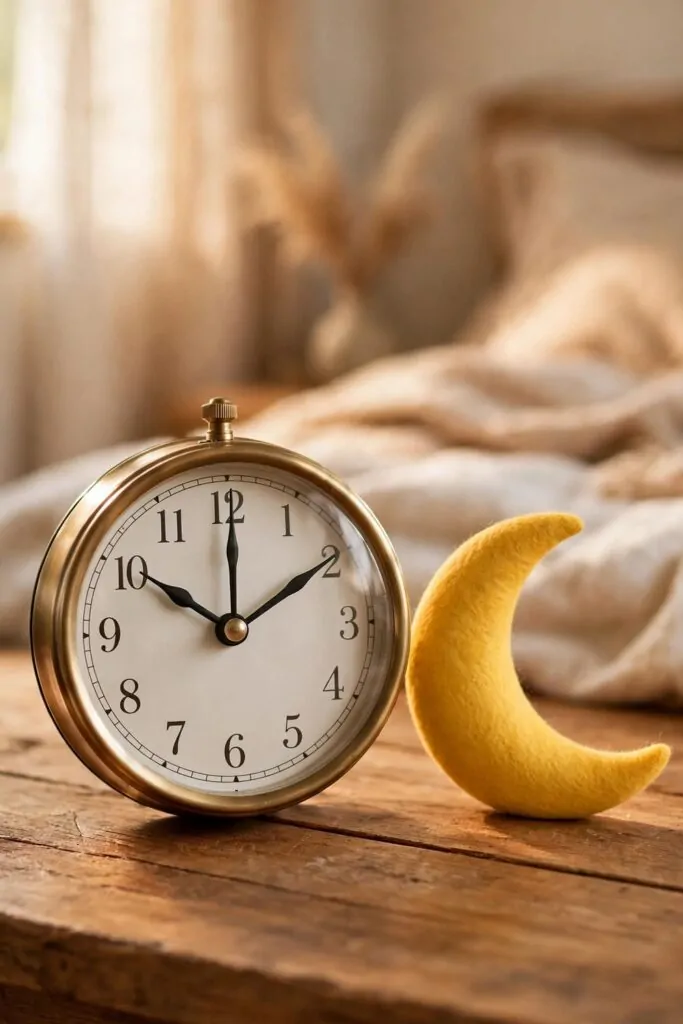
I make a soft bedtime clock with my child before the evening wind-down.
We set a big round clock on the table by the bed. A yellow crescent moon sits beside the clock.
My child sets the hands to show bedtime each night. We point to the moon and talk about rest in a soft voice. The clock helps my child know when the day is done.
We keep the clock on the table, close to the bed. My child can see it from under the blanket. It feels like a kind friend that says rest time is near.
Some nights we add a small star beside the moon.
I keep the clock in the same spot so my child can trust it. A steady spot makes the night feel safe and calm.
The moon reminds us that night is for rest and quiet dreams.
My child loves to turn the hands and pick a bedtime. I smile and say yes when the hands point to the right hour.
Typical cost $2 to $3.
24. Count Down with a Sand Timer
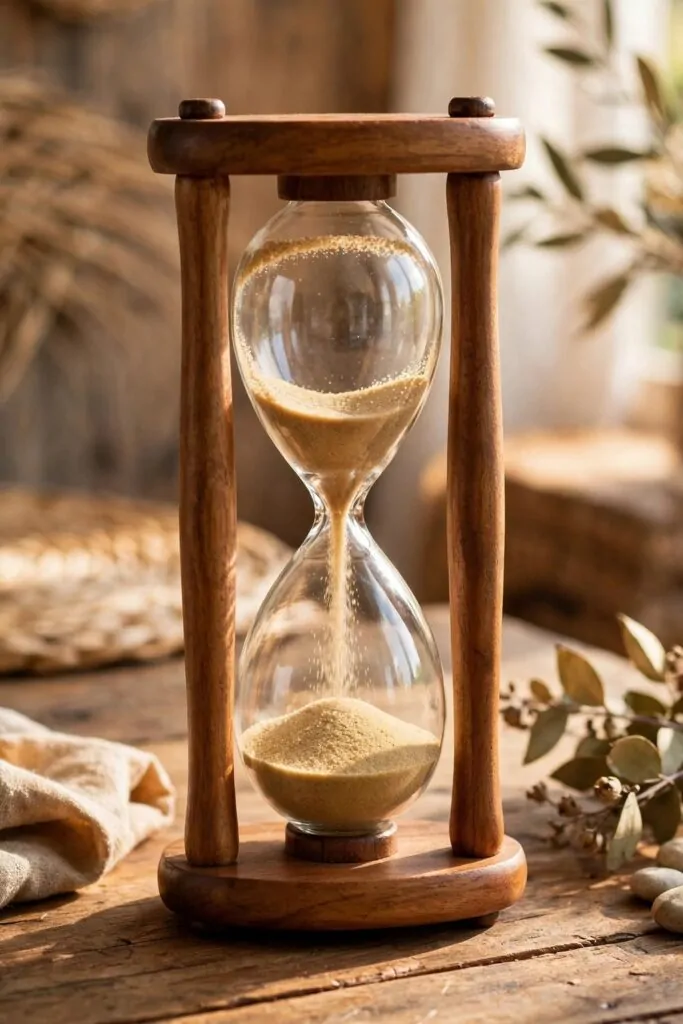
I set a small sand timer on our table when my child starts a short task. The timer turns time into a thing we can watch. My child loves to see the sand move.
The sand falls from the top bulb to the bottom bulb. We watch it flow in a thin soft stream till the top bulb runs clear.
We use the timer for teeth, for shoes, and for tidy-up time. My child tries to finish before the last grain drops. It feels like a game, and it keeps the morning moving.
I turn the timer over with a smile and the count starts again.
A sand timer makes waiting feel short and clear.
My child holds the timer up to the light to watch the sand fall. The soft glass feels cool and smooth in small hands.
We keep the timer on a low shelf where my child can reach it. It stays in one place, so we always know where it lives.
Short counts help my child feel brave about time.
Typical cost $3 to $5.
25. Lay Out Your Telling Time Kit the Night Before
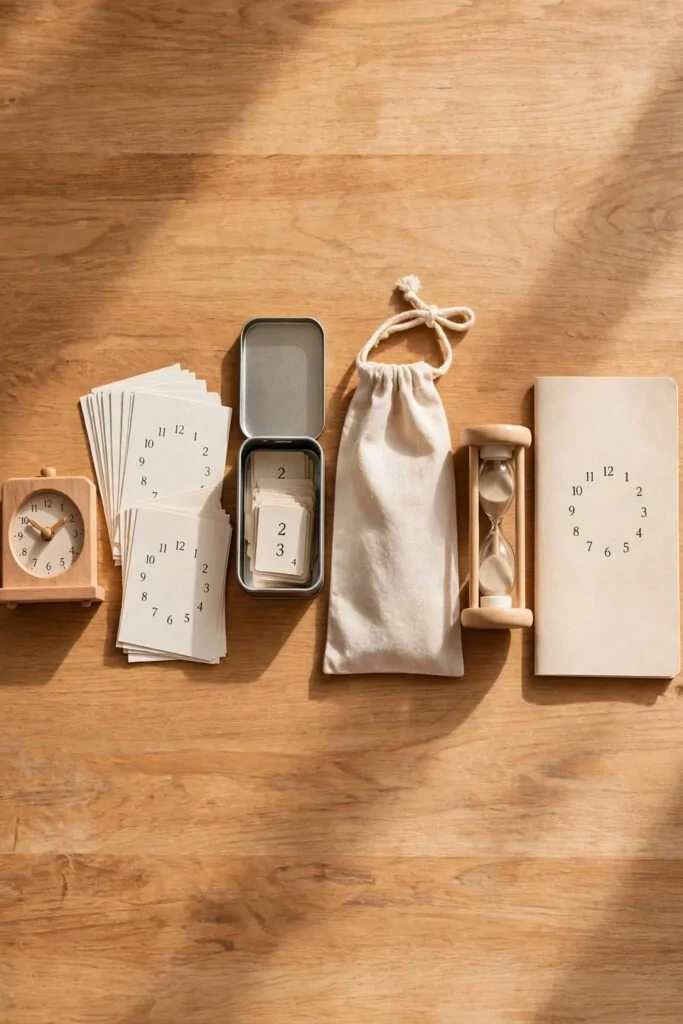
Tonight we lay out our telling time kit for tomorrow. The kit holds a small wooden toy clock, plain paper clock face cards, a small tin of plain number cards, a plain fabric clock bag, a small wooden sand timer, and a plain paper telling time notebook.
My child turns the hands on the small wooden toy clock and reads the time out loud. The wood feels warm and smooth in small hands. We set the hands to show breakfast time, so tomorrow starts with a smile.
We fan the plain paper clock face cards out on the table. My child matches each card to a time I call out. The cards help my child learn fast and feel proud.
The small tin of plain number cards sits beside the clock cards. My child pulls one number card out and finds that number on the clock face.
The plain fabric clock bag keeps all our clock things safe in one soft place.
The small wooden sand timer stands ready to count down our morning jobs.
The plain paper telling time notebook waits on the table. My child writes down the times we play with in big clear numbers.
Tomorrow will bring new times to learn, and we will meet them with a smile. Our kit waits in its neat row, ready for a fresh day of play and learning.
The small wooden toy clock costs $3 to $5, the plain paper clock face cards cost $2 to $4, the small tin of plain number cards costs $3 to $5, the plain fabric clock bag costs $3 to $5, the small wooden sand timer costs $3 to $5, and the plain paper telling time notebook costs $2 to $4, for a total of $16 to $28.
| Idea | Main change | Typical cost |
|---|---|---|
| Make a Day Chart with Little Clock Faces | make a day chart with little clock faces | $2 to $4 |
| Play Hide and Seek with Small Clocks | play hide and seek with small clocks | $2 to $4 |
| Make a Bedtime Clock with a Sleepy Moon | make a bedtime clock with a sleepy moon | $2 to $3 |
| Count Down with a Sand Timer | count down with a sand timer | $3 to $5 |
| Lay Out Your Telling Time Kit the Night Before | lay out your telling time kit the night before | $16 to $28 |
| Total | $25 to $44 |
| Idea | Main change | Typical cost |
|---|---|---|
| small wooden toy clock | play with a small wooden toy clock | $3 to $5 |
| plain paper clock face cards | match times with plain paper clock face cards | $2 to $4 |
| small tin of plain number cards | count with a small tin of plain number cards | $3 to $5 |
| plain fabric clock bag | keep our clock things in a plain fabric clock bag | $3 to $5 |
| small wooden sand timer | watch the sand fall in a small wooden sand timer | $3 to $5 |
| plain paper telling time notebook | write our clock times in a plain paper telling time notebook | $2 to $4 |
| Total | $16 to $28 |
Keep Reading
If you liked these ideas, you will love these posts too
Each post has more simple ideas you can try at home this weekend.