26 Writing Practice Ideas for Kids at Home

My daughter wrote her name on the wall in big wobbly letters, and then she looked at me like she had just built a castle.
Here are 26 writing practice ideas for kids that turn shaky letters into proud little stories.
Short fun writing times beat long hard ones, every time.
Go at your child’s pace, with no rush and no pressure.
You need no fancy tools for any of these ideas.
A pencil and a bit of paper are enough to start.
Pick one idea from this list and try it tonight.
1. Write One Line in a Notebook Every Morning
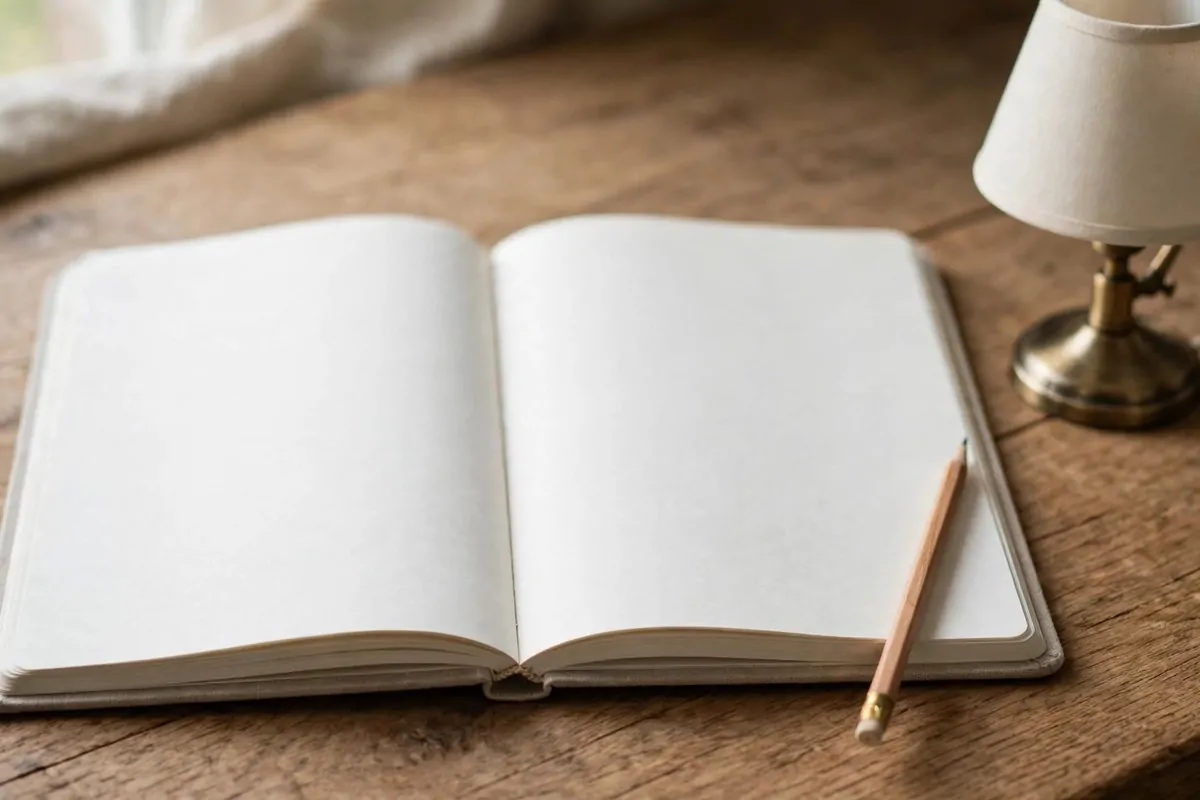
A fresh morning is a soft start for writing. One small line is all your child needs to begin.
Keep the notebook on the desk so it is easy to reach.
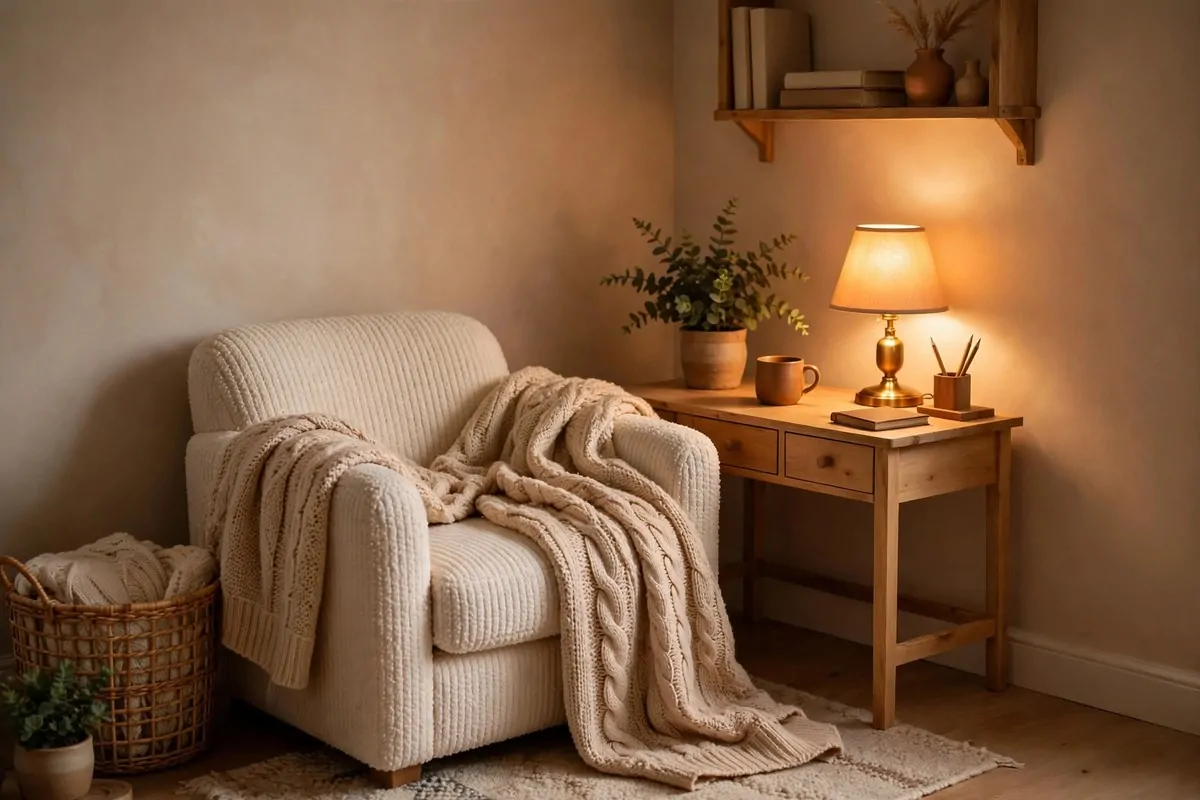
A lamp gives soft light on dark mornings. Your child sits down at the desk. One line feels easy and kind.
Some mornings the line is just a name.
Some mornings it is a small wish for the day. Both are good, and both count as writing.
Mum can write a line too, right beside the child. It shows that grown ups write a little each day as well.
After a week, the pages start to fill up.
Look back at the first page together. Smile at how the letters grow steadier. A small win like that keeps a child going.
Typical cost $0 to $0.
2. Trace Big Letters in a Tray of Rice
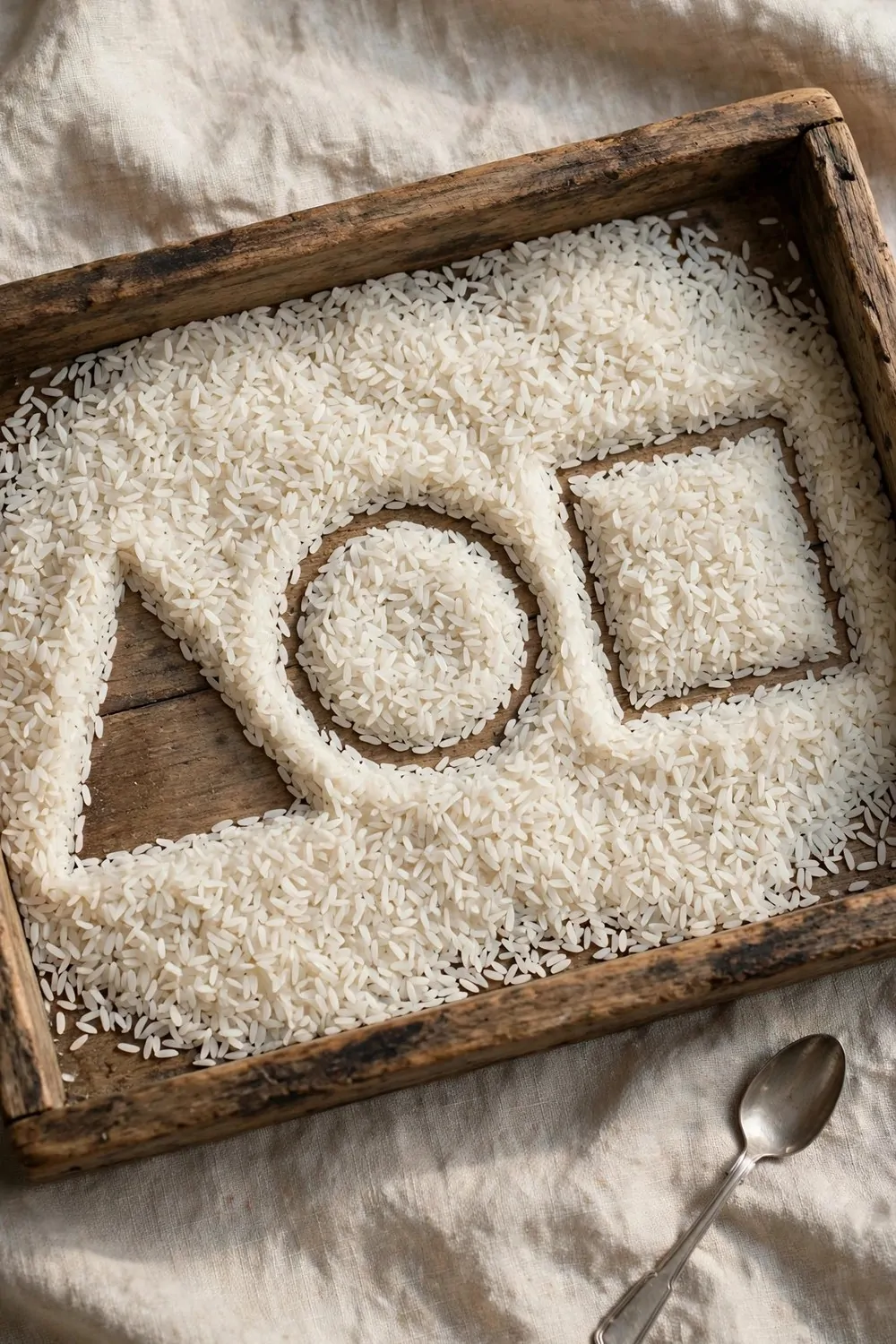
Rice makes a soft tray for big letters.
Pour a little rice into a wooden tray. Smooth it flat with a spoon.
Your child draws one big letter with a finger.
Big letters are easier than small ones. A finger in rice feels like play, not work. Mistakes vanish with one quick shake of the tray.
Try the first letter of your child’s name first. Then try the next letter the next day.
Keep the tray on a low table where it is easy to reach.
A small spoon can draw lines and dots too. Your child can trace shapes before letters if that feels easier.
When the rice gets messy, tip it back into a tub.
Typical cost $1 to $2.
3. Copy a Favourite Line from a Book
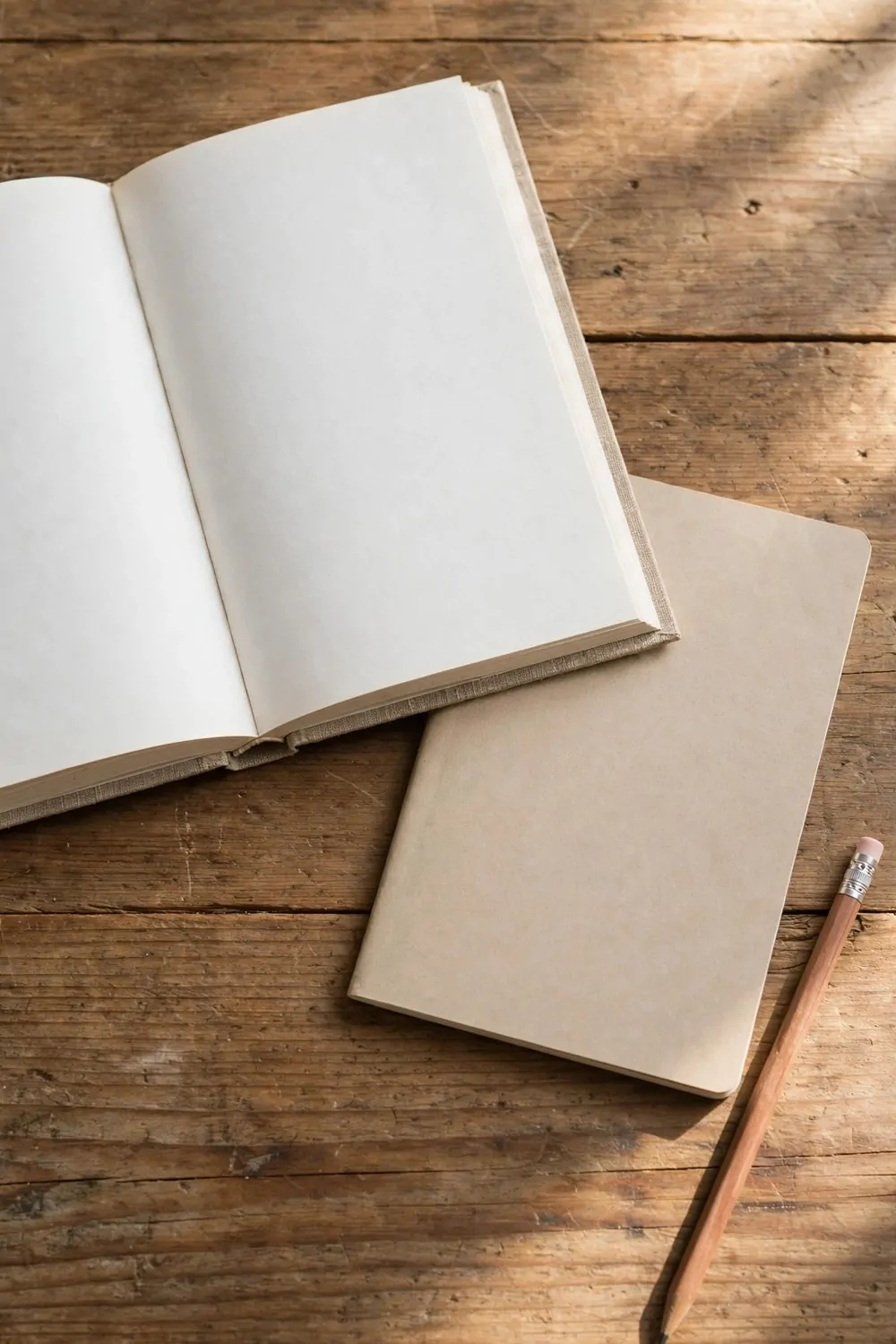
A book your child loves is full of good lines. Pick one short line together. A line about a kind friend or a sunny day works well.
Your child copies that line into a blank notebook.
Copying is real writing practice. It teaches how words look and how they sit in a row.
Let your child pick the line each time.
Choice makes the task feel like fun, not a chore.
Start with very short lines, just four or five words. Longer lines can wait for another week. Slow steps build strong writers.
Mum can read the line out loud first. Then your child writes it down at a calm pace.
Keep the book open beside the notebook while you work.
Typical cost $0 to $0.
4. Keep a Small Diary with One Sentence a Day
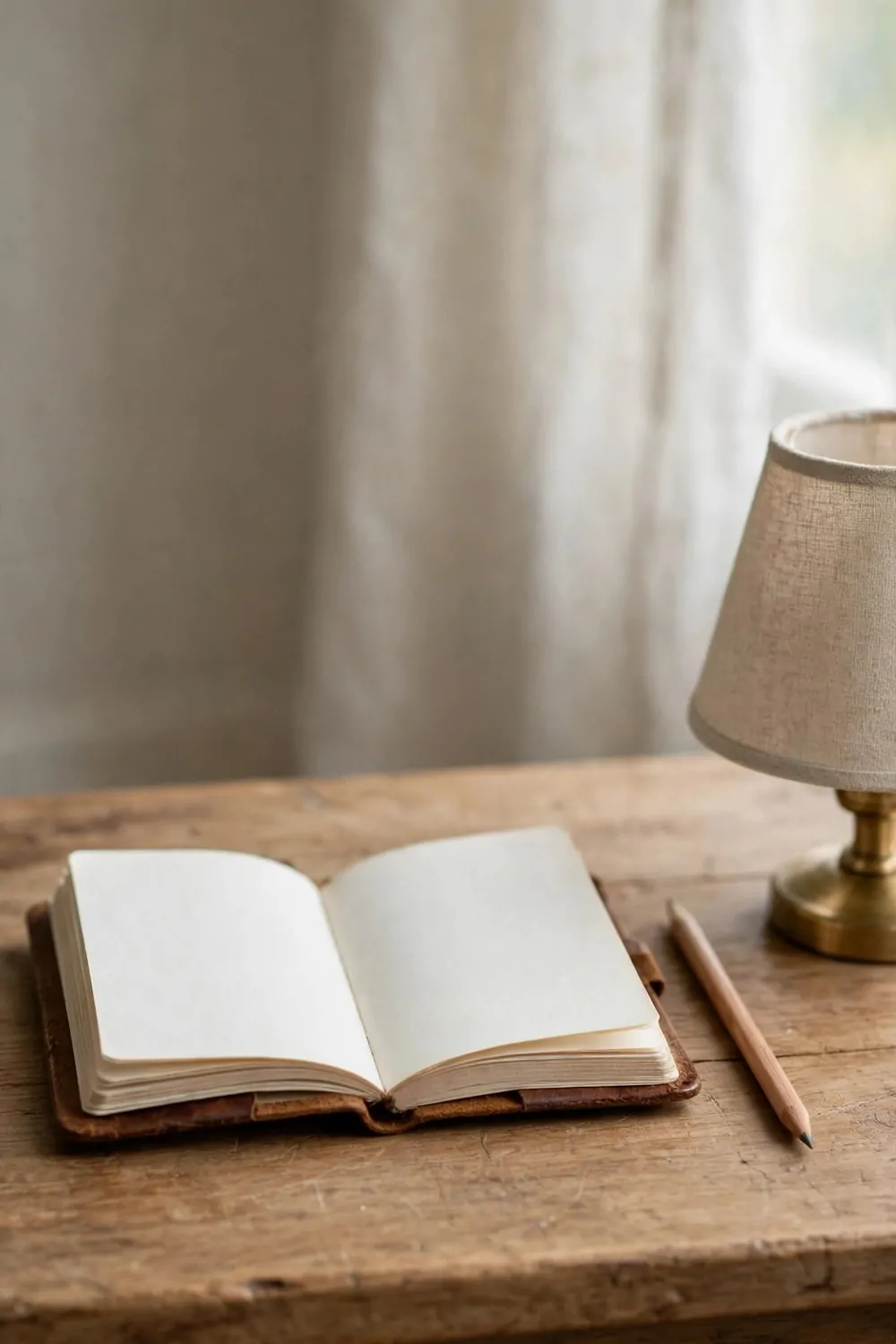
A diary is a small safe place for one thought a day.
Your child writes just one sentence before bed. It can be about the day, a wish, or a funny moment. One sentence is enough, and it always counts.
Keep the diary on the bedside table. A pencil beside it means no hunting for tools.
Some days the sentence is short and sweet. Some days it grows a little longer, and that is fine too.
Never check the spelling in a diary.
A diary is for feelings, not for tests.
After a month, read a few old pages together. Your child will smile at how much has changed. Small daily steps add up fast.
A teacher once told me that one line a day beats ten lines once a week. I have seen it work with my own girl.
Typical cost $1 to $3.
5. Write a Shopping List Together
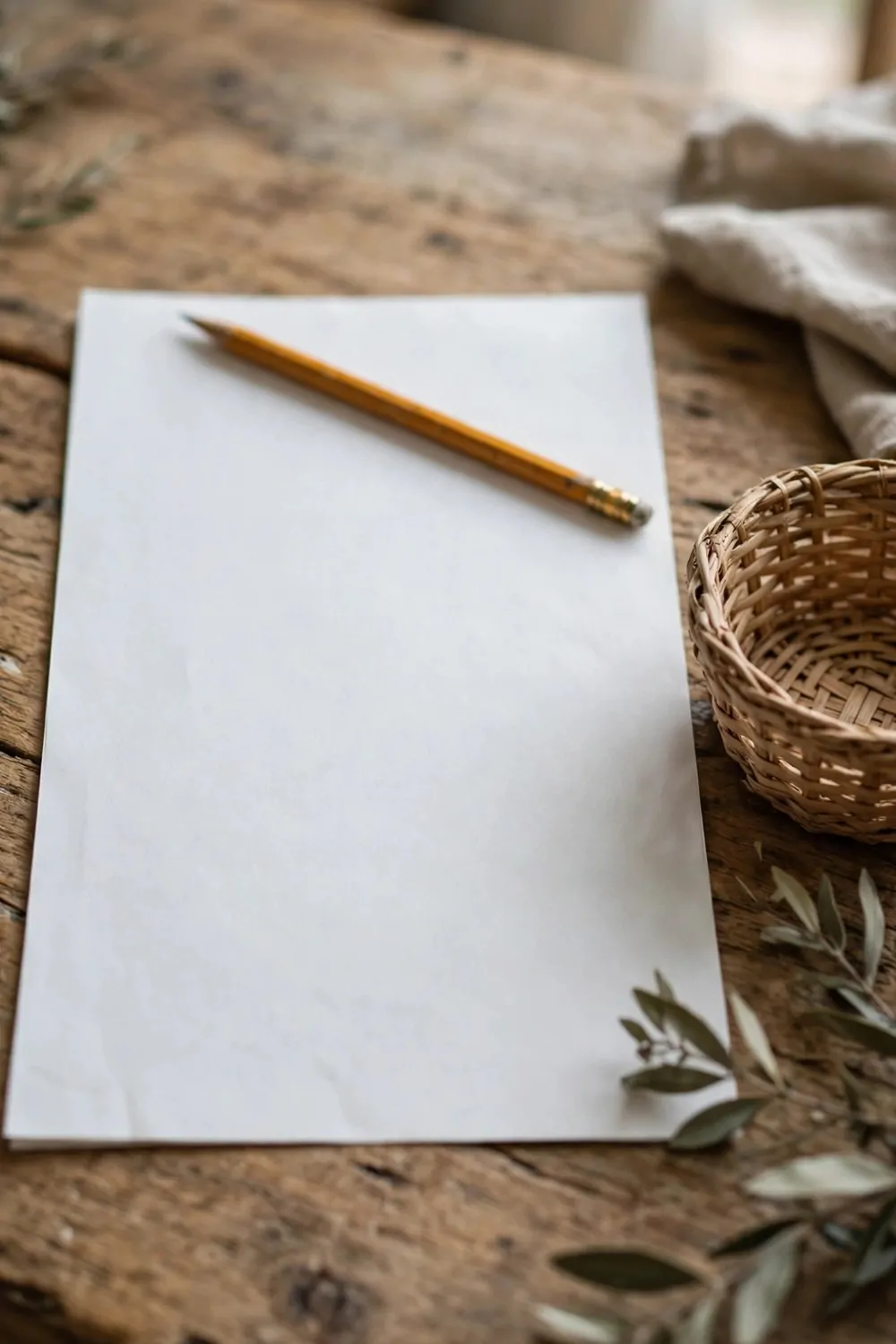
A shopping list is real writing with a real job. Your child writes the words, and you buy what is on the list.
Start with three or four things you need. Milk, bread, apples, and rice are easy first words.
Let your child hold the pencil and write each word.
Spelling can be wobbly, and that is fine.
Read the list out loud together before you go. Tick each word as you put it in the basket. Your child will feel so proud at the shop.
Keep the list on the kitchen table where all can see it.
Add one new food word each week. Soon the list grows long and your child writes it with ease.
If a word is hard, say it slowly together. Break it into small sounds. Then write it down, one bit at a time.
Typical cost $0 to $0.
6. Make a Birthday Card for Someone You Love
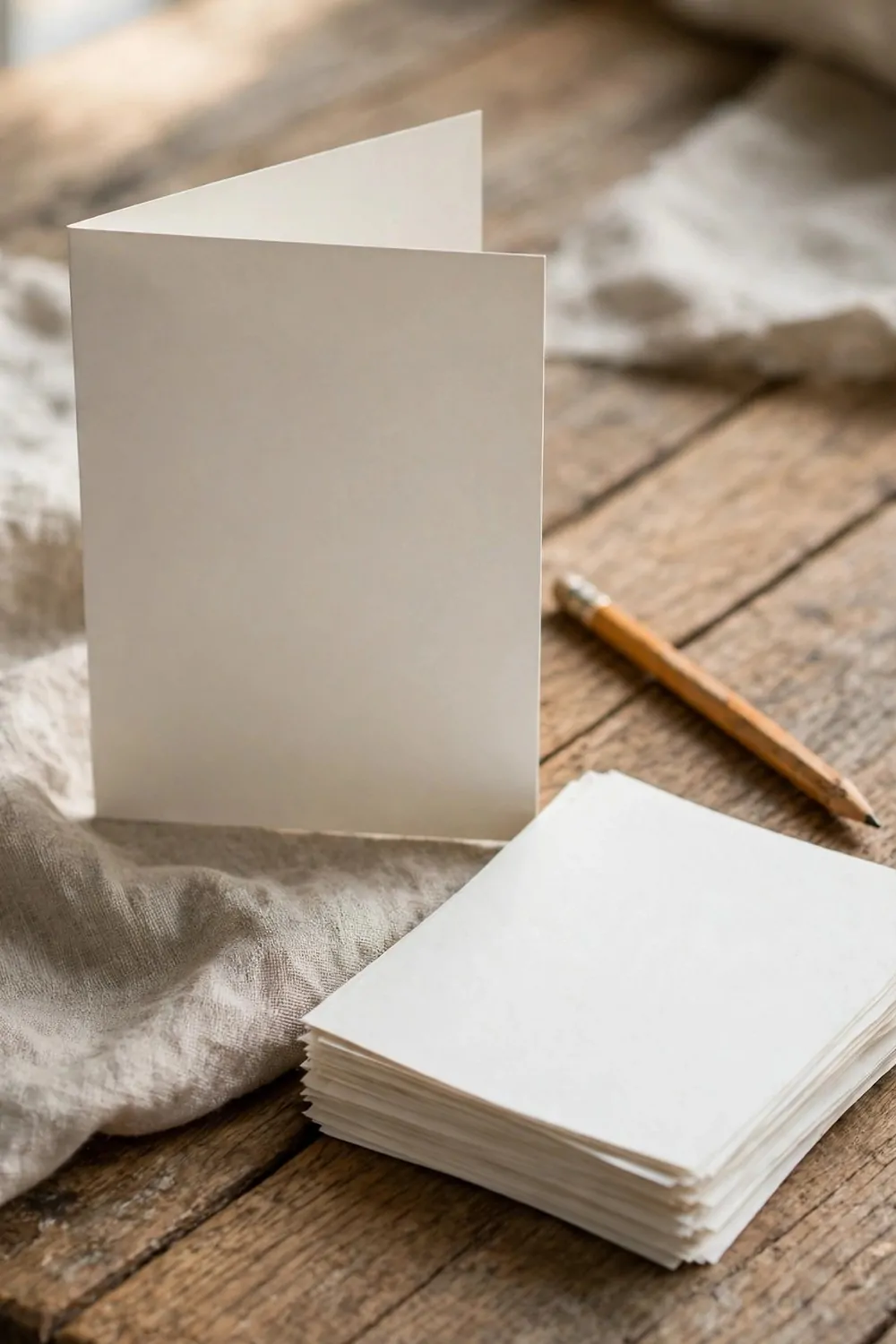
A card made with love means more than a shop card.
Your child folds a blank sheet and writes inside it.
Start with the name of the person you love. Then add one short kind line.
The line can be very plain and still warm. I love you is a full card all by itself. A short line from the heart is always enough.
Let your child pick the words.
A card for grandma, dad, or a friend all work the same way. The person smiles because the words came from your child.
Keep a small stack of blank paper ready for card days.
Write the card the day before, so there is no rush. A calm card looks and feels better.
Typical cost $1 to $2.
7. Label Things Around the House
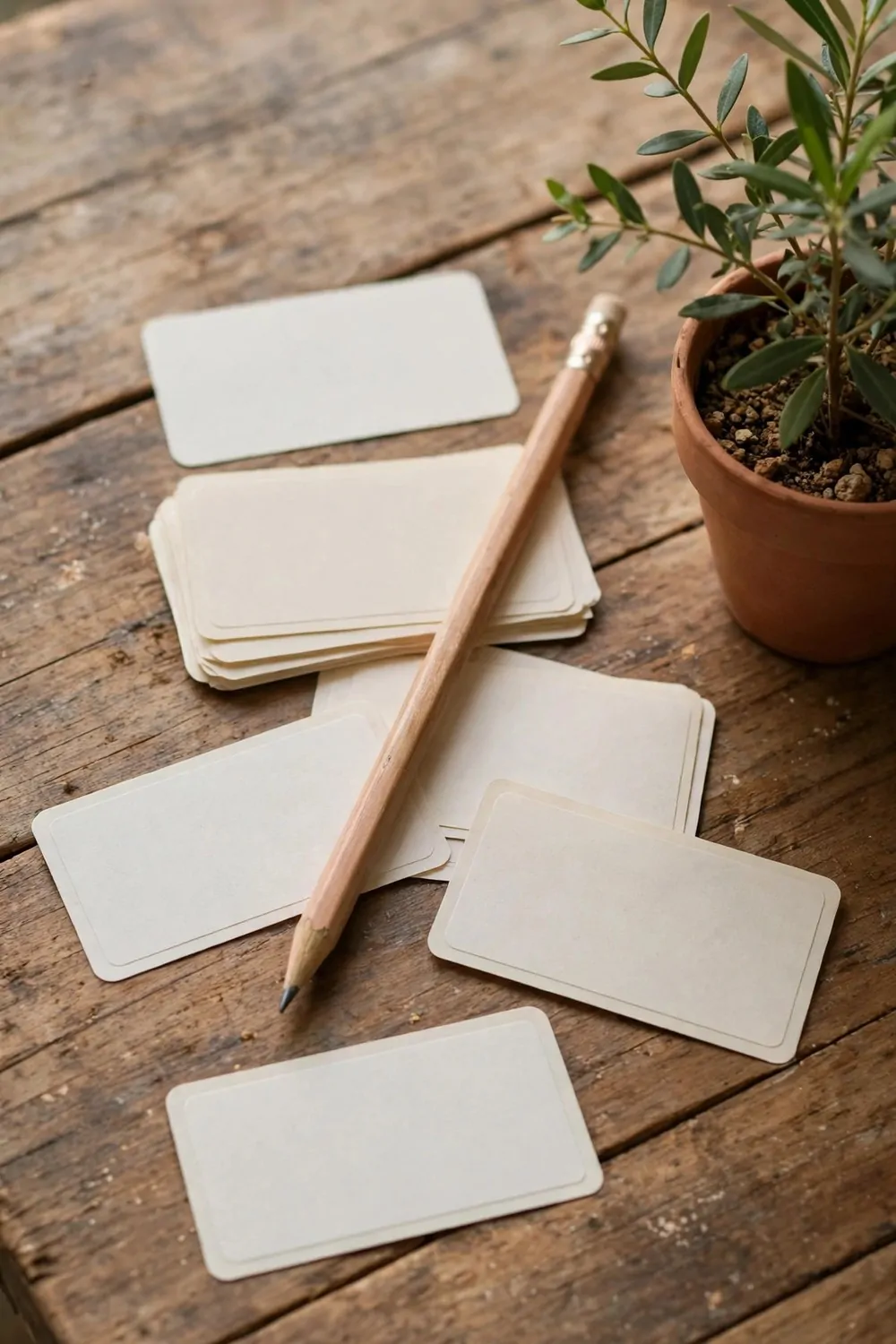
Labels turn a room into a reading game. Your child writes a word and sticks it on the thing it names. Every label is a tiny win.
Start with easy words like door, bed, and table. Your child writes each word on a blank label.
Stick the label where it is easy to see.
A plant on the table can get a label too.
Walk around the room and read the labels together. Your child will beam at each word they wrote.
Add two or three new labels each week.
Soon the whole room is full of words your child can read. That builds real pride. Reading your own labels feels like magic.
Peel old labels off when the words feel too easy.
Typical cost $0 to $1.
8. Write a Short Thank You Note
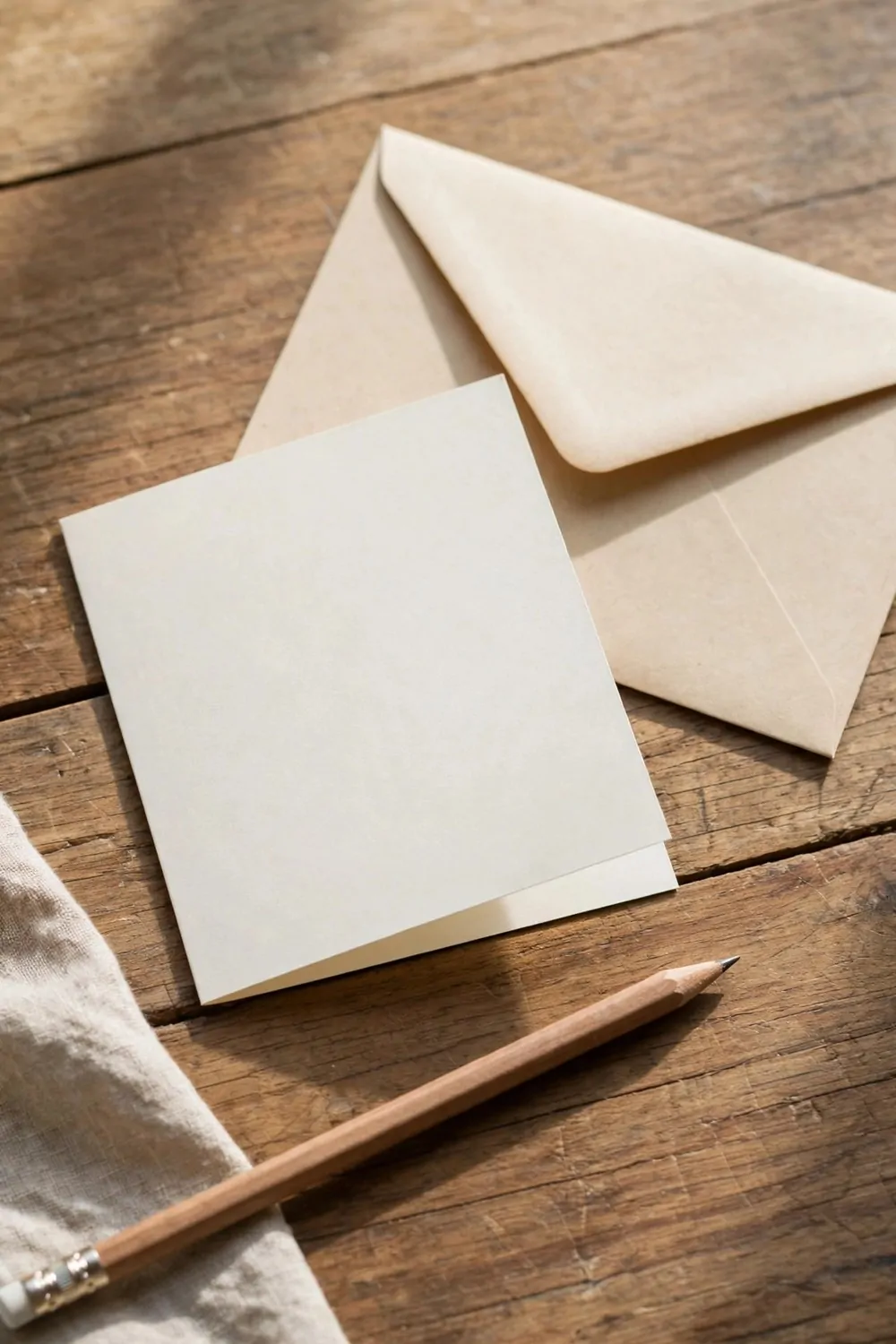
A short thank you note can make someone smile all day. You only need a few kind words to do it.
Pick a card and a pencil and sit at the table.
Think of one nice thing the person did for you.
Maybe they gave you a lift to school. Maybe they cooked your favourite meal. Maybe they just listened when you felt sad.
Write one line about that kind thing. Then write one line to say thank you.
Keep your words short and warm. You can draw a small heart at the end if you like. Your note does not need to be long to be lovely.
Put the note in the envelope and seal it shut.
Give it with a smile and watch their face light up.
Typical cost $1 to $2.
9. Draw a Picture and Write One Line About It
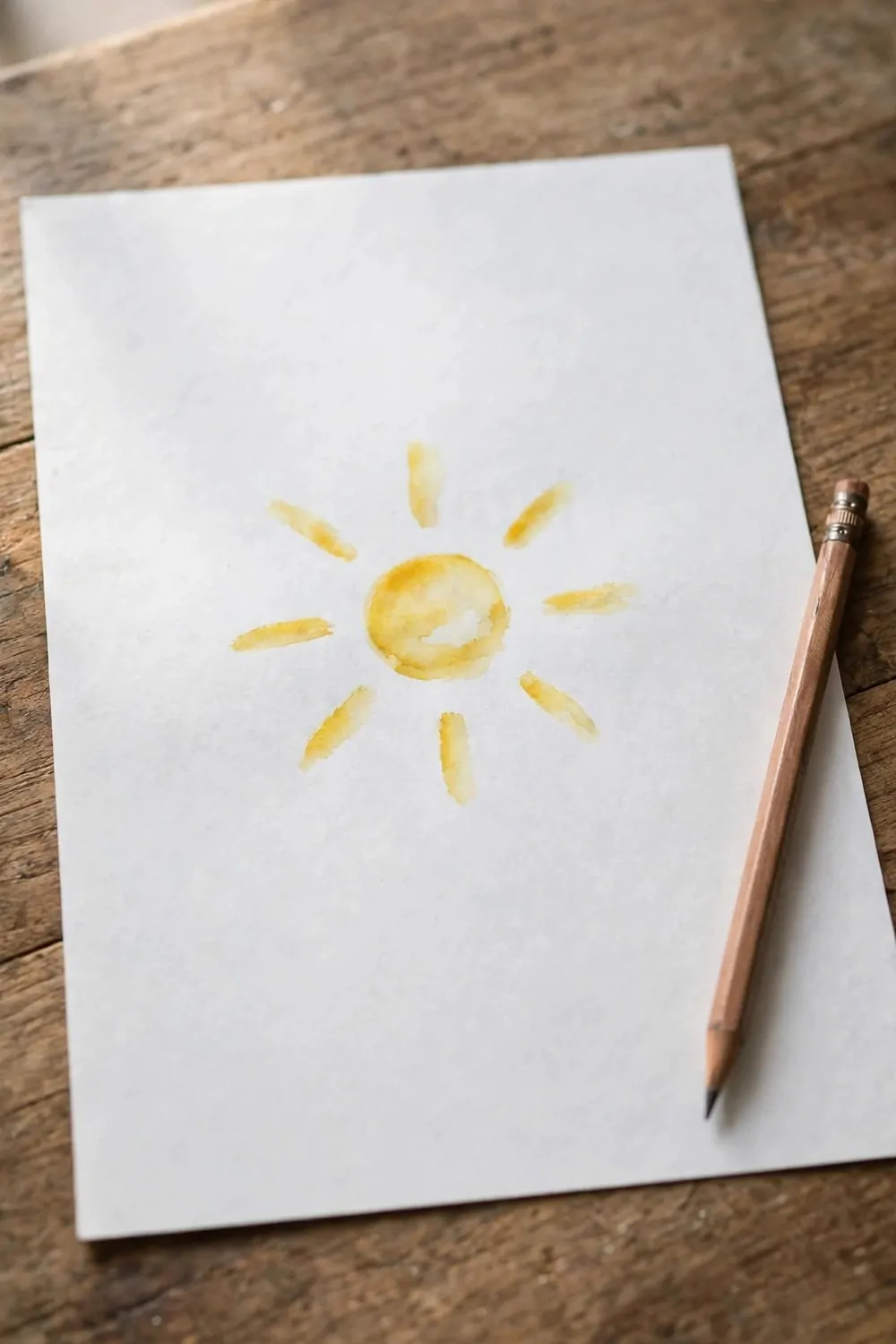
Drawing first makes writing feel easy and fun.
Take a blank sheet of paper and a pencil. Draw a big sun in the middle of the page.
Add rays around the sun. Add a few clouds if you like. Add some grass at the bottom too.
Look at your picture and think about it for a moment.
Now write just one line about your sun.
Your line can be simple, like a note about a warm day. There is no wrong way to say it.
Read your line out loud to yourself. Smile at your picture. You made a drawing and a line all by yourself.
Keep the page in a safe place. You can show it to mum later if you want.
Typical cost $0 to $0.
10. Play a Word Game with Letter Tiles
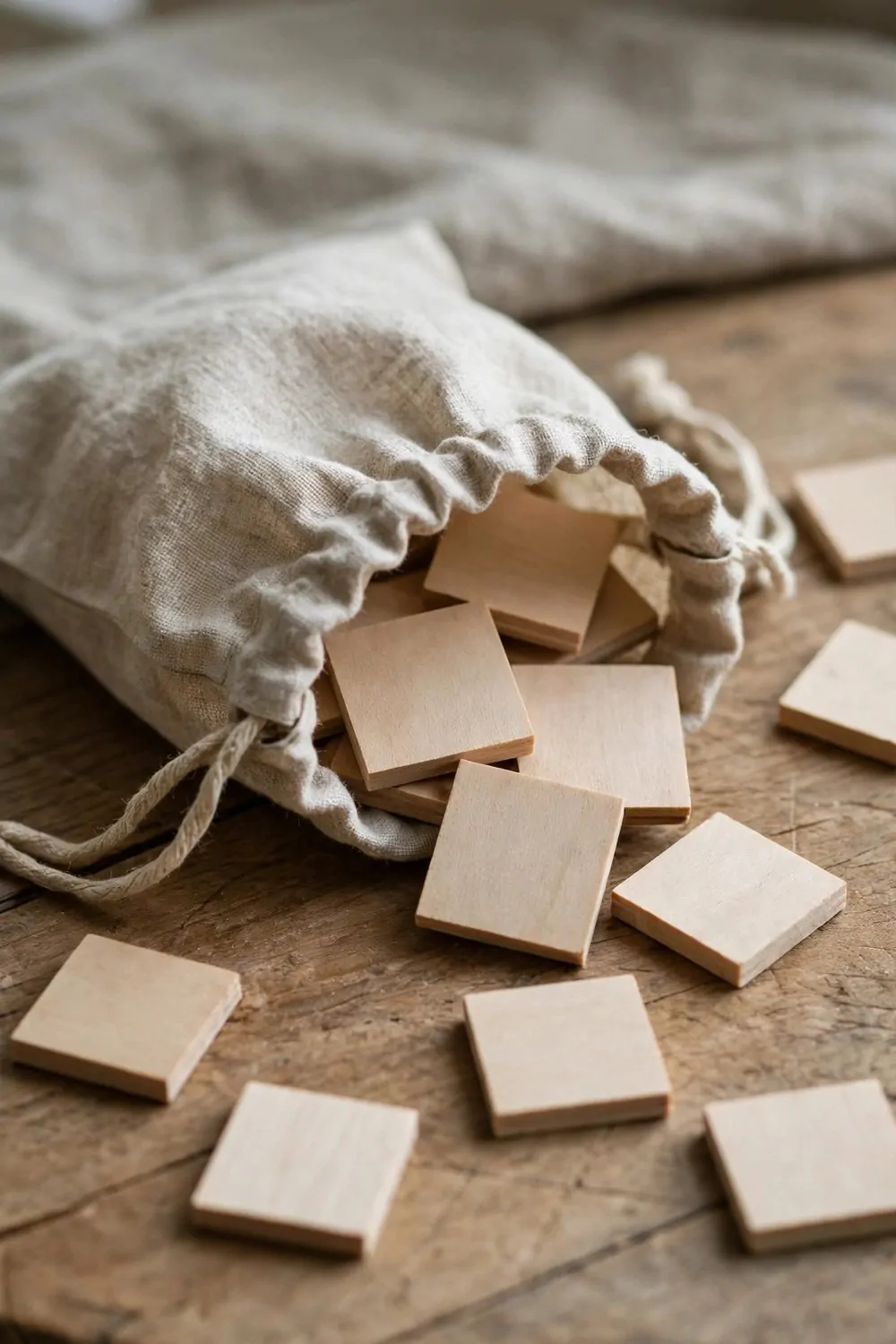
Letter tiles turn spelling into a game. You just pull tiles from the bag and build words.
Tip the tiles onto the table and mix them up. Pick seven tiles and lay them in a row. See what word you can make first.
Short words count just as much as long ones.
Take turns with mum or a friend. The player with the longest word gets a point.
Put the used tiles back and pick new ones.
Keep playing until the bag is empty.
You will learn new words without even trying. Your spelling gets a little stronger each round.
Tidy the tiles back into the bag when you finish.
Typical cost $3 to $5.
| Idea | Main change | Typical cost |
|---|---|---|
| Write One Line in a Notebook Every Morning | write one line in a notebook every morning | $0 to $0 |
| Trace Big Letters in a Tray of Rice | trace big letters in a tray of rice | $1 to $2 |
| Copy a Favourite Line from a Book | copy a favourite line from a book | $0 to $0 |
| Keep a Small Diary with One Sentence a Day | keep a small diary with one sentence a day | $1 to $3 |
| Write a Shopping List Together | write a shopping list together | $0 to $0 |
| Make a Birthday Card for Someone You Love | make a birthday card for someone you love | $1 to $2 |
| Label Things Around the House | label things around the house | $0 to $1 |
| Write a Short Thank You Note | write a short thank you note | $1 to $2 |
| Draw a Picture and Write One Line About It | draw a picture and write one line about it | $0 to $0 |
| Play a Word Game with Letter Tiles | play a word game with letter tiles | $3 to $5 |
| Total | $7 to $15 |
11. Write a Letter to Grandma
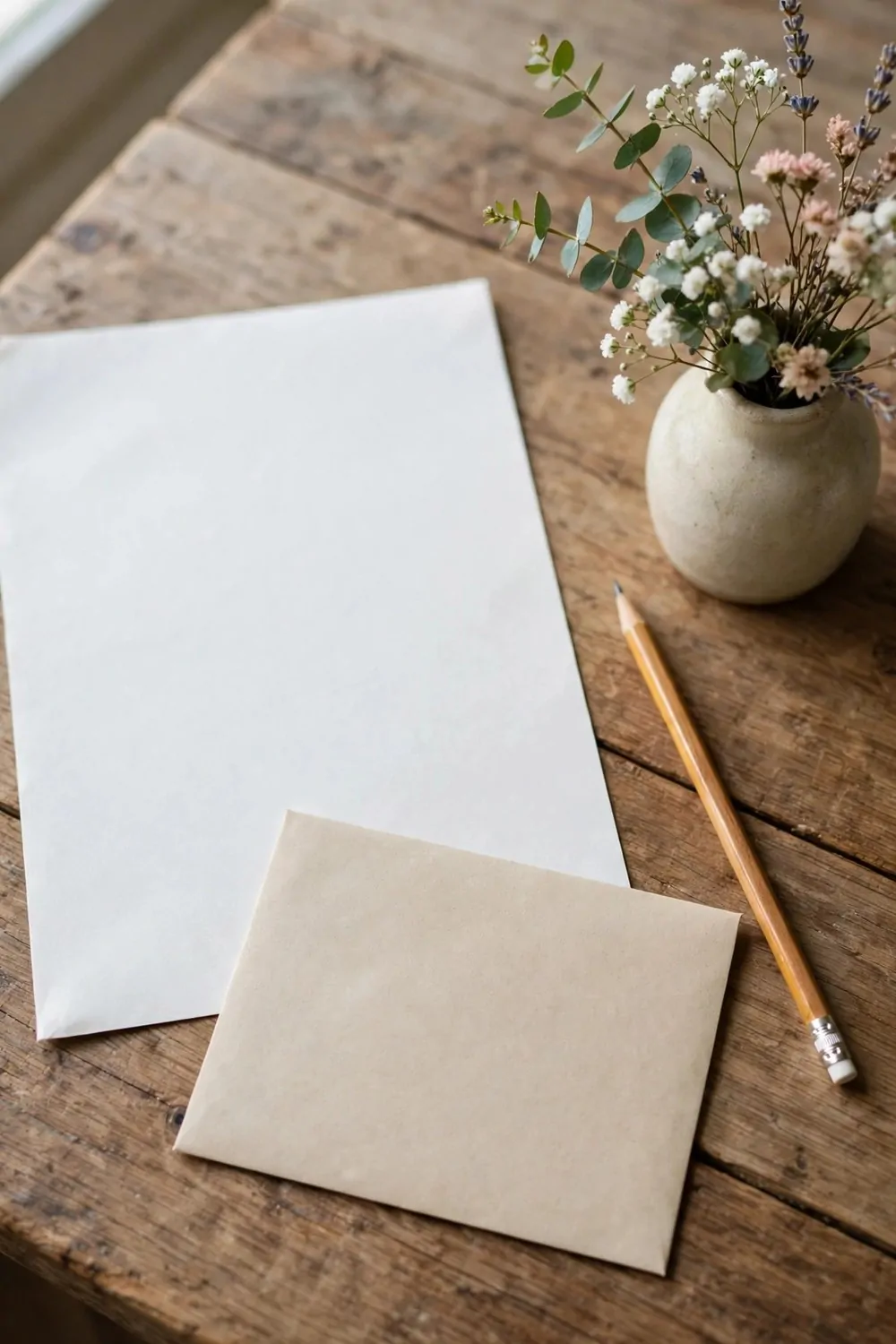
A letter to grandma is a lovely surprise in her post.
Take a blank sheet and a pencil and find a quiet spot.
Start by telling her one thing about your week. Maybe you played in the garden. Maybe you read a new book.
Ask her a question too. She will love to write back to you.
Tell her you miss her. Tell her you hope she is well.
Sign your name at the bottom with a little flourish.
Fold the letter and slip it into the envelope.
Pop it in the post box with mum. Grandma will smile when it lands on her mat. Your words will travel all the way to her.
Typical cost $1 to $2.
12. Make a Menu for Dinner
A menu makes dinner feel like a treat. You get to pick the dishes. Your family gets to see what is coming.
Take a blank sheet and a pencil.
Write the name of each dish on its own line.
Add a starter, a main dish and a sweet treat. Keep the list short so it is easy to read.
Draw a small plate next to each dish if you like. Use neat letters so everyone can read them. A tidy menu looks so smart on the table.
Ask mum what she plans to cook. Then write the dishes in the order they will be served.
Place the menu beside the plates before dinner.
Your family will love reading it. You can make a new menu every night if you want.
Typical cost $0 to $0.
13. Write Short Captions Under Family Photos
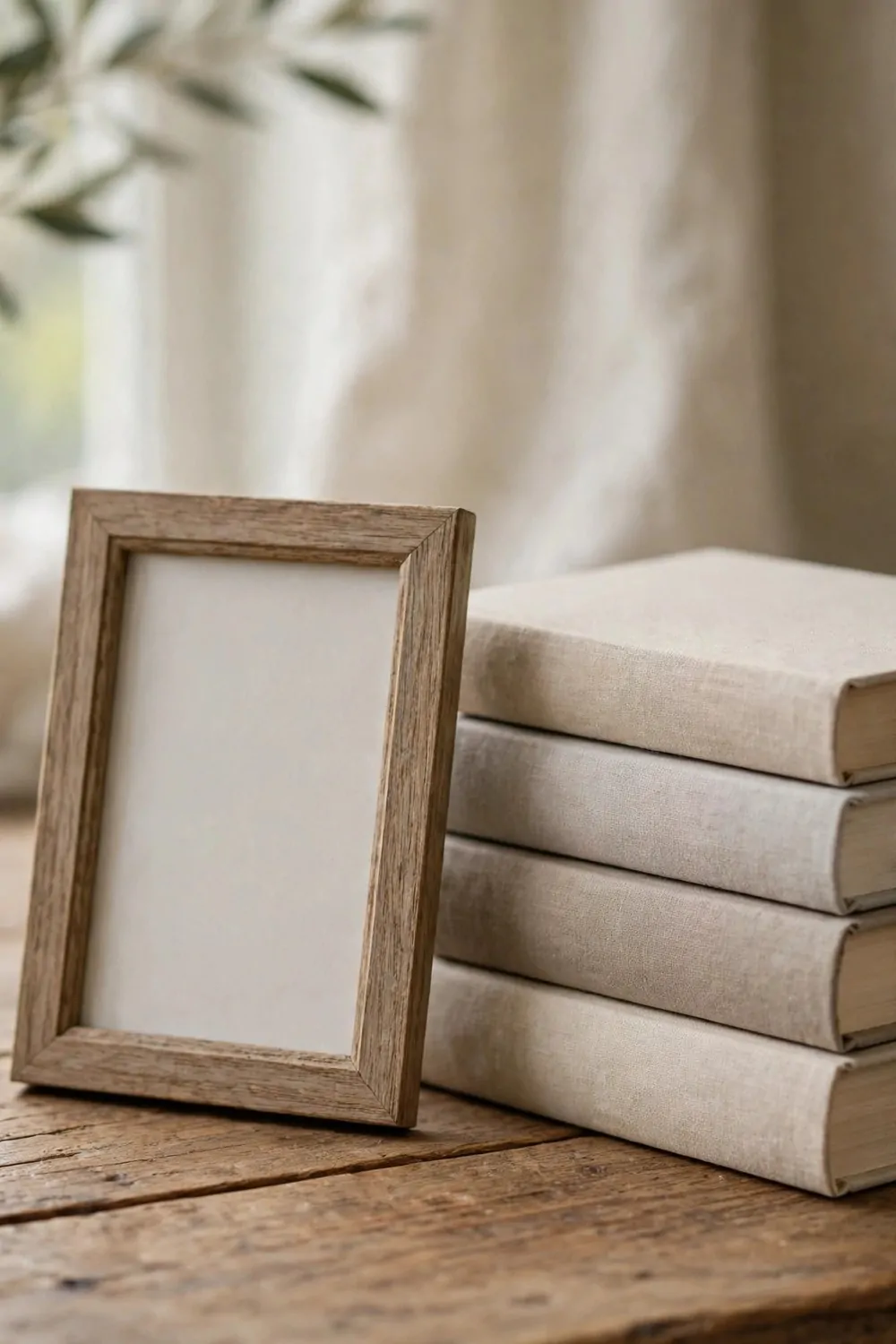
A short caption turns a photo into a little story. You only need a few words under each one.
Pick a photo from the frame and look at it closely. Think about where it was taken and who is in it.
Write one line about the day. Write one line about how you felt. Keep both lines short and simple.
A caption can be funny or soft or warm.
Use words that feel true to you.
Write the caption on a small slip of paper.
Tuck the slip under the frame. Now the photo has its own little story.
Do the same for each photo you love. Soon your shelf will hold a row of tiny tales. Your family will enjoy reading them all.
Typical cost $0 to $0.
14. Keep a Nature Notebook on a Walk
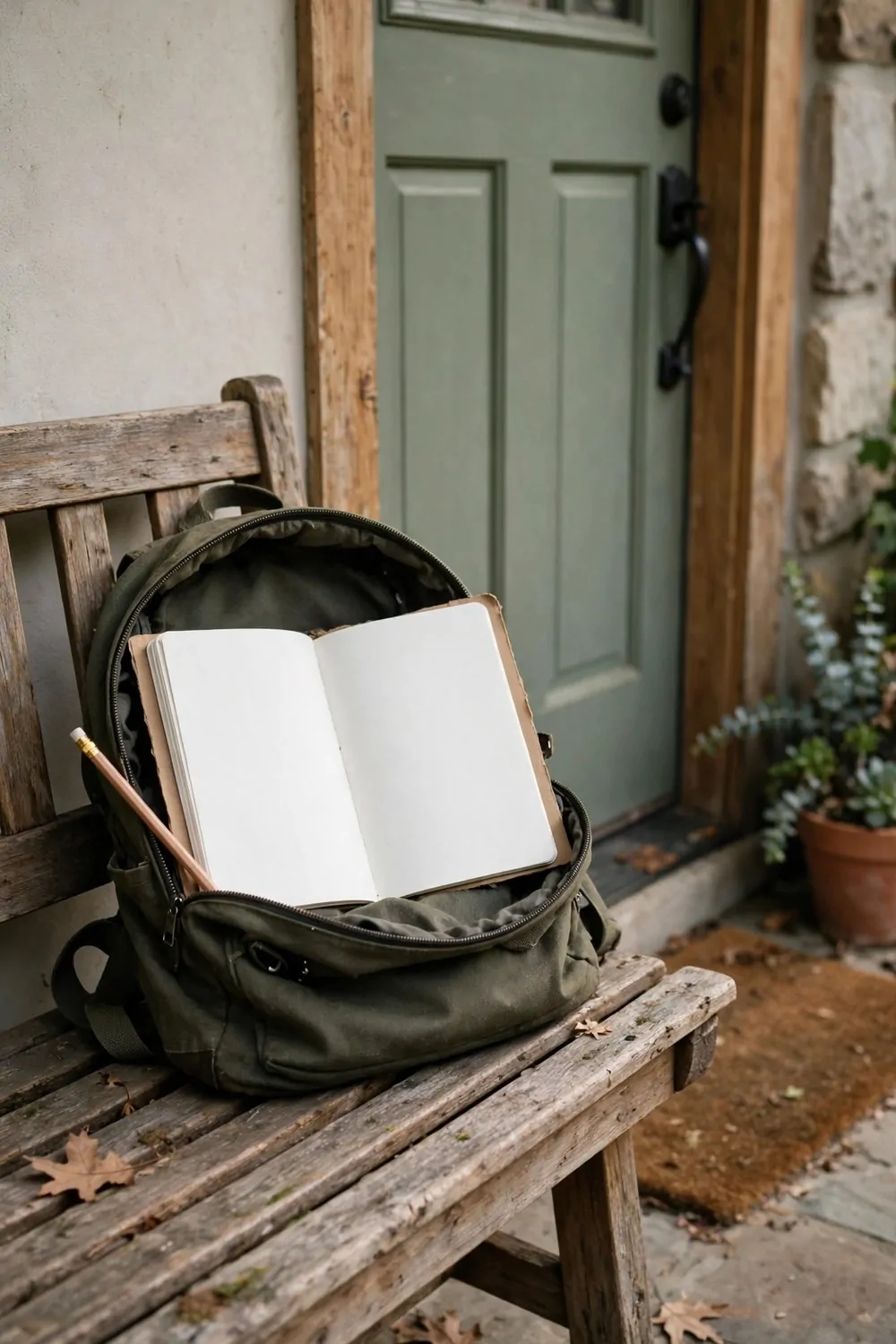
A nature notebook turns a simple walk into a small adventure.
Pack your notebook and a pencil in your bag. Slip on your shoes and head out the front door. Take your time and look around as you go.
Stop when you see a leaf or a stone you like.
Draw it in your notebook just as you see it.
Write one line about where you found it. Add the date so you can recall the walk later.
Look up at the trees on your way home. Note the shapes of the leaves. Note the colours you spot along the path.
Back home, read your notes again. You will be glad you kept them.
Your notebook will fill up walk by walk.
Typical cost $2 to $4.
15. Write a Silly Poem with Rhymes
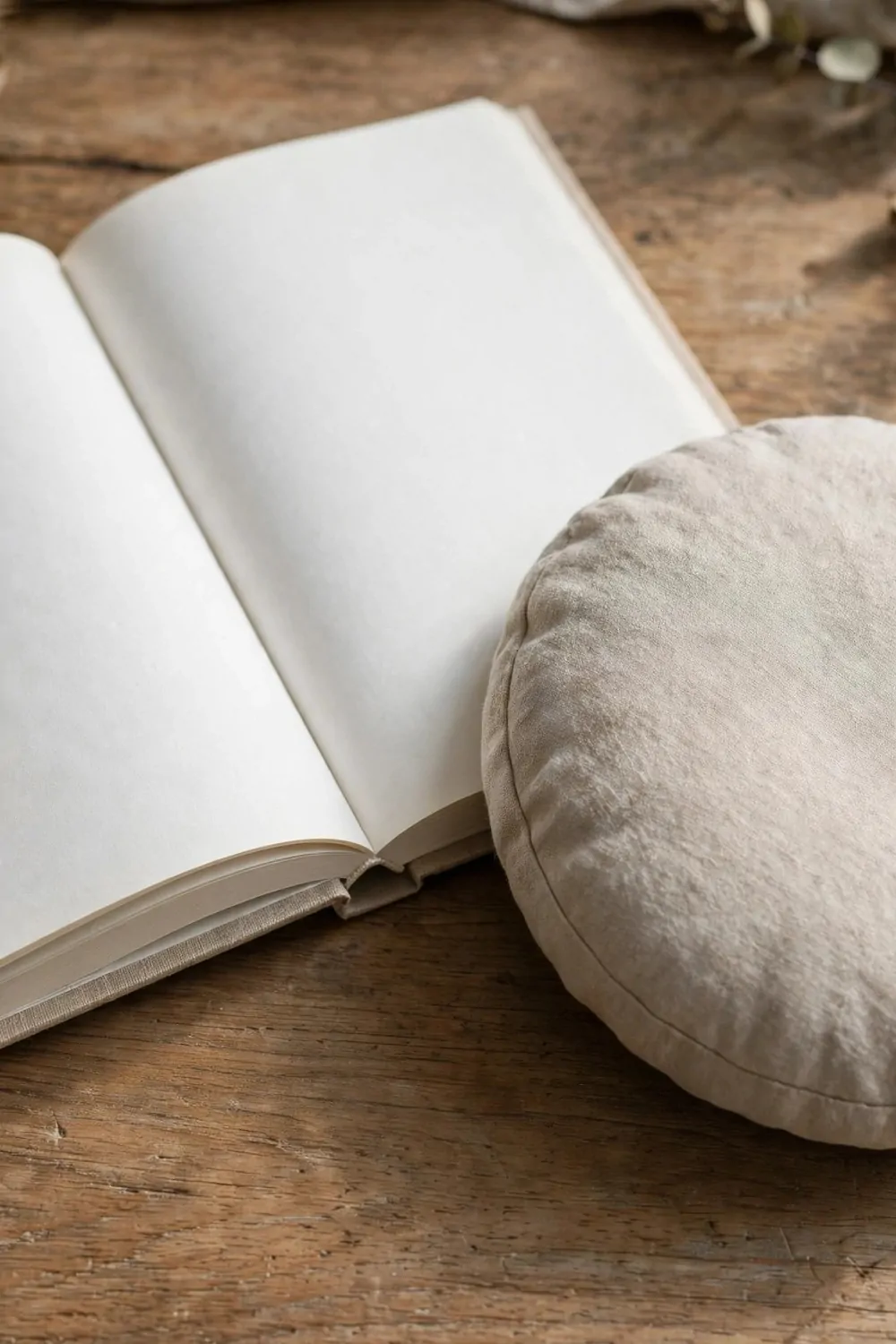
I love to make up silly poems with my mum on a quiet afternoon. We pick two words that sound the same at the end and we laugh a lot.
A poem does not need to be long to be fun.
I start with one small line about my lunch or my shoes. Then I think of a funny word that rhymes with the last word.
My book stays blank until I am ready to write. I sit near my round cushion and I take my time.
A silly poem can be about a hat that talks or a sock that hides. It can be about a spoon that runs away at lunch. It can be about anything that makes you smile.
You do not need the perfect rhyme on your first try.
A near rhyme still counts as a win.
I read my poem out loud and I smile at the funny parts. Then I write it in my blank book so I can keep it.
Typical cost $0 to $0.
16. Draw a Comic Strip and Fill the Speech Bubbles
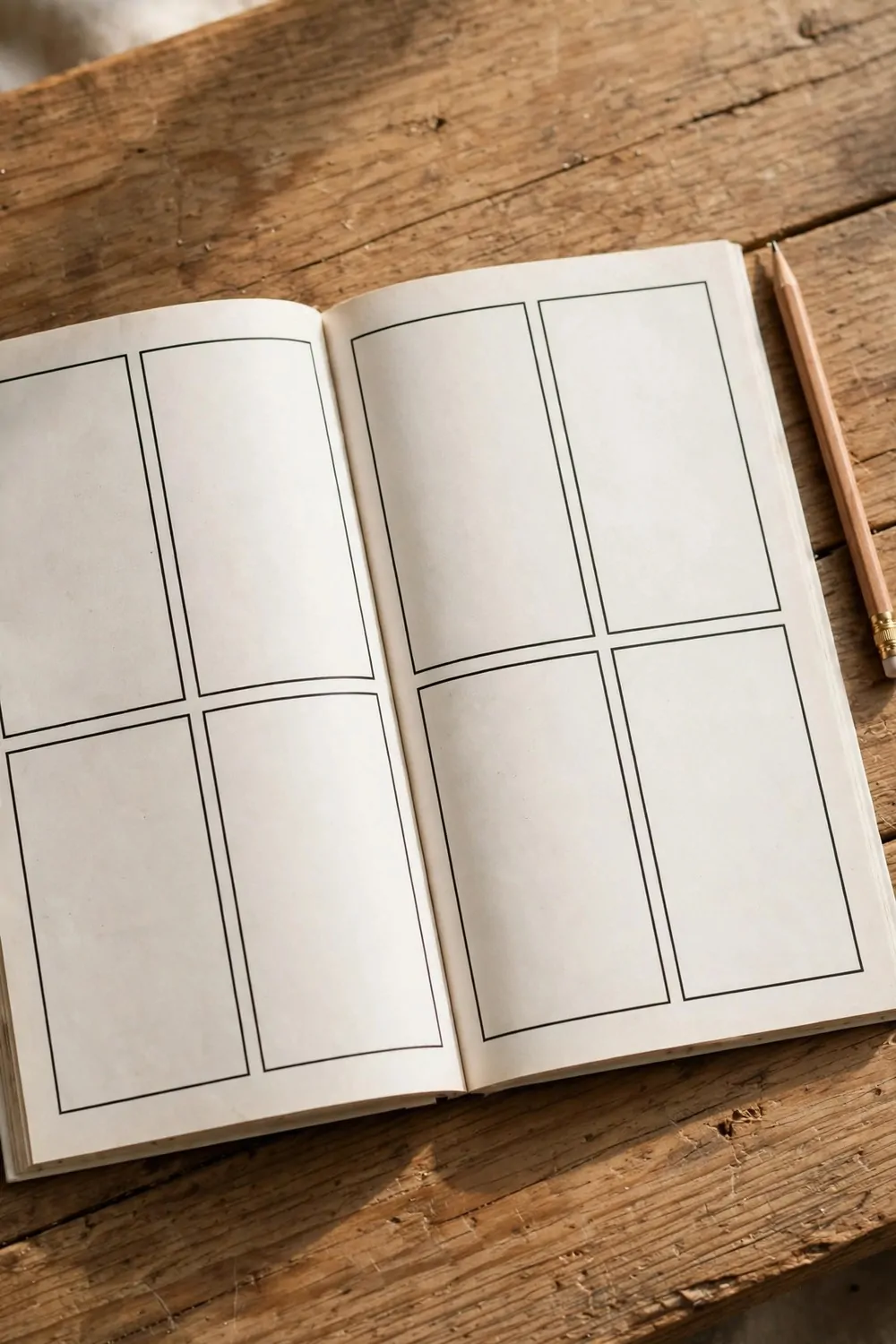
I like to draw a short comic strip on a blank page. I draw small boxes on a page for my story. Each box stays blank until I add my own picture.
I think of a simple tale about a little boat or a lost hat. Then I draw one small scene in each box with my pencil.
A speech bubble is a small round shape with a tiny tail. When I want a figure to speak, I will draw one in the blank space above it.
You can start with just one word in each bubble.
Short words are best for a first comic.
I draw slowly and I leave room for my words. My pencil sits beside my open book when I pause to think.
A wobbly line is fine and it still tells the story.
I look at my boxes in order from left to right. I check that each picture fits its own box. Then I smile because my little story makes sense now.
Typical cost $1 to $3.
17. Write a Story About a Toy
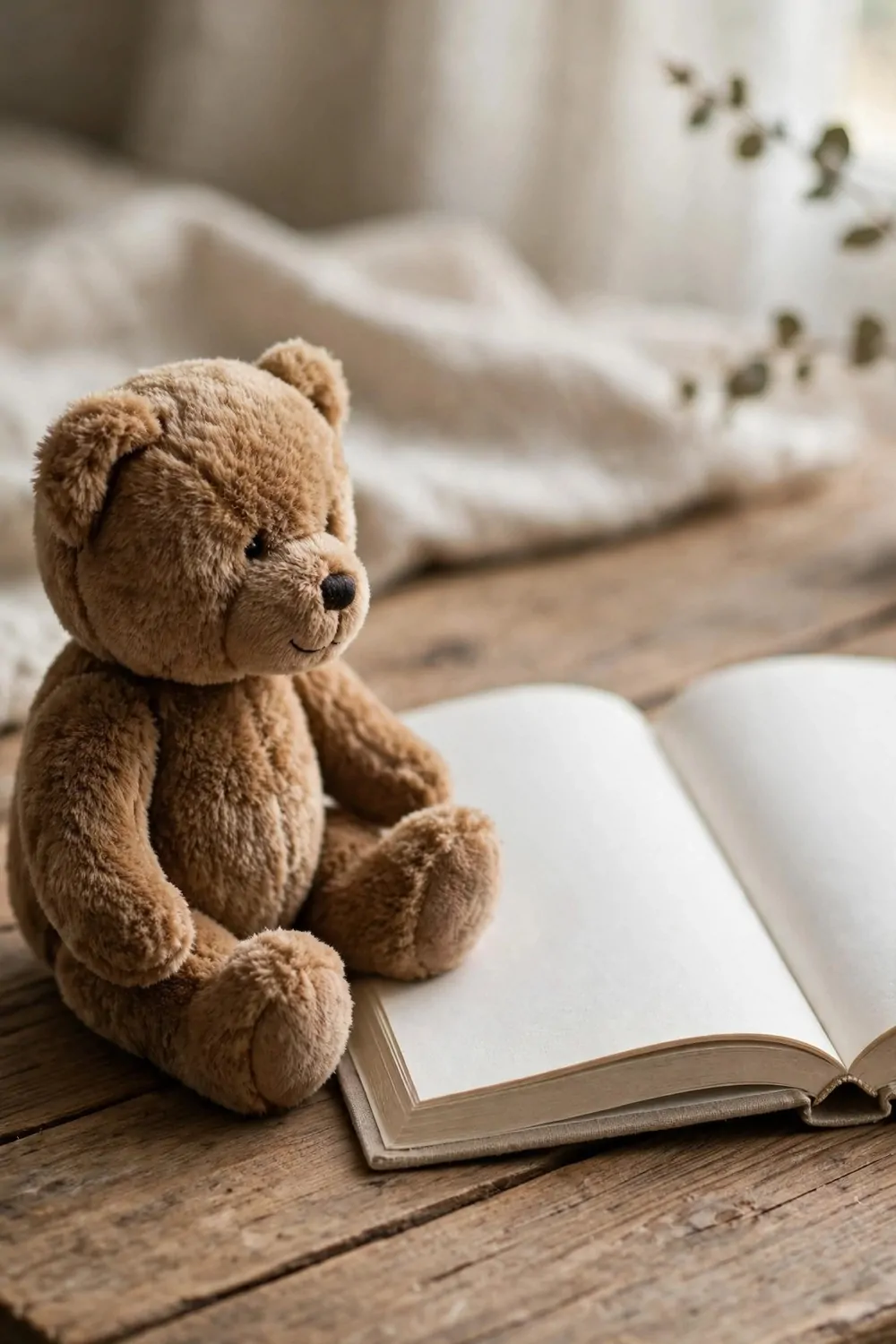
I like to write a short story about my soft teddy bear.
My teddy sits beside my blank book on the wooden table. I look at it and I think of one fun day we could share.
A story can start with one small thing that goes wrong.
Maybe my teddy loses a tiny button in the garden. Maybe it finds a shiny stone under a big tree.
You can pick the part you like best.
I write one line at a time in my blank book. I stop when I feel stuck and I look at my teddy again. Then I write the next small part of the tale.
My story does not need big words to be good. Short lines can still feel warm and fun. I end my tale with a kind line that makes me smile.
I read my story back and I feel proud of my work.
Typical cost $0 to $0.
18. Practise Writing Names with Chalk Outside
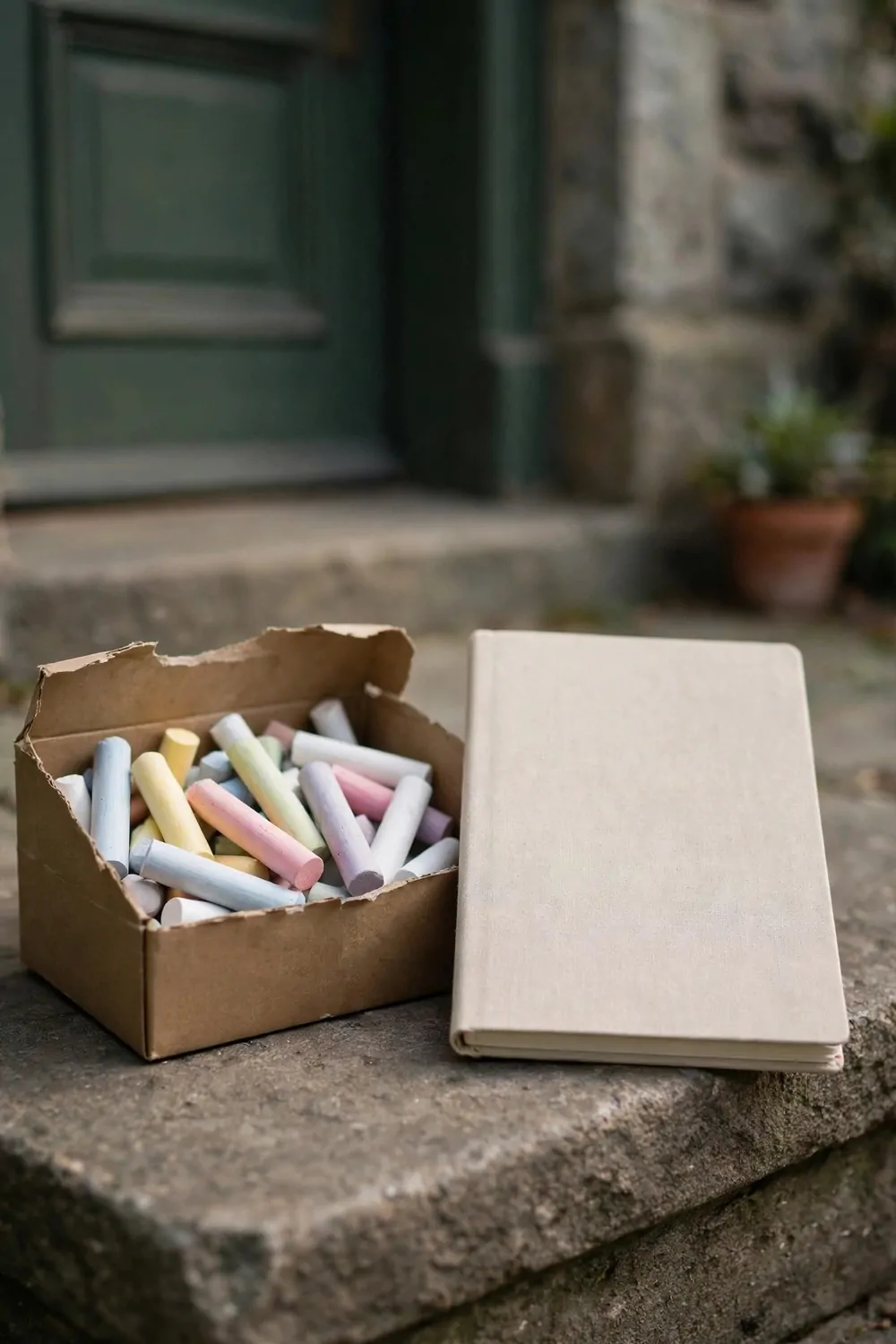
I like to practise writing names with chalk on a stone step. It feels fun to write big letters outside in the fresh air.
I take my box of chalk sticks and my blank notebook to the step. I open my notebook to a clean page with no words yet. Then I pick one chalk stick from the box.
I write my own name first in big soft letters. Then I write the name of my mum or my teacher.
Big letters are easier to read and fun to trace.
If a letter looks wobbly, I rub it out and I try again. A wobbly letter is still a good try.
You can write each name two or three times if you like.
Slow writing helps your letters grow neat and clear.
I smile at my best name and I keep it for today.
Typical cost $1 to $2.
19. Write a List of Things That Make You Happy
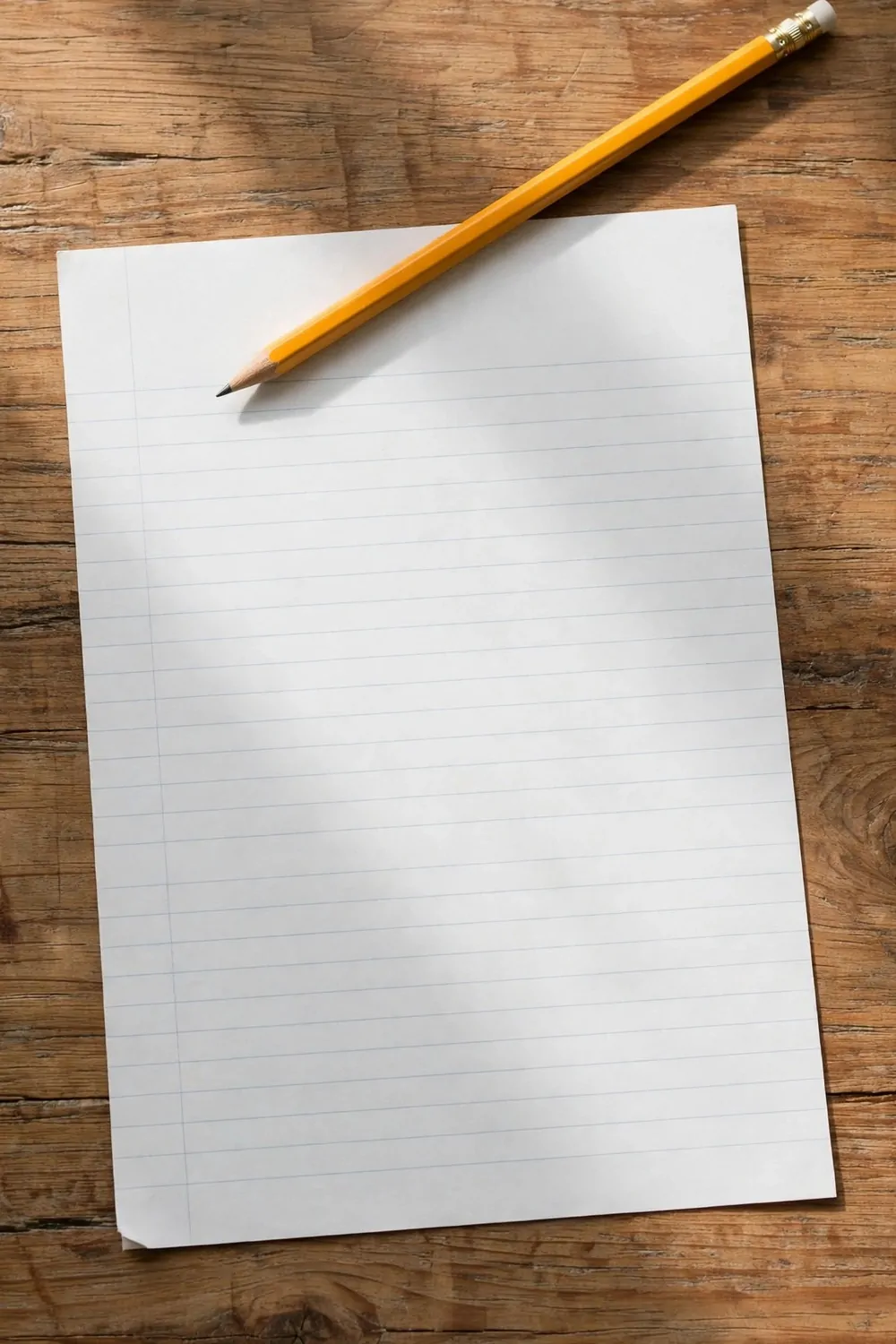
I like to write a list of things that make me happy.
A happy list is easy to start and fun to keep.
I take a blank lined sheet and my yellow pencil. I write one happy thing on each line.
You can start with your favorite food or a sunny day.
I write about a warm drink and a soft blanket. I write about a kind word from my teacher. I write about a quiet time with my mum in the garden.
Your list does not need to be long to be good. Three small joys are a fine start.
I read my list when I feel a bit low. It helps me recall the good parts of my day.
I add one new line each day if I want to. My list grows slowly and it stays just for me. I feel glad when I see how many happy things I found.
Typical cost $1 to $2.
20. Make a Little Book of Your Own
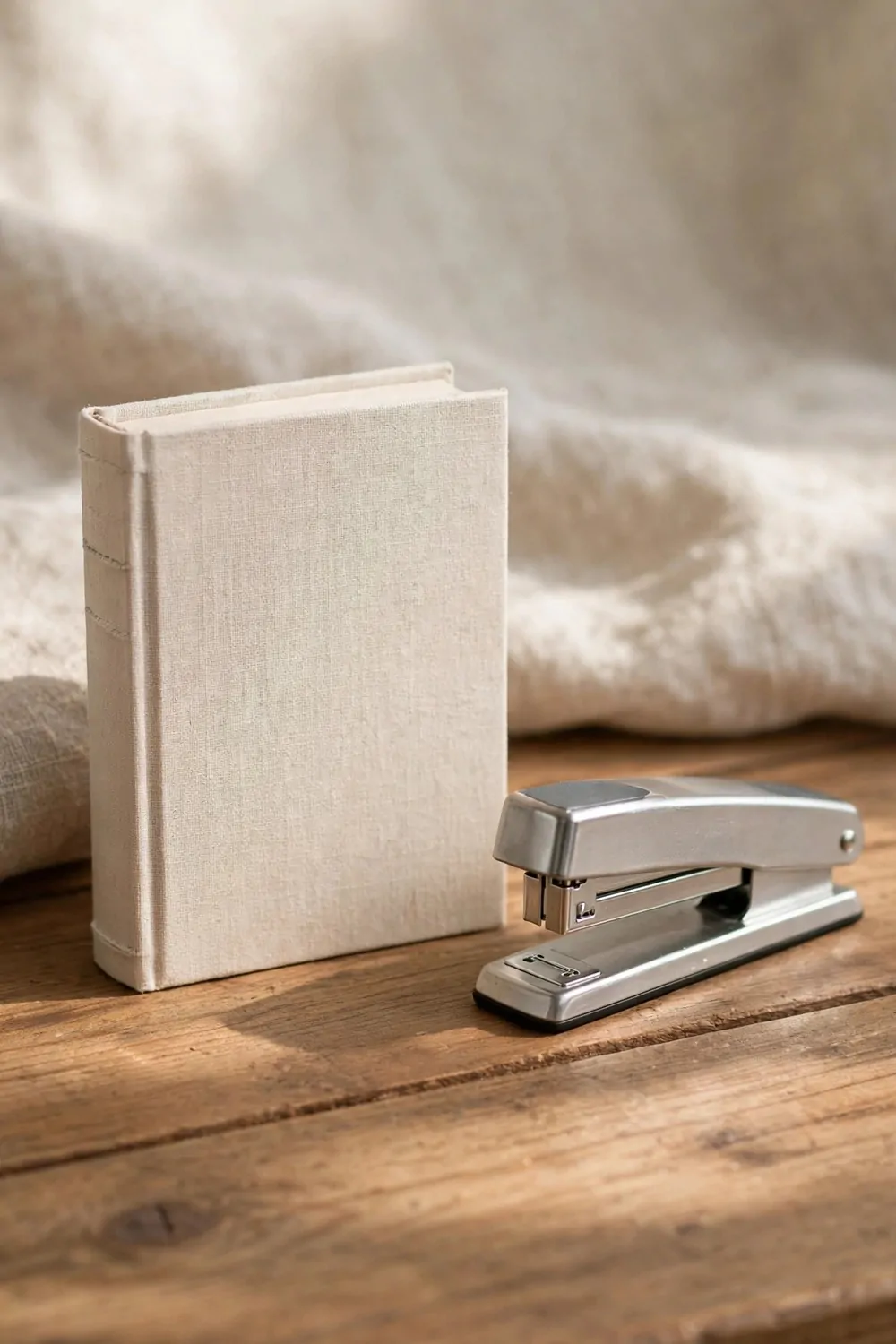
I like to make a little book of my own with plain paper. I fold the pages in half and I line up the edges. Then I use the stapler to hold the fold in place.
A little book is a kind place to keep your own words.
I pick a simple title for the front page. I write it in big clear letters on the blank cover.
I add one picture on the first page inside. I add one short line under the picture. Then I turn the page and I start my next part.
You can fill a few pages each day.
A short book still counts as a real book.
I keep my little book on the wooden table when I rest. The stapler stays beside it until I need it again.
I feel proud when I turn to the last page I made.
Typical cost $2 to $4.
| Idea | Main change | Typical cost |
|---|---|---|
| Write a Letter to Grandma | write a letter to grandma | $1 to $2 |
| Make a Menu for Dinner | make a menu for dinner | $0 to $0 |
| Write Short Captions Under Family Photos | write short captions under family photos | $0 to $0 |
| Keep a Nature Notebook on a Walk | keep a nature notebook on a walk | $2 to $4 |
| Write a Silly Poem with Rhymes | write a silly poem with rhymes | $0 to $0 |
| Draw a Comic Strip and Fill the Speech Bubbles | draw a comic strip and fill the speech bubbles | $1 to $3 |
| Write a Story About a Toy | write a story about a toy | $0 to $0 |
| Practise Writing Names with Chalk Outside | practise writing names with chalk outside | $1 to $2 |
| Write a List of Things That Make You Happy | write a list of things that make you happy | $1 to $2 |
| Make a Little Book of Your Own | make a little book of your own | $2 to $4 |
| Total | $8 to $17 |
21. Write a Note in a Lunchbox
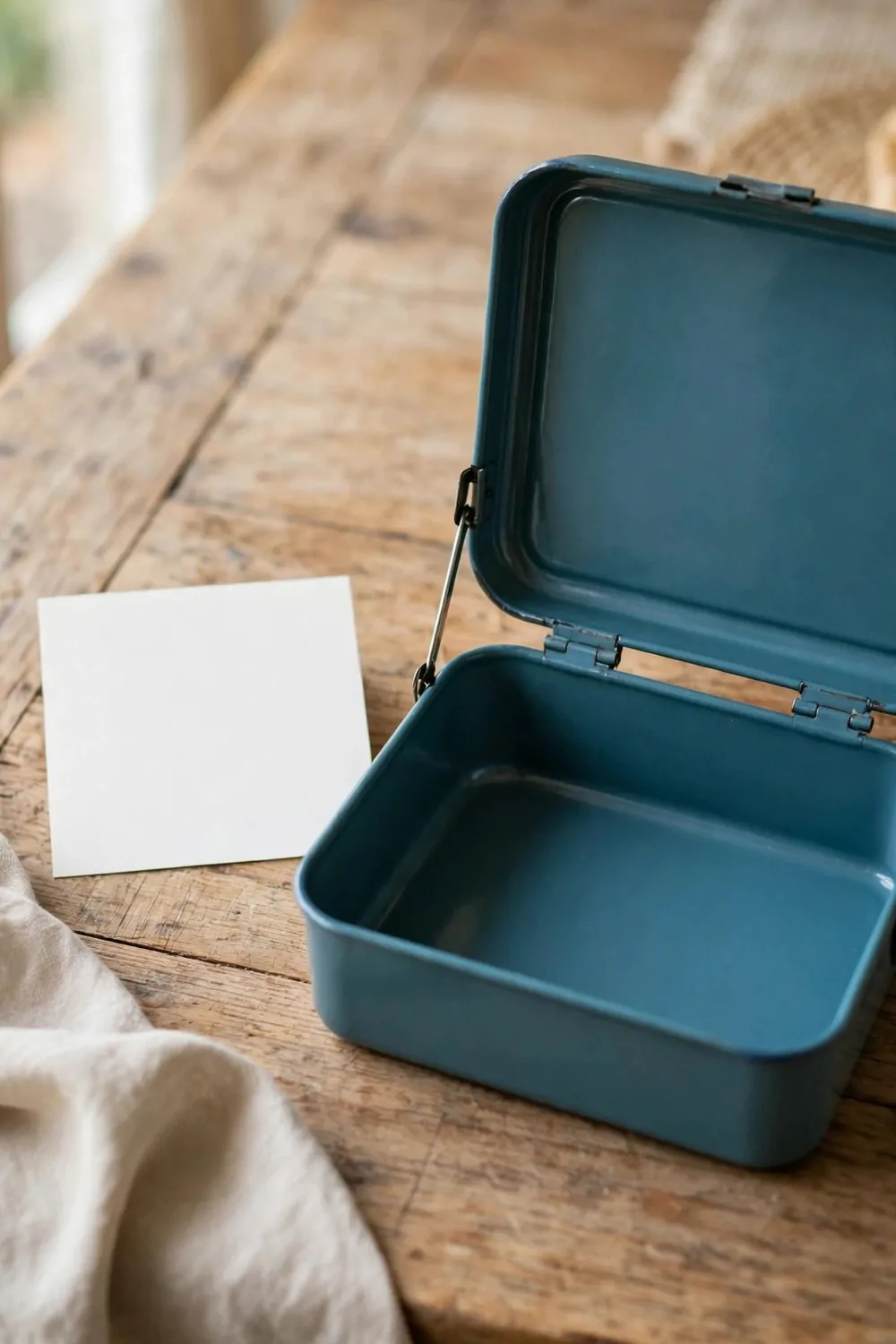
I keep a small stack of blank note cards in a kitchen drawer. In the morning I pull one out while I pack the lunchbox.
A short note takes less than a minute to write.
I write one kind line and one small wish for the day. My child reads it at lunch and smiles. A few kind words can turn a plain school day into a bright one.
Keep the note short so it is easy to read. One or two lines are more than enough.
I leave the card blank at night and write it fresh in the morning.
If I run out of cards, I cut a plain sheet of paper into small squares. A pencil works just as well as a pen.
My child likes to find the note tucked beside the sandwich.
Some days my child writes one back to me.
We keep the old notes in a small box on the shelf. Each one is a small win we can read again. Typical cost $0 to $0.
22. Copy a Rhyme and Learn It by Heart
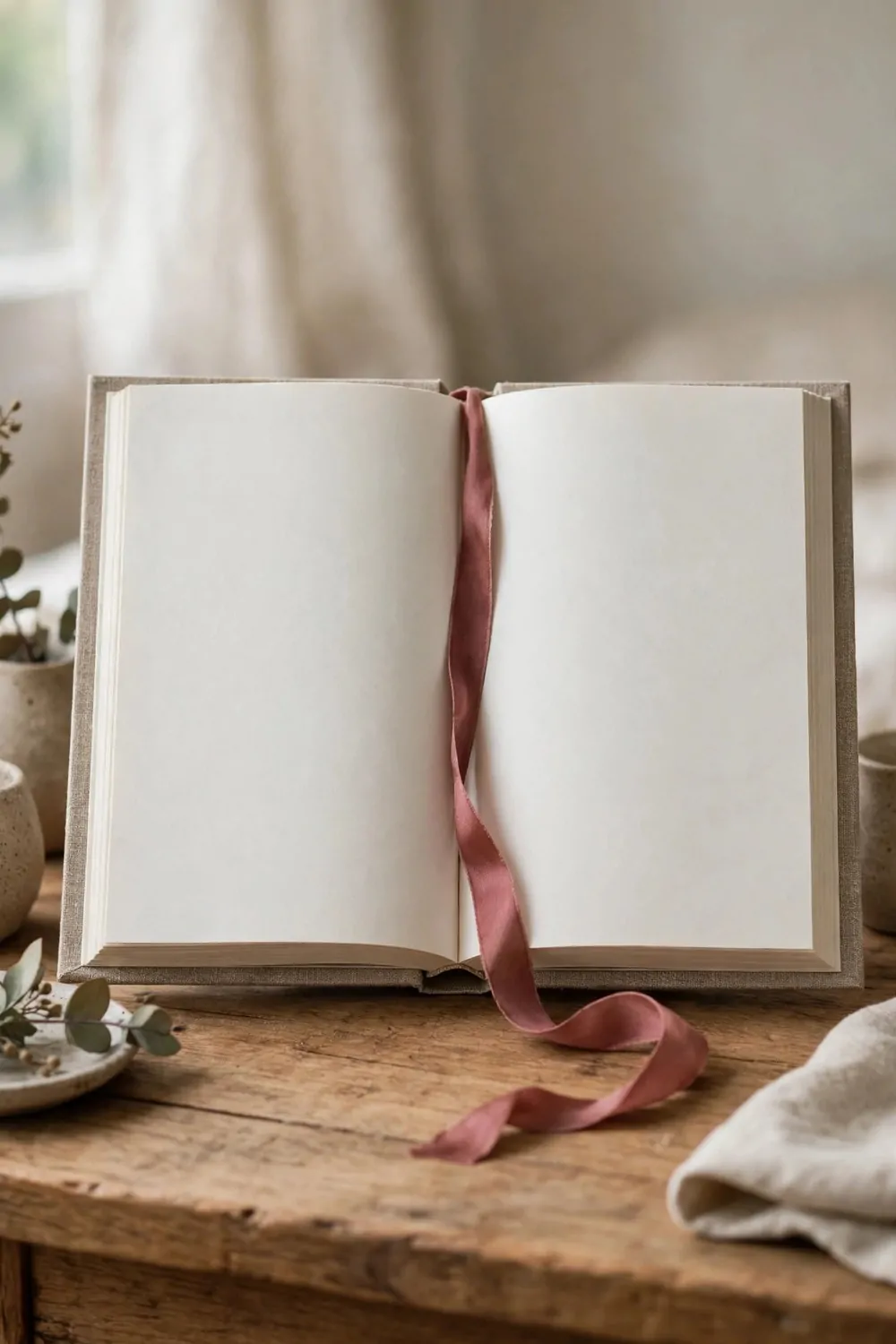
I pick one short rhyme and copy it into a plain notebook.
I write it slowly so each letter is clear. Then I read it out loud two times. My child listens and joins in on the last line.
We read the same rhyme each night for a week. A few lines at a time is all we need. By Friday my child can say most of it without looking.
A ribbon bookmark marks our place for the next night.
I keep the book on the bedside table where we can reach it. A calm spot makes it easy to focus.
We cheer when a hard line finally clicks.
If a line is tricky, we say it three times nice and slow. Small steps add up fast.
My child picks the next rhyme from a short list I write out. Choice makes the practice feel like play.
Typical cost $1 to $2.
23. Write a Postcard from a Day Out
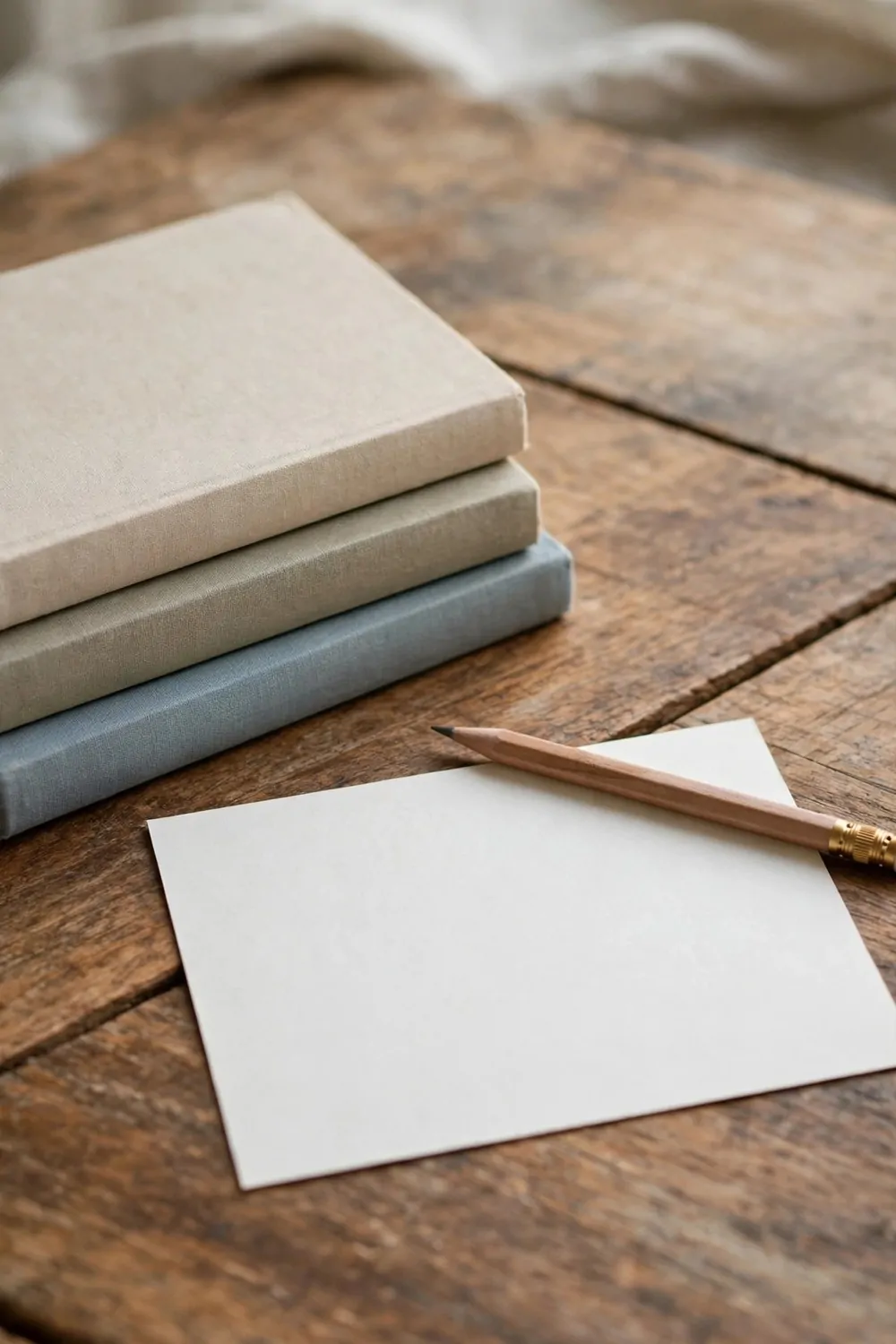
After a fun day out, we sit down with a blank postcard. My child tells me one thing they liked best.
I help them shape it into two or three short lines. Short lines are easy to write and fun to read later.
A pencil is best because a wobbly letter is easy to fix.
We write the date in one corner so we can recall the day. My child draws a small shape beside the words. The postcard goes into a keepsake box when it is done.
One postcard per trip is plenty.
If we have no postcards at home, I cut thick paper to the same size. A plain card works just as well. My child picks which one to use.
We read old postcards together on rainy afternoons.
A postcard is a small piece of writing with a big job. It keeps a happy day safe in words.
Typical cost $2 to $3.
24. Make a Word Jar and Pick One Word a Day
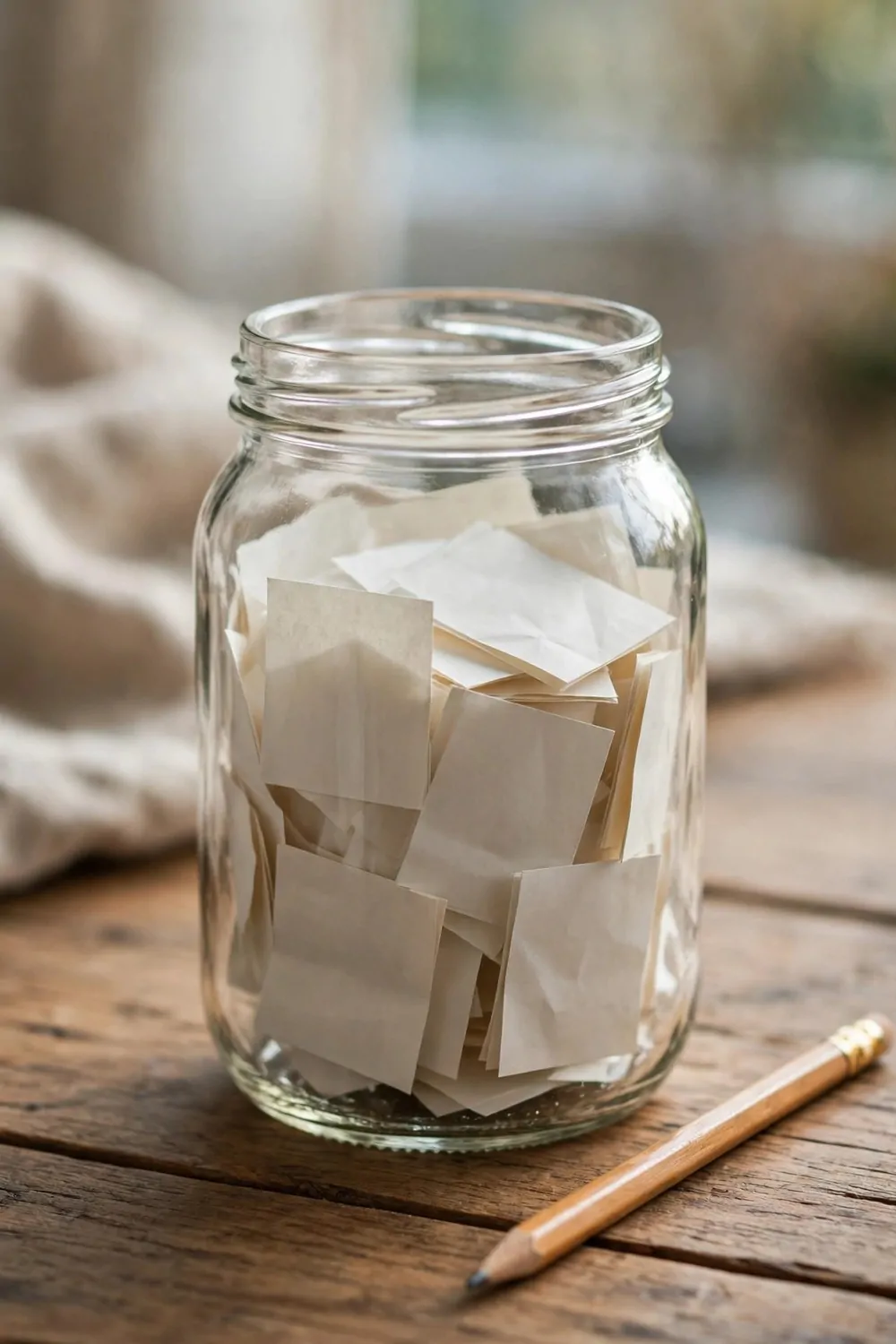
I fill a glass jar with blank paper slips and set it on the table.
Each morning my child picks one slip from the jar. We write the word of the day on it together.
Then we use the word in one short line. A new word each day grows a strong word bank.
The jar sits where we can both reach it.
I keep spare slips in a small box nearby.
Some words are easy and some take a little work. Both kinds help my child grow. We cheer for every word, easy or hard.
At the end of the week we read all seven slips again.
If a slip is lost, I cut a fresh one from plain paper. Nothing fancy is needed here. A pencil and a jar are enough to start.
We save the best words in a small list on the fridge. Typical cost $1 to $3.
25. Write a Short Play and Act It Out
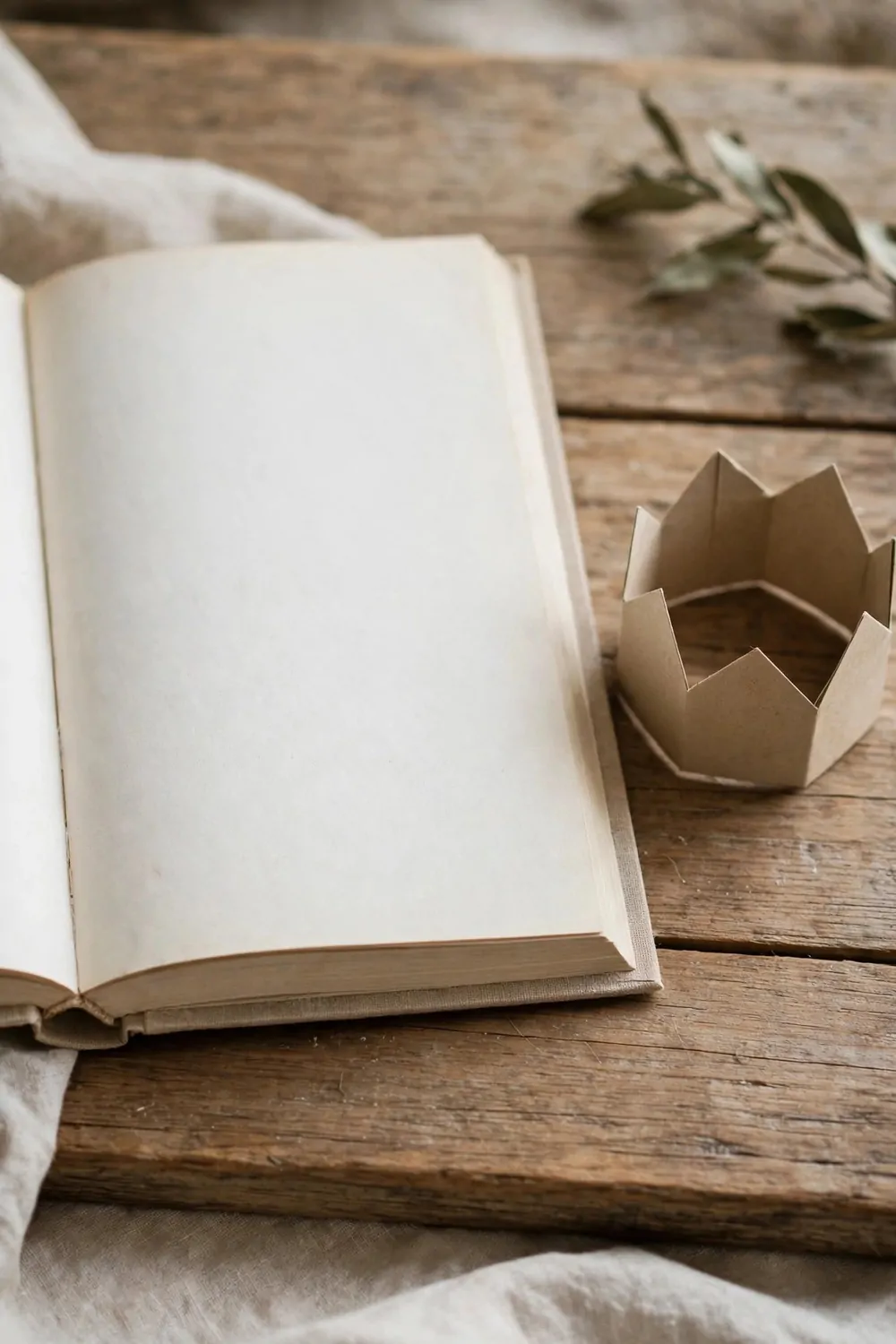
We pick a short story and turn it into a small play. My child chooses one part to act out. I take the other part and we read our lines together.
A paper crown makes the day feel special.
We keep the lines short so they are easy to learn.
An open book holds our lines while we practice.
We act it out in the living room after lunch. A few props from around the house are all we need.
If a line is forgotten, we laugh and try again. No one minds a wobbly line here.
My child loves to wear the crown and speak in a big, clear voice. I clap when the last line is done. We write the play in a book so we can act it again next week.
A short play is a happy way to practise writing. Each line is a small win.
Typical cost $0 to $0.
26. Lay Out Your Writing Kit the Night Before
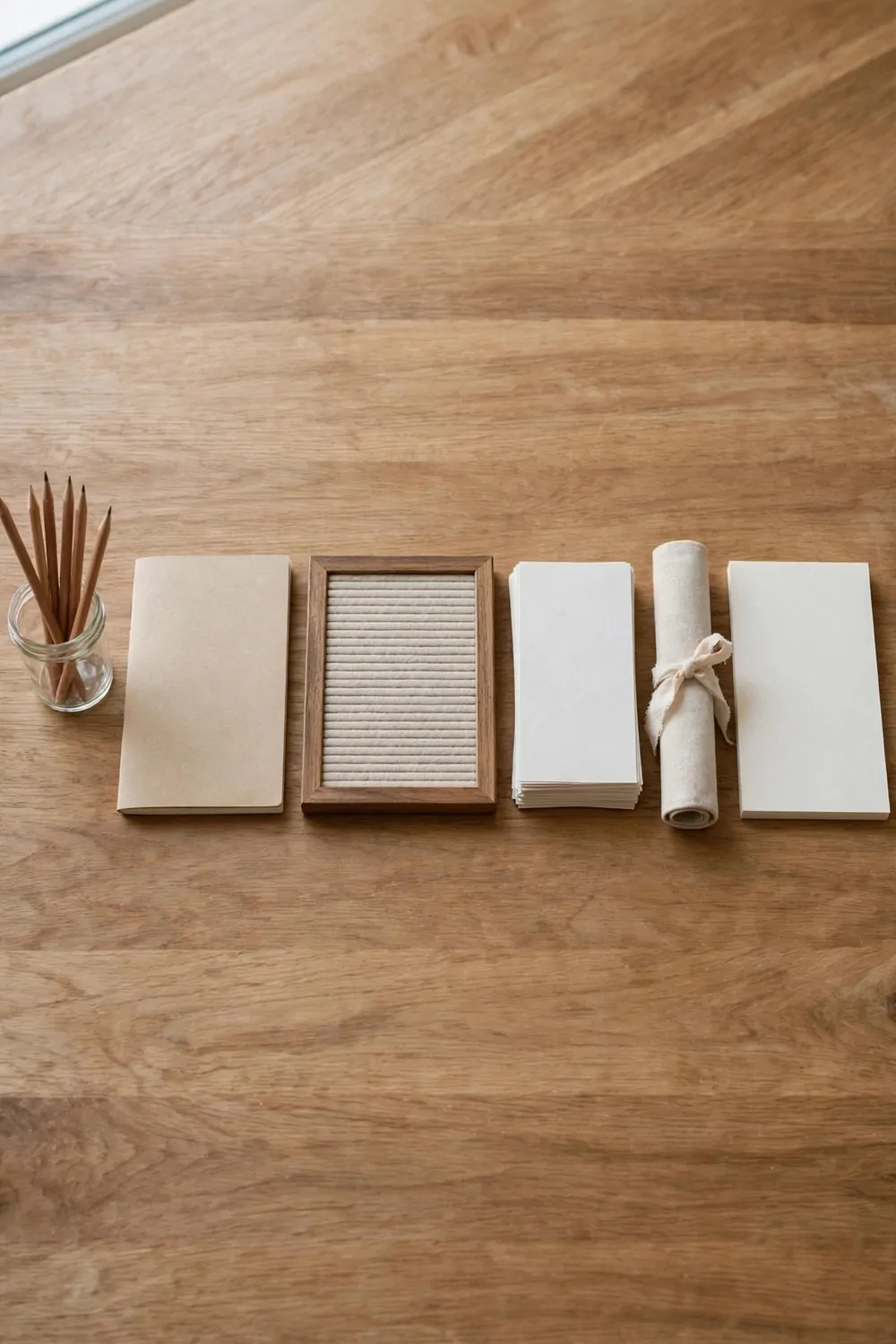
After dinner I wipe the table clean and set out our writing kit in a neat row. The pot, the notebook and the letter board sit ready for the morning.
The small glass pencil pot holds our pencils upright in one neat bunch.
The plain paper story notebook waits beside the pot with blank pages. My child opens it first thing and writes one line.
The small wooden letter board stands in the middle of the row.
The plain paper writing prompt cards sit in a small stack. Each card holds one idea for a line or two. My child picks one card when the page feels blank.
The plain fabric pencil roll keeps our spare pencils safe and tidy.
The plain paper writing pad lies flat at the end of the row. It is the spot for quick notes and first tries. A fresh page makes the morning feel easy.
A small glass pencil pot costs $2 to $4, a plain paper story notebook costs $3 to $5, a small wooden letter board costs $4 to $6, plain paper writing prompt cards cost $2 to $4, a plain fabric pencil roll costs $3 to $5, and a plain paper writing pad costs $1 to $3, for a total of $15 to $27.
I set the pencil pot by the door and my child tucks the notebook under one arm. Tomorrow we will write one more line, and that is more than enough.
| Idea | Main change | Typical cost |
|---|---|---|
| Write a Note in a Lunchbox | write a note in a lunchbox | $0 to $0 |
| Copy a Rhyme and Learn It by Heart | copy a rhyme and learn it by heart | $1 to $2 |
| Write a Postcard from a Day Out | write a postcard from a day out | $2 to $3 |
| Make a Word Jar and Pick One Word a Day | make a word jar and pick one word a day | $1 to $3 |
| Write a Short Play and Act It Out | write a short play and act it out | $0 to $0 |
| Lay Out Your Writing Kit the Night Before | lay out a writing kit the night before | $15 to $27 |
| Total | $19 to $35 |
| Idea | Main change | Typical cost |
|---|---|---|
| small glass pencil pot | keep pencils in a small glass pencil pot | $2 to $4 |
| plain paper story notebook | write stories in a plain paper story notebook | $3 to $5 |
| small wooden letter board | spell words on a small wooden letter board | $4 to $6 |
| plain paper writing prompt cards | pick a prompt from plain paper writing prompt cards | $2 to $4 |
| plain fabric pencil roll | roll pencils up in a plain fabric pencil roll | $3 to $5 |
| plain paper writing pad | draft first tries on a plain paper writing pad | $1 to $3 |
| Total | $15 to $27 |
Keep Reading
If you liked these ideas, you will love these posts too
Each post has more simple ideas you can try at home this weekend.