22 Master Bedrooms Decor Ideas for a Hotel-Style Retreat

I still remember one hotel room from a trip two years ago. It was not the fanciest hotel I had ever stayed in, not even close. But the bed was made so well that I stopped in the doorway and just looked at it for a minute.
The sheets were bright white and pulled so tight they looked brand new. Two lamps glowed softly on either side of a tall grey headboard. On the nightstand sat a little tray with a glass bottle of water and a folded card that said good night.
That night I slept better than I had in months. When I got home, I could not stop thinking about that room. I started stealing every idea it had, one small change at a time. These 22 Master Bedrooms Decor ideas are the ones that worked.
Start With Crisp White Bedding
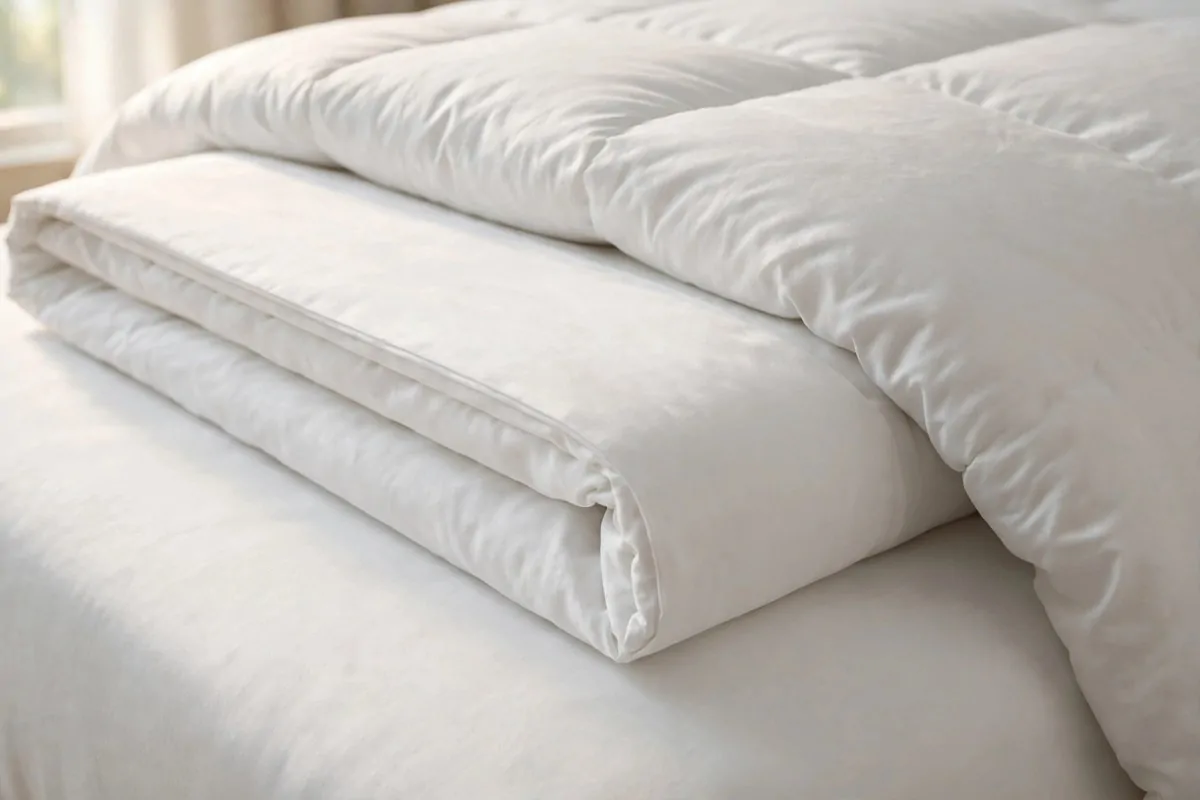
Almost every hotel bed you have ever loved started with white sheets. There is a reason for that. White looks clean, fresh and calm, and it makes the whole room feel brighter.
You do not need the most expensive sheets on the shelf. A 100 percent cotton set with a 300 thread count feels lovely and breathes well. That is a good sweet spot for comfort and price.
Percale weave gives a crisp, cool feel. Sateen feels softer and silkier. I like percale in summer and sateen in winter, but both work all year.
Wash your sheets often. Hotels change them every day, and while you do not need to go that far, fresh sheets once a week makes a real difference. Old grey sheets can ruin even the prettiest room.
Iron them if you can stand it. I know it sounds like too much work. But a quick press on just the top sheet and the pillowcases gives that smooth hotel look with ten minutes of effort.
Keep a second set in the closet. When one set is in the wash, the other goes on the bed. This way you never skip a change because laundry day is late.
White sheets also hide nothing, which is a good thing. You notice stains early and deal with them fast. Your bed always looks and feels fresh.
Small stains come out with a bit of baking soda and warm water. I keep a small spray bottle under the sink for this. It works on coffee too, which I have learned the hard way.
Layer the Bed Like a Hotel Housekeeper
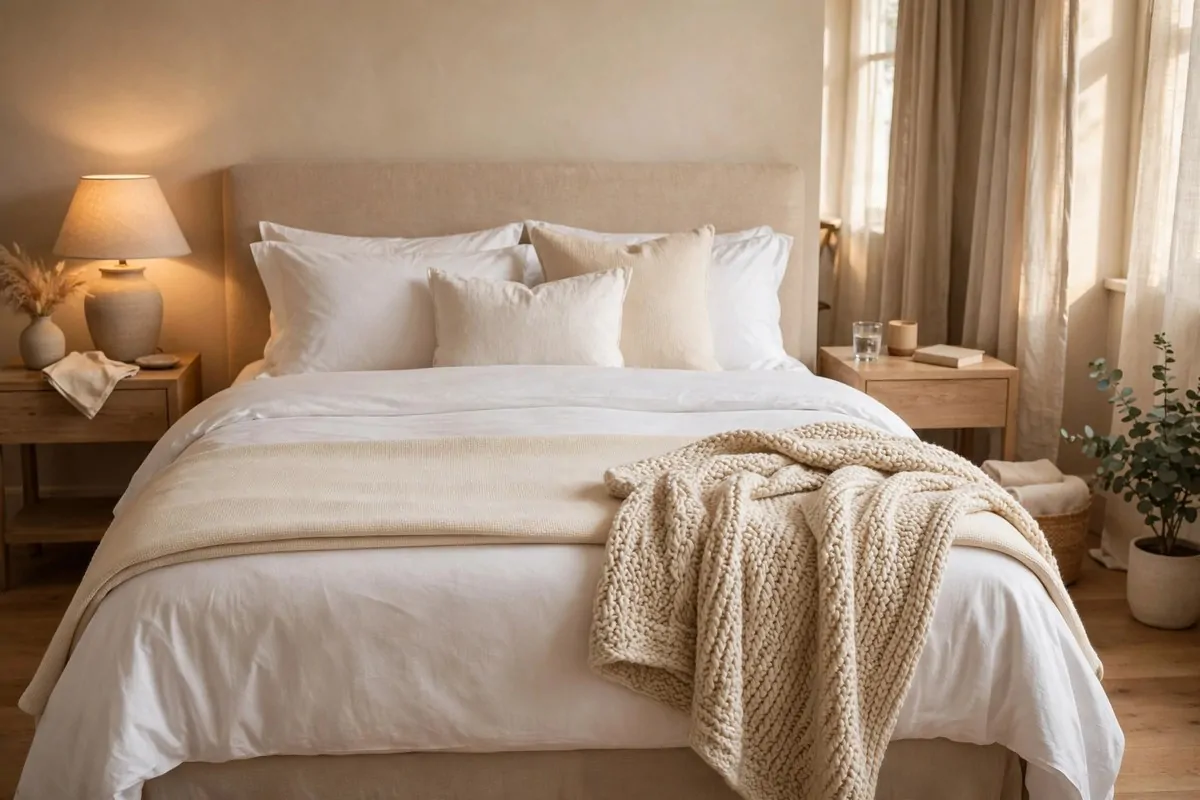
Hotel beds look so inviting because they are layered, not just made. Start with a fitted sheet, then add a flat sheet. That flat sheet is the secret to the hotel look.
Next comes the duvet or comforter. Pull it up to about two thirds of the bed. Then fold the flat sheet back over the top edge of the duvet. This creates that neat band of white at the top.
Add a coverlet or a light blanket folded across the foot of the bed. This adds depth and gives you an extra layer for cold nights. It also looks like something a designer planned, which it is.
Finish with a textured throw. A knit or woven throw in cream or soft grey adds just enough interest. Drape it casually, do not fold it like a soldier.
I keep my throw on the bed all year. In summer it is decoration. In winter it is the thing I pull over my shoulders when I read. One throw, two jobs.
The layers do not have to match perfectly. Stay in the same colour family and it will look fine. White, cream, ivory and soft beige all play nicely together.
Here is the order I use every morning:
- Fitted sheet, tucked smooth
- Flat sheet pulled up to the pillows
- Duvet pulled up and folded down at the top
- Coverlet across the lower third
- Throw draped at the foot
Making the bed this way takes me about four minutes now. The first week took ten. Your hands learn the moves fast.
Build a Pillow Collection

Hotels never hand you two flat pillows and call it done. They build a little pillow landscape. You can do the same at home with three simple groups.
Start with your sleeping pillows, the ones you actually sleep on. Two of them, propped up against the headboard. Use good pillow protectors under the cases. They keep the pillows fresh for years.
Next add two euro shams. These are the big square pillows, about 26 inches across. They stand in front of your sleeping pillows and make the bed look tall and full.
Then add two or three decorative cushions. Pick ones with texture, like velvet or linen, in your accent colour. These are the pillows you take off at night and put back in the morning.
At night, stack the sleeping pillows for reading, then lay them flat when you sleep. The euro shams can go on the bench or a chair. It takes thirty seconds and feels like a little ritual.
Replace your sleeping pillows every year or two. They go flat and lumpy long before they look dirty. A fresh pillow is one of the cheapest upgrades in this whole list.
Do not buy the cheapest pillows just because they look white. A medium firm pillow that holds its shape is worth more than three flat ones. Your neck will thank you too.
If you sleep on your side, look for a slightly fuller pillow. Back sleepers do better with something a bit thinner. Hotels often leave two types out, which is a nice touch to copy.
I store spare decorative cushions in the top of my wardrobe. When one set is in the wash, the other keeps the bed looking finished. The bed never looks half done.
Choose a Tall Upholstered Headboard

A tall headboard is the single fastest way to make a bedroom feel like a hotel. It frames the bed and gives the whole room a centre. Short or missing headboards make beds look unfinished.
Upholstered headboards feel softer and warmer than wood or metal. They are also kinder to lean against when you read in bed. Pick a tall one, at least 48 inches high.
Neutral fabrics work best. Ivory, beige, taupe and soft grey all suit the hotel look. These colours stay calm and let your bedding and art do the talking.
Tufted buttons add a classic touch. A plain panel looks more modern. Both are fine, so pick the one that matches the rest of your room. I have a tufted one and I love it.
Make sure the headboard is wide enough for your bed. A king bed with a queen headboard looks odd. Measure twice before you buy, or you will be the person returning a giant box.
Wall mounted headboards look sleek and modern. Floor standing ones feel more traditional. Either works, so choose what your room can handle and what your walls allow.
If a new headboard is not in the budget, slipcovers exist for plain wooden ones. A fitted upholstered cover costs much less than a new headboard. It will not fool a designer, but it will fool your eyes at bedtime.
Clean it with a vacuum brush now and then. Dust settles into fabric faster than you think. A quick once over every few weeks keeps it looking new.
Mirror Your Nightstands

Hotels love symmetry, and so does your brain. Matching nightstands on both sides of the bed create instant calm. The room feels balanced even before you notice why.
Centre your bed on the main wall first. This is the starting point for everything else. Then place one nightstand on each side with the same amount of space between the bed and the table.
The tables do not have to be expensive twins. Two simple tables in the same wood tone work fine. What matters is that they match in size and style.
Keep the tops tidy. A lamp, a small tray and maybe a book is plenty. Hotels keep nightstand tops almost empty, and that emptiness is part of the luxury feeling.
You can still show a little personality. I keep a small photo frame on mine and my husband keeps his watch box on his. The tables match, but the small details are ours.
Matching heights matter more than you think. If one nightstand is tall and one is short, the whole wall looks off. Measure before you buy, and bring a tape measure to the shop.
If you only have room for one nightstand, that is fine too. Balance the other side with a small stool or a stack of books. The idea is balance, not a strict rule.
Wipe the tops down weekly. Dust shows fast on dark wood and glass. A clean nightstand top is one of those small things that makes a room feel cared for.
Add Matching Bedside Lamps

Overhead lights are for getting dressed. Lamps are for living. Hotels use bedside lamps as the main evening light, and your bedroom should too.
Pick two matching lamps with soft, warm bulbs. Warm white, around 2700 kelvin, feels cosy and golden. Cool white bulbs make a bedroom feel like an office, so avoid those.
Shade shape matters. A drum shade sends light up and down evenly. A tapered shade points more light downward for reading. I use tapered shades because I read in bed every night.
The bottom of the shade should sit about level with your chin when you sit up in bed. This keeps the bulb out of your eyes. Too tall and the lamp glares, too short and it looks lost.
Three way bulbs are a nice trick. Low for winding down, medium for chatting, bright for reading. It is like having a dimmer without any wiring work.
Keep the cords tidy. Run them down the back of the nightstand with a small clip. A messy cord ruins the look faster than almost anything else in the room.
Matching lamps are one of the cheapest ways to get the hotel look. You can find good pairs for less than the cost of one fancy overhead light. Check sale sections and secondhand shops.
Dust the shades monthly. A dusty shade dims the light more than you would guess. I learned this when I cleaned mine and the room suddenly felt twice as bright.
Mount Reading Sconces on the Wall

Wall mounted reading lights are one of those details that screams hotel. They free up your nightstand and give you perfect light for reading. Once you try them, regular lamps feel clumsy.
Swing arm sconces are the most useful type. You can pull the light toward you for reading and push it back when you sleep. Look for ones with a small shade that points the light down.
Mount them about 50 to 55 inches from the floor. This puts the light right where your book sits when you lean against the headboard. Sit in bed and hold a book up to check before you drill.
Plug in versions exist if you do not want to hire an electrician. The cord runs down the wall and plugs into an outlet. Use a cord cover to hide it, and the look stays clean.
Pick a finish that matches your other metals. If your lamp bases are brass, get brass sconces. Mixed metals can work, but matching looks more hotel and less effort.
Each person gets their own switch. This is the real luxury. One person can read while the other sleeps in the dark, and nobody argues about the lamp.
LED bulbs are perfect here. They stay cool, last for years and give steady light. Warm white again, always warm white in a bedroom.
I added mine on a Saturday afternoon with a friend helping. It took two hours and one trip to the hardware shop for longer screws. The room felt more expensive the same evening.
Put Dimmers on Everything

Dimmers are the cheapest luxury in home lighting. A bright room feels busy. A dimmed room feels like a hotel lobby at night. Same room, same lamps, totally different mood.
Start with the bedside lamps. A simple plug in dimmer costs very little and needs no wiring. You plug the lamp into it, then plug it into the wall. Done.
Dim the overhead light too if you can. A dimmer switch on the wall is a small job for an electrician. It changes the whole room more than new paint would.
Evening routine matters. I dim the lamps to low about an hour before bed. My brain seems to understand the signal. I feel sleepy faster than I used to.
Make sure your bulbs work with dimmers. Old dimmers and new LED bulbs sometimes flicker together. Look for bulbs marked dimmable and a dimmer made for LEDs.
Smart bulbs are another option. They dim from your phone and can fade slowly like a sunset. Set a schedule and the room winds itself down while you brush your teeth.
Do not dim the bathroom light you use for makeup. Keep one bright task light somewhere. Dimmers are for mood, but you still need to see what you are doing sometimes.
Test the lowest setting before guests come over. Some dimmers cut out at the very bottom and the light just turns off. Find the sweet spot and mark it with a tiny dot.
Add a Soft Glow Behind the Headboard

That soft halo of light behind a hotel headboard is not magic. It is a simple LED strip hidden out of sight. You can copy this trick in an afternoon.
Stick a warm white LED strip to the back of your headboard, near the top edge. The light bounces off the wall behind it. The result is a gentle glow that makes the headboard look like it is floating.
Pick a strip you can dim. Full brightness looks harsh. About a third of the way up gives that dreamy hotel glow. Remote controlled strips make this easy from bed.
Warm white is the only colour to use here. Colour changing strips set to blue or pink look fun for a night, then cheap forever. Keep it warm and simple.
Hide the power cord. Run it down the back of the headboard and behind the bed. If the outlet is far, use a flat cord cover painted the same colour as the wall.
This light is perfect for late evenings. It gives the room shape without waking your brain up. I use it as my last light before sleep, after the lamps go off.
LED strips last for years and use almost no power. You can leave this glow on all evening without worrying about the bill. It costs less than a night light used to.
Clean the strip once a year. Dust builds up on the sticky back and the light gets dimmer. A quick wipe with a dry cloth brings it back.
Hang One Statement Light

Every great hotel suite has one light that makes you look up. A chandelier or a pair of pendants over the bed adds drama. It is the jewellery of the room.
You do not need a giant crystal piece. A medium chandelier with clean lines works in most bedrooms. In a small room, two small pendants on either side of the bed work better than one big fixture.
Hang it low enough to feel part of the room. About 30 inches above the bed is a good guide. Too high and it disappears into the ceiling. Too low and you will bonk your head sitting up.
Put it on a dimmer. I keep saying this because it matters so much. A chandelier at full blast is interrogation lighting. Dimmed down, it is pure romance.
Match the metal to your other fixtures. Brass chandelier with brass sconces and brass drawer pulls ties the room together. It looks planned, which is the whole point.
Keep the style simple. Fussy chandeliers with a hundred dangling bits collect dust and date fast. Clean shapes stay fresh for years and suit more furniture.
If your ceiling is low, choose a flush or semi flush fixture. A chandelier that hangs too low in a low room feels like it is attacking you. Semi flush gives the look without the danger.
Clean it twice a year. Dust dulls the sparkle more than age does. A microfibre cloth and ten minutes is all it takes to bring back the shine.
Hang Sheer and Blackout Curtains Together

Hotels use two layers of curtains, and now you know why. Sheers give privacy in the day while letting light filter through. Blackouts give total darkness for sleep. Together they handle every hour.
Hang the sheer layer closest to the glass. It softens the daylight and blurs the view from outside. White or ivory sheers work in almost every room.
Hang the blackout layer on the outer track or rod. Choose a colour that matches your walls or bedding. It should disappear when open and feel rich when closed.
A double rod or a ceiling track makes this easy. The inner rod holds the sheers, the outer holds the blackouts. Both slide smoothly and never fight each other.
Close the blackouts at night for real darkness. Your sleep will improve more than you expect. Morning light is lovely, but 5am summer sunrises are not.
Keep the sheers closed during the day. They cut glare on screens and keep the room feeling soft. You still get plenty of light, just without the harsh edges.
Wash sheers twice a year. They collect dust and go grey slowly enough that you do not notice. Fresh sheers can make the whole window look new again.
Blackout curtains need a wipe down, not a wash, most of the time. Check the care label before you throw them in the machine. Some linings do not survive hot water.
Mount Curtain Rods High and Wide

Where you hang curtains matters as much as which curtains you buy. Hotels mount them high and wide. This one trick makes windows look bigger and ceilings look taller.
Mount the rod 4 to 6 inches above the window frame. Even better, mount it close to the ceiling. The eye reads the top of the curtain as the top of the window, so the window seems to stretch upward.
Extend the rod 6 to 10 inches past each side of the frame. When the curtains are open, they stack on the wall instead of covering the glass. More light comes in and the window looks grand.
The curtains should just kiss the floor. Too short looks cheap and awkward. Too long and they pool, which collects dust and looks dated. Kiss the floor is the sweet spot.
Use enough fabric. Each curtain panel should be about twice as wide as the space it covers when gathered. Skimpy curtains look sad. Full curtains look rich.
Choose plain fabrics or very faint patterns. Hotels avoid busy prints because they tire the eye. Solid linen or cotton in a neutral tone is hard to get wrong.
Iron the hems before you hang them. Creases from the packaging can stay for months if you skip this. Twenty minutes with an iron saves months of looking at wrinkles.
I rehung my own curtains higher last spring. The same curtains, the same window. Friends asked if I had renovated. That is how strong this trick is.
Lay a Plush Rug Under the Bed

Stepping onto cold hard floor in the morning ruins the hotel spell. A plush rug under the bed fixes that. Your feet land on softness, and the room feels warmer instantly.
Size matters most. The rug should extend at least 18 inches past each side of the bed. For a king bed, that usually means an 8 by 10 rug. Too small looks like a postage stamp.
Place the rug so it starts under the bottom two thirds of the bed. The front legs of the nightstands can sit on it too. This anchors the whole sleeping area as one zone.
Low pile or flat weave works best under beds. Thick shag rugs look cosy but trap dust and are hard to vacuum around bed legs. A medium plush pile is the sweet spot.
Stick to neutral colours. Cream, warm grey or soft beige suit almost every bedroom. Patterned rugs can work, but keep the pattern simple and the colours quiet.
A rug pad underneath is worth the money. It stops the rug from sliding, adds softness and protects your floor. Get one slightly smaller than the rug so it does not peek out.
Vacuum weekly and rotate every few months. Beds are heavy and rugs dent under them. Rotating spreads the wear and keeps the pile even.
I bought my rug on sale and almost talked myself out of it. It is now the thing I notice every single morning. Small luxury, big daily payoff.
Place a Bench at the Foot of the Bed

A bench at the foot of the bed is pure hotel. It gives you a place to sit while you put on shoes. It holds the decorative pillows at night. It finishes the bed like a frame finishes a picture.
Choose a bench slightly narrower than your bed. About 6 inches narrower on each side looks right. Too wide and it crowds the room, too narrow and it looks lost.
Upholstered benches feel softer and suit the hotel style best. A simple wood bench works in a more rustic room. Pick the one that matches your headboard for a pulled together look.
Storage benches are the smart choice. The lid lifts and you can hide spare blankets, off season cushions or the decorative pillows at night. Hidden storage is always a win.
Leave enough space to walk around it. You need about 24 inches between the bench and the wall or dresser. Measure your room before you fall in love with a bench online.
Use it as a styling spot too. A folded throw and one cushion on the bench looks intentional. Do not pile it with laundry, or it becomes an expensive clothes horse.
Check the height before you buy. The bench should sit a little lower than the top of your mattress. Same height or taller looks bulky and blocks the view of the bed.
I keep my extra throw blankets inside mine. Guests always comment on the bench, never on what is inside it. That is exactly how hidden storage should work.
Make a Small Reading Corner

Hotels turn bedrooms into retreats by adding a spot that is not the bed. A small reading corner gives you somewhere to sit with tea in the morning. It makes the room feel like a suite, not just a place to sleep.
You need three things. A comfortable chair, a small side table and a lamp. That is it. An armchair with a soft cushion beats a stiff designer chair every time.
Tuck the corner near a window if you can. Natural light makes reading lovely during the day. A floor lamp or a table lamp handles the evenings.
Add a small throw over the chair arm. It looks inviting and keeps you warm when the room is cool. Choose one in your accent colour to tie the corner to the rest of the room.
A tiny side table holds your book, your tea and your phone. Round tables work well in corners because they have no sharp edges to bump into. Make sure it is steady enough for a full mug.
If space is tight, use the corner by the window or even beside the wardrobe. A corner does not need to be big. It just needs to feel separate from the bed.
Keep a small basket nearby for magazines or a book you are reading. It keeps the table clear and looks tidy. Wicker or fabric baskets both suit a calm bedroom.
I read in my corner for twenty minutes most mornings. It is a small habit, but it makes me feel like I am on holiday in my own home. That is the whole point of this list.
Stick to a Calm Neutral Palette

Walk into any luxury hotel room and notice the colours. Beige, cream, soft grey, warm white. Neutrals calm the mind and never fight with each other. Your bedroom should do the same.
Start with the walls. A warm white or a soft greige covers most sins and suits every style of furniture. Cool greys can feel cold, so lean warm if your room gets little sun.
Layer neutrals in your bedding and textiles. White sheets, a cream duvet, a beige throw, a grey cushion. Same family, different shades. This layering is what makes neutral rooms look rich instead of boring.
Add texture to keep neutrals interesting. Linen, cotton, wool and velvet all read as different colours even in the same shade. A room with five textures in beige looks expensive. A room with one texture looks flat.
Warm undertones suit bedrooms best. They feel cosy at night under lamplight. If you love grey, pick one with a hint of warmth rather than a blue based grey.
Test paint colours on the wall before you commit. Paint a big square and look at it in morning light and evening lamplight. Colours change a lot between the two.
Keep the ceiling white or very pale. A dark ceiling can feel dramatic, but in a bedroom it often feels heavy. White ceilings lift the room and bounce light around.
Neutrals also make future changes cheap. New cushions in a different accent colour can refresh the whole room. The neutral base stays, the accents rotate with the seasons.
Add One Deep Accent Colour

All neutral rooms need one deep colour to ground them. Hotels often use navy, forest green or warm terracotta. One strong accent keeps the room from floating away into blandness.
Pick just one accent colour and repeat it three times. Cushions on the bed, a throw on the chair, a vase on the dresser. Three touches is enough to feel planned. Five or more starts to feel busy.
Navy is the safest choice. It suits beige, grey and white, and it feels classic rather than trendy. A navy cushion against white bedding looks like a hotel brochure.
Forest green feels calm and a little bit luxurious. It works well with brass and warm wood. If your room has plants, green accents tie everything together nicely.
Terracotta and warm rust suit rooms with lots of natural light. They glow in afternoon sun. Pair them with cream and wood for a warm, earthy feel.
Keep the accent to soft furnishings and small objects. Cushions, throws, a lamp base, a picture frame. Paint is a bigger commitment, so test the colour in small doses first.
| Accent colour | Pairs well with | Mood it creates |
|---|---|---|
| Navy | White, beige, grey | Classic and calm |
| Forest green | Brass, wood, cream | Rich and restful |
| Terracotta | Cream, wood, white | Warm and earthy |
| Charcoal | Soft grey, white | Modern and crisp |
Change the accent with the seasons if you like. I swap navy cushions for terracotta ones in autumn. It takes ten minutes and the room feels new again.
Test the colour in daylight before you buy much of it. A navy that looks rich in the shop can look almost black in a dim room. Bring a cushion home first and live with it for a few days.
Create a Feature Wall

A feature wall gives the bedroom a focal point. Hotels use them behind the bed to frame the sleeping area. One strong wall beats four busy walls every time.
The wall behind the bed is the natural choice. It is the first thing you see when you walk in. It frames the headboard and makes the bed feel grand.
Wallpaper is the easiest option. A subtle textured or lightly patterned paper adds depth without shouting. Grasscloth and linen look papers suit the hotel style well.
Paint is cheaper and faster. One wall in a deep tone, like charcoal or deep navy, makes white bedding pop. Keep the other three walls light so the room does not feel small.
Panel moulding adds a classic hotel look. Thin wood strips in a grid pattern, painted the same colour as the wall, look far more expensive than they are. It is a weekend project with basic tools.
Keep art and decor simple on a feature wall. The wall itself is the decoration. A busy gallery wall on top of bold wallpaper fights for attention and loses.
If you rent, try peel and stick wallpaper. It comes off cleanly when you leave. There are good linen and grasscloth looks now that fool most people.
I painted my feature wall on a rainy Saturday. Two coats, one afternoon. Guests now ask who designed my bedroom, and I just smile.
Set Out a Bedside Tray

That little tray on the hotel nightstand is not decoration. It is service. A glass of water, a book, a small clock. Copy it and your nightstand goes from cluttered to cared for.
Start with a tray. Wood, marble or mirrored, about the size of a large book. The tray gathers small things into one tidy group. Without it, the same items look like mess.
Add a water carafe and a glass. Waking up thirsty and finding water right there feels luxurious. A simple glass carafe costs little and looks elegant.
Place your current book on the tray. It looks intentional instead of abandoned. A small stack of two books works too, but keep it to two.
A small clock or your phone on silent finishes the setup. Hotels use simple alarm clocks. If you use your phone, turn it face down so the screen does not glow all night.
Keep the tray to four or five items max. Water, glass, book, clock, maybe a small candle. More than that and the tray stops looking tidy.
Refill the carafe each evening. Make it part of your bedtime routine. Fresh water every night is a tiny ritual that signals the day is done.
My tray also holds a small dish for my rings. Everything I need at night lives in one spot. Mornings are calmer when the night before was organised.
Scent the Room Like a Lobby

Luxury hotels have a smell. Clean, calm, a little bit expensive. Scent is invisible decor, and it changes how a room feels faster than new paint.
A reed diffuser on the dresser is the easiest option. It works all day with no flame and no effort. Pick a light scent like white tea, linen or soft sandalwood.
Lavender linen spray on the pillows is a classic hotel trick. A quick spritz when you make the bed in the morning. By bedtime the scent has softened to just a whisper.
Scented candles work for evenings. Light one while you get ready for bed, then blow it out before sleep. Never leave a candle burning when you leave the room or fall asleep.
Keep scents light in a bedroom. Strong perfume smells give headaches and fight with sleep. If you can smell it from the doorway, it is too much.
One scent at a time. A diffuser plus a candle plus linen spray in three different scents smells like a department store. Pick one family and stick with it.
| Scent type | Best for | Notes |
|---|---|---|
| Reed diffuser | All day background | No flame, lasts months |
| Linen spray | Bedding freshness | Light touch, fades by night |
| Candle | Evening mood | Blow out before sleep |
| Essential oil | Targeted calm | A few drops, not more |
Open the window for ten minutes each morning too. Fresh air resets the room better than any product. Hotels air rooms between guests, and you should air yours daily.
Keep the diffuser out of direct sun. Heat makes the oil evaporate too fast and the scent turns sharp. A shaded corner of the dresser works best and the sticks last longer.
Hang Calm Artwork

Hotels hang art that calms you down, not art that wakes you up. Soft landscapes, abstract washes, simple botanical prints. Your bedroom walls should lower your heart rate, not raise it.
Hang art in odd numbers. Three matching frames in a row look designed and calm. One big piece above the bed works too. Two small pieces often look like an afterthought.
Keep the colours quiet. Art in your room’s palette ties the walls to the bedding. A print with your accent colour in it connects everything together.
Match your frames. Same frame, same mat, same size, three times over. Matching frames make different prints look like a set. Mismatched frames make a set look like clutter.
Hang art at eye level. The centre of the piece should sit about 57 inches from the floor. Above a console table, leave 6 to 8 inches between the table and the frame bottom.
Avoid anything too busy or too dark. A bedroom is not a gallery. If a piece makes you think hard, it belongs in the living room instead.
Prints are fine. You do not need original art to get the hotel look. A good print in a quality frame looks better than a cheap original in a plastic frame.
I bought three botanical prints online for less than a dinner out. Matching white frames from a discount shop. Guests assume they cost ten times more.
Hide the Clutter

Here is the real secret of hotel rooms. There is nowhere for clutter to live. No piles of laundry, no tangled chargers, no stack of unread mail. Everything has a hidden home.
Start with closed storage. Wardrobes with doors beat open rails. Drawers beat open shelves. If you can see it, your brain counts it as clutter, even when it is tidy.
Give every messy category a closed home. Chargers go in a drawer with a charging station. Laundry goes in a lidded hamper, not a pile on the chair. Mail goes in a box by the door, not on the dresser.
Use the space under the bed. Flat storage boxes hold off season clothes and spare bedding. Choose boxes with lids so dust stays out and the look stays clean.
A lidded basket by the bed catches the book, the glasses and the hand cream. It looks like decor and works like a drawer. I empty mine once a week and it never overflows.
Do a five minute reset each evening. Put the clothes away, clear the surfaces, plump the cushions. Hotels reset rooms daily, and five minutes keeps yours close to that standard.
Keep surfaces mostly empty. A dresser with three lovely objects looks like a hotel. A dresser with fifteen things looks like a shop. Edit ruthlessly and store the rest.
The chair in the corner is not a wardrobe. I say this to myself more than to you. Hang it up, put it in the hamper, or admit you are not wearing it and donate it.
A calm room is not about owning less. It is about giving everything a door to hide behind. Do that, and your Master Bedrooms Decor will feel like a hotel every single day.
Your hotel style retreat is closer than you think. You do not need a renovation or a big budget. Start with the bedding, add the lamps, hide the clutter, and let the small details do the rest. Sleep well in your new favourite room.