40 Language Origins Would You Rather Questions That Go Deep

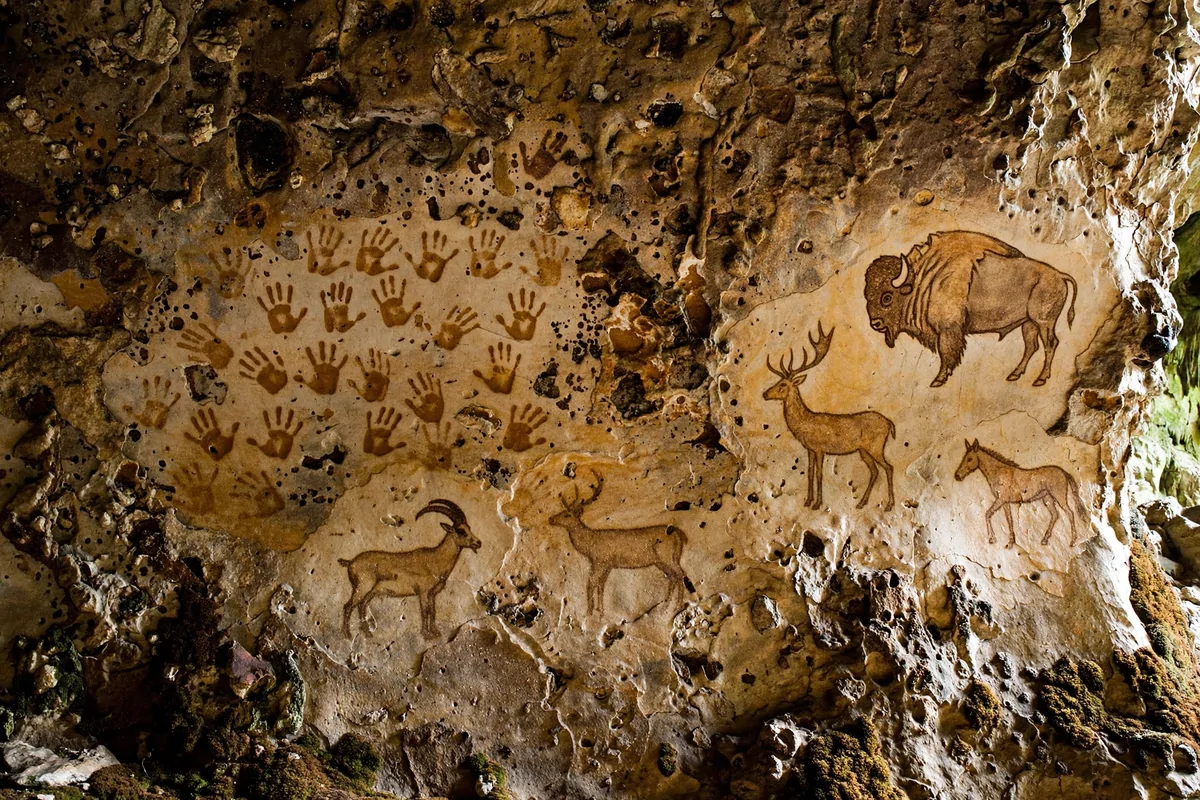
Every word you use has a past. The word you said at breakfast, the name of your town, and the words in your school books all came from somewhere. Some words came from Latin, some from Greek, some from Arabic, and some from old tongues that no one speaks today. Each word is like a small traveller with a long story.
In this list, you will face 40 fun choices about language origins. Each one asks you to pick a side, and there is no wrong answer. Just think about word roots, language families, and the old paths that words took to reach you.
1. Would you rather trace words back to Latin or trace words back to Greek?
Would you rather...
Latin gave English many words for law, school, and daily life. Words like family, city, and table all have Latin roots. Greek gave English many words for science, the body, and big ideas. Words like phone, photo, and logic all have Greek roots.
Both old tongues still live inside the words you use each day. Latin feels close to the words of home and town, while Greek feels close to the words of books and new ideas. Which past would you like to follow first?
| Option | What You Gain | What You Give Up |
|---|---|---|
| Trace words back to Latin | You learn the roots of many everyday English words | You wait longer to learn the Greek roots of science words |
| Trace words back to Greek | You learn the roots of many science and idea words | You wait longer to learn the Latin roots of daily words |
2. Would you rather learn the roots of English words or learn the roots of your own language?
Would you rather...
English words have roots from many lands. Some came from Latin, some from French, some from old German tongues, and some from far places through trade. When you learn these roots, new English words start to make sense at once.
Your own language has its own roots too, and they may be closer to your heart. Its words carry the past of your family, your town, and your land. Which set of roots would teach you more about the words you live with?
Things to think about:
- Which language do you use more in your daily life?
- Do you want to read English books with more ease?
- Do you want to know the past of the words your family speaks?
3. Would you rather study one ancient mother language or study many modern daughter languages?
Would you rather...
One ancient mother language can explain a whole family of tongues. Latin is the mother of Spanish, French, Italian, and more. When you know the mother, you can see why the daughters look alike and where they went their own way.
Many modern daughter languages show you the living side of the story. You can hear how people speak today, how words changed in each land, and how one old tongue became many new voices. Both paths teach the same family, just from a different side.
Pro Tip: Start with one daughter language you already know a little, then look back at its mother language. The words you know will help you spot the old roots fast.
4. Would you rather know the origin of the word mother or know the origin of the word water?
Would you rather...
The word mother is one of the oldest words in the world. In many languages, the word for mother sounds much the same, and that tells us that people long ago shared one old tongue. It is a word tied to care, home, and family.
The word water is just as old, and it also sounds alike in many tongues. Water is life, and every group of people needed a word for it. Which of these two old words would you like to trace back to the first people who said it?
| Option | What You Gain | What You Give Up |
|---|---|---|
| Know the origin of the word mother | You learn one of the oldest family words in human speech | You miss the story of a word tied to nature and daily life |
| Know the origin of the word water | You learn one of the oldest nature words in human speech | You miss the story of a word tied to family and care |
5. Would you rather follow how words travel by trade or follow how words travel by migration?
Would you rather...
Trade moves words with goods. When traders carried tea, silk, and spices from land to land, the names of those goods went with them. That is why the word for tea sounds much the same in many countries, and why words for sweet foods travelled far and wide.
Migration moves words with people. When a group of people moved to a new land, they took their whole language with them. Their words for home, food, and family slowly mixed with the words of the new place. Which path of travel tells a better story to you?
Things to think about:
- Trade moves single words fast, while migration moves whole languages slow.
- Think of a word you use each day. Did it travel by ship, by road, or with a family on the move?
- Both paths show how people met, shared, and learned from each other.
6. Would you rather learn Latin roots or learn Greek roots?
Would you rather...
Latin roots hide in plain sight. The root port means carry, so you can see it in transport, import, and portable. The root dict means say, so you can see it in predict and dictionary. Once you learn a few Latin roots, many hard words open up like a door.
Greek roots work the same way. The root bio means life, so you can see it in biology and biography. The root graph means write, so you can see it in photograph and paragraph. Which set of roots would help you more when you meet a new word?
Important Note: You do not need to learn the whole old language. Just ten roots from Latin or Greek can help you guess the sense of hundreds of English words.
7. Would you rather discover where the word bread comes from or discover where the word book comes from?
Would you rather...
Bread is one of the oldest foods in the world. People baked it long before they wrote books, and the word for bread travelled with the food itself. Its past tells a story of farms, ovens, and daily meals shared at home.
The word book has a past tied to trees. In old English, the word for book came from the word for beech tree, because people once wrote on beech wood. That is a small fact that changes how you see a book on your shelf.
| Option | What You Gain | What You Give Up |
|---|---|---|
| Discover where the word bread comes from | You learn the past of a daily food word tied to farms and homes | You miss the past of a word tied to trees and writing |
| Discover where the word book comes from | You learn the past of a word tied to trees and the birth of writing | You miss the past of a word tied to daily food and meals |
8. Would you rather study language families or study single word histories?
Would you rather...
Language families show the big map. They group tongues that share one old mother, like the Indo-European family that holds English, Hindi, Spanish, and Persian. When you see the map, you can see how far one family reached across the world.
Single word histories show the small tale. One word can travel across seas, change its shape in each land, and pick up a new sense along the way. Which view do you like more, the wide map or the close tale?
Things to think about:
- A family map shows you how languages are linked like cousins.
- A single word tale shows you how one word can change again and again.
- Both views help you see that no language stands alone.
9. Would you rather know the first language of humans or know the newest language on Earth?
Would you rather...
The first language of humans is a great mystery. No one can hear it today, but its marks may live in the oldest words that all tongues share. Scholars look at words for mother, father, water, and fire to guess what that first speech may have sounded like.
The newest language on Earth is much easier to find. New tongues still grow today when people mix languages in trade towns and ports. Which end of the story pulls you more, the deep past that no one can hear, or the fresh start that is still alive?
Pro Tip: Look up the words for mother and water in five languages you know. If they sound alike, you are hearing a faint echo of a very old shared past.
10. Would you rather learn Sanskrit roots or learn Arabic roots?
Would you rather...
Sanskrit is an old tongue of Asia with a deep past. Its roots live in many words of Hindi, Bengali, and other tongues of the land, and its old books hold some of the earliest written thoughts of humankind. Its word roots often carry a sense of light, truth, and calm.
Arabic roots live in a wide family too. Arabic gave English words like sugar, coffee, and algebra, and its root system builds many words from three letters. Which old tongue would you like to open first?
| Option | What You Gain | What You Give Up |
|---|---|---|
| Learn Sanskrit roots | You learn the roots behind many words of Asia and old books | You wait longer to learn the Arabic roots in daily English words |
| Learn Arabic roots | You learn the roots behind words like sugar, coffee, and algebra | You wait longer to learn the Sanskrit roots of Asian tongues |
11. Would you rather trace a word back one hundred years or trace a word back one thousand years?
Would you rather...
One hundred years back is close enough to feel real. You can find the word in old books, old letters, and old news from the time of your great grandparents. The change is small, but you can see it with your own eyes.
One thousand years back is a deep dive. The word may look very different, and its sense may have changed a lot. It is harder work, but the tale is bigger. Which depth of time feels right for you?
Things to think about:
- A hundred years shows you how fast words can change.
- A thousand years shows you how much a word can change.
- Both trips back in time need old books and good word lists.
12. Would you rather learn how place names began or learn how family names began?
Would you rather...
Place names are like small maps of the past. A town name may mean hill, river, or safe harbour in an old tongue. When you learn what a place name means, you can see what the land looked like to the first people who lived there.
Family names tell a tale of people instead of land. Some came from a job, like baker or smith, and some came from a father name, like son of John. Others came from a place where the family once lived. Which tale would you like to hear first?
Warning: Do not trust every tale you hear about a name. Many name tales are just guesses, so check them in a good word book before you share them with friends.
13. Would you rather study words for food or study words for nature?
Would you rather...
Words for food travel far and fast. When a new fruit, spice, or dish reached a land, its name often came with it. That is why words for sugar, tea, and rice sound much the same in many tongues, even when the lands are far apart.
Words for nature stay close to home. Words for river, hill, sun, and moon grew from the land itself, and they often show how people saw the world around them. Which set of words tells you more about human life?
| Option | What You Gain | What You Give Up |
|---|---|---|
| Study words for food | You see how trade moved words across seas and lands | You miss the words that grew from the land itself |
| Study words for nature | You see how people named the world they lived in | You miss the words that travelled with trade and new foods |
14. Would you rather know why English borrows so many words or know why some languages borrow few words?
Would you rather...
English borrows words from almost every tongue it meets. It took words from French, Latin, Greek, Hindi, Arabic, and many more. That is why English has such a huge word bank, and why the same idea can have two or three words with a slightly different feel.
Some languages borrow very few words. They build new words from their own roots instead, so their word bank stays close to the old tongue. Both ways have a cost and a gift. Which way of growing a language makes more sense to you?
Things to think about:
- Borrowing makes a language rich in words, but the spelling can get messy.
- Building from old roots keeps a language tidy, but new ideas need new word parts.
- Think of three words you borrowed from another tongue this week.
15. Would you rather learn the origin of numbers or learn the origin of colours?
Would you rather...
Number words are old and steady. The words for one, two, and three sound much the same in many tongues of one family, and they change very slow. That is why scholars use number words to prove that two languages share one mother.
Colour words are young and free. Old tongues had few colour words, and new ones grew as people made dyes and paints. The word for orange came from the fruit, and the word for pink came from a flower. Which set of words would you like to trace?
Pro Tip: Say the words for one, two, and three in three languages you know. If they sound alike, those languages are most likely cousins in one big family.
16. Would you rather follow the path of the word tea or follow the path of the word coffee?
Would you rather...
The word tea took two paths across the world. Lands that got tea by land from China call it cha, while lands that got it by sea call it tea. One drink, two names, and each name tells you which road it took to reach you.
The word coffee came from an old land in Africa, then moved through Arabic and Turkish tongues before it reached Europe. Its tale is one of trade, travel, and new tastes. Which drink word would you follow first?
| Option | What You Gain | What You Give Up |
|---|---|---|
| Follow the path of the word tea | You learn how one word split into two names by land and by sea | You miss the tale of a word that crossed three old tongues |
| Follow the path of the word coffee | You learn how a word moved from Africa through Arabic and Turkish lands | You miss the tale of a word that split by land and by sea |
17. Would you rather study the Indo-European family or study the Afro-Asiatic family?
Would you rather...
The Indo-European family is the biggest one you may know. It holds English, Spanish, Hindi, Persian, Russian, and many more. Its mother tongue was spoken long ago on the grass lands of Europe and Asia, and its daughters now live on every side of the world.
The Afro-Asiatic family holds Arabic, Hebrew, Amharic, and Hausa. Its mother tongue is older still, and its daughters live across North Africa and the Middle East. Which family map would you like to walk through first?
Things to think about:
- The Indo-European family has the most speakers in the world today.
- The Afro-Asiatic family has one of the oldest written pasts.
- Both families show how far one old tongue can reach.
18. Would you rather learn how new words are born or learn how old words die out?
Would you rather...
New words are born each day. People join two old words to make a new one, or they give an old word a fresh sense. When a new tool, a new job, or a new way of life comes, new words come with it, and the language grows.
Old words die out when the things they named are gone. When a job, a tool, or a way of life ends, its words fade from daily talk and live only in old books. Both sides of the tale show that language is alive, not fixed in stone.
Important Note: A word is never truly dead while one old book still holds it. Word books keep the past safe, so a lost word can be found again many years later.
19. Would you rather know the root of the word king or know the root of the word friend?
Would you rather...
The word king comes from an old root that meant family, kin, and people. A king was once seen as the head of a kin group, not just a ruler on a throne. That small fact changes how you see the word each time you read it in a tale.
The word friend comes from an old root that meant love and care. In old tongues, a friend was one who was loved, and the word still carries that warmth today. Which root tells you more about how people once lived?
| Option | What You Gain | What You Give Up |
|---|---|---|
| Know the root of the word king | You learn how a word for a ruler grew from a word for kin and family | You miss the root of a warm word tied to love and care |
| Know the root of the word friend | You learn how a word for a friend grew from a root for love and care | You miss the root of a word tied to rulers and kin groups |
20. Would you rather learn Proto-Indo-European words or learn Proto-Semitic words?
Would you rather...
Proto-Indo-European is the old mother tongue that scholars built back from its daughters. Its words for mother, father, fire, and wheel help us guess how those first people lived, what they farmed, and how they moved across the land.
Proto-Semitic is the old mother of Arabic, Hebrew, and other tongues of the Middle East. Its three letter roots built whole word families, and its words for trade, desert, and faith still live in the tongues of today. Which lost mother tongue would you like to hear?
Things to think about:
- Neither mother tongue was ever written down, so scholars rebuilt them from clues.
- Proto-Indo-European words can tell us about wheels, horses, and farms.
- Proto-Semitic words can tell us about trade, desert life, and old towns.
21. Would you rather discover the origin of your own name or discover the origin of your town name?
Would you rather...
Your own name has a past that may go back many years. It may come from a word for light, strength, peace, or a gift. When you learn what your name first meant, it can feel like a small gift from the past.
Your town name has a past too, and it may be much older than your name. It may mean river bend, high hill, or safe place in a tongue no one speaks today. Which name tale would you like to open first?
Pro Tip: Ask an elder in your family what your name means, then check it in a name book. The family tale and the book tale are often both worth hearing.
22. Would you rather study how writing shaped words or study how speech shaped words?
Would you rather...
Writing shaped words by fixing them on a page. Once a word was written down, people could see its shape, copy it, and keep it the same for many years. Writing also let words travel far in books and letters.
Speech shaped words by sound and by use. People spoke fast, cut sounds short, and joined words in talk. That is why spoken words often sound quite different from their old written forms. Which force changed words more, the pen or the voice?
| Option | What You Gain | What You Give Up |
|---|---|---|
| Study how writing shaped words | You see how books and letters kept words fixed for many years | You miss how fast speech changed words by sound |
| Study how speech shaped words | You see how talk cut sounds short and changed word shapes | You miss how writing kept words safe across time |
23. Would you rather learn words from the Silk Road or learn words from sea trade routes?
Would you rather...
The Silk Road carried words across Asia by land. Traders walked with silk, spices, and glass, and the names of goods moved from town to town. Words for silk, sugar, and spice travelled this long road and changed a little at each stop.
Sea trade routes carried words across the oceans. Ships moved words from port to port, from Asia to Africa to Europe, and the names of foods and goods spread fast. Which road of words would you like to walk first?
Things to think about:
- The Silk Road moved words slow, town by town, over land.
- Sea routes moved words fast, port by port, over water.
- Both roads show how trade joined far lands long ago.
24. Would you rather know the origin of the word school or know the origin of the word market?
Would you rather...
The word school comes from a Greek word that meant free time and rest. Long ago, learning was a free time joy for those who had time to think and talk. The sense changed over the years, but the old root still sits inside the word.
The word market comes from a Latin word that meant trade and buying. It tells a tale of open squares, stalls, and people who met to buy and sell. Which of these two daily words hides the better past?
Warning: A word that looks plain today may hide a strange past. School once meant free time, not lessons, so never guess a word past from its sense today.
25. Would you rather learn the history of the alphabet or learn the history of one word?
Would you rather...
The alphabet has a long past that starts with pictures. People once drew a thing to mean a thing, then drew a sign to mean a sound, and at last made a small set of letters that could spell any word. That one idea changed the whole world.
One word has a past too, and it can be just as rich. Follow one word through five tongues and a thousand years, and you will see trade, war, peace, and travel all in one small tale. Which past would you like to follow?
| Option | What You Gain | What You Give Up |
|---|---|---|
| Learn the history of the alphabet | You learn how pictures became signs and signs became letters | You miss the deep tale of a single word across many tongues |
| Learn the history of one word | You see trade and travel in one small word tale | You miss the big story of how letters were born |
26. Would you rather trace words through Latin or trace words through Persian?
Would you rather...
Latin is the road for many English words. It gave us words for law, time, and place, and it is the mother of the Romance tongues. When you trace a word through Latin, you often find a clear and tidy past.
Persian is a road that runs east. It gave English words like bazaar, paradise, and jasmine, and it shaped the tongues of a wide land. Which road would you like to walk, the Roman road or the Persian road?
Things to think about:
- Latin shaped the words of Europe and its law and schools.
- Persian shaped the words of Asia and its trade and tales.
- Both roads meet in English, which took words from each side.
27. Would you rather know how the word love began or know how the word peace began?
Would you rather...
The word love comes from an old root that meant care and deep warmth. In old tongues, the same root gave words for dear and beloved. It is a word that has kept its warm sense across a very long time.
The word peace comes from a Latin word that meant a pact, a deal to end a fight. Long ago, peace was not just a calm feel, it was a firm pact between groups. Which word past moves you more?
Pro Tip: Pick one word you love, like love or peace, and look up its root in a word book. You will find a tale that makes the word feel new again.
28. Would you rather study old words in old books or study old words in old stone carvings?
Would you rather...
Old books hold words in ink on paper, skin, or palm leaf. They keep long tales, lists, and poems safe for hundreds of years. A book can hold the full voice of a time long past, if it stays safe from fire and damp.
Old stone carvings hold words cut deep in rock. They are short, but they last for thousands of years in sun and rain. A stone can hold a king name, a prayer, or a simple mark of a trader. Which kind of past would you like to read?
| Option | What You Gain | What You Give Up |
|---|---|---|
| Study old words in old books | You read long tales and poems from a time long past | You miss the words that last thousands of years in stone |
| Study old words in old stone carvings | You read words that stood in sun and rain for thousands of years | You miss the long tales that only books can hold |
29. Would you rather learn the roots of words for animals or learn the roots of words for plants?
Would you rather...
Animal words are old and close to daily life. Words for dog, horse, cow, and sheep sound much the same in many tongues of one family, because people kept these animals for a very long time. Their roots can tell us what animals people farmed long ago.
Plant words tell a tale of food and cure. Words for wheat, rice, and rose travelled with seeds and trade, and their roots can tell us where a plant first grew. Which living world would you like to trace?
Things to think about:
- Animal words often stay the same for a very long time.
- Plant words often travel with seeds, trade, and new farms.
- Both sets can show what people ate and how they lived.
30. Would you rather know the mother tongue of Europe or know the mother tongue of Asia?
Would you rather...
The mother tongue of Europe is mostly Latin and the old German tongues. Latin gave the Romance tongues, while old German tongues gave English, German, and the tongues of the north. Their roots still live in the words of each day.
The mother tongue of Asia is wide and rich. Sanskrit shaped the tongues of South Asia, old Chinese shaped the tongues of the east, and Arabic shaped the tongues of the west. Which side of the world would you like to trace first?
Important Note: There is no single mother tongue for a whole land. Europe and Asia each hold many families, so pick one family and learn it well before you move to the next.
31. Would you rather learn why some words sound alike or learn why some words sound different?
Would you rather...
Some words sound alike because they share one mother. The words for night, star, and foot sound much the same in many tongues, and that is a clear sign that those tongues are cousins. One old word can live on in ten new shapes.
Some words sound different because each tongue went its own way. Sounds change over time, and a word can shift so much that its cousins no longer sound alike at all. Which puzzle do you like more, the clear match or the hidden link?
| Option | What You Gain | What You Give Up |
|---|---|---|
| Learn why some words sound alike | You spot cousin words fast and see family links at once | You miss the hidden links that sound change can hide |
| Learn why some words sound different | You learn how sounds shift and hide old family links | You miss the quick joy of words that match at once |
32. Would you rather discover the first word for fire or discover the first word for sun?
Would you rather...
Fire changed human life. It gave warmth, light, and cooked food, and every group of people needed a word for it. The first word for fire may have been a sound that felt like a crackle or a breath, and its echo may live in many tongues today.
The sun ruled the day. It told people when to wake, when to work, and when to rest. The first word for sun may have been tied to light, day, and warmth. Which first word would you like to hear?
Things to think about:
- Fire words may come from sounds that copy a crackle.
- Sun words may come from roots that mean light and day.
- Both words are so old that no book can prove the first form.
33. Would you rather learn how languages split apart or learn how languages join together?
Would you rather...
Languages split apart when people move away from each other. One tongue becomes two, then three, as each group changes its sounds and words on its own. That is how Latin became Spanish, French, and Italian over many years.
Languages join together when people meet and mix. In trade towns and ports, people blend words from two tongues to make a new way to talk. That is how new tongues are born even today. Which move of language is more fun to watch?
Pro Tip: Think of Latin as one river that split into many streams. Then think of a trade town as two streams that meet and flow as one new river.
34. Would you rather know the origin of the word travel or know the origin of the word home?
Would you rather...
The word travel comes from an old word that meant hard work and toil. Long ago, travel was slow, rough, and full of hard days on the road. The word still carries a hint of that old toil, even though travel today can be a joy.
The word home comes from an old root that meant village and safe place. It is a word of warmth, rest, and return. Which word past fits your own life more, the road or the safe place?
| Option | What You Gain | What You Give Up |
|---|---|---|
| Know the origin of the word travel | You learn how a word for hard toil became a word for the road | You miss the past of a warm word for a safe place |
| Know the origin of the word home | You learn how a word for a village became a word for rest and return | You miss the past of a word for the long hard road |
35. Would you rather study ancient Greek words in science or study ancient Latin words in law?
Would you rather...
Science loves Greek words. When scholars needed a name for a new idea, they often built it from Greek roots. Biology, geology, and astronomy all wear Greek names, and each name tells you what the field is about.
Law loves Latin words. When people wrote rules and pacts, they used Latin words that stayed fixed for hundreds of years. Words like justice, verdict, and legal all carry a Latin past. Which old tongue shaped the modern world more?
Things to think about:
- Greek roots name many fields of science and the study of life.
- Latin roots name many words of law, rules, and fair dealing.
- Both tongues still shape the words of schools and books today.
36. Would you rather learn the roots of your daily words or learn the roots of rare old words?
Would you rather...
Daily words are the ones you use without thought. Words like eat, sleep, go, and come have very old roots, and they change the least over time. When you learn their roots, you see the deep past in your own daily talk.
Rare old words are like lost coins. They live in old books and old tales, and they can show you a job, a tool, or a way of life that is gone today. Which word hunt would you enjoy more?
Warning: Rare old words can be tricky. Some look like words you know but mean a whole different thing, so always check the old sense before you use one in talk.
37. Would you rather know where the word hello comes from or know where the word goodbye comes from?
Would you rather...
The word hello is quite young. People started to use it a lot when the phone came, because they needed a clear word to start a call. Before that, people said hail or hallo in a different way. Its past is short, but it shows how fast a new tool can change a word.
The word goodbye is older, and it comes from the words God be with you. Over time, people said it fast, cut it short, and it became one small word. Which greeting word hides the better tale?
| Option | What You Gain | What You Give Up |
|---|---|---|
| Know where the word hello comes from | You learn how a new tool gave an old call a fresh life | You miss the tale of a farewell that came from a blessing |
| Know where the word goodbye comes from | You learn how a blessing shrank into one small farewell word | You miss the tale of a young word born with the phone |
38. Would you rather study how war changed language or study how peace changed language?
Would you rather...
War changed language by force. When one land ruled another, its words moved into the local tongue, and many words for power, arms, and rule came from the tongue of the ruler. English still holds many French words from the time of Norman rule.
Peace changed language by trade and by books. When lands traded in peace, they shared words for goods, ideas, and new skills. When scholars met in peace, they shared words for science and thought. Which force left a deeper mark on words?
Things to think about:
- War often pushed the words of a ruler into a local tongue.
- Peace often shared words through trade, books, and new ideas.
- Both forces show that words move when people meet, for good or for bad.
39. Would you rather learn the origin of the word money or learn the origin of the word trade?
Would you rather...
The word money comes from the Roman goddess Moneta, in whose temple coins were once made. That is why the word for coins still carries the name of a temple from long ago. It is a small fact that links coins to a place of trust.
The word trade comes from an old word that meant a path or a track. Long ago, trade was the path that goods took from town to town, and the word still holds that sense of a road and a deal. Which word past would you like to know?
Pro Tip: Look at the coins in your pocket. Each coin has a tale of a land, a ruler, and a word, and the word money itself starts in a Roman temple.
40. Would you rather know the whole story of one language family or know a little story of every language family?
Would you rather...
One language family, known well, can teach you deep truths. You can trace its mother tongue, follow its daughters, and see how one old speech became many new ones. That deep path makes you a true guide for that family.
A little story of every family gives you a wide map. You can see how the tongues of the world fit together, which families are big, which are small, and how each one grew in its own land. That wide path makes you a good guide for the whole world of speech.
| Option | What You Gain | What You Give Up |
|---|---|---|
| Know the whole story of one language family | You learn one family deep, from its mother tongue to its daughters | You miss the wide map of all the other families |
| Know a little story of every language family | You see the wide map of how all tongues fit together | You miss the deep truths that only one family can teach |
More Would You Rather Questions
- 34 Alphabet Would You Rather Questions About Global Writing Systems
- 28 Writing Systems Would You Rather Questions From Around the World
- 23 Dead Languages Would You Rather Questions About Forgotten Speech
- 25 Ancient Languages Would You Rather Questions From Lost Civilizations
- 35 Endangered Languages Would You Rather Questions About Languages at Risk
- 14 Similar Languages Would You Rather Questions That Test Your Knowledge
- 13 French vs Spanish Would You Rather Questions for Language Learners
- 15 American vs British English Would You Rather Questions
- 20 Spanish vs Portuguese Would You Rather Questions for Language Fans
- 10 Hebrew vs Arabic Would You Rather Questions About Language Differences