10 Hebrew vs Arabic Would You Rather Questions About Language Differences

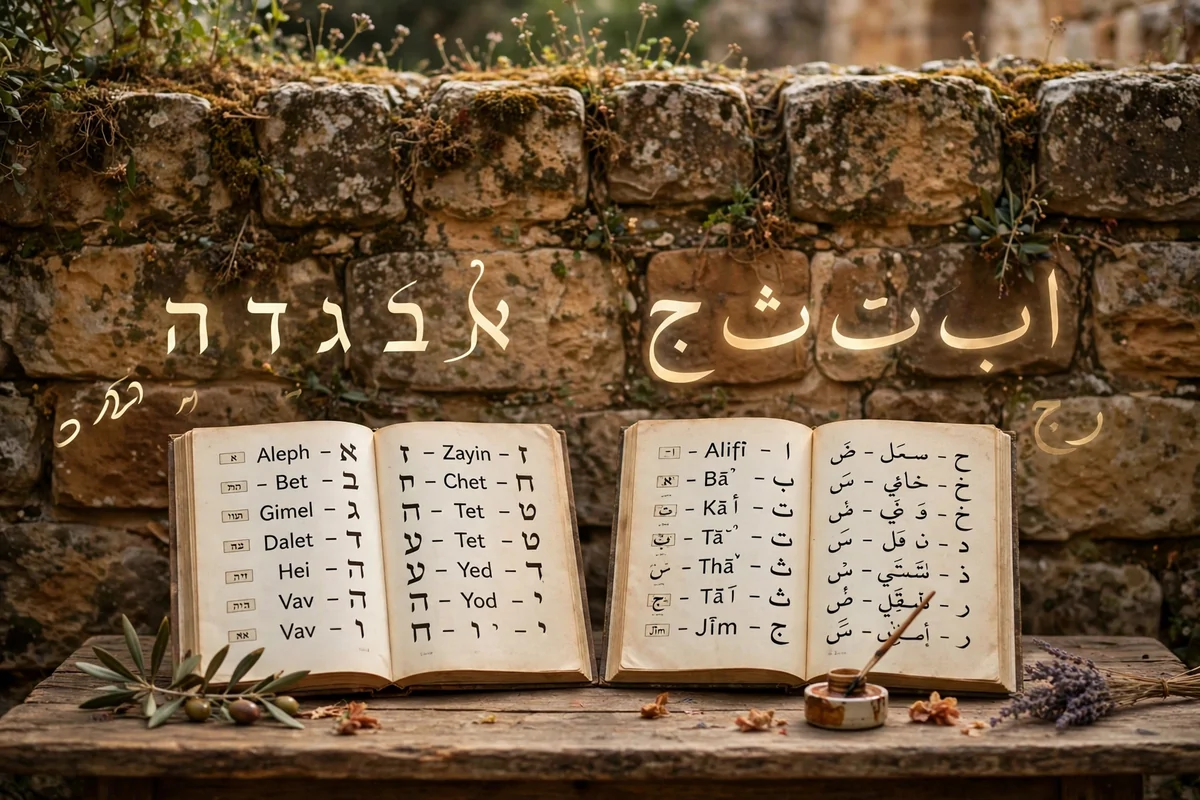
Hebrew and Arabic are two old languages from the same family, and they share a lot. Both are written from right to left, both have deep roots, and many words in the two languages sound a bit alike. When you learn one of them, you start to see the other one in a new light too.
But they are not the same at all. Hebrew has its own letters and its own sounds, and Arabic has its own letters and its own sounds. Some letters look simple and some look tricky. Some words are easy to say and some take real practice. That is what makes this choice so fun. Would you start with Hebrew, or would you start with Arabic? Let us look at ten fun choices and see which side feels more like you.
1. Would you rather learn the Hebrew alphabet first or learn the Arabic alphabet first?
Would you rather...
Every language starts with its letters. Hebrew has 22 letters, and each one has its own shape and its own sound. Some letters look like small hooks and lines, and once you know them, you can start to read simple words. Arabic has 28 letters, and the letters change shape a little based on where they sit in a word. That can feel like a fun puzzle.
Think about how you like to learn. If you like a short set of letters to master first, Hebrew may feel neat and tidy. If you like flowing shapes that join together, Arabic may feel like art on the page. There is no wrong pick here, only a fun first step.
| Option | What You Gain | What You Give Up |
|---|---|---|
| Learn the Hebrew alphabet first | A short set of 22 letters that you can learn fast and use right away | You wait longer to try the flowing shapes of Arabic letters |
| Learn the Arabic alphabet first | Beautiful joined letters and a skill that opens up a big world of words | You wait longer to read simple Hebrew words |
Whichever side you pick, the first letter you learn is a small win. Write it down, say it out loud, and enjoy the moment it starts to feel easy.
2. Would you rather master the Hebrew sounds first or master the Arabic sounds first?
Would you rather...
Sounds are the fun part of a new language, and also the tricky part. Hebrew has sounds that feel soft and clear, and some sounds that come from deep in the throat. Arabic has sounds that are rich and strong, and some sounds that do not exist in English at all. Learning them takes your mouth to new places.
Picture yourself saying a new word for the first time and getting it right. That small moment feels great. Now picture the same word in the other language. Which sound would you love to master first?
Things to think about
- Which sounds feel easier for your mouth to make?
- Do you like soft and clear sounds, or deep and strong sounds?
- Would you enjoy hearing yourself speak a whole new sound?
- Which sound would you want to show off to your family first?
3. Would you rather learn Hebrew greetings first or learn Arabic greetings first?
Would you rather...
Greetings are the first words we use with people. In Hebrew, a simple hello can open a warm chat with a neighbour. In Arabic, a simple hello can open a warm chat with a shopkeeper. Both greetings carry kindness, and both make people smile.
Learning greetings first is smart because you can use them on day one. You do not need long talks. You just need one kind word at the right time. So which hello would you pick up first?
Pro Tip: Learn one greeting and one kind reply in your chosen language, then use them every day for a week. Small daily use builds strong memory, and people love to hear a friendly hello in their own language.
After greetings, you can add words like please and thank you. Soon you have a small set of kind words that work in real life, and that is a great start.
4. Would you rather learn to read Hebrew first or learn to read Arabic first?
Would you rather...
Reading in a new language feels like opening a locked door. Hebrew words read from right to left, and once you know the letters, short words start to make sense. Arabic words also read from right to left, and the joined letters flow like a line of art across the page.
Which door would you open first? Here is how the two paths feel:
- Reading Hebrew first: short words, clear letters, and quick wins on signs and labels.
- Reading Arabic first: flowing script, joined letters, and the joy of reading a full word in one smooth line.
- Both paths: your eyes learn to move right to left, which is a fun new habit.
- The best part: the first time you read a real word with no help, you will want to read ten more.
Start with short words, then move to short lines. Reading grows fast when you keep it fun and light.
5. Would you rather learn Hebrew food words first or learn Arabic food words first?
Would you rather...
Food words are the tastiest words to learn. Think about bread, olives, dates, lentils, and fresh herbs. Hebrew has lovely words for the foods of its land, and Arabic has lovely words for the foods of its land too. Many dishes share the same roots, yet each language gives them its own flavour.
Learning food words first is fun because you can use them at the table. You can point at a dish, say its name, and share a smile with the people around you. Food brings people close, and words make the meal even better.
Things to think about
- Which foods would you love to name first?
- Do you cook at home and want to name your ingredients?
- Would you enjoy ordering food with words in a new language?
- Which food words would make your family laugh and learn with you?
6. Would you rather practise speaking Hebrew every day or practise speaking Arabic every day?
Would you rather...
Speaking every day is how a language comes alive. Ten minutes of Hebrew talk each day can build real skill in a few months. Ten minutes of Arabic talk each day can do the same. The key is not long study, it is steady practice.
Talk to yourself in the mirror, name the things in your room, or greet your family in your new language. Small talk adds up fast. So which language would you want on your tongue every day?
| Option | What You Gain | What You Give Up |
|---|---|---|
| Practise speaking Hebrew every day | Clear sounds and quick daily wins that build your confidence fast | You wait longer to practise the rich sounds of Arabic |
| Practise speaking Arabic every day | Rich sounds and a skill you can use with many people around the world | You wait longer to practise the clear sounds of Hebrew |
Pick the one that makes you want to speak, not the one that feels like hard work. Joy is the best teacher.
7. Would you rather learn Hebrew numbers first or learn Arabic numbers first?
Would you rather...
Numbers are small words with big power. With numbers you can count, tell time, share your age, and talk about prices at a market. Hebrew numbers have their own pattern, and Arabic numbers have their own pattern too. Both are fun to learn because you can use them right away.
Here is a simple plan for either side:
- Learn one to ten first, then count your steps as you walk.
- Count the cups in your kitchen and the books on your shelf.
- Learn the days of the week with the numbers, one day at a time.
- Test yourself at the market by counting items in your basket.
Important Note: Do not rush past the numbers. They look small, but they show up in daily life more than almost any other words. A learner who knows numbers well sounds sure and clear very fast.
So, would you count in Hebrew first, or count in Arabic first? Either way, you will soon count without even thinking.
8. Would you rather write Hebrew letters by hand every day or write Arabic letters by hand every day?
Would you rather...
Writing by hand is slow, calm, and very good for memory. Hebrew letters have clean shapes that feel good to write, one line at a time. Arabic letters flow and join, so writing them feels like drawing a smooth line across the page.
Take a pen, take a notebook, and write five letters each morning. In a few weeks your hand will know the shapes, and your eyes will read them faster too. Writing makes the letters yours in a way that only reading cannot.
Things to think about
- Do you like clean and clear letter shapes, or flowing and joined shapes?
- Would you enjoy a quiet morning writing practice?
- Which letters would look best in your notebook?
- Would you write short words first, or practise one letter at a time?
9. Would you rather learn Hebrew through short stories or learn Arabic through short stories?
Would you rather...
Short stories make learning feel like play. A story about a market, a garden, or a kind neighbour can teach you ten new words without you even trying. Hebrew stories carry the warmth of old tales and daily life. Arabic stories carry the same warmth, with their own colours and voices.
When you read a story, you learn words in real use, not in a dry list. You see how words fit together, and you start to guess new words from the story around them. That is real learning, and it feels easy.
| Option | What You Gain | What You Give Up |
|---|---|---|
| Learn Hebrew through short stories | Warm tales and daily life scenes that teach words in real use | You wait longer to enjoy the stories of Arabic |
| Learn Arabic through short stories | Rich tales and lively scenes that teach words in real use | You wait longer to enjoy the stories of Hebrew |
Pick the stories that make you smile, and read one short story each night. Soon you will know more words than you think.
10. Would you rather learn Hebrew for everyday talk first or learn Arabic for everyday talk first?
Would you rather...
Everyday talk is the heart of a language. It is the words for home, family, work, food, and the small things of daily life. Hebrew everyday talk is warm and direct, and Arabic everyday talk is warm and full of kind phrases. Both help you connect with real people in real moments.
Think about your own day. You wake up, you eat, you go out, you talk with people, you come home. Now picture doing all of that with new words. Which language would you want to carry through your day first?
Pro Tip: Learn five everyday phrases in your chosen language and use them at home for a full week. When those five feel easy, add five more. In a month you will have a real set of daily words that feel like yours.
There is no wrong answer in this whole list. Hebrew and Arabic are both rich, old, and full of life. The best first step is the one that makes you excited to learn again tomorrow. So tell us, which side did you pick most often, Hebrew or Arabic?
More Would You Rather Questions
- 39 Igbo Language Would You Rather Questions for Curious Learners
- 33 Yoruba Language Would You Rather Questions for African Language Fans
- 37 Amharic Language Would You Rather Questions From Ethiopia
- 29 Zulu Language Would You Rather Questions for Curious Learners
- 31 African Languages Would You Rather Questions From Across the Continent
- 17 Swahili Would You Rather Questions for African Language Enthusiasts
- 24 Mongolian Language Would You Rather Questions From the Steppes
- 36 Korean Language Would You Rather Questions for Global Language Fans
- 19 Japanese Language Would You Rather Questions for Curious Learners
- 26 Cantonese Would You Rather Questions With Fascinating Word Choices