19 Japanese Language Would You Rather Questions for Curious Learners

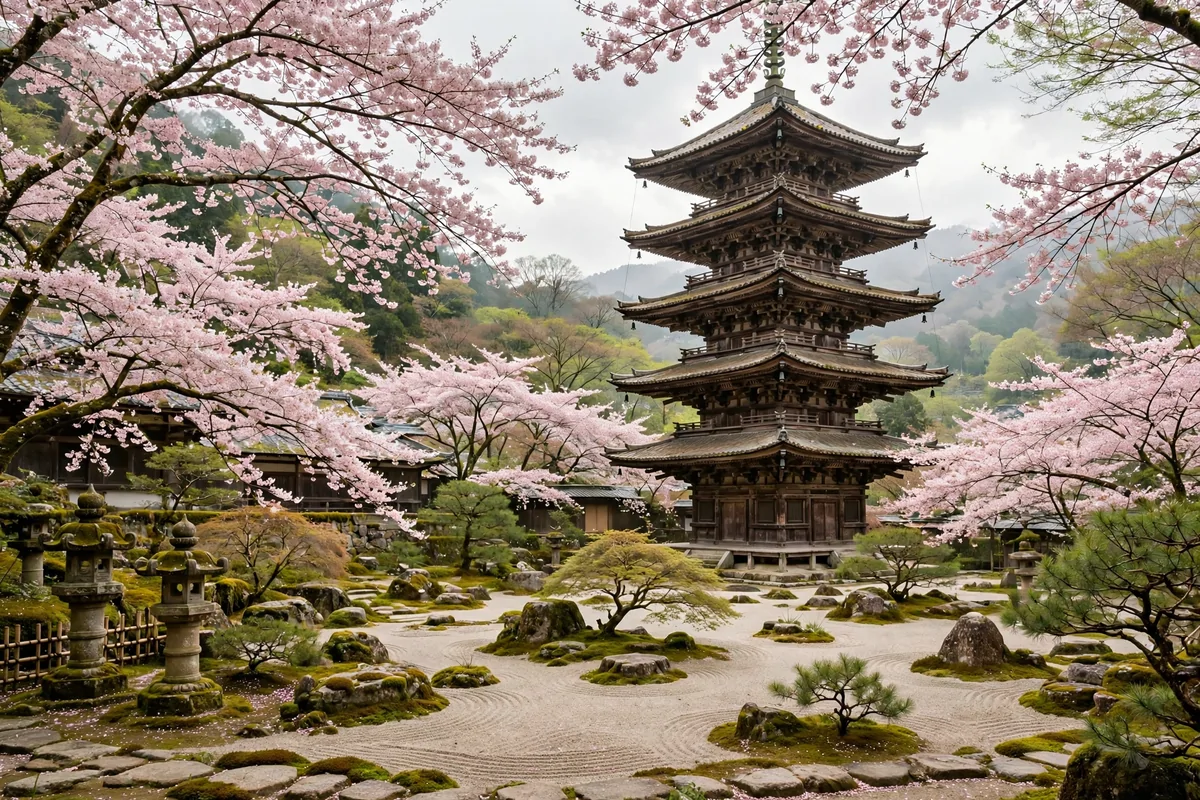
Japanese is the language of Japan, a country of quiet temples, busy train stations, green mountains, and small food shops with warm lights in the window. About 125 million people speak it, and the language has three kinds of writing: hiragana for soft native words, katakana for words from other countries, and kanji, the picture-like signs that come from China. Together they make Japanese writing look like art.
Japanese is also a language of polite speech. People change their words to show respect, to say thank you in a warm way, and to speak kindly to strangers and friends. These 19 questions will help you pick your own way to learn Japanese, one small choice at a time, from food words in Tokyo to train words on a quiet country line.
1. Would you rather master hiragana first or master katakana first?
Would you rather...
Hiragana is the soft, round script of Japanese. Every Japanese word can be written in hiragana, and children in Japan learn it first. When you know hiragana, you can read simple books, write short notes, and sound out any word you see. It is the base of the whole language.
Katakana is the sharp, straight script. It is used for words that come from other languages, like coffee, bread, and bus. If you learn katakana first, you can read shop signs, menus, and train maps much sooner, because so many everyday words in Japan are written this way.
Many learners start with hiragana because it feels like the heart of Japanese. Others start with katakana because it gives fast wins on the street. Which script would you learn first?
2. Would you rather learn 100 Japanese food words first or learn 100 Japanese travel words first?
Would you rather...
Food words are tasty to learn. Words for rice, soup, fish, green tea, sweet, salty, and “a little more, please” can turn every meal into a small lesson. In Japan, you eat three times a day, so you get to use these words again and again.
| Option | What You Gain | What You Give Up |
|---|---|---|
| Learn 100 Japanese food words first | You can order meals, ask for less salt, and enjoy food shops with confidence | You may still struggle to ask where the train station is |
| Learn 100 Japanese travel words first | You can find places, catch the right train, and ask for help on the road | You may point at food and hope for the best at lunch |
Travel words keep you safe and free. Words for left, right, straight ahead, how much, and where is the toilet can save a whole day. If you love to walk around new cities, these words are gold.
So, would you feed your Japanese learning with food words, or would you start with the words that help you move around Japan?
3. Would you rather learn 5 kanji a day slowly or learn 20 kanji a day fast?
Would you rather...
Kanji are the picture-like signs of Japanese. Each one has a meaning and a story, like the sign for tree, the sign for mountain, and the sign for water. Learning 5 kanji a day is slow and calm. You can write each one ten times, learn its sound, and use it in a real word the same day.
Learning 20 kanji a day is a bold race. In one month you could know 600 kanji, and that is enough to read many signs, menus, and simple books. But fast learning needs strong review, because new kanji can slip away fast if you do not use them again.
Pro Tip
Learn kanji in small groups that share a part. The signs for tree, forest, and woods all share the same tree shape, so one picture can teach you three words at once.
Slow learning builds a strong base that stays with you. Fast learning builds a big list in a short time. Which speed fits your way of learning?
4. Would you rather practise Japanese at a ramen shop or practise Japanese at a train station?
Would you rather...
A ramen shop is a small, warm classroom. The cook is busy, but the talk is short and clear. You say what you want, you hear the price, you say thank you, and you eat something wonderful. One short talk can teach you five new words.
A train station is big and full of life. There are ticket machines, platform signs, and kind staff who can help you find the right train. You can ask about times, platforms, and tickets, and every question is real practice.
- At a ramen shop, the talk is short, and you get a tasty reward right away.
- At a train station, you learn words that help you travel all over Japan.
- At a ramen shop, you can come back the next day and use the same words again.
- At a train station, every trip is a new chance to try a new sentence.
Some people like the warm smell of a small food shop. Others like the buzz of a big station. Which place would make you braver with your Japanese?
5. Would you rather learn polite Japanese speech first or learn casual Japanese speech first?
Would you rather...
Polite speech is the heart of daily life in Japan. Words like “please”, “thank you very much”, and “excuse me” open doors everywhere. When you speak politely, shopkeepers, train staff, and strangers smile and help you with patience and kindness.
| Option | What You Gain | What You Give Up |
|---|---|---|
| Learn polite Japanese speech first | You sound kind and respectful, and people enjoy helping you learn | You may sound too formal with close friends your own age |
| Learn casual Japanese speech first | You can talk in a relaxed way with friends and sound more natural | You may sound rude to older people or to staff if you use casual words in the wrong place |
Casual speech is short, warm, and friendly. It is the way friends talk to each other, with short words and a light tone. When you know casual speech, friendly talks feel easy and fun.
Polite speech keeps you safe in every place. Casual speech makes friendly talks feel natural. Which one would you learn on day one?
6. Would you rather listen to Japanese people talk all day or speak Japanese all day even if you make mistakes?
Would you rather...
Listening all day fills your ears with the real sound of Japanese. You start to hear the soft rhythm, the polite endings, and the small words that people use again and again. After a while, your brain starts to guess what comes next, and that is a big step.
Speaking all day is brave. You will make mistakes, and that is fine. Every mistake teaches you something, and Japanese people often smile and help you fix it. Speaking also builds courage, and courage is what turns a learner into a speaker.
Here is a small checklist for the speaking path:
- Say hello to three people in Japanese each morning.
- Ask for one thing in Japanese, even if you feel shy.
- Repeat a new word you hear, right after you hear it.
- End the day by saying one sentence about your day in Japanese.
Listening is safe and calm. Speaking is brave and fast. Which kind of day would teach you more?
7. Would you rather learn Japanese numbers and prices first or learn Japanese greetings and polite words first?
Would you rather...
Numbers give you freedom. One, two, three, ten, twenty, one hundred, and the word for yen, the money of Japan, are enough to buy food, pay for a train ticket, and check that your change is right. In a shop, numbers are your best friends.
| Option | What You Gain | What You Give Up |
|---|---|---|
| Learn Japanese numbers and prices first | You can shop, pay, and check prices on your own | You may sound less warm until you learn the polite words |
| Learn Japanese greetings and polite words first | You make friends fast and people enjoy helping you learn | You may still need help to read prices and count change |
Greetings open doors. A warm hello in the morning, a polite thank you, and a kind excuse me can make a stranger smile in seconds. In Japan, polite words matter a lot, and people notice when you use them.
Polite words give you warmth. Numbers give you power. Which would you learn on day one?
8. Would you rather study Japanese for 10 minutes every day or study Japanese for 2 hours once a week?
Would you rather...
Ten minutes a day is small, but it adds up. A few hiragana before breakfast, a short listen on a walk, and a quick review at night can keep Japanese fresh in your mind every single day. Small steps, done often, build a strong habit.
Two hours once a week feels like a big adventure. You can sit down with a book, write a full page of kanji, and learn a whole set of words in one go. It feels like real progress, and you can see it in one sitting.
Things to think about:
- Daily study keeps words fresh, but each session is very short.
- Weekly study gives you deep focus, but you may forget words between sessions.
- Daily study fits a busy life, because 10 minutes is easy to find.
- Weekly study needs a free afternoon, which is harder to protect.
Most teachers say a little each day wins in the long run. But a long weekly session can feel exciting and full. Which rhythm fits your life?
9. Would you rather learn to write hiragana by hand or learn to type Japanese on a phone keyboard?
Would you rather...
Writing hiragana by hand feels slow and beautiful. You learn the shape of each sign and the right order of the strokes, and your hand starts to remember them. Many learners say that writing helps the words stay in the mind for a long time.
Typing on a phone is fast and useful right now. You can send messages to Japanese friends, search for words, and look up a new kanji in seconds. The phone keyboard shows you the hiragana, and your fingers learn where each sound sits.
Important Note
You do not need to choose only one. Try both for one week. Write five hiragana by hand each morning, and type one short message in Japanese each evening. Your hands will learn the signs twice as fast.
If you love paper and pens, handwriting may win your heart. If you love your phone, typing may be your best friend. Which one would you pick?
10. Would you rather learn Japanese in Tokyo or learn Japanese in Kyoto?
Would you rather...
Tokyo is the big capital, full of tall buildings, bright signs, fast trains, and people from all over Japan. The speech in Tokyo is the standard Japanese that most books and courses use, so what you hear in the street matches what you read in your book.
Kyoto is the old capital, full of quiet temples, wooden houses, green gardens, and slow streets where you can hear birds in the morning. The city moves at a calm speed, and people have time to talk with you. Kyoto gives you a new chance to practise in a peaceful place.
Some learners love the big energy of Tokyo. Others love the calm old streets of Kyoto. Which city would be your classroom?
11. Would you rather learn to order food in Japanese or learn to ask for directions in Japanese?
Would you rather...
Ordering food is a joy. You can ask for your favourite dish, say you want it not too spicy, and ask for water or green tea. Food talk is useful three times a day, and every meal becomes a small win.
Asking for directions keeps you from getting lost. Words for left, right, near, far, and where is the temple can save a long walk in the heat. When you can ask the way, you can explore any town with a brave heart.
Picture this: you are hungry in a small town, and you smell fresh bread from a bakery nearby. Or picture this: you are at a crossroads, and a famous garden is close but you cannot see it. Which skill would you want in that moment?
12. Would you rather learn Japanese words for family and home or learn Japanese words for nature and the seasons?
Would you rather...
Family and home words are warm and close. Words for mother, father, brother, sister, house, room, and table help you talk about daily life with Japanese friends and their families. These words turn strangers into people you know.
| Option | What You Gain | What You Give Up |
|---|---|---|
| Learn Japanese words for family and home | You can talk about daily life and feel close to Japanese people | You may not know the words for cherry blossoms, snow, and autumn leaves |
| Learn Japanese words for nature and the seasons | You can enjoy spring flowers, summer rain, and winter snow with the right words | You may not know the words for family talks at home |
Nature words are fresh and free. Words for cherry blossom, rain, snow, mountain, and sea help you enjoy the four seasons of Japan. When you know these words, a walk under pink flowers in spring feels like a lesson you love.
Home words make you feel close to people. Nature words make you feel close to the land. Which set would you learn first?
13. Would you rather speak Japanese slowly and clearly or speak Japanese fast even if you make mistakes?
Would you rather...
Speaking slowly is smart. When you speak slow and clear, people understand you, and you have time to pick the right polite words. Slow speech also helps you hear your own mistakes, so you can fix them next time.
Speaking fast is bold. It sounds more like a real Japanese speaker, and it keeps the talk moving. You will make mistakes, but you will also learn to keep going, and that is a skill that slow speech cannot teach.
Warning
Do not rush your polite words. In Japanese, the right level of politeness matters more than speed, and a fast word in the wrong form can sound rude when you meant to sound kind. Slow and polite always wins.
Slow and clear wins trust. Fast and brave wins flow. Which kind of speaker would you like to be?
14. Would you rather learn Japanese with a teacher or learn Japanese on your own with books and audio?
Would you rather...
A teacher can hear your sounds and fix them on the spot. When you say a word wrong, a good teacher shows you the right sound, and you can try again right away. A teacher also gives you a plan, so you always know what to learn next.
Learning on your own gives you freedom. You can study at midnight, repeat one hiragana twenty times, and pick your own books and audio. Many learners enjoy this freedom, and they learn a lot from short audio lessons and good books.
Things to think about:
- A teacher gives you fast feedback, but lessons cost money and need a fixed time.
- Learning alone is free and flexible, but no one checks your sounds for you.
- A teacher can push you to speak, even on days when you feel shy.
- Learning alone lets you follow what you like most, like food words or train words.
One path gives you a guide. The other gives you freedom. Which one fits your way of learning?
15. Would you rather learn Japanese words for the train and the station or learn Japanese words for shopping and prices?
Would you rather...
Train words open the whole country to you. Words for platform, ticket, next train, and where to change help you ride from Tokyo to Kyoto, and from a big city to a small town by the sea. When you can read the station signs, you can travel on your own with no stress.
| Option | What You Gain | What You Give Up |
|---|---|---|
| Learn Japanese words for the train and the station | You can travel across Japan on your own with no stress | You may still need help to ask prices and count change in a shop |
| Learn Japanese words for shopping and prices | You can shop, pay, and ask for help in any store with confidence | You may still need help to find the right platform and train |
Shopping words help you in daily life. Words for price, cheap, new, size, and “can I try this” help you buy clothes, gifts, and food with a smile. Shops in Japan are full of kind staff who love to help a polite learner.
One set of words helps you travel far. The other set helps you live well each day. Which would you learn first?
16. Would you rather read Japanese story books or listen to Japanese people talk in a busy street?
Would you rather...
Story books are calm and kind to learners. You can read slowly, look up a new word, and go back to a hard line as many times as you like. Simple stories teach you new words in a natural way, and you learn how sentences fit together.
Listening in a busy street is real life at full speed. You hear how people really talk, with short sentences, quick polite words, and sounds that books never teach. It is hard at first, but every day you understand a little more.
Pro Tip
Start with short stories that have simple words, and read the same story three times. First read for the story, second read for new words, third read out loud to practise your sounds.
Books give you peace and control. The street gives you speed and real talk. Which one would you choose?
17. Would you rather learn to read a Japanese menu on your own or learn to write a short note in Japanese?
Would you rather...
Reading a menu on your own is freedom at the table. When you can read the dishes, the prices, and the words for hot, cold, sweet, and spicy, you can order what you really want. No pointing, no guessing, just you and the menu.
Writing a short note is a warm skill. A few lines to a friend, a thank you note, or a short message about your day shows that you can use Japanese on paper. It needs good hiragana and good kanji, but it feels wonderful when you finish it.
- A menu helps you practise reading fast in a real place.
- A short note helps you practise writing and polite words.
- A menu is a tool you can use three times a day.
- A note is a gift you can give to a friend.
One skill lets you feed yourself well. The other lets you write to people. Which would you learn first?
18. Would you rather learn Japanese words for weather and seasons or learn Japanese words for clothes and colours?
Would you rather...
Weather words help you plan your day. Words for hot, rainy, sunny, cool, and snow help you pick the right time for a walk, a trip, or a visit to a temple. Japan has hot summers and cold winters, so weather talk is useful all year.
Clothes and colour words help you shop and describe the world. Words for shirt, dress, hat, red, blue, and green help you buy clothes, pick gifts, and talk about what you see. They are simple words, but you use them every day.
Things to think about:
- Weather words keep you ready for the sky, from spring rain to winter snow.
- Colour words help you describe cherry blossoms, autumn leaves, and the sea.
- Weather words help you plan trips and walks in Japan.
- Clothes words help you shop and talk about daily life.
Weather words keep you ready for the sky. Colour words help you describe what you see. Which set would you learn first?
19. Would you rather visit Kyoto and speak Japanese there or visit a small countryside town and speak Japanese there?
Would you rather...
Kyoto is one of the most famous places in Japan. Old temples rise behind green gardens, wooden streets wind past small shops, and the sound of temple bells fills the morning air. Speaking Japanese in Kyoto, asking about a temple garden or a bowl of green tea, would be a memory you never forget.
A small countryside town is quiet and full of kind people. There are rice fields, slow trains, and small shops where the owner knows every visitor by name. People there have time to talk with you, and every chat teaches you new words about daily life in Japan.
One place gives you old temples and famous sights. The other gives you slow days and warm talks. Which trip would you take with your Japanese?
More Would You Rather Questions
- 26 Cantonese Would You Rather Questions With Fascinating Word Choices
- 11 Mandarin Chinese Would You Rather Questions for Language Learners
- 38 Tagalog Would You Rather Questions About Everyday Expressions
- 21 Filipino Language Would You Rather Questions for Curious Learners
- 32 Malay Language Would You Rather Questions About Southeast Asian Languages
- 16 Indonesian Language Would You Rather Questions for Language Lovers
- 27 Vietnamese Language Would You Rather Questions for Global Learners
- 12 Thai Language Would You Rather Questions for Language Adventurers
- 30 Sinhala Language Would You Rather Questions for Curious Language Learners
- 22 Nepali Language Would You Rather Questions From the Himalayas