38 Tagalog Would You Rather Questions About Everyday Expressions

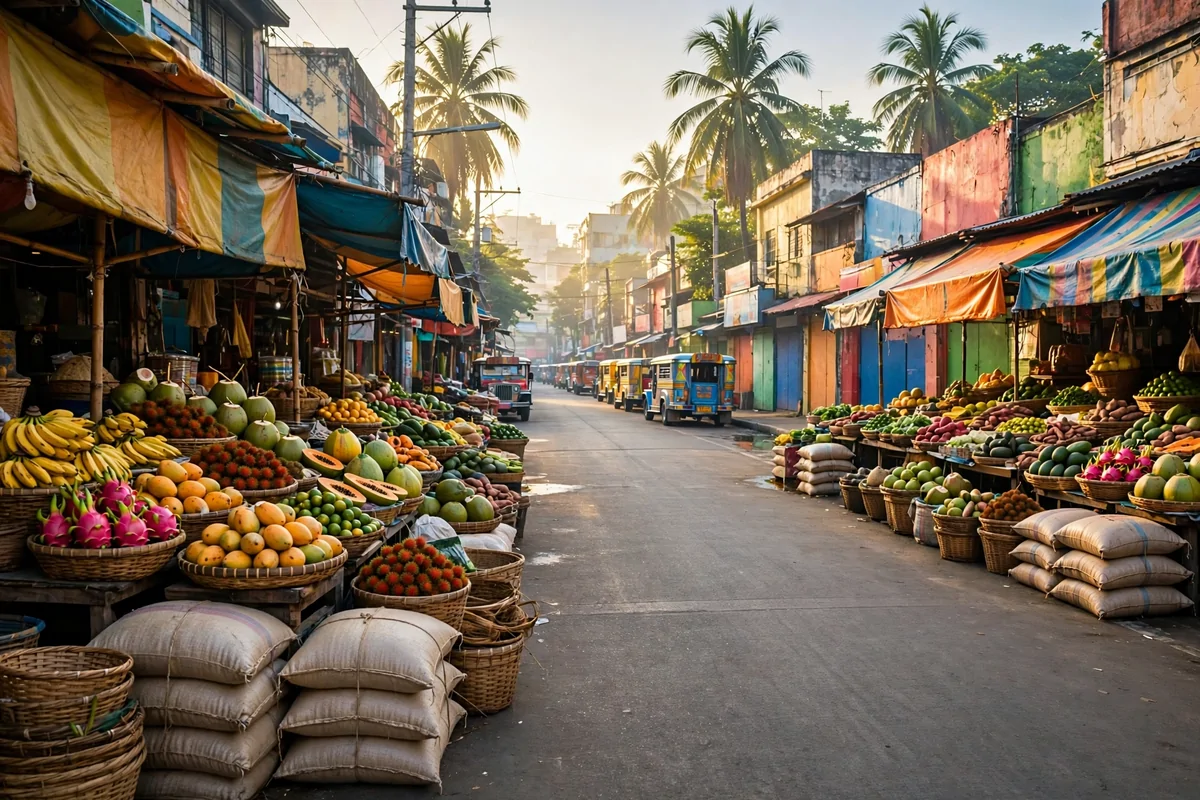
Tagalog is the warm and friendly language of the Philippines, the language you hear in the busy streets of Manila, at colourful markets, and at family tables full of rice and fresh food. It is a language of kind greetings, polite words, and short phrases that make daily life easy and fun.
Everyday Tagalog is not about long speeches. It is about the small words you use again and again: a hello in the morning, a thank you at a shop, a polite sorry in a crowd, and a happy praise for good food. These 38 questions will help you pick the everyday expressions that fit your life, one small choice at a time.
1. Would you rather greet everyone with Kumusta or greet everyone with Magandang umaga?
Would you rather...
Kumusta is the friendly hello of the Philippines. It is short, warm, and easy to say to a neighbour, a shopkeeper, or a new friend. One small word can open a whole talk, and people often answer with a smile and a story about their day.
Magandang umaga means good morning, and it feels bright and fresh, like the start of a new day. It is the kind of greeting that fits a morning walk, a market visit, or the first hello at work. People hear it and know the day has started well.
Both greetings are kind, but they feel a little different. Kumusta asks how a person is, while Magandang umaga wishes them a good morning. Which one would leave your mouth first each day?
2. Would you rather say Salamat for every small help or say Maraming salamat for every small help?
Would you rather...
Salamat is a short and simple thank you. It fits a small help, like when someone holds a door or passes a bag of rice at the market. It is quick, light, and easy to say many times a day.
| Option | What You Gain | What You Give Up |
|---|---|---|
| say Salamat for every small help | You sound natural and relaxed in daily talk | You may sound a little plain when someone does a big favour for you |
| say Maraming salamat for every small help | You show deep thanks and people feel truly valued | You may sound too strong for a tiny favour like holding a door |
Maraming salamat means thank you very much. It carries more warmth, and it fits a bigger help, like when a neighbour shares food or a friend walks with you in the rain. People remember a big thank you for a long time.
So, would you keep your thanks short and simple, or would you make every thank you big and warm?
3. Would you rather say Paumanhin when you bump into someone or say Pasensya na when you bump into someone?
Would you rather...
Paumanhin is a polite way to say sorry or excuse me. It is soft and respectful, and it fits a busy street, a crowded market, or a small bump in a shop. People hear it and step aside with a smile.
Pasensya na is a warm way to ask for patience. It means please be patient with me, and it fits a mistake, a delay, or a moment when you need a little time. It shows a kind heart, not just a quick sorry.
- Paumanhin works well in a crowd when you need to pass by.
- Pasensya na works well when you are late or you make a small mistake.
- Paumanhin is short and clear, easy to say on the move.
- Pasensya na is warm and honest, and it asks for understanding.
Both words can fix a small awkward moment. Which one would you reach for first?
4. Would you rather add Po to every sentence you speak or say Opo for every yes you give?
Would you rather...
Po is a small polite word that you add inside a sentence. It makes your Tagalog sound respectful, and older people in the Philippines love to hear it. A sentence with Po feels gentle, like a soft bow in words.
Opo is the polite way to say yes. It is short and clear, and it shows respect in one small word. When an older person asks you a question, Opo is the answer that makes them smile.
Things to think about:
- Po can go into almost any sentence, so you use it all day long.
- Opo is only for yes answers, so you use it less often but it still matters.
- Po makes your whole way of talking sound polite.
- Opo makes your yes sound warm and respectful.
Which polite habit would you build first?
5. Would you rather greet people with Magandang hapon in the afternoon or greet people with Magandang gabi in the evening?
Would you rather...
Magandang hapon means good afternoon. It fits the warm hours after lunch, when the sun is high and people rest in the shade or buy snacks at a small shop. It is a calm and friendly greeting for the middle of the day.
Pro Tip
Learn the three time greetings together: Magandang umaga in the morning, Magandang hapon in the afternoon, and Magandang gabi in the evening. Once you know all three, you can greet anyone at any hour with confidence.
Magandang gabi means good evening. It fits the soft light at the end of the day, when families sit together and the streets fill with the smell of dinner. It is a warm greeting for the close of the day.
One greeting belongs to the bright afternoon, the other to the gentle evening. Which time of day would you greet first?
6. Would you rather ask Nasaan ang palengke when you need food or ask Nasaan ang banyo when you need a restroom?
Would you rather...
Nasaan ang palengke means where is the market. It is a golden question in the Philippines, because markets are full of fresh fruit, fish, rice, and flowers. Ask it once, and you can find a feast.
| Option | What You Gain | What You Give Up |
|---|---|---|
| ask Nasaan ang palengke when you need food | You can find fresh food, fair prices, and friendly sellers | You may still need to ask again when nature calls |
| ask Nasaan ang banyo when you need a restroom | You can find comfort fast in a new place | You may still feel hungry until you find the market |
Nasaan ang banyo means where is the restroom. It is a quiet but vital question, and it saves you on a long trip or a busy day out. When you know this phrase, you can relax and enjoy the day.
Food or comfort, which question would you learn first?
7. Would you rather ask Magkano ito at every shop or ask May tawad ba at every shop?
Would you rather...
Magkano ito means how much is this. It is the first question of every shopper in the Philippines, and it opens the talk at a market stall, a small shop, or a street corner. With this one phrase, you can buy almost anything.
May tawad ba means is there a discount. It is a brave and playful question, and many sellers enjoy the friendly talk that follows. A small discount feels like a small win, and the talk itself can be fun.
One question tells you the price. The other question tries to make the price smaller. Which shopper would you be?
8. Would you rather order food with Pabili ng tinapay or order food with Gusto ko ng tinapay?
Would you rather...
Pabili ng tinapay means please sell me some bread. It is a polite way to buy, and it fits a bakery, a market stall, or a small shop. The seller hears it and knows you want to buy, not just to look.
Important Note
Pabili is a buying word, while Gusto ko means I want. Both are fine, but Pabili sounds more polite at a shop, because it asks the seller to sell. Try Pabili first when you buy food at a market stall.
Gusto ko ng tinapay means I want some bread. It is direct and clear, and it works well at a restaurant or a food stall where you pick from a list. It says exactly what you want, with no fuss.
Polite buying or direct wanting, which style fits you at a food stall?
9. Would you rather say Masarap ito after every meal or say Busog na ako after every meal?
Would you rather...
Masarap ito means this is delicious. It is a happy phrase, and cooks love to hear it. Say it after a meal of rice and fish, or after a sweet snack, and watch the cook smile.
| Option | What You Gain | What You Give Up |
|---|---|---|
| say Masarap ito after every meal | You praise the cook and make them happy | You may still feel hungry and need to say more |
| say Busog na ako after every meal | You tell people you are full and happy | You may miss the chance to praise the food |
Busog na ako means I am full. It is a useful phrase at the end of a big family meal, when the food keeps coming and your plate is already full. It is polite, honest, and a little funny.
Praise the food or declare yourself full, which phrase would you use more?
10. Would you rather say Gutom na ako when you feel hungry or say Nauuhaw ako when you feel thirsty?
Would you rather...
Gutom na ako means I am hungry. It is a simple phrase, but it starts many good things: a walk to a food stall, a shared meal, or a kind offer from a friend. Hunger is easy to fix when you can say it.
Nauuhaw ako means I am thirsty. On a hot day in Manila, this phrase is gold. One short sentence can bring you cold water, fresh juice, or a cool coconut drink.
- Gutom na ako leads to food, and food leads to a happy stomach.
- Nauuhaw ako leads to a cold drink, and a cold drink cools a hot day.
- Gutom na ako is useful three times a day, at every meal.
- Nauuhaw ako is vital in the heat, when water matters most.
Hunger or thirst, which feeling would you learn to say first?
11. Would you rather say Ingat when a friend leaves or say Paalam when a friend leaves?
Would you rather...
Ingat means take care. It is a warm send off, and it shows that you care about the other person. Say it when a friend rides home, walks in the rain, or starts a long trip, and they will carry your care with them.
Paalam means goodbye. It is the classic farewell of the Philippines, and it fits the end of a visit, a party, or a long day together. It is simple, clear, and full of warmth.
Things to think about:
- Ingat is about safety, and it shows you care about the trip home.
- Paalam is about parting, and it closes a happy time together.
- Ingat works well at night, when the road is dark.
- Paalam works well at the door, when the visit is over.
Care or farewell, which word would you say at the door?
12. Would you rather say Walang anuman after every thank you or say Sige lang after every thank you?
Would you rather...
Walang anuman means you are welcome, or it is nothing. It is a kind answer to a thank you, and it tells the other person that the help was a pleasure. It is polite and warm, and it fits almost any favour.
Sige lang means it is fine, go ahead. It is relaxed and friendly, and it fits a small favour between friends. It says no problem in a light and easy way.
One answer is polite and classic. The other is relaxed and casual. Which one sounds more like you?
13. Would you rather ask Saan ka pupunta to a neighbour or ask Kumusta ka na to a neighbour?
Would you rather...
Saan ka pupunta means where are you going. It is a common friendly question in the Philippines, and neighbours ask it with a smile when they meet on the street. It is a way to show care, not just to get an answer.
| Option | What You Gain | What You Give Up |
|---|---|---|
| ask Saan ka pupunta to a neighbour | You start a friendly chat about the day | You may learn little about how the person feels |
| ask Kumusta ka na to a neighbour | You show care for the person and their day | You may miss the chance to hear their plans |
Kumusta ka na means how are you now. It is a warm check in, and it asks about health, family, and life. People often answer with a story, and a short greeting can turn into a long friendly talk.
Ask about their plans or ask about their day, which neighbourly question would you pick?
14. Would you rather say Tulong when you need help or say Pakiusap when you need help?
Would you rather...
Tulong means help. It is a short and strong word, and it works in a real need, like when a bag is too heavy or you cannot reach a high shelf. People hear it and come to help fast.
Pakiusap means please, or a polite request. It softens your words and makes a request kind. When you ask for help with Pakiusap, people feel respected, and they often help with a smile.
One word is direct and urgent. The other is soft and polite. Which one would you call out first?
15. Would you rather use Tara na to invite friends out or use Halika to invite friends in?
Would you rather...
Tara na means let us go. It is full of energy, and it starts a trip to the market, a walk by the sea, or a visit to a friend. One short phrase can turn a quiet afternoon into an adventure.
Warning
Tara na means go, while Halika means come here. Mix them up and you may send your friends in the wrong direction. Say Tara na when you leave together, and Halika when you call someone to come close to you.
Halika means come here. It is a warm invitation to come close, sit down, or join a meal. It fits a home visit, a shared snack, or a quiet talk with friends.
Go out together or call them close, which invitation would you use more?
16. Would you rather say Sandali lang when you need a moment or say Teka muna when you need a moment?
Would you rather...
Sandali lang means just a moment. It is polite and calm, and it fits a shop, a phone call, or a busy morning. People hear it and wait with patience.
Teka muna means wait a minute. It is quick and casual, and it fits a chat with friends or a sudden idea in the middle of a talk. It is a friendly pause, not a cold stop.
- Sandali lang sounds polite and works well with strangers.
- Teka muna sounds casual and works well with friends.
- Sandali lang buys you time in a gentle way.
- Teka muna buys you time in a playful way.
Gentle pause or playful pause, which one would you say?
17. Would you rather ask Ano ang pangalan mo to a new friend or ask Taga saan ka to a new friend?
Would you rather...
Ano ang pangalan mo means what is your name. It is the first question of every new friendship, and it opens the door to all the talks that follow. A name is the start of knowing someone.
Taga saan ka means where are you from. It is a friendly question in the Philippines, where people come from many islands and towns. The answer often starts a fun talk about home, food, and family.
Things to think about:
- A name helps you greet a friend the next time you meet.
- A home town helps you find things you share.
- A name is the first step of friendship.
- A home town is the first step of a good story.
Name first or home town first, which question would you ask?
18. Would you rather say Kumain na tayo at lunch time or say Merienda tayo at snack time?
Would you rather...
Kumain na tayo means let us eat now. It is the warm call of lunch time in the Philippines, when rice is hot and the table is full. It brings family and friends together in one happy moment.
Merienda tayo means let us have a snack. It fits the soft afternoon hours, when a small bite and a cool drink feel just right. A merienda is light, sweet, and full of small talk.
Lunch is a big shared meal. Merienda is a small shared joy. Which call to eat would you love to say?
19. Would you rather say Magkano ang pamasahe on a jeepney ride or say Para po on a jeepney ride?
Would you rather...
Magkano ang pamasahe means how much is the fare. It is a smart question on a jeepney, the bright and colourful ride of the Philippines. Ask it once, and you can pay the right amount with confidence.
| Option | What You Gain | What You Give Up |
|---|---|---|
| say Magkano ang pamasahe on a jeepney ride | You learn the fare and pay the right amount | You may still need to call out when your stop comes |
| say Para po on a jeepney ride | You can stop the jeepney at the right place | You may pay without knowing if the fare was right |
Para po means please stop here. It is a vital phrase on a jeepney, because the driver stops only when a rider calls out. Say it in time, and you step off at the right street.
Ask the fare or call the stop, which jeepney phrase matters more to you?
20. Would you rather say Mainit ang panahon on a hot day or say Maulan ang panahon on a rainy day?
Would you rather...
Mainit ang panahon means the weather is hot. It is a phrase you hear often in the Philippines, where the sun is strong and the air is warm. It starts many small talks about shade, water, and cool drinks.
Pro Tip
Weather talk is a friendly way to start any chat in the Philippines. Learn Mainit for hot, Maulan for rainy, and Mahangin for windy, and you can talk about the day with anyone, anywhere.
Maulan ang panahon means the weather is rainy. It fits the rainy season, when the rain falls hard and the streets shine. It is a useful phrase for plans, trips, and finding a dry place to wait.
Hot sun or soft rain, which weather would you talk about first?
21. Would you rather say Ang ganda naman to praise a place or say Ang sarap naman to praise food?
Would you rather...
Ang ganda naman means how beautiful. It fits a view of the sea, a bright market, or a garden full of flowers. Say it with a smile, and people feel proud of their place.
Ang sarap naman means how delicious. It fits a plate of hot rice, a sweet fruit, or a fresh drink. Say it at the table, and the cook will feel very happy.
- Ang ganda naman praises a place, a view, or a thing.
- Ang sarap naman praises food, a drink, or a taste.
- Ang ganda naman makes people proud of where they live.
- Ang sarap naman makes people proud of what they cook.
Praise a place or praise a plate, which kind of praise would you give more?
22. Would you rather say Pasensya na po when you are late or say Paumanhin po when you are late?
Would you rather...
Pasensya na po means please forgive me, be patient with me. It is warm and honest, and it fits a late arrival with a good reason. People hear the polite Po and know you mean it.
Paumanhin po means excuse me, I am sorry. It is soft and polite, and it fits a small delay or a polite knock before you speak. It opens the talk in a gentle way.
Things to think about:
- Pasensya na po asks for patience and understanding.
- Paumanhin po asks for pardon in a soft and formal way.
- Pasensya na po fits a real delay, like slow traffic.
- Paumanhin po fits a polite start, like entering a room.
Which polite sorry would you choose when you are late?
23. Would you rather ask Puwede bang tumulong when you offer help or ask Gusto mo ba ng tulong when you offer help?
Would you rather...
Puwede bang tumulong means may I help. It is a polite offer, and it shows respect before you step in. People often say yes with a smile, because the offer is kind.
Gusto mo ba ng tulong means do you want help. It is a direct and friendly offer, and it fits a friend who carries heavy bags or works on a hard task. It asks first, and it waits for a yes.
One offer asks for permission. The other asks about a wish. Which way would you offer help?
24. Would you rather say Salamat po to an older person or say Salamat sa iyo to a friend your age?
Would you rather...
Salamat po means thank you with respect. The small word Po makes it fit an older person, a teacher, or a kind elder at home. It shows good manners in one short phrase.
| Option | What You Gain | What You Give Up |
|---|---|---|
| say Salamat po to an older person | You show deep respect to an older person | You may sound too formal with a close friend |
| say Salamat sa iyo to a friend your age | You sound warm and close with a friend your age | You may sound too casual for an older person |
Salamat sa iyo means thank you to you. It is warm and personal, and it fits a friend your age. It says the thanks is for you, and only you.
Respectful thanks or personal thanks, which one would you say more often?
25. Would you rather say Hanggang sa muli when you say goodbye or say Kita kits when you say goodbye?
Would you rather...
Hanggang sa muli means until we meet again. It is a warm and hopeful goodbye, and it promises a next meeting. It fits the end of a visit with family or a long chat with a friend.
Kita kits means see you, a playful slang goodbye. It is light and fun, and it fits young friends and casual plans. It says see you soon with a smile.
One goodbye is warm and classic. The other is playful and quick. Which farewell would leave your lips?
26. Would you rather ask Nasaan ang sakayan when you need a ride or ask Nasaan ang tindahan when you need a shop?
Would you rather...
Nasaan ang sakayan means where is the ride stop. It is a key question on a busy day, when you need a jeepney, a bus, or a tricycle. Ask it once, and you can start your trip.
Important Note
Nasaan means where is, and it is one of the most useful Tagalog words for a traveller. Put it before a place, like sakayan for a ride stop, tindahan for a shop, or palengke for a market, and you can find almost anything in a new town.
Nasaan ang tindahan means where is the shop. It is a handy question when you need water, snacks, or a small thing for the road. A shop is never far in the Philippines, but the right question finds it fast.
Find a ride or find a shop, which question would you ask first?
27. Would you rather say Isa pa nga when you want one more or say Tama na when you have had enough?
Would you rather...
Isa pa nga means one more, please. It is a happy phrase at a food stall, when the food is so good that one serving is not enough. It asks for more with a smile.
Tama na means that is enough. It is a polite stop, and it fits a full plate, a full bag, or a kind offer you cannot take. It says thank you, I have enough, in a gentle way.
Things to think about:
- Isa pa nga shows you love the food and want more.
- Tama na shows you are happy and full.
- Isa pa nga can make a seller smile with joy.
- Tama na can make a host feel proud of a full meal.
One more or enough for now, which phrase fits your appetite?
28. Would you rather say Mabuti naman when someone asks how you are or say Ayos lang when someone asks how you are?
Would you rather...
Mabuti naman means I am fine, thank you. It is a warm and positive answer, and it shows a good mood. People love to hear it, because it starts the talk on a happy note.
| Option | What You Gain | What You Give Up |
|---|---|---|
| say Mabuti naman when someone asks how you are | You sound happy and full of good energy | You may hide a small worry behind a bright answer |
| say Ayos lang when someone asks how you are | You sound calm and relaxed in daily talk | You may sound plain when you feel truly great |
Ayos lang means I am okay. It is a calm and easy answer, and it fits a normal day with no big news. It is honest, relaxed, and very common in daily talk.
Bright and fine or calm and okay, how would you answer?
29. Would you rather ask Pakiusap pakiabot when you ask to pass something or ask Pakisuyo pakiabot when you ask to pass something?
Would you rather...
Pakiusap pakiabot means please pass this along. It is a polite request at a table, in a jeepney, or in a crowded room. It asks for a small favour with kind words.
Pakisuyo pakiabot means kindly pass this along. It is a softer and more polite version, and it fits a request to a stranger or an older person. It shows extra respect in a small moment.
- Pakiusap is short, clear, and polite for daily use.
- Pakisuyo is softer, and it fits formal or respectful moments.
- Pakiusap works well with friends and family.
- Pakisuyo works well with strangers and elders.
Polite or extra polite, which way would you ask someone to pass a thing?
30. Would you rather ask Ano ito when you see a new food or ask Ano ang tawag dito when you see a new food?
Would you rather...
Ano ito means what is this. It is a short and curious question, and it fits a new dish on a plate, a strange fruit at the market, or a snack you have never tried. One small question opens a new taste.
Ano ang tawag dito means what is this called. It asks for the name, and it helps you remember the food for next time. A name is a key, and with it you can order the same dish again.
Ask what it is or ask what it is called, which curious question would you pick?
31. Would you rather say Ingat ka when someone travels or say Magandang biyahe when someone travels?
Would you rather...
Ingat ka means take care. It is a warm wish for a safe trip, and it fits a friend who rides a bus, a boat, or a long road home. It says I care about you in three small sounds.
Magandang biyahe means have a good trip. It is a bright wish for a happy ride, and it fits the start of a holiday, a visit home, or a new adventure. It wishes joy, not just safety.
Things to think about:
- Ingat ka is about safety on the road.
- Magandang biyahe is about joy on the trip.
- Ingat ka fits a night trip or a long ride.
- Magandang biyahe fits a holiday or a happy visit.
Care or joy, which wish would you send with a traveller?
32. Would you rather ask Kumusta ang pamilya mo to ask about family or ask Kumusta ang trabaho mo to ask about work?
Would you rather...
Kumusta ang pamilya mo means how is your family. It is a warm question in the Philippines, where family is close and dear. Ask it, and people often share happy news about home.
Kumusta ang trabaho mo means how is your work. It is a friendly question for a friend, a neighbour, or a workmate. Ask it, and you may hear about a new task, a busy day, or a proud win.
Family or work, which part of life would you ask about first?
33. Would you rather ask Gusto ko ng kape in the morning or ask Gusto ko ng tsaa in the morning?
Would you rather...
Gusto ko ng kape means I want coffee. It is the morning phrase of many people in the Philippines, where a hot cup starts the day. Coffee is strong, warm, and full of energy.
| Option | What You Gain | What You Give Up |
|---|---|---|
| ask Gusto ko ng kape in the morning | You start the day with a strong and warm drink | You may feel too awake on a calm morning |
| ask Gusto ko ng tsaa in the morning | You start the day with a soft and gentle drink | You may miss the strong kick of coffee |
Gusto ko ng tsaa means I want tea. It is a soft and gentle start, and it fits a quiet morning, a light breakfast, or a calm talk with a friend. Tea is warm, light, and easy on the stomach.
Strong coffee or gentle tea, which morning drink would you order?
34. Would you rather say Pabili ng prutas at the market or say Pabili ng gulay at the market?
Would you rather...
Pabili ng prutas means please sell me some fruit. It is a joyful phrase at a market, where mangoes, bananas, and pineapples fill the stalls with colour and sweet smell. Fruit is a gift of the islands.
Warning
Prutas means fruit, while gulay means vegetables. They sound a little alike to a new learner, but they buy very different things. Say prutas for a sweet snack, and gulay for a pot of soup or a plate of rice toppings.
Pabili ng gulay means please sell me some vegetables. It is a useful phrase for a home cook, who needs fresh greens for soup, rice, or a family meal. Vegetables are fresh, green, and full of good taste.
Sweet fruit or fresh vegetables, which market buy would you make first?
35. Would you rather say Makikiraan po in a crowded street or say Paumanhin po in a crowded street?
Would you rather...
Makikiraan po means please let me pass. It is a polite phrase for a crowded street, a busy market, or a full jeepney. It asks for space with respect, and people step aside with a smile.
Paumanhin po means excuse me, I am sorry. It is a soft apology for a small bump or a blocked path. It smooths a crowded moment with kind words.
- Makikiraan po is clear about what you need: a path to pass.
- Paumanhin po is soft about what happened: a small bump.
- Makikiraan po works best when you walk through a crowd.
- Paumanhin po works best after a small accident.
Ask to pass or say sorry, which crowd phrase would you use?
36. Would you rather say Ang init naman when the sun is strong or say Ang lamig naman when the air is cool?
Would you rather...
Ang init naman means how hot it is. It is a phrase for a strong sunny day, when the shade feels like a gift and a cold drink feels like a treasure. Everyone in the Philippines knows this feeling.
Ang lamig naman means how cold it is. It fits a cool evening, a breezy hill town, or a room with strong air cooling. It is a small surprise in a warm land, and people love to talk about it.
Things to think about:
- Ang init naman starts a talk about shade, water, and rest.
- Ang lamig naman starts a talk about jackets, warm drinks, and cosy nights.
- Ang init naman is useful on most days of the year.
- Ang lamig naman is a rare and fun surprise.
Hot sun or cool air, which weather feeling would you share first?
37. Would you rather say Tara kain tayo to invite someone to eat or say Tara lakad tayo to invite someone for a walk?
Would you rather...
Tara kain tayo means let us go and eat. It is a joyful invitation in the Philippines, where food is best when shared. One short phrase can fill a table with rice, fish, and happy talk.
Tara lakad tayo means let us go for a walk. It is a light invitation to move, see the streets, and enjoy the fresh air. A walk is a good time for talk, and talk is a good time for friendship.
Eat together or walk together, which invitation would you give?
38. Would you rather learn ten new Tagalog phrases every day or use the same ten Tagalog phrases every day?
Would you rather...
Learn ten new Tagalog phrases every day, and your words will grow fast. Each morning brings new greetings, new food words, and new polite phrases. After a month, you can talk about markets, meals, trips, and family with ease.
Use the same ten Tagalog phrases every day, and your words will grow deep. You will say Kumusta, Salamat, Magkano, and Paumanhin so well that people understand you at once. A few phrases, said with confidence, can carry a whole day.
New words each day or deep practice of the same words, both paths lead to a friendly talk in Tagalog. The best path is the one you enjoy, because joy keeps you learning. Which path would you walk, and which phrase would you say first tomorrow morning?
More Would You Rather Questions
- 21 Filipino Language Would You Rather Questions for Curious Learners
- 32 Malay Language Would You Rather Questions About Southeast Asian Languages
- 16 Indonesian Language Would You Rather Questions for Language Lovers
- 27 Vietnamese Language Would You Rather Questions for Global Learners
- 12 Thai Language Would You Rather Questions for Language Adventurers
- 30 Sinhala Language Would You Rather Questions for Curious Language Learners
- 22 Nepali Language Would You Rather Questions From the Himalayas
- 18 Kannada Language Would You Rather Questions About Regional Speech
- 40 Malayalam Language Would You Rather Questions for Curious Learners
- 34 Telugu Language Would You Rather Questions for Language Fans