18 Kannada Language Would You Rather Questions About Regional Speech

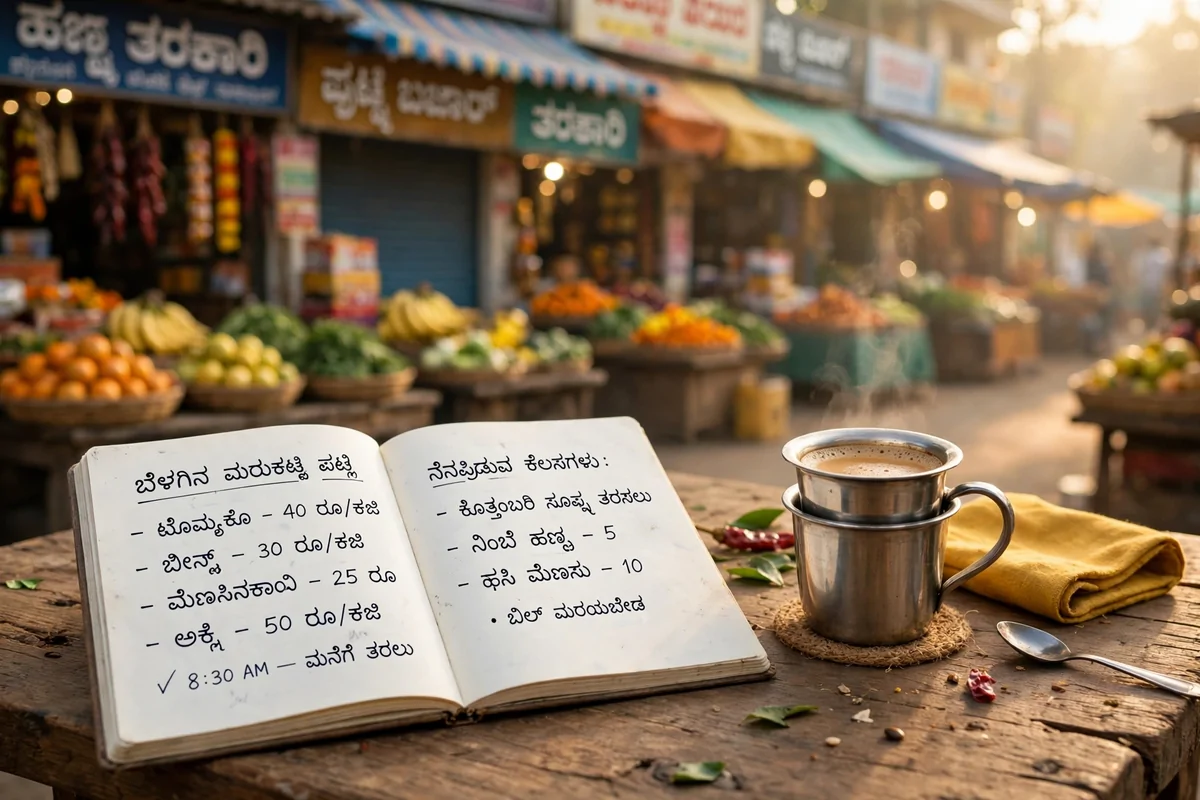
Kannada is the language of Karnataka, a state in the south of India. It is the main language in Bengaluru, Mysuru, Mangaluru, and many small towns and villages. People speak it at home, in markets, on buses, and in tea shops. Its script is round and soft, with letters that look like small curls and loops.
What makes Kannada fun to learn is how it changes from place to place. The words in Bengaluru can sound different from the words in Mysuru or in a coastal town. A learner can pick words for food, family, travel, and daily life, and start talking with real people fast. These 18 questions help you think about the best way to learn Kannada, one small choice at a time.
1. Would you rather speak Kannada every day but never read the script, or read the Kannada script well but never speak it?
Would you rather...
Speaking every day gives you fast results. You can greet a shopkeeper, ask for the price of tomatoes, and thank a bus conductor. People smile when a learner tries to speak. You feel the language in your mouth, and new words stay in your mind because you use them.
Reading the script opens a different door. Kannada letters are round and pretty, and once you know them, you can read shop boards, bus signs, and food labels. You can read a simple note from a friend. But if you never speak, your tongue stays shy and your words stay on paper.
| Option | What You Gain | What You Give Up |
|---|---|---|
| Speak every day, never read | Real talks with people and fast confidence | You cannot read signs, boards, or notes |
| Read well, never speak | You can read boards, labels, and simple texts | You miss real talks and your speech stays weak |
2. Would you rather learn the Bengaluru way of speaking Kannada, or learn the Mysuru way of speaking Kannada?
Would you rather...
Bengaluru Kannada is the city way. It is fast, mixed with English words, and full of short, handy phrases. If you live or work in Bengaluru, this way helps you talk with drivers, shopkeepers, and office friends. You hear it in metro stations and busy streets.
Mysuru Kannada is soft and clear. Many people say it is the purest form of the language, with gentle sounds and polite words. It suits learners who love slow, clean speech. The hard part is that it can sound a bit old style in a big city, and some city slang will still be new to you.
Both ways are real Kannada. The best pick may depend on where you spend your days.
3. Would you rather learn 100 food words first, or learn 100 family words first?
Would you rather...
Food words pay off at once. In Karnataka, food is everywhere, from a plate of dosa to a cup of filter coffee. With 100 food words, you can order a meal, ask for less spice, and talk about what you like. Market sellers will chat with you about fresh fruit and green leaves.
- Food words help you in hotels, tea shops, and markets on day one.
- Family words help you talk about home, parents, brothers, sisters, and children.
- Family words build warm, close talks with the people you meet often.
- Food words are easy to practise because you eat three times a day.
Family words go deeper. They help you ask about a person’s home, wish someone well, and join family talks. The trade off is that you use them less often than food words in a normal day.
4. Would you rather practise Kannada with shopkeepers at a market, or practise Kannada with bus conductors on a bus ride?
Would you rather...
Market shopkeepers are patient teachers. You point at vegetables, ask the price, and try a new word. They repeat words slowly and often smile at your effort. A market visit gives you ten small talks in one hour, and you go home with food and new words.
Bus conductors are quick teachers. A bus ride is short, so you must speak fast and clear. You learn the names of places, the price of a ticket, and how to ask for a stop. It is good training for real life, but a busy bus leaves little time to ask questions.
Pro Tip: Start at the market. Slow talks build courage, and courage makes the fast bus talks easy later.
5. Would you rather learn to write Kannada letters by hand, or learn to type Kannada on a phone keyboard?
Would you rather...
Writing by hand feels slow, but it fixes the letters in your mind. Kannada letters have round shapes, and your hand learns each curve. After a few weeks of handwriting, you can read signs much faster because your eyes know the shapes.
Typing on a phone is fast and handy. You can send a message to a friend in Kannada, search for a word, and copy text to learn from. The risk is that your hand never learns the letters, and reading handwriting stays hard for you.
Many learners do a little of both. Ten minutes of handwriting plus daily phone typing keeps both skills alive.
6. Would you rather learn new Kannada words from street signs and boards, or learn new Kannada words by talking with people?
Would you rather...
Street signs are free teachers. Every shop board, bus stop, and road sign shows you real Kannada words. You learn the names of places, foods, and things you see every day. Signs never get tired, and you can read them at your own speed.
Talking with people teaches words that signs never show. You learn how to greet, how to joke, and how to say sorry in a soft way. People also teach you the tone of a word, which a sign cannot show.
| Option | What You Gain | What You Give Up |
|---|---|---|
| Learn from signs and boards | New words every day at your own speed | You miss tone, greetings, and natural speech |
| Learn by talking with people | Natural words, tone, and warm daily talks | You must be brave enough to start the talk |
7. Would you rather have perfect pronunciation but only a small vocabulary, or know many Kannada words but with rough pronunciation?
Would you rather...
Perfect pronunciation sounds lovely. When you say a word right, people understand you at once, and they praise your speech. The trouble is that a small vocabulary limits what you can say. You sound great, but you run out of words fast.
Many words with rough pronunciation let you say a lot. You can talk about food, travel, work, and home, even if your accent is not clean. People may ask you to repeat a word, but they still get your meaning.
- Clear sounds help people understand you on the first try.
- Many words help you talk about more topics in daily life.
- Pronunciation gets better with listening and practice.
- A big vocabulary grows only when you keep learning new words.
8. Would you rather learn Kannada numbers and money words first, or learn Kannada greetings and polite phrases first?
Would you rather...
Numbers and money words are tools for daily life. With them, you can ask a price, count change, and buy a bus ticket. In a market, numbers are the first thing you need, and sellers respect a buyer who knows the price words.
Greetings and polite phrases open hearts. A warm “namaskara” and a kind “thank you” make people happy to help you. Polite words turn a stranger into a friend, and friends teach you more Kannada than any book.
Things to think about:
- Do you shop and travel alone a lot? Numbers may come first.
- Do you meet new people every day? Greetings may come first.
- Can you learn ten number words and five greetings in the same week?
9. Would you rather study Kannada for 10 minutes every day for a year, or study Kannada for two hours one day each week?
Would you rather...
Ten minutes a day sounds small, but it adds up. A short daily habit keeps words fresh in your mind. You hear Kannada every day, and your brain keeps the language warm. Missing one day is no big deal because tomorrow brings another short lesson.
Two hours once a week feels like a big step. You can read a story, learn a full set of words, and practise long talks in one sitting. The risk is that a busy week can break your plan, and seven days without Kannada can make words fade.
Important Note: Short daily study wins for most learners. The brain keeps a language alive when it meets it every day, even for a few minutes.
10. Would you rather learn the words for tea and snacks at a tea shop, or learn the words for directions and travel?
Would you rather...
Tea shop words are sweet and simple. You learn to order filter coffee, ask for a masala dosa, and say you want less sugar. A tea shop is a calm place to practise, and the owner may become your first Kannada friend.
Direction words keep you safe on the road. You learn to ask where the bus stop is, which way to turn, and how far a place is. These words help you when you are lost, and they make travel in Karnataka much less stressful.
Both sets are small and handy. Tea words feed your stomach, and direction words guide your feet.
11. Would you rather speak Kannada slowly and clearly, or speak Kannada fast like a local speaker?
Would you rather...
Slow and clear speech is a kind gift to the listener. People catch every word, and you have time to think before you speak. Learners who speak slowly make fewer mistakes, and their confidence grows with each clean sentence.
Fast speech sounds natural and local. It shows you know the rhythm of Kannada, and people treat you like a fluent speaker. But speed can hide mistakes, and if you rush, people may miss your words and ask you to repeat them.
| Option | What You Gain | What You Give Up |
|---|---|---|
| Speak slowly and clearly | Every word is understood and mistakes stay low | You sound like a careful learner, not a local speaker |
| Speak fast like a local | Natural rhythm and a fluent, local sound | People may miss your words and ask you to repeat them |
12. Would you rather learn formal Kannada for books and offices, or learn casual Kannada for friends and daily talk?
Would you rather...
Formal Kannada is the language of books, offices, and news. It is clean, polite, and correct. If you want to read a Kannada book or work in Karnataka, formal words help you a lot.
- Formal Kannada suits reading, writing, and office work.
- Casual Kannada suits chats with friends, neighbours, and shopkeepers.
- Formal words can sound stiff in a tea shop or a market.
- Casual words can sound too relaxed in an office or a letter.
Casual Kannada is the language of daily life. It is short, warm, and full of handy phrases. Most of your talks in Karnataka will be casual, so this style pays off fast.
13. Would you rather learn Kannada by listening to people talk at a market, or learn Kannada by reading signs, boards, and labels?
Would you rather...
Listening at a market trains your ear. You hear how people really speak, with fast words, short phrases, and friendly tones. You learn the sound of prices, the names of vegetables, and the way a seller calls out to buyers. It is the closest thing to living inside the language.
Reading signs, boards, and labels trains your eye. You see the same words again and again, on shop fronts, bus stops, and food packets. Reading is calm and steady, and you can stop and think about a word for as long as you like.
Listening builds speed, and reading builds memory. A learner who does both grows fast in both skills.
14. Would you rather learn Kannada words for colours and nature, or learn Kannada words for the house and the kitchen?
Would you rather...
Colours and nature words paint pictures. You can talk about green fields, a blue sky, red flowers, and the rain on a roof. These words make your Kannada pretty and full of life, and they help you describe the world around you.
House and kitchen words are useful every single day. You learn the names of rooms, pots, plates, rice, and spices. You can help cook a meal, find things in a home, and talk with family about daily tasks.
Warning: Do not learn word lists without using them. A word you never speak fades in a week, so use each new word in a real sentence the same day you learn it.
15. Would you rather learn the full Kannada alphabet in one week, or learn five new Kannada words every day for a month?
Would you rather...
Learning the full alphabet in one week is a bold sprint. Kannada has many letters, but the round shapes follow clear patterns. After one hard week, you can sound out almost any word you see, and reading becomes possible for you.
Five new words a day for a month is a slow and steady climb. After thirty days, you know 150 words, and you can talk about food, home, travel, and people. The trade off is that you still cannot read the script well, so signs stay a mystery.
The alphabet sprint gives you reading power, and the daily words give you talking power. Your goal decides which one matters more right now.
16. Would you rather ask people to correct every mistake you make, or ask people to keep talking and never correct you?
Would you rather...
Correction is a fast teacher. When someone fixes your word at once, you remember the right form and avoid the same mistake next time. Learners who welcome correction improve quickly, but constant fixes can feel tiring.
Free talk without correction builds flow. You speak more, you worry less, and your courage grows. The risk is that a wrong word can stay wrong for a long time because nobody tells you.
| Option | What You Gain | What You Give Up |
|---|---|---|
| Ask for every correction | Fast fixes and clean, correct speech | Talks stop often and can feel tiring |
| Ask for no corrections | Smooth talks, more courage, and more speaking time | Wrong words can stay wrong for a long time |
17. Would you rather learn the old Kannada words used in villages, or learn the new Kannada words used in the city?
Would you rather...
Old village words carry the deep roots of Kannada. They are rich, earthy, and full of meaning from farm life, old crafts, and village festivals. Elders in villages love it when a learner uses these words, and they open long, warm talks.
- Village words connect you with older people and rural life.
- City words help you in Bengaluru offices, shops, and metro stations.
- Village words can sound old style to young city speakers.
- City words often mix English, so they are easy to pick up fast.
New city words are fresh and practical. They cover phones, buses, offices, and modern life. If you live in Bengaluru, city words are the ones you will hear every day.
18. Would you rather be able to read a Kannada newspaper headline, or be able to order a full meal in Kannada?
Would you rather...
Reading a newspaper headline is a proud moment. It means you know the script, the words, and the shape of real Kannada. A headline shows you what is happening in Karnataka, and it proves your reading skill to yourself.
Ordering a full meal in Kannada is a tasty victory. You greet the waiter, pick your dishes, ask for water, and pay the bill, all in Kannada. It is a real life skill you can use every day, and it makes every meal a small celebration.
Things to think about:
- Do you want proof of your reading skill, or proof of your speaking skill?
- Which one would make you smile more at the end of the day?
- Could you aim for both, one this month and one next month?
More Would You Rather Questions
- 40 Malayalam Language Would You Rather Questions for Curious Learners
- 34 Telugu Language Would You Rather Questions for Language Fans
- 28 Tamil Language Would You Rather Questions From One of the World’s Oldest Traditions
- 23 Marathi Language Would You Rather Questions for Curious Learners
- 25 Gujarati Language Would You Rather Questions for Language Enthusiasts
- 35 Punjabi Language Would You Rather Questions About Words and Expressions
- 14 Bengali Language Would You Rather Questions for Curious Minds
- 13 Hindi Language Would You Rather Questions for Global Learners
- 15 Urdu Language Would You Rather Questions for Language Lovers
- 20 Persian Language Would You Rather Questions From a Rich Linguistic Tradition