20 Persian Language Would You Rather Questions From a Rich Linguistic Tradition

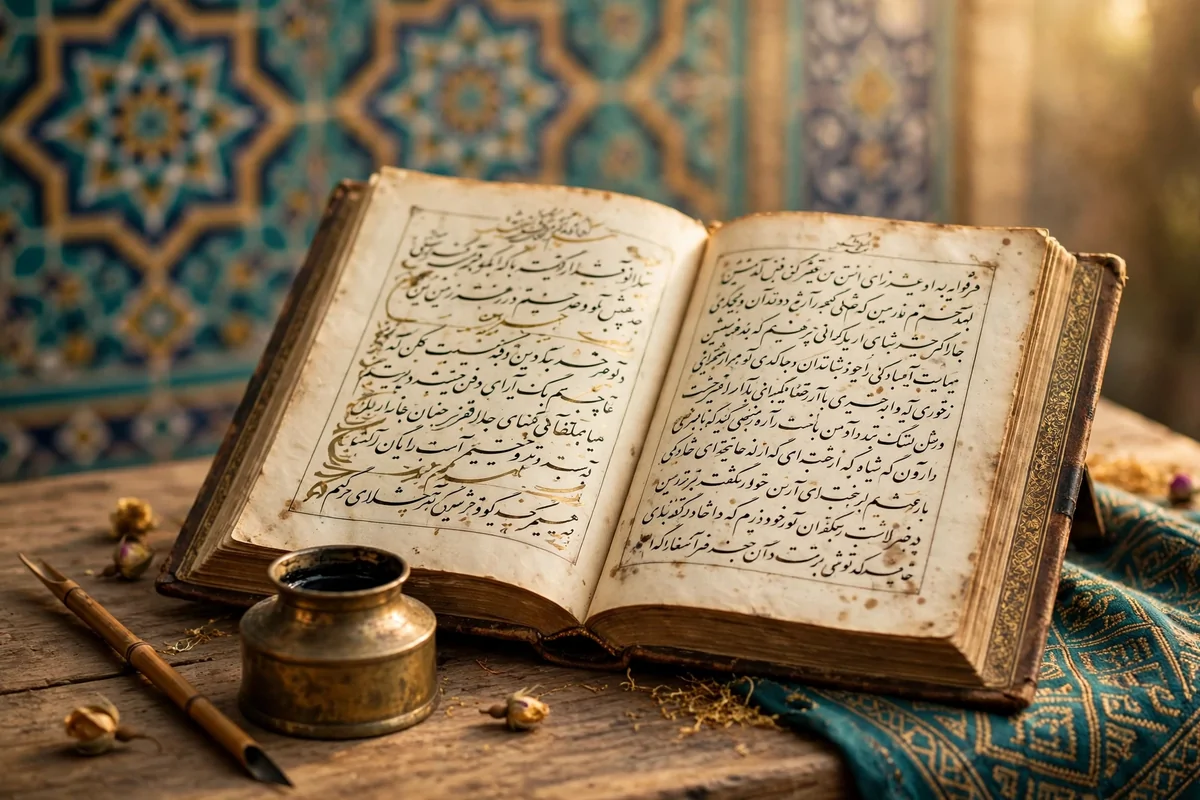
Persian is a language with a long and rich past. It has soft sounds, beautiful poetry, and words that have travelled far across the world. Many people learn it to read old poems, to talk with new friends, or to enjoy a culture full of stories and wisdom.
This list is full of fun choices for anyone who wants to learn Persian. Each question asks you to pick one road. There is no wrong answer. Just pick the road that feels right for you and enjoy the fun of learning a new language.
1. Would you rather learn the Persian alphabet first or start speaking simple Farsi words first?
Would you rather...
Some learners love to start with the alphabet. They like to see each letter, learn its shape, and join letters into words. It feels slow at first, but it opens the door to reading real Persian books one day.
Other learners want to speak first. They learn simple words like hello, thank you, and good morning. They can talk from the very first week, even if they cannot read a single line yet. Which start feels better to you?
2. Would you rather read Persian poetry in the original script or read it in a simple English translation?
Would you rather...
Reading poetry in the original script is a big joy. You see the real words of great poets, and you feel the rhythm of the lines. It takes time and hard work, but the reward is deep.
A simple English translation is much easier. You can enjoy the meaning and the wise thoughts right away. You miss the sound and flow of the original words, but you still catch the heart of each poem.
Pro Tip: Try both. Read a short poem in English first to catch the meaning, then look at the same poem in Persian script and pick out the words you know.
3. Would you rather learn ten new Farsi words every day or learn fifty new words once a week?
Would you rather...
Small steps every day can build a strong habit. Ten words a day feels light, and you can use each word in a short sentence the same day. After one month, you know three hundred new words.
Fifty words in one sitting feels like a big win. You can set aside one quiet day for study and then rest for the rest of the week. The risk is that many words fade fast if you do not use them again.
| Option | What You Gain | What You Give Up |
|---|---|---|
| Learn ten new Farsi words every day | Words stay fresh in your mind and a steady daily habit grows | Slow start, and long texts stay hard for a while |
| Learn fifty new words once a week | Big weekly progress that fits a busy life | Easy to forget words before the next study day |
4. Would you rather practise speaking Persian with a teacher or practise alone with books and audio lessons?
Would you rather...
A teacher can hear your mistakes and fix them on the spot. A teacher can also answer your questions and keep you going when the work feels hard. Many learners grow fast with this kind of help.
Learning alone gives you freedom. You can study at midnight, repeat a lesson ten times, and move at your own speed. It takes more self control, but some learners love the quiet and the freedom.
5. Would you rather learn Persian calligraphy or learn to type Persian on a keyboard?
Would you rather...
Persian calligraphy is an art. Each letter flows like a wave, and a single page can look like a work of art. It teaches patience, and it helps you love the shape of every letter.
Typing Persian is a daily skill. You can write messages, search the web, and chat with Persian speakers in seconds. It is less pretty than calligraphy, but it is useful every single day.
Things to think about:
- Calligraphy needs paper, ink, and a lot of quiet practice.
- Typing needs a keyboard layout and a few days to learn the key positions.
- Calligraphy slows you down in a good way and builds focus.
- Typing speeds you up and opens the door to online reading.
6. Would you rather study Persian grammar rules first or learn by using full sentences from day one?
Would you rather...
Grammar rules give you a clear map. You learn how verbs change, how sentences are built, and why words sit in a certain order. With a good map, you can build your own sentences with care.
Full sentences give you a fast start. You copy real sentences, change one or two words, and speak right away. You may make mistakes, but you learn by doing, and the rules start to make sense on their own.
7. Would you rather memorise Persian poems or memorise everyday Farsi phrases?
Would you rather...
Poems stay in the heart for years. A few lines of Persian poetry can lift your mood on a dull day, and they teach you rich words that books and films rarely use. Friends love to hear a short poem shared at the right time.
Everyday phrases are pure gold for daily life. Phrases like “How are you?” and “Where is the market?” help you talk, ask, and listen from the very first week. They may not sound grand, but they open real doors.
Important Note: Pick the poems and phrases that you truly like. Words you love are far easier to keep in your memory than words you feel forced to learn.
8. Would you rather learn Persian through stories and old tales or learn through simple daily conversations?
Would you rather...
Stories and old tales carry the soul of a language. They teach you wise words, strong verbs, and the way people have spoken for hundreds of years. One good story can teach more words than a whole list of new terms.
Daily conversations teach you the Persian of real life. You learn how to greet people, order food, ask for help, and say thank you with warmth. It is plain and simple, but it works from day one.
A simple plan if you pick stories:
- Pick one short tale and read it three times in one week.
- Write down five new words from the tale each time.
- Retell the tale in your own simple Persian words.
9. Would you rather write in Persian every day in a small notebook or speak Persian out loud for ten minutes every day?
Would you rather...
Writing in a notebook builds a calm habit. You see your letters grow neater, your sentences grow longer, and your notebook becomes proof of your progress. On hard days, you can flip back and see how far you have come.
Speaking out loud builds courage. Your tongue learns the sounds, your ears learn the rhythm, and your fear of mistakes slowly fades. Ten minutes a day is small, but it adds up to a strong voice over time.
10. Would you rather learn the formal Persian used in books or learn the friendly Persian people use at home?
Would you rather...
Formal Persian is the language of books, news, and letters. It is clear, polite, and rich. If you love reading, formal Persian will let you enjoy poems, stories, and history books in their true form.
Friendly home Persian is warm and full of life. It is the Persian of kitchens, markets, and family talks. It may break a few book rules, but it helps you feel close to people fast.
| Option | What You Gain | What You Give Up |
|---|---|---|
| Learn the formal Persian used in books | Read books and news with ease and write clear polite letters | Sound stiff in friendly talk at first |
| Learn the friendly Persian people use at home | Talk with ease at home and in the market and feel close to people | Formal texts feel hard at first |
11. Would you rather visit Iran to learn Persian or learn Persian from home with online lessons?
A trip to Iran puts you in the heart of the language. You hear Persian in shops, in parks, and on buses. Every day becomes a lesson, and every chat becomes practice. It is a bold and exciting road.
Learning from home is calm and steady. Online lessons, books, and audio can take you far without travel or big costs. You set your own hours and learn in your own quiet space.
Things to think about:
- A trip gives you real talk every day, but it costs more time and money.
- Home study costs less, but you must find ways to practise speaking.
- Both roads can work well when you stay steady and keep going.
12. Would you rather learn Persian numbers and prices first or learn Persian greetings and polite words first?
Would you rather...
Numbers and prices are handy in markets and shops. You can count, ask the price, and pay with ease. Numbers also help you tell the time, count days, and talk about dates.
Greetings and polite words open hearts. A warm hello and a kind thank you can start a good chat anywhere. Politeness builds trust, and trust opens the door to longer talks.
Things to think about:
- Numbers help you in shops and on the road.
- Greetings help you make friends and feel welcome.
- Many learners start with greetings and add numbers in the second week.
13. Would you rather read one Persian story book slowly or read many short Persian texts quickly?
Would you rather...
One book, read slowly, lets you live inside the story. You meet the same words again and again, and they sink deep into your memory. By the last page, the book feels like an old friend.
Many short texts give you wide views. You taste many topics, from food to travel to daily life, and you learn new words fast. The fun is in the variety, and boredom has no chance to grow.
Warning: Do not rush through texts just to count pages. Slow reading with a notebook beats fast reading with no notes, every time.
14. Would you rather learn Persian food words or learn Persian words for family and home?
Would you rather...
Food words are fun and tasty. You learn the names of bread, rice, herbs, and sweet dishes. With food words, you can order a meal, ask about a recipe, and share a table with new friends.
Family and home words are warm and close. You learn words for mother, father, brother, sister, house, and garden. These words help you talk about your life and listen to the lives of others.
15. Would you rather study Persian for one hour every morning or study for three hours only on weekends?
Would you rather...
One hour each morning builds a strong daily rhythm. Your mind is fresh, the house is quiet, and the day starts with a small win. Miss one day and you still have six more days that week.
Three hours on the weekend gives you deep focus. You can read a long story, write a full page, and review the whole week in one sitting. The week stays free, but a missed weekend means a lost week of study.
16. Would you rather learn Persian proverbs and wise sayings or learn Persian jokes and light sayings?
Would you rather...
Proverbs carry the wisdom of many years. A short proverb can teach patience, kindness, and good sense in a single line. People respect a speaker who can use a wise saying at the right moment.
Jokes and light sayings bring smiles. They make talks warm and easy, and they help you join in the fun with friends. A light heart can make learning feel like play, not work.
| Option | What You Gain | What You Give Up |
|---|---|---|
| Learn Persian proverbs and wise sayings | Deep wisdom and sayings that people respect | Slow to use in daily talk |
| Learn Persian jokes and light sayings | Light talk and easy smiles with friends | Miss the deeper meaning of old sayings |
17. Would you rather speak Persian with a perfect accent or speak Persian with simple words and many mistakes?
Would you rather...
A perfect accent sounds lovely. People listen with joy, and every word flows like water. But a perfect accent takes years of hard listening and practice, and fear of mistakes can keep you quiet.
Simple words with mistakes still get the job done. You can ask, answer, and share your thoughts today, not years from now. Mistakes are part of learning, and kind listeners will help you grow.
Things to think about:
- A perfect accent is a fine goal, but it should not stop you from speaking.
- Simple words build courage and real talks from the first week.
- Most fluent speakers started with many mistakes and kept going.
18. Would you rather learn Persian script writing by hand or learn to read Persian signs and shop names?
Would you rather...
Writing by hand teaches your hand the shape of each letter. It is slow and calm, and it helps your memory hold each letter for a long time. A full page of your own handwriting feels like a real prize.
Reading signs and shop names is a fun skill for the street. You can read a bakery sign, a street name, or a bus stop, and each sign becomes a small test. It turns a walk into a lesson.
A simple plan if you pick signs:
- Learn the letters for bread, shop, and street first.
- Take a short walk and read five signs each day.
- Write down the new words you find on the signs.
19. Would you rather keep a Persian word list on paper cards or keep it in a phone app?
Would you rather...
Paper cards feel real in your hand. You can write a word on one side and the meaning on the other, shuffle the cards, and test yourself anywhere. Many learners say writing by hand helps them keep words longer.
A phone app is always with you. It can remind you to review, play the sound of each word, and track your progress with ease. It is fast and neat, but it needs a charged phone and a bit of screen time.
Things to think about:
- Cards work well without power or internet.
- Apps give you sound, reminders, and quick review.
- Some learners use both: cards at home and an app on the road.
20. Would you rather teach Persian words to a friend after you learn them or keep your learning private until you feel fluent?
Would you rather...
Teaching a friend is a strong way to learn. When you teach a word, you must know it well, say it clearly, and use it in a sentence. Your friend learns too, and you both grow together.
Keeping your learning private gives you peace. You can make mistakes in secret, build your skills step by step, and share your Persian only when you feel ready. There is no pressure and no rush.
Either way, the key is the same: keep going, keep practising, and enjoy the rich world of the Persian language. One word at a time, one day at a time, you will grow into a speaker who can read poems, tell stories, and talk with warmth.
More Would You Rather Questions
- 10 Hebrew Language Would You Rather Questions for Language Learners
- 39 Arabic Language Would You Rather Questions for Global Language Fans
- 33 Turkish Language Would You Rather Questions for Curious Learners
- 37 Greek Language Would You Rather Questions About Ancient and Modern Words
- 29 Russian Language Would You Rather Questions for Global Learners
- 31 Ukrainian Language Would You Rather Questions for Language Enthusiasts
- 17 Czech Language Would You Rather Questions for Curious Learners
- 24 Polish Language Would You Rather Questions for European Language Fans
- 36 Icelandic Language Would You Rather Questions From the North
- 19 Finnish Language Would You Rather Questions for Language Adventurers