36 Icelandic Language Would You Rather Questions From the North

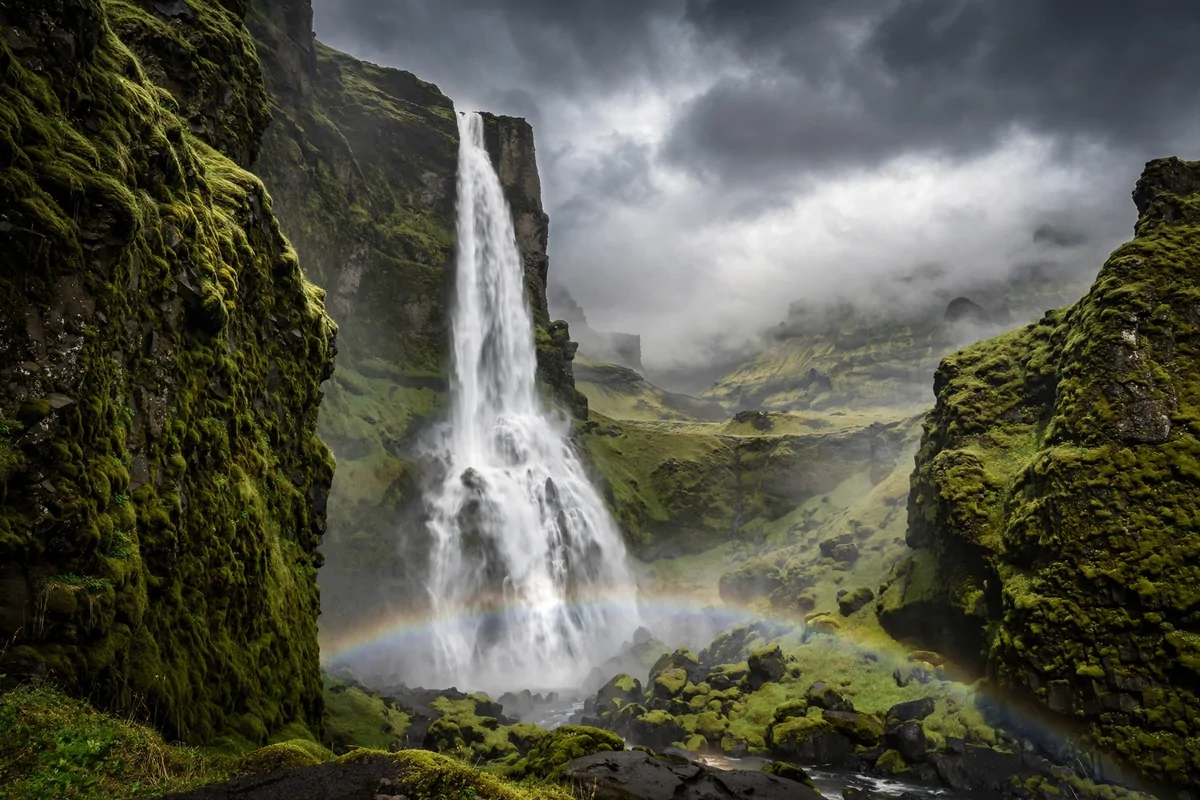
Icelandic is the language of volcanoes, glaciers, waterfalls, and the northern lights. It is spoken in a country where people love nature, hot springs, and quiet walks in fresh air. The words sound strong and old, and they fit the land so well.
This article gives you 36 simple questions about learning Icelandic and living the Icelandic way. Think about each one, pick your side, and share your answers with friends. There is no wrong answer, only fun ideas.
1. Would you rather live in a small house in Reykjavik for one winter or live in a small cabin near a glacier for one winter?
Would you rather...
A small house in Reykjavik is warm and full of city life. You can practise Icelandic in shops, cafes, and on the bus, and you can meet many people to talk with. Every day in the city gives you new words from real life.
A small cabin near a glacier is quiet and close to nature. You wake up to ice, mountains, and fresh air, and you learn words for snow, cold mornings, and the wide white land. Every day near the glacier feels calm and special.
Both places teach you Icelandic in a different way. The city teaches you people words and fast talks, and the cabin teaches you nature words and quiet days.
2. Would you rather learn one hundred Icelandic words for food or learn one hundred Icelandic words for nature?
Would you rather...
Food words help you every single day. You can order meals, buy bread and fish at a market, and ask about dishes with confidence. Food is part of every day, at home and on a trip.
Nature words help you enjoy Iceland with open eyes. You can talk about volcanoes, glaciers, waterfalls, and hot springs, and describe the land around you. They make every walk and trip more fun.
| Option | What You Gain | What You Give Up |
|---|---|---|
| Learn one hundred Icelandic words for food | Easy meals, happy market trips, and words you use every day | The nature words that help you talk about volcanoes and glaciers |
| Learn one hundred Icelandic words for nature | Rich talks about the land, the sea, and the wild beauty of Iceland | The food words that help you order and enjoy every meal |
3. Would you rather speak Icelandic slowly and clearly or speak Icelandic fast like a person from Iceland?
Would you rather...
Speaking slowly and clearly helps people understand you. You have time to think, and you make fewer mistakes. Slow speech is not weak speech, it is smart speech.
Speaking fast like a person from Iceland sounds natural and smooth. You can join quick talks, and people may think you have spoken Icelandic for years. It feels exciting and free.
Things to think about:
- Do people understand you better when you speak slowly?
- Do you feel more proud when you speak fast?
- Which speed helps you learn new words faster?
4. Would you rather read a short Icelandic story every night or listen to a short Icelandic story every morning?
Would you rather...
A short Icelandic story at night is a calm way to end the day. You learn new words slowly, and the story stays in your mind while you sleep. It feels like a small gift to yourself each night.
A short Icelandic story in the morning wakes up your brain. You start the day with new words, and you can use them all day long. It turns a normal morning into a small lesson.
Both habits help your Icelandic grow day by day. The best time is the time that fits your life, so pick night or morning and keep it going.
5. Would you rather watch the northern lights in Iceland for one night or walk on a glacier in Iceland for one day?
Would you rather...
The northern lights in Iceland are a magical sight. Green and purple lights move across the dark sky, and people stand in the snow in quiet wonder. It is a night you will never forget.
A walk on a glacier in Iceland is a day full of ice and wonder. You walk on old blue ice with a guide, see deep cracks in the ice, and learn words for ice, cold, and the wide white world. It is a day full of energy and joy.
| Option | What You Gain | What You Give Up |
|---|---|---|
| Watch the northern lights in Iceland for one night | A magical sky show and a night full of wonder in the far north | A full day of walking on old blue ice with a guide |
| Walk on a glacier in Iceland for one day | Fresh air, blue ice, and a strong and happy day in nature | A magical night under the northern lights in Iceland |
6. Would you rather learn the Icelandic word for volcano first or learn the Icelandic word for waterfall first?
Would you rather...
The Icelandic word for volcano is eldfjall, and it means fire mountain. It is a strong word for a strong thing, and it tells you a lot about the land of Iceland. Once you learn it, you will never forget it.
The Icelandic word for waterfall is foss, and it is short and easy to say. Iceland has so many waterfalls that you can use this word again and again on every trip. It is a small word with a big job.
Pro Tip: Learn the words for the things you love first. If you love fire and mountains, start with eldfjall. If you love water and falls, start with foss. The words you love stay in your mind.
7. Would you rather visit the Blue Lagoon and speak Icelandic there or visit a black sand beach and speak Icelandic there?
Would you rather...
The Blue Lagoon is a warm blue pool in black lava rock. You can relax in the warm water, look at the steam in the cold air, and practise simple Icelandic words for warm, water, and rest. It is a calm and happy place.
A black sand beach is wild and open. You walk on dark sand, watch big waves hit the shore, and see tall rock stacks rise from the sea. You can practise Icelandic words for sea, sand, wind, and waves.
Both places give you new words and new memories. The lagoon gives you warm peace, and the beach gives you wild sea air.
8. Would you rather learn the Icelandic words for animals or learn the Icelandic words for birds?
Would you rather...
Animal words open a wild world. You can talk about horses, sheep, foxes, and reindeer, and describe the animals you see on farms and in the fields of Iceland. Each animal word helps you enjoy country walks more.
Bird words open a world of sky and sea cliffs. You can talk about puffins, ravens, and swans, and describe the birds you see on the coast and on the water. Each bird word helps you enjoy sea trips more.
Things to think about:
- Do you see more animals or more birds in your daily life?
- Which group has the words you would use in a story?
- Do puffins or horses make you smile more?
9. Would you rather spend one winter in Iceland with long dark nights or spend one summer in Iceland with the midnight sun?
Would you rather...
Winter in Iceland means long dark nights and soft snow light. You see the northern lights, drink warm drinks by the fire, and learn words for snow, cold, and winter clothes. The dark makes the lights shine even brighter.
Summer in Iceland means the midnight sun. The sun stays up late into the night, and you can walk, explore, and visit waterfalls at midnight in daylight. You learn words for sun, green fields, and long bright days.
| Option | What You Gain | What You Give Up |
|---|---|---|
| Spend one winter in Iceland with long dark nights | Northern lights, warm fires, and cosy winter words | Long bright days and midnight walks in the summer sun |
| Spend one summer in Iceland with the midnight sun | Endless daylight, green fields, and trips at midnight | Dark nights and the magic of the northern lights |
10. Would you rather ride a horse across a lava field in Iceland or walk behind a waterfall in Iceland?
Would you rather...
A horse ride across a lava field is a slow and lovely adventure. Icelandic horses are small, strong, and kind, and they walk over black rock with care. You learn words for horse, rock, and the wide open land.
A walk behind a waterfall is cool and exciting. You step on a wet path, hear the loud rush of water, and see the world through a wall of falling water. You learn words for water, mist, and the green hills around you.
Both trips give you stories to tell in Icelandic. The horse ride is calm and close to the land, and the waterfall walk is fresh and full of wonder.
11. Would you rather learn the Icelandic words for winter clothes or learn the Icelandic words for winter weather?
Would you rather...
Words for winter clothes help you shop and stay warm. You can talk about a warm coat, woollen socks, gloves, and a hat. They make cold days easy and fun.
Words for winter weather help you plan your day. You can talk about snow, frost, wind, and clear cold mornings. They help you in every small talk about the day.
| Option | What You Gain | What You Give Up |
|---|---|---|
| Learn the Icelandic words for winter clothes | Warm shopping trips and easy talks about coats and hats | The weather words that help you plan each cold day |
| Learn the Icelandic words for winter weather | Clear plans for snow, wind, and frost, and easy small talk | The clothes words that help you shop and stay warm |
12. Would you rather understand every Icelandic word you hear or write clear Icelandic sentences with ease?
Would you rather...
Understanding every word you hear opens the whole world of Icelandic. You can follow talks, stories, and news without missing a part, and you learn fast from real life.
Writing clear sentences with ease helps you share your own thoughts. You can write notes, messages, and a short diary in Icelandic, and people can read your words with joy.
Things to think about:
- Do you need to listen more or write more in your daily life?
- Which skill makes you feel more confident?
- Which one would help your Icelandic grow faster right now?
13. Would you rather learn ten new Icelandic words every day for one month or learn one Icelandic story by heart?
Would you rather...
Ten new words every day for one month gives you three hundred new words. You can count them, test yourself, and watch your word list grow fast. It feels like a clear win every day.
One Icelandic story by heart gives you words in a living form. You learn how words fit together, how sentences flow, and how a story feels in Icelandic. You can tell the story to anyone, any time.
Important Note: Words alone are not enough, and a story alone is not enough. Learn new words every day, and also read one short story each week. The words and the story help each other stay in your mind.
14. Would you rather visit Reykjavik and speak Icelandic in shops or visit a small fishing village and speak Icelandic there?
Would you rather...
Reykjavik is the capital of Iceland, full of shops, cafes, and city life. You can practise Icelandic in stores, in cafes, and on the bus, and hear the clear speech of the city.
A small fishing village is quiet and close to the sea. You can practise Icelandic with fishermen, in a small shop, and on the harbour, and hear words for boats, fish, and the sea. Every day in the village feels close to nature.
Both places give you real talks in Icelandic. The city gives you many people and many words, and the village gives you slow talks and sea words.
15. Would you rather learn the Icelandic words for the sea or learn the Icelandic words for the mountains?
Would you rather...
Sea words open a world of water and boats. You can talk about waves, fish, boats, and the harbour, and describe the sea that shapes the life of Iceland. Each sea word helps you enjoy coast trips more.
Mountain words open a world of high land and wide views. You can talk about peaks, snow, lava, and the long walks up the hills of Iceland. Each mountain word helps you enjoy hikes more.
| Option | What You Gain | What You Give Up |
|---|---|---|
| Learn the Icelandic words for the sea | Rich talks about waves, boats, fish, and the harbour | The mountain words that help you talk about peaks and hikes |
| Learn the Icelandic words for the mountains | Rich talks about peaks, snow, lava, and high views | The sea words that help you talk about boats and the coast |
16. Would you rather practise Icelandic with a kind teacher every day or practise Icelandic by talking with people in Iceland every day?
Would you rather...
A kind teacher every day gives you clear lessons and kind help. The teacher explains hard words, fixes your mistakes with care, and gives you new words in the right order. You grow step by step.
Talking with people in Iceland every day gives you real life practice. You hear how people really speak, you learn new words from shops and streets, and you make friends while you learn. It is fun and full of surprises.
Things to think about:
- Do you learn better with clear lessons or with real talks?
- Which way helps you speak with more courage?
- Which way fits your time and your life?
17. Would you rather learn the Icelandic alphabet first or learn simple Icelandic greetings first?
Would you rather...
The Icelandic alphabet first gives you a strong base. You learn the special letters, like þ and ð, and you can read every word the right way. It feels like learning the keys to a new door.
Simple greetings first give you words you can use on day one. You can say halló and góðan daginn to people, and you can start a kind talk right away. It feels warm and easy.
Both starts are good. The alphabet helps you read, and greetings help you speak, so pick the one that makes you smile first.
18. Would you rather read Icelandic books for children or read simple Icelandic news stories?
Would you rather...
Icelandic books for children use easy words and fun stories. The pictures help you understand, and the short sentences make reading feel light and happy. You can finish a whole book and feel proud.
Simple Icelandic news stories use real words from real life. You learn about weather, towns, and daily events in Iceland, and you grow your words for the world today. It feels useful and grown up.
| Option | What You Gain | What You Give Up |
|---|---|---|
| Read Icelandic books for children | Easy words, fun stories, and the joy of finishing a whole book | Real news words about weather, towns, and daily life in Iceland |
| Read simple Icelandic news stories | Useful words about real events and the world today | Easy fun stories with pictures and light happy reading |
19. Would you rather learn the word takk and use it every day or learn the word jökull and use it in a talk about glaciers?
Would you rather...
The word takk means thank you, and it is one of the kindest words in Icelandic. You can use it in shops, in cafes, and with friends, many times every day. It opens doors and makes people smile.
The word jökull means glacier, and it is a word full of ice and wonder. You can use it in a talk about trips, nature, and the great ice rivers of Iceland. It makes your talk rich and full of Iceland.
Warning: Do not keep new words only in a notebook. Use takk in a shop the same day you learn it, and use jökull in a talk about Iceland the same week. Words you use stay with you, and words you hide fade away.
20. Would you rather travel around Iceland by bus and speak Icelandic or travel around Iceland on foot and speak Icelandic?
Would you rather...
Travel by bus is easy and comfortable. You can see many towns, waterfalls, and black sand beaches in a short time, and you can practise Icelandic with the driver and other riders. It is a calm way to see a lot.
Travel on foot is slow and close to the land. You walk past lava fields, hot springs, and small farms, and you meet people on the road. You learn words for the ground under your feet and the sky above you.
Things to think about:
- Do you want to see many places fast or one place slowly?
- Which way gives you more talks with people?
- Which way helps you learn words for the land better?
21. Would you rather learn the Icelandic words for hot springs or learn the Icelandic words for cold rivers?
Would you rather...
Hot spring words open a warm world. You can talk about warm pools, steam, and the soft heat of the earth, and describe the calm feeling of a warm bath in cold air. Each hot spring word helps you enjoy rest days more.
Cold river words open a fresh world. You can talk about clear water, fast streams, and the cold rivers that run from glaciers to the sea. Each cold river word helps you enjoy walks by the water more.
Both groups are full of Iceland. Hot springs teach you warmth and rest, and cold rivers teach you freshness and flow.
22. Would you rather write a short diary in Icelandic every day or talk to yourself in Icelandic every day?
Would you rather...
A short diary in Icelandic every day gives you a written record of your life. You can write about your day, your food, and your feelings in simple words, and you can look back and see how far you have come.
Talking to yourself in Icelandic every day gives you speaking practice with no fear. You can describe your room, your plans, and your day out loud, and your mouth learns the sounds of Icelandic.
| Option | What You Gain | What You Give Up |
|---|---|---|
| Write a short diary in Icelandic every day | A written record of your life and clear proof of your progress | Daily speaking practice with no fear and no pressure |
| Talk to yourself in Icelandic every day | Strong speaking habits and a mouth that knows Icelandic sounds | A written diary you can read again and feel proud of |
23. Would you rather visit Iceland in winter to see snow and ice or visit Iceland in summer to see green fields and puffins?
Would you rather...
Winter in Iceland is a world of snow and ice. You see white fields, frozen waterfalls, and the northern lights in the dark sky, and you learn words for snow, ice, and cold. It is a quiet and magical season.
Summer in Iceland is a world of green fields and puffins. You see bright green hills, wild flowers, and puffins on the sea cliffs, and you learn words for birds, flowers, and warm days. It is a bright and happy season.
Things to think about:
- Do you love white snow or green fields more?
- Do puffins or northern lights make you smile more?
- Which season gives you the words you want to learn?
24. Would you rather learn the names of Icelandic towns or learn the names of Icelandic volcanoes?
Would you rather...
Town names help you travel and talk about Iceland. You can learn Reykjavik, Akureyri, and small towns by the sea, and you can plan trips and tell people where you want to go. They are words for real places and real people.
Volcano names help you talk about the fire under the land. You can learn long names like Eyjafjallajökull, and you can tell stories about eruptions, lava, and ash. They are words full of power and wonder.
Both sets of names make your Icelandic richer. Town names help you find your way, and volcano names help you tell great stories.
25. Would you rather learn the Icelandic words for colours or learn the Icelandic words for numbers?
Would you rather...
Colour words help you describe the world around you. You can talk about the blue sea, the green fields, the black sand, and the white snow of Iceland. They make your talks bright and full of pictures.
Number words help you in every shop and every trip. You can count, pay, tell the time, and talk about days and years. They are small words with a big job in daily life.
| Option | What You Gain | What You Give Up |
|---|---|---|
| Learn the Icelandic words for colours | Bright talks about the sea, the fields, the sand, and the snow | The number words that help you count, pay, and tell the time |
| Learn the Icelandic words for numbers | Easy shopping, clear prices, and confident daily life in Iceland | The colour words that make your talks bright and full of pictures |
26. Would you rather speak Icelandic with a friend from Iceland every week or write short notes in Icelandic every week?
Would you rather...
A friend from Iceland every week gives you real talks and real laughs. You can ask questions, hear new words, and learn how people really speak in daily life. A friend makes learning feel warm and fun.
Short notes in Icelandic every week give you calm writing practice. You can write about your week, your plans, and your dreams in simple words, and you can keep the notes and see your growth over time.
Pro Tip: Do both if you can. Talk with a friend once a week and write one short note once a week. Speaking and writing help each other, and together they make your Icelandic strong.
27. Would you rather learn how to say hello in Icelandic or learn how to say thank you in Icelandic?
Would you rather...
Hello in Icelandic is halló, and it opens every talk. You can greet people in shops, on the street, and at work, and a simple hello can start a kind conversation. It is the first key to Icelandic life.
Thank you in Icelandic is takk, and it closes every talk with kindness. You can thank people for food, for help, and for a good day, and people remember your kindness. It is a small word with a warm heart.
Both words are short, easy, and full of kindness. Learn hello first to open talks, and learn thank you first to close them well.
28. Would you rather explore an ice cave in Iceland or explore a lava cave in Iceland?
Would you rather...
An ice cave is a world of blue light and cold beauty. You walk under a glacier, see blue ice above you, and learn words for ice, light, and cold. It feels like a dream made of ice.
A lava cave is a world of dark rock and old fire. You walk through a tunnel made by hot lava long ago, see strange rock shapes, and learn words for rock, fire, and the deep earth. It feels like a trip back in time.
Things to think about:
- Do you love blue ice or dark rock more?
- Which cave gives you the words you want to learn?
- Which trip would you tell your friends about first?
29. Would you rather learn the Icelandic words for family or learn the Icelandic words for friends?
Would you rather...
Family words help you talk about the people closest to you. You can talk about your mother, father, sister, and brother, and describe your home and your life. They are warm words for warm talks.
Friend words help you talk about the people you choose. You can talk about your best friend, your neighbours, and the people you meet in Iceland, and describe fun days together. They are happy words for happy talks.
| Option | What You Gain | What You Give Up |
|---|---|---|
| Learn the Icelandic words for family | Warm talks about home and the people closest to you | The friend words that help you talk about fun days together |
| Learn the Icelandic words for friends | Happy talks about friends, neighbours, and new people in Iceland | The family words that help you talk about home and loved ones |
30. Would you rather cook Icelandic food and learn the words for it or grow herbs at home and learn the Icelandic words for them?
Would you rather...
Cooking Icelandic food gives you tasty words. You can learn the words for fish, lamb, bread, and skyr, and you can cook a real Icelandic meal and share it with others. It is learning you can taste.
Growing herbs at home gives you green words. You can learn the words for mint, parsley, and dill, and you can watch them grow on your window and use them in your food. It is learning you can see every day.
Both ways teach you words for daily life. Cooking gives you food words, and herbs give you plant words, so pick the one that fits your kitchen.
31. Would you rather learn the Icelandic words for the sky or learn the Icelandic words for the ground?
Would you rather...
Sky words help you talk about the world above you. You can talk about the sun, the moon, the stars, and the northern lights, and describe the wide sky over Iceland. They make your talks big and full of wonder.
Ground words help you talk about the world under your feet. You can talk about lava, sand, grass, and stone, and describe the land you walk on in Iceland. They make your talks close and real.
| Option | What You Gain | What You Give Up |
|---|---|---|
| Learn the Icelandic words for the sky | Big talks about the sun, the moon, the stars, and the northern lights | The ground words that help you talk about lava, sand, and stone |
| Learn the Icelandic words for the ground | Close talks about the land you walk on every day in Iceland | The sky words that help you talk about stars and northern lights |
32. Would you rather watch the northern lights from a warm cabin or watch the northern lights from an open field?
Would you rather...
A warm cabin gives you comfort and a clear view. You can sit by the window with a warm drink, watch the lights dance in the sky, and stay warm all night. It is a calm and cosy way to see the sky.
An open field gives you the full sky above you. You can stand under the lights, see them from edge to edge, and feel the cold air and the quiet night around you. It is a wild and free way to see the sky.
Things to think about:
- Do you want comfort or a wide open sky?
- Which place helps you enjoy the lights more?
- Would you take a warm drink or a warm coat with you?
33. Would you rather learn one Icelandic word for snow or learn one Icelandic word for rain?
Would you rather...
One word for snow is snjór, and it is a word you can use all winter in Iceland. Snow covers the fields, the mountains, and the roofs, and the word snjór helps you talk about cold white days.
One word for rain is rigning, and it is a word you can use in every season in Iceland. Rain falls on the roofs, the streets, and the green fields, and the word rigning helps you talk about wet grey days.
Important Note: Iceland has many words for snow and rain because the weather changes fast. Learn one word first, use it every day, and add a new weather word each week. Small steps make a big word list.
34. Would you rather visit a waterfall in Iceland and learn its name or visit a volcano in Iceland and learn its name?
Would you rather...
A waterfall gives you a name full of water and beauty. You can visit Seljalandsfoss, walk behind the falling water, and learn a name that means a farm by the falls. It is a name you can say with a smile.
A volcano gives you a name full of fire and power. You can visit a volcano, see the black lava and the steam, and learn a name that tells a story of fire under the earth. It is a name you can say with wonder.
Both names make your Icelandic richer. Waterfall names help you talk about beauty, and volcano names help you talk about power.
35. Would you rather learn Icelandic by reading stories about elves and old tales or learn Icelandic by reading stories about fishermen and the sea?
Would you rather...
Stories about elves and old tales open a magical world. You can read about hidden people in the rocks, old heroes, and the tales that Icelandic families have told for hundreds of years. The words are old, rich, and full of wonder.
Stories about fishermen and the sea open a world of real life. You can read about boats, storms, fish, and the brave people who work on the water. The words are strong, clear, and full of the sea.
| Option | What You Gain | What You Give Up |
|---|---|---|
| Learn Icelandic by reading stories about elves and old tales | Magical tales, old heroes, and words full of wonder | Real sea stories about boats, storms, and fishermen |
| Learn Icelandic by reading stories about fishermen and the sea | Strong words about boats, storms, and brave people on the water | Magical tales about elves and the old stories of Iceland |
36. Would you rather remember ten Icelandic words for a test or use ten Icelandic words in real talks?
Would you rather...
Remembering ten words for a test gives you a clear goal. You can study the words, test yourself, and feel proud when you get them all right. It is a good way to check what you know.
Using ten words in real talks gives you living practice. You can say the words to people in shops, in cafes, and with friends, and you learn how they sound in real life. It is a good way to make the words yours.
Things to think about:
- Do you learn better from a test or from a real talk?
- Which way makes the words stay in your mind longer?
- Which way makes you feel more proud of your Icelandic?
More Would You Rather Questions
- 19 Finnish Language Would You Rather Questions for Language Adventurers
- 26 Danish Language Would You Rather Questions With Interesting Word Choices
- 38 Swedish Language Would You Rather Questions for Nordic Language Fans
- 21 Dutch Language Would You Rather Questions for Curious Learners
- 32 European Portuguese Would You Rather Questions About Language Differences
- 16 Brazilian Portuguese Would You Rather Questions for Language Learners
- 27 Portuguese Language Would You Rather Questions From Around the World
- 12 Italian Language Would You Rather Questions for Language Enthusiasts
- 30 German Language Would You Rather Questions for Curious Learners
- 22 European French Would You Rather Questions for Language Lovers