12 Italian Language Would You Rather Questions for Language Enthusiasts

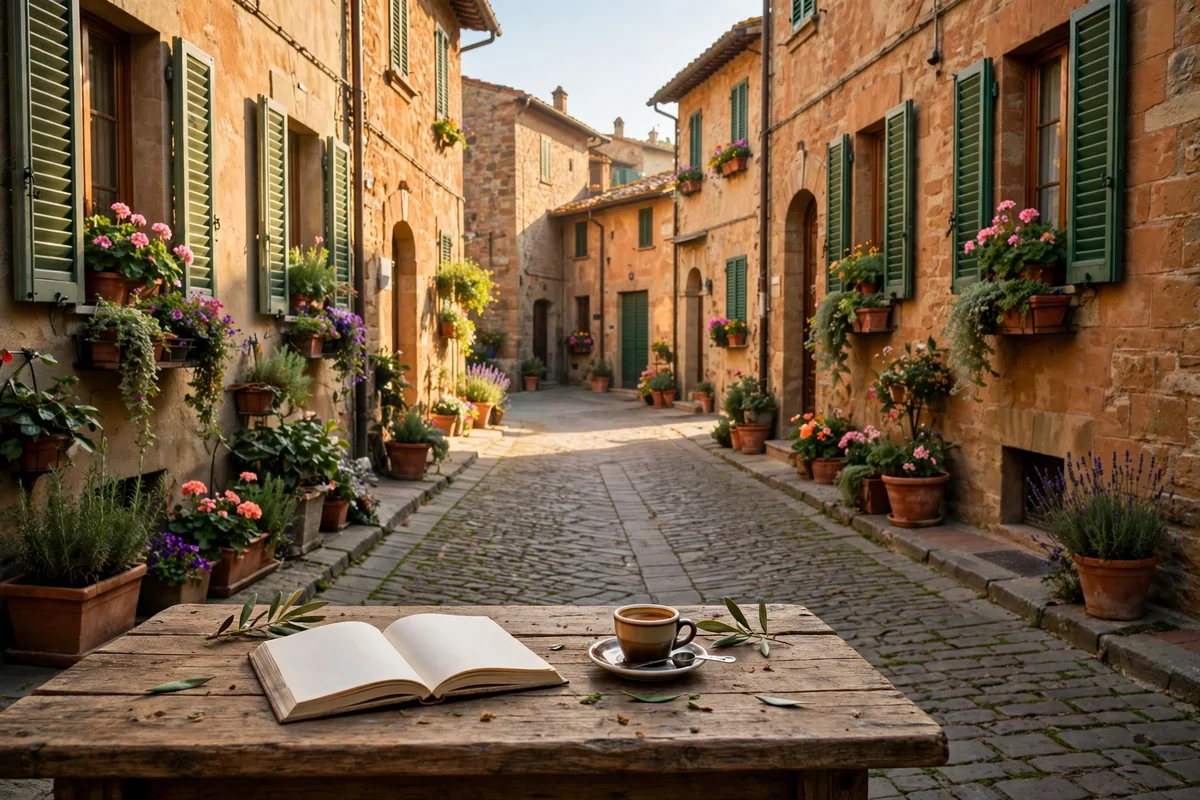
Italian is a language that sounds like a song even when you are just asking for bread. Every word feels warm, and every sentence feels like a small trip to a sunny street in Italy.
In this article you will find 12 fun questions about the Italian language. Each one asks you to pick between two choices. There is no right answer, so just pick the one that feels right for you and enjoy thinking about it.
1. Would you rather speak Italian with perfect pronunciation but only know 100 words or speak Italian with a strong accent but know 1000 words?
Would you rather...
With perfect pronunciation, every Italian word sounds smooth and clear. People in Italy would smile when they hear you speak, even if you only know a few words. You could say “buongiorno” and “grazie” so well that everyone thinks you are a natural.
With 1000 words and a strong accent, you can say much more. You can talk about your day, ask for help and tell a short story. Your words may sound rough, but people will understand you and that is a big win.
| Option | What You Gain | What You Give Up |
|---|---|---|
| Speak Italian with perfect pronunciation but only know 100 words | Your words sound beautiful and clear, and people enjoy listening to you. | You can only talk about a few simple things. |
| Speak Italian with a strong accent but know 1000 words | You can talk about many topics and share real ideas. | Your accent may make some words hard to understand. |
2. Would you rather learn Italian by living in a small village in Italy for one year or learn Italian by studying with a teacher in your own town for five years?
Would you rather...
Living in a small village in Italy means Italian is all around you every day. You hear it at the market, in the bakery and on the street. You learn fast because you must use the language to live your life.
Studying with a teacher in your own town is slower but much calmer. You learn step by step, you can ask questions, and you never feel lost. Five years sounds long, but the lessons build up into strong skills.
Things to think about:
- Do you learn better when life pushes you to speak, or when a teacher guides you slowly?
- Would you enjoy the noise and fun of a small Italian village every day?
- Is a slow and steady plan better for you than one fast and busy year?
3. Would you rather master Italian hand gestures but never learn to read Italian or read Italian books fluently but never learn the hand gestures?
Would you rather...
Italian hand gestures are famous all over the world. With your hands you can show feelings, ask questions and tell a story without saying a word. In Italy, your hands speak almost as much as your mouth.
Reading Italian books opens a different door. You can enjoy stories, learn new words and see how the language works on the page. But if you never learn the gestures, you miss a big part of how Italians really talk.
Pro Tip: Watch how Italians move their hands when they talk and copy one gesture at a time. It is a fun way to feel the rhythm of the language, even before you know many words.
4. Would you rather always order food in Italian at a restaurant in Rome or always ask for directions in Italian on the streets of Florence?
Would you rather...
Ordering food in Italian in Rome is a tasty test. You read the menu, you talk to the waiter and you taste the dish you asked for. Every meal becomes a small language lesson and a treat at the same time.
Asking for directions in Florence is a different kind of adventure. You must listen carefully, remember the words and find your way through beautiful old streets. If you make a mistake, you may find a hidden square you never planned to see.
5. Would you rather learn the Italian words for all your favourite foods first or learn the Italian words for greetings and polite phrases first?
Would you rather...
Food words are fun and useful from the first day. If you know the words for bread, cheese, pasta and coffee, you can enjoy every meal in Italy and talk about what you like best.
Greetings and polite phrases help you meet people. A warm “buongiorno” and a kind “grazie” open doors everywhere. People are happy to help you when you speak to them with care and respect.
| Option | What You Gain | What You Give Up |
|---|---|---|
| Learn the Italian words for all your favourite foods first | Every meal becomes easy and fun, and you can order exactly what you want. | You may not know how to greet people or say thank you in the right way. |
| Learn the Italian words for greetings and polite phrases first | You can start friendly talks and make a good first impression. | You may struggle to read a menu or order your favourite dish. |
6. Would you rather speak Italian only with old people in Italy or speak Italian only with children in Italy?
Would you rather...
Old people in Italy have long lives full of stories. They speak slowly, they know old words and sayings, and they love to share the history of their town. Talking with them is like opening a living book.
Children in Italy speak in a simple and clear way. Their words are easy to follow, they are patient, and they laugh with you when you make a mistake. Learning from children keeps the language light and fun.
Important Note: Talking with people of any age is a great way to learn a language. Listen with respect, be kind, and always thank the person who helps you practise.
7. Would you rather know every Italian word for the weather or know every Italian word for feelings and emotions?
Would you rather...
Weather words are useful every single day. You can talk about the sun, the rain and the wind, and you can plan your day like a local. Italians love to talk about the weather, so you will never run out of things to say.
Words for feelings help you say what is in your heart. You can tell a friend you are happy, tired or excited, and you can understand how other people feel. Feelings make a talk real and warm.
Things to think about:
- Would you rather talk about the world around you or about what you feel inside?
- Which words would you use more often in your daily life?
- Do you want small talk that is easy, or deep talks that mean more?
8. Would you rather write one short letter in Italian every day or speak Italian out loud to yourself for ten minutes every day?
Would you rather...
Writing a short letter in Italian every day is a quiet habit with big results. You think about words, you build sentences and after a few months you can read your old letters and see how much you have grown.
Speaking out loud to yourself for ten minutes a day builds courage. Your mouth learns the sounds, your ears get used to the rhythm, and speaking to a real person starts to feel much less scary.
| Option | What You Gain | What You Give Up |
|---|---|---|
| Write one short letter in Italian every day | Your spelling and sentences get better every week, and you can see your progress on paper. | You do not practise speaking, so talking may still feel hard. |
| Speak Italian out loud to yourself for ten minutes every day | Your speaking gets smoother and you feel more sure of yourself. | Your writing and spelling may stay weak. |
9. Would you rather learn Italian from a grandmother’s recipe book or learn Italian from a travel guidebook about Italy?
Would you rather...
A grandmother’s recipe book is full of warm words. You learn the names of dishes, herbs and kitchen tools, and each recipe tells a story about family life in Italy. The words stay in your mind because they smell like good food.
A travel guidebook teaches you the words you need on the road. You learn the names of places, trains, tickets and hotels, and you can find your way through any town in Italy with a smile.
Warning: A recipe book will not teach you how to buy a train ticket, and a guidebook will not teach you how to cook. Pick the book that matches the trip you dream about most.
10. Would you rather pronounce the rolled Italian r perfectly but mix up gli and li or pronounce gli perfectly but never roll your r?
Would you rather...
The rolled Italian “r” is a famous sound. When you roll it well, your Italian sounds strong and true, and people notice it at once. Mixing up “gli” and “li” is a small mistake that most people will still understand.
The sound “gli” is tricky for many learners. When you say it right, it shows real skill. But if you never roll your “r”, your words may sound flat, and people may ask you to repeat yourself.
11. Would you rather visit Italy once and speak Italian all day every day or stay home and practise Italian for one hour every day for a year?
Would you rather...
One visit to Italy can change everything. When you speak Italian all day every day, your brain works fast and your ears wake up. You learn more in a few weeks than you thought was possible.
One hour of practice at home every day for a year is a steady promise. It is calm, it fits your life, and it builds strong habits. After a year, you may be surprised at how much Italian lives in your head.
Things to think about:
- Do you learn best in one big adventure or in small daily steps?
- Would a trip to Italy excite you or tire you out?
- Can you keep a daily habit going for a full year?
12. Would you rather learn Italian slang used on the streets of Naples or learn formal Italian used in books and letters?
Would you rather...
Slang from the streets of Naples is full of life and colour. It shows you how real people talk when they are with friends, and it makes you sound natural and fun. But slang can be hard to understand in other parts of Italy.
Formal Italian is the language of books and letters. It is clear, correct and respected everywhere in Italy. It may sound a little serious, but it opens every door, from a job letter to a kind note to a friend.
Pro Tip: Learn formal Italian first, then add a little slang later. That way you can speak correctly anywhere and still sound natural with friends.
More Would You Rather Questions
- 30 German Language Would You Rather Questions for Curious Learners
- 22 European French Would You Rather Questions for Language Lovers
- 18 Canadian French Would You Rather Questions About Francophone Culture
- 40 French Language Would You Rather Questions for French Learners
- 34 European Spanish Would You Rather Questions About Regional Differences
- 28 Latin American Spanish Would You Rather Questions for Language Fans
- 23 Spanish Language Would You Rather Questions for Spanish Learners
- 25 Irish English Would You Rather Questions With Fascinating Expressions
- 35 Canadian English Would You Rather Questions About Regional Language
- 14 Australian English Would You Rather Questions With Unusual Expressions