40 French Language Would You Rather Questions for French Learners

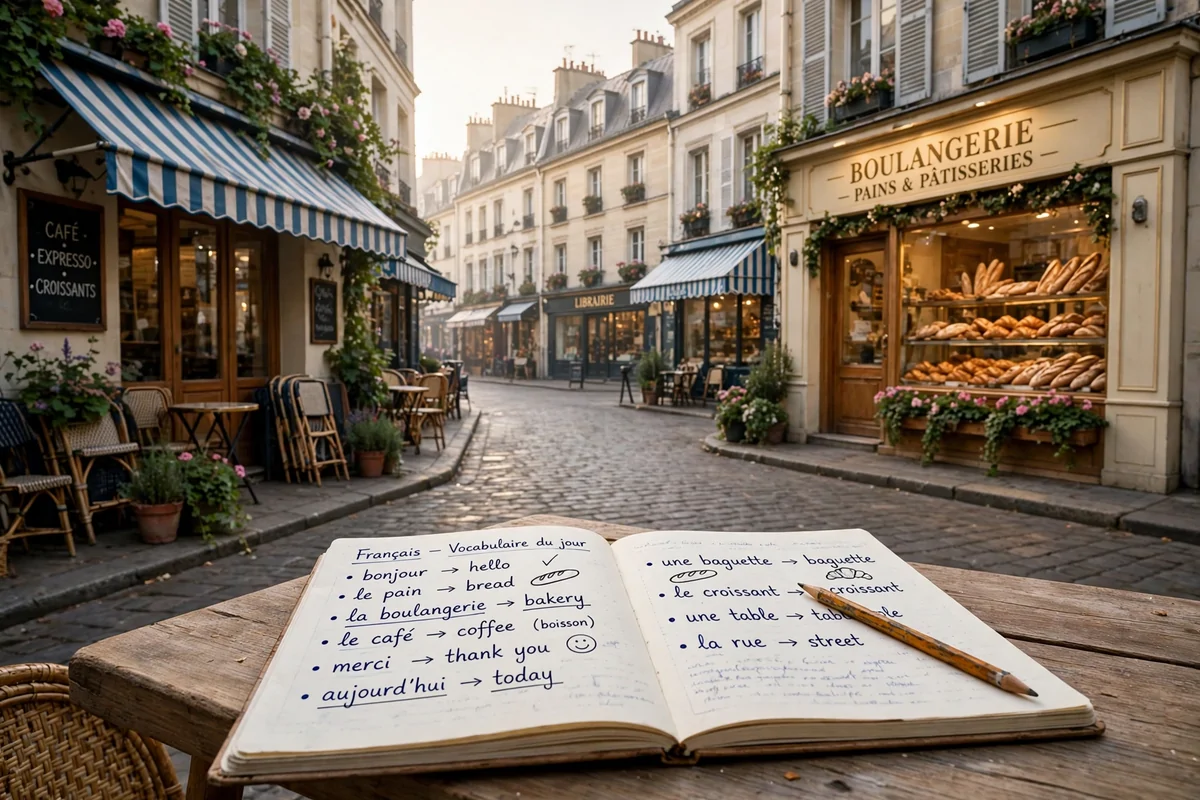
French is a beautiful language. People speak it in France, in Canada, in parts of Africa, and in many other places around the world. It is the language of kind greetings, tasty food, lovely streets, and warm talks with friends.
Now it is your turn to choose how you would learn French. Would you rather speak French with a new friend every week, or read one French story every week? These 40 questions will take you through French words, sounds, grammar, greetings, food words, and travel talk in a fun new way.
1. Would you rather speak French with a new friend every week or read one French story every week?
Would you rather...
Speaking French with a new friend every week is full of life. You hear a new voice, you learn new words, and you hear how French sounds in a real talk. Each week brings a new person and a new story to your ears.
Reading one French story every week is quiet and rich. A story shows you French streets, French food, and the French way of life. Your mind travels to France without leaving your chair.
Things to think about:
- A new friend helps you practise speaking and listening in real time.
- A new story helps you learn new words and see how sentences work.
- Both choices open a door to France, one through talk and one through reading.
2. Would you rather learn ten new French words every day or use five French words you already know in a real talk every day?
Would you rather...
Learning ten new French words every day builds your word power fast. After one month, you know 300 new words. After one year, you know thousands. Your mind becomes a big store of French words, ready for any talk.
Using five French words you already know in a real talk every day builds your speaking power. Words you only read are like seeds in a bag. Words you speak are like seeds in the ground. They grow, and they stay with you for a long time.
| Option | What You Gain | What You Give Up |
|---|---|---|
| Learn ten new French words every day | You build a big store of French words very fast | You may forget many words if you never use them in a talk |
| Use five French words you already know in a real talk every day | Your words become strong and stay in your memory | Your word store grows more slowly |
3. Would you rather learn French greetings first or learn French food words first?
Would you rather...
Learning French greetings first is a warm start. Bonjour, merci, and au revoir open every door in France. With just a few kind words, you can greet a shopkeeper, thank a neighbour, and start a friendly talk anywhere.
Learning French food words first is a tasty start. Bread, cheese, soup, and cake are part of every day in France. When you know food words, you can read a menu, order a meal, and talk about dinner with a smile.
Pro Tip: Try French subtitles for one week. At first it feels hard, but by day five your ears start to catch words you missed before. Small daily steps can change how fast you learn.
4. Would you rather practise the French R sound every day or practise French nasal sounds every day?
Would you rather...
Practising the French R sound every day trains your mouth. At first the sound feels strange and hard. But day by day your throat learns the trick, and one morning the sound comes out smooth and clear.
Practising French nasal sounds every day trains your ears and your nose. Words like bon, temps, and vin have a soft sound that is new for many learners. When you learn it, your French starts to sound much more natural.
Both sounds are famous for being hard, and both are worth the work. Pick the one that feels hardest for you, and give it five minutes a day. Small daily practice beats one long practice once a week.
5. Would you rather study French grammar for one hour every morning or use French in small moments all through the day?
Would you rather...
Studying French grammar for one hour every morning gives you a strong start. The house is quiet, your mind is fresh, and you can focus on one rule at a time. One hour of deep study can teach you more than many short bits.
Using French in small moments all through the day keeps the language alive. You read a French sign, you say bonjour in French, you think in French while you walk. The language becomes part of your day, not just part of your morning.
Important Note: Both choices need a kind and patient heart. Learning is faster when you feel safe, not when you feel judged. Be kind to yourself on hard days.
6. Would you rather travel to France for one month or stay home and talk with French speakers online every day?
Would you rather...
Travelling to France for one month is a big adventure. You hear French on the street, in shops, and at the breakfast table. You taste new food, you see new places, and French becomes real life, not just a school subject.
Staying home and talking with French speakers online every day is smart and simple. You meet people from faraway places without a plane ticket. You hear real French voices, and you can do it from your own room.
Things to think about:
- Travel gives you real life French, with faces, food, and places.
- Online talks give you the same voices, but at a much lower cost.
- Both choices bring France into your life, one by plane and one by screen.
7. Would you rather write one short French diary page every night or record one short French voice message every night?
Would you rather...
Writing one short French diary page every night builds your writing hand. You think about your day, you pick the right French words, and you see your French grow on the page. After a year, you have a whole book about your life in French.
Recording one short French voice message every night builds your speaking voice. You hear your own French, you catch your own mistakes, and your mouth learns the sounds. After a year, you can hear how much your speaking has grown.
| Option | What You Gain | What You Give Up |
|---|---|---|
| Write one short French diary page every night | You build strong writing skills and a book of your life | You do not hear your own voice or practise speaking |
| Record one short French voice message every night | You build a strong speaking voice and hear your progress | You do not practise writing or spelling |
8. Would you rather learn French words for the kitchen first or learn French words for travel first?
Would you rather...
Learning French words for the kitchen first is warm and useful. Food is part of every day, and every meal is a chance to use a new word. You can talk about recipes, markets, and family dinners in French.
Learning French words for travel first is useful on the road. You learn how to ask for directions, book a room, and buy a train ticket in a new place. These words turn a trip into a smooth adventure.
Pro Tip: Learn one greeting and one food word today, then use both before the day ends. A small start is still a real start.
9. Would you rather watch French lessons with French subtitles only or watch French lessons with subtitles in your own language?
Would you rather...
Watching French lessons with French subtitles only is a brave step. Your ears hear French, and your eyes read French too. Your brain works in French from start to finish, and that helps you think in French faster.
Watching French lessons with subtitles in your own language feels safe and clear. You understand every word right away, and you never feel lost. It is a gentle way to learn, step by step.
Both ways help you learn, but they help in different ways. French subtitles push you to think in French. Subtitles in your own language help you understand fast. Which kind of help do you need more right now?
10. Would you rather join a French speaking club in your city or join an online French speaking club with people from many countries?
Joining a French speaking club in your city is warm and close. You meet real people face to face, you share tea, and you laugh together. Speaking becomes a social joy, not a school task.
Joining an online French speaking club with people from many countries is wide and exciting. Each week you meet a new voice from a new place. You learn how French sounds in many parts of the world, and you make friends across the map.
Warning: Do not let a test steal your joy. If test stress makes you stop using French, put the exam aside and go back to simple daily use. French is a tool for life, not just a score on paper.
11. Would you rather practise speaking French in front of a mirror every day or practise speaking French with a real person every day?
Would you rather...
Practising speaking French in front of a mirror every day is safe and private. No one hears your mistakes, and you can try the same sentence ten times. Your face, your mouth, and your voice learn to work together.
Practising speaking French with a real person every day is real and alive. A real person smiles, asks questions, and answers back. You learn to listen, to wait your turn, and to keep a talk going.
12. Would you rather learn five new French phrases for everyday life every day or learn five new French phrases for travel every day?
Would you rather...
Learning five new French phrases for everyday life every day is useful at home. You learn how to greet a neighbour, ask for help, and talk about your day. These phrases work in almost every talk you have.
Learning five new French phrases for travel every day is useful on the road. You learn how to ask for directions, book a room, and order food in a new place. These phrases turn a trip into a smooth adventure.
Everyday phrases help you in your own street, your own home, and your own city. Travel phrases help you in airports, hotels, and new towns far from home. Both sets are small, just five a day, but after a month you have 150 new phrases.
13. Would you rather take a French exam to test your level every year or never take an exam and just enjoy using French?
Would you rather...
Taking a French exam to test your level every year gives you a clear mark. You see your score grow, and you know exactly what to improve next. The exam is like a map that shows how far you have come.
Never taking an exam and just enjoying using French gives you freedom. You speak, read, and listen because you love it, not because a test waits for you. Learning stays light and fun, with no stress at all.
Pro Tip: Pick the tense that fits your life today. If you tell stories, start with the past. If you make plans, start with the future.
14. Would you rather speak French slowly and clearly all the time or speak French at natural speed even if you miss some words?
Would you rather...
Speaking French slowly and clearly all the time helps people understand you. Every word is clean, every sentence is calm, and no one ever asks you to repeat yourself. Slow and clear speech is a sign of care for the listener.
Speaking French at natural speed even if you miss some words helps you sound natural. Real talks move fast, and your brain learns to keep up. Even if you miss a word here and there, you learn to guess the meaning and carry on.
15. Would you rather use French to help a visitor in your city or use French to write a letter to a friend in France?
Would you rather...
Using French to help a visitor in your city is kind and useful. A visitor asks for directions, and your French helps them find their way. You see the smile on their face, and you feel proud of your words.
Using French to write a letter to a friend in France is warm and slow. You pick your words with care, you share your news, and your letter crosses the sea. Weeks later, a reply comes back, and the friendship grows stronger.
Important Note: Both choices need a kind friend. A good friend corrects with a smile, or listens with patience. The best learning happens when you feel safe.
16. Would you rather read French children’s books to build your reading or read French comics to build your reading?
Would you rather...
Reading French children’s books to build your reading is simple and sweet. The words are easy, the stories are clear, and each page teaches you something new. Many strong readers started with simple books, and they grew from there.
Reading French comics to build your reading is fun and visual. The pictures help you understand the words, and the short talks in the bubbles are easy to follow. You learn real everyday speech while you enjoy the story.
Things to think about:
- Both choices are good for a learner.
- A children’s book gives you full sentences and a gentle story.
- A comic gives you pictures and quick, lively talk.
- Which one would keep you turning the page?.
17. Would you rather learn French with a teacher from France or learn French with a teacher from your own country?
Would you rather...
Learning French with a teacher from France feels new and wide. You hear a real French accent, you learn new customs, and you practise real world French from day one. Your ears grow used to a voice from another part of the world.
Learning French with a teacher from your own country feels easy and close. The teacher knows your language, your culture, and the hard parts you face. When you do not understand, the teacher can explain in a way that fits you.
| Option | What You Gain | What You Give Up |
|---|---|---|
| Learn French with a teacher from France | You hear a new voice and learn about another culture | Your teacher may not know the hard parts of your own language |
| Learn French with a teacher from your own country | Your teacher understands your language and your hard parts | You may hear only one kind of French voice |
18. Would you rather memorise twenty French sentences for daily life or make your own French sentences from new words every day?
Would you rather...
Memorising twenty French sentences for daily life gives you ready words. When you need to greet someone, ask a question, or say thank you, the sentence is already in your mind. You speak fast because you do not need to build the sentence first.
Making your own French sentences from new words every day gives you real freedom. You take a new word, you put it in a sentence of your own, and the word becomes yours. Soon you can say almost anything, not just the sentences you memorised.
Pro Tip: Say your new sentence out loud three times, then use it in a real talk the same day. A word you speak in real life is a word you keep for good.
19. Would you rather use French only on your phone for a whole month or use French only with your friends for a whole month?
Would you rather...
Using French only on your phone for a whole month changes your daily screen. Your apps, your messages, and your searches all speak French. Every time you pick up your phone, you meet new French words.
Using French only with your friends for a whole month changes your daily talks. Your chats, your jokes, and your plans all happen in French. Your friends become your teachers, and your talks become your lessons.
French on your phone teaches you through reading and typing every day. French with your friends teaches you through speaking and listening every day. Both choices turn one part of your life into French for a whole month.
20. Would you rather teach French to a younger student in your town or learn French together with a friend at the same level?
Would you rather...
Teaching French to a younger student in your town is a gift to both of you. When you teach a word, you learn it twice. The young student looks up to you, and your own French grows stronger with every lesson.
Learning French together with a friend at the same level is a shared journey. You face the same hard parts, you celebrate the same small wins, and you never feel alone. Two learners can lift each other higher than one learner alone.
Warning: Do not try to learn everything at once. Pick one small set of words, learn it well, and then move to the next set. Slow and steady wins the race.
21. Would you rather learn French numbers first or learn French colours first?
Would you rather...
Learning French numbers first is very useful. Numbers help you count, tell your age, ask a price, and read a bus number. With numbers, you can use French in shops, on the street, and at home every day.
Learning French colours first is bright and fun. Colours help you talk about clothes, flowers, food, and the sky. With colours, your French becomes full of life, and you can describe the world around you in a new language.
Things to think about:
- Numbers help you in shops and on the street.
- Colours help you describe clothes, food, and nature.
- Both are small sets of words, and both open many doors.
- Which set would you use more in your day?.
22. Would you rather learn to say please and thank you in French perfectly or learn to ask for directions in French perfectly?
Would you rather...
Learning to say please and thank you in French perfectly is a kind start. Polite words make people smile, and they open hearts in France. A simple merci with a warm tone can turn a stranger into a friend.
Learning to ask for directions in French perfectly is a brave start. With clear directions, you can find a street, a station, or a shop on your own. You feel free and strong when you can find your way in a new place.
| Option | What You Gain | What You Give Up |
|---|---|---|
| Learn to say please and thank you in French perfectly | People smile at your kind and polite words | You may still get lost in a new town |
| Learn to ask for directions in French perfectly | You can find your way in a new place on your own | People may still need to speak slowly for you |
23. Would you rather learn French words for the weather first or learn French words for the family first?
Would you rather...
Learning French words for the weather first is useful every day. Rain, sun, wind, and snow are part of every small talk. When you know weather words, you can start a friendly chat with anyone, anywhere.
Learning French words for the family first is warm and close. Mother, father, brother, and sister are words full of love. When you know family words, you can talk about the people who matter most to you.
Pro Tip: Keep a small list of your ten favourite French words in your pocket. Read it while you wait, and your memory will grow without extra study time.
24. Would you rather learn French by reading street signs and menus or learn French by talking with shopkeepers and neighbours?
Would you rather...
Learning French by reading street signs and menus is a quiet adventure. Every sign is a small lesson, and every menu is a list of new words. You learn French while you walk, while you eat, and while you live your day.
Learning French by talking with shopkeepers and neighbours is warm and alive. A shopkeeper teaches you real words with a smile. A neighbour teaches you the words people really use, not just the words in a book.
Reading signs teaches your eyes. Talking with people teaches your ears and your mouth. The best learners do a little of both, but if you must pick one, which one fits your life better?
25. Would you rather learn French polite phrases for a cafe first or learn French polite phrases for a hotel first?
Would you rather...
Learning French polite phrases for a cafe first is tasty and fun. You learn how to order coffee, ask for bread, and say thank you with a smile. A cafe is a small school where every meal teaches you French.
Learning French polite phrases for a hotel first is smart for a traveller. You learn how to ask for a room, ask for a key, and ask for help. These phrases make your stay easy and calm.
Important Note: Both sounds are famous for being hard, and both are worth the work. Pick the one that feels hardest for you, and give it five minutes a day.
26. Would you rather listen to a short French lesson recording every morning or read a short French story every morning?
Would you rather...
Listening to a short French lesson recording every morning trains your ears. You hear natural speech, real voices, and the rhythm of French. You can listen while you walk, cook, or ride to work.
Reading a short French story every morning keeps you close to French words. You learn what happens in the story, and you meet new words in a real text. Your reading speed grows a little bit every day.
27. Would you rather learn French words for fruit and vegetables first or learn French words for clothes and colours first?
Would you rather...
Learning French words for fruit and vegetables first is fresh and tasty. Apples, bread, carrots, and tomatoes are part of every market. When you know these words, you can shop in French and cook in French.
Learning French words for clothes and colours first is bright and fun. Shirts, shoes, blue, and red help you talk about what people wear. When you know these words, you can describe almost anything you see.
Fruit and vegetable words help you at the market and in the kitchen. Clothes and colour words help you in shops and on the street. Both sets are useful, and both are fun to learn with pictures.
28. Would you rather learn the French alphabet sounds first or learn French everyday greetings first?
Would you rather...
Learning the French alphabet sounds first is a strong base. When you know how each letter sounds, you can read any new word. Reading becomes easier, and spelling becomes less scary.
Learning French everyday greetings first is a warm base. Bonjour and bonsoir help you greet anyone, anywhere. With greetings, you can start a talk on your very first day of learning.
Pro Tip: Draw a small picture next to each new word in your notebook. Your eyes remember pictures much faster than plain words.
29. Would you rather speak French at a market in France or speak French at a train station in France?
Would you rather...
Speaking French at a market in France is full of colour and smell. You ask for fresh bread, you count coins, and you chat with the seller. The market is a loud and happy classroom.
Speaking French at a train station in France is full of movement and plans. You ask for a ticket, you read the time table, and you find your platform. The station teaches you travel words in real life.
A market teaches you food words and friendly talk. A station teaches you travel words and clear questions. Both are real life classrooms, and both make your French strong and useful.
30. Would you rather learn French past tense first or learn French future tense first?
Would you rather...
Learning French past tense first helps you tell stories. You can talk about yesterday, about your trip, and about what you did last week. Past tense turns your memories into French.
Learning French future tense first helps you make plans. You can talk about tomorrow, about your next trip, and about what you will do next week. Future tense turns your dreams into French.
Warning: A partner can help you, but only if you both speak French in your talks. Agree on a simple rule: French only for ten minutes, then a short break.
31. Would you rather learn French words for animals first or learn French words for nature and seasons first?
Would you rather...
Learning French words for animals first is fun for all ages. Dogs, cats, birds, and horses are easy to picture and easy to remember. Animal words make your French lively and full of life.
Learning French words for nature and seasons first is calm and beautiful. Trees, rivers, spring, and winter help you talk about the world outside. Nature words make your French rich and full of pictures.
32. Would you rather order food in French at a small cafe or ask for a room in French at a small hotel?
Would you rather...
Ordering food in French at a small cafe is a tasty test. You read the menu, you choose your meal, and you speak with the waiter. When your food arrives, you feel proud of every word you said.
Asking for a room in French at a small hotel is a calm test. You ask for a key, you ask about the price, and you understand the answer. When you open your room door, you feel strong and free.
A cafe tests your food words and your courage. A hotel tests your travel words and your calm. Both are real life tests, and both give you a happy feeling when you pass them.
33. Would you rather learn French by writing shopping lists in French or learn French by writing short notes to friends in French?
Would you rather...
Learning French by writing shopping lists in French is simple and useful. Bread, milk, fruit, and soap are words you use every week. Each list is a small lesson, and each shop trip is a small test.
Learning French by writing short notes to friends in French is warm and kind. A short note says hello, shares news, and makes a friend smile. Each note is a small lesson in kind and clear French.
Pro Tip: Write your shopping list in French every week. It is a free lesson, and it uses words you really need.
34. Would you rather learn ten French verbs first or learn ten French adjectives first?
Would you rather...
Learning ten French verbs first gives you action words. To go, to eat, to see, and to speak are verbs that build sentences. With verbs, you can say what you do every day.
Learning ten French adjectives first gives you describing words. Big, small, hot, cold, happy, and sad help you describe the world. With adjectives, your sentences become full of colour and feeling.
Verbs give your sentences action. Adjectives give your sentences colour. You need both to speak well, but which one would you like to learn first?
35. Would you rather practise French with a language partner twice a week or practise French alone with books and notes every day?
Would you rather...
Practising French with a language partner twice a week is fun and social. You talk, you laugh, and you learn from each other. A partner keeps you going when your energy is low.
Practising French alone with books and notes every day is quiet and steady. You set your own speed, you review your notes, and you build a strong base. Alone time helps you think deeply about the language.
Important Note: Formal and friendly French are both real French. Learn the polite form first for serious places, then add friendly words for daily talks.
36. Would you rather learn French words for the body and health first or learn French words for school and work first?
Would you rather...
Learning French words for the body and health first is useful and kind. Head, hand, heart, and health help you talk about how you feel. These words help you ask for help when you need it.
Learning French words for school and work first is smart and useful. Book, lesson, job, and office help you study and work in French. These words open doors to learning and to a better future.
Things to think about:
- Body and health words help you in real life when you need care.
- School and work words help you in study and in your job.
- Both sets are useful, and both are worth learning early.
37. Would you rather learn French in Paris for one year or learn French in a small French village for one year?
Would you rather...
Learning French in Paris for one year is big and exciting. You see famous streets, you visit markets, and you hear French everywhere. Paris gives you fast French and a big city life.
Learning French in a small French village for one year is calm and close. You know your neighbours, you shop in the same small shops, and people talk with you every day. A village gives you slow French and a warm community.
Paris gives you a big city and fast French. A village gives you close friends and slow French. One is wide and busy, and the other is warm and quiet. Which life would help you learn better?
38. Would you rather learn to count money in French first or learn to tell the time in French first?
Would you rather...
Learning to count money in French first is useful in every shop. You can ask a price, count your coins, and understand change. Money words make shopping in France easy and calm.
Learning to tell the time in French first is useful every day. You can ask the time, plan your day, and catch your train. Time words make your day smooth and clear.
Pro Tip: Learn five time words this week: morning, noon, evening, today, and tomorrow. You will use them in almost every French talk.
39. Would you rather learn French formal polite speech first or learn French friendly everyday speech first?
Would you rather...
Learning French formal polite speech first is a mark of respect. Formal words help you speak with teachers, older people, and in offices. Polite French opens doors and earns warm smiles.
Learning French friendly everyday speech first is warm and natural. Friendly words help you talk with friends, neighbours, and young people. Everyday French makes your talks easy and full of life.
Formal speech shows respect in serious places. Friendly speech shows warmth in daily life. Both are part of real French, and both are worth learning. Which one fits your life more right now?
40. Would you rather keep a French word notebook with pictures or keep a French word notebook with example sentences?
Would you rather...
Keeping a French word notebook with pictures is fun and visual. You draw a small apple next to pomme, and a small house next to maison. Pictures help your memory, and your notebook becomes a colourful book.
Keeping a French word notebook with example sentences is deep and strong. You write a full sentence for each new word, and the word lives in a real talk. Sentences help you remember how to use the word, not just what it means.
Pictures help you remember what a word means. Sentences help you remember how to use a word. One notebook is full of colour, and the other is full of real talk. Which notebook would you enjoy more?
More Would You Rather Questions
- 34 European Spanish Would You Rather Questions About Regional Differences
- 28 Latin American Spanish Would You Rather Questions for Language Fans
- 23 Spanish Language Would You Rather Questions for Spanish Learners
- 25 Irish English Would You Rather Questions With Fascinating Expressions
- 35 Canadian English Would You Rather Questions About Regional Language
- 14 Australian English Would You Rather Questions With Unusual Expressions
- 13 British English Would You Rather Questions for Language Fans
- 15 American English Would You Rather Questions About Everyday Speech
- 20 English Language Would You Rather Questions for Global Learners
- 10 Untranslatable Words Would You Rather Questions From Around the World