13 British English Would You Rather Questions for Language Fans

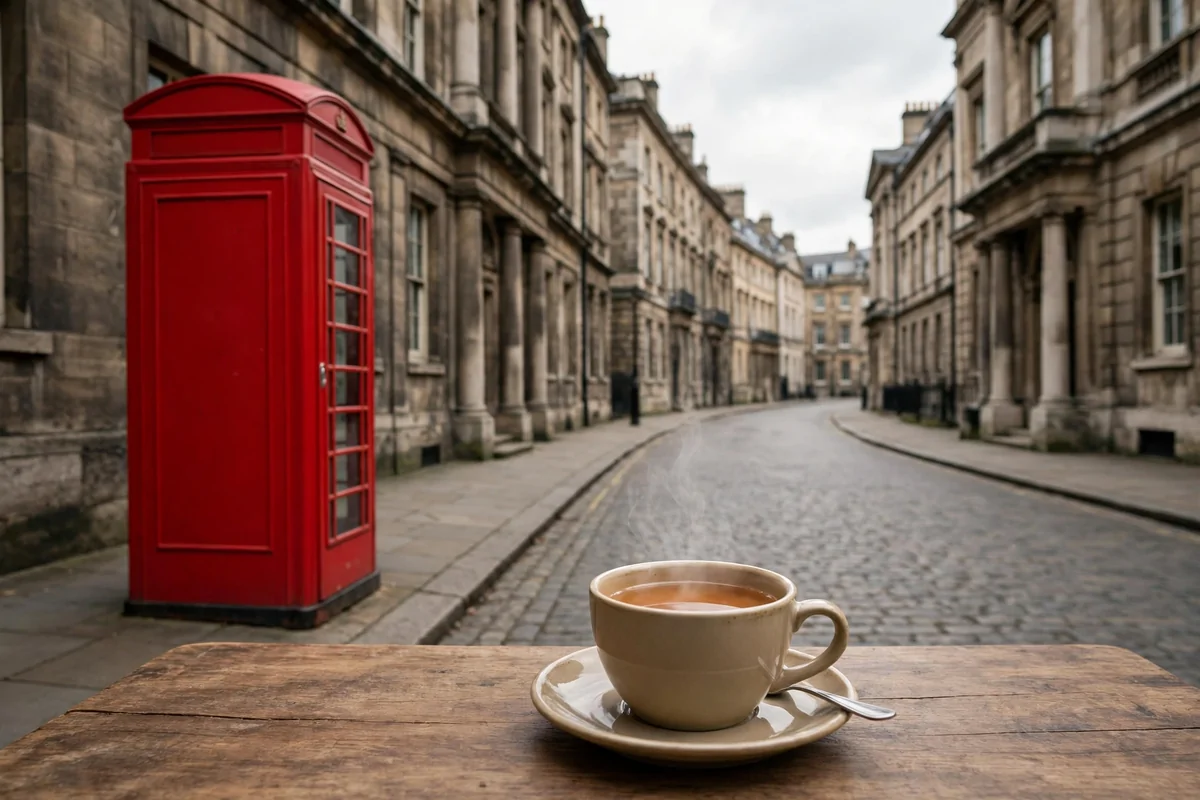
British English is full of small and polite surprises. People say sorry when someone else bumps into them. They talk about the rain even on a sunny day. They call a lift a lift, and they put the kettle on before they talk about anything serious.
This article is a fun trip through British words, British manners, and British habits. Would you rather spell every word the British way, or learn every British word for a bread roll? Would you rather say cheers all day, or say sorry all day? These 13 questions will make you smile and make you think about how the British use their lovely language.
1. Would you rather use British spelling in every word or use British words for everyday things?
Would you rather...
British spelling adds a u to colour and honour, and it swaps the end of centre and theatre. It looks proper and old, like a letter written with care. Once you learn it, your writing looks British in every line.
British words change the names of everyday things. A flat is a home, crisps are thin fried potatoes, and a jumper keeps you warm. The words are different, but the things are the same. Which change is harder to keep in your head?
| Option | What You Gain | What You Give Up |
|---|---|---|
| Use British spelling in every word | Your writing looks proper and British in every letter | You must remember the u in colour and honour every time |
| Use British words for everyday things | You sound like a local in London shops and streets | You must learn new names for things you already know |
2. Would you rather say cheers instead of thank you every time or say sorry even when nothing is wrong?
Would you rather...
Cheers is a warm and friendly word. In Britain, people say it for thank you, for goodbye, and when they raise a cup of tea. One small word does the work of many, and it always sounds kind.
Sorry is the word British people use most. They say it when they bump into you, when they pass you in a shop, and when they ask a simple question. It is a soft word that keeps every talk polite. Which word would you say more, cheers or sorry?
3. Would you rather call it a lift and never an elevator or call it the Tube and never the subway?
Would you rather...
A lift is a small box that takes you up and down in a building. In Britain, no one calls it an elevator, and the word lift feels light and friendly. It is short, it is easy, and it works in every town.
The Tube is the fast train under London. It is quick, it is busy, and it has a map that looks like a spider web. Every visitor to London learns the word Tube on day one. Both words show that British English gives everyday things their own names.
Things to think about:
- The word lift is short and easy, and it works for every building in Britain.
- The word Tube is famous, and it helps you travel all over London.
- Both words make you sound like you know the city well.
4. Would you rather put the kettle on for tea every afternoon or bake scones with jam and cream every Sunday?
Would you rather...
Tea time is a quiet and happy part of the British day. The kettle sings, the cups come out, and everyone stops for a warm drink and a small cake. It is a calm break in the middle of a busy day.
Sunday scones are soft, warm, and full of jam and cream. They take time to bake, but the smell fills the whole house. A warm scone with tea is one of the best parts of a British Sunday.
| Option | What You Gain | What You Give Up |
|---|---|---|
| Put the kettle on for tea every afternoon | You get a calm break and a warm cup every single day | You must stop your work every afternoon for tea |
| Bake scones with jam and cream every Sunday | You fill your home with a warm smell and a sweet treat | You must spend time in the kitchen every Sunday |
5. Would you rather talk about the weather with every stranger you meet or talk about the queue with every stranger you meet?
Would you rather...
Talking about the weather is the British way to start a talk. Rain, sun, wind, or cold, there is always something to say. It is safe, it is friendly, and it never makes anyone feel shy.
Talking about the queue is a British habit too. People in a queue talk about how long it is, how slow it moves, and who is next. It turns a boring wait into a small chat with a stranger.
Pro Tip: Start your next talk with the weather. Say one kind sentence about the rain or the sun, and watch how fast a stranger smiles back. A soft start makes every talk easy.
6. Would you rather always let someone go first in a queue or stand in a queue without ever complaining?
Would you rather...
Letting someone go first is a kind and quiet act. You step back, you smile, and you let a stranger pass. It costs you nothing, and it makes the other person feel seen and welcome.
Standing in a queue without a complaint is a British skill. The line may be long, the rain may fall, but you wait with calm and patience. A calm wait keeps everyone in a good mood.
Warning: Do not push to the front of a queue in Britain. People will notice, and they will not smile. A calm wait is worth more than a quick step forward.
7. Would you rather say brilliant for everything good or say lovely for everything nice?
Would you rather...
Brilliant is a bright and happy word. British people use it for good news, a good meal, a good idea, and a good day. It makes small things feel big and special.
Lovely is a soft and warm word. People use it for a nice day, a kind person, a good cake, and a pretty view. It makes everyday things feel gentle and kind.
| Option | What You Gain | What You Give Up |
|---|---|---|
| Say brilliant for everything good | Your words sound bright and full of joy every day | The word may lose its shine if you use it all the time |
| Say lovely for everything nice | Your words sound warm and kind in every talk | The word may sound too soft for big and exciting news |
8. Would you rather learn every British word for a bread roll or learn every British word for a snack?
Would you rather...
A bread roll has many names in Britain. In one town it is a bap, in another it is a cob, in another it is a barm cake, and in another it is a teacake. One small roll, many names, and every town is sure its own name is right.
A snack has many names too. Crisps, biscuits, buns, and cakes all change their names from town to town. The food stays the same, but the words move with the people who eat it.
Things to think about:
- The bread roll words change with the town, so a traveller can get lost in a bakery.
- The snack words show how British food changes from place to place.
- Both lists prove that British English is full of surprises.
9. Would you rather use whilst and amongst in every sentence or use shall and shan’t in every sentence?
Would you rather...
Whilst and amongst are old and proper British words. They sound polite and a little formal, like a letter from long ago. They make a simple sentence feel like a story.
Shall and shan’t are old British words for the future. Shall we go? We shan’t be late. They sound neat and sure, like a promise made in a calm voice.
Important Note: Old words like whilst and shall are still correct, but many people use while and will in daily talk. Learn the old words for fun, and use the simple words when you want to be clear.
10. Would you rather write every date the British way, day first or measure every distance in miles, never kilometres?
Would you rather...
British dates put the day first, so the 11th of November comes before the month. It feels natural once you learn it, but it can confuse visitors at first. A letter from Britain always starts with the day.
Miles are the British way to measure a road. A mile is longer than a kilometre, and road signs in Britain still show miles. It is an old habit that never went away.
- Day-first dates keep British letters and forms in the same order.
- Miles on road signs keep British travel in an old and familiar measure.
- Both habits show that Britain keeps its own ways with pride.
11. Would you rather call your evening meal tea or call your evening meal dinner?
Would you rather...
Tea is the British name for the evening meal in many homes. It is a warm meal with family, often simple food on a plate, eaten early in the evening. The word is short, and the meal is cosy.
Dinner is the name for the evening meal in other homes. It is often a bigger meal, eaten a little later, with more time at the table. The word is clear, and everyone knows what it means.
| Option | What You Gain | What You Give Up |
|---|---|---|
| Call your evening meal tea | You sound like a true local with a warm and simple habit | Visitors may think you mean a cup of tea, not a meal |
| Call your evening meal dinner | Everyone knows you mean a full meal at the table | You may sound less British in towns where tea is the word |
12. Would you rather wear a flat cap on a rainy London walk or carry an umbrella on every sunny day?
Would you rather...
A flat cap is a soft cap that keeps the rain off your head. On a rainy London walk, it looks smart and old fashioned, like a picture from a story book. It is warm, it is simple, and it never goes out of style.
An umbrella is a British friend in every season. People carry one on a sunny day because the rain can come at any time. It is small, it is light, and it saves you from a sudden shower. Which one would you trust on a London street?
13. Would you rather say mate to every person you meet or say right at the end of every sentence?
Would you rather...
Mate is a warm word for a friend. British people say it to people they know and to people they just met. It makes a talk feel friendly in one second.
Right is a small word that British people put at the end of a sentence. It is a friendly check, like asking, do you agree with me? It turns a plain sentence into a small chat.
Things to think about:
- Mate makes every person feel like a friend, even a stranger.
- Right at the end of a sentence invites the other person to join the talk.
- Both words are small, but they make British talk warm and open.
More Would You Rather Questions
- 15 American English Would You Rather Questions About Everyday Speech
- 20 English Language Would You Rather Questions for Global Learners
- 10 Untranslatable Words Would You Rather Questions From Around the World
- 39 Difficult Words Would You Rather Questions for Word Nerds
- 33 Word Meaning Would You Rather Questions That Can Confuse Anyone
- 37 Idiom Would You Rather Questions With Strange Meanings
- 29 Slang Would You Rather Questions From Different Cultures
- 31 Dialect Would You Rather Questions About Regional Speech
- 17 Accent Would You Rather Questions From Around the World
- 24 Pronunciation Would You Rather Questions That Test Your Speaking Skills