33 Word Meaning Would You Rather Questions That Can Confuse Anyone

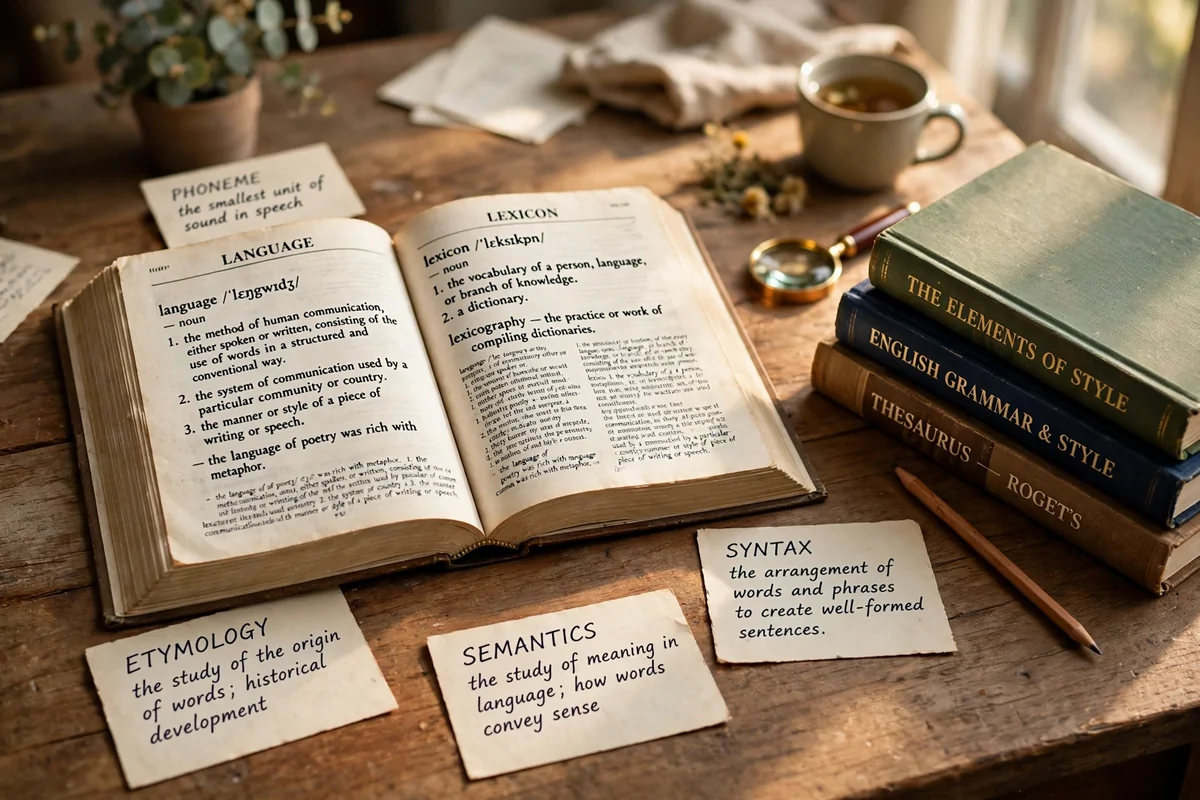
Words can be tricky. One small word can mean two very different things, and two words can sound the same but mean something else completely. Even grown people mix up word meanings every day, in talks, in letters, and in books.
That is what makes word meanings so much fun. Would you rather know the meaning of every word you hear, or know the meaning of every word you read? Would you rather use a word with two meanings, or a word with only one clear meaning? These 33 questions will test how you think about words, and they may confuse you in the best way.
1. Would you rather know the meaning of every word you hear or know the meaning of every word you read?
Would you rather...
Hearing words is a big part of daily life. You hear words in talks, in lessons, and in stories told by people around you. If you knew the meaning of every word you hear, no talk would ever confuse you.
Reading words is a different skill. Books, signs, letters, and lists are full of words that you meet only with your eyes. If you knew the meaning of every word you read, no book would ever slow you down. Which one would help you more, hearing or reading?
2. Would you rather use a word that means two different things or use a word that means only one clear thing?
Would you rather...
A word with two meanings is full of fun. You can use it in a joke, and people laugh when they catch the second meaning. It keeps talks lively and clever, but it can also cause mix-ups.
A word with only one clear meaning is safe and simple. Everyone knows exactly what you mean, and nobody has to guess. It may not be as fun, but it never causes trouble.
| Option | What You Gain | What You Give Up |
|---|---|---|
| Use a word that means two different things | Fun wordplay and clever jokes in your talks | Clear meaning, because people may guess the wrong one |
| Use a word that means only one clear thing | Everyone understands you at once, with no mix-ups | The fun of wordplay and clever double meanings |
3. Would you rather never mix up words that sound the same or never mix up words that look the same?
Would you rather...
Words that sound the same are a classic trap. You hear one word, but the talk means another. If you never mix them up, your ears always catch the right meaning, even in fast talks.
Words that look the same are a trap for the eyes. You read a word in a book or a letter, and it looks like a word you know, but it means something else. If you never mix those up, your reading is always clear and safe.
4. Would you rather learn a new word from its parts or learn a new word from the sentence around it?
Would you rather...
Learning a word from its parts is like solving a small puzzle. You break the word into pieces, and each piece gives you a hint. It is a smart way to learn, because the same parts show up in many other words.
Learning a word from the sentence around it is a natural way to learn. You read the full sentence, and the meaning becomes clear from the story. It feels easy, like learning without trying.
Things to think about:
- Word parts help you guess many new words on your own.
- The sentence around a word shows you how people really use it.
- Good word learners use both tricks, not just one.
5. Would you rather know the true meaning of a word or know how people really use a word in daily talk?
Would you rather...
The true meaning of a word lives in the dictionary. It is the exact, careful meaning that experts wrote down. Knowing it makes you sure and correct every time you speak.
How people really use a word in daily talk can be very different from the dictionary. People bend words, shorten them, and give them new shades of meaning. Knowing that helps you fit in and understand real talks.
- The dictionary gives you the correct meaning.
- Daily talk shows you the living meaning.
- Sometimes the two meanings do not match at all.
6. Would you rather know the meaning of a long hard word or know the meaning of a short tricky word?
Would you rather...
Long hard words look scary on the page. They stretch across the line and make readers stop and think. Knowing what they mean feels like a big win, because most people skip them.
Short tricky words look easy, but they hide a surprise. A tiny word can carry a big or strange meaning, and people often use it wrong without knowing. Knowing those words keeps you from small but silly mistakes.
7. Would you rather have a dictionary that answers every question or have a friend who explains every word in a simple way?
Would you rather...
A dictionary that answers every question is always there when you need it. Day or night, it gives you the meaning, the spelling, and the right way to use a word. It never gets tired and never forgets.
A friend who explains every word in a simple way is warm and kind. A friend can tell you a story, give you an example from real life, and make a hard word easy in one minute. A book cannot do that.
Pro Tip: Keep a small notebook for new words. When a friend explains a word, write it down with one simple example. In a month, you will have your own little dictionary made from real talks.
8. Would you rather learn the meaning of a word by reading a story or learn the meaning of a word by hearing it in a talk?
Would you rather...
Reading a story shows you a word in action. You see how the word fits in a sentence, what feeling it carries, and when the writer uses it. The story gives the word a home in your mind.
Hearing a word in a talk gives it a voice. You hear how people say it, when they smile as they use it, and what they mean by it in real life. A word you hear in a warm talk is hard to forget.
9. Would you rather use a word that sounds strong but means something soft or use a word that sounds soft but means something strong?
Would you rather...
A word that sounds strong but means something soft is a fun trick. People hear it and expect something bold, then they smile when they learn the gentle meaning. It teaches you that sound and meaning do not always match.
A word that sounds soft but means something strong is the opposite trick. It slips into a talk quietly, then it carries a big idea. People may not notice its power at first, and that can be a surprise.
| Option | What You Gain | What You Give Up |
|---|---|---|
| Use a word that sounds strong but means something soft | A fun surprise that makes people smile and listen | The power people expect from a strong sounding word |
| Use a word that sounds soft but means something strong | Quiet power that carries a big idea in a gentle way | The bold sound that warns people a big idea is coming |
10. Would you rather know what every old word means or know what every new word means?
Would you rather...
Old words carry the wisdom of long ago. They live in old books, old sayings, and old stories. Knowing them lets you read the past and understand how people thought many years ago.
New words carry the life of today. People make them every year, and they spread fast in daily talk. Knowing them keeps you close to how people speak right now, and you never feel left behind.
11. Would you rather mix up the meanings of two words in front of friends or mix up the meanings of two words in an important letter?
Would you rather...
Mixing up words in front of friends is embarrassing for a moment, but friends are kind. They may laugh, they may correct you gently, and the moment passes fast. You learn the right meaning and move on.
Mixing up words in an important letter is worse, because a letter stays on paper. The reader may misunderstand your whole message, and you cannot take the words back. It is a mistake that can cost you a chance.
Warning: Before you send an important letter, read it once more and check every word you are not sure about. One wrong word can change the whole meaning, and a slow check is always worth the time.
12. Would you rather learn the meaning of one word a day for a year or learn the meanings of 365 words in one week and forget most of them?
Would you rather...
One word a day for a year is slow and steady. Each word gets a full day in your mind, and you use it, hear it, and remember it. By the end of the year, you truly own 365 words.
Learning 365 words in one week is fast and bold. You would meet a huge pile of words in just seven days. But if you forget most of them, the rush gives you less than the slow way, and your head feels full and tired.
Things to think about:
- Slow learning builds words that stay with you for life.
- Fast learning feels exciting, but forgetting follows fast too.
- One new word a day is easy to keep up, even on a busy day.
13. Would you rather know the meaning of a word in your own language or know the meaning of the same word in another language?
Would you rather...
Knowing a word in your own language is the base of all your thinking. Your own language is where your thoughts, feelings, and plans live. A deep word in your own language can say what a hundred simple words cannot.
Knowing the same word in another language opens a second world. You can talk with new people, read new books, and understand new ways of thinking. One word can be a bridge between two worlds.
- Your own language holds your deepest thoughts.
- Another language opens new people and new ideas.
- The same word can feel different in each language.
14. Would you rather use a word that everyone understands but you do not like or use a word you love but nobody understands?
Would you rather...
A word that everyone understands but you do not like is a safe choice. Your message always lands, and nobody asks what you mean. But each time you use it, a small part of you wishes you had picked a better word.
A word you love but nobody understands is a lonely choice. The word feels right to you, it sounds good, and it means exactly what you want. But if nobody understands it, your message gets lost.
| Option | What You Gain | What You Give Up |
|---|---|---|
| Use a word that everyone understands but you do not like | Clear talks where your message always lands | The joy of using a word you truly love |
| Use a word you love but nobody understands | The joy of a word that feels exactly right to you | Clear talks, because people get lost and ask what you mean |
15. Would you rather guess the meaning of a word and be right or look up the meaning of a word and remember it forever?
Would you rather...
Guessing a meaning and being right feels like a small win. Your brain finds clues in the sentence, in the word parts, and in the story, and it lands on the right answer. It is a sharp skill that grows with practice.
Looking a word up and remembering it forever is a slow but sure win. You take one minute to check the dictionary, and the word becomes yours for life. It may not feel as exciting as a guess, but it never lets you down.
16. Would you rather know the meaning of every word in a recipe book or know the meaning of every word in a travel guide?
Would you rather...
A recipe book is full of food words. Knowing them all means you can cook any dish, follow any steps, and never ruin a meal by mixing up two words. Your kitchen becomes a place of fun and good food.
A travel guide is full of place words. Knowing them all means you can find your way, ask for help, and enjoy every stop on a trip. Your journeys become smooth, and no sign or map can confuse you.
Important Note: Food words and travel words both matter in daily life. One feeds your home, the other feeds your journeys. Pick the book you open more often, because those words will help you every single week.
17. Would you rather hear a word used in a funny wrong way or hear a word used in a serious wrong way?
Would you rather...
A word used in a funny wrong way makes people laugh. The talk turns light, the mistake becomes a joke, and everyone learns the right meaning without feeling bad. It is the kind of mistake you remember with a smile.
A word used in a serious wrong way is a different story. In a serious talk, one wrong word can change the meaning of a whole message. People may take the wrong idea, and fixing it takes time and care.
18. Would you rather learn a word that means something kind or learn a word that means something unkind?
Would you rather...
A word that means something kind is a gift you can give every day. You can use it to praise a friend, to comfort someone, or to make a hard day softer. Kind words build trust and warm hearts.
A word that means something unkind is a word you need to know too. If you know it, you can spot it, avoid it, and protect yourself from it. Knowing unkind words helps you stay safe in talks, even if you never use them yourself.
- Kind words lift people up and build good talks.
- Unkind words are worth knowing so you can avoid them.
- The words you choose say a lot about your heart.
19. Would you rather know the meaning of words that describe feelings or know the meaning of words that describe things?
Would you rather...
Words that describe feelings help you explain your heart. Happy, calm, worried, proud, each word names a feeling with care. When you know them, people understand you better, and you understand them better too.
Words that describe things help you explain the world around you. Every tool, every plant, every part of a house has a name. When you know them, you can ask for help, give clear directions, and fix things with ease.
Things to think about:
- Feeling words help in talks with people you care about.
- Thing words help in work, in the home, and on the road.
- Most days need both kinds, but one kind usually feels more useful to you.
20. Would you rather use a word with a happy meaning in a sad moment or use a word with a sad meaning in a happy moment?
Would you rather...
A happy word in a sad moment can feel out of place, but it can also bring a small light. It may lift the mood, or it may sound like you do not understand how the other person feels. The timing of a word matters as much as its meaning.
A sad word in a happy moment can feel heavy, but it can also show care and honesty. Sometimes people need to hear a hard truth, even on a happy day. The right word at the wrong time is still a hard choice.
21. Would you rather know the meaning of a word from a long time ago or know the meaning of a word made up this year?
Would you rather...
A word from a long time ago is like an old key. It opens old books, old poems, and old wisdom. Knowing it makes you one of the few people who can still hear the voices of the past.
A word made up this year is fresh and alive. People use it in talks and chats right now, and it shows how language keeps growing. Knowing it keeps you close to how people speak today.
| Option | What You Gain | What You Give Up |
|---|---|---|
| Know the meaning of a word from a long time ago | The wisdom of old books and the voices of the past | The fresh words people use in talks today |
| Know the meaning of a word made up this year | A close feel for how people speak right now | The old words that open old books and old wisdom |
22. Would you rather spell a word right but use it with the wrong meaning or spell a word wrong but use it with the right meaning?
Would you rather...
Spelling a word right but using it with the wrong meaning looks perfect on paper. Your letters are all in the right place, but your message says the wrong thing. People may not notice the mistake, but the meaning is lost.
Spelling a word wrong but using it with the right meaning is the opposite problem. Your message is clear, and people understand exactly what you want to say. The spelling is off, but the idea still lands.
Pro Tip: Meaning beats spelling in a first draft. Get the idea right first, then check the spelling before you send it. A clear message with one spelling slip still works, but a perfect spelling with the wrong meaning does not.
23. Would you rather teach the meaning of a word to a child or learn the meaning of a word from a child?
Would you rather...
Teaching a word to a child is a gift you give. You watch their eyes light up when the meaning clicks. You help them speak, read, and think better for the rest of their life.
Learning a word from a child is a gift you receive. Children make up words, ask bold questions, and see the world in fresh ways. Their words can teach a grown person to think with wonder again.
24. Would you rather know the meaning of a word that has no opposite or know the meaning of a word that has ten opposites?
Would you rather...
A word with no opposite stands alone. It has one clear meaning, and nothing fights against it. It is simple to learn and easy to use, because there is no other side to remember.
A word with ten opposites is a rich word. It sits in the middle of many ideas, and each opposite shows a new shade of meaning. Learning it teaches you a whole family of words at once.
Things to think about:
- A word with no opposite is simple and safe to use.
- A word with ten opposites opens ten new words to learn.
- Opposites help you understand a word by seeing what it is not.
25. Would you rather hear a word and know its meaning at once or hear a word and take a day to learn its meaning well?
Would you rather...
Knowing a meaning at once is a fast skill. You hear a word, and the meaning pops into your head like a light turning on. You never pause, never guess, and never feel lost in a talk.
Taking a day to learn a meaning well is a slow skill. You hear the word, you think about it, you look it up, and you use it in a few sentences. By the next day, the word is yours for life, not just for a moment.
26. Would you rather use a big word with a simple meaning or use a small word with a big meaning?
Would you rather...
A big word with a simple meaning sounds rich and smart. People listen closely, because the word feels important. But the meaning is plain, so the big word is mostly for show.
A small word with a big meaning is quiet and strong. It slips into a talk easily, and then it carries a whole idea in just a few letters. Small words with big meanings are the ones people use every day.
| Option | What You Gain | What You Give Up |
|---|---|---|
| Use a big word with a simple meaning | A rich sound that makes people listen closely | Simplicity, because the big word can hide a plain idea |
| Use a small word with a big meaning | A whole idea packed into a few easy letters | The rich sound that makes people stop and listen |
27. Would you rather know the meaning of every word on a sign or know the meaning of every word in a letter from a friend?
Would you rather...
Signs are everywhere, on roads, in shops, and in public places. Knowing every word on a sign means you never get lost, never miss a warning, and never read the wrong direction. It is a skill that keeps you safe and sure.
A letter from a friend is personal and warm. Knowing every word in it means you catch every feeling, every joke, and every small hint the writer left for you. It is a skill that keeps your friendships close and true.
28. Would you rather learn the meaning of a word by seeing a picture or learn the meaning of a word by hearing a story?
Would you rather...
A picture shows you a word in one look. You see the thing, the feeling, or the place, and the meaning clicks at once. Pictures are fast, and they stay in your mind for a long time.
A story gives you a word with a life around it. You hear how people use the word, when they use it, and why it matters. A word learned from a story feels like a friend, not just a fact.
Important Note: Pictures help you learn fast, and stories help you remember long. If a word is hard, try both: look at a picture first, then hear a story about it. The word will stick in your mind twice as well.
29. Would you rather mix up the meanings of borrow and lend or mix up the meanings of bring and take?
Would you rather...
Borrow and lend are a classic pair that trips people up. One means you take something for a short time, the other means you give something for a short time. Mix them up, and a simple request turns into a muddle.
Bring and take are another tricky pair. One means you carry something here, the other means you carry something there. Mix them up, and people may walk the wrong way or wait at the wrong place.
30. Would you rather know a word that means the same thing in two languages or know a word that means the opposite thing in two languages?
Would you rather...
A word that means the same thing in two languages is a safe bridge. You can use it with people from both places, and nobody gets confused. It is a small gift for anyone who speaks two languages.
A word that means the opposite thing in two languages is a funny trap. You say it with a good meaning, and the other person hears the opposite. It can cause laughs, or it can cause real mix-ups.
| Option | What You Gain | What You Give Up |
|---|---|---|
| Know a word that means the same thing in two languages | A safe bridge between two languages with no mix-ups | The fun surprise of a word that flips its meaning |
| Know a word that means the opposite thing in two languages | A funny story and a lesson in how languages differ | The safety of a word that always means the same thing |
31. Would you rather use a word that means one thing to old people and another to young people or use a word that means the same thing to everyone?
Would you rather...
A word that means one thing to old people and another to young people is a word with two lives. The older people hear one meaning, and the younger people hear another. It can cause funny mix-ups at home, but it also shows how language changes over time.
A word that means the same thing to everyone is clear and steady. Old or young, rich or poor, everyone hears the same idea. It never causes a mix-up, and it works in every talk.
Things to think about:
- Words change meaning over time, and each age group keeps its own meaning.
- A word with two meanings needs care when you talk with both ages at once.
- A word with one meaning for all is the safest choice in a mixed group.
32. Would you rather forget the meaning of your favorite word or forget the meaning of a word you use every day?
Would you rather...
Forgetting your favorite word feels like losing a small treasure. It is the word you love most, the one you pick when you want to sound just right. Losing it leaves a gap in your talks that no other word fills the same way.
Forgetting a word you use every day is a daily problem. Each time you need it, you stop and search your mind, and the talk slows down. It is not a treasure you lost, but a tool you miss every single day.
33. Would you rather know the meaning of a word before you use it or use a word first and learn its meaning later?
Would you rather...
Knowing a meaning before you use a word is the careful way. You check the word, you learn it well, and then you use it with full trust. Your talks stay clear, and you never say something you did not mean.
Using a word first and learning its meaning later is the brave way. You try the word in a real talk, you watch how people react, and then you learn what it truly means. It is risky, but it is also how many people learn words in real life.
- The careful way keeps your talks clear and safe.
- The brave way helps you learn fast from real talks.
- Most people use a mix of both, and that mix works well.
More Would You Rather Questions
- 37 Idiom Would You Rather Questions With Strange Meanings
- 29 Slang Would You Rather Questions From Different Cultures
- 31 Dialect Would You Rather Questions About Regional Speech
- 17 Accent Would You Rather Questions From Around the World
- 24 Pronunciation Would You Rather Questions That Test Your Speaking Skills
- 36 Grammar Would You Rather Questions for Language Learners
- 19 Vocabulary Would You Rather Questions That Test Your Word Power
- 26 Language Barrier Would You Rather Questions With Unexpected Challenges
- 11 Interpreter Would You Rather Questions From Around the World
- 38 Translator Would You Rather Questions That Test Your Language Skills