29 Slang Would You Rather Questions From Different Cultures

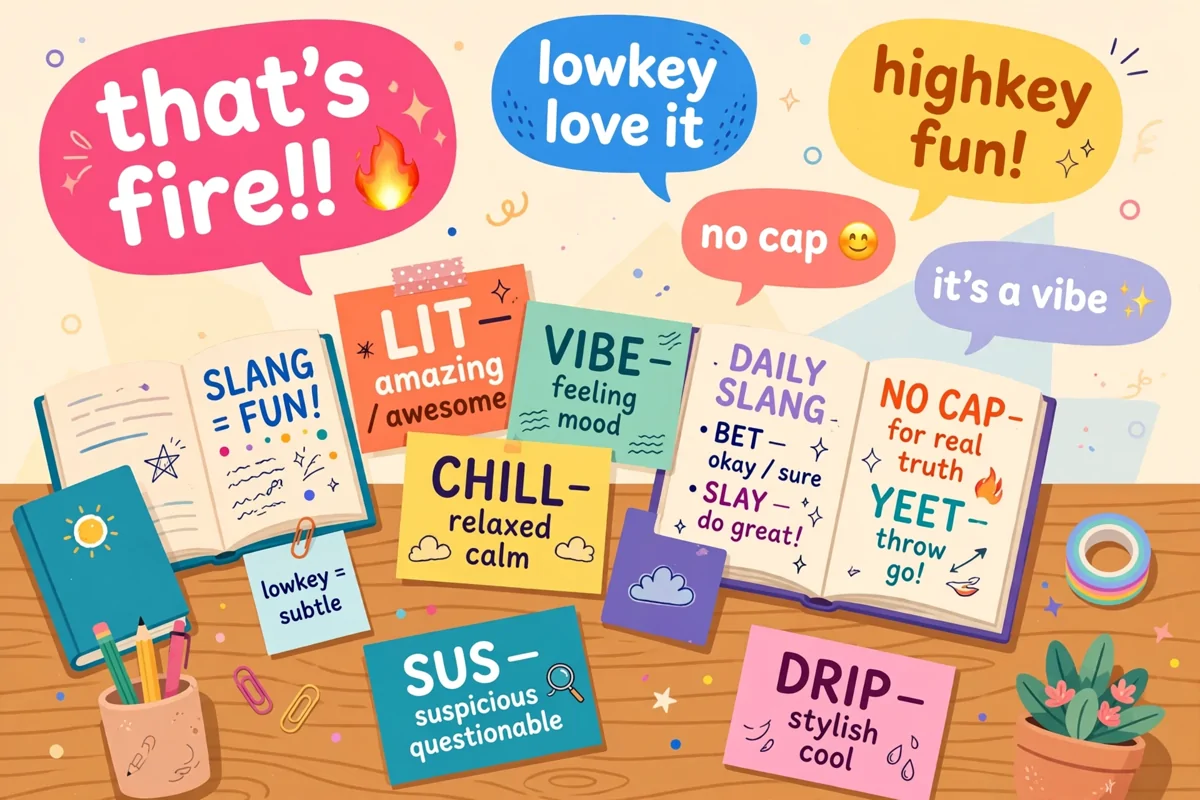
Every place has its own fun words. In one town, a tasty meal is called one thing, and in another town, the same meal has a totally different name. These fun words are called slang, and they make daily talk warm, funny, and full of life.
Now it is your turn to play with slang from different cultures. Would you rather learn one new slang word every day, or learn ten new slang words every week? Would you rather use slang from your own country, or slang from faraway places? These 29 questions will take you on a fun trip through words from around the world.
1. Would you rather learn one new slang word every day or learn ten new slang words every week?
Would you rather...
Learning one new slang word every day is slow and steady. You hear the word, you use it in a talk, and by night it sits safe in your memory. After a year, you know 365 fun words, and you remember them well.
Learning ten new slang words every week sounds fast and bold. In one week you pick up a whole pile of new words. But if you rush, some words may slip away before you ever use them. Which way of learning fits you better, slow and steady or fast and bold?
2. Would you rather use only slang from your own country or use only slang from other countries?
Would you rather...
Slang from your own country feels like home. People around you know these words, they laugh at the same jokes, and your talk feels warm and close. You never need to explain what you mean.
Slang from other countries feels like a trip. Each new word opens a small window into how other people live, eat, and laugh. Your talk becomes a fun mix of words from many places.
| Option | What You Gain | What You Give Up |
|---|---|---|
| Use only slang from your own country | Warm and easy talks, because everyone around you knows the words | You miss the fun words that people use in other places |
| Use only slang from other countries | A fun mix of words from many places and cultures | People at home may not understand some of your words |
3. Would you rather know the meaning of every slang word you hear or know the right slang word for every moment?
Would you rather...
Knowing the meaning of every slang word you hear means you are never lost. A stranger can use a new word, and you understand it right away. Jokes, stories, and street talk all make sense to you.
Knowing the right slang word for every moment is a different gift. You always pick the perfect word, funny when people need a laugh, kind when people need comfort, and clear when people need help.
Things to think about:
- Understanding every word helps you listen well.
- Picking the right word helps you speak well.
- Great talkers do both, they listen first, then they speak with care.
4. Would you rather speak in slang all day at home or speak in slang all day at work?
Would you rather...
Speaking in slang all day at home turns family time into a game. Meals, chores, and evening talks all get a fun twist. Home feels light and full of laughs.
Speaking in slang all day at work is a bold choice. Your workmates may laugh and enjoy the fun words, and the day may feel less dull. But some tasks need clear and plain words, so slang at work can also cause mix-ups. Where would slang fit better, at home or at work?
5. Would you rather learn slang from older people or learn slang from younger people?
Would you rather...
Older people carry slang with long stories behind it. Their words come from old days, old streets, and old ways of life. When you learn from them, you learn history too, not just words.
Younger people carry the newest slang. Their words are fresh, quick, and full of fun. When you learn from them, you stay close to how people speak right now.
Pro Tip: Talk with both old and young people. Older people teach you words with deep roots, and younger people teach you words with fresh energy. Together, they give you the full story of a language.
6. Would you rather use a slang word that makes people laugh or use a slang word that makes people think?
Would you rather...
A slang word that makes people laugh is a small gift. One funny word can turn a dull day bright, and people remember you as the person who brings joy to the room.
A slang word that makes people think is a quiet gift. It paints a picture in the mind and makes people stop and wonder. Funny words fade fast, but wise words stay in the heart for a long time. Which gift would you rather give?
7. Would you rather know slang from five different countries or know slang from five different cities in your country?
Would you rather...
Slang from five different countries gives you a world tour in words. You can greet people, joke with them, and share stories in five new ways. Each country adds its own colour to your speech.
Slang from five different cities in your country gives you a deep look at home. You learn how people in the north, the south, the hills, and the coast all speak in their own fun way. Home becomes a richer place when you know its many voices.
| Option | What You Gain | What You Give Up |
|---|---|---|
| Know slang from five different countries | A world tour in words, with five new ways to joke and greet people | You know less about the many voices of your own home towns |
| Know slang from five different cities in your country | A deep look at home, with the fun speech of five different cities | You miss the fun words used in other countries |
8. Would you rather learn slang by listening to daily talks or learn slang by reading books about words?
Would you rather...
Learning slang by listening to daily talks is the natural way. You hear words in the market, on the bus, and at the dinner table. You learn not just the word, but the smile and the tone that go with it.
Learning slang by reading books about words is the careful way. Books tell you where a word came from, what it meant long ago, and how it changed over time. You learn slowly, but you learn deeply. Which way would teach you more?
9. Would you rather use slang words in a friendly letter or use slang words in a short speech?
Would you rather...
Slang in a friendly letter makes the reader smile. The letter feels warm and close, like a chat over tea. Your friend can read it again and again, and laugh each time.
Slang in a short speech makes the crowd wake up. A fun word at the right moment can turn a dull talk into a lively one. But a speech is live, so one wrong word can also confuse the crowd.
Things to think about:
- A letter lets you pick each word with care.
- A speech lets you see the crowd laugh right away.
- Both need the right slang at the right time, not too much and not too little.
10. Would you rather invent a new slang word or bring back an old slang word?
Would you rather...
Inventing a new slang word is a bold dream. Your word could spread from friend to friend, from town to town, until everyone uses it. That is a rare kind of mark on the world.
Bringing back an old slang word is a kind rescue. Old words carry old wisdom, and when you use them again, you keep a piece of the past alive. People may smile and say, I have not heard that word in years.
Important Note: New words need time to grow, and old words need kind use to live again. Whichever you pick, use the word with care and good meaning, so it brings people together instead of pushing them apart.
11. Would you rather speak slang only with close friends or speak slang with everyone you meet?
Would you rather...
Slang only with close friends feels safe and warm. Your friends know your jokes, they know your words, and no one judges you. Slang becomes a secret code of friendship.
Slang with everyone you meet is open and brave. You share fun words with shopkeepers, neighbours, and new faces. Some people may love it, and some may not understand it, but your talk stays lively and friendly.
12. Would you rather learn the slang of food and cooking or learn the slang of sports and games?
Would you rather...
The slang of food and cooking is tasty talk. Every meal has its own fun words, from a hot cup of tea to a sweet dessert. When you know food slang, every meal becomes a story.
The slang of sports and games is lively talk. Players shout fun words, fans cheer with short phrases, and every game has its own secret language. When you know sports slang, every match feels more exciting.
| Option | What You Gain | What You Give Up |
|---|---|---|
| Learn the slang of food and cooking | Tasty talk that turns every meal into a fun story | You miss the lively words of sports and games |
| Learn the slang of sports and games | Lively talk that makes every match feel more exciting | You miss the tasty words of food and cooking |
13. Would you rather use slang words from the past or use slang words from today?
Would you rather...
Slang words from the past are like old photos. They show how people talked, laughed, and lived long ago. Using them feels like a warm visit to the old days.
Slang words from today are fresh and quick. People use them in chats, at school, and at work right now. Using them keeps you close to the talk of today.
- Old slang carries history and sweet memories.
- New slang carries energy and the spirit of today.
- The best speakers keep a few old words alive while they learn the new ones too.
14. Would you rather know slang words for happy feelings or know slang words for tired feelings?
Would you rather...
Slang words for happy feelings help you share joy. When you feel glad, you can say it in a fun and bright way, and people around you catch your good mood.
Slang words for tired feelings help you share honest moments. When you feel worn out after a long day, a simple fun word can say it better than a long talk. It helps people understand you and give you rest. Which feelings would you rather name with slang?
15. Would you rather learn slang from market sellers or learn slang from taxi drivers?
Would you rather...
Market sellers know the slang of buying and selling. Their words are quick, warm, and full of trade. They can praise a fruit, bargain with a smile, and make a dull market feel alive.
Taxi drivers know the slang of roads and cities. They hear stories from every corner of town, and their words carry the sounds of streets, traffic, and travel. A ride with a chatty driver can teach you a whole new set of words.
Things to think about:
- Market sellers teach you the words of trade and food.
- Taxi drivers teach you the words of roads and travel.
- Both meet many people every day, so both know the living language of the town.
16. Would you rather use one slang word in every sentence or use slang words only once in a while?
Would you rather...
One slang word in every sentence makes your talk full of colour. Every sentence has a fun twist, and people listen closely to catch the next word. But too much slang can also tire the listener.
Slang only once in a while makes each fun word shine. When you use slang rarely, people notice it more, and the word lands like a small surprise. A little slang at the right time can do more than a lot of slang all the time.
Warning: Too much slang in one talk can confuse people who do not know the words. Keep it light, watch the faces of your listeners, and switch back to plain words when you see a puzzled look.
17. Would you rather learn slang words for money and shopping or learn slang words for travel and roads?
Would you rather...
Slang words for money and shopping help you in the market. You can talk about prices, deals, and saving with fun words that sellers and buyers both know. Shopping becomes a game, not a chore.
Slang words for travel and roads help you on every trip. You can ask for directions, talk about the journey, and chat with fellow travellers in a warm and easy way. The road feels shorter when the talk is fun.
18. Would you rather speak in slang for a whole week or speak in slang for a whole month?
Would you rather...
A whole week of slang is a fun test. For seven days, every talk gets a playful twist. You learn fast, you laugh a lot, and by the end of the week you know which words fit you best.
A whole month of slang is a deep dive. For thirty days, slang becomes your daily habit. You learn many words, you use them in many places, and your speech changes in a real way. But a month is long, and you may miss plain and clear talk.
| Option | What You Gain | What You Give Up |
|---|---|---|
| Speak in slang for a whole week | A fun short test that teaches you fast without a long promise | One week is short, so you learn fewer words |
| Speak in slang for a whole month | A deep dive that turns slang into a real daily habit | A month is long, and you may miss plain and clear talk |
19. Would you rather know the slang of your home town or know the slang of a faraway town?
Would you rather...
The slang of your home town is close to your heart. It holds your childhood, your family talks, and your first jokes. When you speak it, you feel at home in every word.
The slang of a faraway town is a door to a new world. It shows you how other people see life, food, and fun. Learning it is like packing a small bag and taking a trip without leaving your chair.
- Home town slang keeps your roots strong.
- Faraway slang grows your view of the world.
- Knowing both makes you a bridge between two places.
20. Would you rather learn slang words that describe food or learn slang words that describe weather?
Would you rather...
Slang words that describe food make every meal fun. A hot soup, a sweet fruit, or a soft bread each gets its own playful name. Food talk becomes tasty before you even take a bite.
Slang words that describe weather make every day fun. A hot sunny day, a cold rainy morning, or a soft breeze each gets its own lively word. Weather talk, the most common talk of all, becomes a small joy instead of a dull habit.
21. Would you rather use slang words to tell a funny story or use slang words to give good advice?
Would you rather...
Slang in a funny story makes people laugh hard. The right fun word at the right moment turns a simple story into a tale people retell for days. Laughter brings people close.
Slang in good advice makes wisdom easy to hear. A kind word in plain slang can reach a heart faster than a long serious talk. People remember advice better when it comes with a smile.
Things to think about:
- Funny slang builds joy and friendship.
- Wise slang builds trust and good choices.
- The best storytellers mix both, they make you laugh first, then they leave you with a thought to carry home.
22. Would you rather learn slang from your grandparents or learn slang from your neighbours?
Would you rather...
Grandparents carry slang from a time long past. Their words hold old jokes, old sayings, and the wisdom of many years. When you learn from them, you keep family history alive.
Neighbours carry the slang of your street today. Their words are the ones you hear at the door, in the garden, and on the way to the market. When you learn from them, you speak the living language of your own area.
| Option | What You Gain | What You Give Up |
|---|---|---|
| Learn slang from your grandparents | Old words and old wisdom that keep family history alive | You miss the fresh words of your street today |
| Learn slang from your neighbours | The living language of your own street and area | You miss the old words and wisdom of past days |
23. Would you rather speak slang words slowly and clearly or speak slang words fast like a native speaker?
Would you rather...
Speaking slang slowly and clearly helps everyone understand you. Each word lands well, and even people who are new to slang can follow your talk. Slow speech shows care for the listener.
Speaking slang fast like a native speaker sounds smooth and natural. Your talk flows like a river, and people feel that you truly belong to the language. But fast talk can leave slow listeners behind. Would you rather be clear, or sound natural?
24. Would you rather know slang words for morning time or know slang words for night time?
Would you rather...
Morning slang wakes the day up with fun. A bright word for sunrise, breakfast, or the first cup of tea can set a happy mood for the whole day. Morning words are full of fresh energy.
Night slang wraps the day up with warmth. A soft word for stars, quiet streets, or a late cup of tea can make the evening feel calm and cosy. Night words carry the peace of the day coming to an end.
Pro Tip: Keep a small word notebook by your bed. Write one morning slang word when you wake up, and one night slang word before you sleep. In a month, you will own a whole set of words for the full day.
25. Would you rather learn slang words about school and learning or learn slang words about work and jobs?
Would you rather...
Slang about school and learning makes study fun. Lessons, books, and exams all get playful names, and learning feels less like a chore and more like a game you want to play.
Slang about work and jobs makes the workday lighter. Tasks, tools, and workmates all get friendly words, and a hard day feels a little easier. Work talk with a smile builds a kind team spirit.
26. Would you rather use slang words from a big city or use slang words from a small village?
Would you rather...
Big city slang is fast and bold. It changes quickly, it mixes words from many people, and it sounds sharp and modern. City slang keeps you close to the beat of busy life.
Small village slang is warm and slow. It grows from fields, homes, and close neighbours, and it carries the calm voice of a simple life. Village slang feels like a cup of tea on a quiet evening.
Things to think about:
- City slang is quick, modern, and always changing.
- Village slang is warm, calm, and full of old roots.
- Both show how place shapes the way people speak.
27. Would you rather learn one slang word from every country you visit or learn ten slang words from one country you love?
Would you rather...
One slang word from every country you visit gives you a wide net. Each trip adds one bright word to your bag, and after many trips you hold words from all over the world.
Ten slang words from one country you love gives you a deep root. You learn that place in a real way, its jokes, its food talk, its greetings, and its way of life. One country, known well, can teach you more than ten countries known only a little.
| Option | What You Gain | What You Give Up |
|---|---|---|
| Learn one slang word from every country you visit | A wide net of words from all over the world | You know each place only a little |
| Learn ten slang words from one country you love | A deep root in one place, its jokes, food talk, and way of life | You miss the words of many other countries |
28. Would you rather speak slang words that sound sweet or speak slang words that sound strong?
Would you rather...
Sweet sounding slang is soft and kind. The words roll off the tongue like honey, and they make people feel welcome and calm. Sweet words open hearts.
Strong sounding slang is bold and firm. The words hit with power, and they make people sit up and listen. Strong words show spirit and courage. Which sound fits your voice better, sweet or strong?
29. Would you rather teach slang words to a new friend or learn slang words from a new friend?
Would you rather...
Teaching slang words to a new friend is a warm welcome. You share your words, your jokes, and your way of life, and your friend feels at home in a new place. Teaching builds friendship fast.
Learning slang words from a new friend is a fun gift. Your friend shares their home words with you, and you see the world through their eyes. Learning with an open heart is the best way to grow.
Important Note: Words are bridges between people. Share them with kindness, listen with an open mind, and use them to bring people closer. The best slang is the kind that makes everyone feel welcome.
More Would You Rather Questions
- 31 Dialect Would You Rather Questions About Regional Speech
- 17 Accent Would You Rather Questions From Around the World
- 24 Pronunciation Would You Rather Questions That Test Your Speaking Skills
- 36 Grammar Would You Rather Questions for Language Learners
- 19 Vocabulary Would You Rather Questions That Test Your Word Power
- 26 Language Barrier Would You Rather Questions With Unexpected Challenges
- 11 Interpreter Would You Rather Questions From Around the World
- 38 Translator Would You Rather Questions That Test Your Language Skills
- 21 Translation Would You Rather Questions With Impossible Choices
- 32 Polyglot Would You Rather Questions for Language Enthusiasts