38 Translator Would You Rather Questions That Test Your Language Skills

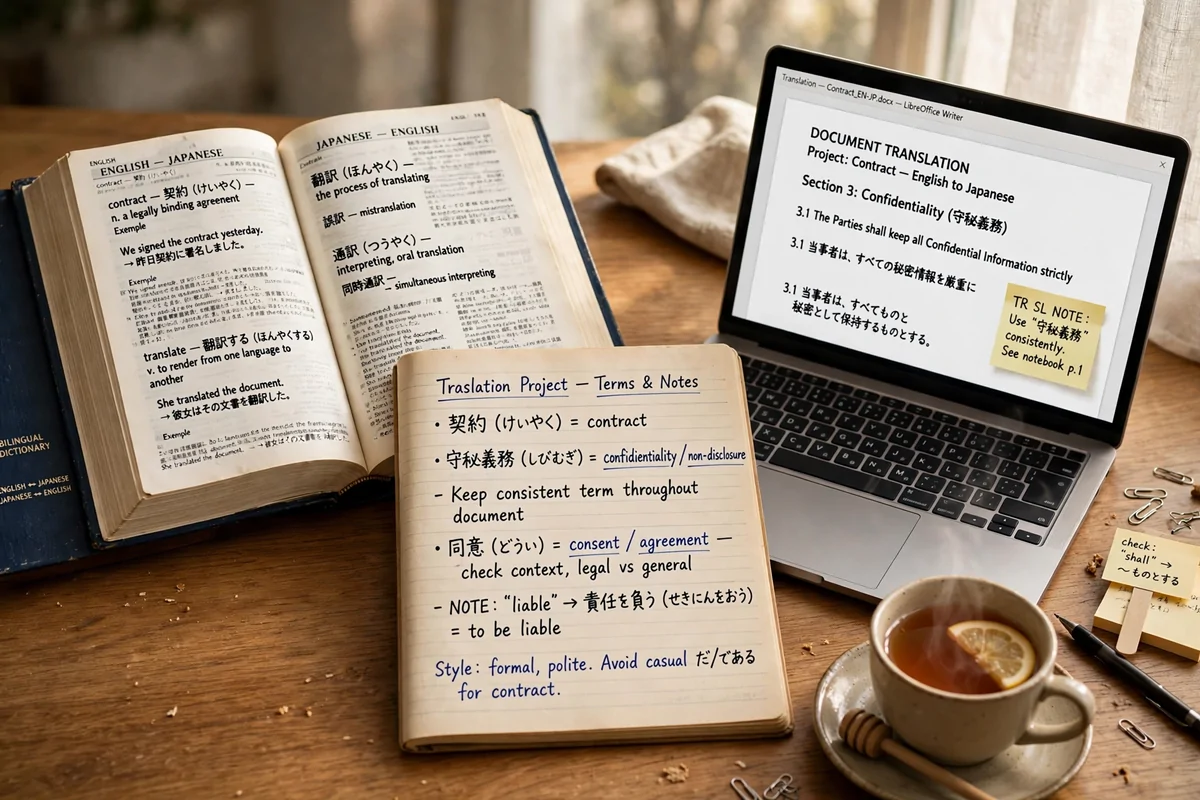
Translators live between languages. One day they carry a joke from one tongue to another, and the next day they carry a serious letter, a story, or a set of clear steps. Their work is quiet, but it helps people understand each other across the whole world.
These 38 translator would you rather questions test your language skills and your way of thinking. Each one asks you to pick a side: speed or care, books or live talks, one language or many. Answer them all and see what kind of translator you would be.
1. Would you rather translate books for the rest of your life, or translate live talks for the rest of your life?
Would you rather...
Books give you time. You can sit with one hard sentence for an hour, check your dictionary, and try five versions until the words feel right. The book waits for you, and the readers never see your rough drafts.
Live talks are fast and full of life. You hear the words once and you must speak at once. There is no time to stop and think, but the feeling in the room is real and exciting.
- Books give you quiet time and deep work.
- Live talks give you speed, energy, and quick thinking.
- Which one fits your mind better: slow and careful, or fast and brave?
2. Would you rather translate into your first language only, or translate into your second language only?
Would you rather...
Your first language feels like home. The words come fast, the jokes land well, and small details feel natural. Translating into it is smooth and safe.
Your second language is a bigger test. You must think hard about every word, but you learn more each day. Some translators say this side is harder, and that is why they love it.
Do you want comfort and speed, or a daily challenge that keeps you sharp?
3. Would you rather know ten languages a little, or know two languages perfectly?
Would you rather...
Ten languages, even a little, open ten doors. You can greet people, read signs, and understand simple talks in many places. Every trip becomes easier.
Two perfect languages give you deep skill. You can translate hard books and serious talks without fear. People trust your work because every word is right.
| Option | What You Gain | What You Give Up |
|---|---|---|
| Know ten languages a little | Many doors open, and you can talk a little in many places | Deep skill in any one language |
| Know two languages perfectly | Deep, trusted skill and correct words every time | The chance to speak many other languages |
4. Would you rather translate funny jokes, or translate serious speeches?
Would you rather...
Jokes are the hardest test for a translator. A joke that works in one language can fall flat in another. When you make it work, the laugh in the room is your reward.
Serious speeches carry weight. Leaders, teachers, and doctors need every word to be right. Your work can change how people understand big ideas.
- Jokes need timing, play, and a light touch.
- Speeches need care, respect, and exact words.
- Would you rather make people laugh or help them understand serious things?
5. Would you rather work with a dictionary all day, or work without any dictionary?
Would you rather...
A dictionary is a good friend. It catches the word you forgot and shows you a better one. With it, your work is slow but safe.
Working without a dictionary is a bold move. You trust your memory and your ear. It is faster, and it feels free, but one wrong word can slip through.
Pro Tip: Even expert translators keep a dictionary close. Checking a word is not a weakness. It is how good work stays good.
6. Would you rather translate one long book over a whole year, or translate one hundred short letters in one week?
Would you rather...
One long book is a slow journey. You live with the same story for a year. You learn the writer’s voice, and the book starts to feel like yours.
One hundred short letters in a week is a race. Every letter brings a new person, a new story, and a new problem to solve. The week flies by, and you never get bored.
Slow and deep, or fast and full of variety? Your answer shows how you like to work.
7. Would you rather translate for a hospital, or translate for a court?
Would you rather...
In a hospital, your words help doctors and patients understand each other. A clear translation can calm fear and help a sick person get the right care. The work is serious and full of meaning.
In a court, your words carry the law. Every sentence must be exact, because a small mistake can change a fair result. The work is careful, quiet, and very important.
Important Note: Both jobs need a calm mind and honest words. In both places, people trust you with things that matter most.
8. Would you rather translate poems, or translate instruction manuals?
Would you rather...
Poems are made of feeling. The words are short, but the meaning is deep. A good translation of a poem must sing in the new language, not just repeat the words.
Instruction manuals are made of clear steps. The words must be simple and exact, so people can build, fix, or use things safely. There is no room for guessing.
| Option | What You Gain | What You Give Up |
|---|---|---|
| Translate poems | Beauty, feeling, and creative work with words | Clear, simple steps that everyone can follow |
| Translate instruction manuals | Clear and useful work that helps people every day | Creative word play and the beauty of language |
9. Would you rather translate in a quiet room alone, or translate in a busy office with other translators?
Would you rather...
A quiet room is a translator’s dream. No noise, no people walking by, just you and the words. Your mind can go deep, and hard sentences slowly open up.
A busy office is full of life. Other translators sit near you, and you can ask a quick question when you get stuck. The talk and the shared coffee breaks make the day pass fast.
- A quiet room gives you focus and deep thought.
- A busy office gives you help, company, and quick answers.
- Do you work better alone in silence or with people around you?
10. Would you rather translate word by word, exactly as written, or translate the meaning freely in your own words?
Would you rather...
Word by word translation is safe and honest. You keep every word from the first text, and nothing gets lost. Readers can trust that the translation matches the original closely.
Free translation of the meaning is smooth and natural. You change the words so the text reads well in the new language. It may not match word for word, but it feels right to the reader.
Things to think about:
- Is exactness more important than smooth reading?
- Would the writer prefer every word kept, or the feeling kept?
- Which style would you enjoy doing every day?
11. Would you rather translate old letters from one hundred years ago, or translate messages written today?
Would you rather...
Old letters are like time travel. The paper is thin, the handwriting is strange, and the words come from a world that is gone. You learn how people lived, loved, and worked long ago.
Messages from today are fresh and fast. They talk about daily life, new ideas, and things people care about right now. Your translation helps people talk today, not yesterday.
Would you rather open a window to the past or help people talk in the present?
12. Would you rather translate old folk tales, or translate news stories?
Would you rather...
Old folk tales carry feeling in them. You must keep the warmth and the lesson, so the tale still feels alive in the new language. It is a puzzle and a joy at the same time.
News stories carry facts. People read them to learn what is happening in the world. Your words must be clear, fast, and true, because readers make choices from what they read.
- Old folk tales need warmth, rhythm, and feeling.
- News stories need facts, speed, and clear words.
- Which kind of truth do you want to carry: the truth of feeling or the truth of facts?
13. Would you rather translate menus and recipes, or translate travel guides?
Would you rather...
Menus and recipes speak to the stomach. You translate tastes, smells, and the joy of good food. A good menu makes people hungry before the food even arrives.
Travel guides speak to the feet. You help people find roads, markets, and quiet places in a new land. Your words turn a stranger into a happy traveler.
Pro Tip: Food words are tricky in every language. A dish that is common in one place may have no name at all in another place.
14. Would you rather translate a story for children, or translate a story for older people?
Would you rather...
Stories for children must be simple, warm, and fun. The words must be easy, the pictures in the mind must be bright, and the story must make a child smile.
Stories for older people can be deeper and slower. They carry memories, lessons, and long lives. The words must be respectful and full of care.
Both jobs are about love for the reader. One makes a child laugh, the other makes an older person feel understood.
15. Would you rather get high pay for hard translations, or get low pay for easy translations?
Would you rather...
High pay for hard work feels fair. The texts are tough, the deadlines are tight, but the money shows your skill has real value. You feel proud at the end of each job.
Low pay for easy work feels light. The texts are simple, the days are calm, and you finish early. You have more free time, but the money is small.
| Option | What You Gain | What You Give Up |
|---|---|---|
| Get high pay for hard translations | Good money and pride in hard, skilled work | Calm days, easy texts, and lots of free time |
| Get low pay for easy translations | Easy work, calm days, and plenty of free time | Good money and the pride of hard work |
16. Would you rather translate with a computer tool, or translate only by hand and brain?
Would you rather...
A computer tool can check spelling, suggest words, and remember phrases you used before. It makes long jobs faster, and it never gets tired.
Only hand and brain means you trust your own skill. No screen, no machine, just a pen, paper, and your mind. It is slower, but every word is fully yours.
Warning: A computer tool is a helper, not a replacement. If you never check its work, small mistakes can slip into your translation.
17. Would you rather translate early in the morning, or translate late at night?
Would you rather...
Early morning is quiet and fresh. Your mind is clear, the world is still, and the words come easily. Many translators say the first hours of the day are their best.
Late at night is calm in a different way. The house is quiet, the phone is silent, and you can work without stops. But tired eyes can miss small mistakes.
- Morning work gives you a fresh mind and clear eyes.
- Night work gives you deep quiet and no interruptions.
- When does your brain work best: with the sunrise or with the stars?
18. Would you rather translate one language pair for your whole life, or change language pairs every year?
Would you rather...
One language pair for life makes you a true expert. You know every small detail, every saying, and every tricky word. People come to you because nobody knows the pair better.
A new pair every year keeps life fresh. You learn new words, new sounds, and new ways of thinking all the time. You never get bored, but you never go very deep either.
Deep roots in one place, or new roads every year? Both are good lives for a language lover.
19. Would you rather translate for a famous writer, or translate for an unknown writer with a great story?
Would you rather...
A famous writer brings a big name and many readers. Your translation may travel around the world, and people will read your words in many places. The pressure is high, but the reward is big.
An unknown writer with a great story is a hidden treasure. Few people know the book yet, but your work can help it find its readers. You become part of a quiet success story.
Things to think about:
- Do you want fame and many readers, or the joy of a hidden treasure?
- Would a big name make you nervous or excited?
- Which story would you be proud to put your name on?
20. Would you rather translate street signs and public notices, or translate letters between pen friends?
Would you rather...
Street signs and public notices help people in daily life. A visitor in a new city reads your words to find the right road, the right bus, or the right office. Your work is small but very useful.
Letters between pen friends carry real friendship. Two people who never met write to each other across the world. Your translation helps a friendship grow across languages.
- Signs help strangers find their way in a new place.
- Letters help friends share their lives across borders.
- Would you rather help many strangers a little, or help two friends a lot?
21. Would you rather translate a cookbook, or translate a gardening book?
Would you rather...
A cookbook is full of tastes and smells. You translate words for spices, sweet cakes, and warm bread. Readers will cook from your words, so every amount and every step must be right.
A gardening book is full of green life. You translate words for seeds, soil, rain, and flowers. Readers will plant from your words, so a wrong word could grow the wrong plant.
Both books help people make something with their hands. One feeds the family, the other grows the garden.
22. Would you rather translate with a very tight deadline, or translate with no deadline but very low pay?
Would you rather...
A very tight deadline is a race. You work fast, you focus hard, and the finish line feels like a win. The pressure can be exciting, but it can also be tiring.
No deadline but very low pay is slow and calm. You can take your time and enjoy every word. But the money is small, and slow work may not pay the bills.
| Option | What You Gain | What You Give Up |
|---|---|---|
| Translate with a very tight deadline | Fast work, strong focus, and the joy of finishing on time | Calm days and time to enjoy every word |
| Translate with no deadline but very low pay | Calm, slow work with no pressure | Good pay and the energy of a fast finish |
23. Would you rather translate in a cold mountain village, or translate in a warm beach town?
Would you rather...
A cold mountain village is quiet and beautiful. Snow on the roofs, clean air, and long walks between work hours. The cold keeps you inside with your books and your tea.
A warm beach town is bright and easy. You can work near the sea, hear the waves, and take breaks in the sun. The warm air makes the work feel like a holiday.
- A mountain village gives you quiet, snow, and deep focus.
- A beach town gives you sun, sea air, and easy breaks.
- Which place would make your work feel better every day?
24. Would you rather translate a mystery story, or translate a true life story?
Would you rather...
A mystery story is a puzzle. Clues hide in every sentence, and one wrong word can give the secret away too early. You must be careful, clever, and patient.
A true life story is real and close to the heart. The people in it lived, felt, and hoped. Your words must carry their truth with respect.
Important Note: In a mystery, the reader wants surprise. In a true story, the reader wants truth. Both need a translator who cares.
25. Would you rather translate every word exactly, or skip hard words and keep the flow smooth?
Would you rather...
Translating every word exactly is the honest road. Nothing is lost, nothing is added. The reader gets the full text, even the hard parts.
Skipping hard words and keeping the flow smooth is the easy road for the reader. The text reads fast and feels natural, but some small details disappear along the way.
Would you rather be fully exact or fully smooth? Many translators spend years trying to do both at once.
26. Would you rather translate for one client for your whole life, or translate for a new client every week?
Would you rather...
One client for life means trust and routine. You learn their style, their words, and their wishes. The work is steady, and you never have to look for new jobs.
A new client every week means fresh faces and fresh topics. One week you translate a letter, the next week a story, the next week a guide. Life never gets boring.
- One client gives you steady work and deep trust.
- New clients give you variety and new stories every week.
- Do you like a steady road or a new road each week?
27. Would you rather translate by speaking out loud, or translate by writing only?
Would you rather...
Speaking out loud is fast and alive. You hear the words as you say them, and you can change them on the spot. It feels like a real talk, not a silent job.
Writing only is quiet and careful. You can stop, think, and change a sentence ten times before it is done. The words on the page are clean and sure.
Pro Tip: Speaking a translation out loud before you write it down can help you hear mistakes. If a sentence sounds strange, it probably reads strange too.
28. Would you rather translate one book of five hundred pages, or translate five hundred short notes?
Would you rather...
One book of five hundred pages is a mountain. You climb it one page at a time, and at the top you see the whole story. The work takes months, but the result is a real book with your name in it.
Five hundred short notes are small steps. Each note is quick, and you finish many in a day. The work is light, but no single note feels like a big win.
Things to think about:
- Do you want one big win or many small wins?
- Would a long book tire you or inspire you?
- Which kind of work would you be proud to show a friend?
29. Would you rather translate a letter that makes people laugh, or translate a letter that makes people think deeply?
Would you rather...
A letter that makes people laugh is a gift. The jokes, the funny stories, and the light words travel across languages and make a stranger smile. Laughter needs perfect timing in every language.
A letter that makes people think deeply is a different gift. The words are slow and serious, and they stay in the mind for days. Your translation helps a reader see the world in a new way.
- Laughter is quick, bright, and full of joy.
- Deep thought is slow, quiet, and long lasting.
- Which gift would you rather give to a reader?
30. Would you rather translate using only paper dictionaries, or translate using only online tools?
Would you rather...
Paper dictionaries smell of old books and feel good in the hand. You turn the pages, you find the word, and you learn three more words on the way. It is slow, but it is a joy.
Online tools are fast and always near. You type a word and the answer comes in a second. They can check many words at once, but the screen can also distract you.
| Option | What You Gain | What You Give Up |
|---|---|---|
| Translate using only paper dictionaries | Slow, careful work and new words found on every page | Speed and instant answers for many words |
| Translate using only online tools | Fast answers and many words checked in seconds | The slow joy of paper books and surprise words |
31. Would you rather translate a book about animals, or translate a book about space and stars?
Would you rather...
A book about animals is full of life. You translate words for wild cats, small birds, and deep sea fish. Children and animal lovers will read your words with wide eyes.
A book about space and stars is full of wonder. You translate words for planets, rockets, and far away light. Readers will look up at the night sky and think of your words.
Animals are near and warm. Space is far and full of mystery. Which world would you rather visit with words?
32. Would you rather translate a speech for a graduation day, or translate a speech for a new shop opening?
Would you rather...
A graduation speech is full of hope. Young people listen for words about their future, their dreams, and their next steps. Your translation helps them feel proud on a big day.
A new shop opening speech is full of joy and new starts. The owner thanks friends and family, and the crowd feels the excitement of a fresh beginning. Your words help the whole town share the day.
- A graduation speech carries hope for the future.
- A shop opening speech carries joy for a new start.
- Both are happy days. Which happy crowd would you rather speak to?
33. Would you rather translate a story about a long journey, or translate a story about a small village?
Would you rather...
A story about a long journey is full of roads, rivers, and new faces. The traveler meets problems, finds help, and learns new things. Your words carry the reader along every mile.
A story about a small village is full of home. The same streets, the same neighbors, and the small events that matter most. Your words must show how a small place can hold a big heart.
Important Note: Long journeys teach us about the world. Small villages teach us about home. Both stories are worth telling well.
34. Would you rather translate in a team of five people, or translate all alone?
Would you rather...
A team of five people is strong. Each person checks the work of the others, and hard words get solved together. You learn from your team every day, and the work feels lighter.
Working all alone is free and quiet. You set your own hours, your own pace, and your own rules. Nobody checks your work, so you must check it yourself with great care.
| Option | What You Gain | What You Give Up |
|---|---|---|
| Translate in a team of five people | Shared help, shared knowledge, and lighter work | Freedom to set your own hours and rules |
| Translate all alone | Full freedom and quiet days of your own | Help from others and shared checks on hard words |
35. Would you rather translate a book no one has read before, or translate a book everyone already loves?
Would you rather...
A book no one has read before is a secret waiting to open. You are the first person to carry it into a new language. If readers love it, you helped a new voice find its place.
A book everyone already loves is a classic. Readers know it by heart, and they will compare your words with the original. The pressure is high, but the honor is great.
Would you rather open a new door or polish a door everyone already loves?
36. Would you rather translate words about food, or translate words about clothes?
Would you rather...
Words about food are warm and tasty. You translate names of dishes, spices, and sweets. Readers can almost taste the food as they read your words.
Words about clothes are bright and stylish. You translate names of fabrics, colors, and fine cuts. Readers can picture the clothes and imagine wearing them.
- Food words speak to taste and smell.
- Clothes words speak to color and style.
- Which sense would you rather wake up in your reader: taste or sight?
37. Would you rather translate a letter from a child, or translate a letter from a grandparent?
Would you rather...
A letter from a child is simple and honest. The words are short, the feelings are big, and the drawings in the margin say as much as the text. Your translation must keep that pure feeling.
A letter from a grandparent is full of memory and wisdom. The words carry a long life, old stories, and kind advice. Your translation must carry that warmth across the language gap.
Warning: Letters from family are private and precious. A translator must treat them with care and never share them without permission.
38. Would you rather translate in one language for the rest of your life, or switch to a brand new language every five years?
Would you rather...
One language for the rest of your life makes you a master. You know its jokes, its sayings, and its secret corners. Every year your skill grows deeper, and people trust you more.
A brand new language every five years keeps you a student forever. You start fresh again and again, and each new language opens a new world. You never stop learning, but you never become a master of one.
Things to think about:
- Do you want to be a master of one language or a student of many?
- Would starting fresh every five years excite you or tire you?
- Which life would you enjoy more at the end of many years?
More Would You Rather Questions
- 21 Translation Would You Rather Questions With Impossible Choices
- 32 Polyglot Would You Rather Questions for Language Enthusiasts
- 16 Bilingual Would You Rather Questions About Speaking Two Languages
- 27 Multilingual Would You Rather Questions for People Who Love Languages
- 12 Foreign Language Would You Rather Questions That Test Your Skills
- 30 Language Learning Would You Rather Questions for Global Learners
- 22 World Language Would You Rather Questions for Curious Minds
- 18 Food Bucket List Would You Rather Questions Every Foodie Should Try
- 40 Movie Night Snacks Would You Rather Questions for Snack Lovers
- 34 Party Food Would You Rather Questions for Hosts and Foodies