25 Irish English Would You Rather Questions With Fascinating Expressions

Ireland is a small island with a big heart. Its people speak English in a warm and friendly way, full of fun words, kind greetings, and sweet expressions. A simple hello in Irish English can make a stranger feel like an old friend.
Now it is your turn to step into the world of Irish English. Would you rather learn ten Irish greetings or ten Irish words for the weather? These 25 questions will take you from green hills to grey seas, from old stone walls to warm kitchen tables, and help you enjoy Irish English in a fun new way.
1. Would you rather learn ten Irish greetings like ‘Dia dhuit’ and ‘Maidin mhaith’ or learn ten Irish words for the weather like ‘soft day’?
Would you rather...
Learning ten Irish greetings like ‘Dia dhuit’ and ‘Maidin mhaith’ gives you a warm start to every talk. In Ireland, a greeting is more than a word. It is a small gift to the other person. When you say ‘Dia dhuit’, which means God be with you, people smile, because your words carry kindness and respect.
Learning ten Irish words for the weather like ‘soft day’ gives you the most useful talk in Ireland. The weather changes fast on the island, and people talk about it all the time. A soft day means light rain, and it is a gentle way to start any chat with a neighbour or a shopkeeper.
Things to think about:
- Greetings help you make friends fast, because everyone loves a warm hello.
- Weather words help you join any talk, because the weather is always a safe topic.
- Both choices teach you Irish words, one for people and one for the sky above them.
2. Would you rather speak with a soft Irish lilt for a whole week or speak with a strong Dublin accent for a whole week?
Would you rather...
Speaking with a soft Irish lilt for a whole week feels sweet and smooth. The lilt rises and falls like a gentle wave, and your words sound soft and calm. People listen with a smile, because the soft lilt is one of the most loved sounds in the English speaking world.
Speaking with a strong Dublin accent for a whole week feels bold and lively. Dublin speech is quick, full of energy, and packed with colour. You sound like a person from the busy streets of the capital city, and every sentence has a bit of fun in it.
| Option | What You Gain | What You Give Up |
|---|---|---|
| Speak with a soft Irish lilt for a whole week | Your voice sounds sweet and calm, and people love to listen | You miss the bold energy of Dublin speech |
| Speak with a strong Dublin accent for a whole week | Your voice sounds lively and full of city colour | You miss the soft and gentle sound of the lilt |
3. Would you rather use the word ‘craic’ in every talk you have or use the word ‘grand’ in every talk you have?
Would you rather...
Using the word ‘craic’ in every talk you have brings fun into your words. Craic means good fun and good talk, and in Ireland people ask ‘what is the craic’ to ask what is new and what is fun. It is a word that turns a plain talk into a happy one.
Using the word ‘grand’ in every talk you have brings calm into your words. In Ireland, grand does not just mean big. It means fine, good, and all is well. When someone asks how you are, and you say ‘grand’, you tell them life is good and your heart is at peace.
Pro Tip: Try both words for one day each. Say ‘what is the craic’ to a friend in the morning, and say ‘grand’ when someone asks how you are. You will feel how one small Irish word can change the whole mood of a talk.
4. Would you rather learn the Irish word ‘cara’ for friend and use it every day or learn the Irish word ‘grá’ for love and use it every day?
Would you rather...
Learning the Irish word ‘cara’ for friend and using it every day fills your talks with warmth. A cara is a person who stands by you in good times and hard times. When you call someone your cara, you tell them they matter to you, and that is a gift no money can buy.
Learning the Irish word ‘grá’ for love and using it every day fills your talks with kindness. Grá is the love you feel for your family, your home, and the people close to your heart. It is a soft word, and it reminds you every day that love is the best part of life.
Both words are small, but they carry big feelings. One word is for the friend who walks beside you, and the other word is for the love that lives in your heart. Which one would you like to carry with you each day?
5. Would you rather start every talk with a word about the weather or start every talk with a short story?
Would you rather...
Starting every talk with a word about the weather is the Irish way to open a door. A soft day, a grand day, or a bit of rain gives you a safe first step. The other person nods, smiles, and the talk flows like a river after rain.
Starting every talk with a short story is the Irish way to win a heart. Ireland is famous for its storytellers, and a short tale about your day or your town can make people laugh and lean in close. A good story turns a plain talk into a memory.
| Option | What You Gain | What You Give Up |
|---|---|---|
| Start every talk with a word about the weather | You always have an easy and safe way to begin a talk | Your talks may stay short and simple |
| Start every talk with a short story | Your talks become fun and full of life | You need a good story ready every single time |
6. Would you rather learn Irish place names like Dún Laoghaire and Galway or learn Irish sayings like ‘May the road rise up to meet you’?
Would you rather...
Learning Irish place names like Dún Laoghaire and Galway takes you on a trip across the island. Each name tells a story about the land, the sea, and the people who lived there long ago. When you say the name of a place, you can almost see its streets and hear its waves.
Learning Irish sayings like ‘May the road rise up to meet you’ gives you words of blessing for every day. This old saying is a wish for a safe journey, and people share it when a friend sets off on a trip. It is a kind thought wrapped in beautiful words.
Things to think about:
- Place names teach you the map of Ireland and the history of its towns.
- Sayings teach you the heart of Ireland and the kindness of its people.
- Both choices give you words you can use for the rest of your life.
7. Would you rather read Irish folk tales in English every night or listen to Irish storytellers every night?
Would you rather...
Reading Irish folk tales in English every night is a quiet joy. The tales are full of clever heroes, kind giants, and magic that hides in green hills. You read at your own speed, and you can stop and think about each story before you sleep.
Listening to Irish storytellers every night is a living joy. A storyteller uses their voice with skill, with pauses, laughs, and soft whispers. The story feels alive, and you can almost see the old fire and the listening faces around it.
Some nights you may want the quiet of a book, and other nights you may want the warmth of a voice. Both choices bring the old tales of Ireland into your home, and both keep the magic alive.
8. Would you rather learn the word ‘banjaxed’ and use it when things break or learn the word ‘gobsmacked’ and use it when you feel shocked?
Would you rather...
Learning the word ‘banjaxed’ and using it when things break adds fun to a bad moment. In Ireland, when a bike wheel bends or a phone screen cracks, people say it is banjaxed. The word is funny and soft, and it turns a small disaster into a laugh.
Learning the word ‘gobsmacked’ and using it when you feel shocked adds colour to a big surprise. When news takes your breath away, gobsmacked is the perfect word for it. It sounds strong, it feels honest, and people know exactly how you feel.
Important Note: Both words are best used with friends and family in a light and happy way. Irish words like these are full of fun, so use them with a smile and never to hurt a person or their feelings.
9. Would you rather learn Irish words for food like soda bread and boxty or learn Irish words for the sea like cliff and bay?
Would you rather...
Learning Irish words for food like soda bread and boxty brings the Irish kitchen to your table. Soda bread is warm and soft, and boxty is a tasty potato cake. These words help you talk about family meals, and every meal becomes a small lesson in Irish life.
Learning Irish words for the sea like cliff and bay brings the Irish coast to your mind. The cliffs stand tall over grey waves, and the bays hold small boats and quiet beaches. These words help you talk about the wild beauty of Ireland, and every talk feels like a sea breeze.
| Option | What You Gain | What You Give Up |
|---|---|---|
| Learn Irish words for food like soda bread and boxty | You can talk about tasty meals and family tables | You may not know the words for the wild coast |
| Learn Irish words for the sea like cliff and bay | You can talk about the sea, the cliffs, and the coast | You may not know the words for tasty Irish food |
10. Would you rather put the word ‘fáilte’ on your front door or use ‘céad míle fáilte’ as your phone greeting?
Would you rather...
Putting the word ‘fáilte’ on your front door welcomes every guest who comes to your home. Fáilte means welcome, and it tells each visitor that your home is open and your heart is kind. Every knock on the door becomes a happy moment.
Using ‘céad míle fáilte’ as your phone greeting welcomes every caller with a hundred thousand welcomes. It is a big and warm Irish phrase, and it turns a plain phone call into a moment of joy. People on the other end will smile before you even start to talk.
One word sits on your door and greets people at your home. The other phrase lives in your phone and greets people far away. Both choices spread the same Irish welcome, and both make the world feel a little warmer.
11. Would you rather learn the Irish word ‘baile’ for home or learn the Irish word ‘turas’ for journey?
Would you rather...
Learning the Irish word ‘baile’ for home gives you a word that feels safe and warm. Baile is the place where your family waits, where the tea is hot, and where your heart can rest. When you say baile, you think of all the good things that wait for you at the end of the day.
Learning the Irish word ‘turas’ for journey gives you a word that feels full of adventure. Turas is the road ahead, the new places you will see, and the stories you will bring back. When you say turas, you think of all the good things that wait for you beyond the next hill.
Things to think about:
- Baile is about the place you love and the people who wait for you.
- Turas is about the road you take and the new things you will learn.
- Both words are part of one life, because every journey starts at home and ends at home.
12. Would you rather tell a story about a rainy day in Ireland or tell a story about a sunny day in Ireland?
Would you rather...
Telling a story about a rainy day in Ireland is easy, because rain is part of Irish life. You can tell of soft rain on green fields, of a warm fire inside, and of friends who share tea while the rain taps on the window. A rainy day story is cosy, calm, and full of quiet joy.
Telling a story about a sunny day in Ireland is special, because sunny days are a rare gift. You can tell of bright light on the hills, of children who play outside, and of a sky so blue it looks like a painting. A sunny day story is bright, happy, and full of wonder.
Warning: Do not wait for a perfect sunny day to enjoy Ireland. The island is beautiful in the rain too, and some of the best stories come from soft grey days. Love the weather you have, and your stories will always be rich.
13. Would you rather learn how to say good luck in Irish or learn how to say thank you in Irish?
Would you rather...
Learning how to say good luck in Irish gives you a kind gift for your friends. ‘Go n-éirí an t-ádh leat’ is a wish for good fortune, and you can say it before a test, a trip, or a new job. Your friend hears your wish, and their heart feels lighter.
Learning how to say thank you in Irish gives you a kind gift for every day. ‘Go raibh maith agat’ means may you have goodness, and it is one of the most used phrases in Ireland. You can say it to a shopkeeper, a teacher, or a friend, and it always brings a smile.
Good luck is a wish for the future, and thank you is a gift for the present. One looks forward to what may come, and the other honours what is already here. Which one would you like to learn first?
14. Would you rather walk the green hills of Ireland in a story or walk the high cliffs of Ireland in a story?
Would you rather...
Walking the green hills of Ireland in a story is soft and peaceful. You can see green fields that stretch to the sky, hear birds in the morning, and feel the calm of the countryside. It is a story that slows your heart and fills your mind with peace.
Walking the high cliffs of Ireland in a story is wild and full of wonder. You can stand at the edge of the land, watch the waves crash far below, and feel the wind on your face. It is a story that wakes your heart and fills your mind with awe.
| Option | What You Gain | What You Give Up |
|---|---|---|
| Walk the green hills of Ireland in a story | Your story feels calm, soft, and full of peace | You miss the wild thrill of the cliffs and the sea |
| Walk the high cliffs of Ireland in a story | Your story feels wild, bold, and full of wonder | You miss the quiet calm of the green hills |
15. Would you rather learn Irish words for animals like ‘madra’ for dog or learn Irish words for nature like ‘crann’ for tree?
Would you rather...
Learning Irish words for animals like ‘madra’ for dog brings fun into your daily talks. Dogs are loyal friends, and in Ireland you can hear stories about clever sheepdogs and happy farm dogs. When you learn the word madra, you can talk about the animals you love in a new language.
Learning Irish words for nature like ‘crann’ for tree brings the Irish land into your talks. Trees stand tall in old forests, and their names carry the history of the island. When you learn the word crann, you can talk about the green world that grows all around you.
Things to think about:
- Animal words help you talk about pets, farms, and the creatures you meet each day.
- Nature words help you talk about forests, rivers, and the beauty of the Irish land.
- Both choices teach you Irish words you can use on a walk in the countryside.
16. Would you rather say ‘aye’ the Irish way in your talks or say ‘sure’ the Irish way in your talks?
Would you rather...
Saying ‘aye’ the Irish way in your talks is short and sweet. Aye means yes, and it is a quick way to agree with a friend. It sounds warm and old, like a word from a tale told by a fire, and it fits in almost any talk.
Saying ‘sure’ the Irish way in your talks is soft and friendly. In Ireland, people say ‘sure, why not’ or ‘sure, that is grand’ to agree with a smile. Sure makes your yes feel easy and kind, like you are happy to help.
Both words are small, but they shape how people hear you. Aye is quick and clear, and sure is warm and gentle. Try both in your talks and see which one feels like your own voice.
17. Would you rather learn the Irish name of a small village or learn the Irish name of a big city?
Would you rather...
Learning the Irish name of a small village gives you a word full of charm. Small villages in Ireland have names that tell of old wells, green fields, and quiet roads. When you learn one, you hold a tiny piece of Irish history in your mind.
Learning the Irish name of a big city gives you a word full of life. Big cities in Ireland have names that tell of rivers, castles, and busy markets. When you learn one, you can talk about a place where thousands of people live, work, and laugh.
Pro Tip: Pick one village name and one city name, and learn both. Say the village name when you want a quiet picture in your mind, and say the city name when you want a busy picture. Two names give you twice the joy.
18. Would you rather read a book about Irish history or read a book about Irish words?
Would you rather...
Reading a book about Irish history takes you back in time. You learn about old kings, brave heroes, and the people who built the towns and castles of Ireland. History helps you understand why Irish English sounds the way it does today.
Reading a book about Irish words takes you deep into the language. You learn where words came from, how they changed, and why people still use them with love. A book of words is like a map of the Irish mind, full of surprises on every page.
One book tells you what happened in Ireland, and the other book tells you how people speak about it. Both books make you wiser, and both help you enjoy Irish English even more.
19. Would you rather tell your friends ‘that was mighty craic’ after a fun day or tell your friends ‘that was grand’ after a fun day?
Would you rather...
Telling your friends ‘that was mighty craic’ after a fun day is full of energy. Mighty craic means the fun was big and bright, and your friends will laugh and remember the day with you. It is the perfect phrase for a day full of games, stories, and good company.
Telling your friends ‘that was grand’ after a fun day is calm and warm. Grand means all was well, and your friends will nod and feel the same quiet joy. It is the perfect phrase for a day that was simple, sweet, and full of peace.
| Option | What You Gain | What You Give Up |
|---|---|---|
| Tell your friends ‘that was mighty craic’ after a fun day | Your words sound full of energy and fun | You miss the calm and warm feeling of ‘grand’ |
| Tell your friends ‘that was grand’ after a fun day | Your words sound calm, warm, and full of peace | You miss the big energy of ‘mighty craic’ |
20. Would you rather learn to say happy birthday in Irish or learn to say good morning in Irish?
Learning to say happy birthday in Irish gives you a sweet gift for a special day. ‘Lá breithe sona duit’ means happy birthday to you, and it makes the birthday person smile twice, once for the wish and once for the Irish words. It is a small effort that brings big joy.
Learning to say good morning in Irish gives you a kind gift for every day. ‘Maidin mhaith’ means good morning, and you can use it with your family, your neighbours, and your friends all year long. One phrase, used every day, brings warmth to hundreds of mornings.
Things to think about:
- Happy birthday in Irish is rare and special, and people remember it for a long time.
- Good morning in Irish is useful every day, and it slowly becomes a happy habit.
- Both phrases show care, one on a big day and one on every day.
21. Would you rather talk about the stone walls of Ireland every day or talk about the old castles of Ireland every day?
Would you rather...
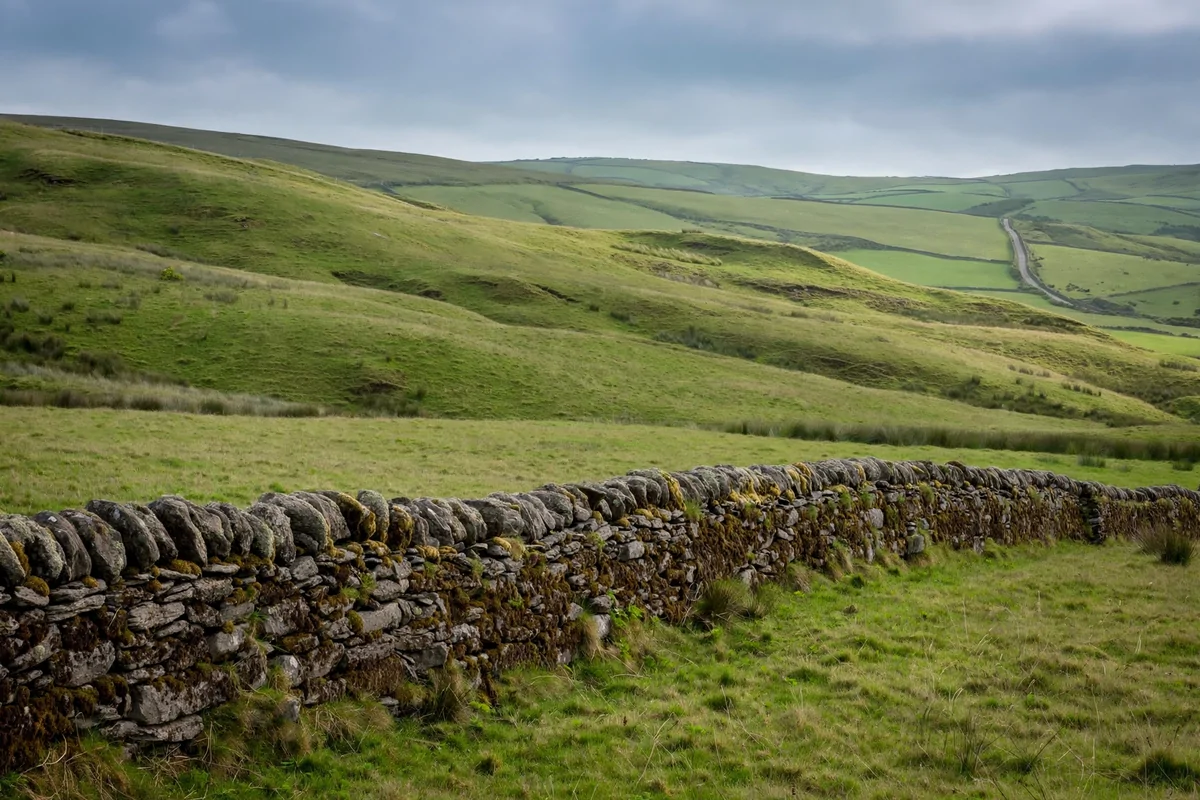
Talking about the stone walls of Ireland every day brings the countryside into your talks. Stone walls run across green fields like grey ribbons, and each one was built by hand long ago. They tell a story of hard work, patience, and love for the land.
Talking about the old castles of Ireland every day brings history into your talks. Castles stand tall on hills and near rivers, and each one holds tales of kings, queens, and brave people. They tell a story of old times, and they fill your talks with wonder.
Important Note: Stone walls and castles are both part of the Irish landscape, and both are worth your time. Learn a little about each one, and your talks about Ireland will be rich with pictures and stories.
22. Would you rather learn one new Irish word every day for a month or learn one new Irish expression every week for a year?
Would you rather...
Learning one new Irish word every day for a month gives you fast progress. After thirty days, you know thirty new words. Your mind becomes full of Irish sounds, and you can use them in talks right away.
Learning one new Irish expression every week for a year gives you deep progress. After fifty two weeks, you know fifty two full expressions, and each one is a whole phrase you can use in real talks. Slow learning can build strong skills that last for years.
Fast learning feels exciting, and slow learning feels steady. One gives you many words in one month, and the other gives you many phrases in one year. Which kind of progress fits your life best?
23. Would you rather write a short letter in Irish English to a friend in Dublin or write a short letter in Irish English to a friend in Galway?
Would you rather...
Writing a short letter in Irish English to a friend in Dublin takes your words to the capital city. You can write about the busy streets, the River Liffey, and the lively talks of Dublin. Your letter brings a piece of your heart to a big city full of life.
Writing a short letter in Irish English to a friend in Galway takes your words to the west coast. You can write about the sea breeze, the colourful shops, and the warm welcome of Galway. Your letter brings a piece of your heart to a town full of charm and life in the air.
| Option | What You Gain | What You Give Up |
|---|---|---|
| Write a short letter in Irish English to a friend in Dublin | Your words travel to a big city full of life | You miss the sea breeze and charm of Galway |
| Write a short letter in Irish English to a friend in Galway | Your words travel to a town full of charm and sea air | You miss the busy streets and lively talks of Dublin |
24. Would you rather say ‘sláinte’ at a family dinner or say ‘slán’ at the end of every day?
Would you rather...
Saying ‘sláinte’ at a family dinner brings health and joy to the table. Sláinte means health, and Irish families say it when they raise a glass of juice or water together. It is a wish that everyone at the table stays strong and happy.
Saying ‘slán’ at the end of every day brings peace to the night. Slán means goodbye or safe, and you can say it when the day ends and your family goes to rest. It is a soft word that closes the day with kindness.
Things to think about:
- Sláinte is a wish for health, shared with the whole family at the dinner table.
- Slán is a wish for safety, shared at the end of the day when everyone goes to sleep.
- Both words are small, but both fill your home with care.
25. Would you rather spend a week learning Irish words for family like ‘mammy’ and ‘da’ or spend a week learning Irish words for the farm like ‘bó’ for cow?
Would you rather...
Spending a week learning Irish words for family like ‘mammy’ and ‘da’ brings you close to the Irish home. Mammy and da are warm words for mother and father, and they carry love in every sound. When you learn them, you learn how Irish families talk with love each day.
Spending a week learning Irish words for the farm like ‘bó’ for cow brings you close to the Irish land. Farms are a big part of Irish life, and words like bó help you talk about animals, fields, and the work of the countryside. When you learn them, you learn how Irish people live with the land.
Pro Tip: Learn one family word and one farm word on the same day. Say ‘mammy’ when you think of home, and say ‘bó’ when you think of the fields. Two words a day will grow into a rich Irish word store before you know it.
More Would You Rather Questions
- 35 Canadian English Would You Rather Questions About Regional Language
- 14 Australian English Would You Rather Questions With Unusual Expressions
- 13 British English Would You Rather Questions for Language Fans
- 15 American English Would You Rather Questions About Everyday Speech
- 20 English Language Would You Rather Questions for Global Learners
- 10 Untranslatable Words Would You Rather Questions From Around the World
- 39 Difficult Words Would You Rather Questions for Word Nerds
- 33 Word Meaning Would You Rather Questions That Can Confuse Anyone
- 37 Idiom Would You Rather Questions With Strange Meanings
- 29 Slang Would You Rather Questions From Different Cultures