12 Financial Scams Would You Rather Questions That Test Your Money Awareness

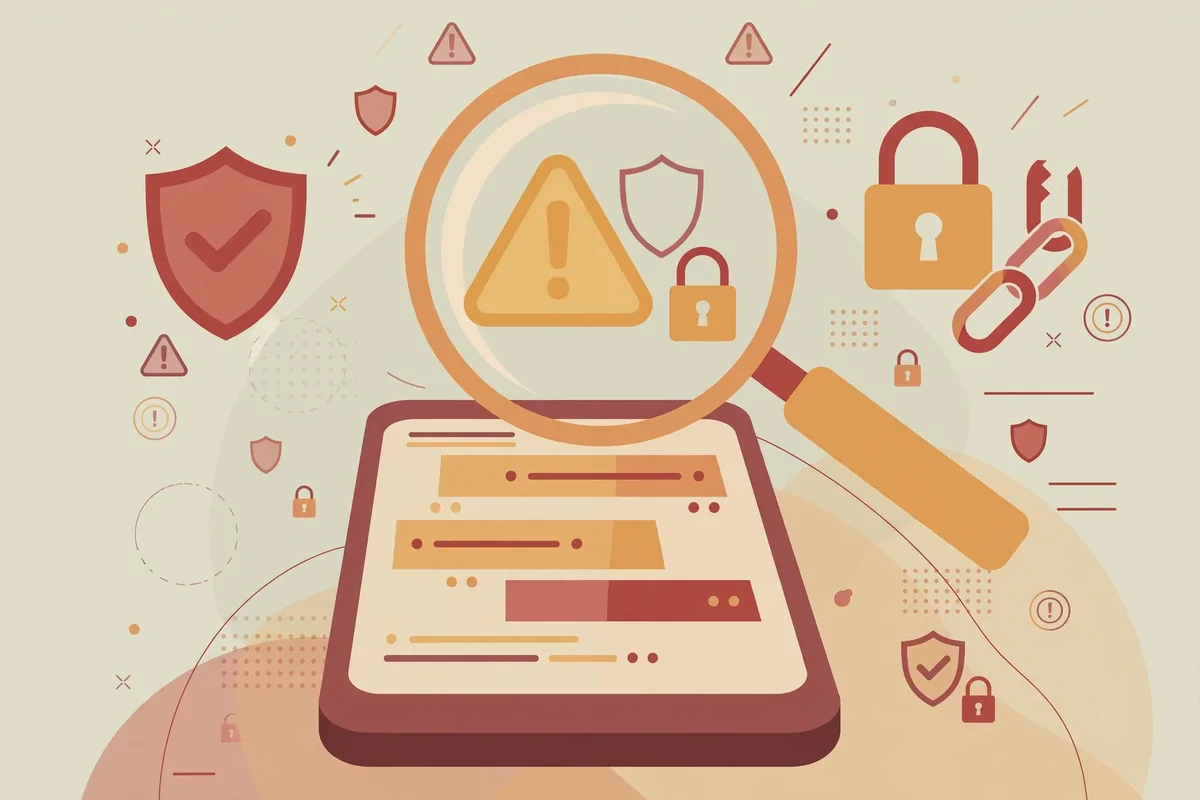
Money is not easy to earn. You work hard for every single coin. So when a stranger tries to take it from you with a trick, that hurts twice. But here is the good news. Most money scams are easy to spot if you know the signs.
Scammers use the same old tricks again and again. They send fake prize messages. They push you to act fast. They pretend to be your bank. They offer prices that are too good to be true. Once you learn their playbook, you can laugh at their messages instead of fearing them.
This post is a game and a lesson at the same time. Each question puts you in a real-life scam situation. One choice is the safe move. The other is the trap. Read carefully, think hard, and pick your answer.
By the end, your scam radar will be much stronger. You will protect your money, and you can help your family and friends do the same. Let us start with the first one.
1. Would You Rather Click a “You Won a Prize” Link or Delete It Right Away?
Would you rather...
Picture this. You are drinking tea when your phone beeps. “Congratulations! You won a brand new phone. Click here to claim it.” Your heart beats fast. A free phone sounds amazing.
But wait. Did you join any contest? Did you buy any lottery ticket? If the answer is no, then this prize came out of nowhere. Real prizes never come out of nowhere. Scammers send these messages to thousands of people. They just wait for one person to click.
Things to think about:
- Ask yourself one question: did I enter any prize draw? If not, the message is fake.
- Real companies do not ask you to pay a “delivery fee” for a prize. That fee is the scam.
- Clicking the link can install bad software on your phone. Deleting takes one second.
Deleting feels boring, but boring is safe. Your money stays in your pocket. The scammer gets nothing.
2. Would You Rather Click a Bank Link From an Email or Open Your Bank App Yourself?
Would you rather...
You get an email that looks exactly like your bank. Same logo, same colors. It says your account needs attention. There is a big button: “Log In Now.” Your finger moves toward the button.
Hold on. Scammers are very good at copying real bank pages. The link can take you to a fake page that steals your password as you type it. That is why many smart people never click bank links in emails. They open their own bank app instead.
| Option | What You Gain | What You Give Up |
|---|---|---|
| Click the email link | Speed. You get there in one tap. | Safety. You might land on a fake page. |
| Open the app yourself | Full safety. You are on the real page. | A few extra seconds of your time. |
A few extra seconds is a small price for keeping your savings safe. Make the habit of typing the bank address yourself or opening the app.
3. Would You Rather Buy a Half-Price Laptop From a Stranger or Pay Full Price at a Trusted Shop?
Would you rather...
Someone online is selling a laptop for half the normal price. The photos look great. The seller says, “I need to sell fast, so pay today.” Your wallet feels happy. This is such a deal.
But why is it so cheap? A real laptop at half price is almost never real. Scammers steal photos from other websites. They take your money and disappear. Or they send you an empty box. Meanwhile, the trusted shop gives you a receipt, a warranty, and a real product.
Pro Tip: Before you pay a stranger, search the same product in a real shop. If the price gap is huge, the deal is a trap, not a gift.
- Half price from a stranger means high risk.
- Full price from a shop means a real product and a real receipt.
- Saving money feels good only when the money is truly saved, not stolen.
Paying full price can feel painful today. Losing your money to a stranger feels much worse tomorrow.
4. Would You Rather Pay Before the “5 Minutes Left” Timer Ends or Close the Page and Think?
Would you rather...
The website shows a big red timer. “Only 5 minutes left! Pay now or lose this deal forever!” Your hands feel sweaty. You do not want to miss out.
That timer is doing exactly what the scammer wants. It stops your brain from thinking. When you feel rushed, you make fast and bad choices. Honest sellers do not need to scare you with a countdown. Only scammers need you to act before you think.
Things to think about:
- Refresh the page. Most fake timers start over. Real deadlines do not reset.
- Sleep on big purchases. A good deal today is still a good deal tomorrow.
- Pressure is a trick. Calm people keep their money.
Close the page. Take a breath. If you still want the item tomorrow after a calm look, then decide.
5. Would You Rather Read Your Secret Code to a Caller or Hang Up and Call the Bank Yourself?
Would you rather...
Your phone rings. The man says he is from your bank. He sounds professional. He says there is a problem with your account. Then he asks for the secret code that just arrived by SMS.
Here is a rule to burn into your memory: your real bank will NEVER ask for that code on a call. Never. The code is yours alone. A caller who asks for it is not your bank, no matter how serious he sounds.
| Option | What You Gain | What You Give Up |
|---|---|---|
| Read the code to the caller | Nothing. You only help the scammer. | Your account. He can move your money in seconds. |
| Hang up and call back | Control. You reach the real bank yourself. | One polite goodbye to a stranger. |
Scammers hope you are too polite to hang up. Do not worry about being rude. Hang up, find your bank’s real number, and call it yourself.
6. Would You Rather Send Money First to a Stranger Selling Cheap Shoes or Buy Them in a Shop?
Would you rather...
The shoes look perfect in the photos. The seller is friendly. But there is one rule: “Pay first, then I send the shoes.” You feel nervous, but the price is so good.
Think about it like this. The stranger gets your money now. What do you get now? Nothing. Just a promise. Promises are free, and scammers give them away all day. In a shop, you pay and hold the shoes at the same time. No trust needed.
Warning Box: Never send money first to a stranger. Real sellers accept safe payment methods or cash on delivery. “Pay first, trust me” is the most common trick in online shopping scams.
Cheap shoes are not cheap if they never arrive. Buy where you can see, touch, and take home.
7. Would You Rather Pay a “Training Fee” for a Dream Job or Say No and Wait?
Would you rather...
The message feels like a dream. A company wants to hire you. Great salary, nice office, work from home. There is just one small step: pay a small training fee first.
Stop and think. Real employers pay YOU. They do not ask you to pay them. The “training fee” is not for training. It goes straight into the scammer’s pocket. After you pay, the dream job vanishes like smoke.
Things to think about:
- Real jobs never ask for money before you start working.
- Check the company. Does it have a real address and a real website?
- A dream job that costs money is not a job. It is a bill.
Saying no is hard when you need work. But paying the fee only makes things worse. Keep looking. A real job is out there.
8. Would You Rather Check Your Bank Balance on Free Cafe Wi-Fi or Wait Until You Are Home?
Would you rather...
You are at a cafe with free Wi-Fi. You are curious about your balance. One quick login, that is all. What could go wrong?
Free Wi-Fi is like shouting in a crowded room. Sneaky people on the same network can watch what you type. Your login details can travel straight to them. Home internet is like talking in your own room. Much safer.
Important Note: Free Wi-Fi is fine for watching videos or reading news. But never type bank passwords or money details on it. Wait for your home or mobile data.
| Option | What You Gain | What You Give Up |
|---|---|---|
| Use the free Wi-Fi | You check your balance right now. | Privacy. Strangers can see your data. |
| Wait until home | Peace of mind. Your data stays private. | A few hours of curiosity. |
Curiosity can wait. Your money cannot be unbought once it is gone.
9. Would You Rather Click a “Your Account Is Blocked” SMS Link or Ignore It and Check the App?
Would you rather...
The SMS is scary. “Your account is BLOCKED. Click here to fix it now.” Your heart jumps. You need your account. You want to click fast.
Fear is the scammer’s favorite tool. They WANT you scared, because scared people click first and think later. But here is the truth: banks do not unblock accounts through random SMS links. They just do not.
Warning Box: Scary messages are designed to make you panic. The moment you feel panic, stop. Panic is the sign that you should NOT click.
- Open your bank app yourself. If your account works, the SMS was a lie.
- Call your bank if you are worried. Use the number from their real website.
- Delete the SMS after. One less trap in your phone.
The link leads to a fake page that steals your login. The app leads to the truth. Choose the truth.
10. Would You Rather Copy a Friend’s Secret Money-Doubling Plan or Research It First?
Would you rather...
Your friend shows you his phone. “Look, I put in some money and got double back in a week! Join fast before it closes.” He is your friend. You trust him. The numbers look real.
But your friend might be wrong, not lying. Many scam plans pay the first people with money from the next people. It looks like profit until the whole thing falls down. Then everyone loses. Doing your own research first is not rude to your friend. It is smart.
| Option | What You Gain | What You Give Up |
|---|---|---|
| Copy your friend | Fast entry. No hard thinking needed. | Your money if the plan collapses. |
| Research first | Real facts. You decide with open eyes. | A little time and patience. |
Ask simple questions. Where does the money come from? What if new people stop joining? If nobody can answer clearly, walk away.
11. Would You Rather Tell Your Family About a Scam You Almost Fell For or Stay Quiet?
Would you rather...
You almost clicked. Your hand was on the link. Then something stopped you. Now you feel silly. Do you tell anyone? Or do you keep it secret because it is embarrassing?
Feeling silly is normal. But staying quiet helps only the scammer. When you tell your family, you give them a free lesson. Your mother, your brother, your kids learn the trick without paying the price. Sharing your close call is one of the strongest ways to fight scams.
Pro Tip: Talk about scams at the dinner table. One story about a fake message can protect five people. Honest talk keeps the whole family safe.
Shame fades in a day. A family that knows the tricks stays safe for years. Be brave and speak up.
12. Would You Rather Donate Through a Surprise Charity Link or Give Only to a Charity You Know?
Would you rather...
A message arrives with sad photos. “Help children today. Donate here.” Your heart feels soft. You want to help. The link is right there.
Kindness is beautiful, but scammers use kind hearts too. They copy sad photos and build fake charity pages. Your money goes to them, not to any child. Giving to a charity you already know and trust keeps your kindness real.
Things to think about:
- Real charities have real websites, real addresses, and real records.
- A surprise link in a message can be made by anyone in five minutes.
- Your help should reach real people, not fake pages.
Important Note: Keep a short list of charities you trust. When you want to give, use that list. Your good deed deserves a safe path.
Generosity is a gift. Make sure it lands in the right hands.
How can I tell if a prize message is real?
Ask one question: did you enter that contest? If you never entered, the prize is fake. Real wins never arrive by surprise.
What should I do if I already clicked a scam link?
Do not type anything on the page. Close it right away. Then change your passwords from your own app or the real website, and tell your bank what happened.
Is it safe to tell my family I almost fell for a scam?
Yes, and it is a brave thing to do. Your story teaches them the trick for free. Shame helps the scammer. Honest talk protects everyone.
More Would You Rather Questions
- Net Worth Would You Rather Questions
- Millionaire Habits Would You Rather Questions
- Freelance Finance Would You Rather Questions
- Paycheck Would You Rather Questions
- Employee Benefits Would You Rather Questions
- Job Offer Decisions Would You Rather Questions
- Job Offer Would You Rather Questions
- Salary Would You Rather Questions
- Small Business Finance Would You Rather Questions
- Tax Would You Rather Questions