24 Paycheck Would You Rather Questions About Spending, Saving, and Investing

Payday. The sweetest day of the month. Money lands, possibilities open, and for about ten minutes you feel rich. Then the real test begins: what you do in the next 48 hours decides your whole month.
Every paycheck is a fresh start and a fresh temptation. Bills, family, fun, future. All of them knock on the same day, asking for the same coins.
These 24 questions follow your paycheck from arrival to the last coin. Save first or spend first? Bills now or later? Find your money personality in your answers.
1. Would You Rather Save 20 Percent On Payday Or Spend First And Save What Remains?
Would you rather...
Pay yourself first is the golden rule of money. The moment salary lands, 20 percent moves to savings. You live on the rest and never miss it.
Spend first feels natural. Handle life, enjoy a little, save whatever survives. But “whatever remains” is usually nothing. Spending expands to fill every coin.
The difference after ten years is life-changing. Same salary, same life, wildly different savings. The only difference was the order.
- Save first: wealth builds automatically
- Spend first: comfort now, regret later
- Automate the 20 percent; willpower is unreliable
Pro Tip: Cannot do 20 percent yet? Start with 5. Raise it by 1 percent every 3 months. In 4 years you reach 20 without ever feeling the pinch.
2. Would You Rather Pay All Bills On Payday Or Pay Bills Through The Month?
Would you rather...
Payday bill blitz: rent, power, water, school, all gone in one day. What remains is truly yours. Clean and clear.
Paying through the month spreads the pain. Each bill on its due date, cash flow smooth. But the money sitting around tempts spending.
| Option | What You Gain | What You Give Up |
|---|---|---|
| All bills on payday | Clarity; rest of month is worry-free | One heavy day, less flexibility |
| Bills through month | Smooth cash flow | Constant bill awareness, temptation |
3. Would You Rather Treat Yourself On Payday Or Act Like Payday Is A Normal Day?
Would you rather...
You worked hard all month. A nice meal, a small gift, a little joy. You earned it, right?
Payday treats make work feel rewarding. Small celebrations keep motivation alive. Life without any reward feels like punishment.
Treating payday as normal is the millionaire’s mindset. Money arrives, plan continues, no emotional spending. Boring, powerful, effective.
- Small treat: motivation and joy, tiny cost
- Normal day: maximum savings, needs discipline
- Set a fixed small “payday joy” budget and enjoy it guilt-free
4. Would You Rather Split Your Paycheck Into Envelopes Or Keep It All In One Account?
Would you rather...
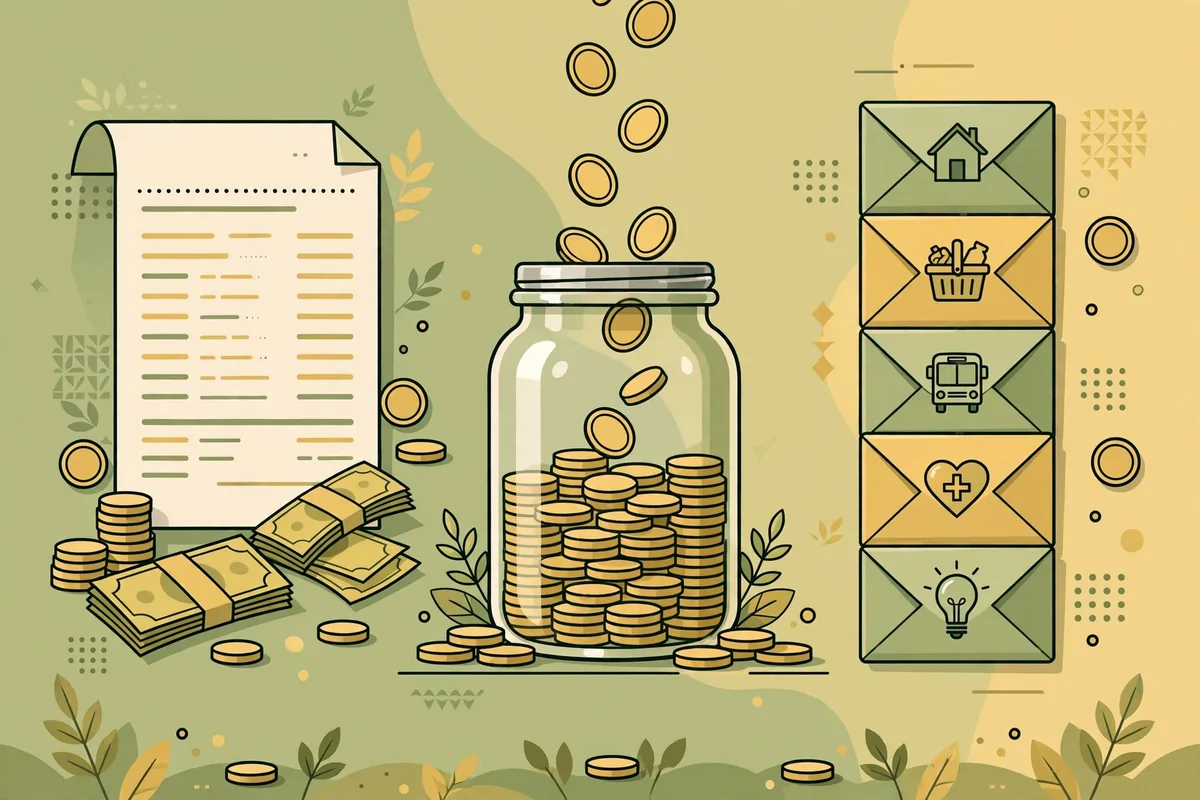
The envelope system is old wisdom. Food envelope, bills envelope, savings envelope. When an envelope empties, that spending stops.
Envelopes make limits physical and real. No mental math, no confusion. It works especially well for cash users.
One account is modern simplicity. Everything in one place, tracked by app or memory. Simple until the lines blur.
Important Note: Digital envelopes work too: separate free savings accounts named Food, Bills, Fun. Same wisdom, modern tools.
5. Would You Rather Send Money To Family First Or Pay Your Own Bills First?
Would you rather...
Family depends on you, and bills demand you. When both cannot be fully satisfied, who comes first?
Family first honors duty and love. Parents, siblings in need. The peace of helping family is worth more than money.
Bills first protects your foundation. Unpaid rent or power cuts hurt the whole family including you. Stability lets you help longer.
- Family first: love and duty honored
- Bills first: foundation secured for all
- Best: budget for both; family support as a fixed monthly line
- Talk openly with family about what you can truly afford
6. Would You Rather Buy Groceries For The Month At Once Or Buy Groceries Every Week?
Would you rather...
Monthly grocery runs mean one big shop, full shelves, no more market trips. Weekly shopping means fresh food always, more trips.
Monthly buying saves time and transport cost. Bulk staples cost less. The kitchen is always ready.
Weekly buying keeps everything fresh. Vegetables, milk, bread at their best. But weekly trips tempt weekly impulse buys.
| Option | What You Gain | What You Give Up |
|---|---|---|
| Monthly at once | Time saved, bulk savings | Freshness of perishables |
| Weekly shopping | Fresh food always | Time and impulse temptations |
Things to think about:
- Smart mix: monthly for staples, weekly for fresh items
- Never shop hungry; it is the costliest hunger of all
7. Would You Rather Keep A Monthly Fun Budget Or Keep No Fun Budget At All?
Would you rather...
Fun budgets sound strange. Planning joy? But money without any fun leaks into random spending anyway.
A fixed fun budget gives guilt-free joy. Movies, outings, treats, all inside the line. You enjoy fully because it is planned.
No fun budget means every coin is serious. Maximum savings, maximum discipline. Until the pressure bursts into a wild spending spree.
- Fun budget: sustainable joy, controlled cost
- No fun budget: maximum savings, burnout risk
- Even 5 percent for fun protects the other 95 percent
Pro Tip: A budget with zero fun always fails eventually. Plan your joy and your savings will survive your humanity.
8. Would You Rather Save For Emergencies First Or Save For A Big Goal First?
Would you rather...
Emergency fund or dream goal? The safe cushion or the shining prize? Both are savings, but they serve different masters.
Emergencies first is the wise order. Job loss, illness, urgent repairs. Without a cushion, every surprise becomes a crisis.
Big goals first fuels motivation. The house, the business, the education. Dreams pull you forward powerfully.
| Option | What You Gain | What You Give Up |
|---|---|---|
| Emergencies first | Safety from life’s shocks | Slower dream progress |
| Big goal first | Fast dream building | Vulnerability to surprises |
Things to think about:
- Build 1 month of expenses first, then split: half to cushion, half to dreams
- Dreams built on no safety collapse at the first storm
9. Would You Rather Get Paid Every Week Or Get Paid Once A Month?
Would you rather...
Weekly pay keeps money fresh and spending natural. Monthly pay demands planning and rewards discipline.
Weekly pay matches life’s rhythm. Small regular amounts are hard to waste hugely. If a week goes wrong, next week repairs it.
Monthly pay builds bigger-picture thinking. You learn to stretch, plan, and prioritize. It is harder but teaches more.
- Weekly: forgiving rhythm, natural control
- Monthly: bigger planning skill, bigger temptation
- Match bill timing to pay timing whenever possible
10. Would You Rather Work Overtime For Extra Pay Or Protect Your Weekends Fully?
Would you rather...
Overtime pay is tempting: same job, more money. Weekends are tempting too: rest, family, life. The paycheck asks, the heart answers.
Overtime builds savings fast. A few months of extra hours can fund a whole goal. Young and energetic workers convert time to money best.
Protected weekends protect everything else. Health, relationships, peace. Money earned at the cost of life balance is expensive money.
Warning Box: Overtime for a season builds wealth. Overtime forever builds burnout. Set a clear end date for any heavy overtime period.
11. Would You Rather Earn Side Income On Weekends Or Rest Fully On Weekends?
Would you rather...
Weekends can earn or heal. Side gigs turn free days into paydays. Full rest turns free days into strength.
Weekend side income accelerates every goal. The main job covers life; the side job builds the future. Two incomes beat one.
Full rest honors your limits. A rested worker earns more per hour all week. Rest is not laziness; it is maintenance.
| Option | What You Gain | What You Give Up |
|---|---|---|
| Weekend side income | Faster goals, new skills | Rest and recovery |
| Full weekend rest | Health and weekly performance | Extra earning stream |
12. Would You Rather Track Every Paycheck Closely Or Just Check The Balance Sometimes?
Would you rather...
Close trackers know where every coin went. Casual checkers know roughly. Awareness is the difference between control and hope.
Tracking every paycheck reveals leaks. The subscriptions, the habits, the silent drains. You cannot fix what you cannot see.
Casual checking is low effort and low stress. For natural savers, it is enough. For natural spenders, it is blindness.
- Close tracking: full awareness, leak detection
- Casual checking: easy, risky for spenders
- Track closely for 3 months; the lessons last years
- After learning your patterns, lighter tracking suffices
Pro Tip: Review each paycheck in 10 minutes: in, out, saved. Ten minutes monthly beats ten hours of yearly regret.
13. Would You Rather Increase Savings When Pay Rises Or Increase Lifestyle When Pay Rises?
Would you rather...
Raise day! The oldest trap in personal finance: lifestyle rises to eat every raise. Or the wisest habit: save the raise, live on the old pay.
Saving the raise builds wealth invisibly. Life stays great on the old salary while savings explode. This single habit creates most self-made wealth.
Lifestyle upgrades reward hard work visibly. Better home, nicer car, finer food. You worked for it; why not enjoy it?
| Option | What You Gain | What You Give Up |
|---|---|---|
| Save the raise | Wealth without sacrifice | Visible rewards |
| Upgrade lifestyle | Enjoy success now | Future wealth |
Things to think about:
- The golden split: save half the raise, enjoy half
- Lifestyle inflation is silent; fight it with automation
14. Would You Rather Keep The Same Pay Structure All Year Or Get Small Raises Every Quarter?
Would you rather...
Steady pay all year is predictable peace. Quarterly small raises are frequent little victories.
Same structure yearly lets you plan perfectly. No surprises, no adjustments. Simple and calm.
Quarterly raises keep motivation fresh. Every 3 months, recognition and reward. Small amounts, big psychology.
- Yearly steady: perfect planning, delayed rewards
- Quarterly raises: constant motivation, more reviews
- Either way, tie raises to clear achievements
15. Would You Rather Get Your Full Paycheck In Hand Or Auto-Split Into Savings And Spending?
Would you rather...
Full paycheck in hand is maximum freedom and maximum temptation. Auto-split is freedom with guardrails.
In-hand pay trusts your discipline completely. Strong-willed savers thrive. Everyone else leaks.
Auto-split removes willpower from the equation. Savings leave before you can spend them. It works in weak months and strong months alike.
Important Note: Willpower is a daily battery that drains. Systems work when willpower sleeps. Build systems, not hopes.
16. Would You Rather Lend To A Friend From Your Paycheck Or Say No And Protect Your Plan?
Would you rather...
A friend in need asks for help. Your budget has no room. Heart versus plan, the painful choice.
Lending helps someone you care about in their hard hour. True friendship shows in tough times. Many never forget who helped.
Saying no protects your family’s plan. You cannot help others by harming your own stability. A kind, honest no beats a resentful yes.
- Lend: friendship honored, plan dented
- Say no: plan protected, friendship tested
- Golden rule: only lend what you can afford to never see again
- Small help you can afford beats big help that breaks you
Pro Tip: Keep a tiny monthly “helping budget”. Then you can say yes to small needs without ever breaking your main plan.
17. Would You Rather Pay School Fees First On Payday Or Pay House Rent First On Payday?
Would you rather...
Two giants demand payday money: the school and the landlord. Both are essential. The order reveals your priorities.
School fees first invests in the future. Education compounds like nothing else. A term paid on time keeps learning uninterrupted.
Rent first protects the present. A secure home underlies everything. Late rent brings stress no family needs.
| Option | What You Gain | What You Give Up |
|---|---|---|
| School fees first | Uninterrupted education | Tight housing cash |
| Rent first | Secure home base | School payment pressure |
Things to think about:
- Talk to both school and landlord early if money is short; both prefer honest plans
- Never let either become a surprise; surprises cost extra
18. Would You Rather Stock The Kitchen On Payday Or Keep Cash Flexible For The Month?
Would you rather...
Full kitchen on day one versus cash in pocket all month. Security in shelves versus freedom in wallet.
Stocking the kitchen guarantees food no matter what. Even if cash runs low later, the family eats. It is edible savings.
Flexible cash handles whatever comes. Prices, needs, surprises. Money adapts; stocked food does not.
- Stocked kitchen: food security, less flexibility
- Flexible cash: full adaptability, spending risk
- Wise mix: stock staples, keep cash for fresh and surprises
19. Would You Rather Plan The Whole Month Budget On Payday Or Take The Budget Week By Week?
Would you rather...
Monthly planners see the whole battlefield at once. Weekly budgeters fight one small battle at a time.
Whole-month planning gives total control. Every coin assigned, every bill covered, savings locked. Nothing hides.
Week-by-week is gentler and more flexible. Life surprises fit easily. But without the big picture, small leaks hide.
Important Note: Whichever rhythm you pick, do a 10-minute review every Sunday. Regular small reviews beat rare big ones every time.
20. Would You Rather Reward Yourself After A Hard Month Or Save The Reward Money Instead?
Would you rather...
Brutal month survived. You deserve something nice. Or does the future you deserve the money more?
Rewarding yourself honors effort. Motivation needs fuel. Small celebrations prevent burnout and keep you going.
Saving the reward builds the future faster. The best reward is watching savings grow. Delayed gratification is a superpower.
- Reward: motivation refueled, small cost
- Save: future accelerated, needs inner drive
- Keep rewards proportional: small wins, small treats
- Free rewards count too: rest, nature, time with loved ones
Pro Tip: Make a free rewards list: favorite walk, long bath, movie night at home, cooking a special meal. Joy does not always need a price tag.
21. Would You Rather Give Charity From Every Paycheck Or Give Only When You Have Extra?
Would you rather...
Regular small giving versus occasional big giving. Habit versus surplus. Both beautiful, different in effect.
Giving from every paycheck builds a beautiful habit. The amount matters less than the regularity. The heart stays soft and generous always.
Giving only when extra means bigger amounts sometimes. But “extra” rarely arrives; lifestyle expands to eat it. Good intentions wait forever.
- Every paycheck: unbreakable habit, steady good
- When extra: bigger gifts, rare occurrence
- Even the smallest regular amount counts fully
- Givers consistently report greater contentment with money
22. Would You Rather Keep Your Paycheck Fully Private Or Share The Budget Openly With Your Spouse?
Would you rather...
Money secrecy versus money teamwork. Private paychecks avoid arguments. Open budgets build partnerships.
Full privacy keeps peace on the surface. No questions, no judgments. But secrets grow, and money secrets grow fastest.
Open budgets with your spouse create a true team. Two minds catch what one misses. Shared goals get reached twice as fast.
| Option | What You Gain | What You Give Up |
|---|---|---|
| Fully private | No money arguments | Teamwork and shared wisdom |
| Open with spouse | Double brainpower, shared goals | Comfort of privacy |
Warning Box: Hidden debts are the real danger of money secrecy. If you hide spending, at minimum never hide dues. Secret debts destroy families when discovered.
23. Would You Rather Work Hard For A Raise Or Work Hard For A Bonus?
Would you rather...
Same hard work, different reward shape. Raises lift every future paycheck. Bonuses land as one happy pile.
Working for a raise builds permanent income. Every month forever is higher. It is the gift that keeps paying.
Working for a bonus brings lump joy. Big amount, big plans. But next year starts from the same base salary.
- Raise: permanent lift, slower visible reward
- Bonus: instant pile, temporary high
- Ask which your company rewards more reliably, then aim there
- Document your wins all year; evidence earns both
24. Would You Rather Dream Of Retiring Early On Small Savings Or Enjoy Steady Work Till 60?
Would you rather...
The final paycheck question looks at the whole working life. Race to the finish early, or enjoy the long road?
Early retirement on small savings means extreme discipline now for freedom sooner. Simple life, early exit. The math is hard but the prize is time.
Steady work till 60 is the calm path. Balanced life throughout, no extreme sacrifice, dignity in long contribution. Many find deep meaning in their work.
- Early out: freedom young, hard discipline now
- Steady till 60: balanced life, longer contribution
- Neither is nobler; match the path to your nature
- Whichever you pick, save consistently from the very first paycheck
Final Thoughts On These Would You Rather Questions
Twenty-four paychecks a year, twenty-four fresh chances. The paycheck itself is neutral; what you do in the first 48 hours writes your money story.
Save first. Pay the important bills. Keep a little joy. Share openly with family. Give regularly. These simple habits turn any salary into a good life.
Your next payday is coming. This time, have a plan ready before it arrives.
Frequently Asked Questions
What should I do first when my paycheck arrives?
Save a fixed share immediately, then pay essential bills. Live on what remains with a clear conscience.
How much of my paycheck should I save?
Aim for 20 percent. Start with whatever you can, even 5 percent, and raise it gradually.
Is it okay to spend on fun from my paycheck?
Yes, within a planned fun budget. Planned joy protects your savings from unplanned splurges.
Should I tell my spouse about my full paycheck?
Openness builds teamwork and better decisions. At minimum, share the budget plan and any dues.
What is the biggest paycheck mistake?
Spending first and saving what remains. Reverse the order and everything changes.
More Would You Rather Questions
- Employee Benefits Would You Rather Questions
- Job Offer Decisions Would You Rather Questions
- Job Offer Would You Rather Questions
- Salary Would You Rather Questions
- Small Business Finance Would You Rather Questions
- Tax Would You Rather Questions
- Economic Crisis Would You Rather Questions
- Inflation Would You Rather Questions
- Financial Independence Would You Rather Questions
- Retirement Investing Would You Rather Questions