15 Inflation Would You Rather Questions About the Rising Cost of Living

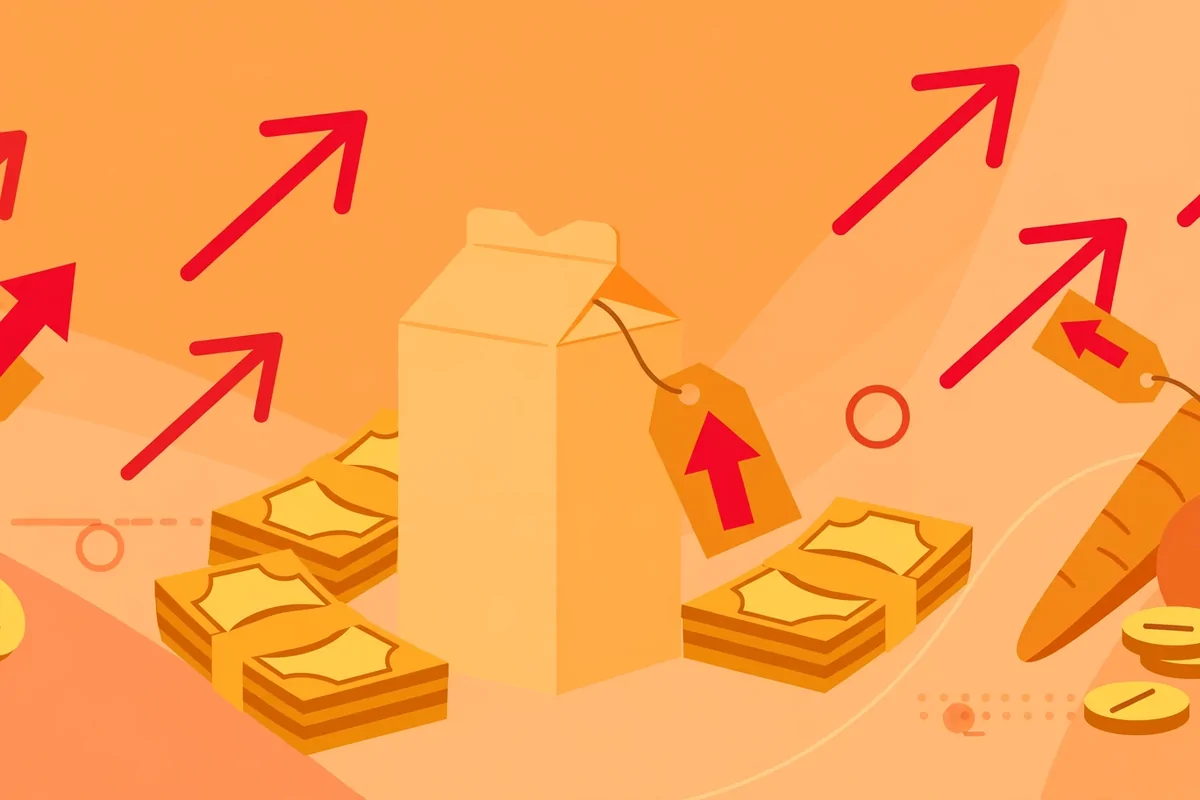
Last year your grocery bag cost less. This year the same bag costs more. The bag did not change. Your money just buys less now. That slow price rise has a name: inflation.
Every family feels it. Bread, milk, bus fare, school books. Little rises everywhere add up to a big hole in the monthly budget. You cannot stop inflation, but you can outsmart it.
These would you rather questions put you in real daily choices. Bulk buying or weekly shopping? Ask for a raise or earn on the side? There is no perfect answer. The fun is finding which choice fits your life best.
1. Would You Rather Buy In Bulk Now Before Prices Rise Or Buy Only What You Need Each Week?
Would you rather...
Rice, oil, soap. Prices go up a little every few months. Buying a big bag today can save real money by next season. Smart shoppers watch prices like a game.
But bulk buying has traps. Food can expire. Big bags need storage space. And the money you spend now cannot be used for something urgent tomorrow.
Weekly shopping keeps things fresh and your cash free. You buy what you need, nothing more. But you pay the new higher price every single week.
- Bulk buying wins for things that never expire: rice, lentils, soap, oil
- Weekly shopping wins for fresh things: milk, bread, vegetables
- Never buy bulk what your family will not finish in 3 months
2. Would You Rather Ask Your Boss For A Raise Or Start A Small Side Income?
Would you rather...
Prices rise, but salaries often stay the same. That gap hurts more each year. Two ways to close it: earn more at your job, or earn extra outside it.
Asking for a raise is direct. If you work hard, a good boss may agree. One talk can lift your whole year. But many bosses say no, and the talk itself takes courage.
| Option | What You Gain | What You Give Up |
|---|---|---|
| Ask for a raise | More pay in your current job, no extra hours | Comfort; you risk hearing no |
| Start a side income | New skill, money no boss controls | Evenings and weekends get busy |
Things to think about:
- A raise compounds: it lifts every future paycheck too
- Side income teaches you business skills for life
- Many people do both: ask first, build second
3. Would You Rather Cut Daily Luxuries Or Find Cheaper Versions Of The Same Things?
Would you rather...
When money buys less, something has to give. Some people cut the small daily treats completely. No more fancy coffee, no more snacks. Clean and simple.
Others keep the treats but trade down. Same coffee, cheaper shop. Same snacks, store brand. Life still feels good, just costs less. The trick is finding swaps you honestly enjoy.
Cutting completely saves the most. But it can feel like punishment, and punished people quit budgets fast. Smart swaps last longer because life still feels normal.
Pro Tip: Try the cheaper version for two weeks before deciding. Most people cannot tell the difference in store-brand rice, soap, or cooking oil. Your wallet will feel it though.
4. Would You Rather Shop At Discount Stores Or Grow Some Of Your Own Food?
Would you rather...
Discount stores sell the same food for less. The packets look plain, but the rice inside cooks the same. Families who switch often save 20% on groceries without eating worse.
Growing food is the deeper play. A small balcony can hold tomatoes, herbs, and chilies. Seeds cost almost nothing. The harvest is fresh, healthy, and free from price tags.
But gardening needs time, sun, and patience. Not every home has space. Discount stores need only a bus ride. Both beat paying full price at fancy shops.
- Discount stores: instant savings, zero effort
- Home garden: fresh food, real joy, slow start
- Even 3 pots of herbs can cut your monthly spice bill
5. Would You Rather Fix And Repair Old Things Or Buy Better Quality Less Often?
Would you rather...
Shoes with a torn sole. A phone with a weak battery. A chair with a loose leg. Throw away, or repair?
Repairing is the inflation fighter’s habit. A cobbler fixes shoes for a tenth of new ones. A tailor, a phone repair shop, a little glue at home. Old things get a second life, and your money stays in your pocket.
Buying better quality less often is the other smart path. One strong pair of shoes beats three cheap pairs that break. It costs more today but less over two years. The key word is quality, not brand.
- Repair wins for: shoes, clothes, phones, furniture
- Quality wins for: things you use every single day
- Learn one repair skill and it pays you forever
- Waste less is good for your wallet and your home
6. Would You Rather Use Public Transport Or Walk And Cycle For Short Trips?
Would you rather...
Fuel prices jump fast. One month the tank costs this much, next month more. Short trips are where the waste hides: driving 2 kilometers to buy bread burns money for nothing.
Public transport turns fuel cost into a small ticket. Buses and trains are far cheaper per trip than a car. You also skip parking stress. The downside is time: waiting, changing, walking to stops.
Walking and cycling cost zero. They also keep you fit and clear your head. For anything under 3 kilometers, a bicycle often beats a car on time too. Rain and heat are the real enemies here.
| Option | What You Gain | What You Give Up |
|---|---|---|
| Public transport | Cheap travel, no parking headache | Fixed routes and waiting time |
| Walk and cycle | Zero cost plus free exercise | Comfort in bad weather |
Things to think about:
- One short car trip can cost more than a full day bus pass
- A used bicycle pays for itself in about two months of saved fuel
7. Would You Rather Eat Out Less Or Cook In Bulk And Freeze Meals?
Would you rather...
Restaurant prices rise fastest of all. The plate that cost little last year shocks you today. Eating out less is the quickest way to protect your food budget.
Bulk cooking is the tasty middle path. Cook a big pot on Sunday, freeze portions, and weekday dinners are ready in minutes. It beats both restaurants and daily cooking stress.
Home food is also healthier. You control the oil, the salt, the freshness. Families who cook more often visit doctors less. That is savings you cannot see on a bill.
- Eating out twice a month instead of weekly can save a small fortune yearly
- Good freezer meals: lentils, rice dishes, stews, soups
- Cook with family and it becomes fun, not a chore
Important Note: Frozen home food stays good for about a month. Label each box with the date. Oldest meals get eaten first, just like a small shop.
8. Would You Rather Delay A Big Purchase Or Buy Now Before Prices Rise More?
Would you rather...
The fridge is dying. The winter coat is torn. You need it, but prices climb every month. Buy now, or wait and hope?
Buying now locks today’s price. If inflation keeps rising, you win. You also get to use the thing right away instead of suffering with the old broken one.
Waiting can win too. Festival sales, clearance deals, or a calm market can drop prices. And waiting tests whether you truly need it or just want it. Many “urgent” buys feel silly after 30 days.
- Buy now if: the old item is truly broken, prices are clearly rising
- Wait if: it still works, a sale season is near, or you are unsure you need it
- The 30-day rule kills most impulse buys
9. Would You Rather Move To A Cheaper Neighborhood Or Stay And Cut Other Costs?
Would you rather...
Rent is the biggest monthly bill for most families. When everything gets expensive, the rent question gets loud. Move somewhere cheaper, or stay and squeeze elsewhere?
A cheaper neighborhood can cut rent by a third. That one move can save more than a year of small daily savings. But moving costs money too, and kids may change schools.
Staying keeps your life stable. Same neighbors, same school, same short commute. You cut food, fun, and shopping instead. It works, but every month feels a little tighter.
| Option | What You Gain | What You Give Up |
|---|---|---|
| Move cheaper | Big monthly savings at once | Familiar streets, maybe longer commute |
| Stay and cut | Stability for the whole family | Daily small sacrifices |
10. Would You Rather Teach Kids About Rising Prices Early Or Shield Them From Money Talk?
Would you rather...
Kids notice when the ice cream gets smaller or the outing gets cancelled. Do you explain why, or keep money talk away from them?
Teaching early builds wise adults. A child who understands prices learns to compare, to wait, to choose. These lessons stick for life and cost nothing to give.
Shielding keeps childhood carefree. No money stress for small minds. They can learn all this when they earn. But then the first salary shock hits hard, with no practice.
- Early lessons: price-aware kids waste less
- Shielding: happy now, harder lessons later
- A savings jar for kids teaches more than a hundred lectures
- Honest, simple talk is better than scary talk
11. Would You Rather Buy Seasonal Food Only Or Buy Frozen Food In Bulk?
Would you rather...
Tomatoes in season cost little. Off season, the same tomatoes cost triple. Seasonal eating follows nature’s price list and always wins on cost.
Seasonal food is also fresher and tastier. Mangoes in summer, oranges in winter. Your grandparents ate this way without even thinking about it.
Frozen bulk buying is the modern trick. When peas or berries are cheap and fresh, buy lots and freeze. You get off-season eating at in-season prices. A small freezer becomes a money machine.
- Seasonal: cheapest, freshest, changes through the year
- Frozen bulk: eat what you want, when you want, at low cost
- Learn your local season calendar and shop like a farmer
Pro Tip: Visit the market in the last hour before closing. Sellers drop prices to clear fresh stock. Same vegetables, half the price, every single day.
12. Would You Rather Reduce Electricity Use Strictly Or Earn More To Cover Higher Bills?
Would you rather...
Power bills creep up like everything else. The air conditioner, the water heater, the old fridge. Two philosophies: use less, or earn more.
Using less is fully in your hands. LED bulbs, fans instead of AC, switching off standby devices. A careful family can cut the bill by a third without suffering.
Earning more to cover bills keeps life comfortable. No counting watts, no hot afternoons. But it means more work hours, and bills keep rising anyway.
| Option | What You Gain | What You Give Up |
|---|---|---|
| Reduce use strictly | Lower bills, kinder to nature | Some comfort and convenience |
| Earn more to cover | Full comfort, no lifestyle change | Extra work hours every month |
Things to think about:
- An old fridge can use twice the power of a new efficient one
- Small habits (switching off, natural light) add up quietly
13. Would You Rather Share Costs With Family Or Pay Full Costs Alone?
Would you rather...
When prices rise, going it alone gets expensive. Sharing a home, a car, or even bulk groceries with family splits the pain.
Shared living cuts the biggest costs: one rent, one internet bill, one kitchen. Big families who pool money often live better on less than small families living apart.
But sharing needs patience. Different habits, less privacy, more compromise. Paying alone buys peace and freedom. Your home, your rules, your full bill.
- Sharing: much lower costs, needs good relations
- Alone: full freedom, full bills
- Even sharing one car between two brothers saves thousands yearly
- Clear money rules keep shared living happy
Warning Box: Never mix money with family without clear written rules. Who pays what, and when. Most family money fights start from unclear expectations, not from bad hearts.
14. Would You Rather Compare Prices In Every Shop Or Stay Loyal To One Trusted Shop?
Would you rather...
The same packet of rice can have three different prices in three nearby shops. Price hunters check them all and always pay the lowest.
Comparing takes time and legwork. But for a big monthly grocery run, the savings are real. Some shoppers save enough each month to fund a small family outing.
Loyalty has its own rewards. The trusted shopkeeper gives you credit in hard weeks, picks the fresh stock for you, and warns you about bad batches. That trust is worth something too.
- Comparing: lowest price on everything
- Loyalty: trust, credit in tough times, personal care
- Smart mix: compare for big monthly shopping, stay loyal for daily needs
15. Would You Rather Focus On Increasing Income Or Focus On Cutting Expenses?
Would you rather...
The final inflation question. Prices rise, so your money must stretch. Two levers: earn more, or spend less. Which deserves your energy?
Increasing income has no ceiling. A new skill, a promotion, a side business. Every extra coin fights inflation directly. But it costs time and energy, and results take months.
Cutting expenses works today. Cancel the unused, cook at home, waste nothing. It is fully in your control. But there is a floor: you can only cut so much before life gets miserable.
| Option | What You Gain | What You Give Up |
|---|---|---|
| Increase income | No limit on how much you can grow | Time, energy, and patience |
| Cut expenses | Instant results, full control | Comfort has a minimum level |
Things to think about:
- Most winning families do both: cut waste first, grow income second
- Cutting waste is defense; growing income is attack
- Review both sides every 6 months as prices change
Final Thoughts On These Would You Rather Questions
Inflation is quiet. It does not knock on your door. It just makes every bag a little lighter and every bill a little heavier. But now you have 15 real choices to fight back.
Notice the pattern. The winners in every question are the people who pay attention. They compare, they plan, they waste less, and they keep learning to earn more.
Pick one idea from this list and try it this week. Small, smart, steady. That is how families beat rising prices without fear.
Frequently Asked Questions
What is inflation in simple words?
It means prices of daily things slowly go up, so the same money buys less than before.
Why do prices keep rising every year?
Making and moving goods costs more over time, and shops pass those costs to buyers. It happens in almost every country.
How can a normal family fight inflation?
Waste less, compare prices, cook at home, buy smart, and keep learning skills that raise income.
Should I stop saving when prices rise fast?
No, keep saving, but save smart. Avoid waste, keep an emergency fund, and put extra effort into earning more.
Is inflation always bad?
Fast inflation hurts families. Slow, mild rises are normal in a growing economy. The key is making your income grow faster than prices.
More Would You Rather Questions
- Financial Independence Would You Rather Questions
- Teacher Would You Rather Questions
- College Would You Rather Questions
- Rent vs Buy Would You Rather Questions
- Online Business Would You Rather Questions
- Retirement Investing Would You Rather Questions
- Morning Person Would You Rather Questions
- Sleep Would You Rather Questions
- Passive Income Would You Rather Questions
- Gym Would You Rather Questions