27 Body Language Would You Rather Questions That Go Beyond Words

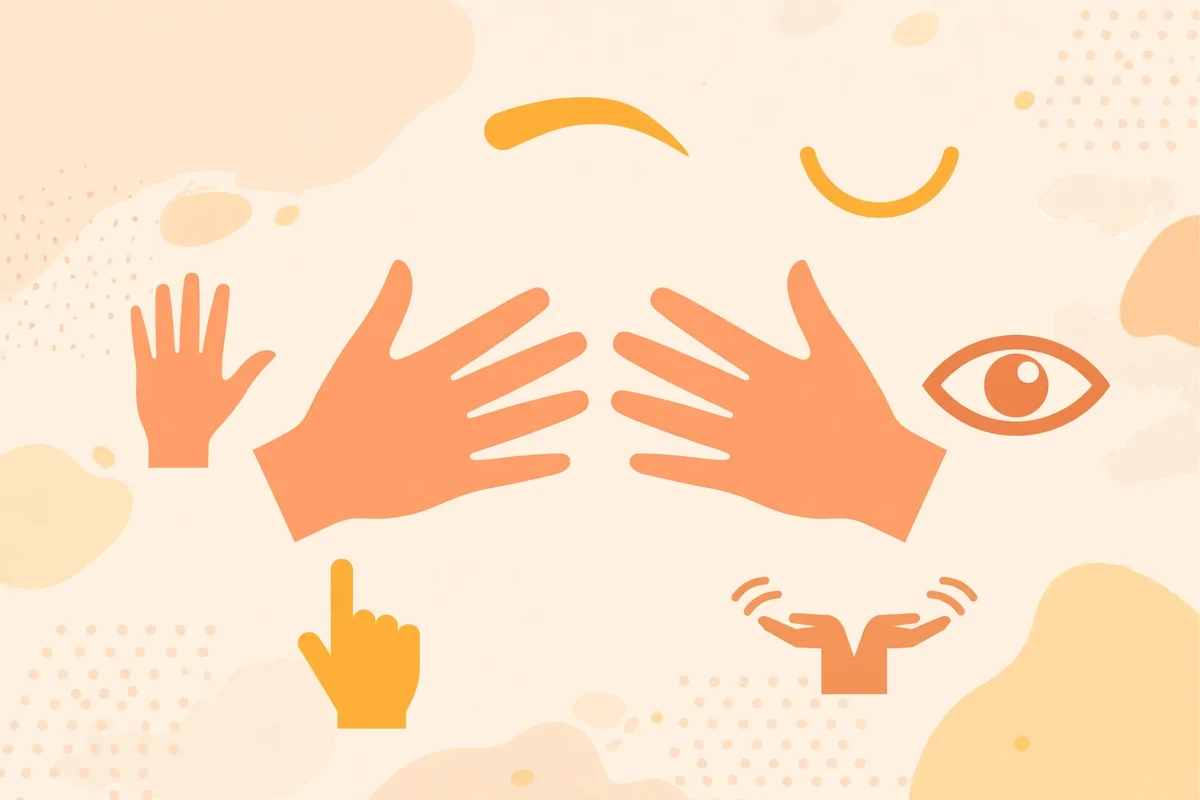
Words are only a small part of how people talk. A smile, a shrug, a step back, or a raised eyebrow can say more than a full sentence. Every day you read these small signs without even thinking about it, and other people read yours too.
This list is all about those silent signals. Each question gives you a fun choice about reading faces, hands, posture, and movement. Some choices would make you a human lie detector. Others would make your own body speak louder than your voice. Pick the one that fits you and enjoy the ride.
1. Would you rather always know what a real smile means or never be able to hide your own feelings on your face?
Would you rather...
A real smile reaches the eyes. A polite smile stops at the mouth. If you could always tell the difference, you would know in one second if a joke landed, if a friend was truly happy, or if someone was only being polite.
But the other side has a price. If your face showed every feeling, good news would light you up like a lamp, and bad news would be clear before you said a word. There would be no poker face at all.
Pro Tip: Watch the eyes first. The mouth can smile on purpose, but the eyes are much harder to fake.
2. Would you rather read every handshake like an open book or have a handshake that tells people exactly how you feel?
Would you rather...
Some handshakes are firm and warm. Some are quick and cold. Some last a little too long. A person who reads handshakes well can sense confidence, nerves, or respect before a single word is spoken.
Or picture the opposite. Your own handshake would speak for you. Shake hands with a new teacher, a new boss, or a new friend, and they would know at once that you are honest and calm. No small talk needed.
- A firm handshake often means confidence and respect.
- A soft handshake can mean shyness or a calm nature.
- A quick handshake can mean hurry or nerves.
3. Would you rather understand every raised eyebrow in a room or have eyebrows that rise on their own when you hear a surprise?
Would you rather...
One eyebrow up can mean doubt. Two eyebrows up can mean shock. A fast flash of the eyebrows can mean a friendly hello. If you understood all of it, no room would ever confuse you again.
But eyebrows that move on their own would give you away every time. Hear surprising news and your face would tell the whole story before your mouth could catch up.
| Option | What You Gain | What You Give Up |
|---|---|---|
| Understand every raised eyebrow in a room | You read doubt, surprise, and greeting in one glance | Your own eyebrows stay quiet and give nothing away |
| Have eyebrows that rise on their own when you hear a surprise | People always know your reaction is honest and real | You can never hide shock or doubt on your face |
4. Would you rather never cross your arms again or never tap your foot when you wait?
Would you rather...
Crossed arms can look like a wall. People may think you are closed off, even when you are just cold or comfortable. Giving up that habit forever would make you look open all the time.
Foot tapping is a different story. It is the sound of waiting, worry, or hurry. Stop it forever and you would look calm in every line, every waiting room, and every long queue.
Which habit is harder to drop? Check yourself next time you wait for a bus.
- Notice when your arms cross without you thinking about it.
- Notice when your foot starts to tap on its own.
- Try one open posture for a full day and see how people react.
5. Would you rather always make perfect eye contact or always know when someone avoids your eyes?
Would you rather...
Perfect eye contact is a quiet superpower. It says you are listening, you are honest, and you are not afraid. People trust a person who can hold their gaze with warmth.
But knowing when someone looks away can be just as useful. A person who avoids your eyes may be shy, or bored, or hiding something. That small clue can change how you talk to them.
Things to think about:
- Too much eye contact can feel strong, so a soft gaze works best.
- Looking away for a second is normal when people think hard.
- A warm look builds trust faster than any clever sentence.
6. Would you rather have hands that speak clearly for you or have a voice that always sounds calm even when you feel nervous?
Would you rather...
Hands can paint pictures in the air. They can show size, shape, direction, and feeling. With hands that speak clearly, you could explain a hard idea with no words at all, and people would still follow you.
A calm voice is a different kind of magic. Your heart could race, but your voice would stay smooth and steady. In a test, a talk, or a hard chat, nobody would ever guess you were nervous.
7. Would you rather always stand tall and confident or always sit in a relaxed and open way?
Would you rather...
Standing tall changes how a room sees you. Shoulders back, head up, steady feet. People listen more when you look sure of yourself, even before you open your mouth.
Sitting in a relaxed and open way has its own power. Uncrossed arms, an easy smile, and a calm seat tell people they are welcome. In a long talk, that open style can matter more than a tall stance.
Important Note: Good posture is not about looking stiff. A tall stance should still feel easy and natural, not like a soldier on duty.
8. Would you rather know when a nod means yes and when it means maybe or never nod by mistake again?
Would you rather...
A nod is a tiny movement with a big job. A slow nod often means yes. A small nod can mean maybe. A fast nod can mean hurry up. If you could read every nod with no doubt, talks would be much simpler.
Never nodding by mistake is the safe side of the same coin. No more nodding yes to a plan you did not hear. No more nodding along when you really meant no.
| Option | What You Gain | What You Give Up |
|---|---|---|
| Know when a nod means yes and when it means maybe | You never mix up agreement and doubt again | Your own nods can still slip out by mistake |
| Never nod by mistake again | Every nod you give is true and on purpose | Other people’s nods can still puzzle you |
9. Would you rather always wave in a friendly way or always give a warm and real thumbs up?
Would you rather...
A friendly wave works from far away. Across a street, across a field, or from a window, one wave can say hello, goodbye, or good job without a single word.
A thumbs up is closer and stronger. It says well done, I agree, or you did great, all in one small gesture. It works best up close, face to face, when someone needs a quick boost.
- A wave is best for distance and greeting.
- A thumbs up is best for praise and agreement.
- Both beat a plain nod when someone needs a lift.
10. Would you rather read a shrug in one second or never shrug when you do not know the answer?
Would you rather...
A shrug is the body saying I do not know. Shoulders up, hands open, mouth closed. If you could read a shrug in one second, you would know at once if a person was unsure, careless, or simply stuck.
The other choice is about your own habits. Never shrug when you do not know the answer. Instead you would ask a clear question or say you need time to think. That small change can make you look much more thoughtful.
11. Would you rather always know when someone leans in because they care or always lean back when you need space?
Would you rather...
When a person leans in, the talk matters to them. Their whole body moves closer to hear you better. Knowing that signal means you never miss a moment when someone truly cares.
Leaning back is the quiet way to take space. It says I need air, I need time, or I need to think. If you could do it at the right moment every time, talks would feel easier for everyone.
Things to think about:
- Leaning in shows interest and care.
- Leaning back shows a need for room or time.
- Both are normal, and both deserve respect.
12. Would you rather have a smile that puts every stranger at ease or have a firm handshake that earns respect in one second?
Would you rather...
A smile that puts strangers at ease is a gift for daily life. In a shop, on a bus, or at a new school, one warm smile can turn a cold first meeting into a friendly one.
A firm handshake works in a different way. In one second it can earn respect from a person you just met. It says you are steady, honest, and ready.
Pro Tip: A smile plus a firm handshake is the strongest first hello of all. Use both and people remember you.
13. Would you rather understand every frown without a single word or never frown when you are just thinking hard?
Would you rather...
A frown can mean many things. It can mean worry, doubt, anger, or deep thought. If you understood every frown with no words, you would always know when to help, when to wait, and when to stay quiet.
But many people frown only because they think hard. Their face looks serious while their mind works. If you never did that, nobody would ever think you were upset when you were only thinking.
14. Would you rather always point with an open hand or never point a finger at anyone again?
Would you rather...
Pointing with an open hand looks kind and calm. It guides people without pushing them. In a talk or a lesson, an open hand feels like help, not blame.
A pointed finger can feel sharp, even when you mean well. Giving it up forever would remove one small habit that often causes big misunderstandings.
| Option | What You Gain | What You Give Up |
|---|---|---|
| Always point with an open hand | Your gestures look kind and welcoming every time | The quick sharp point is gone from your habits |
| Never point a finger at anyone again | Nobody ever feels blamed by your hand | You must find a softer way to show direction |
15. Would you rather know when crossed legs mean comfort and when they mean a closed mind or always sit in a way that makes people feel welcome?
Would you rather...
Crossed legs are tricky. Sometimes they just mean comfort. Sometimes they mean a person is not open to a new idea. Telling the two apart would make you a sharp reader of any room.
The other choice is simpler and warmer. Sit in a way that always makes people feel welcome. Open posture, relaxed shoulders, and a calm face. Guests would feel at home before you said hello.
- Comfort often comes with a relaxed face and easy breathing.
- A closed mind often comes with crossed arms and a tight jaw.
- One sign alone is never enough, so look at the whole picture.
16. Would you rather always mirror the people you talk with or never copy anyone by accident?
Would you rather...
Mirroring means your body follows the other person in a soft and natural way. They lean in, you lean in. They smile, you smile. It builds a quiet bond, and talks feel smooth and easy.
But copying by accident can look odd. If a person crosses their arms and you do the same without thinking, they may feel mocked. Never copying by accident would keep every move truly your own.
Warning Box: Mirroring should be soft and slow. Copying every move at once looks fake and can make people feel uneasy.
17. Would you rather read a tilted head in any meeting or always tilt your head when you listen with care?
Would you rather...
A tilted head often means curiosity or care. In a meeting it can say I am listening, or I do not follow you yet. Reading it well would help you know when to explain more and when to move on.
Tilting your own head while you listen sends a clear message too. It tells the speaker that their words matter to you. It is a small move with a big warm effect.
18. Would you rather always know when a hug is welcome or always know how long a handshake should last?
Would you rather...
A hug at the right moment can say what words cannot. But a hug at the wrong moment can feel awkward. Knowing when it is welcome would save you from every unsure second before you open your arms.
A handshake has its own timing puzzle. Too short feels cold. Too long feels strange. Knowing the exact right length would make every greeting smooth and easy.
Things to think about:
- Watch for open arms and a step closer before you hug.
- A handshake of two or three seconds feels right in most cases.
- When in doubt, a warm smile is always safe.
19. Would you rather have eyes that show kindness in every photo or have a posture that looks confident in every photo?
Would you rather...
Kind eyes make a photo feel warm. Even in a still picture, soft eyes can say this person is friendly and safe. People feel drawn to a face that looks kind.
Confident posture does a different job in a photo. Straight back, relaxed shoulders, and a steady stance make you look strong and sure. It is the look of a person who knows where they stand.
| Option | What You Gain | What You Give Up |
|---|---|---|
| Have eyes that show kindness in every photo | Every photo of you feels warm and friendly | Your posture in photos may still look unsure |
| Have a posture that looks confident in every photo | Every photo of you looks strong and sure | Your eyes in photos may still look cold or tired |
20. Would you rather understand every hand wave across a busy street or never wave at the wrong person again?
Would you rather...
A wave across a busy street is a small puzzle. Is that wave for you, or for the person behind you? Understanding every wave would end that doubt in one second.
Never waving at the wrong person is the safe side of the same fun problem. No more waving at a stranger who looks like your friend. No more awkward smile when they do not wave back.
- A big wave with a smile is usually meant for you.
- A small wave can be for anyone nearby.
- When in doubt, a small nod is the safe reply.
21. Would you rather always know when someone steps back because they need air or always give people space without being asked?
Would you rather...
When a person steps back, they may need air, time, or quiet. Knowing that reason at once would help you respond with care instead of worry. You would never chase a person who only needs a little room.
Giving people space without being asked is a quiet kindness. You step back first. You wait. You let them come to you. That habit builds trust in every kind of friendship.
22. Would you rather read a slow blink and a quick blink or never blink too fast when you feel nervous?
Would you rather...
A slow blink can mean calm, trust, or deep thought. A quick blink can mean hurry, stress, or surprise. If you could read both with ease, you would catch feelings that words never mention.
Blinking too fast when you feel nervous is a giveaway. Your eyes would race while your voice stayed calm. Stopping that habit forever would keep your nerves a secret.
Pro Tip: Take one slow breath before you answer a hard question. It steadies your voice and your eyes at the same time.
23. Would you rather always sit still when you listen or always use your hands to explain a hard idea?
Would you rather...
Sitting still while you listen is a mark of respect. No fidgeting, no tapping, no restless feet. The speaker feels heard, and the room feels calm.
Using your hands to explain a hard idea is a different skill. Your hands can draw shapes, show steps, and guide the listener through a tricky thought. A hard idea becomes clear when hands help the words.
Try both for one day and see which one changes your talks more.
- Sit still for one full talk and notice how the speaker reacts.
- Use your hands for one hard idea and see if people follow faster.
- Mix the two and you get the best of both worlds.
24. Would you rather know when a pat on the back means praise or never pat anyone on the back by mistake?
Would you rather...
A pat on the back can mean well done, good luck, or keep going. It is a small touch with a warm meaning. If you could read it every time, you would never miss a kind word hidden in a simple gesture.
But a pat at the wrong time can feel odd. Patting a person who is sad, busy, or in pain can send the wrong message. Never doing it by mistake would keep your hands safe and your meaning clear.
| Option | What You Gain | What You Give Up |
|---|---|---|
| Know when a pat on the back means praise | You always catch the warm praise behind the gesture | Your own pats can still land at the wrong moment |
| Never pat anyone on the back by mistake | Your touch is always welcome and well timed | Other people’s pats can still puzzle you |
25. Would you rather always walk with a calm and steady step or always stand still like a rock when you wait?
Would you rather...
A calm and steady walk says a lot about you. It tells the world that you are not in a rush, you are not lost, and you know where you are going. People notice a steady walk from far away.
Standing still like a rock when you wait is just as strong. No pacing, no shifting, no restless feet. You look patient and sure, even when the wait is long.
26. Would you rather understand every grin in a group photo or never grin when you try to look serious?
Would you rather...
A grin in a group photo can mean joy, pride, or a shared joke. Some grins are wide and loud. Some are small and shy. Understanding every grin would let you read the whole mood of a group in one look.
But grinning when you try to look serious is a classic problem. A big moment needs a straight face, and your grin keeps breaking through. Stopping it forever would give you full control in serious times.
Important Note: A grin is not the same as a smile. A grin shows teeth and often means big joy, while a soft smile can mean calm or kindness.
27. Would you rather always read the room in three seconds or always enter a room with calm and open body language?
Would you rather...
Reading a room in three seconds is a rare gift. Walk in and you would know at once if people were happy, tense, bored, or ready to talk. You would never say the wrong thing at the wrong time.
Entering a room with calm and open body language is the gift you give to others. Relaxed shoulders, a warm face, and an easy walk tell everyone that you are safe to talk to. The room relaxes because you did.
Things to think about:
- First, look at faces and posture when you walk into a room.
- Then check your own shoulders and hands before you speak.
- A calm entry can change the whole mood of a group.
Body language speaks all day, even when your mouth is closed. Every smile, shrug, wave, and step tells a small story. The more you notice these silent signs, the better you understand the people around you, and the better they understand you.
More Would You Rather Questions
- Sign Language Would You Rather Questions
- Secret Languages Would You Rather Questions
- Language Evolution Would You Rather Questions
- Language History Would You Rather Questions
- Language Origins Would You Rather Questions
- 34 Alphabet Would You Rather Questions About Global Writing Systems
- 28 Writing Systems Would You Rather Questions From Around the World
- 23 Dead Languages Would You Rather Questions About Forgotten Speech
- 25 Ancient Languages Would You Rather Questions From Lost Civilizations
- 35 Endangered Languages Would You Rather Questions About Languages at Risk