34 Alphabet Would You Rather Questions About Global Writing Systems

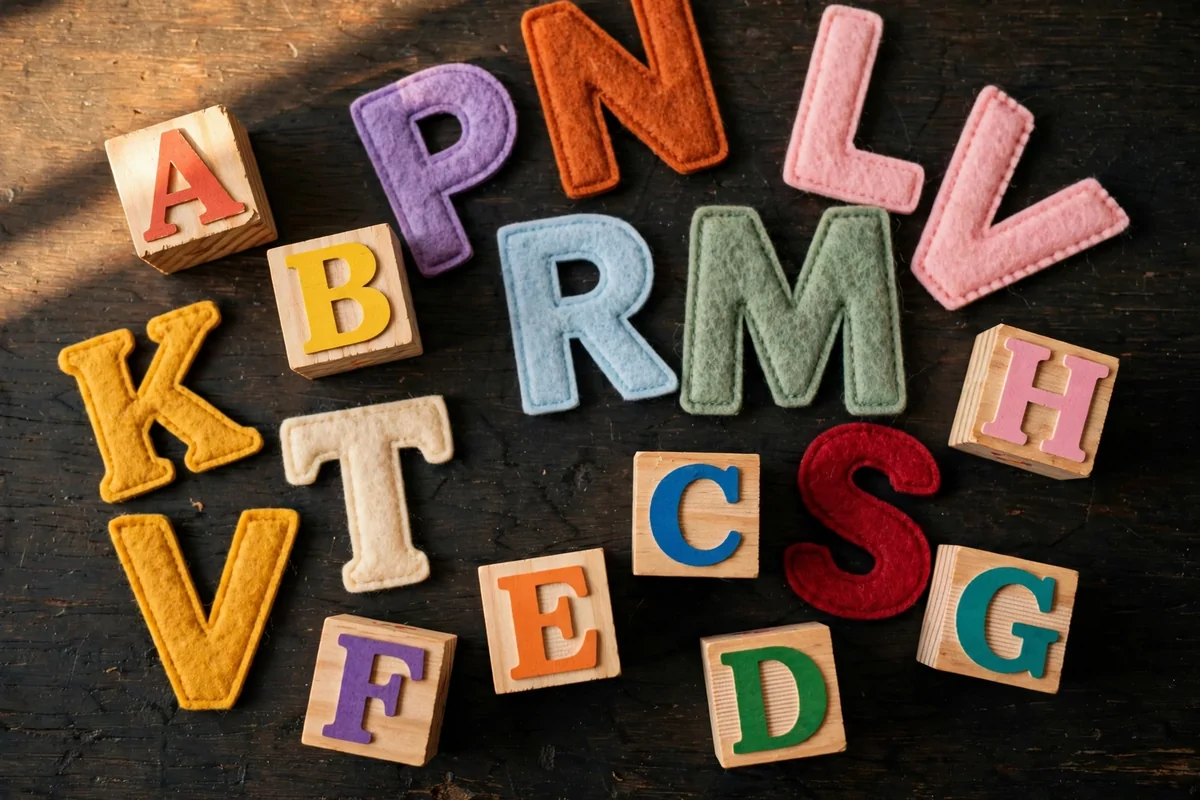
Letters are small shapes, but they carry whole worlds. With only 26 letters, English can tell a joke, write a shopping list, or share a warm wish. Other languages use different letters, and some use hundreds of signs, yet they all do the same job: they help people share thoughts across time and distance.
In this list, you will face 34 fun choices about alphabets and writing systems from around the world. Each one asks you to pick a side, and there is no wrong answer. Just think about which letters look fun to you, which script you would love to write, and which choice fits your life better.
1. Would you rather learn the Latin alphabet first or learn the Arabic alphabet first?
Would you rather...
The Latin alphabet is the one English uses, with letters like A, B, and C. It is used in many countries, from Europe to the Americas, so it opens many doors at once. The Arabic alphabet flows from right to left, and its letters join together in a smooth and beautiful way.
| Option | What You Gain | What You Give Up |
|---|---|---|
| Learn the Latin alphabet first | A script used in many countries and many daily signs | You wait longer to enjoy the flowing Arabic letters |
| Learn the Arabic alphabet first | Beautiful joined letters and a path to many books and places | You wait longer to read Latin letters with ease |
2. Would you rather write letters by hand every day or type letters on a keyboard every day?
Would you rather...
Writing by hand is slow and calm. Your hand learns the shape of each letter, and the page keeps your words in a warm and personal way. Typing is fast and neat, and you can fix a mistake in one second without a mess.
Things to think about:
- Do you love the feel of a pen on paper, or the speed of keys?
- Handwriting helps your memory hold the letters longer.
- Typing helps you share your words with people far away in seconds.
3. Would you rather learn an alphabet with 26 letters or learn an alphabet with more than 40 letters?
Would you rather...
An alphabet with 26 letters feels small and friendly. You can learn all the letters in a few days, and then you can start to read simple words. An alphabet with more than 40 letters feels like a big treasure chest, because each new letter opens a new sound.
Some people love a small and tidy set of letters. Others love a big set, because it feels like a real adventure with more to find out.
Pro Tip: Count the letters of a new alphabet before you start. A small set gives you a quick win, while a big set gives you a longer and richer journey.
4. Would you rather read a script that flows right to left or read a script that flows left to right?
Would you rather...
Most people read from left to right, so a script that flows right to left feels like a fun puzzle at first. Your eyes have to learn a new path across the page, and your hand has to follow a new way too. After a few days, the new path starts to feel normal, and reading feels like a small magic trick.
Left to right is the path you already know, so reading feels easy from the first page. Right to left is a fresh start, and it can make your brain feel awake in a new way.
5. Would you rather learn the Greek alphabet first or learn the Cyrillic alphabet first?
Would you rather...
The Greek alphabet has letters like alpha, beta, and omega, and many of them look like old friends from maths and science books. The Cyrillic alphabet is used in Russian and other languages, and some of its letters look like Latin letters while others look brand new.
| Option | What You Gain | What You Give Up |
|---|---|---|
| Learn the Greek alphabet first | Letters you may already know from books and signs | You wait longer to read Russian street signs |
| Learn the Cyrillic alphabet first | A path to many countries and many new books | You wait longer to read Greek words and names |
6. Would you rather master beautiful calligraphy or master fast clear handwriting?
Would you rather...
Calligraphy turns letters into art. Each stroke is slow and careful, and the final page looks like a gift. Fast clear handwriting is a different skill, because it lets you take notes in class, write lists in a hurry, and still read every word later.
Which skill would you love more? A page that makes people stop and smile, or a hand that keeps up with your thoughts all day long?
7. Would you rather learn a script with no capital letters or learn a script with capital and small letters?
Would you rather...
Some scripts, like Arabic, have no capital letters at all. Every letter has one main form, and that makes learning feel simple and calm. Scripts with capital and small letters, like English, give you two forms for each letter, and capitals help you spot names and the start of a sentence.
Things to think about:
- One form per letter is easier to learn at the start.
- Capitals help you see names and sentence starts at a glance.
- Which style feels tidier to your eyes on the page?
8. Would you rather study hieroglyphs from ancient Egypt or study runes from the old north?
Would you rather...
Hieroglyphs are pictures that work as writing. You can see birds, snakes, water, and the sun in the letters, and each sign tells a small story. Runes are straight lines carved in stone and wood, and they look strong and simple, like marks left by travellers long ago.
Both scripts come from a time long before phones and printers. Pick the one whose marks make you want to know more about the people who wrote them.
Important Note: Old scripts are fun to learn, but they take time. Start with a few signs each day, and let the pictures and lines grow in your memory one by one.
9. Would you rather learn Korean Hangul first or learn Japanese Hiragana first?
Hangul is a smart and tidy alphabet. Its letters are built from small parts that show how your mouth moves, and many learners say it is one of the easiest scripts to learn. Hiragana is soft and curvy, and each sign stands for a sound, so you can read simple Japanese words quite soon after you start.
Think about which country calls to you more. Do you dream of Korean food and streets, or Japanese books and gardens? The answer can point you to your first script.
10. Would you rather read a book printed in an old script or write a letter in an old script?
Would you rather...
Reading a book in an old script feels like opening a door to the past. The pages are full of words written by people who lived hundreds of years ago, and each line is a small piece of history. Writing a letter in an old script is a different joy, because your own hand makes the same shapes those people made.
| Option | What You Gain | What You Give Up |
|---|---|---|
| Read a book printed in an old script | You meet the words and thoughts of people from long ago | Your own hand stays out of the old shapes for now |
| Write a letter in an old script | Your hand learns the old shapes and you make your own page of history | You read less of what the old writers left behind |
11. Would you rather learn an alphabet where each letter has one sound or learn an alphabet where letters change sounds?
Would you rather...
An alphabet with one sound per letter is honest and kind. You see a letter, you know its sound, and reading feels fair from the very first day. An alphabet where letters change sounds is more like a puzzle, because the same letter can sound soft in one word and hard in another.
Some learners love the calm of clear rules. Others love the puzzle, because each new rule feels like a small win when it clicks.
12. Would you rather keep a diary in a new alphabet or keep a diary in your own alphabet?
Would you rather...
A diary in a new alphabet is a secret book. Only you can read it at first, and each page is good practice for your new letters. A diary in your own alphabet is easy and free, because your thoughts can flow fast and you never stop to think about a letter shape.
Things to think about:
- A new alphabet makes daily practice feel like a private game.
- Your own alphabet lets you write long and honest thoughts with ease.
- Which one would help you keep the diary habit for a whole year?
13. Would you rather learn Braille by touch or learn Morse code by sound?
Would you rather...
Braille is a writing system you read with your fingers. Small raised dots form letters, and people read books, signs, and notes by touch. Morse code is a system of short and long sounds, and people once sent messages across the world with just dots and dashes.
Both systems show that letters do not need ink on paper. One speaks to your hands, and the other speaks to your ears.
Pro Tip: Try to learn the first ten letters of either system in one week. Small daily steps work far better than one long study day.
14. Would you rather write with a fountain pen or write with a pencil?
Would you rather...
A fountain pen glides across the page, and the ink makes your letters look smooth and grand. It asks for care though, because a fast hand can leave a smudge. A pencil is humble and kind, because you can rub out a mistake and try again in seconds.
Which tool fits your hand better? A pen that rewards slow and careful letters, or a pencil that forgives every slip?
15. Would you rather learn the Devanagari script first or learn the Thai script first?
Would you rather...
Devanagari is the script of Hindi, and its letters hang from a neat line at the top like clothes on a line. It opens the door to books, stories, and daily life in India and Nepal. The Thai script is curvy and full of loops, and it has many letters with their own soft sounds.
Both scripts are beautiful on the page. Pick the one whose shapes make your hand want to try them first.
16. Would you rather read street signs in a new alphabet or read a storybook in a new alphabet?
Would you rather...
Street signs are short and useful. You can read them on a walk, and each one you understand feels like a small prize. A storybook is longer and richer, with tales that pull you forward page after page, even when some words are still hard.
| Option | What You Gain | What You Give Up |
|---|---|---|
| Read street signs in a new alphabet | Quick wins on every walk and real use in daily life | You miss the longer stories and richer words for now |
| Read a storybook in a new alphabet | Tales that keep you reading and grow your words fast | Progress feels slower at first because the words are longer |
17. Would you rather learn an alphabet used by millions of people or learn an alphabet used by only a small village?
Would you rather...
An alphabet used by millions opens many doors. You can read books, signs, and messages from people in many countries, and you will always find someone to practise with. An alphabet used by only a small village is rare and precious, because learning it helps keep a whole way of life alive.
Which call is stronger for you: the wide world with millions of readers, or a small community where your learning truly matters?
18. Would you rather spell your name in five alphabets or write your name in five ancient scripts?
Would you rather...
Your name in five alphabets is a fun party trick and a great way to learn. You see how the same sounds change shape from one script to another, and you start to spot patterns fast. Your name in five ancient scripts is a piece of art, because your name becomes a hieroglyph, a rune, and a mark from a lost world.
Things to think about:
- Five living alphabets help you read real signs and books today.
- Five ancient scripts connect your name to people from long ago.
- Which set would you love to show your friends first?
19. Would you rather learn letters that join together in words or learn letters that always stand alone?
Would you rather...
Joined letters flow like a river across the page. Arabic and many other scripts join their letters, and the words look smooth and graceful. Letters that stand alone, like printed Latin letters, are clear and simple, and each letter keeps its own shape so you can spot it at once.
Joined letters can be tricky at first, because one letter can change shape in the middle of a word. Letters that stand alone are easier to read, but the words can look a bit plain.
20. Would you rather learn the Chinese characters first or learn the Japanese Kanji first?
Would you rather...
Chinese characters are pictures with meaning. Each one holds a small idea, like a tree, a river, or a person, and learning them feels like collecting tiny works of art. Japanese Kanji came from Chinese characters long ago, and they share many shapes, but the sounds and uses changed in Japan.
| Option | What You Gain | What You Give Up |
|---|---|---|
| Learn the Chinese characters first | A direct path to a huge world of books and daily signs | You wait longer to read Japanese words and names |
| Learn the Japanese Kanji first | A path to Japanese books, signs, and everyday life | You wait longer to read Chinese texts with ease |
21. Would you rather use a new alphabet on your phone or use a new alphabet in a paper notebook?
Would you rather...
A phone keyboard in a new alphabet is always with you. You can type messages, search the web, and read posts in the new script wherever you go. A paper notebook is quiet and slow, and writing by hand helps your memory hold each letter shape far longer.
Phones make practice easy and fast. Notebooks make practice deep and lasting. Which kind of practice fits your days better?
Pro Tip: Add the new alphabet keyboard to your phone today, even if you type slowly at first. A few typed words each day add up fast.
22. Would you rather learn the alphabet of a language you love or learn the alphabet of a language your friends speak?
Would you rather...
Learning the alphabet of a language you love feels like a dream coming true. Your heart is already in it, so practice never feels like hard work. Learning the alphabet of a language your friends speak is a gift to them, because you can read their messages and share their jokes in their own letters.
Things to think about:
- Love for a language keeps you going on hard days.
- Friends give you real people to practise with every week.
- Which choice would make you smile more when you open a book?
23. Would you rather write one perfect letter each day or write a full page each day?
Would you rather...
One perfect letter each day is a slow and calm habit. You study its shape, you write it again and again, and by the end of the month you know it by heart. A full page each day is bold and fast, and your hand learns many letters at once, even if some of them are still a bit wobbly.
Small steps build deep skill, while big steps build speed and courage. Which pace feels right for your life?
24. Would you rather learn an alphabet with pictures in each letter or learn an alphabet with simple straight lines?
Would you rather...
An alphabet with pictures in each letter is full of wonder. You can see a bird, a house, or a wave inside the writing, and each letter tells a small tale. An alphabet with simple straight lines is clean and quick, and your hand can write it fast once you learn the few basic strokes.
Picture letters are rich and fun, but they take longer to learn. Straight lines are plain and fast, but they may feel less magical on the page.
Important Note: Picture letters reward patience, so do not rush. Learn a few pictures well each week, and the rest will come in time.
25. Would you rather read old letters from your grandparents or write letters for your grandchildren?
Would you rather...
Old letters from your grandparents are treasures. Their handwriting holds their voice, their care, and the small details of their daily life. Reading them feels like sitting with them again. Writing letters for your grandchildren is a gift to the future, because one day they will hold your words and learn about your life.
One choice looks back with love, and the other looks forward with hope. Both keep family stories alive through the power of letters.
26. Would you rather learn the Hebrew alphabet first or learn the Amharic alphabet first?
Would you rather...
The Hebrew alphabet has 22 letters and reads from right to left. It opens the door to ancient books and to daily life in Israel. The Amharic alphabet, called Fidel, has many more signs, and each one stands for a sound with a vowel, so reading feels like following a neat and clever pattern.
| Option | What You Gain | What You Give Up |
|---|---|---|
| Learn the Hebrew alphabet first | A small set of letters and a path to old and new books | You wait longer to read Amharic signs and stories |
| Learn the Amharic alphabet first | A clever sound system and a path to Ethiopian life and tales | You wait longer to read Hebrew words and names |
27. Would you rather keep your handwriting neat and slow or write fast and a bit messy?
Would you rather...
Neat and slow handwriting is a joy to read. Every letter sits in its place, and the page looks calm and tidy. Fast and messy writing keeps up with your thoughts, so you never lose a good idea while your hand catches up.
Things to think about:
- Neat writing makes your notes easy to read weeks later.
- Fast writing helps you catch ideas before they fly away.
- Do you write for others to read, or mostly for yourself?
28. Would you rather learn a script from a desert land or learn a script from a snowy land?
Would you rather...
A script from a desert land carries the warmth of old trade roads, markets, and poetry written under wide skies. Its letters often flow like sand and water. A script from a snowy land carries the calm of cold forests and long winter nights, and its letters often look strong and straight, like marks cut in wood.
Both scripts hold the stories of the people who shaped them. Pick the land whose tales make you curious to read more.
29. Would you rather use colourful pens for each new letter or use one plain black pen for all letters?
Would you rather...
Colourful pens turn learning into a bright game. Each letter gets its own colour, and your eyes can spot it at once on the page. One plain black pen is simple and steady, and it keeps your focus on the shape of the letter, not on the colour.
Colours can help your memory, because your brain links each letter to a bright shade. A plain pen can help your focus, because nothing distracts you from the strokes.
Pro Tip: Give each hard letter a bright colour and write it ten times. Your eyes will find that letter fast when you meet it again in a book.
30. Would you rather learn the alphabet through games and cards or learn the alphabet through books and charts?
Would you rather...
Games and cards make learning feel like play. You can match letters, flip cards, and race your friends, and the fun keeps you coming back each day. Books and charts are calm and clear, with every letter in its place and a tidy path from the first letter to the last.
| Option | What You Gain | What You Give Up |
|---|---|---|
| Learn the alphabet through games and cards | Fun daily practice that never feels like hard work | Learning can feel less tidy without a clear order |
| Learn the alphabet through books and charts | A clear path with every letter in its right place | Study can feel slow and less playful at times |
31. Would you rather read a poem in a new alphabet or write a short note in a new alphabet?
Would you rather...
A poem in a new alphabet is a small piece of beauty. The words are short, the sounds are soft, and each line you read feels like a prize. A short note in a new alphabet is a real message, because you can send it to a friend and share a kind word in their own letters.
Things to think about:
- Poems teach you the rhythm of words in a gentle way.
- A short note gives you a real reason to write today.
- Which one would make you proud to show someone else?
32. Would you rather learn a script with dots above letters or learn a script with lines below letters?
Would you rather...
Dots above letters are tiny marks with a big job. In many scripts, a dot can change a letter into a new sound, so one small mark makes a big difference. Lines below letters work in a similar way, and they can show a vowel or a soft sound that changes the whole word.
Both marks ask your eyes to look closely. Which small detail would you love to master first?
33. Would you rather teach a child the alphabet first or learn a second alphabet yourself first?
Would you rather...
Teaching a child the alphabet first is a kind and generous act. You give a young mind its first keys to books, and you watch their eyes light up with each new letter. Learning a second alphabet yourself first is a gift to your own mind, because you grow your world before you share it.
Both choices spread the joy of letters. One helps a child today, and the other helps you help many people tomorrow.
Warning: Do not try to teach and learn at the same time if it feels too much. Pick one path, finish it well, and then start the other with a clear mind.
34. Would you rather know one alphabet very well or know a little of many alphabets?
Would you rather...
One alphabet very well means you can read and write with ease. You can enjoy books, write letters, and feel sure of every word. A little of many alphabets means you can greet people in many scripts, read simple signs in many places, and feel at home in many worlds.
| Option | What You Gain | What You Give Up |
|---|---|---|
| Know one alphabet very well | Deep skill and the joy of reading with ease | Other scripts stay closed to you for now |
| Know a little of many alphabets | A taste of many scripts and many cultures | You cannot yet read a full book in any new script |
No matter which side you picked in these 34 questions, one truth stays the same: letters are gifts. They let us learn from people we will never meet, keep stories safe for years to come, and share kind words with those we love. So pick an alphabet, learn a few letters today, and let the joy of writing grow in your life, one letter at a time.
More Would You Rather Questions
- 28 Writing Systems Would You Rather Questions From Around the World
- 23 Dead Languages Would You Rather Questions About Forgotten Speech
- 25 Ancient Languages Would You Rather Questions From Lost Civilizations
- 35 Endangered Languages Would You Rather Questions About Languages at Risk
- 14 Similar Languages Would You Rather Questions That Test Your Knowledge
- 13 French vs Spanish Would You Rather Questions for Language Learners
- 15 American vs British English Would You Rather Questions
- 20 Spanish vs Portuguese Would You Rather Questions for Language Fans
- 10 Hebrew vs Arabic Would You Rather Questions About Language Differences
- 39 Igbo Language Would You Rather Questions for Curious Learners