22 Language Evolution Would You Rather Questions About How Words Change

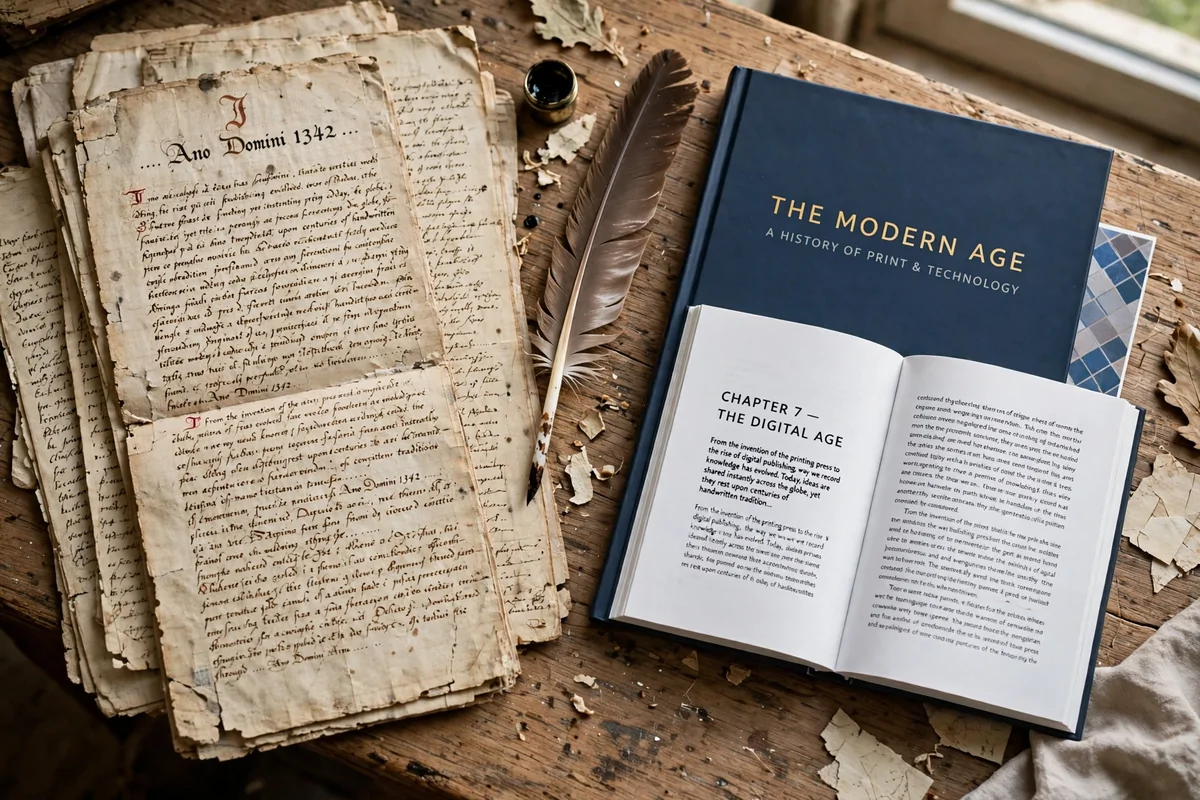
Words never sit still. The words your grandparents used every day can sound old now, and the words children use today would puzzle people from one hundred years ago. New words arrive when life changes, old words fade away when people stop needing them, and some words slowly change what they mean.
In this list, you will face 22 fun choices about how words change. Each one asks you to pick a side, and there is no wrong answer. Just think about which change sounds more fun to you, and which one fits the way you see language.
1. Would you rather invent a new word every day or bring back an old word every day?
Would you rather...
To invent a new word every day means your mind is always busy. You look at a new thing, a new feeling, or a new habit, and you give it a name that no one has used before. Your friends might laugh at first, but some of your words could catch on and spread.
To bring back an old word every day means you save words that time forgot. You dig up a word from an old book or an old talk, and you give it a second life. People around you start to hear words they thought were gone for good.
| Option | What You Gain | What You Give Up |
|---|---|---|
| Invent a new word every day | Fresh words for new things and a fun creative habit | Old words keep fading while you look ahead |
| Bring back an old word every day | Lost words live again and old wisdom stays close | You make fewer new words for new things |
2. Would you rather speak only old words for a week or speak only new words for a week?
Would you rather...
Old words for a week would feel like a trip back in time. You would talk the way people talked long ago, with words that sound polite, slow, and a bit grand. Your friends might need a dictionary just to keep up with you.
New words for a week would feel like living in the future. You would use the newest words for phones, games, work, and daily life, and older people might ask you what half of your words mean. It would be fast, fresh, and a little confusing for everyone else.
Things to think about:
- Which week would make your friends laugh more?
- Would old words help you sound wise, or just hard to follow?
- Would new words help you fit in, or leave some people behind?
3. Would you rather know the origin of every word you use or know the future of every word you use?
Would you rather...
To know the origin of every word means every talk becomes a history lesson. You say the word “breakfast” and you know it once meant to break a fast. You say “window” and you know it once meant an eye for the wind. Words stop being plain tools and start being small stories.
To know the future of every word means you can see what is coming. You know which words will grow big, which ones will fade, and which ones will change meaning in ten years. You would always be one step ahead of the way people talk.
Pro Tip: Word origins are fun to share at the dinner table. Pick one common word, look up where it came from, and tell the story to your family. It makes the word stick in your mind for good.
4. Would you rather watch a word change its meaning slowly or watch a word disappear slowly?
Would you rather...
When a word changes its meaning, it is like watching a friend grow up. The word “cool” once meant cold, then it meant calm, then it meant great. The sound stays the same, but the idea inside it moves to a new place.
When a word disappears, it is like watching a light go out. Fewer and fewer people say it, books stop printing it, and one day it is gone. It can feel sad, but it also shows how language clears space for new words.
| Option | What You Gain | What You Give Up |
|---|---|---|
| Watch a word change its meaning slowly | You see language grow and adapt in front of your eyes | The old meaning slips away a little each year |
| Watch a word disappear slowly | You learn why some words fade and what replaces them | You must say goodbye to a word you may love |
5. Would you rather give a new meaning to an old word or give an old meaning to a new word?
Would you rather...
To give a new meaning to an old word is a clever trick. You take a word that people forgot, dust it off, and use it for something modern. The word gets a new job, and people smile when they hear how old and new it is at the same time.
To give an old meaning to a new word is a kind of joke in reverse. You take a fresh word and fill it with an old idea, like calling a fast message by the name of a slow old letter. It links today with yesterday in one small word.
Things to think about:
- Which choice feels more creative to you?
- Would people accept your new meaning, or just get confused?
- Can one word hold two meanings at once without trouble?
6. Would you rather keep spelling the same forever or let spelling change with speech?
Spelling that never changes is steady and safe. Books from long ago stay easy to read, and learners always know what to expect. The cost is that spelling can drift far from how words sound, and children must memorise strange letters that no one says out loud.
Spelling that changes with speech is honest and simple. Words are written the way they sound, so reading and writing feel easy. The cost is that old books would start to look strange, and the link to the past would grow weaker with each change.
Important Note: English spelling already hides many old sounds. The silent letters in words like “knight” and “night” are clues to how people spoke hundreds of years ago. Spelling is a kind of fossil.
7. Would you rather learn how words were said 500 years ago or learn how words will be said 500 years from now?
Would you rather...
Words from 500 years ago would sound strange to modern ears. Vowels were longer, some letters were said that we now keep silent, and the rhythm of speech was different. To learn them would be like hearing a voice from a faraway time.
Words from 500 years in the future are a mystery no one can truly know. They might be shorter, softer, or mixed with words from other languages. To learn them would feel like a trip to a world that does not exist yet.
Which trip sounds better to you, back to the past or forward to the future? Both teach the same lesson, that no way of speaking lasts forever.
| Option | What You Gain | What You Give Up |
|---|---|---|
| Learn how words were said 500 years ago | You can read old poems and plays the way they truly sounded | The sounds feel strange and take long practice |
| Learn how words will be said 500 years from now | You get a peek at a future no one else can hear yet | No one around you would understand your future speech |
8. Would you rather save a dying word from vanishing or create a brand new word for a new thing?
Would you rather...
To save a dying word is an act of care. You use it in talks, you write it in notes, you teach it to children, and slowly it comes back to life. One person can keep a word alive just by refusing to let it go.
To create a brand new word is an act of invention. A new tool, a new habit, or a new kind of fun needs a name, and you are the one who gives it. If your word is clear and catchy, other people will pick it up and pass it on.
Both choices shape the language. One protects what already exists, and the other builds what comes next. Which kind of builder are you?
9. Would you rather speak a language that never changes or speak a language that changes every year?
Would you rather...
A language that never changes is like a still lake. Every word stays where it is, every rule stays firm, and a book written a thousand years ago reads just like a book written today. Learning it once would be enough for a whole life.
A language that changes every year is like a fast river. New words rush in, old words wash away, and each year brings fresh jokes, fresh slang, and fresh ways to say things. You would never get bored, but you would always be learning.
Things to think about:
- Do you love steady rules, or do you love fresh surprises?
- A fixed language is easy to master but can feel frozen in time.
- A fast changing language is full of life but hard to keep up with.
10. Would you rather read old books in their old words or read new books in their newest words?
Would you rather...
Old books in their old words carry the true voice of their time. The words may be hard at first, but they show how people thought, joked, and dreamed long ago. Reading them is like sitting down for a talk with the past.
New books in their newest words feel light and close to daily life. The words match the way people talk now, so the story moves fast and feels real. You never have to stop and guess what a strange old word means.
| Option | What You Gain | What You Give Up |
|---|---|---|
| Read old books in their old words | You meet the past in its own true voice | Some pages take slow and patient reading |
| Read new books in their newest words | Stories feel fresh, fast, and close to your own life | You miss the old words and old ways of thinking |
11. Would you rather know why a word sounds funny or know why a word sounds serious?
Would you rather...
Some words make people smile just by how they sound. Short sounds, repeated sounds, and soft sounds can feel playful, and no one quite knows why. To know the reason would be like learning a small secret of the human ear.
Some words feel heavy and serious the moment they are said. Long sounds, hard sounds, and slow sounds can make a talk feel grave and weighty. To know why would help you choose the right word for the right moment.
Pro Tip: Say a word out loud three times, slowly. Listen to how it feels in your mouth. The sound of a word often hints at what it means, even before you look it up.
12. Would you rather have one word for ten things or have ten words for one thing?
Would you rather...
One word for ten things is simple and handy. You learn one word and you can use it everywhere, for food, for weather, for feelings, and for fun. The risk is that people may not know which of the ten things you mean.
Ten words for one thing is rich and exact. Think of snow in cold lands, where people have many words for soft snow, hard snow, and falling snow. Each word paints a clear picture, but you must learn them all.
Simple words save time, while many words save confusion. Which kind of speaker would you like to be, the quick one or the exact one?
13. Would you rather let slang enter the dictionary fast or keep slang out of the dictionary for years?
Would you rather...
Slang is the fresh talk of the street, the school, and the market. When it enters the dictionary fast, the dictionary stays honest about how people really speak. Young people feel seen, and new words get a proper home.
When slang stays out for years, the dictionary stays calm and formal. Only words that prove they can last earn a place inside. The cost is that the dictionary can feel old fashioned, and everyday speech moves on without it.
| Option | What You Gain | What You Give Up |
|---|---|---|
| Let slang enter the dictionary fast | The dictionary matches real daily speech | Short lived words may fill its pages |
| Keep slang out of the dictionary for years | Only lasting words earn a place inside | The dictionary falls behind how people talk |
14. Would you rather change how people say hello or change how people say goodbye?
Would you rather...
Hello is the first word in almost every meeting. To change it would change the feel of every first moment, from a warm morning greeting to a quick hello on the street. A new hello could make people smile before the talk even starts.
Goodbye is the last word before people part. To change it would change how every meeting ends, from a sad farewell to a cheerful promise to meet again. A new goodbye could leave people with a warm feeling that lasts all day.
Things to think about:
- Which word do you say more often in a day?
- A hello sets the mood, while a goodbye leaves the last memory.
- Would your new word be short and sweet, or long and warm?
15. Would you rather remember words that no one uses now or forget words that everyone uses now?
Would you rather...
To remember words that no one uses now is to carry a small museum in your head. You know words for old tools, old jobs, and old ways of life, and you can share them like rare treasures. The trouble is that few people will know what you mean.
To forget words that everyone uses now is a strange kind of freedom. You would lose the newest words for phones, work, and daily fun, and you would have to find old words to take their place. People might think you talk like someone from another time.
Warning: Words fade fast when no one writes them down. If a word matters to you, use it in a note or a letter, or it may be gone before you notice.
16. Would you rather teach children old words from long ago or teach children new words from today?
Would you rather...
Old words from long ago give children a link to the past. They learn how their grandparents spoke, they can read old stories, and they keep a piece of history alive in their own mouths. It is a gift that connects one age to another.
New words from today give children tools for the world they live in. They learn the words for new tools, new games, and new ideas, and they can talk with friends without feeling left behind. It is a gift that helps them fit into the present.
Which gift would you give first? The past is rich and deep, but the present is where children live every day.
17. Would you rather hear your grandparents’ words come back or hear your grandchildren’s words take over?
Would you rather...
To hear your grandparents’ words come back is a warm surprise. Words you heard as a child at home return in the mouths of young people, and the past feels close again. It is like hearing an old friend call your name.
To hear your grandchildren’s words take over is a sign of the future. New words fill the house, new jokes fill the air, and the language moves on to its next shape. It can feel strange at first, but it shows that language is alive and well.
Things to think about:
- Which return would make you smile more?
- Old words bring back old memories and old voices.
- New words show that the next age has its own voice.
18. Would you rather keep one word the same in every country or let one word mean different things in each country?
One word the same in every country would make travel easy. You could say it in London, in New York, in Sydney, and in Delhi, and everyone would know what you mean. No mix-ups, no red faces, no funny mistakes.
One word with a different meaning in each country is a source of fun and trouble. The same word can mean a flat home in one place and a car part in another. Travellers learn to laugh at their mistakes, and locals enjoy telling the story.
| Option | What You Gain | What You Give Up |
|---|---|---|
| Keep one word the same in every country | Clear talks with no mix-ups when you travel | You lose the fun local twists of the word |
| Let one word mean different things in each country | Rich local colour and funny stories from travel | You risk funny mix-ups in daily talks |
19. Would you rather find the oldest word in your language or find the newest word in your language?
Would you rather...
The oldest word in your language is a survivor. It has lived through wars, kings, famines, and floods, and people still say it every day without knowing its age. To find it would be like meeting the oldest person in a village.
The newest word in your language is a baby. It was born just days or weeks ago, maybe from a new tool or a new joke, and it is still finding its place. To find it would be like catching a word on its very first day of life.
Pro Tip: Some of the oldest words are the shortest ones, like water, fire, mother, and father. They have stayed the same for thousands of years because people need them every single day.
20. Would you rather speak with words from 100 years ago for a day or speak with words from 100 years from now for a day?
Would you rather...
Words from 100 years ago would make your day feel like a storybook. You would greet people in old polite ways, use words for hats and horses and letters, and sound like a character from a black and white photo. Your friends would need time just to follow you.
Words from 100 years from now would make your day feel like a science dream. You would use words no one has heard yet, for tools and ideas that do not exist today. People might stare, but they would also want to know what your strange new words mean.
Things to think about:
- Which day would be more fun to live through?
- Old words bring old manners with them.
- Future words bring future ideas with them.
21. Would you rather let words get shorter over time or let words get longer over time?
Would you rather...
Shorter words save time and breath. Long words get cut down to quick forms, and people talk faster and write faster. Think of how “television” became “TV” and how “photograph” became “photo”. Short words fit the fast pace of modern life.
Longer words carry more detail and more beauty. A long word can hold a whole idea inside it, with each part adding a little more meaning. They take longer to say, but they can sound grand and full, like a long road with much to see.
| Option | What You Gain | What You Give Up |
|---|---|---|
| Let words get shorter over time | Fast speech and quick writing for busy days | Fine detail and old word shapes fade away |
| Let words get longer over time | Rich words that carry more meaning in each one | Talking and writing take more time and breath |
22. Would you rather know the story behind every place name or know the story behind every family name?
Would you rather...
Place names are small maps of history. A town name can tell you about a river, a hill, a king, or a trade that shaped the place long ago. To know each story would turn every road sign into a page of history.
Family names are small maps of people. A family name can tell you about a job, a village, or a trait that marked a family hundreds of years ago. To know each story would turn every meeting into a glimpse of where a person comes from.
Both kinds of names hide their stories in plain sight. Which map would you rather be able to read, the map of places or the map of people?
Important Note: Many place names change their spelling over time, just like other words. The old form of a name often hides in old maps and old letters, waiting for someone curious to find it.
More Would You Rather Questions
- 18 Language History Would You Rather Questions From Ancient to Modern
- 40 Language Origins Would You Rather Questions That Go Deep
- 34 Alphabet Would You Rather Questions About Global Writing Systems
- 28 Writing Systems Would You Rather Questions From Around the World
- 23 Dead Languages Would You Rather Questions About Forgotten Speech
- 25 Ancient Languages Would You Rather Questions From Lost Civilizations
- 35 Endangered Languages Would You Rather Questions About Languages at Risk
- 14 Similar Languages Would You Rather Questions That Test Your Knowledge
- 13 French vs Spanish Would You Rather Questions for Language Learners
- 15 American vs British English Would You Rather Questions