25 Inventions That Changed the World Forever – How Many of These Famous Inventions Can You Name?

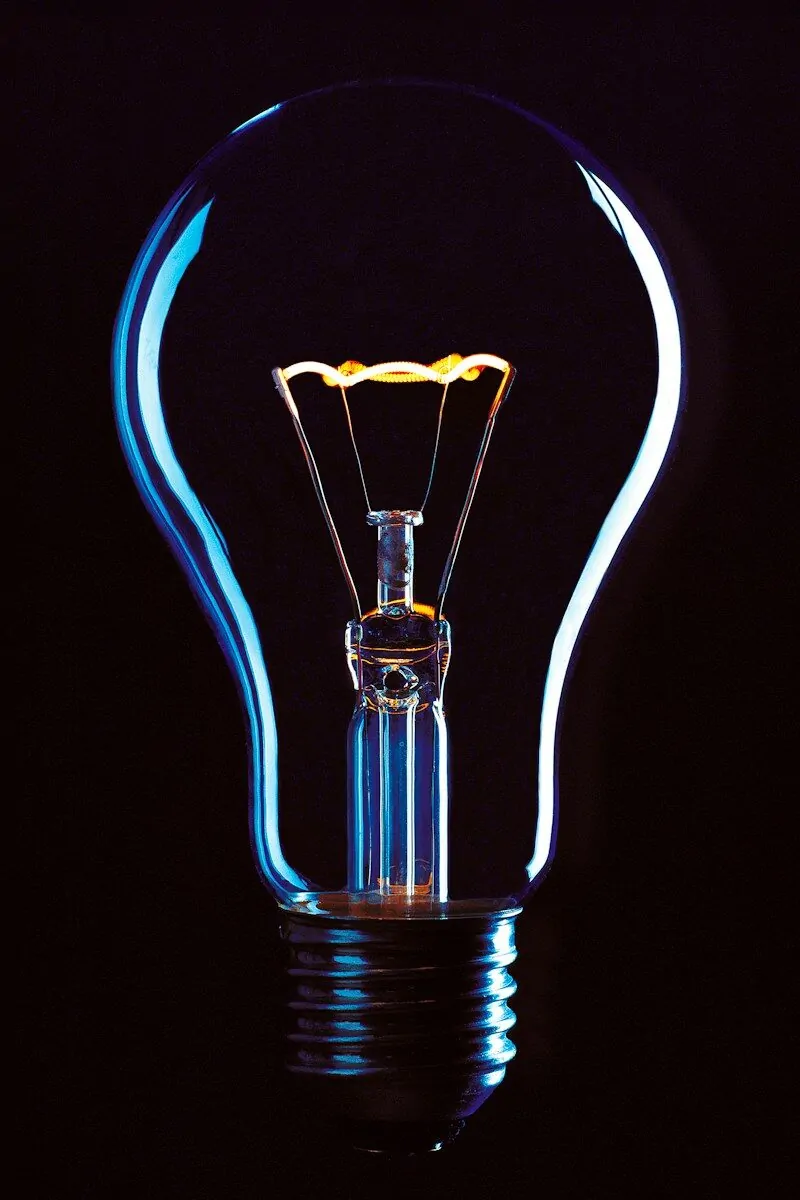
Think about your day for a second. You woke up to an alarm, checked your phone, maybe made toast, and turned on a light. Every single one of those things exists because someone, somewhere, invented it. We live completely surrounded by inventions, and most of us never stop to think about where they came from.
That is what this quiz is all about. I picked 25 of the most famous inventions in human history, from the ancient wheel to the modern internet, and wrote a clue for each one. You read the description and type the name of the invention. It sounds simple, but a few of these will really make you think.
I got 22 out of 25 on my first attempt, and i am still annoyed about the three i missed. One of them i literally use every day. See how you do, and no googling, that is cheating and you know it.
What Is This Quiz About?
This is a name-the-invention quiz that travels through thousands of years of human creativity. Each of the 25 questions describes a famous invention, sometimes by who made it, sometimes by what it does, and your job is to type its name. The clues stretch from ancient times, like the wheel from 3500 BC, all the way to the internet age.
You will meet the telephone, the light bulb, the airplane, the printing press, the steam engine, the compass, gunpowder, paper, the telescope, the microscope, radio, television, the computer, the battery, penicillin, vaccines, the X-ray, photography, the phonograph, the telegraph, the sewing machine, the elevator and the bicycle. Every question has a hint, and every answer comes with a short story about the invention.
How To Play This Quiz
Read the clue, type the invention’s name into the answer box, and submit. Capital letters do not matter, so “telephone”, “TELEPHONE” and “Telephone” all count. The quiz also accepts short forms like “tv” for television or “bike” for bicycle, so do not be afraid to guess.
Stuck? Press the hint button. And here is something i learned the hard way: the simplest answer is usually the right one. I once typed a whole paragraph describing the light bulb instead of just writing “light bulb”. Do not be like me.
All 25 Answers: Famous Inventions And Their Inventors
Done playing? Here is the full answer key with each invention’s inventor and year. A perfect excuse to check your score and learn a little history at the same time.
| Famous Invention | Inventor / Year |
|---|---|
| Telephone | Alexander Graham Bell, 1876 |
| Light Bulb | Thomas Edison, 1879 |
| Airplane | Wright brothers, 1903 |
| Printing Press | Gutenberg, around 1440 |
| Steam Engine | James Watt, 1776 |
| Wheel | Mesopotamia, around 3500 BC |
| Compass | Ancient China, around 200 BC |
| Gunpowder | China, 9th century |
| Paper | China, around 105 AD |
| Telescope | Galileo, 1610 |
| Microscope | 1600s scientists |
| Radio | Guglielmo Marconi, 1901 |
| Television | 1920s and 1930s |
| Computer | ENIAC, 1945 |
| Internet | ARPANET, 1969 |
| Battery | Alessandro Volta, 1800 |
| Penicillin | Alexander Fleming, 1928 |
| Vaccine | Edward Jenner, 1796 |
| X-Ray | Wilhelm Roentgen, 1895 |
| Photography | Nicephore Niepce, 1826 |
| Phonograph | Thomas Edison, 1877 |
| Telegraph | Samuel Morse, 1840s |
| Sewing Machine | Isaac Singer, 1851 |
| Elevator | Elisha Otis, 1853 |
| Bicycle | 1800s designers |
Fun Facts And Stats
The numbers behind these inventions are mind-blowing. The wheel was invented around 3500 BC, which means humans have been rolling on it for more than 5,500 years. Paper was invented in China around 105 AD, and today the world produces over 400 million tons of it every year. Gutenberg’s printing press from around 1440 helped cut the cost of books so much that reading went from a rich person’s hobby to something for everyone.
James Watt’s steam engine of 1776 kicked off the Industrial Revolution, and within a hundred years trains were crossing whole continents. Alexander Graham Bell’s telephone from 1876 turned into the smartphone in your pocket, and there are now more mobile phones on Earth than people, over 8 billion of them. The internet, which grew from a 1969 US project called ARPANET, now connects more than 5 billion users.
On the medical side, penicillin, discovered in 1928, has saved an estimated 200 million lives. Edward Jenner’s 1796 smallpox vaccine led to the complete wipeout of smallpox, the only human disease we have ever fully erased. And Wilhelm Roentgen’s X-rays from 1895 won him the very first Nobel Prize in Physics in 1901.
Accidents That Changed The World
Here is my favourite part of invention history: some of the biggest breakthroughs were total accidents. Gunpowder was discovered in China in the 9th century when inventors were actually trying to make a potion for eternal life. Imagine failing at immortality and inventing fireworks instead. Alexander Fleming discovered penicillin in 1928 because he left a petri dish uncovered and went on holiday. The mold that grew on it killed the bacteria around it, and modern medicine was never the same.
Even the telescope’s story has a lucky twist. Galileo did not invent it from scratch, he heard about a Dutch gadget and built a much better version in 1610, then pointed it at the sky and discovered the moons of Jupiter. Sometimes the biggest genius move is just looking somewhere nobody else thought to look.
Why The 1800s Were The Greatest Century For Inventors
Count the dates in the table above and you will notice something wild: a huge chunk of these inventions came from the 1800s. The telephone (1876), the light bulb (1879), the phonograph (1877), the battery (1800), photography (1826), the telegraph (1840s), the sewing machine (1851), the elevator (1853) and X-rays (1895) all landed within one century.
Why? The Industrial Revolution created factories, cheap steel, and a growing middle class that could buy new gadgets. Patent systems protected inventors’ ideas, and scientific knowledge was spreading fast through books and universities. It was the perfect storm for creativity, and honestly, we are still living in the world those inventors built.
Brilliant Tips For Teachers, Kids And Invention Quiz Fans
Teachers, this quiz is a ready-made history lesson. Have students pick one invention from the table and research how life worked before it existed. No electric light? No phones? Kids find this genuinely shocking. You can also turn the timeline into a classroom game by having teams place the inventions in order from oldest to newest.
Kids, think about the inventor’s name in each clue, it is usually the biggest giveaway. Bell means telephone, Edison means light bulb, Morse means telegraph. Use the hints when you need them, and type the shortest correct name, like “tv” instead of “television”. Invention fans, challenge your family at dinner and watch everyone argue about whether the wheel counts as an invention. It does, and now you can prove it.
Conclusion
So, how many famous inventions could you name? Whether you got all 25 or just learned that the battery is named after a guy called Volta, i hope you enjoyed the trip through history. Every object around you has an inventor and a story, and now you know 25 of the best ones.
Share your score with someone who loves history, or with someone who thinks they know everything. Then try our other quizzes. There is always another challenge waiting.
Frequently Asked Questions
How many inventions are in this quiz?
There are 25 questions, covering inventions from the ancient wheel (around 3500 BC) to the internet age. Each one asks you to name the invention from a descriptive clue.
Do i need to spell the invention names exactly?
No. The quiz accepts different capitalizations and short forms. “TV” works for television, “bike” works for bicycle, and “xray” works for X-ray. Just get close.
What time periods do the inventions cover?
They span more than 5,000 years, from the wheel in ancient Mesopotamia (around 3500 BC) to the internet (1969). Most of them, though, come from the 1800s and 1900s.
Can i play this inventions quiz on my phone?
Yes. The quiz works on phones, tablets and computers. Open the page, scroll to the quiz, and start typing your answers.
Is this quiz suitable for students?
Very. It is basically a fun history lesson. Teachers use it for units on the Industrial Revolution, science class, or general knowledge practice. The hints keep it friendly for younger kids.
Which invention do most people miss?
The phonograph and the telegraph trip up the most players, because the clues describe what they do rather than naming the inventor directly. The telephone and the light bulb are usually the easy ones.