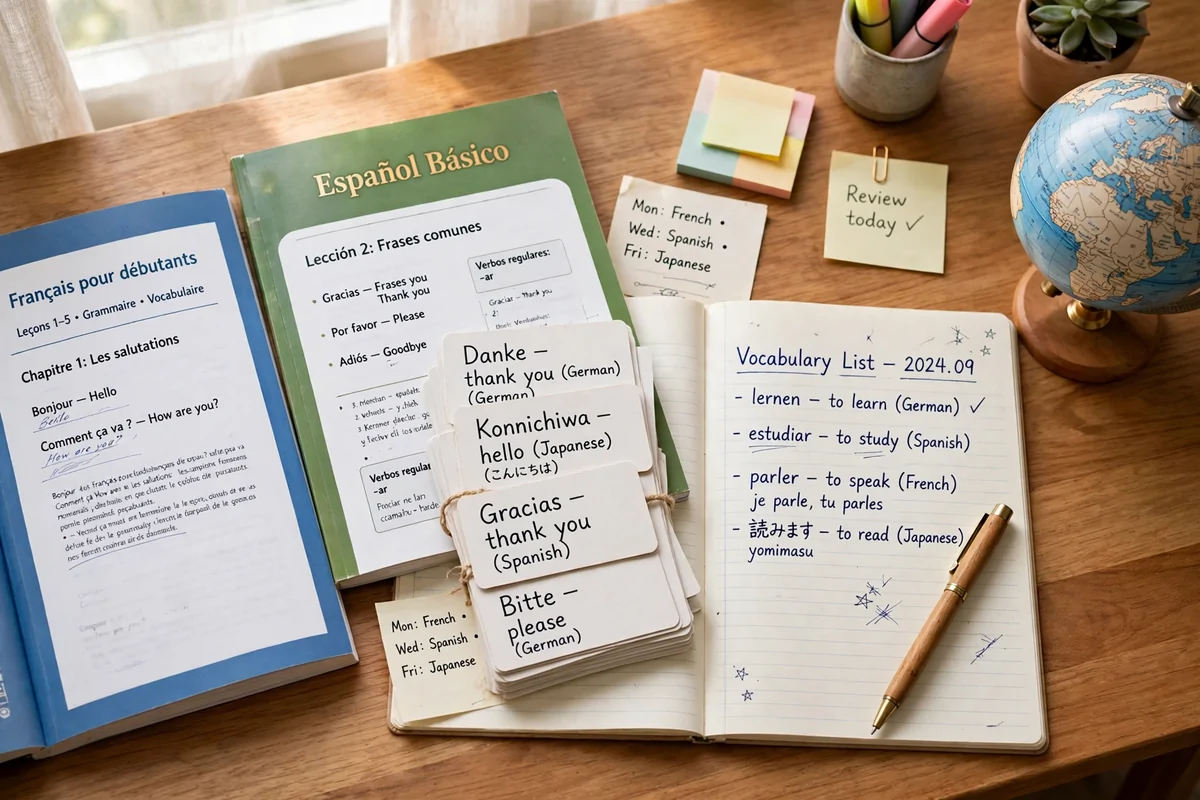
35 Endangered Languages Would You Rather Questions About Languages at Risk

All around the world, thousands of languages are spoken every day. But many of them are in danger. Some have only a few hundred speakers left. Some have only a few old people who still speak them. When the last speaker is gone, the language goes with them.
Every language holds a world of its own. It holds old stories, names for plants and animals, kind words for family, and wise sayings from long ago. When a language fades, all of that can fade too. That is why so many people now work hard to save languages at risk. These questions will make you think about what you would save first, and what you would give up to keep a language alive.
1. Would you rather save one language with ten speakers or save ten languages with one speaker each?
Would you rather...
Think about it for a moment. One language with ten speakers has a small group who can still talk to each other. They can share stories, laugh, and teach their children. But ten languages with one speaker each means ten whole worlds, each held by one person alone.
Both choices are hard. If you save the one language, you save a living group. If you save the ten, you save more variety, but each language has only one voice left. Which kind of rescue matters more to you?
| Option | What You Gain | What You Give Up |
|---|---|---|
| Save one language with ten speakers | A real group who can talk together and pass the language on | Nine other languages, each with a story of its own |
| Save ten languages with one speaker each | Ten different languages saved from silence | The chance to save a language that people still speak together |
2. Would you rather learn a language with only five speakers left or learn a language with five thousand speakers left?
Would you rather...
Five speakers left means you would join a very small circle. You could sit with them, listen to their stories, and learn words that almost no one else in the world knows. It would feel special, but it would also feel sad, because the language is so close to gone.
Five thousand speakers is a much bigger group. You could find friends to talk with, books to read, and children who still learn it at home. The language is still in danger, but it has a much stronger chance to live on.
Things to think about:
- Would you rather be one of the last learners of a language, or one of many?
- Is it better to help where the need is greatest, or where the hope is strongest?
- Would five kind teachers be enough for you to learn well?
3. Would you rather live in a village where everyone speaks a rare language or live in a city where no one speaks it?
Would you rather...
In the village, the rare language would be part of your whole day. You would hear it at the market, at home, and in every chat with a neighbour. You would learn fast, because you would need it for everything. Life would be simple, quiet, and close to nature.
In the city, you would have shops, jobs, and many new people to meet, but your rare language would be silent around you. You would have to work hard to keep it alive in your own head, with no one to talk to in it. Which life would teach you more?
Pro Tip: A language lives in daily talk. If you want to keep one alive, use it for small things first, like greetings, food names, and thank you.
4. Would you rather write a book in an endangered language or teach ten children to speak it?
Would you rather...
A book can last for a very long time. Long after you are gone, someone could open it and find the words, the stories, and the grammar of the language. A book is a safe home for a language, even if no one speaks it for a while.
But ten children who speak a language keep it alive in a different way. They will talk, play, and grow up with it. They may teach their own children one day. A book keeps words safe, while children keep a language breathing.
| Option | What You Gain | What You Give Up |
|---|---|---|
| Write a book in an endangered language | Words and stories saved on paper for many years to come | The sound of the language in daily life |
| Teach ten children to speak it | A new young group who speak the language every day | A written record that could last for ages |
5. Would you rather hear the last story told in a dying language or read the last book written in it?
Would you rather...
Hearing the last story would be a moment you never forget. You would hear the voice, the pauses, and the feeling of the person who tells it. A spoken story carries warmth that paper can never fully hold.
Reading the last book would be quieter, but you could read it again and again. You could study each word, share it with others, and keep it safe on a shelf. One is a moment in time, and the other is a treasure you can return to.
Things to think about:
- Would you rather keep a voice in your memory or keep words on a page?
- Which one could you share better with other people?
- Would hearing the story make you feel closer to the people who spoke the language?
6. Would you rather speak a language that only old people know or speak a language that only young children are learning?
Would you rather...
A language known only by old people holds deep wisdom. The old speakers carry the history of their people, old jokes, old sayings, and memories from long ago. Learning from them would be like opening a very old chest full of treasures.
A language learned only by young children holds hope for the future. The children are just starting out, and they may carry the language into a new time. Learning with them would be fun and full of energy, but you would have to be patient, because they are still learning too.
7. Would you rather keep a language alive in one family or keep it alive in one school?
Would you rather...
A family can keep a language warm and close. At home, people speak it at meals, at bedtime, and in small daily moments. A language that lives at home feels natural, like a part of the family itself.
A school can reach many more people. One school can teach hundreds of children over the years, and each child can carry the language out into the world. A school gives a language a plan, lessons, and a future. Which home suits a language better?
| Option | What You Gain | What You Give Up |
|---|---|---|
| Keep a language alive in one family | Daily talk at home that feels warm and natural | The chance to reach many learners at once |
| Keep it alive in one school | Lessons that reach hundreds of children over time | The close, daily feeling of a home language |
8. Would you rather record one hundred words of a dying language or record one hundred stories in it?
Would you rather...
One hundred words would give you the building blocks of the language. You would know the words for water, fire, mother, bread, and many other daily things. With those words, a future learner could start to rebuild the language step by step.
One hundred stories would give you much more than words. You would hear how people thought, what made them laugh, and what they feared. Stories hold the heart of a people. But without a word list, it would be hard for a new learner to follow them.
Things to think about:
- Would you rather save the pieces of a language or save its heart?
- Which record would help a future learner more?
- Could one hundred stories still teach you the words you need?
9. Would you rather spend a year in a mountain village to learn a rare language or spend a year in a library reading about it?
Would you rather...
A year in a mountain village would be a real adventure. You would wake up to cold air, walk on stone paths, and learn the language from people who speak it every day. You would learn the words for snow, goats, bread, and home. You would make friends for life.
A year in a library would be quiet and deep. You would read old books, study grammar, and learn the history of the language from papers written long ago. You would know a lot about the language, but you might never hear a real person speak it.
Important Note: Many rare languages have no written books at all. For those languages, the only library is the memory of the people who speak them.
10. Would you rather save the language of your grandparents or save the language of a faraway island?
Would you rather...
The language of your grandparents is close to your heart. It is the language of your family, your childhood, and your roots. Saving it would feel personal, like keeping a part of your own home alive.
The language of a faraway island is a mystery. You have never met its people, but their language holds knowledge about their sea, their weather, and their way of life. Saving it would help people you may never meet, but their world would stay alive because of you.
| Option | What You Gain | What You Give Up |
|---|---|---|
| Save the language of your grandparents | A link to your own family and your own past | The chance to save a language no one else is saving |
| Save the language of a faraway island | A whole island way of life kept alive for the world | The language of your own family |
11. Would you rather learn a language with no written form or learn a language with no speakers under fifty?
Would you rather...
A language with no written form lives only in voices. There are no books, no letters, and no spelling to learn. You would have to listen very well and remember everything by ear. It would be hard, but it would also be a very pure way to learn.
A language with no speakers under fifty has books and writing, but its speakers are all older people. You could read and study it, but you would know that time is short. Every year, the group of speakers gets smaller.
Things to think about:
- Would you rather learn by listening only, or learn by reading only?
- Is a language safer when it has writing, or when it has young speakers?
- Which one would be harder for you to learn well?
12. Would you rather teach a rare language to your child or teach it to one hundred strangers?
Would you rather...
Teaching your child a rare language is a gift that lasts a lifetime. Your child would grow up with two ways to see the world. The language would live on in your own family, in your home, and maybe in your grandchildren too.
Teaching one hundred strangers would spread the language much wider. One hundred new speakers could teach others, start clubs, and keep the language alive in many places at once. But none of them would carry it in their family the way your child would.
13. Would you rather have a dictionary of a dying language or have a recording of its last speaker?
Would you rather...
A dictionary is a clear and tidy record. You can look up any word, see how it is spelled, and learn how it fits with other words. A dictionary helps a new learner study step by step, even long after the last speaker is gone.
A recording of the last speaker is different. You can hear the real voice, the accent, the speed, and the feeling of the language. A recording keeps the sound alive, even if it does not explain every word the way a dictionary does.
| Option | What You Gain | What You Give Up |
|---|---|---|
| Have a dictionary of a dying language | A clear record that future learners can study | The true sound of a real human voice |
| Have a recording of its last speaker | The living voice, accent, and feeling of the language | A tidy guide that explains the words |
14. Would you rather speak only one rare language for a whole year or speak ten rare languages for one month each?
Would you rather...
One language for a whole year would let you go deep. You would learn the small details, the jokes, the polite words, and the right way to say things. By the end of the year, you might even dream in that language.
Ten languages for one month each would give you a wide taste of the world. You would learn greetings and simple words in ten different places. You would not go deep in any of them, but you would meet many people and hear many kinds of sounds.
Things to think about:
- Would you rather know one language well or know ten languages a little?
- Is it better to go deep or to go wide?
- Which way would teach you more about the world?
15. Would you rather visit a forest village to hear their language or visit an island village to hear theirs?
Would you rather...
A forest village would be green, quiet, and full of trees. The people there would know words for birds, leaves, rain, and wood. Their language would be shaped by the forest around them, and you could learn it while walking under tall trees.
An island village would be open, bright, and full of sea air. The people there would know words for waves, boats, fish, and wind. Their language would be shaped by the sea, and you could learn it while sitting on a warm beach.
Pro Tip: Languages often hold special words for the land around them. A forest language may have many words for trees, while an island language may have many words for the sea.
16. Would you rather keep a language alive through food names or keep it alive through family stories?
Would you rather...
Food names are a tasty way to keep a language alive. Every meal would carry the old words for bread, rice, soup, and sweets. People remember food words easily, because food is a part of every single day.
Family stories are a warmer way. Stories about grandparents, old homes, and funny family moments carry the language in a living way. But stories need time and a good listener, while food words are used at every meal without thinking.
| Option | What You Gain | What You Give Up |
|---|---|---|
| Keep a language alive through food names | Old words used every day at every meal | The long stories that hold family history |
| Keep it alive through family stories | Warm memories and family history kept alive | Easy daily words that everyone can use |
17. Would you rather learn a language that has only one hundred words left or learn a language that has only one hundred speakers left?
Would you rather...
One hundred words left means most of the language is already gone. But the words that are left are the most loved ones, the ones people kept using until the very end. Learning them would be like holding the last pieces of a broken pot.
One hundred speakers left means the language is still whole, but its people are few. You could still have full talks, hear full stories, and learn the language as it was really spoken. The language is alive, but it needs help fast.
Things to think about:
- Would you rather save the last pieces of a language or learn a full language with few people?
- Which one feels more urgent to you?
- Could one hundred words be enough to keep a language alive?
18. Would you rather save a language by making a phone app for it or save it by opening a small school for it?
Would you rather...
A phone app can reach people far away. Anyone with a phone could learn the words, hear the sounds, and practise every day. An app can work day and night, and it can reach learners in many countries at once.
A small school is slower, but it is more personal. A teacher can answer questions, correct mistakes with a smile, and build a warm group of learners. In a school, people learn together, and learning together is much more fun than learning alone on a phone.
19. Would you rather speak a rare language with your best friend or speak it with a stranger from another land?
Would you rather...
Speaking a rare language with your best friend would make your friendship even closer. You would share a secret way of talking that only the two of you know. Every joke and every plan would feel special.
Speaking it with a stranger from another land would open a new door. You would learn how the language sounds in a different place, and you might make a new friend for life. It would be a little scary at first, but it could also be very exciting.
| Option | What You Gain | What You Give Up |
|---|---|---|
| Speak a rare language with your best friend | A closer friendship and a shared secret way of talking | The chance to meet someone new from far away |
| Speak it with a stranger from another land | A new friend and a new way to hear the language | The close feeling of sharing it with your best friend |
20. Would you rather hear a rare language spoken in a market or hear it spoken at a family meal?
Would you rather...
A market is loud, bright, and full of life. You would hear the language used for buying, selling, and friendly talk with neighbours. Market talk is fast and fun, and it shows how a language works in daily life.
A family meal is quiet, warm, and full of love. You would hear the language used for care, for jokes, and for old family words. Meal talk shows how a language lives at home, where it matters most.
Things to think about:
- Would you rather hear a language at work or hear it at home?
- Which place would teach you more useful words?
- Would market talk be too fast for you to follow?
21. Would you rather learn the language of a desert people or learn the language of a snowy mountain people?
Would you rather...
A desert language would teach you words for sand, sun, camels, and dry wind. The people would know how to find water in a dry land, and their language would hold that wisdom. Learning it would feel like stepping into a hot, golden world.
A snowy mountain language would teach you words for snow, ice, high paths, and cold nights. The people would know how to live in a place where winter lasts a long time. Learning it would feel like stepping into a white, quiet world.
Warning: Both desert and mountain languages are at high risk. When young people leave these hard places for big cities, the old language often fades with them.
22. Would you rather write the first book in a dying language or speak the first new word in it in ten years?
Would you rather...
Writing the first book in a dying language would be a big moment. No one has ever written a book in it before. Your book could be the first step that turns a spoken language into a written one, and it could help many future learners.
Speaking the first new word in ten years would be a small but joyful moment. A new word means the language is still growing, still alive, and still able to change. It would show that the language is not just old history, but a living thing.
| Option | What You Gain | What You Give Up |
|---|---|---|
| Write the first book in a dying language | A first written record that future learners can use | The joy of hearing the language grow with a new word |
| Speak the first new word in it in ten years | Proof that the language is still alive and growing | A lasting written record for the future |
23. Would you rather keep a language alive through old sayings or keep it alive through names of places?
Would you rather...
Old sayings hold the wisdom of a people. A short saying can teach you how to be kind, how to be brave, or how to live a good life. When you save the sayings, you save the way people thought about the world.
Names of places hold the map of a people. Every hill, river, and village name tells a story about the land. When you save the place names, you save the link between the people and their home, even if the language itself fades.
Things to think about:
- Would you rather save wisdom or save the map of a home?
- Which one would you use more in daily life?
- Could place names alone keep a language alive?
24. Would you rather spend a day with the last speaker of a language or spend a day with the last writer of it?
Would you rather...
A day with the last speaker would be full of sound. You could listen to their voice, ask them questions, and hear the language as it was really spoken. You could record their words and keep their voice safe for the future.
A day with the last writer would be full of paper and ink. You could read their notes, see how they wrote the language, and learn the rules they used. A writer can show you things that a speaker may not even think about, like spelling and grammar.
25. Would you rather learn a language that uses click sounds or learn a language that uses very long words?
Would you rather...
Click sounds are rare and special. Only a few languages in the world use them, and they sound fresh and strange to new ears. Learning them would be hard at first, because your mouth would have to learn a whole new way to make sounds.
Very long words are a different kind of challenge. In some languages, one long word can mean a whole sentence. Learning them would feel like building with blocks, putting small pieces together to make one big word.
| Option | What You Gain | What You Give Up |
|---|---|---|
| Learn a language that uses click sounds | A rare skill that very few people in the world have | The fun of building long words from small pieces |
| Learn a language that uses very long words | The joy of building whole ideas into one big word | A rare sound skill that few people can do |
26. Would you rather save a language spoken in one valley or save a language spoken on one island?
Would you rather...
A valley language is hidden between high hills. The people there have lived in one place for a very long time, and their language holds the names of every path, stream, and field in the valley. Saving it would save a small world tucked away from the rest of the earth.
An island language is shaped by the sea. The people there have their own words for tides, storms, and boats. Saving it would save a way of life that depends on the water all around them. Which small world would you protect?
Things to think about:
- Would you rather save a language hidden in hills or one shaped by the sea?
- Which place would be harder for a language team to reach?
- Would the valley or the island have more young speakers left?
27. Would you rather teach a rare language in a big city school or teach it in a small village home?
Would you rather...
A big city school would give you many learners at once. You could teach a full class, make posters, and hold fun events. The city would give the language a big stage, and many people could hear about it for the first time.
A small village home would give you a warm and close group. You could sit with a few learners, drink tea, and teach them slowly, with time for every question. The village would give the language a true home, where it belongs.
Important Note: A language needs both a home and a stage. It needs a place where people speak it every day, and a place where new people can find it and fall in love with it.
28. Would you rather have a language saved on paper or have it saved in the memory of one person?
Would you rather...
Paper is safe and patient. A language saved on paper can wait for years until someone comes to read it. Paper does not forget, and it does not get tired. But paper cannot speak, laugh, or answer a question.
A person who holds a language in memory is alive with it. They can speak it, teach it, and change it as life changes. But a person can forget, grow old, or pass away, and then the language goes with them.
| Option | What You Gain | What You Give Up |
|---|---|---|
| Have a language saved on paper | A safe record that can wait for years | The living voice that can speak and answer back |
| Have it saved in the memory of one person | A living speaker who can teach and talk | A safe record that cannot forget |
29. Would you rather learn the language of your ancestors or learn the language of a people you have never met?
Would you rather...
The language of your ancestors is a bridge to your past. It can help you read old family letters, understand old names, and feel closer to the people who came before you. Learning it would feel like coming home.
The language of a people you have never met is a bridge to a new world. It can open your eyes to a new way of life, new food, new stories, and new friends. Learning it would feel like setting off on a journey to a place you have never seen.
Things to think about:
- Would you rather look back at your own past or look forward to a new world?
- Which language would change your life more?
- Would your family be happy if you learned the language of your ancestors?
30. Would you rather spend your money on a language school or spend it on a collection of language books?
Would you rather...
A language school would give people a place to meet, learn, and talk. Teachers could guide learners, and students could help each other. A school is a living place, full of voices and energy.
A collection of language books would give people a library to study from. Books can be read at home, shared with friends, and kept for many years. A book collection is quiet, but it can reach people who live far away from any school.
31. Would you rather hear a rare language in a quiet forest or hear it in a busy market town?
Would you rather...
A quiet forest would let you hear every sound clearly. Birds, wind, and soft voices would mix together, and the language would feel calm and close to nature. You could sit and listen for a long time without any rush.
A busy market town would let you hear the language in full life. Traders would call out, friends would chat, and children would play. The language would feel strong and busy, full of energy and daily use.
| Option | What You Gain | What You Give Up |
|---|---|---|
| Hear a rare language in a quiet forest | Clear, calm sounds in a peaceful place | The energy of a language in busy daily life |
| Hear it in a busy market town | A lively language used by many people at once | The calm and quiet to hear every word |
32. Would you rather learn a language that changes with the seasons or learn a language that stays the same for one hundred years?
Would you rather...
A language that changes with the seasons would always feel fresh. In spring, people would use new words for new flowers. In winter, they would use other words for snow and cold. Learning it would mean learning with the year, step by step, season by season.
A language that stays the same for one hundred years would feel steady and strong. The words your great-grandparents used would be the same words you use today. Learning it would feel like joining a long, unbroken chain of people.
33. Would you rather save a language by teaching it to children or save it by teaching it to adults?
Would you rather...
Children learn fast and without fear. They pick up new sounds easily, and they can carry a language into the future for many years. If you teach children, the language may live on for a whole new generation.
Adults learn with care and purpose. They understand why the language matters, and they can teach others, write books, and start clubs. If you teach adults, the language may grow stronger right now, in the present.
Pro Tip: The best way to save a language is to teach both children and adults. Children carry it into the future, and adults give it strength today.
34. Would you rather speak a dying language at home every day or speak it only on one special day each year?
Would you rather...
Speaking a dying language at home every day would make it a real part of your life. You would use it for breakfast, for chores, and for good night. Daily use is the best way to keep a language strong and natural.
Speaking it only on one special day each year would make that day feel like a festival. The whole family would gather, wear their best clothes, and speak the old words with pride. It would be a rare and joyful day, but the language would be silent for the other 364 days.
| Option | What You Gain | What You Give Up |
|---|---|---|
| Speak a dying language at home every day | Daily practice that keeps the language strong | The special feeling of one joyful festival day |
| Speak it only on one special day each year | A proud family day full of joy and old words | The daily habit that keeps a language alive |
35. Would you rather know the last word of a dying language or know the first word of a new language?
Would you rather...
Knowing the last word of a dying language would be a heavy and special honour. You would hold the final piece of a world that is ending. It would be sad, but it would also be a way to remember a whole people and their way of life.
Knowing the first word of a new language would be a hopeful start. You would be at the very start of something fresh, like the first step on a new road. A new language means new people, new stories, and a new future waiting to be built.
Every language, old or new, is a treasure. When we save a language, we save the stories, the wisdom, and the heart of the people who speak it. So think about your answers, share them with your friends, and remember that even one new learner can help keep a language alive.
More Would You Rather Questions
- 14 Similar Languages Would You Rather Questions That Test Your Knowledge
- 13 French vs Spanish Would You Rather Questions for Language Learners
- 15 American vs British English Would You Rather Questions
- 20 Spanish vs Portuguese Would You Rather Questions for Language Fans
- 10 Hebrew vs Arabic Would You Rather Questions About Language Differences
- 39 Igbo Language Would You Rather Questions for Curious Learners
- 33 Yoruba Language Would You Rather Questions for African Language Fans
- 37 Amharic Language Would You Rather Questions From Ethiopia
- 29 Zulu Language Would You Rather Questions for Curious Learners
- 31 African Languages Would You Rather Questions From Across the Continent