39 Igbo Language Would You Rather Questions for Curious Learners

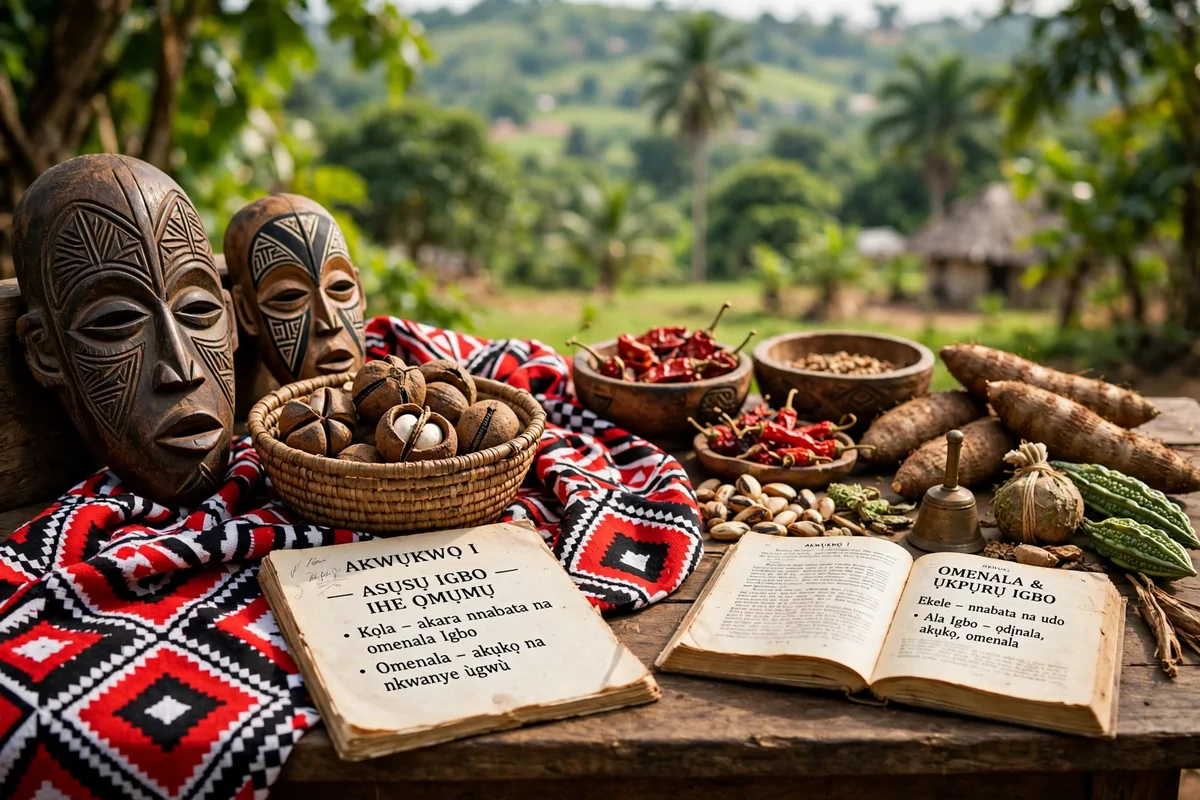
Igbo is a warm and lively language from southeastern Nigeria. Millions of people speak it every day, in busy markets, at home with family, and in villages full of stories. One of the first things you notice about Igbo is the tones. The same word can mean a new thing when your voice goes up or down, and that makes learning it feel like a fun puzzle.
When you start to learn Igbo, you meet kind greetings like “Ndewo” and you learn words for tasty food, bright colours, and everyday life. Proverbs carry deep wisdom in a few short words, and market talk teaches you fast. This list gives you 39 fun choices to play with. Each one helps you think about how you want to learn, what you want to say first, and how you want to use Igbo in real life. Pick a side, and let the fun begin.
1. Would you rather speak Igbo for a whole day or read and write Igbo for a whole day?
Would you rather...
Speaking Igbo for a whole day is a big test. You would greet people, ask for food, and say thank you, all in Igbo. Your mouth would get used to the tones, and your ears would learn fast. You might make mistakes, but each mistake would teach you a new word.
Reading and writing Igbo for a whole day is a quiet test. You would read short stories, write notes, and look at new words on paper. Your eyes would learn the letters, and your hand would learn the spelling. At the end of the day, you would have a notebook full of Igbo words.
- Speaking builds your courage and your ear for tones.
- Reading and writing build your spelling and your word list.
- Both ways help, but they grow a new skill in you.
Which day sounds more fun to you?
2. Would you rather learn Igbo tones first or learn Igbo greetings first?
Would you rather...
Tones are the heart of Igbo. A word can change its meaning when the tone changes, so learning tones first gives you a strong start. You would hear the rise and fall of each word, and you would soon spot the small change that makes a big difference.
Greetings are the warm door into Igbo life. With “Ndewo” and a smile, you can open a chat with anyone. Greetings help you meet people fast, and people love it when a learner greets them well. They will want to help you learn more.
| Option | What You Gain | What You Give Up |
|---|---|---|
| Learn Igbo tones first | You hear words the right way from day one, and you avoid mix-ups in meaning. | You wait longer before you can greet people and start a chat. |
| Learn Igbo greetings first | You can talk to people right away, and kind greetings open many doors. | You may say a word with the wrong tone and mean a new thing by chance. |
3. Would you rather greet an elder with “Ndewo” or greet an elder with “Daalu”?
Would you rather...
“Ndewo” is a friendly hello that works in many places. It is easy to say, easy to recall, and it fits a first meeting with a smile. When you say “Ndewo” to an elder, you show respect and warmth at the same time.
“Daalu” means thank you, and it carries a deep sense of respect. When you greet an elder with “Daalu”, you thank them for their time and their wisdom. Elders often smile wide when a young learner says it with care.
Things to think about
- Which greeting feels easier on your tongue?
- Which one would you use at a family meal?
- Which one would make an elder smile more?
4. Would you rather learn food words first or learn family words first?
Would you rather...
Food words are tasty words. With words for yam, soup, rice, and fruit, you can order a meal, ask for more, and talk about what you like. Food brings people close, and a shared meal is a great place to practice.
Family words are close to the heart. With words for mother, father, sister, brother, and friend, you can talk about the people you love. Family words help you join in at home and show that you care about the people around you.
- Food words help you at the market and at the table.
- Family words help you at home and with new friends.
- Both sets are useful from the very first week.
5. Would you rather practice Igbo at a busy market or practice Igbo at home with a friend?
Would you rather...
A busy market is full of real Igbo. Traders call out prices, buyers ask questions, and words fly fast. You would learn numbers, food names, and how to bargain with a smile. It is loud, fun, and full of life, and every stall is a new lesson.
At home with a friend, learning feels calm and safe. Your friend can slow down, repeat words, and correct you with care. You can laugh at mistakes and try again. It is a slow road, but it builds strong trust.
| Option | What You Gain | What You Give Up |
|---|---|---|
| Practice Igbo at a busy market | You hear fast, real Igbo and learn market words, numbers, and prices quickly. | The noise and speed can feel hard, and you may miss words. |
| Practice Igbo at home with a friend | You get slow, kind help and time to repeat each word until it feels right. | You hear fewer new words, and real-life speed stays a challenge. |
6. Would you rather learn Igbo proverbs or learn Igbo riddles?
Would you rather...
Igbo proverbs are short sayings full of wisdom. One proverb can teach a life lesson in a few words. When you learn proverbs, you learn how Igbo people think about patience, hard work, and kindness. Elders love proverbs, and they will respect a learner who knows a few.
Igbo riddles are fun puzzles. A riddle asks a tricky question, and you must think hard to find the answer. Riddles make learning feel like a game, and they are great fun with children and friends. Each riddle teaches you new words in a playful way.
Things to think about
- Do you love deep wisdom or playful puzzles more?
- Which one would you share first with a friend?
- Which one would help you more at a family meal?
7. Would you rather speak Igbo slowly and clearly or speak Igbo fast like a native speaker?
Would you rather...
Speaking slowly and clearly is a smart choice for a learner. Each word gets its right tone, and people can hear you well. Slow speech gives you time to think, pick the right word, and feel proud of each sentence you finish.
Speaking fast like a native speaker sounds exciting. Your words would flow, and you would feel like a true part of the chat. Fast speech is fun, but it is easy to mix up tones when you rush.
Pro Tip: Start slow and clear. Speed will come on its own when your tones feel natural, and people will praise your clear words more than your fast ones.
8. Would you rather learn the Igbo alphabet or learn Igbo numbers?
Would you rather...
The Igbo alphabet opens the door to reading. Once you know the letters and their sounds, you can read signs, books, and notes. The alphabet is the base of all written Igbo, and it helps your spelling a lot.
Igbo numbers open the door to daily life. With numbers, you can buy food, tell the time, count your friends, and talk about prices. Numbers are useful from the first day, and you use them in almost every chat.
| Option | What You Gain | What You Give Up |
|---|---|---|
| Learn the Igbo alphabet | You can read and write Igbo words on your own, and your spelling grows strong. | You still need numbers for shopping, prices, and time. |
| Learn Igbo numbers | You can count, shop, and tell time in Igbo from the very first day. | You still need the alphabet to read signs and books. |
9. Would you rather read an Igbo storybook or listen to an Igbo storyteller?
Would you rather...
An Igbo storybook lets you go at your own speed. You can stop, look at a new word, and read a line again. Books give you time to think, and the pictures help you guess the meaning of hard words. A good storybook can keep you reading for hours.
An Igbo storyteller brings a story to life. Their voice rises and falls, their hands move, and the whole room listens. You hear real tones, real rhythm, and real feeling. A storyteller can make one short tale feel like a great adventure.
Things to think about
- Do you learn better with your eyes or your ears?
- Would you enjoy a quiet book or a lively voice more?
- Which one would teach you tones faster?
10. Would you rather learn Igbo words for yams and soup or learn Igbo words for clothes and colours?
Would you rather...
Words for yams and soup take you straight to the kitchen. You can talk about pounded yam, tasty soup, pepper, and salt. Food words make every meal a lesson, and you can practice while you eat with family and friends.
Words for clothes and colours take you to the market and the mirror. You can talk about bright wrappers, red caps, blue cloth, and new shoes. Colour words are fun to use, and they help you describe the world around you.
Your learning checklist:
- Pick five food words and use them at your next meal.
- Pick five colour words and name what you see at home.
- Say each word out loud three times with the right tone.
11. Would you rather study Igbo for ten minutes every day or study Igbo for two hours every Sunday?
Would you rather...
Ten minutes every day is a small habit with a big result. A few words each day add up fast, and your brain keeps the words fresh. Short daily practice feels easy, and you never feel tired of it.
Two hours every Sunday is a deep dive. You can read a whole story, learn a full set of words, and practice long chats in one go. A long weekly session feels like a real class, and you can see big progress each week.
| Option | What You Gain | What You Give Up |
|---|---|---|
| Study Igbo for ten minutes every day | Words stay fresh in your mind, and the habit is easy to keep for months. | You never get a long, deep session to learn a big set of words at once. |
| Study Igbo for two hours every Sunday | You can learn a lot in one sitting and see clear progress each week. | Words can fade during the week, and a missed Sunday means a lost week. |
12. Would you rather learn Igbo with a phone app or learn Igbo with a real teacher?
Would you rather...
A phone app is always in your pocket. You can learn on the bus, at lunch, or in bed at night. Apps give you games, quizzes, and quick tests, and they cheer you on with points and streaks. Learning feels light and fun.
A real teacher knows your voice and your mistakes. A teacher can hear your tones, fix your errors with care, and answer your questions right away. A teacher can also share stories and culture that no app can teach. Learning with a teacher feels warm and human.
Things to think about
- Do you want to learn at any time, or at a set time with a person?
- Which one would correct your tones better?
- Could you use both, an app for words and a teacher for speech?
13. Would you rather speak only Igbo at breakfast or speak only Igbo at dinner?
Would you rather...
Breakfast in Igbo is a fresh start. You would greet the morning, ask for bread and tea, and talk about your plans for the day. Morning words feel light, and a good breakfast chat can set a happy tone for the whole day.
Dinner in Igbo is a warm close to the day. You would talk about what happened, share stories from the day, and thank the cook for the meal. Dinner chats are longer, and you can use many more words as you relax with family.
Important Note: Pick the meal where you talk most. If your family chats a lot at dinner, that is where you will learn the most Igbo words.
14. Would you rather learn the Igbo word for “thank you” or learn the Igbo word for “please”?
Would you rather...
“Daalu” means thank you, and it is one of the kindest words in Igbo. When you say it, you show that you value what someone did for you. People remember a learner who says thank you with a smile, and they want to help you more.
“Biko” means please, and it opens doors with soft words. When you ask with “Biko”, people feel respected and happy to help. It is a small word with a big heart, and it works in the market, at home, and on the street.
| Option | What You Gain | What You Give Up |
|---|---|---|
| Learn the Igbo word for “thank you” | You show deep thanks, and people feel valued when you speak to them. | You still need a soft word to ask for things with care. |
| Learn the Igbo word for “please” | You can ask for help in a kind way, and people love to say yes. | You still need a warm word to thank people after they help you. |
15. Would you rather visit a market in Enugu or visit a village in Anambra?
Would you rather...
A market in Enugu is full of sound and colour. Traders call out in Igbo, buyers haggle with a laugh, and the air smells of fresh food and spices. You would hear fast Igbo all day, and every price is a new number to learn.
A village in Anambra is calm and rich in culture. People greet you with warmth, elders share stories, and life moves at a gentle pace. You would hear clear Igbo, learn old proverbs, and see how the language lives in daily life.
Things to think about
- Do you want fast market Igbo or slow village Igbo?
- Which place would teach you more new words?
- Which trip would you enjoy more?
16. Would you rather learn Igbo animal names or learn Igbo plant names?
Would you rather...
Animal names are fun to say. Goat, chicken, dog, and bird each have a lively Igbo name, and children love to learn them first. Animal words pop up in stories, jokes, and proverbs, so they teach you a lot about Igbo culture too.
Plant names take you to the farm and the forest. Yam, cassava, palm, and plantain are part of daily life in Igboland. When you know plant names, you can talk about food, farming, and the land itself.
- Animal names are great for stories and fun chats with children.
- Plant names are great for the farm, the kitchen, and the market.
- Both sets grow your word list in a natural way.
17. Would you rather write Igbo words in a notebook or record Igbo words on your phone?
Would you rather...
A notebook is a true friend for a learner. When you write a word by hand, your brain holds it longer. You can draw, add notes, and flip back through old pages to see how far you have come. A notebook never runs out of power.
Recording words on your phone lets you hear them again and again. You can record a native speaker, play it back slowly, and copy the tones just right. Your phone keeps your voice notes safe, and you can listen while you walk.
| Option | What You Gain | What You Give Up |
|---|---|---|
| Write Igbo words in a notebook | Writing by hand helps you recall words, and your notebook shows your progress. | You cannot hear the tones again from a page of written words. |
| Record Igbo words on your phone | You can play back real voices and copy the tones again and again. | You miss the deep recall that comes from writing by hand. |
18. Would you rather learn Igbo jokes or learn Igbo tongue twisters?
Would you rather...
Igbo jokes make people laugh and learn at the same time. A good joke teaches you new words, and the punchline helps you recall them. Jokes are great at parties and family meals, and they make you a fun person to talk with.
Igbo tongue twisters are a workout for your mouth. They twist your tongue with fast, tricky sounds, and they train your tones like no other drill. When you master a tongue twister, your Igbo sounds smooth and clear.
Things to think about
- Do you want to make people laugh or impress them with your speech?
- Which one would you practice in front of a mirror?
- Which one would children enjoy more?
19. Would you rather speak Igbo with children or speak Igbo with elders?
Would you rather...
Children are patient and playful. They do not judge your mistakes, and they love to teach you new words through games. Speaking with children is fun, light, and full of laughter, and they will correct you with a smile.
Elders carry the deep Igbo language. They know old words, proverbs, and stories that young people may not know. Speaking with elders is a great honour, and they will share wisdom that no book can give you.
Warning: Always greet an elder first and listen well before you speak. Respect opens the door to the best stories, and a rushed question can close it.
20. Would you rather learn how to count to ten in Igbo or learn how to count to one hundred in Igbo?
Would you rather...
Counting to ten is a quick win. You can learn it in one sitting, and you will use it every day. Ten numbers are enough to buy small things, count your friends, and feel proud of your fast progress.
Counting to one hundred is a bigger goal. It takes more time, but it opens up real shopping, big numbers, and money talk. When you can count to one hundred, you can handle almost any price at the market.
| Option | What You Gain | What You Give Up |
|---|---|---|
| Learn how to count to ten in Igbo | You get a fast win and a set of numbers you can use every day. | Big prices and large counts stay out of reach for now. |
| Learn how to count to one hundred in Igbo | You can handle real market prices and count almost anything with ease. | It takes more time and effort before you feel the win. |
21. Would you rather learn Igbo words for the weather or learn Igbo words for the seasons?
Would you rather...
Weather words help you every day. Rain, sun, wind, and cloud are part of every chat about the day ahead. With weather words, you can greet a friend, plan a trip to the market, and talk about the sky like a local.
Season words teach you the rhythm of Igboland. The dry season and the rainy season shape farming, food, and festivals. When you know season words, you understand how people plan their year and their work.
Things to think about
- Which words would you use more often in a week?
- Do you love talking about rain or about harvest time?
- Which set would help you plan a visit better?
22. Would you rather eat Igbo food while learning Igbo words or cook Igbo food while learning Igbo words?
Would you rather...
Eating Igbo food while learning words is pure joy. Each bite of pounded yam or tasty soup comes with a new word. You learn by taste, smell, and happy talk at the table, and the meal itself becomes your classroom.
Cooking Igbo food while learning words is hands-on fun. You would learn words for pot, fire, water, yam, and pepper as you use them. Cooking teaches you action words, and the smell of good food keeps you keen to learn more.
Your learning checklist:
- Learn the Igbo name of each food on your plate.
- Ask for the Igbo word for each cooking tool you touch.
- Say “Daalu” to the cook in Igbo after the meal.
23. Would you rather learn Igbo names and their meanings or learn Igbo place names and their meanings?
Would you rather...
Igbo names carry deep meaning. A name can mean a hope, a wish, or a story from the day a child was born. When you learn names and their meanings, you learn how Igbo families think about life, hope, and love.
Igbo place names carry history. A town name can tell you about a river, a hill, or a great event from long ago. When you learn place names, you learn the map of Igboland and the stories tied to each spot.
| Option | What You Gain | What You Give Up |
|---|---|---|
| Learn Igbo names and their meanings | You understand people better, and each name opens a window into Igbo hopes and values. | You learn less about towns, rivers, and the history of places. |
| Learn Igbo place names and their meanings | You learn the map and history of Igboland, and each town name tells a story. | You learn less about personal names and what they mean for families. |
24. Would you rather practice Igbo greetings every morning or practice Igbo farewells every evening?
Would you rather...
Morning greetings start your day with warmth. A bright “Ndewo” to your family, your neighbour, or the shopkeeper sets a kind tone. Morning practice is easy to keep, and it wakes up your Igbo brain for the day.
Evening farewells close your day with grace. A kind goodbye, a wish for a good night, and a thank you for the day show care and respect. Evening practice helps you look back on the day and recall the words you used.
Things to think about
- Are you a morning person or an evening person?
- Which time would you keep as a habit for a full month?
- Would greetings or farewells help you meet more people?
25. Would you rather learn Igbo with flashcards or learn Igbo with picture books?
Would you rather...
Flashcards are quick and sharp. One side shows the English word, the other side shows the Igbo word. You can test yourself in a few minutes, shuffle the cards, and track which words you know well. Flashcards are great for fast recall.
Picture books are rich and visual. Each page shows a scene from Igbo life, and the words sit right next to the pictures. You learn words in context, and the pictures help you recall them later. Picture books feel like a fun story, not a test.
Pro Tip: Make your own flashcards from picture books. Draw a small picture on one side and write the Igbo word on the other, and you get the best of both worlds.
26. Would you rather speak Igbo at a wedding feast or speak Igbo at a naming ceremony?
Would you rather...
A wedding feast is full of joy, food, and happy talk. Guests greet each other, share stories, and enjoy the happy day together. You would hear warm greetings, kind wishes, and many new words in one happy day.
A naming ceremony is a soft and special event. Family and friends gather to welcome a new child and speak the child’s name with love. You would hear sweet words, warm wishes, and the deep meaning of Igbo names.
| Option | What You Gain | What You Give Up |
|---|---|---|
| Speak Igbo at a wedding feast | You hear joyful greetings and warm wishes, and you meet many new people in one day. | The crowd and noise can make it hard to hear each word clearly. |
| Speak Igbo at a naming ceremony | You hear soft, loving words and learn the deep meaning of Igbo names. | You meet fewer people, and the talk is more quiet and formal. |
27. Would you rather learn the Igbo word for “love” or learn the Igbo word for “friendship”?
Would you rather...
The Igbo word for “love” is one of the warmest words you can learn. It helps you talk about family, care, and deep feeling. When you can say “love” in Igbo, you can share your heart in a new language, and that feels truly special.
The Igbo word for “friendship” opens the door to new bonds. Friends share food, stories, and laughter, and the word for friendship helps you build those ties. It is a word you can use every day with the people around you.
Things to think about
- Which word would you use more in your daily life?
- Which one would you teach to a child first?
- Which feeling is closer to your heart right now?
28. Would you rather read Igbo signs in a town or read Igbo labels in a shop?
Would you rather...
Reading Igbo signs in a town is like a treasure hunt. Street signs, shop boards, and posters show you real written Igbo. Each sign teaches you a new word, and you can test yourself as you walk from one street to the next.
Reading Igbo labels in a shop is a fun daily test. Food packets, bottles, and boxes carry Igbo words for what is inside. You learn food names, sizes, and prices while you shop, and each label is a small lesson.
Your learning checklist:
- Read five Igbo signs on your next walk and note the new words.
- Read three labels in a shop and say the Igbo words out loud.
- Write your favourite new word in your notebook the same day.
29. Would you rather learn Igbo body parts or learn Igbo feelings words?
Would you rather...
Body parts are easy and useful words. Head, hand, eye, and foot are words you can point to and learn fast. They help you talk about health, describe a person, and play fun learning games with children.
Feelings words help you share your heart. Happy, sad, tired, and excited are words that let people know how you feel. When you can say your feelings in Igbo, your chats become deeper and more honest.
| Option | What You Gain | What You Give Up |
|---|---|---|
| Learn Igbo body parts | You learn fast, visual words you can point to and use in games and daily talk. | You still need feelings words to share how you feel inside. |
| Learn Igbo feelings words | You can share your heart in Igbo, and your chats become warm and honest. | You still need body words to describe health and daily life. |
30. Would you rather speak Igbo for one week without English or speak English with ten Igbo words every day?
Would you rather...
A full week of only Igbo is a brave challenge. You would think in Igbo, dream in Igbo, and find a way to say everything in Igbo. Your brain would work hard, and by the end of the week your Igbo would feel much stronger.
Ten Igbo words in your English every day is a gentle habit. You would slip Igbo greetings, food words, and thanks into your normal chats. It is easy to keep, and your friends would start to learn Igbo from you too.
Things to think about
- Do you love a big challenge or a small daily habit?
- Which plan would you still keep after one month?
- Which one would teach you more new words in a week?
31. Would you rather learn Igbo verbs first or learn Igbo nouns first?
Would you rather...
Verbs are action words. Eat, go, come, speak, and laugh let you build sentences that move. With verbs first, you can say what you do, what you want, and what you feel, even with just a few words.
Nouns are naming words. Yam, house, river, and friend let you point at the world and name it. With nouns first, you can build a big word list fast, and you can label everything you see around you.
Important Note: You need both verbs and nouns to make a full sentence. Start with the one that feels easier, then add the other one as soon as you can.
32. Would you rather learn Igbo with a friend or learn Igbo on your own?
Would you rather...
Learning with a friend is twice the fun. You can test each other, laugh at mistakes, and cheer each other on. A friend keeps you going on days when you feel lazy, and you can practice real chats together.
Learning on your own gives you full control. You pick the time, the pace, and the topics. You can spend an hour on tones or a week on proverbs, and no one will rush you. Solo learning builds strong self-discipline.
| Option | What You Gain | What You Give Up |
|---|---|---|
| Learn Igbo with a friend | You get fun, support, and real practice chats that keep you going. | You must match your friend’s time and pace, not only your own. |
| Learn Igbo on your own | You pick your own time, pace, and topics, and you build strong discipline. | You miss a partner to test you and cheer you on. |
33. Would you rather learn Igbo words for work tools or learn Igbo words for school things?
Would you rather...
Work tools teach you the language of skilled hands. Hammer, cutlass, basket, and rope are words from farms, workshops, and building sites. When you know tool words, you can talk with workers and learn how things are made.
School things teach you the language of learning. Book, pen, bag, and desk are words from the classroom. When you know school words, you can talk about lessons, homework, and your favourite subjects in Igbo.
Things to think about
- Do you spend more time at work or at school?
- Which set would you use in a chat tomorrow?
- Which words would help you tell a story about your day?
34. Would you rather learn Igbo by watching everyday life in a village or learn Igbo by reading short stories?
Would you rather...
Watching everyday life in a village is learning by living. You would see how people greet, cook, farm, and trade, and you would hear the words that go with each act. Real life gives you words in their true place, and the lessons stay with you.
Reading short stories is learning by imagination. Each story takes you to a new place with new words, and you can read at your own pace. Stories teach you how sentences fit together, and a good tale can teach you ten new words in one page.
- Village life teaches you words in their real place.
- Short stories teach you words in a fun and rich tale.
- Both ways grow your Igbo in a natural way.
35. Would you rather know 100 Igbo words very well or know 500 Igbo words a little?
Would you rather...
One hundred words very well means you can use them with ease. You know their tones, their spelling, and how to put them in a sentence. A small set of strong words can carry a real chat, and people will praise your clear speech.
Five hundred words a little means you can name many things. You may not know every tone yet, but you can point, ask, and guess your way through a market, a meal, or a walk in town. A big word list gives you courage to try.
| Option | What You Gain | What You Give Up |
|---|---|---|
| Know 100 Igbo words very well | You speak with clear tones and strong sentences, and people understand you well. | Your word list stays small, and new topics can feel hard. |
| Know 500 Igbo words a little | You can name many things and join many kinds of chats with courage. | Your tones and sentences may feel weak, and people may miss your meaning. |
36. Would you rather learn Igbo greetings for morning or learn Igbo greetings for night?
Would you rather...
Morning greetings wake up the day with joy. A bright hello, a wish for a good day, and a smile to your family set a happy start. Morning greetings are short, sweet, and easy to use every day.
Night greetings close the day with care. A soft goodbye, a wish for rest, and a thank you for the day show warmth and respect. Night greetings feel calm and kind, and they help you end each day in a good way.
Things to think about
- Which greeting would you use first tomorrow?
- Do you talk more in the morning or at night?
- Which one would your family love to hear from you?
37. Would you rather speak Igbo at a busy bus station or speak Igbo at a quiet library?
Would you rather...
A busy bus station is full of fast, real Igbo. Drivers call out towns, travellers ask for tickets, and friends say quick goodbyes. You would learn travel words, place names, and numbers, all in the rush of real life.
A quiet library is a calm place to learn. You can read Igbo books, look up new words, and practice soft speech without noise. The quiet helps you focus, and each book is a new world of Igbo words.
Pro Tip: Try both places in one week. The bus station trains your ear for fast speech, and the library trains your eye for written words.
38. Would you rather learn Igbo words for rivers and hills or learn Igbo words for the sun, moon and stars?
Would you rather...
Words for rivers and hills take you across the land. River, stream, hill, and valley are words from farms, walks, and long trips. When you know land words, you can talk about the place you live and the beauty around you.
Words for the sun, moon and stars take you to the sky. Sun, moon, star, and cloud are words from morning light, night tales, and old stories. Sky words feel poetic, and they appear in many Igbo proverbs and tales about nature.
| Option | What You Gain | What You Give Up |
|---|---|---|
| Learn Igbo words for rivers and hills | You can talk about the land, farms, and trips, and you learn place words fast. | You miss the poetic sky words that fill stories and proverbs. |
| Learn Igbo words for the sun, moon and stars | You learn poetic words that shine in stories, proverbs, and night tales. | You miss the land words that describe farms, rivers, and daily trips. |
39. Would you rather teach a friend your first ten Igbo words or teach a friend your first ten Igbo greetings?
Would you rather...
Teaching ten Igbo words is a gift of vocabulary. You would share words for food, family, and daily life, and your friend would start to see the world in Igbo. Teaching words helps you recall them better too, because a teacher learns twice.
Teaching ten Igbo greetings is a gift of warmth. Your friend would learn to say hello, thank you, and goodbye in Igbo, and they could use them right away with real people. Greetings are the fastest way to make a new speaker feel proud.
Things to think about
- Which gift would your friend enjoy more?
- Which one would help your friend talk to people faster?
- Which set do you know well enough to teach today?
So, which side did you pick most of the time? Igbo is a language full of warmth, wisdom, and fun, and each choice in this list is one more step on your learning road. Keep your words fresh, greet people with a smile, and try one new Igbo word every day. The more you play with the language, the more it becomes a part of you. Ndewo, and happy learning!
More Would You Rather Questions
- 33 Yoruba Language Would You Rather Questions for African Language Fans
- 37 Amharic Language Would You Rather Questions From Ethiopia
- 29 Zulu Language Would You Rather Questions for Curious Learners
- 31 African Languages Would You Rather Questions From Across the Continent
- 17 Swahili Would You Rather Questions for African Language Enthusiasts
- 24 Mongolian Language Would You Rather Questions From the Steppes
- 36 Korean Language Would You Rather Questions for Global Language Fans
- 19 Japanese Language Would You Rather Questions for Curious Learners
- 26 Cantonese Would You Rather Questions With Fascinating Word Choices
- 11 Mandarin Chinese Would You Rather Questions for Language Learners