35 Canadian English Would You Rather Questions About Regional Language

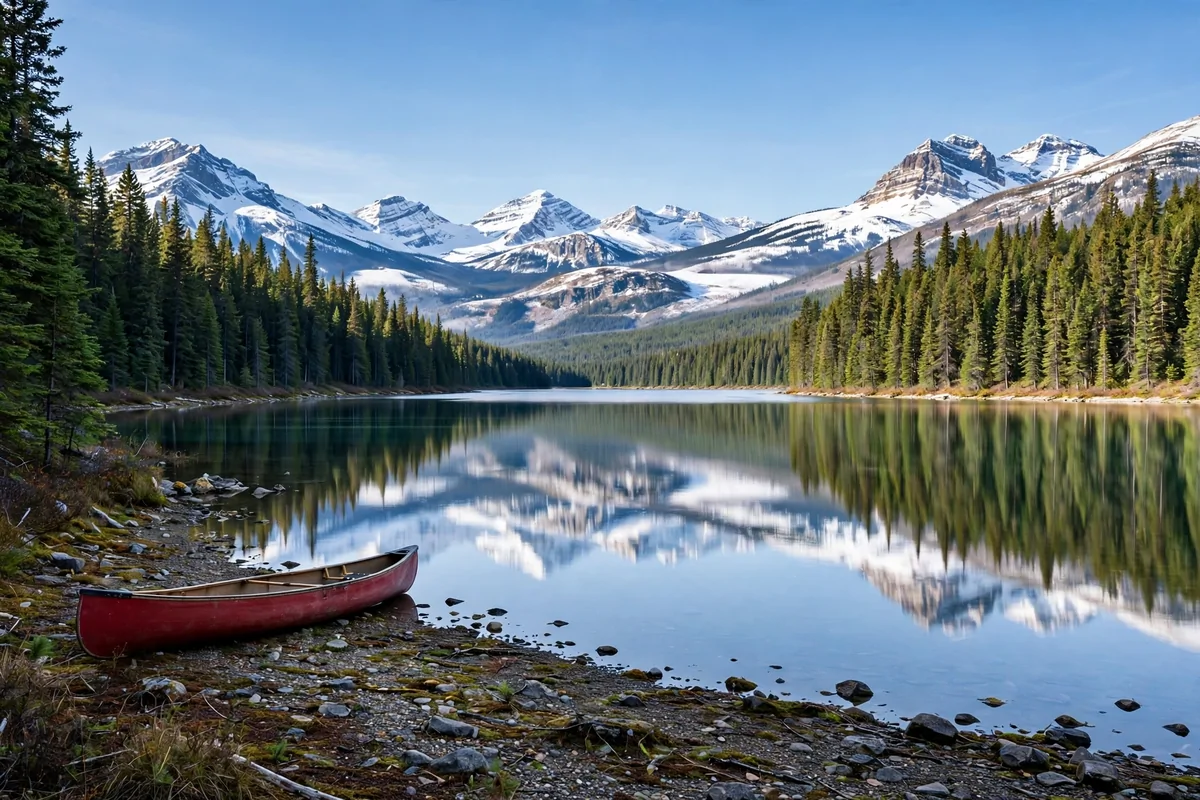
Canada is a big country, from the Atlantic coast to the Pacific coast, and the English people speak there has its own colour and charm. Words change from one province to the next, and winter gives the language a whole set of special words.
In this article, you will meet 35 fun choices about Canadian English. Would you rather say “eh” after every sentence, or call a winter hat a toque? Would you rather eat poutine on a cold night, or learn a French word from Quebec? Read on, pick your side, and see how Canadian your English really is.
1. Would you rather say “eh” at the end of every sentence or say “sorry” at the start of every sentence?
Would you rather...
“Eh” is a small word with a big job in Canada. It turns a plain sentence into a friendly question, and it asks the other person to agree. Say it at the end of every sentence, and every talk sounds warm and Canadian.
“Sorry” is another word Canadians love. Say it at the start of every sentence, and you sound polite before you even share your news. It softens your words and shows good manners.
Both words make a talk feel kind. One asks for agreement, and the other shows respect. Which word would you use more?
2. Would you rather use Canadian spelling in every word or use American spelling in every word?
Would you rather...
Canadian spelling keeps the letter u in words like colour and favour. It is a small sign of history and pride, and it tells the reader where your English comes from.
American spelling drops the u and keeps words short and plain. It is simple to write and easy to read, and it matches most books and websites online.
| Option | What You Gain | What You Give Up |
|---|---|---|
| Use Canadian spelling in every word | Your writing shows a clear Canadian style | Some readers outside Canada may find the spelling strange |
| Use American spelling in every word | Your writing is easy to read for people all over the world | Your writing loses its Canadian touch |
3. Would you rather call a winter hat a toque or call a winter hat a beanie?
Would you rather...
A toque is a warm knitted hat that keeps your head safe in the snow. In Canada, everyone knows this word, from children on a school trip to workers on a cold morning.
A beanie is the same kind of hat with a different name. It sounds soft and fun, and people in other countries use it all the time.
Things to think about:
- A toque fits a Canadian winter talk perfectly.
- A beanie fits a talk with friends from other countries.
- Both words keep your head warm, but only one sounds Canadian.
4. Would you rather call a one-dollar coin a loonie or call a two-dollar coin a toonie?
Would you rather...
A loonie is the one-dollar coin with a loon bird on it. It is small, round, and easy to carry in your pocket for a coffee or a bus ride.
A toonie is the two-dollar coin with two colours and a polar bear on it. It feels a little special, and it is handy when you need to pay for a small thing.
Both coins are part of daily life in Canada. One is for small change, and the other is for a little more. Which coin would you name first?
5. Would you rather order a double-double at a coffee shop or order a regular coffee at a coffee shop?
Would you rather...
A double-double is a coffee with two creams and two sugars. Say those two words at a coffee shop, and the worker knows exactly what you want.
A regular coffee is plain and simple, with nothing extra added. It wakes you up, and it lets the true taste of the coffee shine through.
| Option | What You Gain | What You Give Up |
|---|---|---|
| Order a double-double at a coffee shop | You order your favourite coffee in just two words | You miss the plain taste of black coffee |
| Order a regular coffee at a coffee shop | You enjoy a simple coffee with no extra sugar | You need more words to explain your order |
6. Would you rather eat poutine on a cold winter night or eat hot soup on a cold winter night?
Would you rather...
Poutine is hot fries with cheese curds and warm gravy. It is rich, salty, and full of comfort on a cold winter night in Quebec and far beyond.
Hot soup is light and warm, and it fills your body with gentle heat. A bowl of soup with fresh bread is a quiet and healthy choice.
Pro Tip: Try poutine once with a friend on a cold night. Share one plate, and you will learn why this dish is loved across Canada.
7. Would you rather call a couch a chesterfield or call a couch a sofa?
Would you rather...
A chesterfield is the old Canadian word for a couch. It sounds a little formal and old-fashioned, and it brings to mind a big living room with a warm fire.
A sofa is the modern word that most people use today. It is short, clear, and easy for everyone to understand.
| Option | What You Gain | What You Give Up |
|---|---|---|
| Call a couch a chesterfield | Your talk sounds warm and old-fashioned in a good way | Young people may not know what you mean |
| Call a couch a sofa | Everyone knows what you mean right away | Your talk loses an old Canadian word |
8. Would you rather call a soft drink pop or call a soft drink soda?
Would you rather...
Pop is the Canadian word for a fizzy sweet drink. Ask for a pop on a hot day, and a Canadian friend will know just what you want.
Soda is the word many people use in the United States. It sounds a little different, but it means the same cold and bubbly drink.
Things to think about:
- Pop is the word you hear in most Canadian homes.
- Soda is the word you hear from friends in the United States.
- Both words ask for the same drink, but only one sounds like home.
9. Would you rather call a hoodie a bunnyhug or call a hoodie a hooded sweatshirt?
Would you rather...
A bunnyhug is the Saskatchewan word for a hoodie. It is a fun and warm word, and it makes people smile when they hear it for the first time.
A hooded sweatshirt is the plain name for the same warm top. It is long and clear, and it leaves no doubt about what you mean.
Important Note: Bunnyhug is a proud word in Saskatchewan. If you visit the Prairies, use it, and the people there will know you have learned a real local word.
10. Would you rather say washroom when you need a toilet or say bathroom when you need a toilet?
Would you rather...
Washroom is the polite Canadian word when you need to find a toilet in a public place. Say it in a shop or a school, and people will point you the right way.
Bathroom is the word most people use at home. It is simple and clear, and everyone knows what it means.
| Option | What You Gain | What You Give Up |
|---|---|---|
| Say washroom when you need a toilet | You sound polite in shops, schools, and public places | Visitors from other countries may not know the word |
| Say bathroom when you need a toilet | People from many countries understand you at once | You sound less Canadian in a public place |
11. Would you rather mix French words into your English talk or speak only English words in your talk?
Would you rather...
French words live inside Canadian English, from depanneur in Quebec to words for food and place names across the country. Mixing them in makes your talk rich and full of local colour.
Speaking only English words keeps your talk clear and simple. Everyone follows you, and no one needs to stop and ask what a word means.
Warning: A French word can sound wrong if you use it in the wrong place. Learn the meaning first, and use it with care, or your talk may confuse the people around you.
12. Would you rather learn French words used in Quebec English or learn Inuit words used in Northern English?
Would you rather...
Quebec English is full of French words for shops, food, and daily life. Learning them helps you talk with friends in Montreal and Quebec City.
Northern English holds Inuit words for snow, ice, and life in the Arctic. Learning them opens a window to the far north and its strong culture.
Things to think about:
- French words from Quebec help you in the east of Canada.
- Inuit words from the north help you understand a cold and beautiful land.
- Both sets of words show how Canada holds more than one language in one country.
13. Would you rather talk about a chinook wind in winter or talk about a snowstorm in winter?
Would you rather...
A chinook is a warm wind that melts the snow in the west. One day the ground is white, and the next day the snow is gone and the air feels soft.
A snowstorm is a strong storm that covers the land in white. The snow falls fast, the wind blows hard, and the whole world turns quiet and bright.
| Option | What You Gain | What You Give Up |
|---|---|---|
| Talk about a chinook wind in winter | You can talk about a warm break in a cold winter | People outside the west may not know the word |
| Talk about a snowstorm in winter | Everyone in Canada knows what a snowstorm means | You miss the chance to talk about a rare warm wind |
14. Would you rather shovel snow from your driveway in the morning or shovel snow from your driveway in the evening?
Would you rather...
Shovelling snow in the morning clears the path before the day begins. Your car can leave, your children can walk to school, and the day starts clean.
Shovelling snow in the evening clears the path after the work is done. The snow is soft from the day, and you can sleep knowing the morning will be easy.
Both times need strong arms and warm clothes. One starts the day well, and the other ends the day well. Which time would you choose?
15. Would you rather call your power bill hydro or call your power bill electricity?
Would you rather...
Hydro is the Canadian word for the power that lights your home. It comes from water power, and the word sits on bills and signs across the country.
Electricity is the plain word that everyone in the world knows. It is clear, and it leaves no doubt about what you mean.
Things to think about:
- Hydro is short and very Canadian.
- Electricity is clear to people from every country.
- Both words light up your home, but only one tells a story about rivers and water power.
16. Would you rather call a parking garage a parkade or call a parking garage a parking lot?
Would you rather...
A parkade is a big building where cars park in layers, one floor above the next. The word is common in western Canada, and it sounds neat and tidy.
A parking lot is a flat open space where cars park side by side. It is the word most people know, and it is easy to say.
| Option | What You Gain | What You Give Up |
|---|---|---|
| Call a parking garage a parkade | You sound like a local in western Canada | People in the east may not know the word |
| Call a parking garage a parking lot | People everywhere understand you right away | Your talk loses a western Canadian word |
17. Would you rather eat Kraft Dinner on a busy night or cook a fresh meal from scratch on a busy night?
Would you rather...
Kraft Dinner is the quick macaroni and cheese that many Canadian children grow up with. It is fast, warm, and easy on a busy night.
A fresh meal from scratch takes more time, but it fills the house with good smells and gives you full control of what you eat.
Pro Tip: Keep one box of Kraft Dinner in the cupboard for a busy night. It is a small comfort, and it saves the day when time runs short.
18. Would you rather use a serviette at the dinner table or use a napkin at the dinner table?
Would you rather...
A serviette is the Canadian word for the paper cloth you use at the dinner table. It sounds a little old-fashioned and polite.
A napkin is the word most people use in the United States. It is short and simple, and it means the same thing.
Things to think about:
- Serviette fits a family dinner in Canada.
- Napkin fits a talk with friends from other countries.
- Both words keep your hands clean, but only one sounds Canadian.
19. Would you rather say “give’r” before a hard job or say “let’s go” before a hard job?
Would you rather...
Give’r is a short and strong phrase from Canada. It means work hard and give it all you have, and it lifts the spirit before a hard job.
Let’s go is a plain phrase that everyone knows. It means start now and move forward together, and it works in every country.
| Option | What You Gain | What You Give Up |
|---|---|---|
| Say “give’r” before a hard job | You sound bold and full of Canadian spirit | People outside Canada may not know what you mean |
| Say “let’s go” before a hard job | Everyone understands you at once | Your words lose their local colour |
20. Would you rather call cold rain freezing rain or call cold rain sleet?
Would you rather...
Freezing rain is rain that turns to ice the moment it touches the ground. It makes roads shiny and dangerous, and it coats trees in clear ice.
Sleet is small ice pellets that fall from the sky and bounce on the ground. It makes a soft tapping sound, and it is easier to walk on than ice.
Both words describe cold rain, but they mean different dangers. One warns you about ice, and the other warns you about a cold shower of pellets. Which one would you name?
21. Would you rather draw a picture with pencil crayons or draw a picture with markers?
Would you rather...
Pencil crayons are the coloured pencils Canadian children use at school. The name is a mix of pencil and crayon, and it is pure Canadian English.
Markers are pens with bright ink that draw bold lines. They are fun and fast, and they make colours pop on the page.
Things to think about:
- Pencil crayons are soft and easy to fix with an eraser.
- Markers are bold and bright, but a mistake stays on the page.
- Both tools make art, but only one has a Canadian name.
22. Would you rather call a small shop a depanneur or call a small shop a corner store?
Would you rather...
A depanneur is a small shop in Quebec that sells milk, bread, and snacks late at night. The word comes from French, and it is part of daily life in Montreal.
A corner store is the English name for the same kind of small shop. It is clear, and it tells you the shop sits on the corner of a street.
| Option | What You Gain | What You Give Up |
|---|---|---|
| Call a small shop a depanneur | You sound like a local when you visit Quebec | People outside Quebec may not know the word |
| Call a small shop a corner store | Everyone knows what you mean right away | Your talk loses a French word from Quebec |
23. Would you rather wear a tuque on a snowy day or wear a warm scarf on a snowy day?
Would you rather...
A tuque is a warm knitted hat that covers your ears and keeps the cold out. It is a must on a snowy day in Canada.
A warm scarf wraps around your neck and keeps the wind away from your face. It is soft, and it goes well with any coat.
Important Note: On a very cold day, wear both a tuque and a scarf. Cold wind can bite your ears and your neck, so cover both and stay warm.
24. Would you rather say “aboot” in a strong Canadian accent or say “about” in a soft Canadian accent?
Would you rather...
Aboot is the strong Canadian way of saying about, and it makes people smile. It is a famous sound that marks a Canadian voice.
About in a soft Canadian voice is gentle and clear. It keeps the word easy to hear, and it still sounds Canadian.
Things to think about:
- Aboot is fun and famous, but it can sound like a joke to some people.
- A soft about is clear and calm.
- Both ways say the same word, but each one paints a different picture of your voice.
25. Would you rather learn words from Newfoundland English or learn words from British Columbia English?
Would you rather...
Newfoundland English is full of old words from the sea, like capelin for a small fish and words for boats, wind, and waves. It is warm, musical, and full of history.
British Columbia English holds words from the mountains and the sea, like skookum for something strong and words for rain and forest life.
| Option | What You Gain | What You Give Up |
|---|---|---|
| Learn words from Newfoundland English | You learn words from the oldest English in Canada | The words may be hard for outsiders to understand |
| Learn words from British Columbia English | You learn words from the mountains and the Pacific coast | You miss the sea words of the far east |
26. Would you rather learn words from the Prairies or learn words from the Maritimes?
Would you rather...
The Prairies give you words like bunnyhug and parkade, and talk about wide fields, cold winds, and long summer days.
The Maritimes give you words from the sea, like kitchen party for a friendly gathering at home, and talk about tides, boats, and warm neighbours.
Warning: Regional words can confuse people from other parts of Canada. Use them with friends who know the region, and explain them kindly to people who do not.
27. Would you rather spend a snow day inside with hot chocolate or spend a snow day outside building a snowman?
Would you rather...
A snow day inside means hot chocolate, warm blankets, and a good book by the window. The snow falls outside, and you stay safe and warm.
A snow day outside means building a snowman with round white balls and a carrot nose. It is cold, fun, and full of fresh air.
Things to think about:
- Inside, you rest and stay warm.
- Outside, you play and feel the winter on your face.
- Both ways enjoy the snow, but one keeps you warm and the other keeps you moving.
28. Would you rather call something strong skookum or call something strong awesome?
Would you rather...
Skookum is a strong word from British Columbia that means big, brave, and good. It comes from an old local language, and it carries a sense of power.
Awesome is the word everyone knows for something great. It is simple, and it works in every talk.
| Option | What You Gain | What You Give Up |
|---|---|---|
| Call something strong skookum | You use a rare word with a rich history | Many people will ask what the word means |
| Call something strong awesome | Everyone understands you right away | Your talk loses a word with a deep local story |
29. Would you rather canoe on a calm lake in summer or skate on a frozen lake in winter?
Would you rather...
A canoe is a light boat that glides on a calm lake in summer. You paddle slowly, and the water is still and quiet around you.
Skating on a frozen lake in winter is fast and free. The ice is smooth, the air is cold, and the whole lake becomes a playground.
Pro Tip: Try both in one year, a canoe in summer and skates in winter. The same lake gives you two very different joys, and you will see Canada in two seasons.
30. Would you rather call the edge of a roof an eavestrough or call the edge of a roof a gutter?
Would you rather...
An eavestrough is the long pipe at the edge of a roof that carries rain away. It is the word Canadians use when they talk about their homes.
A gutter is the word most people in other countries use for the same pipe. It is short and easy, and everyone knows what it means.
Things to think about:
- Eavestrough is a clear Canadian word for home talk.
- Gutter is the word you hear from friends in other countries.
- Both words carry the rain away, but only one sounds like a Canadian home.
31. Would you rather use the word Canuck for a Canadian friend or use the word Canadian for a Canadian friend?
Would you rather...
Canuck is a fun and friendly nickname for a Canadian. It is short, warm, and full of pride, and it shows up in daily talk and friendly cheers.
Canadian is the plain and proper word for a person from Canada. It is clear, respectful, and right for every formal talk.
| Option | What You Gain | What You Give Up |
|---|---|---|
| Use the word Canuck for a Canadian friend | Your talk sounds friendly and full of pride | The word may sound too casual in a formal talk |
| Use the word Canadian for a Canadian friend | You sound clear and respectful in every setting | Your talk loses a fun and friendly nickname |
32. Would you rather spell “travelling” with two Ls or spell “travelling” with one L?
Would you rather...
Travelling with two Ls is the Canadian spelling. It keeps the word long and true to its British roots, and it looks right in a Canadian book.
Traveling with one L is the American spelling. It is shorter, and it is the form most people see online.
Important Note: Pick one spelling and use it in the whole text. Mixing two spellings in one page looks careless, so stay with the form you choose.
33. Would you rather call a basement apartment a basement suite or call a basement apartment a lower flat?
Would you rather...
A basement suite is a small home in the lower floor of a house. It is a common word in British Columbia, and it is a smart way to use space.
A lower flat is a plain name for the same kind of home. It is clear, and it tells you the home sits low in the building.
Things to think about:
- Basement suite is the word you hear in western Canada.
- Lower flat is a plain name that people everywhere can guess.
- Both words describe a cozy home below the main floor.
34. Would you rather say “grade nine” for your school year or say “ninth grade” for your school year?
Would you rather...
Grade nine is the Canadian way to name a school year. It is short, and it is the word students use from coast to coast.
Ninth grade is the American way to name the same school year. It sounds a little different, but it means the same class and the same age.
| Option | What You Gain | What You Give Up |
|---|---|---|
| Say “grade nine” for your school year | You sound like a student in a Canadian school | Friends from the United States may need a moment to follow you |
| Say “ninth grade” for your school year | Friends from the United States follow you at once | Your talk loses a Canadian school word |
35. Would you rather call a frozen treat a freezie or call a frozen treat a popsicle?
Would you rather...
A freezie is a long tube of sweet ice that you freeze at home and eat on a hot day. It is a classic treat for Canadian children in summer.
A popsicle is a frozen treat on a stick that you buy at a shop. It is cold, sweet, and easy to hold.
Warning: A freezie can make a mess if it melts too fast. Eat it over a plate, or outside on a warm day, and keep a serviette close by.
More Would You Rather Questions
- 14 Australian English Would You Rather Questions With Unusual Expressions
- 13 British English Would You Rather Questions for Language Fans
- 15 American English Would You Rather Questions About Everyday Speech
- 20 English Language Would You Rather Questions for Global Learners
- 10 Untranslatable Words Would You Rather Questions From Around the World
- 39 Difficult Words Would You Rather Questions for Word Nerds
- 33 Word Meaning Would You Rather Questions That Can Confuse Anyone
- 37 Idiom Would You Rather Questions With Strange Meanings
- 29 Slang Would You Rather Questions From Different Cultures
- 31 Dialect Would You Rather Questions About Regional Speech