18 Canadian French Would You Rather Questions About Francophone Culture

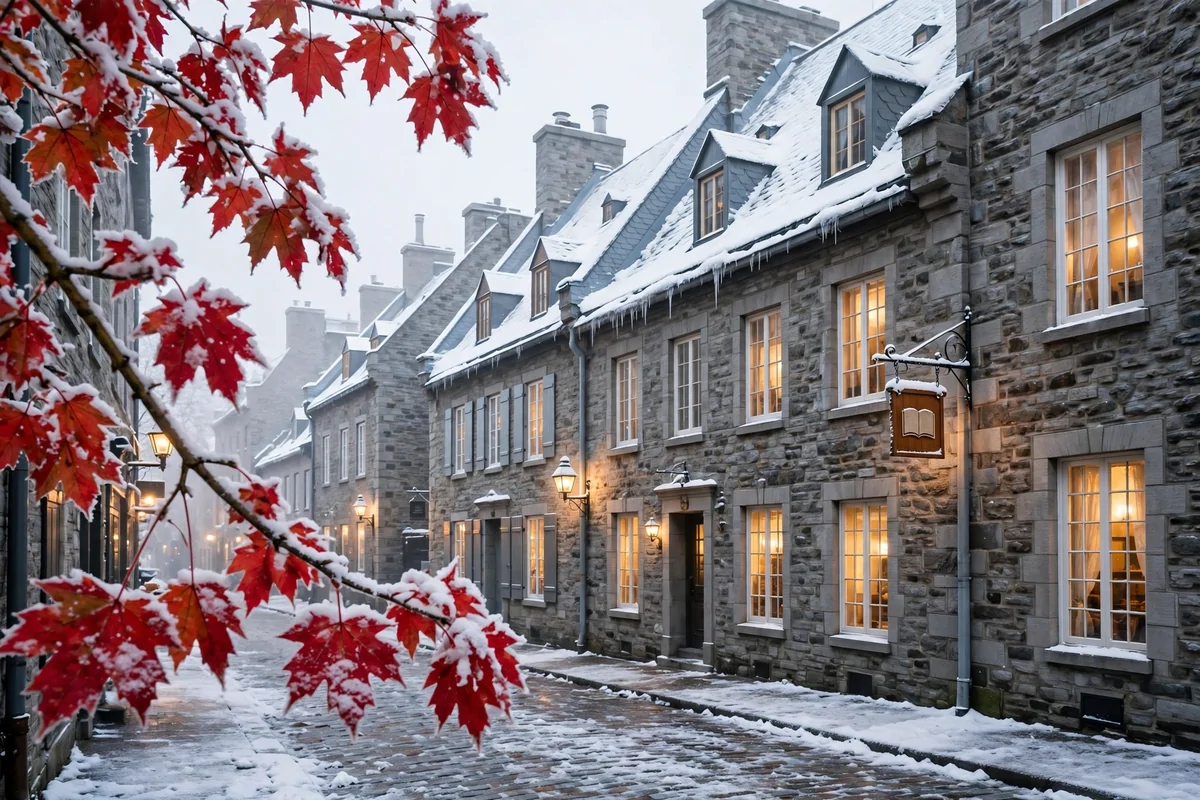
Canadian French is full of colour and life. It sounds different from the French you hear in France, and it carries the heart of Quebec in every word. From snowy streets in Quebec City to busy cafés in Montreal, French is part of daily life in Canada.
In this post you will find 18 fun questions about Canadian French and Francophone culture. Each one asks you to pick between two choices. There is no right answer, so think about what fits you best and enjoy the fun.
1. Would you rather speak only Quebec French for one whole year or speak only French from France for one whole year?
Would you rather...
Quebec French has its own words, its own sounds, and its own way of saying things. If you speak only Quebec French for a year, you will sound like a local in Montreal or Quebec City. People will smile when they hear your accent, and you will learn words you will never find in a normal French book.
French from France is the version most learners hear first. It is clear and well known around the world. If you speak only this French for a year, people in many countries will understand you with ease. But in Quebec, some local words may still surprise you.
Things to think about:
- Which accent do you want people to hear when you speak?
- Do you plan to live in Quebec or travel to many French places?
- Which words do you want to learn first, local Quebec words or common words from France?
2. Would you rather learn French by living in Montreal for six months or learn French by living in a small Quebec town for six months?
Would you rather...
Montreal is a big city with French on every street. You can hear French in shops, in cafés, and on the bus. Life moves fast, and you will meet people from many places. But many people in Montreal also speak English, so you may need to push yourself to stay in French.
A small Quebec town is quiet and slow. Almost everyone speaks French all day, so you will hear it and use it all the time. There are fewer shops and fewer crowds, but the French you hear is real daily French. You will learn fast because you have no other choice.
| Option | What You Gain | What You Give Up |
|---|---|---|
| Live in Montreal for six months | You hear French in a big lively city with many places to visit and many people to meet. | You may fall back on English because many people in Montreal speak it too. |
| Live in a small Quebec town for six months | You hear and speak French all day because nearly everyone around you uses French. | You give up big city life, with fewer shops, cafés, and crowds to explore. |
3. Would you rather eat poutine every day for one month or eat maple syrup on everything for one month?
Would you rather...
Poutine is the famous dish of Quebec: hot fries, cheese curds, and warm gravy. It is rich, warm, and filling, and every place makes it a little different. Eating it every day for a month would be a tasty test, but your stomach may ask for a break.
Maple syrup is sweet gold from Quebec trees. People pour it on pancakes, on snow, and even on meat. If you put it on everything for a month, every meal would taste sweet. It sounds fun at first, but sweet food at every meal can get tiring fast.
Both choices show how food is part of Quebec culture. One is salty and warm, and the other is sweet and golden. Which one would you pick, and how long do you think you could last?
4. Would you rather speak French with a strong Quebec accent or speak French with a Paris accent and never use Quebec words?
Would you rather...
A strong Quebec accent tells people where you learned French. It has soft sounds and a musical rhythm, and people in Quebec feel close to it. Some learners love it because it sounds warm and friendly.
A Paris accent is the classic sound of French. It is neat and clear, and many teachers use it in class. But if you never use Quebec words, people in Quebec may find your French a little formal. Words like “char” for car or “magasiner” for shopping would stay out of your speech.
Pro Tip: Try to listen to real people from Quebec for a few minutes every day. Your ear will learn the accent on its own, and your speech will follow.
5. Would you rather read only French books from Quebec for one year or talk with people in French in Quebec every day for one year?
Would you rather...
Quebec has many fine writers, and their books are full of local words and local life. Reading only these books for a year would grow your vocabulary fast. You would learn how people in Quebec think and speak, and you would enjoy many good stories.
Talking with people every day is the fastest way to learn a language. You learn to listen, to answer fast, and to use real words. It can feel scary at first, but people in Quebec are often kind to learners. Every chat makes you a little braver.
Things to think about:
- Do you learn best from books or from real talks?
- How much time can you spend reading each day?
- Are you shy, or do you love to chat with new people?
6. Would you rather spend winter in Quebec City or spend summer in Quebec City?
Would you rather...
Winter in Quebec City is cold and bright. Snow covers the old streets, and the city looks like a picture from a storybook. You can walk in the snow, drink hot chocolate, and hear French all around you. But the cold can bite, and you will need a warm coat.
Summer in Quebec City is warm and full of life. The streets are busy, the cafés open their doors, and people sit outside in the sun. You can walk for hours and enjoy the old town. But summer is short, and the city is full of visitors.
| Option | What You Gain | What You Give Up |
|---|---|---|
| Spend winter in Quebec City | You see Quebec City at its most beautiful, with snow, lights, and a calm winter mood. | You give up warm weather and long days outside in the sun. |
| Spend summer in Quebec City | You enjoy warm days, open cafés, and long walks in the old town. | You give up the quiet snowy magic that makes winter in Quebec so special. |
7. Would you rather learn 100 Quebec slang words or learn 100 old French words that people still use in Quebec?
Would you rather...
Quebec slang is fun and full of life. Words like “frette” for cold, “char” for car, and “magasiner” for shopping help you sound natural and understand jokes. Slang makes your French feel real and friendly. But slang changes fast, and some words fit only with close friends.
Old French words live on in Quebec. People still say words that people in France stopped using long ago. Learning these words is like opening a history book. You learn how French travelled across the sea and stayed alive in Canada.
Both lists teach you something new. One makes you sound like a local today, and the other shows you the long story of the language. Which list would you start with first?
8. Would you rather speak French with a big group at a maple sugar shack or speak French alone with a farmer at a maple sugar shack?
Would you rather...
A maple sugar shack is a happy place in spring. A big group means many voices, many jokes, and many new words to hear. You will taste maple taffy on snow and eat a big meal with new friends. It can be loud, but it is full of joy.
Spending the day alone with a farmer is quiet and slow. The farmer can show you how maple sap turns into syrup, step by step. You can ask questions and listen well. It is a calm way to learn French and to learn about maple trees.
Important Note: A sugar shack visit happens in spring, when the sap runs. Plan your trip for March or April if you want to see the maple magic.
9. Would you rather order food in French at a busy Montreal restaurant or order food in French at a small family café in Quebec?
Would you rather...
A busy Montreal restaurant is a real test. The waiter moves fast, the menu has many choices, and the room is full of noise. If you can order in French here, you can order anywhere. But it can feel stressful when the line is long.
A small family café is warm and slow. The owner may have time to chat, and the menu is short and simple. You can take your time and try your French without fear. It is a kind place to practise, and the food often tastes like home.
Things to think about:
- Do you like a challenge, or do you like a calm place to learn?
- How do you feel when people wait behind you?
- Which kind of food do you want to try first in French?
10. Would you rather listen to old Quebec folk tales in French or read old Quebec folk tales in a French book?
Would you rather...
Old Quebec folk tales are full of clever heroes, deep forests, and winter nights. Listening to them in French helps your ear a lot. You hear the rhythm of the words and the music of the accent, even if you miss a word here and there.
Reading the same tales in a book lets you go slow. You can stop, look up a word, and read a line again. The book keeps the old words safe on the page. But a book cannot give you the sound of a storyteller by the fire.
| Option | What You Gain | What You Give Up |
|---|---|---|
| Listen to old Quebec folk tales in French | You train your ear and learn the true sound and rhythm of Quebec French. | You give up the chance to stop and check words you do not know. |
| Read old Quebec folk tales in a French book | You can read slowly, check new words, and understand every line. | You give up the living sound of a storyteller and the music of spoken French. |
11. Would you rather speak only French at work in Montreal or speak only French at home with your family in Quebec?
Would you rather...
Speaking only French at work means your job becomes your classroom. You learn work words fast, and your French grows every day. But work can be stressful, and a hard day in a new language can feel long.
Speaking only French at home is warm and safe. Your family can help you, correct you with love, and laugh with you when you make a funny mistake. Home is the best place to try new words without fear.
Both places teach you French in a different way. One is fast and useful, and the other is slow and kind. Which place would help you learn more?
12. Would you rather learn French in a Quebec class in winter or learn French in a Quebec class in summer?
Would you rather...
A winter class in Quebec has a special mood. The snow is outside, the classroom is warm, and everyone is in the same boat. You learn French and you learn how to live in the cold. It is a strong memory that stays with you.
A summer class lets you practise outside every day. You can walk in the park, talk to people in the street, and use your French in real life. The days are long and bright, and learning feels light. But summer classes can fill up fast.
Warning: Winter in Quebec can drop far below zero. If you pick a winter class, bring a real winter coat, warm boots, and gloves, or the cold will be your first lesson.
13. Would you rather use French to buy food at a Quebec market or use French to ask for directions in Old Quebec?
Would you rather...
A Quebec market is full of colours and smells. You can buy cheese, bread, and fresh vegetables, and you can chat with the sellers in French. Every purchase is a small French lesson, and you go home with good food too.
Asking for directions in Old Quebec is a classic test. The streets are old and twisty, and a kind local can point you the right way. It is a short talk, but it builds your courage fast. And you learn the names of streets and places as you walk.
Things to think about:
- Which skill do you need more: shopping words or direction words?
- Do you like to talk with sellers, or do you like to walk and explore?
- How do you feel when you get lost in a new city?
14. Would you rather learn French by cooking Quebec recipes in French or learn French by working in a Quebec garden with a neighbour?
Would you rather...
Cooking in French is tasty and fun. You learn words for food, for tools, and for actions like stir, bake, and taste. A recipe in French is a lesson you can eat at the end. Tourtière and pea soup taste even better when you cook them yourself.
Working in a garden is slow and calm. You learn the names of plants and vegetables, and you hear simple daily French as you work. A neighbour can teach you words while you plant seeds together. At the end of summer, you share the harvest.
| Option | What You Gain | What You Give Up |
|---|---|---|
| Learn French by cooking Quebec recipes in French | You learn food words fast and you enjoy a tasty meal at the end of every lesson. | You give up time outside, and your kitchen may get messy as you learn. |
| Learn French by working in a Quebec garden with a neighbour | You learn nature words and you build a real friendship with a neighbour. | You give up quick results, because a garden grows slowly and needs patience. |
15. Would you rather visit a big French library in Montreal or visit a French history museum in Quebec City?
Would you rather...
A big French library in Montreal holds thousands of books. You can sit for hours, read, and listen to the quiet sound of French all around you. It is free, calm, and full of knowledge. But a library is quiet, so you will not speak much.
A French history museum in Quebec City shows the story of French Canada. You can see old maps, old clothes, and old tools, and you can read the signs in French. It makes history feel real. But a museum visit ends in a few hours.
One place feeds your mind with books, and the other feeds it with objects and stories. Which one would you visit on a rainy day in Quebec?
16. Would you rather speak French with children at a Quebec school or speak French with elders in a Quebec village?
Would you rather...
Children speak simple French, and they are honest and fun. They will correct you with a smile, and they love to play and talk. Speaking with children is a light way to learn, and their words are easy to follow.
Elders in a Quebec village carry the old French in their voice. They know stories, old words, and the history of their town. Talking with them is like opening a living book. They speak slowly and with care, and they love a good listener.
Pro Tip: When you talk with elders, ask them about their childhood in the village. Their stories are the best French lesson you will ever get, and they love to share them.
17. Would you rather learn French by writing letters to a friend in Quebec or learn French by writing in a French diary every day?
Would you rather...
Writing letters to a friend is a joy. You wait for the reply, you read it with care, and you learn new words from a real person. A pen friend in Quebec can teach you local words and tell you about life in Canada.
Writing in a diary every day builds a strong habit. You write about your day, your plans, and your thoughts, all in French. No one reads it, so you can make mistakes without fear. After a year, you can read it back and see how far you have come.
Things to think about:
- Do you like to write to a real person, or do you like to write just for yourself?
- Can you write every day, or do you like to wait for a letter?
- Which habit would you keep for a full year?
18. Would you rather play outside in the snow in Quebec and speak French all day or stay inside by a warm fire and read French books all day?
Would you rather...
Playing outside in the snow is pure Quebec winter. You can build a snowman, walk in the forest, and speak French with friends as you play. The cold air wakes you up, and the snow makes everything bright and fun. But your fingers will get cold.
Staying inside by a warm fire is calm and cosy. You can read French books all day, drink hot chocolate, and watch the snow fall outside the window. It is the perfect day for a book lover. But you will miss the fresh air and the fun outside.
| Option | What You Gain | What You Give Up |
|---|---|---|
| Play outside in the snow in Quebec and speak French all day | You enjoy the real Quebec winter and you practise French while you play and move. | You give up warmth and comfort, and the cold can tire you fast. |
| Stay inside by a warm fire and read French books all day | You stay warm and cosy, and you can read for hours without any rush. | You give up the fresh air, the snow, and the fun of playing outside. |
More Would You Rather Questions
- 40 French Language Would You Rather Questions for French Learners
- 34 European Spanish Would You Rather Questions About Regional Differences
- 28 Latin American Spanish Would You Rather Questions for Language Fans
- 23 Spanish Language Would You Rather Questions for Spanish Learners
- 25 Irish English Would You Rather Questions With Fascinating Expressions
- 35 Canadian English Would You Rather Questions About Regional Language
- 14 Australian English Would You Rather Questions With Unusual Expressions
- 13 British English Would You Rather Questions for Language Fans
- 15 American English Would You Rather Questions About Everyday Speech
- 20 English Language Would You Rather Questions for Global Learners