30 German Language Would You Rather Questions for Curious Learners

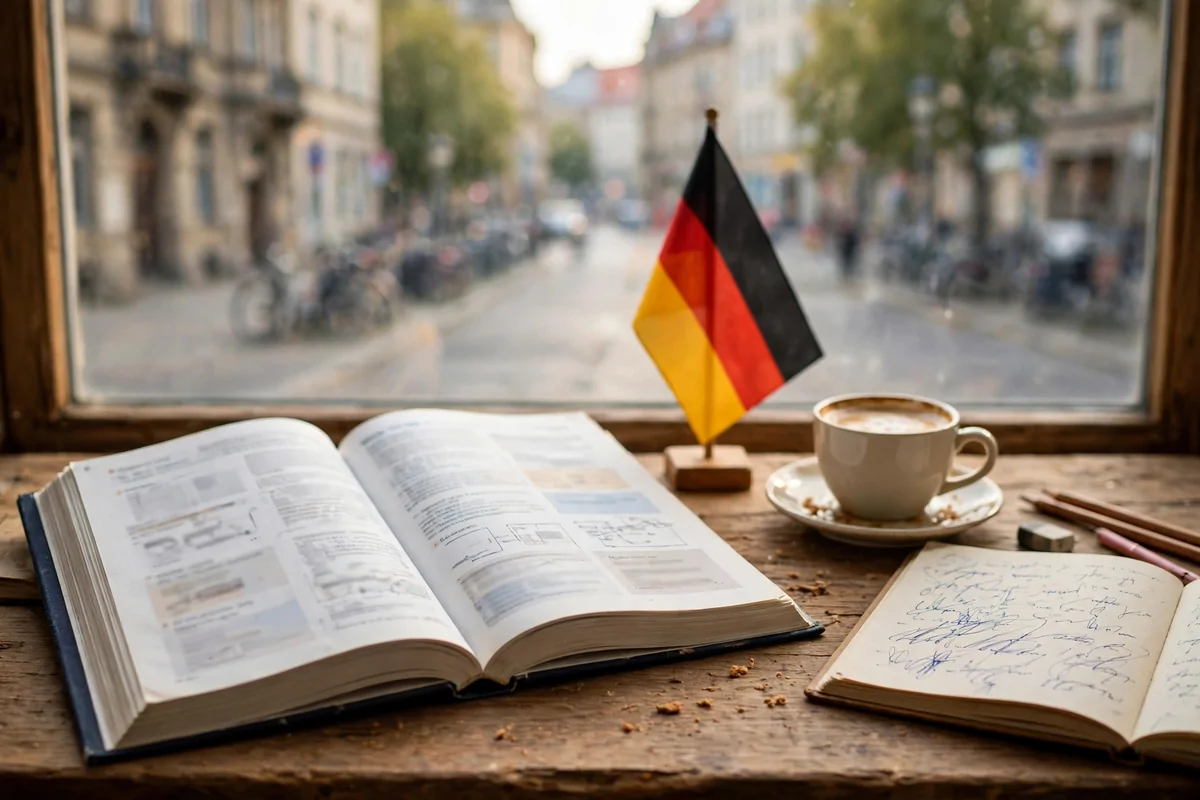
German is a fun and strong language, full of long words, clear sounds, and useful rules. Many people want to learn German to travel in Germany, to study, to work, or just for the joy of a new language. But learning German brings many small choices, and every choice changes how you learn.
In this post, you will find 30 fun would you rather questions about the German language. Each question gives you two paths, and both paths teach you something new. Read them slowly, pick your side, and think about how you would learn German in real life.
1. Would you rather learn only very long German words or learn only short German words?
Would you rather...
German is famous for very long words. Some words are so long that they look like a whole sentence in one word. Learning them can feel like a fun puzzle, and every long word you learn feels like a small win.
Short words are easy to say and easy to remember. Words like Haus, Brot, and Wasser help you in daily life from the first day. With short words you can build simple sentences fast and feel sure of yourself.
2. Would you rather speak German slowly with perfect grammar or speak German fast with many small mistakes?
Would you rather...
Slow and correct German sounds clear and polite. People understand every word you say, and you feel proud of your clean sentences. Good grammar also helps you when you write letters and forms in German.
Fast German with mistakes still gets your message across. You can talk, laugh, and join a chat without stopping to think about every rule. Many learners say that speaking fast, even with mistakes, helps them learn quicker.
Things to think about:
- Do you want people to understand you at once, or do you want to speak with ease?
- Good grammar takes time, but it builds strong habits for later.
- Fast speaking builds courage, and courage helps you practise more.
Pro Tip: Practise one slow, correct sentence each morning, then speak fast and free in the afternoon. You get the best of both sides.
3. Would you rather learn German only from books or learn German only by talking with German speakers?
Would you rather...
Books give you clear rules, word lists, and exercises. You can learn at your own speed, go back to hard pages, and check your answers. A good book never gets tired of your questions.
Talking with real people teaches you how German sounds in daily life. You hear greetings, jokes, and short answers that books often skip. Every chat is a small test, and every test makes you stronger.
| Option | What You Gain | What You Give Up |
|---|---|---|
| Learn German only from books | Clear rules, word lists, and exercises you can repeat any time. | Real spoken German, natural speed, and daily phrases. |
| Learn German only by talking with German speakers | Real listening practice, natural phrases, and fast confidence. | Clear grammar rules and written practice. |
4. Would you rather live in Berlin for one month and speak only German or stay at home and study German online every day for one month?
Would you rather...
One month in Berlin puts German all around you. You read signs, order food, and ask for help in German every day. It is hard at first, but your brain starts to think in German very fast.
Studying at home is calm and cheap. You can watch lessons, repeat words, and learn in your own room with no stress. One month of daily study can still move you far if you keep a steady plan.
5. Would you rather learn all the German words for food first or learn all the German words for travel first?
Would you rather...
Food words help you three times a day. You can read a menu, buy bread, and ask for water in German. Food is also fun to learn, because you can taste what you are learning.
Travel words help you move around Germany with ease. You can read train signs, buy tickets, and ask for directions. When you can travel alone in German, you feel free and proud.
Things to think about:
- Food words help you at every meal, morning, noon, and night.
- Travel words help you on trains, in stations, and on the street.
- Think about what you will use first: eating out or moving around.
6. Would you rather read German storybooks for children or read German newspapers made for learners?
Would you rather...
Children’s storybooks use simple words and short sentences. The pictures help you guess new words, and the stories are sweet and easy to follow. Finishing a whole book in German feels wonderful.
Newspapers for learners use real news in easy German. You learn words about cities, weather, and daily life, and you also learn what is happening in Germany. It feels grown up and useful.
| Option | What You Gain | What You Give Up |
|---|---|---|
| Read German storybooks for children | Simple words, pictures, and the joy of finishing a whole book. | Real-life words about news, cities, and daily events. |
| Read German newspapers made for learners | Real news in easy German and useful everyday words. | Fun stories and the easy feeling of a children’s book. |
Important Note: Read a little every day, even five pages. Small daily reading builds a big German vocabulary over time.
7. Would you rather memorize ten new German words every day or learn five new German sentences every day?
Would you rather...
Ten new words a day add up fast. In one month you know 300 words, and in one year you know more than 3,000. Words are the bricks of a language, and more bricks mean more sentences.
Five new sentences a day teach you words inside real use. You learn how words fit together, how verbs change, and how questions work. Sentences help you speak, not just remember lists.
8. Would you rather order your food in German at a German restaurant or buy your food in German at a German market?
Ordering in a restaurant is a brave and happy moment. You greet the waiter, read the menu, and say your order in German. When the food comes, you feel like a real German speaker.
A German market is full of colour and sound. You can ask for apples, bread, and cheese, hear the prices, and count your money in German. Markets are friendly places to practise again and again.
Things to think about:
- A restaurant teaches polite phrases and menu words.
- A market teaches numbers, food names, and friendly small talk.
- Which place makes you less nervous, a table or a market stall?
9. Would you rather learn German numbers first or learn German colours first?
Would you rather...
Numbers help you everywhere in German life. You can tell the time, pay for things, and give your phone number. Numbers are also easy to practise, because you can count all day long.
Colours make German fun and bright. You can describe clothes, cars, flowers, and food, and your sentences become more lively. Colour words are easy to remember because you see them everywhere.
| Option | What You Gain | What You Give Up |
|---|---|---|
| Learn German numbers first | You can pay, tell the time, and count in daily life. | Words that describe the world in a bright, lively way. |
| Learn German colours first | Colourful sentences and easy words you see everywhere. | Numbers for prices, time, and counting. |
Pro Tip: Count in German every time you climb stairs or wait for a bus. It costs nothing and builds fast recall.
10. Would you rather write a short diary in German every day or talk to yourself in German for ten minutes every day?
Would you rather...
A diary in German turns your day into practice. You write what you did, what you ate, and what you plan to do. Writing shows you which words you still need, and your diary becomes proof of your progress.
Talking to yourself in German builds speaking courage. You can describe your room, plan your day, or tell a small story out loud. Nobody hears your mistakes, so you can speak freely and often.
11. Would you rather learn German in a small class with other learners or learn German alone at home?
Would you rather...
A small class gives you friends on the same road. You speak together, ask questions, and help each other. A teacher guides you, and the class time keeps you steady week after week.
Learning alone at home gives you full freedom. You choose the time, the books, and the speed. Some people learn best in quiet, with no pressure and no rush.
Things to think about:
- A class gives you speaking partners and a teacher to guide you.
- Learning alone gives you freedom and quiet focus.
- Do you learn better with people around you, or in your own calm space?
12. Would you rather learn formal German words with Sie first or learn friendly German words with du first?
Would you rather...
Formal German with Sie is polite and safe. You can speak to older people, shop workers, and officials with respect. It helps you in serious places like offices, schools, and train stations.
Friendly German with du feels warm and close. You use it with friends, children, and people your age. It helps you make friends fast and feel at home in German chats.
| Option | What You Gain | What You Give Up |
|---|---|---|
| Learn formal German words with Sie first | Polite speech for shops, offices, and older people. | Warm, friendly speech for friends and people your age. |
| Learn friendly German words with du first | Easy chats with friends and a warm, close feeling. | Polite forms for serious and formal places. |
Warning: Be careful with du in Germany. Use Sie with strangers and older people until they offer du to you.
13. Would you rather learn German words at a German bakery or learn German words at a German train station?
Would you rather...
A German bakery smells of fresh bread and cake. You learn words for bread, rolls, cakes, and coffee, and you can point, smile, and order. Every visit is a tasty lesson.
A German train station is full of useful words. You learn tickets, platforms, times, and directions, and you hear announcements in clear German. Stations teach you the words of travel and time.
14. Would you rather learn the German names of animals first or learn the German words for the weather first?
Would you rather...
Animal names are fun and easy to picture. Dog is Hund, cat is Katze, and bird is Vogel. Animal words help you in stories, books, and chats about nature and pets.
Weather words help you every single day. You can talk about sun, rain, snow, and wind, and you can plan your clothes and your trips. Weather is the easiest small talk in any language.
Things to think about:
- Animal words are fun and easy to picture in your mind.
- Weather words are useful every day, in every season.
- Which words would you use more: animal names or weather talk?
15. Would you rather study German early in the morning or study German late at night?
Would you rather...
Morning study starts your day with a fresh mind. Your brain is rested, and new words stay with you longer. A short morning lesson can make the whole day feel bright.
Night study is quiet and calm. The house is still, and you can focus with no rush. Some people remember best at night, when the day is done and the mind is free.
| Option | What You Gain | What You Give Up |
|---|---|---|
| Study German early in the morning | A fresh mind, strong memory, and a bright start to the day. | Quiet night hours and calm, unhurried focus. |
| Study German late at night | Quiet time with no rush and a relaxed mind. | The fresh morning energy and strong early memory. |
Important Note: The best study time is the time you can keep every day. Pick the hour that fits your life, then keep it.
16. Would you rather learn German words for your family first or learn German words for your school first?
Would you rather...
Family words are close to the heart. Mother, father, brother, and sister help you talk about your life and your home. These words are useful in almost every simple chat.
School words help you learn and work in German. Teacher, book, lesson, and homework open the door to study and knowledge. If you plan to study in Germany, these words come first.
17. Would you rather learn German words for the days of the week or learn German words for the times of the day?
Would you rather...
Days of the week help you plan your life in German. Monday to Sunday, you can talk about work, rest, and visits. These seven words are small, but you use them all the time.
Times of the day help you describe your whole day. Morning, afternoon, evening, and night make your sentences rich and clear. You can tell stories with time, not just with dates.
Things to think about:
- Days of the week help you plan meetings, trips, and rest.
- Times of the day help you tell stories from morning to night.
- Which set of words would you use in your very first German chat?
18. Would you rather learn German by writing short letters or learn German by writing short stories?
Would you rather...
Writing letters in German teaches polite and useful language. You learn greetings, thanks, and clear short sentences. Letters also teach you how Germans write to each other in real life.
Writing stories in German lets your mind play. You invent people, places, and funny events, and you learn new words as you need them. Stories make learning feel like fun, not work.
| Option | What You Gain | What You Give Up |
|---|---|---|
| Learn German by writing short letters | Polite phrases, clear sentences, and real-life writing skills. | Free, playful writing and words you discover as you go. |
| Learn German by writing short stories | Fun, free writing and new words from your own ideas. | Polite letter phrases and formal writing practice. |
Pro Tip: Write just five lines a day. Short writing every day beats long writing once a month.
19. Would you rather learn German words by cooking German food or learn German words by growing plants in a garden?
Would you rather...
Cooking in German is a lesson you can taste. You learn words for food, pots, heat, and time, and you follow a recipe step by step. At the end, you eat your own homework.
A garden teaches slow and peaceful German. You learn words for plants, water, sun, and seasons as you watch things grow. Gardening words stay in your mind because you see them every day.
20. Would you rather speak German with a Berlin accent or speak German with a Bavarian accent?
Would you rather...
A Berlin accent is quick and clear, and many people know it from the capital city. It sounds modern and direct, and Berlin German is easy to hear in daily life.
A Bavarian accent is warm and soft, from the south of Germany. It has its own sounds and friendly words, and many people love how it feels. It is a window into Bavarian life and culture.
Things to think about:
- Berlin German sounds quick, clear, and modern.
- Bavarian German sounds warm, soft, and full of local colour.
- Would you rather sound like the capital or like the southern mountains?
21. Would you rather learn German words for jobs first or learn German words for hobbies first?
Would you rather...
Job words open doors to work and money. Teacher, doctor, driver, and cook help you talk about work and dreams. If you want to work in Germany, these words are gold.
Hobby words open doors to fun and friends. Football, reading, cooking, and walking help you share what you love. Hobbies make chats easy, because everyone loves to talk about fun.
| Option | What You Gain | What You Give Up |
|---|---|---|
| Learn German words for jobs first | Words for work, careers, and your future plans. | Words for fun, friends, and happy free time. |
| Learn German words for hobbies first | Words for fun and easy chats with new friends. | Words for work and professional life. |
Warning: Do not try to learn every job word at once. Start with ten jobs you see every day, then add more.
22. Would you rather learn German with picture flashcards or learn German with a notebook full of word lists?
Would you rather...
Picture flashcards make words stick fast. You see a picture of an apple and the word Apfel, and your brain links them at once. Flashcards are quick, fun, and easy to carry anywhere.
A notebook of word lists is simple and steady. You write each word by hand, and writing helps memory. Your notebook becomes your own German book, made by you, for you.
23. Would you rather study German for one hour every day or study German for seven hours every Sunday?
Would you rather...
One hour every day builds a strong habit. Your brain meets German daily, and small steps add up to big progress. Daily study is calm, steady, and easy to keep.
Seven hours on Sunday is a deep dive. You can read, write, listen, and speak all in one day, and you feel the progress at once. One big day can feel like a small trip into German.
Things to think about:
- Daily study builds a habit that never breaks.
- A long Sunday builds deep focus and fast progress.
- Can you keep one hour a day, or is one free day better for you?
24. Would you rather learn German words for parts of the body or learn German words for clothes?
Body words help you talk about health and sport. Head, hand, foot, and eye are useful in daily life and at the doctor. These words are also easy to learn, because your body is always with you.
Clothes words help you shop and describe people. Shirt, shoes, hat, and coat make your German colourful and useful. You can talk about weather, style, and shopping with ease.
| Option | What You Gain | What You Give Up |
|---|---|---|
| Learn German words for parts of the body | Useful words for health, sport, and daily life. | Words for shopping, style, and describing people. |
| Learn German words for clothes | Words for shopping and colourful descriptions. | Words for health and the human body. |
Pro Tip: Point at your own hand and say the German word out loud. Your body is a free classroom.
25. Would you rather learn German by reading signs in a German city or learn German by listening to announcements at a German train station?
Would you rather...
City signs teach German in the real world. Street names, shop signs, and warnings show you words in daily use. Reading signs turns every walk into a free lesson.
Train announcements teach clear, slow German. You hear times, places, and warnings in a calm voice, again and again. Listening builds your ear for real German sounds.
26. Would you rather learn German sounds and pronunciation perfectly or learn German spelling rules perfectly?
Would you rather...
Perfect sounds make people understand you at once. The German ch, r, and umlaut sounds are tricky, but clear sounds make your German beautiful. Good pronunciation also builds courage to speak.
Perfect spelling makes your writing clean and correct. German spelling has clear rules, and once you learn them, you can write with confidence. Good spelling helps in school, work, and letters.
Things to think about:
- Clear sounds help people understand your speech at once.
- Clear spelling helps people trust your writing.
- Which matters more to you first: speaking clearly or writing correctly?
27. Would you rather learn German words for the four seasons or learn German words for the months of the year?
Would you rather...
Season words paint the year in German. Spring, summer, autumn, and winter help you talk about weather, holidays, and nature. Four words open a whole year of small talk.
Month words help you plan and remember dates. January to December, you can talk about birthdays, trips, and plans. Twelve words give you the full calendar in German.
| Option | What You Gain | What You Give Up |
|---|---|---|
| Learn German words for the four seasons | Four words for the whole year, weather, and nature talk. | The full calendar, dates, and plans for the year. |
| Learn German words for the months of the year | Twelve words for dates, birthdays, and plans. | Season words for weather and nature talk. |
Important Note: Learn the seasons first, then add the months one by one. Small steps keep German fun.
28. Would you rather learn German words for things in your house or learn German words for things in your city?
Would you rather...
House words are all around you. Table, chair, kitchen, and bed help you talk about daily life at home. You can practise these words every hour, just by looking around.
City words help you find your way in Germany. Street, bridge, park, and square make your German useful outside the home. City words turn every walk into practice.
29. Would you rather use German only when you go shopping or use German only when you ask for directions?
Would you rather...
Shopping in German is friendly practice. You ask for prices, sizes, and things you need, and shop workers help you with a smile. Every shop visit becomes a small German lesson.
Asking for directions in German is brave and useful. You learn left, right, near, and far, and you meet kind people who guide you. Directions teach you the words of place and movement.
Things to think about:
- Shopping teaches prices, numbers, and polite requests.
- Directions teach place words and how to move around a city.
- Which daily task would push you to speak German more?
30. Would you rather learn German because you want to travel in Germany or learn German because you want to work with German people?
Would you rather...
Learning German for travel is full of joy. You plan trips to Berlin, Munich, and the Rhine, and every new word brings the trip closer. Travel gives your learning a happy goal.
Learning German for work is full of purpose. You talk with German partners, read German papers, and build a career. Work gives your learning a strong reason to keep going.
| Option | What You Gain | What You Give Up |
|---|---|---|
| Learn German because you want to travel in Germany | A happy goal, fun trips, and words for the road. | Professional words and a strong career reason. |
| Learn German because you want to work with German people | A strong purpose, work words, and career growth. | Travel words and the joy of a holiday goal. |
Pro Tip: Write your reason on the first page of your notebook. On hard days, that reason keeps you learning.
More Would You Rather Questions
- 22 European French Would You Rather Questions for Language Lovers
- 18 Canadian French Would You Rather Questions About Francophone Culture
- 40 French Language Would You Rather Questions for French Learners
- 34 European Spanish Would You Rather Questions About Regional Differences
- 28 Latin American Spanish Would You Rather Questions for Language Fans
- 23 Spanish Language Would You Rather Questions for Spanish Learners
- 25 Irish English Would You Rather Questions With Fascinating Expressions
- 35 Canadian English Would You Rather Questions About Regional Language
- 14 Australian English Would You Rather Questions With Unusual Expressions
- 13 British English Would You Rather Questions for Language Fans