26 Danish Language Would You Rather Questions With Interesting Word Choices

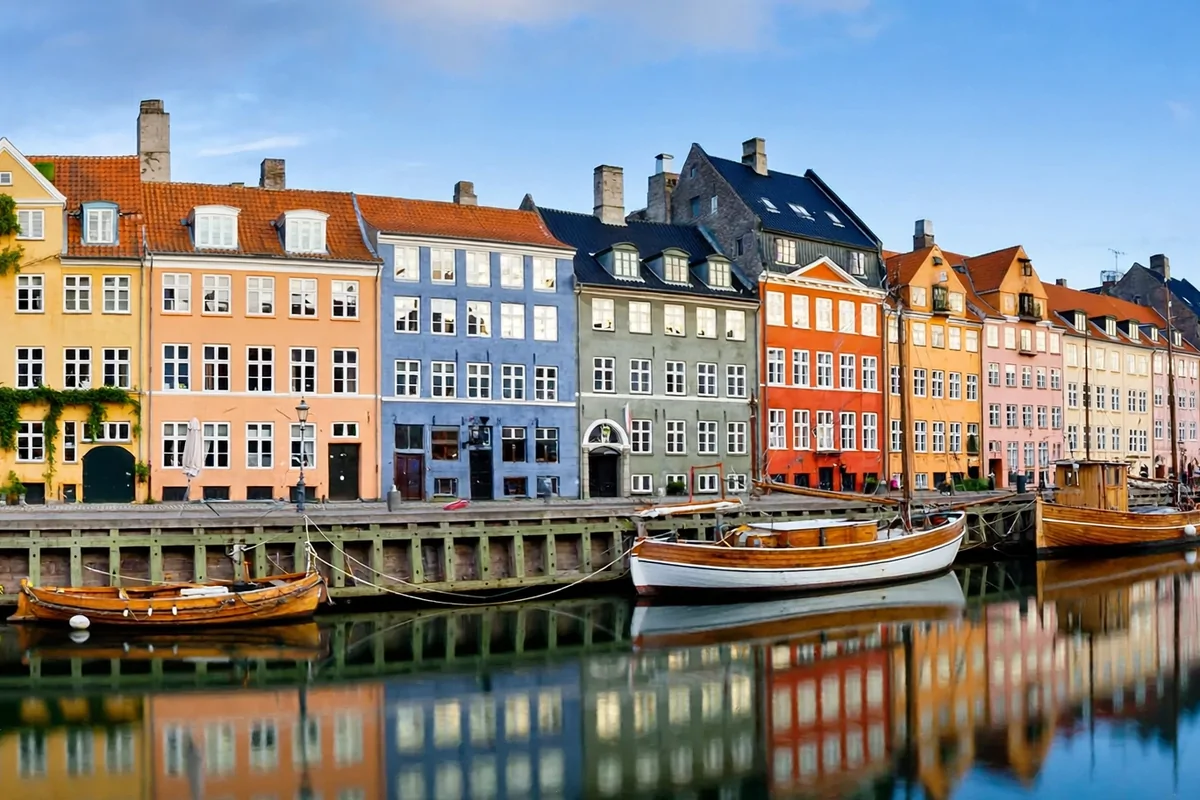
Danish is the language of Copenhagen, colourful streets, cosy homes, and the sea. It is spoken in a country where people love bikes, candles, warm drinks, and long talks with friends. The words sound soft and friendly, and they fit the Danish way of life so well.
This article gives you 26 simple questions about learning Danish and living the Danish way. Think about each one, pick your side, and share your answers with friends. There is no wrong answer, only fun ideas.
1. Would you rather live in a small flat in Copenhagen for one year or live in a small cottage by the sea in Jutland for one year?
Would you rather...
A small flat in Copenhagen gives you busy city life every day. You ride a bike to work, buy bread in small shops, and hear Danish on every street. Every day gives you new words from real city life.
A small cottage by the sea in Jutland gives you quiet and calm. You wake up to fresh air, wide skies, and the sound of the waves. Every day you practise Danish words for nature, weather, and simple daily life.
Both places teach you Danish in a different way. The city teaches you speed and people words, and the sea teaches you peace and nature words.
2. Would you rather learn one hundred food words in Danish or learn one hundred travel words in Danish?
Would you rather...
Food words help you every single day. You can order meals, buy bread and cheese at a market, and ask about dishes with confidence. Food is part of every day, at home and on a trip.
Travel words help you move around with ease. You can ask for directions, buy tickets, and find your hotel without stress. They keep you safe and free on the road.
| Option | What You Gain | What You Give Up |
|---|---|---|
| Learn one hundred food words in Danish | Easy meals, happy market trips, and words you use every day | The travel words that help you find your way around Denmark |
| Learn one hundred travel words in Danish | Easy trips, clear directions, and calm travel all over Denmark | The food words that help you order and enjoy every meal |
3. Would you rather speak Danish slowly and clearly or speak Danish fast like a native speaker?
Would you rather...
Speaking slowly and clearly helps people understand you. You have time to think, and you make fewer mistakes. Slow speech is not weak speech, it is smart speech.
Speaking fast like a native speaker sounds natural and smooth. You can join quick talks, and people may think you have spoken Danish for years. It feels exciting and free.
Things to think about:
- Do people understand you better when you speak slowly?
- Do you feel more proud when you speak fast?
- Which speed helps you learn new words faster?
4. Would you rather read a Danish storybook every night or read a Danish newspaper every morning?
Would you rather...
A Danish storybook at night is a calm way to end the day. You learn new words slowly, and the story stays in your mind while you sleep. It feels like a small gift to yourself each night.
A Danish newspaper in the morning wakes up your brain. You start the day with new words about Denmark, and you can use them all day long. It turns a normal morning into a small lesson.
Pro Tip: Pick the time that fits your life. Night readers learn in peace, and morning readers learn with fresh energy. The best habit is the one you keep every day.
5. Would you rather ride a bike through Copenhagen for one day or walk through the streets of Aarhus for one day?
Would you rather...
A bike ride through Copenhagen is fast and fun. You pass colourful houses, cross bridges, and feel the fresh wind on your face. Copenhagen is a city made for bikes, and every street gives you something new to see.
A walk through the streets of Aarhus is slow and calm. You can stop at small shops, look at old buildings, and talk with people on the way. Walking lets you see the small details of the city.
Both days teach you Danish in a real way. On a bike you hear quick words on the move, and on foot you have time for slow talks and new words.
6. Would you rather learn the Danish words for animals on a farm or learn the Danish words for fish in the sea?
Would you rather...
Animal words on a farm open a warm country world. You can talk about cows, pigs, hens, and horses, and describe the green fields of Denmark. Each animal word helps you enjoy farm visits more.
Fish words in the sea open a world of water and food. You can talk about herring, salmon, and the fish you see in markets and on boats. Each fish word helps you enjoy meals and sea trips more.
| Option | What You Gain | What You Give Up |
|---|---|---|
| Learn the Danish words for animals on a farm | Warm farm talks and words for the green fields of Denmark | The fish words that help you at markets and on sea trips |
| Learn the Danish words for fish in the sea | Easy market talks and words for the sea and Danish meals | The farm words that help you enjoy country visits |
7. Would you rather spend one winter in Denmark with snow and short days or spend one summer in Denmark with long bright days?
Winter in Denmark means snow, short days, and cosy evenings. You light candles, drink warm drinks, and learn words for snow, cold, and winter clothes. The dark days make the warm home feel even better.
Summer in Denmark means long bright days and fresh air. The sun stays up late, and you can walk, ride a bike, and sit outside until evening. You learn words for sun, sea, and long happy days.
Things to think about:
- Do you love cosy evenings with candles or bright evenings outside?
- Which season gives you more time outside?
- Which words would you enjoy learning more?
8. Would you rather eat smorrebrod for lunch every day for one month or eat Danish pastries for breakfast every day for one month?
Would you rather...
Smorrebrod for lunch every day is a tasty Danish habit. You try open sandwiches with fish, cheese, eggs, and fresh bread, and you learn the food words for each one. Lunch becomes a small daily adventure.
Danish pastries for breakfast every day is a sweet start to the morning. You try soft and crispy pastries from a real Danish bakery, and you learn the words for each treat. Breakfast becomes the best part of the day.
Both choices fill your days with Danish food and Danish words. The lunch choice teaches you savoury words, and the breakfast choice teaches you sweet words.
9. Would you rather visit Copenhagen and speak Danish there or visit Odense and speak Danish there?
Would you rather...
Copenhagen is the capital of Denmark, full of bikes, canals, and city life. You can practise Danish in shops, cafes, and on the metro, and hear the clear speech of the city.
Odense is a calm city of stories and green streets. You can practise Danish in small shops, in parks, and in the old town, and every day in Odense feels slow and friendly.
Important Note: Learn the words for the place you visit first. A big city teaches you city words, and a small city teaches you calm everyday words. The words you use stay in your mind.
10. Would you rather learn the Danish words for winter clothes or learn the Danish words for winter weather?
Would you rather...
Words for winter clothes help you shop and stay warm. You can talk about a warm coat, woollen socks, gloves, and a hat. They make cold days easy and fun.
Words for winter weather help you plan your day. You can talk about snow, frost, wind, and clear cold mornings. They help you in every small talk about the day.
| Option | What You Gain | What You Give Up |
|---|---|---|
| Learn the Danish words for winter clothes | Easy shopping and warm days in the Danish cold | The weather words that help you plan each day |
| Learn the Danish words for winter weather | Easy small talk and clear plans for cold days | The clothes words that help you shop and stay warm |
11. Would you rather understand every Danish word you hear or write clear Danish sentences with ease?
Would you rather...
Understanding every word you hear opens the whole world of Danish. You can follow talks, stories, and news without missing a part, and you learn fast from real life.
Writing clear sentences with ease helps you share your own thoughts. You can write notes, messages, and a short diary in Danish, and people can read your words with joy.
Things to think about:
- Do you need to listen more or write more in your daily life?
- Which skill makes you feel more confident?
- Which one would help your Danish grow faster right now?
12. Would you rather practise Danish with a friend for one hour every day or practise Danish alone with books for one hour every day?
Would you rather...
Practising Danish with a friend is fun and lively. You talk, laugh, and fix mistakes together, and every talk gives you new words. A friend keeps you going even on hard days.
Practising Danish alone with books is calm and steady. You read at your own speed, write down new words, and repeat them until they feel easy. Books never rush you, and you can learn in quiet peace.
Both ways work well, so pick the one that fits your day. Some people learn best with talks, and some people learn best with quiet books.
13. Would you rather learn the Danish words for colours or learn the Danish words for numbers?
Would you rather...
Colour words make your Danish bright and full of life. You can describe clothes, houses, flowers, and the sky, and your talks become more fun. Colours help you see the world in Danish.
Number words help you in daily life every day. You can count money, tell the time, and ask for prices in shops. Numbers are small words with big power.
| Option | What You Gain | What You Give Up |
|---|---|---|
| Learn the Danish words for colours | Bright and fun talks about clothes, houses, and nature | The number words that help you count, pay, and tell the time |
| Learn the Danish words for numbers | Easy shopping, counting, and telling the time in Danish | The colour words that make your talks bright and fun |
14. Would you rather take a boat trip around the Danish islands for one day or take a train trip across Denmark for one day?
A boat trip around the Danish islands is fresh and open. You feel the sea wind, see small harbours, and watch the coast pass by. Denmark has many islands, and each one has its own calm beauty.
A train trip across Denmark is easy and comfortable. You sit by the window and watch green fields, small towns, and wide skies pass by. It feels like a slow and lovely dream.
Warning: Do not wait until you feel ready to travel and speak. A simple hello in Danish can start a kind talk on a boat or on a train. Speak early, even with small words.
15. Would you rather learn to say tak and please in Danish first or learn to say hello and goodbye in Danish first?
Would you rather...
Learning to say tak and please first makes every talk kind. You can thank people in shops, in cafes, and on the street, and people will smile at your good manners. Small polite words open big doors.
Learning to say hello and goodbye first helps you start and end every talk. You can greet a friend, a shopkeeper, or a new neighbour with confidence. Hello and goodbye are the first words of every day.
Both small groups are useful from day one. Polite words make people happy, and greetings make you feel part of Danish life.
16. Would you rather spend a cosy evening with candles and warm drinks in Denmark or spend a bright morning in a Danish garden in spring?
Would you rather...
A cosy evening with candles and warm drinks is the heart of Danish hygge. You sit in soft light, drink something warm, and talk slowly with people you like. It is calm, warm, and full of peace.
A bright morning in a Danish garden in spring is fresh and full of life. Flowers bloom, birds sing, and the sun warms the green grass. It is a morning that makes you feel happy and free.
Things to think about:
- Do you love calm evenings or fresh mornings more?
- Which one gives you more Danish words to learn?
- Which feeling would you like to keep in your daily life?
17. Would you rather learn the Danish words for family and home or learn the Danish words for school and work?
Would you rather...
Words for family and home help you talk about the people you love. You can describe your house, your meals, and your daily life at home. These words are warm and close to your heart.
Words for school and work help you in your daily duties. You can talk about lessons, jobs, and plans with teachers and workmates. These words help you grow and do well.
| Option | What You Gain | What You Give Up |
|---|---|---|
| Learn the Danish words for family and home | Warm talks about the people and the home you love | The school and work words that help you do well each day |
| Learn the Danish words for school and work | Clear talks about lessons, jobs, and daily plans | The family and home words that feel warm and close |
18. Would you rather visit a Danish market and buy fresh food or visit a Danish bakery and buy fresh bread?
Would you rather...
A Danish market is full of colour and fresh smells. You see vegetables, cheese, fish, and flowers, and you can ask the sellers about each one. Every question teaches you a new Danish word.
A Danish bakery is warm and full of sweet smells. You see fresh bread, rolls, and pastries in the window, and you can ask for your favourite one in Danish. The smell of fresh bread makes the morning better.
Both places give you real Danish words and real Danish tastes. The market teaches you many food words, and the bakery teaches you the joy of fresh bread.
19. Would you rather learn Danish by reading simple stories or learn Danish by talking with people every day?
Would you rather...
Learning Danish by reading simple stories is calm and steady. You meet new words in a story, see how they work, and read them again until they feel easy. Stories make new words fun and clear.
Learning Danish by talking with people every day is fast and lively. You hear real Danish, you answer in real time, and you learn the words people truly use. Every talk is a small lesson.
Pro Tip: Mix both ways if you can. Read a short story in the morning, then use one new word in a real talk the same day. A word you use is a word you keep.
20. Would you rather see the Little Mermaid statue in Copenhagen or see the colourful houses at Nyhavn in Copenhagen?
Would you rather...
The Little Mermaid statue sits quietly by the sea in Copenhagen. It is small, calm, and full of story, and people come from all over the world to see it. It is a gentle and lovely sight.
The colourful houses at Nyhavn stand bright by the water. Boats rest in the canal, cafes fill the street, and every house has its own bright colour. It is a happy and lively place to walk.
Things to think about:
- Do you love quiet and famous places or bright and lively streets?
- Which place would you visit first on a trip to Copenhagen?
- Which sight would you tell your friends about first?
21. Would you rather learn the Danish words for the four seasons or learn the Danish words for days and months?
Would you rather...
Words for the four seasons help you talk about the year. You can describe spring flowers, summer sun, autumn leaves, and winter snow in Danish. Seasons give colour to every talk.
Words for days and months help you plan your life. You can talk about your birthday, your holidays, and your plans for next week. Days and months are words you use all the time.
| Option | What You Gain | What You Give Up |
|---|---|---|
| Learn the Danish words for the four seasons | Colourful talks about spring, summer, autumn, and winter | The day and month words that help you plan your life |
| Learn the Danish words for days and months | Easy plans for birthdays, holidays, and every week | The season words that give colour to your talks |
22. Would you rather have a picnic by a Danish lake in summer or have a walk in a Danish forest in autumn?
Would you rather...
A picnic by a Danish lake in summer is bright and happy. You sit on soft grass, eat fresh food, and watch the sun shine on the water. It is a simple day full of joy.
A walk in a Danish forest in autumn is calm and full of colour. Leaves turn red and gold, the air feels fresh, and the quiet paths invite you to walk slowly. It is a day full of peace.
Both days teach you Danish words for nature. The lake teaches you summer words, and the forest teaches you autumn words.
23. Would you rather learn the Danish word hygge by living it for one week or learn the Danish word hygge by reading about it in a book?
Would you rather...
Learning hygge by living it for one week means you feel it with your whole day. You light candles, drink warm drinks, and enjoy slow talks in a cosy home. You learn hygge by living it, not by reading about it.
Learning hygge by reading about it in a book gives you the full story. You learn where the word comes from, what it means, and how Danish people use it in daily life. A book gives you clear and deep knowledge.
Things to think about:
- Do you learn best by doing or by reading?
- Which way helps you remember the word longer?
- Would you enjoy a cosy week or a good book more?
24. Would you rather visit Denmark in spring and see the flowers bloom or visit Denmark in autumn and see the leaves change?
Would you rather...
Spring in Denmark is fresh and full of new life. Flowers bloom in gardens and parks, birds sing in the morning, and the days grow longer. Spring makes every walk feel new.
Autumn in Denmark is calm and full of warm colours. Leaves turn red and gold, the air feels cool, and people enjoy warm drinks at home. Autumn makes every day feel cosy.
| Option | What You Gain | What You Give Up |
|---|---|---|
| Visit Denmark in spring and see the flowers bloom | Fresh walks, blooming flowers, and long bright days | The warm colours and cosy days of Danish autumn |
| Visit Denmark in autumn and see the leaves change | Warm colours, cool air, and cosy autumn days | The fresh flowers and long days of Danish spring |
25. Would you rather practise Danish words for food at a Danish restaurant or practise Danish words for directions on a Danish street?
Would you rather...
Practising food words at a Danish restaurant is tasty and fun. You read the menu, ask about dishes, and order your meal in Danish. Every meal becomes a small lesson.
Practising direction words on a Danish street is useful and free. You ask where to go, follow the answers, and find your way around the city. Every walk becomes a small lesson.
Important Note: Use your new words in real places as soon as you learn them. A word you speak in a restaurant or on a street stays in your mind much longer than a word you only read.
26. Would you rather speak Danish with a perfect accent or know twice as many Danish words but speak with a strong accent?
Would you rather...
Speaking Danish with a perfect accent sounds smooth and natural. People may think you grew up in Denmark, and every word sounds clear and soft. A perfect accent is a lovely gift.
Knowing twice as many Danish words but speaking with a strong accent gives you more power to talk. You can say more things, describe more ideas, and join more talks, even if your sound is not perfect. Words open more doors than sound alone.
Both choices help you in Danish life. A good accent makes you sound natural, and many words make you able to say what you truly think.
More Would You Rather Questions
- 38 Swedish Language Would You Rather Questions for Nordic Language Fans
- 21 Dutch Language Would You Rather Questions for Curious Learners
- 32 European Portuguese Would You Rather Questions About Language Differences
- 16 Brazilian Portuguese Would You Rather Questions for Language Learners
- 27 Portuguese Language Would You Rather Questions From Around the World
- 12 Italian Language Would You Rather Questions for Language Enthusiasts
- 30 German Language Would You Rather Questions for Curious Learners
- 22 European French Would You Rather Questions for Language Lovers
- 18 Canadian French Would You Rather Questions About Francophone Culture
- 40 French Language Would You Rather Questions for French Learners