38 Swedish Language Would You Rather Questions for Nordic Language Fans

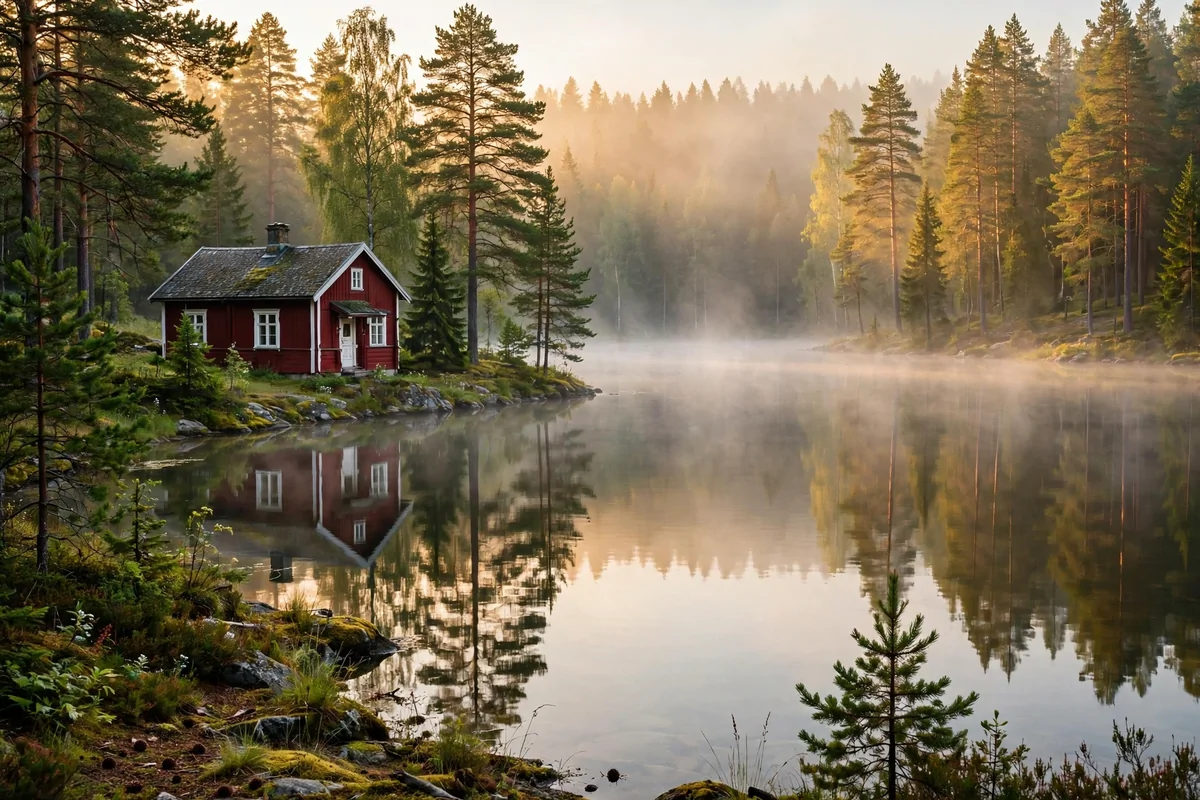
Swedish is a soft and smooth language, and it comes from a land of forests, lakes, and long bright summers. People speak it in Sweden, in Stockholm, and in small towns near the sea. It is the language of fika coffee breaks, red wooden houses, snowy winters, and calm and kind people.
Learning Swedish is full of fun choices. Do you want to learn long words or short words? Do you want to live in a big city or a quiet village? This article gives you 38 simple questions to think about, play with, and talk about with friends. There is no wrong answer, only fun ideas.
1. Would you rather live in Stockholm for one year to learn Swedish or live in a small Swedish village for one year to learn Swedish?
Would you rather...
Living in Stockholm for a year puts you in the heart of Sweden. You hear Swedish on the metro, in shops, in cafes, and on busy streets. Every day gives you new words, and you can practise with many different people.
Living in a small Swedish village for a year gives you a slower and closer life. People know you by name, and they have time to talk with you. You hear local words, you join village life, and your Swedish grows in a calm and warm way.
Both places teach you Swedish, but they teach it in a different way. The city gives you speed and variety, and the village gives you time and close friends.
2. Would you rather speak Swedish with a Stockholm accent or speak Swedish with a Gothenburg accent?
Would you rather...
A Stockholm accent sounds clear and neat to many ears. The words come out in a smooth way, and many learners find it easy to follow. It is the accent you often hear on the news and in the capital city.
A Gothenburg accent sounds warm and soft. The voice goes up and down in a friendly way, and people say it sounds light and kind. It can be harder at first, but it has a charm of its own.
| Option | What You Gain | What You Give Up |
|---|---|---|
| Speak Swedish with a Stockholm accent | A clear and neat sound that many learners find easy to follow | The warm and soft sound of Gothenburg with a friendly rise and fall |
| Speak Swedish with a Gothenburg accent | A warm and soft voice that sounds friendly and full of life | The clear and neat sound of a Stockholm accent |
3. Would you rather learn one hundred Swedish food words or learn one hundred Swedish travel words?
Would you rather...
Food words help you every single day. You can order meals, buy fruit at a market, and ask about dishes with confidence. Food is part of every trip and every day, and Swedish food words are fun to say.
Travel words help you move around with ease. You can ask for directions, buy tickets, and find your hotel without stress. They keep you safe and free on the road.
Things to think about:
- Do you travel to eat or to explore?
- Which words would you use first on a trip to Sweden?
- Which group makes you smile more?
4. Would you rather read a Swedish storybook every night or listen to a Swedish story every morning?
Would you rather...
A Swedish storybook at night is a calm way to end the day. You learn new words slowly, and the story stays in your mind while you sleep. It feels like a small gift to yourself each night.
A Swedish story in the morning wakes up your brain. You start the day with new words, and you can use them all day long. It turns a normal morning into a small lesson.
Pro Tip: Pick the time when your mind is fresh. If you love quiet nights, read at night. If you love fresh mornings, listen in the morning. The best habit is the one you keep every day.
5. Would you rather speak Swedish slowly and clearly or speak Swedish fast like a native speaker?
Would you rather...
Speaking slowly and clearly helps people understand you. You have time to think, and you make fewer mistakes. Slow speech is not weak speech, it is smart speech.
Speaking fast like a native speaker sounds natural and smooth. You can join quick talks, and people may think you have spoken Swedish for years. It feels exciting and free.
Many learners start slow and grow fast with time. There is no rush, and every small step counts.
6. Would you rather practise Swedish with a kind teacher every day or practise Swedish with shopkeepers in Stockholm every day?
Would you rather...
A kind teacher explains words step by step. You can ask questions, fix mistakes, and learn in a safe and calm way. A good teacher makes hard words feel easy.
Shopkeepers in Stockholm give you real practice. You speak about real things, like bread, prices, and directions, and you learn how people really talk. Every shop visit is a small lesson.
Both ways help you grow. A teacher builds your base, and real talks build your courage. The best plan may be to use both.
7. Would you rather learn the Swedish words for fruits and berries or learn the Swedish words for forest animals?
Would you rather...
Fruit and berry words open a tasty world. Sweden has wild blueberries, lingonberries, and cloudberries that grow in the forest. Each berry has a story, a colour, and a sweet taste.
Forest animal words open a wild world. You can talk about moose, deer, foxes, and birds you see in the woods. Each animal word helps you describe nature and the quiet Swedish forest.
Things to think about:
- Do you love food or nature more?
- Which words would you use in a real talk first?
- Would you rather pick berries or watch animals?
8. Would you rather write a short diary in Swedish every day or tell a short story in Swedish every day?
Would you rather...
A short diary in Swedish every day builds a strong habit. You write about your day, your plans, and your hopes in simple words. Over time your diary shows how much you have grown.
A short story in Swedish every day builds your imagination. You invent people, places, and fun events, and you learn words as you create. Each story is a small adventure.
Important Note: Small steps win. Even five lines a day can change your Swedish in a few months. Keep going, even on busy days.
9. Would you rather speak only Swedish for one whole week or read only Swedish books for one whole month?
Would you rather...
One week of only Swedish is a big test. You think, speak, and even dream in Swedish, and your brain works hard every hour. It is hard, but it can change your skill fast.
One month of only Swedish books is a quiet test. You read many stories, and your reading speed and word power grow a lot. It is calm, but it takes patience.
| Option | What You Gain | What You Give Up |
|---|---|---|
| Speak only Swedish for one week | Fast growth in speaking and thinking in Swedish | A full month of deep reading and many new words from books |
| Read only Swedish books for one month | Strong reading skill and a much bigger word power | The fast speaking growth of a full Swedish week |
10. Would you rather learn fun Swedish words for winter and snow or learn fun Swedish words for summer and lakes?
Would you rather...
Winter and snow words fit Sweden so well. The country has long winters, deep snow, and many words for cold and ice. These words help you enjoy skiing, skating, and quiet snowy days.
Summer and lake words fit the bright Swedish summer. The country has thousands of lakes, long days, and warm evenings. These words help you enjoy swimming, boats, and picnics by the water.
Both seasons are part of Swedish life. Winter teaches you patience, and summer teaches you joy.
11. Would you rather know how to order any meal in Swedish or know how to ask for directions in Swedish?
Would you rather...
Ordering any meal in Swedish means you never feel lost in a restaurant. You can ask about food, choose dishes, and enjoy every meal with confidence.
Asking for directions in Swedish means you never feel lost in a city. You can find streets, stations, and shops with the help of kind locals.
Things to think about:
- Do you travel to eat or to explore?
- Which skill saves you more trouble on a trip?
- Which one would you use first when you arrive in Stockholm?
12. Would you rather study Swedish grammar for one hour every day or talk with new friends in Swedish for one hour every day?
Would you rather...
One hour of grammar every day builds a strong base. You learn how verbs change, how sentences work, and why words fit together. It is like building the walls of a house.
One hour of talking with new friends every day builds real skill. You speak, you listen, you laugh, and you learn words that books never teach. It is like living inside the house.
Warning: Grammar alone can feel dry, and talking alone can leave gaps. The best learners mix both, even in small amounts, so their Swedish stays strong and natural.
13. Would you rather visit Stockholm and speak Swedish there or visit Gothenburg and speak Swedish there?
Would you rather...
Stockholm is the capital of Sweden, full of water, islands, and old streets. You can practise Swedish in busy cafes, on the metro, and near the royal palace. Every day in Stockholm feels big and bright.
Gothenburg is a friendly port city on the west coast. You can practise Swedish in small cafes, on trams, and near the sea. Every day in Gothenburg feels warm and easy.
| Option | What You Gain | What You Give Up |
|---|---|---|
| Visit Stockholm | Lively capital city talks on islands, in cafes, and on busy streets | The warm and easy life of Gothenburg by the sea |
| Visit Gothenburg | Friendly and relaxed Swedish talks in cafes, trams, and near the harbour | The big and bright world of the capital city Stockholm |
14. Would you rather learn Swedish words for colours and clothes or learn Swedish words for weather and seasons?
Would you rather...
Words for colours and clothes help you shop and describe the world. You can talk about a blue jacket, a red scarf, or a warm coat. They make daily talks easy and fun.
Words for weather and seasons help you plan your day. You can talk about rain, sun, wind, and the four seasons of the year. In Sweden, weather words are very useful, because the weather can change fast.
Both groups are useful in daily life. The words you need depend on what you do each day, so pick the group that fits your life first.
15. Would you rather tell funny jokes in Swedish or tell stories about your day in Swedish?
Would you rather...
Funny jokes in Swedish make people laugh, and laughter makes friends fast. A good joke can open any talk and warm any room.
Stories about your day help you share your real life. You can tell friends what you did, what you saw, and what you learned. They make talks honest and close.
Things to think about:
- Do you like to make people laugh or to share your day?
- Which skill needs more words?
- Which one feels more natural to you?
16. Would you rather learn Swedish by reading menus in restaurants or learn Swedish by reading street signs in a city?
Would you rather...
Reading menus teaches you food words in a real way. You see dishes, drinks, and prices, and you learn fast because you are hungry to understand.
Reading street signs teaches you city words in a real way. You see street names, directions, and warnings, and you learn how a city speaks.
Pro Tip: Take a photo of a menu or a street sign, then look up the new words at home. Real life is the best teacher, and your own photos make the best lessons.
17. Would you rather speak Swedish with perfect pronunciation or understand every Swedish word you hear?
Would you rather...
Perfect pronunciation makes you sound clear and confident. People understand you fast, and you feel proud of your voice.
Understanding every word you hear opens the whole world of Swedish. You can follow talks, stories, and news without missing a part.
Most learners want both, but if you must pick one first, think about what helps you more in real life. Speaking well helps you share, and listening well helps you learn.
18. Would you rather learn ten new Swedish words every morning or review ten old Swedish words every night?
Would you rather...
Ten new words every morning grows your word power fast. In one month you learn three hundred new words, and your Swedish feels fresh and wide.
Ten old words every night keeps your words strong. You never forget what you learned, and your memory stays sharp and ready.
| Option | What You Gain | What You Give Up |
|---|---|---|
| Learn ten new words every morning | Fast growth and three hundred new words in one month | Time to review old words, so some new words may fade |
| Review ten old words every night | Strong memory and words that stay with you for a long time | Fast growth, because you learn fewer new words each day |
19. Would you rather speak Swedish at a busy market in Stockholm or speak Swedish at a quiet market in a small town?
Would you rather...
A busy market in Stockholm is full of colour, sound, and smells. Sellers call out, buyers ask questions, and Swedish fills the air. It is loud, warm, and full of life.
A quiet market in a small town is full of fresh food and friendly talk. You can ask about cheese, bread, and berries, and learn words with every visit. It is calm, kind, and full of taste.
Important Note: Markets are great classrooms. People there are patient, and a smile plus a simple question can start a long and happy talk.
20. Would you rather know the Swedish names of all the months and days or know the Swedish numbers from one to one hundred?
Would you rather...
The names of months and days help you plan your life. You can talk about birthdays, holidays, and plans for next week. Time words keep your talks clear.
Numbers from one to one hundred help you shop, count, and pay. You can ask prices, count change, and talk about time and age. Number words keep your daily life smooth.
Things to think about:
- Which group do you use more each day?
- Do you plan more or shop more?
- Which words would you miss first if you lost them?
21. Would you rather learn Swedish through cooking recipes from Sweden or learn Swedish through books about Swedish nature?
Would you rather...
Cooking recipes from Sweden teach you tasty words. You learn about cinnamon buns, crisp bread, meatballs, and dishes from many regions. Each recipe is a trip across Sweden.
Books about Swedish nature teach you calm words. You learn about forests, lakes, moose, and birds, and each page shows a new part of the land. Each book is a quiet walk through Sweden.
Cooking is a fun way to learn a language. You read, you taste, and you remember words because they come with flavour and joy.
22. Would you rather greet anyone politely in Swedish or say goodbye warmly in Swedish?
Would you rather...
A polite greeting opens every door. A warm hello in Swedish makes people smile and want to talk with you. First words set the tone for the whole talk.
A warm goodbye leaves a good feeling. People remember you kindly, and they look forward to seeing you again. Last words stay in the heart.
| Option | What You Gain | What You Give Up |
|---|---|---|
| Greet anyone politely | A warm start to every talk and a friendly first impression | A warm and kind ending to every meeting |
| Say goodbye warmly | A kind last feeling that people remember well | A warm and polite start to every talk |
23. Would you rather learn the Swedish words for family members or learn the Swedish words for school subjects?
Would you rather...
Words for family members help you talk about your life. You can speak about your mother, father, sister, brother, and more. Family words are close to the heart.
Words for school subjects help you talk about learning. You can speak about maths, science, history, and your favourite lessons. School words open talks about ideas.
Pro Tip: Learn the words for the people and things closest to your life first. Those words stay in your memory longest, because you use them every day.
24. Would you rather speak Swedish in a forest cabin in the north or speak Swedish in a busy city in the south?
Would you rather...
A forest cabin in the north gives you quiet talks and deep nature. You hear pure local words, you see snow and pine trees, and you learn Swedish in a slow and peaceful way.
A busy city in the south gives you fast talks and many voices. You hear many accents, many words, and many stories every day. City life teaches you speed and courage.
Things to think about:
- Do you like quiet talks or busy streets?
- Do you learn better slowly or fast?
- Which place fits your way of learning?
25. Would you rather read Swedish books for children or read Swedish travel guides?
Would you rather...
Swedish books for children use simple words and short sentences. They are easy to read, and the pictures help you understand. They build your confidence step by step.
Swedish travel guides use real and useful words. They teach you about places, food, and travel, and every page has a clear purpose. They build words you can use on a trip.
Both are good for learners. Children’s books build confidence, and travel guides build useful words for trips. You can even read both, one in the morning and one at night.
26. Would you rather learn very long Swedish words or learn short and simple Swedish words?
Would you rather...
Very long Swedish words are fun and famous. Swedish can join words together into one long word, and saying it right feels like a small victory. Long words make people smile and ask questions.
Short and simple Swedish words are fast and useful. You can speak quickly, you can be understood easily, and you can build sentences without stress. Short words keep your talks smooth.
| Option | What You Gain | What You Give Up |
|---|---|---|
| Learn very long Swedish words | Fun words that impress friends and show the playful side of Swedish | Quick and easy talks with short words you can use right away |
| Learn short and simple Swedish words | Fast and easy talks that anyone can understand | The fun and charm of very long Swedish words |
27. Would you rather learn Swedish words for the sea and the islands or learn Swedish words for mountains and forests?
Would you rather...
Words for the sea and the islands fit Sweden so well. The country has a long coast, thousands of islands, and a love of boats and the sea. Sea words help you enjoy holidays and nature.
Words for mountains and forests fit walks, hikes, and nature talks. You can describe trees, hills, paths, and wild places. Mountain words help you enjoy quiet trips and fresh air.
Warning: Pick the words that match your life. If you live near the sea, learn sea words first. If you love hills, learn mountain words first. The right words are the ones you will use.
28. Would you rather take a fika coffee break and speak Swedish every day or take a long walk in a Swedish forest and speak Swedish every day?
Would you rather...
A fika coffee break is a loved Swedish habit. You sit with coffee and a cinnamon bun, you talk with friends, and you learn Swedish in a warm and tasty way. Fika is not just a break, it is a way of life.
A long walk in a Swedish forest is a calm habit. You breathe fresh air, you see pine trees and lakes, and you talk while you walk. Walking helps your mind stay fresh and your words flow easily.
Important Note: Fika means more than coffee. It means taking time to rest, to talk, and to enjoy the moment with others. It is one of the kindest habits in Swedish life.
29. Would you rather learn Swedish words for winter sports or learn Swedish words for summer swimming and lakes?
Would you rather...
Winter sports words fit the Swedish cold season. You can talk about skiing, skating, and snow, and each word brings a picture of white hills and bright winter light.
Summer swimming and lake words fit the warm season. You can talk about swimming, boats, and sunny days by the water, and each word brings a picture of blue lakes and green trees.
Both groups are fun, and both belong to Swedish life. Winter gives you snow, and summer gives you water.
30. Would you rather speak Swedish at a Swedish midsummer party or speak Swedish at a Swedish winter festival?
Would you rather...
A Swedish midsummer party is full of light and joy. People gather around a tall flower pole, they share food, and they talk late into the bright evening. It is one of the happiest days of the year.
A Swedish winter festival is full of warmth and light in the dark season. People gather with candles and warm drinks, they share stories, and they talk in the soft glow of winter lights.
Both events show the heart of Sweden. Midsummer gives you long bright days, and the winter festival gives you warmth in the cold.
31. Would you rather learn the Swedish letters å and ä and ö first or learn the Swedish sounds sj and tj first?
Would you rather...
The letters å and ä and ö are special to Swedish. They look different, they sound different, and they change the meaning of words. Learning them first helps you read and write with confidence.
The sounds sj and tj are tricky but fun. They are soft sounds that many learners find hard at first, but once you learn them, your Swedish sounds much more natural.
Both are part of the Swedish sound world. Letters help your eyes, and sounds help your ears, so a good learner practises both.
32. Would you rather learn Swedish words for home and rooms or learn Swedish words for work and jobs?
Would you rather...
Words for home and rooms help you talk about your daily life. You can name the kitchen, the bedroom, the garden, and the things you use every day. Home words feel close and warm.
Words for work and jobs help you talk about your job and your plans. You can name offices, tools, meetings, and tasks. Work words help you in your job and in your future.
Both groups are useful. Home words help you live, and work words help you earn and grow.
33. Would you rather practise Swedish with a neighbour every day or practise Swedish with a librarian every week?
Would you rather...
A neighbour every day gives you daily practice and a real friend. You talk about the weather, the garden, and small daily things, and your Swedish grows without effort.
A librarian every week gives you calm and careful help. You can ask about books, words, and reading, and you learn in a quiet place full of stories.
Things to think about:
- Do you learn better every day or once a week?
- Do you like small daily talks or long weekly talks?
- Which partner would you enjoy more?
34. Would you rather know every Swedish word for snow or know every Swedish word for rain and wind?
Would you rather...
Every Swedish word for snow opens a winter world. Sweden has deep snow, and people have many words for soft snow, wet snow, and snow that falls in the night. Snow words help you enjoy winter.
Every Swedish word for rain and wind opens a weather world. Sweden has rain on the coast and wind on the islands, and many words describe how rain falls and how wind blows. These words help you plan your day.
Weather words are very useful in Sweden. The weather changes fast, and people love to talk about it.
35. Would you rather live in Sweden in winter with dark days and snow or live in Sweden in summer with long bright days?
Would you rather...
Winter in Sweden brings dark days and deep snow. The nights are long, the lights are warm, and people enjoy candles, hot drinks, and quiet evenings. Winter teaches you calm and patience.
Summer in Sweden brings long bright days. The sun stays up late, the lakes are warm, and people enjoy boats, picnics, and walks at midnight. Summer teaches you joy and freedom.
| Option | What You Gain | What You Give Up |
|---|---|---|
| Live in Sweden in winter with dark days and snow | Snowy days, warm lights, candles, and quiet winter evenings | The long bright summer days with lakes and midnight sun |
| Live in Sweden in summer with long bright days | Bright days, warm lakes, boats, and late evening walks | The snowy magic and warm lights of a Swedish winter |
36. Would you rather learn Swedish words for boats and islands or learn Swedish words for trains and buses?
Would you rather...
Words for boats and islands fit the Swedish coast. The country has thousands of islands, and boats are part of daily life for many people. These words help you travel on the water.
Words for trains and buses fit city life and long trips. You can buy tickets, ask about times, and travel across Sweden with ease. These words help you move on land.
Both groups help you travel. Boats give you the sea, and trains give you the land.
37. Would you rather say thank you in ten different ways in Swedish or say sorry in ten different ways in Swedish?
Would you rather...
Saying thank you in ten different ways makes you warm and kind. Swedish people love a polite thank you, and it opens doors in every talk.
Saying sorry in ten different ways makes you polite and careful. A good sorry can fix a small mistake and keep a friendship strong.
Both are small words with big power. Thank you shows joy, and sorry shows care, and both make you a better speaker.
38. Would you rather learn Swedish words for feelings and moods or learn Swedish words for health and the body?
Would you rather...
Words for feelings and moods help you share your heart. You can talk about happiness, calm, worry, and hope, and people understand you better.
Words for health and the body help you take care of yourself. You can talk about pain, rest, food, and exercise, and you can ask for help when you need it.
Warning: Do not wait until you feel sick to learn health words. Learn them early, so you can ask for help clearly when it matters most.
More Would You Rather Questions
- 21 Dutch Language Would You Rather Questions for Curious Learners
- 32 European Portuguese Would You Rather Questions About Language Differences
- 16 Brazilian Portuguese Would You Rather Questions for Language Learners
- 27 Portuguese Language Would You Rather Questions From Around the World
- 12 Italian Language Would You Rather Questions for Language Enthusiasts
- 30 German Language Would You Rather Questions for Curious Learners
- 18 Canadian French Would You Rather Questions About Francophone Culture
- 40 French Language Would You Rather Questions for French Learners
- 34 European Spanish Would You Rather Questions About Regional Differences
- 28 Latin American Spanish Would You Rather Questions for Language Fans