24 Polish Language Would You Rather Questions for European Language Fans

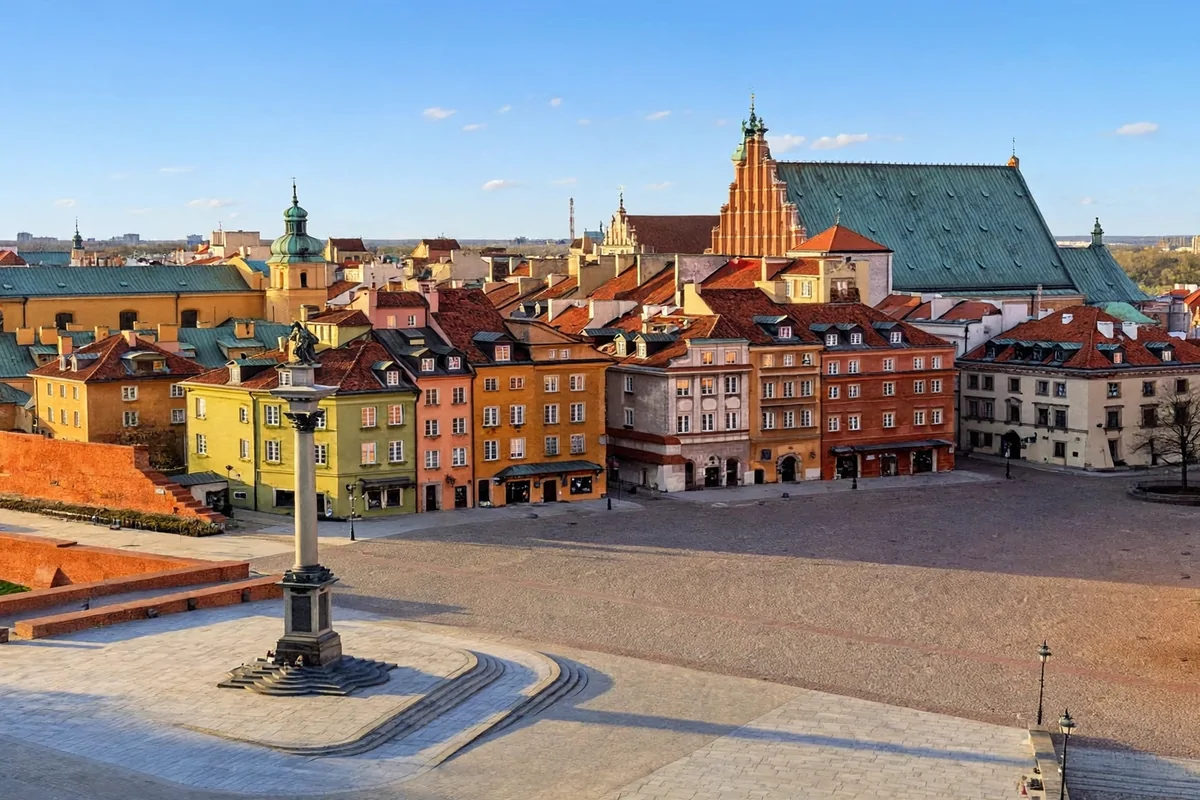
Polish is the language of Poland, a country with old cities, wide rivers, warm food, and kind people. The words sound strong and full, and they carry the history of Warsaw, Krakow, and many small villages. Learning Polish opens the door to a rich culture and to new friends.
This article gives you 24 simple questions about learning Polish and enjoying life in Poland. Think about each one, pick your side, and share your answers with friends. There is no wrong answer, only fun ideas.
1. Would you rather live in Warsaw for one year and learn Polish every day or live in Krakow for one year and learn Polish every day?
Would you rather...
Warsaw is the capital of Poland, full of wide streets, parks, museums, and busy shops. You hear Polish everywhere, on buses, in cafes, and in markets. Every day gives you new words from real city life.
Krakow is an old city with a big market square, old churches, and quiet streets full of history. You hear Polish in small cafes, in old bookshops, and on walks by the river. Every day feels like a story from the past.
Both cities teach you Polish in a different way. Warsaw teaches you fast modern words, and Krakow teaches you old and gentle words. Pick the city that makes your heart happy.
2. Would you rather learn one hundred Polish food words or learn one hundred Polish travel words?
Would you rather...
Food words help you every single day. You can order pierogi, buy fresh bread, and ask about soup in a small restaurant. Food is part of every day, at home and on a trip.
Travel words help you move around Poland with ease. You can ask for directions, buy train tickets, and find your hotel without stress. They keep you safe and free on the road.
| Option | What You Gain | What You Give Up |
|---|---|---|
| Learn one hundred Polish food words | Easy meals, happy market trips, and words you use every day | The travel words that help you find your way around Poland |
| Learn one hundred Polish travel words | Easy trips, clear directions, and calm travel all over Poland | The food words that help you order and enjoy every meal |
3. Would you rather speak Polish slowly and clearly or speak Polish fast like a native speaker?
Would you rather...
Speaking slowly and clearly helps people understand you. You have time to think, and you make fewer mistakes. Slow speech is not weak speech, it is smart speech.
Speaking fast like a native speaker sounds natural and smooth. You can join quick talks, and people may think you have spoken Polish for years. It feels exciting and free.
Things to think about:
- Do people understand you better when you speak slowly?
- Do you feel more proud when you speak fast?
- Which speed helps you learn new Polish words faster?
4. Would you rather read a Polish storybook every night or talk in Polish with a friend every morning?
Would you rather...
A Polish storybook at night is a calm way to end the day. You learn new words slowly, and the story stays in your mind while you sleep. It feels like a small gift to yourself each night.
Talking in Polish with a friend in the morning wakes up your brain. You start the day with new words, and you can use them all day long. A friendly talk turns a normal morning into a small lesson.
Pro Tip: Pick the habit that fits your life. Night readers learn in peace, and morning talkers learn with fresh energy. The best habit is the one you keep every day.
5. Would you rather eat pierogi every day for one month or eat Polish soup every day for one month?
Would you rather...
Pierogi are small dumplings filled with potato, cheese, meat, or fruit. You can eat them boiled or fried, with sour cream on top. Eating pierogi every day teaches you many food words and gives you a happy full belly.
Polish soup is warm and full of flavour. There is barszcz with beetroot, zurek with sour rye, and clear broth with noodles. Eating soup every day teaches you words for vegetables, bread, and warm meals.
Both choices are tasty and very Polish. Pierogi are fun to share with friends, and soup is warm and kind on cold days. Which one would fill your days with more joy?
6. Would you rather visit Warsaw and speak Polish there or visit Krakow and speak Polish there?
Would you rather...
Warsaw is full of new life and old history side by side. You can practise Polish in big shops, in parks, and on the metro, and hear the clear speech of the capital city.
Krakow is full of old streets, a grand market square, and a castle on a hill. You can practise Polish in small cafes, in old bookshops, and on walks by the Wisla river. Every day in Krakow feels close to history.
| Option | What You Gain | What You Give Up |
|---|---|---|
| Visit Warsaw and speak Polish there | Big city life, clear speech, and Polish words from shops and parks | The old streets, castle, and gentle history words of Krakow |
| Visit Krakow and speak Polish there | Old streets, a grand square, and Polish words full of history | The busy shops, parks, and modern city words of Warsaw |
7. Would you rather learn the Polish words for colours or learn the Polish words for numbers?
Would you rather...
Colour words make your Polish bright and fun. You can talk about a red flower, a blue sky, and a green forest. Colours help you describe the world in a simple and lovely way.
Number words help you in shops, on buses, and in daily life. You can count money, tell the time, and say your age. Numbers are small words with big power.
Things to think about:
- Do you describe things more or count things more in your day?
- Which words would you use first on a trip to Poland?
- Which group is easier for you to remember?
8. Would you rather understand every Polish word you hear or write clear Polish sentences with ease?
Would you rather...
Understanding every word you hear opens the whole world of Polish. You can follow talks, stories, and news without missing a part, and you learn fast from real life.
Writing clear sentences with ease helps you share your own thoughts. You can write notes, messages, and a short diary in Polish, and people can read your words with joy.
| Option | What You Gain | What You Give Up |
|---|---|---|
| Understand every Polish word you hear | Easy listening, quick learning, and talks that flow without stops | The joy of writing your own clear Polish sentences |
| Write clear Polish sentences with ease | Clear notes, messages, and a diary in your own Polish words | The ease of understanding every word you hear in Polish |
9. Would you rather spend one winter in Poland with snow and warm drinks or spend one summer in Poland with long sunny days?
Would you rather...
Winter in Poland means white snow, cold air, and warm drinks by the fire. You learn words for snow, coats, and warm food, and you see Christmas lights in old squares. The cold makes warm moments feel even better.
Summer in Poland means long sunny days, green parks, and walks by the river. You learn words for sun, flowers, and fresh fruit, and you can stay outside until late evening. The sun makes every day feel free and bright.
Both seasons show a different side of Poland. Winter is quiet and warm inside, and summer is bright and full of life outside. Which season fits your heart more?
10. Would you rather learn Polish by talking with people in a market or learn Polish by reading books at home?
Would you rather...
Talking with people in a market is fast and real. You hear Polish words for bread, cheese, apples, and flowers, and kind sellers help you practise. Every small talk teaches you something new.
Reading books at home is calm and slow. You can stop, look up a word, and read the same page again. Books give you new words and lovely stories at your own speed.
Things to think about:
- Do you learn better by talking or by reading?
- Do you like busy places or quiet places for learning?
- Which way helps new Polish words stay in your mind longer?
11. Would you rather ride a train across Poland from Warsaw to Krakow or walk the old streets of Gdansk for one day?
Would you rather...
A train from Warsaw to Krakow is a calm ride through fields, forests, and small towns. You sit by the window, watch the land pass by, and practise Polish words for travel, food, and views.
Walking the old streets of Gdansk is a day by the sea. You see old houses, a busy port, and ships on the water, and you hear Polish in shops and cafes near the harbour. Every street tells a story.
| Option | What You Gain | What You Give Up |
|---|---|---|
| Ride a train across Poland from Warsaw to Krakow | A calm ride with lovely views of fields, forests, and small towns | A full day on foot in the old streets of Gdansk by the sea |
| Walk the old streets of Gdansk for one day | Old houses, a busy port, and stories on every street by the sea | The calm train ride across Poland from Warsaw to Krakow |
12. Would you rather learn the Polish words for animals in the forest or learn the Polish words for birds in the garden?
Would you rather...
Animal words in the forest open a wild world. You can talk about deer, foxes, wild boars, and wolves, and describe the quiet woods of Poland. Each animal word helps you enjoy nature walks more.
Bird words in the garden open a world of colour and sound. You can talk about sparrows, blackbirds, and storks, and describe the birds you see each morning. Each bird word helps you enjoy quiet mornings more.
Both groups make your Polish closer to nature. Forest animals are big and wild, and garden birds are small and near. Which world would you love to describe first?
13. Would you rather say dzien dobry to everyone you meet for one week or say dziekuje to everyone who helps you for one week?
Would you rather...
Saying dzien dobry, which means good morning, to everyone you meet is a warm start to each day. People smile back, and you practise a kind Polish greeting many times a day. It opens many small friendly talks.
Saying dziekuje, which means thank you, to everyone who helps you is a kind habit. People feel glad, and you practise a warm Polish word in shops, on buses, and at home. It makes every day kinder.
| Option | What You Gain | What You Give Up |
|---|---|---|
| Say dzien dobry to everyone you meet for one week | Warm smiles, kind greetings, and many small friendly talks | A full week of saying thank you to everyone who helps you |
| Say dziekuje to everyone who helps you for one week | Kinder days, glad people, and a warm word used again and again | A full week of greeting everyone you meet with dzien dobry |
14. Would you rather learn Polish words for family members or learn Polish words for jobs and work?
Would you rather...
Family words help you talk about the people you love. You can say mother, father, sister, brother, and grandmother in Polish, and share stories about home. These words are warm and close to the heart.
Job words help you talk about daily work and dreams. You can say teacher, baker, farmer, and driver in Polish, and ask people about their work. These words open talks in every town and city.
Things to think about:
- Do you talk about home more or about work more?
- Which words would help you make new friends faster?
- Which group feels more useful in your daily life?
15. Would you rather visit a Polish bakery every morning or visit a Polish market every morning?
Would you rather...
A Polish bakery every morning smells of fresh bread and warm rolls. You learn words for bread, cakes, and sweet buns, and you start each day with a warm treat. The baker may soon know your name and your favourite bread.
A Polish market every morning is full of colour and life. You learn words for apples, cheese, flowers, and honey, and you talk with many kind sellers. Every morning brings a new smell, a new word, and a new smile.
Important Note: Learn the words for the world around you first. If you love bread, learn bakery words. If you love fresh food, learn market words. The words you see and taste stay in your mind.
16. Would you rather learn the Polish words for the seasons or learn the Polish words for the weather?
Would you rather...
Season words help you talk about the whole year. You can say spring, summer, autumn, and winter in Polish, and describe flowers, snow, and harvest time. They help you tell stories about the year.
Weather words help you in small talk every single day. You can say sunny, rainy, snowy, and windy in Polish, and plan your day with ease. They are the words people use most in daily life.
Both groups are useful all year round. Season words help you tell big stories, and weather words help you in daily talks. Which group would you use more each day?
17. Would you rather live in a small Polish village for one month or live in a big Polish city for one month?
Would you rather...
A small Polish village is quiet and green. You hear Polish in gardens, on walks to the shop, and in talks with neighbours. Every day is slow, kind, and full of nature words.
A big Polish city is busy and full of life. You hear Polish on trams, in cafes, and in big shops, and you meet many people to talk with. Every day gives you new words from real city life.
| Option | What You Gain | What You Give Up |
|---|---|---|
| Live in a small Polish village for one month | Quiet green days, kind neighbours, and nature words at a slow pace | The busy shops, cafes, and fast city words of a big Polish city |
| Live in a big Polish city for one month | Busy streets, many new people, and Polish words from city life | The quiet green days and gentle nature words of a small village |
18. Would you rather learn Polish words for fruit and vegetables or learn Polish words for bread and cakes?
Would you rather...
Fruit and vegetable words help you in every market and kitchen. You can say apple, carrot, potato, and cabbage in Polish, and cook healthy meals with confidence. They are words you use again and again.
Bread and cake words help you in every bakery and cafe. You can say bread, roll, cake, and bun in Polish, and order a sweet treat with a smile. They are words full of warmth and joy.
Things to think about:
- Do you cook more or visit bakeries more?
- Which words would help you order food with ease?
- Which group makes your mouth water just thinking about it?
19. Would you rather walk along the Wisla river in Warsaw for one day or climb a hill near Krakow for one day?
Would you rather...
Walking along the Wisla river in Warsaw is calm and open. You see the water, the bridges, and the city skyline, and you hear Polish from walkers, cyclists, and families. It is a day full of fresh air and city views.
Climbing a hill near Krakow is a day full of green views and old stories. You climb up past trees and fields, and you see the city and the castle far below. It is a day full of energy and wide sky.
Both days are full of Polish words for nature and travel. The river walk is flat and easy, and the hill climb is strong and high. Which day would make you happier?
20. Would you rather learn the Polish words for clothes or learn the Polish words for the rooms in a house?
Would you rather...
Clothes words help you shop and dress for the weather. You can say coat, shirt, shoes, and hat in Polish, and buy what you need with ease. They make cold and warm days simple.
Room words help you talk about home and daily life. You can say kitchen, bedroom, garden, and bathroom in Polish, and describe where you live. They help you in talks about home and family life.
| Option | What You Gain | What You Give Up |
|---|---|---|
| Learn the Polish words for clothes | Easy shopping, warm outfits, and words for every season | The home words that help you describe the rooms where you live |
| Learn the Polish words for the rooms in a house | Easy talks about home, family life, and every room you use | The clothes words that help you shop and dress for the weather |
21. Would you rather speak only Polish for one whole day or write only in Polish for one whole day?
Would you rather...
Speaking only Polish for one whole day is a big and brave test. You order food, ask for help, and greet people all in Polish. By night you feel tired but very proud of your words.
Writing only in Polish for one whole day is a quiet and deep test. You write notes, messages, and a short diary all in Polish. By night you see your own Polish words on paper, and they look lovely.
Things to think about:
- Are you braver with your voice or with your pen?
- Which test would teach you more new words?
- Which one would make you feel more proud at the end of the day?
22. Would you rather learn the Polish words for the days of the week or learn the Polish words for the months of the year?
Would you rather...
Day words help you plan every week. You can say Monday, Friday, and Sunday in Polish, and talk about work, rest, and plans with friends. They are small words you use all the time.
Month words help you talk about the whole year. You can say January, June, and December in Polish, and describe birthdays, holidays, and seasons. They help you tell stories about time.
Warning: Do not try to learn all the time words in one day. Learn the days first, use them for one week, then learn the months. Slow and steady wins the race.
23. Would you rather visit a Polish museum about history for one day or visit a Polish castle for one day?
Would you rather...
A Polish museum about history is full of old photos, maps, and stories. You learn words for kings, wars, and old daily life, and you see how Poland grew through time. It is a day full of learning and wonder.
A Polish castle is full of tall towers, old walls, and wide views. You walk through grand halls and gardens, and you learn words for stone, towers, and old kings. It is a day full of beauty and adventure.
| Option | What You Gain | What You Give Up |
|---|---|---|
| Visit a Polish museum about history for one day | Old photos, maps, and stories about how Poland grew through time | A day in a grand castle with tall towers and wide views |
| Visit a Polish castle for one day | Tall towers, old walls, and a day full of beauty and adventure | A day with old photos, maps, and stories in a history museum |
24. Would you rather learn one new Polish word every day for one year or learn ten new Polish words every week for one year?
Would you rather...
One new Polish word every day is a small and easy habit. You learn 365 words in one year, and each word gets time to stay in your mind. It feels light, and it never feels hard.
Ten new Polish words every week is a bigger weekly test. You learn 520 words in one year, and you can group them by topic, like food, travel, or family. It feels strong, and it gives you fast growth.
Both ways build a big Polish vocabulary in one year. The daily way is slow and steady, and the weekly way is fast and full. Which pace fits your life better?
More Would You Rather Questions
- 36 Icelandic Language Would You Rather Questions From the North
- 19 Finnish Language Would You Rather Questions for Language Adventurers
- 26 Danish Language Would You Rather Questions With Interesting Word Choices
- 38 Swedish Language Would You Rather Questions for Nordic Language Fans
- 21 Dutch Language Would You Rather Questions for Curious Learners
- 32 European Portuguese Would You Rather Questions About Language Differences
- 16 Brazilian Portuguese Would You Rather Questions for Language Learners
- 27 Portuguese Language Would You Rather Questions From Around the World
- 12 Italian Language Would You Rather Questions for Language Enthusiasts
- 30 German Language Would You Rather Questions for Curious Learners