13 Hindi Language Would You Rather Questions for Global Learners

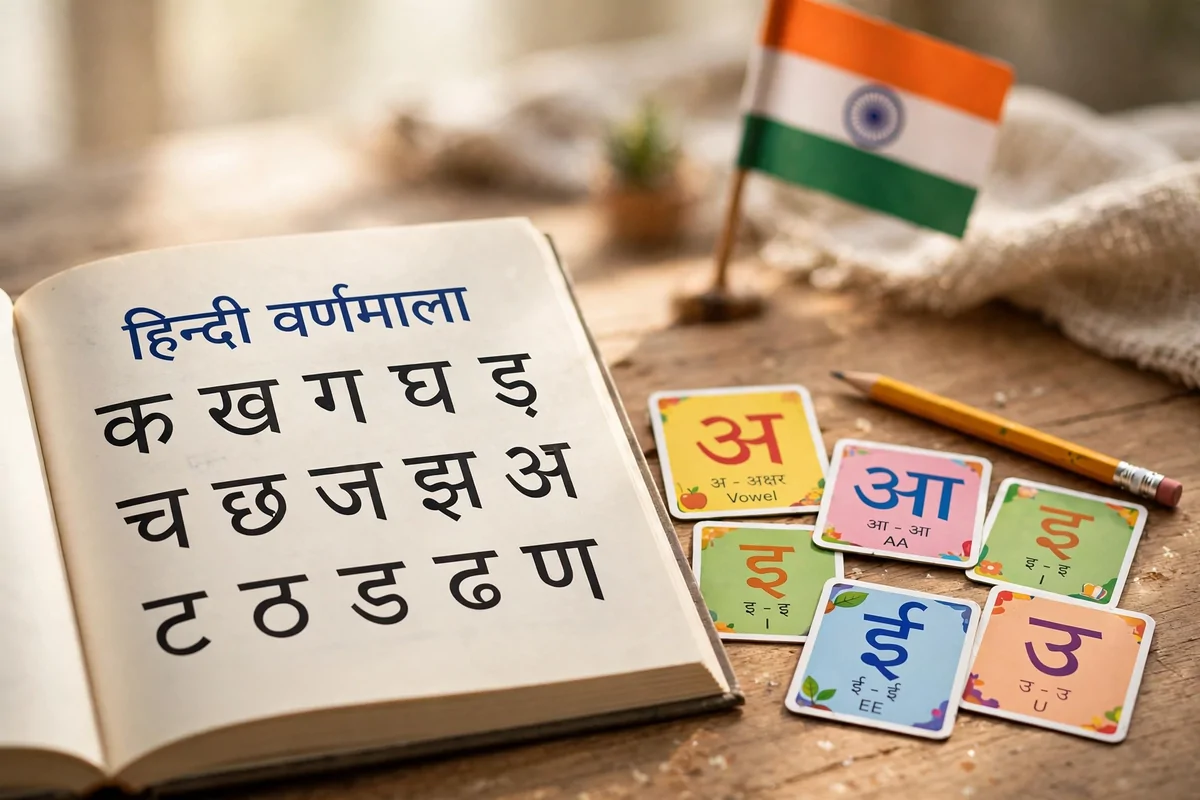
Hindi is one of the most spoken languages in the world. Millions of people use it every day in India and in many other countries. When you learn Hindi, you open a door to new words, new food, new places, and new friends.
Learning a new language is full of small choices. Do you start with speaking or reading? Do you learn a few words each day or many words at once? The questions below help you think about the best way for you to learn Hindi. Pick the side that feels right for you.
1. Would you rather learn Hindi by speaking with people every day or learn Hindi by reading books and studying grammar first?
Would you rather...
Speaking every day is fast and fun. You hear real Hindi, you try new words, and you learn how people really talk. You may make mistakes, but each mistake teaches you something new. Many learners say speaking first gives them courage.
Reading books and studying grammar first is slower but steady. You learn the rules of the language. You see how sentences are built. When you finally speak, your words feel more correct. Some learners like this calm and clear path.
Which way fits your life? If you like to talk and try things fast, speaking may be best. If you like to plan and understand rules first, books may be best. There is no wrong answer, only the way that keeps you going.
2. Would you rather learn the Devanagari alphabet first or start speaking Hindi words with English letters?
Would you rather...
The Devanagari alphabet is the script of Hindi. It looks new at first, but each letter has one clear sound. Once you learn it, you can read real Hindi words, signs, and books. It feels like a big win.
Starting with English letters is easier at the start. You can speak Hindi words right away without learning a new script. Many beginners use this way to build confidence fast.
Things to think about:
- Learning Devanagari takes time at the start, but it helps you read Hindi for life.
- English letters are quick, but they cannot show every Hindi sound clearly.
- You can also do both: speak with English letters now, and learn Devanagari step by step.
3. Would you rather learn 10 new Hindi words every day or learn 50 new Hindi words once a week?
Would you rather...
Ten words a day sounds small, but it adds up fast. In one month, that is 300 new words. Small daily steps are easy to keep, and you remember words better when you meet them again and again.
Fifty words once a week feels like a big study day. You can sit down, focus, and learn a lot at once. Some people love a big weekly goal because it feels like real progress in one sitting.
| Option | What You Gain | What You Give Up |
|---|---|---|
| Learn 10 new Hindi words every day | A steady habit and strong memory from daily practice | The feeling of a big weekly win |
| Learn 50 new Hindi words once a week | A big batch of new words in one focused study day | Daily practice and easy remembering |
4. Would you rather practice Hindi with a friend who speaks Hindi or practice Hindi alone with an app?
Would you rather...
A friend who speaks Hindi can answer your questions right away. They can tell you how people really say things. You can laugh together when you make a funny mistake. Talking with a real person feels warm and alive.
An app lets you practice any time, day or night. You can repeat a lesson as many times as you want. No one is waiting, so you feel calm. Apps are good for quiet practice and for building new words.
Here is a simple checklist to help you choose:
- Do you learn best by talking with people? Pick a friend.
- Do you need a flexible time to study? Pick an app.
- Do you want both? Use the app in the morning and talk with your friend in the evening.
5. Would you rather learn Hindi words for food and cooking or learn Hindi words for travel and directions?
Would you rather...
Food words are tasty to learn. You can name rice, bread, spices, and sweets. In a market or a kitchen, food words help you right away. You can ask for what you want and understand what is on the plate.
Travel words help you move around. You can ask for the road, the station, or the bus stop. You can find your hotel or ask for help. When you travel in India, these words make the trip smooth and safe.
Pro Tip: Start with the words you will use first. If you cook a lot, learn food words. If a trip is coming soon, learn travel words. The words you use stay in your mind the longest.
6. Would you rather learn Hindi by listening to simple Hindi stories or learn Hindi by reading simple Hindi stories?
Would you rather...
Listening to stories trains your ears. You hear the sounds, the rhythm, and the speed of real Hindi. You learn how words flow together. Even if you miss a word, the story helps you guess the meaning.
Reading stories trains your eyes. You can stop, look at a word, and read it again. You see the Devanagari letters in real use. Reading builds your spelling and your word bank at your own speed.
Many learners mix the two. They listen first to enjoy the story, then they read the same story to see the words. This mix helps both the ears and the eyes, and the story stays in the mind longer.
7. Would you rather write Hindi words by hand every day or type Hindi words on a keyboard every day?
Would you rather...
Writing by hand is slow, and that is its power. Your hand learns the shape of each Devanagari letter. You remember words better because you build them letter by letter. A small notebook can become your best Hindi friend.
Typing is fast and neat. You can write many words in a short time. You can save your notes, search them, and fix mistakes in one click. Typing also teaches you the Hindi keyboard, which is useful for messages and emails.
Important Note: Handwriting helps most with the Devanagari script at the start. If the letters still feel new, write them by hand for a few weeks. You can switch to typing once the letters feel easy.
8. Would you rather learn Hindi numbers first or learn Hindi greetings first?
Would you rather...
Numbers are useful from day one. You can count, tell the time, and understand prices in a shop. Numbers show up everywhere, so you practice them without trying.
Greetings open doors. A simple “Namaste” with a smile starts a good talk. People feel happy when you greet them in their language. Greetings help you meet people and make new friends in Hindi.
Which one would you pick first? Numbers help you buy and count. Greetings help you meet and talk. Both are small steps, and both make your first days in Hindi feel easy and warm.
9. Would you rather speak Hindi slowly and correctly or speak Hindi fast and make many mistakes?
Would you rather...
Speaking slowly and correctly feels safe. People understand you. You build good habits from the start. Your words may be few, but each one is clear.
Speaking fast with mistakes feels brave. You say more, you try more, and you learn fast from each error. People often help you fix a word with a smile. Speed brings more practice in less time.
| Option | What You Gain | What You Give Up |
|---|---|---|
| Speak Hindi slowly and correctly | Clear words, good habits, and easy understanding | Speed and the chance to try many new words |
| Speak Hindi fast and make many mistakes | More practice, more courage, and fast learning from errors | Clear speech and correct habits at the start |
10. Would you rather learn Hindi for one hour every day or learn Hindi for seven hours on one day each week?
Would you rather...
One hour a day builds a strong habit. Your brain meets Hindi often, so words stay fresh. A short daily session fits into a busy life, before work or after dinner. Small steps every day can take you very far.
Seven hours in one day is a deep dive. You can study, read, listen, and practice all in one big block. Some learners love a full study day because they feel fully inside the language.
Things to think about:
- Daily study keeps words fresh in your memory.
- One long day can feel tiring, and you may forget words during the week with no practice.
- A mix works well: one hour most days, plus a longer session on the weekend.
11. Would you rather learn Hindi words for family and home life or learn Hindi words for work and school?
Would you rather...
Family and home words are close to the heart. You can talk about your mother, father, brother, and sister. You can name the rooms in a house and the things you use each day. These words help you feel at home in Hindi.
Work and school words help you in a job or a class. You can talk about your teacher, your books, your office, and your tasks. These words open doors to study and work in Hindi.
Think about where you use Hindi most. If you talk with family in Hindi, home words come first. If you study or work with Hindi speakers, work words come first. Your real life should pick your first words.
12. Would you rather visit India to practice Hindi in real life or stay home and practice Hindi online every day?
Would you rather...
Visiting India puts you inside the language. You hear Hindi in shops, on buses, and in the streets. You read signs, order food, and ask for help in Hindi. Every day is a real lesson, and the culture comes alive around you.
Staying home and practicing online is steady and low cost. You can talk with teachers, join a class, and meet Hindi speakers from your own room. You can study at your own time and keep a daily routine for months.
Warning: A trip to India is a great goal, but do not wait for the trip to start learning. Start online now, so your trip becomes practice, not your first lesson. The words you learn today will make the trip much richer.
13. Would you rather learn Hindi so you can read signs and menus in India or learn Hindi so you can talk with Hindi speakers anywhere?
Would you rather...
Reading signs and menus is a clear and useful goal. In India, you can walk into a shop, read the board, and pick what you need. You can read a train board or a street sign without help. Reading gives you freedom to move on your own.
Talking with Hindi speakers anywhere is a warm and human goal. You can greet people, share a story, and learn about their life. Hindi speakers live in many countries, so your new skill travels with you wherever you go.
Both goals are worth it. Reading helps your eyes and your trips. Talking helps your heart and your friendships. Pick the goal that makes you smile, and let it pull you forward each day.
More Would You Rather Questions
- 15 Urdu Language Would You Rather Questions for Language Lovers
- 20 Persian Language Would You Rather Questions From a Rich Linguistic Tradition
- 10 Hebrew Language Would You Rather Questions for Language Learners
- 39 Arabic Language Would You Rather Questions for Global Language Fans
- 33 Turkish Language Would You Rather Questions for Curious Learners
- 37 Greek Language Would You Rather Questions About Ancient and Modern Words
- 29 Russian Language Would You Rather Questions for Global Learners
- 31 Ukrainian Language Would You Rather Questions for Language Enthusiasts
- 17 Czech Language Would You Rather Questions for Curious Learners
- 24 Polish Language Would You Rather Questions for European Language Fans