40 Malayalam Language Would You Rather Questions for Curious Learners

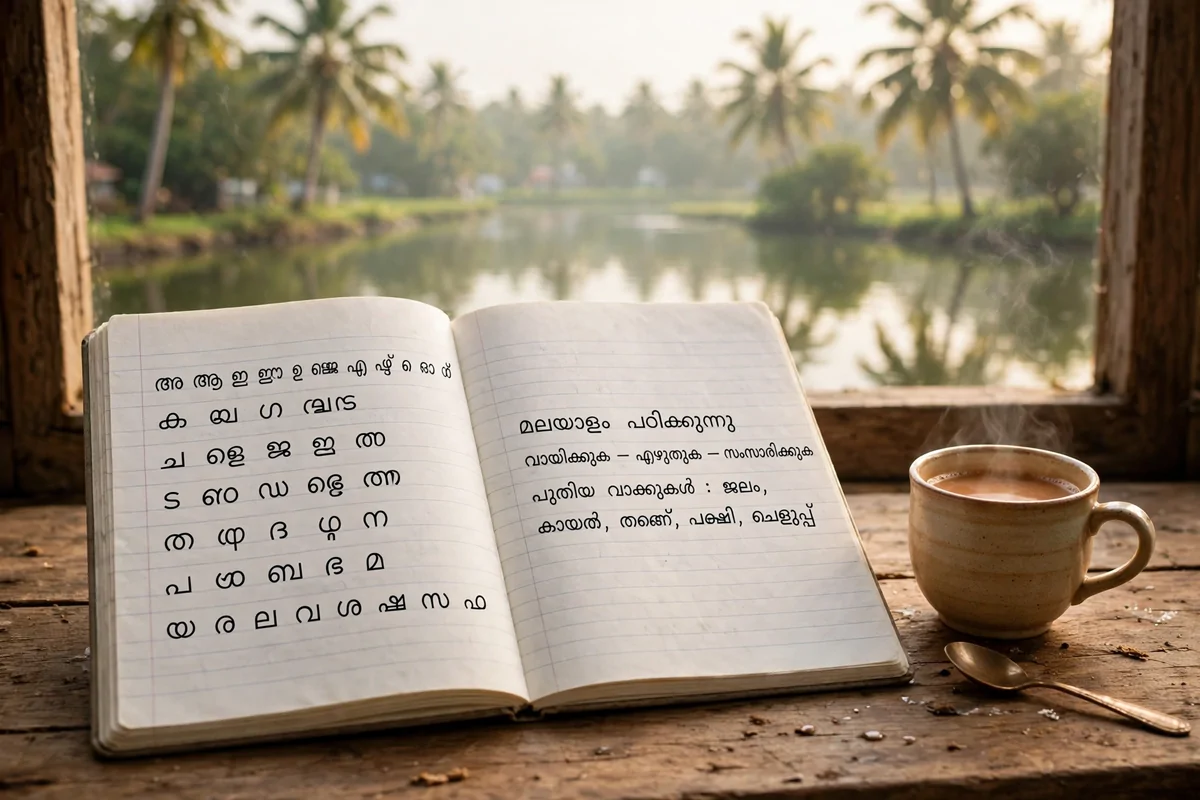
Malayalam is the sweet language of Kerala, a green state in south India full of coconut trees, quiet backwaters and warm, friendly people. Its letters flow like curves and loops on paper, and its words sound soft and sweet when people speak them. Many learners fall in love with Malayalam the first time they hear a simple greeting in a tea shop or see the beautiful script on a shop board.
Learning a new language is full of small choices. Do you speak first or read first? Do you learn food words or family words? Do you practise in a busy market or in a quiet home? Each question below gives you two fun paths, and both paths teach you something new. Pick your side, think about the trade, and enjoy the journey into Malayalam.
1. Would you rather speak Malayalam for a whole day or read and write Malayalam script for a whole day?
Would you rather...
Speaking for a whole day sounds brave and fun. You would order tea, ask for directions and greet people in Malayalam from morning to night. Your mouth would learn the sounds fast, and people would smile when they hear you try. Real talk is the fastest way to feel confident.
Reading and writing the script for a whole day is a quieter win. You would sit with a notebook, copy the curvy letters, and slowly read boards and signs. By the end of the day, the letters would stop looking like art and start looking like words you know.
| Option | What You Gain | What You Give Up |
|---|---|---|
| Speak Malayalam for a whole day | Real talking practice and fast confidence with sounds | You still cannot read signs, menus or notes |
| Read and write Malayalam script for a whole day | You can read boards, menus and simple notes on your own | Your speaking stays slow because you had no real talk |
2. Would you rather learn Malayalam food words first or learn Malayalam family words first?
Would you rather...
Food words open doors fast in Kerala. With words for rice, fish, tea and coconut, you can order a meal, ask for less spice, and thank the cook. Every meal becomes a small lesson, and people love to teach you the name of the dish on your plate.
Family words open hearts fast. With words for mother, father, brother, sister and friend, you can greet a whole home and make people feel close to you. In Kerala, family is at the centre of daily life, so these words get used again and again.
- Food words help you three times a day, at every meal.
- Family words help you in every home you visit.
- Food words are easy to remember because you can taste them.
- Family words are easy to remember because you can feel them.
3. Would you rather learn Malayalam with a friend from Kerala or learn Malayalam alone with a book?
Would you rather...
A friend from Kerala makes learning feel like play. They correct your sounds with a laugh, teach you slang from real life, and take you to tea shops where you must use your words. You learn fast because you speak every day, and you never feel alone in the work.
Learning alone with a book gives you calm and control. You can go at your own speed, repeat a hard page ten times, and study late at night without waiting for anyone. A good book explains the rules clearly, and you can build a strong base before you speak to anyone.
Pro Tip: Do both if you can. Use a book for one hour, then call your friend and use the new words in real talk the same day. Words that get used once in real life stay in your head much longer than words that only live in a book.
4. Would you rather speak Malayalam slowly and clearly or speak Malayalam fast like a local speaker?
Would you rather...
Slow and clear is the safe path. People understand every word, you make fewer mistakes, and you have time to think before you speak. Many learners pick this path because it keeps talks smooth and stress free.
Fast like a local speaker is the bold path. You may make mistakes, but you sound natural and people treat you like a real speaker, not a student. Speed comes with practice, and every fast chat teaches your ears to hear real Malayalam.
Things to think about:
- Slow speech helps you learn correct sounds from the start.
- Fast speech helps you follow real talks in markets and buses.
- Slow speech can feel too careful after a while.
- Fast speech can hide mistakes that slow speech would catch.
5. Would you rather learn to read the Malayalam script or learn only to speak and listen?
Would you rather...
Reading the script feels like unlocking a secret code. The letters are round and flowing, and once you know them, you can read shop names, bus boards and simple notes all over Kerala. It makes the language feel fully yours.
Speaking and listening only is the quicker road to real talks. You skip the hard letters and go straight to sounds, words and chats with people. Many learners speak well for years without ever reading a single letter.
| Option | What You Gain | What You Give Up |
|---|---|---|
| Learn to read the Malayalam script | You can read signs, boards and notes anywhere in Kerala | You spend many weeks on letters before you can hold a talk |
| Learn only to speak and listen | You start real talks fast and your ears learn real sounds | Written Malayalam stays closed to you, like a locked door |
6. Would you rather learn ten new Malayalam words every day or learn one new Malayalam sentence every day?
Would you rather...
Ten new words a day builds a big pile fast. In one month you would know 300 words, enough to name foods, places, feelings and things at home. Words are small and easy to learn in short bursts.
One new sentence a day builds real skill. A sentence teaches you how words fit together, how verbs change, and how people really talk. After a month you would have 30 full sentences you can actually use, not just a list of words.
- Words are fast to learn but hard to use alone.
- Sentences are slow to learn but ready to use right away.
- Words grow your memory. Sentences grow your speaking.
7. Would you rather practise Malayalam at a tea shop in Kerala or practise Malayalam at a busy market in Kerala?
Would you rather...
A tea shop is calm and warm. You sit with a glass of hot tea, the owner has time to talk, and you can repeat a word slowly without rush. Tea shops in Kerala are famous for long, friendly chats, so it is a kind place to practise.
A busy market is loud, fast and full of life. You would ask prices, bargain for fruit, and hear many voices at once. It is harder, but it teaches you real Malayalam at real speed, and every shop gives you a new word to take home.
8. Would you rather learn Malayalam words for travel or learn Malayalam words for home life?
Would you rather...
Travel words take you places. With words for bus, boat, ticket, road and station, you can move around Kerala on your own and ask for help anywhere. Travel words turn a trip into an adventure you control.
Home life words make you feel at home. With words for kitchen, bed, door, water and food, you can live in a Malayalam home and join daily life. These words come up from morning to night, so they stick fast.
| Option | What You Gain | What You Give Up |
|---|---|---|
| Learn Malayalam words for travel | You can move around Kerala on your own and ask for help anywhere | You still struggle with simple words inside a home |
| Learn Malayalam words for home life | You can join daily life in a Malayalam home from morning to night | You may feel lost at a bus station or on a boat trip |
9. Would you rather learn Malayalam by listening to people talk or learn Malayalam by reading signs and boards?
Would you rather...
Listening to people talk teaches you the real sound of the language, the speed, the tone and the small words people use every day. Sit on a bus, in a tea shop or at a park, and your ears slowly learn to catch words you know in a river of new sounds.
Reading signs and boards teaches you words with your eyes. Shop names, street boards and bus signs repeat the same words again and again, so they stay in your head. Reading also helps you learn the script without any pressure to answer back.
Important Note: Listening is hard at first because people speak fast and blend words together. Do not worry if you catch only one word in ten. That one word is a win, and next week it will be two.
10. Would you rather write Malayalam letters by hand or type Malayalam on a phone keyboard?
Would you rather...
Writing by hand is slow, and that is its power. Your hand learns the curves of each letter, and the slow pace helps your brain remember. Many learners say a letter they wrote ten times by hand never leaves their head.
Typing on a phone is fast and modern. You can send messages to Malayalam friends, search for words, and practise anywhere, even on a bus. The phone keyboard also shows you the letters, so you learn to spot them quickly.
- Handwriting builds deep memory for each letter shape.
- Typing builds speed and helps you chat with real people.
- Handwriting needs paper, a pen and quiet time.
- Typing needs only a phone, and you can do it anywhere.
11. Would you rather learn Malayalam numbers first or learn Malayalam colours first?
Would you rather...
Numbers are useful from day one. You can count money, ask prices, tell the time and count bus stops. In a market, numbers are the first words you need, and sellers understand you fast when you count in Malayalam.
Colours are fun and easy to see everywhere. Red flowers, green coconut trees, blue backwaters and yellow mangoes give you a word for everything your eyes touch. Colours make learning feel like a game you play all day.
12. Would you rather speak Malayalam with shopkeepers or speak Malayalam with boat drivers on the backwaters?
Would you rather...
Shopkeepers are great teachers. They speak clearly, they repeat prices slowly, and they are happy when you try their language. A short chat at a shop can teach you five new words and leave you with a smile.
Boat drivers on the backwaters offer a calm, slow talk. As the boat moves through green water, you can ask about villages, trees and birds, and the driver has time to answer. It is learning with a view you will never forget.
Things to think about:
- Shopkeepers teach you buying, prices and daily needs.
- Boat drivers teach you nature, places and slow, clear talk.
- Shops are easy to find in any town.
- Boats need a trip to the backwaters, but the lesson is special.
13. Would you rather learn Malayalam for one month in Kerala or learn Malayalam for one year at home?
Would you rather...
One month in Kerala is full learning. You hear Malayalam from morning to night, you must use it to eat, travel and ask for help, and your brain has no rest from the language. Many learners grow more in one month there than in a year at home.
One year at home is slow and steady. You study a little each day, you build a strong base, and you never feel lost or tired. Slow learning can last longer, and some people learn best without pressure.
| Option | What You Gain | What You Give Up |
|---|---|---|
| Learn Malayalam for one month in Kerala | Fast growth from hearing and using Malayalam all day, every day | It can feel tiring, and you need time and money for the trip |
| Learn Malayalam for one year at home | Calm, steady study with a strong base and no pressure | Slow progress with little real talk, so speaking grows late |
14. Would you rather remember Malayalam words with picture cards or remember Malayalam words by saying them out loud many times?
Would you rather...
Picture cards link a word to an image in your head. See a mango, say the Malayalam word, and the two stick together. Cards are fun, you can carry them anywhere, and you can test yourself in short games.
Saying words out loud many times trains your mouth and your ears at once. Repeat a word ten times and it starts to feel natural on your tongue. Speaking practice also builds the courage to use the word with real people.
Pro Tip: Put a picture card on your fridge, your mirror and your desk. Every time you pass it, say the word out loud three times. Seeing plus speaking beats seeing alone or speaking alone.
15. Would you rather learn Malayalam words for fruits or learn Malayalam words for vegetables?
Would you rather...
Fruit words are sweet and easy to love. Mango, banana, jackfruit and coconut grow all over Kerala, and you can point at them, taste them and learn their names in one bite. Fruit sellers will teach you with a smile and a free taste.
Vegetable words help you cook and shop like a local. With words for okra, pumpkin, drumstick and yam, you can buy from a market stall and follow a simple Kerala recipe. Vegetable words come up every time you plan a meal.
16. Would you rather ask for directions in Malayalam or order food in Malayalam?
Would you rather...
Asking for directions is a brave first test. You must speak, listen and follow the answer, and one good question can save you a long walk. People in Kerala love to help, and they often walk with you part of the way.
Ordering food is the tastiest test. You pick your dish, ask for the right spice level, and end with a warm thank you. If you make a mistake, the worst thing that happens is a surprise dish, and sometimes that surprise is the best meal of the trip.
17. Would you rather learn Malayalam script letters in order or learn whole Malayalam words first and letters later?
Would you rather...
Letters in order give you a clean system. You learn the vowels, then the consonants, then how they join, step by step. It feels like school, but it works, and you never feel lost about what comes next.
Whole words first give you quick wins. Learn the word for tea, water and hello as full shapes, and you can read them on boards right away. Letters come later, when you already know many words and the shapes start to make sense.
18. Would you rather practise Malayalam every morning or practise Malayalam every night?
Would you rather...
Morning practice starts the day with a fresh brain. Ten minutes with new words before breakfast, and your head is clear and ready to remember. Morning learners often say the words stay with them all day.
Night practice ends the day with a quiet review. You can look back at what you learned, write a few lines, and let your brain keep the words while you sleep. Night study feels calm, with no rush and no noise.
| Option | What You Gain | What You Give Up |
|---|---|---|
| Practise Malayalam every morning | A fresh brain that remembers well, and words that stay with you all day | You must wake up early, and mornings can feel rushed |
| Practise Malayalam every night | Calm review time, and your brain keeps the words while you sleep | A tired brain may forget more, and late nights can cut into rest |
19. Would you rather learn Malayalam from a picture book for children or learn Malayalam from a simple phrase book?
Would you rather...
A picture book for children is simple, bright and kind. Short words, big pictures and easy stories make learning feel light, and you learn the words for animals, food and daily life without any hard grammar.
A phrase book is practical and ready to use. It gives you full sentences for travel, shopping, eating and asking for help, so you can open it in a real moment and find the exact words you need.
Things to think about:
- Picture books teach simple words with joy and colour.
- Phrase books teach useful sentences for real life.
- Picture books can feel too easy after a few weeks.
- Phrase books can feel dry without pictures to help memory.
20. Would you rather speak Malayalam with correct pronunciation or speak Malayalam with mistakes but with courage?
Would you rather...
Correct pronunciation earns respect. When your sounds are clean, people understand you at once and they take your Malayalam seriously. Slow, careful speech builds good habits that last for years.
Mistakes with courage earn real talks. People in Kerala are kind to learners, they help you fix a word with a smile, and every mistake teaches you something a book cannot. Courage turns strangers into teachers.
Warning: Do not wait for perfect pronunciation before you speak. Many learners wait for months and never start. Speak now, make mistakes now, and fix them as you go. Perfect comes later, but talking starts today.
21. Would you rather learn Malayalam words for the weather or learn Malayalam words for the seasons?
Would you rather...
Weather words help you every single day. Rain, sun, wind and cloud change fast in Kerala, and people talk about the weather all the time. With these words you can join any small talk, from a tea shop to a bus stop.
Season words help you plan and understand the year. Monsoon, summer and winter shape life in Kerala, from farming to festivals to travel plans. Season words teach you how people live with nature through the year.
22. Would you rather visit a Malayalam bookshop or visit a Malayalam food market?
Would you rather...
A bookshop is a quiet treasure box. You can touch books, read titles in the flowing script, and ask the owner for a simple story book. Even if you read slowly, every book you open teaches you new words.
A food market is loud, colourful and full of smells. You can ask the price of rice, smell fresh spices, and learn the names of foods by pointing at them. Market sellers are patient teachers, and the lesson comes with a full bag of food.
- Bookshops teach you reading, stories and written words.
- Markets teach you speaking, prices and food words.
- Bookshops are calm and slow, good for shy learners.
- Markets are busy and fast, good for brave learners.
23. Would you rather learn Malayalam animal names or learn Malayalam names for parts of the body?
Would you rather...
Animal names are fun to learn. Elephant, peacock, monkey and cow appear in stories, in the wild and in daily talk in Kerala. Children love these words, and adults smile when you use them well.
Body part names are useful in real life. Head, hand, eye and foot come up when you feel unwell, when you play a game, or when you describe how you feel. These words are simple, and you can point at your own body to learn them.
| Option | What You Gain | What You Give Up |
|---|---|---|
| Learn Malayalam animal names | Fun words for stories and daily talk that make people smile | You still lack simple words for health and how your body feels |
| Learn Malayalam names for parts of the body | Useful words you can point to and use when you feel unwell | You miss fun words that appear in stories and daily talk |
24. Would you rather write a short Malayalam note to a friend or say a short Malayalam message to a friend?
Would you rather...
A written note stays on paper. You can take your time, check your letters, and give your friend something to keep. A note in Malayalam feels warm and personal, and your friend can read it again and again.
A spoken message is fast and full of feeling. Your voice carries your smile, your friend answers at once, and the talk can grow into a real chat. Speaking builds courage, and courage builds fluency.
25. Would you rather learn Malayalam counting for shopping or learn Malayalam counting for telling the time?
Would you rather...
Counting for shopping puts money in your hands. You can ask prices, count change and bargain with confidence. In Kerala markets, numbers are the first words that turn you from a visitor into a real buyer.
Counting for time helps you plan your day. You can ask when a bus leaves, when a shop opens, and when to meet a friend. Time words keep you on track and help you live by the local clock.
Things to think about:
- Shopping numbers help you save money and shop with confidence.
- Time numbers help you plan, meet people and catch buses.
- Shopping numbers get used in loud, busy places.
- Time numbers get used in calm, daily planning.
26. Would you rather learn the Malayalam word for every room in a house or learn the Malayalam word for every place in a town?
Would you rather...
Every room in a house teaches you daily life. Kitchen, bedroom, bathroom and garden are words you use from the moment you wake up. You can label each room, walk through the house, and learn by living.
Every place in a town teaches you the world outside. School, hospital, library, post office and bus station are words that help you find your way and ask for help. Town words turn a strange place into a place you know.
- Room words are used many times a day at home.
- Town words are used when you go out and explore.
- Room words are easy because you can see and touch each room.
- Town words are easy because you can walk to each place.
27. Would you rather practise Malayalam while cooking a Kerala dish or practise Malayalam while walking by the backwaters?
Would you rather...
Cooking a Kerala dish is a lesson you can taste. You learn words for rice, spices, coconut and fire while your hands work. The kitchen is warm, the smells are strong, and the meal at the end is your reward.
Walking by the backwaters is a lesson you can see. Green water, palm trees and small boats give you words for nature, and the slow walk gives you time to think and repeat. It is learning with peace and fresh air.
Pro Tip: Say each step out loud while you cook. “Now I cut the onion. Now I add the rice.” Speaking your actions in Malayalam turns a normal chore into a free lesson, and the words stick because your hands remember them too.
28. Would you rather learn Malayalam with flashcards or learn Malayalam by putting labels on things at home?
Would you rather...
Flashcards are neat and portable. You can test yourself on a bus, in a queue or before bed, and you can sort them into words you know and words you still need. Flashcards turn learning into a quick game.
Labels at home turn your house into a classroom. Stick a Malayalam word on the door, the mirror, the fridge and the table, and you see the words a hundred times a day without even trying. Learning happens while you live.
| Option | What You Gain | What You Give Up |
|---|---|---|
| Learn Malayalam with flashcards | Quick self-tests anywhere, with a clear list of words you know | Words stay on cards, and you must make time to use them |
| Learn Malayalam by putting labels on things at home | Your whole house teaches you, with words you see a hundred times a day | You cannot carry your house with you, and guests may find the labels odd |
29. Would you rather speak Malayalam at a family dinner table or speak Malayalam at a tea stall with new people?
Would you rather...
A family dinner table is safe and warm. Family members know you are learning, they speak slowly, and they help you with a smile. Dinner talk is full of food words, jokes and stories from the day.
A tea stall with new people is brave and exciting. You must speak to strangers, and each new person teaches you a new way to say things. Tea stalls are the heart of Kerala street life, and one good chat there can make your whole day.
30. Would you rather learn Malayalam words for clothes or learn Malayalam words for tools at home?
Would you rather...
Clothes words help you shop and get ready each day. Shirt, sari, shoes and hat come up when you buy clothes or pack a bag. You can learn them by opening your own cupboard and naming what you see.
Tool words help you fix things and work at home. Hammer, knife, rope and broom are words for real work, and you learn them by doing, not just by reading. Tool words make you useful in a Malayalam home.
- Clothes words are used when you dress, shop and travel.
- Tool words are used when you cook, clean and fix things.
- Clothes words are easy to learn from your own cupboard.
- Tool words are easy to learn from real work with your hands.
31. Would you rather read a simple Malayalam story book or listen to a simple Malayalam story told by a storyteller?
Would you rather...
Reading a story book is calm and private. You can stop at a hard word, read a line twice, and enjoy the tale at your own speed. Books also show you the script, so your eyes learn while your mind enjoys the story.
Listening to a storyteller is warm and alive. The voice, the pauses and the laughs make the story feel real, and you learn how people really speak, not just how books write. A good storyteller can make you forget you are learning at all.
Things to think about:
- Reading builds your script skills and your word bank.
- Listening builds your ear and your love for real speech.
- Reading lets you stop and think at hard words.
- Listening teaches you speed, tone and natural flow.
32. Would you rather learn Malayalam words for feelings or learn Malayalam words for everyday actions?
Would you rather...
Feeling words help you share your heart. Happy, sad, tired and excited let you tell people how you feel and understand how they feel. These words turn small talk into real friendship.
Action words help you live and do things. Eat, drink, run, sleep, read and write cover almost everything you do in a day. With action words you can describe your whole day in Malayalam, from morning to night.
33. Would you rather learn Malayalam for a trip to Kerala or learn Malayalam to talk with Malayalam speakers in your own town?
Would you rather...
Learning for a trip gives you a clear goal and a date. You study with excitement, you plan what you will say at the market and the tea shop, and the trip itself becomes your final test. A goal with a date keeps you going.
Learning to talk with speakers in your own town gives you practice every week. You can meet people at work, at a shop or in your neighbourhood, and each chat keeps your Malayalam alive. Local practice never ends, so your skill keeps growing.
| Option | What You Gain | What You Give Up |
|---|---|---|
| Learn Malayalam for a trip to Kerala | A clear goal and date that keep you excited and focused | Practice may stop when the trip ends and daily life takes over |
| Learn Malayalam to talk with Malayalam speakers in your own town | Regular practice every week that keeps your Malayalam alive | No big trip goal, so it is easy to lose focus and slow down |
34. Would you rather learn one Malayalam tongue twister or learn one long Malayalam word?
Would you rather...
A tongue twister is a fun challenge. Say it fast three times, laugh at your mistakes, and your tongue learns sounds it never tried before. Tongue twisters are the best party trick for a language learner.
One long Malayalam word is a puzzle to solve. Malayalam builds long words from small parts, and once you break a long word into pieces, you understand how the language works. It feels like solving a riddle, and the win is sweet.
Important Note: Tongue twisters are meant to be hard, even for native speakers. If you trip over the sounds, laugh and try again. The goal is not to be perfect, it is to train your mouth to move in new ways.
35. Would you rather learn Malayalam words for the sea and boats or learn Malayalam words for hills and farms?
Would you rather...
Sea and boat words open the world of Kerala’s coast and backwaters. Fish, net, boat, wave and shore help you talk with fishermen, ride a boat and enjoy the water. Kerala lives close to the sea, so these words come up often.
Hill and farm words open the world of green land and hard work. Rice field, hill, farm, rain and harvest help you talk with farmers and understand village life. These words teach you how people grow food and live with the land.
36. Would you rather write Malayalam on paper every day or speak Malayalam out loud every day?
Would you rather...
Writing on paper every day builds a quiet habit. A few lines in a notebook, a shopping list in Malayalam, or a short diary entry keeps your letters strong and your words fresh. Writing is calm, and you can see your progress on the page.
Speaking out loud every day builds a brave habit. Talk to yourself in the mirror, greet your family in Malayalam, or describe your day as you walk. Speaking every day keeps your mouth fast and your courage high.
| Option | What You Gain | What You Give Up |
|---|---|---|
| Write Malayalam on paper every day | Strong letters, fresh words and a clear record of your progress | Your speaking may stay slow because your mouth gets little practice |
| Speak Malayalam out loud every day | A fast mouth, strong courage and sounds that feel natural | Your reading and writing may fall behind your speaking |
37. Would you rather learn Malayalam from a teacher on the internet or learn Malayalam from a neighbour who speaks it?
Would you rather...
A teacher on the internet gives you clear lessons and a plan. They explain the rules, give you homework, and correct your mistakes in a kind way. Online lessons fit any time, and you can learn from a great teacher far away.
A neighbour who speaks Malayalam gives you real life. You can knock on their door, share tea, and practise in short, warm chats. Neighbours teach you the words people really use, and they become friends, not just teachers.
Things to think about:
- Online teachers give you structure, rules and clear steps.
- Neighbours give you real talk, local words and friendship.
- Online lessons cost money but fit your clock.
- Neighbour chats are free but need a kind neighbour nearby.
38. Would you rather learn Malayalam words for festivals or learn Malayalam words for daily routines?
Would you rather...
Festival words bring colour and joy. Lights, food, flowers and family time make festivals the happiest days in Kerala, and the words you learn there come with happy memories. Festival words help you join the fun and feel part of the crowd.
Daily routine words help you every single day. Wake up, wash, eat, work, rest and sleep are words you use from morning to night, so they stick fast. Routine words may sound plain, but they are the backbone of real talk.
Pro Tip: Learn your daily routine in Malayalam first, then add festival words as a treat. Routine words pay you back every day, and festival words are the sweet reward you enjoy a few times a year.
39. Would you rather know one hundred Malayalam words really well or know five hundred Malayalam words just a little?
Would you rather...
One hundred words really well means you can use them without thinking. You know their sounds, their meanings and how they fit in a sentence. With 100 strong words you can hold a simple talk and feel proud of every word.
Five hundred words just a little means you can understand a lot, even if you cannot use every word yet. You can follow talks, read signs and guess new meanings from words you half know. A wide net catches more fish, even if some fish slip away.
| Option | What You Gain | What You Give Up |
|---|---|---|
| Know one hundred Malayalam words really well | Words you can use without thinking, with correct sounds and sentences | A small word bank, so many talks stay out of reach |
| Know five hundred Malayalam words just a little | A wide net that helps you follow talks and read signs | Shaky memory, so words may fail you when you need them most |
40. Would you rather teach Malayalam words to a friend or keep your Malayalam words only for yourself?
Would you rather...
Teaching a friend is the best way to learn twice. When you explain a word, you must understand it fully, and your friend asks questions that make you think. Teaching also spreads the joy of Malayalam, and soon you have a partner to practise with.
Keeping your words only for yourself is quiet and safe. You learn at your own pace, you make mistakes in private, and you surprise everyone later with how much you know. Some learners love the secret joy of a skill they keep to themselves.
Whichever path you pick, Malayalam rewards every small step. One word a day, one chat a week, one page at a time, and soon the flowing script of Kerala feels like an old friend. So pick a question, make your choice, and start speaking today.
More Would You Rather Questions
- 34 Telugu Language Would You Rather Questions for Language Fans
- 28 Tamil Language Would You Rather Questions From One of the World’s Oldest Traditions
- 23 Marathi Language Would You Rather Questions for Curious Learners
- 25 Gujarati Language Would You Rather Questions for Language Enthusiasts
- 35 Punjabi Language Would You Rather Questions About Words and Expressions
- 14 Bengali Language Would You Rather Questions for Curious Minds
- 13 Hindi Language Would You Rather Questions for Global Learners
- 15 Urdu Language Would You Rather Questions for Language Lovers
- 20 Persian Language Would You Rather Questions From a Rich Linguistic Tradition
- 10 Hebrew Language Would You Rather Questions for Language Learners