30 Sinhala Language Would You Rather Questions for Curious Language Learners

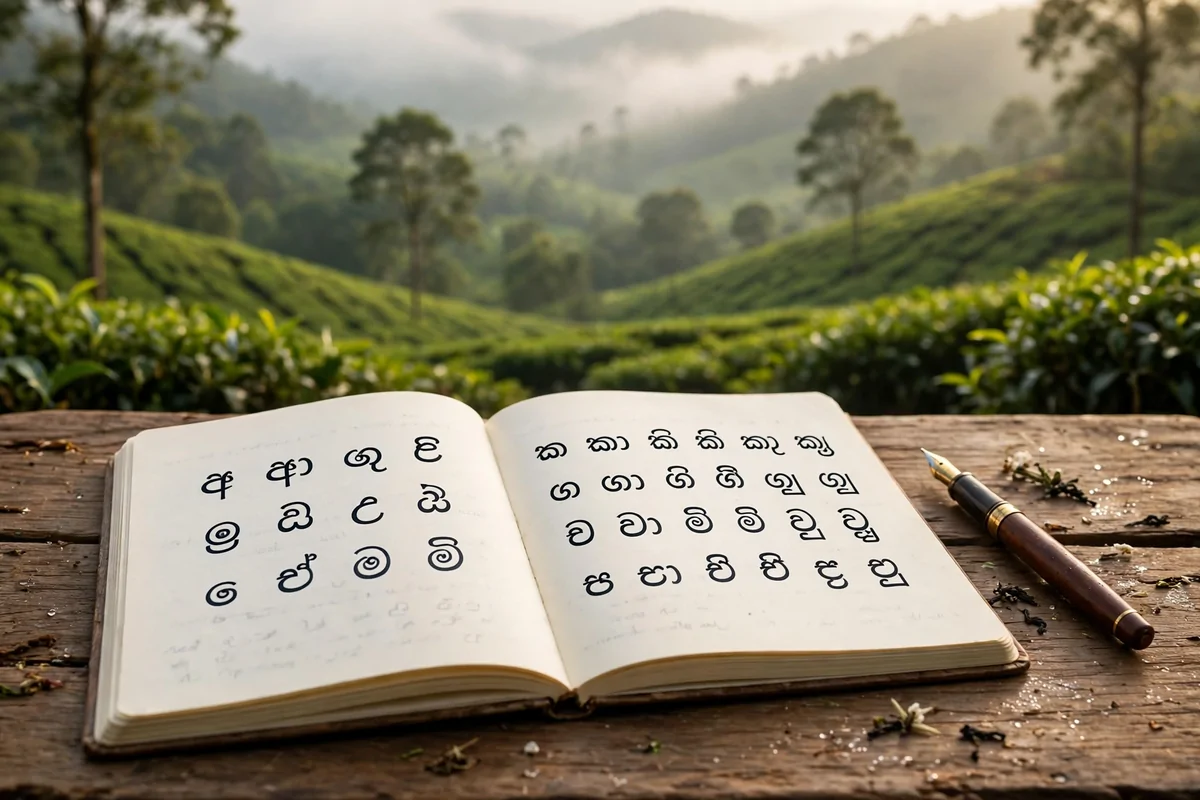
Sinhala is the language of Sri Lanka, a green island full of tea gardens, sandy beaches, and warm smiles. Its script looks like soft curves and round shapes, almost like waves on paper. Many learners fall in love with it at first sight.
Learning Sinhala opens doors to friendly chats at markets, tasty food orders, and slow train rides through green hills. These 30 questions help you think about the best way to learn. There is no single right answer. Pick the path that fits your life and your learning style.
1. Would you rather learn to speak Sinhala first or learn to read the Sinhala script first?
Would you rather...
Speaking first gets you talking fast. You can greet people, order food, and ask simple questions within a few weeks. Your ears learn the sounds, and your mouth learns the shapes of new words. Many learners feel brave quickly when they speak first.
Reading first gives you a strong base. The Sinhala script has lovely round letters, and once you can read them, every sign and menu becomes a small lesson. You can study on your own, anywhere, with a book or a phone.
| Option | What You Gain | What You Give Up |
|---|---|---|
| Speak Sinhala first | Fast real talks with people and quick confidence | You cannot read signs, menus, or books yet |
| Read the Sinhala script first | You can read signs and study alone with books | Real talks come slower and feel harder at first |
2. Would you rather learn 10 new Sinhala words every day or learn one long Sinhala sentence every day?
Would you rather...
Ten new words a day builds a big word bank fast. After one month, you know 300 words. You can name foods, places, and things around your home. It feels like real progress you can count.
One long sentence a day teaches you how words work together. You learn word order, small grammar rules, and natural ways to speak. After a month, you can say 30 full sentences, and each one is ready to use in real life.
- Words are great for naming things fast.
- Sentences are great for real talks.
- Try words on busy days and sentences on quiet days.
3. Would you rather practise Sinhala with a shopkeeper at a market or practise Sinhala with a tea garden worker?
Would you rather...
A market shopkeeper gives you fast, fun practice. You ask prices, pick fruit, and count coins. Every visit is a short lesson with real things in your hands. Markets are busy, loud, and full of new words.
A tea garden worker gives you slow, calm practice. You walk between green rows of tea plants and talk about weather, work, and daily life. The talk is simple and kind, and you have time to think before you speak.
4. Would you rather learn Sinhala food words first or learn Sinhala travel words first?
Would you rather...
Food words make every meal an adventure. You can order rice and curry, ask for spicy or mild food, and say what you like. Food talks happen three times a day, so you practise a lot without trying hard.
Travel words make every trip smooth. You can ask for bus times, find your hotel, and ask which way to the beach. When you travel, these words save time and stop stress.
Pro Tip: Start with food words if you love eating out, and start with travel words if a trip to Sri Lanka is coming soon. The best first words are the ones you will use this week.
5. Would you rather write Sinhala letters by hand every day or type Sinhala words on a phone keyboard?
Would you rather...
Writing by hand helps your memory in a deep way. Your hand learns the round curves of each letter, and your brain links the shape to the sound. A notebook full of Sinhala letters feels like a personal treasure.
Typing on a phone is fast and easy to carry everywhere. You can send messages, search words, and practise in short gaps during the day. The phone keyboard also shows you the letters in order, which helps you learn their names.
| Option | What You Gain | What You Give Up |
|---|---|---|
| Write letters by hand | Strong memory and a real feel for each letter shape | It is slow, and you need paper and a quiet place |
| Type words on a phone | Fast practice anywhere, any time, in short gaps | Your hand never learns the letter shapes |
6. Would you rather learn Sinhala greetings for family or learn Sinhala words for asking directions?
Would you rather...
Family greetings open warm hearts. You can say hello to parents, thank a host, and wish someone a good day. These kind words build trust fast, and people smile when you use them.
Direction words open the map. You can ask where the beach is, how far the market is, and which road leads to the train station. When you can find your way, you feel free and calm in a new place.
- Family words: hello, thank you, good morning, welcome.
- Direction words: left, right, near, far, straight ahead.
- Learn the five words you need most this week, then add five more.
7. Would you rather listen to Sinhala conversations on a train or read a simple Sinhala storybook?
Would you rather...
Listening on a train trains your ears. You hear real speed, real sounds, and real everyday talk. At first it sounds fast, but week by week you start to catch words you know. Train rides turn into free lessons.
Reading a storybook trains your eyes and your patience. You can stop, look up a word, and read a line again. Simple stories teach you new words inside fun tales, and finishing a whole book feels like a big win.
8. Would you rather learn the Sinhala words for colours or learn the Sinhala words for numbers?
Would you rather...
Colour words make your speech bright. You can describe a blue sea, a green hill, a red flower, or a yellow mango. Colours help you talk about clothes, food, and nature in a fun way.
Number words make daily life easy. You can count money, tell the time, ask prices, and say your age. Numbers show up in almost every talk, from shopping to bus tickets.
Things to think about:
- Numbers help you buy things and pay the right price.
- Colours help you describe the world and tell stories.
- Which group would you use more in your first week in Sri Lanka?
9. Would you rather speak only Sinhala for one full day or write a short Sinhala diary every night for a month?
Would you rather...
One full day of only Sinhala is a bold test. You must think in Sinhala, ask for things in Sinhala, and fix mistakes on the spot. It is hard, but one brave day can lift your confidence a lot.
A short diary every night is slow and steady. You write three or four lines about your day: what you ate, where you went, and how you felt. After a month, you can look back and see how far your Sinhala has grown.
Important Note: The diary works best when you keep it very short. Three simple lines every night beat one long page once a week. Small daily steps win over big rare efforts.
10. Would you rather learn Sinhala words for beach days or learn Sinhala words for rainy days?
Would you rather...
Beach words are full of joy. You learn words for sand, sea, waves, boats, and sunshine. Sri Lanka has many lovely beaches, and beach talks are relaxed and happy.
Rainy day words are full of calm. You learn words for rain, clouds, umbrellas, warm tea, and staying inside. Rain is common in Sri Lanka, so these words get used a lot in real life.
- Beach words help you enjoy holidays and sea trips.
- Rain words help you talk about weather every single day.
- Both sets are small, so you can learn both in one week.
11. Would you rather remember Sinhala words with picture cards or remember them with funny word pictures in your head?
Would you rather...
Picture cards are simple and clear. You see a picture of a mango, and you see the Sinhala word next to it. You can carry the cards, test yourself, and sort them into easy and hard piles.
Funny pictures in your head are strange but strong. You link a new word to a silly image, like a cat wearing a hat, and your brain holds on to it. The sillier the picture, the longer you remember the word.
12. Would you rather learn to order food in Sinhala at a small cafe or learn to buy fruit at a street market in Sinhala?
Would you rather...
Ordering at a small cafe is calm and clear. You sit down, look at the menu, and ask for tea, rice, or a snack. The cafe owner has time to help you, and you can point at things when words fail.
Buying fruit at a street market is fast and lively. You ask prices, pick fresh mangoes and bananas, and count your change. The market teaches you numbers, colours, and polite bargaining in one visit.
| Option | What You Gain | What You Give Up |
|---|---|---|
| Order food at a small cafe | Calm practice with a menu and time to think | You miss the fast number practice of a market |
| Buy fruit at a street market | Fast practice with numbers, colours, and prices | It can feel rushed when the market is busy |
13. Would you rather practise Sinhala pronunciation for 10 minutes every morning or practise for one long hour every Sunday?
Would you rather...
Ten minutes every morning keeps your mouth in shape. Short daily practice builds good habits, and the sounds stay fresh in your mind. It is easy to fit into a busy day.
One long hour every Sunday gives you deep focus. You can repeat hard sounds many times, read aloud, and listen closely. A quiet Sunday hour can fix sounds that daily practice misses.
Most learners do best with a mix: short practice on weekdays and a longer session on the weekend. Try both and see which one you actually keep doing after two weeks.
14. Would you rather learn Sinhala words for animals or learn Sinhala words for plants and trees?
Would you rather...
Animal words are fun for kids and adults alike. You can name elephants, monkeys, birds, and sea creatures. Sri Lanka is full of wildlife, so animal words pop up on trips, in parks, and near the sea.
Plant words open up nature talks. You can name coconut trees, tea plants, rice fields, and bright flowers. These words help you enjoy walks in gardens, hills, and green villages.
Warning: Do not try to learn every animal and plant name at once. Pick ten favourites first. A small set you truly remember is worth more than a long list you forget.
15. Would you rather ask a local person in Sinhala for help or find your way with a map and Sinhala street signs?
Would you rather...
Asking a local person is warm and human. You get help, a smile, and maybe a short friendly chat. People in Sri Lanka are often glad to help a learner, and each ask builds your courage.
Using a map and street signs is quiet and independent. You read Sinhala letters on real signs, follow the road, and reach your place on your own. It turns the whole town into a reading lesson.
- Asking people teaches you speaking and listening.
- Reading signs teaches you the script and new place words.
- Brave learners do both: read the sign first, then ask a person to check.
16. Would you rather learn Sinhala words for morning routines or learn Sinhala words for bedtime routines?
Would you rather...
Morning words start your day in Sinhala. You can talk about waking up, washing your face, eating breakfast, and getting ready. Morning words get used every single day, so they stick fast.
Bedtime words end your day in Sinhala. You can talk about dinner, brushing your teeth, reading a book, and saying good night. Bedtime words are calm and cosy, and they pair well with a short diary.
17. Would you rather learn to count money in Sinhala or learn to tell the time in Sinhala?
Would you rather...
Counting money helps you in shops, markets, and cafes. You can check prices, pay the right amount, and count your change with confidence. Money words turn every purchase into practice.
Telling the time helps you plan your day. You can ask when the bus leaves, when a shop opens, and what time dinner starts. Time words keep you on schedule and make your plans clear.
| Option | What You Gain | What You Give Up |
|---|---|---|
| Count money in Sinhala | Confident shopping and correct change every time | You still need a clock or phone for times |
| Tell the time in Sinhala | Clear plans for buses, shops, and meals | Money talks stay harder without number practice |
18. Would you rather learn Sinhala words for the sea and fishing boats or learn Sinhala words for hills and tea gardens?
Would you rather...
Sea words bring the coast to life. You can talk about waves, sand, fishing boats, and fresh fish. The sea is a big part of life in Sri Lanka, and sea words make beach trips richer.
Hill words bring the green highlands to life. You can talk about tea plants, cool air, misty mornings, and long train rides. Tea gardens are quiet and lovely, and hill words help you enjoy them fully.
Pro Tip: Learn the words for the place you will visit first. Sea words for a beach trip, hill words for a train ride through the tea country. Real trips make words stick.
19. Would you rather study Sinhala grammar rules first or learn Sinhala by copying everyday sentences?
Would you rather...
Grammar rules give you a clear map. You learn how sentences are built, where words go, and why endings change. With rules, you can build your own sentences with confidence.
Copying everyday sentences gives you real language fast. You repeat what local people say, and the patterns sink in on their own. It feels natural, like learning to talk as a child does.
Things to think about:
- Rules help you fix mistakes and understand why.
- Copying helps you speak smoothly and sound natural.
- Many learners copy first and study rules later, once they can speak a little.
20. Would you rather learn Sinhala words for cooking at home or learn Sinhala words for eating at a friend’s home?
Would you rather...
Cooking words turn your kitchen into a classroom. You learn words for rice, spices, vegetables, and pots. Every meal you cook becomes practice, and the smells and tastes help you remember.
Eating at a friend’s home teaches you polite words and warm manners. You learn how to thank the host, praise the food, and ask for a little more. These words build friendships and good memories.
21. Would you rather learn to read Sinhala shop signs or learn to read Sinhala bus timetables?
Would you rather...
Shop signs are everywhere and fun to read. Each sign teaches you new words for food, clothes, and services. When you can read a shop sign, the whole street becomes your teacher.
Bus timetables are useful and practical. You learn place names, numbers, and time words all at once. Reading a timetable well means you never miss a bus.
- Shop signs: open, closed, food, clothes, fresh, sale.
- Bus timetables: place names, times, numbers, platform words.
- Start with the signs you see every day on your own street.
22. Would you rather practise Sinhala with children at a park or practise Sinhala with an elderly neighbour?
Would you rather...
Children at a park are playful and patient. They speak slowly, use simple words, and love games. Playing and talking with children makes practice feel like fun, not study.
An elderly neighbour is calm and wise. They tell stories about old times, share local words, and speak with care. Chatting with a neighbour builds a real bond and teaches you polite, gentle speech.
23. Would you rather learn Sinhala words for weather or learn Sinhala words for seasons?
Would you rather...
Weather words are useful every day. You can talk about sun, rain, wind, and clouds. Weather is the easiest topic to start a friendly chat, anywhere in the world.
Season words help you plan and dream. You can talk about hot months, rainy months, and the best time to visit the beach or the hills. Season words help you understand life across the whole year.
| Option | What You Gain | What You Give Up |
|---|---|---|
| Weather words | A friendly topic for a chat every single day | You miss words for planning trips across the year |
| Season words | Words for planning trips and the whole year | Daily small talk about today stays harder |
24. Would you rather learn to say sorry and thank you in Sinhala perfectly or learn to make small jokes in Sinhala?
Would you rather...
Perfect sorry and thank you words show respect and kindness. People notice good manners fast, and polite words open doors in every home and shop. These small words carry a big heart.
Small jokes bring laughter and closeness. A light joke about the weather or the food makes people smile and relax. Humour helps you make friends and feel part of the group.
- Polite words: sorry, thank you, please, excuse me.
- Jokes need good timing and simple words to work well.
- Learn polite words first, then add one small joke at a time.
25. Would you rather learn Sinhala words for trains and buses or learn Sinhala words for walking around a town?
Would you rather...
Train and bus words make travel easy. You can buy tickets, ask about stops, and find the right platform. Sri Lanka has lovely train rides through hills and along the coast, and these words make them smooth.
Walking words make town life easy. You can ask for the nearest shop, find a park, and explore small streets. Walking slowly lets you read signs, greet people, and see daily life up close.
Important Note: On a train, learn these first: ticket, station, stop, and platform. On foot, learn these first: near, far, left, right, and straight ahead. Ten words can carry you far.
26. Would you rather keep a Sinhala word notebook or keep a Sinhala voice notebook with recordings?
Would you rather...
A word notebook is simple and safe. You write new words, their meanings, and a sample sentence. Flipping back through old pages shows you how much you have learned.
A voice notebook with recordings trains your ear and your mouth. You record yourself saying new words, listen back, and hear your progress. Hearing your own voice grow clearer week by week is a joy.
Many learners keep both: a small paper notebook for words and a phone folder for short voice notes. The two together cover reading, writing, speaking, and listening.
27. Would you rather learn Sinhala words for clothes or learn Sinhala words for body parts?
Would you rather...
Clothes words help you shop and describe people. You can ask for a shirt, pick a colour, and talk about sizes. Clothes words are handy at markets and shops.
Body part words help you talk about health and feelings. You can say your head hurts, your foot is tired, or your eyes are sleepy. These words matter when you need help or care.
Things to think about:
- Clothes words get used when you shop or pack a bag.
- Body words get used when you talk about health or exercise.
- Which set would help you more in a real week in Sri Lanka?
28. Would you rather learn to describe your day in Sinhala or learn to describe your dream holiday in Sinhala?
Would you rather...
Describing your day is practical and daily. You can tell a friend what you ate, where you went, and who you met. Day words are real and fresh, so they stick in your memory.
Describing your dream holiday is fun and full of hope. You can talk about beaches, hills, trains, and food you want to try. Dream words keep you excited about learning, even on hard days.
29. Would you rather learn Sinhala words for holidays and family gatherings or learn Sinhala words for school and work?
Would you rather...
Holiday words are warm and joyful. You can talk about family meals, gifts, games, and time together. These words connect you to the heart of Sri Lankan home life.
School and work words are useful and clear. You can talk about lessons, jobs, meetings, and plans. These words help you study, work, and talk with colleagues in Sinhala.
| Option | What You Gain | What You Give Up |
|---|---|---|
| Holiday and family gathering words | Warm words for family meals and joyful times | Work and study talks stay harder for now |
| School and work words | Clear words for lessons, jobs, and plans | Family celebration talks stay harder for now |
30. Would you rather learn Sinhala slowly for one year or learn Sinhala fast in three busy months?
Would you rather...
Learning slowly for one year is calm and lasting. You study a little each day, repeat old words, and let the language grow like a tea plant. Slow learning builds deep roots that do not fade.
Learning fast in three busy months is bold and exciting. You study every day, talk a lot, and push yourself hard. Fast learning gives you quick results, and you can start real talks sooner.
Pro Tip: The best speed is the one you can keep. A slow plan you finish beats a fast plan you quit. Pick a pace that fits your life, then show up for it every day.
No matter which choices you picked, you are on a lovely path. Sinhala is a warm language from a warm island, and every word you learn brings you closer to its people, its food, and its green hills. Start with one question from this list today, try the answer in real life, and keep going one small step at a time.
More Would You Rather Questions
- 22 Nepali Language Would You Rather Questions From the Himalayas
- 18 Kannada Language Would You Rather Questions About Regional Speech
- 40 Malayalam Language Would You Rather Questions for Curious Learners
- 34 Telugu Language Would You Rather Questions for Language Fans
- 28 Tamil Language Would You Rather Questions From One of the World’s Oldest Traditions
- 23 Marathi Language Would You Rather Questions for Curious Learners
- 25 Gujarati Language Would You Rather Questions for Language Enthusiasts
- 35 Punjabi Language Would You Rather Questions About Words and Expressions
- 14 Bengali Language Would You Rather Questions for Curious Minds
- 13 Hindi Language Would You Rather Questions for Global Learners